
Last updated on August 19th, 2026 at 04:15 pm
Your backyard could be your dog's favorite place on earth—not just a patch of grass they use for quick bathroom breaks. Active dogs need room to run, explore, and burn off energy in ways that keep them happy and healthy. With a few thoughtful upgrades, you can turn that ordinary yard into a canine adventure zone.
Think beyond a simple fence and a water bowl. The best backyard dog areas are designed with your dog's natural instincts in mind: digging, chasing, splashing, and sniffing.
Whether you have a small city yard or a sprawling suburban lot, there's an idea here that fits. These 10 ideas range from simple DIY projects to more involved installations.
1. DIY Agility Course for Daily Exercise
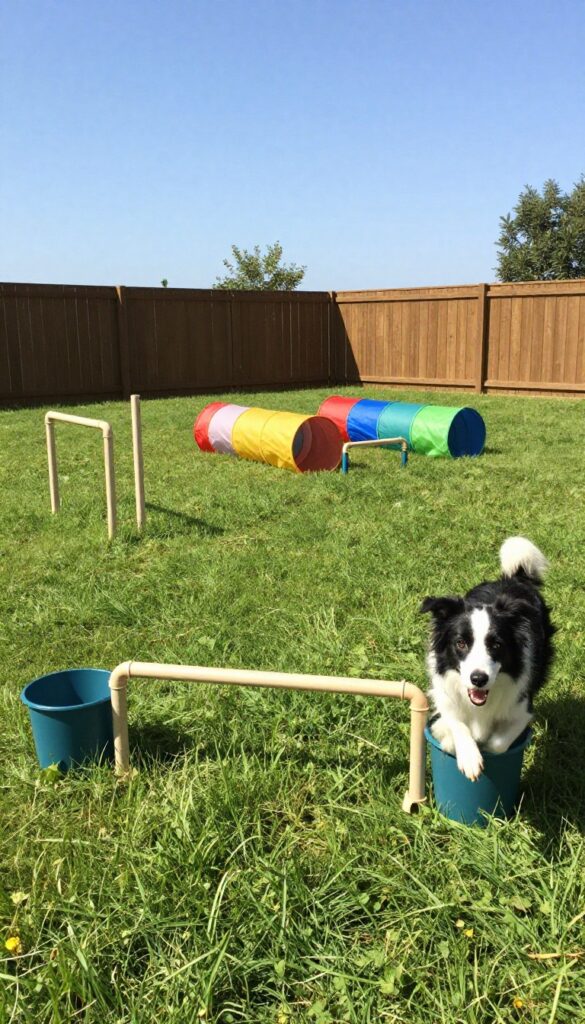
Setting up an agility course in your backyard doesn't require professional equipment or a big budget. With a few PVC pipes, some old tires, and a little creativity, you can build jumps, tunnels, and weave poles that challenge your dog both physically and mentally. The best part?
You can rearrange the layout whenever your dog masters a sequence, keeping the course fresh and engaging.
A DIY agility course is perfect for high-energy breeds like Border Collies, Australian Shepherds, or Jack Russell Terriers, but any dog that loves to move will benefit. Start with simple jumps using PVC pipes resting on buckets or low hurdles made from broomsticks. Add a tunnel made from a children's play tunnel or a reinforced cardboard tube.
Weave poles can be created by sticking PVC pipes into the ground or using cones. Always supervise your dog and keep jumps low to avoid injury. Reward with treats and praise to build confidence.
Building Basic Obstacles
For jumps, cut a 4-foot PVC pipe and place it on two 5-gallon buckets or stack of bricks. For weave poles, use 6-foot PVC pipes stuck into the ground about 2 feet apart. A tunnel can be a children's collapsible tunnel from a toy store.
Make sure all edges are smooth and secure to prevent tipping.
Training Tips For Success
Introduce one obstacle at a time. Use a clicker or verbal marker to reward your dog for interacting with each piece. Keep sessions short—5 to 10 minutes—to maintain enthusiasm.
Gradually chain obstacles together as your dog becomes confident.
Keeping It Safe And Fun
Always warm up your dog with a short walk or gentle play before starting. Check the course for sharp edges or unstable parts. Avoid running your dog on wet or slippery surfaces.
Rotate obstacles every few weeks to prevent boredom.
2. Digging Pit to Save Your Lawn
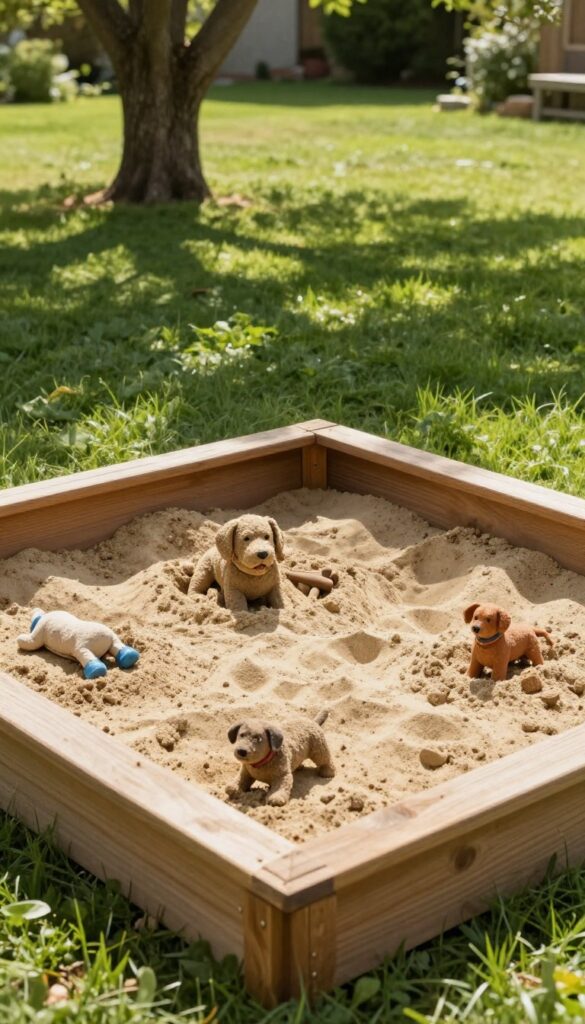
If your dog treats your flower beds like an archaeological dig site, a designated digging pit is the solution you need. Instead of fighting the instinct, give it a proper outlet. A sandbox or dirt pit becomes your dog's personal excavation zone, and with a little training, they'll learn to dig there instead of your prized petunias.
Build The Pit
Choose a spot that's partly shaded to keep the sand from getting too hot. Dig out a shallow area about 4×4 feet and line it with landscape fabric to prevent weeds. Fill it with play sand or loose topsoil—avoid construction sand, which can be dusty.
Use timber or rubber edging to keep the sand contained.
Make It Irresistible
Bury toys, bones, or treats a few inches deep so your dog discovers them while digging. Rotate the buried items to keep the pit interesting. You can also hide a favorite ball or a Kong filled with peanut butter.
The more rewarding the pit, the more your dog will choose it over your garden.
Train The Habit
Lead your dog to the pit on a leash and encourage them to dig with a command like 'dig here. ' When they start digging in the pit, praise and reward. If you catch them digging elsewhere, interrupt calmly and redirect to the pit. Consistency is key—within a week or two, most dogs get the idea.
3. Splash Zone for Water-Loving Dogs
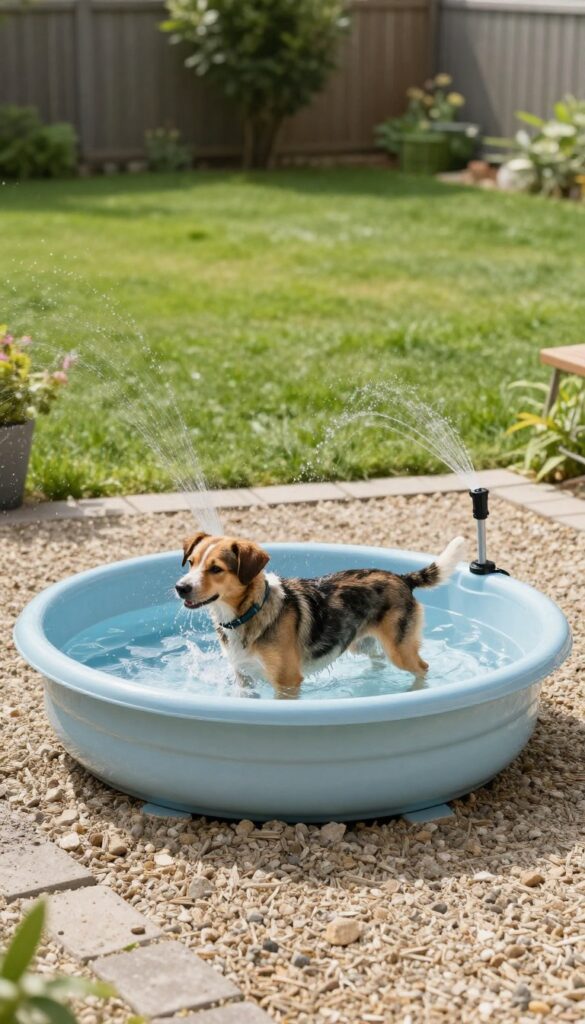
Some dogs live for water—they’ll leap into any puddle, lake, or kiddie pool without hesitation. If yours is one of them, a dedicated splash zone keeps them cool and entertained without turning your entire yard into a mud pit. A few simple additions can turn a corner of your backyard into a canine water park.
A splash zone is more than just a pool; it’s a controlled area where your dog can indulge their love of water safely. Start with a shallow, sturdy kiddie pool or a prefabricated dog pool with a non-slip bottom. Place it on a patch of gravel or pavers to prevent grass from turning to mud.
For extra fun, add a dog-friendly sprinkler system—a simple oscillating sprinkler on a timer or a motion-activated sprayer that triggers when your dog runs past. Always supervise water play and provide fresh drinking water nearby. Rinse your dog after swimming to remove chlorine or debris, and drain the pool daily to prevent mosquitoes.
Choosing The Right Pool
Look for a pool that’s easy to clean and durable. Hard plastic kiddie pools work well for small to medium dogs, while larger breeds may need a heavy-duty stock tank or an inflatable pool with reinforced seams. Avoid pools with sharp edges or toxic materials.
A shallow depth—6 to 12 inches—is plenty for splashing and cooling off.
Sprinkler Fun On Hot Days
A sprinkler attachment designed for dogs can turn your splash zone into an interactive game. Some models have multiple spray patterns or are shaped like toys that pop up. Position the sprinkler on a grassy area or a patch of artificial turf so your dog can run through it without slipping.
Set it on a timer to avoid wasting water.
Maintenance And Safety Tips
Change the water daily to keep it clean and free of bacteria. Use a pool cover when not in use to keep out leaves and insects. Always provide shade nearby—a canopy or tree works well.
Never leave your dog unsupervised in or near water, especially if they’re not strong swimmers. Rinse their coat after play to prevent skin irritation from chlorine or dirt.
4. Shaded Rest Area with Cooling Features
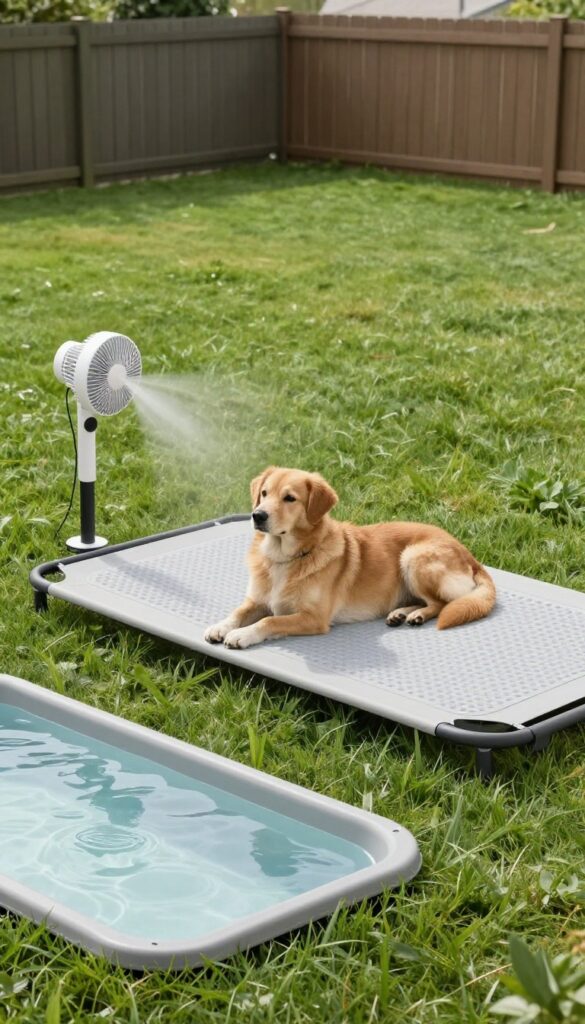
After a long play session, your dog needs a cool, comfortable spot to recharge. Direct sun can quickly lead to overheating, especially for active breeds. A dedicated shaded rest area with cooling features gives your pup a safe place to relax without having to go inside.
A shaded rest area doesn't have to be complicated. Start with a simple canopy, shade sail, or even a large umbrella over a patio corner. The key is to keep the space out of direct sunlight during peak heat hours.
Add a cooling mat or elevated cot bed to allow air to circulate underneath. For extra relief on scorching days, consider a misting fan or a small kiddie pool nearby. Position the rest area close to your dog's favorite play zone so they can easily transition from running to resting.
Choosing The Right Shade Structure
Permanent structures like a pergola with a retractable canopy offer year-round shade. For a budget-friendly option, a heavy-duty shade sail anchored to fence posts works well. Make sure the structure is sturdy enough to withstand wind and provides enough coverage for your dog to lie down fully in the shade.
Cooling Mats And Elevated Beds
Cooling mats use gel or water to absorb body heat and stay cool without refrigeration. Elevated beds lift your dog off the hot ground, allowing air to flow underneath. Both options are portable and easy to clean.
Look for chew-resistant materials if your dog likes to gnaw on things.
Adding A Misting Fan Or Water Feature
A misting fan attached to a garden hose can lower the ambient temperature by several degrees. Set it on a timer so it runs during the hottest part of the day. Alternatively, a shallow splash pool nearby lets your dog cool off before settling into the shaded area.
5. Sniffing Garden for Mental Stimulation
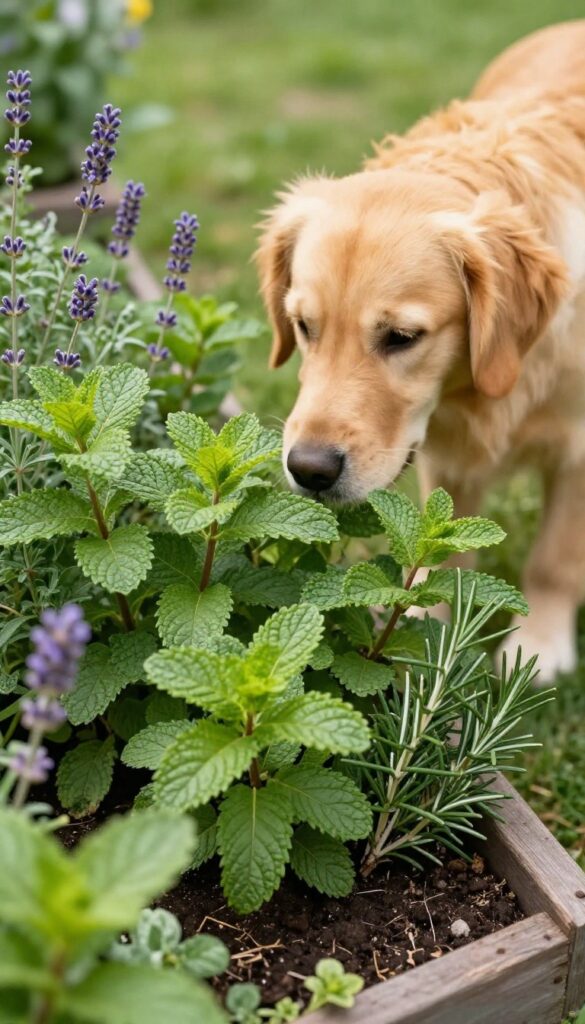
A sniffing garden is like a playground for your dog's nose. Instead of a plain patch of grass, dedicate a raised bed or a corner of the yard to dog-safe plants with strong, interesting scents. Mint, rosemary, lavender, and thyme are all safe choices that release their fragrance when brushed against or stepped on.
This isn't just a pretty garden—it's a mental workout that can tire out your dog faster than a long run.
Dogs experience the world primarily through their noses. A sniffing garden taps into that natural instinct, providing a low-impact but highly engaging activity. It's perfect for rainy days when you can't go for a walk, or for senior dogs who need gentler exercise.
The garden becomes a living puzzle that changes with the seasons.
Choosing The Right Plants
Stick with dog-safe herbs and flowers. Avoid toxic plants like lilies, tulips, or azaleas. Good options include basil, sage, chamomile, and catnip (which many dogs enjoy too).
Plant them in a raised bed or large containers so you can control the soil and keep the garden tidy. Choose a sunny spot and mix different textures—soft leaves, rough stems, and crumbly soil—for extra sensory variety.
Designing For Exploration
Arrange the plants in clusters or winding paths so your dog can weave through them. Leave some bare dirt patches where you can hide treats or scatter kibble for a foraging game. Add a few low rocks or logs to create obstacles that encourage sniffing and problem-solving.
The goal is to make the space feel like a mini wilderness, not a manicured flower bed.
Maintenance And Safety Tips
Check plants regularly for signs of damage or disease, and remove any that become trampled. Avoid using chemical fertilizers or pesticides—stick with organic compost and natural pest control like neem oil. Rinse the garden with water if your dog urinates on the plants, and replace any that get over-chewed.
Rotate the layout every few months to keep the scents fresh and interesting.
6. Fetch Lane with Minimal Obstacles
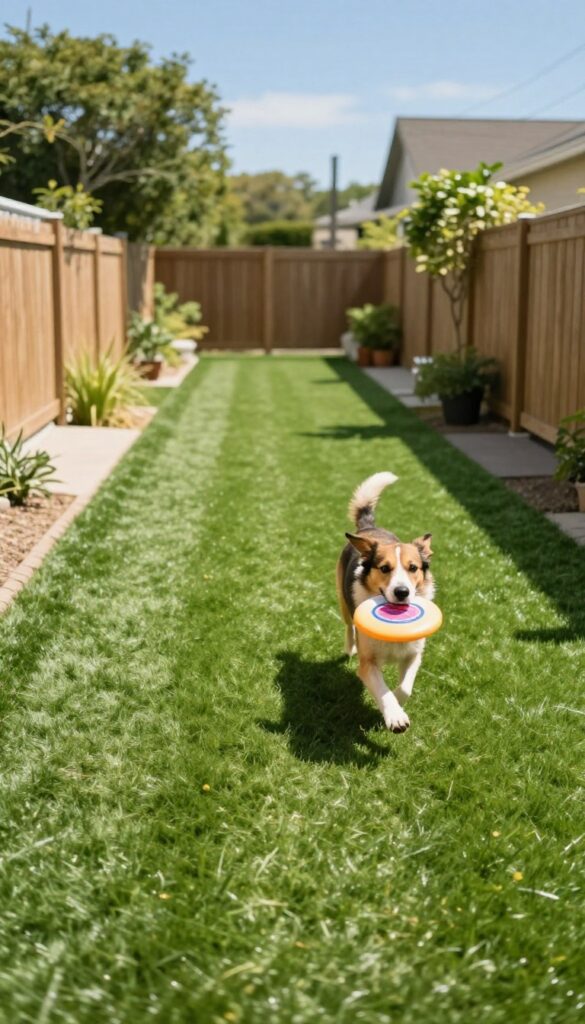
For dogs that live for a game of fetch, a dedicated lane makes all the difference. Instead of throwing into bushes or uneven ground, create a clear, straight path where your dog can sprint full speed without worry. This setup works great for frisbee lovers too, giving them a predictable runway for those epic catches.
A fetch lane doesn't need to be fancy—just long, straight, and safe. Aim for at least 30 to 50 feet if your yard allows. Clear the area of rocks, roots, and any tripping hazards.
The surface matters: natural grass gets muddy and worn down fast, so consider artificial turf or a clover lawn. Both stay green with minimal upkeep and provide good traction. If you really want to up the fun, install a ball launcher at one end.
These automatic throwers let your dog play fetch even when you're busy, and they're great for high-energy breeds that never seem to tire.
Surface Choices That Last
Artificial turf is the gold standard for fetch lanes—it stays even, drains well, and won't turn into a mud pit. Clover is a natural alternative that's soft, durable, and requires less water than grass. Avoid gravel or mulch, which can hurt paws or get kicked up during play.
Adding A Ball Launcher
A ball launcher turns your lane into an automatic fetch machine. Look for models with adjustable distance and angle so you can vary the throws. Place it at one end with a clear backstop like a fence or net to prevent balls from bouncing away.
Your dog will learn the routine quickly, and you'll get a break from throwing.
Safety And Maintenance Tips
Check the lane regularly for debris and fill any holes or dips. If using artificial turf, rinse it occasionally to remove odors. Keep the area shaded if possible to prevent overheating during summer play.
And always have fresh water nearby—fetch is intense exercise.
7. Climbing Structure for Agile Breeds
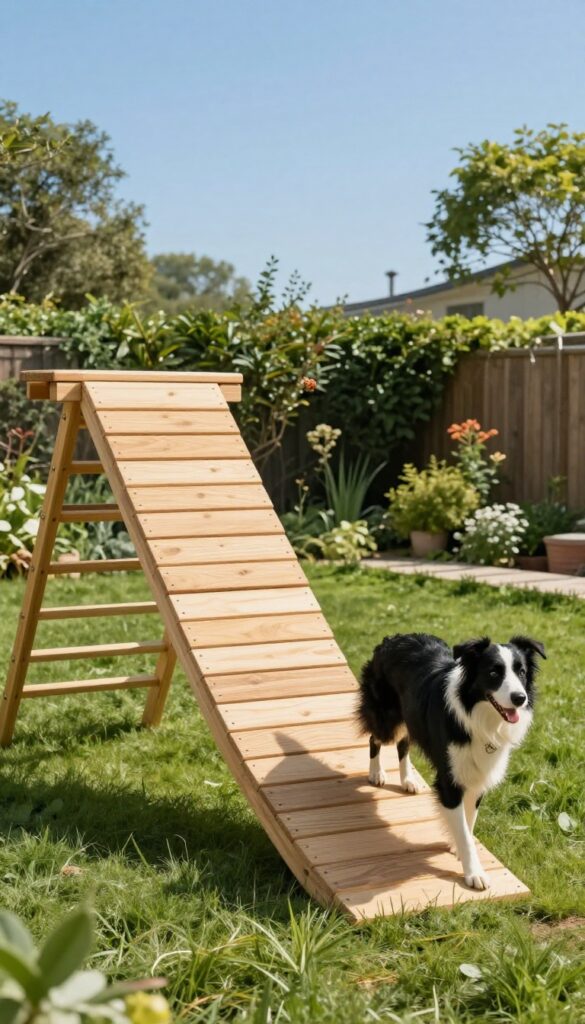
Some dogs are natural athletes—they love to leap, scramble, and conquer obstacles. A climbing structure gives them a safe outlet for that energy while building confidence and coordination. You don't need a full agility course; a simple low A-frame, ramp, or balance beam can transform your yard into a training ground.
Start with a sturdy A-frame that's no more than 4 feet high at the peak, with wide planks and a non-slip surface like rubber matting or textured paint. Place it on grass or soft mulch to cushion any tumbles. Add a ramp at a gentle angle and a low balance beam (just a few inches off the ground) for variety.
Introduce your dog slowly with treats and praise, and always supervise until they're comfortable. Breeds like border collies, Australian shepherds, and Jack Russell terriers thrive on this kind of mental and physical challenge.
Safety First
Use only non-toxic, weather-resistant materials. Sand all edges smooth and check for splinters regularly. Soft landing zones are non-negotiable—think grass, rubber mulch, or a thick layer of wood chips.
Avoid concrete or hard-packed dirt underneath.
Training Tips
Start on the ground with a flat plank to build confidence. Gradually raise it an inch or two at a time. Use a target mat or a treat at the end to encourage your dog to walk the full length.
Keep sessions short and fun—5 to 10 minutes is plenty.
Diy Vs. Store-bought
You can build a simple climbing structure from plywood and 2x4s for under $50. Or buy a pre-made agility kit if you want something adjustable and portable. Either way, make sure it's stable enough to handle an enthusiastic dog's weight.
8. Tether Tug Station for Solo Play
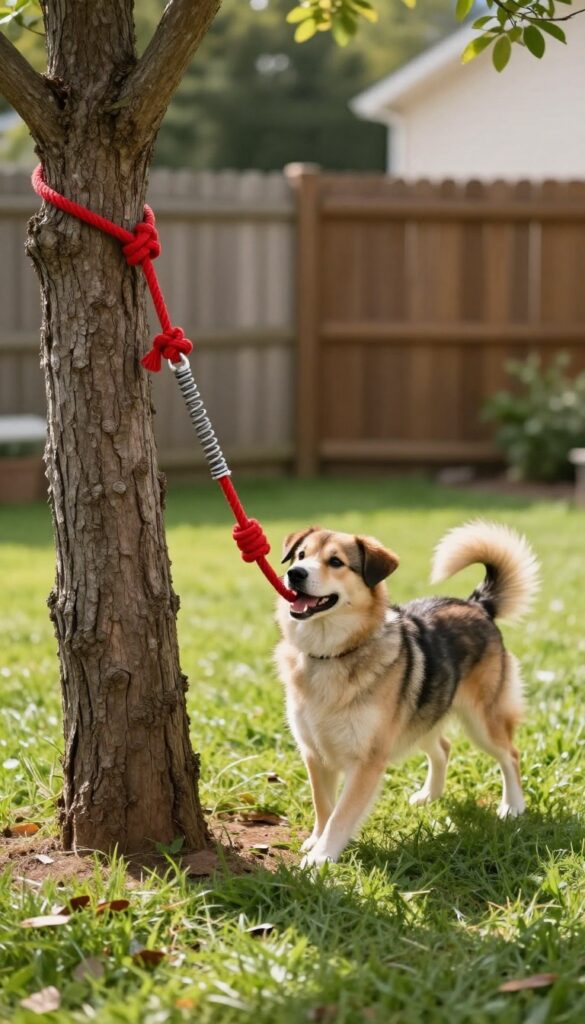
Not every play session requires your full participation. A tether tug station lets your dog engage in vigorous tug-of-war or chase a flirt pole without needing you on the other end. It's a simple setup that turns a tree or post into an interactive toy, perfect for burning off that extra energy while you sip coffee or garden nearby.
A tether tug station is a game-changer for high-energy dogs. By attaching a tug toy or flirt pole to a sturdy anchor, your dog can initiate play whenever the mood strikes. This independent play option is especially useful when you're busy but still want your pup to get a good workout.
The constant pulling and tugging engages their muscles and satisfies their natural prey drive, all without wearing out your arm.
Choosing The Right Anchor
The key to a safe tether tug station is a solid anchor. A thick tree trunk, a heavy-duty ground stake, or a reinforced post set in concrete all work well. Avoid flimsy fences or lightweight poles that could tip over.
Use a heavy-duty spring or bungee cord between the anchor and the toy to absorb shock and reduce strain on your dog's neck.
Toy Options For Maximum Fun
You can attach almost any tug toy, but a flirt pole with a lure at the end is a top choice for chase-loving dogs. Alternatively, a knotted rope toy or a rubber tug with a handle works great for a classic tug-of-war. Rotate toys to keep the station novel and exciting.
Always check for wear and tear to prevent parts from breaking off.
Safety And Supervision Tips
While the tether tug station is for solo play, occasional supervision is wise. Make sure your dog doesn't get tangled in the rope or line. Position the station away from obstacles where your dog could run into something.
Start with short sessions to see how your dog interacts with the setup, and never leave them unattended for long periods.
9. Secure Perimeter with Dig-Proof Barriers
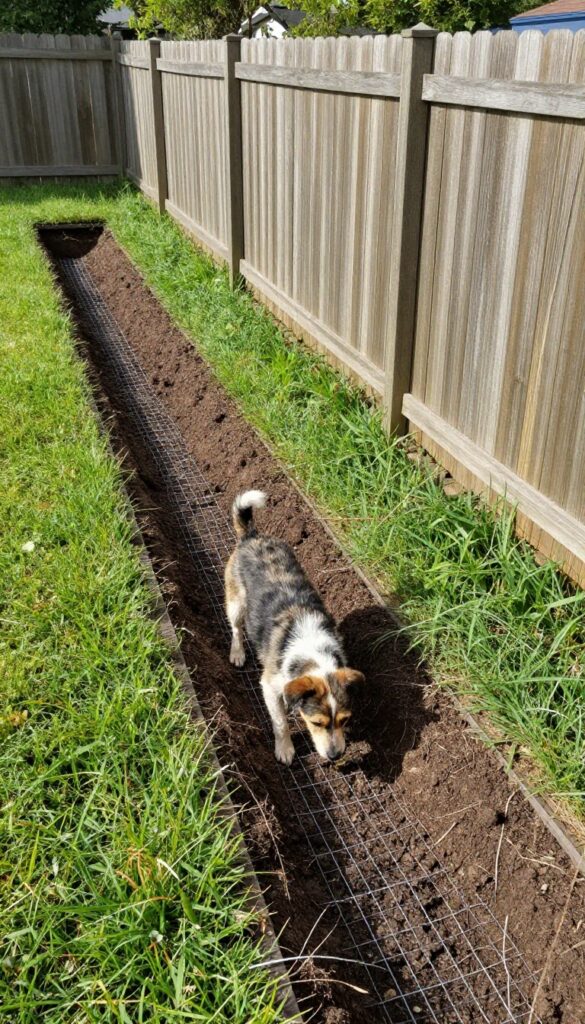
Active dogs are natural explorers, and many are gifted escape artists. A standard fence might keep a calm dog in, but a determined digger can tunnel under in minutes. Reinforcing your yard's perimeter with buried barriers gives you peace of mind and keeps your pup safe from traffic, neighbors, or wandering off.
Dig-proof barriers are a smart investment for any active dog owner. They prevent escapes, reduce stress, and save you from constant fence repairs. Here's how to choose and install them effectively.
Why Digging Happens
Dogs dig for many reasons: boredom, prey drive, cooling off, or just instinct. Active breeds like terriers, huskies, and shepherds are especially prone. Understanding why your dog digs helps you address the behavior alongside physical barriers.
Best Barrier Options
The most common dig-proof solutions include buried wire mesh (hardware cloth) extending 1-2 feet below ground, concrete footer along the fence line, or L-footer mesh that angles outward underground. Each has pros and cons in cost and difficulty.
Installation Tips
For wire barriers, dig a trench 12-18 inches deep along the fence, lay the mesh, and backfill. Bend the bottom edge outward to create an L-shape—this makes it harder for dogs to dig straight down. Concrete footers are more permanent but require more labor.
Combine With Training
Barriers work best when paired with redirection. Provide designated digging areas (like a sandbox) and plenty of exercise. A tired dog is less likely to test the fence.
Check barriers regularly for wear or attempted tunnels.
10. Multi-Dog Zone with Separate Entrances
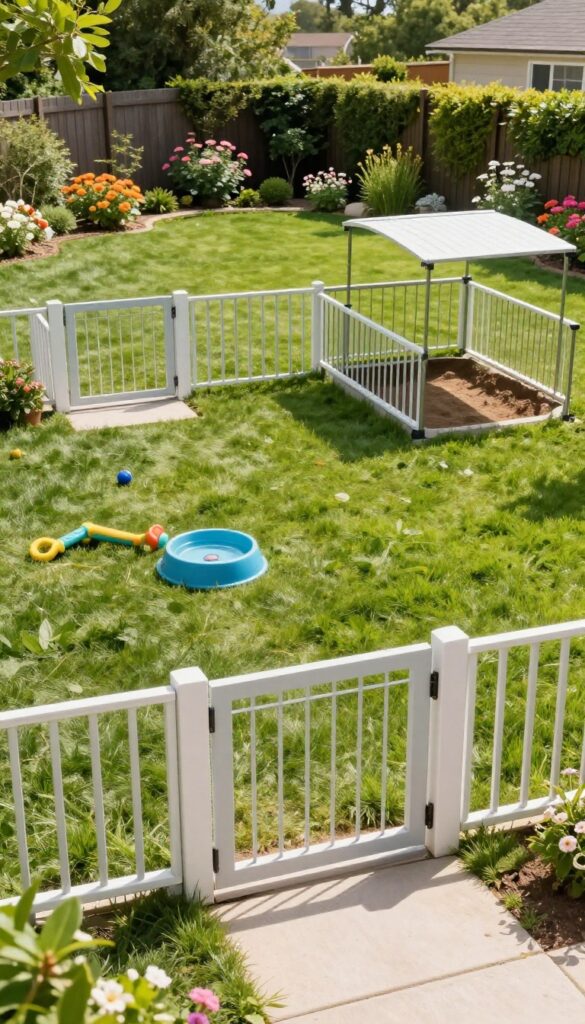
Living with multiple dogs is a joy, but it can also bring territorial squabbles over resources like food, water, and toys. A thoughtfully designed multi-dog zone reduces conflict by giving each pup their own space and separate access points. This setup keeps the peace and lets every dog feel secure.
When you have more than one dog, the backyard can become a stage for resource guarding. The solution is simple: create separate areas with their own gates or paths. This way, each dog can enter and exit without feeling crowded.
Add multiple water stations and toy caches to minimize competition. The result is a harmonious yard where every dog can relax and play without stress.
Why Separate Entrances Matter
Dogs are territorial by nature. A single gate can become a bottleneck where one dog feels trapped or another feels threatened. Separate entrances allow each dog to come and go on their own terms.
This reduces anxiety and prevents confrontations before they start. It's especially important for dogs that are new to each other or have a history of resource guarding.
Setting Up Multiple Zones
You don't need a huge yard to create zones. Use low fences, planters, or even painted lines to define areas. Each zone should have its own water bowl and a few toys.
Rotate the toys regularly to keep things interesting. If you have a dog that loves to dig, give them a designated digging pit away from the others. This gives each dog a sense of ownership and reduces turf wars.
Managing Feeding Time Outdoors
Feeding multiple dogs in the same yard can trigger guarding. Set up separate feeding stations in different zones, at least 10 feet apart. Use slow-feed bowls to extend meal times and reduce gulping.
Supervise the first few outdoor meals to ensure everyone stays calm. Over time, your dogs will learn that mealtime is safe and predictable, not a competition.
FAQ
What is the best ground cover for an active dog yard?
Artificial turf is durable and easy to clean, but clover or Bermuda grass are good natural options that withstand heavy traffic. Avoid cocoa mulch, which is toxic to dogs.
How can I keep my dog cool in the backyard during summer?
Provide plenty of shade with a canopy or trees, set up a kiddie pool, and use cooling mats or misting fans. Always ensure fresh water is available.
Is it safe to build a DIY agility course?
Yes, as long as you use smooth edges, non-toxic materials, and proper heights. Start low and supervise your dog to prevent injuries.
How do I stop my dog from digging under the fence?
Bury chicken wire or concrete pavers along the fence line. You can also create a designated digging pit to redirect the behavior.
What plants are safe for a sniffing garden?
Dog-safe options include mint, rosemary, basil, lavender, and sunflowers. Avoid toxic plants like lilies, azaleas, and sago palm.
Conclusion
Your backyard can become the ultimate playground for an active dog without sacrificing your own enjoyment. Start with one or two ideas that match your space and your pup's energy level, then build from there.
A few thoughtful upgrades can turn a basic yard into a place where tails wag and memories are made. Your dog gets the exercise they need, and you get a backyard that works for everyone.

I’m Pallab Kishore, the owner of Little Pets Realm — an animal lover and pet care enthusiast sharing easy tips, healthy recipes, and honest advice to help every small pet live a happy, healthy, tail-wagging life.