Last updated on August 19th, 2026 at 04:19 pm
Meal prepping for your guinea pig can save time, reduce waste, and ensure your furry friend gets a balanced diet every day.
With a little planning, you can prepare a week’s worth of fresh, nutritious food in one go.
Here are 11 easy ideas to get you started.
Pre-Washed Salad Mixes
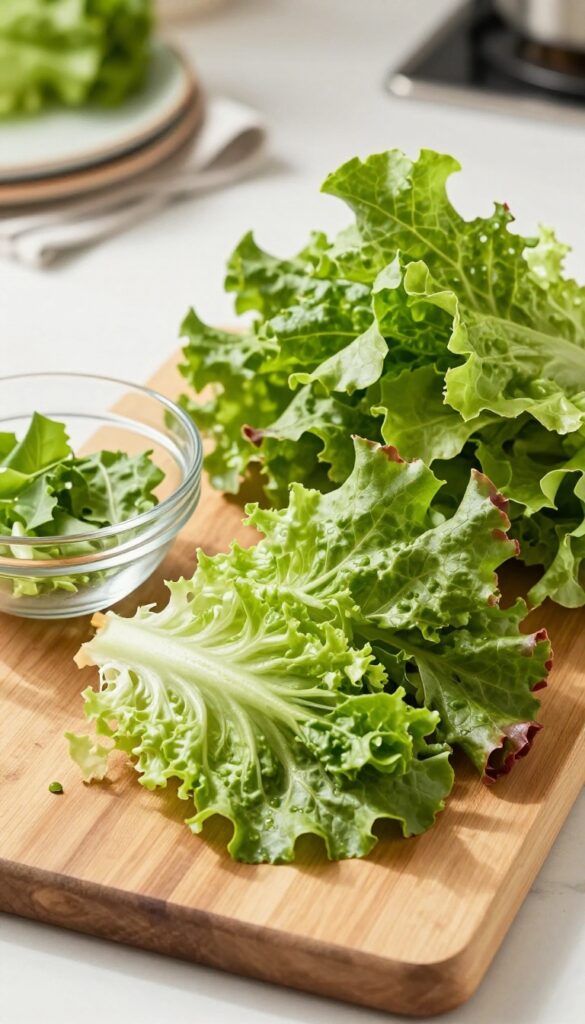
When you’re prepping meals for the week, convenience is key. Pre-washed salad mixes save time without sacrificing nutrition. Just grab a bag of safe leafy greens, portion them out, and you’re set.
For guinea pigs, the best pre-washed mixes are those made from romaine, green leaf, or red leaf lettuce. These greens are high in vitamin C and low in calcium, making them a healthy staple. Avoid mixes that contain iceberg lettuce—it’s mostly water and lacks nutrients.
Also steer clear of any blends that include onions, garlic, or other unsafe ingredients.
- Use pre-washed bags of romaine, green leaf, or red leaf lettuce.
- Avoid iceberg lettuce as it has low nutritional value.
- Store in a sealed container with a paper towel to absorb moisture.
To keep the greens fresh for the whole week, transfer the mix to an airtight container lined with a paper towel. The towel absorbs excess moisture, preventing sogginess. Change the towel every couple of days.
This simple step makes your weekly meal prep effortless and ensures your guinea pig gets crisp, safe greens every day.
Bell Pepper Strips (Variety Pack
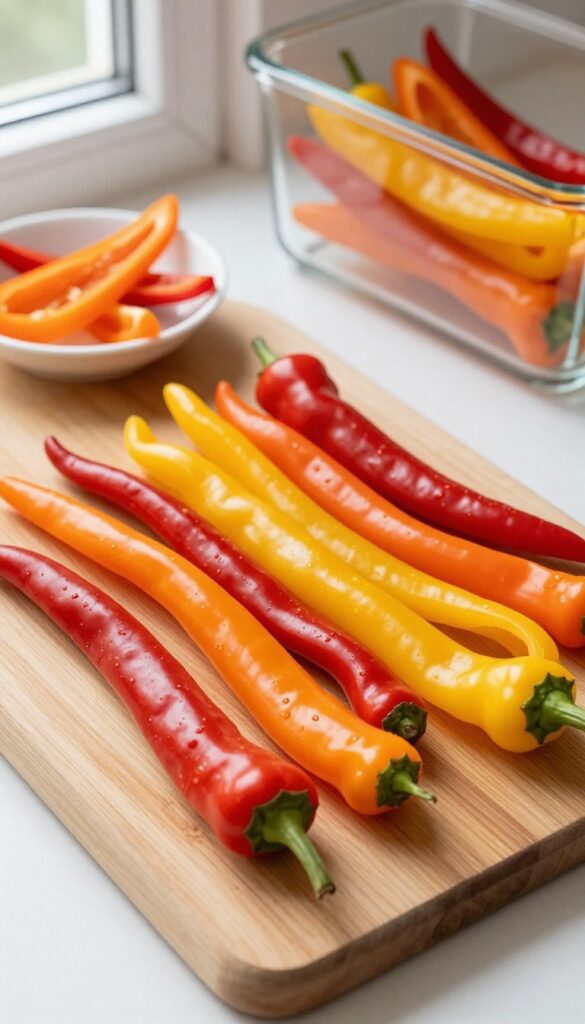
Bell peppers are a vitamin C powerhouse, which is essential for guinea pigs since they can’t produce their own. A variety pack of red, yellow, and orange peppers not only adds color to their bowl but also ensures a range of nutrients. Green peppers are less sweet but still safe and nutritious.
To prep, wash the peppers, remove the stem and seeds, then slice into thin strips. Store them in an airtight container in the fridge. For grab-and-go convenience, portion the strips into daily bags or small containers.
This way, you can quickly add a handful to each meal without any last-minute chopping.
- Buy red, yellow, and orange bell peppers for high vitamin C.
- Slice into strips and store in an airtight container.
- Portion into daily bags for quick access.
Chopped Cilantro and Parsley Mix
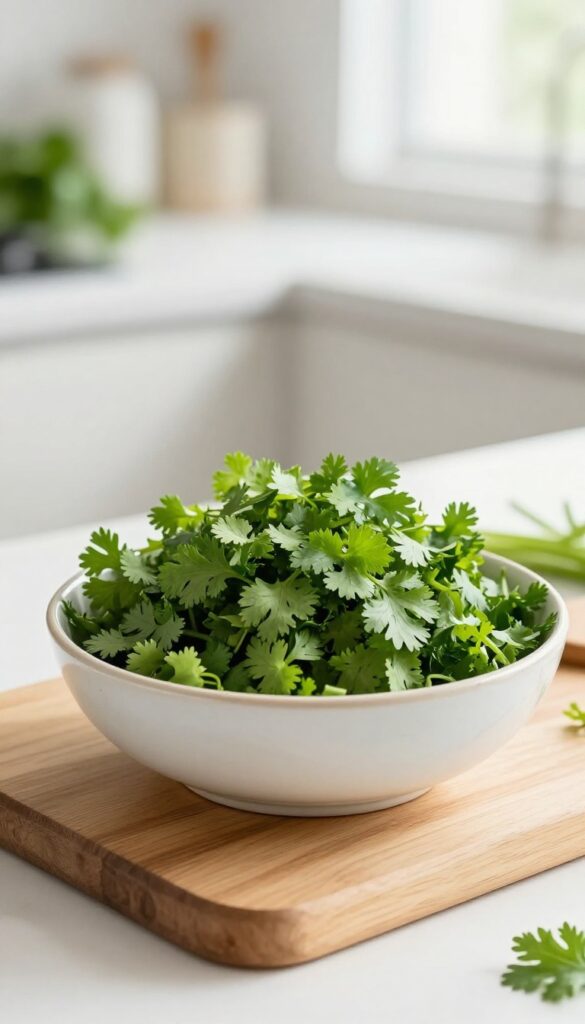
Fresh herbs like cilantro and parsley add variety and a boost of vitamin C to your guinea pig’s diet. This simple mix is quick to prep and keeps well for several days.
Both cilantro and parsley are safe for guinea pigs and provide essential nutrients, especially vitamin C. However, parsley contains moderate levels of calcium, so it should be fed in limited amounts to prevent bladder stone issues. A good rule is to offer a small handful of the mix per guinea pig per serving, no more than 3-4 times a week.
Prep Tips
- Wash herbs thoroughly and pat dry.
- Chop finely and combine in a bowl.
- Wrap the mix in a damp paper towel and place in a resealable bag or container.
- Store in the refrigerator and use within 3-4 days for best freshness.
For variety, you can rotate this mix with other herbs like dill or basil, but always check safety first. Avoid overfeeding parsley – a few sprigs per serving is plenty.
Cucumber Slices (Hydration Boost
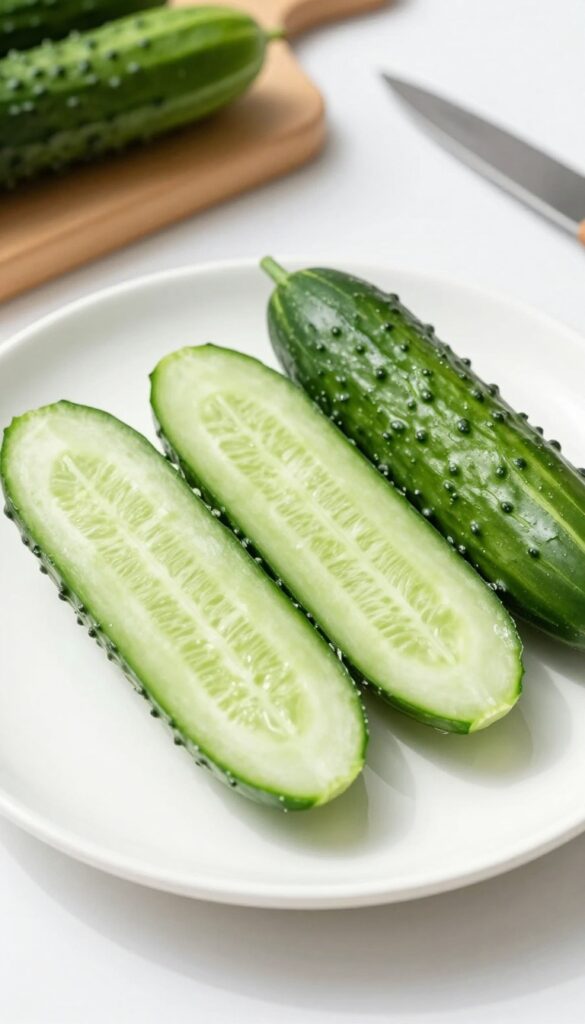
Cucumber is a hydrating, low-calorie veggie that guinea pigs enjoy, especially in warm weather. It’s a great way to add moisture to their diet, but it should be offered in moderation to avoid digestive upset.
Cucumber is safe for guinea pigs, but it’s not a staple vegetable. Its high water content makes it excellent for hydration, but too much can lead to diarrhea. For weekly meal prep, wash the cucumber, slice it into rounds (about 1/4 inch thick), and store the slices in an airtight container in the fridge.
They’ll stay fresh for 2-3 days.
- Cucumber is hydrating and low in calories.
- Slice into rounds and store in a container with a lid.
- Offer in moderation to avoid diarrhea.
When prepping, consider portioning out a few slices per serving. One or two thin rounds per guinea pig per day is plenty. Remember, cucumber should complement a diet rich in hay and leafy greens, not replace them.
Zucchini and Summer Squash Medley
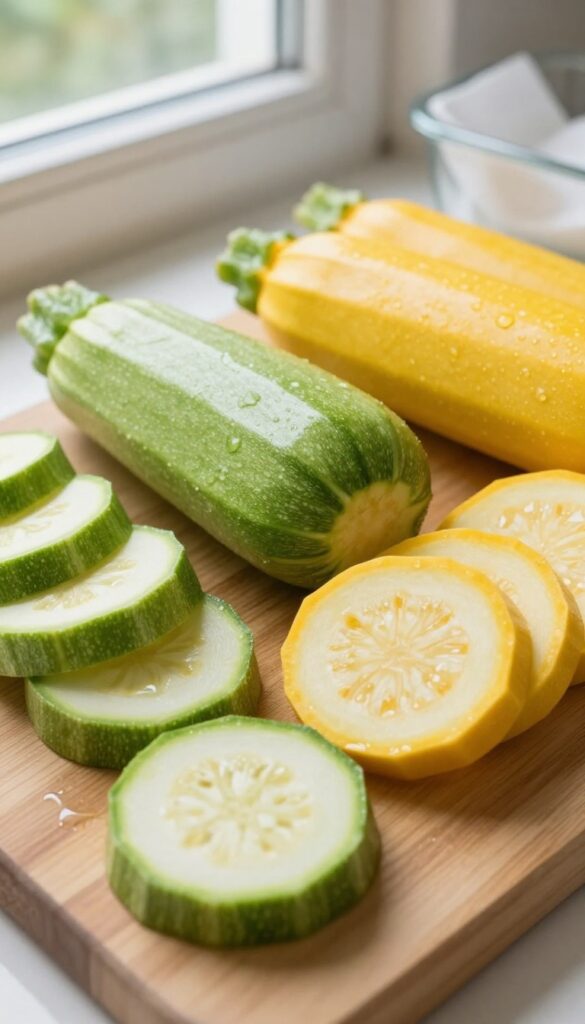
Zucchini and yellow summer squash are excellent choices for guinea pig meal prep because they are low in oxalates and safe to feed daily. Their mild flavor and crunchy texture make them a hit with most piggies.
Both zucchini and yellow squash are low in oxalates, which is beneficial for urinary health—a common concern in guinea pigs. They also provide hydration and a small amount of vitamin C. When prepping, wash the squash thoroughly and slice into sticks or rounds.
If the seeds are large, remove them to prevent choking. Store the slices in an airtight container in the fridge, and they will stay fresh for up to a week.
Prep Tips
- Slice into sticks or rounds for easy grabbing.
- Remove large seeds if present.
- Store in a sealed container with a paper towel to absorb excess moisture.
- Combine with bell pepper strips or cucumber for a colorful mix.
Carrot and Apple Shreds (Treat Mix
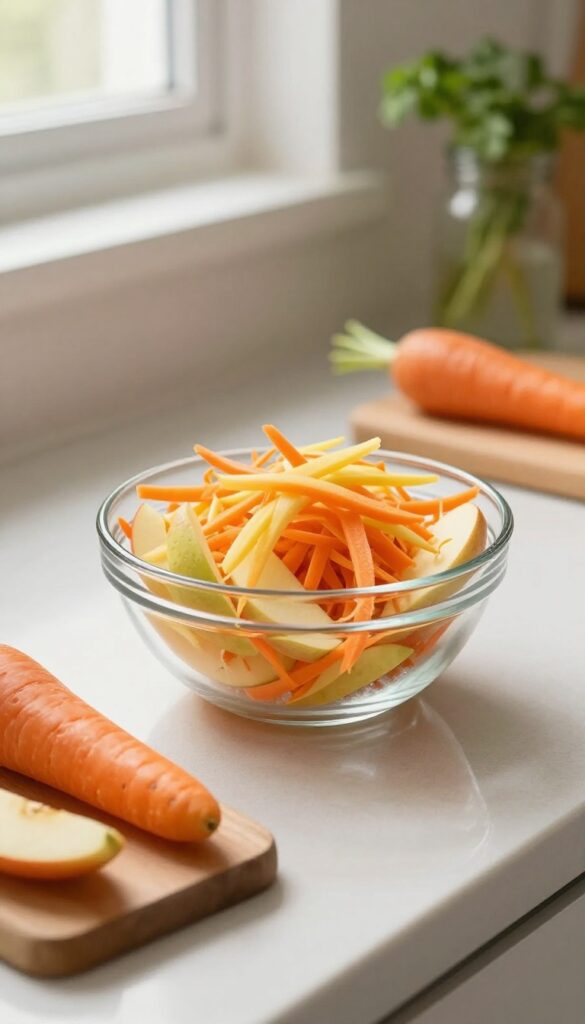
A sweet, crunchy mix of shredded carrot and apple makes an excellent occasional treat. The key is preparation and portion control.
Shredding carrots and apples together creates a uniform texture that’s easy to portion and store. Always remove apple seeds first, as they contain trace amounts of cyanide. Mix the shreds in a bowl and transfer to a small airtight container.
Prep and storage tips
- Use equal parts carrot and apple for balanced sweetness.
- Store in the fridge for up to 3 days.
- Serve no more than a teaspoon per guinea pig, once or twice a week.
Because of the natural sugar content, this mix should be a limited treat, not a daily staple. It’s perfect for hand-feeding or hiding in hay for foraging enrichment.
Kale and Romaine Blend
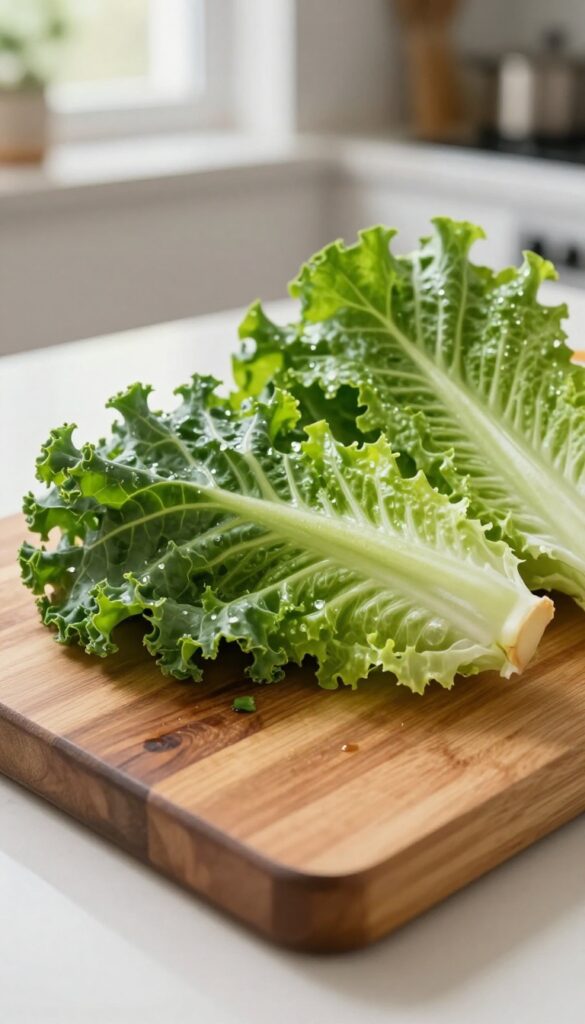
Kale is a nutrient powerhouse, but its high calcium content means it should be used sparingly. Mixing it with romaine lettuce creates a balanced, low-risk green blend that’s perfect for weekly prep.
Start by washing and drying both greens thoroughly. Chop the kale into small, bite-sized pieces and combine with roughly twice as much chopped romaine. This dilution helps prevent calcium overload while still giving your guinea pig the benefits of kale’s vitamins A, C, and K.
- Store the blend in a sealed bag or container with a dry paper towel to absorb excess moisture, keeping it fresh for up to 3-4 days.
- Rotate this mix with other greens like cilantro or parsley to avoid calcium buildup from frequent kale feeding.
- Offer a small handful per guinea pig per day, ensuring kale is only a part of a varied diet.
Always introduce kale gradually to monitor for any digestive sensitivity. Romaine is a safe, hydrating base that most guinea pigs enjoy.
Frozen Berry Mix (Thawed
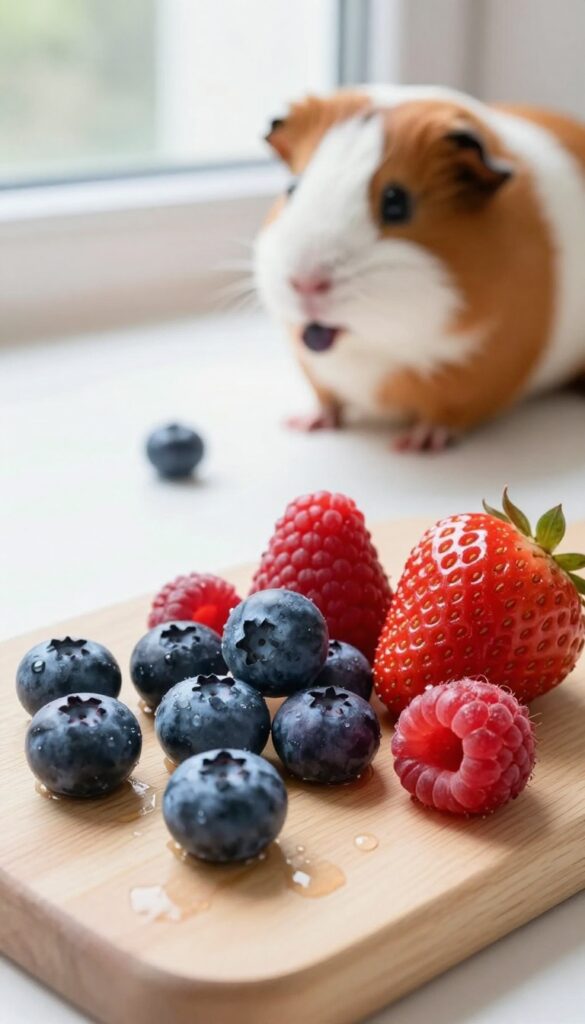
Frozen berries are a lifesaver for busy guinea pig owners. They keep for months and require minimal prep—just thaw and serve. A mix of blueberries, strawberries, and raspberries offers variety and a boost of vitamin C.
To prepare, simply portion out a small handful of frozen mixed berries (no added sugar) and let them thaw overnight in the refrigerator. In the morning, you’ll have a cool, juicy treat that’s perfect for warm days or as a special snack. Remember, berries are high in natural sugars, so they should be given sparingly—no more than a few berries per serving, a couple of times a week.
- Use frozen berries with no added sugars or syrups.
- Thaw in the fridge overnight for a safe, chilled treat.
- Serve as an occasional supplement, not a meal replacement.
- Berries are rich in vitamin C and antioxidants.
Hay-Based Forage Mix (DIY
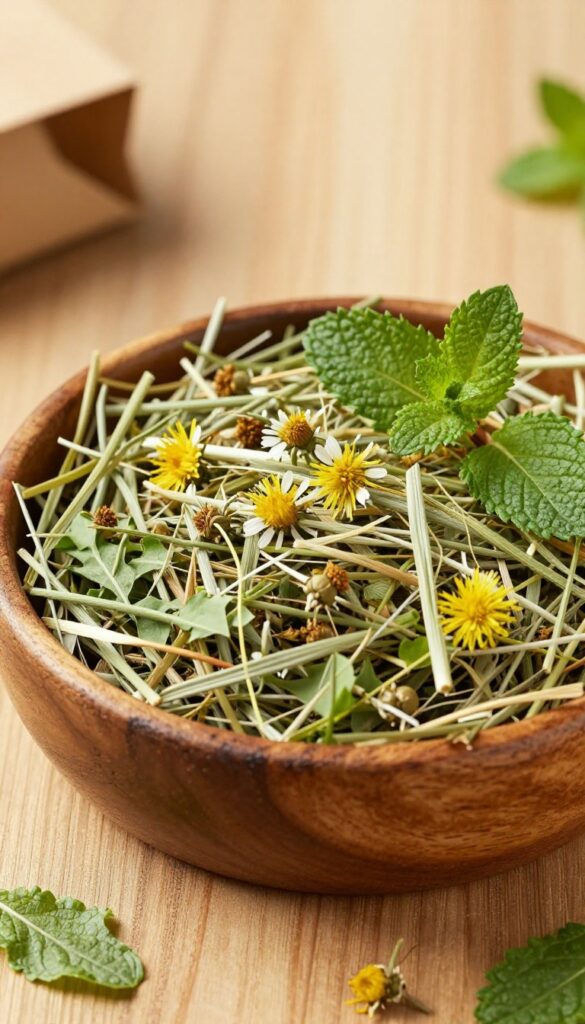
Encourage your guinea pig’s natural foraging instincts with a homemade hay-based forage mix. This simple enrichment activity adds variety to their diet and keeps mealtime interesting.
Start with a base of high-quality timothy hay or orchard grass. Then mix in dried, guinea pig-safe herbs like chamomile, dandelion leaves, and mint. These herbs are not only safe but also provide different flavors and aromas that stimulate your pet’s senses.
How to Prepare and Store
- Combine 1 part dried herbs with 4 parts hay in a large bowl.
- Gently toss to distribute the herbs evenly.
- Store the mix in a paper bag or cardboard box to maintain freshness and provide a fun, shreddable container.
- Offer a handful in a separate dish or scatter it in their enclosure for foraging.
Safety Reminder
Only use herbs that are confirmed safe for guinea pigs. Avoid any plants treated with pesticides or of unknown origin. Always introduce new herbs gradually to monitor for any adverse reactions.
Pre-Portioned Veggie Bags
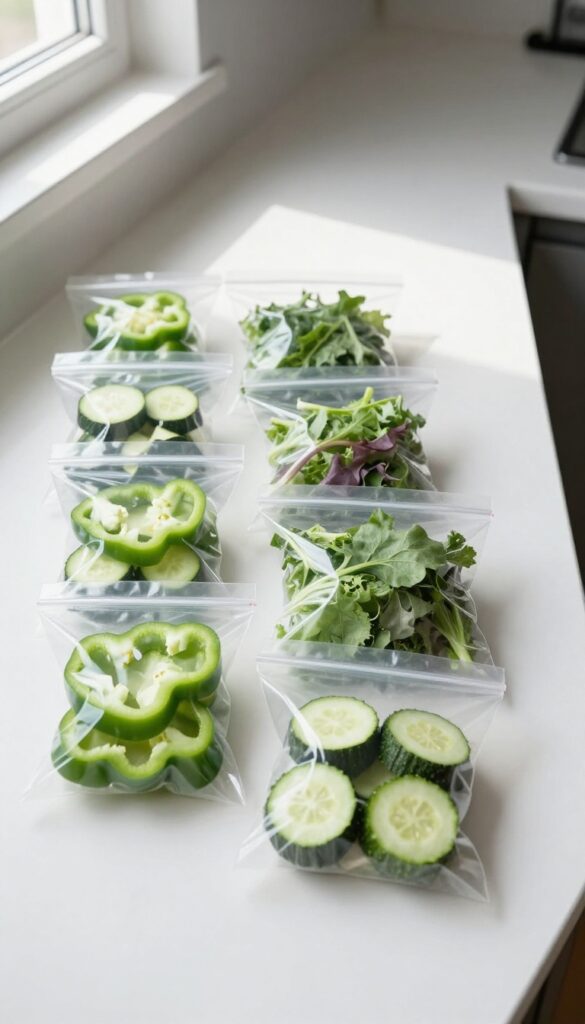
Streamline your daily feeding routine by pre-portioning your guinea pig’s veggies into individual bags or containers. This method takes the guesswork out of portion control and makes mealtime a breeze.
Start by washing and chopping a variety of guinea pig-safe vegetables like bell peppers, cucumber, zucchini, and leafy greens. Divide the veggies into daily portions based on your piggy’s recommended serving size—typically about one cup per day per guinea pig. Place each portion in a small bag or reusable container.
- Label each bag with the day of the week to keep things organized.
- Store all bags in the refrigerator for up to one week.
- Grab a bag each morning and serve—no thinking required!
Don’t prep more than a week in advance to ensure freshness and nutrient retention.
Weekly Pellet and Supplement Station
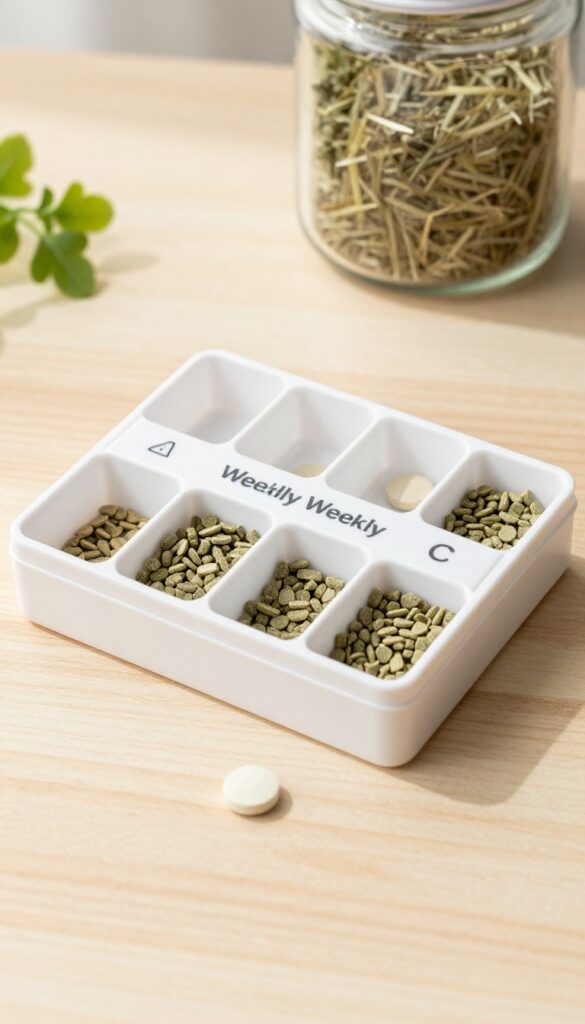
Streamline your daily feeding routine by creating a weekly station for pellets and vitamin C supplements. This method ensures your guinea pig gets the right amount of food every day without guesswork.
A simple weekly pill organizer works perfectly for pre-measuring daily portions of timothy-based pellets and vitamin C supplements. By doing this once a week, you eliminate the risk of overfeeding and save time each day.
Key Tips for Your Station
- Use a pill organizer with compartments for each day of the week.
- Pre-measure the recommended daily pellet amount (about 1/8 cup per adult guinea pig).
- Add a vitamin C supplement (such as a small tablet or liquid drop) to each compartment.
- Store the organizer in a cool, dry place away from direct sunlight.
- Keep unlimited fresh hay available at all times—this is the most important part of their diet.
Important
Always choose timothy-based pellets without added seeds, nuts, or dried fruit. Avoid supplements with added sugars or artificial ingredients. Vitamin C is essential because guinea pigs cannot produce it themselves.
FAQ
Can I meal prep all my guinea pig’s food for the whole week?
Yes, but some foods like leafy greens are best used within 3-4 days. Prepping twice a week may be better for freshness.
What foods should I avoid in guinea pig meal prep?
Avoid iceberg lettuce, onions, garlic, potatoes, rhubarb, and any processed human foods. Stick to safe veggies and fruits.
How should I store prepped guinea pig food?
Use airtight containers or resealable bags with a paper towel to absorb moisture. Store in the refrigerator and use within the recommended time.
Can I freeze guinea pig food?
Some fruits and veggies can be frozen, but thaw them before serving. Leafy greens do not freeze well.
Conclusion
Weekly meal prep for your guinea pig doesn’t have to be complicated. With these 11 ideas, you can provide variety, nutrition, and convenience.
Start small, adjust to your guinea pig’s preferences, and enjoy more quality time with your pet.

I’m Pallab Kishore, the owner of Little Pets Realm — an animal lover and pet care enthusiast sharing easy tips, healthy recipes, and honest advice to help every small pet live a happy, healthy, tail-wagging life.