Last updated on August 19th, 2026 at 04:19 pm
Caring for guinea pigs is rewarding, but daily cleaning, feeding, and handling can be time-consuming.
The right accessories can streamline your routine, reduce mess, and keep your pets happy.
Here are 10 accessories that make daily care easier.
Fleece Liners for Quick Cage Cleaning
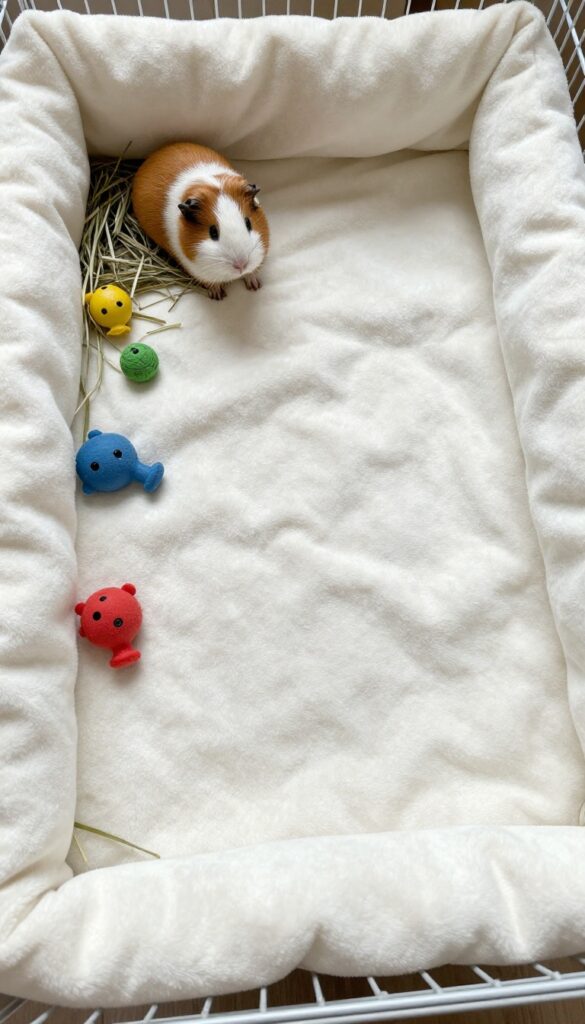
Fleece liners are a game-changer for guinea pig owners who want to simplify daily cage maintenance. Unlike loose bedding, these washable fabric liners reduce dust, control odor, and make spot cleaning a breeze.
A typical fleece liner consists of a soft top layer that wicks moisture away from your guinea pigs’ feet and an absorbent middle layer (like cotton or microfiber) that traps urine. A waterproof bottom layer protects the cage floor. This setup allows you to quickly scoop up droppings with a dustpan and brush each day, while a full liner change is as easy as tossing it in the washing machine once a week.
Key Benefits
- Replaces loose bedding, reducing dust and mess in the cage and around your home.
- Easy to spot clean daily—just sweep or vacuum up solid waste.
- Cost-effective long-term compared to disposable bedding; one set can last for months.
To get the most out of fleece liners, use a layer of absorbent material underneath (such as a towel or specialized pet pad) to prevent urine from pooling. Many guinea pig owners also place a small pile of hay on top of the liner to satisfy natural foraging instincts. With consistent care, fleece liners keep the cage fresh and reduce the time you spend on deep cleaning.
Hay Feeder to Reduce Waste and Mess
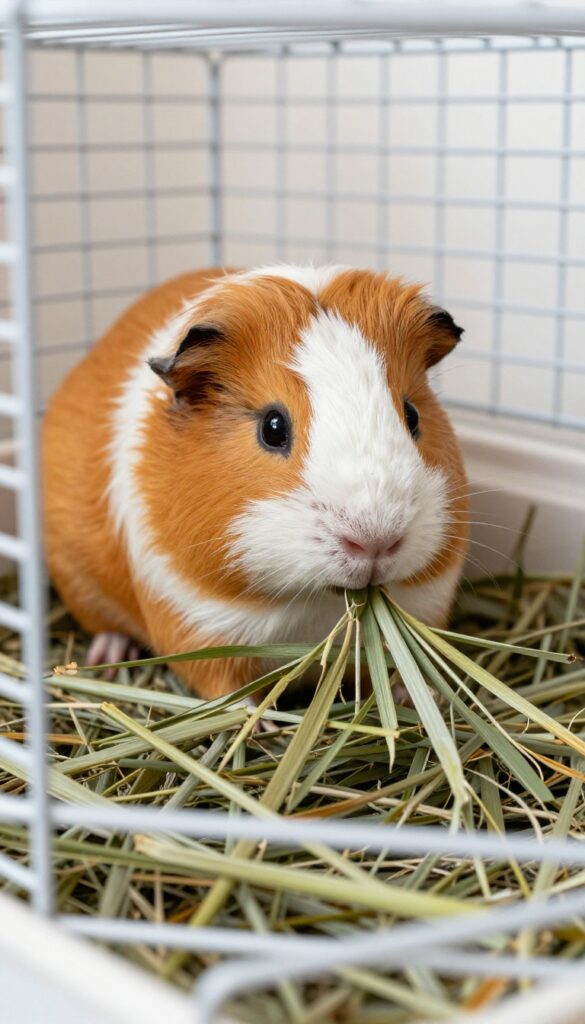
A hay feeder is a simple accessory that keeps hay off the cage floor, reducing waste and making daily care easier. By elevating hay, it stays cleaner longer and minimizes the mess of scattered pieces.
Guinea pigs need constant access to hay for digestion and dental health, but loose hay quickly becomes soiled or trampled. A hay feeder solves this by holding hay in a contained, elevated spot. This not only keeps hay fresher but also cuts down on the amount you throw away, saving money and effort.
Benefits of Hay Feeders for Cleanliness
- Hay stays off the soiled bedding, reducing contamination and odor.
- Less hay is wasted because guinea pigs can’t scatter it as easily.
- Refilling is quick—just stuff fresh hay into the feeder instead of spreading it around the cage.
Safety Considerations
- Choose a feeder with smooth edges to prevent cuts or snags.
- Avoid designs with small openings that could trap a guinea pig’s head or limbs.
- Ensure the feeder is securely attached to the cage to prevent tipping.
When selecting a hay feeder, look for one made of pet-safe materials like metal or sturdy plastic. A feeder that attaches to the cage bars works well, but check that your guinea pig can comfortably reach the hay without straining. With the right hay feeder, you’ll spend less time cleaning and more time enjoying your pet.
Water Bottle with Bracket for Steady Hydration
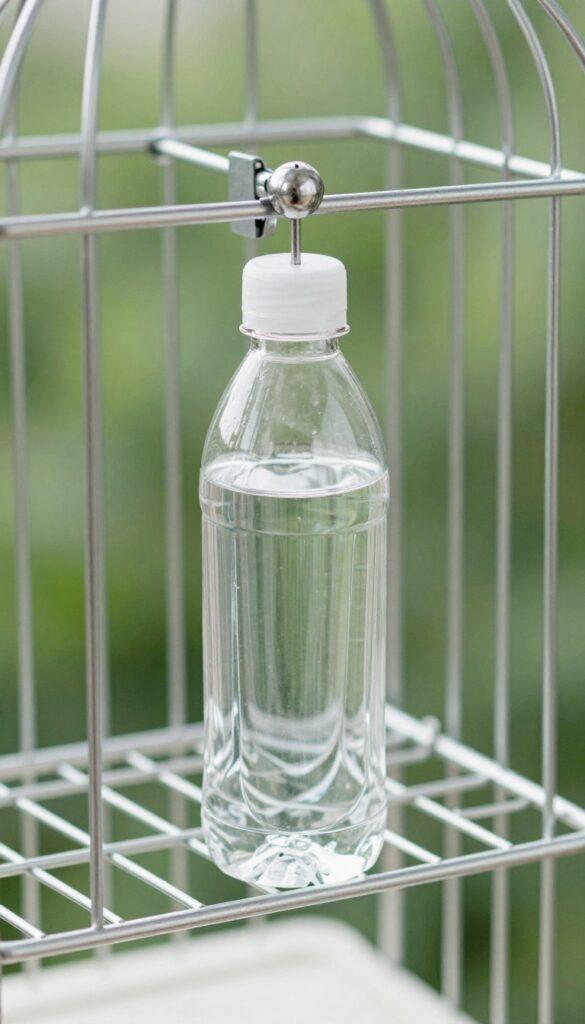
A reliable water bottle keeps your guinea pig hydrated without the mess of a bowl. Look for one with a sturdy bracket that attaches securely to cage bars.
Water bottles are a staple in guinea pig cages because they prevent spills, keep water clean, and reduce the daily chore of washing bowls. The bracket holds the bottle firmly in place, so even active pigs can’t knock it over.
- Attaches securely to cage bars, preventing spills and keeping bedding dry.
- Easy to refill and clean; no daily bowl washing required.
- Check the ball bearing mechanism regularly to ensure consistent water flow.
To maintain the bottle, rinse it with warm water and a bottle brush weekly. Inspect the rubber stopper and tube for wear, and replace if leaking. With proper care, a quality water bottle can last for years and make daily hydration worry-free.
Corner Litter Pan for Toilet Training
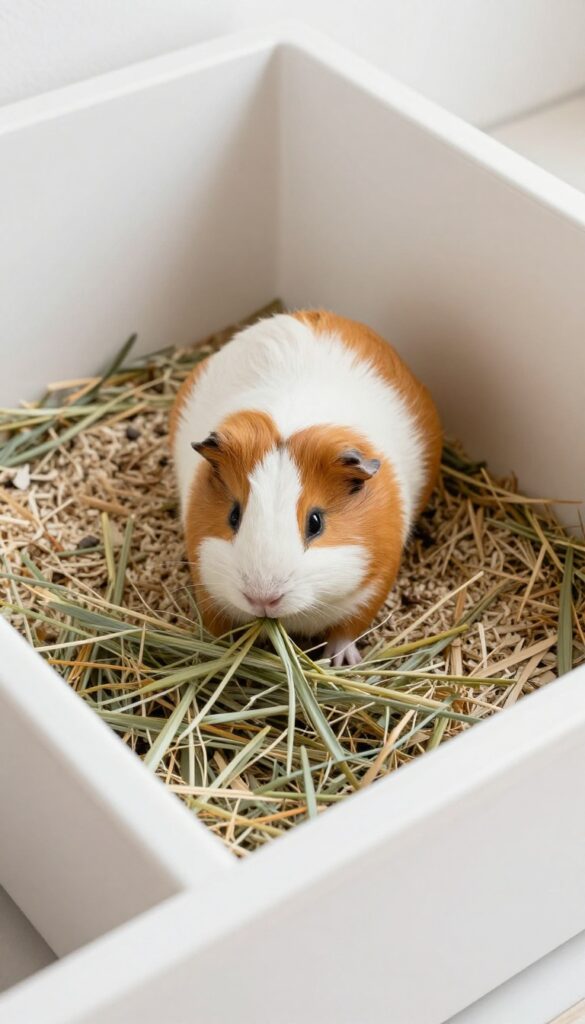
A corner litter pan is a simple accessory that can make daily cage cleaning much faster. Guinea pigs often choose a specific corner to do their business, so placing a small pan there encourages them to keep waste contained.
To start training, place a shallow corner pan (about 6–8 inches wide) in the spot your guinea pig already uses most often. Add a thin layer of paper-based litter—avoid pine or cedar shavings, which can cause respiratory issues. Place a small handful of hay on top, as guinea pigs like to munch while they go.
Most will naturally use the pan, but you can gently place any stray droppings inside to reinforce the habit.
Key tips for success
- Use a pan with low front edge for easy entry.
- Change litter every 2–3 days to control odor.
- Never use clumping cat litter—it’s dangerous if ingested.
- Be patient; some guinea pigs take a few weeks to get the idea.
A corner litter pan won’t replace full cage cleanings, but it does concentrate the messiest area, making spot cleaning a breeze. This accessory is a practical addition to any cage and directly supports easier daily care.
Hidey House for Stress-Free Handling
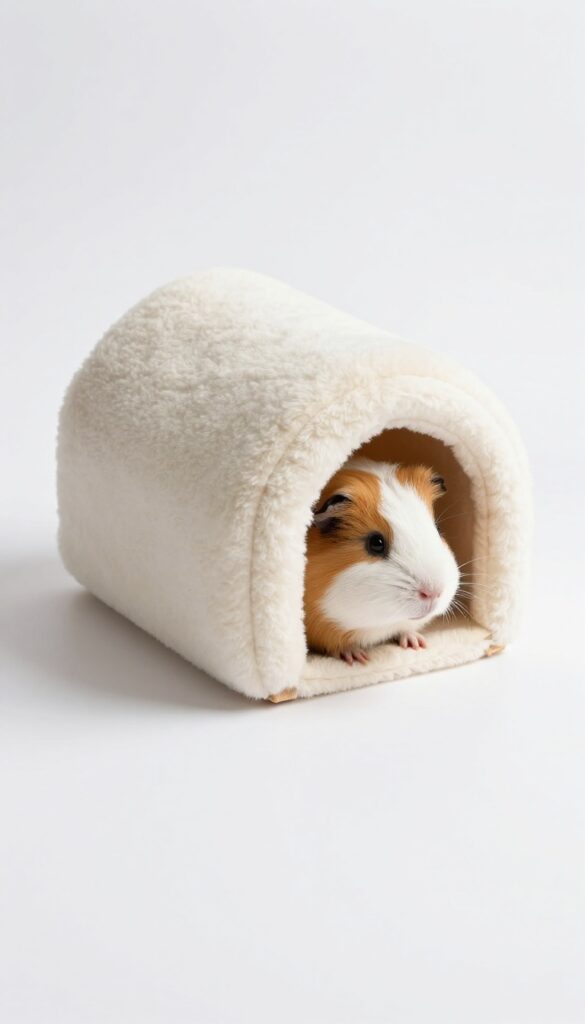
A hidey house isn’t just a cozy spot—it’s a practical tool for daily care. When you need to clean the cage or check on your guinea pig, a lift-out hidey house lets you gently transport them without chasing or grabbing.
Guinea pigs naturally seek dark, enclosed spaces to feel safe. A dedicated hidey house gives them a secure retreat, which is especially useful during cage cleaning or handling. Instead of stressing your pet by reaching in, you can simply lift the entire house and move it to a temporary holding area.
Key benefits
- Reduces stress: Your guinea pig feels protected inside, making handling less traumatic.
- Easy access: Lift-out designs let you quickly remove your pet without chasing.
- Washable materials: Plastic or fleece houses are easy to clean and maintain hygiene.
Look for a hidey house with a removable base or one that’s machine-washable. Plastic options are durable and wipe clean, while fleece houses are soft and cozy. Avoid wooden houses that absorb urine and are hard to sanitize.
A good hidey house makes daily care smoother and keeps your guinea pig happy.
Food Bowl with Anti-Tip Design
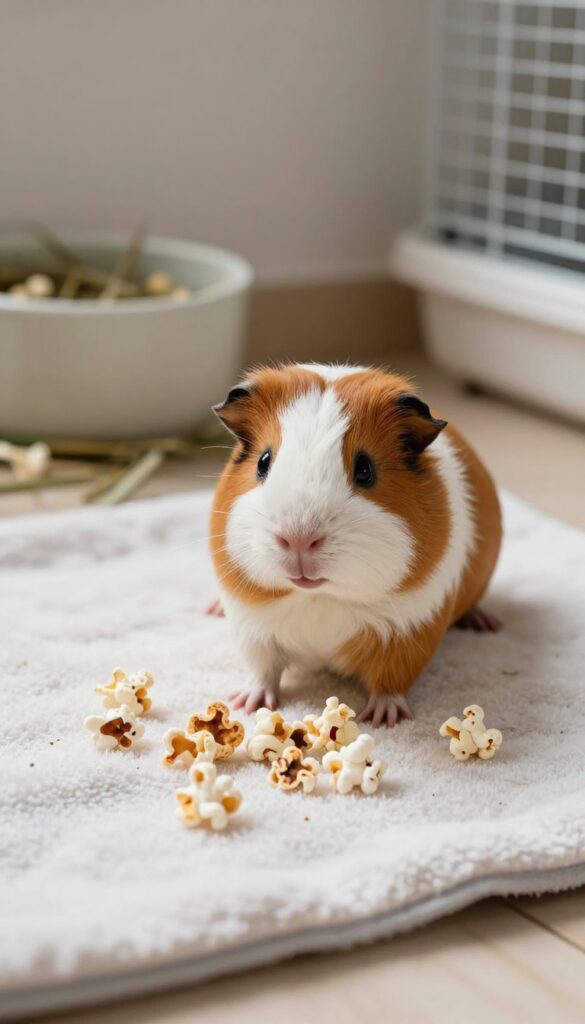
A sturdy food bowl is a simple upgrade that prevents mess and keeps your guinea pig’s meals where they belong. Anti-tip designs eliminate the frustration of spilled pellets or veggies, making daily feeding cleaner and more efficient.
When choosing a food bowl, material safety is key. Ceramic and stainless steel are excellent choices because they are non-porous, easy to clean, and resistant to bacteria buildup. Avoid plastic bowls, which can harbor germs and may be chewed.
Heavy ceramic bowls with a wide base resist tipping, while attachable bowls that clip to the cage bars stay put even during enthusiastic eating. Look for bowls with smooth, rounded edges to prevent injury.
Key Benefits
- Heavy ceramic or attachable bowls prevent tipping and spilling.
- Easy to remove for daily washing – simply rinse or toss in the dishwasher.
- Separate bowls for pellets and veggies keep food organized and reduce cross-contamination.
Cleaning ease is another major advantage. A bowl that can be quickly washed each day helps maintain hygiene and prevents mold or spoiled food from accumulating. Some owners prefer bowls with a non-slip bottom or a lip that prevents food from being pushed out.
By investing in a quality anti-tip bowl, you simplify one of the most frequent daily tasks in guinea pig care.
Playpen for Safe Floor Time
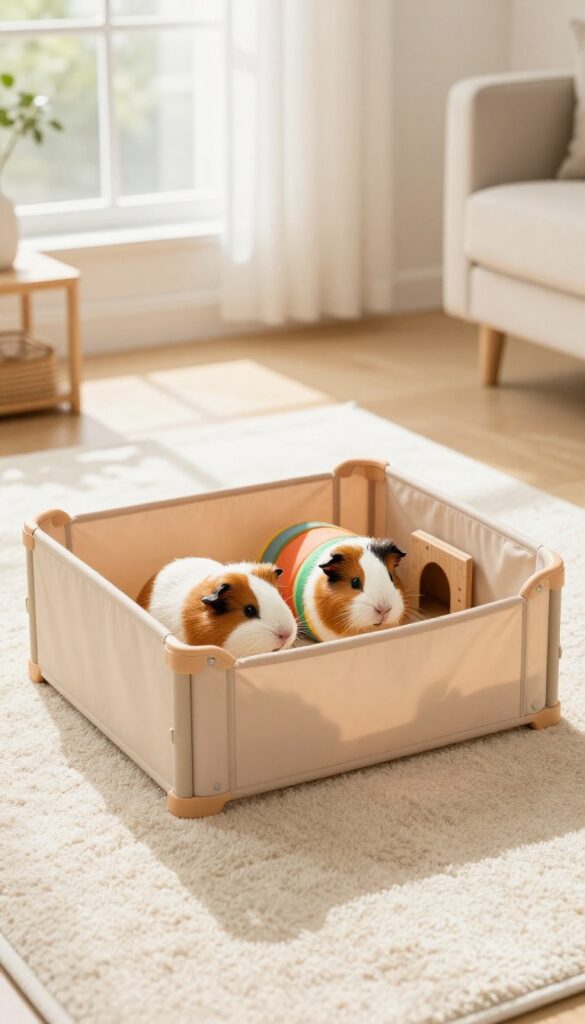
A portable playpen gives your guinea pigs a safe, contained space for daily exercise and exploration without constant supervision. It’s a must-have accessory for enriching their routine and strengthening your bond.
Guinea pigs need several hours of floor time each day to stay healthy and happy. A playpen creates a secure boundary where they can run, pop, and explore without the risk of escaping or encountering household hazards. Look for a playpen that is easy to set up and take down, so you can use it daily without hassle.
- Exercise benefits: Regular movement prevents obesity, improves digestion, and supports mental stimulation.
- Safety features: Choose a chew-proof material with no large gaps where a guinea pig could squeeze through. Avoid mesh or wire that might catch tiny feet.
- Easy setup: Foldable or snap-together designs store flat and assemble in seconds, making daily use convenient.
Place the playpen on a non-slip surface and add a few hideys, tunnels, and toys to encourage natural behaviors. Always supervise initially to ensure your guinea pigs feel comfortable and secure.
Grooming Kit for Easy Coat Maintenance
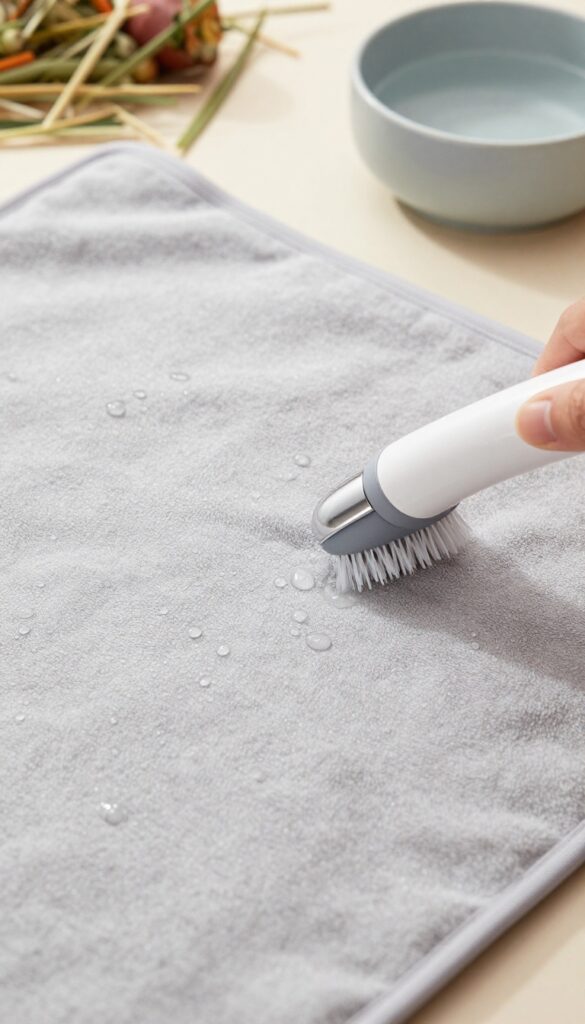
A well-stocked grooming kit makes coat care simple and stress-free for both you and your guinea pig. With the right tools, you can keep shedding under control and prevent painful mats.
Essential grooming tools include a soft-bristled brush, a pair of small nail clippers, and a fine-toothed comb. The soft brush is gentle on your guinea pig’s skin and effectively removes loose hair. Nail clippers designed for small animals help you trim safely without causing discomfort.
A comb works well for detangling longer coats and checking for debris or pests.
Grooming Frequency Tips
- Short-haired guinea pigs: brush once a week, trim nails every 3–4 weeks.
- Long-haired guinea pigs: brush 2–3 times a week to prevent matting.
- Check nails monthly and trim if they curl or touch the ground.
Regular grooming sessions also give you a chance to bond with your pet and spot any skin issues early. Always use guinea-pig-safe tools to avoid injury—never use human clippers or stiff brushes. A dedicated grooming kit keeps everything organized and ready for quick sessions, making daily care easier.
Travel Carrier for Vet Visits
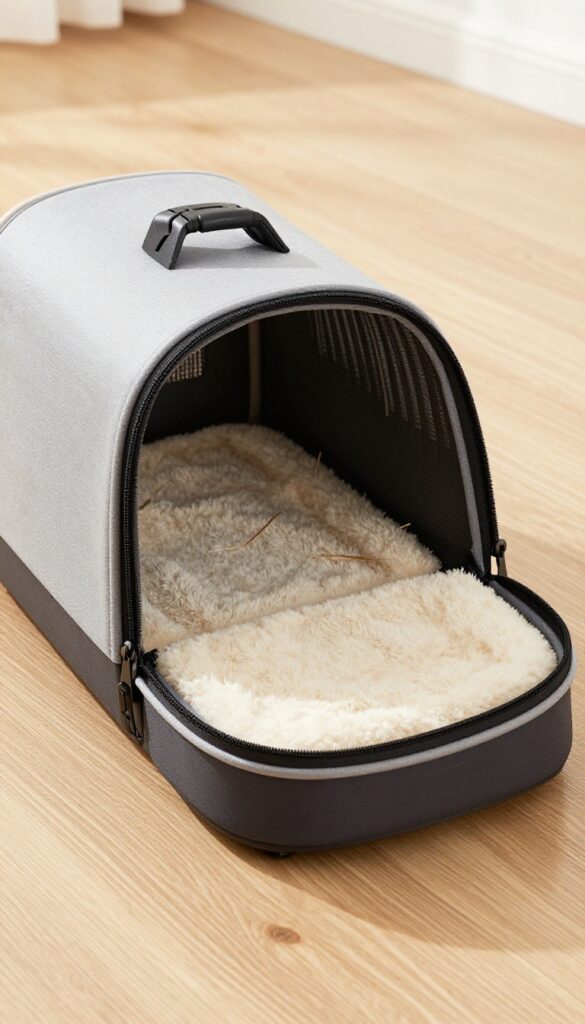
A reliable travel carrier is a must-have for vet visits, emergencies, or even trips to a friend’s house. It keeps your guinea pig safe and comfortable during transport, reducing stress for both of you.
When choosing a carrier, prioritize safety and comfort. Look for a well-ventilated design with a secure latch or zipper to prevent escapes. The carrier should be easy to clean—some models come with removable fleece pads that can be tossed in the wash.
Size matters: your guinea pig should be able to turn around, but not so large that they slide around during transit. A carrier with a solid bottom (not wire) is best for their sensitive feet.
Key Features to Look For
- Well-ventilated with secure latch or zipper to ensure safe transport.
- Easy to clean after trips; some have removable fleece pads.
- Choose a size that allows guinea pig to turn around comfortably.
A good carrier makes vet visits less stressful. Line it with a familiar-smelling fleece or towel, and bring along a small handful of hay to keep your guinea pig occupied. With the right carrier, you’ll be ready for any trip—whether it’s a routine checkup or an emergency.
Cage Vacuum or Handheld Cleaner for Quick Spot Cleaning
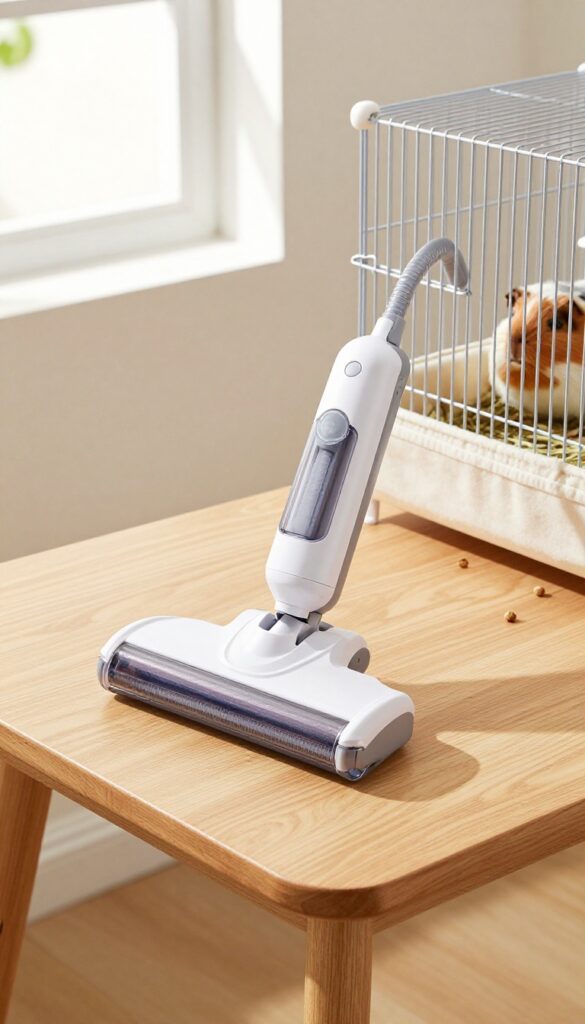
A small, quiet vacuum or handheld cleaner can make daily spot cleaning a breeze. It quickly picks up hay, droppings, and stray pellets without the hassle of a dustpan and brush.
When choosing a vacuum for your guinea pig’s cage, noise level is a top concern. Look for models specifically marketed as quiet or low-noise, ideally under 60 decibels, so you don’t startle your pets. Handheld vacuums with HEPA filters are a great choice—they trap fine dust from hay and bedding, keeping the air cleaner for both you and your guinea pigs.
Key features to look for
- Quiet operation (under 60 dB) to avoid stressing guinea pigs.
- HEPA filtration to reduce airborne dust and allergens.
- Easy-to-empty canister or dust cup—preferably with a one-touch release so you don’t get your hands dirty.
- Small nozzle or brush attachment for reaching corners and between cage bars.
- Cordless design for maneuverability around the cage.
Avoid using large household vacuums, as they are often too loud and cumbersome for quick cage cleanups. Stick with a dedicated handheld or small canister vacuum that you can grab for a two-minute tidy-up.
FAQ
What is the best bedding for easy cleaning?
Fleece liners are popular because they can be spot-cleaned daily and washed weekly, reducing dust and waste compared to loose bedding.
How often should I clean my guinea pig’s cage?
Spot clean daily and do a full cage clean weekly. Accessories like litter pans and fleece liners make this faster.
Can guinea pigs be litter trained?
Yes, many guinea pigs can learn to use a corner litter pan, especially if placed where they naturally eliminate. Use paper-based litter for safety.
What type of water bottle is best?
A bottle with a ball bearing mechanism that attaches securely to the cage. Check daily for blockages and clean weekly.
Do guinea pigs need a playpen?
A playpen provides safe, supervised exercise time outside the cage, which is important for their physical and mental health.
Conclusion
Investing in these accessories can transform daily guinea pig care from a chore into a quick, enjoyable routine. Each item addresses a specific pain point, from cleaning to feeding to handling.
Start with one or two that match your biggest challenges, and gradually build a setup that works for you and your pets.

I’m Pallab Kishore, the owner of Little Pets Realm — an animal lover and pet care enthusiast sharing easy tips, healthy recipes, and honest advice to help every small pet live a happy, healthy, tail-wagging life.