
Your dog's mental energy needs an outlet, and a tired pup is often the result of a good puzzle session. But you don't need expensive toys or gadgets to make that happen.
Everyday items like cardboard boxes, towels, and plastic bottles can turn into brain games that challenge your dog and strengthen your bond. These 11 ideas are simple, safe, and budget-friendly.
They're perfect for rainy days, busy evenings, or anytime your dog needs a little extra stimulation. No special skills required—just a little creativity and a willingness to watch your dog have a blast.
1. Cardboard Box Puzzle
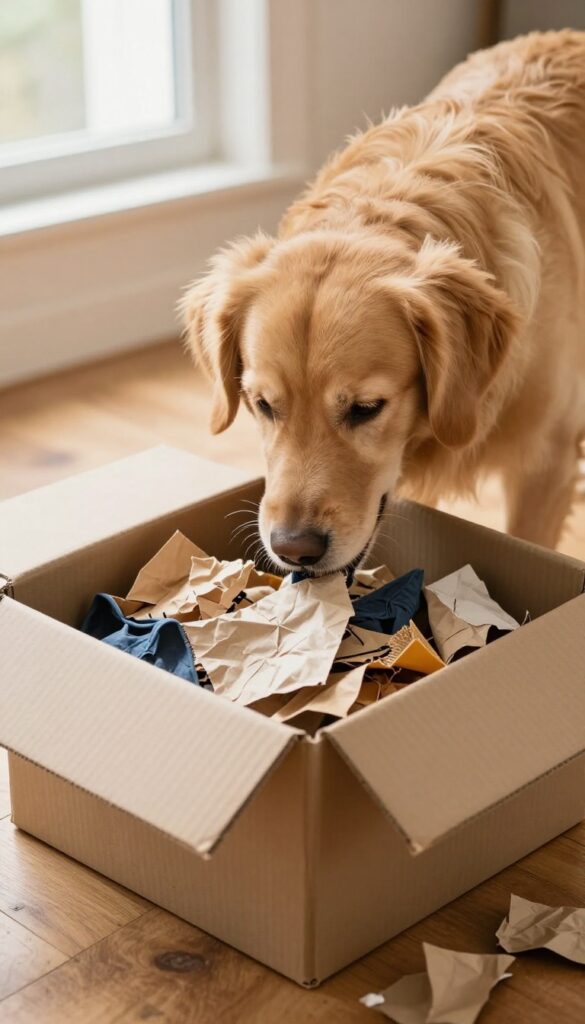
Got a cardboard box lying around? Turn it into a treasure hunt for your dog. Simply toss in some crumpled paper or fabric scraps, hide a few treats or kibble, and let your dog sniff and dig to find the goodies.
This game taps into your dog's natural foraging instincts, providing both mental and physical stimulation. It's a fantastic way to burn off energy without leaving the house.
Dog owners love it because it's free, quick to set up, and most pups are instantly intrigued by the crinkly sounds and hidden rewards.
Why It Works
Dogs are natural scavengers, and this puzzle mimics the thrill of finding hidden food. The combination of scent work and digging satisfies their instinctual needs, which can reduce anxiety and boredom. Plus, the novelty of a new box each time keeps them engaged.
Best For
This activity is great for dogs who love to sniff and dig, from small terriers to large retrievers. It works well in apartments or homes with limited space, as long as you have a corner to let your dog explore. Ideal for rainy days or when you need a quick indoor activity.
Practical Tip
Use a box that's large enough for your dog to poke their head into but not so big they can climb inside. Crumple paper or fabric loosely to create hiding spots. Always supervise to prevent your dog from eating cardboard or fabric.
Remove any tape or staples first.
Budget-Friendly Option
Instead of buying treat-dispensing toys, just reuse shipping boxes. For a different texture, add empty plastic bottles (with caps removed) or toilet paper rolls. You can also use an old towel rolled up with treats inside.
2. Muffin Tin Game
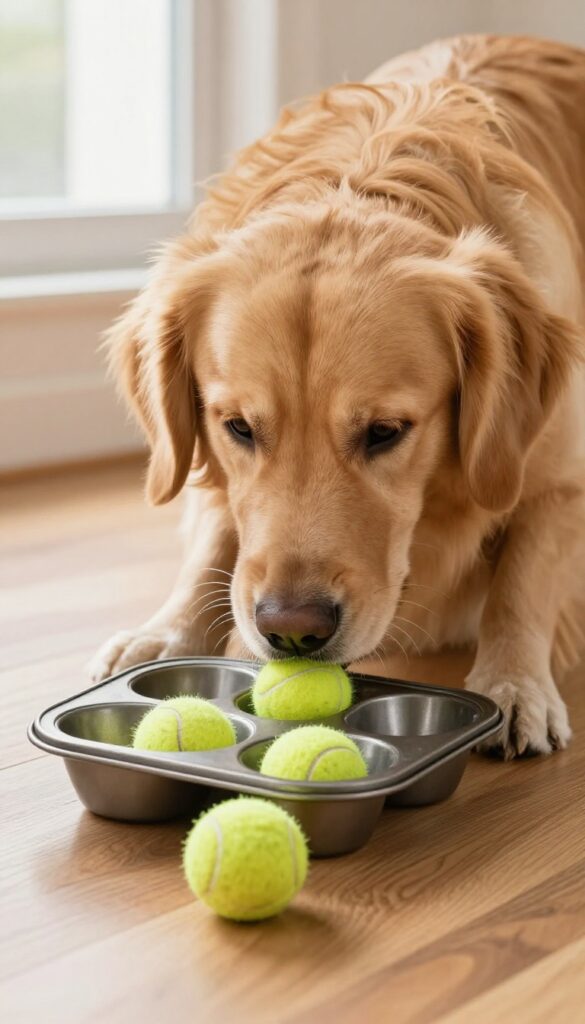
This classic puzzle uses a standard muffin tin and a few tennis balls. Hide a small treat in each cup, then cover them with the balls. Your dog will have to figure out how to remove the balls to get to the goodies.
Why It Works
It taps into your dog's natural foraging instincts and requires problem-solving to access the reward. The challenge keeps their mind busy and can help burn off mental energy, which is just as tiring as physical exercise.
Best For
Dogs of all sizes and ages, but especially good for high-energy breeds that need mental stimulation. It's also great for rainy days or when you need a quiet indoor activity.
Practical Tip
Start with just a few cups to keep it easy, then increase the number as your dog gets the hang of it. Use a non-slip mat under the tin so it doesn't slide around on hard floors.
Budget-Friendly Option
No tennis balls? Use crumpled paper balls or small plastic cups turned upside down. No muffin tin?
Use an empty egg carton or a shallow cardboard box with compartments.
3. Towel Roll-Up
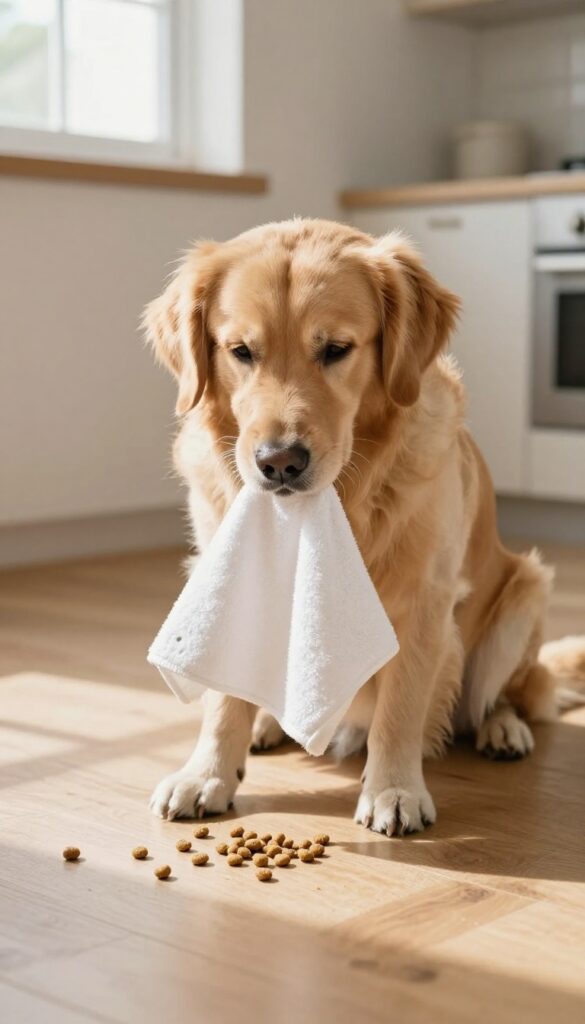
A kitchen towel can become a simple but engaging puzzle for your dog. By hiding treats inside a rolled-up towel, you encourage natural foraging instincts. It's quick to set up and requires nothing more than a towel and some kibble or treats.
Why It Works
Dogs love to use their noses and paws to unravel the towel, which provides mental stimulation and a sense of accomplishment. The act of searching for hidden rewards taps into their innate scavenging behavior, keeping them focused and entertained.
Best For
This activity is great for dogs of all ages and sizes, especially those who enjoy sniffing and problem-solving. It works well in small spaces like apartments or during rainy days when outdoor play isn't an option.
Practical Tip
Use a flat-weave towel that doesn't have loose loops, as those can snag claws. Start with a loose roll and a few treats, then progress to a tighter roll or even a loose knot for advanced dogs. Supervise to prevent chewing on the towel.
Budget-Friendly Option
No towel? An old t-shirt or a piece of fleece fabric works just as well. You can also use a hand towel or a dishcloth.
4. Plastic Bottle Treat Dispenser
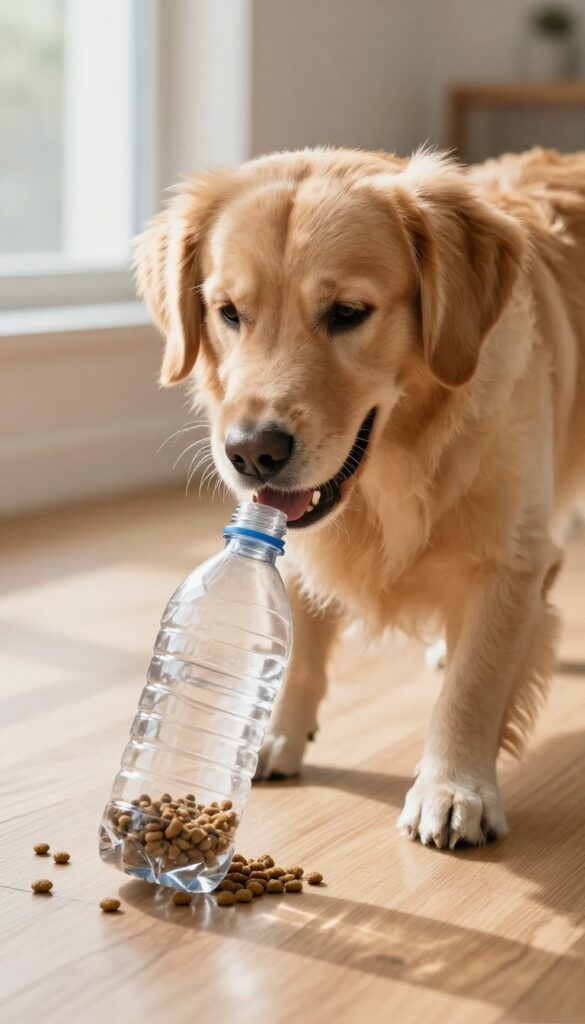
Empty plastic bottles rattle and roll in a way that grabs your dog's attention fast. Turn one into a treat dispenser by dropping in kibble or small treats and letting your dog bat it around. The unpredictable tumbling keeps the game fresh and rewards persistence with a tasty payoff.
Why It Works
The bottle's shape and noise trigger your dog's natural curiosity and problem-solving instincts. As they nudge, paw, and chase the bottle, treats fall out at random intervals, which encourages longer engagement and mental effort. It's a classic DIY puzzle that turns a disposable item into a rewarding challenge.
Best For
Dogs who love to nudge, bat, or push objects with their nose or paws. It's great for medium to large breeds with moderate energy, but small dogs can enjoy a smaller bottle too. Best used on hard floors or low-pile carpet where the bottle rolls easily.
Practical Tip
Always remove the cap and label to prevent choking hazards and sticky residue. Supervise the first few sessions to make sure your dog doesn't chew and swallow plastic pieces. If your dog starts to destroy the bottle, replace it immediately or switch to a thicker plastic bottle like a Gatorade or juice bottle.
5. Snuffle Mat from a Towel
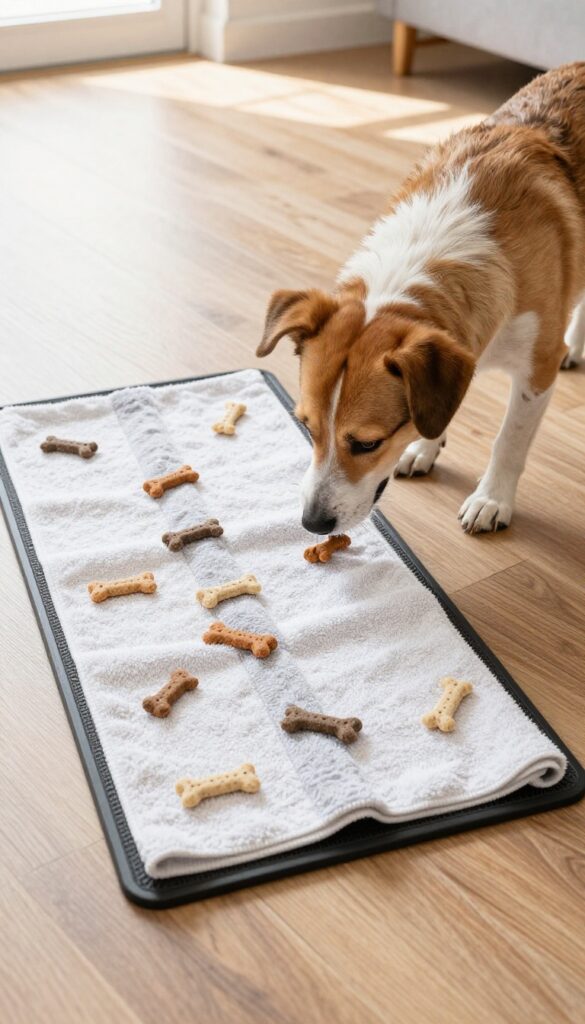
Transform an old towel into a DIY snuffle mat that taps into your dog's natural foraging instincts. By cutting the towel into strips and tying them onto a rubber sink mat, you create a textured surface where treats hide among the fabric. It's a simple project that takes minutes but provides minutes of focused sniffing and searching.
Why It Works
Dogs are natural foragers, and the act of sniffing and rooting through fabric strips releases feel-good dopamine. This mental workout reduces anxiety, burns energy, and slows down fast eaters who need a challenge.
Best For
Perfect for dogs who love to sniff, including hounds, terriers, and herding breeds. Also great for apartment dwellers with limited space—it can be used on any flat surface and folds away easily.
Practical Tip
Use a non-slip rubber sink mat as the base to prevent sliding during play. Cut towel strips about 1 inch wide and 6 inches long—long enough to tie securely but not so long they become a choking hazard. Supervise the first few uses to ensure your dog doesn't try to chew or ingest the fabric.
Budget-Friendly Option
Instead of a rubber sink mat, you can use a plastic cooling rack or even a sturdy piece of cardboard as the base. Towels can be swapped for old t-shirts or fleece scraps.
6. Egg Carton Hunt
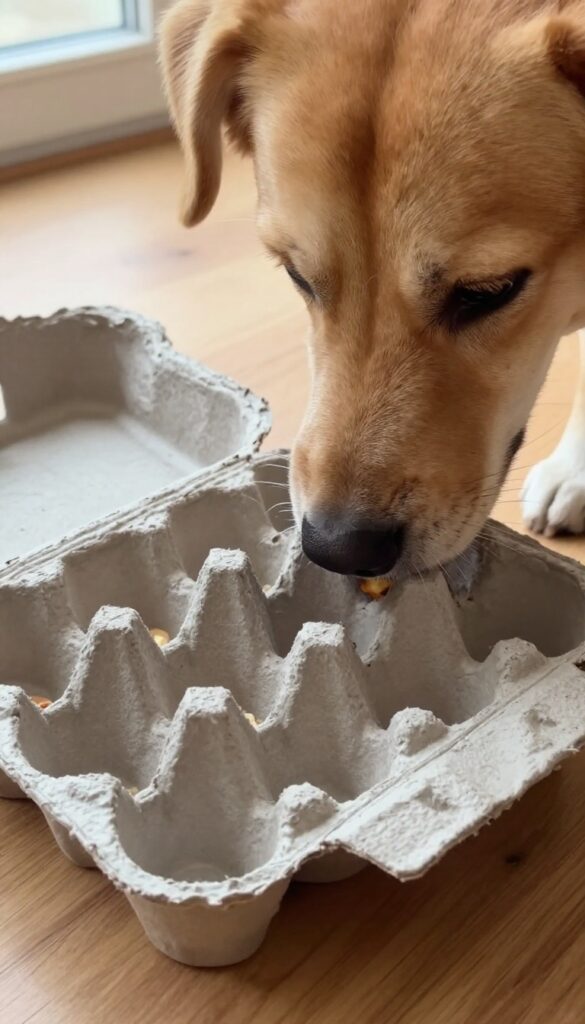
An empty egg carton can become a surprisingly fun puzzle for your dog. Hide a few treats in the cups, close the lid, and let your pup figure out how to open it. The crinkly cardboard texture and the challenge of finding each treat keep dogs engaged for several minutes.
This activity taps into your dog's natural scavenging instincts without any mess or fuss. It's quick to set up and works with any size carton, making it a go-to for a quick mental workout.
Why It Works
Dogs love using their nose and paws to access hidden rewards. The egg carton requires them to push, nudge, or paw at the lid to reveal treats, which exercises problem-solving skills and provides mental stimulation. The cardboard material also adds a satisfying sensory element.
Best For
This idea is great for dogs who enjoy food puzzles and have a moderate level of persistence. It's suitable for all breeds and sizes, though larger dogs may need a bigger carton or multiple cartons to stay interested. Perfect for apartment dwellers or anyone needing a low-mess activity.
Practical Tip
Use a clean, dry egg carton and remove any labels or staples. Place small, soft treats that won't get stuck. Supervise your dog to prevent them from eating the cardboard.
For a harder challenge, hide the filled carton inside a cardboard box or under a light blanket.
Budget-Friendly Option
If you don't have an egg carton, try a clean cardboard berry container or a small box with compartments. You can also use a muffin tin with treats in each cup, covered by a tennis ball.
7. Ice Block Treasure
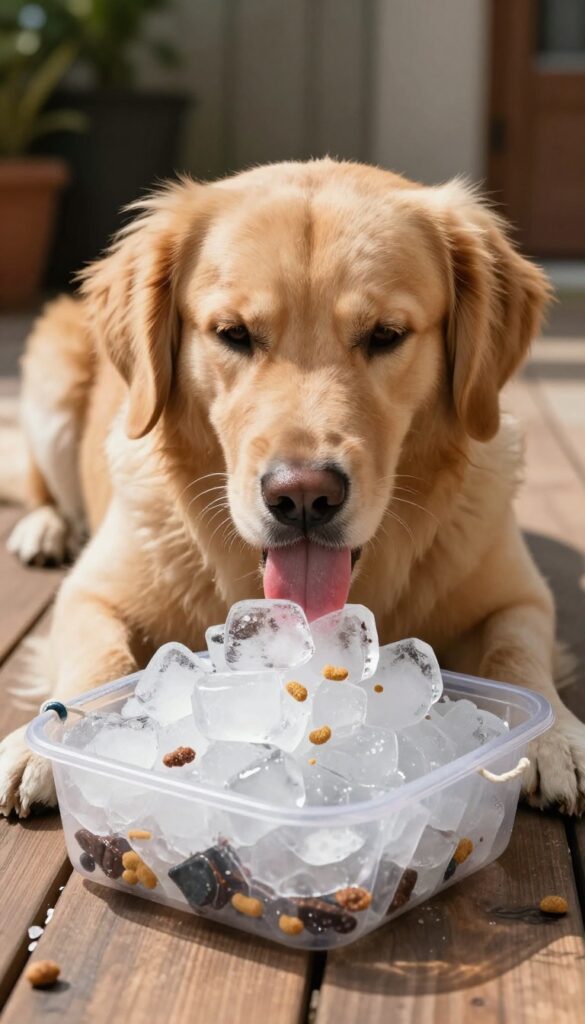
When the temperature climbs, an ice block treasure offers a cool way to engage your dog's brain and body. Freeze treats, kibble, or dog-safe fruits in a block of ice using a plastic container or bowl. This simple setup turns snack time into a refreshing, long-lasting challenge that keeps your pup occupied and helps beat the heat.
Why It Works
The melting ice releases food gradually, forcing your dog to lick, paw, and problem-solve to get to the goodies. This mental workout can tire out even high-energy dogs, and the cold sensation soothes teething puppies or dogs with sore gums.
Best For
Perfect for warm days, outdoor play, or as a crate enrichment activity. Ideal for dogs who love to lick and work for their food—especially labradors, hounds, and other determined breeds.
Practical Tip
Use a shallow, wide container so the ice block is easier for your dog to access. Add a rope or handle by freezing a looped string into the top—this makes it easier to remove from the container and gives your dog something to grip. Always supervise and provide fresh water nearby.
Budget-Friendly Option
Instead of buying silicone molds, reuse an old yogurt tub or takeout container. Layer ingredients and freeze overnight for a zero-cost enrichment toy.
8. Sock Ball Toss
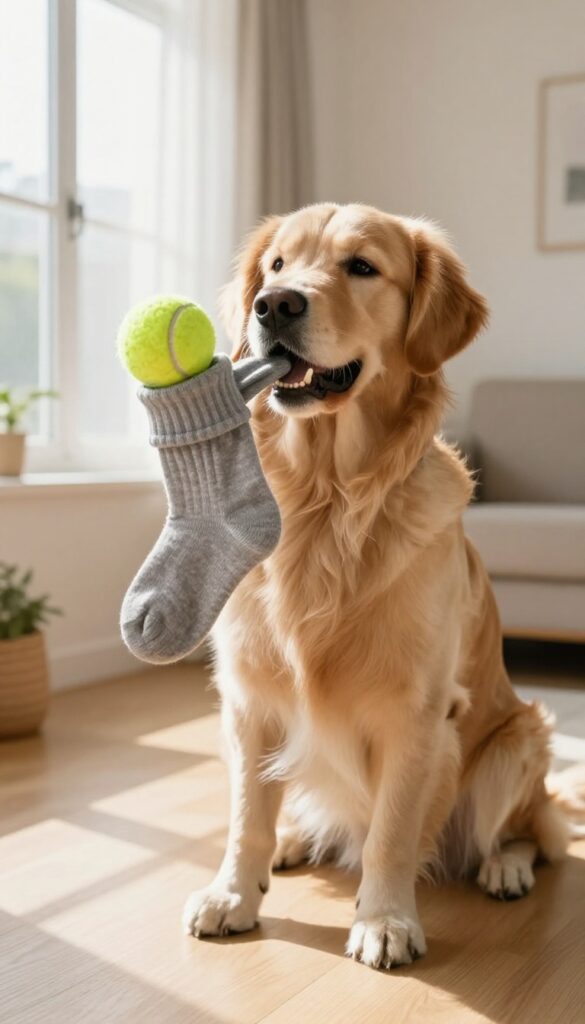
You probably have a drawer full of single socks missing their match. Put those strays to work with a game your dog will love. Just drop a tennis ball or a few treats inside an old sock, tie a knot at the end, and let your dog go wild.
It's a simple toy that taps into natural prey drive—shaking, tossing, and unraveling are all part of the fun. Plus, it's a great way to recycle socks that would otherwise end up in the trash.
Why It Works
The sock adds unpredictable movement and texture, which triggers your dog's instinct to chase and capture. The act of untying the knot also engages problem-solving skills, giving your dog a mental workout. It's like a puzzle toy you already own.
Best For
This works well for dogs who love to shake and destroy toys, especially terriers, herding breeds, and high-energy pups. It's also great for apartment dwellers because the soft sock won't damage floors or walls.
Practical Tip
Use a sturdy sock made of cotton or wool—avoid thin, holey socks that could tear easily. Supervise play and remove the toy if your dog starts chewing through the fabric. For extra engagement, use a sock with a different texture or pattern.
Budget-Friendly Option
If you don't have a tennis ball, use a crumpled piece of paper or a small squeaky toy inside the sock. No sock? Try a small cloth bag or a piece of fabric tied into a pouch.
9. Paper Bag Surprise
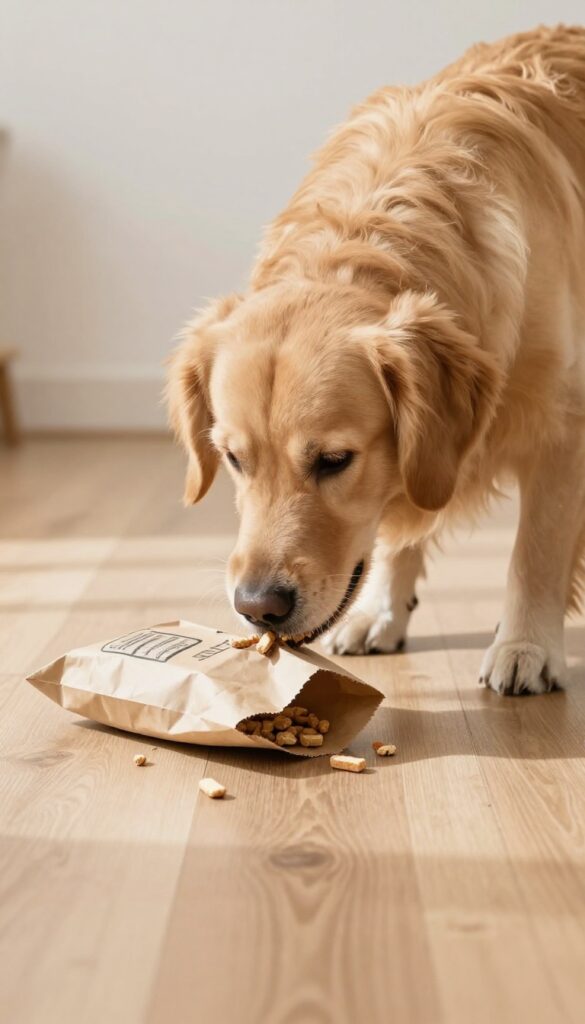
A simple paper lunch bag can become an exciting puzzle for your dog. The crinkling sound and the mystery of what's inside tap into their natural curiosity and desire to explore. It's a low-prep activity that provides both mental and physical stimulation as they figure out how to get to the treat or toy hidden inside.
Many dog owners love this idea because it uses something you probably already have in your kitchen. It's also a great way to repurpose bags that would otherwise go in the recycling bin. Plus, watching your dog's excitement as they tear into the bag is pure entertainment.
Why It Works
Dogs are natural foragers and problem-solvers. The paper bag presents a simple challenge that engages their nose and paws. The crinkling sound and the movement of the bag as they paw at it add sensory stimulation, making the activity more rewarding.
It also encourages independent play, which can help build confidence in shy or anxious dogs.
Best For
This is perfect for dogs who enjoy shredding or tearing things—just make sure they don't eat the paper. It's also great for puppies who are learning to use their noses and paws, and for senior dogs who need a gentle mental challenge without too much physical exertion. Works well in apartments or small spaces since it doesn't require much room.
Practical Tip
Always supervise your dog during this activity to prevent them from swallowing large pieces of paper. Start with a single bag and a small, high-value treat or a favorite toy. Crumple the top loosely so it's easy for your dog to open.
After play, pick up and discard any torn pieces to keep your space tidy and safe.
10. Toilet Paper Roll Puzzle
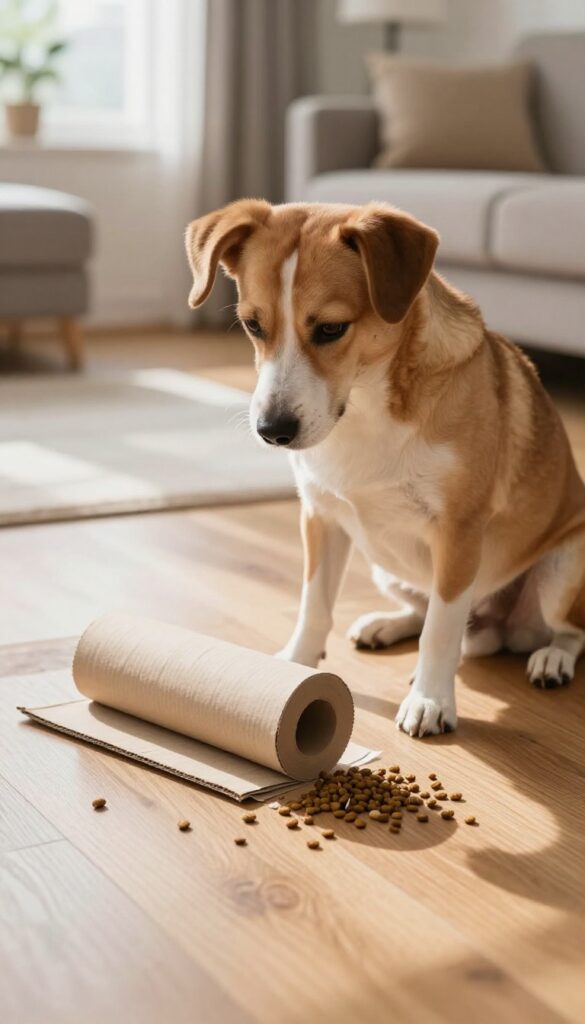
That empty toilet paper roll you're about to toss in the recycling bin? It's a free puzzle toy waiting to happen. Simply fold the ends inward to create a sealed pouch, drop a few kibble or treats inside, and watch your dog figure out how to unwrap it.
This easy DIY engages your dog's natural problem-solving skills and provides a quick mental workout. It's a fantastic way to repurpose something headed for the trash into a fun, rewarding activity.
Why It Works
Dogs are natural foragers, and this puzzle taps into that instinct. They have to use their nose, paws, and mouth to manipulate the roll and access the treats. The challenge is just right for most dogs—not too hard, not too easy—and the payoff is immediate, which keeps them interested.
Best For
This puzzle is perfect for dogs who love to shred or manipulate objects with their paws. It works well for all sizes, but larger dogs may need a jumbo roll or a paper towel tube. Great for apartment living because it's quiet and contained.
Practical Tip
To increase difficulty, use multiple rolls and hide them around the room. For a safer experience, use tubes without glue or staples. Supervise your dog the first few times to ensure they don't eat the cardboard.
If your dog is a heavy chewer, switch to a thicker tube or limit playtime to avoid ingestion.
Budget-Friendly Option
If you don't have toilet paper rolls, you can use paper towel rolls cut into shorter sections. For a zero-waste option, save the rolls from wrapping paper or gift wrap tubes. You can also stuff a clean sock with treats and tie a knot for a similar challenge.
11. Blanket Burrito
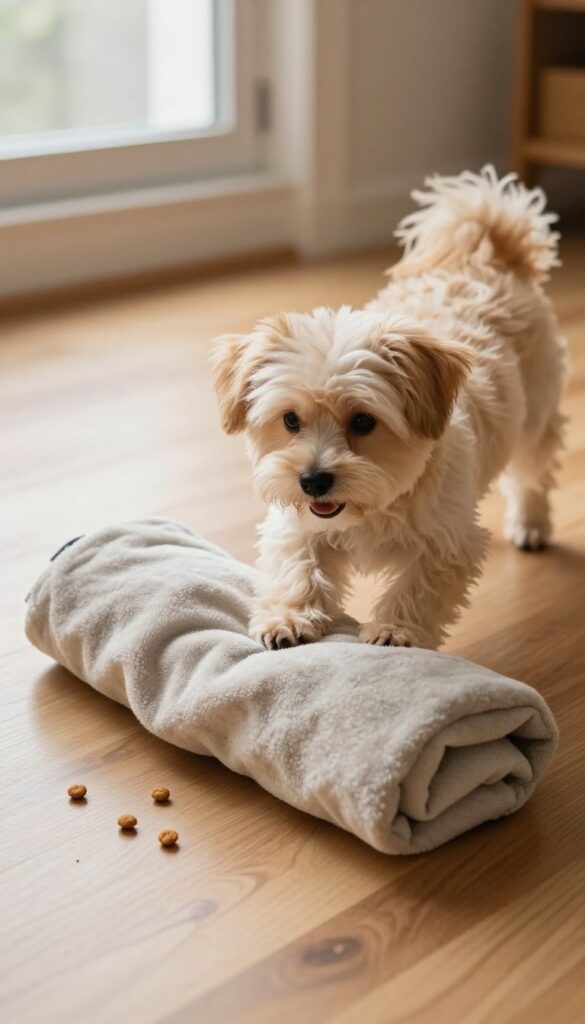
Does your dog love rooting around in blankets? The blanket burrito turns that cozy habit into a fun puzzle. You simply wrap a few treats or a favorite toy inside a small blanket or towel, twisting the ends to form a 'burrito.' Your dog will use their nose and paws to unwrap it, which is great mental exercise.
It's a quiet, low-mess activity that works well indoors.
Why It Works
Unwrapping the burrito engages your dog's natural foraging instincts and problem-solving skills. The layers of fabric add challenge without frustration, and the scent of treats hidden inside keeps them motivated. It's a simple way to provide mental stimulation that can tire them out faster than a walk.
Best For
This idea is perfect for dogs who enjoy digging, burrowing, or playing with soft objects. It's especially good for small to medium breeds, but any dog that likes to use their nose will have fun. Great for apartment living or rainy days when outdoor play isn't possible.
Practical Tip
Use an old towel or fleece blanket that can withstand some tugging and pawing. Avoid anything with loose threads or small parts that could be chewed off. Supervise the first few times to make sure your dog doesn't try to eat the fabric.
After use, shake it out and launder it regularly to keep it fresh.
Budget-Friendly Option
No treats? Use a few pieces of their regular kibble. No towel?
An old t-shirt or a pillowcase works just as well. You can also use a lightweight throw blanket you already own.
FAQ
Are these enrichment ideas safe for all dogs?
Most are safe with supervision, but adjust based on your dog's size and chewing habits. Remove any small or sharp objects that could be swallowed.
How long should each enrichment activity last?
Aim for 10–20 minutes per session, depending on your dog's interest. Stop if your dog becomes frustrated or loses focus.
Can I use these ideas for puppies?
Yes, but simplify the puzzles and supervise closely. Puppies may try to chew and ingest non-food items, so choose sturdy, safe materials.
How often should I rotate enrichment activities?
Rotate every few days to keep things novel. Reintroduce favorites later to maintain engagement.
What if my dog loses interest quickly?
Try making the puzzle slightly harder or use higher-value treats. Also, ensure your dog isn't overtired or overstimulated.
Conclusion
Enrichment doesn't have to be complicated or expensive. With a little creativity, you can turn ordinary household items into engaging puzzles that keep your dog mentally sharp and happy. Start with one or two ideas and see which ones your dog enjoys most.
Remember to supervise and adapt each activity to your dog's skill level. A few minutes of brain work each day can make a big difference in your dog's overall well-being. So grab a cardboard box or a towel, and let the fun begin.

I’m Pallab Kishore, the owner of Little Pets Realm — an animal lover and pet care enthusiast sharing easy tips, healthy recipes, and honest advice to help every small pet live a happy, healthy, tail-wagging life.