
Last updated on August 19th, 2026 at 04:15 pm
A backyard should work for everyone in the family, including your four-legged member. But if your yard lacks a dedicated dog run, you might be dealing with muddy paws, trampled plants, or a bored pup.
The right run design transforms your outdoor space into a functional, low-maintenance zone that both you and your dog will love. From turf that stays clean to shaded escapes from the summer heat, these nine ideas solve real backyard flow problems.
Whether you have a sprawling lawn or a tiny city plot, there's a dog run here that fits your home and your dog's personality.
1. Turf Runs for Mud-Free Play
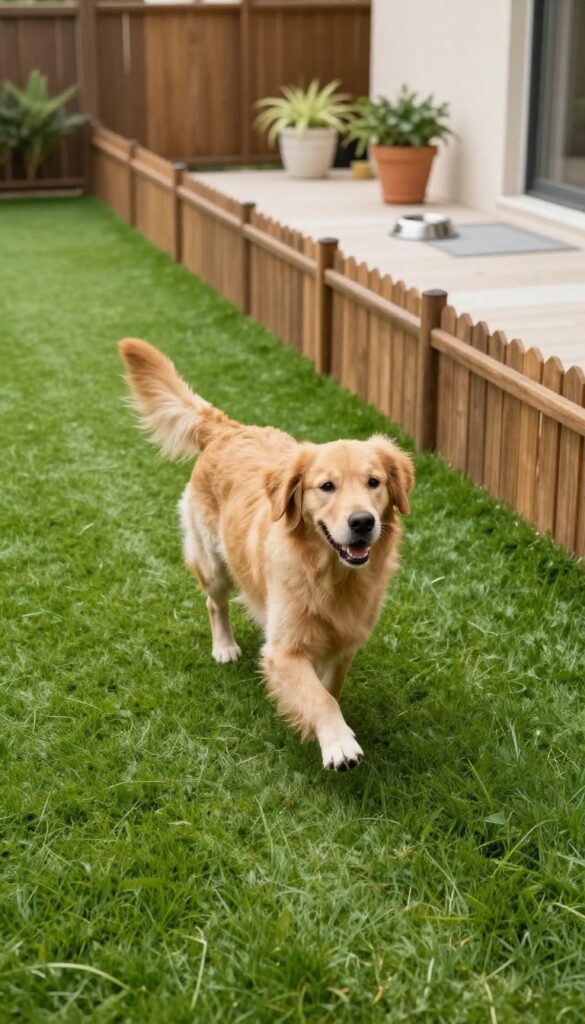
Nothing kills the joy of letting your dog out faster than a muddy mess tracked through the house. Artificial turf solves that problem completely. It gives your pup a soft, durable surface that stays clean and dries quickly after rain.
No more paw prints on the floor or brown patches where grass used to be.
Turf runs are especially great for high-traffic areas where natural grass just can't keep up. Dogs love to run, dig, and roll, and turf holds up to all that activity without turning into a dirt patch. Plus, you never have to mow, water, or fertilize it.
That means more time playing with your dog and less time maintaining the yard.
Why Turf Beats Natural Grass
Natural grass looks nice, but it's not built for constant dog use. Urine burns create yellow spots, digging ruins the roots, and mud forms after every rain. Turf eliminates all of that.
It's designed to drain water quickly, so puddles don't form. And because it's synthetic, there's nothing for your dog to dig up.
Choosing The Right Turf
Not all artificial grass is the same. Look for pet-specific turf with a shorter pile height and a built-in drainage layer. Some brands even add antimicrobial treatments to reduce odors.
You'll also want a soft enough texture for your dog's paws but sturdy enough to handle running and scratching.
Installation Tips For A Long-lasting Run
Proper base preparation is key. Start with a compacted layer of crushed stone, then add a weed barrier. The turf should be secured with landscape staples and joined with seam tape if you need multiple pieces.
Add a thin layer of infill like silica sand to help the blades stand up and provide extra cushioning.
Keeping It Clean And Odor-free
Turf is low maintenance, but it still needs occasional care. Rinse it with a hose to remove dirt and debris. For urine odors, use an enzyme-based cleaner that breaks down the ammonia.
Some owners sprinkle baking soda on the surface before rinsing. A quick spray-down once a week keeps everything fresh.
2. Gravel Path Runs for Drainage
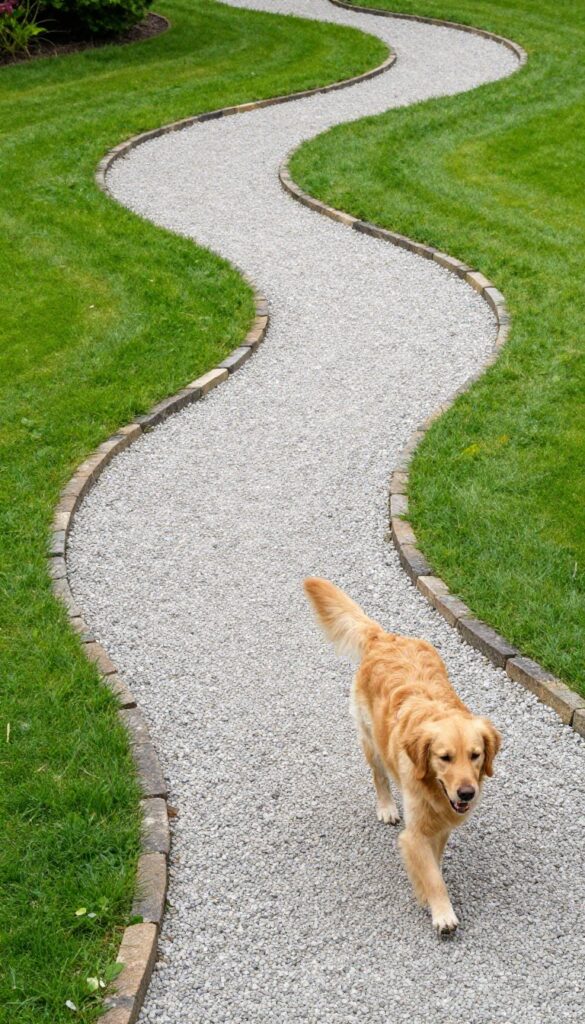
If your yard turns into a swamp after every rain, a gravel dog run might be your best friend. Pea gravel or decomposed granite creates a permeable surface that lets water drain straight through, so your pup stays dry and mud-free. Plus, it's surprisingly gentle on paws and requires almost no upkeep beyond an occasional rake.
Gravel runs are ideal for problem areas where grass refuses to grow or puddles linger for days. They also define a clear path for your dog to follow, which can help reduce digging and wandering into flower beds. The key is choosing the right gravel size and depth to ensure comfort and drainage.
Why Gravel Works For Drainage
Unlike solid surfaces like concrete or pavers, gravel has natural gaps that allow rainwater to percolate into the soil below. This prevents runoff and pooling, keeping the run usable even after heavy storms. Decomposed granite compacts slightly for stability while still draining well, and pea gravel stays loose for maximum permeability.
Choosing The Right Gravel
For dog runs, stick with smooth, rounded pea gravel (3/8 to 5/8 inch) or decomposed granite. Avoid sharp, angular gravel that can hurt paws. A depth of 2 to 4 inches is ideal—enough to absorb impact and drain well, but not so deep that your dog struggles to walk.
Install a weed barrier underneath to prevent plants from poking through.
Installation And Maintenance Tips
Start by excavating 4 to 6 inches of soil, then lay down landscape fabric to block weeds. Add a base layer of crushed stone for stability, then top with your chosen gravel. Edge the run with metal, plastic, or stone borders to keep gravel contained.
Maintenance is simple: rake occasionally to level the surface and remove debris, and top up gravel as needed every year or two.
3. Shaded Runs with Canopy or Trees
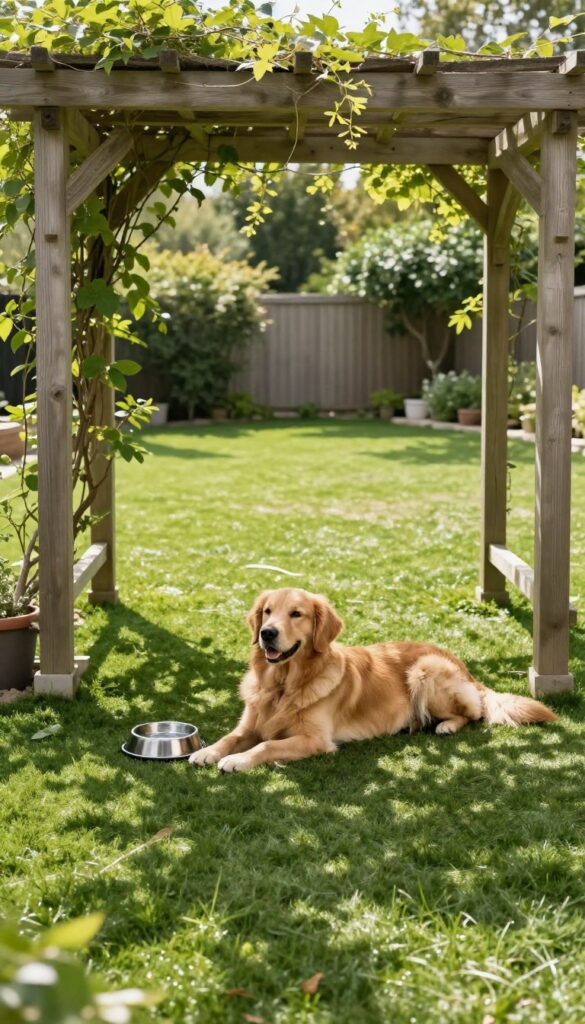
Direct sun can turn a dog run into an uncomfortable oven, especially during peak summer hours. A shaded run keeps your pup cool, reduces the risk of heatstroke, and makes the space usable all day long. Whether you install a shade sail, build a pergola, or plant fast-growing trees, the goal is to create a cool zone where your dog can play without overheating.
The right shade solution also protects turf or artificial grass from sun damage.
A shaded run is a simple upgrade that pays off in comfort and safety. Dogs can overheat quickly, and a shaded area gives them a place to retreat. Plus, shade helps your run materials last longer—no more faded turf or cracked rubber mats.
Consider the sun's path across your yard before choosing a shade method. A movable shade sail offers flexibility, while a permanent pergola provides structure you can train vines on. Trees take longer but add natural beauty and cooling.
Shade Sails: Quick And Adjustable
A shade sail is a triangular or rectangular piece of fabric stretched between posts or your house and fence. They're affordable, easy to install, and can be angled to block afternoon sun. Look for high-density polyethylene fabric that blocks UV rays but lets air flow through.
You can take them down in winter or adjust tension as needed.
Pergola With Climbing Plants
A wooden or metal pergola adds permanent structure to your run. Train climbing plants like jasmine, wisteria, or grapevines across the top for natural shade that thickens over time. This option looks beautiful and creates a cooler microclimate.
Just make sure any plants you choose are non-toxic to dogs.
Strategic Tree Planting
If you're patient, planting a tree is the most natural shade solution. Choose fast-growing species like red maple, river birch, or hackberry that reach a good size in a few years. Plant on the west or south side of the run to block harsh afternoon rays.
A mature tree also provides wind protection and a sense of enclosure.
4. Multi-Dog Runs with Separate Zones
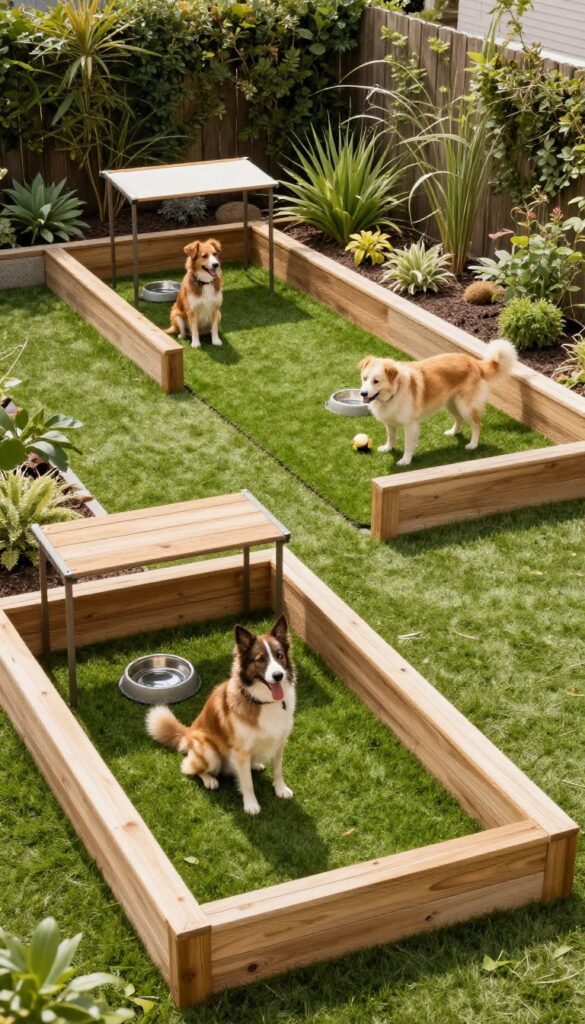
If you have more than one dog, you know the struggle of managing their space. Resource guarding, toy stealing, and turf wars can turn a simple potty break into a negotiation. A single open run might work for one pup, but multiple dogs often need their own zones to feel secure.
Designing separate but connected areas gives each dog a personal retreat while still allowing supervised playtime together. This setup reduces stress and keeps the peace without sacrificing backyard flow.
Why Separate Zones Matter
Dogs have different temperaments and needs. A shy dog might want a quiet corner away from a boisterous sibling. Separate zones let each pup eat, sleep, or play without feeling crowded.
It also prevents resource guarding over food bowls, toys, or favorite sunbathing spots.
Designing The Layout
Use low fencing or raised garden beds to create visual barriers without blocking your view. Each zone should have its own gate or entrance so you can let dogs in and out individually. Leave a shared central area for joint playtime when you're there to supervise.
Materials And Features
Choose durable, easy-to-clean surfaces like concrete pavers or artificial turf for each zone. Add a water station and shade structure per area. Consider a dog door that leads to a specific zone so each pup can access their space directly from the house.
Training For Smooth Transitions
Introduce the zones gradually. Let each dog explore their own area first, then practice supervised together time in the shared zone. Use positive reinforcement to associate their personal space with good things like treats and toys.
5. Run Along a Fence Line for Space Efficiency
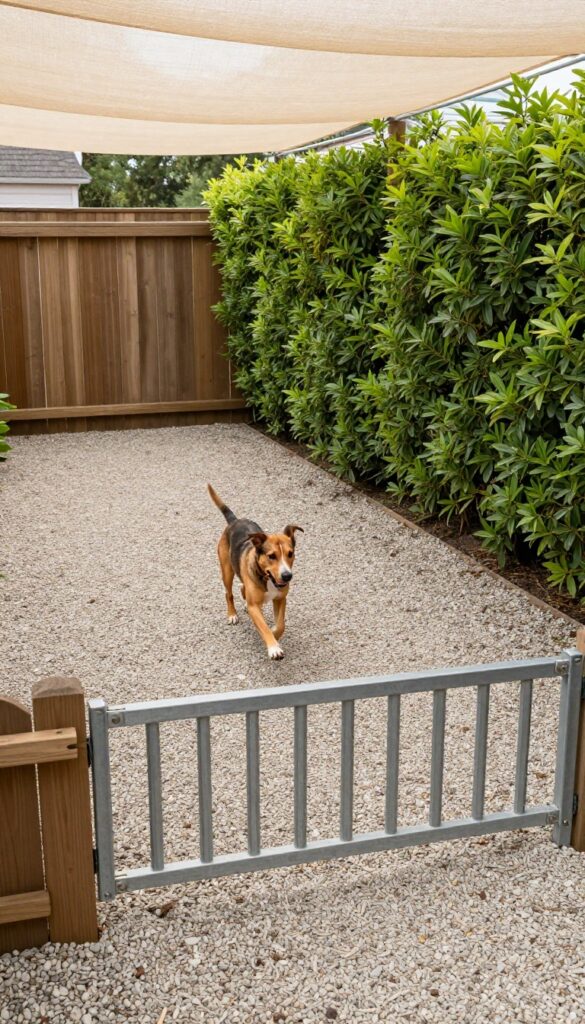
Narrow side yards often go unused, but they can become the perfect dog run with minimal effort. By building a long, straight path along an existing fence, you create a dedicated space for fetch and sprinting without sacrificing your main yard. This layout works especially well for high-energy dogs that need a straightaway to burn off steam.
It also keeps the run out of sight, maintaining your backyard's aesthetic for entertaining or relaxing.
Maximizing Narrow Spaces
Side yards are typically 4 to 6 feet wide, which is plenty for a dog to run back and forth. By installing a run along the fence, you transform a forgotten strip into a functional exercise zone. Use gravel or artificial turf to keep maintenance low and prevent mud from splashing onto the fence.
Fencing And Safety Considerations
Since the run shares a fence line, ensure the existing fence is secure and tall enough for your dog. Add a second fence or barrier on the opposite side if needed to prevent escapes. Use sturdy materials like chain link or welded wire, and check for gaps or sharp edges.
Surface Options For Comfort And Durability
For a fence-line run, choose a surface that drains well and provides good footing. Pea gravel is affordable and allows urine to drain, while artificial turf offers a softer feel and easy cleanup. Avoid concrete, which can get hot and hard on joints.
Adding Shade And Enrichment
A fence-line run can get hot in direct sun, so consider adding a shade sail or planting a row of tall shrubs along the opposite side. You can also attach a water station or a few toys to keep your dog engaged during playtime.
6. Integrated Agility Features for Active Dogs
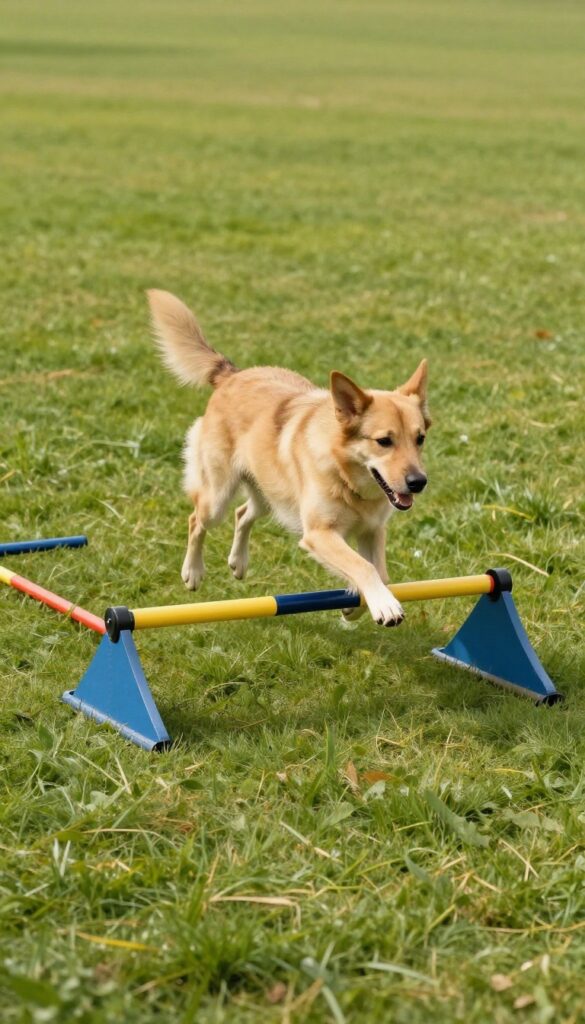
A straight, boring run might be fine for a quick potty break, but high-energy dogs need more stimulation. Adding agility equipment turns the run into a mini obstacle course that challenges them physically and mentally. The best part?
You don't need a huge space or expensive gear to make it happen.
Start With The Basics: Jumps And Weave Poles
Begin with simple jumps made from PVC pipes or lightweight bars that can be adjusted in height. Place them at one end of the run so your dog can leap over them during a sprint. Weave poles are another easy addition—just plant six to eight poles in a straight line and teach your dog to zigzag through.
These build coordination and focus without taking up much room.
Add A Tunnel For Extra Fun
A collapsible fabric tunnel adds a whole new element. Dogs love the thrill of running through a dark, enclosed space. Position it in the middle of the run so they have to navigate both ends.
Tunnels are lightweight, easy to store, and can be moved around to keep the course fresh. Just make sure it's secured to the ground so it doesn't shift during use.
Keep Safety And Maintenance In Mind
Agility features should be stable and safe. Avoid sharp edges or materials that could hurt paws. Check regularly for wear and tear, especially after rain.
Also, give your dog breaks—this is play, not boot camp. Rotate the equipment layout every few weeks to keep the challenge interesting and prevent boredom.
7. Paver or Concrete Runs for Easy Cleaning
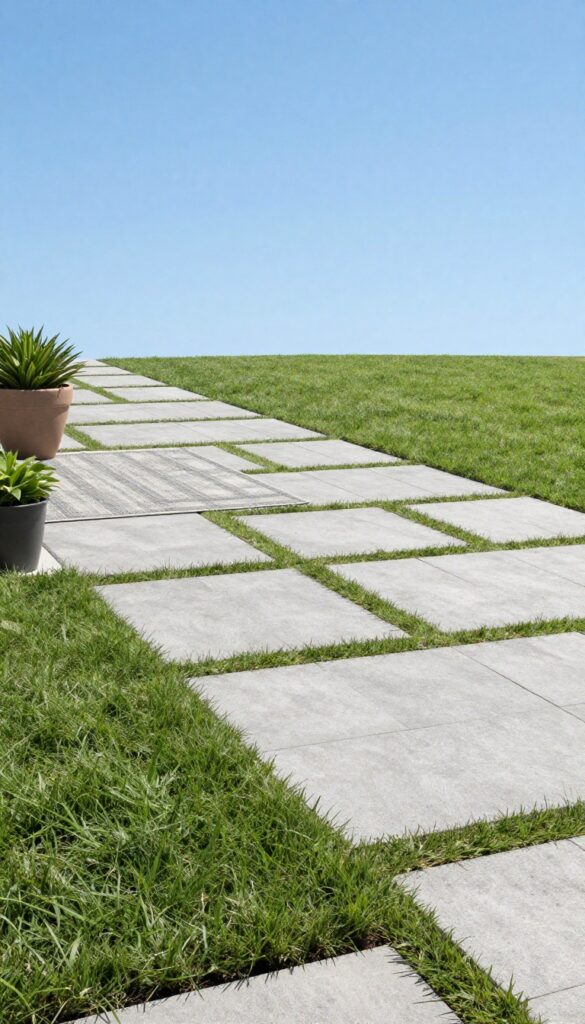
Dirt, mud, and mess are part of having a dog, but they don't have to take over your backyard. A paver or concrete run gives you a hard, durable surface that you can spray clean in minutes. No more scrubbing muddy paw prints off the patio or dealing with grass that turns into a swamp.
A paver or concrete run is the ultimate low-maintenance solution for dog owners who want a clean, functional space. The hard surface prevents digging, eliminates mud patches, and makes waste cleanup as simple as a quick hose-down. You can choose from a variety of materials, including interlocking pavers, stamped concrete, or even poured concrete with a textured finish for traction.
Choosing The Right Surface
Pavers offer a classic look and allow for drainage between joints, while concrete provides a seamless, easy-to-clean surface. For high-traffic areas, consider stamped concrete with a non-slip texture to prevent slips when wet. If you go with pavers, use polymeric sand in the joints to keep weeds out and ants away.
Installation Tips For Drainage
Proper drainage is key to keeping the run dry and clean. Slope the surface slightly away from your house, about 1/8 inch per foot, so water runs off instead of pooling. Install a French drain or a trench grate along the edge if your yard has poor drainage.
A well-drained run dries quickly after rain or hosing.
Adding Comfort And Style
A hard surface doesn't have to feel cold or bare. Lay down a washable outdoor rug or artificial turf mat in a shaded corner for your dog to lounge on. Add potted plants or decorative edging to blend the run into your landscape.
You can even paint or stain concrete to match your home's exterior.
8. Natural Landscaped Runs with Dog-Safe Plants
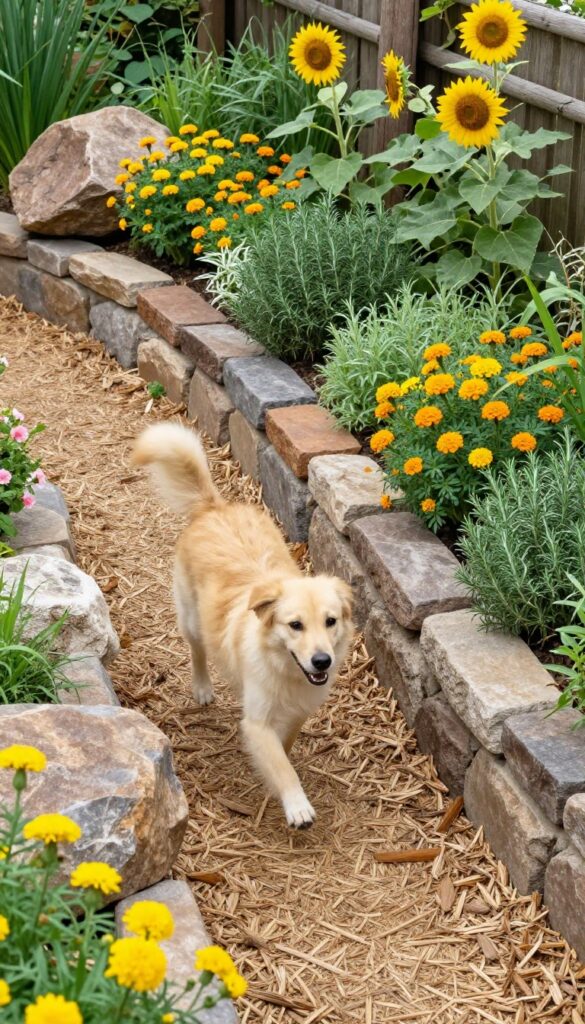
A dog run doesn't have to look like a prison yard. With the right plants and materials, you can create a run that blends seamlessly into your garden while keeping your pup safe and happy. The trick is choosing hardy, non-toxic species that can handle a little roughhousing and occasional digging.
Natural landscaping turns a functional space into something beautiful. By using dog-safe plants, mulch, and strategic layout, you can design a run that feels like an extension of your garden rather than an afterthought. Your dog gets a stimulating environment, and you get a yard that still looks good.
Choosing Dog-safe Plants
Start with plants that are non-toxic and tough. Good options include sunflowers, marigolds, rosemary, and creeping thyme. Avoid lilies, azaleas, and sago palms, which are toxic to dogs.
Ground covers like clover or moss can handle foot traffic and discourage mud.
Mulch And Ground Cover
Skip cocoa mulch, which is toxic, and go for cedar or pine bark nuggets. They smell great and resist compaction. For a softer surface, consider pea gravel or decomposed granite mixed with soil.
These materials drain well and are easy on paws.
Layout And Integration
Use curved borders and natural stone edging to soften the run's lines. Plant taller species along the fence for privacy and shade. Add a few larger rocks or logs for your dog to climb on.
The goal is to make the run feel like a natural part of the landscape, not a separate zone.
9. Elevated Deck Runs for Small Yards
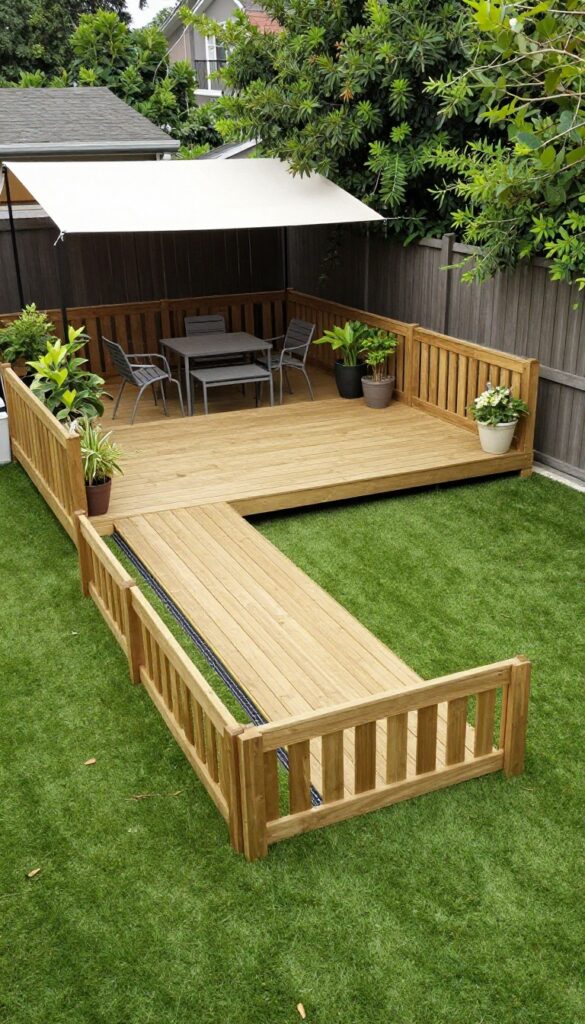
When your yard is more postage stamp than pasture, every square foot counts. An elevated deck run solves two problems at once: it gives your dog a dedicated potty and play zone while freeing up ground space for patio furniture, garden beds, or a grill. The raised platform also doubles as a lookout post, so your pup can survey their kingdom without trampling your petunias.
Building a raised dog run isn't as complicated as it sounds. You can start with a simple wooden platform, add a ramp with traction strips, and surround it with removable fencing or pet-safe netting. The key is making sure the deck is sturdy enough to support your dog's weight and has a surface that's easy to clean—think artificial turf, rubber mats, or outdoor carpet.
A small roof or canopy overhead provides shade and rain protection, making the run usable in more weather conditions. For extra convenience, add a drainage layer beneath the turf to prevent odors and pooling water.
Why Elevated Works In Tight Spaces
Raising the run off the ground lets you reclaim the area underneath for storage, potted plants, or a shaded spot for your own lounge chair. It also keeps your dog away from muddy puddles and pests that live at ground level. The ramp gives older or arthritic dogs easy access without jumping, and the height naturally discourages digging.
Materials That Last
Pressure-treated lumber or composite decking resists rot and splinters. Use galvanized screws and brackets for durability. For the surface, artificial turf with infill stays clean and drains well, while rubber mats are softer on joints and simple to hose off.
If you go with outdoor carpet, choose a low-pile option that doesn't trap dirt.
Safety And Comfort Tips
Ramp angle matters—keep it gentle, around 20 degrees, with cleats or grip tape every few inches. Add railings or mesh sides to prevent falls, especially for small or excitable dogs. Place the deck in a spot that gets morning sun and afternoon shade, or install a retractable awning.
A water bowl holder attached to the railing keeps hydration within reach.
FAQ
How big should a dog run be?
A good rule is at least 6 feet wide and 20 feet long for small to medium dogs, and larger for big breeds. The more space, the better for running and playing.
What is the best surface for a dog run?
It depends on your needs. Artificial turf is great for cleanliness, gravel for drainage, and concrete for easy cleaning. Consider your dog's comfort and maintenance preferences.
Can I build a dog run on a slope?
Yes, but you may need to terrace or grade the area to prevent erosion and create a level surface. Consult a landscaper for steep slopes.
How do I keep my dog cool in a run?
Provide shade with a canopy, trees, or a shade cloth. Also include a water source like a misting system or a splash pool.
Do I need a permit for a dog run?
Check local zoning laws. Some areas require permits for structures like fences or decks. Always verify before building.
Conclusion
Your backyard can become a seamless extension of your home with the right dog run setup. Start with one idea that fits your space and your pup's energy level, whether it's adding a tunnel, a splash pad, or a shaded lounging area.
Small changes like better drainage or a secure gate can make daily use much smoother. Your dog will have more fun, and you'll enjoy a backyard that works for everyone.

I’m Pallab Kishore, the owner of Little Pets Realm — an animal lover and pet care enthusiast sharing easy tips, healthy recipes, and honest advice to help every small pet live a happy, healthy, tail-wagging life.