
Last updated on August 19th, 2026 at 04:15 pm
Setting up a home grooming station doesn't have to break the bank or take over your living room. With the right 13 essentials, you can handle everything from a quick tidy-up to a full haircut without the salon price tag.
These picks focus on durability, safety, and making the process easier on both you and your dog.
Whether you're starting from scratch or upgrading a few key pieces, this list covers the tools that actually earn their spot in your grooming kit.
1. High-Quality Clippers That Won't Quit
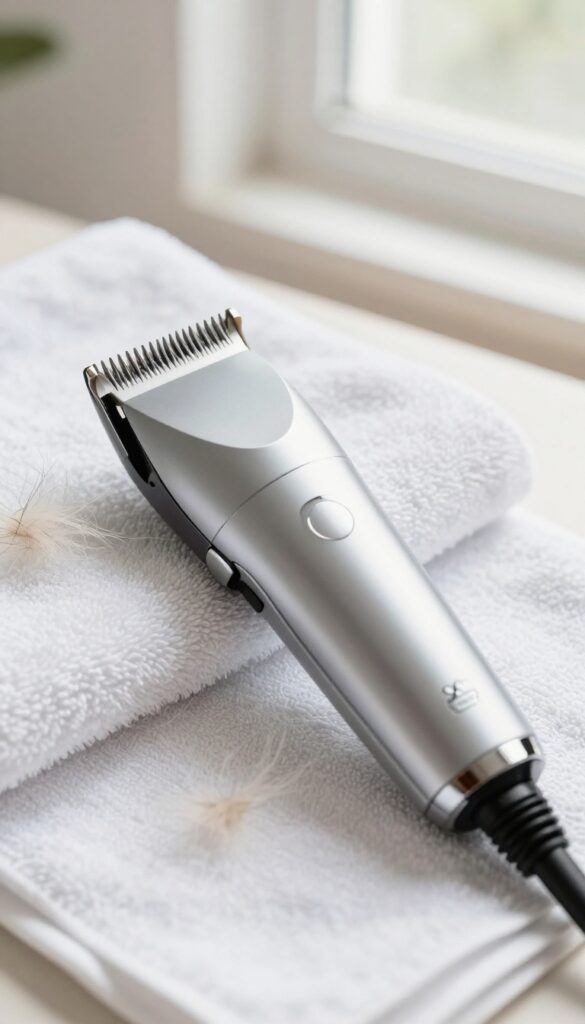
The clippers are the workhorse of your grooming kit. A cheap pair will snag, overheat, and leave you with a choppy mess. Investing in a reliable set with a powerful motor and ceramic blades makes every cut smoother and faster.
Look for clippers with adjustable speed settings so you can dial it down for sensitive areas and crank it up for thick coats. Low noise is a game-changer for anxious dogs—quieter motors mean less stress for everyone. A quality pair can easily last a decade with proper maintenance, paying for itself after just a few home grooms.
Motor And Blade Quality
Rotary motors are best for heavy-duty use, while pivot motors are quieter and still powerful enough for most coats. Ceramic blades run cooler and stay sharp longer than steel. Look for detachable blades so you can swap sizes without buying a whole new clipper.
Speed And Noise Control
Variable speed lets you slow down around the face, paws, and sanitary areas. A clipper that runs at 2500 to 5000 strokes per minute gives you flexibility. Noise ratings matter—some brands are noticeably quieter, which helps keep fearful dogs calm.
Corded Vs. Cordless
Corded clippers deliver consistent power and never run out of battery mid-groom. Cordless models offer freedom of movement but need a backup battery if you have a thick-coated breed. Many groomers keep both on hand.
2. A Set of Snap-On Comb Attachments
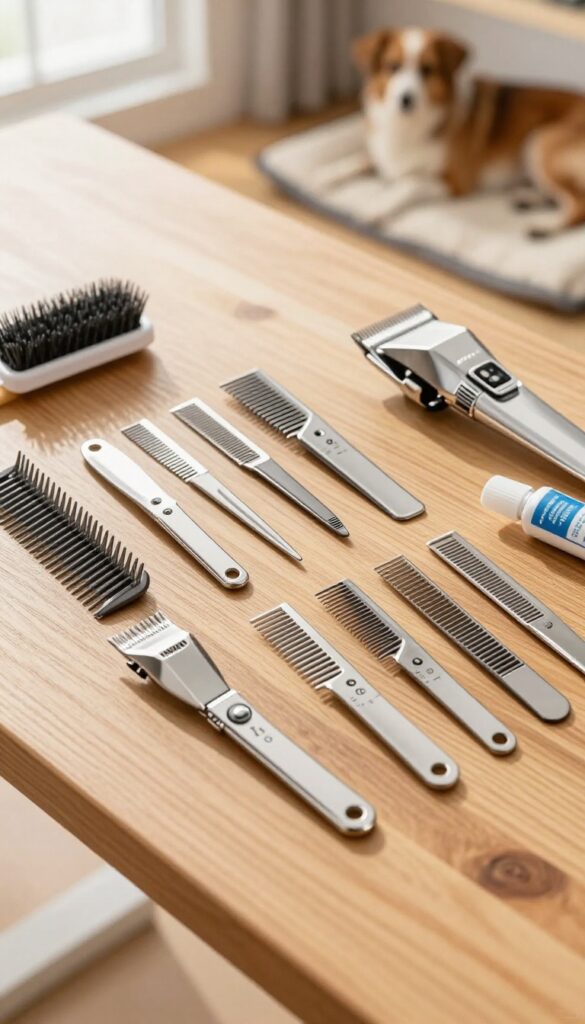
Comb attachments are the unsung heroes of home grooming. They attach directly to your clipper blade and determine how much hair stays on your dog. A good set gives you control over coat length without the risk of accidental nicks or uneven patches.
Most sets include a range from 1/8 inch to 1 inch, covering everything from a close summer cut to a longer winter trim. They're inexpensive, easy to swap mid-groom, and make achieving a consistent finish far simpler than freehanding it.
Snap-on comb attachments are a game-changer for home groomers. They let you set a precise length and glide through the coat without worrying about cutting too close. Look for a set with at least four sizes, from 1/8 inch to 1 inch, to handle different breeds and seasons.
Stainless steel combs are durable and glide smoothly, while plastic ones are lighter but can snag on matted fur. Always attach the comb before turning on the clippers to avoid accidental blade contact. Clean them after each use with a brush or compressed air to prevent hair buildup that can dull the blade.
With practice, you'll be able to switch between lengths for a blended look, like a shorter body and longer legs or a tidy face and paws.
Why Snap-on Beats Adjustable
Adjustable clipper blades sound convenient, but they often leave uneven results because the length changes as you move. Snap-on combs lock into place and maintain a consistent gap between blade and skin. That means no accidental scalping or choppy lines.
They also protect the blade from direct contact with dirt and dander, extending its life. If you're grooming multiple dogs with different coat types, snap-on combs let you switch lengths in seconds without stopping to adjust a dial.
Choosing The Right Set
Not all comb sets are created equal. Look for one that includes both standard sizes (1/8, 1/4, 3/8, 1/2 inch) and a longer option like 3/4 or 1 inch for fluffier breeds. Metal combs with coated teeth reduce static and are easier to clean.
Avoid sets with sharp edges that could scratch the skin. If your clippers are a specific brand, check compatibility—most universal sets fit Oster, Andis, and Wahl models. A good set costs between $10 and $25 and will last for years with proper care.
Pro Tips For Smooth Results
Always brush your dog's coat first to remove tangles—comb attachments can pull on mats and cause discomfort. Work in the direction of hair growth for a natural look, and go against the grain for a closer cut. Go slowly over bony areas like the spine and hips to avoid pressure marks.
Clean the comb after every few strokes by tapping it against your hand or using a small brush. If the comb gets clogged, remove it and rinse with warm water. A little clipper oil on the blade before attaching the comb reduces friction and heat.
3. Stainless Steel Grooming Shears
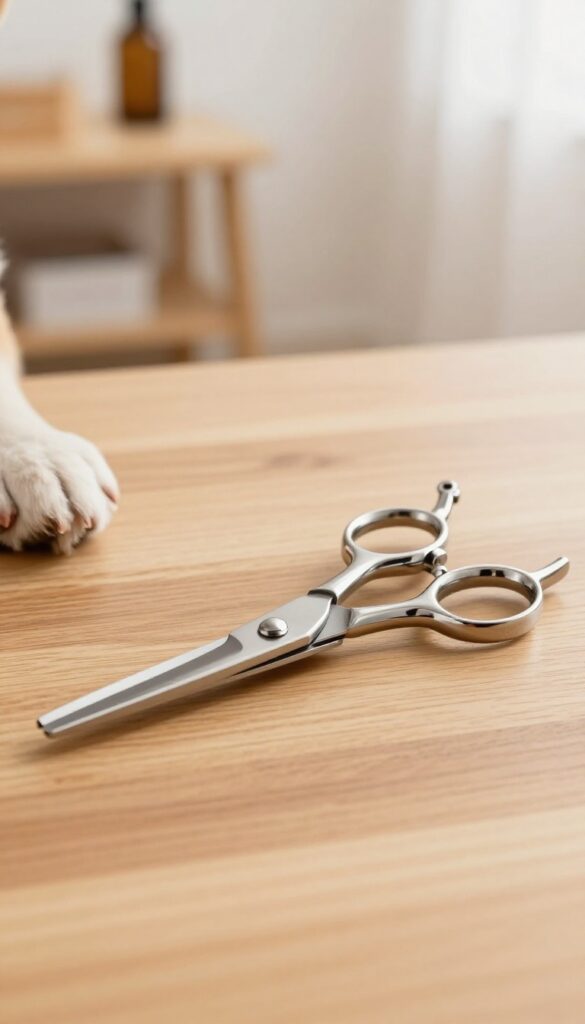
A good pair of shears makes all the difference when you're trimming sensitive areas like paw pads, around the eyes, or the sanitary zone. Unlike clippers, shears give you precision without the noise, which is a big plus for anxious dogs. Stainless steel is the material to look for—it holds its edge longer and won't rust if you accidentally leave it in a damp sink.
Straight Vs. Curved: When To Use Each
Straight shears are your go-to for blunt cuts, like trimming the hair on paw pads or evening out the body coat. Curved shears are better for rounding off the face, shaping the tail, or working around curves like the hocks. Most groomers recommend having both in your kit so you can switch based on the area you're trimming.
Why Cheap Shears Cost You More
Low-quality shears often have loose screws, uneven blades, and dull edges that pull hair instead of cutting it. This hurts your dog and makes the grooming experience miserable for both of you. A decent mid-range pair from a brand like Kenchii or Geib will stay sharp for months and can be sharpened when needed, saving you money in the long run.
Safety Tips For Using Shears At Home
Always cut with the tips pointed away from your dog's skin, and never use shears near the eyes unless you're experienced. Keep your shears clean and oiled after each use, and store them in a protective case or sheath. A good habit is to check the tension screw regularly—if the blades feel loose or too tight, adjust it before you start cutting.
4. A Slicker Brush for All Coat Types
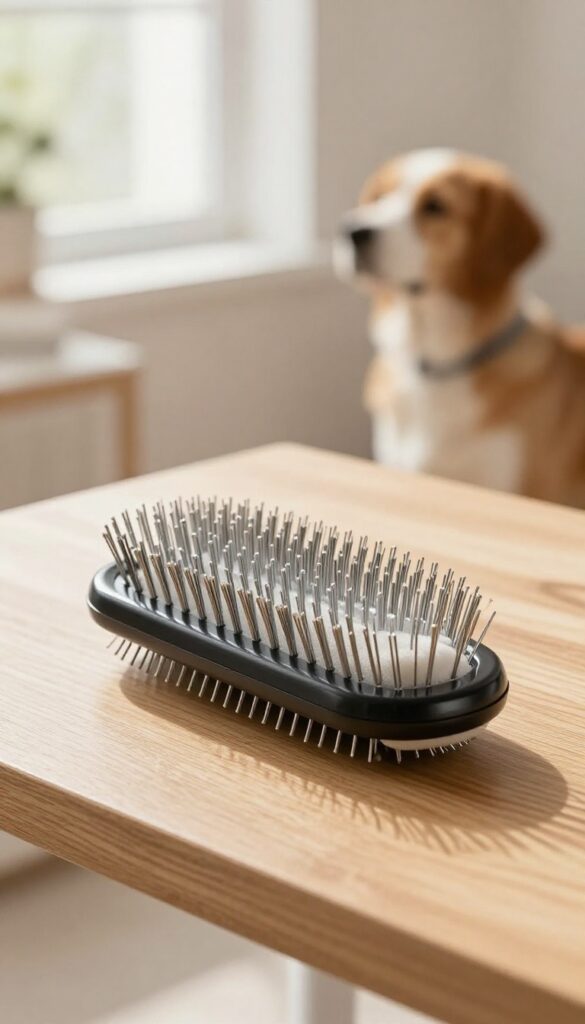
A slicker brush is the MVP of daily grooming. It tackles tangles, lifts loose undercoat, and leaves the coat shiny. Look for one with fine, bent wires set in a cushioned pad—this design glides through fur without scratching the skin.
It works wonders on double-coated breeds like Huskies and Golden Retrievers, but it's gentle enough for short-haired dogs too.
The slicker brush is your go-to for maintaining a healthy coat between baths. Its fine wires reach deep to remove dead hair and prevent mats from forming. Using it a few times a week reduces shedding and distributes natural oils for a glossy finish.
For best results, brush in sections, working from the skin outward, and be extra gentle around sensitive areas like the belly and legs.
Why The Cushioned Pad Matters
A cushioned pad isn't just for comfort—it protects your dog's skin. Without it, the wires can poke or scrape, causing irritation. The pad also helps the brush flex to follow your dog's contours, making grooming more efficient and less stressful.
How To Choose The Right Wire Density
Denser wires work best for thick or double coats, while wider-spaced wires suit shorter or finer fur. If your dog has sensitive skin, opt for a brush with rounded wire tips. Test a few to find what glides through your dog's coat without pulling.
Daily Brushing Routine Tips
Start with a few minutes of gentle strokes to get your dog comfortable. Focus on one area at a time, and reward calm behavior with treats. For heavy shedders, brush outside to contain the mess.
Always follow up with a comb to catch any remaining tangles.
5. A Metal Greyhound Comb for Finishing
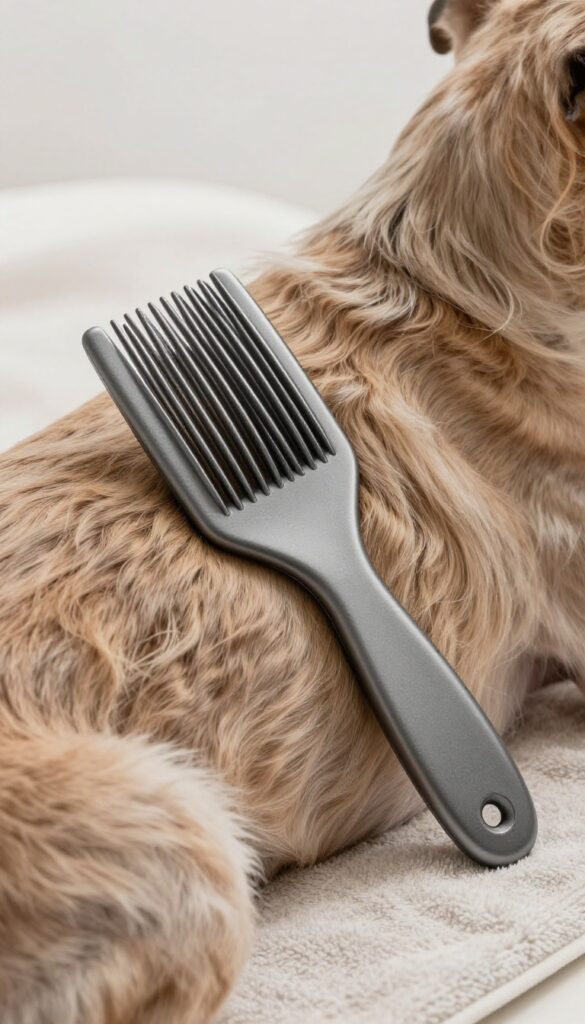
Once you've brushed and clipped, a metal greyhound comb is your secret weapon for a truly professional finish. It catches tangles and loose hair that the slicker brush might have missed, and it helps you double-check for mats hiding under the topcoat. The two-sided design—wide teeth on one end for detangling, fine teeth on the other for smoothing—makes it incredibly versatile.
This comb is especially useful after clipping, when you want to ensure the coat is even and free of any hidden snags that could cause discomfort. Running the fine-tooth side through the coat also helps distribute natural oils, giving the fur a healthy sheen. It's a simple tool, but it makes a noticeable difference in the final look and feel of your dog's coat.
Why Greyhound Combs Stand Out
Unlike plastic combs, metal greyhound combs have smooth, rounded teeth that glide through fur without snagging or creating static. The teeth are spaced precisely to handle both thick undercoats and fine topcoats. They're also durable—a good one will last for years with proper care.
How To Use It Effectively
Start with the wide-tooth side to gently work out any tangles, then switch to the fine-tooth side for a smooth finish. Work in small sections, and always comb in the direction of hair growth. Pay extra attention to areas prone to matting, like behind the ears, under the legs, and around the collar.
When To Reach For This Comb
Use it after brushing with a slicker to catch any remaining knots, and always after clipping to ensure the coat is even and mat-free. It's also great for a quick touch-up between full grooming sessions—just a few passes can keep your dog looking tidy.
6. Nail Grinder or Clippers That Fit Your Style
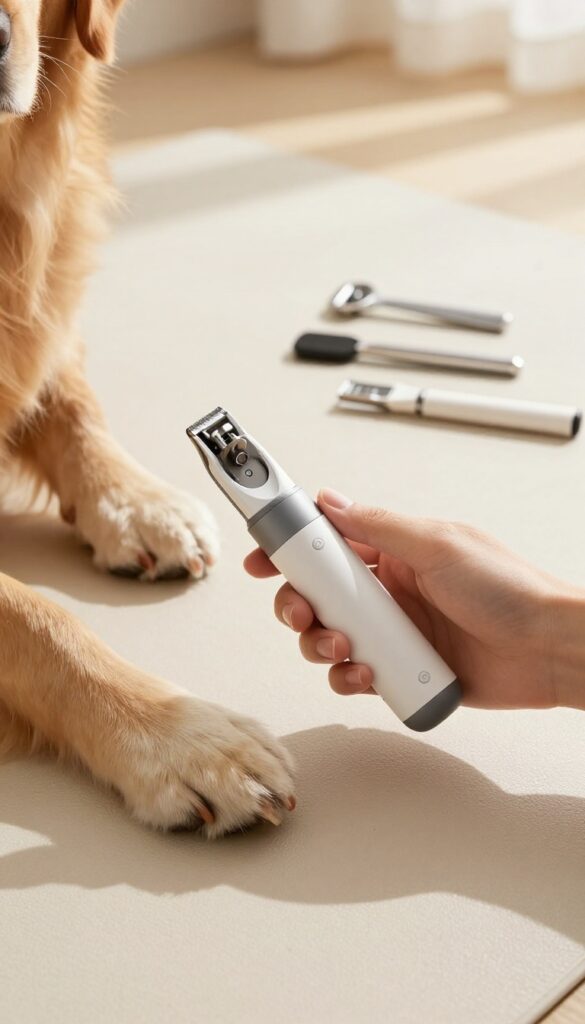
Nail trims are often the most dreaded part of grooming—for both you and your dog. But having the right tool can turn a stressful wrestling match into a quick, calm routine. The choice between a grinder and clippers comes down to your dog's nail type and temperament.
Grinders: Smooth And Precise
Grinders use a rotating sanding band to file nails down gradually. They're great for dogs with dark nails because there's no risk of cutting the quick. The process is slower but more controlled, and many dogs tolerate the vibration better than the snap of clippers.
Look for a model with variable speed and a guard to prevent over-grinding.
Clippers: Fast And Powerful
Guillotine-style or scissor-style clippers work best for thick, fast-growing nails. They make a clean cut in one squeeze, which is ideal for dogs who won't sit still for long. The downside is a higher chance of splitting or hitting the quick.
Choose sharp, stainless steel blades and a size that matches your dog's nail thickness.
Try Both, Keep Styptic Powder Handy
Every dog is different, so it's worth trying both methods to see which your dog tolerates best. Some owners even use clippers to take off the bulk and a grinder to smooth the edge. No matter which you pick, always have styptic powder nearby.
Accidents happen, and a quick dab stops bleeding fast.
7. Gentle Dog-Safe Shampoo and Conditioner
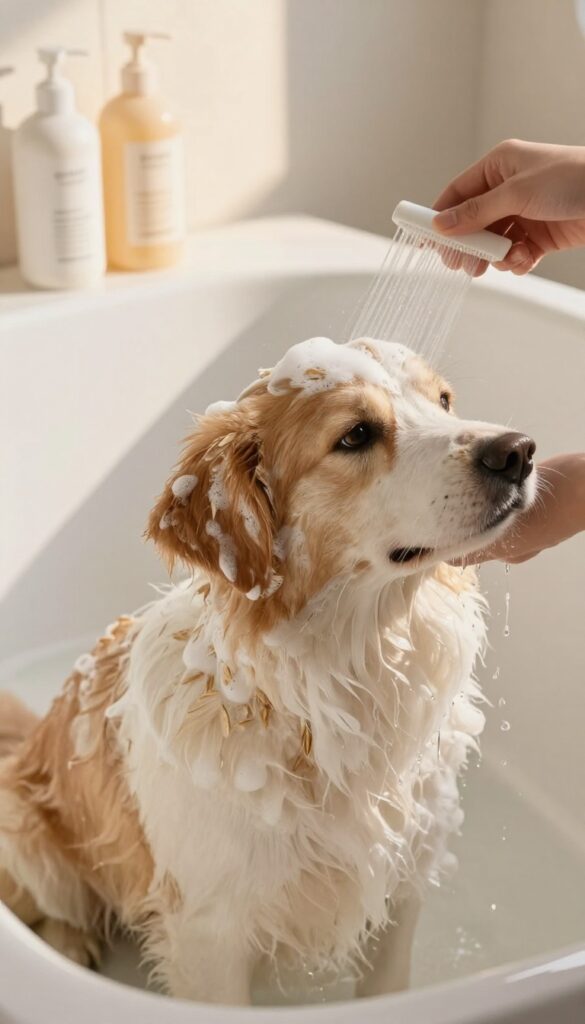
Your dog's skin is more delicate than yours, with a different pH balance. Using human shampoo can strip natural oils and cause irritation. A mild, hypoallergenic dog shampoo keeps the coat clean without drying out the skin.
Adding a conditioner helps detangle fur and adds a healthy shine.
Why Human Shampoo Doesn't Work
Human shampoos are formulated for our slightly acidic skin (pH around 5. 5), while dogs have a more neutral pH (around 7. 5).
Using human products can disrupt their skin barrier, leading to dryness, itchiness, and even infections. Stick to shampoos specifically made for dogs.
What To Look For In A Shampoo
Look for a mild, hypoallergenic formula that's free of harsh sulfates, parabens, and artificial fragrances. Oatmeal-based shampoos are great for sensitive skin, while medicated options can help with specific issues like dandruff or allergies. Always dilute the shampoo before applying to lather gently.
The Role Of Conditioner
Conditioner isn't just for long-haired dogs. It helps detangle mats, reduces static, and adds moisture without stripping natural oils. A leave-in conditioner or spray can make brushing easier between baths.
Choose one that matches your dog's coat type—lightweight for fine fur, richer for thick coats.
8. A Non-Slip Bath Mat for the Tub
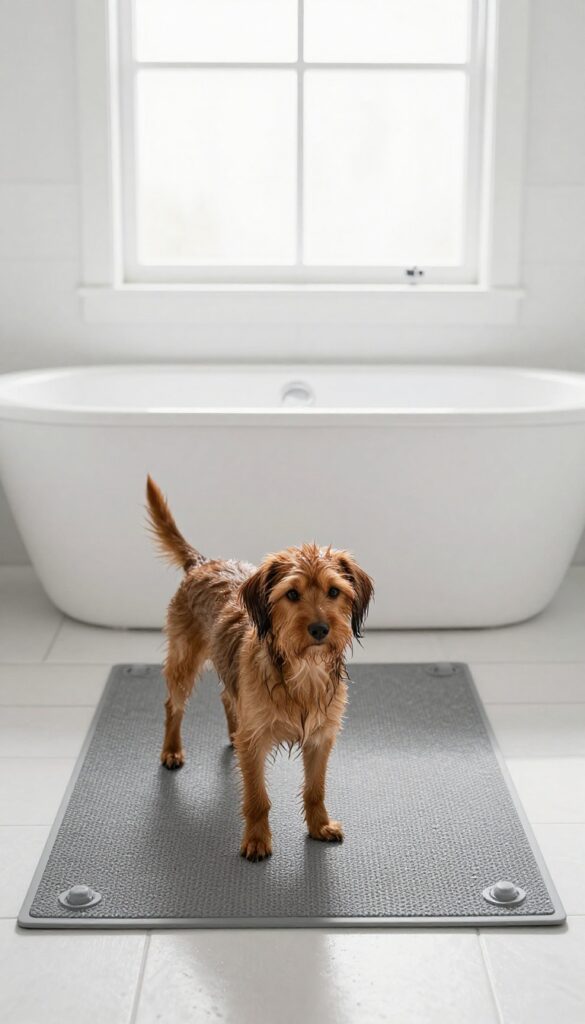
Bath time can be stressful for dogs who feel like they're sliding around a slippery tub. A simple non-slip mat with suction cups changes that entirely. It gives your pup solid footing, which reduces anxiety and makes the whole process smoother for you too.
Plus, it protects your tub from scratches caused by nervous claws.
A non-slip bath mat is a small investment that pays off in safety and calm. Look for one with strong suction cups that stay put when wet. The mat should cover enough area for your dog to stand comfortably without slipping.
It's also easy to clean—just rinse and hang to dry.
Why Your Dog Needs Traction
Dogs instinctively dislike unstable surfaces. When their paws slide, they panic, which can lead to thrashing or attempts to jump out. A mat gives them confidence and keeps them still, making bath time quicker and less traumatic.
Choosing The Right Mat
Look for mats made from rubber or silicone with deep suction cups. Avoid mats with rough textures that might irritate sensitive paw pads. Measure your tub to ensure a good fit—most mats are rectangular and come in various sizes.
Easy Maintenance
After each bath, rinse the mat to remove hair and soap residue. Let it air dry or wipe it with a towel. Every few weeks, scrub it with a mild cleaner to prevent mold or mildew.
A well-maintained mat lasts for years.
9. Ear Cleaning Solution and Cotton Pads
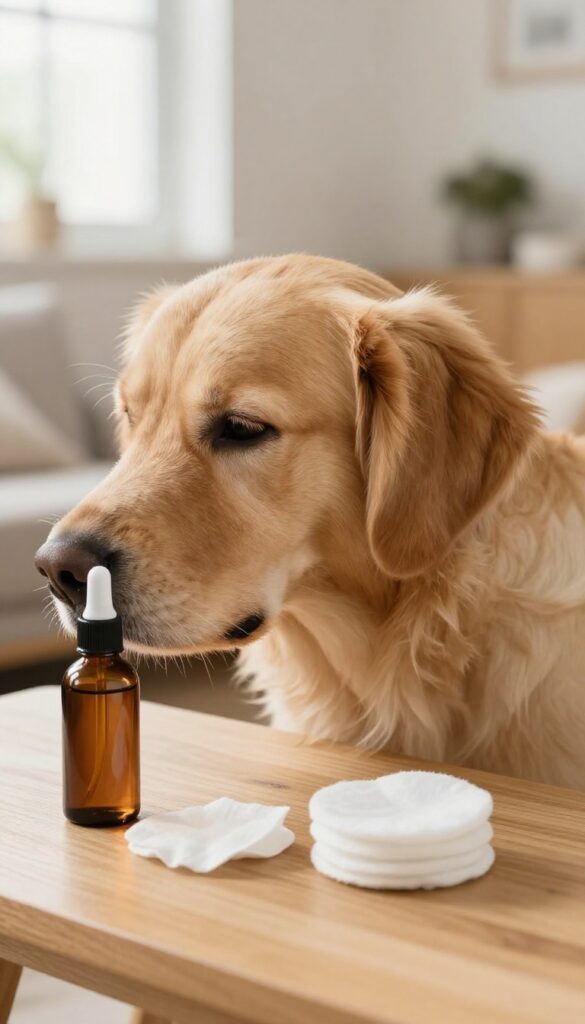
Ears are easy to overlook until your dog starts shaking their head or scratching at them. Regular cleaning removes dirt, wax, and moisture that can lead to infections, especially in floppy-eared breeds like Cocker Spaniels or Basset Hounds. A good ear cleaning routine is simple, painless, and can save you a costly vet visit.
Grab a vet-recommended ear cleaning solution and a stack of soft cotton pads. Avoid cotton swabs—they push debris deeper into the ear canal and can cause damage. Instead, saturate a cotton pad with solution, gently wipe the visible part of the inner ear, and let your dog shake out the rest.
Do this weekly or after baths and swimming.
Why Ear Cleaning Matters
Dogs with floppy ears have less airflow, creating a warm, moist environment where bacteria and yeast thrive. Regular cleaning helps prevent painful infections, reduces odor, and keeps your dog comfortable. Even dogs with upright ears benefit from occasional cleaning to remove buildup.
Choosing The Right Solution
Look for a pH-balanced, alcohol-free ear cleaner with drying agents like boric acid or salicylic acid. Avoid harsh ingredients that can irritate sensitive ears. Your vet can recommend a brand that suits your dog's needs, especially if they have a history of ear issues.
How To Clean Safely
Hold the ear flap up, squeeze a few drops of solution into the ear canal, then massage the base gently for 20–30 seconds. Let your dog shake, then wipe away loosened debris with a cotton pad. Never insert anything into the ear canal.
Reward with a treat to make it a positive experience.
10. A Grooming Table or Elevated Surface
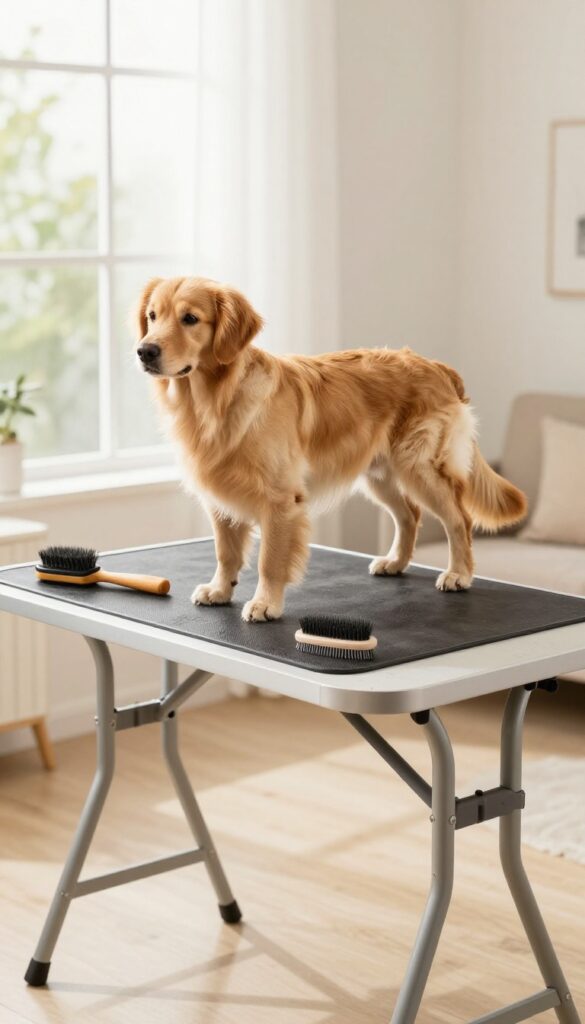
Your back will thank you for this one. Grooming on the floor forces you to hunch over, which gets uncomfortable fast. An elevated surface puts your dog at a comfortable working height, giving you better control and a clearer view of what you're doing.
You don't need a fancy professional table—a sturdy folding table with a non-slip mat works perfectly for home use.
A grooming table is a game-changer for both comfort and safety. It prevents your dog from slipping and gives you easy access to all areas. Plus, many dogs learn to associate the table with grooming and behave better once they're up there.
Why Height Matters
Working at waist height reduces strain on your lower back and shoulders. It also keeps your dog from bolting mid-groom. When they're on a table, they tend to stay put, making the whole process smoother and faster.
Diy Vs. Professional Tables
If you groom occasionally, a folding utility table from a hardware store works great. Add a non-slip mat or yoga mat on top for traction. For frequent grooming, a professional table with an adjustable arm and noose is worth the investment.
Safety First
Never leave your dog unattended on an elevated surface. Use a grooming loop or harness to prevent falls. Ensure the table is stable and doesn't wobble.
A non-slip surface is non-negotiable—it keeps your dog feeling secure.
11. A Grooming Apron with Pockets
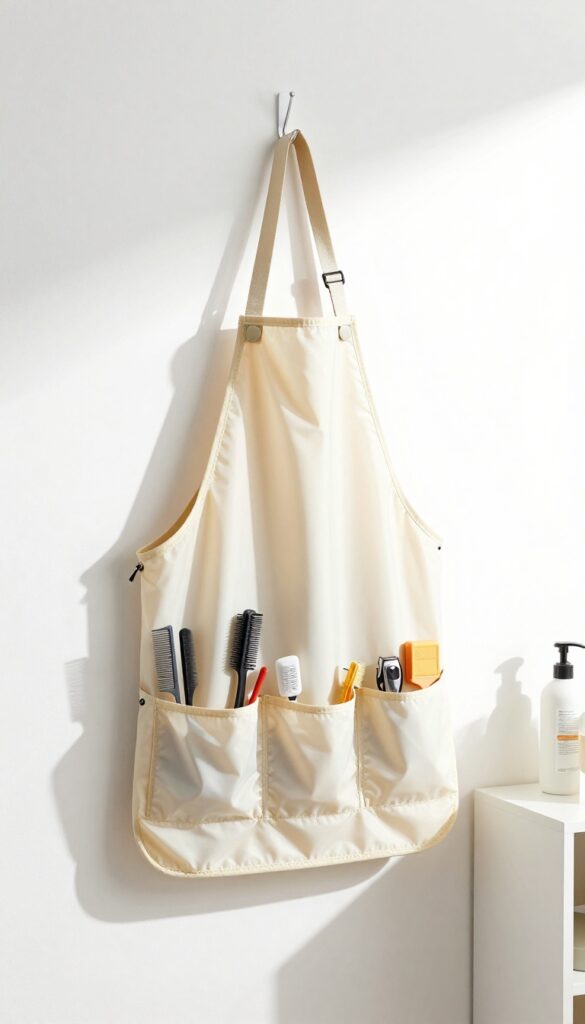
You’re mid-groom, clippers in one hand, comb in the other, and you realize the treats are on the counter three feet away. A grooming apron solves that. It keeps everything you need within arm’s reach, so you don’t have to stop and walk away mid-session.
Plus, it catches loose hair and protects your clothes from slobber, water, and fur.
A good grooming apron is more than just a piece of fabric. It’s a mobile workstation that holds your tools, treats, and phone. Look for one with multiple deep pockets—at least two for tools and one for treats.
The material should be waterproof or water-resistant so it wipes clean easily. Adjustable neck straps and a waist belt keep it comfortable during longer sessions. Machine-washable is a huge bonus because fur and dirt build up fast.
Pockets That Actually Work
Not all apron pockets are created equal. You want pockets that are deep enough to hold clippers without them falling out, but not so deep that you have to dig around. Look for divided pockets or loops specifically designed for brushes and combs.
A zippered pocket is great for smaller items like nail clippers or a phone. Avoid aprons with flimsy pockets that sag under the weight of tools.
Material Matters
Canvas and denim are durable but can get heavy when wet. Nylon and polyester blends are lightweight and dry quickly. A waterproof coating is ideal for bath-heavy grooming sessions.
Some aprons have a mesh lining that allows hair to fall through rather than stick to the fabric. Consider a smock-style apron that covers your chest and arms for maximum protection.
Cleaning And Maintenance
Even the best apron gets dirty. Look for one that’s machine-washable and can go on a gentle cycle. Air drying is best to preserve the waterproof coating.
Some aprons can be wiped down with a damp cloth between washes. Avoid fabric softeners, as they can reduce water resistance. A quick shake outside after each use helps remove loose hair.
12. A High-Velocity Dryer for Thick Coats
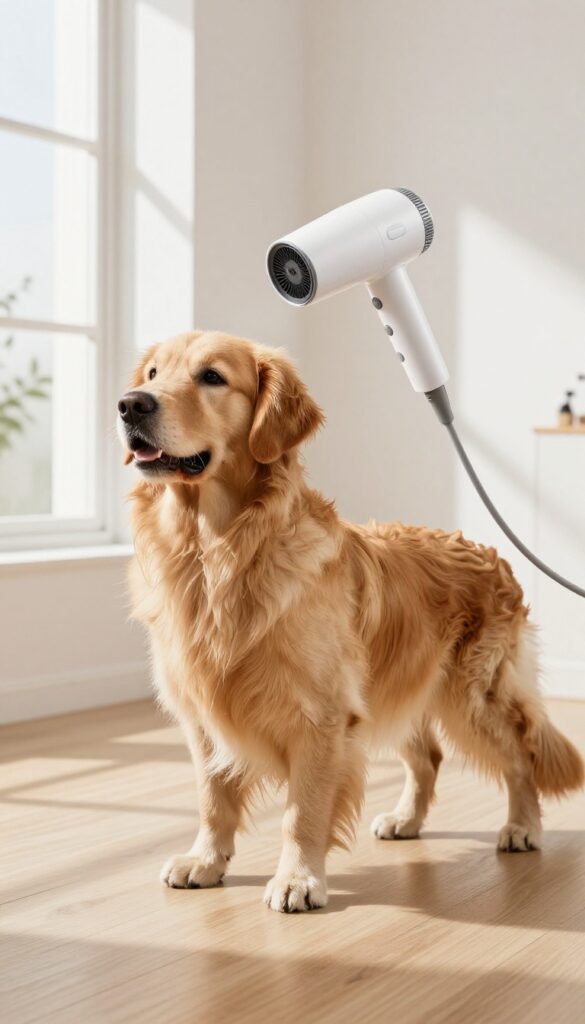
Towel drying a double-coated dog is an exercise in futility. You rub and rub, but the undercoat stays damp, and your arms get tired. A high-velocity dryer changes the game by using concentrated air to blast water and loose fur right off the dog.
It cuts drying time from an hour to about 10 minutes, and it removes shed undercoat so you don't have to rake it all out later. Look for a model with adjustable speed and heat settings so you can dial it down for sensitive areas or puppy coats.
High-velocity dryers work by forcing air through a narrow nozzle at high speed. The air doesn't need to be hot—in fact, many groomers use cool air to avoid overheating the dog. The force of the air lifts the coat and separates the hairs, allowing moisture to evaporate quickly.
For thick-coated breeds like Huskies, Golden Retrievers, or German Shepherds, this is the only efficient way to dry after a bath. It also helps blow out loose undercoat, reducing shedding around the house for weeks.
Why Towels Aren't Enough
Towels absorb surface moisture, but they can't reach the dense undercoat. A wet undercoat can lead to skin irritation, hot spots, and even moldy odors. High-velocity dryers force air through the coat, reaching the skin and evaporating moisture from the inside out.
They also help lift dirt and dander, leaving the coat cleaner and fluffier.
Key Features To Look For
Adjustable speed lets you start low for nervous dogs and increase as they get comfortable. Heat settings should include a cool option—many dogs prefer it, and it's safer for long sessions. Look for a concentrator nozzle that focuses the air stream, and a wider nozzle for fluff drying.
A long hose (at least 8 feet) gives you freedom to move around. Noise level matters too; some models are quieter than others, which helps anxious pets.
Safety Tips For First-time Users
Start with the dryer on low speed and point it away from the dog to let them get used to the sound. Gradually move the nozzle closer, always keeping it at least 6 inches from the skin. Never use high heat on sensitive areas like the face, ears, or genitals.
Watch for signs of stress—panting, trying to escape—and take breaks if needed. Use a happy tone and reward with treats to build positive associations.
13. Treats and Positive Reinforcement Tools
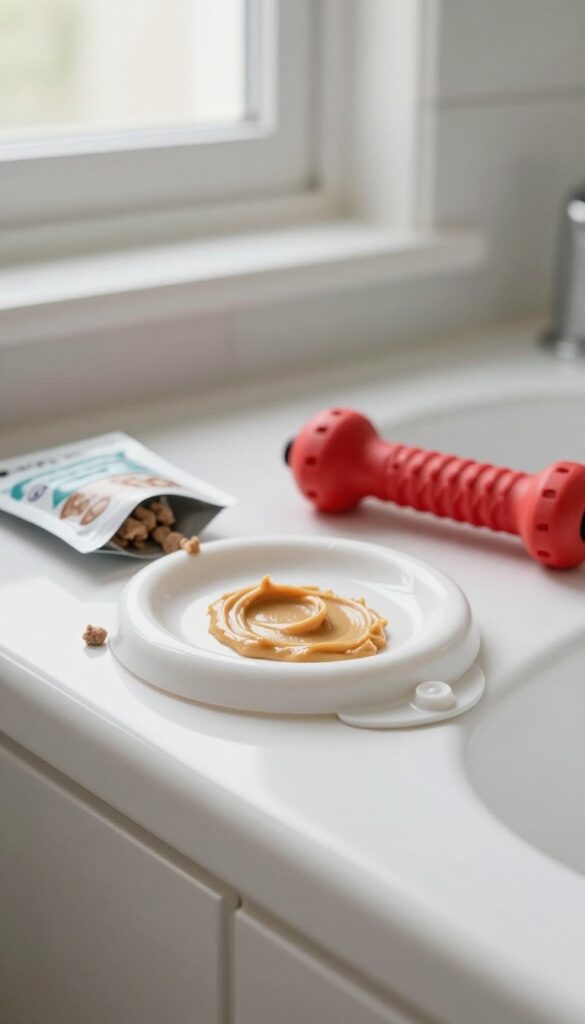
Grooming goes smoother when your dog associates it with rewards. Keep high-value treats handy. A lick mat smeared with peanut butter can distract during tricky tasks like nail trims.
Positive reinforcement transforms grooming from a chore into a bonding experience. By pairing each step with a tasty reward, you build trust and reduce anxiety. The right tools make this easy and mess-free.
High-value Treats
Choose soft, smelly treats that your dog doesn't get every day. Freeze-dried liver, cheese bits, or training treats work well. Keep a small pouch clipped to your waist for quick access during grooming.
Lick Mats And Spreads
A lick mat with suction cups sticks to the wall or tub. Spread peanut butter, yogurt, or wet dog food on it. This keeps your dog busy and calm while you clip nails or brush sensitive areas.
Treat Dispensing Toys
Use a Kong or similar toy filled with treats to create a positive association with the grooming area. Let your dog enjoy it only during grooming sessions to build anticipation.
Clicker Training Basics
A clicker can mark desired behavior precisely. Click when your dog stands still, then reward. Over time, grooming becomes a game.
This works especially well for puppies or anxious dogs.
FAQ
Do I really need a high-velocity dryer, or can I use a human hair dryer?
Human dryers get too hot and can burn a dog's skin. High-velocity dryers use cool air and are much more powerful, making them safer and faster for thick coats.
How often should I replace clipper blades?
It depends on use, but typically every 3-6 months. Dull blades pull hair and cause discomfort. You can extend life with proper cleaning and oiling after each use.
Can I use human shampoo on my dog in a pinch?
It's not recommended. Human shampoo disrupts a dog's skin pH, leading to dryness and irritation. Stick to dog-specific formulas even for occasional baths.
What's the best way to clean grooming shears?
Wipe blades with a soft cloth after each use. Use rubbing alcohol to sanitize, then apply a drop of oil to the pivot screw. Store them dry to prevent rust.
My dog hates the nail grinder. What can I do?
Start by letting the dog sniff the grinder while it's off. Reward calm behavior. Gradually turn it on at a distance, then touch the paw without grinding.
Pair with treats and keep sessions short.
Conclusion
Building a home grooming kit doesn't have to break the bank. Start with the essentials like a good brush, nail clippers, and dog-safe shampoo, then add tools as you go.
Your dog will appreciate the regular care, and you'll save money on professional grooms over time.

I’m Pallab Kishore, the owner of Little Pets Realm — an animal lover and pet care enthusiast sharing easy tips, healthy recipes, and honest advice to help every small pet live a happy, healthy, tail-wagging life.