
Last updated on August 19th, 2026 at 04:15 pm
Your backyard can be a paradise for both you and your dog—without sacrificing style or function. From splash zones to digging pits, these 12 ideas turn your outdoor space into a pup-friendly retreat that solves common problems like muddy paws and bored pets.
Each suggestion is practical, easy to implement, and designed to make your yard work for everyone. Ready to create a backyard your dog will love?
Let's dive into the best dog-friendly upgrades worth copying.
1. Create a designated digging pit
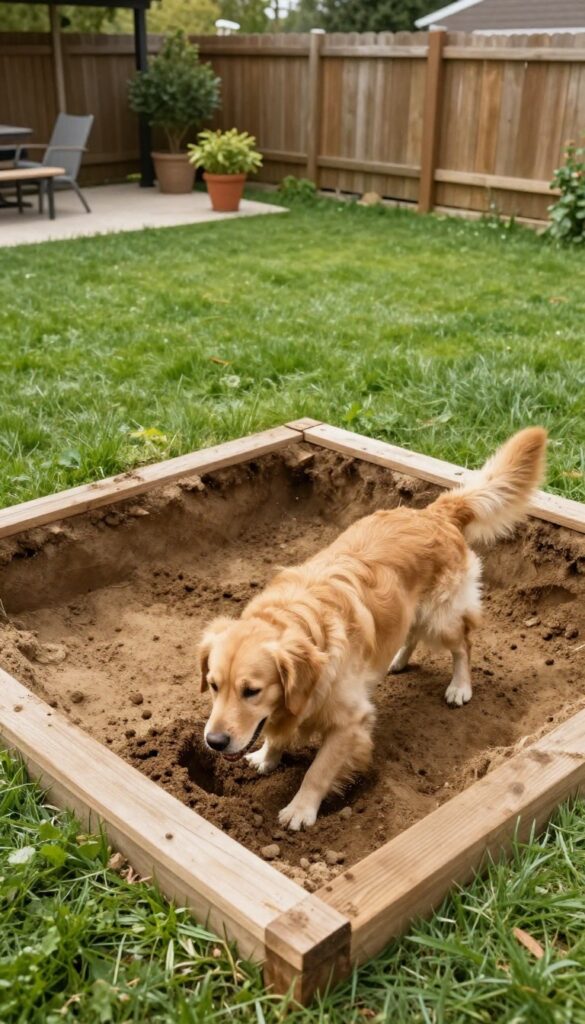
Dogs dig—it's in their DNA. Instead of fighting the instinct, give it a proper outlet. A digging pit is a simple, contained area where your pup can dig to their heart's content without destroying your lawn or flower beds.
This idea works for any yard size and can be built in an afternoon.
A designated digging pit is a win-win: your dog gets to indulge their natural behavior, and you keep the rest of your yard intact. Start by choosing a spot that's out of the way but still visible from your patio or window. Outline the area with landscape timbers, stones, or even an old kiddie pool.
Fill it with loose soil or sand—something easy to dig and soft on paws. To make it irresistible, bury toys, treats, or bones just beneath the surface. Show your dog the pit a few times and reward them for digging there.
Most pups catch on quickly, especially if you redirect them whenever they start digging elsewhere. Over time, the pit becomes their go-to spot for excavation fun.
Choosing The Right Location
Pick a spot that gets some shade to keep the soil cool on hot days. Avoid areas near fences or gates where digging could lead to escape attempts. A corner of the yard or a space under a tree works well.
Filling And Maintaining The Pit
Use a mix of sand and topsoil—sand drains well and won't clump, while soil holds shape. Avoid clay or rocky fill, which can be hard on paws. Rake the pit occasionally to keep it inviting, and replace soil as needed.
Training Your Dog To Use It
Start by hiding high-value treats or toys just under the surface. Let your dog discover them while you praise and reward. If they dig elsewhere, calmly lead them to the pit.
Consistency is key—within a week, most dogs learn the routine.
2. Install a splash zone or doggy pool
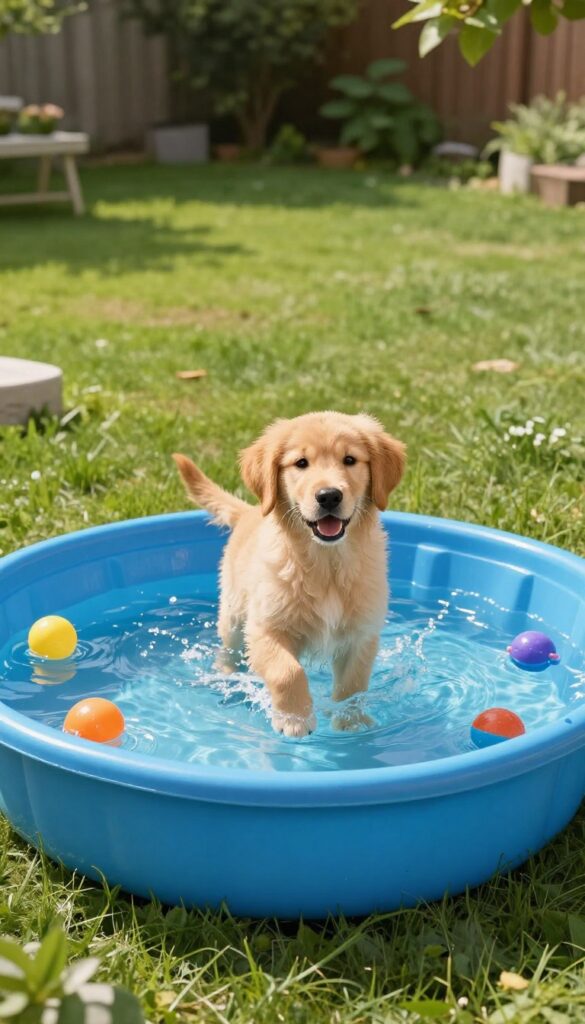
When the temperature climbs, dogs need a way to cool off that doesn't involve digging holes in your flower beds. A dedicated splash zone gives them a safe, contained spot to beat the heat while keeping your yard intact. It's one of the easiest upgrades you can make, and your pup will thank you with happy zoomies.
A shallow kiddie pool or a DIY splash pad provides endless fun on hot days. Place it on a flat, grassy area or a patio corner. Add floating toys for extra excitement.
Keep the water clean by changing it daily and using a pet-safe disinfectant. For a more permanent setup, consider a small prefabricated dog pool with a drainage plug—just hose it out and refill. Pro tip: put the pool on a gravel or paver base to avoid a muddy mess around the edges.
Choose The Right Pool
Hard plastic kiddie pools are cheap and durable, but they can crack in direct sun after a season. Inflatable pools are softer on paws but puncture easily. A rigid, BPA-free dog pool with a textured bottom gives good traction and lasts longer.
Size it so your dog can lie down fully submerged—about 3 to 4 feet across for most medium breeds.
Location Matters
Place the pool on a level surface in partial shade to keep the water cooler and slow algae growth. If you put it on grass, expect some trampled turf—move the pool every few days to prevent dead spots. On a patio, add a rubber mat underneath to catch splashes and prevent slipping.
Safety And Cleanliness
Never leave your dog unsupervised in the pool, especially if they're not strong swimmers. Rinse your dog off after swimming to remove chlorine or bacteria, and dry their ears to prevent infections. Dump and scrub the pool weekly with a mild vinegar solution to keep it fresh.
3. Build a shaded chill-out area
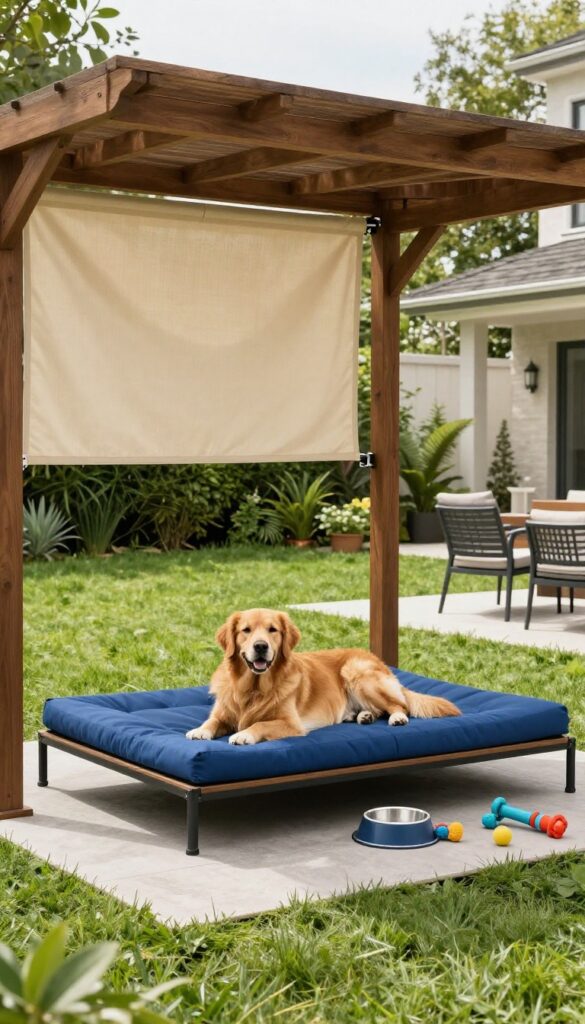
Even the most energetic dogs need a quiet spot to escape the sun. A dedicated shaded area gives your pup a cool retreat while staying close to the action. Position it near your patio or deck so your dog can relax beside you without overheating.
Pick The Right Shade Structure
Pergolas, shade sails, and large umbrellas all work well. A pergola with a retractable canopy offers flexibility—open it on cloudy days, close it when the sun is harsh. Shade sails are budget-friendly and come in various colors to match your yard.
For a quick fix, a heavy-duty cantilever umbrella can be moved as the sun shifts.
Make The Bed Comfy And Durable
Choose a dog bed with a removable, washable cover and a waterproof base to resist moisture. Elevated cots allow airflow underneath, keeping your dog cool. Place the bed on a non-slip mat or outdoor rug to prevent sliding.
Add a couple of toys and a water bowl to complete the setup.
Position It For Togetherness
Set up the chill-out zone within sight of your main seating area. Dogs are social animals and feel more relaxed when they can see you. If your yard has a natural tree canopy, use that as a backdrop.
For extra shade, plant a fast-growing tree like a Japanese maple or crepe myrtle nearby.
4. Lay down durable, dog-friendly turf or grass
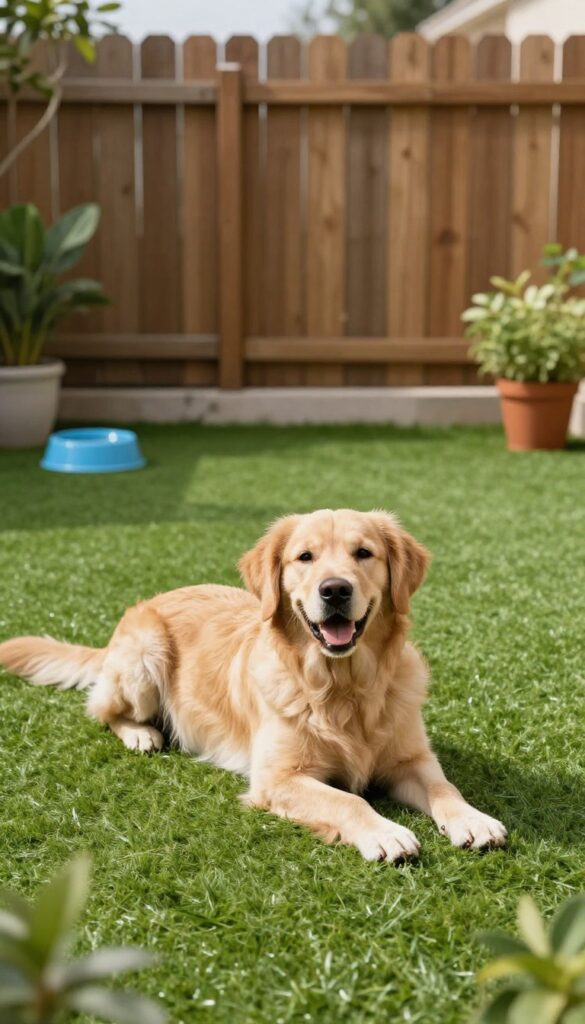
Nothing ruins a lush lawn faster than a dog with zoomies. Between digging, running, and making pit stops, standard grass often gives up. The fix?
Choosing turf or grass varieties built to handle the chaos while staying green and mud-free.
Go With Hardy Grass Varieties
Bermuda grass and tall fescue are top picks for dog owners. They're tough, recover quickly from wear, and handle urine better than delicate blends like Kentucky bluegrass. Overseed with clover too—it stays green even with heavy traffic and resists dog spots.
Consider Artificial Turf For Zero Maintenance
If you're tired of brown patches and bald spots, synthetic grass is a game-changer. Modern turf drains well, stays clean with a quick hose-down, and never needs mowing. Just make sure to choose a pet-specific brand with antimicrobial backing to control odors.
Create A Designated Potty Area
Train your dog to use a specific patch of gravel, mulch, or artificial turf for bathroom breaks. This keeps the rest of the yard pristine. Some owners install a small drainage bed with pea gravel—easy to clean and won't hold smells.
Protect The Lawn With A Few Habits
Water the grass after your dog pees to dilute the nitrogen. Keep a designated digging zone with soft soil or sand so your pup satisfies that instinct without destroying the turf. A little prevention goes a long way toward a green yard.
5. Set up an agility course
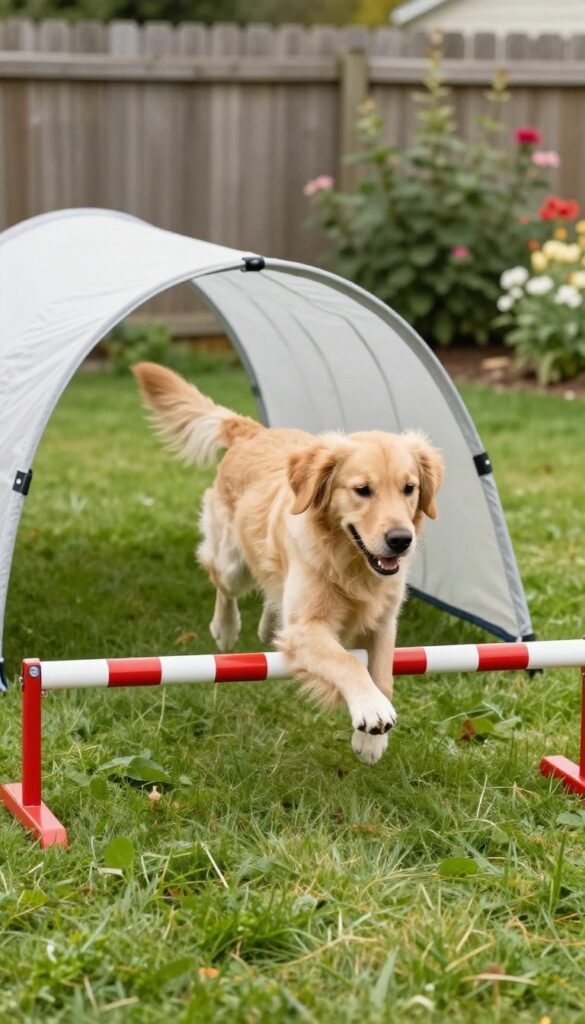
You don't need a professional training facility to give your dog the thrill of an obstacle course. With a few simple materials, your backyard can become a mini agility playground that challenges both body and mind. Start small, add pieces over time, and watch your dog's confidence grow with each new skill.
Building your own agility course is easier than you think. PVC pipes make great jumps—just cut them to size and add connectors for adjustable heights. Tunnels can be made from children's play tunnels or even sturdy cardboard boxes taped together.
Weave poles are simple: stick PVC pipes into the ground with a little spacing. Start with just two or three obstacles and let your dog learn one at a time. Always use positive reinforcement—treats and praise—to keep it fun.
As your dog masters each piece, you can add more complexity. This isn't about competition; it's about bonding and burning off energy in a constructive way.
Start With The Basics
Begin with a single low jump and a short tunnel. Let your dog explore each obstacle without pressure. Use a treat to guide them through the tunnel and over the jump.
Once they're comfortable, you can raise the jump slightly or add a second jump in a row.
Add Weave Poles Gradually
Weave poles require more coordination. Start with just two or three poles spaced wide apart. Lure your dog through in a zigzag pattern with a treat.
Over time, you can add more poles and decrease the spacing. Keep sessions short—five minutes is plenty to avoid frustration.
Mix It Up For Variety
Once your dog knows a few obstacles, create different sequences. Try a jump, then the tunnel, then weave poles. Changing the order keeps your dog mentally engaged.
You can also time them for fun, but remember: the goal is enjoyment, not speed.
6. Add a dog-friendly water feature
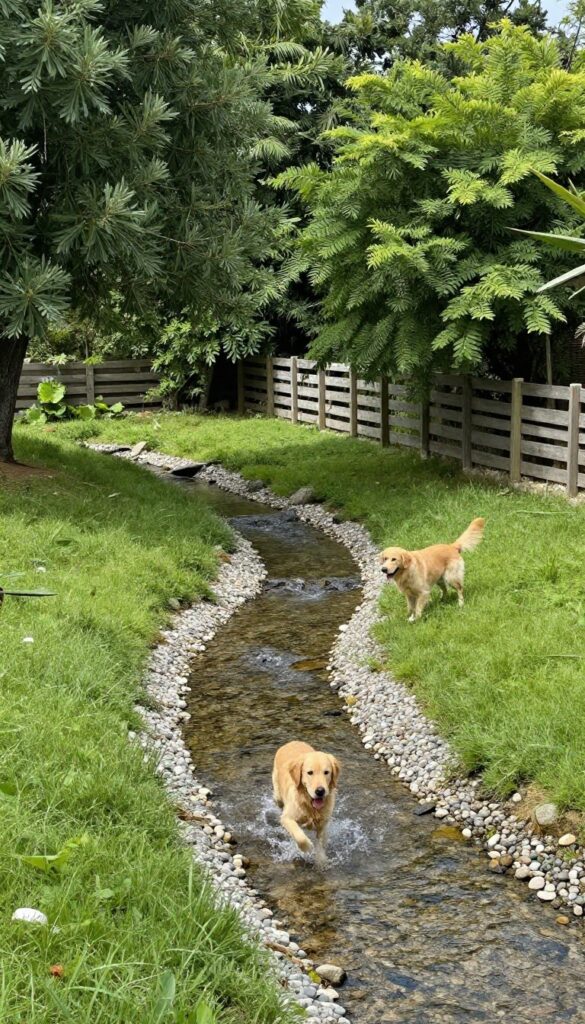
A water feature can transform your backyard into a cool oasis for your pup. Instead of a deep pond or a high fountain, opt for a low, shallow recirculating stream or a splash pool. Your dog will love having fresh water to drink and play in, and the gentle sound adds a calming vibe for you both.
Dogs are naturally drawn to moving water, and a dog-friendly water feature gives them a safe outlet for that instinct. The key is keeping it shallow—no more than a few inches deep—with a gradual slope or ramp so your dog can easily step in and out. Avoid sharp edges or slippery surfaces that could cause injury.
A recirculating pump keeps the water fresh and reduces stagnation, but you'll still want to change the water regularly and clean the filter to prevent algae and bacteria buildup. Place the feature in a shaded area to keep the water cool on hot days, and consider adding a nearby towel station for quick drying after playtime.
Safety First: Shallow And Slip-proof
Depth matters. Keep the water under 6 inches—shallow enough that even small dogs can stand comfortably. Use a textured surface like pebbles or non-slip matting on the bottom to prevent slipping.
A gradual entry ramp is better than a steep drop-off, giving your dog confidence to step in and out on their own.
Easy Maintenance Tips
A recirculating pump is a must to keep water moving and reduce mosquito breeding. Clean the pump and filter weekly, and change the water every few days, especially if your dog drinks from it. Add a few drops of pet-safe enzyme cleaner to control odors and keep the water fresh without harsh chemicals.
Placement And Extras
Position the feature away from heavy foot traffic and delicate plants. Surround it with flat stones or artificial turf to minimize mud. A nearby shade structure or umbrella helps keep the water cool.
You can also add a built-in drinking spout so your dog always has access to clean, running water.
7. Plant a dog-safe garden
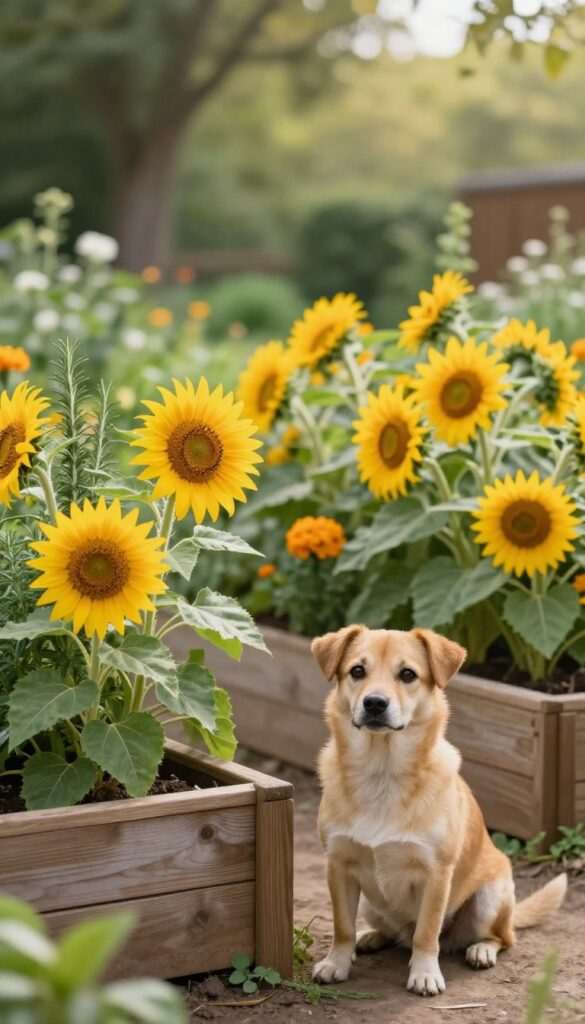
A garden can be a source of joy for both you and your dog, but some plants are toxic to pets. The good news? You can have a beautiful, lush garden that's also completely safe for your pup.
By choosing non-toxic plants and using smart garden design, you'll create a space that's both eye-catching and worry-free.
Start by selecting plants that are safe for dogs. Sunflowers add cheerful height, rosemary offers fragrance and is hardy, and marigolds bring bright color while repelling pests. Avoid lilies, azaleas, and sago palms, which can cause serious health issues if ingested.
Raised beds or fenced-off areas protect your plants from enthusiastic diggers and keep your dog safe from nibbling on the wrong thing.
Choose Safe, Vibrant Plants
Fill your garden with dog-friendly options like sunflowers, rosemary, marigolds, and snapdragons. These plants are non-toxic and add color and texture. Avoid common toxic plants like lilies, azaleas, and sago palms.
Always double-check with the ASPCA's list of toxic plants before planting.
Use Raised Beds And Barriers
Raised beds keep your plants out of reach of curious noses and paws. They also define garden areas and make maintenance easier. If your dog loves to dig, install low fencing or decorative borders around sensitive plants.
This protects both your garden and your pup.
Create A Designated Digging Zone
Give your dog a spot where digging is allowed. Fill a sandbox or a small area with loose soil or sand and bury toys or treats there. This satisfies their natural instinct and keeps them away from your prized flowers.
It's a win-win for everyone.
8. Install a sturdy, escape-proof fence
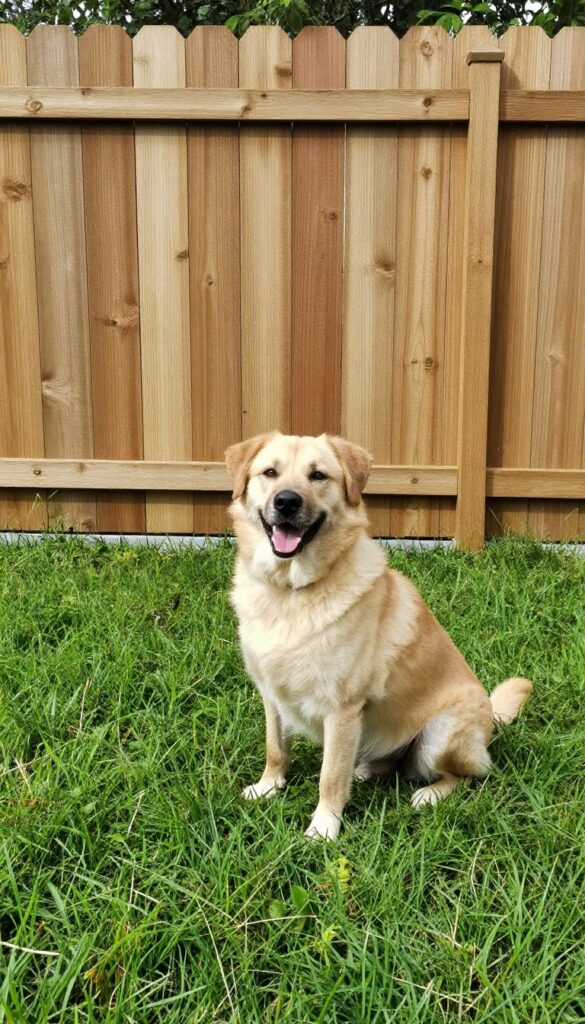
A fence is your dog's first line of defense, but not just any fence will do. If your pup is a jumper, digger, or squeezer, a standard yard fence might as well be invisible. The right fence keeps your dog safe and gives you peace of mind, so you can relax while they roam.
When choosing a fence, height matters—most dogs need at least 6 feet to prevent jumping. Materials like wood, vinyl, or chain link with a privacy slat work well. Avoid fences with horizontal bars that can be climbed like a ladder.
Also, check for gaps at the bottom or between pickets; even a small space can be an invitation to escape.
Bury The Bottom Or Add A Dig Barrier
Dogs love to dig, especially under fences. Bury the bottom of the fence at least 6 inches deep, or attach a metal or concrete dig barrier along the base. For chain link, you can run a section of wire mesh along the ground and stake it down.
This simple step stops escape artists in their tracks.
Choose The Right Gate Hardware
Gates are the weakest link in any fence. Use self-closing hinges and a latch that's too high for your dog to reach. Consider a double-locking latch or a spring-loaded mechanism.
Test the gate regularly to ensure it still closes securely after weather changes.
Consider Visibility And Noise
A solid fence can reduce visual triggers like passing dogs or people, which helps keep your dog calm. But if your dog barks at every sound, a solid fence might amplify noise from the street. In that case, a fence with some gaps or a living hedge can help muffle sound while still being secure.
9. Design a potty zone with easy cleanup
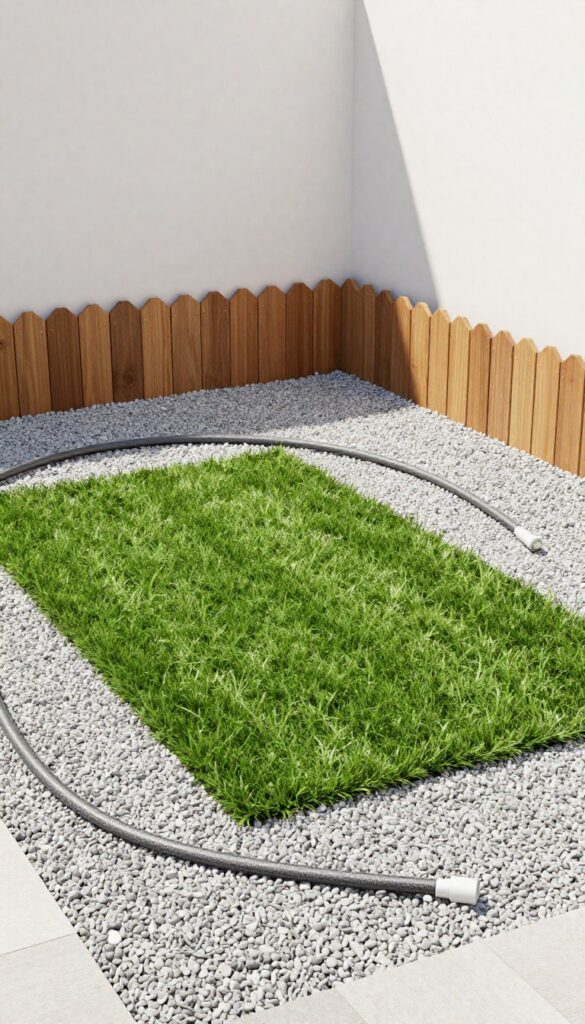
A dedicated potty area can save your lawn from yellow patches and keep your yard smelling fresh. Instead of letting your dog pick any spot, train them to use a designated corner filled with easy-to-clean materials like pea gravel or artificial turf. This simple change makes cleanup a breeze and preserves the rest of your yard for play and relaxation.
Choose a spot that's convenient for your dog to access, ideally near a gate or door. Install a drainage layer of crushed stone or landscape fabric beneath the surface material to prevent odors and standing urine. For the top layer, pea gravel drains well and is easy to rinse, while artificial turf offers a soft feel and can be hosed down.
Mulch is another option but needs more frequent replacement. Scoop solid waste daily and spray the area with a hose or enzymatic cleaner weekly to keep it fresh. Train your dog by leading them to the spot on a leash and rewarding them when they use it.
Over time, they'll learn to go there on their own.
Materials That Work Best
Pea gravel is a top pick because it doesn't absorb urine and rinses clean easily. Artificial turf with a built-in drainage system is another favorite—it looks like grass but won't yellow. Avoid sand or dirt, which can turn muddy and track into the house.
Maintenance Tips For A Fresh Zone
Scoop poop daily and give the area a quick rinse with the hose every few days. For artificial turf, use a pet-safe deodorizer or enzyme cleaner to break down urine. With gravel, rake it occasionally to keep it level and prevent compaction.
Training Your Dog To Use The Spot
Start by taking your dog to the potty zone on a leash every time they need to go. Use a command like 'go potty' and reward them immediately after. Consistency is key—within a week or two, most dogs will head there on their own.
10. Add interactive toys and puzzles
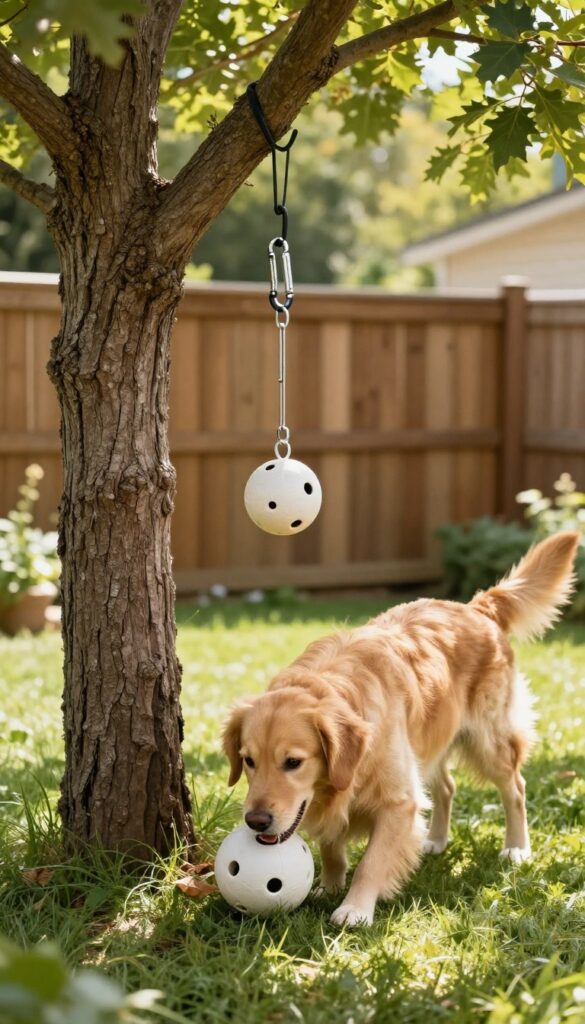
Mental stimulation is just as important as physical exercise for a happy, well-behaved dog. Interactive toys and puzzles challenge your pup's problem-solving skills and can keep them occupied for hours. The best part?
You can incorporate them right into your backyard design without cluttering the space.
Mount Treat-dispensing Toys To Trees Or Walls
Instead of leaving toys on the ground where they get dirty or lost, attach them to a sturdy tree trunk or a fence post. Use a carabiner or a heavy-duty hook to hang treat-dispensing balls or rubber puzzles. This keeps the toy accessible and adds a fun vertical element to your yard.
Your dog will learn to nudge, paw, or roll the toy to release kibble or peanut butter.
Rotate Puzzles Weekly To Maintain Novelty
Dogs get bored with the same toys just like we do. Set up a rotation system: keep two or three puzzles out each week, then swap them with others from your stash. Rotating toys renews your dog's interest and makes each puzzle feel new again.
It also prevents them from figuring out the trick too quickly.
Use Snuffle Mats For Natural Foraging
Snuffle mats mimic the experience of foraging in grass or leaves. Place them in a shaded corner of your yard and scatter a few treats or pieces of kibble in the fabric strips. Your dog will use their nose to sniff out the rewards, which is mentally tiring and satisfying.
They're easy to clean and can be brought indoors when not in use.
11. Create a cozy outdoor dog house or bed
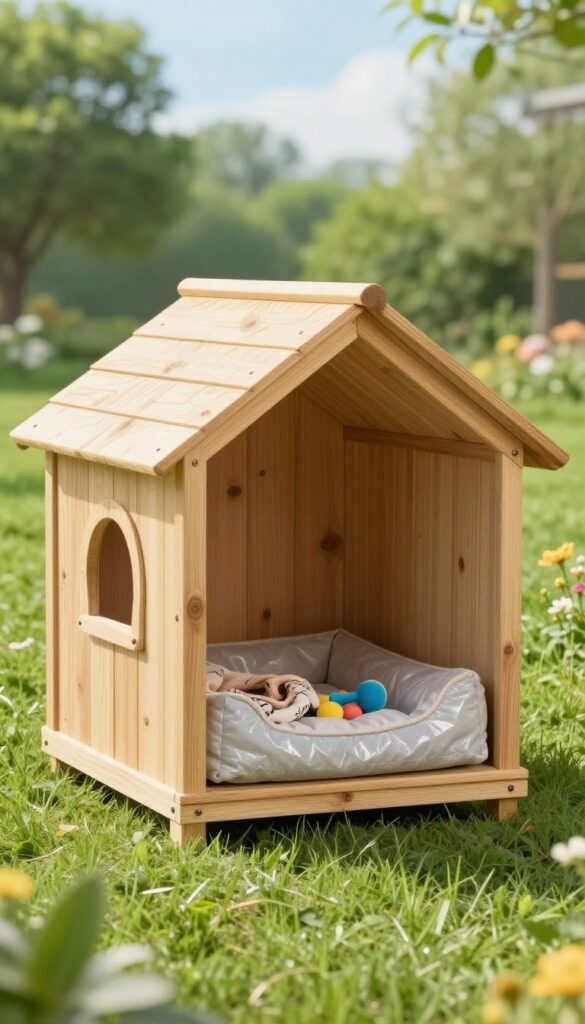
Your dog deserves a comfortable spot to call their own in the backyard, especially when they want to nap in the fresh air. A dedicated outdoor dog house or bed gives them a safe, cozy retreat that protects them from the elements. Whether you build it yourself or buy one, the key is making it weatherproof and inviting.
Insulate For All Seasons
An insulated dog house keeps your pup cool in summer and warm in winter. Use foam board insulation between the walls and a raised floor to prevent dampness. Add a weatherproof roof with overhangs to keep rain out.
Place the house in a shaded, sheltered spot so it stays comfortable year-round.
Choose The Right Bedding
The bed inside should be soft, washable, and durable. Outdoor-specific pet beds with waterproof covers are great. You can also use cedar shavings or straw for natural insulation and odor control.
Just make sure to clean or replace the bedding regularly to avoid pests and mildew.
Make It Inviting
Add a familiar blanket or a toy to help your dog feel at home. A small awning or porch over the entrance gives extra shade. Consider a removable roof or side panel for easy cleaning.
Your dog will love having a private den where they can relax and watch the yard.
12. Install a dog wash station
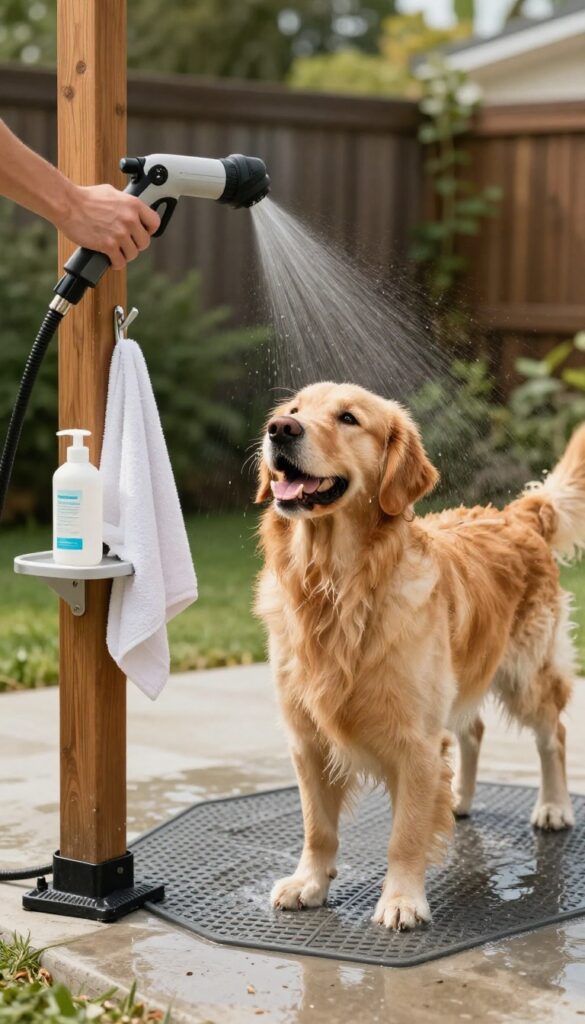
Muddy paws and dirty fur are inevitable when you have a dog who loves the outdoors. Instead of tracking mess through the house, set up a dedicated washing spot right in your backyard. A simple outdoor shower with a handheld sprayer and a drain makes cleanup quick and easy.
Use warm water if possible, add a hook for towels, and a non-slip mat to keep your pup steady.
A dog wash station is a game-changer for keeping your home clean and your dog comfortable. It’s especially useful after rainy walks, digging sessions, or muddy play. Position it near a water source and ensure proper drainage to avoid puddles.
You can build a permanent station or use a portable setup. Either way, your floors will thank you.
Location And Plumbing
Choose a spot close to your house or a hose bib. If you can, tap into an existing outdoor faucet and install a mixing valve for warm water. A concrete or gravel base with a drain works best—just slope it slightly so water runs off.
For a simpler version, use a large plastic tub with a drain hole.
Must-have Features
A handheld sprayer with a trigger gives you control over water flow and direction. A hook or shelf for shampoo and towels keeps everything within reach. A non-slip mat or textured surface prevents your dog from slipping, which reduces stress.
If you have a large breed, consider a raised platform to save your back.
Seasonal Considerations
In colder climates, insulate pipes and use a freeze-proof spigot. You can also add a small heater or use a portable setup that you store indoors during winter. For warmer months, a simple cold-water hose works fine—just make sure your dog doesn’t mind the temperature.
FAQ
What is the best ground cover for a dog-friendly backyard?
Artificial turf or hardy grass like Bermuda are top choices. They resist wear, drain well, and are easy to clean. Pea gravel is also great for potty zones.
How can I stop my dog from digging up the garden?
Provide a designated digging pit with soft soil and buried toys. Supervise and redirect them to the pit. Also, ensure they get enough exercise and mental stimulation.
Are there any plants that are dangerous for dogs?
Yes, avoid lilies, azaleas, sago palms, tulips, and oleander. Safe options include sunflowers, rosemary, marigolds, and snapdragons. Always check with your vet.
How do I keep my dog cool in the backyard during summer?
Provide plenty of shade with a canopy or trees, a kiddie pool, and fresh water. Avoid peak heat hours and never leave your dog unsupervised for long.
What is the best fence to keep a dog in the yard?
A solid wood or vinyl fence at least 6 feet tall with no gaps. Add a dig barrier at the base. For climbers, consider a coyote roller or angled top.
Conclusion
Your dog's dream backyard doesn't need to be complicated or expensive. Pick one or two ideas that match your space and your pup's personality—whether that's a splash zone, a digging pit, or a cozy shaded lounge.
Small upgrades like better fencing or durable turf can make the biggest difference in daily enjoyment. Start with what feels doable, and watch your backyard become your dog's favorite place to be.

I’m Pallab Kishore, the owner of Little Pets Realm — an animal lover and pet care enthusiast sharing easy tips, healthy recipes, and honest advice to help every small pet live a happy, healthy, tail-wagging life.