
Rainy days, extreme heat, or a busy schedule can keep you and your dog indoors more than you'd like. Without enough mental stimulation, boredom can lead to chewed shoes or restless pacing.
The good news? A few simple changes to your dog's indoor routine can turn a dull day into an engaging one.
These enrichment ideas focus on using what you already have—space, time, and a few treats—to keep your dog happy and occupied. From DIY puzzles to cozy retreats, each idea is designed for real homes and real dogs.
1. Turn a Cardboard Box Into a Snuffle Station
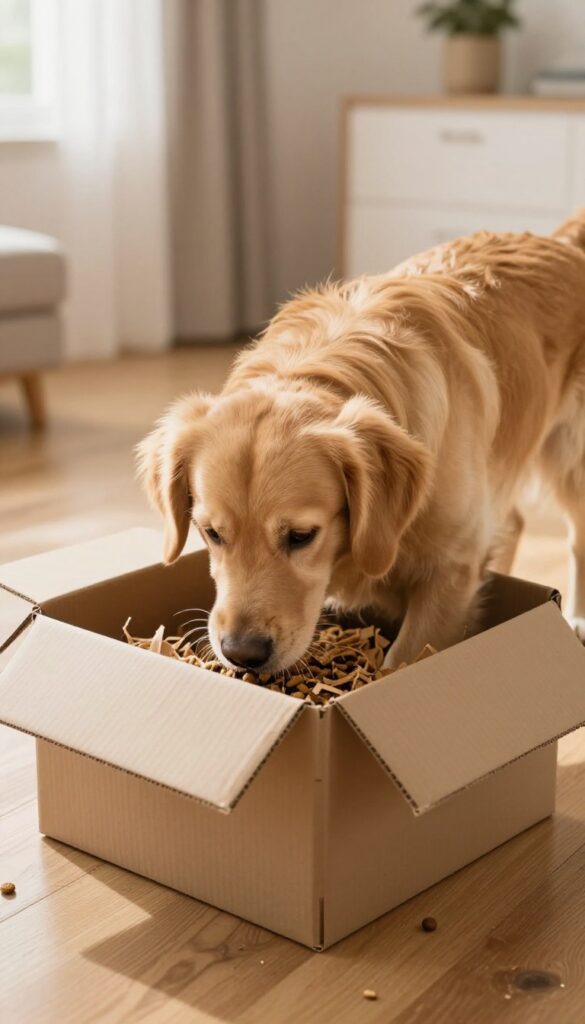
A plain cardboard box can become your dog's favorite foraging spot. Simply shred some paper, toss in kibble or treats, and let your dog sniff and dig. It's a low-cost way to tap into natural scavenging instincts.
Plus, you probably already have everything you need at home.
Why It Works
Sniffing and searching for food is mentally tiring for dogs. This activity mimics how they'd find food in the wild, satisfying their natural drive to forage. Even 10 minutes of snuffle work can leave your dog calm and content.
Best For
This idea works great for any dog who loves to sniff or has a bit of extra energy to burn. It's especially good for apartment dogs or those on crate rest who need low-impact mental stimulation.
Practical Tip
Use untreated cardboard boxes and plain paper (avoid glossy ads or colored paper). Supervise your dog at first to make sure they aren't eating the cardboard. You can reuse the box a few times before recycling it.
Budget-Friendly Option
No cardboard box? Use an empty egg carton or a muffin tin with a tennis ball on top of each cup for a similar foraging challenge.
2. Set Up a Lick Mat Station in a Quiet Corner
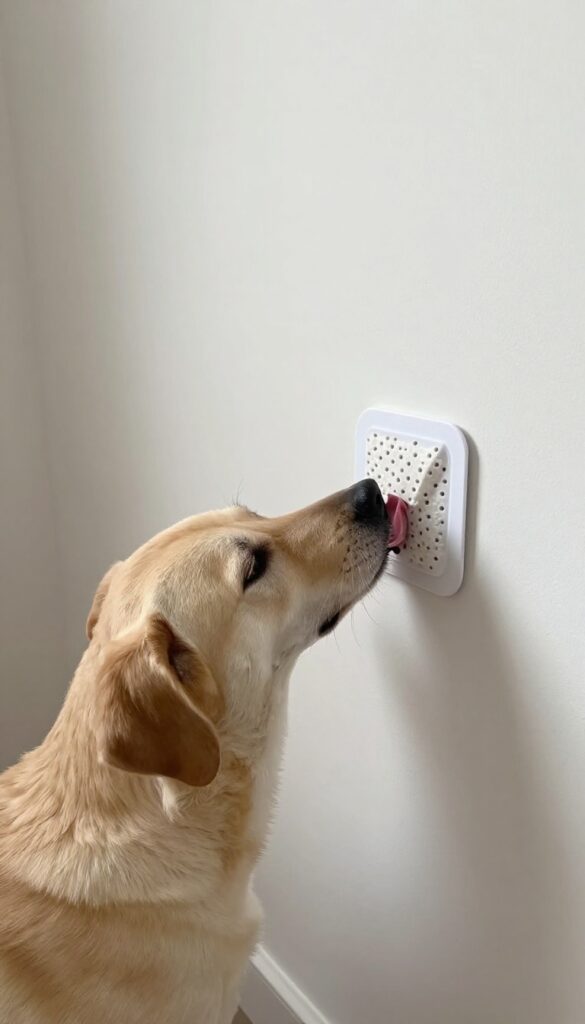
Lick mats are a simple way to turn snack time into a calming ritual. By spreading a thin layer of dog-safe spreadables and freezing the mat, you create a long-lasting activity that keeps your dog occupied and relaxed.
Place the mat in a quiet corner away from household traffic. This gives your dog a dedicated spot to focus without distractions, making it especially helpful during stressful moments like thunderstorms or when guests arrive.
Why It Works
The repetitive licking motion releases endorphins that help dogs self-soothe and reduce anxiety. Freezing the mat extends the challenge, keeping your dog mentally engaged for 20–30 minutes. It's a low-effort way to provide both mental stimulation and emotional comfort.
Best For
Dogs who need help settling down, including anxious pups, high-energy breeds that struggle to relax, or dogs recovering from exercise or excitement. Also great for puppies during crate training or for multi-dog households where each dog can have their own station.
Practical Tip
Use a lick mat with suction cups to attach it to a wall or the side of a crate at nose height—this encourages a natural licking posture and keeps the mat clean. Always supervise the first few uses to ensure your dog doesn't chew the mat. Wash it by hand with warm soapy water after each use.
Budget-Friendly Option
No lick mat? Spread the same ingredients on a silicone muffin liner or a small baking sheet and freeze. You can also use a damp washcloth twisted into a rope shape—just freeze it spread with a thin layer of peanut butter.
3. Create a DIY Obstacle Course With Household Items
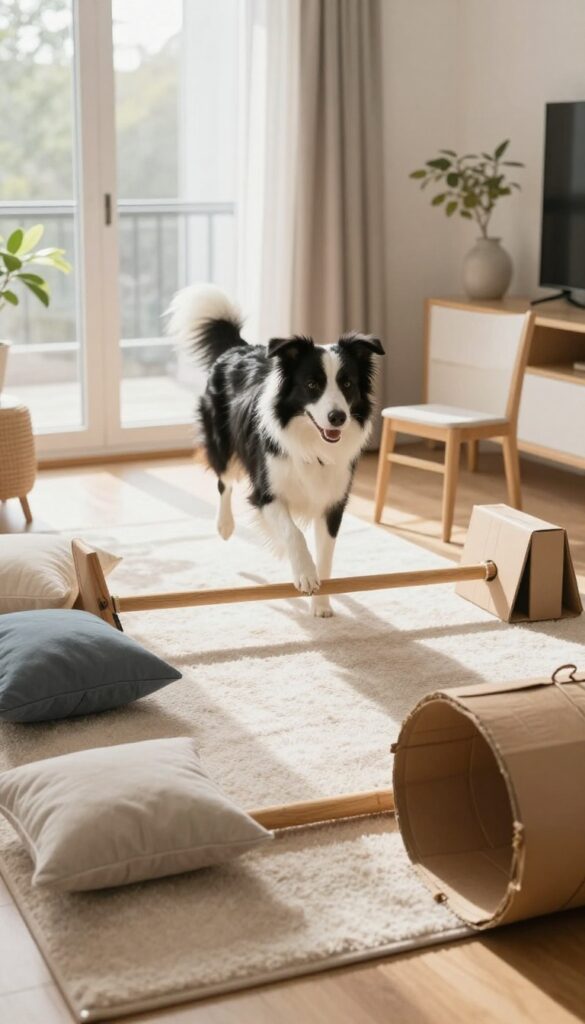
Channel your dog's inner athlete by turning your living room into a mini agility course. Use pillows, chairs, broomsticks, and blankets to create tunnels, jumps, and weave poles. It's a fun way to burn energy and strengthen your bond without stepping outside.
Why It Works
Physical exercise paired with mental problem-solving tires dogs out faster than a walk. Navigating obstacles builds confidence, improves coordination, and provides a healthy outlet for natural instincts like jumping and weaving.
Best For
Energetic breeds like border collies, terriers, or huskies that need more than a stroll. Also great for apartment dogs who can't run free or for rainy days when backyard play isn't an option.
Practical Tip
Start with low jumps and wide weave poles to avoid injury. Use non-slip mats under obstacles on hardwood floors. Keep sessions short—10 to 15 minutes—and always end with praise and a treat to keep it positive.
Budget-Friendly Option
No broomstick? Use a rolled-up yoga mat or a pool noodle for jumps. A cardboard box with both ends open makes an instant tunnel.
Old chair cushions work as soft hurdles.
4. Rotate Toys Weekly to Keep Things Fresh
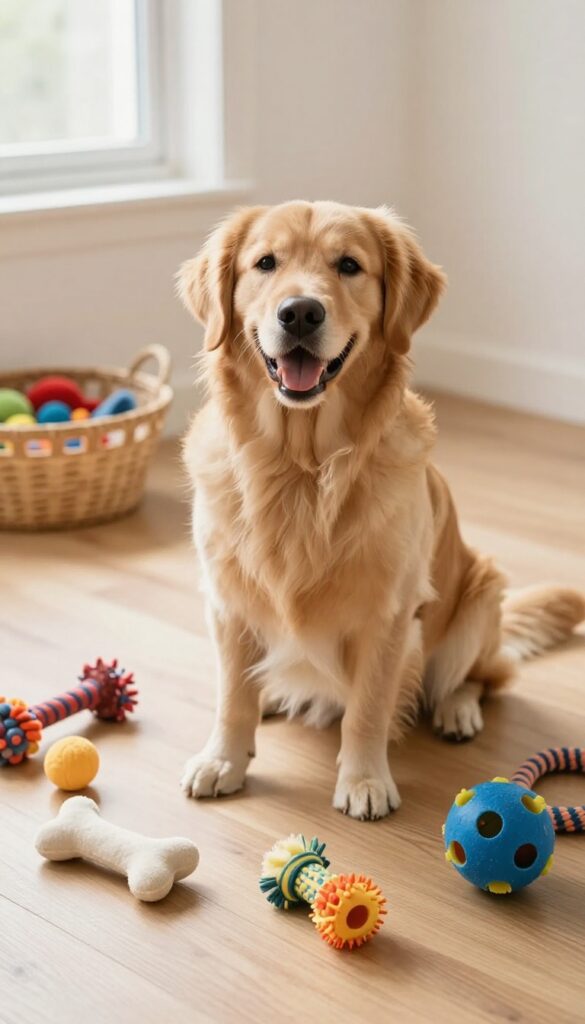
Ever notice how a toy your dog ignored for weeks suddenly becomes exciting again after a break? That's the magic of rotation. By storing half your dog's toys away and swapping them out every week, you tap into their natural curiosity and make each toy feel brand new.
This simple habit keeps playtime engaging without buying more stuff.
Why It Works
Dogs are natural explorers who lose interest in familiar objects. Rotating toys reintroduces novelty, which sparks their curiosity and extends the lifespan of each toy. It also prevents overstimulation from having too many options at once, helping your dog focus and enjoy each toy more.
Best For
This idea works for any dog, but it's especially helpful for high-energy breeds like Border Collies or terriers that get bored quickly. It's also great for households with multiple dogs, as rotating reduces resource guarding over favorite toys.
Practical Tip
Keep a designated toy bin in a closet or under the bed. Divide toys into two or three sets based on type (plush, squeaky, rope, puzzle). Swap sets weekly, and consider rotating puzzle toys more often since they solve faster.
Wash plush toys on swap day to keep them fresh.
Budget-Friendly Option
You don't need a big collection to rotate. Start with what you have—just put half away. If you want to add variety without spending, make DIY toys from old t-shirts (braid them into ropes) or empty plastic bottles (remove caps and rings).
5. Build a Cozy Den Under a Table or Desk
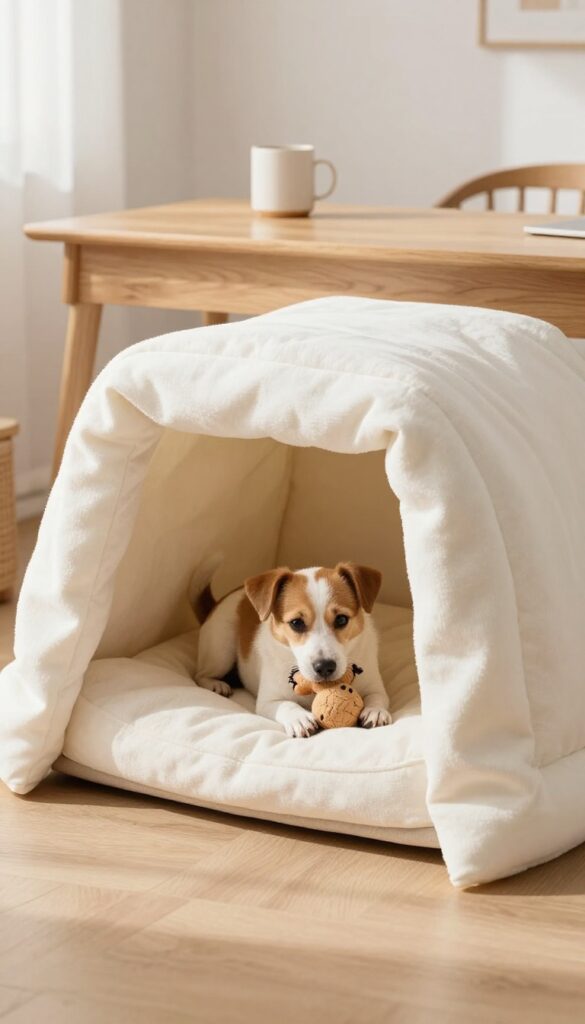
Dogs are natural den animals. A covered space mimics the safety of a cave, helping them feel secure when the world feels overwhelming.
A simple blanket draped over a sturdy table or desk creates an instant hideaway. Add a soft bed and a favorite chew toy, and you have a calming retreat that fits right into your home.
This setup works especially well for nervous dogs or those who just need a quiet break from household activity.
Why It Works
The enclosed space lowers stress by blocking visual stimuli and muffling noise. Dogs often seek out small, dark areas when they feel anxious or tired, and this den gives them a controlled environment they can retreat to on their own terms.
Best For
Ideal for shy, anxious, or senior dogs who prefer quiet corners. Also great for homes with kids or other pets, as it provides a safe zone where your dog can relax undisturbed.
Practical Tip
Use a lightweight, breathable blanket like a cotton sheet or fleece throw to prevent overheating. Leave one side open for easy entry and exit. Place the den in a low-traffic area, away from loud appliances or busy walkways.
Budget-Friendly Option
No table? A sturdy cardboard box turned on its side works just as well. Cut a door opening and line it with an old towel or cushion for an instant budget den.
6. Play the Muffin Tin Game
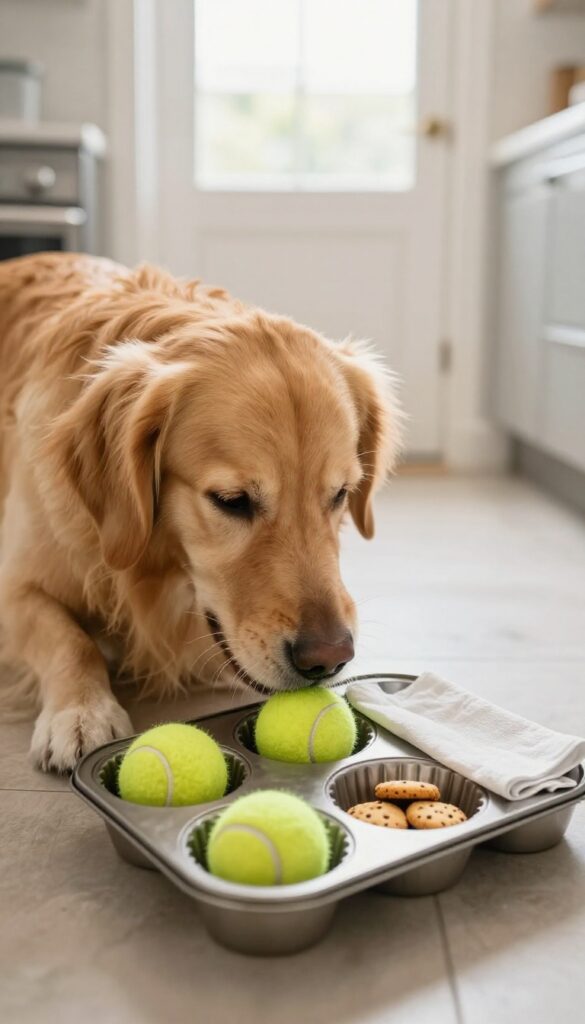
This game is a fantastic way to put your dog's problem-solving skills to work. It's simple to set up and keeps them busy for a good while, tapping into their natural foraging instincts. Dog owners love it because it's inexpensive and uses items you likely already have in your kitchen.
Why It Works
The challenge of uncovering each treat engages your dog's brain and satisfies their urge to work for food. It's a low-impact activity that builds confidence and focus, making it perfect for high-energy or anxious dogs.
Best For
Dogs of all sizes and ages, especially those who enjoy sniffing and digging. It's great for rainy days or when you need a calm, indoor activity that still provides mental stimulation.
Practical Tip
Start with easy covers like a single layer of paper towel, then progress to tennis balls once your dog gets the hang of it. Use a sturdy, non-slip muffin tin to prevent sliding, and supervise to ensure they don't try to eat the balls.
Budget-Friendly Option
No muffin tin? Use an empty egg carton or a cardboard box with compartments. You can also hide treats under plastic cups or small bowls.
7. Teach a New Trick Using Shaping
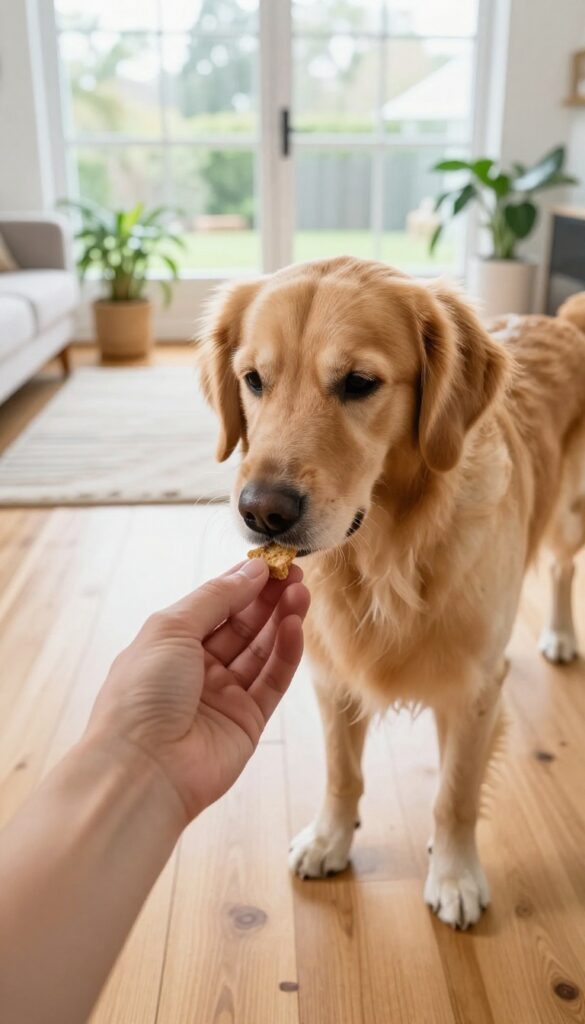
Shaping is a training technique where you reward your dog for small steps toward a final behavior, like gradually guiding them into a spin. It turns learning into a fun guessing game that keeps their brain engaged. Many dogs love the mental challenge, and you'll be amazed at how quickly they catch on.
This method works well for dogs of all ages and energy levels. It's especially great for high-energy breeds that need more than physical exercise. Plus, it deepens your communication and trust with your dog.
Why It Works
Shaping taps into your dog's natural problem-solving instincts. Instead of being told exactly what to do, they figure it out through trial and error, which is highly rewarding. The mental effort tires them out faster than a long walk, making it perfect for indoor days.
Best For
This idea suits any dog that enjoys treats and attention. It's ideal for owners who want to strengthen their bond while providing mental stimulation. Puppies and adult dogs alike can benefit, though very young puppies may have shorter attention spans.
Practical Tip
Keep sessions short—about 5 to 10 minutes—to prevent frustration. Use high-value treats like small pieces of chicken or cheese. Work in a quiet area with minimal distractions, and always end on a positive note.
For safety, avoid forcing any movement; let your dog offer behaviors naturally.
Budget-Friendly Option
No special equipment needed. Just treats you already have. You can even use your dog's regular kibble if they're food-motivated.
The only cost is time and patience.
8. Offer Frozen Treats in a Kong or Toppl
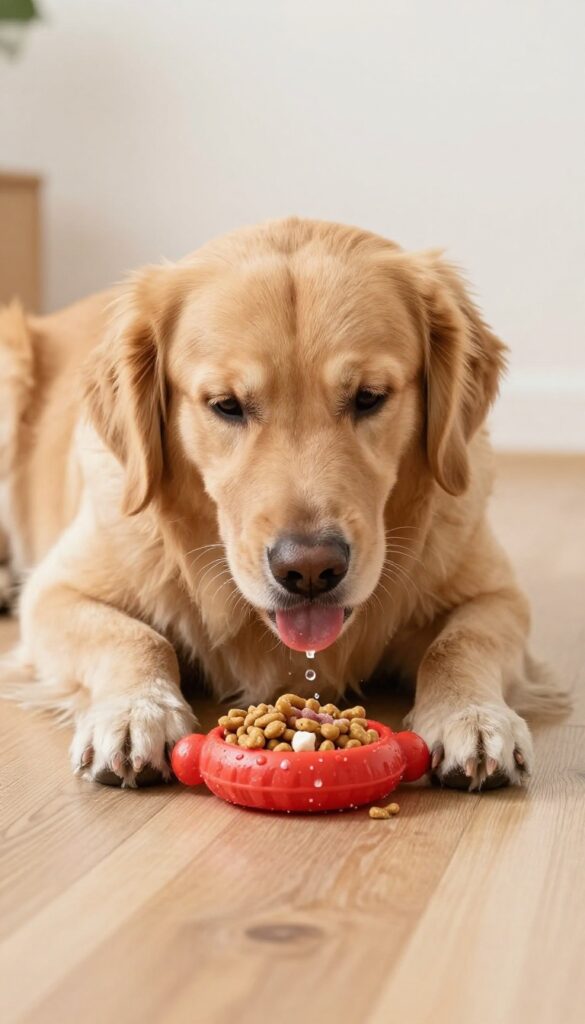
When your dog needs a quiet activity that actually holds their attention, a frozen stuffed toy is a game-changer. Fill a Kong or Toppl with a mix of wet food, kibble, and a splash of broth, then pop it in the freezer. The cold texture soothes gums and the challenge of working out the goodies keeps them busy for a good while.
Why It Works
The freezing process turns a quick snack into a long-lasting puzzle. Dogs have to lick, chew, and manipulate the toy to get the food out, which engages their brain and satisfies their natural urge to work for meals. It also provides cooling relief on warm days or comfort for teething puppies.
Best For
This idea is perfect for dogs who need a calm, focused activity—especially during thunderstorms, fireworks, or when you need to get work done. It works well for all breeds and ages, from teething puppies to senior dogs who enjoy a gentle licking challenge.
Practical Tip
Use a Kong or Toppl that matches your dog's size and chewing strength. For easy cleanup, stuff the toy over a bowl or plate to catch drips. Start with a partially frozen treat to gauge your dog's interest, and always supervise the first few times to ensure they don't try to swallow the toy whole.
Budget-Friendly Option
If you don't have a Kong or Toppl, try freezing wet food or broth in an ice cube tray and offering the cubes in a slow feeder bowl. You can also use a silicone muffin tin—just pop out the frozen portions and serve in a sturdy dish.
9. Design a Scent Trail Around the Living Room
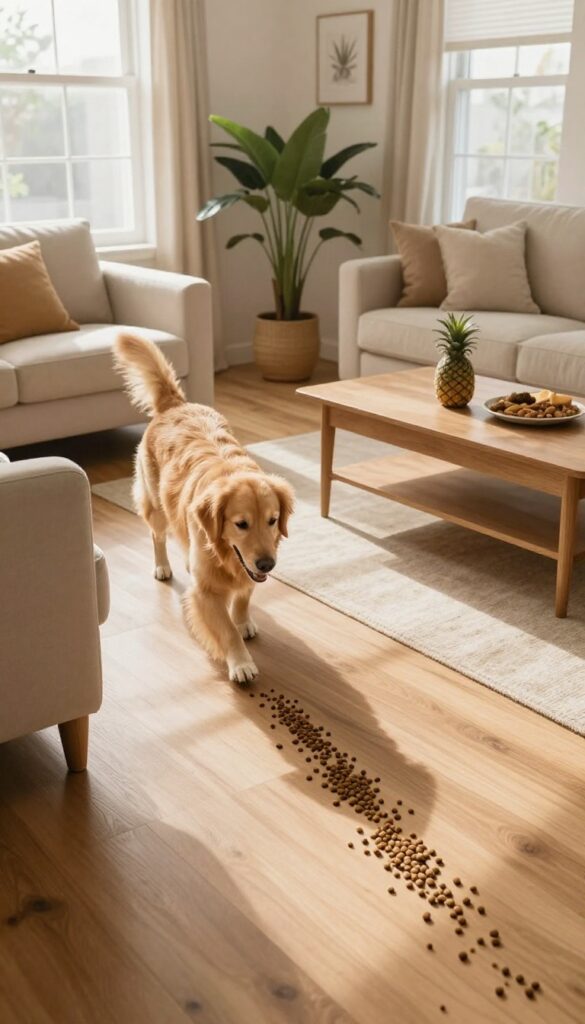
A scent trail turns your living room into a treasure hunt for your dog. It’s a simple activity that taps into their natural sniffing instincts and keeps them focused for a good while.
You hide small treats or scented cotton balls around the room, then guide your dog to find them. Start with easy spots, then make it harder as they get the hang of it.
Why It Works
Dogs experience the world through their noses. A scent trail gives them a job to do, which mentally tires them out faster than a long walk. It also builds confidence as they successfully track down each hidden treasure.
Best For
This works great for any breed, especially high-energy dogs like hounds, retrievers, or herding dogs that need a mental challenge. It’s perfect for apartment living or rainy days when outdoor time is limited.
Practical Tip
Use low-value treats or kibble to avoid overfeeding, and scatter them on tile or hardwood for easy cleanup. Avoid hiding treats near electrical cords or small objects your dog might swallow. Supervise the first few times to make sure they don’t get frustrated.
Budget-Friendly Option
No need for special supplies. Just use your dog’s regular kibble or tiny bits of cheese. You can also soak cotton balls in diluted broth (no onion or garlic) for a stronger scent trail.
10. Schedule a Daily 'Calm Time' With Chews
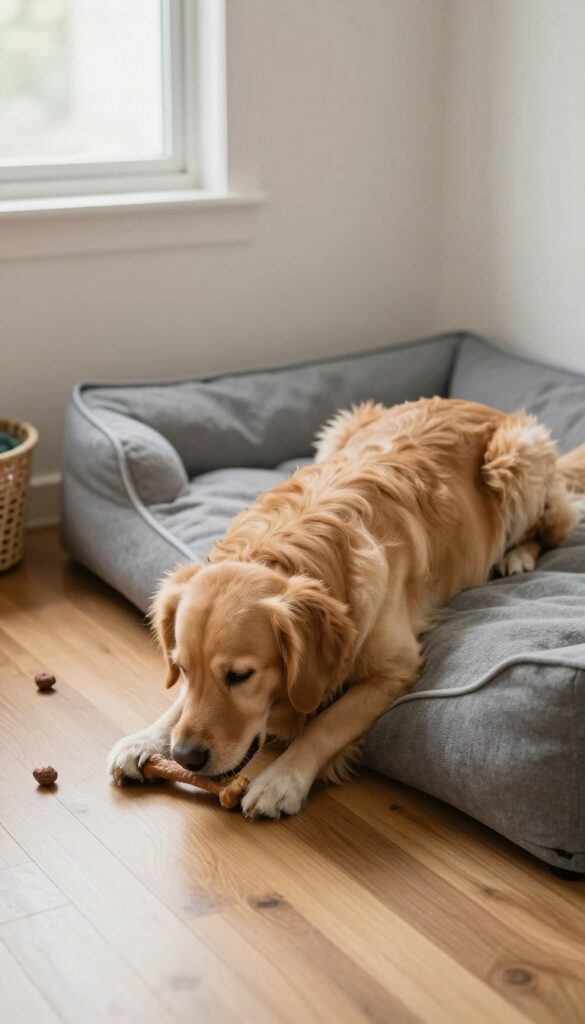
A dedicated calm time each day can work wonders for an indoor dog. By setting aside just 15 minutes for a long-lasting chew, you give your dog a predictable moment to unwind.
It's simple: pick a spot, offer a bully stick or yak chew, and let your dog settle in. Over time, this routine becomes a cue for relaxation, helping your dog learn to self-soothe.
Dog owners love this idea because it's low effort, high reward, and fits easily into any daily schedule.
Why It Works
Chewing is a natural stress reliever for dogs. When paired with a consistent time and place, it creates a calming ritual that reduces anxiety, prevents boredom, and gives your dog something productive to focus on.
Best For
This works well for high-energy dogs that need help settling down, anxious dogs that benefit from routine, and any dog living in an apartment or small space where quiet time is valuable.
Practical Tip
Choose a designated calm spot away from household traffic, like a comfy bed or mat in a quiet corner. Keep a small basket of chews nearby so you can grab one quickly. Always supervise your dog with chews, especially if they are new to them.
Budget-Friendly Option
Instead of pricey bully sticks, try a large carrot, a frozen sweet potato, or a durable rubber chew stuffed with peanut butter and frozen. These are affordable and still provide long-lasting engagement.
FAQ
How long should enrichment activities last?
Aim for 10–20 minutes per activity, depending on your dog's focus. Mental stimulation can be tiring, so watch for signs of fatigue.
Can I use these ideas for puppies?
Yes, but supervise closely and adjust difficulty. For puppies, use softer chews and simpler puzzles to avoid frustration.
What if my dog isn't interested in a particular activity?
Try a different type of enrichment—some dogs prefer sniffing, others prefer chewing or problem-solving. Rotate options to find what clicks.
Are there any safety concerns with DIY toys?
Always supervise your dog with DIY items. Remove small parts that could be swallowed, and replace worn cardboard or plastic promptly.
How often should I change up enrichment activities?
Introduce new activities every few days to maintain novelty. Revisit favorites regularly, as dogs often enjoy familiar games too.
Conclusion
Enrichment doesn't have to be complicated or expensive. A cardboard box, a frozen treat, or a quiet corner can make a world of difference for your dog's indoor happiness. Start with one or two ideas and see what your pup enjoys most.
Over time, you'll build a toolkit of activities that keep boredom at bay and strengthen your bond. Your dog will thank you with wagging tails and peaceful naps.

I’m Pallab Kishore, the owner of Little Pets Realm — an animal lover and pet care enthusiast sharing easy tips, healthy recipes, and honest advice to help every small pet live a happy, healthy, tail-wagging life.