
Your dog’s boredom doesn’t stand a chance against a muffin tin and a few treats. But sometimes, coming up with fresh ideas feels like a chore. You want to keep your pup entertained without spending a fortune or hours crafting.
That’s where these DIY enrichment ideas come in. They’re simple, budget-friendly, and designed to tap into your dog’s natural instincts.
Whether you have a high-energy herder or a laid-back lap dog, there’s something here to spark their curiosity. Let’s dive into 11 projects that will turn your home into a playground.
1. The Classic Muffin Tin Puzzle
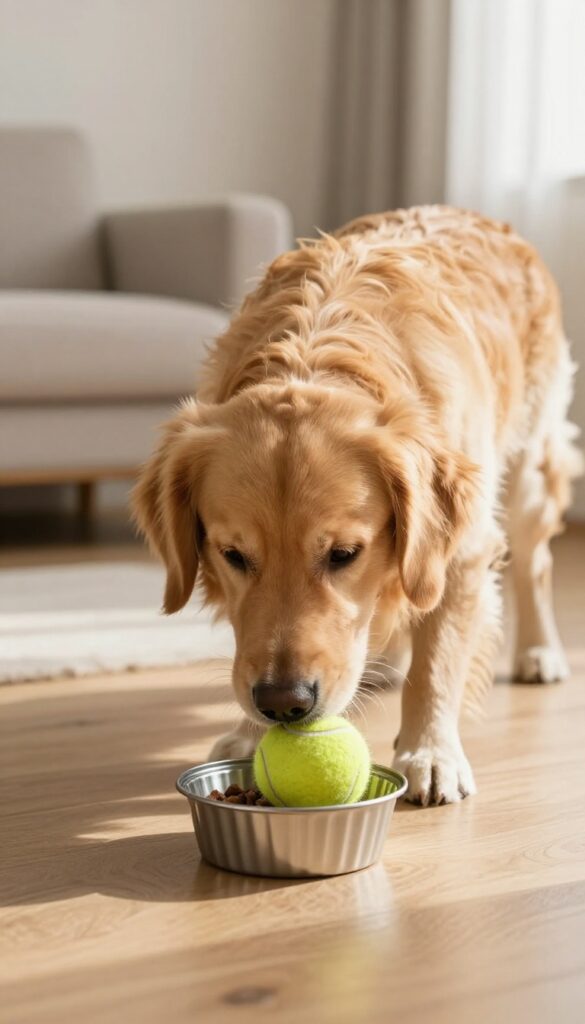
Grab a standard muffin tin and a handful of tennis balls, and you’ve got an instant brain game. The premise is simple: hide a few treats in the cups, cover each with a ball, and let your dog figure out how to retrieve the goodies.
It taps into natural scavenging instincts and gives dogs a satisfying challenge. Owners love how quick it is to set up—no special equipment or prep required—and how it keeps pups busy for a solid 10 to 15 minutes.
Why It Works
This puzzle encourages problem-solving and persistence. Dogs must use their nose and paws to dislodge the balls, which provides both mental stimulation and a light physical workout. The unpredictability of which cup holds a treat keeps them engaged.
Best For
Perfect for medium to large dogs who enjoy nose work and have a gentle touch. Great for apartment living since it's quiet and contained. Not ideal for aggressive chewers who might destroy the tin or balls.
Practical Tip
Use a sturdy, non-stick muffin tin to prevent sliding. Place it on a towel or mat for grip. Supervise the first few plays to ensure your dog doesn’t try to eat the tennis balls or the tin itself.
Clean the tin after each use to avoid sticky residue.
Budget-Friendly Option
No muffin tin? Use a cardboard egg carton or a silicone cupcake tray. Replace tennis balls with crumpled paper balls or large pom-poms—just make sure they’re too big to swallow.
2. DIY Snuffle Mat from a Fleece Blanket
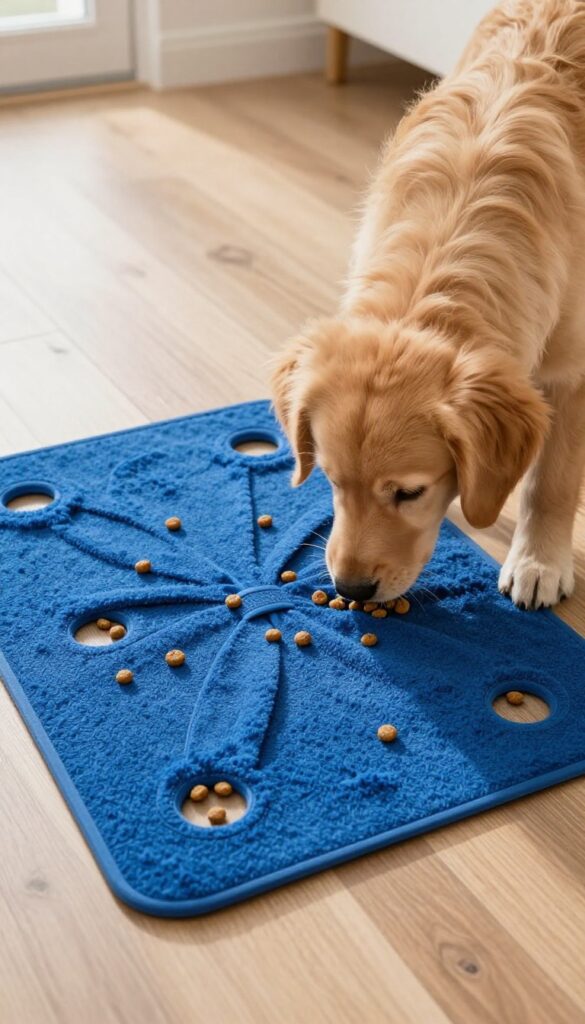
A snuffle mat mimics the experience of foraging in grass, letting your dog use their nose to find hidden treats. It’s a simple project that takes about 30 minutes and uses materials you probably already have. Dogs love the challenge, and owners love how it slows down scarf-and-barf eaters.
Why It Works
Dogs are natural foragers, and a snuffle mat taps into that instinct. By hiding kibble or treats in the fleece strips, your dog has to sniff and dig to find them. This mental workout tires them out faster than a walk, and it can help with anxiety and boredom.
Best For
This idea is great for fast eaters who need to slow down, shy dogs who prefer gentle activities, and apartment dwellers who want a low-mess enrichment option. It also works well for senior dogs who can’t handle high-impact play.
Practical Tip
Use a rubber sink mat with drainage holes as the base—it’s non-slip and easy to clean. Cut fleece strips about 1 inch wide and 8 inches long, then tie them through the holes in a grid pattern. Make sure all knots are tight so your dog can’t pull out the strips.
To clean, shake out crumbs and toss the mat in the washing machine on a gentle cycle.
Budget-Friendly Option
If you don’t have fleece, cut up an old fleece blanket or use polar fleece remnants from a craft store. A rubber mat can be swapped for a plastic needlepoint canvas or even a sturdy cardboard box with slits cut into it.
3. Frozen Kong Surprise
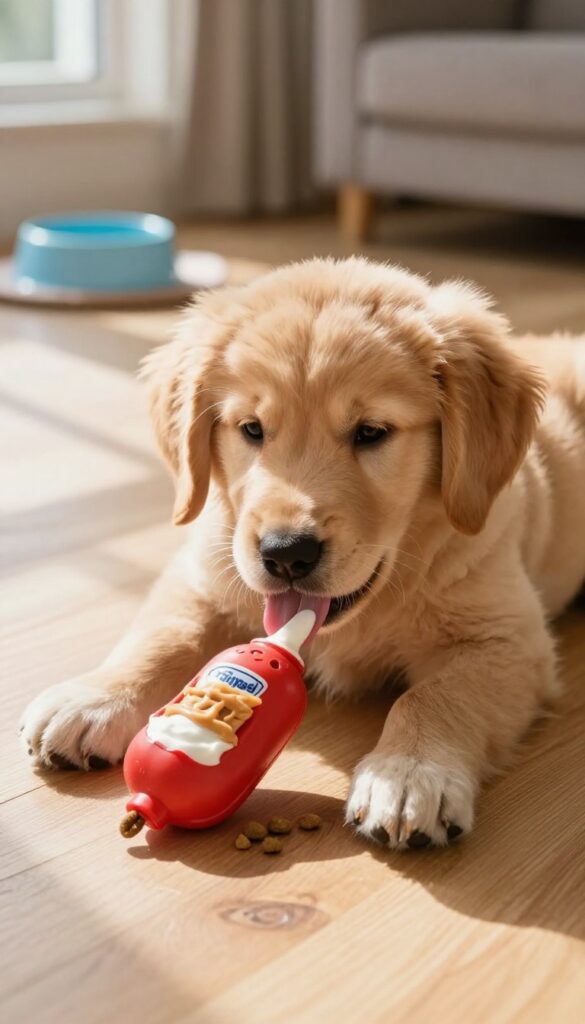
A frozen Kong turns a simple treat into a multi-sensory challenge that keeps your dog busy for much longer. Stuffing and freezing a Kong adds an extra layer of difficulty, making your pup work to get the goodies out. It’s a lifesaver on hot days or when you need a calm moment.
Why It Works
The freezing process slows down eating and extends the activity, which is great for mental stimulation. As your dog licks and chews, the cold soothes sore gums and provides a cooling effect during warm weather.
Best For
This idea is perfect for teething puppies, high-energy dogs who need to settle down, or any dog that loves to lick and chew. It’s also a fantastic option for crating or alone time.
Practical Tip
Use a mix of wet and dry ingredients to create layers. Start with a layer of wet food or yogurt, then add kibble or treats, and seal the top with peanut butter. Freeze upright to avoid leaks.
Always supervise the first use to ensure your dog chews, not swallows, the Kong.
Budget-Friendly Option
No Kong? Use a silicone ice cube tray or a small plastic container with a tight lid. Poke a few holes in the lid for a similar licking challenge.
Just make sure it’s sturdy and not a choking hazard.
4. Cardboard Box Treasure Hunt
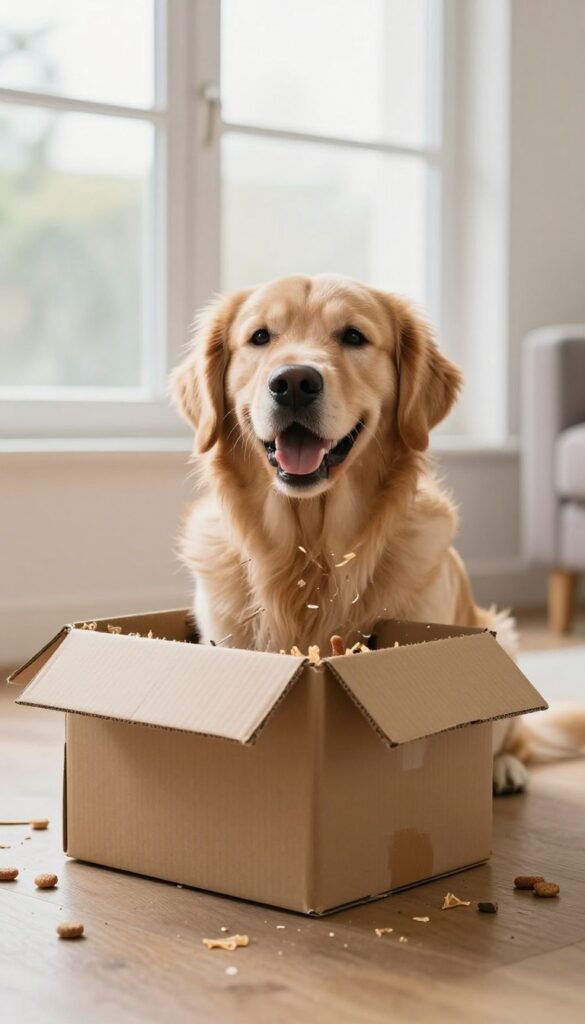
There's something about a cardboard box that makes dogs go wild. Maybe it's the crinkly sound or the challenge of tearing through layers. Turn that natural obsession into a fun game by hiding treats inside and letting your pup shred their way to the prize.
It's a win-win: your dog gets a satisfying outlet for their destructive urges, and you get a tired, happy pup. Plus, you're recycling boxes that would otherwise end up in the bin.
This activity taps into your dog's instinct to forage and hunt, making it mentally stimulating without any fancy equipment. Just a box, some treats, and a dog ready to party.
Why It Works
Dogs experience the world through their mouths and noses. Tearing open a box releases endorphins and provides deep sensory satisfaction. The act of searching for hidden treats also exercises their problem-solving skills, which can reduce anxiety and prevent destructive behaviors elsewhere in the house.
Best For
This game is perfect for medium to large dogs who love to shred and have a bit of a destructive streak. It's also great for high-energy breeds like terriers, retrievers, and shepherds that need a constructive outlet for their drive. Even small dogs can join in if you use smaller boxes and larger treats to prevent frustration.
Practical Tip
Safety first: remove all tape, staples, and labels from the boxes before giving them to your dog. Avoid boxes that have been treated with chemicals or have glossy coatings. Supervise your dog during the activity and pick up any small pieces they might try to swallow.
Start with a single box and a few treats, then gradually increase the difficulty by nesting boxes inside each other.
Budget-Friendly Option
Save up boxes from deliveries or ask neighbors for theirs. You can also use paper bags, egg cartons, or toilet paper rolls as free alternatives. No need to buy anything—just recycle what you have.
5. Towel Roll-Up Game
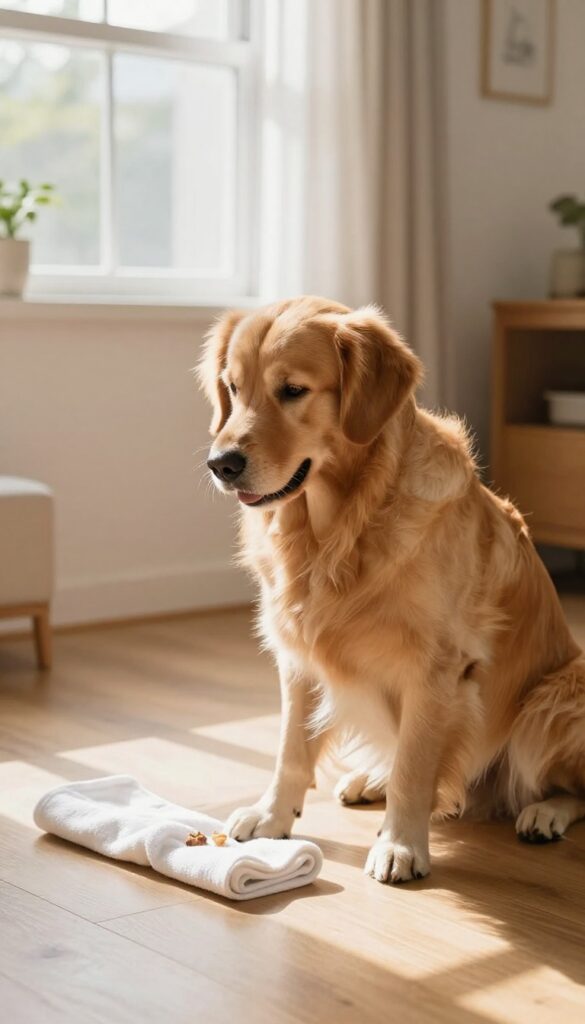
Sometimes the simplest toys are the most engaging. The towel roll-up game turns an ordinary kitchen towel into a puzzle that taps into your dog's natural desire to sniff, dig, and unravel. It's quick to set up and requires zero special equipment, making it a go-to for rainy afternoons or when you need a few minutes of quiet.
Why It Works
Dogs rely heavily on their noses and paws to explore the world. By rolling treats inside a towel and tying a loose knot, you create a multi-step challenge that rewards persistence. The act of unrolling and untying builds problem-solving skills and provides mental stimulation that can tire a dog out faster than a long walk.
Best For
This game works well for dogs who love to use their noses and paws—think terriers, hounds, and herding breeds. It's also great for puppies who need to learn patience and for senior dogs who benefit from gentle mental exercise. Just avoid it with dogs who tend to shred fabric and swallow pieces.
Practical Tip
Use an old hand towel or a small bath towel—avoid anything with loose threads or fringe. Start with a simple roll and a loose knot, then increase the complexity by adding more twists or using a larger towel. Always supervise the first few tries to make sure your dog doesn't chew through the fabric.
After play, toss the towel in the wash to keep it fresh.
Budget-Friendly Option
If you don't have a towel handy, an old t-shirt or a piece of fleece works just as well. You can also use a kitchen dishcloth for smaller dogs or puppies. The goal is to create a fabric puzzle, so anything soft and washable will do.
6. Bottle Flip Treat Dispenser
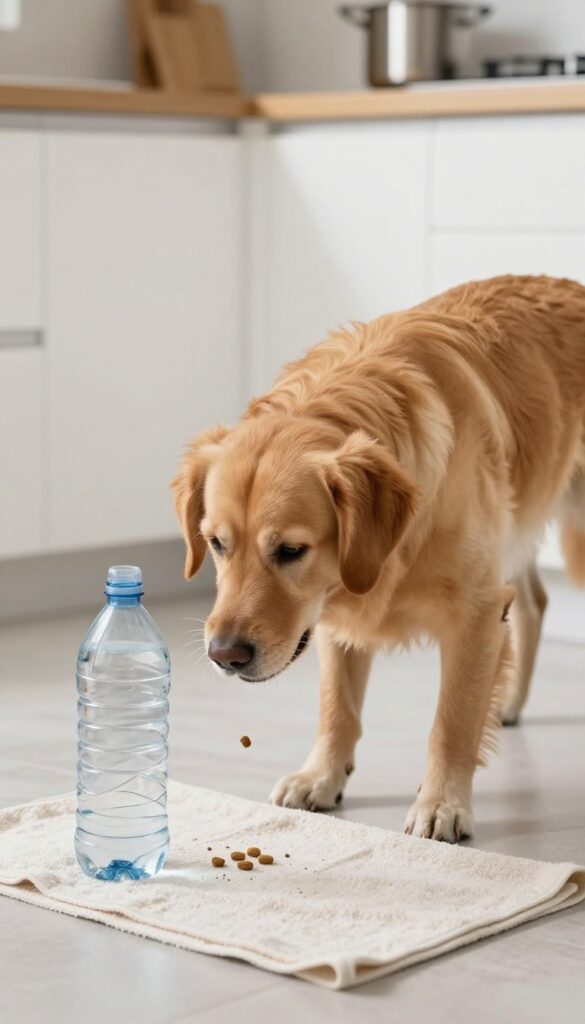
Turn an empty water bottle into a noisy, engaging puzzle that rewards your dog’s nudges and flips. This DIY toy taps into your dog’s natural desire to manipulate objects for food, keeping them busy and mentally stimulated. It’s a quick, low-cost project that uses items you already have, and the clatter and rolling add an extra layer of fun for curious pups.
Why It Works
Dogs are natural problem solvers, and the unpredictable movement of the bottle keeps them engaged. Each nudge or bat releases a few kibbles, reinforcing persistence and nose work. The challenge of figuring out how to get the treats out builds confidence and provides a satisfying mental workout.
Best For
Perfect for dogs who love to push, bat, and chase objects. It works well for medium to large breeds with enough coordination to flip the bottle, but can be adapted for smaller dogs by using a smaller bottle. Best suited for play sessions in a kitchen or easy-to-clean area, since kibble will scatter.
Practical Tip
Use a sturdy plastic water bottle and poke 4–6 holes just big enough for kibble to fall out. Start with larger holes and adjust if treats come out too easily. Supervise your dog to prevent chewing and swallowing plastic; discard the bottle once it gets dented or chewed.
For less mess, place the bottle in a shallow box or on a towel.
Budget-Friendly Option
If you don’t have a plastic bottle, a small cardboard tube (like from a paper towel roll) works too. Fold one end closed, fill with treats, and let your dog unroll it. Not as durable, but just as fun and completely free.
7. Egg Carton Snuffle Box
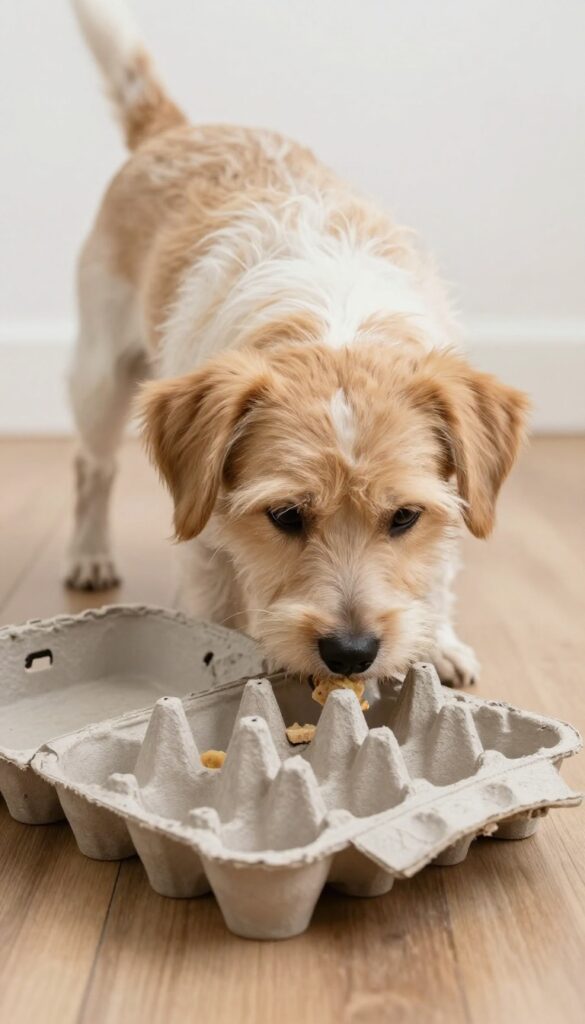
An empty egg carton can become a fun little puzzle for your dog. Simply place a few treats inside, close the lid, and watch your pup figure out how to get them out. It’s a quick setup that encourages gentle sniffing and problem-solving without any mess.
Many dogs love the challenge of nudging the carton open, and it’s easy to adjust the difficulty by leaving the lid slightly ajar or adding more treats.
Why It Works
This activity taps into your dog’s natural foraging instincts. The egg carton’s compartments hide treats and require your dog to use their nose and paws to open it, providing mental stimulation without frustration. It’s also a great way to slow down fast eaters or engage a nervous dog in a calm, rewarding task.
Best For
Best for dogs who enjoy sniffing and gentle paw work, like shy or senior dogs. It’s also ideal for small to medium breeds that won’t crush the carton. Not recommended for heavy chewers who might tear it apart quickly.
Practical Tip
Use a cardboard egg carton (not foam or plastic) for safety and easy disposal. Supervise the first few times to ensure your dog doesn’t eat the cardboard. For extra durability, place the carton inside a cardboard box with shredded paper—this adds layers of challenge and keeps the carton intact longer.
Budget-Friendly Option
You can reuse a clean egg carton from your kitchen, so this idea costs nothing. If you want to upgrade, use a silicone egg-shaped mold or a muffin tin with tennis balls on top for a similar but sturdier puzzle.
8. DIY Flirt Pole for Chase Play
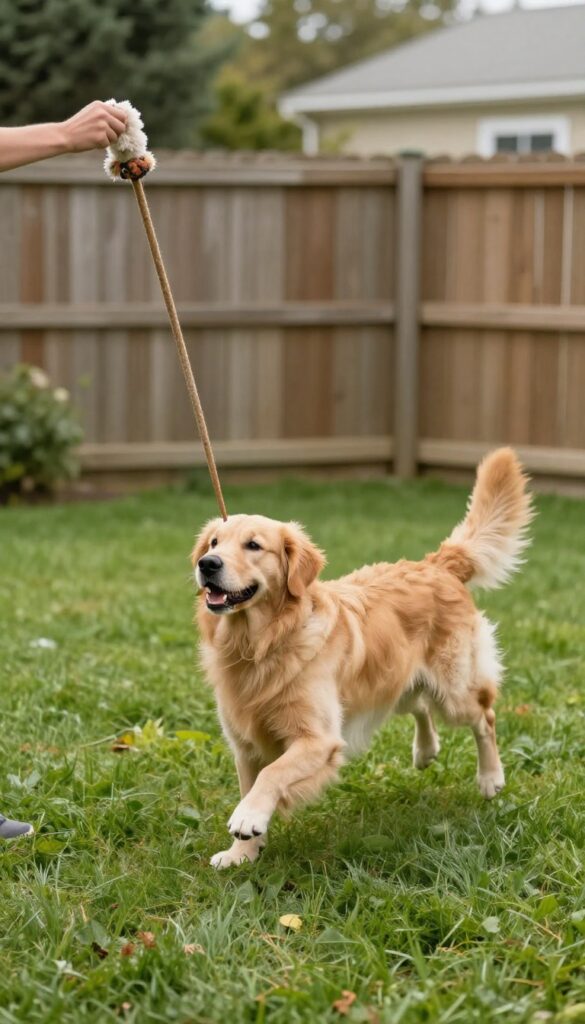
A flirt pole is basically a giant cat teaser for dogs. It’s a long pole with a toy attached to a rope that you drag along the ground. Your dog chases, pounces, and tugs without you needing to run around.
It’s a fantastic way to burn energy in a small space.
Why It Works
Dogs are hardwired to chase moving objects. The flirt pole triggers that prey drive, giving them a satisfying outlet for their natural instincts. It also builds focus and impulse control as they learn to wait for the toy to move.
Best For
High-energy breeds like herding dogs, terriers, and retrievers. Also great for apartment dwellers or anyone with a small yard. Works wonders on rainy days when a long walk isn’t possible.
Practical Tip
Attach a sturdy toy like a fleece tug or a rubber ball with a hole. Use a strong rope that won’t fray, and make sure the pole is smooth to avoid splinters. Always let your dog catch the toy every few tries to keep them motivated.
Budget-Friendly Option
Don’t have a PVC pipe? A thick tree branch or an old broom handle works just as well. For the toy, an old sock stuffed with another sock makes a great tug toy.
9. Scent Work with Old Towels
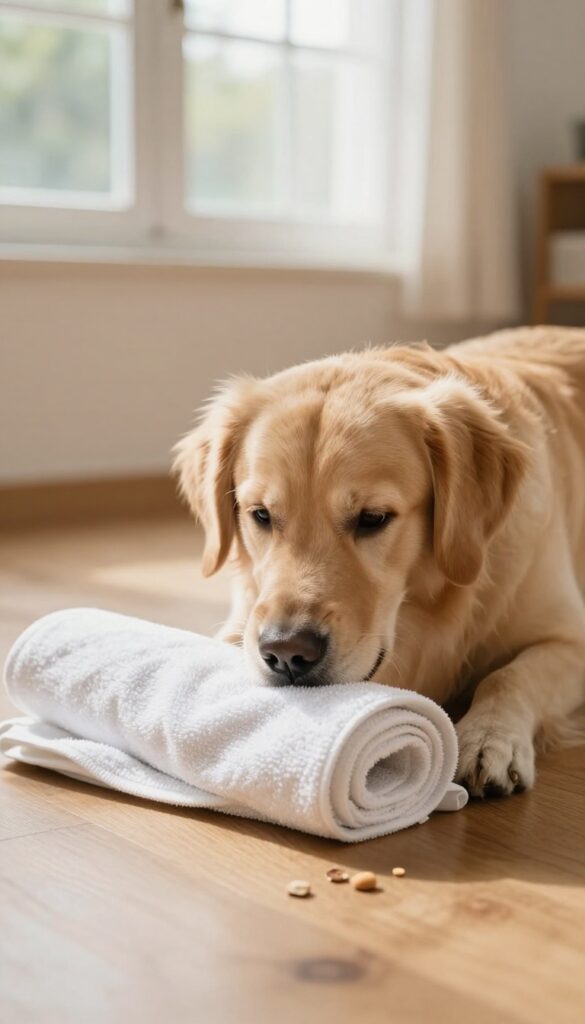
Dogs experience the world through their noses, and scent work taps directly into that superpower. Using old towels to hide treats turns a simple household item into an engaging nose game that tires your dog out mentally. It’s one of the easiest enrichment activities you can set up in minutes.
Why It Works
Scent work mimics natural foraging behaviors, giving your dog a job to do. The mental effort of sniffing and problem-solving can be more exhausting than a long walk, making it perfect for rainy days or high-energy pups.
Best For
This activity suits all dogs, from puppies to seniors. It’s especially great for breeds with strong noses, like hounds, retrievers, and terriers, but any dog can benefit from using their nose.
Practical Tip
Start simple by placing a few treats on a flat towel and loosely rolling it up. As your dog gets the hang of it, twist the towel into a knot or hide treats in multiple layers. Always supervise to prevent swallowing towel pieces, and wash towels regularly.
Budget-Friendly Option
No old towels? Use washcloths, fabric scraps, or even an old t-shirt. You can also use a cardboard box with crumpled paper or fabric strips for a similar nose game.
10. Ice Cube Treats with Hidden Surprises
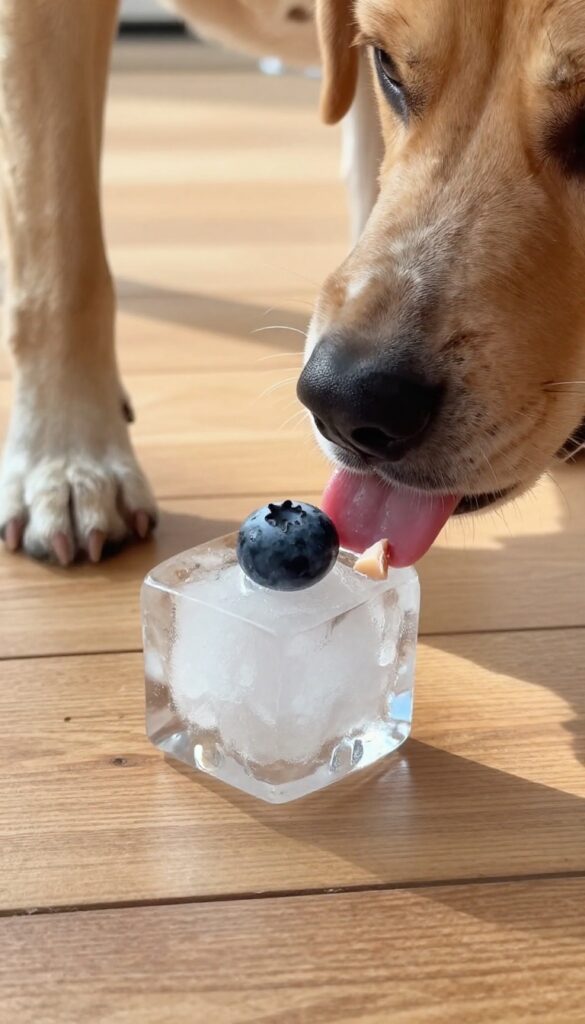
When the temperature climbs, your dog still wants to play and eat. Ice cube treats combine cooling relief with the thrill of discovery. Just freeze small goodies inside ice cubes, and watch your pup lick, paw, and problem-solve their way to the reward.
It’s a zero-cost activity that uses items you already have. Plus, it keeps dogs occupied for a solid 10–15 minutes, which is a win on a hot afternoon.
Dogs love the cold crunch and the surprise inside. Owners love how easy it is to customize with whatever treats or fruits are on hand.
Why It Works
The cold makes the treat last longer than a regular snack, and the hidden bits tap into your dog’s natural scavenging instincts. Licking and chewing also release calming endorphins, so this activity can help an anxious dog settle down.
Best For
This works for most dogs, but it’s especially great for heavy chewers who demolish soft toys in seconds. It’s also perfect for dogs who need to slow down their eating or who tend to overheat easily during warm weather.
Practical Tip
Use silicone ice cube trays with large, easy-to-remove cubes. Drop in a blueberry, a pea, or a small piece of cooked chicken, then fill with water or low-sodium broth. Freeze overnight and pop one out for supervised play.
Always watch your dog to prevent gulping large pieces.
Budget-Friendly Option
No ice cube tray? Freeze treats in a shallow bowl of water, then break the ice sheet into manageable chunks. You can also use a muffin tin for bigger, longer-lasting blocks.
11. DIY Tug Toy from Old T-Shirts
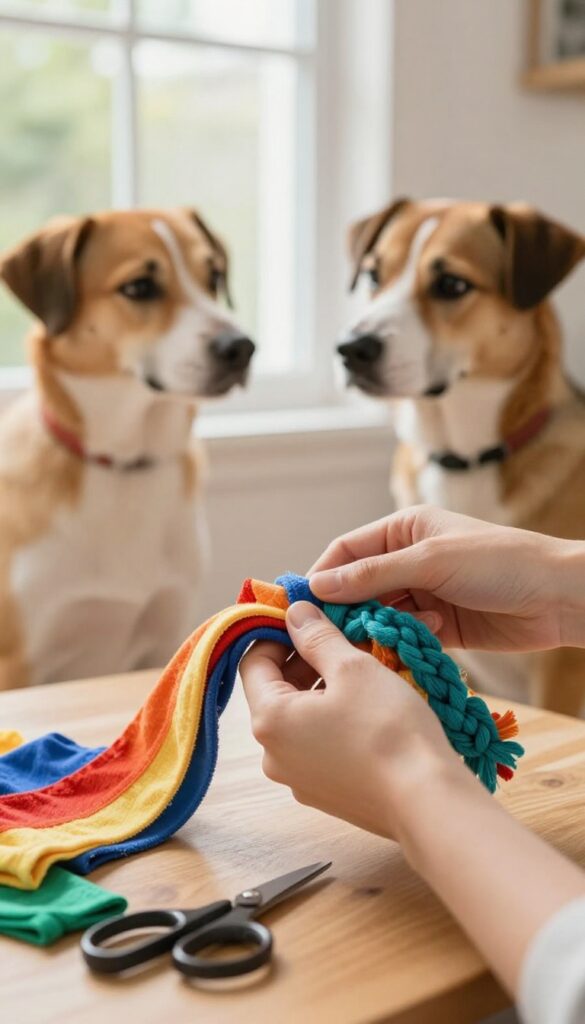
Got a pile of old t-shirts you never wear? Turn them into a tug toy your dog will love. This project takes about ten minutes and costs nothing, yet it delivers hours of interactive fun.
Plus, you’re recycling fabric that would otherwise end up in a landfill.
Why It Works
Tug toys tap into your dog’s natural prey drive and provide a great outlet for pent-up energy. The braided fabric is gentle on teeth and gums, and the toy’s length keeps your hands safely away from your dog’s mouth during play.
Best For
This toy is perfect for medium to large dogs who enjoy a good game of tug. It also works well for puppies who are teething and need something soft to chew on.
Practical Tip
Cut the t-shirts into strips about 2 inches wide and 18 inches long. Braid three strips together tightly, then knot both ends. For extra durability, double up the strips or use multiple layers of fabric.
Wash the toy in a lingerie bag on a gentle cycle when it gets dirty.
Budget-Friendly Option
Instead of t-shirts, you can use old jeans, fleece blankets, or even rope from a hardware store. Just make sure any fabric you use is free of buttons, zippers, or other hard parts that could be a choking hazard.
FAQ
How long should a DIY enrichment session last?
Start with 5–10 minutes and adjust based on your dog’s interest. Some dogs get frustrated quickly, while others can work for 20 minutes. Always supervise and end on a positive note.
Are these ideas safe for all dog breeds?
Most are safe, but adjust for size and chewing strength. Avoid small parts for aggressive chewers, and always supervise to prevent swallowing non-food items.
Can I use these ideas for puppies?
Yes, but keep it simple. Use soft treats and avoid hard objects that could damage baby teeth. Frozen Kongs are great for teething puppies.
How often should I rotate enrichment activities?
Rotate every few days to keep novelty high. Having 3–4 different ideas in rotation prevents boredom and maintains your dog’s engagement.
What if my dog loses interest quickly?
Try making the activity easier or using higher-value treats. Some dogs need a demonstration first. If they still lose interest, switch to a different type of enrichment.
Conclusion
DIY enrichment doesn’t have to be complicated or expensive. With a little creativity and items you already have, you can keep your dog mentally sharp and happily occupied. Start with one or two ideas and see what your pup enjoys most.
Remember, the goal is fun—not perfection. A happy, tired dog is the best reward. So grab a muffin tin or an old towel, and get ready to see that tail wag.

I’m Pallab Kishore, the owner of Little Pets Realm — an animal lover and pet care enthusiast sharing easy tips, healthy recipes, and honest advice to help every small pet live a happy, healthy, tail-wagging life.