
A tired dog is a happy dog, but you don't need a huge backyard to make it happen. Indoor brain games can wear out your pup just as effectively as a long run—sometimes even more. Mental stimulation taps into your dog's natural instincts, leaving them satisfied and calm.
The best part? Most of these games use items you already have at home. No fancy equipment required.
Just a little creativity and a few treats will turn a restless afternoon into a focused, fun activity. Ready to challenge your dog's mind? Let's dive in.
1. The Muffin Tin Game
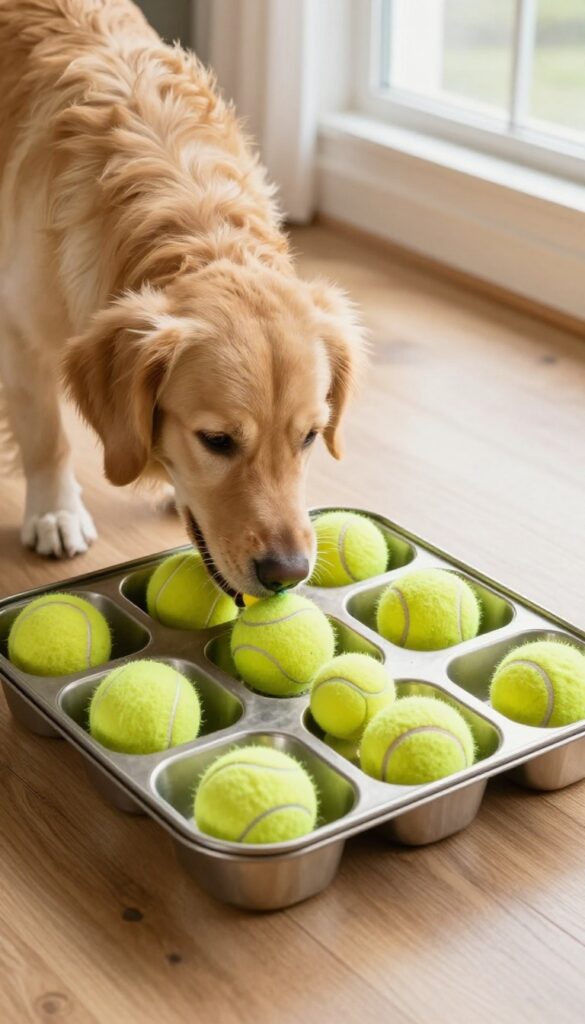
You've probably got a muffin tin hiding in a cabinet somewhere. Time to put it to work. This simple puzzle game challenges your dog to figure out how to get the treats out from under tennis balls.
It's a fantastic way to engage their problem-solving skills without any special gear.
Why It Works
Dogs love using their noses and paws to solve problems. The muffin tin game forces them to nudge, push, or paw at the tennis balls to reveal the hidden treats. This mental workout can tire them out faster than a walk around the block, because they're actively thinking and strategizing.
Best For
This game is perfect for dogs who are food-motivated and enjoy a good challenge. It works well in apartments or small spaces since it doesn't require much room. Great for rainy days or when you need a quick, engaging activity.
Practical Tip
Start with just a few treats in one or two cups to keep it easy. As your dog gets the hang of it, fill more cups or add an extra ball on top. Always supervise to prevent chewing on the tin or balls.
Use non-slip mat underneath if your dog is enthusiastic.
Budget-Friendly Option
No muffin tin? Use an empty egg carton or a cardboard box with crumpled paper. Just hide treats in the compartments and let your dog figure it out.
Same mental workout, zero cost.
2. Towel Tug and Treat Roll
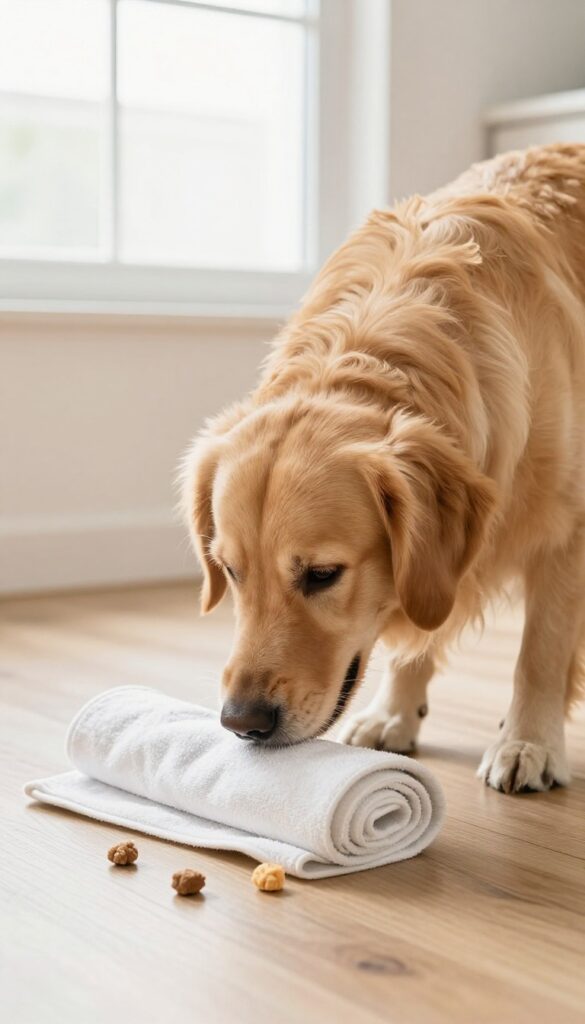
Grab an old kitchen towel and scatter a few treats along the center. Let your dog sniff out the goodies as you roll the towel up. For an extra challenge, tie a loose knot in the middle—your pup will have to paw and nudge it open.
It's a simple game that taps into their natural foraging instincts.
Why It Works
Dogs are natural foragers, and this game lets them use their nose and paws to solve a problem. The mental effort of unrolling or untying the towel is surprisingly tiring—even more than a short walk. Plus, the slow release of treats keeps them engaged and satisfied.
Best For
Perfect for any dog who loves to sniff and dig, especially breeds like terriers, hounds, and herding dogs. It works great in apartments or small spaces because you only need a towel and a few treats. Also ideal for rainy days or when you need a quick indoor activity.
Practical Tip
Use a thin, absorbent towel so it's easy for your dog to manipulate. Avoid towels with loose threads that could be chewed off. Always supervise the first few times to make sure your dog doesn't try to eat the towel instead of the treats.
Budget-Friendly Option
No towel? Try a fleece blanket or an old t-shirt. You can also use a paper grocery bag—just crumple treats inside and let your dog tear it open (supervised, of course).
3. Snuffle Mat Fun
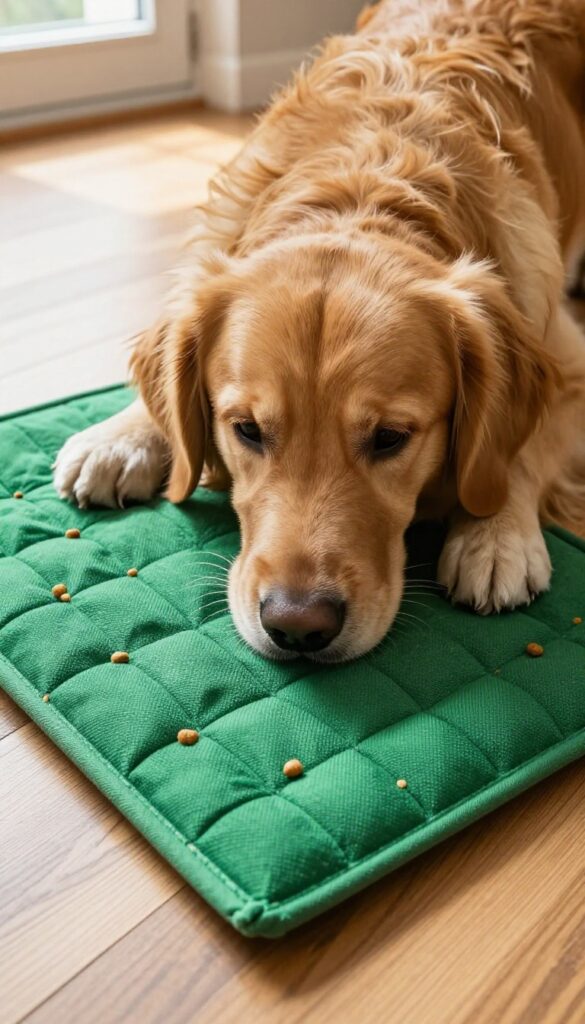
Imagine turning mealtime into a treasure hunt. A snuffle mat is a soft mat with fabric strips that mimic grass, where you can hide kibble or treats. Your dog uses their nose to sniff out the food, which taps into their natural foraging instincts.
It's a calming activity that works especially well for anxious or high-energy pups.
Why It Works
Snuffle mats engage your dog's sense of smell, which is incredibly tiring. Sniffing for 15 minutes can be as draining as a 30-minute walk. The mental focus required to find hidden treats helps reduce stress and satisfies their natural urge to search for food.
Best For
This game is perfect for dogs who need mental stimulation but have limited space—like apartment dwellers. It's also great for anxious dogs who benefit from a soothing, nose-focused task. Pups that inhale their food too fast can slow down and enjoy a slower, more engaging meal.
Practical Tip
Start with easy hides on top of the fabric strips so your dog understands the game. Gradually bury treats deeper as they get the hang of it. For easy cleanup, choose a mat that's machine washable or spot clean with mild soap.
Always supervise to prevent chewing or swallowing fabric pieces.
Budget-Friendly Option
No snuffle mat? No problem. Scatter treats on a towel, roll it up loosely, and let your dog unroll it.
Or use an empty egg carton—place a few treats inside, close the lid, and let them figure out how to open it. Both are free and just as effective.
4. The Cup Shuffle
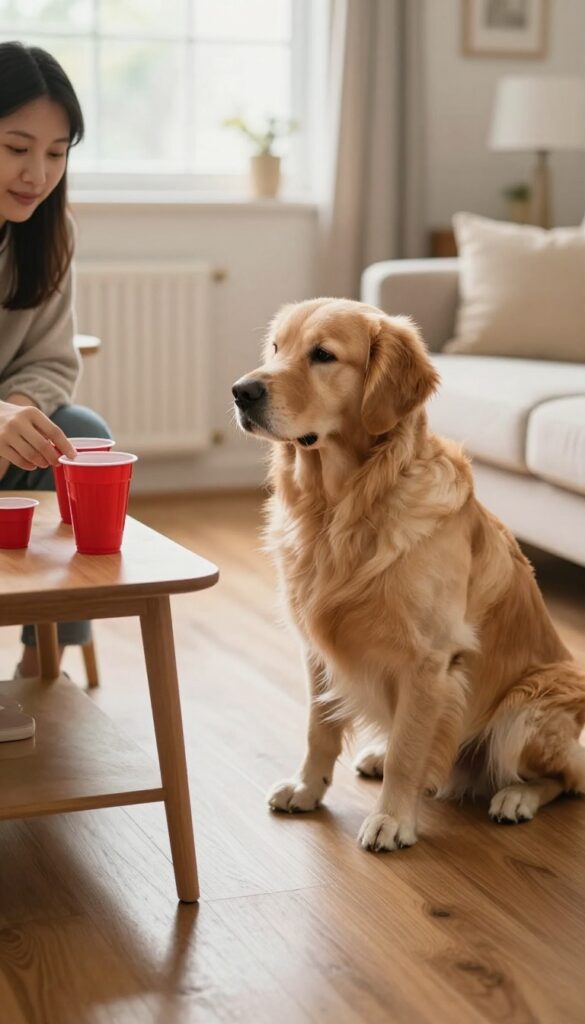
Your dog might already know how to follow a treat with their nose, but can they track it with their eyes? The Cup Shuffle turns your coffee table into a mini guessing game that sharpens focus and memory. It's simple to set up, endlessly entertaining, and surprisingly tiring for a dog that's used to physical exercise.
All you need are three identical cups and a handful of small treats. Start with one cup, let your dog see you place the treat underneath, then slowly slide the cups around. When they nose or paw the right cup, they earn the reward.
It's like a shell game—but for dogs.
Why It Works
This game forces your dog to concentrate on a single object and ignore distractions. The mental effort of tracking the treat and making a choice builds cognitive stamina, which can be just as draining as a long walk. Plus, the success-reward loop keeps them motivated and engaged.
Best For
Dogs that are food-motivated and have a moderate attention span. It's great for rainy days, small apartments, or when you need to keep your pup busy while you work. Breeds like Border Collies, Poodles, and Terriers often love the challenge.
Practical Tip
Use lightweight, stackable cups so your dog doesn't knock them over easily. Keep sessions short—5 to 10 minutes—to prevent frustration. Always use a clear surface so the cups slide smoothly, and supervise to stop your dog from chewing the cups.
Budget-Friendly Option
No plastic cups? Use empty yogurt containers or small cardboard boxes. Just make sure they're clean and have no sharp edges.
You can even use opaque bowls if you have them.
5. DIY Treat Puzzle from a Water Bottle
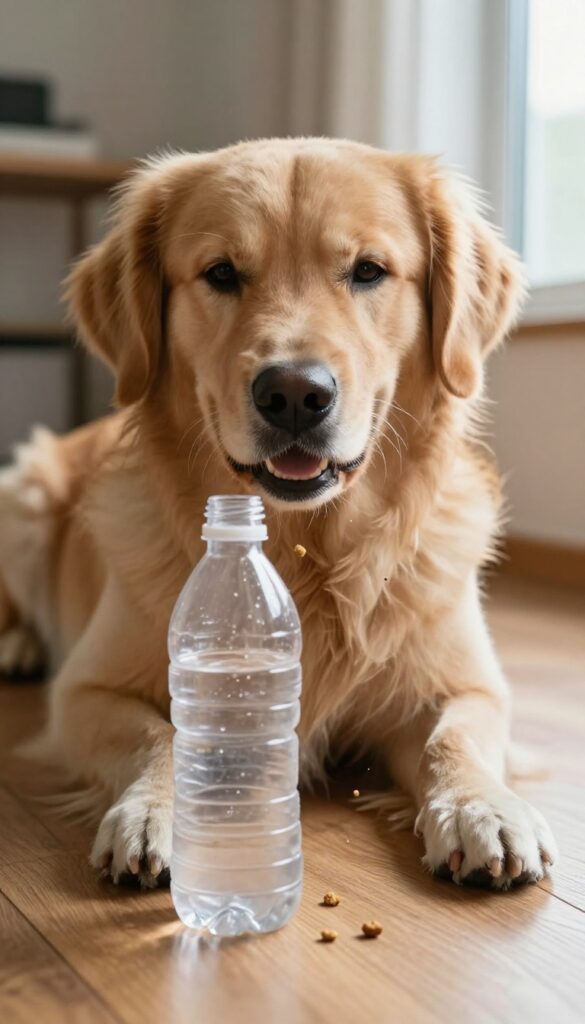
Empty water bottles are usually destined for the recycling bin, but they make fantastic DIY puzzle toys. Just poke a few holes in the sides, drop in some kibble, and let your dog roll the bottle around to release the treats. The crinkly noise and unpredictable movement keep their brain engaged, and it's a great way to repurpose something you'd otherwise toss.
Why It Works
The bottle's rolling motion and the sound of kibble rattling inside trigger your dog's foraging instincts. They have to figure out how to nudge the bottle just right to get the treats out, which requires focus and problem-solving. It's a simple but effective mental workout that can tire them out faster than you'd expect.
Best For
This puzzle works well for medium to large dogs who enjoy a challenge and don't mind a little noise. It's perfect for apartments or small homes where space is limited, since the bottle rolls around easily on any floor. Just be sure to supervise if your dog is a heavy chewer, as they might try to destroy the bottle.
Practical Tip
Use a sturdy plastic bottle without a cap to prevent choking hazards, and cut the holes just big enough for one or two pieces of kibble to fall out. Start with fewer holes to make it easier, then add more as your dog gets the hang of it. Clean the bottle between uses to avoid sticky residue.
Budget-Friendly Option
If you don't have a water bottle, any empty plastic container with a lid works—think a small soda bottle or even a travel shampoo bottle. Just make sure it's clean and the holes are smooth to avoid sharp edges. You can also use a toilet paper roll with the ends folded in for a quieter, disposable option.
6. Find the Treat (Scent Work)
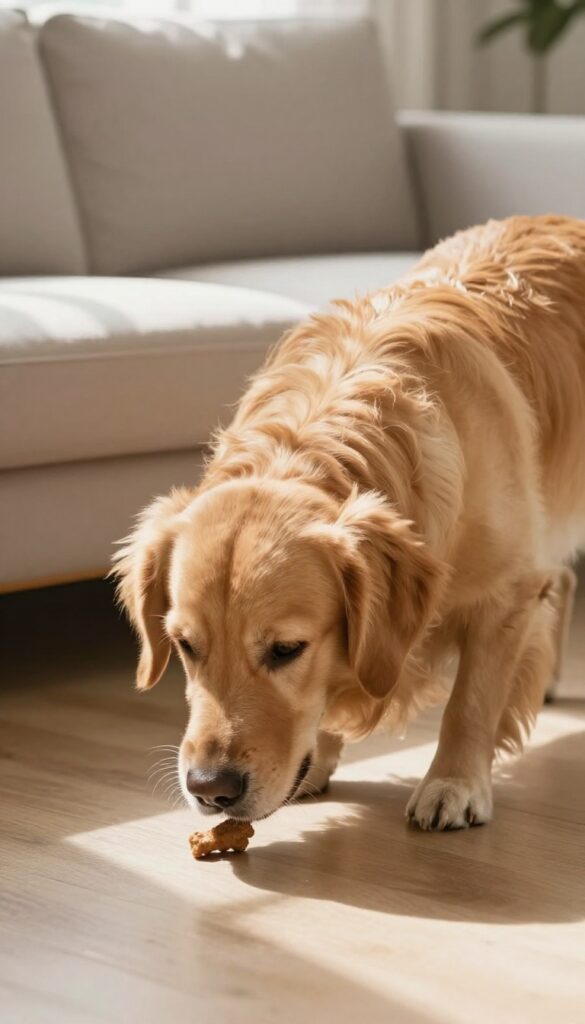
Hide a few treats around the living room and let your dog's nose do the work. Start with easy spots like behind a chair leg or under a cushion, then gradually make it harder. This game taps into your dog's natural hunting instincts and provides serious mental stimulation.
Why It Works
Dogs have an incredible sense of smell, and using it to search for food is mentally exhausting. It requires focus, patience, and problem-solving, leaving your pup happily tired without any physical exertion.
Best For
Perfect for high-energy breeds like hounds, herders, and terriers, but any dog can join in. Great for apartment dwellers or rainy days when outdoor exercise isn't an option.
Practical Tip
Use low-value treats for easier finds and high-value ones for harder hides. Keep the search area safe by removing hazards like cords or small objects your dog might knock over. Always supervise to prevent chewing on furniture or rugs.
Budget-Friendly Option
No treats on hand? Use pieces of your dog's regular kibble or a few tiny bits of cheese or meat. You can also hide a favorite toy or a sock with your scent on it.
7. The Shell Game with a Box
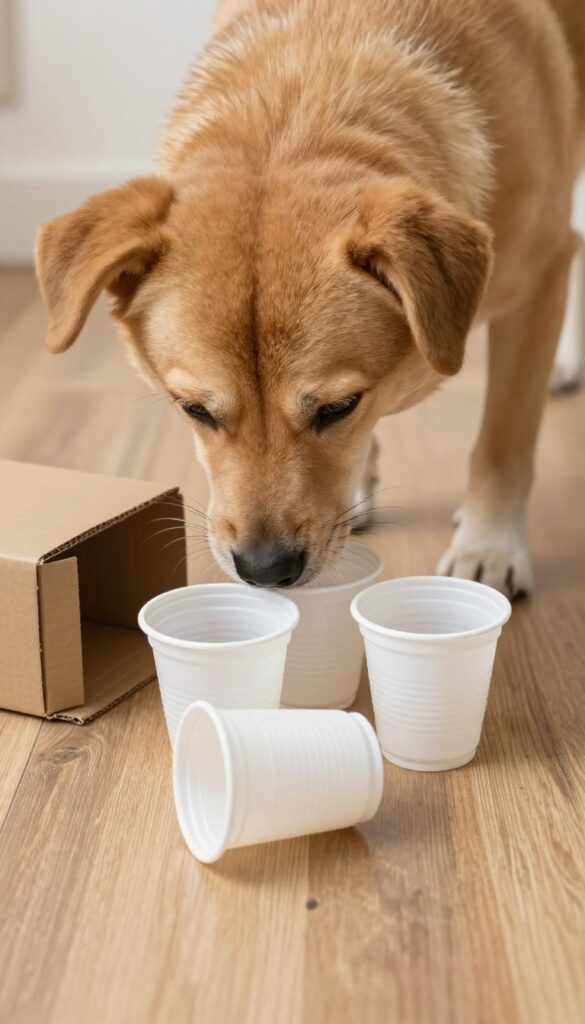
Think your dog has sharp eyes? The shell game tests their observation skills and patience. Using a cardboard box and a few smaller containers, you hide a treat under one and shuffle them around.
Your pup has to figure out which container hides the prize. It's a simple concept that turns into a focused mental workout.
Why It Works
Dogs rely heavily on their sense of smell, but this game encourages them to use visual tracking and memory. It also builds persistence as they learn to keep trying even if they guess wrong. The mental effort of focusing and problem-solving can tire them out faster than physical exercise.
Best For
This game is great for dogs who are food-motivated and enjoy a challenge. It works well in small spaces like apartments or during rainy days. Breeds that are naturally curious or working types, like Border Collies or Terriers, especially love it.
Practical Tip
Use containers that are easy for your dog to nudge or flip over, like plastic cups or small bowls. Start with just two containers and one treat, then gradually add more. Keep sessions short—5 to 10 minutes—to avoid frustration, and always supervise to prevent chewing on the box or containers.
Budget-Friendly Option
No need to buy anything. Reuse a shoebox or any sturdy cardboard box. For containers, try empty yogurt cups, muffin tins, or even toilet paper rolls.
Just make sure there are no sharp edges or small parts that could be swallowed.
8. Frozen Kong or Lick Mat
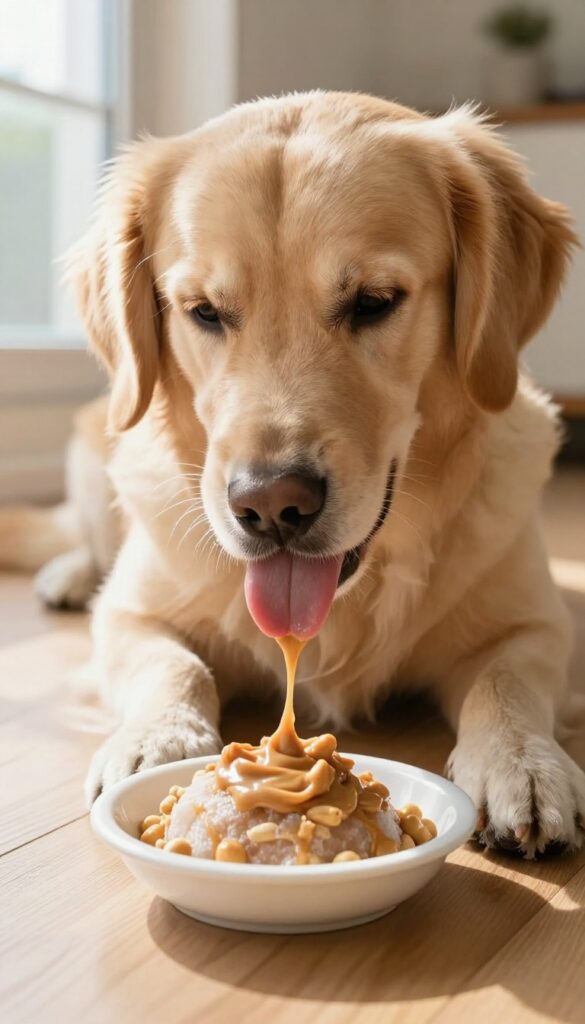
When your dog needs a serious mental workout, cold treats are a game changer. A frozen Kong or lick mat forces them to slow down and work for their food, which is both satisfying and calming. It’s like a puzzle that tastes good.
These tools are incredibly popular because they turn a simple snack into a 20- to 30-minute activity. Plus, they’re easy to prep ahead and store in the freezer for those days when you need a quick boredom buster.
Why It Works
Licking is a natural self-soothing behavior for dogs, so combining that with a tasty reward creates a powerful calming effect. The freezing step adds an extra layer of difficulty—your dog has to work around the cold to get every last bit. This mental effort tires them out faster than just eating from a bowl.
Best For
Perfect for high-energy breeds like Border Collies, Labs, and Pit Bulls who need a daily dose of mental stimulation. Also great for anxious dogs who benefit from a calming activity. Works well in apartments, small homes, or any space where you need a quiet indoor activity.
Practical Tip
Use a Kong or a lick mat with suction cups to keep it in place. For easy cleanup, fill the Kong with wet food or yogurt and plug the small hole with a dab of peanut butter before freezing. Always supervise the first few uses to make sure your dog doesn’t try to chew through the rubber.
Budget-Friendly Option
No Kong? No problem. Stuff a hollow bone or a silicone muffin cup with the same mixture and freeze.
You can also spread the filling on a plate and freeze it for a DIY lick mat.
9. The Name Game (Trick Training)
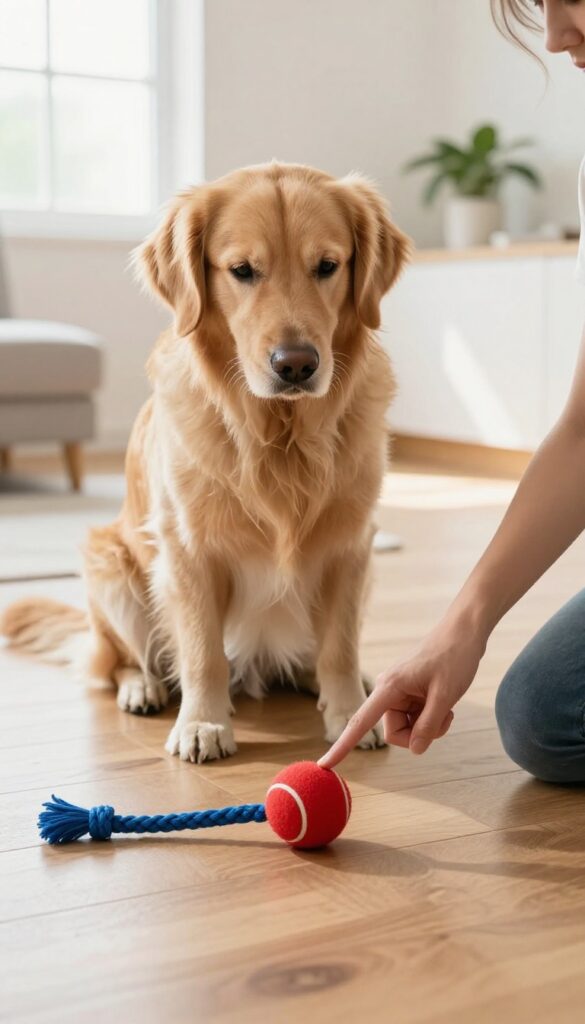
Teaching your dog to recognize the names of their toys turns playtime into a focused brain workout. It's like a vocabulary lesson that also strengthens your bond. Plus, it's surprisingly easy to start.
Why It Works
This game engages your dog's memory, listening skills, and impulse control. They have to ignore other toys and zero in on the one you named, which takes real mental effort. Over time, it builds a stronger connection between you and your pup.
Best For
Dogs who already know basic commands like 'sit' and 'stay'. It's great for all breeds, but especially for smart, energetic dogs that need extra mental stimulation. Works well in any home with a bit of floor space.
Practical Tip
Keep sessions short—just 5 to 10 minutes—to prevent frustration. Use high-value treats for correct picks, and always end on a positive note. If your dog gets confused, go back to one toy until they feel confident.
Budget-Friendly Option
No need to buy special toys. Use everyday items like a tennis ball, a rope, or a stuffed animal. Rotate toys to keep the game fresh.
You can even use different scents or textures to make it more interesting.
10. Obstacle Course with Household Items
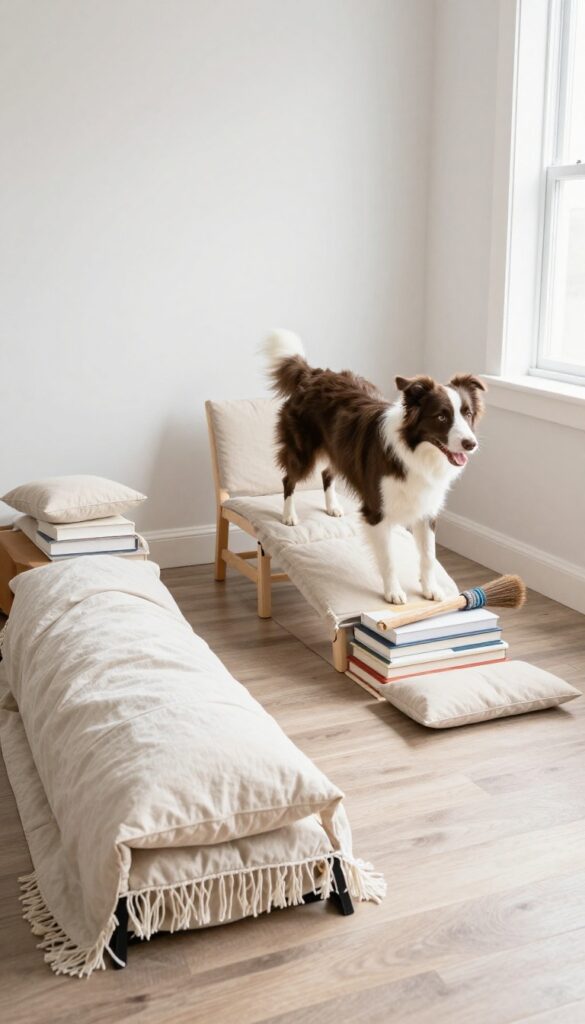
Channel your inner agility instructor and turn your living room into a mini obstacle course. Use chairs for jumps, pillows for tunnels, and broomsticks for weave poles. Guiding your dog through the course builds confidence and burns energy fast.
Why It Works
Navigating an obstacle course requires your dog to think about foot placement, balance, and following your cues. It's a full-body workout that also sharpens their mind, making them tired in the best way.
Best For
Great for energetic breeds like Border Collies, Aussies, and terriers, but any dog that enjoys learning new tricks will have a blast. Works well in apartments or small homes with a bit of rearranging.
Practical Tip
Keep jumps low and tunnels short to avoid injury. Use non-slip mats under chairs and pillows to prevent sliding. Always guide your dog with treats and enthusiasm—never force them through an obstacle.
Budget-Friendly Option
No broomstick? Use a cardboard wrapping paper tube or a pool noodle balanced on two stacks of books. A blanket draped over a table makes a perfect tunnel.
11. The Box of Surprises
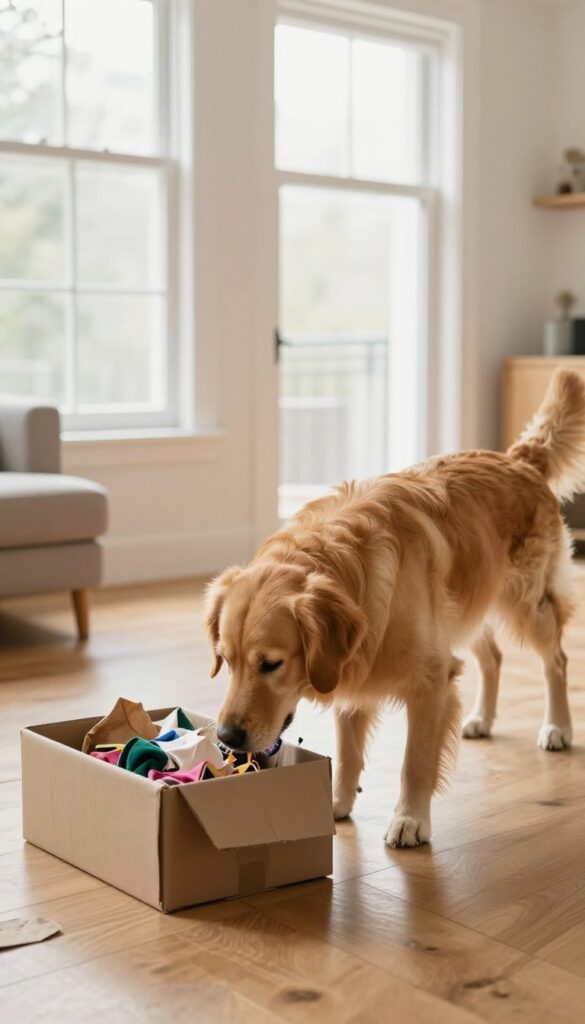
There's something about a cardboard box that drives most dogs wild. Combine that with hidden treasures, and you've got a game that taps into their natural foraging instincts. This simple activity turns an ordinary box into a puzzle that keeps your dog busy, sniffing, and digging—all indoors.
Why It Works
Dogs are natural foragers, and this game lets them use their nose and paws to find hidden rewards. The crumpled paper and fabric create layers of scent and texture, making the search more challenging and engaging. It works their brain hard, which leads to that satisfied, tired-out feeling.
Best For
This game is great for curious, high-energy dogs who love to dig or shred. It's also perfect for rainy days when outdoor exercise isn't an option. Just be ready for a bit of mess—it's worth it for the mental workout your dog gets.
Practical Tip
Use a shallow box to start, so your dog can easily access the layers. Avoid small or sharp objects that could be swallowed. Supervise the first few times to make sure your dog isn't eating the paper or fabric.
Clean up is simple—just toss the box and recycle the scraps.
Budget-Friendly Option
No cardboard box? A plastic storage bin works too. Just make sure it's sturdy and not too deep.
You can also reuse old newspapers, junk mail, or clean fabric scraps instead of buying anything new.
FAQ
How long should I play brain games with my dog?
Start with 10-15 minutes and adjust based on your dog's interest and energy. Mental stimulation can be tiring, so watch for signs of fatigue.
Are brain games suitable for all dog breeds?
Yes, but tailor the difficulty to your dog's personality. High-energy breeds may need more challenging games, while older dogs might prefer simpler tasks.
Can brain games replace physical exercise?
They complement but shouldn't replace physical activity. A mix of both keeps your dog balanced and healthy.
What if my dog loses interest quickly?
Try higher-value treats or make the game easier. Sometimes a short break and a fresh approach can reignite their curiosity.
Are these games safe for puppies?
Yes, but supervise and avoid small parts that could be swallowed. Use soft toys and non-toxic materials for teething pups.
Conclusion
You don't need fancy gear to keep your dog mentally sharp indoors. These brain games use items you already have around the house, so you can start tiring out your pup today without spending a dime.
Pick two or three games to rotate throughout the week, and watch your dog's problem-solving skills grow. A tired dog is a happy dog, and you'll both enjoy the extra bonding time.

I’m Pallab Kishore, the owner of Little Pets Realm — an animal lover and pet care enthusiast sharing easy tips, healthy recipes, and honest advice to help every small pet live a happy, healthy, tail-wagging life.