
Last updated on August 19th, 2026 at 04:15 pm
Wood dog beds bring warmth and character that plastic or fabric options just can't match, but they often come with a hefty price tag. The good news?
You don't need to spend a fortune to give your pup a stylish, cozy spot that fits your home's vibe. From repurposed pallets to sleek modern builds, these nine ideas range from weekend DIY projects to simpler upgrades you can tackle in an afternoon.
Whether you're handy with a saw or just want a quick makeover, there's a wood bed here that'll make your dog feel like the king or queen they already think they are.
1. Pallet Wood Dog Bed: Rustic Charm on a Budget
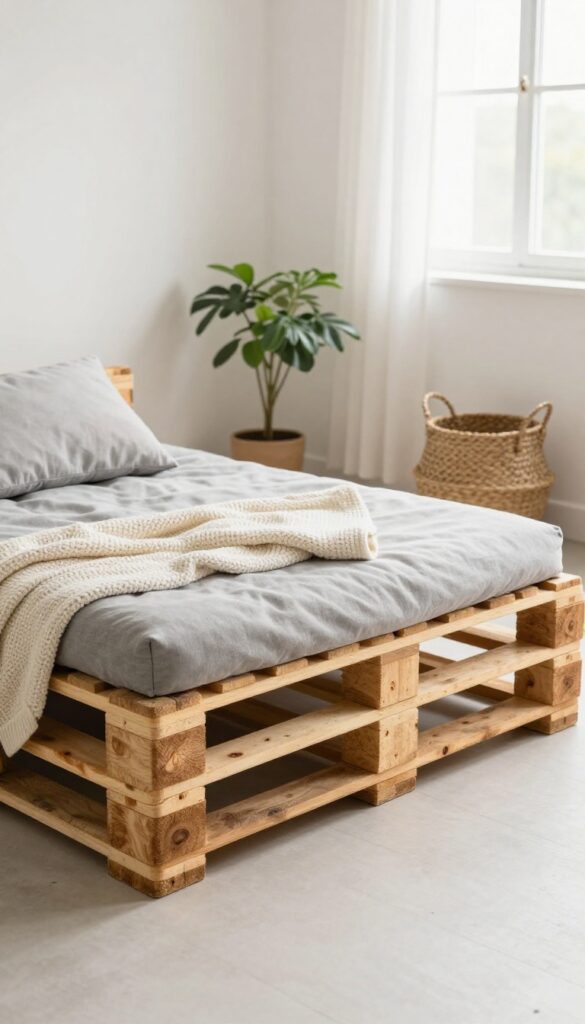
Pallet wood is the ultimate budget-friendly material for a dog bed that looks anything but cheap. With a little sanding and a fresh coat of stain, you can turn discarded shipping pallets into a sturdy frame that adds instant rustic warmth to any room. Plus, it's a great way to upcycle and keep waste out of the landfill.
Building a pallet dog bed is surprisingly simple. Start by sourcing a few clean, heat-treated pallets (look for the HT stamp) to avoid harmful chemicals. Break them down carefully, remove any nails, and sand every surface until smooth.
Then, cut the boards to your desired size—typically matching your dog's bed cushion or mattress. Assemble a simple rectangular frame, add legs if you want it elevated, and finish with a non-toxic stain or sealant. Finally, toss in a cozy cushion or an old blanket, and your pup will have a custom bed that looks like it came from a boutique store.
Choosing The Right Pallet
Not all pallets are created equal. Look for ones marked with HT (heat-treated) rather than MB (methyl bromide), which is a toxic pesticide. Avoid pallets that look stained or smell like chemicals.
If you're unsure, ask local hardware stores or warehouses—they often have spare pallets they're happy to give away.
Sanding And Sealing For Safety
Splinters are a real concern when using reclaimed wood. Use a power sander with coarse to fine grit paper to smooth every edge and corner. After sanding, wipe down the boards with a damp cloth to remove dust.
Apply a pet-safe, water-based sealant or stain to protect the wood from moisture and wear. Let it dry completely before assembling.
Customizing The Frame
You can keep it simple with a flat platform or add short legs to elevate the bed off the floor. For a more polished look, attach a trim piece around the top edge or paint the frame in a color that matches your decor. The beauty of pallet wood is its versatility—you can stain it dark for a classic look or leave it natural for a lighter, airy feel.
2. Mid-Century Modern Dog Bed with Tapered Legs
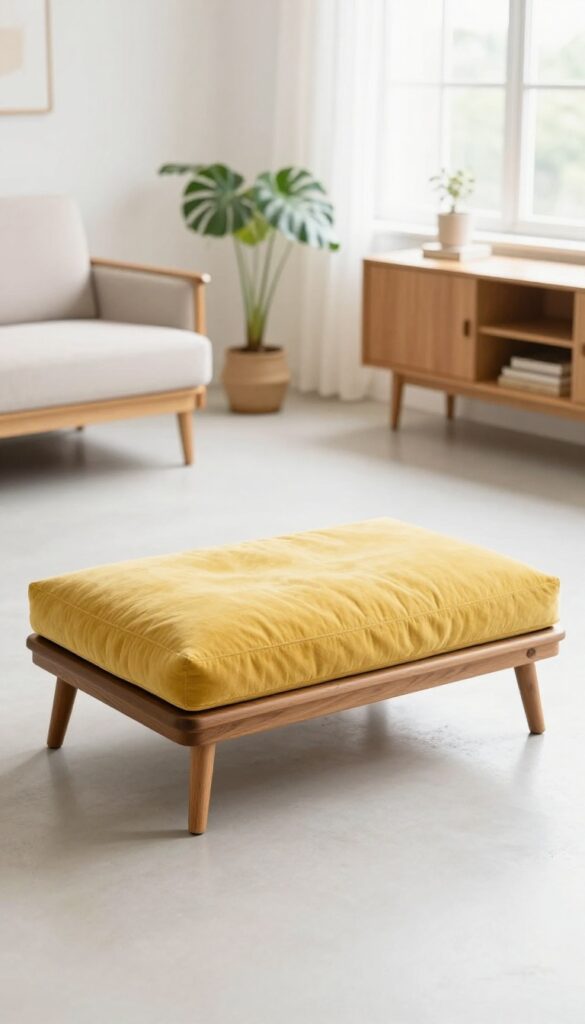
Mid-century modern design never really goes out of style, and it translates surprisingly well to pet furniture. A wooden frame with tapered legs gives your dog bed that clean, retro look that fits right in with your favorite armchair or sideboard. The key is choosing the right wood and a cushion that balances comfort with that iconic silhouette.
Walnut and oak are classic choices that bring out the warm tones of the style, and they age beautifully with a bit of use.
Building this bed is a straightforward weekend project. You'll need four tapered legs, a rectangular frame, and a sturdy base to hold the cushion. The tapered legs are the star here—they angle outward slightly, giving the bed that signature mid-century stance.
You can buy pre-made legs at most hardware stores, or cut them yourself if you're comfortable with a saw. Once the frame is assembled, sand everything smooth and apply a clear coat or a light stain to protect the wood. Then, just drop in a plush cushion that fits snugly.
For the full mid-century vibe, go with a cushion in a muted tone like mustard, olive, or burnt orange, or keep it neutral with a warm cream or gray.
Why Tapered Legs Work
Tapered legs do more than just look good—they also make the bed feel lighter and less bulky, even if it's a larger size. The angled shape adds a subtle visual interest that straight legs just don't have. Plus, they lift the bed off the floor, which helps with airflow and keeps the cushion from getting damp or cold.
That's a win for both style and function.
Wood Choices For A Warm Finish
Walnut is a top pick because its rich, dark brown tone brings instant warmth and a touch of sophistication. Oak is another solid option—it's lighter and more casual, but still has that timeless grain that fits the mid-century aesthetic. You can also go with teak or mahogany if you want something a bit more exotic, but those can be pricier.
Whatever you choose, make sure the wood is properly sealed so it can handle a few scratches and spills.
Cushion Pairing Tips
The cushion is what makes the bed comfortable, so don't skimp on it. Look for a thick, supportive cushion with a removable cover for easy washing. For the mid-century look, opt for a fabric with a slight texture, like bouclé or tweed, and keep the color in the warm or earthy range.
If your dog likes to burrow, a bolster-style cushion that wraps around the edges can add extra coziness while still fitting the frame.
3. Repurposed Crate Dog Bed: Farmhouse Style
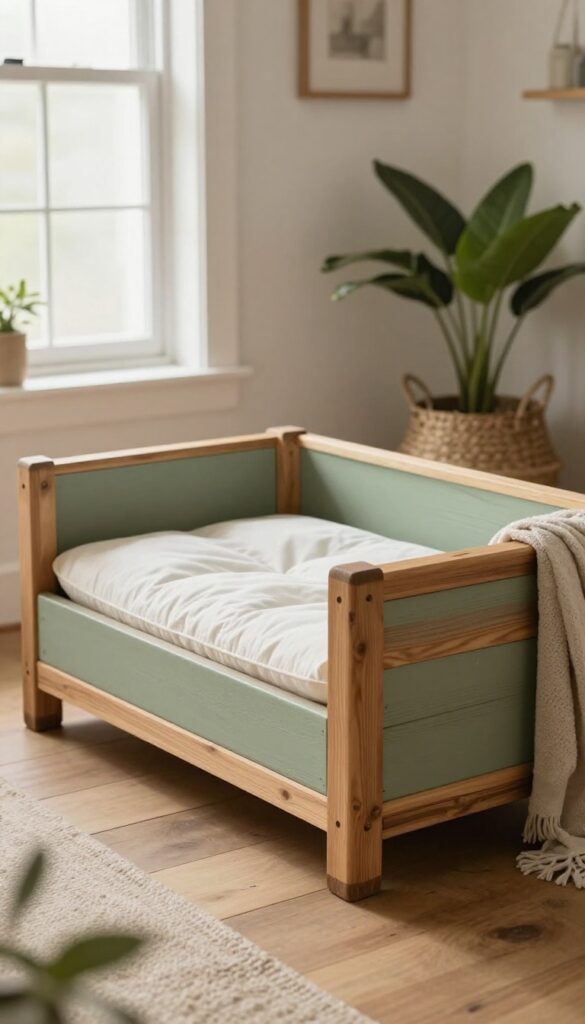
Old wooden crates have a way of finding new life, and turning one into a dog bed is maybe the easiest project on this list. You might already have a crate in the garage or spot one at a flea market for a few bucks. With a little sanding, paint, and a soft cushion, you get a bed that looks intentional and cozy—like it belonged in your living room all along.
A repurposed crate dog bed is all about that rustic, farmhouse charm without the custom woodworking. The best part? You can finish it in an afternoon, even if you're not particularly handy.
The key is choosing the right crate and prepping it properly so it's safe and comfortable for your pup. Here's how to pull it together.
Choosing The Right Crate
Look for a wooden crate that's sturdy and wide enough for your dog to stretch out. Apple crates or wine boxes are popular because they're already the right size for small to medium breeds. If you have a larger dog, you might need to find a bigger shipping crate or even build a simple box from pallet wood.
Just make sure the wood isn't splintered or treated with anything toxic—sanding it down solves most issues.
Prepping And Finishing
Give the crate a good sanding to smooth rough edges, then wipe off the dust. You can leave it natural for a rustic look, or stain it to match your furniture. A coat of chalk paint in a soft white or sage green gives that farmhouse feel instantly.
If you want to add a personal touch, stencil your dog's name on the side or add a small wreath for the seasons.
Making It Comfy
The crate itself is just the frame—the cushion does the heavy lifting. Measure the inside and pick a dog bed that fits snugly, or sew a simple cushion from an old blanket and a pillow insert. For extra coziness, add a removable cover that you can toss in the wash.
And if you're using the crate horizontally, flip it so the open side faces up and drop the cushion in—instant nook.
4. Built-In Window Seat Dog Bed: Maximize the View
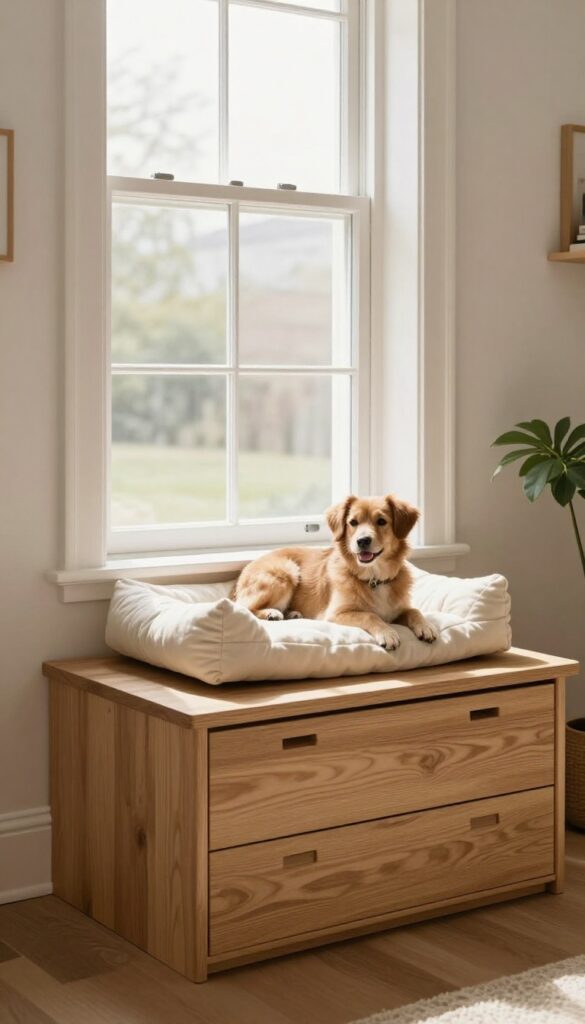
A bay window is prime real estate for a cozy dog bed. Instead of letting that space go to waste, turn it into a custom perch where your pup can watch the neighborhood and nap in the sun. With a simple wooden platform and a plush cushion, you can create a built-in look that feels intentional and warm.
Building a window seat dog bed is a weekend project that pays off in both style and function. The key is measuring your window nook accurately and building a platform that fits snugly. You can add storage drawers underneath for dog toys or blankets, making it a multi-purpose piece.
Choose a wood finish that matches your trim or go for a contrasting stain to make it stand out. The result is a spot your dog will love and a feature that adds value to your home.
Measure And Plan
Start by measuring the width and depth of your window recess. Decide how high you want the platform—usually around 12 to 18 inches works well for most dogs. Sketch a simple design, accounting for the cushion thickness.
If you're adding storage, plan for drawers or hinged lids. Use plywood or solid wood for the frame, and make sure it's sturdy enough to hold your dog's weight.
Build The Frame
Cut the wood to size and assemble the base using screws and wood glue. If you're adding drawers, build a simple box frame with dividers. For a cleaner look, use pocket holes to hide screws.
Sand everything smooth and apply a pet-safe stain or paint. Seal with a clear coat to protect against scratches and accidents.
Add The Cushion And Finishing Touches
Measure the platform and order a custom cushion or make one with foam and fabric. Choose a washable cover for easy cleaning. Place the cushion on top and add a few throw pillows for extra coziness.
You can also attach a small side shelf for a water bowl or treats. Finally, secure the platform to the wall or window frame to prevent tipping.
5. Upcycled Dresser Drawer Dog Bed: Vintage Makeover
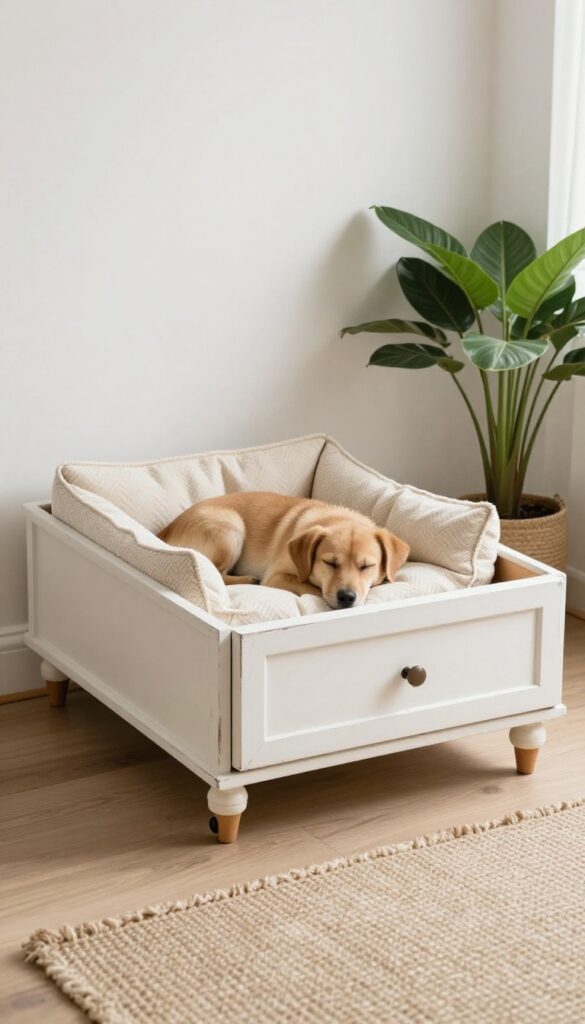
That lonely dresser drawer sitting in your garage or thrift store could become the coziest corner of your living room. With a little sanding, paint, and the right cushion, it turns into a bed that looks intentional—like you found it at a fancy boutique. The best part?
You're keeping a solid piece of wood out of the landfill while giving your dog a spot that's all their own.
Start by choosing a drawer that's wide and deep enough for your dog to stretch out. Solid wood drawers are ideal, but even plywood ones work if you reinforce the corners. Remove any hardware, give it a good sanding, and wipe off the dust.
Then decide on the finish—a coat of chalk paint gives it a shabby-chic look, while a bold color adds a playful pop. Add four short legs (or even casters) to lift it off the floor and make it easier to clean underneath. Drop in a plush cushion that fits snugly, and you've got a bed that's both functional and full of personality.
Choosing The Right Drawer
Look for a drawer that's at least 18 inches deep and 24 inches wide for small to medium dogs, and larger if you have a big pup. Check that the bottom is sturdy—if it's thin, add a piece of plywood for support. Avoid drawers with strong odors or heavy stains, as they can be hard to remove completely.
Finishing Touches That Make It Pop
After painting, consider adding a stencil or a simple wood-burned design to make it truly custom. A coat of polyurethane protects the surface from scratches and drool. For a vintage vibe, distress the edges with sandpaper after the paint dries.
Add a monogram or your dog's name for a personal touch.
Cushion And Comfort
The right cushion makes all the difference. Measure the inside of the drawer and choose a cushion that's at least 2-3 inches thick. Memory foam is great for older dogs, while a washable cover keeps things easy.
You can also repurpose an old crib mattress or a folded blanket for a budget-friendly option.
6. Modern Platform Dog Bed with Storage
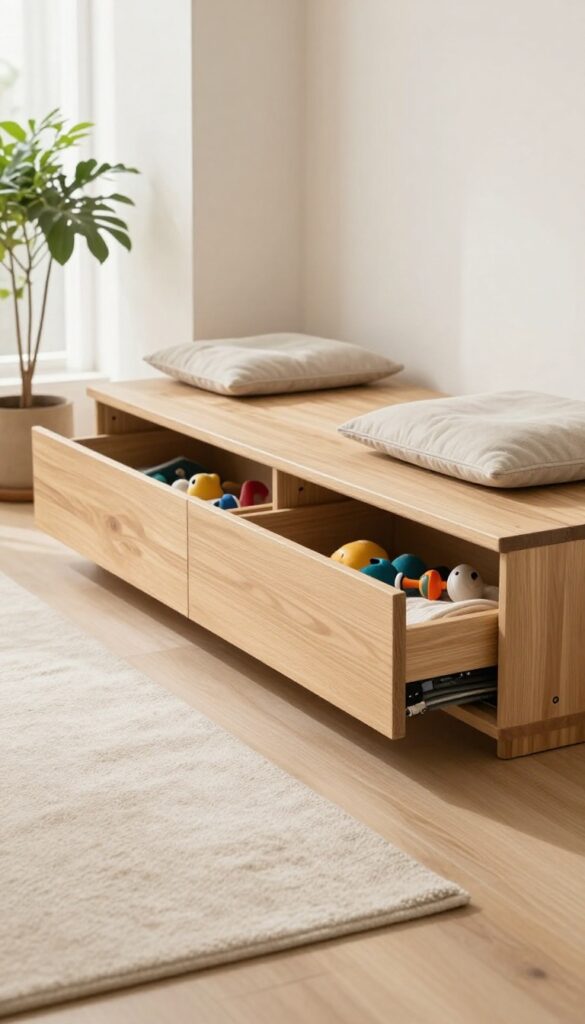
If your living room is short on space, a platform bed with built-in storage is a smart two-in-one solution. It gives your dog a clean, elevated sleeping area while tucking away toys, leashes, and blankets. The result is a piece that looks like furniture, not pet gear.
This design is all about clean lines and hidden function. The bed sits on a sturdy wooden frame with drawers that slide out from the front or side. You can use them for dog toys, grooming tools, or even your own magazines—no one will know they're there unless you open them.
It's a practical choice for small apartments or anyone who wants a tidy space without sacrificing style.
Why It Works
The platform keeps your dog off the cold floor, which is great for older pets with joint issues. The storage drawers add real utility, making the bed earn its keep. Plus, the streamlined silhouette fits modern and minimalist homes better than a puffy pillow bed.
Build It Or Buy It
If you're handy, you can build one from plywood and 2x4s in a weekend. There are plenty of free plans online that show you how to make simple drawer slides with basic tools. Not into DIY?
Many furniture stores sell wooden platform beds with built-in storage, so you can skip the saw and still get the look.
Custom Touches
Make it yours by painting the frame to match your trim or adding a cushion in your dog's favorite color. You can also swap the drawer pulls for fun shapes like bones or leaves. These small details turn a functional piece into something that feels personal and polished.
7. Reclaimed Wood Dog Bed with Wheels: Easy to Move
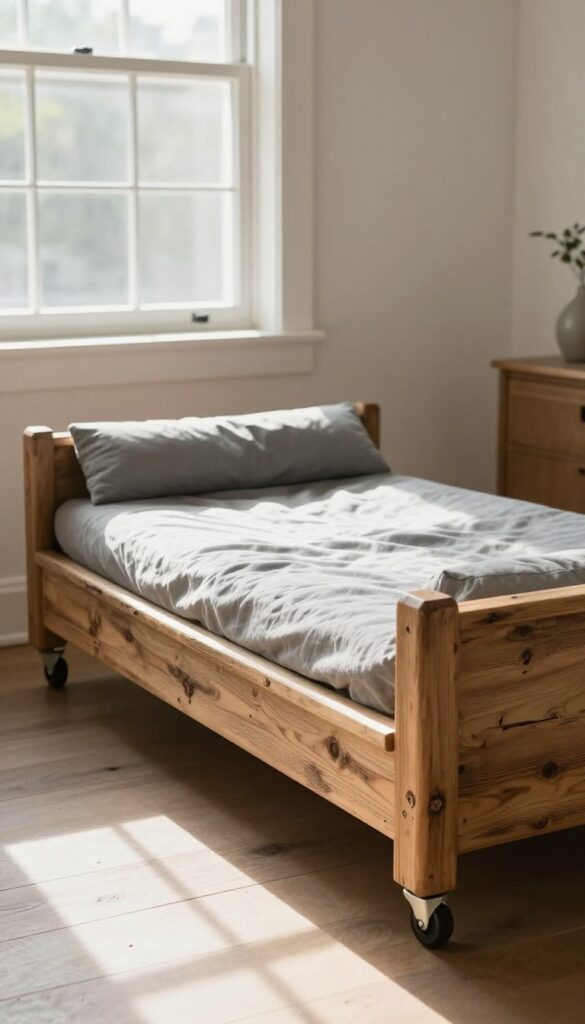
If your dog likes to follow the sun from room to room, a heavy wooden bed can be a pain to drag around. Adding wheels turns that solid piece of furniture into a rolling companion that moves as easily as a shopping cart. Plus, using reclaimed wood gives it a rustic, lived-in look that fits right in with farmhouse or industrial decor.
A wheeled dog bed is perfect for multi-level homes or open floor plans where your pup wants to be wherever you are. You can roll it from the living room to the kitchen while you cook, then into the home office during the day, and back to the bedroom at night. The trick is choosing the right casters and making sure the bed stays stable when your dog jumps in and out.
Choosing The Right Wheels
Not all casters are created equal. For a dog bed, you want locking casters on at least two wheels so the bed doesn't roll away when your dog settles in. Look for heavy-duty casters rated for at least 50 pounds more than your dog's weight.
Rubber wheels are quieter and won't scratch hardwood floors, while metal wheels are better for carpet or outdoor patios.
Building The Base With Reclaimed Wood
Reclaimed wood adds character and is often more affordable than new lumber. You can use old pallets, barn wood, or even salvaged fence boards. Sand them down to avoid splinters, and treat them with a pet-safe sealant to protect against moisture and accidents.
The frame should be sturdy enough to support your dog's weight, so reinforce corners with brackets or wood glue.
Adding A Non-slip Mat For Stability
A non-slip mat between the frame and the mattress keeps the cushion from sliding around when your dog hops on and off. You can use a rubber shelf liner or a piece of grippy rug pad cut to size. This also prevents the mattress from bunching up against the sides, so your dog always has a flat, comfy surface to lie on.
8. Minimalist Solid Wood Dog Bed: Simple and Clean
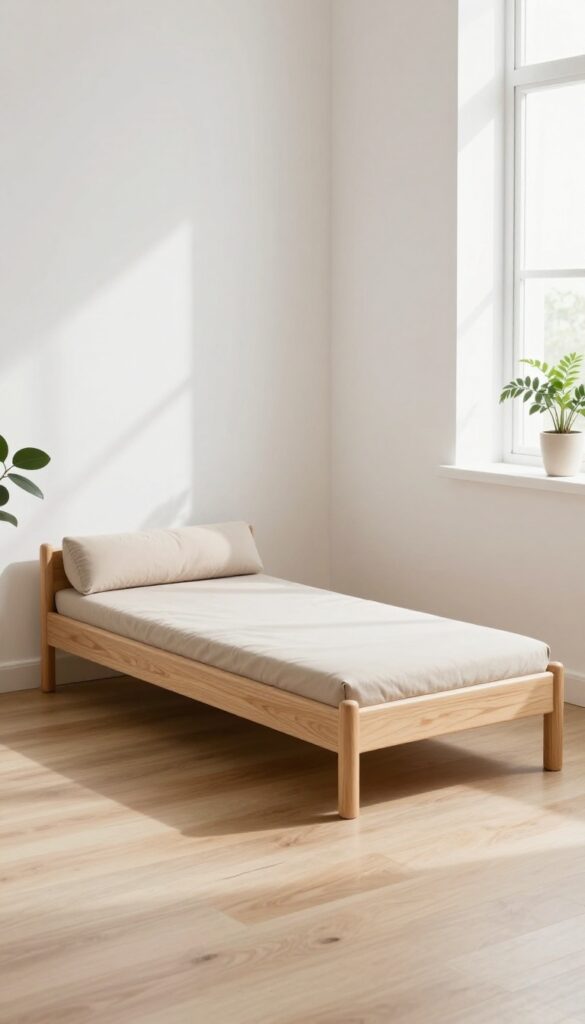
Sometimes less really is more. A minimalist solid wood dog bed strips away the extra details and focuses on what matters: sturdy construction, natural beauty, and a comfortable place for your pup to rest. This design fits seamlessly into modern, Scandinavian, or even rustic homes without shouting for attention.
The clean lines and warm wood tones add a touch of nature indoors, making it a favorite for pet owners who value simplicity and quality.
A minimalist wood dog bed is all about letting the material speak for itself. You don't need fancy carvings or bold colors—just a well-built frame with a smooth finish and a cozy cushion. The beauty lies in the grain, the joinery, and the overall proportion.
This type of bed works especially well if you have a dog that likes to stretch out or if you want a piece that blends with your existing furniture rather than standing out. It's also a great weekend project for anyone with basic woodworking skills and a few tools.
Choosing The Right Wood
For a minimalist look, the wood choice matters. Oak, walnut, and maple are popular because they have beautiful natural grains and durable surfaces. Pine is a budget-friendly option, but it's softer and may show scratches more easily.
If you want a lighter, airy feel, go with birch or ash. For a darker, richer tone, walnut or cherry adds warmth. Always pick a hardwood if you can—it'll last longer and handle your dog's nails without looking worn out too quickly.
Finishing Touches
The finish is what makes the wood pop and protects it from spills and accidents. A simple clear coat of polyurethane or a natural oil like linseed or tung oil works well. Avoid glossy finishes that can look too shiny; a satin or matte finish keeps the minimalist vibe.
If you want to add a slight tint, a light stain can enhance the grain without hiding it. Just make sure whatever you use is pet-safe once fully cured.
Comfort And Support
Even though the frame is simple, the cushion is where comfort happens. Choose a firm, supportive mattress that fits snugly inside the frame. Memory foam is a great choice for older dogs or those with joint issues.
You can also use a removable, washable cover in a neutral fabric like linen or canvas to keep things clean and match your decor. The bed should be low to the ground—about 4 to 6 inches—so your dog can easily step in and out, especially if they're a senior.
9. DIY Wooden Dog Bed with Canopy: Cozy Cave
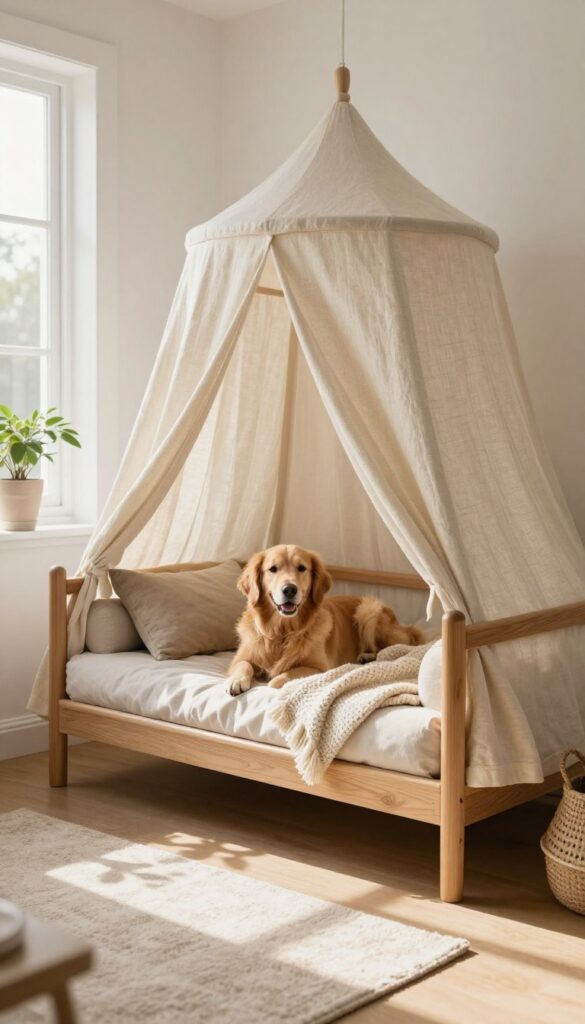
Some dogs love nothing more than curling up in a dark, snug spot. A canopy bed gives them that den-like feeling while still looking like a stylish piece of furniture. Building a wooden frame and draping fabric over it is easier than you might think, and the result is a cozy retreat your pup will adore.
A canopy dog bed is all about creating a sense of security. The wood frame provides sturdy support, while the fabric softens the space and blocks out light. You can customize the height, size, and fabric to match your dog's preferences and your home's decor.
Plus, it's a great way to repurpose scrap wood or an old frame.
What You'll Need
You'll need four wooden posts (or two longer ones for a lean-to style), a base board or platform, screws, a drill, and fabric of your choice. For a simple design, use 2×2 lumber for the posts and a plywood base. You can also add a cushion or blanket for extra comfort.
Building The Frame
Start by cutting your posts to the desired height—about 24-30 inches works for most dogs. Attach them to the corners of the base using brackets or screws. For extra stability, add crossbars near the top.
If you're making a lean-to, attach two posts to one side and angle the top. Sand everything smooth to avoid splinters.
Adding The Canopy
Drape a lightweight fabric like cotton or linen over the top, letting it hang down on three sides. You can sew simple loops or use hook-and-loop tape to secure it. For a more enclosed feel, use a thicker fabric or add a curtain on the front.
Make sure the fabric is long enough to create a cozy cave but not so long that your dog trips over it.
Finishing Touches
Add a soft cushion or a washable dog bed inside. You can also paint or stain the wood to match your decor. A coat of non-toxic sealant will protect the wood from accidents and make it easy to wipe down.
Place the bed in a quiet corner where your dog can retreat without being disturbed.
FAQ
What type of wood is best for a dog bed frame?
Hardwoods like oak, maple, or walnut are durable and resist scratches. Pine is budget-friendly but softer. Avoid treated lumber with chemicals.
How do I make a wooden dog bed comfortable?
Use a thick, washable cushion or mattress that fits snugly inside the frame. Add a soft blanket or memory foam for extra support.
Can I build a wooden dog bed without power tools?
Yes, you can use hand tools like a saw and hammer, but power tools make it easier. Many simple designs can be assembled with basic tools.
How do I clean a wooden dog bed?
Wipe the wood with a damp cloth and mild soap. For the cushion, remove the cover and wash it. Avoid harsh chemicals that could harm your pet.
Are wooden dog beds safe for puppies?
Yes, as long as you sand edges and use non-toxic finishes. Ensure the bed is stable and the cushion is soft to prevent injuries.
Conclusion
Finding the right bed for your dog doesn't have to mean sacrificing style or breaking the bank. These nine ideas show that with a little creativity and some warm, cozy materials, you can craft something your pup will love and that fits your home perfectly.
Whether you repurpose an old piece of furniture or sew a simple cushion, the effort is worth it when you see your dog curl up happily. Start with the easiest project that catches your eye, and enjoy making a space that feels custom and comforting for your furry friend.

I’m Pallab Kishore, the owner of Little Pets Realm — an animal lover and pet care enthusiast sharing easy tips, healthy recipes, and honest advice to help every small pet live a happy, healthy, tail-wagging life.