Pet owners know the struggle: rugs that smell funky, look stained, and lose their softness fast. Dirt and odors cling to fibers, making your home feel less fresh.
But you don't need harsh chemicals or expensive services to fix it. These 25 rug cleaning hacks use everyday ingredients like baking soda, vinegar, and dish soap to tackle pet-related messes.
From deep odor removal to gentle stain treatments, each tip is practical and easy to try. Let's get your rugs clean, soft, and smelling great again.
1. Baking Soda Deep Soak for Odors
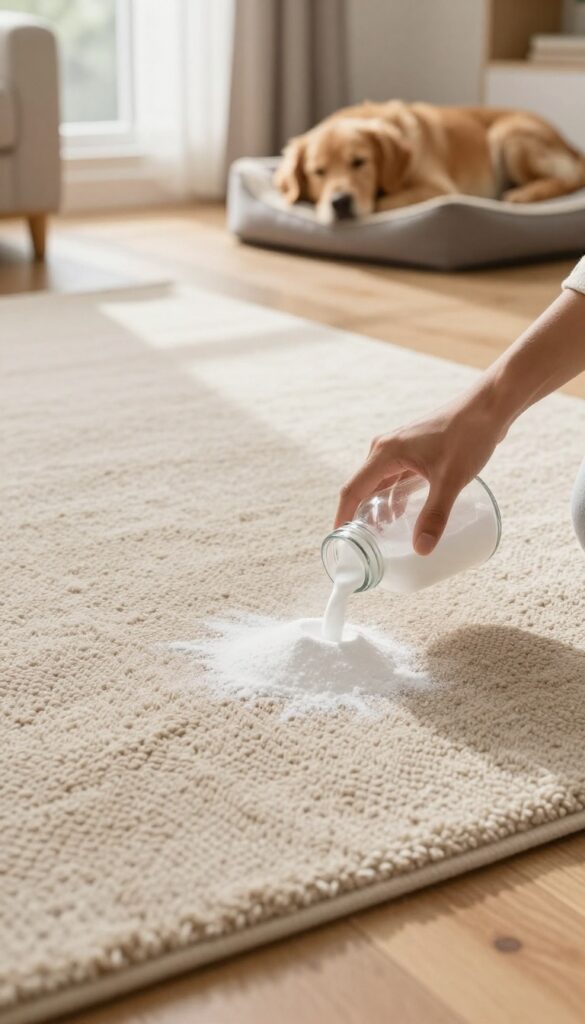
Pet odors can lock into rug fibers, especially if accidents happen regularly. Baking soda is a gentle but powerful deodorizer that lifts smells without damaging delicate materials. A simple overnight soak can make a surprising difference.
Sprinkle a generous layer of baking soda over the entire rug, focusing on areas where pets sleep or accidents occur. Let it sit for at least 8 hours or overnight to absorb odors. Vacuum thoroughly the next day.
For extra freshness, add a few drops of lavender or tea tree essential oil to the baking soda before sprinkling.
Why It Works
Baking soda is alkaline and neutralizes acidic odor molecules. It also absorbs moisture that can trap smells. Unlike sprays, it doesn't add liquid that could cause mold or residue.
Best For High-traffic Zones
Focus on areas near doors, pet beds, and corners. These spots collect the most odor. Repeat weekly for maintenance, or after any accident cleanup.
Vacuuming Tips
Use a vacuum with a beater bar and a HEPA filter to lift all the powder. Empty the canister or bag immediately to prevent baking soda from clogging the filter.
2. White Vinegar and Water Spray
White vinegar is a powerhouse for neutralizing pet odors without leaving a harsh chemical smell behind. When mixed with water, it creates a simple spray that tackles ammonia in urine and refreshes rug fibers. This hack works on both fresh spots and set-in smells, making it a go-to for pet owners.
Mix equal parts white vinegar and water in a spray bottle. Lightly mist the rug, focusing on areas with pet accidents or lingering odors. Let the rug air dry completely—the vinegar smell will vanish as it dries, taking the pet odors with it.
For extra freshness, add a few drops of lemon essential oil to the mix.
Why Vinegar Works So Well
Vinegar’s acetic acid neutralizes the alkaline ammonia in pet urine, breaking down the odor at a molecular level. It also kills bacteria that cause smells, making it a natural disinfectant. Unlike commercial sprays, it won’t leave a sticky residue that attracts dirt.
How To Apply For Best Results
Test the spray on a hidden rug area first to check for colorfastness. Then, mist the rug lightly—don’t soak it. For deep odors, blot the area with a cloth after spraying to lift dirt.
Let the rug dry in a well-ventilated space or near an open window.
When To Use This Method
This spray is perfect for daily freshening or after a pet accident. It’s safe for most synthetic and wool rugs, but avoid it on silk or antique rugs. Use it as a quick fix between deep cleans to keep your rug smelling neutral.
3. Hydrogen Peroxide Stain Remover
Fresh stains from pet accidents can set quickly, but hydrogen peroxide offers a simple, effective solution. It works by releasing oxygen bubbles that lift organic matter from rug fibers without harsh scrubbing. This method is especially good for blood, urine, and vomit stains, which are common with pets.
For best results, use 3% hydrogen peroxide directly from the bottle. Test on a hidden area first to ensure colorfastness. Pour a small amount onto the stain and let it bubble for a few minutes.
The bubbling action helps break down the stain naturally. Blot with a clean white cloth until the stain transfers. Repeat if needed, then rinse with water and blot dry.
Avoid mixing with bleach or ammonia.
Why It Works On Organic Stains
Hydrogen peroxide is a mild oxidizing agent that reacts with organic compounds like blood and urine. The oxygen bubbles physically lift the stain from fibers, making it easier to remove. It also helps neutralize odors by breaking down the bacteria that cause them.
Step-by-step Application
Start by blotting up any excess moisture from the stain. Apply a small amount of 3% hydrogen peroxide directly to the spot. Let it sit for 3–5 minutes until it stops bubbling.
Blot with a clean cloth, pressing firmly to absorb the stain. Rinse with cool water and blot again. Repeat if the stain persists.
Safety Tips For Colored Rugs
Always test hydrogen peroxide on an inconspicuous area first. It can bleach or lighten some dyes, especially on dark or bright rugs. If the test spot looks fine, proceed with the stain.
For wool or silk rugs, use a diluted solution (1 part peroxide to 2 parts water) to avoid damage.
4. Dish Soap and Warm Water Spot Treatment
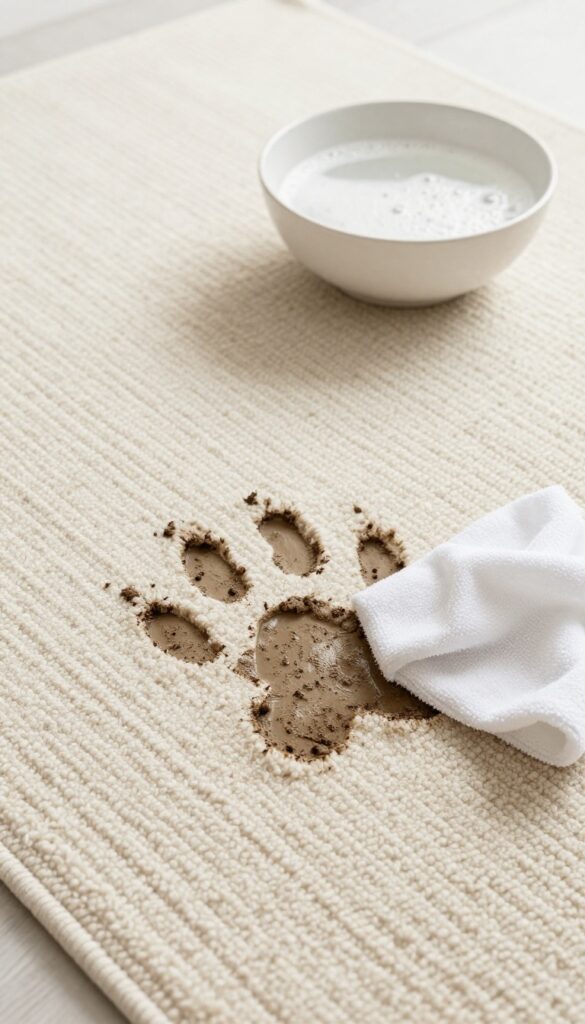
When a fresh spill or muddy paw print appears, you need something gentle but effective. Dish soap mixed with warm water is a go-to for spot cleaning because it cuts through grease and dirt without damaging most rug fibers. It's safe, cheap, and already in your kitchen.
Mixing a few drops of mild dish soap with warm water creates a gentle cleaning solution perfect for tackling fresh stains. The soap breaks down oils and proteins found in pet messes, while warm water helps lift dirt from the fibers. Always test on a hidden area first to ensure colorfastness.
How To Apply The Solution
Dip a clean white cloth into the soapy water and blot the stain gently. Work from the outside in to prevent spreading. Avoid rubbing, which can push the stain deeper into the fibers.
Continue blotting until the stain transfers to the cloth.
Rinsing And Drying
After treating the stain, use a damp cloth with plain water to rinse away any soap residue. Blot dry with a towel, then let the area air dry completely. Vacuum afterward to restore the rug's softness.
When To Avoid This Method
Avoid using dish soap on wool or silk rugs without checking the manufacturer's guidelines. Some delicate fibers may react poorly to any detergent. For those, stick to water-only blotting or consult a professional.
5. Enzyme Cleaner for Pet Urine
Pet urine can be stubborn because it contains uric acid crystals that don't dissolve in water. Regular cleaners might mask the smell temporarily, but enzymes actually break down those crystals at a molecular level, eliminating odors for good. You can buy a commercial enzyme cleaner or whip up a simple homemade version.
Enzyme cleaners work by using beneficial bacteria to digest the uric acid and other organic compounds in pet urine. This process neutralizes the smell instead of just covering it up. For best results, apply the cleaner to the stain, let it sit for 10–15 minutes (or longer for old stains), then blot dry.
Avoid using heat or steam before the enzymes have done their job, as heat can set the stain.
Why Enzymes Beat Regular Cleaners
Most household cleaners are alkaline or acidic, which can actually make uric acid crystals harder to remove. Enzymes target the source, breaking down the crystals into harmless byproducts. This makes them especially effective on old, set-in stains that smell worse when the rug gets damp.
Diy Enzyme Cleaner Recipe
Mix 1 cup of water with 1 tablespoon of sugar and a few drops of dish soap. Add a pinch of active dry yeast and let it sit in a warm spot for a few hours. The yeast feeds on the sugar and produces enzymes.
Strain the liquid into a spray bottle and use it as you would a commercial cleaner. This homemade version is gentle on fibers but tough on odors.
Tips For Maximum Effectiveness
Always test on an inconspicuous area first. Blot up as much urine as possible before applying the cleaner. For deep-set odors, you may need to repeat the process.
Keep pets away from the treated area until it's completely dry to avoid re-soiling.
6. Salt and Club Soda for Fresh Spills
Fresh spills from muddy paws or tipped water bowls don't have to become permanent stains. A simple combo of salt and club soda can lift dirt and absorb moisture before it sets in. This trick works best on fresh, wet messes and is gentle enough for most rug fibers.
Pour club soda directly onto the spill until the area is saturated. Let it fizz for a few seconds, then generously sprinkle salt over the top. The salt will start absorbing the liquid almost immediately.
Let the mixture sit for about 10 minutes—long enough for the salt to pull moisture and dirt from the fibers. Then vacuum up the dried salt. The result is a cleaner, fresher rug with minimal effort.
Why This Combo Works
Club soda contains carbonation and mild salts that help lift dirt particles from rug fibers. The salt acts as a natural absorbent, drawing moisture and any dissolved grime upward. Together, they create a gentle lifting action that doesn't require scrubbing, which can damage delicate fibers.
Best Rugs To Use This On
This method is safe for synthetic rugs like nylon or polyester, as well as wool blends. Avoid using it on delicate silks or rugs with natural dyes, as the salt could be abrasive. Always test on a hidden spot first if you're unsure.
Pro Tips For Stubborn Spots
For dried or sticky spills, dampen the area with club soda first, then let it sit for a minute before adding salt. If the spill is large, use more salt and let it sit longer—up to 20 minutes. Vacuum thoroughly to remove all salt residue, especially on darker rugs where white salt might show.
7. Carpet Rake for Matting
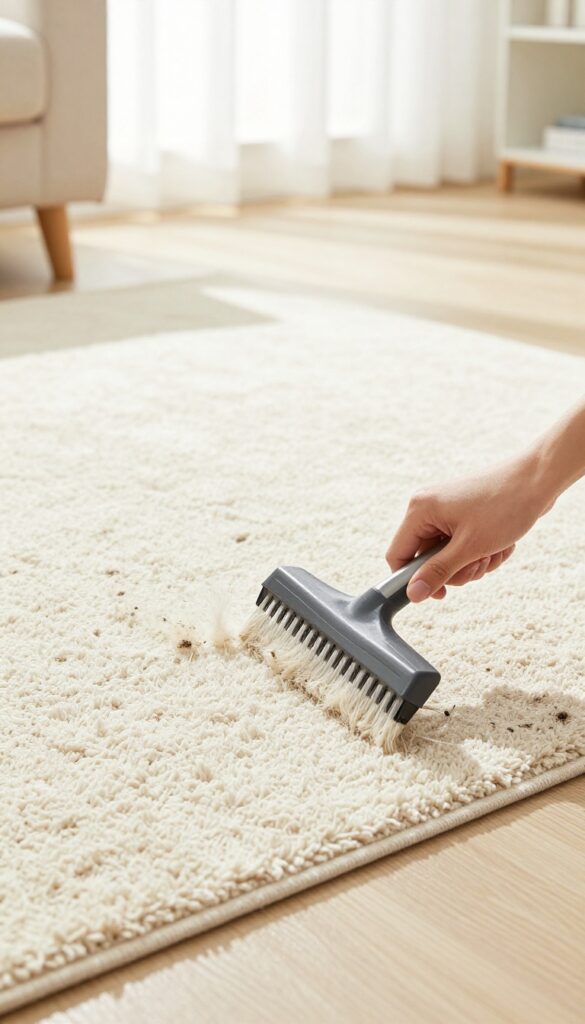
Over time, high-traffic areas and pet zoomies can flatten rug fibers into a sad, matted mess. A carpet rake is a simple tool that lifts those fibers back up, restoring softness and volume. It also pulls out embedded pet hair that vacuums miss, making it a double-duty hero for pet owners.
Using a carpet rake is straightforward, but technique matters for best results. Start by raking in one direction to loosen matting, then go over the area perpendicular to lift fibers fully. For stubborn mats, a few extra passes in different directions can help.
This not only fluffs the rug but also brings trapped dirt and hair to the surface, ready for vacuuming. Use the rake on dry rugs only—wet fibers can be damaged. Regular raking once a week keeps your rug looking plush and extends its life.
Why Carpet Rakes Work
Carpet rakes have stiff, angled tines that dig into the base of the fibers without pulling them out. They separate matted strands and encourage them to stand upright, mimicking the original twist of the yarn. This mechanical action also dislodges pet hair and dander that settle deep in the pile, making them easier to vacuum away.
How To Use One Properly
For best results, rake in a consistent pattern—first north-south, then east-west. Apply gentle pressure; too much force can damage delicate fibers. After raking, vacuum thoroughly to collect the loosened debris.
For heavily matted areas, repeat the process a few times over several days to gradually restore the pile.
Choosing The Right Rake
Look for a rake with sturdy, rust-resistant tines and an ergonomic handle. Rubber-tipped tines are gentler on delicate rugs, while metal tines work well for durable synthetics. A wide rake covers more ground quickly, but a narrower one offers more control for tight spaces or stairs.
8. Ice Cube Trick for Gum and Wax
Nobody wants to find gum or candle wax ground into their rug fibers, especially when pets track in sticky surprises. The good news is you don't need solvents or harsh scraping that can damage the pile. A simple ice cube can make the removal process clean and effortless.
The ice cube trick works because freezing makes gum and wax brittle, so they lose their grip on the fibers. Instead of smearing or tearing, you can lift them away in one piece. This method is safe for most rug materials and leaves no sticky residue behind.
How To Do It
Grab a few ice cubes and place them directly on the gum or wax. Let them sit for a couple of minutes until the substance feels hard to the touch. Then, use a dull knife or a plastic scraper to gently pry it off the rug.
Work from the edges inward to avoid spreading.
What To Do With Stubborn Spots
If the gum or wax doesn't come off completely, repeat the freezing step. For wax, you can also place a paper towel over the area and run a warm iron over it to melt and absorb any leftover residue. Just be careful not to overheat synthetic rugs.
Why This Beats Scraping
Scraping without freezing often pushes the gum deeper into the fibers or leaves a greasy smear. Freezing first minimizes friction and protects the rug's texture. Plus, it's a non-toxic method that's safe around pets and kids.
9. Shaving Cream for Grease Stains
Grease and oil stains from pet food, treats, or even a greasy fur can be tricky. Water alone won't cut it, and harsh cleaners might damage delicate rug fibers. Shaving cream offers a surprising solution that's both gentle and effective.
The foamy texture lifts grease without scrubbing, making it a go-to hack for pet owners.
Shaving cream works because it contains surfactants that break down oils and lift them away from fibers. It's also mild enough for most rug materials, including wool and synthetics. This method is perfect for fresh or set-in grease stains from spilled kibble, oily pet bedding, or even a greasy paw print.
How To Use Shaving Cream On Grease Stains
Start by blotting up any excess grease with a paper towel. Then, apply a generous layer of white shaving cream (not gel) directly to the stain. Let it sit for about 15 minutes so the surfactants can work.
After that, blot the area with a clean cloth—don't rub, as that can push the grease deeper. Rinse with a little water and blot dry. Repeat if needed.
Why Shaving Cream Works Better Than Dish Soap
Dish soap can leave a sticky residue that attracts dirt over time. Shaving cream is formulated to rinse out cleanly, leaving no film behind. It's also thicker than dish soap, so it stays put on vertical surfaces like rug edges or furniture.
Plus, it often contains moisturizers that can help soften rug fibers, a bonus for maintaining that plush feel.
Tips For Stubborn Or Old Grease Stains
For dried-on grease, gently scrape off any crusty residue first. Then apply shaving cream and let it sit for 20-30 minutes. You can also lightly work the foam into the fibers with a soft-bristled brush.
After blotting, sprinkle baking soda on the damp area to absorb any remaining oil, then vacuum once dry. This two-step approach tackles even tough, set-in stains.
10. Cornstarch for Mud and Dirt
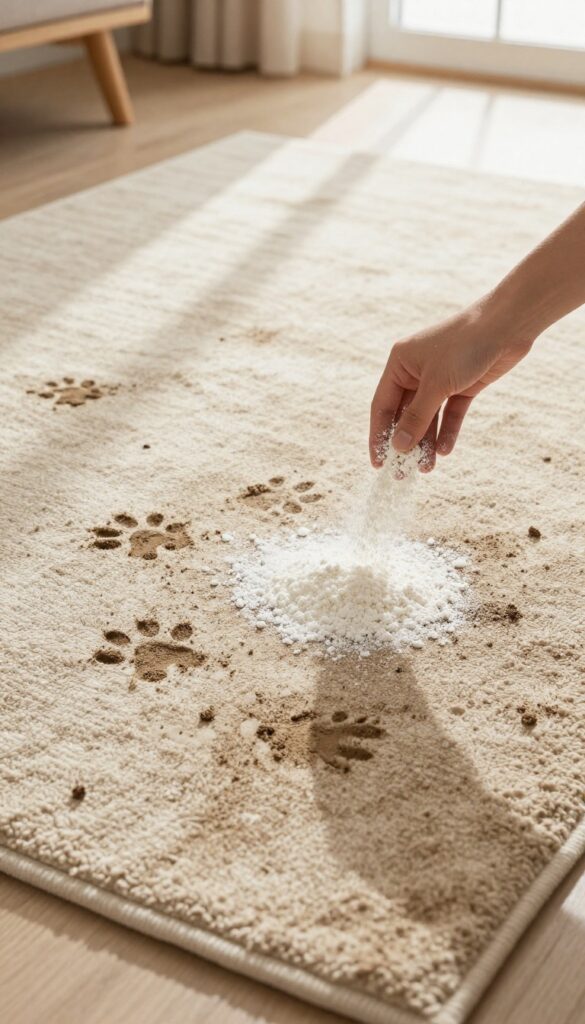
Muddy paw prints and dried-on dirt can make a rug look grimy fast. The key is to let it dry completely before touching it, then use a simple kitchen staple to lift the mess away. Cornstarch works like a gentle magnet for remaining moisture and grime, leaving fibers cleaner without scrubbing.
Cornstarch is a gentle absorbent that pulls dirt and moisture from deep within rug fibers. It's safe for most rug types and won't damage the fibers like harsh scrubbing can. This hack is especially useful for high-traffic areas where pets track in mud repeatedly.
Let Mud Dry Completely
Resist the urge to wipe wet mud—that only spreads it deeper. Instead, wait until the mud is fully dry and crusty. This usually takes a few hours, depending on humidity.
Once dry, scrape off the loose chunks with a dull knife or the edge of a spoon. Vacuum the area to remove the larger pieces.
Sprinkle And Wait
Generously coat the remaining stain with cornstarch, making sure to cover the entire spot. Let it sit for at least 30 minutes—longer for thicker stains. The cornstarch will absorb any leftover moisture and loosen dirt particles from the fibers.
You'll see it darken as it works.
Vacuum Thoroughly
After the wait, vacuum the area slowly in multiple directions to pull up all the cornstarch. Check the rug—if a faint stain remains, repeat the process. For stubborn spots, lightly mist the cornstarch with water to create a paste, let it dry, then vacuum again.
11. Steam Cleaning with Vinegar Solution
Sometimes a regular vacuum or spot treatment isn't enough to refresh a rug that's seen heavy pet traffic. Steam cleaning with a simple vinegar solution can reset the fibers, removing deeply embedded dirt and odors without harsh chemicals. The combination of high heat and natural acidity works wonders on both synthetic and wool rugs.
Steam cleaning is one of the most effective ways to deep-clean rugs, especially when pets have left behind odors and grime that ordinary methods can't touch. The vinegar solution not only deodorizes but also helps break down any residue left by pet accidents or dander. Best of all, it's safe for most rug types when used correctly.
Why Steam And Vinegar Work So Well Together
Steam heat loosens dirt and kills bacteria that cause smells, while vinegar neutralizes ammonia-based pet odors and dissolves sticky residues. The 1: 4 ratio (one part vinegar to four parts water) is strong enough to be effective but gentle enough not to damage fibers. Plus, the vinegar smell fades quickly as the rug dries.
How To Steam Clean Your Rug Safely
First, vacuum the rug thoroughly to remove loose dirt and hair. Then fill your steam cleaner's tank with the vinegar-water solution. Test a small hidden area first to check for colorfastness.
Work in slow, overlapping passes, and avoid oversaturating the rug. After steaming, let the rug dry completely—open windows or use fans to speed up the process.
When To Use This Method—and When To Skip It
This hack is perfect for synthetic rugs, cotton, and wool blends that are labeled safe for steam cleaning. Avoid it on delicate fibers like silk or rugs with glued backing, as moisture can cause damage. For heavily soiled rugs, you may need to repeat the process or follow up with a baking soda sprinkle to absorb lingering moisture and odors.
12. Borax for Tough Odors
When pet odors have really set into your rug fibers, baking soda sometimes isn't enough. That's where Borax comes in. This natural mineral powder is a powerhouse for neutralizing stubborn smells and even killing bacteria that cause them.
It's safe for most rugs and works wonders on deep-set odors from accidents or wet fur.
How Borax Works On Odors
Borax is alkaline, which helps break down acidic odor molecules. It also has mild antiseptic properties, so it tackles the source of smells rather than just covering them up. For pet odors, this means fewer repeat incidents because the bacteria are actually reduced.
Step-by-step Application
First, vacuum the rug thoroughly to remove loose dirt and hair. Then sprinkle a generous, even layer of Borax over the entire rug or just the smelly spots. Let it sit for at least an hour—longer for stronger odors.
Finally, vacuum it up completely. You'll notice a fresher smell and softer feel.
Safety Tips And Precautions
Borax is safe for synthetic and wool rugs, but always test a small hidden area first. Keep pets off the rug while the Borax is sitting to prevent ingestion. After vacuuming, give the rug a good shake outside to remove any residue.
For extra freshness, follow up with a light baking soda sprinkle and another vacuum.
13. Essential Oils for Fresh Scent
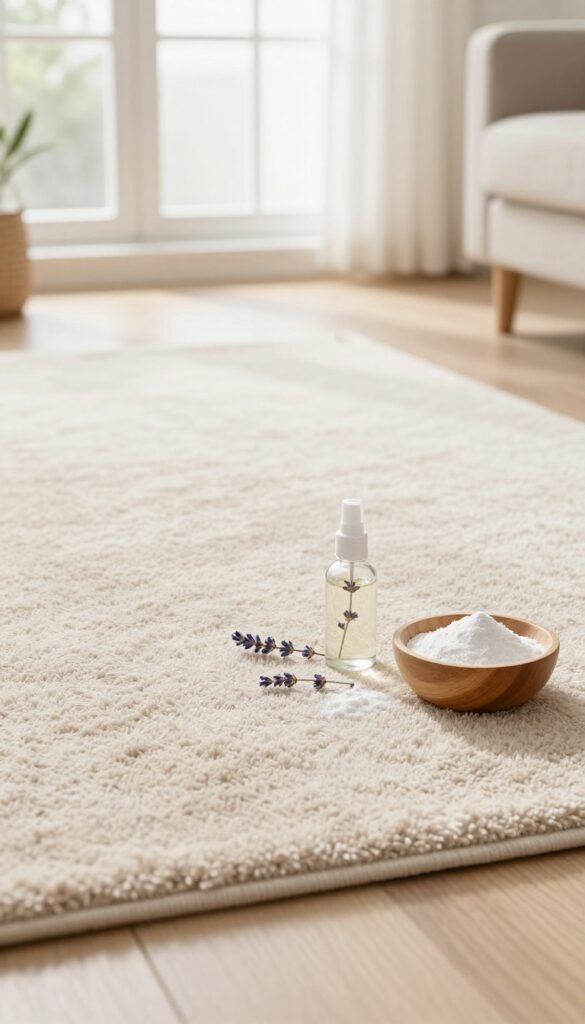
A fresh-smelling rug makes the whole room feel cleaner, but artificial air fresheners can be overpowering or irritate pets. Essential oils offer a natural alternative that leaves a light, pleasant fragrance without harsh chemicals. Lavender and lemon oils are great choices because they smell clean and have mild antibacterial properties.
A few drops mixed with baking soda can transform your deodorizing routine into an aromatherapy session for your home.
Essential oils not only mask odors but can also help neutralize them. When combined with baking soda, they create a powerful, natural deodorizer that leaves rugs smelling fresh for days. Plus, the scent lingers gently without being cloying, making it ideal for homes with pets or sensitive noses.
Choosing The Right Oil
Not all essential oils are pet-safe. Lavender, chamomile, and lemon are generally safe for dogs and cats when used in small amounts. Avoid tea tree, peppermint, and cinnamon oils, as they can be toxic to pets.
Always do a patch test on a hidden area of the rug first to ensure the oil doesn't stain or discolor the fibers.
How To Apply
Mix 5–10 drops of your chosen essential oil with 1 cup of baking soda in a bowl. Stir well to distribute the oil evenly, then sprinkle the mixture over the dry rug. Let it sit for at least 30 minutes (or overnight for tough odors) before vacuuming thoroughly.
The baking soda absorbs smells while the oil leaves a subtle, natural fragrance.
Boosting The Effect
For extra freshness, add a few drops of essential oil to a spray bottle filled with water and a splash of white vinegar. Lightly mist the rug (don't soak it) and let it air dry. The vinegar smell evaporates quickly, leaving behind only the essential oil scent.
This method works well for quick refreshes between deep cleans.
14. Rubbing Alcohol for Ink and Marker
Kids and pets can be a messy combo, and ink or marker stains on your rug are almost inevitable. Whether it's a stray pen or a determined toddler, those colorful marks don't have to be permanent. Rubbing alcohol is a surprisingly effective solution that breaks down ink without damaging most rug fibers.
Grab a cotton ball or clean cloth and dampen it with rubbing alcohol. Gently dab the stain—don't rub, which can spread the ink. You'll see the ink transfer to the cloth.
Keep blotting with fresh areas of the cloth until no more ink comes up. Finish by rinsing the area with a little water and blotting dry. Test on a hidden spot first, especially on delicate or dark rugs.
Why It Works
Rubbing alcohol is a solvent that dissolves the dyes and pigments in ink and markers. It lifts them out of the rug fibers without the harsh scrubbing that can damage the texture. It's also safe for most synthetic and wool rugs when used sparingly.
Step-by-step Method
- Blot fresh ink with a dry paper towel to remove excess. 2.
Apply rubbing alcohol to a cotton ball. 3. Dab the stain from the outside inward.
- Replace the cotton ball as it picks up ink. 5.
Rinse with water and blot dry. Repeat if needed.
Safety Tips
Always test in an inconspicuous area first. Work in a well-ventilated space, as rubbing alcohol fumes can be strong. Keep pets and kids away until the area is completely dry.
Avoid using on silk or vintage rugs without professional advice.
15. Vacuuming Technique for Pet Hair
Pet hair can be stubborn, especially when it's woven deep into rug fibers. A regular vacuum pass often leaves behind clumps that resurface the next day. The trick is to prep the rug before you vacuum, using tools designed to lift hair rather than push it around.
Start by choosing the right attachment. A rubber squeegee or a dedicated pet hair tool creates static that pulls hair away from fibers. Work in one direction only—back and forth motions can tangle hair deeper.
After sweeping, vacuum slowly over the same area to pick up the loosened hair. Repeat the process from a different angle for maximum removal.
Why One Direction Matters
Vacuuming in multiple directions might seem thorough, but it actually grinds hair into the rug backing. By sweeping in a single direction, you gather hair into visible rows that are easy to vacuum up. This method also prevents the brush roll from getting clogged.
Best Tools For The Job
A rubber squeegee (like the kind for windows) works wonders on low-pile rugs. For thicker shag or berber, a pet hair attachment with stiff rubber bristles is more effective. If you don't have either, a damp rubber glove worn over your hand can lift hair when you sweep it across the rug.
When To Vacuum For Best Results
Vacuum before deep cleaning or shampooing, not after. Wet hair clumps together and becomes much harder to remove. Also, vacuum high-traffic areas daily and the whole rug at least twice a week during shedding season.
16. Freezer for Vomit or Slime
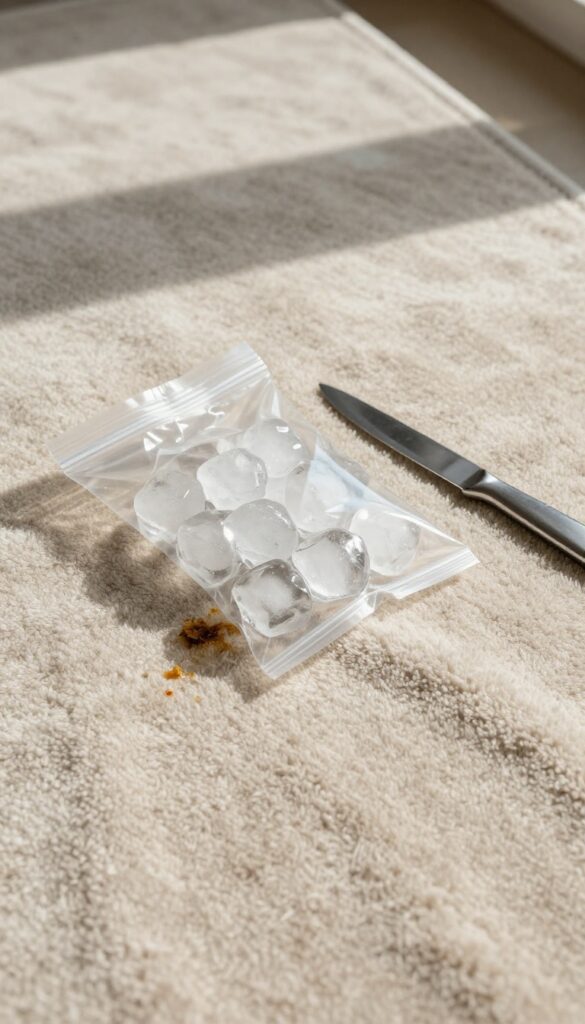
Vomit and slime are two of the worst messes to deal with on a rug. The moment you try to wipe them up, they spread deeper into the fibers, making the stain bigger and the smell worse. But there's a clever trick that turns this sticky disaster into a solid, easy-to-remove blob: the freezer method.
The idea is simple: apply ice to harden the mess so it can be scraped off cleanly. This works for both fresh and dried-on vomit, as well as slime or other gooey substances. It prevents the mess from soaking in further and makes cleanup almost effortless.
How To Freeze And Scrape
Place a plastic bag filled with ice cubes directly on the affected area. Alternatively, use a bag of frozen vegetables. Leave it for 10-15 minutes until the mess becomes firm.
Then, use a dull knife or a credit card to gently scrape the hardened material off the rug. Be careful not to damage the fibers.
What To Do After Scraping
Once the bulk is removed, blot the area with a cloth dampened with a mixture of water and a few drops of dish soap. This removes any residue and neutralizes odors. Let it air dry completely, then vacuum to restore the rug's texture.
Why This Works So Well
Freezing solidifies the liquid or gel, so it lifts away cleanly instead of smearing. It also minimizes the amount of moisture that gets into the rug pad or backing, reducing the risk of mold or mildew. This method is especially effective for pet vomit and kids' slime.
17. Club Soda and Salt for Red Wine
Red wine on a rug is a heart-stopping moment, especially when pets or kids are involved. But before you panic, grab a bottle of club soda and some table salt. This classic duo works like magic on fresh spills, lifting the stain without harsh scrubbing.
The carbonation in the soda helps lift the wine from the fibers, while the salt absorbs the liquid and color. It's a simple, two-step rescue that can save your rug in minutes.
Start by blotting up as much of the spilled wine as possible with a clean cloth or paper towel. Don't rub—just press gently to soak up the excess. Then, pour club soda directly onto the stain until the area is saturated.
Let it fizz for a minute or two. Next, cover the wet spot with a generous layer of salt. The salt will draw the wine out of the fibers as it absorbs the liquid.
Let it sit for about 10 minutes—longer if the stain is stubborn. Finally, blot or vacuum up the salt. If any residue remains, repeat the process or follow up with a mild dish soap solution.
Why This Works
Club soda contains carbonic acid and sodium bicarbonate, which create gentle bubbles that help lift wine pigments from rug fibers. Salt acts as a natural desiccant, pulling moisture and dissolved color out of the rug. Together, they break down the stain without the need for harsh chemicals that could damage delicate fibers or harm pets.
Best For Fresh Stains
This hack works best on fresh spills—the sooner you act, the better. Once the wine dries, it becomes much harder to remove. If the stain has set, try a mixture of hydrogen peroxide and dish soap instead.
For wool rugs, test the club soda on an inconspicuous area first to avoid any potential damage.
Pro Tips For Success
Use plain club soda—not tonic water or flavored seltzer, as sugars can leave sticky residue. Table salt or kosher salt works fine; avoid sea salt with large crystals. Blot, don't rub, to prevent the stain from spreading.
If the salt turns pink, that's a good sign—it's absorbing the wine. Vacuum thoroughly after blotting to remove all salt crystals.
18. Dishwasher Tablet for Deep Cleaning
Dishwasher tablets aren't just for dishes—they can work wonders on rugs too. The enzymes in these tablets break down tough stains and odors, making them a surprising but effective deep-cleaning tool. Here's how to use them safely on your rug.
Start by dissolving one dishwasher tablet in a bucket of warm water. Stir until fully dissolved. Dip a clean cloth or sponge into the solution and gently blot or scrub the stained area.
Work from the outside in to avoid spreading. Let the solution sit for about 5 minutes to allow enzymes to break down stains. Then, rinse thoroughly with a cloth dipped in plain water to remove any residue.
Blot dry with a towel. This method is great for set-in pet stains or greasy spots. Always test on a hidden area first, as some rugs may react to the chemicals.
Why Dishwasher Tablets Work
Dishwasher tablets contain powerful enzymes and surfactants designed to break down food residue and grease. These same ingredients effectively attack organic pet stains, urine crystals, and dirt trapped in rug fibers. The oxygen bleach in many tablets also helps lift discoloration without harsh scrubbing.
Step-by-step Application
- Vacuum the rug to remove loose dirt. 2.
Dissolve one tablet in a quart of warm water. 3. Dip a microfiber cloth into the solution and wring out excess.
- Blot the stain, working from edges inward. 5.
Let sit for 5 minutes. 6. Rinse with a damp cloth.
- Blot dry with a towel. Repeat if needed.
Safety Tips For Different Rug Types
Test on a small, hidden area first. Avoid on wool or silk rugs—the high pH can damage delicate fibers. For synthetic rugs (nylon, polyester, olefin), it's generally safe.
Always rinse thoroughly to prevent residue that attracts dirt. If you have pets, ensure the rug is completely dry before they walk on it.
19. Glycerin for Set-In Stains
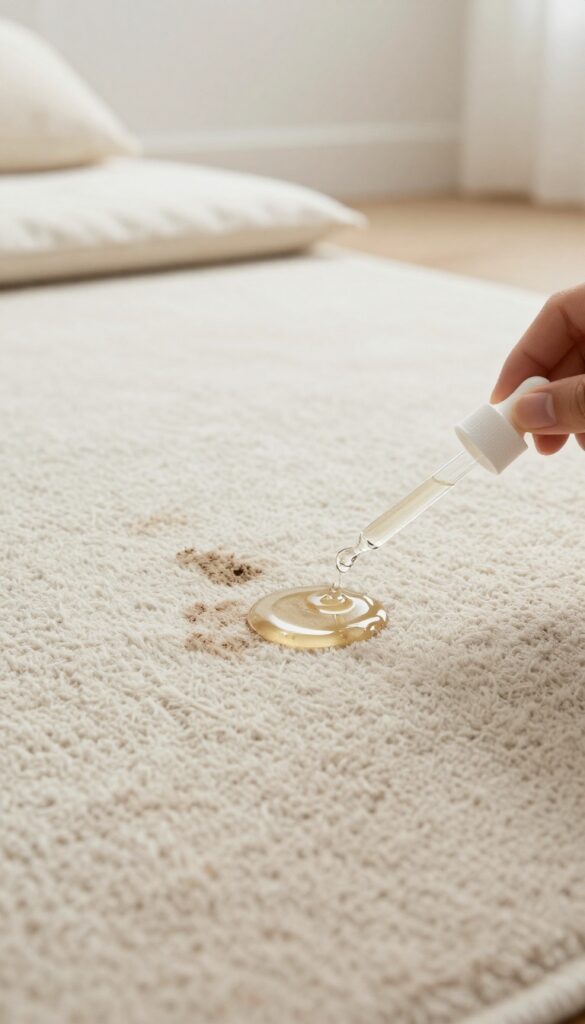
Old, set-in stains can feel impossible to remove, especially when they've been ground into rug fibers by pet traffic. But glycerin offers a gentle way to soften those stubborn marks without harsh scrubbing. This clear, odorless liquid works by penetrating the stain and loosening its grip on the fibers, making it easier to lift away.
It's especially effective on dried mud, grass, or food stains that have been sitting for a while.
How Glycerin Works On Stains
Glycerin is a humectant, meaning it attracts moisture. When applied to a dry stain, it draws in moisture from the air and from the rug fibers, rehydrating the stain particles. This softens the stain, breaking down the bond between the stain and the rug fibers.
After a short wait, the stain becomes pliable and much easier to blot away with a damp cloth. Unlike some stain removers, glycerin is non-toxic and safe for most rug materials.
Step-by-step Application
Start by blotting the stain to remove any surface debris. Apply a small amount of glycerin directly to the stain—just enough to cover it. Let it sit for 30 minutes to allow the glycerin to penetrate.
Then, dampen a clean cloth with warm water and blot the stain gently. You should see the stain transferring to the cloth. Repeat if necessary, then rinse the area with a little water and blot dry.
Avoid rubbing, as that can spread the stain.
Tips For Best Results
Glycerin works best on natural fibers like wool or cotton, but it's also safe for synthetics. Always test on a hidden area first. For extra stubborn stains, you can mix glycerin with a few drops of dish soap.
After treatment, vacuum the area to restore the rug's texture. Glycerin is also great for softening dried-on pet drool or food spills that have crusted over.
20. Dryer Sheets for Static and Smell
Dryer sheets are a quick fix for two common rug annoyances: static cling and lingering pet odors. They work by neutralizing static electricity and leaving behind a light, fresh fragrance. This hack is perfect for a fast refresh between deep cleans, especially in high-traffic areas where your dog or cat likes to nap.
Dryer sheets aren't just for laundry—they can be a rug's best friend. The anti-static agents in dryer sheets reduce static buildup, which helps prevent pet hair from sticking to the fibers. Plus, the mild scent masks odors without being overpowering.
It's a simple, no-fuss solution that takes just seconds.
How To Use A Dryer Sheet On Your Rug
Grab a fresh dryer sheet and rub it gently over the rug's surface. Focus on areas that feel staticky or smell a bit funky. For larger rugs, you can even toss a dryer sheet under the rug to keep static at bay.
Just don't use too many—one sheet is plenty for a standard area rug.
Best Dryer Sheets For Rugs
Look for fragrance-free or hypoallergenic dryer sheets if your pet has sensitive skin or allergies. Brands like Bounce and Snuggle work well, but avoid sheets with heavy perfumes that might irritate your pet's nose. Unscented options are safer and still effective at reducing static.
When To Skip This Hack
Dryer sheets are a temporary fix, not a deep cleaner. If your rug has heavy dirt, set-in stains, or strong urine odors, you'll need a more thorough method like baking soda or vinegar. Also, avoid using dryer sheets on wool or delicate rugs—the chemicals can damage natural fibers over time.
21. Hydrogen Peroxide and Baking Soda Paste
When stains and odors have dug deep into rug fibers, a simple paste can save the day. Hydrogen peroxide and baking soda combine to create a powerful yet gentle cleaner that whitens and deodorizes without harsh fumes. This DIY paste is especially effective on light-colored rugs where stains stand out most.
How To Make And Apply The Paste
Mix three parts baking soda with one part hydrogen peroxide (3% solution) until it forms a thick, spreadable paste. Apply it directly to the stain, covering it completely. Let the paste dry for a few hours or overnight.
As it dries, it lifts dirt and absorbs odors. Once fully dry, simply vacuum up the residue. The stain should be noticeably lighter or gone.
Best Uses And Precautions
This paste works wonders on organic stains like urine, vomit, or blood. It's also great for brightening dull areas. However, avoid using it on dark or brightly colored rugs, as hydrogen peroxide can bleach or lighten fibers.
Always test on a hidden spot first. Wear gloves to protect your skin, and keep pets away until the paste is dry.
Why This Combo Works So Well
Hydrogen peroxide is a mild bleach and disinfectant that breaks down stain molecules. Baking soda is a natural deodorizer and mild abrasive that helps scrub away grime. Together, they create a fizzing reaction that lifts dirt from deep within the fibers.
This chemical reaction is gentle enough for most synthetic and wool rugs when used correctly.
22. Lemon Juice for Brightening
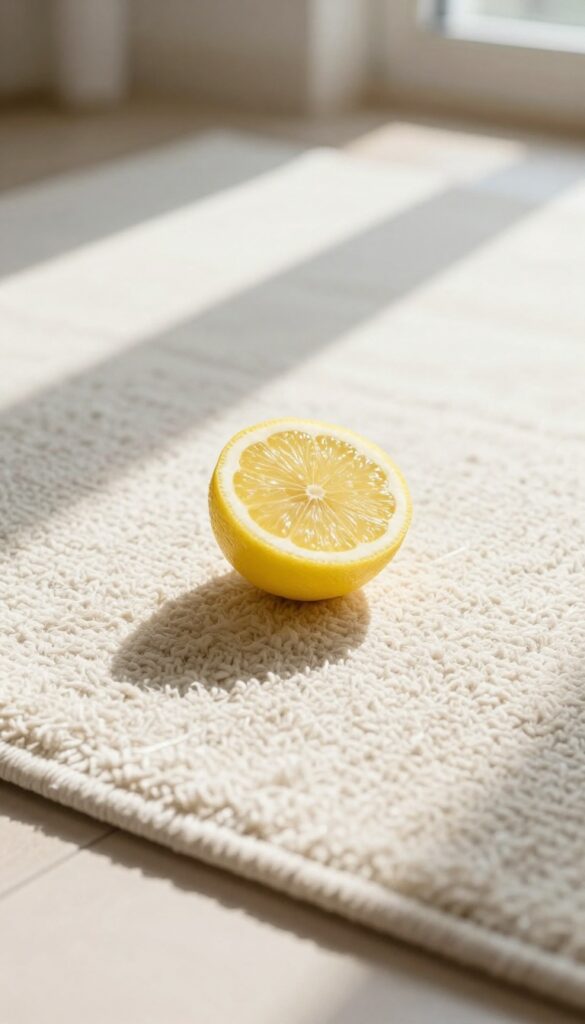
Light-colored rugs can start to look dull and dingy over time, especially with pets tracking in dirt and leaving behind subtle stains. Lemon juice is a natural bleaching agent that can help restore brightness without harsh chemicals. Combined with sunlight, it's a gentle but effective way to refresh your rug's appearance.
Why Lemon Works
Lemon juice contains citric acid, a mild natural bleach that lifts discoloration from rug fibers. When exposed to sunlight, the acid activates and enhances the brightening effect. This combination is particularly effective on synthetic and cotton rugs, but avoid using it on wool or delicate natural fibers, as the acid can cause damage.
How To Apply
Mix one part lemon juice with two parts water in a spray bottle. Lightly mist the solution onto the affected areas of your rug—don't soak it. Place the rug in direct sunlight for about an hour.
The sun helps activate the lemon juice and speeds up the drying process. After an hour, rinse the rug thoroughly with water to remove any residue, then let it air dry completely.
Tips And Precautions
Always test the solution on a small, hidden area first to make sure the color doesn't fade. Avoid overexposure to sunlight, as it can weaken fibers over time. For best results, use this hack on a sunny day when you can monitor the rug.
If you notice any lightening, rinse immediately. This method works well for brightening high-traffic areas or spots where pet urine has left a faint yellow tint.
23. Fabric Softener and Water for Softness
Rugs that have been washed or used heavily can lose their plush feel, turning rough and stiff. A simple fabric softener mist can bring back that cozy texture without a full wash. This hack is especially handy for synthetic rugs that tolerate fabric softener well.
Mix one capful of liquid fabric softener with water in a spray bottle—about a 1: 4 ratio works well. Lightly mist the rug, focusing on areas that feel rough. Then brush the fibers gently with a soft broom or a rug rake in the direction of the nap.
Let it air dry completely. The softener coats the fibers, reducing static and restoring softness. Avoid over-wetting to prevent mold or residue buildup.
Test on a hidden spot first to ensure no discoloration.
Why Fabric Softener Works
Fabric softener contains lubricating ingredients that coat synthetic fibers, making them feel smoother and reducing friction. This helps revive flattened or stiff rug piles, especially after cleaning or heavy foot traffic. It also adds a light fresh scent.
Best Rugs For This Hack
This method works best on synthetic rugs like nylon, polyester, or olefin. Avoid using it on natural fibers like wool or silk, as fabric softener can damage them or cause yellowing. Always check the rug's care label first.
Tips For Even Application
Use a fine mist setting on your spray bottle to avoid soaking the rug. Work in small sections, brushing as you go. If the rug is large, divide it into quadrants.
Let each section dry before moving to the next to prevent over-dampness.
24. Professional Spot Cleaner for Stubborn Spots
Sometimes a DIY spray just won't cut it, especially for deep-set pet stains that have been sitting for a while. That's where a spot cleaner machine comes in—it's like giving your rug a mini power wash. You can rent one from a local hardware store or buy a compact unit for home use.
Pair it with a pet-safe cleaning solution, and you'll extract dirt and moisture that surface cleaning leaves behind.
Spot cleaners use suction to pull out grime from deep within the fibers, which helps restore softness and remove odors. They're especially effective for high-traffic areas or spots where pets repeatedly have accidents. The key is to use a cleaner specifically formulated for pets, as it breaks down organic matter without harming the rug.
After treatment, the rug dries faster and feels fluffier than with scrubbing alone.
Rent Vs. Buy: What’s Right For You?
If you only have a couple of stubborn spots, renting a machine for a day is cost-effective. Many grocery stores and home improvement centers offer rentals for around $30-$50. But if you have multiple rugs or frequent pet messes, buying a compact spot cleaner pays off.
Look for models with strong suction and a heated drying function for quicker results.
Choosing The Right Cleaning Solution
Not all carpet cleaners are safe for pets. Look for enzyme-based or plant-based formulas that neutralize odors without leaving toxic residue. Avoid anything with bleach or harsh fragrances, as they can irritate your pet's paws and lungs.
Always test a small hidden area first to ensure the solution doesn't discolor the rug.
Technique For Best Results
Start by vacuuming the rug to remove loose dirt. Then pre-treat the stain with the cleaning solution and let it sit for 5-10 minutes. Use the spot cleaner with slow, overlapping passes to extract as much liquid as possible.
Repeat until the water runs clear. Finally, blot with a clean towel and let the rug air dry completely before letting pets back on.
25. Regular Maintenance Routine
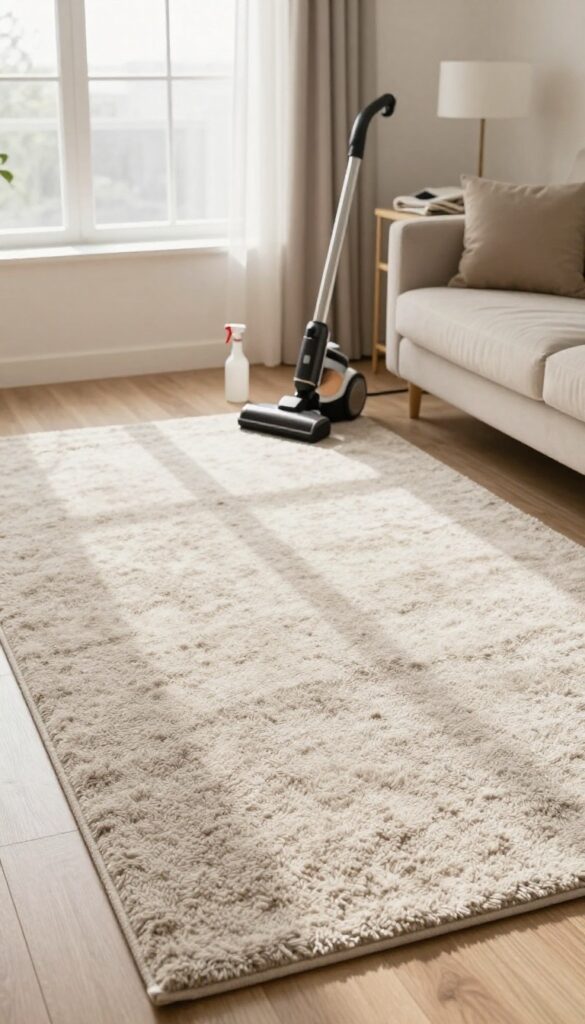
A consistent maintenance routine is the secret to keeping your rugs fresh, soft, and odor-free without constant deep cleaning. Simple habits like vacuuming twice a week, rotating the rug every few months, and treating spills immediately can make a huge difference. This proactive approach prevents dirt and pet odors from embedding into the fibers.
Vacuum Twice A Week
Pet hair, dander, and tracked-in dirt settle deep into rug fibers. Vacuuming at least twice a week removes these particles before they break down and cause odors. Use a vacuum with a beater bar for synthetic rugs, but switch to suction-only for delicate natural fibers like wool or silk.
Rotate Your Rug Every 3–4 Months
High-traffic areas and spots where your pet loves to lie can flatten fibers and cause uneven wear. Rotating your rug 180 degrees every few months distributes foot traffic and sunlight exposure, keeping the texture uniform and extending its life.
Treat Spills Immediately
Accidents happen, but acting fast prevents stains and smells from setting in. Blot (don't rub) the spill with a clean cloth, then apply a gentle cleaner like diluted dish soap. For pet urine, use an enzymatic cleaner to break down proteins that cause lingering odors.
FAQ
How often should I deep clean my rug if I have pets?
Deep clean every 3-6 months, depending on pet activity. More frequent if accidents happen or if your pet sheds heavily.
Can I use bleach on my rug to remove stains?
Avoid bleach on most rugs as it can discolor or damage fibers. Use hydrogen peroxide or a color-safe stain remover instead.
What's the best way to remove pet urine smell from a rug?
Blot up as much urine as possible, then apply an enzyme cleaner or a vinegar-water solution. Let it sit for 10-15 minutes, then blot dry.
Will baking soda damage my rug?
No, baking soda is safe for most rug fibers. Just vacuum thoroughly after letting it sit. Avoid using too much on delicate rugs.
How can I make my rug soft again after cleaning?
After cleaning, use a fabric softener spray or brush the fibers with a soft broom. Also, ensure the rug is completely dry to prevent stiffness.
Conclusion
Your rugs don't need a professional deep clean to stay fresh and soft. These simple hacks tackle pet odors, embedded dirt, and texture issues with ingredients you already have at home. Start with the method that solves your biggest frustration—whether it's a lingering smell or flattened fibers—and build a quick routine from there.
A little regular care keeps your rugs looking and feeling great without the expense or hassle. Pick one or two tips to try this week, and you'll notice the difference in comfort and freshness. Your floors will thank you.