
Last updated on August 19th, 2026 at 04:15 pm
Your dog deserves a cozy spot to call their own, but store-bought beds can be pricey or just not quite right. Sewing one yourself lets you customize the size, shape, and fabric to match your pup's personality and your home decor.
Plus, it's a fun weekend project that saves money and reduces waste. Whether you're a seasoned seamstress or just learning to thread a needle, these 10 dog bed patterns offer something for every skill level.
Get ready to create a bed your dog will love—and you'll be proud to show off.
1. Classic Bolster Bed
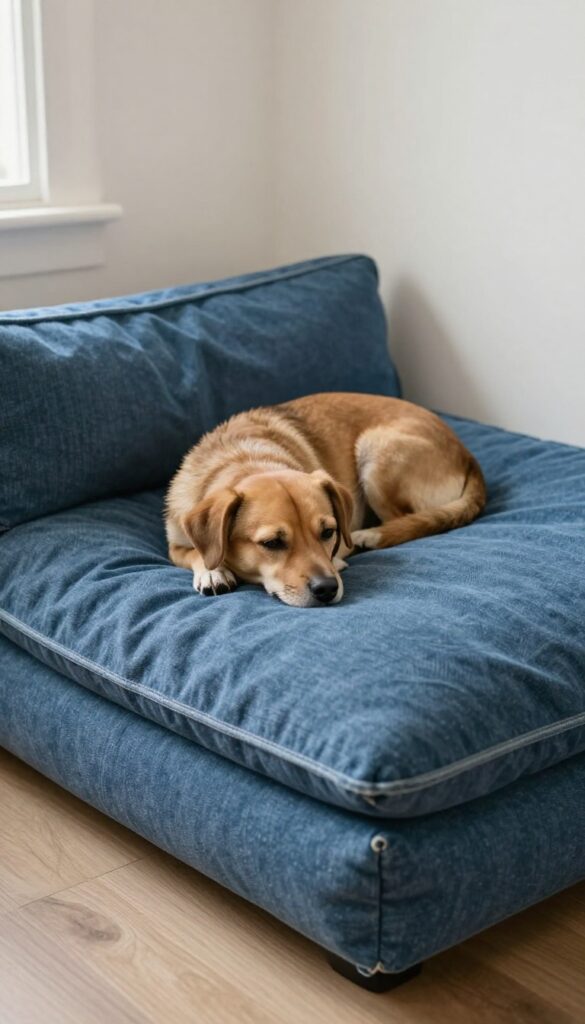
The classic bolster bed is a staple for a reason. It combines a flat, cushioned base with raised edges that give your dog a place to rest their head or curl up against. This design works well for dogs who like to feel supported while they sleep, and it's surprisingly simple to sew even if you're still building your skills.
A bolster bed is essentially a large pillow with a rim. You can make the base from durable canvas or cotton, and stuff the bolster with polyester fiberfill or recycled batting. The key is measuring your dog's sleeping style—if they sprawl out, make the base wider; if they curl up, a squarer shape works better.
Add a zipper or velcro closure on the bolster for easy removal and washing.
Choosing The Right Fabric
Pick a fabric that's tough enough for claws but soft enough for comfort. Denim, twill, or heavy cotton are great options. Avoid anything too slippery—dogs need traction to settle in.
If your dog is a chewer, consider a double-layer base with a hidden zipper.
Measuring Your Dog
Measure your dog from nose to tail while they're sleeping in their favorite position. Add 4-6 inches for wiggle room. For the bolster height, measure from the floor to the top of their head when they're lying down—this ensures the rim is tall enough to support their neck.
Assembly Tips
Sew the base first, then attach the bolster as a separate tube. Stuff the bolster firmly but not rock-hard—you want it to give a little. Use a zipper on the base cover so you can wash it easily.
If you're new to sewing, start with a small version for a toy breed to practice.
2. No-Sew Fleece Knot Bed
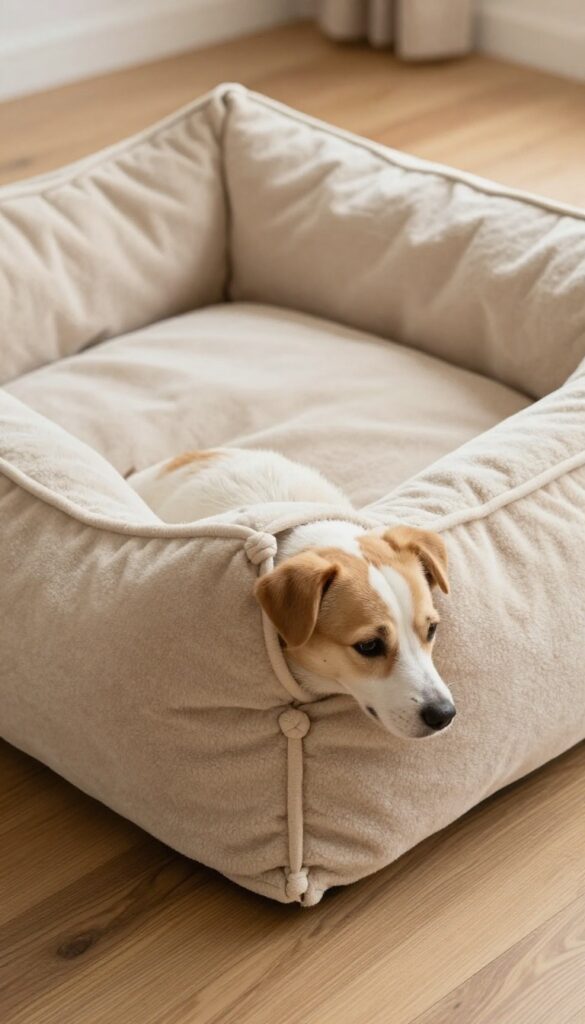
Not everyone owns a sewing machine, and that’s totally okay. This no-sew fleece knot bed is proof that you can still make something cozy and durable with just fabric and scissors. It’s a favorite among DIYers who want a quick, mess-free project that looks like it took way more effort.
The concept is simple: cut fleece into strips, then knot them together around a pillow insert or batting. The result is a soft, warm bed that’s easy to wash and even easier to customize. Since you’re using fleece, there’s no fraying to worry about, and the knots hold up well even with an enthusiastic digger.
Choosing The Right Fleece
Go with anti-pill fleece for longevity—it won’t fuzz up after a few washes. You’ll need about 1. 5 to 2 yards for a medium bed, depending on the thickness you want.
Pick two complementary colors for a braided look, or stick to one for a uniform finish.
Cutting And Knotting Tips
Cut strips about 1 inch wide and 6 inches long—wider strips make chunkier knots. Leave a 1-inch border around the edge of your fleece squares for the knotting area. Tie each pair of strips with a double knot, pulling tight so the fabric doesn’t slip.
Work your way around the entire perimeter.
Filling Options
You can use a pre-made pillow form, polyfill stuffing, or even an old duvet insert. Just make sure the filling is evenly distributed before you close the last few knots. For extra fluffiness, use a high-loft batting or two layers of polyfill.
3. Orthopedic Memory Foam Bed
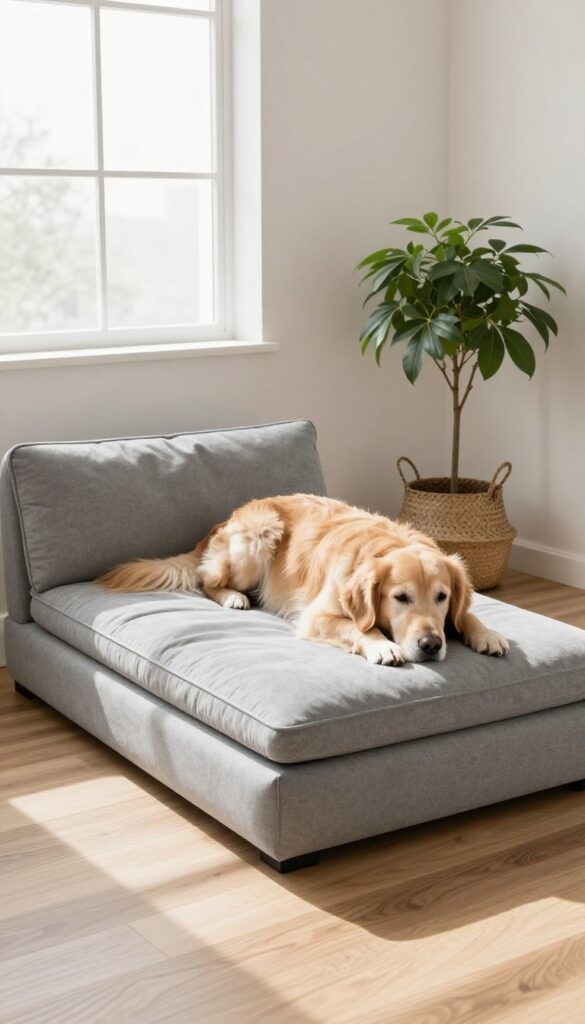
Senior dogs or those with joint issues need extra support to sleep comfortably. An orthopedic memory foam bed distributes weight evenly and relieves pressure on sore spots. This pattern is straightforward and lets you add a removable cover for easy washing.
This bed uses high-density memory foam cut to your desired dimensions. You'll sew a simple box cushion cover with a zipper or Velcro closure so you can remove and wash it regularly. The foam itself can be purchased pre-cut or trimmed with an electric knife.
For extra stability, add a non-slip bottom fabric.
Choosing The Right Foam
Look for 2- to 4-inch thick memory foam with a density of at least 4 pounds per cubic foot. This ensures it won't flatten quickly. You can buy foam from craft stores, online retailers, or repurpose an old mattress topper.
Cover Fabric Tips
Use durable, machine-washable fabrics like cotton canvas, denim, or microfiber. Avoid materials that pill or fray easily. Pre-wash your fabric to prevent shrinkage after the first wash.
Adding A Removable Cover
Sew a zipper along one edge of the cover, or use a large Velcro strip for easy access. Make sure the cover fits snugly but not too tight, so you can remove it without struggle.
4. Donut or Cuddler Bed
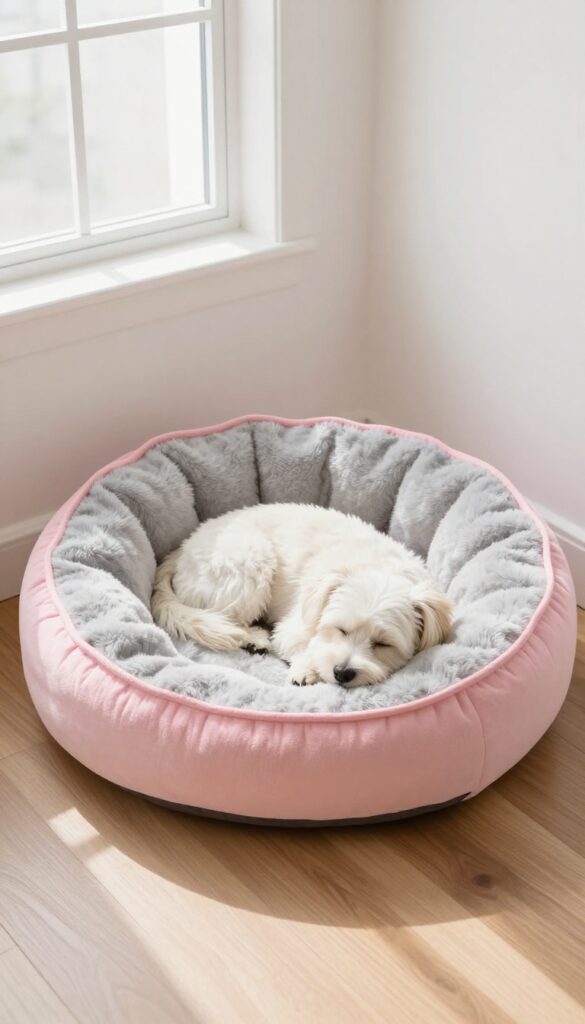
Round beds with raised rims are a favorite among small dogs who love to curl up and feel enveloped. The donut shape provides a sense of security and warmth, making it perfect for burrowers. Plus, its stylish silhouette fits nicely into any room.
This pattern is surprisingly beginner-friendly. You'll cut two large circles for the base and a long strip for the rim, then sew them together with plenty of stuffing. The result is a plush, nest-like bed that your pup will adore.
Fabric And Size Tips
Choose soft, durable fabrics like fleece or minky for the interior and a coordinating cotton for the exterior. For small breeds, a 24-inch diameter works well; for medium dogs, go up to 30 inches. Always pre-wash fabric to avoid shrinking later.
Getting The Rim Right
The raised rim should be firm but not rock-hard. Use high-loft polyester stuffing and pack it evenly. Sew a seam down the middle of the rim strip before attaching it to the base to create a defined edge that holds its shape.
Customization Ideas
Add a removable cover with a zipper for easy washing. Or sew a contrasting color band around the rim for a pop of personality. You can also make a smaller version for cats or as a travel bed.
5. Travel-Friendly Pop-Up Bed
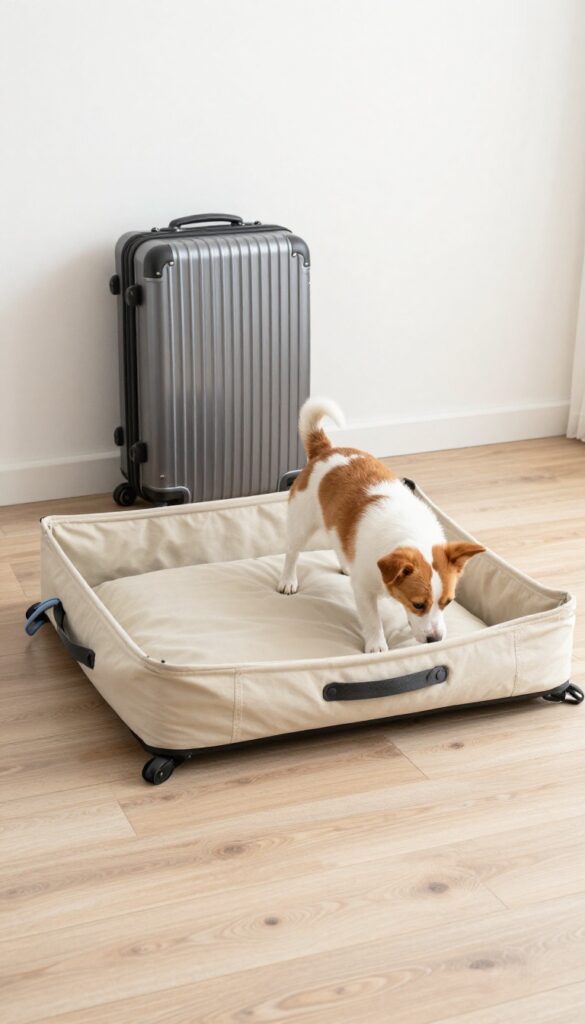
Hit the road with a bed that packs up small and pops open in seconds. This lightweight, foldable design features a carry handle so you can bring your dog's familiar sleeping spot anywhere—camping, road trips, or a weekend at grandma's.
A pop-up bed uses flexible wire or spring framing inside a fabric sleeve, allowing the bed to collapse flat for storage and spring into shape when unfolded. The outer fabric is typically durable canvas or outdoor-grade polyester, while the inner lining can be a soft fleece for comfort. A carry handle sewn into one edge makes transport easy, and the whole bed weighs just a pound or two.
You can customize the size to fit your car trunk or tent corner, and even add a removable, machine-washable cover for easy cleaning after muddy adventures.
Choosing Frame Materials
The frame is the secret to the pop-up action. Use heavy-gauge galvanized wire or a flexible spring steel ring. For a no-sew option, repurpose an old pop-up hamper frame.
Make sure the wire ends are capped or covered to prevent poking through the fabric.
Fabric Selection Tips
Go with outdoor-rated canvas, ripstop nylon, or heavy denim for the outer shell. For the sleeping surface, add a layer of fleece or microfiber that can be detached. Avoid fabrics that fray easily, and pre-wash everything to prevent shrinkage later.
Sewing The Casing
Create a channel along the bed's perimeter to house the wire. Use a zipper foot to sew close to the edge, and leave a small opening to insert the wire. Once the wire is in, hand-stitch the opening closed.
Test the pop-up action before finishing the final seam.
Adding A Carry Handle
Cut a strip of fabric 4 inches wide and 12 inches long. Fold it in half lengthwise, sew the long edge, turn it right side out, and attach the ends to the bed's edge with a reinforced box stitch. Make sure the handle is centered for balanced carrying.
6. Waterproof Outdoor Bed
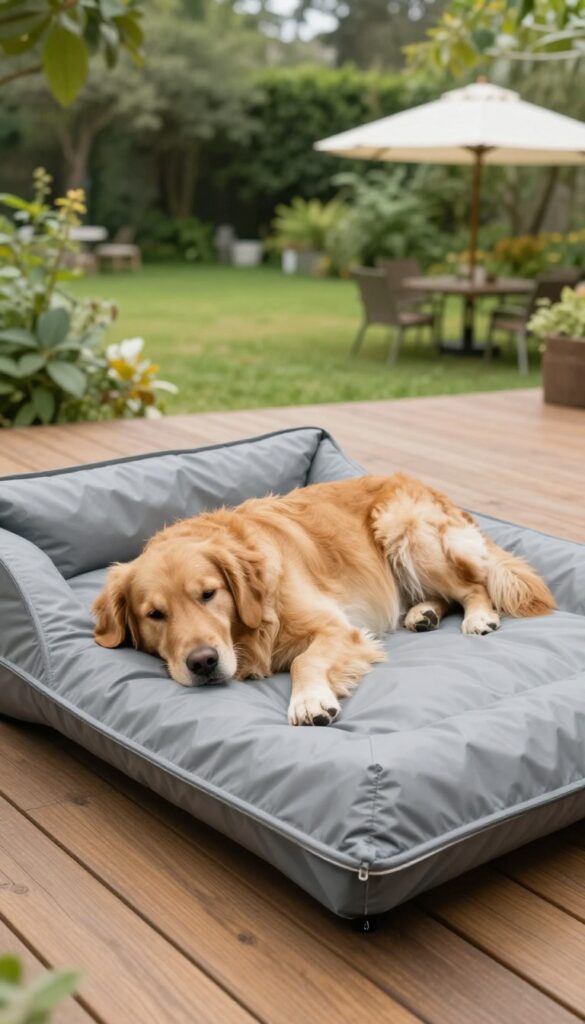
Outdoor adventures don't have to end when it's nap time. A waterproof dog bed lets your pup lounge on the patio, deck, or inside the dog house without soaking up moisture or mud. This pattern uses marine-grade fabric and a waterproof liner, so it handles rain, spills, and hose-downs with ease.
Building a bed that lives outdoors requires tough materials and smart construction. Marine-grade vinyl or outdoor canvas resists UV rays and mildew, while a sealed zipper keeps the inner foam dry. You can make it in any size to fit your space, and the removable cover makes cleaning a breeze.
Fabric And Liner Choices
Pick a heavy-duty outdoor fabric like Sunbrella or marine vinyl for the outer shell. For the waterproof layer, use a polyurethane-coated nylon or a pre-made waterproof mattress protector. Avoid cotton or blends—they absorb moisture and rot quickly.
Sealing Techniques
Use a Teflon-coated needle and polyester thread to prevent leaks at the seams. Seal all seams with seam sealer or a hot iron for extra protection. A waterproof zipper with a storm flap keeps water out better than standard zippers.
Drainage And Cleaning
Add a small mesh drainage panel on the bottom if the bed will sit directly on wet ground. For easy cleaning, make the cover fully removable with a long zipper. Hose it down and let it air dry—no need to bring it inside.
7. Elevated Cot-Style Bed
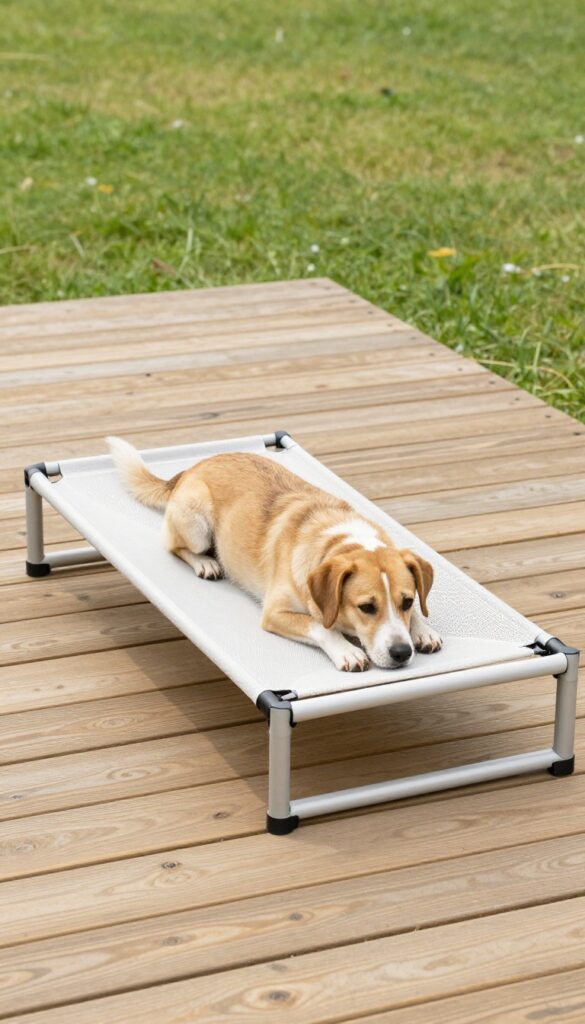
If your dog tends to overheat or you live in a warm climate, an elevated cot-style bed is a game-changer. The raised design allows air to circulate underneath, keeping your pup cool in summer and off cold floors in winter. Plus, it's surprisingly easy to sew with the right materials.
This bed uses a sturdy frame—either store-bought or DIY from PVC pipe—with a fabric sling stretched across. The mesh or canvas fabric is breathable and durable, and you can customize the size to fit any dog breed. The sewing is minimal: just hem the edges and add corner pockets or sleeves to slide the fabric over the frame.
Why Elevated Beds Work
Elevated beds promote airflow, which helps regulate body temperature. They also keep dogs off damp grass or chilly concrete, making them ideal for both indoor and outdoor use. The slight bounce of the fabric can be gentle on joints, similar to a hammock.
Materials And Frame Options
For the frame, you can repurpose an old cot or build one from PVC pipe and corner fittings. The fabric should be heavy-duty—think outdoor canvas, denim, or polyester mesh. Avoid lightweight cotton that might sag.
You'll also need grommets or webbing straps to secure the fabric tightly.
Sewing Tips For A Tight Fit
Measure your frame carefully and add seam allowances. Create a casing or sew webbing loops at each corner to slip over the frame. Reinforce stress points with double stitching or bartacks.
If using mesh, a walking foot helps prevent puckering.
8. Luxury Tufted Bed with Removable Cover
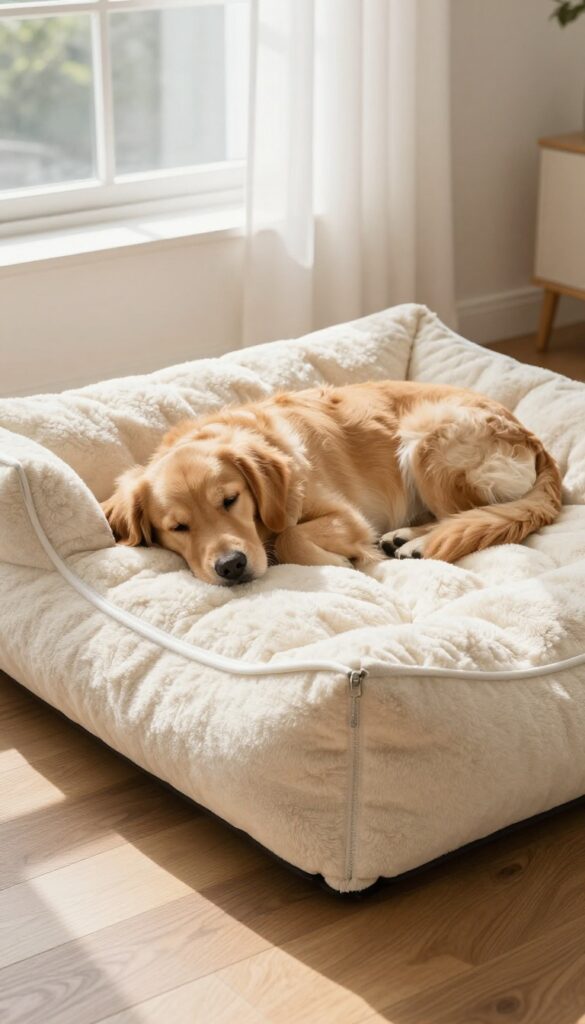
Want a dog bed that doubles as a piece of furniture? This tufted design brings a touch of elegance to any room, with deep button detailing that looks straight out of a catalog. The best part?
The cover zips off completely, so you can toss it in the wash whenever muddy paws strike.
Why Tufting Works For Dogs
Tufting isn't just for human sofas. The buttons create gentle divots that give your dog a sense of security, almost like a built-in nest. Plus, the dense padding stays put, so the bed doesn't flatten out after a few weeks of napping.
Fabric And Filling Tips
Choose a durable upholstery fabric like canvas or microfiber that can handle scratching and shedding. For the filling, use high-density foam for the base and a layer of batting for that plush top. Make sure the zipper is heavy-duty—nothing ruins a project faster than a busted zipper on wash day.
Making The Cover Removable
The trick is to build the cover as a separate envelope with a zipper along one edge. Sew the tufting buttons through all layers of the cover only, then insert the foam base through the zippered opening. When it's time to clean, just unzip, remove the foam, and wash the cover.
9. Reversible Pillow Bed
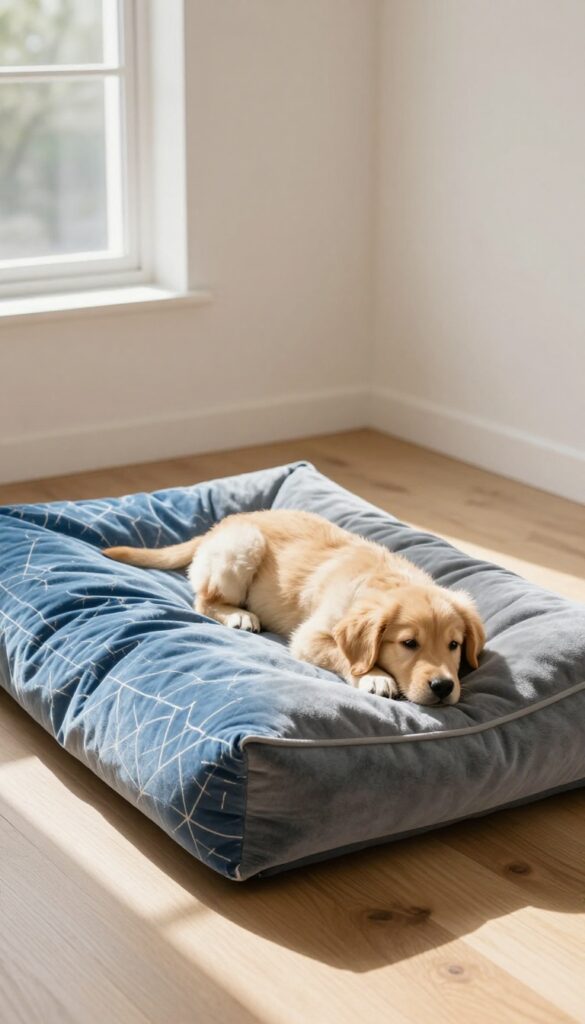
A reversible pillow bed gives you two looks in one simple project. One side uses cool cotton for warmer months, while the other features warm fleece for winter coziness. It’s a straightforward sew that even beginners can tackle in an afternoon.
This design is essentially a large pillowcase with a closure, so you can flip it over whenever you want a change. The flat shape works well for dogs who like to stretch out or rest their head. You can customize the size to fit your dog’s bed or crate perfectly.
Fabric Choices
Pick two coordinating fabrics that contrast in texture or color. Cotton quilting fabric is breathable and easy to wash. Fleece or flannel adds warmth and softness.
Prewash both fabrics to avoid shrinkage later.
Construction Tips
Cut two rectangles of equal size, adding 1/2-inch seam allowances. Place them right sides together and sew around three sides, leaving one side open. Turn right side out, insert a pillow form or stuffing, then sew the opening closed with a hidden stitch or use a zipper for easy removal.
Size Guide
For small dogs, a 24×18 inch pillow works well. Medium dogs need about 30×24 inches. Large breeds might prefer 36×30 inches.
Measure your dog from nose to tail while sleeping to get the right length.
10. Cave or Hooded Bed
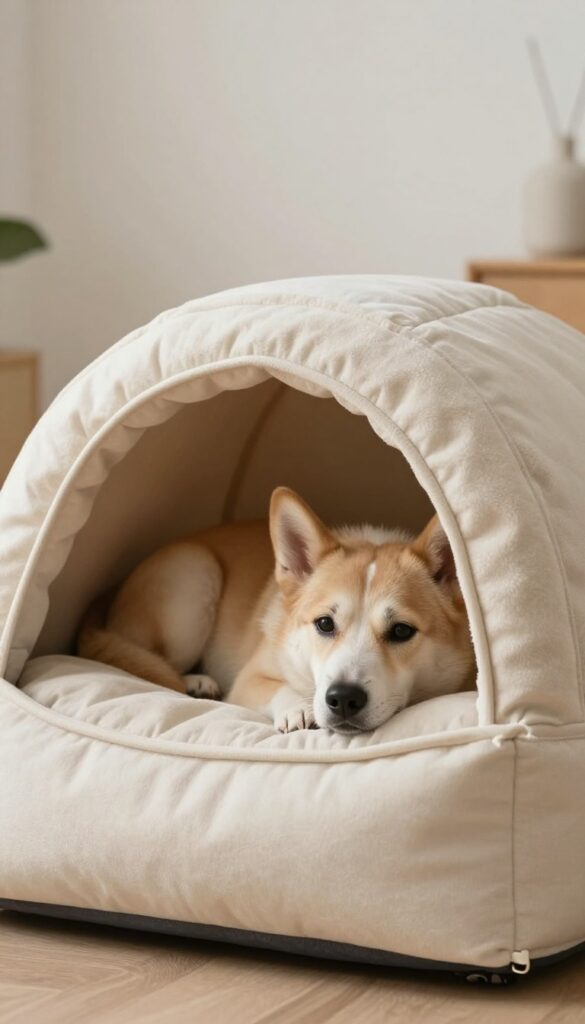
Some dogs love to burrow. If yours is the type that digs into blankets or hides under the coffee table, a cave or hooded bed is the perfect solution. This design features a soft, enclosed space with a hood or flap that creates a den-like feel.
It's especially helpful for anxious dogs who need a quiet retreat, but even confident pups appreciate the extra warmth and coziness.
Why It Works For Anxious Dogs
The hooded shape mimics a den, which triggers a natural calming response in dogs. The enclosed sides block out visual stimuli and reduce noise, helping nervous dogs feel safe. Many owners report that their dogs settle faster and sleep deeper in this style of bed.
Fabric And Size Tips
Choose a soft, breathable fabric like fleece or faux fur for the interior. The outer shell can be a sturdy cotton or canvas to hold its shape. Measure your dog from nose to tail, then add a few inches for a snug but not tight fit.
For the hood, make it deep enough to cover the dog's head when they curl up.
Simple Sewing Steps
Start with a rectangular base and sew a matching top piece, leaving one side open. Attach a curved hood piece to the open edge, then add a soft insert or stuffing. You can also add a removable cushion for easy washing.
The whole project can be done in an afternoon with basic sewing skills.
FAQ
What fabric is best for a dog bed?
Durable, washable fabrics like canvas, denim, or microfiber work well. For comfort, add fleece or faux fur. Avoid loose weaves that snag claws.
How much fabric do I need for a dog bed?
It depends on the size. A small bed (20×20 inches) needs about 1 yard of fabric. A large bed (36×48 inches) may need 2-3 yards.
Always check your pattern.
Can I use old pillows for stuffing?
Yes! Shredded memory foam, polyfill, or even old pillows work well. Just make sure the filling is evenly distributed and washable if possible.
How do I make a dog bed waterproof?
Use a waterproof fabric like PUL (polyurethane laminate) or add a waterproof liner between the outer fabric and filling. Seal seams with seam sealer.
What sewing machine settings should I use?
Use a heavy-duty needle (size 90/14 or 100/16) and a longer stitch length (3-4 mm). For thick layers, a walking foot helps prevent fabric shifting.
Conclusion
Sewing your own dog bed is a rewarding way to give your pup a cozy spot that fits your style and budget. Start with a simple pattern like the bolster or donut bed, then work your way up to more advanced designs as your skills grow.
Your dog will love having a bed made just for them, and you'll love the savings and customization. Grab your fabric and sewing machine—your furry friend is waiting for their new favorite nap spot.

I’m Pallab Kishore, the owner of Little Pets Realm — an animal lover and pet care enthusiast sharing easy tips, healthy recipes, and honest advice to help every small pet live a happy, healthy, tail-wagging life.