Last updated on June 27th, 2026 at 03:17 pm
Your mattress silently collects sweat, dead skin, and dust mites over time, turning your sanctuary into a source of stale odors. A quick spray of air freshener only masks the problem—it doesn't remove the smells trapped deep inside the fibers.
These 13 steps take you from sheet-stripping to final deodorizing, using household staples and targeted treatments to tackle every type of odor. No need for harsh chemicals or expensive steam cleaning.
Just a straightforward, room-by-room approach that leaves your mattress smelling fresh and clean.
1. Strip the Bed Completely
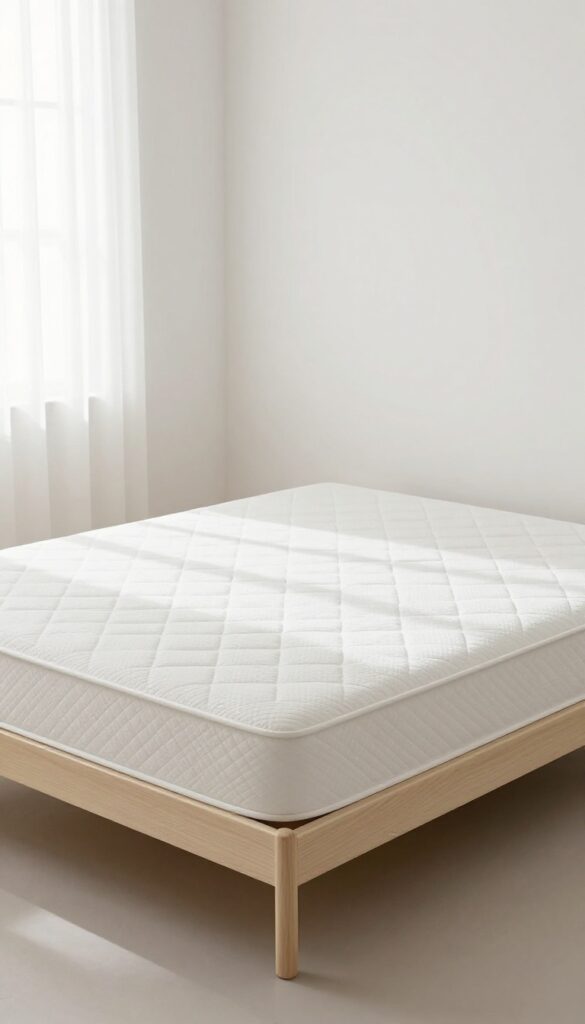
Before you can tackle odors, you need to clear the canvas. Every layer of bedding traps moisture, oils, and bacteria that contribute to that stale smell. Stripping the bed is the first and most obvious step, but doing it right makes all the difference.
Pull off everything: sheets, pillowcases, mattress protectors, and any decorative covers. Don't forget the fitted sheet corners that often hide crumbs and dust. Once the mattress is bare, give it a quick visual once-over to spot any stains or areas that need extra attention later.
Wash Everything In Hot Water
Set your washing machine to the hottest water setting your fabric can handle. Add one cup of white vinegar to the wash cycle—it's a natural deodorizer that breaks down odor-causing bacteria without leaving a vinegary smell. Avoid fabric softener, as it can coat fibers and trap odors over time.
Dry Thoroughly Before Remaking
Tumble dry your bedding on high heat until completely dry. Damp bedding can reintroduce musty smells to your clean mattress. If possible, let the mattress air out for an hour while the bedding is washing—this gives trapped moisture a chance to evaporate.
2. Vacuum the Entire Surface
Once the sheets are off, it's time to clear the surface of all the loose debris that holds onto odors. A thorough vacuuming removes dust, hair, and skin flakes before you apply any treatments. This simple step makes every following step more effective.
Grab your vacuum cleaner and fit it with the upholstery attachment. Go over the entire top of the mattress in slow, overlapping passes, paying extra attention to the seams and tufts where debris loves to hide. Don't forget the sides and the bottom edge if you can reach it.
For stubborn pet hair, use a rubber squeegee or a damp sponge first to loosen it, then vacuum again. This step alone can cut down on musty smells significantly.
Choose The Right Attachment
The upholstery brush is your best friend here. It's wide enough to cover ground quickly but has bristles that agitate the fabric and lift embedded particles. Avoid using the beater bar—it can damage the mattress fibers and kick up more dust than it collects.
If your vacuum has a crevice tool, use it along the edges and around any handles or tags.
Work In Sections
Divide the mattress into quadrants and vacuum each one thoroughly before moving on. This ensures you don't miss any spots. Start at the head and work your way down, overlapping each pass by a couple of inches.
For the sides, run the attachment from top to bottom in straight lines.
Don't Rush The Seams
The seams and piping are where the most debris accumulates. Run the upholstery tool along each seam slowly, and if you see visible dust or hair, go over it a second time. You'll be surprised how much gunk comes out of those hidden crevices.
3. Sprinkle Baking Soda Liberally
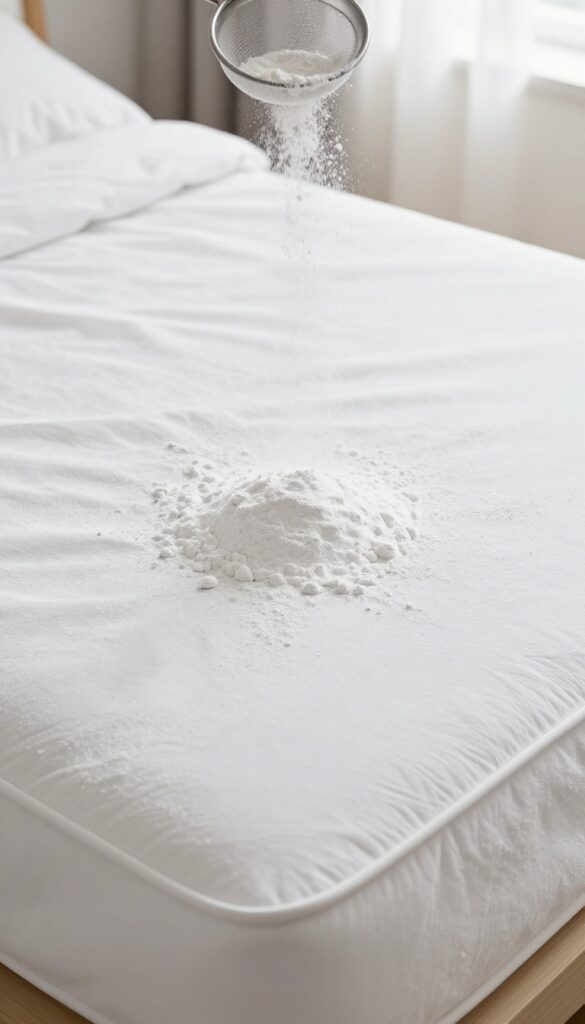
Baking soda is the unsung hero of natural deodorizers. It doesn't just mask smells—it actually absorbs moisture and neutralizes the acids that cause odors. This step is where you start to see real results, not just a temporary cover-up.
You'll want to be generous here. A thin dusting won't cut it. Think of it like salting a sidewalk—you need a good, even layer to get the job done.
And patience is key: the longer it sits, the more odor molecules it traps.
Once you've vacuumed the mattress thoroughly, it's time for the baking soda treatment. Pour a fresh box of baking soda into a fine-mesh sieve or a shaker container. Sprinkle it evenly across the entire surface, working from one end to the other.
Don't forget the sides and any crevices where dust and smells accumulate. Let it sit for at least 8 hours—overnight is ideal. For stubborn odors, you can leave it for up to 24 hours.
The baking soda will pull moisture and volatile compounds out of the foam and fibers. When you come back, the mattress will look dusty but smell noticeably fresher.
Why Baking Soda Works So Well
Baking soda is alkaline, which means it reacts with acidic odor molecules (like sweat, urine, and mildew) to neutralize them chemically. It also has a porous structure that physically traps and holds onto smelly particles. Unlike sprays that just add fragrance, baking soda removes the problem at the source.
How To Apply It Evenly
Use a flour sifter or a large mesh strainer to dust the baking soda over the mattress. This prevents clumps and ensures even coverage. Start at the head and work your way down, overlapping each pass slightly.
For extra deodorizing power, mix in a few drops of essential oil (like lavender or tea tree) with the baking soda before sprinkling.
Letting It Sit Long Enough
Eight hours is the minimum, but longer is better. If you can, leave the baking soda on while you're at work or overnight. For pet odors or smoke smells, 24 hours makes a big difference.
Just keep pets and kids off the mattress during that time. When you're ready, vacuum thoroughly with the upholstery attachment.
4. Add Essential Oils for Freshness
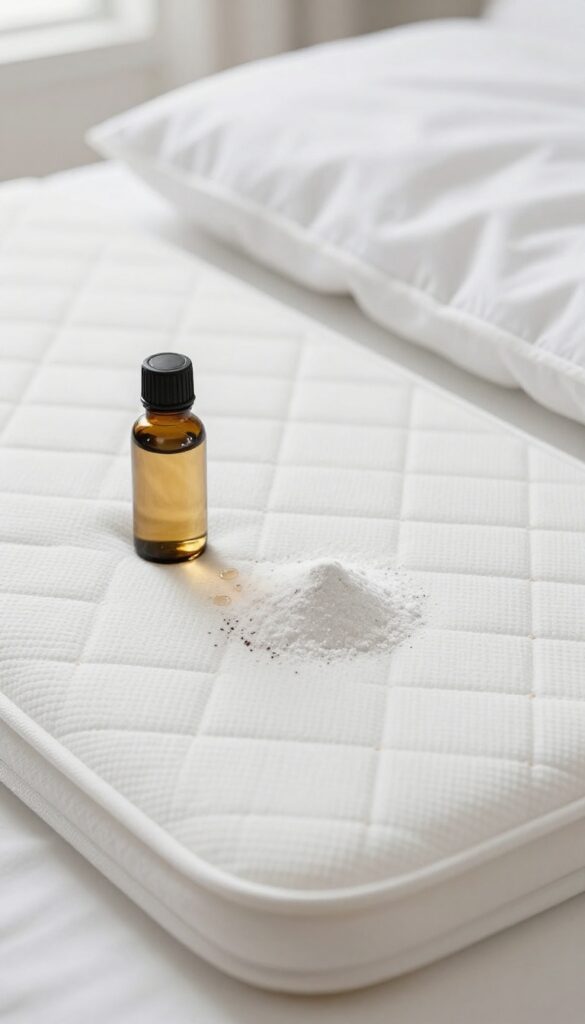
A plain baking soda treatment does a great job absorbing odors, but it doesn't leave much of a scent behind. That's where essential oils come in—they add a natural, pleasant fragrance while boosting the cleaning power. Lavender and tea tree oil are especially good choices because they smell great and also fight bacteria and dust mites.
Essential oils can turn a basic deodorizing step into a more effective and enjoyable one. They not only mask odors but also help eliminate the microbes that cause them. The key is to use them sparingly and mix them properly so they don't stain your mattress.
Choose The Right Oil
Lavender oil is calming and antimicrobial, making it perfect for a bedroom. Tea tree oil has stronger antibacterial properties but a more medicinal scent—some people love it, others find it overpowering. You can also try eucalyptus or peppermint for a fresh, clean smell.
Avoid citrus oils as they can degrade fabrics over time.
Mix It Correctly
Never drop essential oils directly onto your mattress—they can cause stains or irritation. Instead, add 10–15 drops of your chosen oil to one cup of baking soda and stir well. Let the mixture sit for an hour so the oil distributes evenly.
Then sprinkle it over the mattress and proceed with the usual waiting time.
Vacuum Thoroughly After
After the baking soda has sat for several hours, vacuum it up completely. Essential oils can leave a slight residue, so use a brush attachment to lift every bit. If you notice any oily spots, blot them with a clean cloth.
Your mattress will smell fresh without being overpowering.
5. Vacuum Again Thoroughly
Once the baking soda has done its job absorbing odors, it's time to remove every trace of it. A thorough second vacuuming ensures no gritty residue remains to irritate your skin or attract moisture. This step also lifts any loosened debris that the initial pass missed.
Attach the upholstery tool and go over the entire mattress surface in slow, overlapping strokes. Pay special attention to seams, tufts, and crevices where baking soda and dust tend to settle. Use a crevice tool along the edges and any piping.
For stubborn pockets of powder, gently tap the mattress to dislodge hidden particles, then vacuum again. Don't rush—spend at least a few minutes to ensure the mattress feels clean and dry to the touch.
Why A Second Vacuum Matters
Baking soda left behind can cake up with humidity, creating a gritty layer that feels unpleasant and may even cause skin irritation. A thorough second vacuum removes all traces, leaving the mattress soft and fresh.
Techniques For Crevices And Seams
Run the crevice tool along every seam and tuft. For deep-set powder, use a stiff brush to loosen it before vacuuming. Flip the mattress if possible to vacuum both sides—this prevents any residue from migrating back to the top.
Final Check Before Remaking The Bed
Run your hand over the mattress to feel for any remaining grit. If you find any, spot-vacuum those areas again. Once it feels clean and dry, you're ready to add a mattress protector and fresh sheets.
6. Treat Urine Stains with Enzyme Cleaner
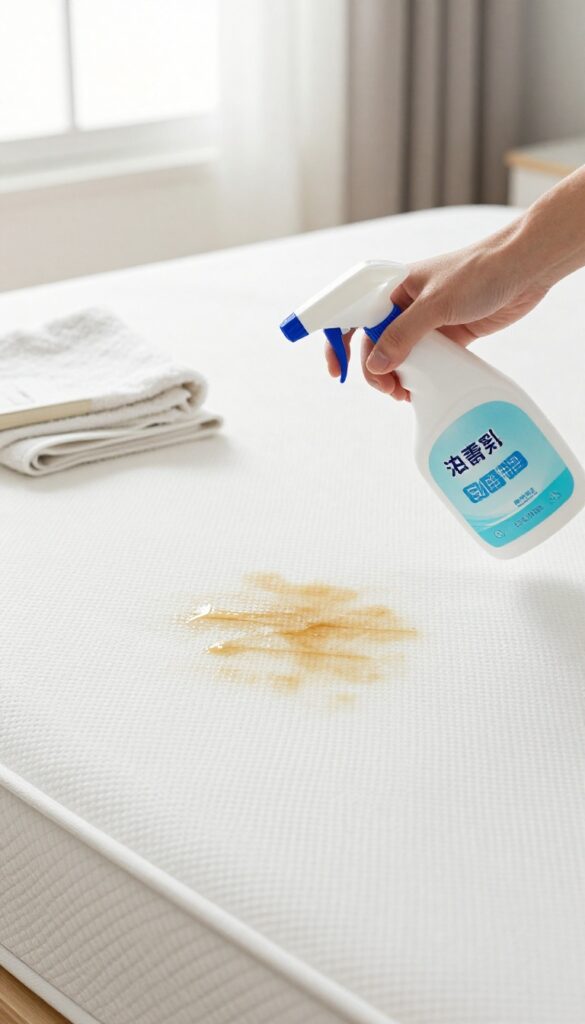
Urine from pets or kids can leave stubborn odors that ordinary cleaners just can't handle. The secret is using an enzyme-based cleaner that actually breaks down the proteins causing the smell. Here's how to do it right.
Enzyme cleaners are specially formulated to digest organic matter, making them perfect for urine stains. They work by breaking down uric acid crystals that cause persistent odors. Unlike bleach or vinegar, enzymes continue working as long as they stay wet.
Choose The Right Cleaner
Look for a cleaner labeled 'enzyme' or 'bio-enzymatic' specifically for pet or human urine. Avoid products with ammonia, which can actually set the stain. Brands like Nature's Miracle or Simple Solution are reliable options.
Apply And Let It Sit
Blot up as much fresh urine as possible with paper towels. Then saturate the stain with the enzyme cleaner—don't just spray it on. Let it sit for at least 15 minutes (longer for old stains) so the enzymes have time to work.
Blot And Dry
After the wait, blot the area with a clean cloth to lift the moisture. Press firmly but don't scrub, which can push the stain deeper. Place a dry towel over the spot and weigh it down with a book to absorb remaining liquid.
Let air dry completely.
7. Use White Vinegar for Tough Smells
Some odors cling to your mattress like they own the place. Sweat, urine, and other biological stains leave behind alkaline residues that resist baking soda and enzyme sprays. White vinegar cuts through those stubborn smells by neutralizing the pH at the source.
It’s cheap, non-toxic, and surprisingly effective.
White vinegar works because it’s acidic—around 2. 5 pH—which counteracts the alkaline compounds in sweat and urine. When you mist it onto the mattress, the vinegar reacts with those odor molecules, turning them into neutral salts that no longer smell.
The vinegar smell itself evaporates quickly, leaving behind nothing but freshness.
Mix The Solution Right
Combine equal parts white vinegar and water in a clean spray bottle. Shake gently to mix. Don’t use full-strength vinegar—it’s too strong and could damage mattress fibers or leave a lingering sour smell.
A 50/50 ratio gives you enough acidity to tackle odors without overdoing it.
Mist, Don’t Soak
Lightly mist the affected areas until the surface feels damp, not wet. Over-saturating can soak into the mattress core and promote mold growth. Work in sections, and keep the spray bottle about 6 inches away for an even, fine mist.
Let It Air Dry Completely
Open windows or turn on a fan to speed up drying. It usually takes 2–4 hours depending on humidity and airflow. The vinegar smell will fade as it dries—if you notice any leftover scent, it means the mattress is still damp.
Give it more time. Once dry, the mattress should smell neutral.
8. Blot, Don't Rub Spills
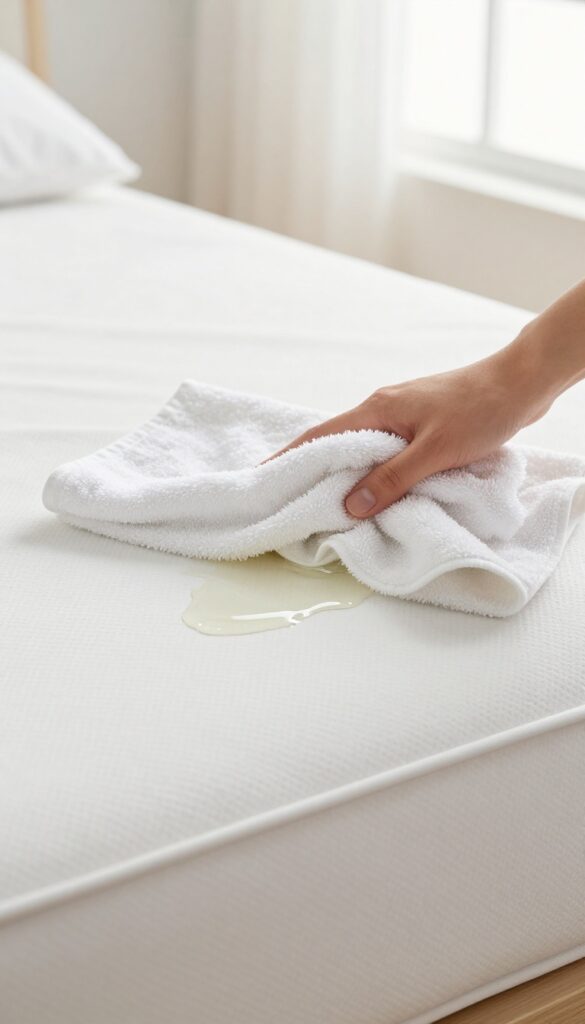
Spills happen, but how you handle them makes all the difference. The natural instinct is to scrub, but that only drives the liquid deeper into the mattress layers. Blotting is the way to go.
When a spill occurs, grab a clean, dry towel or paper towels immediately. Press down firmly on the wet area to absorb as much liquid as possible. Repeat with fresh sections of the towel until no more moisture transfers.
Rubbing or scrubbing pushes the spill into the foam and fibers, where it can cause mold, mildew, and lingering odors. Patience is key—keep blotting until the area feels just slightly damp.
Why Blotting Works Best
Blotting lifts the liquid out of the mattress without forcing it deeper. Think of it like a sponge—pressing absorbs, while rubbing spreads. This simple technique prevents the spill from reaching the core, where it's much harder to clean.
What To Do After Blotting
Once you've blotted up most of the spill, sprinkle a generous layer of baking soda over the area. Let it sit for several hours or overnight to draw out any remaining moisture and neutralize odors. Then vacuum thoroughly.
9. Deodorize with Activated Charcoal
Not all deodorizers work by covering up smells with perfume. Activated charcoal takes a different approach—it traps odor molecules inside its porous structure, pulling them out of the mattress fibers. This method is completely scent-free, making it ideal if you're sensitive to fragrances or just want a truly neutral-smelling bed.
Activated charcoal is a powerhouse when it comes to absorbing odors, moisture, and even allergens. Unlike baking soda, it doesn't need to sit for hours to start working—it begins absorbing immediately. The key is to use a product specifically labeled "activated charcoal" (not regular charcoal briquettes) and to keep it in a breathable bag or container so air can circulate through it.
Choose The Right Charcoal Product
Look for activated charcoal bags designed for odor removal—they're often sold as "charcoal deodorizers" for closets, gym bags, or refrigerators. You can also buy loose activated charcoal and fill a small cotton sock or mesh bag. Avoid charcoal briquettes meant for grilling; they contain additives and won't work the same way.
Placement Matters
For the best results, place the charcoal bag directly on top of the mattress after you've stripped the sheets, or tuck it between the mattress and box spring. If your mattress has a removable cover, you can even slide the bag inside. The closer the charcoal is to the source of the odor, the more effectively it will absorb.
Let It Work Over Several Days
Activated charcoal doesn't work instantly—it needs time to absorb odors. Leave the bag in place for at least 24 to 48 hours, and ideally up to a week for stronger smells. You can reuse the same charcoal by "recharging" it: place the bag in direct sunlight for a few hours every month to release trapped moisture and odors.
10. Sun-Dry the Mattress
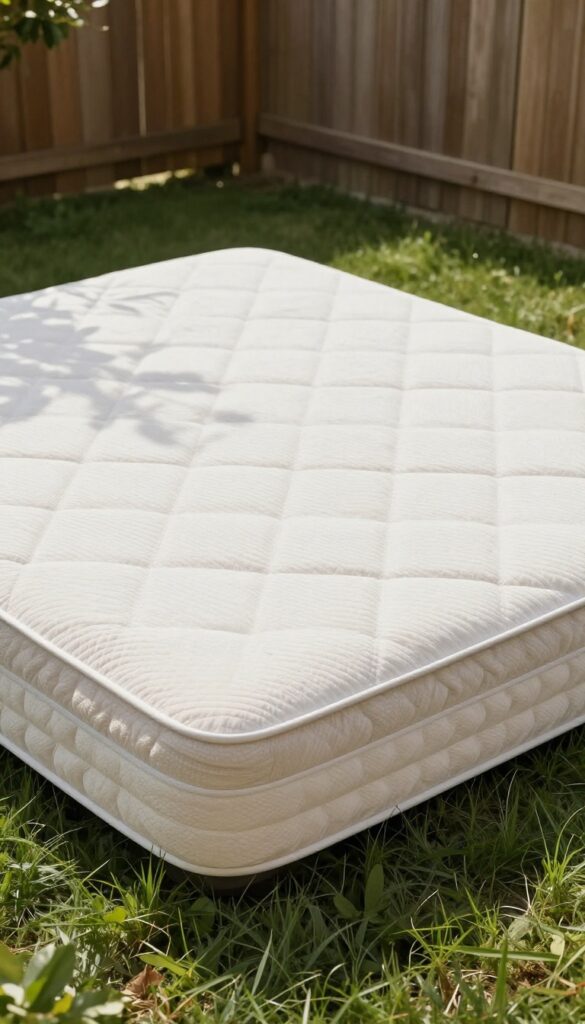
If you have a sunny day and a little outdoor space, take advantage of nature's free cleaning service. Sunlight is a powerful natural disinfectant that kills bacteria, dust mites, and mold spores while helping to dry out any trapped moisture. Plus, the fresh air works wonders on musty smells.
Moving a mattress outside isn't always easy, but the payoff is worth it. Even a few hours of direct sunlight can significantly reduce odors and refresh the fibers. Just be mindful of the weather and avoid leaving it out too long if the sun is intense, as some materials can fade or weaken over time.
Pick The Right Day
Choose a day with low humidity and plenty of sunshine. Check the forecast to make sure rain isn't expected. A dry, breezy day is ideal because airflow helps carry away moisture and odors.
Prepare The Spot
Lay down a clean tarp or old sheet on a flat surface like a patio or balcony. This keeps the mattress from getting dirty or scratched. If you're in a ground-floor home, you can also prop it against a wall, but make sure both sides get sun.
Let It Breathe
Leave the mattress outside for at least 2–4 hours, flipping it halfway through so both sides are exposed. If you can, leave it out longer—up to a full day—for maximum freshness. Just bring it in before dew settles in the evening.
11. Use a Mattress Protector
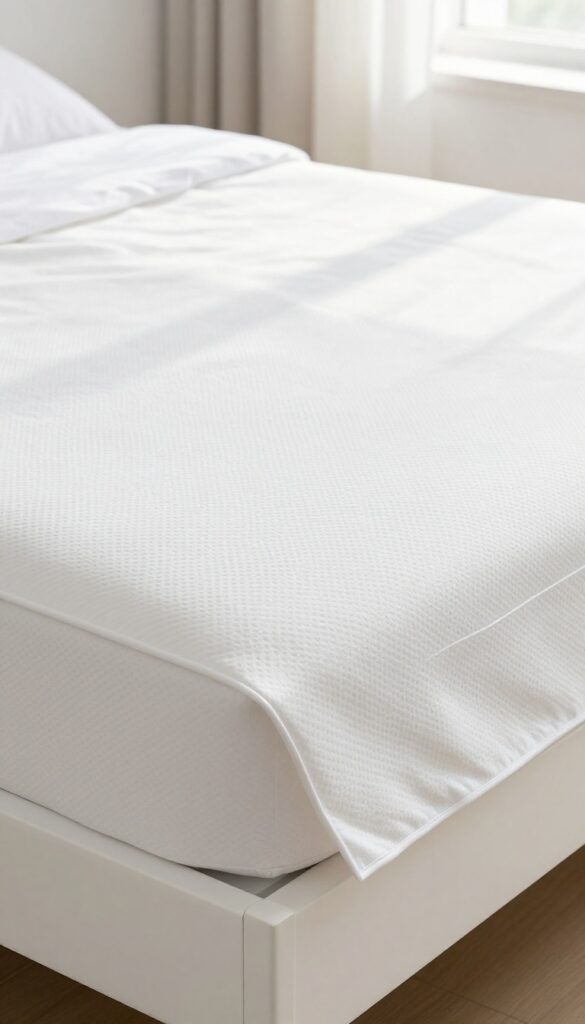
Once you've put in the effort to deep clean and deodorize your mattress, the last thing you want is for odors to return overnight. A mattress protector acts as a barrier against spills, sweat, and dust mites, keeping your mattress fresh for much longer. This simple addition is one of the most effective ways to prevent odors from building up in the first place.
A good mattress protector is waterproof yet breathable, so it won't trap heat or make you sweat. It zips around the entire mattress or fits like a fitted sheet with a waterproof layer underneath. By blocking moisture and allergens, it stops the growth of odor-causing bacteria and mold.
Plus, it's much easier to wash a protector than to clean the whole mattress again.
What To Look For
Choose a protector that is 100% waterproof but still breathable. Look for materials like cotton or bamboo blends with a polyurethane backing. Avoid vinyl or plastic-backed protectors, as they can make you hot and trap moisture against the mattress.
A good fit is also important—deep pockets or elastic edges keep it from slipping off.
How To Maintain It
Wash your mattress protector every one to two months in warm water with a mild detergent. Avoid bleach or fabric softeners, which can break down the waterproof layer. Tumble dry on low heat or air dry.
Regular washing keeps the protector fresh and effective, so your mattress stays odor-free.
When To Replace It
Even the best mattress protectors wear out over time. If you notice stains seeping through, the fabric feels thin, or the waterproof layer starts peeling, it's time for a new one. Typically, a quality protector lasts two to three years with proper care.
12. Flip and Rotate Regularly
Your mattress works hard every night, but it can't do its job well if it's always lying in the same position. Flipping and rotating it every three months isn't just about comfort—it's a key step in keeping odors from settling in. When you change the mattress's orientation, you give the compressed fibers a chance to bounce back and let trapped smells escape.
Set a calendar reminder to flip and rotate your mattress every three months. If your mattress is one-sided (only one sleep surface), just rotate it 180 degrees head-to-foot. For double-sided mattresses, flip it over and rotate it at the same time.
This simple habit prevents body impressions and allows air to circulate through different areas, reducing the buildup of sweat and body oils that cause odors. It also helps your mattress last longer, saving you money in the long run.
Why It Works Against Odors
When you sleep in the same spot night after night, moisture and skin cells accumulate in that area. Flipping and rotating redistributes your weight and exposes different sections to airflow, allowing trapped moisture to evaporate. This discourages the growth of odor-causing bacteria and dust mites.
How To Make It A Habit
Tie it to an easy-to-remember event, like the start of each season or when you change your clocks for daylight saving time. Enlist a partner or friend to help—mattresses are heavy and awkward to move alone. While you're at it, vacuum the mattress surface and let it air out for a few hours before putting the sheets back on.
13. Deep Clean Twice a Year
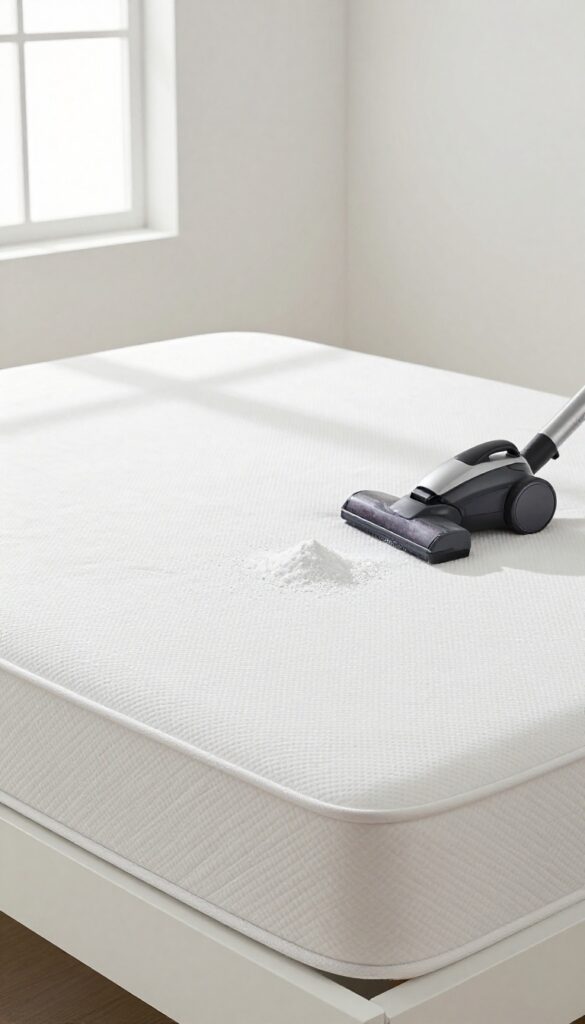
Even with regular spot cleaning and deodorizing, mattress fibers gradually trap oils, dust mites, and deeply embedded odors. That's why a thorough deep clean every six months is non-negotiable. Think of it as a reset button that removes buildup and restores freshness from the core outward.
Mark your calendar for spring and fall. These seasonal deep cleans catch the heaviest accumulation from winter layers and summer sweat. By repeating the full process from the beginning, you prevent odors from becoming permanent and extend your mattress's lifespan by years.
Why Twice A Year Works Best
Six months is the sweet spot. Any more often and you risk over‑wetting the mattress; any less and allergens and smells have time to set in. Twice‑yearly deep cleaning aligns with changing seasons, so you can air out the mattress when humidity and temperature are in your favor.
The Full Routine In One Session
Set aside a few hours. Strip all bedding, vacuum the entire surface and edges, treat any new stains, sprinkle baking soda, let it sit, then vacuum again. Finish with a gentle fabric refresher or a light spritz of diluted vinegar.
This one‑two punch removes both surface grime and deep‑set odors.
Don't Forget The Flip And Rotate
While you're deep cleaning, flip or rotate your mattress if the manufacturer allows it. This evens out wear and prevents one side from becoming a odor magnet. A rotated mattress also dries more evenly after cleaning, reducing the chance of mildew.
FAQ
How often should I clean my mattress?
Vacuum your mattress every month and deep clean it every six months. Spot clean spills immediately.
Can I use bleach on my mattress?
No, bleach can damage mattress fibers and cause discoloration. Stick to vinegar, baking soda, or enzyme cleaners.
Does baking soda really remove odors?
Yes, baking soda absorbs moisture and neutralizes acidic odors. Let it sit for several hours for best results.
How do I get rid of cigarette smoke smell?
Vacuum, then sprinkle baking soda mixed with activated charcoal. Let it sit for 24 hours, then vacuum again. Air out the room.
Is it safe to use essential oils on a mattress?
Yes, but dilute them in baking soda or water first. Avoid direct contact with mattress fabric to prevent staining.
Conclusion
A fresh mattress isn't just about looks—it's about sleeping better and breathing easier. By working through these 13 steps, you've tackled odors at their source instead of just masking them.
To keep that clean scent, vacuum your mattress every couple of months and tackle spills immediately. A little regular attention means you won't need another deep clean anytime soon.

I’m Pallab Kishore, the owner of Little Pets Realm — an animal lover and pet care enthusiast sharing easy tips, healthy recipes, and honest advice to help every small pet live a happy, healthy, tail-wagging life.