Tineco floor cleaners are amazing, but the official cleaning solutions can get pricey. You don't need to keep buying expensive refills to get sparkling floors.
With a few common household ingredients, you can whip up effective, safe alternatives that work just as well. These DIY recipes are gentle on your machine, tough on dirt, and easy on your wallet.
Whether you need an all-purpose cleaner, a pet-friendly formula, or a streak-free shine, there's a mix here for you. Let's dive into 23 practical ideas that will keep your floors fresh without the premium price tag.
1. Basic All-Purpose Vinegar Solution
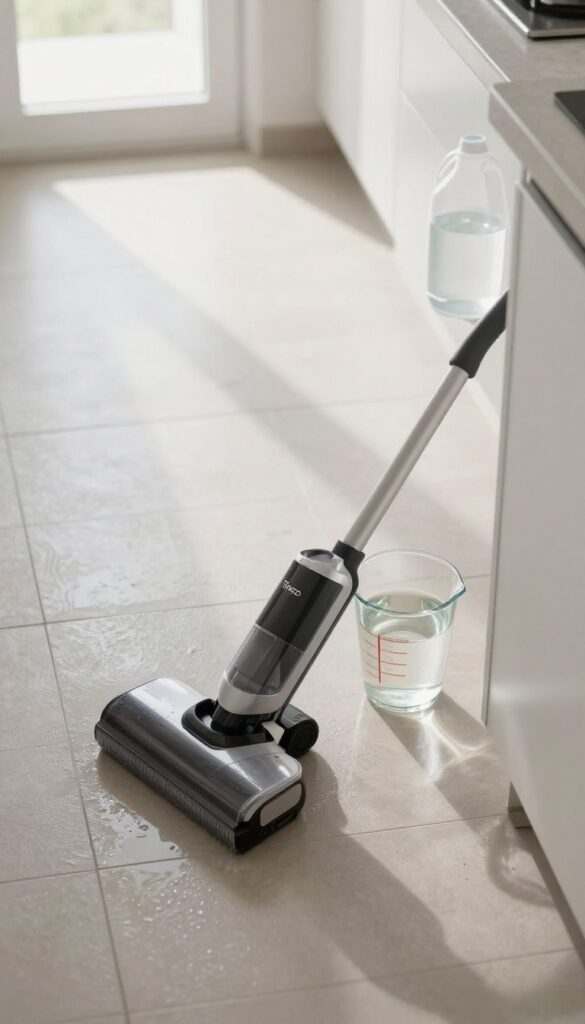
Vinegar is a powerhouse when it comes to natural cleaning. This simple mix cuts through grime, removes sticky residue, and leaves floors looking fresh. It's also safe for most sealed surfaces and won't damage your Tineco machine.
Combine one cup of white vinegar with one gallon of warm water. Shake or stir well before pouring into your Tineco's clean water tank. This solution works wonders on sealed hardwood, tile, laminate, and vinyl.
Just remember to avoid using it on unsealed wood or natural stone, as the acidity can cause damage over time.
Why Vinegar Works So Well
Vinegar is mildly acidic, which helps break down dirt, grease, and soap scum without harsh chemicals. It also deodorizes naturally, leaving floors smelling clean instead of like artificial fragrances. Plus, it's safe for your Tineco's internal components when used in the right dilution.
When To Skip This Mix
Skip vinegar on unsealed hardwood, marble, granite, or any stone surface. The acid can etch the finish or dull the shine. If you're unsure about your floor's seal, test a small hidden area first.
For these surfaces, a pH-neutral cleaner is a better choice.
Pro Tips For Best Results
Always use distilled white vinegar to avoid residue from other types. Warm water helps the vinegar mix evenly. For extra fragrance, add a few drops of lemon or orange essential oil.
Never use more than the recommended ratio—too much vinegar can leave a strong smell and may harm your floors.
2. Gentle Castile Soap Blend
Castile soap is a plant-based cleaner that's mild enough for daily use but tough on grime. Unlike harsh detergents, it won't strip your floor's finish or leave a sticky residue. This simple blend is perfect for sealed hardwood, tile, and laminate floors that need a gentle refresh.
Mix 2 tablespoons of liquid castile soap (like Dr. Bronner's) with 1 gallon of hot water. Stir gently to avoid excessive suds.
Use in your Tineco on the low-moisture setting for a quick, effective clean. The soap lifts dirt without foaming too much, keeping your machine happy.
Why Castile Soap Works
Castile soap is made from vegetable oils, so it's biodegradable and non-toxic. It cleans by emulsifying dirt and grease, which then rinse away easily. Unlike vinegar, it's pH-neutral, making it safe for delicate floor finishes.
Best Floor Types For This Mix
This blend works beautifully on sealed hardwood, vinyl, laminate, and tile. Avoid using it on unsealed wood or stone, as the moisture can cause damage. Always test a small hidden area first.
Tips For Best Results
Use warm water to help the soap dissolve completely. Don't overdo the soap—too much can leave a film. If you have hard water, add a teaspoon of distilled white vinegar to prevent mineral buildup.
3. Rubbing Alcohol for Streak-Free Shine
If you're tired of seeing streaks and water spots on your floors after mopping, rubbing alcohol is the secret ingredient you need. It evaporates quickly, leaving behind a crystal-clear finish with no residue. This simple mix is especially great for glass tile or any floor where you want that just-wiped look.
Mix 1/2 cup of rubbing alcohol, 1 teaspoon of dish soap, and 1 gallon of warm water in your Tineco's tank. The alcohol cuts through grease and speeds up drying time, while the dish soap lifts dirt. Use it on sealed hardwood, tile, or laminate, but avoid unsealed wood or stone.
For extra fragrance, add a few drops of lemon essential oil.
Why Rubbing Alcohol Works
Rubbing alcohol is a solvent that dissolves grime and evaporates rapidly. This means less moisture sits on your floor, reducing the risk of water damage and preventing streaks. It's also a mild disinfectant, giving your floors a quick sanitizing boost without harsh chemicals.
Best Floor Types For This Mix
This recipe shines on sealed surfaces like ceramic tile, vinyl, and engineered hardwood. Avoid it on unsealed natural stone or unfinished wood, as alcohol can strip sealants. When in doubt, test a small hidden area first.
Pro Tips For Best Results
Use a microfiber mop pad and don't over-wet the floor. Let the solution do the work. If you notice suds, reduce the dish soap to 1/2 teaspoon.
For a streak-free finish, dry the floor with a clean microfiber cloth after mopping.
4. Hydrogen Peroxide Disinfectant
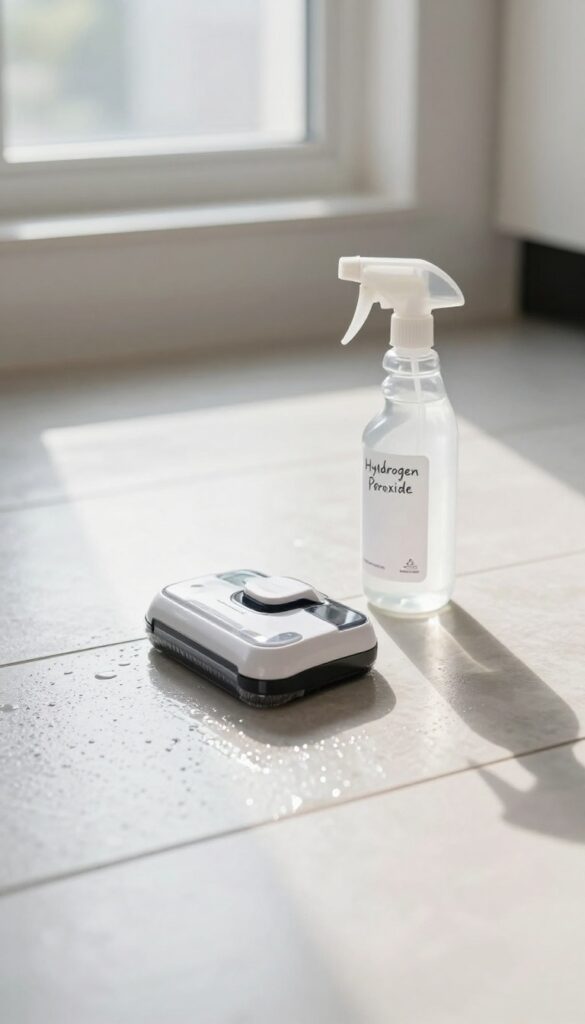
When you need to sanitize your floors without reaching for harsh chemicals, hydrogen peroxide steps in as a reliable option. This common household staple kills bacteria and viruses effectively, yet it breaks down into harmless water and oxygen. It's especially handy in kitchens, bathrooms, or any area where you want a deeper clean without a strong chemical smell.
Why It Works
Hydrogen peroxide is a natural disinfectant that fizzes away dirt and grime while killing germs. At 3% concentration, it's safe for sealed hard floors like tile, vinyl, and laminate. Unlike bleach, it won't produce toxic fumes or discolor most surfaces when diluted properly.
How To Mix And Use
Combine 1/2 cup of 3% hydrogen peroxide with 1 gallon of warm water in your Tineco's clean water tank. Run a normal cleaning cycle. For best results, use it on floors that are already swept or vacuumed.
Avoid using on unsealed wood or natural stone, as peroxide can damage these surfaces.
Safety And Storage Tips
Hydrogen peroxide degrades when exposed to light, so store the solution in a dark or opaque container if you make extra. Always label your DIY mix and keep it out of reach of kids and pets. Since it's a mild bleach alternative, test a small hidden area first to ensure colorfastness.
5. Lemon Juice Fresh Scent
A light citrus scent can make your whole home feel cleaner. Lemon juice is a natural degreaser and deodorizer that works beautifully in floor cleaning solutions. It cuts through kitchen grime and leaves a fresh, non-chemical fragrance.
This simple recipe combines lemon juice with white vinegar for a powerful yet gentle cleaner. The lemon juice helps break down grease while the vinegar sanitizes and removes dirt. Together they create a solution that's safe for sealed hard floors and Tineco machines.
Why Lemon Juice Works
Lemon juice contains citric acid, which helps dissolve mineral deposits and soap scum. It's also a natural antibacterial agent. When mixed with vinegar, it creates a balanced pH that won't harm your Tineco's water tank or spray mechanism.
How To Mix It
Add 1/4 cup lemon juice and 1/2 cup white vinegar to 1 gallon of warm water. Stir gently. Pour the mixture into your Tineco's clean water tank.
Use as you normally would for a full floor cleaning cycle.
Best Uses And Tips
This formula is ideal for kitchens, dining areas, and entryways where you want a fresh scent. Avoid using it on unsealed wood or natural stone floors. Always test in an inconspicuous area first.
For extra fragrance, add 5 drops of lemon essential oil.
6. Baking Soda for Tough Grime
Baking soda is a gentle abrasive that can tackle stubborn grime without scratching your Tineco's brush roll or your floor finish. When diluted in warm water, it breaks down sticky residues and dried-on spills that regular cleaners might leave behind. This simple solution is especially handy for high-traffic areas or spots where dirt has had time to set.
For a baking soda floor cleaner, mix 2 tablespoons of baking soda into 1 gallon of warm water until fully dissolved. Pour the mixture into your Tineco's clean water tank and proceed with your usual mopping routine. The fine particles help lift dirt while the alkaline nature of baking soda neutralizes odors.
This mix works best on ceramic tile, vinyl, and sealed hardwood—but avoid it on unsealed wood or laminate, as the abrasive could dull the finish over time.
When To Use It
Reach for this solution when you notice sticky footprints in the kitchen, dried mud near entryways, or cloudy residue on tile grout. It's also great for refreshing floors after a party or heavy foot traffic. Because baking soda is mild, you can use it weekly without worrying about buildup.
Pro Tips For Best Results
Always dissolve the baking soda completely before adding it to the tank to prevent clogs. For extra grime, let the solution sit on the floor for a minute before mopping. Afterward, run a plain water rinse cycle to remove any remaining powder.
Test on a small hidden area first, especially if you have delicate flooring.
7. Tea Tree Oil Antibacterial Mix
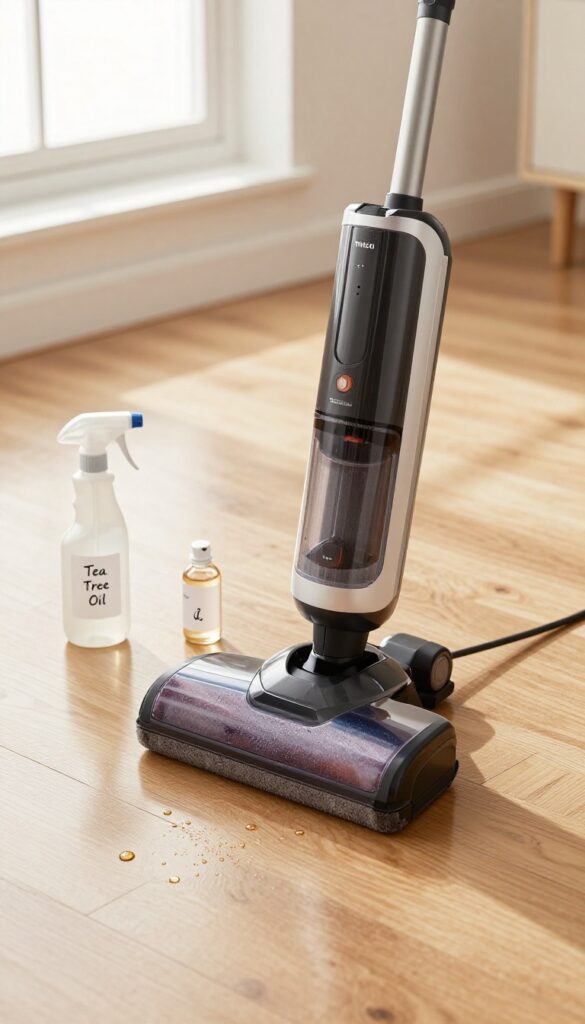
Tea tree oil is a powerhouse when it comes to natural disinfection. This simple blend gives you a safe, effective way to kill germs on your floors without harsh chemicals. Plus, it leaves behind a fresh, clean scent that isn't overpowering.
This mix is perfect for high-traffic areas or homes where you want extra sanitation without the worry of toxic residues. The vinegar cuts through grease and grime while the tea tree oil tackles bacteria and fungi. It's gentle enough for sealed hardwood, tile, and laminate—just avoid unsealed wood.
Why It Works
Tea tree oil contains terpinen-4-ol, a compound known for its antimicrobial properties. When combined with vinegar's acetic acid, you get a one-two punch against common household germs. A 2016 study found that a 5% tea tree oil solution killed E. coli and Staphylococcus aureus within minutes.
How To Mix And Use
Fill your Tineco's clean water tank with 1 gallon of warm water. Add 1/4 cup white vinegar and 10 drops of pure tea tree oil. Swirl gently to combine.
Run your Tineco as usual—the solution won't harm the machine. For best results, use on floors that are already swept or vacuumed.
Safety And Storage Tips
Always use 100% pure tea tree oil, not a fragrance oil. If you have pets, note that tea tree oil can be toxic in high concentrations—stick to the recommended 10 drops per gallon. Store any leftover solution in a labeled bottle for up to a week, but shake before each use.
8. Baby Shampoo Gentle Cleaner
Baby shampoo isn't just for little ones—it's a surprisingly effective and gentle floor cleaner. If you have delicate floor finishes like waxed hardwood or luxury vinyl, harsh chemicals can do more harm than good. A mild baby shampoo mix lifts everyday dirt without stripping the protective layer, leaving floors clean and soft.
Mix 1/4 cup baby shampoo with 1 gallon of warm water. Stir gently to avoid too many suds—excess foam can leave a residue. Use this solution in your Tineco's water tank and run a normal cleaning cycle.
It's also great for spot cleaning sticky messes without worrying about damage.
Why Baby Shampoo Works
Baby shampoo is formulated to be tear-free and pH-balanced, which means it's very gentle. It won't dull or discolor floor finishes, and it rinses clean without leaving a soapy film. This makes it ideal for regular maintenance cleaning on sensitive surfaces.
Best Floor Types For This Mix
This cleaner is perfect for sealed hardwood, laminate, vinyl, and tile floors. Avoid using it on unsealed wood or natural stone, as excess moisture can cause damage. Always test on a small, hidden area first to be sure.
Tips For Best Results
Use warm (not hot) water to help the shampoo dissolve evenly. Don't overdo the shampoo—more isn't better and can leave streaks. For extra fragrance, add a few drops of lavender or lemon essential oil, but make sure your Tineco can handle oils (check your manual).
9. Dish Soap Degreaser
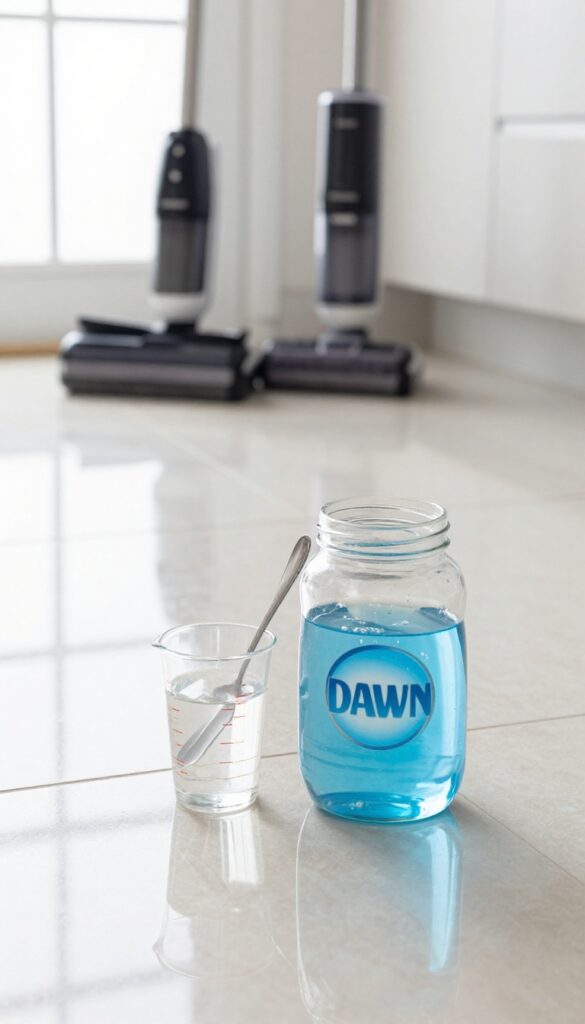
Kitchen floors take a beating from cooking splatters and greasy spills. A simple mix of blue Dawn dish soap and water cuts through that grime without damaging your Tineco. This is a go-to recipe when you need heavy-duty cleaning power from everyday ingredients.
Blue Dawn is known for its grease-cutting ability, yet it's gentle enough for sealed hard floors. The key is using just a teaspoon per gallon of warm water—too much suds can harm your machine. Swish until dissolved, then fill your Tineco's clean water tank.
Run a normal cycle and watch the grime disappear. Rinse with plain water afterward to prevent any residue.
Why Blue Dawn Works Best
Regular dish soaps can contain moisturizers or dyes that leave a film. Blue Dawn is pure, concentrated, and low-sudsing when diluted properly. It breaks down oil and grease on contact, making it ideal for kitchen floors that see daily cooking messes.
How To Use It Safely
Never pour dish soap directly into the tank. Always pre-dilute in a separate container. Use warm water to help the soap dissolve completely.
After cleaning, run a rinse cycle with plain water to flush the system. This prevents soap buildup in the machine's internal parts.
Best Floor Types For This Mix
This solution works well on sealed vinyl, laminate, tile, and linoleum. Avoid it on unsealed wood or natural stone, as the soap can dull the finish over time. If you're unsure, test in an inconspicuous spot first.
10. Salt for Extra Scrubbing Power
Sometimes plain vinegar and water just don't cut it on ground-in dirt. A simple kitchen staple—table salt—can give your DIY cleaner the gentle abrasive boost it needs without damaging your floors or Tineco machine. Salt particles are water-soluble and fine enough to help lift embedded grime while rinsing away completely.
Adding just a quarter cup to your standard vinegar-water mix turns an everyday cleaner into a mild scrub that tackles tougher messes.
Salt is a natural abrasive that dissolves in water, so it won't clog your Tineco's spray nozzles or leave residue. It's especially effective on tile grout lines and textured flooring where dirt tends to hide. The key is using fine table salt, not coarse kosher or rock salt, to prevent any scratching.
This simple addition can make a noticeable difference on high-traffic areas without requiring extra elbow grease.
Why Salt Works Without Scratching
Salt crystals are angular but soft enough to break down dirt particles without harming floor finishes. They dissolve quickly in the cleaning solution, so any abrasive action happens only while the solution is wet. Once dry, there's no gritty residue left behind.
This makes salt a safe choice for sealed hardwood, vinyl, laminate, and tile floors when used in the recommended amount.
Best Floors For Salt-enhanced Cleaner
This mixture shines on ceramic tile, porcelain, and stone floors where ground-in dirt is common. It also works well on vinyl and linoleum that have textured surfaces. Avoid using it on unsealed natural stone or waxed floors, as the salt could dull the finish over time.
Always test a small hidden area first to confirm compatibility with your specific flooring.
How To Mix And Use It
Combine 1/4 cup table salt with 1 gallon of a 50/50 white vinegar and water solution. Stir until the salt is mostly dissolved. Pour the mixture into your Tineco's clean water tank and run a normal cleaning cycle.
For extra stubborn spots, you can pre-treat by sprinkling a pinch of salt directly on the area and spraying the solution before mopping.
11. Essential Oil Scent Blend
If you love a fresh-smelling home but want to avoid artificial fragrances, this DIY solution is your answer. Essential oils not only add a pleasant scent but also bring natural antibacterial properties to your floor cleaning routine. Mixing your own blend is simple and lets you customize the aroma to match your mood or season.
Combine 1/2 cup of white vinegar with 1 gallon of warm water in a bucket or directly in your Tineco's clean water tank. Add 15 drops of your favorite essential oil—lavender for relaxation, lemon for a clean citrus kick, or tea tree for extra disinfecting power. Swirl gently to mix, then use as you normally would.
The vinegar smell evaporates quickly, leaving behind just the pleasant essential oil scent.
Choosing Your Oils
Not all essential oils are floor-friendly. Stick with oils like lavender, lemon, orange, peppermint, or eucalyptus. Avoid thick oils like cinnamon or clove that can leave residue.
For a custom blend, try 5 drops each of lemon, lavender, and peppermint for a fresh, uplifting scent.
Safe For Your Machine
This solution is safe for Tineco washers because it uses low concentrations of vinegar and oil. The vinegar helps cut grime without damaging seals, and the oils won't clog the system if used sparingly. Always check your Tineco manual to confirm vinegar is okay for your model.
Storage Tips
Mix only what you need for one use, as the solution doesn't store well. If you prep a larger batch, keep it in a sealed glass jar and use within a week. Shake well before each use since oils can separate.
Label the jar with the date and oil blend so you remember your favorite mix.
12. Borax for Heavy-Duty Cleaning
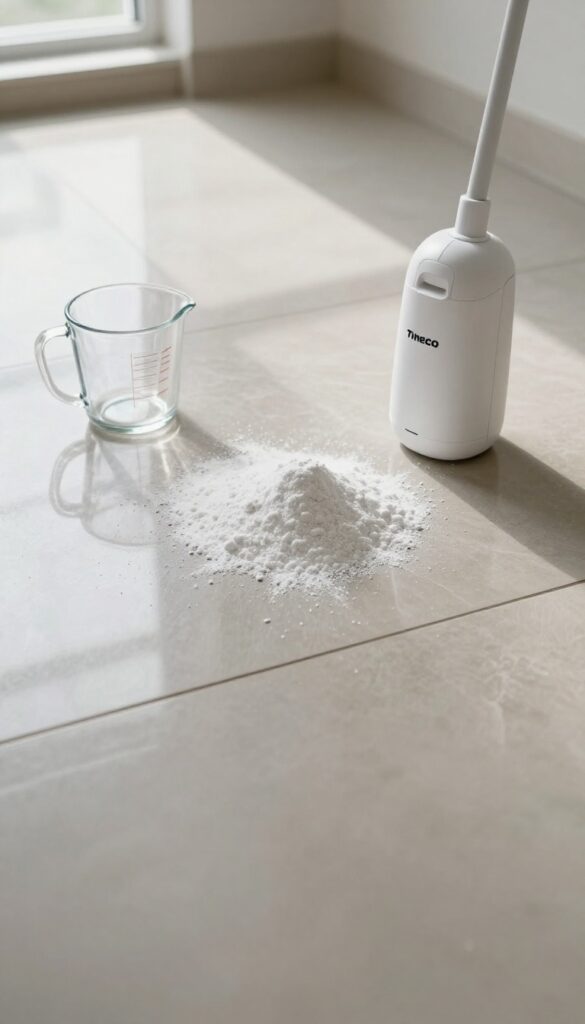
High-traffic areas like entryways and hallways can develop a stubborn layer of grime that gentle cleaners just can't touch. Borax steps in as a heavy-duty cleaner that cuts through built-up dirt without damaging your Tineco. It's a mineral-based powder that's been trusted for decades—safe for most hard floors when used correctly.
This recipe is perfect for monthly deep cleans or when you notice a dull film on your floors. The borax dissolves in hot water to create a powerful cleaning solution that lifts ground-in dirt and neutralizes odors. Always test on a small, hidden area first, especially on sealed hardwood or laminate, to ensure compatibility.
How To Mix It
In a gallon of hot water (not boiling), stir in 1/4 cup of borax until fully dissolved. Pour the mixture into your Tineco's clean water tank. Use this solution only on floors that can tolerate a slightly alkaline cleaner—tile, vinyl, and sealed stone are great candidates.
When To Use It
Reserve this mix for weekly or bi-weekly cleaning of entryways, kitchen floors, and other high-traffic zones. For everyday maintenance, stick with a milder DIY solution. The borax solution is also excellent for removing sticky residues from spills that have dried and bonded to the floor.
Safety Tips
Borax is low-toxicity but should be kept away from pets and children during cleaning. Rinse the floor with plain water after using this solution if you prefer no residue. Always check your Tineco manual—some models may recommend avoiding borax to prevent mineral buildup.
If in doubt, use it sparingly.
13. Rubbing Alcohol and Vinegar Glass Cleaner
Tired of hazy streaks on your tile floors after mopping? This simple glass cleaner recipe cuts through grime and dries crystal clear. It's perfect for giving your floors that just-washed sparkle without any residue.
Why It Works
Rubbing alcohol evaporates quickly, which prevents water spots and streaks. White vinegar cuts through grease and dirt. Together, they create a powerful, fast-drying cleaner that leaves tile looking like glass.
How To Mix And Use
In a large bucket, combine 1/2 cup rubbing alcohol, 1/2 cup white vinegar, and 1 gallon of warm water. Stir gently. Fill your Tineco's clean water tank and mop as usual.
The solution is safe for sealed tile, vinyl, and laminate.
Pro Tips
Test on an inconspicuous area first, especially on unsealed natural stone. Avoid using on waxed floors as alcohol can strip the wax. For extra fragrance, add 10–15 drops of lemon essential oil.
14. Glycerin for Shine
A little glycerin goes a long way in giving your sealed floors a subtle, healthy-looking gloss. This simple addition won't leave a sticky residue or attract dust, making it perfect for maintaining that just-mopped look between deep cleans.
Vegetable glycerin is a natural humectant that adds a light sheen without the harsh chemicals found in many commercial floor polishes. It's safe for sealed hardwood, tile, and vinyl when used sparingly. Just add 1 tablespoon to a gallon of water in your Tineco's tank, and mop as usual.
The glycerin film is thin enough to dry clear and won't build up over time if you use it every few cleanings.
Why Glycerin Works
Glycerin attracts moisture from the air, which helps the solution spread evenly and dry with a uniform shine. Unlike oils, it's water-soluble and rinses away easily, so your floors won't feel greasy or slippery.
Best Floor Types
This recipe is ideal for sealed hardwood, luxury vinyl plank, and ceramic tile. Avoid using it on unsealed wood or stone, as the moisture could cause damage. Always test a small hidden area first.
Pro Tips For Best Results
Use a microfiber pad and avoid over-wetting the floor. The glycerin solution works best when you mop with a light, even hand. For extra shine, buff the floor with a dry microfiber cloth after mopping.
15. Pet-Safe Enzyme Cleaner
Pets bring joy, but they also bring messes—urine stains, drool, and muddy paw prints. Many commercial cleaners contain harsh chemicals that can irritate your furry friend's paws or respiratory system. This enzyme-based DIY solution is gentle yet powerful, breaking down organic messes without leaving toxic residues.
It's safe for use around pets and effective on a variety of floor types, from tile to sealed hardwood.
This cleaner harnesses the natural cleaning power of hydrogen peroxide and dish soap to lift and dissolve pet-related stains and odors. The hydrogen peroxide acts as a mild bleach and disinfectant, while the dish soap cuts through grease and grime. Always test on an inconspicuous area first, especially on colored or unsealed floors.
Why It Works
Hydrogen peroxide is an oxidizing agent that breaks down organic compounds like urine and saliva. When combined with dish soap, it creates a solution that penetrates stains and neutralizes odors at the source. Unlike bleach, it's safe for pets once dry and won't harm your Tineco's internal components.
How To Mix And Use
In a large bucket, combine 1/4 cup hydrogen peroxide (3% solution), 1 teaspoon mild dish soap (like Dawn), and 1 gallon of warm water. Stir gently to avoid excessive suds. Fill your Tineco's clean water tank with the mixture and mop as usual.
For tough spots, apply directly to the stain, let sit for 5 minutes, then mop.
Storage And Safety Tips
Use this solution within 24 hours, as hydrogen peroxide loses its effectiveness when exposed to light and air. Store in a dark, sealed container if needed. Keep out of reach of pets until the floor is completely dry.
Avoid using on unsealed wood or delicate natural stone.
16. OxiClean Stain Remover
OxiClean isn't just for laundry—it works wonders on floors too. The oxygen bleach lifts ground-in dirt and discoloration without harsh scrubbing. This solution is perfect for restoring dingy grout lines or removing dark spots from spills that have set in.
Mix 1 scoop of OxiClean powder with 1 gallon of warm water until fully dissolved. Use this solution in your Tineco for a deep clean cycle. It's especially effective on ceramic tile, vinyl, and sealed hardwood.
Avoid using on unsealed wood or stone, as the oxygen bleach can damage the finish.
How It Works
OxiClean contains sodium percarbonate, which releases hydrogen peroxide when mixed with water. This creates an oxygenated cleaning action that breaks down organic stains and brightens surfaces. The fizzing action helps lift dirt from pores and grout lines.
Best Floor Types
This solution works best on non-porous, sealed surfaces like ceramic tile, porcelain, vinyl, and laminate. It can also be used on sealed hardwood, but test in an inconspicuous area first. Avoid using on unsealed natural stone, unglazed tile, or waxed floors.
Safety Tips
Always dissolve the powder completely before adding to your Tineco tank to prevent clogs. Do not mix with vinegar or ammonia, as this can create harmful fumes. Rinse the floor with plain water after cleaning to remove any residue.
17. Simple Water Rinse
Sometimes the best cleaner is no cleaner at all. A simple water rinse is perfect for refreshing floors between deeper cleanings. It removes dust, light dirt, and residue without introducing any chemicals.
Using plain warm water in your Tineco is a safe, effective way to maintain floors daily. It's especially useful after vacuuming to pick up any remaining fine particles. This method is gentle on all floor types and keeps your machine running smoothly.
When To Use It
Ideal for quick cleanups after a party, between deep cleans, or when floors just need a light refresh. It's also great for rinsing away leftover cleaning solution from previous mopping.
How To Do It Right
Fill the clean water tank with warm (not hot) water. Run your Tineco as usual. Empty the dirty water tank after each use.
For best results, use distilled water to avoid mineral buildup.
Pro Tips
Add a few drops of white vinegar occasionally to help sanitize and remove odors. But for a pure water rinse, skip the vinegar. Always check your floor manufacturer's guidelines first.
18. Apple Cider Vinegar for Wood Floors
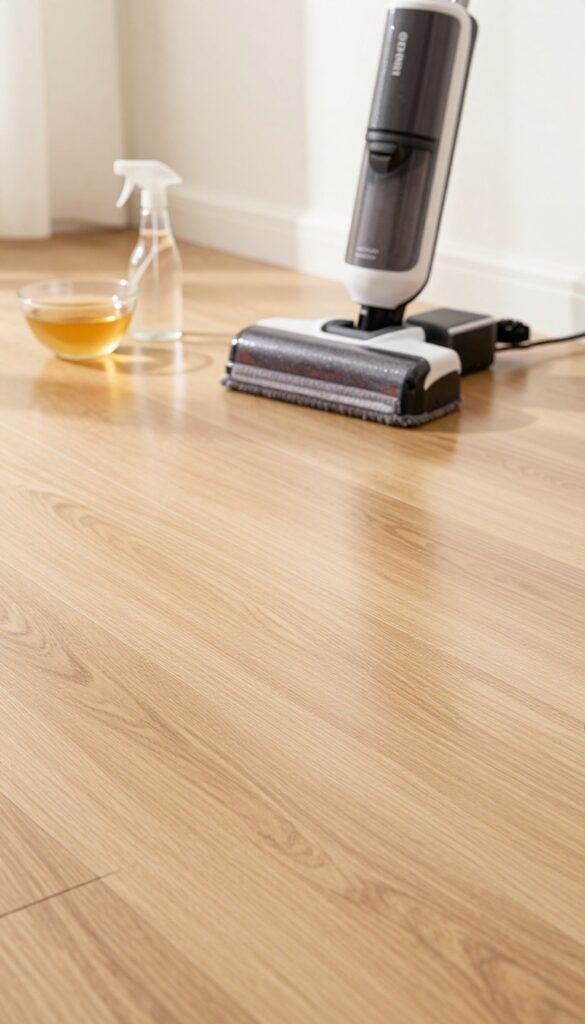
Apple cider vinegar is a gentler alternative to white vinegar for wood floors. It cleans effectively without dulling the finish or leaving a strong smell. This simple recipe is perfect for regular maintenance and keeps your floors looking fresh.
Mix 1/2 cup apple cider vinegar with 1 gallon of warm water. The acidity cuts through grime while being mild enough for sealed wood floors. Use a Tineco on low moisture setting to avoid excess water.
This solution is safe for most wood finishes, but always test in an inconspicuous area first.
Why Apple Cider Vinegar Works
Apple cider vinegar has a lower acidity than white vinegar, making it less harsh on wood sealants. It still breaks down dirt and residue without stripping the finish. The natural scent fades quickly, leaving a clean, subtle aroma.
Best Practices For Wood Floors
Always use a damp—not wet—mop. Tineco's smart sensors help control water flow, but you should still avoid pooling. Wipe up any standing water immediately.
For best results, use this solution weekly and follow with a dry microfiber pad.
When To Avoid This Mix
Do not use on unsealed or waxed wood floors, as vinegar can damage the surface. If your floors look dull after cleaning, switch to a pH-neutral cleaner. Also avoid using on floors with deep scratches or worn areas where moisture can seep in.
19. Washing Soda for Tough Stains
Some stains just refuse to budge—dried-on mud, red wine spills, or grease spots that have been sitting for days. Baking soda is great for everyday cleaning, but when you need something stronger, washing soda is your secret weapon. It's more alkaline, which means it cuts through stubborn grime without damaging your Tineco or your floors.
Washing soda (sodium carbonate) is a natural cleaner that's stronger than baking soda but still safe for sealed floors and your machine. It's excellent for breaking down grease, food residue, and set-in stains that regular cleaners leave behind. Just be sure to use it sparingly and always test on a hidden area first, especially on delicate surfaces like unsealed wood or laminate.
How To Mix It
Start by dissolving 1/4 cup of washing soda in 1 gallon of hot water. Stir until the powder is fully dissolved—no grit should remain. Pour the solution into your Tineco's clean water tank.
That's it. The hot water helps activate the washing soda, making it more effective against tough stains.
Best Floors For This Mix
This solution works wonders on ceramic tile, vinyl, linoleum, and sealed hardwood. Avoid using it on unsealed wood, marble, or other natural stone, as the alkalinity can dull the finish over time. For everyday cleaning on sensitive surfaces, stick with milder recipes.
Pro Tips For Stubborn Spots
For extra-tough stains, pre-treat the area by sprinkling a small amount of dry washing soda directly on the stain, then spritz with water to make a paste. Let it sit for 5–10 minutes before running your Tineco over it. Always rinse the floor with plain water afterward to remove any residue.
20. Rubbing Alcohol and Baby Oil Shine
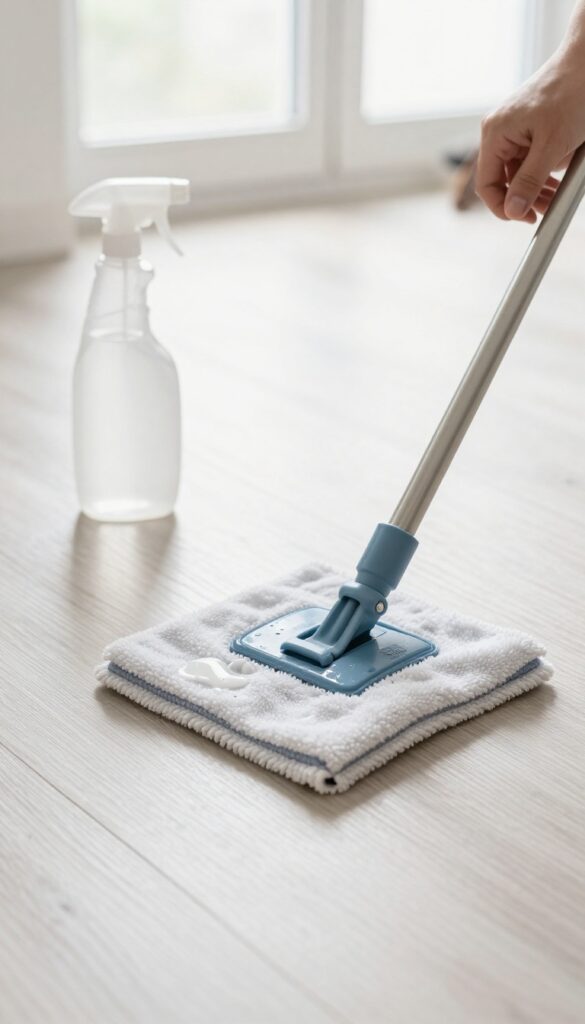
If you want floors that look polished without the heavy buildup of commercial waxes, this simple mix delivers. Rubbing alcohol cuts through grime and evaporates quickly, while a tiny bit of baby oil leaves behind a subtle, non-greasy sheen. It's a great option for laminate and tile floors that need a little extra glow.
This recipe is all about balance—too much oil and you'll get streaks; too little and you won't notice the shine. The alcohol sanitizes and dries fast, so you can walk on your floors almost immediately. Perfect for a quick refresh between deeper cleans.
Why It Works
Rubbing alcohol is a solvent that dissolves sticky residues and dries without residue. Baby oil adds a microscopically thin layer of mineral oil that reflects light, giving floors a polished look. The key is the ratio: 1/2 cup alcohol to just 1 teaspoon oil per gallon of water keeps it light.
Best Floor Types
This mix shines on sealed laminate, vinyl, ceramic tile, and linoleum. Avoid it on unsealed wood or natural stone, as the alcohol can strip sealants and the oil may leave a film. Always test in an inconspicuous spot first.
Application Tips
Use a spray bottle or a damp mop—don't saturate the floor. Work in small sections, and buff with a dry microfiber cloth if you notice any streaks. For best results, use distilled water to prevent mineral spots.
21. Cornstarch for Grease Absorption
Greasy kitchen floors are a pain, especially after cooking. Cornstarch is a natural absorbent that can lift that oily residue without harsh scrubbing. This simple mix cuts through the grease while being gentle on your Tineco machine.
Cornstarch works by binding to grease particles, making them easier to wipe away. When combined with water, it creates a mild abrasive that helps loosen stuck-on grime without scratching your floors. It's especially effective on tile, vinyl, and laminate surfaces.
How To Mix It
Stir 2 tablespoons of cornstarch into 1 gallon of warm water until fully dissolved. Pour the mixture into your Tineco's clean water tank. Use it like you would any other cleaning solution—your machine will do the rest.
Best Floor Types
This solution works great on sealed tile, vinyl, and laminate floors. Avoid using it on unsealed wood or natural stone, as the cornstarch may leave a residue. Always test in an inconspicuous area first.
Pro Tips
For extra stubborn grease, let the solution sit on the floor for a minute before mopping. You can also add a drop of dish soap for tougher jobs, but skip it if you have a Tineco with a foam sensor to avoid excess suds.
22. White Vinegar and Dish Soap Combo
This simple two-ingredient mix is a workhorse for everyday cleaning. White vinegar cuts through grime and deodorizes, while a tiny bit of dish soap tackles grease. Together they make a balanced cleaner that works on tile, vinyl, laminate, and sealed hardwood—just avoid unsealed wood.
It’s cheap, effective, and safe for your Tineco.
Mix 1/2 cup white vinegar, 1 teaspoon dish soap, and 1 gallon warm water. Stir gently to avoid suds. Fill your Tineco’s clean water tank and use as usual.
The vinegar smell disappears once floors dry. For extra fragrance, add 10 drops of lemon or lavender essential oil.
Why This Combo Works
Vinegar is acidic enough to dissolve dirt, soap scum, and mild stains without damaging floor finishes. Dish soap breaks down grease and food residue. Together they handle daily messes without leaving sticky residue.
Just keep the soap amount small—too much can cause foaming in your machine.
Best Floor Types For This Mix
Sealed hardwood, ceramic tile, vinyl, linoleum, and laminate all handle this solution well. Avoid unsealed wood, stone like marble or limestone, and any floor with a wax finish—vinegar can dull those surfaces. If unsure, test a small hidden area first.
Tips For Best Results
Always use warm water to help ingredients blend. Don’t shake the mixture—just stir. Pour it into your Tineco’s tank slowly to avoid air bubbles.
After mopping, let floors air dry completely. For heavy traffic areas, you can mop again with plain water to remove any leftover residue.
23. Distilled Water for Sensitive Machines
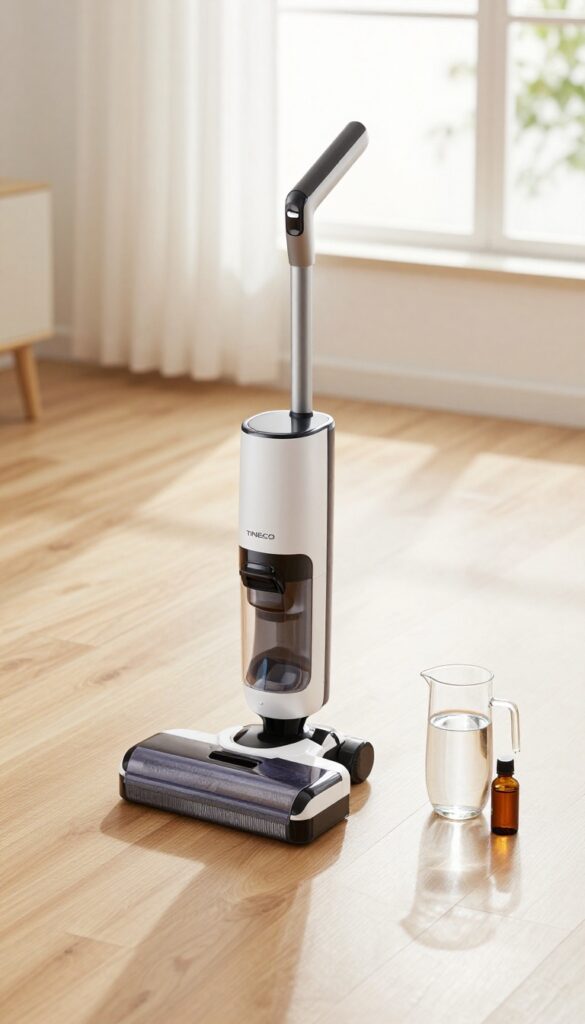
Your Tineco is a precision tool, and the water you put in it matters more than you might think. Tap water contains minerals like calcium and magnesium that can build up inside the machine over time, leading to clogs and reduced performance. Distilled water is the simplest way to avoid that headache entirely.
Switching to distilled water is one of the easiest changes you can make. It's cheap, widely available, and completely free of the minerals that cause scale. Plus, you can add a few drops of your favorite essential oil for a light, natural scent without worrying about residue.
Just remember to use a high-quality oil and only a drop or two—too much can leave a film.
Why Distilled Water Works
Distilled water has been boiled and condensed, removing nearly all dissolved solids. This means no mineral deposits in your Tineco's tank, filters, or spray nozzles. Your machine stays cleaner longer, and you avoid costly repairs or replacements.
Adding A Light Scent
Plain distilled water is odorless, but a drop of lemon, lavender, or tea tree oil can add a fresh, clean smell. Essential oils are natural and won't harm your Tineco when used sparingly. Shake gently before each use to mix the oil, as it won't dissolve completely in water.
When To Use This Mix
This is perfect for daily or weekly maintenance cleaning on sealed hard floors. It's especially great for households with pets or kids, since there are no harsh chemicals. Use it as a rinse after a deeper clean to leave floors spotless and residue-free.
FAQ
Can I use vinegar in my Tineco floor cleaner?
Yes, but only on sealed floors. Avoid vinegar on unsealed wood, stone, or marble as it can damage the finish.
Will DIY solutions void my Tineco warranty?
Using non-approved solutions may void the warranty if they cause damage. Stick to gentle, low-foam recipes to be safe.
How often should I clean my Tineco after using DIY solutions?
Rinse the tank and brush roll after each use to prevent residue buildup. Deep clean the machine monthly.
Can I use essential oils in my Tineco?
Yes, but only a few drops per gallon. Too much oil can clog the machine or leave a residue.
What is the best DIY solution for pet urine stains?
Use the hydrogen peroxide and dish soap mix (idea #15). It helps break down enzymes and neutralize odors.
Conclusion
DIY floor cleaning solutions are a smart way to keep your Tineco running well without spending a fortune on branded refills. Most of these recipes use ingredients you already have in your pantry, so you can mix up a fresh batch anytime.
Just remember to test any new solution on a small hidden area first, and always follow your machine's care guidelines. With these 23 ideas, you'll have clean, fresh floors every time you mop.