
A backyard dog run can be a game-changer for both you and your pup. It gives your dog a dedicated space to burn energy while keeping your garden intact. The right setup makes all the difference in safety and enjoyment.
But not all dog runs are created equal. What works for a high-energy herding breed might not suit a senior lapdog. The key is matching the design to your dog's needs and your yard's layout.
These 10 ideas cover everything from simple DIY upgrades to full-scale installations. Whether you have a sprawling lawn or a compact city yard, there's a solution here that will make tails wag.
1. Turf-Based Dog Run for Easy Cleanup
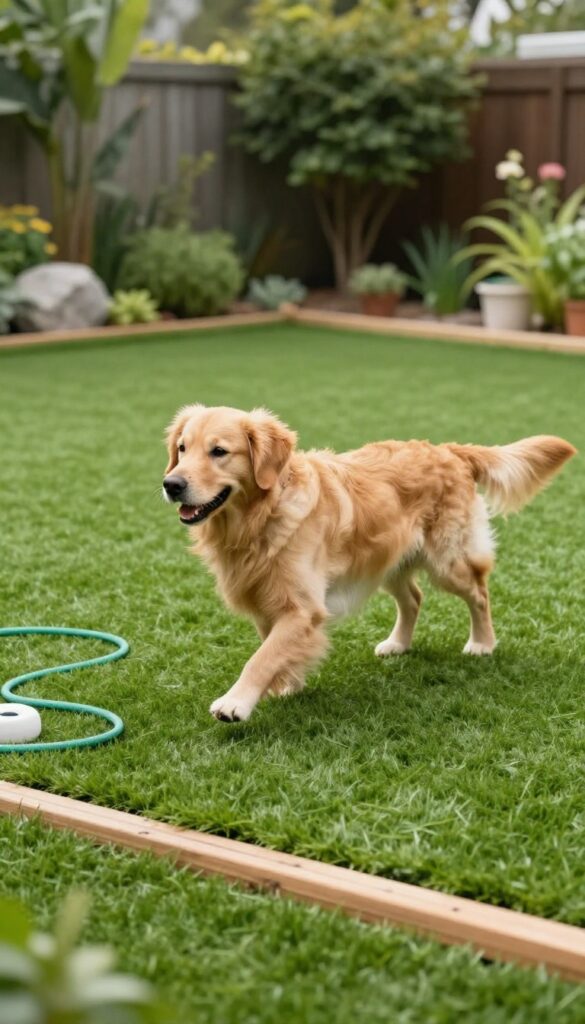
Artificial turf has become a go-to surface for dog owners who want a clean, low-maintenance run. Unlike natural grass, it won't turn into a mud pit after rain or get dug up by an enthusiastic pup. The result is a durable, always-green space that's ready for play any time of year.
Dog owners love how easy it is to keep sanitary. A quick hose-down removes waste and odors, and the drainage system prevents puddles. Plus, turf stands up to heavy traffic without developing bald spots or ruts.
Why It Works
Turf drains quickly and doesn't hold onto dirt or moisture, so your dog stays cleaner and your yard stays neater. It also eliminates muddy paw prints tracking through the house. The cushioning layer underneath provides joint-friendly padding, making it comfortable for dogs to run and play.
Best For
This is ideal for high-energy dogs who love to dig or sprint, especially in wet climates. It's also a top choice for owners who want a tidy, low-maintenance yard without sacrificing play space. Great for small to medium yards where natural grass struggles.
Practical Tip
Install a perimeter border of treated wood or metal edging to keep the turf secure and prevent digging underneath. Choose a turf with an infill of sand or rubber for better drainage and odor control. Rinse the area weekly and use a pet-safe deodorizer to keep it fresh.
Budget-Friendly Option
If full turf installation is out of budget, try interlocking rubber pavers or outdoor carpet tiles. They offer similar ease of cleanup and durability at a fraction of the cost. Just ensure they have drainage holes or are placed over a gravel base.
2. Shade Sail Canopy for Sun Protection
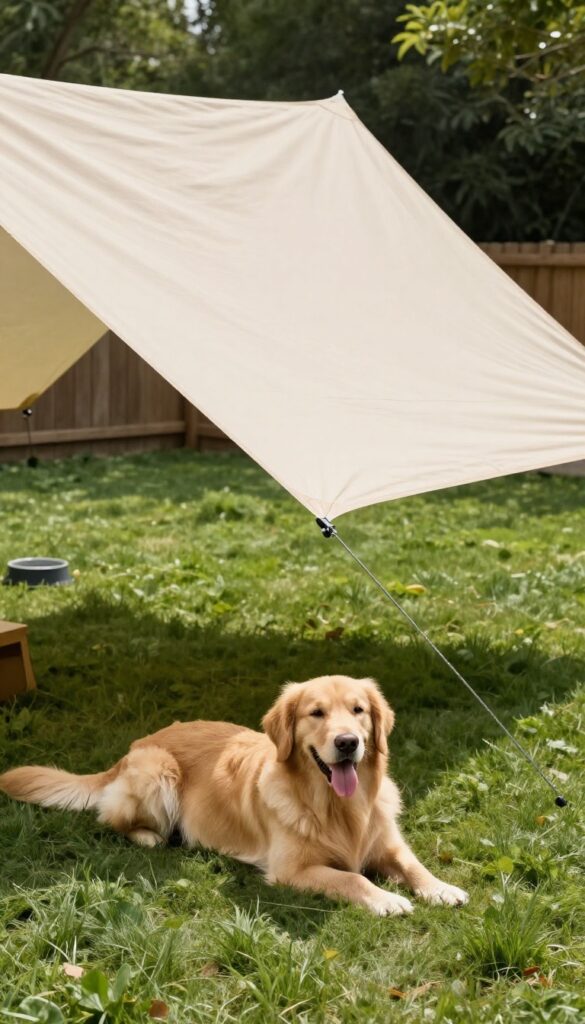
Direct sun can turn a dog run into an uncomfortable zone fast. A shade sail canopy offers flexible, affordable coverage that keeps things cool without turning your yard into a cave. It’s a simple fix that makes a big difference on hot days.
The breathable fabric blocks harmful UV rays while still allowing airflow. Your pup gets protection without feeling trapped under a solid roof. Plus, the angled design channels rain away so you don’t end up with puddles.
Why It Works
Dogs can overheat quickly, especially brachycephalic breeds like bulldogs or pugs. A shade sail reduces direct sun exposure by up to 90%, lowering the temperature underneath significantly. The fabric is tightly woven yet breathable, so air circulates freely.
Your dog stays cool without the stuffy feeling of a solid canopy.
Best For
This setup is ideal for yards that get intense afternoon sun but don’t have natural tree cover. It works great for active dogs that need a cool spot to rest between fetch sessions. It’s also a smart choice for owners who want a temporary or adjustable shade solution.
Practical Tip
Install the sail at an angle so one corner is higher than the other. This lets hot air escape and water run off. Use heavy-duty turnbuckles and stainless steel hardware to keep it taut.
Check the fabric tension every few months and after storms.
Budget-Friendly Option
If a custom shade sail is out of reach, use a large canvas tarp and two telescoping poles. Secure the corners with stakes or heavy pots. It’s not as pretty, but it does the same job for under $50.
3. Dig Pit with Sand or Mulch
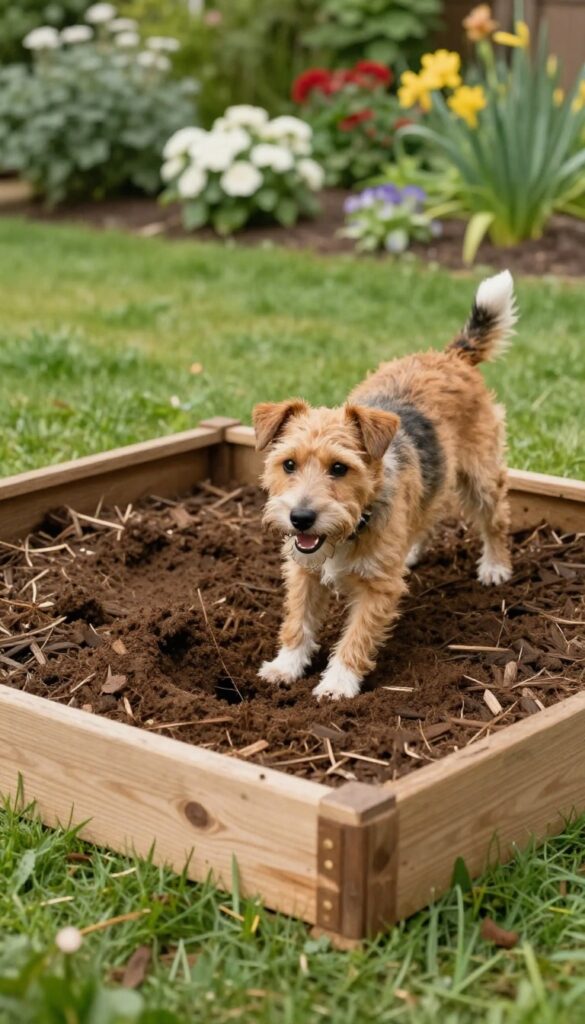
Does your dog treat your flower beds like a personal excavation site? A designated dig pit gives them a legal place to unleash their inner archaeologist. It's a simple addition that can save your garden and satisfy your pup's natural instincts.
Dogs love the texture of soft sand or mulch, and once they learn where it's okay to dig, they'll head straight for their pit instead of your prized petunias.
Why It Works
Digging is a deeply ingrained behavior for many dogs, especially terriers and other earthdog breeds. Providing a dedicated area with loose, inviting material redirects that energy into a positive outlet. It also keeps your yard looking tidy and prevents your dog from escaping under fences or damaging roots.
Best For
This idea is perfect for dogs that love to dig, particularly terriers, dachshunds, and other breeds bred for burrowing. It works well in any yard with a corner or patch of ground you can dedicate to the pit, and it's especially useful for owners who want to protect their landscaping without constantly correcting their dog.
Practical Tip
Use a low wooden frame or border to clearly mark the dig pit area. Fill it with play sand (not construction sand) or chemical-free mulch. Bury a few toys or treats just beneath the surface to encourage your dog to dig there.
Rake the pit occasionally to keep it inviting and free of debris.
Budget-Friendly Option
Skip the fancy frames and just mark the area with a few landscape timbers or even large rocks. You can also use a child's plastic sandbox as a ready-made dig pit. Just drill a few drainage holes if it doesn't have them.
4. Agility Equipment for Active Breeds
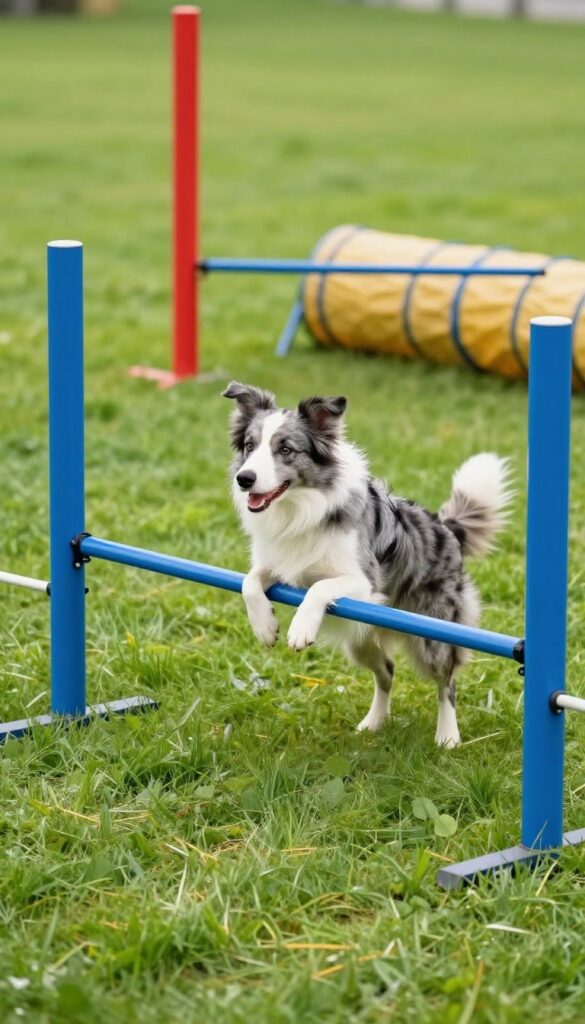
If your dog has energy to spare, adding a few agility pieces to your run can turn a simple potty break into a full workout. Think tunnels, weave poles, and small jumps that challenge both body and mind. These elements make the space more engaging without requiring a huge footprint.
Agility gear doesn't have to be expensive or permanent. Many pieces are lightweight and portable, so you can rearrange them or store them when not in use. The key is choosing low-impact items that are safe for everyday play.
Dogs love having a job to do, and navigating an agility course feels like a game. It's a great way to strengthen your bond while keeping your pup physically and mentally stimulated.
Why It Works
Agility equipment provides structured exercise that targets coordination, focus, and problem-solving. Running through a tunnel or weaving around poles burns energy more efficiently than free roaming, and the mental challenge helps prevent boredom and destructive behavior.
Best For
This setup is ideal for high-energy breeds like Border Collies, Australian Shepherds, Jack Russell Terriers, and other working or herding dogs. It also suits any dog that thrives on training and interactive play, especially in yards where space is limited but activity needs are high.
Practical Tip
Start with just one or two pieces, like a collapsible tunnel or a set of weave poles, to see how your dog reacts. Place them on grass or rubber matting for traction and to reduce joint impact. Always supervise initial use and keep sessions short to avoid overexertion.
Budget-Friendly Option
DIY your own weave poles using PVC pipes or wooden stakes pushed into the ground. For a low-cost tunnel, try a children's play tunnel from a discount store—just make sure it's sturdy and weather-resistant.
5. Raised Platform for Cooling Off
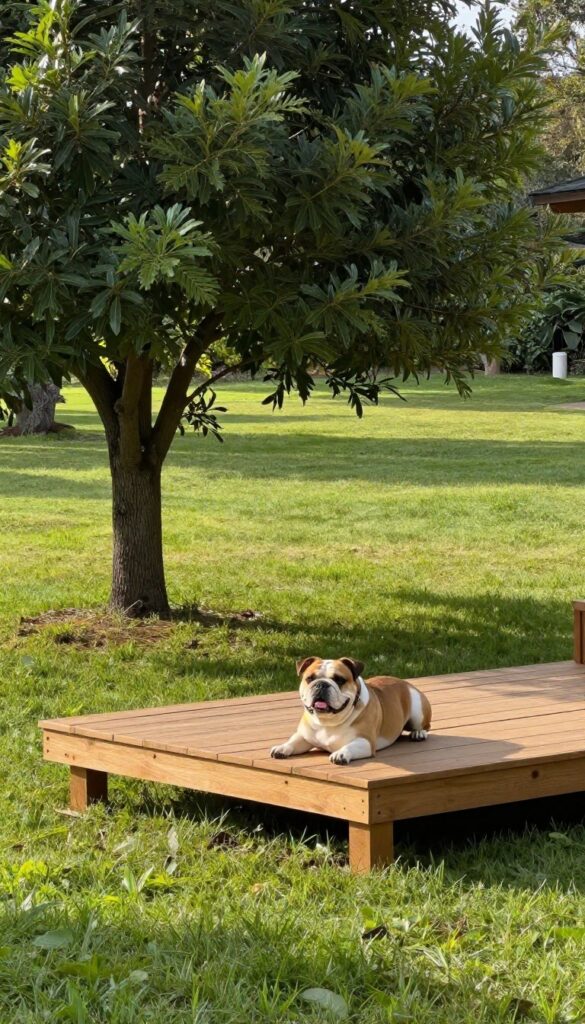
A raised platform gives your dog a clean, elevated spot to rest that stays cooler than the ground. The airflow underneath helps dissipate body heat on warm days. It also doubles as a lookout point for pups who like to survey their kingdom.
Why It Works
Wood and composite materials don't absorb and radiate heat like concrete or asphalt, so your dog avoids hot surfaces. The open design also prevents dampness from grass or mud, keeping your dog cleaner and more comfortable.
Best For
Dogs that spend a lot of time outdoors in warm climates, or breeds prone to overheating like bulldogs, pugs, and other flat-faced pups. It's also great for yards with concrete or gravel that get scorching in summer.
Practical Tip
Use pressure-treated lumber or composite decking for durability and splinter resistance. Add a few inches of legs to ensure good airflow, and place the platform in a shaded spot for maximum cooling.
Budget-Friendly Option
Repurpose an old wooden pallet by sanding it smooth and adding a weatherproof sealant. Just make sure all nails are flush and the wood isn't treated with harmful chemicals.
6. Double-Gated Entry for Security
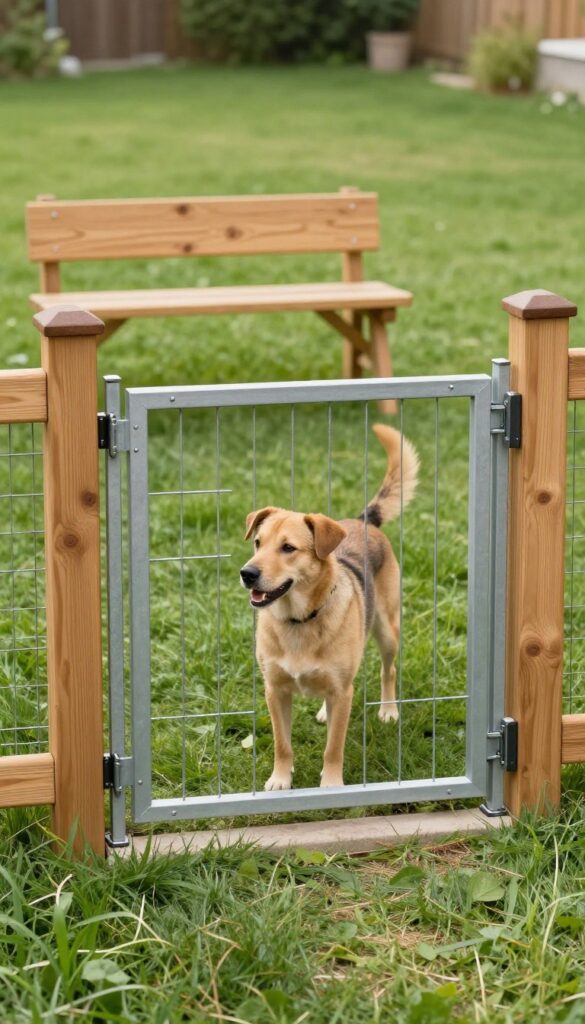
An escape artist dog can turn a quick trip into the run into a stressful chase. A double-gated entry system creates a buffer zone that prevents bolting. You enter one gate, close it behind you, then open the second gate—your pup stays contained the whole time.
This setup is simple to install and gives you peace of mind every single day.
Why It Works
Dogs that are skittish, fast, or easily distracted will take any chance to slip past you. With two gates, you eliminate the split-second gap where escapes happen. It also lets you safely remove leashes or collars inside the run without worrying about a sudden sprint.
Best For
This is ideal for nervous rescues, high-energy breeds, or any dog that gets overly excited about leaving the run. It also works great for homes with multiple dogs or shared yards where you need extra control at the entry point.
Practical Tip
Use self-closing hinges and magnetic latches on both gates so they never accidentally stay open. Position the gates at least 4 feet apart to create a comfortable staging area. Add a small bench or hook inside the buffer zone to hold leashes and treats.
Budget-Friendly Option
If a custom double gate isn't in the budget, install a simple removable barrier like a tension-mounted pet gate inside your existing run entrance. It creates the same two-step process for under $50.
7. Splash Pool or Misting Station
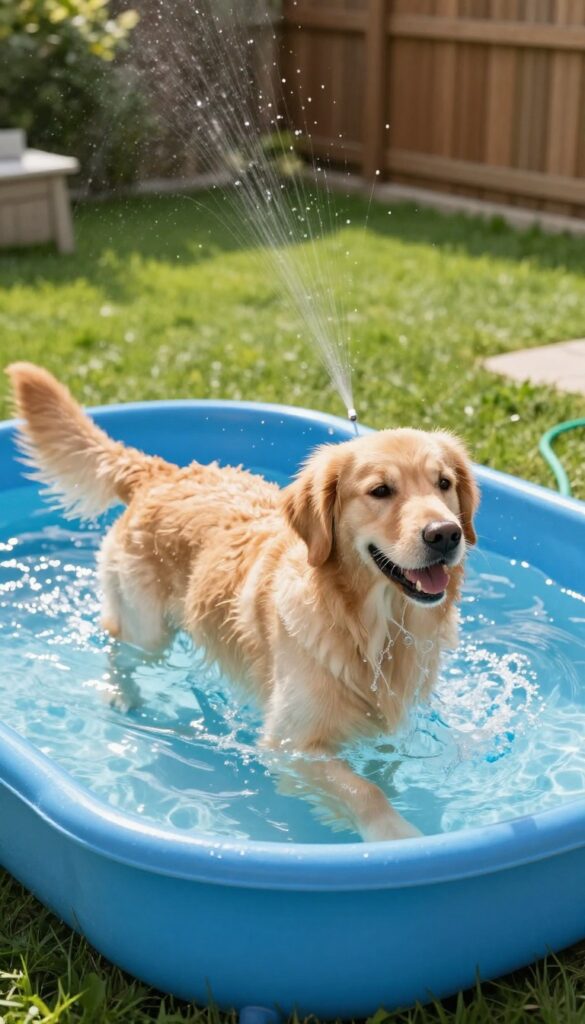
When the temperature climbs, a splash pool or misting station turns a basic dog run into a cool oasis. Dogs love to paddle, splash, and play in water, making this a simple way to add fun and relief on hot days. You don't need a fancy setup—just a shallow kiddie pool or a misting line attached to a hose can do the trick.
Why It Works
Water play helps dogs regulate their body temperature naturally, preventing overheating during summer playtime. It also provides mental stimulation and physical exercise as they chase water streams or splash around. Plus, it encourages hydration and keeps them occupied for hours.
Best For
This idea is perfect for water-loving breeds like Labradors, Golden Retrievers, and Portuguese Water Dogs. It also suits dogs that overheat easily, such as brachycephalic breeds (bulldogs, pugs), or any pup living in hot climates.
Practical Tip
Place the pool in a shaded area to keep the water cooler longer, and change the water daily to prevent bacteria. For misting stations, use a timer or a simple nozzle to avoid soaking the entire run. Add a non-slip mat inside the pool for safety.
Budget-Friendly Option
Instead of buying a pricey pet pool, use a large plastic storage bin or a sturdy kiddie pool from a discount store. For misting, a cheap garden spray nozzle on a gentle mist setting works just as well.
8. Privacy Fencing for Reactive Dogs
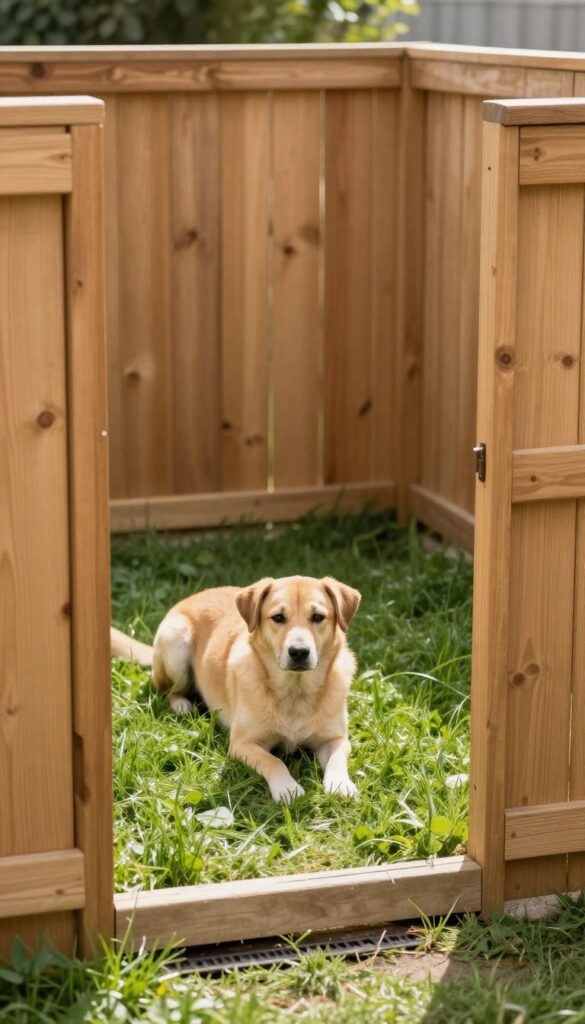
Some dogs just need a little extra peace and quiet. If your pup gets overly excited or anxious seeing neighbors, dogs, or delivery trucks through the fence, a privacy barrier can make all the difference. Solid or semi-solid fencing blocks visual triggers, helping your dog feel safe and calm in their own outdoor space.
It turns the dog run into a true retreat, not a source of stress.
Why It Works
Privacy fencing reduces your dog's exposure to movement and activity outside the yard. For reactive dogs, seeing another dog or person often triggers barking, lunging, or anxiety. By blocking those visual cues, the fence helps your dog stay relaxed and focused on their own space.
Many owners report a noticeable drop in fence-running and barking within days.
Best For
This setup is ideal for reactive or anxious dogs who bark at passersby, fence fight with neighbors, or get overstimulated by outdoor activity. It's also great for shy rescue dogs still adjusting to their new home, or for any dog who simply prefers a quiet, secure spot to lounge.
Practical Tip
Go with a solid wood fence at least 6 feet tall for maximum privacy. If you already have a chain-link fence, attach privacy slats or shade cloth to the inside. Leave a small gap at the bottom for drainage and airflow, and check regularly for any loose slats or climbing aids your dog might exploit.
Budget-Friendly Option
On a budget? Use bamboo fencing rolls attached to your existing fence with zip ties. It's affordable, easy to install, and provides good visual blocking.
Just make sure your dog isn't a chewer, as bamboo can splinter.
9. Gravel or Paver Base for Drainage
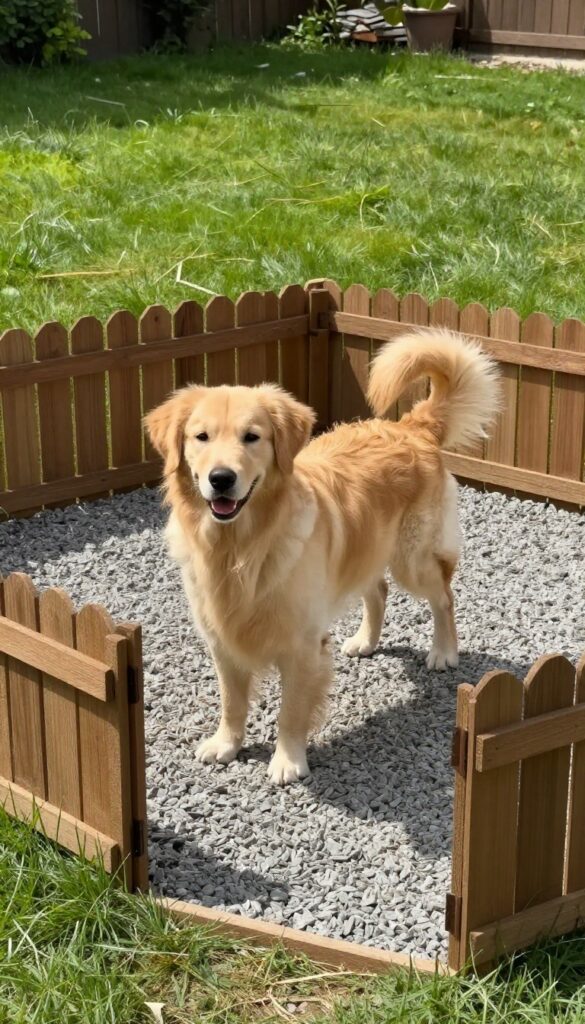
Nothing ruins a good romp faster than a muddy mess. A gravel or paver base keeps your dog run dry and clean even after a heavy rain. The water drains right through, so your pup stays tidy and your yard stays intact.
It's a simple, durable solution that works year-round without constant upkeep.
Why It Works
Gravel and pavers create a stable, well-draining surface that prevents puddles and mud. The gaps between stones allow rainwater to soak into the ground below, so the run dries quickly. Dogs with firm paws appreciate the solid footing, and you'll love not having to hose off your dog after every visit.
Best For
This setup is ideal for dogs who don't mind a firmer surface under their paws—think retrievers, shepherds, and other active breeds. It's also perfect for yards with poor drainage or areas that stay soggy after rain. If you live in a rainy climate or have a dog that loves to dig, gravel or pavers are a game-changer.
Practical Tip
Lay a weed barrier fabric under the gravel to keep weeds from poking through. For pavers, use polymeric sand in the joints to lock them in place and prevent shifting. Choose pea gravel or crushed stone for the most comfortable texture, and consider a border of edging stones to keep the gravel contained.
Budget-Friendly Option
On a tight budget? Use a thick layer of pea gravel over compacted dirt instead of pavers. It still drains well and costs a fraction of the price.
Just refresh the gravel every year or two to maintain depth and drainage.
10. Storage Bench for Toys and Supplies
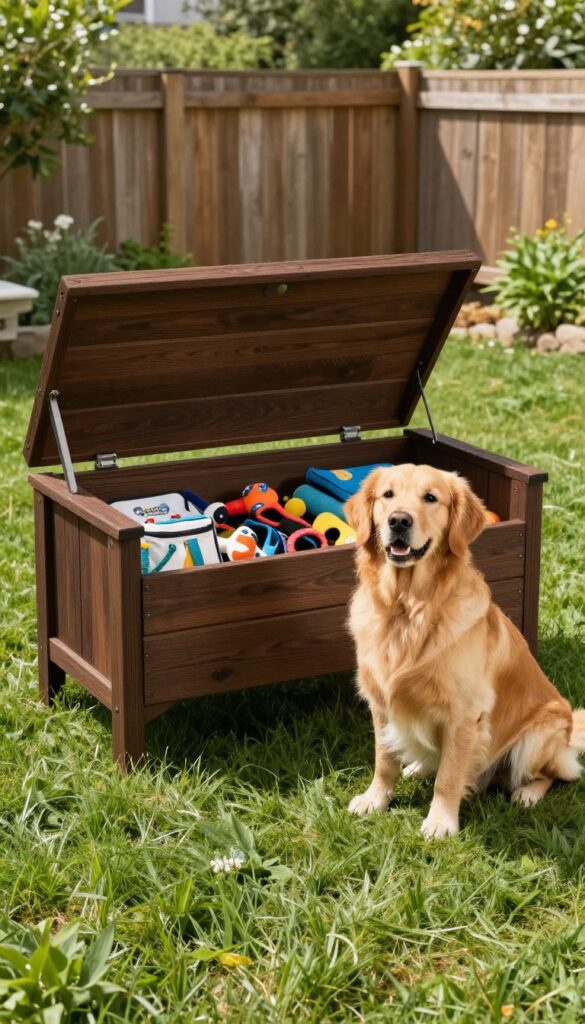
A weatherproof bench with hidden storage keeps toys, leashes, and cleanup bags organized and within reach. It doubles as a seating spot for you to sit and watch your pup play. This clever combo keeps clutter out of sight while adding function to the run.
Why It Works
Having everything stored right there means you can grab a toy or bag in seconds without leaving the run. The bench also provides a comfortable place to sit during training or playtime, making the space more enjoyable for both of you.
Best For
Dog owners who want a tidy, organized run and enjoy spending time with their dog while they play. Great for smaller yards where every piece of furniture needs to pull double duty.
Practical Tip
Choose a bench made from cedar or plastic resin that can handle rain and sun. Add a cushion for yourself, but make sure it's removable for cleaning. Keep a small trash bin nearby for used bags.
Budget-Friendly Option
Repurpose an old wooden trunk or storage chest by adding a weatherproof seal and outdoor cushions. Just drill a few drainage holes in the bottom to prevent moisture buildup.
FAQ
What size should a backyard dog run be?
A good minimum is 10×20 feet for small to medium dogs, and larger for active breeds. The run should allow your dog to run, turn, and play comfortably.
How do I keep my dog run from getting muddy?
Use a base of gravel or crushed stone under turf or pavers. Ensure proper drainage and consider adding a slight slope to direct water away.
Can I build a dog run on a budget?
Yes, start with a simple fenced area using chain link or welded wire. Add features like a dig pit or shade sail gradually as your budget allows.
What ground cover is best for a dog run?
Artificial turf is low-maintenance and clean. Pea gravel or rubber mulch are also good options that drain well and are easy on paws.
How do I make a dog run escape-proof?
Use fencing at least 6 feet tall, bury the bottom a few inches underground, and check for gaps. Double-gated entries add an extra layer of security.
Conclusion
Your backyard dog run doesn't need to be fancy—just functional and fun. Start with one idea that fits your space and your pup's energy level, then build from there. A well-planned run gives your dog freedom to play safely while you relax knowing they're secure.
Remember, the best dog run is the one your dog actually uses.
Keep it simple, keep it safe, and watch your pup enjoy their own little slice of the outdoors. Ready to grab a shovel and some supplies? Your dog is waiting.

I’m Pallab Kishore, the owner of Little Pets Realm — an animal lover and pet care enthusiast sharing easy tips, healthy recipes, and honest advice to help every small pet live a happy, healthy, tail-wagging life.