
A muddy, messy backyard can turn potty time into a chore for both you and your dog. The right potty area keeps your yard cleaner, reduces odors, and makes cleanup a breeze.
Whether you have a small patio or a sprawling lawn, these 10 dog potty area ideas offer practical solutions that fit your space and your pup's habits.
From gravel patches to portable setups, each option is designed to simplify your routine and keep your outdoor space fresh.
1. Gravel Patch Potty Area
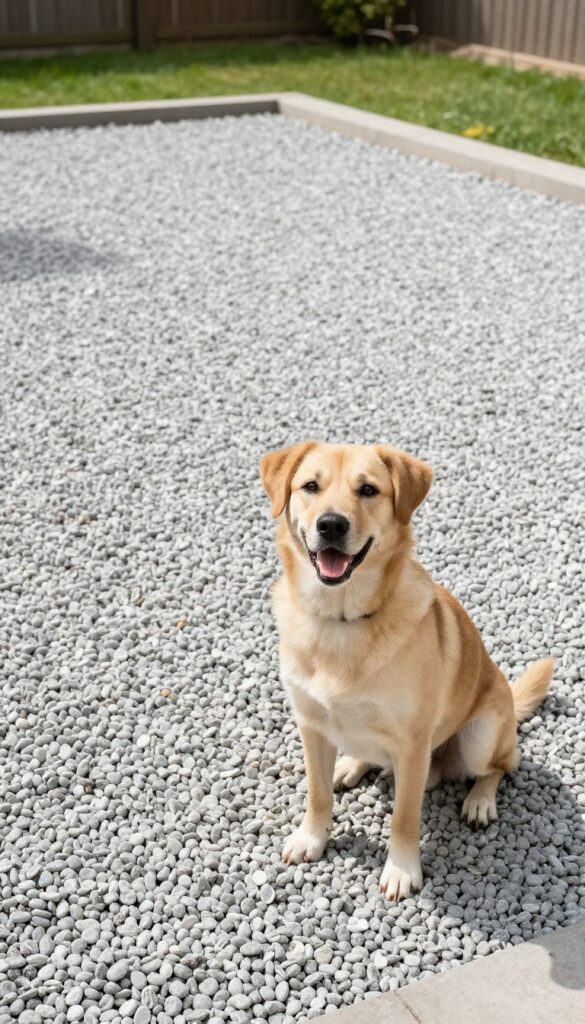
A gravel patch is one of the simplest and most effective potty areas you can set up in your backyard. It drains quickly, doesn't hold onto odors like grass or mulch, and requires very little maintenance once it's in place. Many dog owners love it because it keeps the rest of the yard clean and gives their pup a dedicated spot that's easy to find.
Why It Works
Gravel allows urine to drain straight through instead of pooling on the surface, which means less smell and fewer flies. It also doesn't get muddy or waterlogged, so your dog's paws stay cleaner. A layer of landscape fabric underneath prevents weeds from poking through, making this a low-maintenance solution that lasts for years.
Best For
This setup works great for medium to large yards where you can dedicate a corner or strip of land. It's ideal for dogs that like to dig or tear up grass, and for owners who want a durable potty area that can handle daily use without getting trashed.
Practical Tip
Use pea gravel or decomposed granite for a smoother surface that's comfortable on paws. Rake the gravel every week or two to keep it level and prevent compaction. If you notice any odors, rinse the area with a hose or sprinkle with baking soda before watering it down.
Budget-Friendly Option
Instead of buying bagged gravel from a home improvement store, check local landscaping suppliers for bulk gravel at a lower price. You can also use crushed stone from a construction site for free, just make sure it's clean and free of sharp edges.
2. Artificial Turf Potty Zone
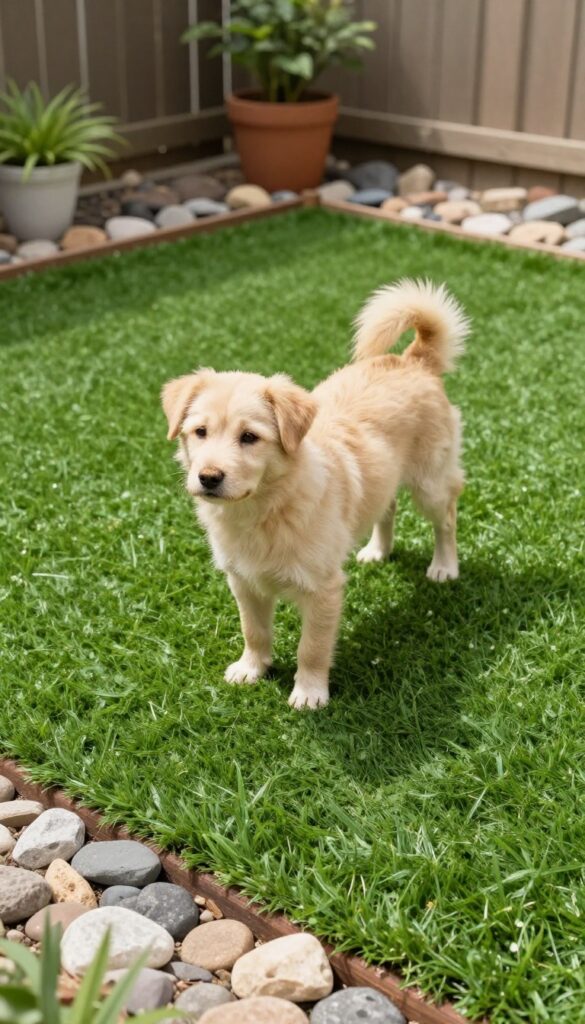
Artificial turf gives your dog a soft, grass-like surface without the mud and dead spots. It's a popular choice for dog owners who want a clean, low-maintenance potty area. The turf drains quickly and rinses clean with a hose, so you skip the digging and staining that comes with real grass.
Why It Works
The built-in drainage layers let urine pass through easily, reducing odors and keeping the surface dry. A quick spray with the hose washes away waste, and some brands even include antimicrobial treatments to fight bacteria. It's a durable, all-weather solution that stays green year-round.
Best For
Ideal for small backyards, patios, or balconies where real grass won't thrive. Great for dogs who like to dig or for owners who want a tidy potty spot without the upkeep of sod.
Practical Tip
Install a 2- to 3-inch base of crushed rock or sand under the turf for proper drainage. Secure the edges with landscape staples or a frame to prevent lifting. Rinse weekly with a diluted vinegar solution to neutralize smells.
Budget-Friendly Option
If a full turf install is too pricey, buy a portable artificial turf patch from a pet store. You can place it over concrete or dirt and move it as needed.
3. Mulch-Filled Potty Bed
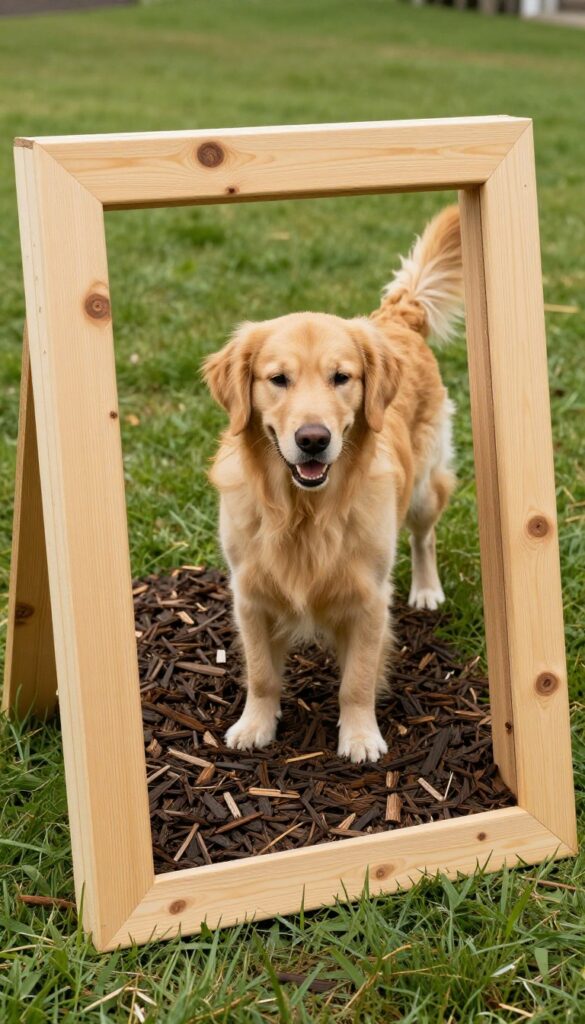
Building a simple wooden frame and filling it with mulch gives your dog a designated potty spot that blends into the yard. The soft texture is gentle on paws, and cedar mulch naturally helps control odors. It's a low-budget DIY project that looks tidy and keeps the rest of your grass clean.
Why It Works
Mulch absorbs moisture and traps odors better than bare dirt. The raised wooden border keeps the mulch contained, so your dog knows exactly where to go. Replacing the mulch every few months refreshes the area and prevents buildup.
Best For
This idea works well for medium to large yards where you want a natural look. It's great for dogs that prefer a soft, diggable surface and for owners who enjoy simple DIY projects.
Practical Tip
Build the frame from untreated pine or cedar, about 4×4 feet and 6 inches tall. Use landscape fabric underneath to prevent weeds. Avoid cocoa mulch, which is toxic to dogs—cedar or pine is safer.
Budget-Friendly Option
Skip the wooden frame and just designate a mulch-filled corner of the yard. Mark the edges with stones or garden edging to keep the area defined.
4. Sand Pit for Dogs
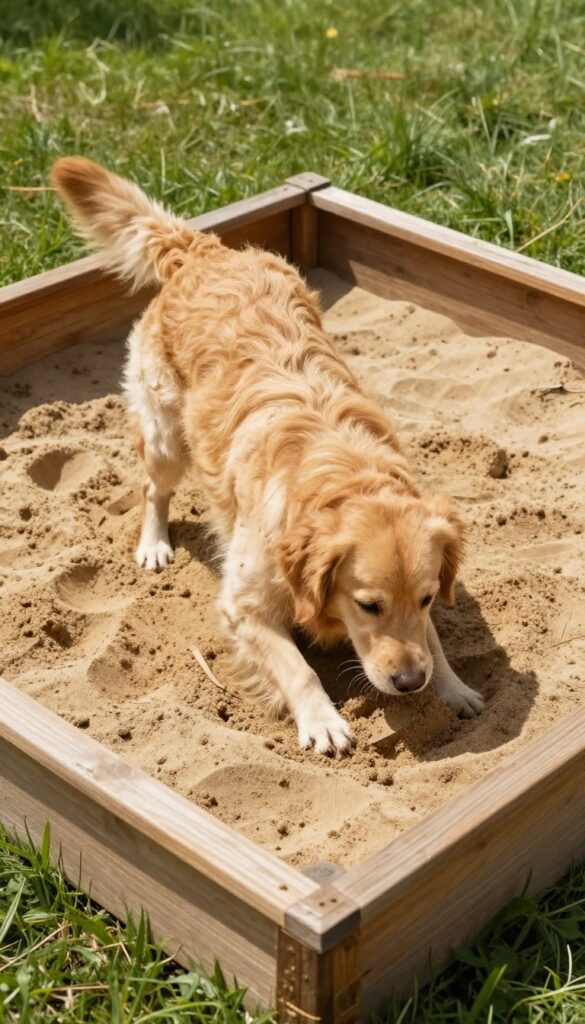
A sand pit gives your dog a natural digging outlet while keeping the mess contained. Dogs often prefer sand over grass because it feels cool under their paws and is easy to dig. Plus, solid waste is simple to scoop, and urine drains quickly without leaving soggy spots.
Many owners love how sand pits blend into the yard and can be built in an afternoon.
Why It Works
Sand drains fast, so the surface dries quickly after rain or cleaning. It also neutralizes odors better than soil or mulch, keeping the area fresher. Dogs naturally gravitate to sand for digging, making it a potty spot they actually want to use.
Best For
This works great for dogs that love to dig, especially terriers, huskies, and other breeds with a strong digging instinct. It's also ideal for owners with well-draining yards who want a low-maintenance, long-lasting potty area.
Practical Tip
Use play sand (not builder's sand) to avoid dust and sharp particles. Build a shallow wooden frame about 4×4 feet and 6 inches deep to keep the sand contained. Rake the sand every few days to break up clumps and discourage pests.
Replace the top layer every 6–12 months to keep it fresh.
Budget-Friendly Option
If you don't want to build a frame, use a large kiddie pool or a heavy-duty tarp with raised edges. Just cut drainage holes in the bottom to prevent water pooling.
5. Concrete or Paver Pad
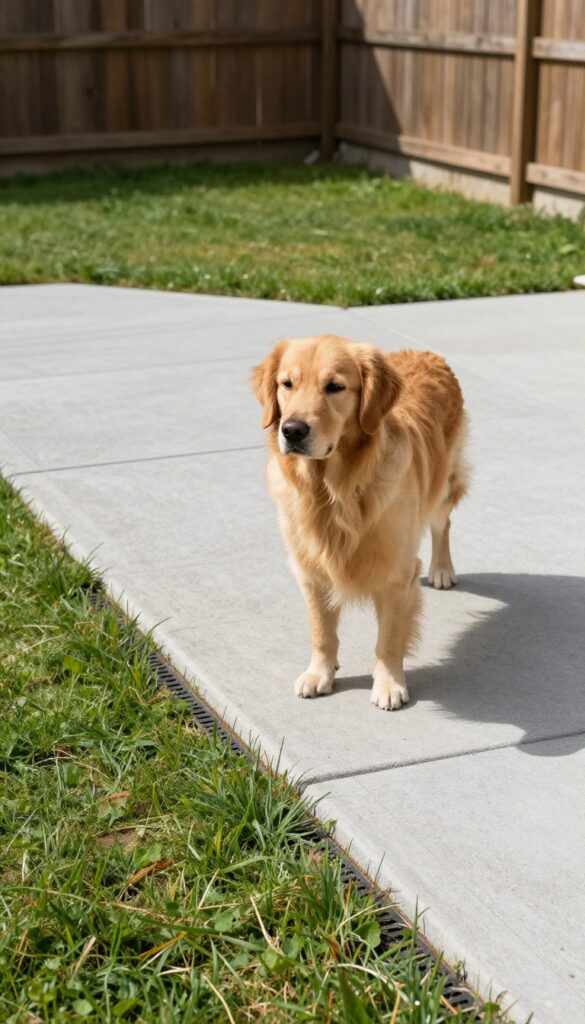
A concrete or paver pad turns a corner of your yard into a no-fuss potty zone that’s built to last. The hard, smooth surface makes cleanup as simple as grabbing a hose and spraying everything down the drain. Owners love it because there’s no digging, no mud, and no grass stains to worry about.
Adding a slight slope toward a drain or grassy edge keeps water from pooling, so your dog stays dry and the area stays fresh. It’s a straightforward, durable solution that handles heavy use without falling apart.
Why It Works
Dogs can’t dig up concrete, and urine won’t create dead spots like it does on grass. The surface dries quickly, reducing odors and bacteria buildup. A quick rinse with the hose is all it takes to keep the area clean and sanitary.
Best For
Large breeds that produce more waste and need a sturdy, spacious area. Also ideal for multi-dog households and owners who want a permanent, low-maintenance setup that can handle daily use in any weather.
Practical Tip
Pour the concrete at a 1–2% slope away from your house so water runs off naturally. Use a broom finish to add grip and prevent slipping. For pavers, install a gravel or sand base underneath for drainage, and seal the surface to make cleaning easier.
Budget-Friendly Option
Lay interlocking concrete pavers over a compacted gravel base instead of pouring a full slab. It’s cheaper, easier to replace, and you can adjust the size over time.
6. Raised Dog Potty Box
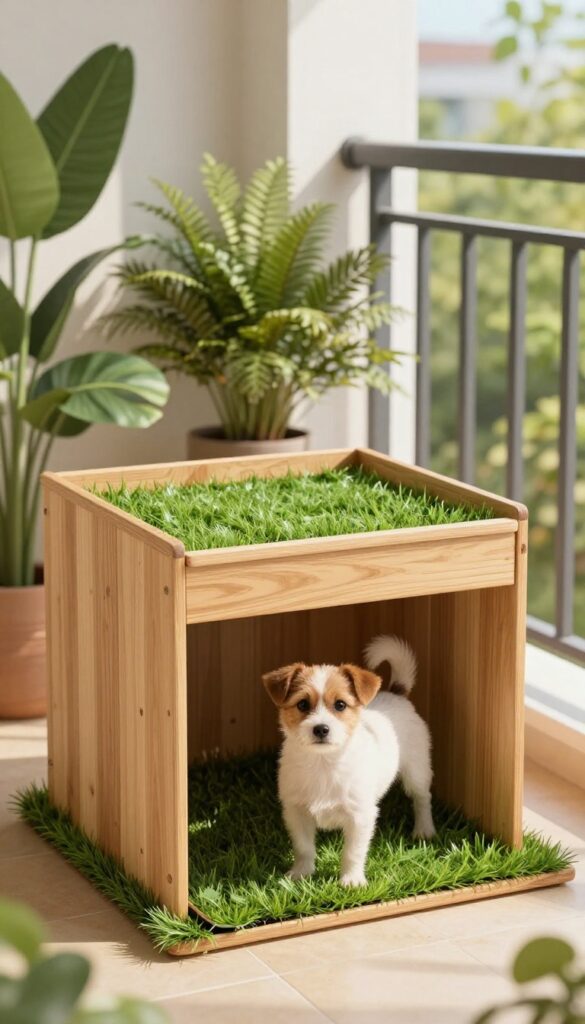
A raised dog potty box is a smart solution for keeping your potty area tidy and contained. It sits off the ground, with drainage holes and a removable tray that make cleanup fast and easy. This setup works great on balconies, covered patios, or any spot where you want to avoid mess spreading.
Why It Works
The raised design keeps urine and waste contained, so your patio or balcony stays clean. The drainage tray catches liquids, preventing odors and staining. You can fill the box with sod for a natural feel or artificial grass for low maintenance.
Best For
This is perfect for apartment dwellers with balconies, or for covered patios where you want a neat potty zone. It also suits small-breed dogs or senior dogs who may have trouble stepping onto the ground.
Practical Tip
Use a plastic or wooden box with a drainage tray that slides out for easy dumping. Line the tray with newspaper or puppy pads to simplify cleanup. If using sod, replace it every few weeks to keep it fresh.
Budget-Friendly Option
Make your own raised potty box using a large plastic storage bin. Drill drainage holes in the bottom and place it on a shallow tray. Fill with turf or sod for a budget-friendly version.
7. Natural Grass with Soil Amendment
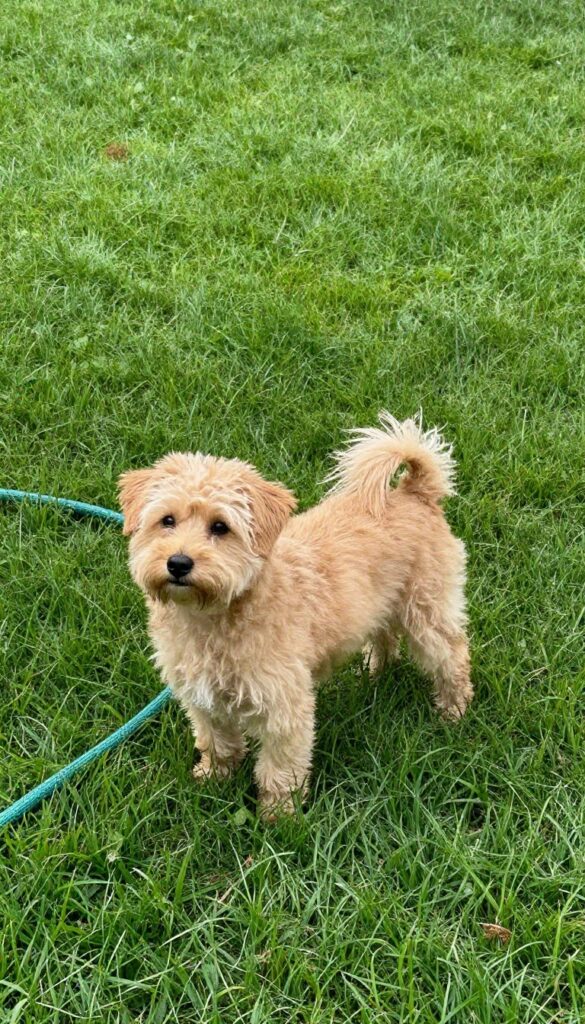
Real grass can still work if you treat the soil right. By adding lime or gypsum, you neutralize the urine salts that cause brown spots. Deep watering after each potty break dilutes the nitrogen, so your lawn stays green.
Rotating the area where your dog goes helps spread the wear evenly.
Why It Works
Soil amendments like lime raise the pH, counteracting the acidity in dog urine. Gypsum improves drainage and reduces salt buildup. This combo prevents those ugly dead patches while keeping the grass healthy and lush.
Best For
This is ideal for homeowners with established lawns who don't want to replace their grass. It works well for medium to large yards where you can rotate potty spots. Good for dogs that prefer real turf over artificial surfaces.
Practical Tip
Test your soil pH first to know how much lime to add. Water the area with a hose or sprinkler immediately after your dog pees—this dilutes the urine before it burns the grass. Mark a few different spots and rotate your dog's access to give each area time to recover.
Budget-Friendly Option
Instead of commercial soil amendments, you can use a simple baking soda solution (1 tablespoon per gallon of water) to neutralize urine on the spot. Just pour it over the area after your dog goes.
8. Dog Potty Patch with Real Sod
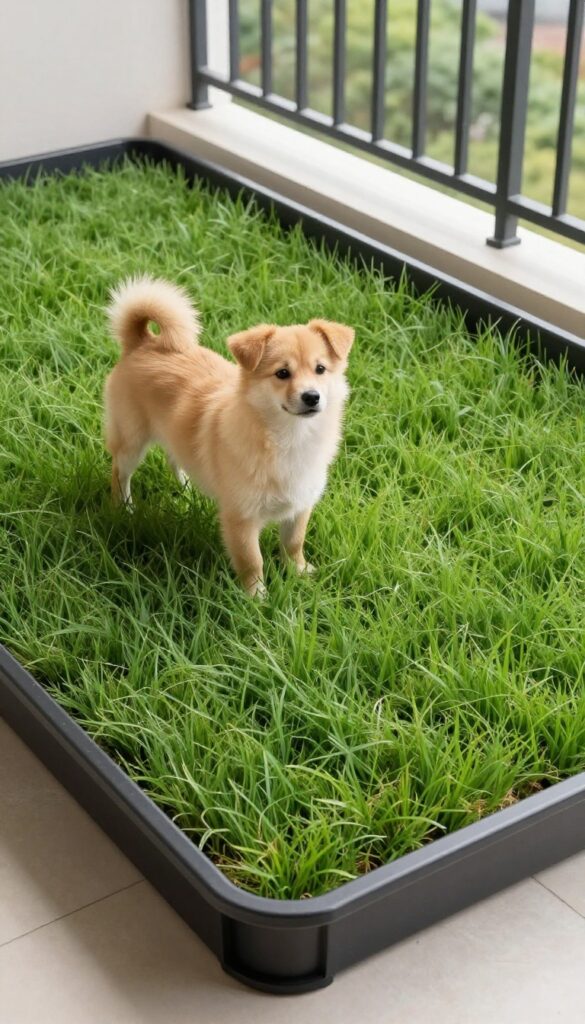
A tray of real sod gives your dog a natural, grassy spot to do their business without ruining your main lawn. You simply replace the sod each week, which keeps the area fresh and odor-free. This setup is especially popular with apartment dwellers and small-yard owners who want the feel of real grass without the maintenance.
Why It Works
Dogs naturally prefer grass over gravel or concrete, so a real sod patch feels familiar and comfortable. The tray contains the mess, making cleanup as easy as swapping out the old sod. Plus, you can compost the used sod, so it’s an eco-friendly option that reduces waste.
Best For
Apartment dogs with balcony access, small-yard owners, and pups who are used to pottying on grass. It’s also great for renters who can’t alter the yard permanently.
Practical Tip
Place the sod tray in a shady spot so it stays moist and green longer. Use a tray with drainage holes and a collection tray underneath to catch runoff. Replace the sod weekly or sooner if it starts to smell or look patchy.
Budget-Friendly Option
To save money, buy bulk sod from a garden center and cut it to fit any shallow tray or plastic storage bin. A recycled plastic tray works just as well as a store-bought version.
9. Fire Hydrant or Post Marker
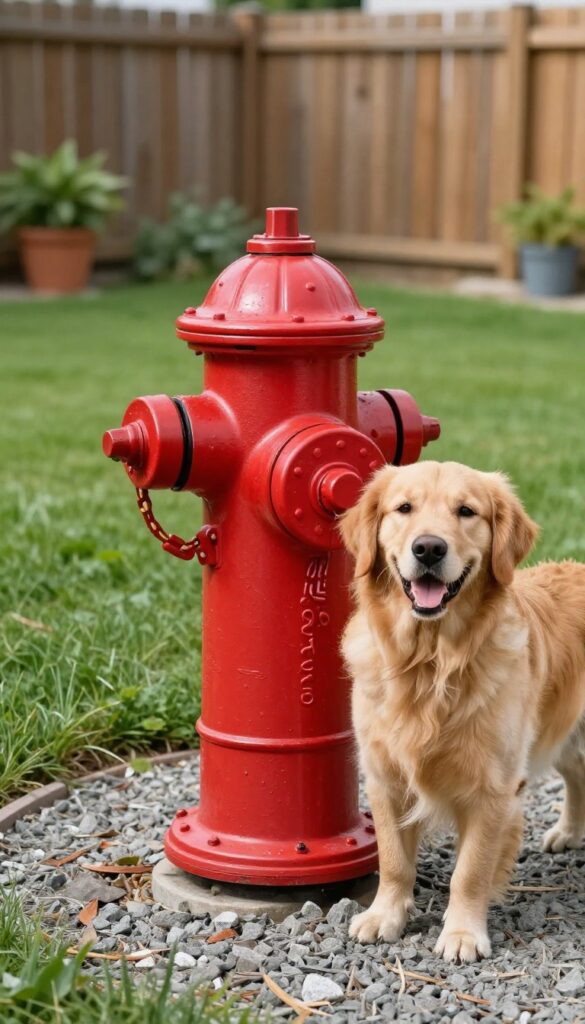
Dogs love to mark vertical surfaces, and a fire hydrant or wooden post gives them a clear target. Placing one in your potty area trains your pup to aim there instead of on your fence or garden plants. It’s a simple, visual cue that makes potty time more predictable for both of you.
Why It Works
Many dogs instinctively prefer to lift a leg on upright objects. A dedicated post or hydrant satisfies that urge and keeps urine off your grass, shrubs, and patio. Over time, your dog learns that this is the spot, reducing accidents elsewhere in the yard.
Best For
Male dogs who like to mark, especially in multi-dog households where marking behavior is common. It also works well for any dog that tends to wander while peeing, since the post gives them a defined place to focus.
Practical Tip
Choose a durable fire hydrant made of plastic or concrete, or use a treated wooden post set firmly in the ground. Clean the post weekly with an enzymatic cleaner to remove odors and prevent your dog from losing interest. Place it on a gravel or paver base for easy rinsing.
Budget-Friendly Option
No need to buy a fancy hydrant. A simple 4×4 wooden post or an old fence picket works just as well. Just make sure it’s stable and tall enough (about 2–3 feet) for your dog to comfortably sniff and lift a leg.
10. Portable Potty Setup for Travel
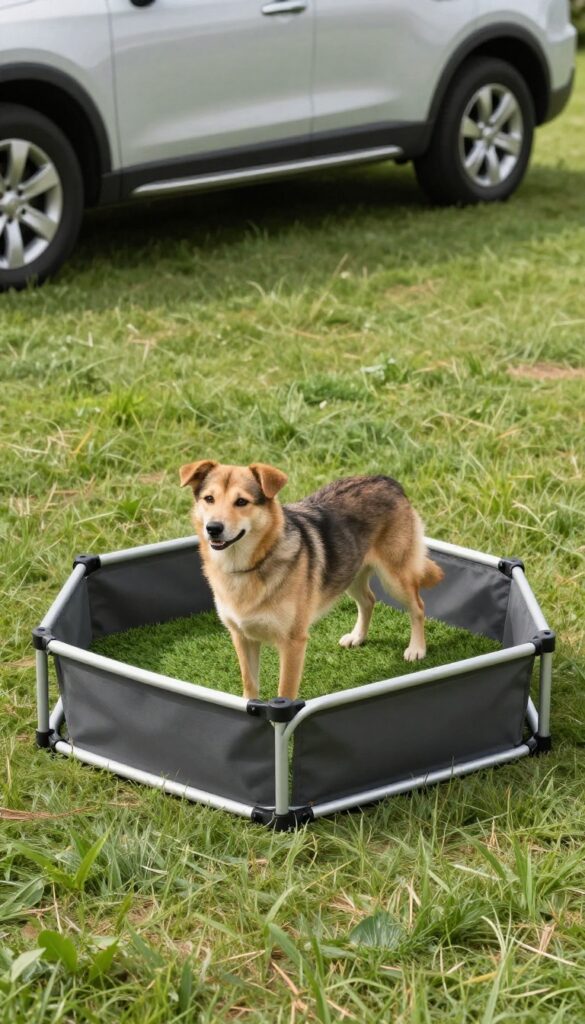
Traveling with a dog means dealing with potty breaks in unfamiliar places. A portable potty setup gives your pup a consistent, familiar spot no matter where you are. It's a game-changer for road trips, camping, or even long visits to friends' houses.
The best part? It packs down small and sets up in seconds, so you can focus on the adventure, not the cleanup.
Why It Works
Dogs feel more comfortable when they recognize a designated potty area. A collapsible pen paired with a fake grass mat mimics their backyard setup, reducing anxiety and accidents. The portable design means you can place it anywhere—on gravel, grass, or concrete—and your dog knows exactly what to do.
Best For
This idea is perfect for travel enthusiasts, weekend campers, or anyone who frequently visits places without a fenced yard. It's also great for dogs that are nervous about new environments and need a little extra consistency. Small to medium breeds adapt best, but larger pens are available for big dogs.
Practical Tip
Choose a pen with a waterproof bottom to contain any mess. Look for fake grass mats with drainage holes and a tray underneath for easy rinsing. Attach a small bag dispenser to the pen for quick waste pickup.
When not in use, store the mat rolled up and the pen folded flat in your trunk.
Budget-Friendly Option
You can DIY a portable potty with a cheap plastic kiddie pool and a square of artificial turf. Just cut the turf to fit and drill a few drainage holes in the pool. It's not as compact as store-bought options, but it works great for car camping or longer stays.
FAQ
How do I train my dog to use a designated potty area?
Start by taking your dog to the spot on a leash every time they need to go. Use a command like 'go potty' and reward them immediately after they go. Consistency is key.
What is the best material for a dog potty area?
It depends on your yard and dog. Gravel and artificial turf are popular for drainage and easy cleanup. Sand works well for diggers, while concrete is low-maintenance.
How often should I clean a dog potty area?
Scoop solid waste daily. Rinse artificial turf or concrete weekly. Replace mulch or sod as needed.
Regular cleaning prevents odors and keeps the area inviting.
Can I use a dog potty area on a balcony?
Yes, a raised potty box with artificial grass or real sod works well on balconies. Make sure it has a drainage tray to protect the floor. Clean it frequently to avoid smells.
Will a gravel potty area hurt my dog's paws?
Pea gravel or decomposed granite is smooth and comfortable for most dogs. Avoid sharp or large stones. If your dog has sensitive paws, test with a small area first.
Conclusion
A cleaner backyard starts with a potty area that works for both you and your dog. Whether you choose artificial turf, a gravel patch, or a designated balcony spot, the key is consistency and easy cleanup.
Pick one idea, set it up, and give your dog time to adjust. You'll both enjoy a tidier outdoor space and fewer messes to deal with.

I’m Pallab Kishore, the owner of Little Pets Realm — an animal lover and pet care enthusiast sharing easy tips, healthy recipes, and honest advice to help every small pet live a happy, healthy, tail-wagging life.