
Your dog deserves a place to zoom, sniff, and play without you worrying about escape routes or muddy paws. A dedicated dog run doesn't have to cost a fortune.
With a little creativity and some basic materials, you can build a safe, durable run that fits your yard and your budget. These 11 cheap DIY dog run ideas prove that you don't need professional help or expensive supplies to give your pup the freedom they crave.
Each project is practical, easy to customize, and designed with your dog's comfort and safety in mind.
1. PVC Pipe and Hardware Cloth Run
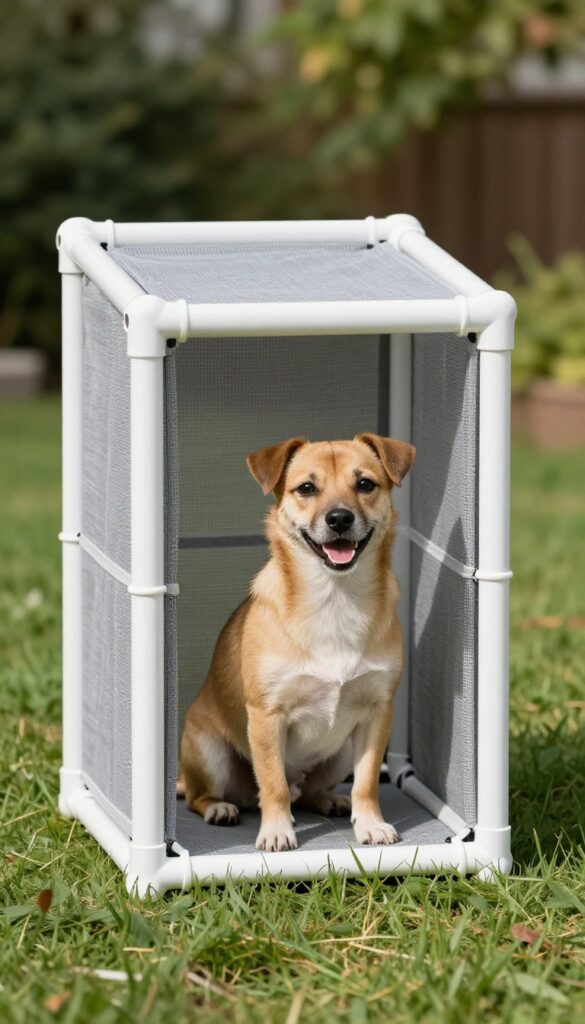
A PVC pipe frame wrapped in hardware cloth creates a lightweight, portable dog run that's perfect for renters or anyone who wants a temporary setup. The materials are inexpensive and easy to find at any hardware store. Assembly takes just an afternoon, and the whole thing breaks down flat for storage.
Why It Works
PVC pipe is strong yet light, so the run stays sturdy without being permanent. Hardware cloth (welded wire) is more durable than chicken wire and won't rust quickly. Zip ties at every joint add extra stability, making it safe for energetic dogs who like to lean or jump.
Best For
Renters, small-yard owners, or anyone who needs a dog run that can be taken down and moved. Great for small to medium breeds that don't dig—if your dog is a digger, you'll need to stake the bottom edge into the ground.
Practical Tip
Use 1-inch PVC pipe for the frame and 1/2-inch hardware cloth for the sides. Cut the pipe to your desired dimensions (4×6 feet is a good start) and connect with slip-fit elbows and tees. Secure the hardware cloth with heavy-duty zip ties every 6 inches.
For a door, leave one side open and attach a flap of hardware cloth with zip ties as a gate.
Budget-Friendly Option
Instead of new PVC, check Facebook Marketplace or construction sites for used PVC pipe. You can also substitute 1/2-inch electrical conduit (EMT) for a stiffer frame, though it's harder to cut without a saw.
2. Repurposed Wood Pallet Run
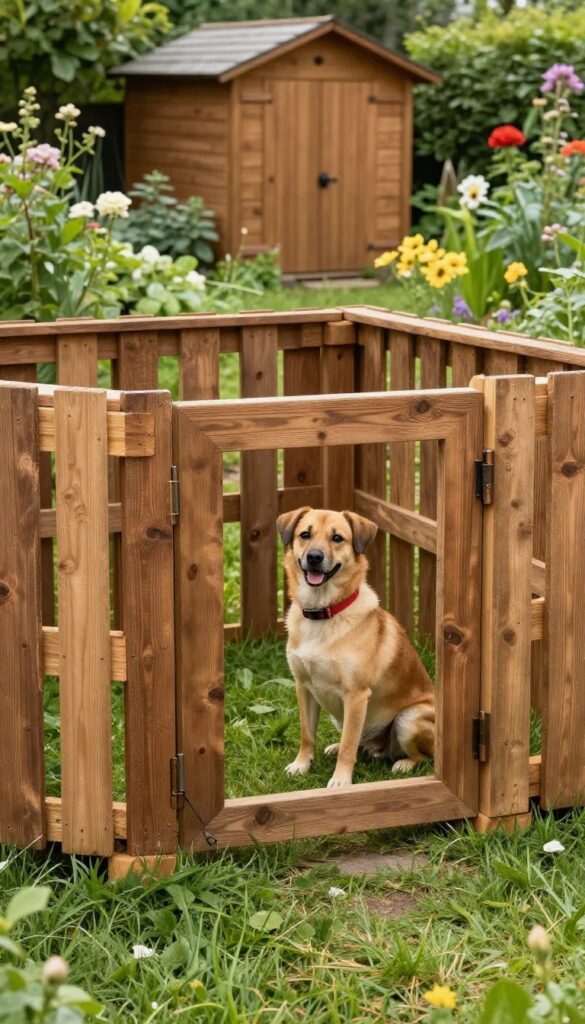
Old wooden pallets are often free or very cheap, making them a fantastic resource for a budget-friendly dog run. By breaking them down and reusing the sturdy planks, you can build a simple, rustic enclosure that feels custom and charming. This project is straightforward and gives your yard a warm, natural look that blends in easily.
Why It Works
Pallets are designed to hold heavy loads, so the wood is surprisingly strong and durable for a dog run. You can create a solid, secure fence that stands up to weather and enthusiastic pups. Plus, the rustic aesthetic is appealing and can be stained or painted to match your existing outdoor decor.
Best For
This run is ideal for handy dog owners who enjoy DIY projects and have basic tools like a hammer, saw, and drill. It works well for small to medium breeds that don't need a massive space, and it's perfect for yards where you want a natural, earthy look without spending much.
Practical Tip
Always sand down the wood thoroughly to remove splinters and rough edges before letting your dog inside. You can also seal the wood with a pet-safe stain or paint to protect it from rain and moisture. Check for any nails or staples left behind and hammer them flat or remove them entirely.
Budget-Friendly Option
If you can't find free pallets, check local hardware stores or warehouses—they often give them away. You can also use salvaged wood from old fences or decking to keep costs near zero.
3. T-Post and Welded Wire Run
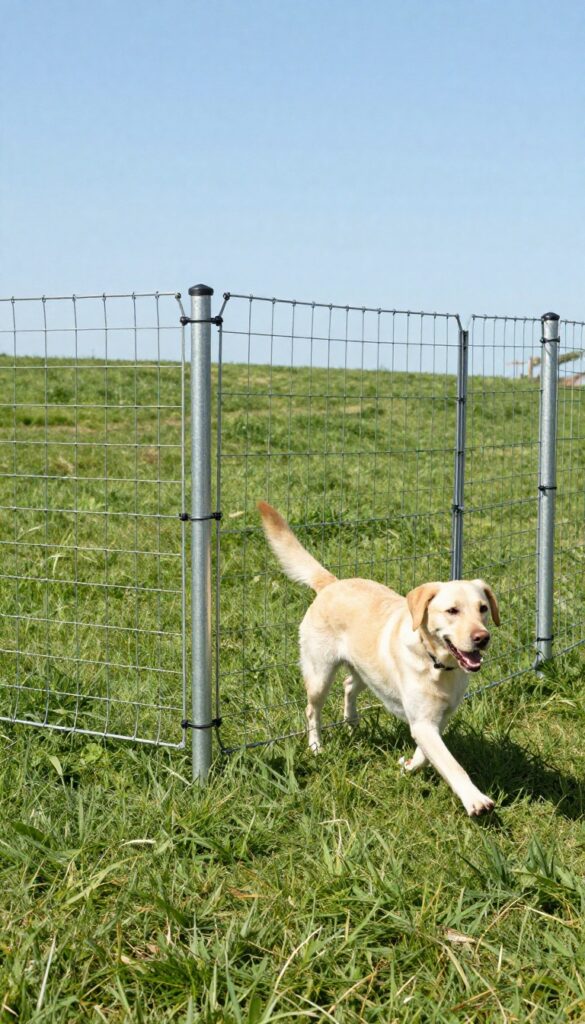
Driving T-posts into the ground and attaching welded wire fencing gives you a sturdy run that can handle even the most energetic diggers and jumpers. This design is simple, fast to build, and uses materials that hold up well in all weather. Dog owners love it because it's one of the most durable options you can make without breaking the bank.
Why It Works
Welded wire is much stronger than chicken wire and resists rust, so your run stays secure for years. The T-posts provide a solid anchor that won't shift or rot like wooden posts might. This combination creates a safe enclosure that lets your dog run freely without constant repairs or replacements.
Best For
This run is ideal for large backyards and high-energy dogs that need plenty of room to sprint and explore. It's also a great fit for owners who want a permanent, low-maintenance fence that can stand up to rough play and weather extremes.
Practical Tip
Use heavy-duty zip ties or fencing clips to attach the wire to each post, spacing them every 12 inches for maximum stability. Leave a few inches of extra wire at the bottom and bury it or bend it outward to prevent digging escapes. Check the tension of the wire monthly and tighten any loose spots.
Budget-Friendly Option
If welded wire is too pricey, use galvanized hog wire instead—it's just as strong and often cheaper. You can also find used T-posts at farm supply stores or online marketplaces to cut costs further.
4. Dog Run with Shade Sail
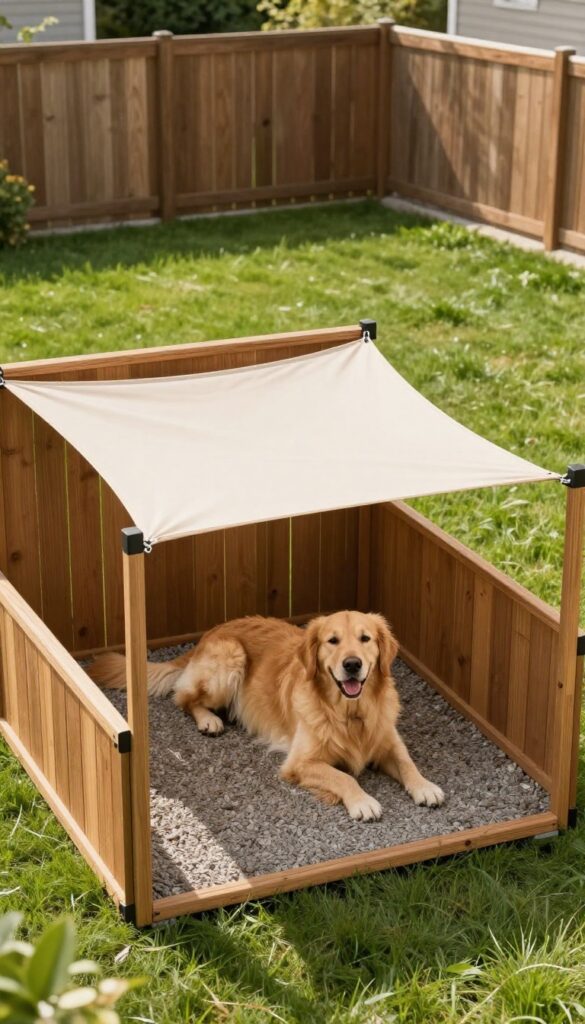
A shade sail isn't just for people—your dog will love having a cool spot to lounge in the run. Pairing a simple fenced area with a triangle or rectangular shade sail cuts down on direct sun exposure and keeps the ground temperature lower. This setup is especially popular in hot climates where dogs can overheat quickly.
The sail attaches to existing fence posts or separate metal poles, and you can adjust the angle throughout the day. It's a straightforward upgrade that makes the run usable even during peak summer hours. Plus, the fabric comes in many colors to match your yard.
Why It Works
Dogs can't sweat like humans, so they rely on shade and cool surfaces to regulate body temperature. A shade sail blocks up to 90% of UV rays, lowering the temperature inside the run by several degrees. The open sides still allow airflow, so your pup stays comfortable without feeling trapped.
Best For
This idea is perfect for dogs that spend several hours a day in the run, especially breeds prone to overheating like Bulldogs, Pugs, or Huskies. It's also great for yards with limited natural shade from trees or buildings.
Practical Tip
Choose a breathable shade fabric (woven polyethylene) rather than solid vinyl—it lets air pass through while blocking sun. Install the sail at a slight angle so rainwater runs off, and use turnbuckles to keep tension tight. Check the fabric yearly for tears or sagging.
Budget-Friendly Option
If a pre-made shade sail is out of budget, use a heavy-duty tarp and grommet kit. Secure it with bungee cords or rope, and replace it every season. It won't look as sleek, but it gets the job done.
5. Cattle Panel Tunnel Run
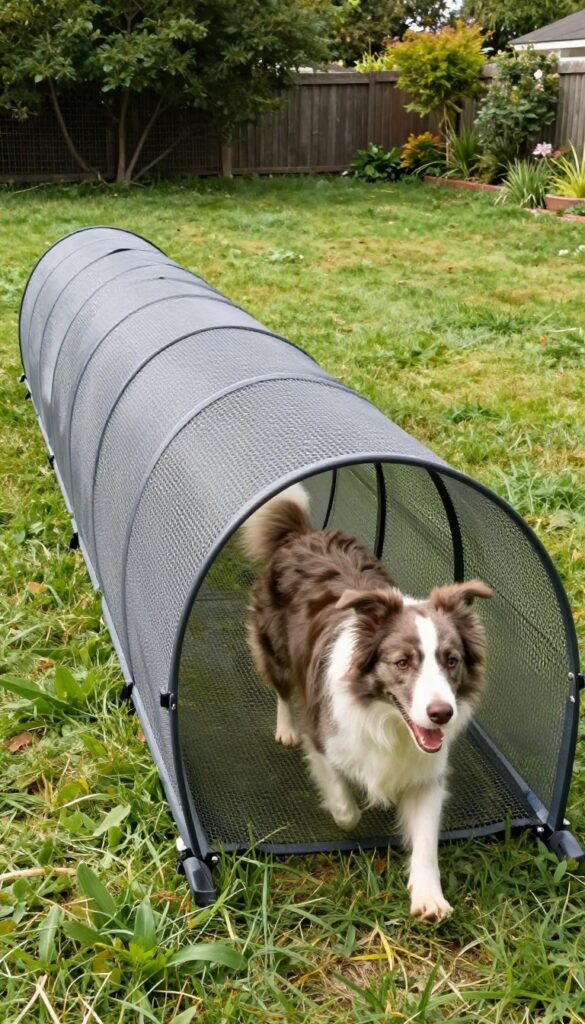
Cattle panels are heavy-duty wire panels usually used for livestock, but they bend beautifully into a tunnel shape for dogs. The result is a long, enclosed run that feels like a private racetrack for your pup. It's surprisingly affordable, easy to set up, and can be moved around the yard as needed.
Why It Works
The curved design is naturally sturdy—once staked down, it won't collapse or tip over. Dogs love the enclosed feel, and the length gives them room to sprint back and forth. Plus, the open mesh allows airflow and visibility so your dog stays cool and can see you.
Best For
Best for high-energy dogs that love to run, especially breeds like herding dogs, terriers, and hounds. It's also great for renters since the panels can be disassembled and moved without damaging the yard.
Practical Tip
Cover the top with shade cloth during hot months to prevent overheating, and leave the ends open for easy entry and exit. Use landscape staples or metal stakes to secure the bottom edges to the ground so your dog can't push the panels aside.
Budget-Friendly Option
If cattle panels are hard to find, use hog panels or concrete reinforcing wire mesh instead—they bend similarly and cost about the same.
6. Dog Run from Old Fencing
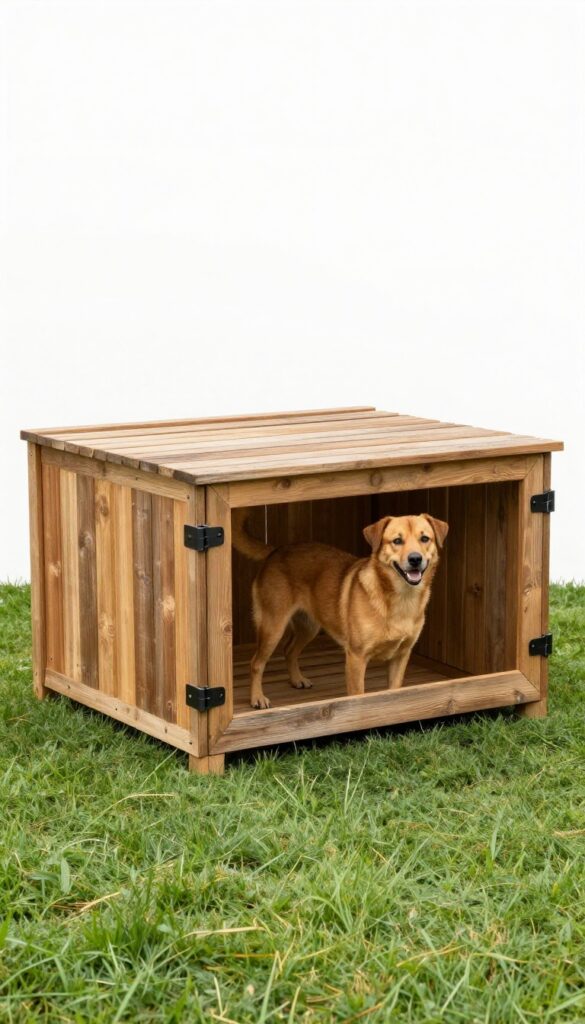
Got leftover fencing from a previous project or an old fence you're replacing? Those panels can become a solid dog run with minimal effort. Wooden or chain-link sections are easy to repurpose, and you can connect them with hinges or heavy-duty zip ties for a quick, sturdy enclosure.
It's a sustainable way to build something useful while keeping costs near zero.
Why It Works
Old fencing panels are already built to withstand weather and wear, so they hold up well as a dog run. You don't need to buy new materials or cut anything complicated—just arrange the panels in a rectangle or L-shape and secure them. The existing height and durability make it a safe, long-lasting solution.
Best For
This idea is great for medium to large dogs that need a bit of room to roam. It works especially well if you have a straight stretch of yard where you can line up panels, or if you want a temporary run that can be disassembled later. Owners who recently replaced a fence will love putting the old panels to good use.
Practical Tip
Make sure the panels are tall enough that your dog can't jump over—at least 4 feet for most breeds, 6 feet for jumpers. Secure the bottom edge with landscape staples or buried wire to prevent digging escapes. Check for sharp edges or loose nails before letting your dog in.
Budget-Friendly Option
If you don't have old fencing, check local classifieds or salvage yards for used panels. You can often find them for a few dollars each. Alternatively, use wooden pallets instead—they're free and can be attached the same way.
7. Portable Exercise Pen Run
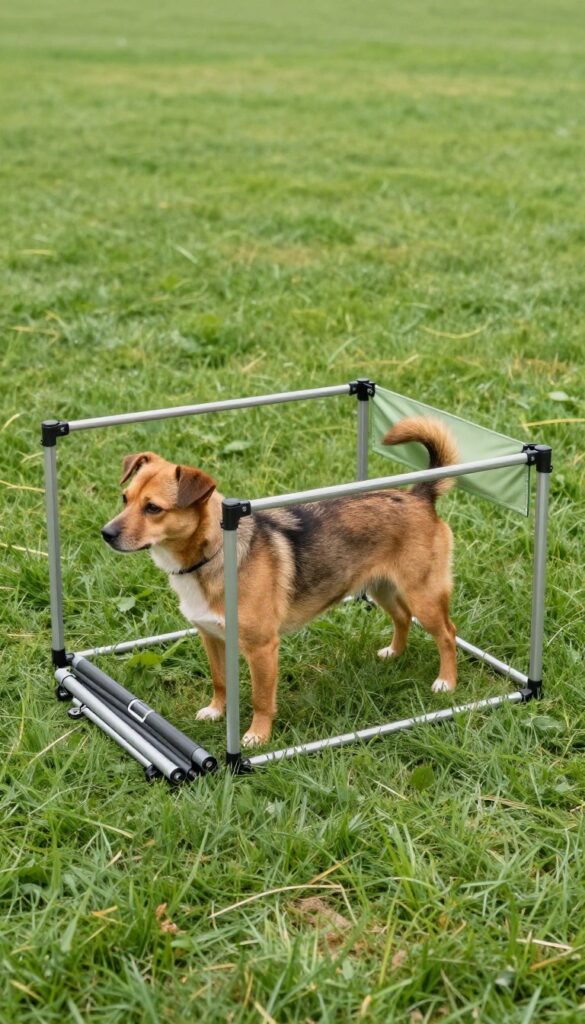
Camping trips or yard moves are no problem when you have a portable exercise pen that doubles as a dog run. These lightweight metal or plastic pens fold flat for storage and can be staked into the ground for stability. It's a flexible solution that gives your dog a safe space wherever you go.
Why It Works
The pen creates a secure boundary in minutes without any tools or permanent installation. You can reposition it to follow shade or avoid muddy spots, and it folds up small enough to toss in the car for road trips. Dogs get room to roam while you get peace of mind.
Best For
This run is ideal for renters who can't modify their yard, or for anyone who wants a run that travels with them. It works great for small to medium dogs and for owners who like to change up their yard layout often.
Practical Tip
Use ground stakes at every panel joint to keep the pen from shifting, especially on soft ground. Add a lightweight tarp clipped over one section for shade, and always check that the pen's height matches your dog's jumping ability.
Budget-Friendly Option
Skip the expensive brand-name pens and look for used ones on marketplace sites. You can often find metal or heavy-duty plastic pens for half the retail price—just inspect for rust or cracks before buying.
8. Raised Platform Dog Run
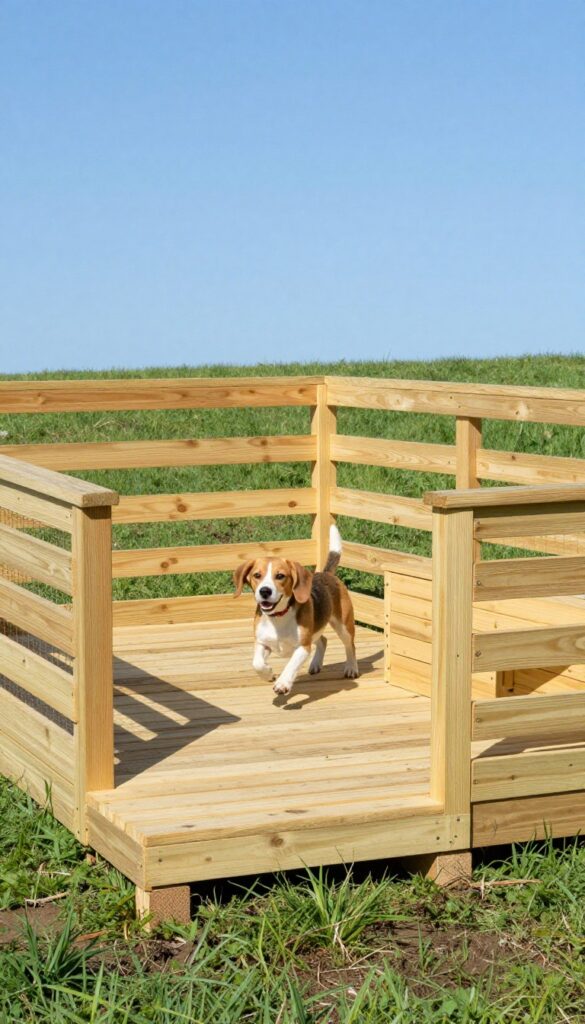
A raised platform dog run is a game-changer for rainy days or yards that stay wet. By building a wooden platform off the ground, you give your dog a clean, dry area to run and play without tracking mud inside. The low railing keeps them safe while still feeling open and fun.
Why It Works
This design keeps your dog off damp grass, mud, and puddles, which means less time cleaning paws and more time playing. The raised surface also stays cooler in summer and can be built to any size that fits your yard.
Best For
Perfect for small to medium dogs who love being outside but hate wet feet. Also great for homes with muddy yards, frequent rain, or dogs with allergies that need to avoid grass.
Practical Tip
Use pressure-treated lumber for longevity and add a ramp with grip strips or outdoor carpet for easy access. Seal the wood with a pet-safe waterproof stain to prevent splinters and weather damage.
Budget-Friendly Option
Skip the railing and just build the platform with a slight lip around the edge. You can also use reclaimed wood pallets (with gaps filled) to save money—just sand them smooth first.
9. Gravel Base Dog Run
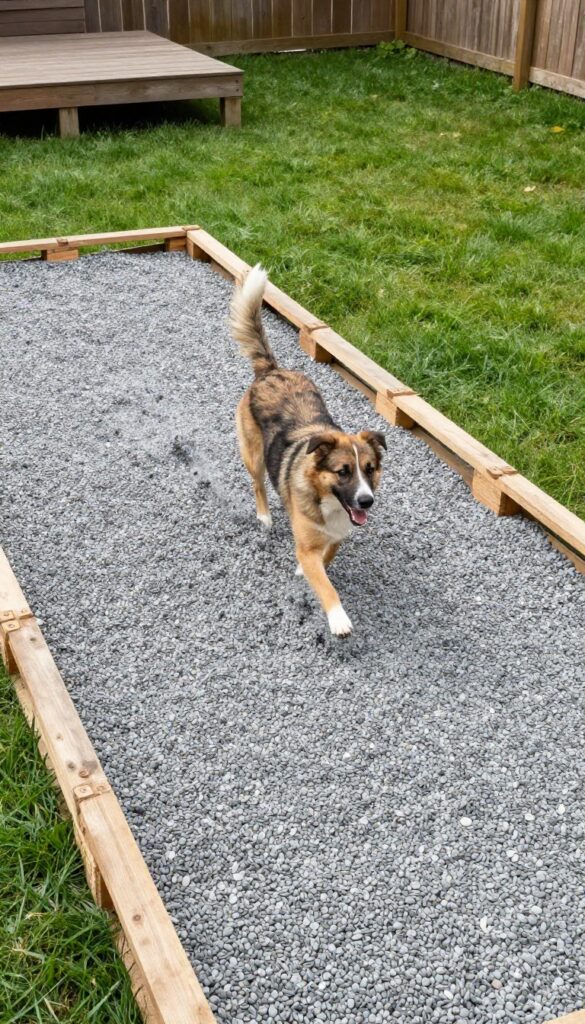
A gravel base dog run is one of the simplest and most cost-effective ways to give your pup a dedicated outdoor space. By laying down a layer of pea gravel or decomposed granite and fencing in the area, you create a low-maintenance run that drains well and stays mud-free. It's a practical solution for dogs who love to run but leave your yard a mess.
Why It Works
Gravel drains quickly after rain, so your dog's paws stay dry and clean. Unlike grass or dirt, it won't turn into a muddy pit, and it's easy to rinse off with a hose. The surface is also comfortable enough for running and playing without causing abrasions.
Best For
This run is ideal for active dogs who need a durable, all-weather surface. It works great in yards with poor drainage or high traffic, and it's a smart choice for owners who want a low-fuss setup that requires minimal upkeep.
Practical Tip
Use pea gravel or decomposed granite—both are smooth and won't hurt paws. Lay down landscape fabric first to prevent weeds from poking through. Edge the run with pressure-treated lumber or metal edging to keep the gravel contained.
Budget-Friendly Option
Instead of buying new fencing, repurpose old chain-link panels or wooden pallets. You can find free gravel from construction sites or buy in bulk from a landscape supply yard to save money.
10. Dog Run with Artificial Turf
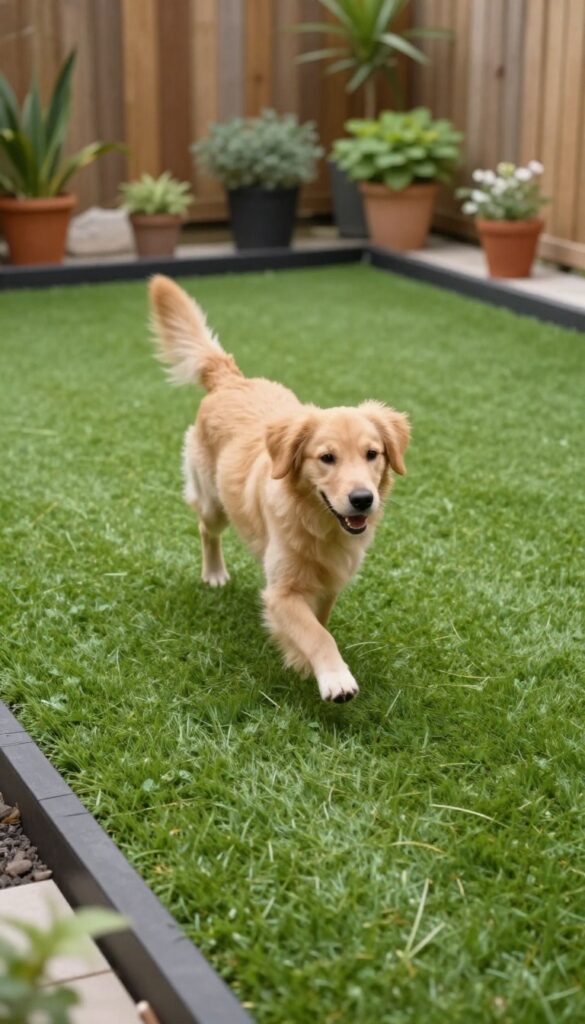
Artificial turf gives your dog a soft, clean place to run without the mud and maintenance of real grass. It stays green year-round and drains quickly after rain or a hose-down. This setup is especially handy for small backyards where natural grass struggles to survive.
Why It Works
Turf is durable enough to handle digging, running, and romping, yet gentle on your dog's paws. It eliminates muddy paw prints tracking into the house and reduces allergens since there's no pollen or grass to stir up.
Best For
This is ideal for small to medium yards, urban patios, or dogs with grass allergies. It also works great for owners who want a low-maintenance lawn that stays neat without weekly mowing or watering.
Practical Tip
Choose pet-specific artificial turf with built-in drainage and antimicrobial properties to prevent odors. Install a perimeter of pavers or landscape timbers to keep the turf edges secure and prevent digging underneath.
Budget-Friendly Option
If new turf is out of budget, look for used or remnant pieces from local installers. You can also lay down a thick outdoor rug or indoor/outdoor carpet as a temporary soft surface until you save up.
11. Multi-Dog Run with Separate Zones
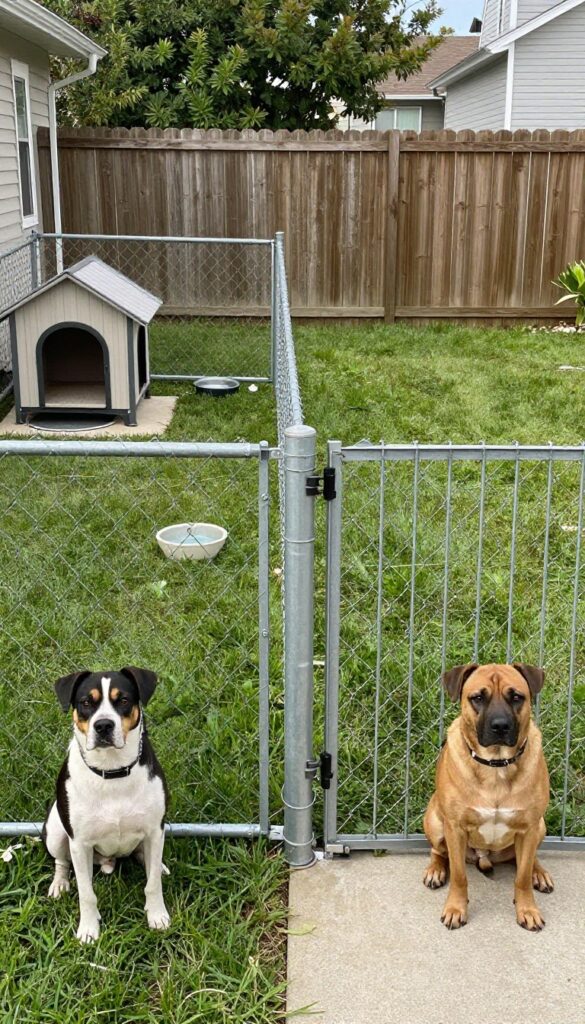
Homes with multiple dogs often face the challenge of giving each pup their own space without doubling the project. A multi-dog run with separate zones solves this by dividing one large enclosure into sections using interior dividers. Each zone can have its own gate and water station, so dogs can enjoy the yard together or retreat to their own area when they need a break.
This setup is especially helpful for dogs that don't always get along or for feeding times when you want to avoid food guarding. The dividers can be made from chain-link or welded wire, which are affordable and easy to install. You can even create a shared central area by leaving a gate between zones open when everyone is getting along.
Dog owners love this idea because it maximizes space and reduces conflict without requiring a complete backyard overhaul. It's a smart, budget-friendly way to keep peace in a multi-dog household.
Why It Works
Separate zones let each dog have their own territory, reducing stress and potential fights. The dividers are simple to build and can be adjusted as your dogs' relationships change. You only need one perimeter fence, which saves on materials and labor.
Best For
This is ideal for homes with two or more dogs, especially if they have different energy levels, ages, or temperaments. It also works well for boarding setups or foster homes where dogs come and go.
Practical Tip
Make sure each zone has shade, water, and a comfortable resting spot. Use sturdy materials for the dividers and secure them well to prevent dogs from pushing through. Add a lockable gate between zones so you can control access easily.
Budget-Friendly Option
Instead of buying new fencing for dividers, repurpose old chain-link panels or use heavy-duty cattle panels from a farm supply store. They're much cheaper than pre-made kennel panels and work just as well.
FAQ
How much does a DIY dog run typically cost?
Costs vary widely depending on materials and size. A basic PVC or repurposed wood run can cost under $50, while larger runs with welded wire or artificial turf may run $100–$300.
What is the best surface for a dog run?
Gravel, artificial turf, or concrete are popular choices. Gravel drains well, turf is soft, and concrete is easy to clean. Avoid dirt that turns to mud.
How tall should a dog run fence be?
For most dogs, 4 feet is sufficient, but for jumpers or large breeds, 5–6 feet is safer. Consider your dog's agility and size.
Can I build a dog run on a slope?
Yes, but you may need to terrace the area or use adjustable posts. A sloped run can work with proper drainage and leveling.
How do I keep my dog entertained in a run?
Add toys, a digging pit, or a water feature. Rotate toys regularly and provide shade and fresh water to keep your dog happy.
Conclusion
Building a DIY dog run doesn't have to be complicated or expensive. With a little planning and some basic materials, you can create a safe, fun space your dog will love. Whether you choose a simple PVC setup or a more permanent wood structure, your pup will thank you for the freedom to run and play.
Pick the idea that fits your yard and budget, and get started today. Your dog's happy zoomies are just a weekend project away.

I’m Pallab Kishore, the owner of Little Pets Realm — an animal lover and pet care enthusiast sharing easy tips, healthy recipes, and honest advice to help every small pet live a happy, healthy, tail-wagging life.