
Your backyard should be a place where your dog can run, dig, and relax without getting into trouble. But without the right setup, it can quickly become a muddy mess or a boredom zone.
These 11 dog backyard ideas will help you transform your outdoor space into a safe, fun, and comfortable haven for your pup. From digging pits to splash pools, each idea is practical, budget-friendly, and easy to customize for any yard size.
Ready to give your dog the backyard they deserve? Let's dive in.
1. Build a Digging Pit
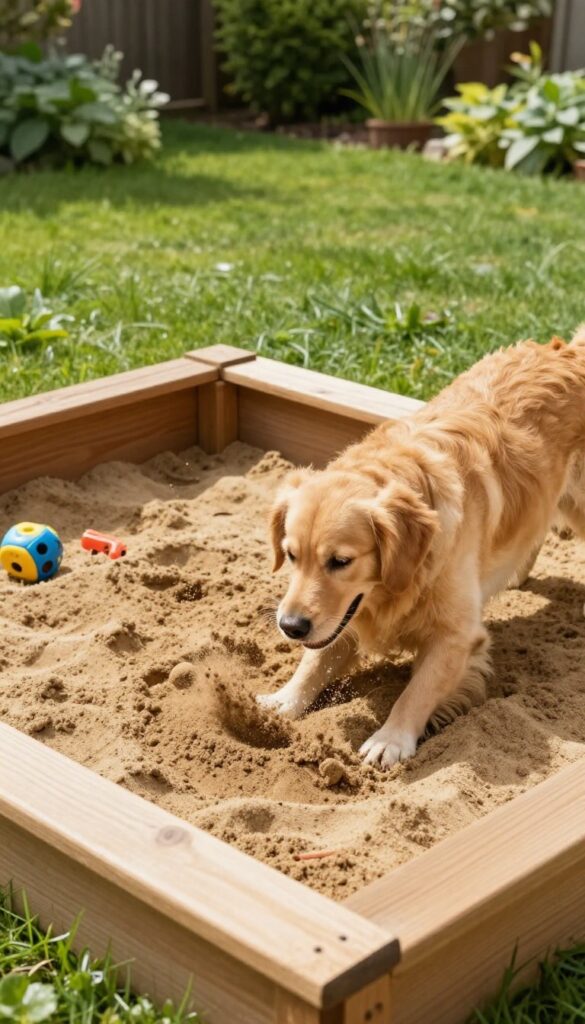
Dogs love to dig—it's in their DNA. Instead of fighting that instinct, give them a dedicated spot where it's not only allowed but encouraged. A digging pit filled with soft sand or soil becomes their personal excavation zone, saving your garden beds and lawn from unwanted holes.
This simple setup turns a frustrating behavior into a fun, rewarding activity. By burying toys and treats in the pit, you teach your dog that this is the place to dig, not your prized petunias. It's a win-win for both of you.
Why It Works
Dogs dig for many reasons: to cool off, to hide treasures, or just out of boredom. A digging pit satisfies that natural urge in a controlled area. Plus, the act of digging releases energy and provides mental stimulation, making it a great outlet for high-energy breeds.
Best For
This idea is perfect for terriers, dachshunds, and other breeds bred to dig. It also suits any dog that shows a strong interest in digging up your yard. If you have a large yard or a specific corner that's already bare, that's an ideal spot for a pit.
Practical Tip
Use a child's sandbox or build a simple wooden frame about 4×4 feet. Fill it with play sand (not beach sand, which can be dusty) or topsoil. Bury a few favorite toys or treats just below the surface to get your dog started.
Check the pit regularly for sharp objects or debris, and keep it covered when not in use to prevent it from becoming a cat litter box.
Budget-Friendly Option
No budget for a frame? Just mark off a corner of your yard with landscape timbers or large stones. You can even repurpose an old kiddie pool as a temporary digging pit.
The key is defining the space so your dog knows where it's okay to dig.
2. Install a Splash Pool or Kiddie Pool
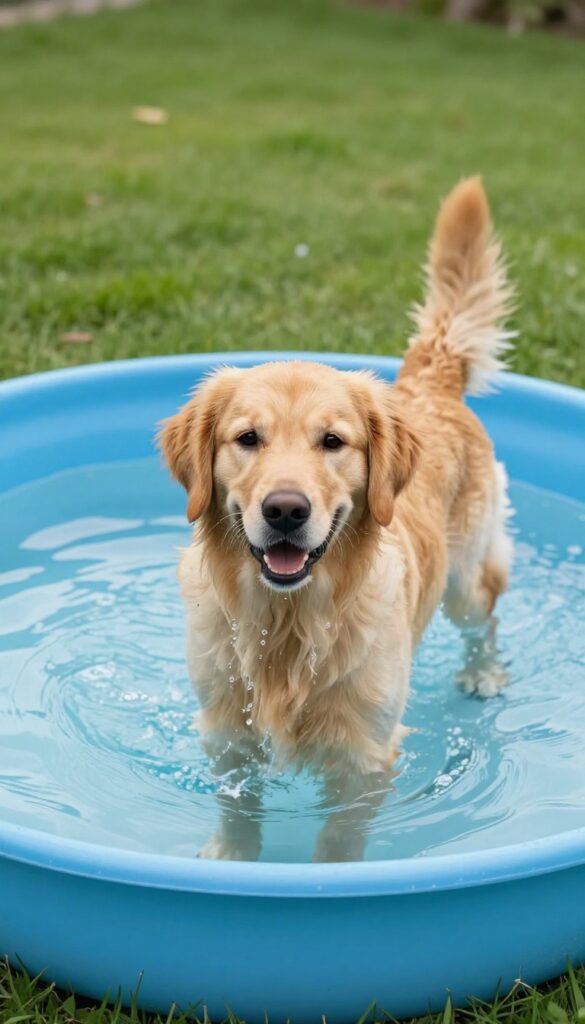
When summer heat hits, a splash pool can turn your backyard into the ultimate doggy oasis. These shallow pools are a simple way to help your pup cool off while adding extra fun to their outdoor time. Just fill, supervise, and watch the splashing begin.
Why It Works
Dogs cool down through their paws and panting, but a pool speeds up the process. The shallow water provides instant relief without the overwhelming depth of a full-sized pool. It also encourages gentle exercise and mental stimulation, especially on scorching days.
Best For
This setup is perfect for water-loving breeds like Labradors, Golden Retrievers, and Spaniels. It also works great for small backyards, patios, or any home without a built-in pool. Even dogs who are hesitant at first often learn to love a quick dip.
Practical Tip
Choose a sturdy, non-slip pool with a thick bottom to prevent punctures. Place it in a shaded area to keep the water cooler and avoid sunburn on your dog's nose or ears. Change the water daily to prevent bacteria and algae, and always supervise playtime.
Budget-Friendly Option
A plastic kiddie pool from a dollar store costs under $10 and works perfectly. Just check for sharp edges and reinforce the bottom with an old yoga mat or towel.
3. Create a Shaded Rest Area
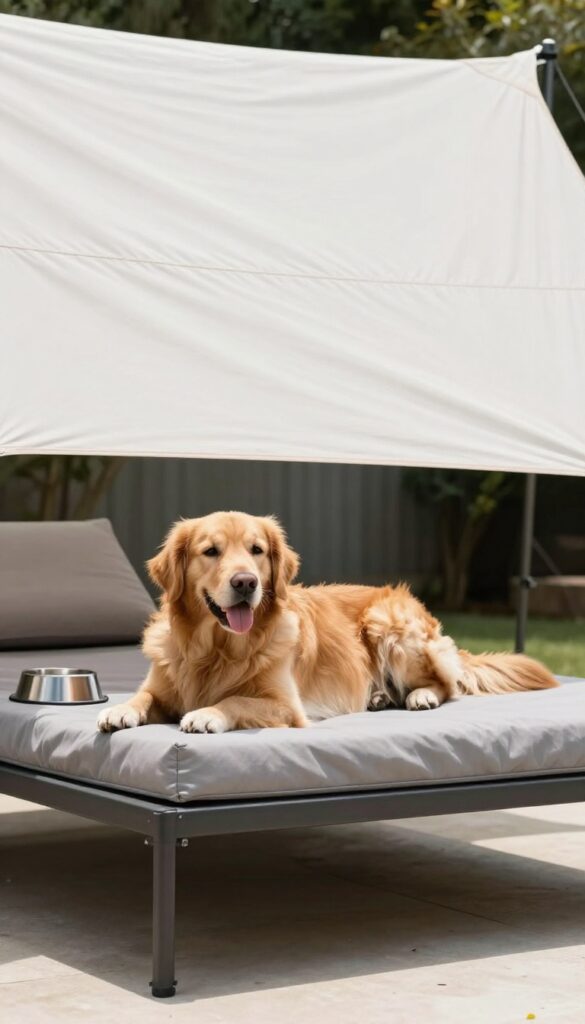
A sunny backyard is great for playtime, but dogs need a cool spot to escape the heat. Without shade, your pup might overheat or avoid the yard altogether. A dedicated shaded rest area gives them a comfortable place to lounge while still enjoying the outdoors.
Why It Works
Dogs can't cool down as efficiently as humans, and prolonged sun exposure can lead to heatstroke or burnt paw pads. A shaded zone provides a safe retreat where your dog can relax without direct sun, keeping them comfortable and healthy during warm weather.
Best For
This setup works for any dog, but it's especially important for brachycephalic breeds like Bulldogs, Pugs, and Boxers, who are prone to overheating. It's also great for yards with limited natural shade or homes in hot climates.
Practical Tip
Position the shaded area near a wall or fence for extra protection from low-angle sun. Use a canopy, shade sail, or large umbrella that covers at least a 6×6 foot area. Add a cooling mat or elevated cot bed inside to keep your dog off hot ground.
Budget-Friendly Option
If you're on a tight budget, repurpose an old bedsheet or tarp and secure it between two trees or fence posts with zip ties. Or simply move a lightweight umbrella stand around the yard to follow the shade throughout the day.
4. Set Up a Dog-Friendly Path
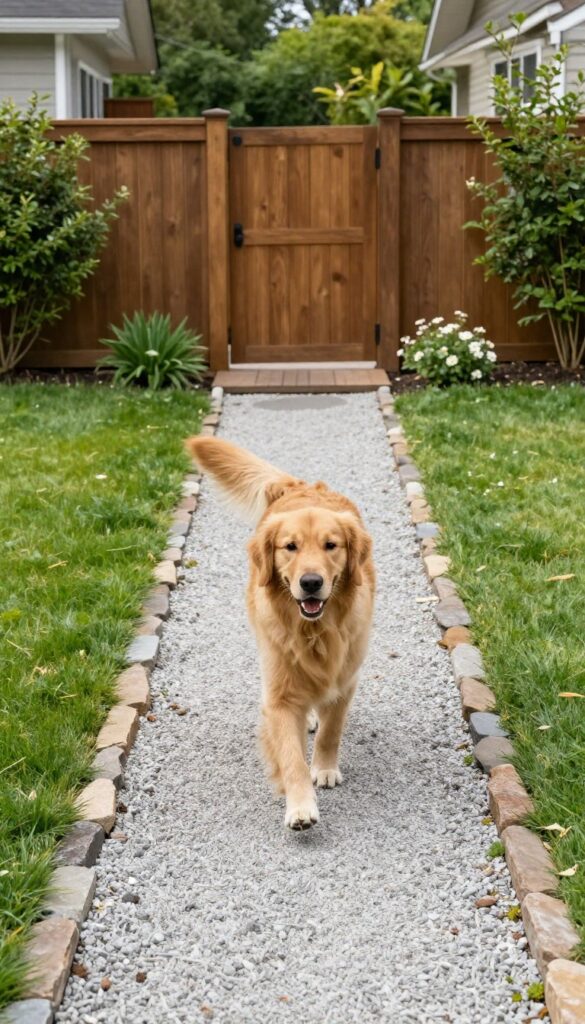
Rainy days can turn your backyard into a mud pit, especially along the routes your dog takes most. By laying down a dedicated path made of pea gravel or mulch, you give your pup a clean, defined walkway that cuts down on mess. It's a simple addition that makes a big difference in how you both enjoy the yard.
Why It Works
Dogs are creatures of habit—they'll follow the same line from the door to the fence or their favorite digging spot. By placing a path on that route, you contain the mud and wear to one area. Pea gravel drains well and doesn't stick to paws like mud, while mulch is soft and natural-looking.
Either option makes cleanup faster and keeps your dog cleaner.
Best For
This idea is perfect for dogs who love to patrol the fence line or have a regular potty path. It's also great for homes with heavy clay soil that turns to muck after rain. If you have a high-energy breed that wears a dirt track along the yard, a designated path will save your grass and your sanity.
Practical Tip
Use landscape fabric under the gravel or mulch to prevent weeds from popping through. Edge the path with stones, bricks, or metal edging to keep the material in place. For a wider path, aim for at least 2 feet across so your dog can walk comfortably.
Rake the surface occasionally to keep it level and prevent dips.
Budget-Friendly Option
If you have leftover wood chips from a tree trimming service, you can use those instead of buying bagged mulch. Many tree companies give away chips for free. Just make sure the wood is untreated and safe for dogs.
5. Add a Sniffing Garden
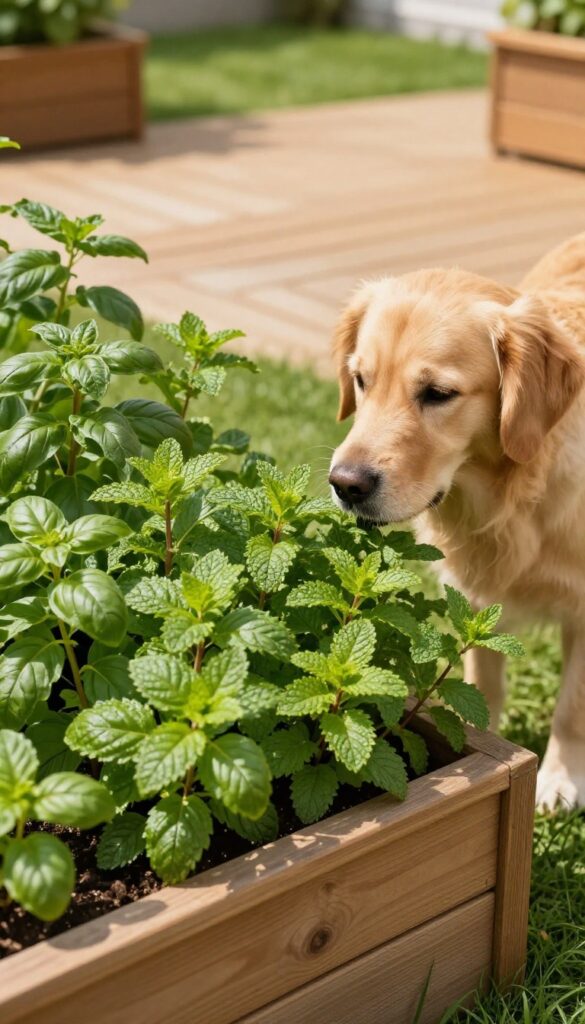
Your dog experiences the world through their nose, so why not create a garden designed just for sniffing? A sniffing garden is a small patch of dog-safe herbs and plants that give your pup a rich sensory experience every time they step outside.
It's an easy way to add variety to your backyard without a lot of work. Plus, it smells amazing for you too.
Why It Works
Dogs are natural explorers, and a sniffing garden taps into that instinct. The different scents stimulate their brain, providing mental enrichment that can tire them out faster than a game of fetch. It's like a puzzle for their nose.
Best For
This idea is great for dogs that love to sniff on walks or seem bored with a plain yard. It also works well for small backyards where running space is limited but you still want to offer enrichment.
Practical Tip
Plant herbs in raised beds or large containers to keep them from getting trampled. Choose compact varieties like creeping thyme or dwarf lavender. Make sure to use organic soil and avoid any chemical fertilizers or pesticides.
Budget-Friendly Option
Start with just a few pots of mint and basil from a grocery store. They're cheap, grow quickly, and are perfectly safe for dogs to sniff and nibble.
6. Install a Dog Door to the Yard
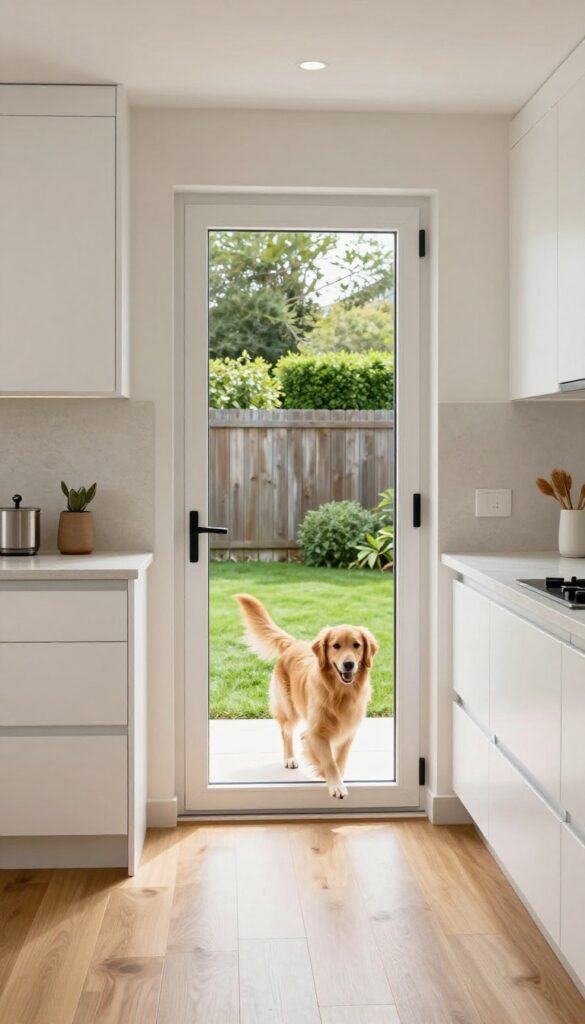
A dog door is one of those upgrades that makes life easier for both you and your pup. Instead of getting up every time your dog wants to go out, you give them the freedom to come and go as they please. It's a simple change that can make your backyard feel like an extension of your home.
Why It Works
Dogs need to relieve themselves, explore, and get fresh air throughout the day. A dog door eliminates the barrier between indoor and outdoor, so your dog can self-regulate without relying on you to open the door. This is especially helpful for busy owners or dogs with high energy who want quick access to the yard.
Best For
This works well for any dog that's house-trained and comfortable with the door's operation. It's ideal for homes with a secure, fenced yard and for owners who want to give their dog more independence. It's also great for multi-dog households where trips outside happen frequently.
Practical Tip
Choose a dog door with a lockable flap and weather sealing to keep your home secure and energy efficient. Install it at the right height for your dog's size, and consider a model with an insulated panel if you live in an extreme climate. Training your dog to use it usually takes just a few treats and gentle encouragement.
Budget-Friendly Option
If a permanent installation isn't possible, look for a sliding glass door insert that doesn't require cutting a hole. These are removable and work well for renters. You can also try a simple magnetic curtain for the doorframe as a low-cost alternative.
7. Build an Agility Course
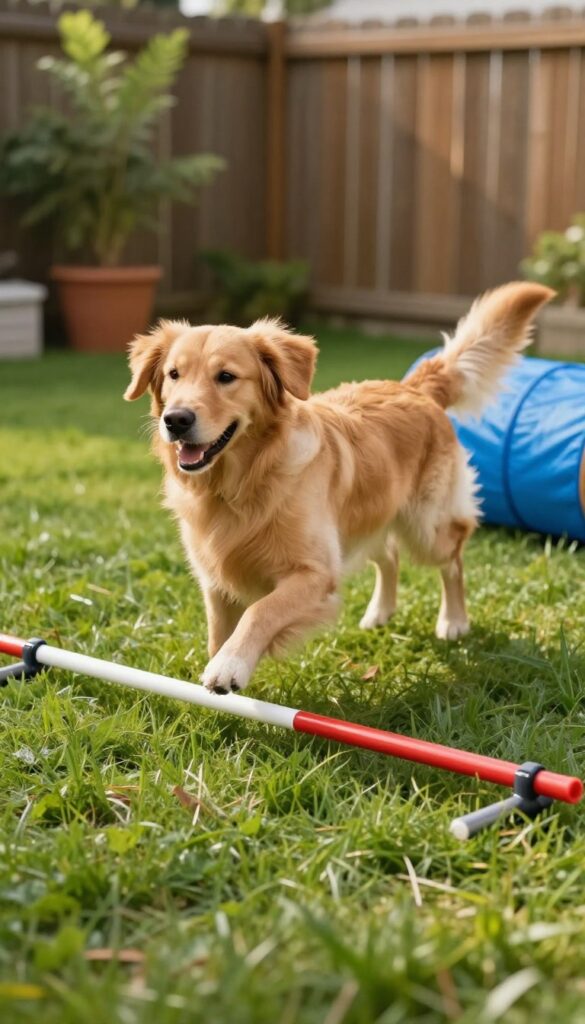
Turn your backyard into a mini dog gym with an agility course. Dogs love jumping over hurdles, weaving through poles, and zooming through tunnels. It’s a fantastic way to burn off energy and build confidence, plus it strengthens the bond between you and your pup as you guide them through the obstacles.
Why It Works
Agility courses combine physical exercise with mental stimulation. The variety of movements—jumping, weaving, crawling—works different muscle groups and keeps your dog’s brain engaged. It’s also a great outlet for high-energy breeds that need more than just a walk.
Best For
Best for active dogs like Border Collies, Australian Shepherds, and Jack Russell Terriers. It’s ideal for medium to large yards but can be scaled down for smaller spaces. Great for dogs that love to run and problem-solve.
Practical Tip
Start with just a few obstacles: low jumps (use PVC pipes or broomsticks on buckets), a tunnel (a kids’ play tunnel works), and weave poles (stakes or cones). Space them a few feet apart so your dog can move smoothly. Keep jumps low to avoid injury, and always supervise play.
Store collapsible items in a shed or garage when not in use.
Budget-Friendly Option
No need for expensive gear. Make jumps from pool noodles over flower pots, use a cardboard box as a tunnel, and set up weave poles with broom handles stuck in buckets of sand. DIY agility is just as fun and costs almost nothing.
8. Create a Potty Area with Gravel or Artificial Turf
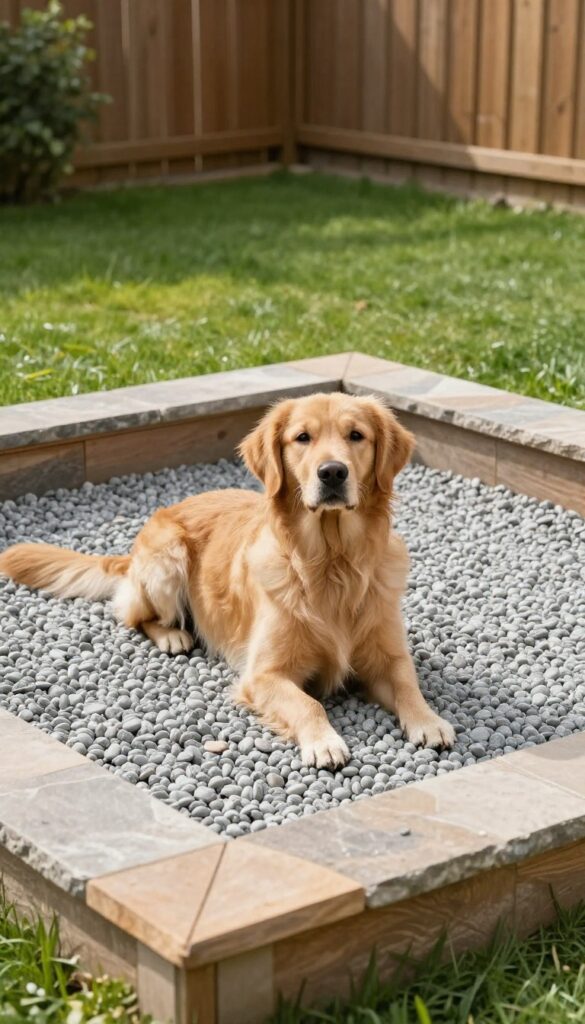
Designating a specific spot for bathroom breaks can save your yard from patchy, smelly grass. Using materials like gravel or artificial turf makes cleanup quick and keeps odors under control.
A dedicated potty zone also trains your dog to go in one area, which means less time hunting for messes and more time enjoying your backyard. It's a simple change that pays off fast.
Why It Works
Gravel drains well and doesn't hold smells like soil does, while artificial turf mimics grass but is easy to hose down. Both options create a consistent surface that dogs quickly learn to associate with potty time, reducing accidents elsewhere in the yard.
Best For
This works great for medium to large dogs who need frequent potty breaks, especially in smaller yards where every patch of grass matters. It's also ideal for rainy climates where mud becomes a constant problem.
Practical Tip
Choose pea gravel over sharp crushed stone to protect your dog's paws. For turf, look for pet-specific brands with drainage holes and antimicrobial backing. Install a slight slope so water runs off, and rinse the area weekly with a mild enzymatic cleaner to neutralize odors.
Budget-Friendly Option
Skip expensive turf and use a layer of pea gravel over landscape fabric. It's cheaper, still easy to clean, and you can top it off with fresh gravel as needed.
9. Add a Water Station
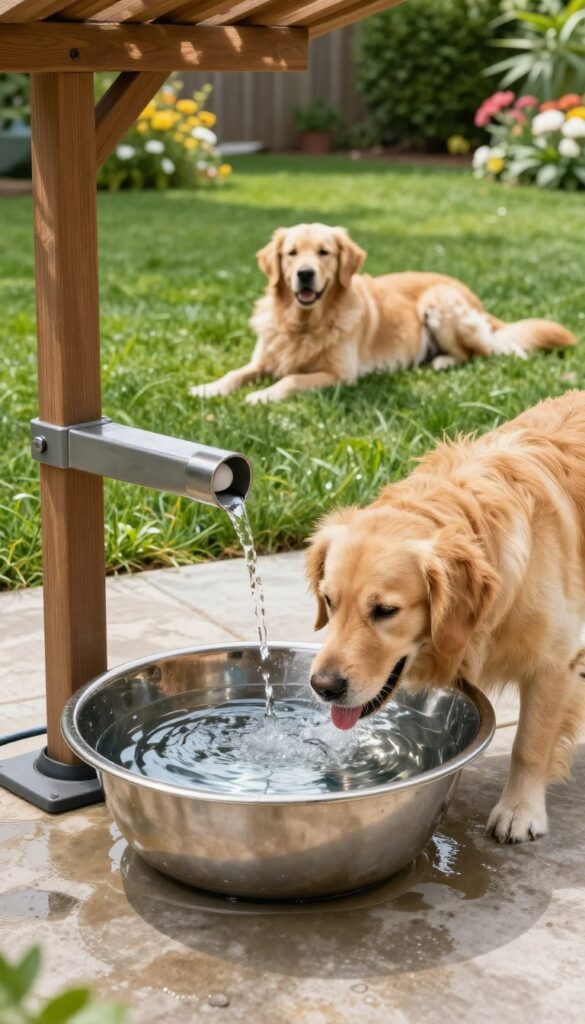
Dogs need constant access to fresh water, especially when they're active outside. A dedicated water station in your backyard keeps your pup hydrated and happy during playtime.
Placing a large, tip-proof bowl in a shaded area prevents spills and keeps the water cool. For an extra touch, a pet fountain encourages more drinking and keeps the water circulating and fresh.
Why It Works
A water station ensures your dog always has access to clean water, reducing the risk of dehydration on hot days. The movement of a fountain attracts dogs to drink more, which is especially helpful for picky drinkers or breeds prone to urinary issues.
Best For
Perfect for active dogs who spend hours outdoors, multi-dog households, and owners with larger yards where frequent trips inside aren't practical.
Practical Tip
Choose a heavy, stainless steel or ceramic bowl with a wide base to prevent tipping. Place it under a tree or patio umbrella to keep the water shaded and cool. Clean the bowl daily and refill with fresh water to avoid algae or bacteria growth.
Budget-Friendly Option
If a fountain isn't in your budget, a simple elevated bowl stand helps reduce spills and keeps the bowl off hot ground. You can also freeze a large ice block in a bowl to provide slow-melting cold water throughout the day.
10. Secure the Perimeter with a Dog-Proof Fence
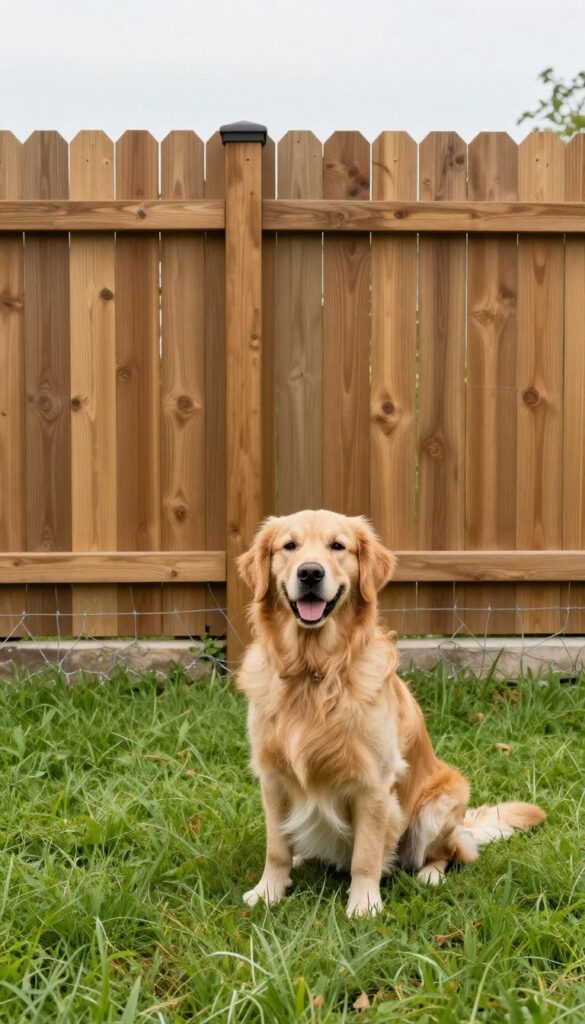
A fence is your dog's first line of defense against the outside world. But a standard fence may not be enough to keep a determined escape artist inside. To give you peace of mind, your yard's boundary needs to be checked for weak spots and reinforced where necessary.
By dog-proofing your fence, you create a safe zone where your pup can run and play freely. It's a simple upgrade that prevents accidents and keeps your dog where they belong.
Why It Works
Dogs are natural explorers, and a gap under the gate or a loose board is an invitation to roam. Checking for vulnerabilities and reinforcing them stops escapes before they happen. A secure fence also keeps other animals out, reducing the risk of fights or your dog getting spooked.
Best For
This idea is essential for any dog owner with a yard, especially those with breeds known for digging or jumping—like Huskies, Beagles, or Terriers. It's also a must for homes near busy streets or in neighborhoods with lots of wildlife.
Practical Tip
Walk the entire fence line regularly, looking for gaps, loose boards, or digging spots. For diggers, bury chicken wire or a metal barrier at least 12 inches deep along the base. You can also add a privacy slat or a lean-in extension at the top to prevent climbing.
Budget-Friendly Option
Instead of buying expensive fence panels, reinforce your existing fence with hardware cloth or welded wire mesh. A roll of chicken wire is cheap and effective for blocking gaps and digging zones.
11. Provide Interactive Toys and Puzzles
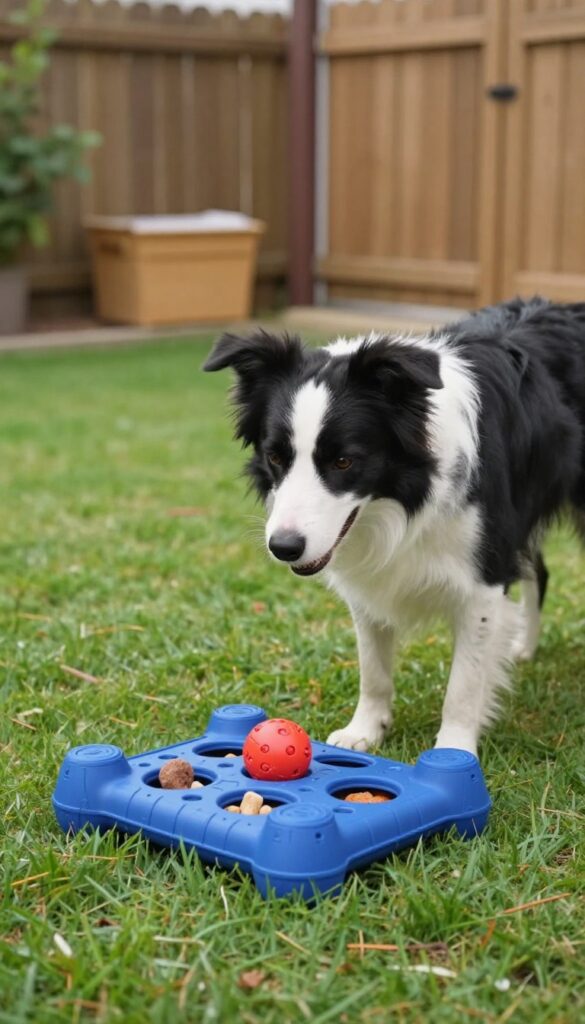
A yard full of toys is great, but dogs get bored with the same old stuff. Interactive toys and puzzles keep their brains working and prevent destructive behavior. By rotating a few durable options, you can make the backyard feel new every day.
Why It Works
Dogs need mental stimulation just as much as physical exercise. Puzzle toys challenge them to solve problems, which tires them out faster than simple fetch. It also reduces digging and barking caused by boredom.
Best For
High-energy breeds like Border Collies, Australian Shepherds, and Labradors who need more than just running around. Also great for dogs that are left alone in the yard for periods and need something engaging to do.
Practical Tip
Pick toys made for outdoor use—rubber or tough nylon that can handle sun and dirt. Store them in a covered bin near the door so you can grab and swap easily. Clean them with a hose every few weeks to keep them safe.
Budget-Friendly Option
You can DIY a puzzle by freezing treats in a block of ice or hiding kibble in a muffin tin covered with tennis balls. It’s cheap and just as fun.
FAQ
What is the best ground cover for a dog backyard?
Pea gravel, artificial turf, and mulch are popular choices. Pea gravel drains well and doesn't get muddy, while artificial turf is soft and easy to clean. Avoid cocoa mulch, which is toxic to dogs.
How can I keep my dog cool in the backyard during summer?
Provide plenty of shade with a canopy or trees, set up a kiddie pool, and ensure fresh water is always available. You can also freeze treats or use cooling mats.
What plants are safe for dogs in a backyard?
Dog-safe plants include sunflowers, marigolds, rosemary, mint, and lavender. Avoid azaleas, lilies, tulips, and sago palms, which are toxic.
How do I stop my dog from digging under the fence?
Bury chicken wire or concrete pavers along the fence line. You can also place large rocks or install a dig-proof barrier. Providing a designated digging pit can also redirect the behavior.
What is the best fence for a dog that jumps?
A tall privacy fence (at least 6 feet) works well. Adding a coyote roller or an angled extension at the top can prevent climbing. Ensure there are no footholds.
Conclusion
Creating a dog-friendly backyard doesn't have to be complicated or expensive. Start with one or two ideas that address your biggest challenges, like shade or digging, and build from there. Your dog will thank you with tail wags and happy zoomies.
Remember, a well-designed yard keeps your pup safe, entertained, and healthy. So grab a shovel or a water bowl, and start making your backyard a place your dog loves to spend time.

I’m Pallab Kishore, the owner of Little Pets Realm — an animal lover and pet care enthusiast sharing easy tips, healthy recipes, and honest advice to help every small pet live a happy, healthy, tail-wagging life.