
A secure backyard is every dog owner's dream. You want your pup to run, sniff, and play without you worrying about escape routes or neighborhood critters. But finding the right fence can feel overwhelming with so many options.
That's where this list comes in. We've rounded up 10 practical fence ideas that fit different yards, budgets, and dog personalities. Whether you have a tiny yard or acres of land, there's a solution here.
Let's dive into ideas that keep your dog safe and your wallet happy. No fluff, just real-world advice from a fellow dog owner.
1. Portable Exercise Pen
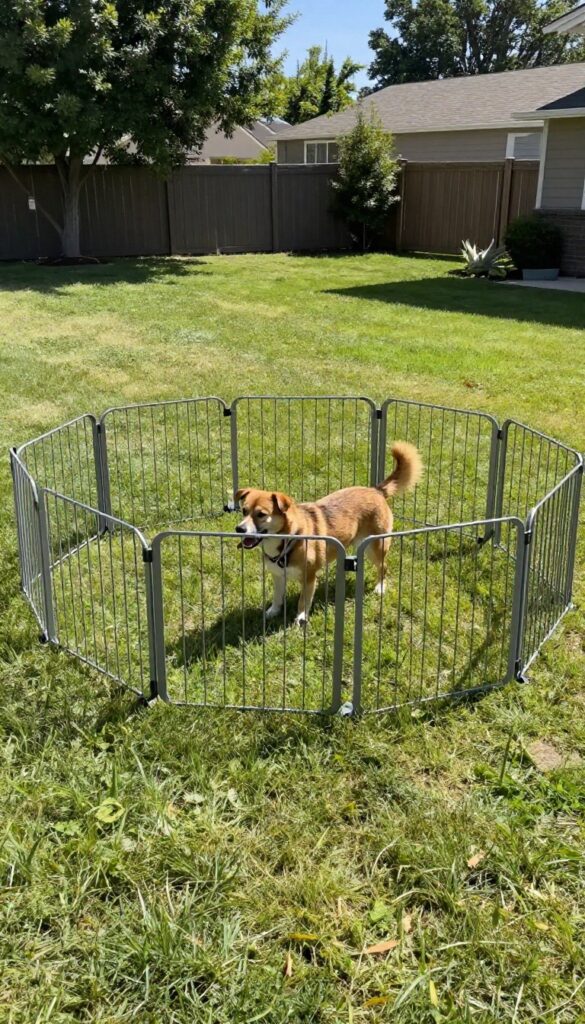
Not every yard is built for a permanent fence. Maybe you rent, or your yard is shared, or you just want a flexible option that travels with you. That's where a portable exercise pen comes in.
It's a lightweight, foldable enclosure you can set up in minutes and take down just as fast.
These pens are a favorite among dog owners who need quick solutions. They're sturdy enough for playtime but easy enough to move around the yard or pack for a trip. No digging, no posts, no hassle.
Why It Works
A portable exercise pen gives your dog a safe zone without permanent installation. It's made of metal or heavy-duty plastic panels that interlock to form a secure ring. You can stake it into the ground for extra stability, but it stays put on its own for supervised play.
It's a solid choice when you need flexibility.
Best For
Renters, apartment dwellers with small yards, or anyone who wants a fence they can take to the park or on vacation. It's ideal for small to medium dogs who don't need acres of space. If your dog is a jumper, look for pens with taller panels or a roof option.
Practical Tip
Place the pen on a flat, grassy area to keep the panels from wobbling. Use ground stakes or sandbags to secure it, especially for dogs who like to lean or push against the sides. For comfort, add a shade cover or a small dog bed inside if your pup will be out for a while.
Budget-Friendly Option
Skip the brand-name pens and look for a basic 8-panel metal exercise pen online. Many generic versions are just as sturdy and cost half the price. You can also find used ones on marketplace sites for a steal.
2. Welded Wire Fence
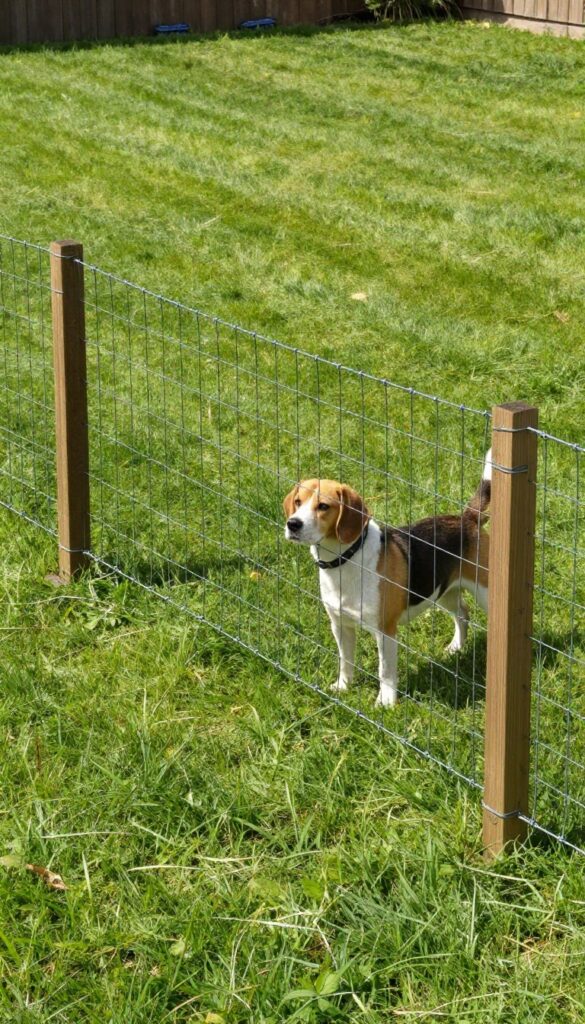
Welded wire fencing is a classic choice for dog owners who want a sturdy barrier without breaking the bank. The rigid mesh panels are easy to install and provide a clear view of the yard. Many owners appreciate how it keeps small dogs in and larger critters out.
Why It Works
The welded joints make this fence much stronger than standard chicken wire, so it resists pushing and bending. Pick a mesh size under 2 inches to prevent paws or noses from squeezing through, and bury the bottom a few inches to stop diggers.
Best For
Active dogs that like to lean on fences or test boundaries, especially breeds like Beagles or Terriers. It also works well for owners who want a low-maintenance, long-lasting fence that can handle weather and wear.
Practical Tip
Use tension wire along the top and bottom to keep the mesh taut. If your dog jumps, add a PVC pipe roller at the top to make it harder to grip. Check for sharp wire ends after installation and cover them with caps.
Budget-Friendly Option
Instead of buying pre-made panels, buy a roll of welded wire and attach it to wooden posts. This cuts costs and lets you customize the height and shape.
3. Invisible Electric Fence
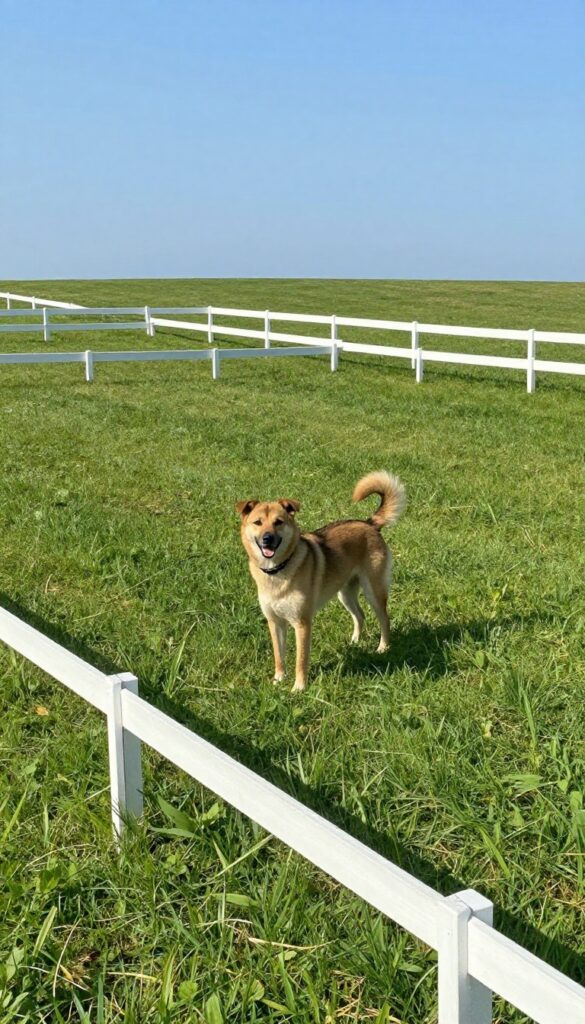
Electric invisible fences use a buried wire and a special collar to create a boundary your dog learns to respect. They're popular because they keep the view wide open and work on big properties where traditional fencing would cost a fortune. The setup is straightforward, but getting your pup comfortable with the system takes patience and positive training.
Why It Works
The collar gives a warning beep when your dog approaches the boundary, followed by a mild static correction if they keep going. Most dogs pick up the limits within a week or two of training. It's an effective way to give your dog plenty of room to roam without building a physical barrier.
Best For
This option shines on large properties where standard fencing is too pricey or impractical. It's also great for homeowners who want an unobstructed view of their land. Breeds with a strong prey drive may need extra training, but many dogs adapt quickly.
Practical Tip
Spend time on the initial training—walk your dog along the boundary on a leash, marking the beep zone with flags. Keep the first few sessions short and reward heavily. Never leave the collar on for more than 12 hours a day to avoid skin irritation, and check the fit regularly.
Budget-Friendly Option
If the full system is out of reach, look for a used kit online or wait for a sale. Some brands offer refurbished units at a discount. You can also start with just the wire and collar, then add extra wire later if you need a larger perimeter.
4. Pallet Fence
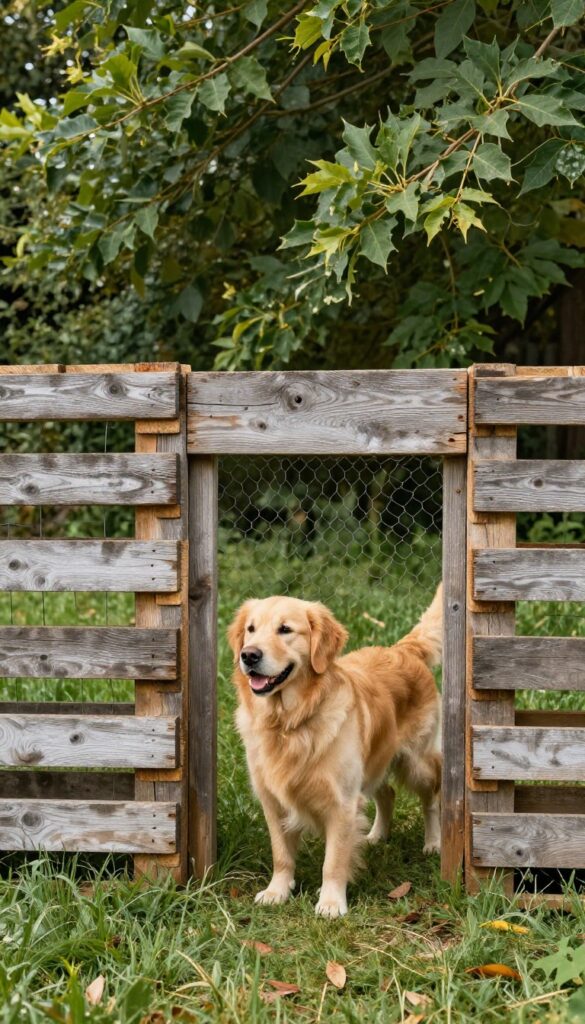
Reclaimed wood pallets are a goldmine for budget-friendly DIY projects. With a little creativity, you can turn them into a sturdy, rustic fence that keeps your dog safe and adds character to your yard. It's a weekend project that doesn't require professional skills, and the cost is often just the hardware and a few tools.
Many dog owners love the customizable look and the satisfaction of building something with their own hands.
Why It Works
Pallets are surprisingly strong and can be stacked or arranged to create a solid barrier. By adding chicken wire or hardware cloth to the back, you close any gaps and prevent digging or squeezing through. The height is entirely up to you—stack pallets higher for jumpers or leave them lower for small breeds.
Plus, the weathered wood blends nicely with outdoor spaces.
Best For
This fence is perfect for handy dog owners who enjoy DIY projects and have access to free or cheap pallets. It's ideal for small to medium yards where you want a rustic, natural look without spending a fortune. Dogs that respect fences and aren't heavy diggers or aggressive chewers will do well with this setup.
Practical Tip
Before building, check that pallets are heat-treated (stamped with HT) and not chemically treated, which can be toxic. Sand down rough edges and remove any protruding nails to protect your dog's nose and paws. For extra durability, apply a pet-safe outdoor sealant to weatherproof the wood.
Secure the fence with sturdy posts or brackets so it doesn't wobble.
Budget-Friendly Option
If you can't find free pallets, check local warehouses, hardware stores, or online marketplaces. Often they're happy to give them away. Alternatively, use reclaimed wood from old decks or fencing to keep costs low.
5. Chain Link Fence with Privacy Slats
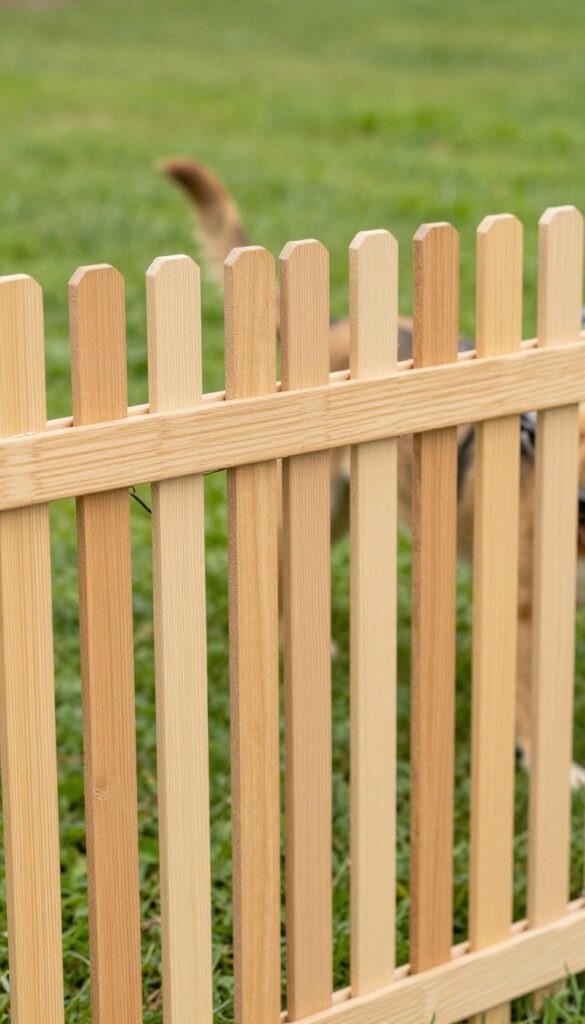
A standard chain link fence does the job, but it leaves your dog exposed to every squirrel, mail carrier, and neighbor kid walking by. Adding privacy slats transforms that open grid into a solid visual barrier. It cuts down on barking triggers and gives your pup a calmer space to roam.
The slats weave right into the existing chain links, so you get more privacy without replacing the whole fence.
Why It Works
Dogs who react to every passing trigger need a fence that blocks their view. Privacy slats reduce visual stimulation, which helps lower anxiety and excessive barking. The sturdy chain link underneath still provides a secure physical barrier, so your dog can't push through or dig under easily.
Best For
This setup works best for dogs that are alert barkers or easily overstimulated by activity outside the yard. It's also great for homes on busy streets or near sidewalks where foot traffic is constant. Owners who already have a chain link fence in good condition will save money by upgrading with slats instead of replacing the entire fence.
Practical Tip
Choose slats in a color that complements your home or yard, like wood tones for a natural look or black for a sleek, modern feel. Make sure the slats are tightly woven so gaps don't form over time. Check periodically for loose slats or bent chain links, especially after storms or rough play.
Budget-Friendly Option
If buying pre-made slats is too pricey, cut your own from scrap wood or PVC lattice panels. Measure the diamond openings and cut strips to size, then slide them in vertically or horizontally. It takes a little more time but costs a fraction of the store-bought versions.
6. Wood Privacy Fence
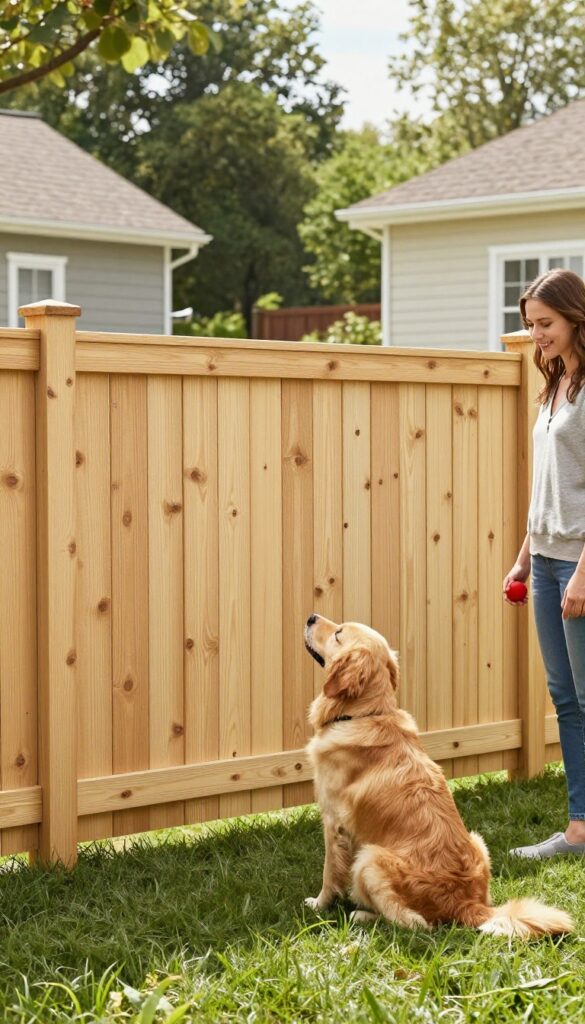
A solid wood privacy fence does more than just mark your property line. It blocks visual distractions that can trigger barking or fence fighting with neighbor dogs. The solid panels also buffer street noise, creating a calmer environment for anxious pups.
Plus, the sturdy construction makes it tough for even determined diggers or jumpers to escape.
Why It Works
Dogs are less reactive when they can't see what's on the other side. A privacy fence reduces territorial barking and keeps your dog focused on you and the yard. The solid surface also makes it harder for small breeds or escape artists to find footholds or squeeze through gaps.
Best For
This fence works great for breeds that bark at passersby or get worked up by other dogs. It's also ideal for corner lots or yards near busy sidewalks where privacy and noise reduction matter most.
Practical Tip
Choose pressure-treated lumber or cedar for rot resistance. Install the fence with no gaps between boards, and consider adding a gravel or concrete footer along the bottom to prevent digging. Check local codes for height limits—most areas allow 6 feet, which is plenty for larger dogs.
Budget-Friendly Option
If solid wood panels are too pricey, try using lattice panels on top of a chain-link fence. Attach lattice to the top 2–3 feet to block your dog's view without replacing the whole fence.
7. Mesh Pet Fence
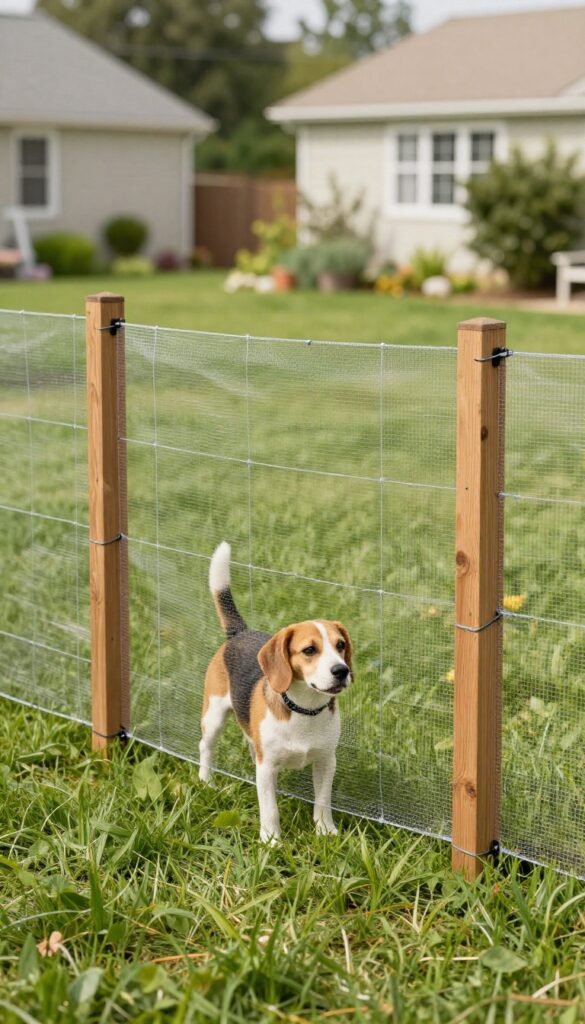
Sometimes you just need a quick, lightweight solution that doesn't block your view. Mesh pet fencing is exactly that—a see-through barrier that installs easily on existing posts or stakes. It's perfect for creating a temporary play area or defining a safe zone for small dogs and puppies.
Because the mesh is flexible and breathable, your dog can see outside without feeling trapped. Plus, it's easy to roll up and store when not in use. This is a great option if you want a fence that feels less permanent but still gets the job done.
Why It Works
Mesh fences are low-cost and simple to set up—no digging post holes or pouring concrete. The lightweight material won't hurt if your pup runs into it, and the see-through design reduces anxiety for dogs who like to watch the world go by. It's also easy to cut and customize for odd-shaped yards.
Best For
This fence is ideal for small to medium dogs, especially puppies who aren't strong enough to push through it. It works well in rental yards where you can't install permanent fencing, or as a temporary barrier for events or camping trips.
Practical Tip
Secure the mesh tightly to existing posts or T-posts using zip ties or heavy-duty staples. Leave a few inches of slack at the bottom and weigh it down with a ground stake or landscape fabric to prevent your dog from squeezing underneath.
Budget-Friendly Option
You can buy mesh fence rolls at most hardware stores for a fraction of the cost of traditional fencing. If you're on a tight budget, look for used deer netting or garden mesh on marketplace sites—just make sure the holes are small enough that your dog's paws can't get caught.
8. Hog Wire or Cattle Panel Fence
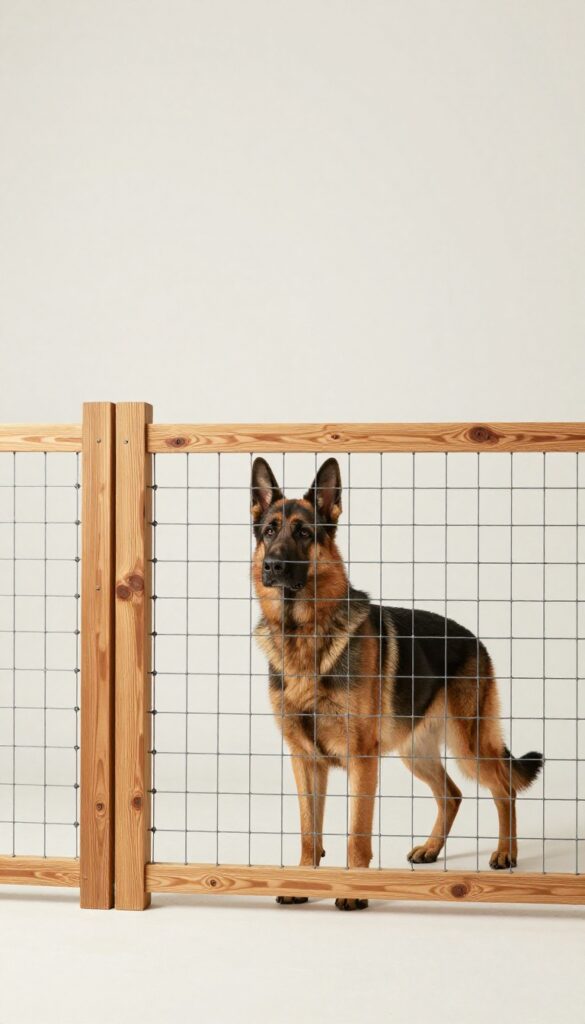
If you want a fence that feels sturdy and looks a bit like a working farm, hog wire or cattle panels are a fantastic choice. These heavy-gauge wire panels are built to contain livestock, so they can easily handle even the most determined diggers or jumpers. The open grid keeps the view unobstructed while giving your dog a clear boundary they can see through, which often reduces barking at passersby.
Why It Works
The panels are incredibly strong and rigid, so they won't sag or warp over time. Dogs can't chew through the thick wire, and the tight grid spacing prevents small paws or noses from getting stuck. Plus, the farmhouse aesthetic pairs well with wood posts for a custom look that feels intentional, not temporary.
Best For
This fence is ideal for large, active breeds like German Shepherds, Labs, or Huskies who need a secure barrier. It also works great for rural or suburban properties where you want a durable fence that blends with the landscape. If you have multiple dogs or a digger, the cattle panels can be buried a few inches underground or attached to a gravel base to prevent escape.
Practical Tip
Combine the wire panels with pressure-treated or cedar posts for a rustic, polished look. Space posts 8 feet apart and use tension wire or clips to keep the panels taut. For added safety, fold the sharp wire ends inward or cover them with PVC caps.
You can also grow climbing vines along the fence to soften the industrial feel.
Budget-Friendly Option
Skip the fancy brackets and use heavy-duty zip ties or baling wire to attach panels to posts. Look for used cattle panels on local farm supply classifieds or at auction – they’re often much cheaper than new ones. Alternatively, substitute hog wire with concrete reinforcing mesh from a hardware store for a similar look at a lower cost.
9. Bamboo Fence

Bamboo fencing brings a calm, natural vibe to your backyard while keeping your dog secure. It’s an eco-friendly choice that blends into gardens and landscapes beautifully. The rolled bamboo panels attach to a sturdy frame, giving you privacy without feeling closed in.
Why It Works
Bamboo is surprisingly strong and can withstand weather and playful pups. The tight weave blocks visual distractions, so your dog is less likely to bark at passersby. Just make sure the fence is tall enough—at least 6 feet for jumpers—and check for any loose pieces regularly.
Best For
This fence works great for dogs that like to watch the world without being overwhelmed. It’s ideal for medium-sized yards with a garden or tropical theme. Owners who want a sustainable, attractive option will love how bamboo ages to a silvery patina.
Practical Tip
Attach bamboo rolls to a wooden or metal frame for stability. Leave a gap at the bottom if you have a digger, or bury the frame a few inches into the ground. Seal the bamboo with a clear outdoor protectant to extend its life in wet climates.
Budget-Friendly Option
If bamboo rolls are out of budget, try using bamboo stakes tied together with garden twine. It’s a bit more rustic but still gives that natural look. You can find cheap stakes at garden centers or online.
10. Combination Fence with Dig Shield
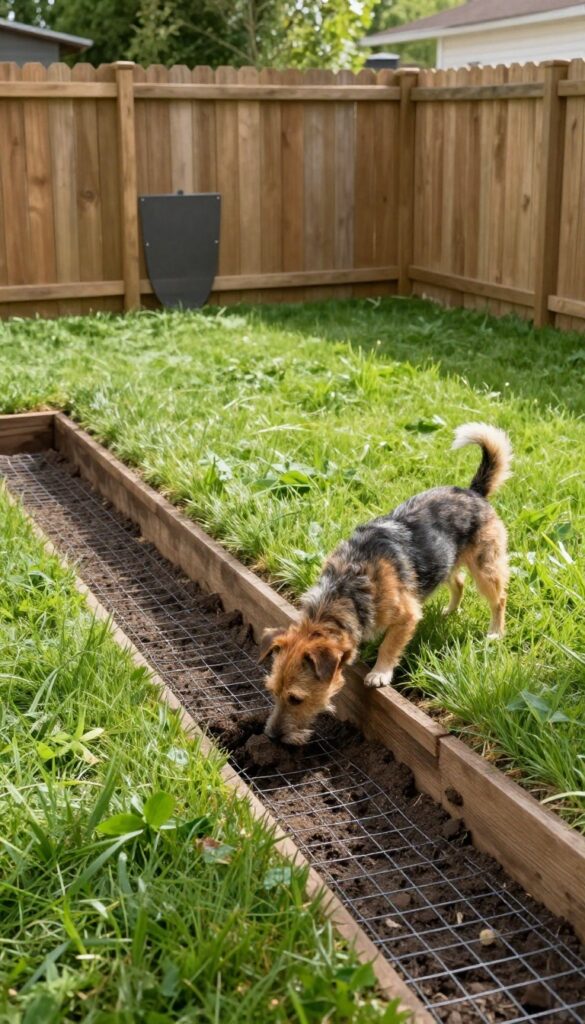
Some dogs treat digging like a part-time job. If your pup has a talent for tunneling under the fence, a combination fence with a dig shield is your best friend. This approach adds a buried barrier along the bottom of your existing fence, so you don't need to tear everything out and start over.
It's a practical upgrade that stops escape artists in their tracks without breaking the bank or ruining your yard's look.
Why It Works
Dogs dig at fence lines for many reasons—boredom, prey drive, or just following a scent. A dig shield blocks that path by creating a physical barrier underground. Whether you use chicken wire, hardware cloth, or a concrete footer, the barrier extends below the surface, so even the most determined digger hits resistance.
It's a simple, effective fix that addresses the root of the problem without changing your fence's appearance.
Best For
This is ideal for dog owners who already have a fence they like but struggle with a digger. It works especially well for breeds known for tunneling, like Huskies, Terriers, and Dachshunds. If you have a small to medium yard and don't want to replace a perfectly good fence, this is a smart, budget-friendly solution.
Practical Tip
Install the barrier at least 12 to 18 inches deep, bending the bottom outward in an L-shape to make it even harder for dogs to dig past. Use heavy-duty galvanized wire or metal mesh that won't rust quickly. If you're adding it to a wooden fence, staple the mesh along the bottom and bury it; for chain link, you can attach it with zip ties.
Check the barrier every few months for any exposed edges or rust spots.
Budget-Friendly Option
Instead of buying a pre-made dig shield kit, use leftover chicken wire or hardware cloth from other projects. You can also repurpose old metal shelving or wire mesh from a construction site. Just make sure it's sturdy enough to resist chewing and digging.
FAQ
What is the cheapest backyard fence for dogs?
Portable exercise pens and pallet fences are usually the most affordable options. You can often find used pens online or build a pallet fence for under $100.
How tall should a dog fence be?
For most dogs, a 4-foot fence is sufficient, but for jumpers like Huskies or German Shepherds, go with 6 feet. Measure your dog's jumping ability to be safe.
Can I install a dog fence myself?
Yes, many options like welded wire, mesh, and pallet fences are DIY-friendly. Invisible fences require some technical setup, but kits come with instructions.
What is the best fence for dogs that dig?
A combination fence with a dig shield (buried wire or concrete) is most effective. You can also use a concrete footer or lay large rocks along the fence line.
Are invisible fences safe for dogs?
When used correctly and with proper training, invisible fences are generally safe. However, they may not deter determined dogs or protect against outside animals.
Conclusion
A secure fence is the foundation of a happy backyard for your dog. Start with the idea that fits your space and budget—whether it's a simple wire panel or a stylish wood barrier.
Your pup will love the freedom to explore safely, and you'll enjoy peace of mind. Pick one project, get it done, and watch your dog's tail wag with joy.

I’m Pallab Kishore, the owner of Little Pets Realm — an animal lover and pet care enthusiast sharing easy tips, healthy recipes, and honest advice to help every small pet live a happy, healthy, tail-wagging life.