
A backyard should be a playground, not a stress zone. But between dug-up flower beds and muddy paws tracking through the house, it's easy to feel like your yard and your dog are at odds.
These 10 dog-proof landscaping ideas strike a balance between a beautiful outdoor space and a happy, active pup. Each tip is designed to reduce mess, prevent destruction, and keep your dog safe while they explore.
From artificial turf that stays green to designated digging pits that save your garden, these solutions are practical, durable, and built for real dogs.
1. Install Durable Artificial Turf
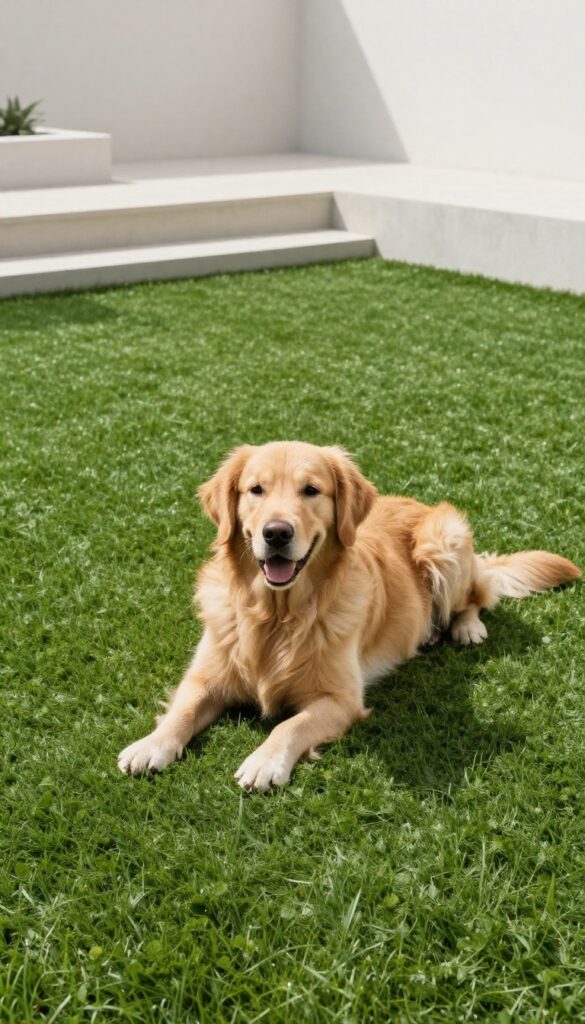
A lush green lawn that never gets muddy or patchy sounds like a dream, but it's totally doable with modern artificial turf. High-quality pet-specific grass looks and feels real while standing up to all the running, digging, and potty breaks your dog dishes out. It drains quickly, rinses clean with a hose, and stays green year-round without any fertilizer or watering—a win for both you and your pup.
Why It Works
Artificial turf eliminates mud holes and dead spots, so your yard stays play-ready every day. The antimicrobial backing prevents odors from pet waste, and the durable fibers resist tearing even from enthusiastic diggers. Plus, no more muddy paw prints tracking through the house after a rainy day.
Best For
This is ideal for active dogs who love to run and play, especially breeds like Labrador Retrievers, Border Collies, or Terriers that tend to dig. It's also perfect for small backyards where natural grass struggles to thrive, or for owners who want a low-maintenance lawn that stays pristine.
Practical Tip
Choose a turf with an infill of sand or rubber granules to help it stand upright and provide cushioning. Make sure the base layer is well-compacted gravel for proper drainage. Rinse the turf weekly with a hose and use a pet-safe enzyme cleaner to neutralize any urine odors.
Budget-Friendly Option
If full-yard turf is out of budget, install a smaller artificial grass patch in a high-traffic area like near the back door or a designated potty zone. You can also look for remnant pieces from a local supplier to save money.
2. Create a Designated Digging Pit
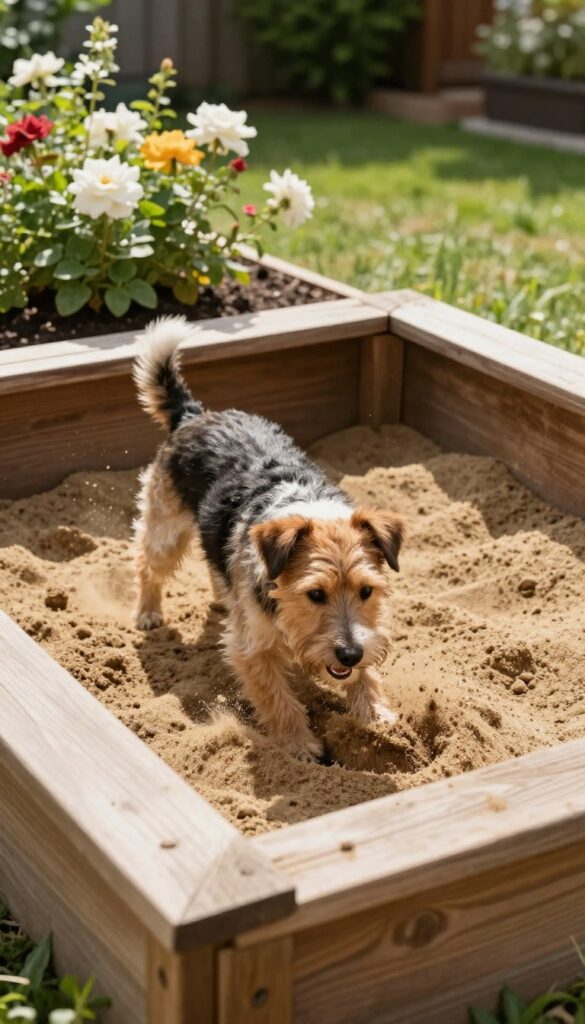
Some dogs just love to dig. Instead of fighting that instinct, give them a spot where it's totally allowed. A designated digging pit keeps your flower beds safe while letting your pup satisfy their natural urge.
Why It Works
Dogs dig for many reasons—boredom, cooling off, or hiding treasures. By providing a dedicated area filled with loose sand or dirt, you redirect that behavior to an acceptable spot. Burying toys or treats makes the pit even more appealing, so your dog chooses it over your garden.
Best For
This is perfect for terriers, hounds, and other breeds with a strong digging instinct. It also works well for energetic dogs who need an outlet in a small yard.
Practical Tip
Build a low wooden frame or use a kids' sandbox. Fill it with play sand or topsoil. Bury a few toys or treats each week to keep your dog interested.
Place it in a shaded area so the sand stays cool.
Budget-Friendly Option
Skip the frame and use an old kiddie pool or a large plastic storage bin. Just drill drainage holes in the bottom.
3. Use Dog-Safe Ground Covers
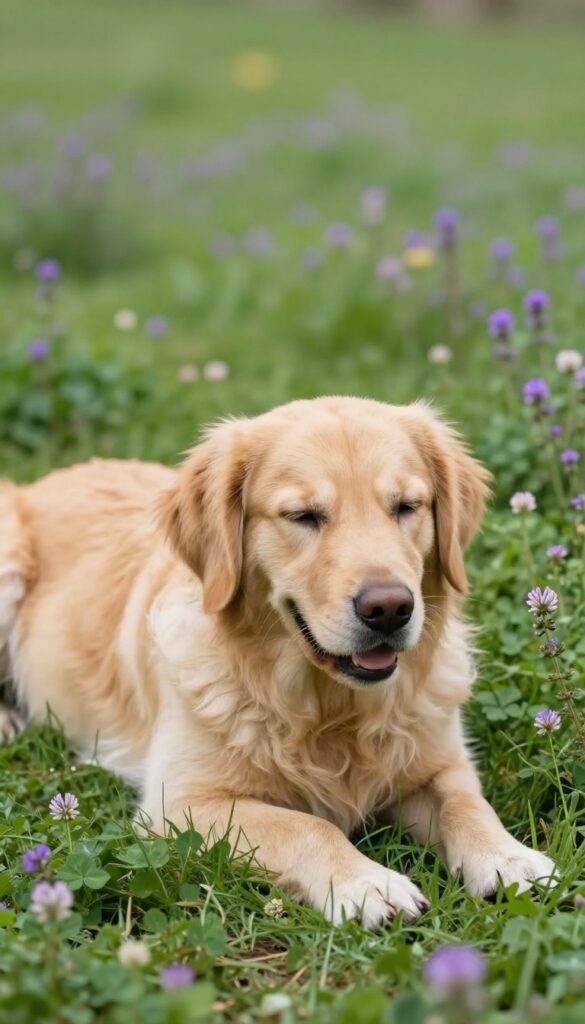
Grass can be a constant battle with a dog—between brown spots from urine, bare patches from running, and mud after rain. Dog-safe ground covers offer a low-maintenance alternative that stays green and soft no matter how much your pup plays. Options like clover, creeping thyme, and moss handle heavy traffic while being gentle on paws.
Why It Works
These ground covers are resilient, drought-tolerant, and recover quickly from wear. They don't need chemical fertilizers or pesticides, making them safer for your dog to roll and sniff around in. Plus, they naturally suppress weeds, so you spend less time on yard work and more time playing fetch.
Best For
Perfect for small to medium yards where dogs love to run laps, or for shaded areas where grass struggles. Also great for owners who want an eco-friendly, low-water lawn that stays green without constant upkeep.
Practical Tip
Plant a mix of clover and creeping thyme for a varied texture that blooms with tiny flowers. Keep it mowed low (around 2–3 inches) to encourage dense growth. In high-traffic zones, add stepping stones to prevent bare paths from forming.
Budget-Friendly Option
If buying plugs or seeds feels pricey, start with a small patch of white clover—it's cheap, spreads fast, and you can collect seeds from existing plants to expand over time.
4. Build a Fence That Keeps Them In
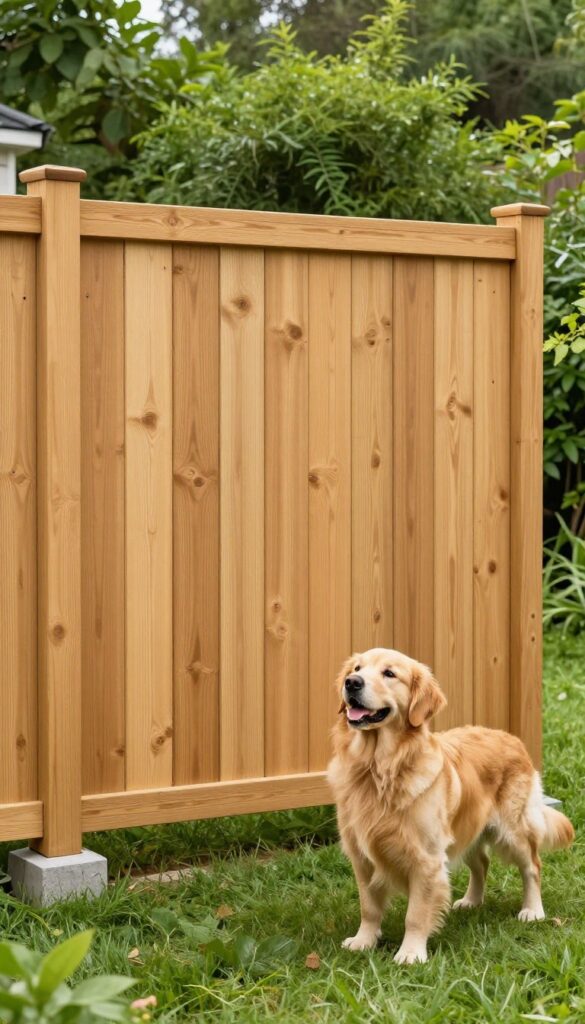
A fence isn't just a property line—it's your dog's main barrier to the outside world. If your pup is a jumper, digger, or climber, a basic four-foot chain link won't cut it. The right fence gives you peace of mind and gives your dog freedom to roam without worry.
Why It Works
Dogs are natural escape artists. A fence that's at least six feet tall, with no gaps or footholds, eliminates their ability to leap or climb out. Adding privacy slats or a roller bar at the top stops even the most determined pups from scaling the wall.
This setup reduces stress for you and keeps your dog safely contained.
Best For
This is ideal for owners of athletic breeds like Huskies, Labradors, or German Shepherds, or any dog that loves to explore. It's also a must-have for homes near busy streets or with neighbors who have dogs.
Practical Tip
Bury the fence a few inches into the ground or add a concrete footer to prevent digging. Use pressure-treated wood or vinyl for durability, and check regularly for loose boards or rusted spots. A tight, well-maintained fence is your best defense.
Budget-Friendly Option
If a full custom fence isn't in the budget, consider adding fence extenders or tension wire along the top of your existing fence. This raises the height at a fraction of the cost and can be installed in a weekend.
5. Add a Shaded Rest Area
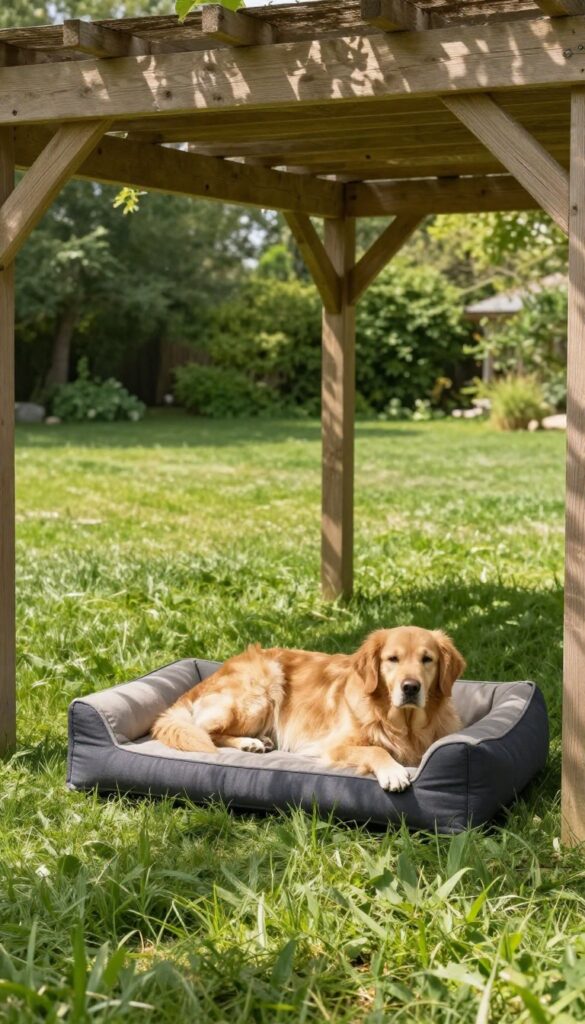
Dogs need a cool place to escape the sun, especially during warmer months. A dedicated shaded rest area gives your pup a comfortable spot to relax without overheating. Whether it's a simple shade sail or a more permanent pergola, this addition turns a corner of your yard into a cozy retreat.
Why It Works
Dogs can overheat quickly when playing outside, and a shaded area provides a much-needed break. By placing a comfortable bed or mat under the shade, you create a go-to relaxation zone that encourages your dog to rest instead of digging or pacing along the fence.
Best For
This idea works well for any dog, but it's especially helpful for brachycephalic breeds like Bulldogs, Pugs, and Frenchies who struggle with heat regulation. It's also great for homes with large yards where shade is limited.
Practical Tip
Position the shaded area near a water source or add a splash-proof water bowl to keep your dog hydrated. Use an elevated cot bed for airflow during hot days, or a plush bed for cooler evenings. Make sure the structure is anchored securely to withstand wind.
Budget-Friendly Option
If a pergola or shade sail is out of budget, a large cantilever umbrella or a pop-up canopy works just as well. You can also repurpose an old patio table with a tablecloth to create a simple shaded nook.
6. Choose Non-Toxic Plants
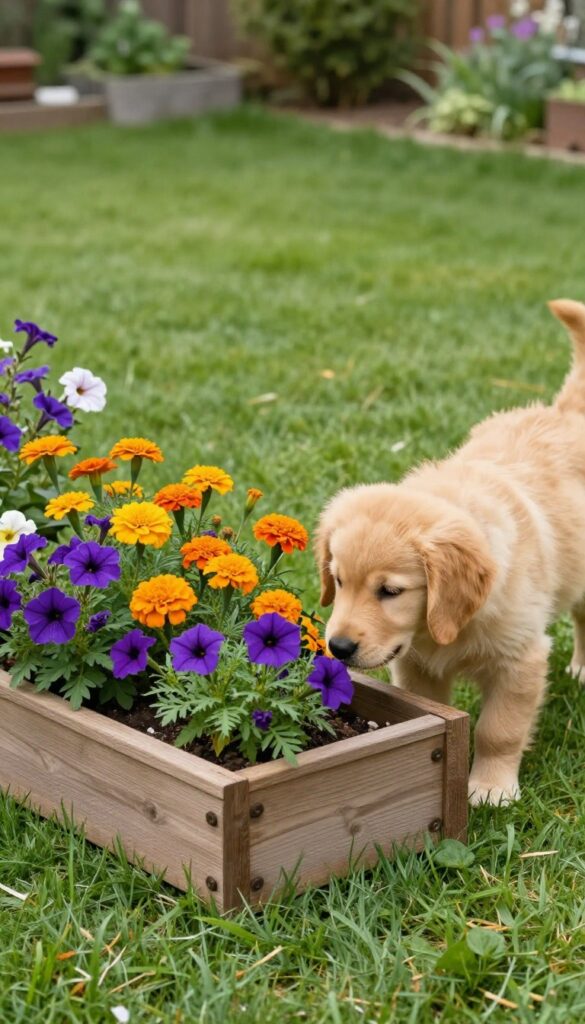
Your dog will sniff, nibble, and sometimes outright eat whatever greenery catches their attention. That's why picking non-toxic plants is essential for a worry-free backyard. By swapping out dangerous species for safe alternatives, you create a garden that's both beautiful and dog-friendly.
This isn't about sacrificing aesthetics—it's about making smart choices. Many gorgeous plants are perfectly safe for dogs, so you don't have to settle for a barren yard. Plus, you'll avoid emergency vet visits and the stress of constantly policing your dog's every move.
Why It Works
Dogs explore the world with their mouths, and even well-trained pups might sample a leaf or flower. Toxic plants can cause anything from mild stomach upset to severe organ damage. By choosing non-toxic varieties, you eliminate that risk entirely.
It's a simple, upfront change that prevents heartache down the road.
Best For
This idea is a must for any dog owner, but especially if you have a puppy or a breed known for chewing and digging. It's also ideal for homes with multiple dogs or yards where dogs spend a lot of unsupervised time.
Practical Tip
Group plants with similar water and sunlight needs together to make care easier. Use raised beds or sturdy containers to keep plants out of reach if your dog is a determined digger. Always double-check the ASPCA's toxic plant list before buying anything new.
Budget-Friendly Option
Skip expensive, rare plants and stick with common, hardy non-toxic options like marigolds, petunias, or herbs. Many of these are cheap at garden centers or can be grown from seed for pennies.
7. Install a Splash-Proof Water Station
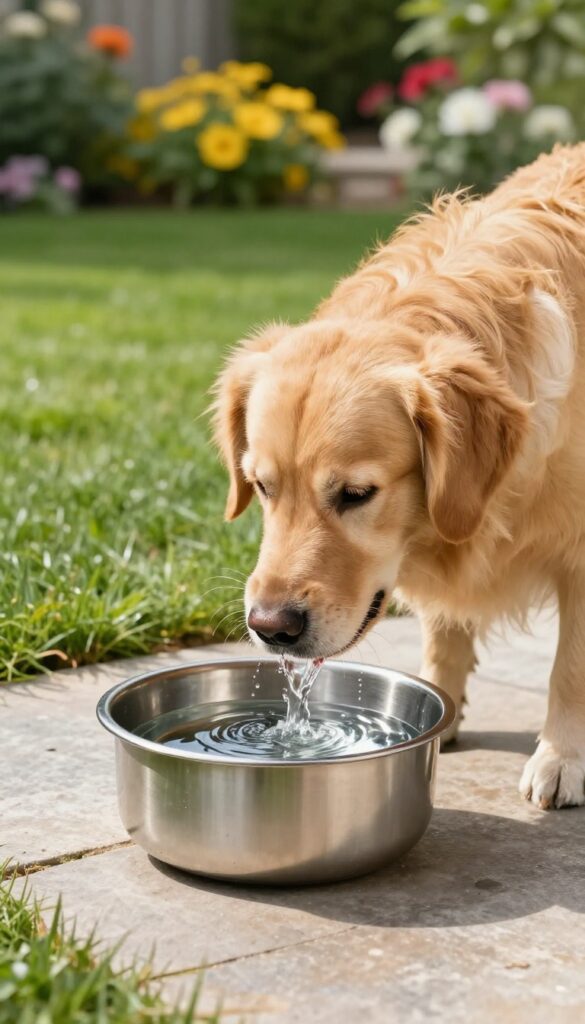
Nothing ruins a good romp in the yard faster than a tipped water bowl. A splash-proof water station keeps your pup hydrated without turning your patio into a puddle zone. Whether you choose a weighted bowl, a pet fountain, or a built-in spigot setup, this upgrade saves you from constant refills and messy cleanup.
Why It Works
Dogs are messy drinkers, and standard bowls are easy to knock over. A heavy ceramic or stainless steel bowl with a wide base stays put. Pet fountains also encourage more drinking by keeping water fresh and moving, which is great for your dog's health.
Best For
Any dog who loves to play hard and drink harder. It's especially helpful for large breeds that can easily flip a light bowl, or for multiple-dog households where water gets chugged fast.
Practical Tip
Place the water station in a shaded area to keep it cool. If using a fountain, position it near an electrical outlet or consider a solar-powered model. Clean the bowl or fountain weekly to prevent slime buildup.
Budget-Friendly Option
No need for a fancy fountain. A heavy ceramic mixing bowl from a kitchen store costs little and is nearly impossible for most dogs to tip. Just make sure it's lead-free and dishwasher safe.
8. Use Raised Garden Beds
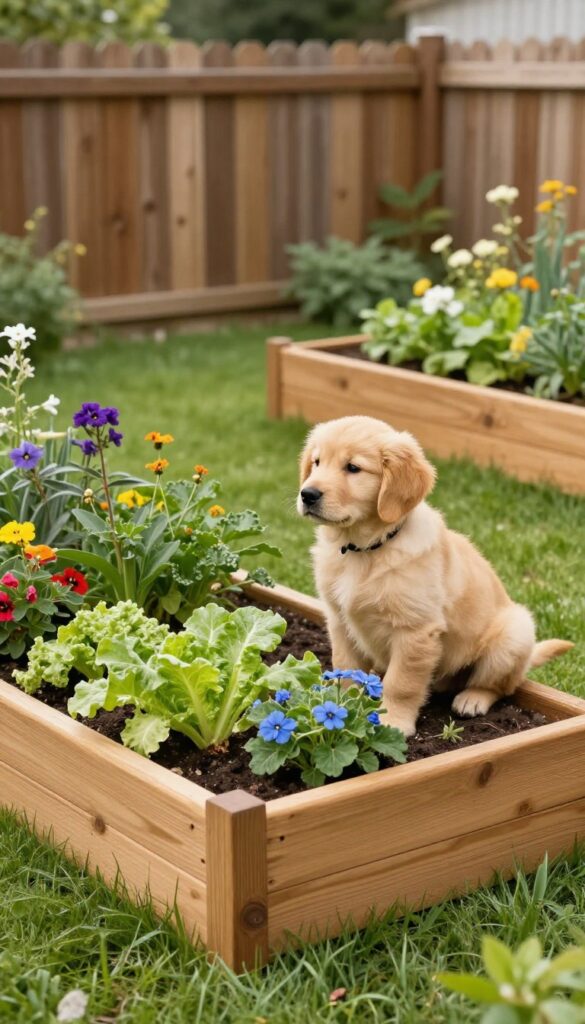
Raised garden beds are a simple way to keep your veggies and flowers safe from curious noses and digging paws. By lifting plants off the ground, you create a clear boundary that most dogs respect. Plus, they make gardening more comfortable for you, cutting down on bending and kneeling.
Why It Works
Elevated beds are physically harder for dogs to reach, which naturally discourages them from digging or trampling. The raised sides also act as a visible barrier, so your dog learns to stay away. This means less frustration for you and a longer life for your plants.
Best For
This idea works great for dog owners who love gardening but want to keep their plants safe. It's especially useful for small to medium-sized dogs that might otherwise trample low beds. Even big dogs can be trained to avoid raised beds with consistent boundaries.
Practical Tip
Choose sturdy materials like cedar or metal that can withstand weather and occasional bumps. Add a wire mesh cover if your dog is a determined digger or jumper. Keep the bed at least 18 inches high for most dogs, and place it in a sunny spot away from high-traffic play areas.
Budget-Friendly Option
If you're on a budget, repurpose old pallets or cinder blocks to create a simple raised bed. Just make sure the wood is untreated and safe for plants. You can also use large plastic storage bins with drainage holes drilled in the bottom.
9. Lay Down a Mulch That's Safe for Paws
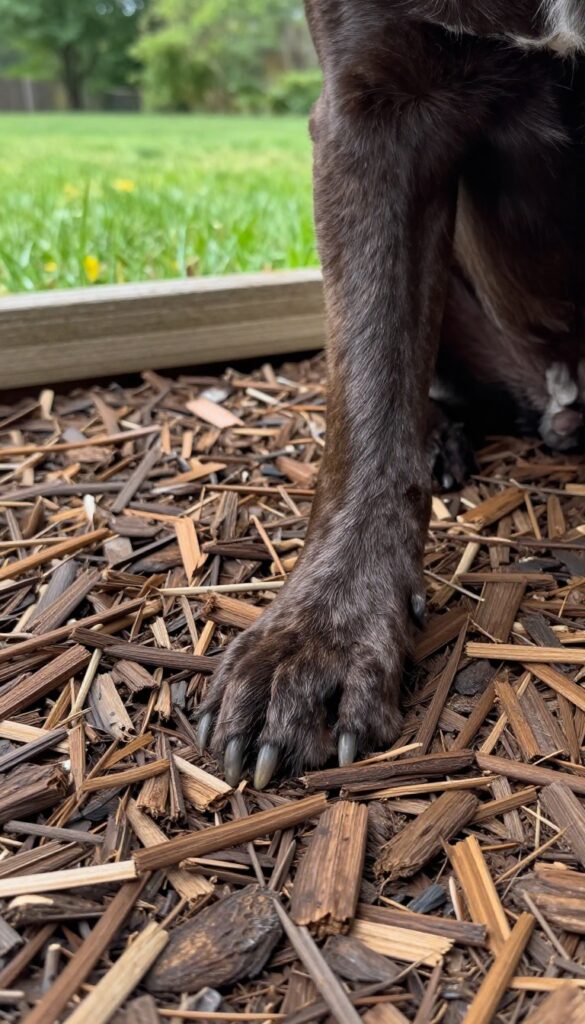
Not all mulch is created equal, especially when your dog loves to dig or chew. Large, smooth types like cedar or pine bark are gentle on paws and won't splinter. Plus, they help control mud and weeds without the worry of toxic ingredients.
Why It Works
Dogs often track mulch inside or nibble on it, so choosing a non-toxic variety is critical. Cedar and pine bark are naturally resistant to pests and decompose slowly, making them a durable, low-maintenance choice. The larger pieces also discourage your dog from eating them whole.
Best For
This is ideal for active dogs who love to dig or roll in the yard. It's also great for households with puppies or chewers who might sample the landscaping.
Practical Tip
Apply a 2-3 inch layer around trees, flower beds, and high-traffic paths. Avoid using fine or shredded mulches that can stick to fur or be easily inhaled. Refresh the layer once a year to maintain appearance and safety.
Budget-Friendly Option
If cedar or pine bark is out of budget, try shredded hardwood mulch—just make sure it's free of cocoa shells and dye. You can also source free wood chips from local tree services, but ask if the wood is untreated.
10. Add a Low-Maintenance Pathway
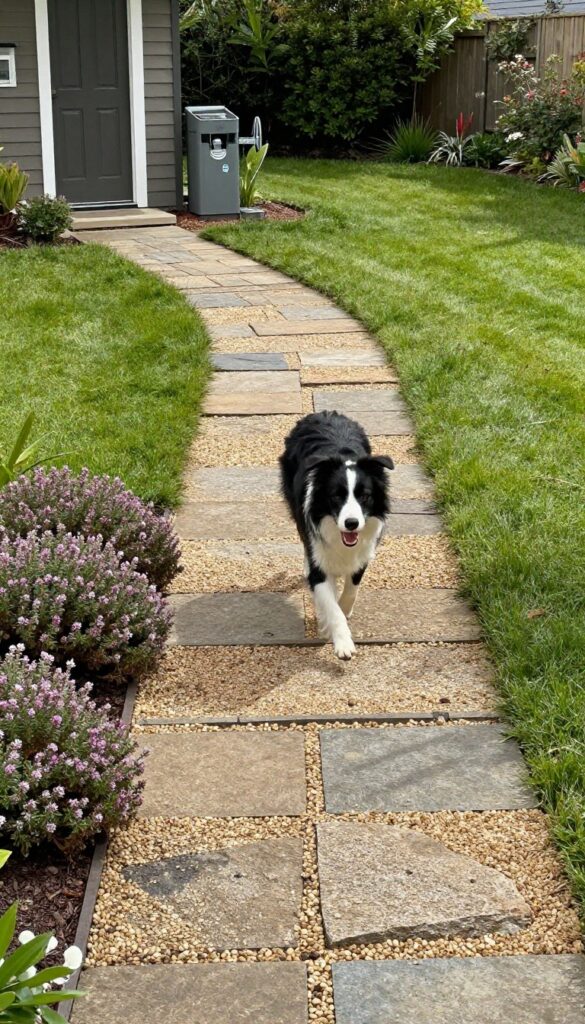
Give your dog a runway to zoom. A defined path keeps your pup from cutting through garden beds and turning your yard into a maze of worn-down grass. By installing a simple walkway, you create a dedicated route that channels their energy in the right direction.
It also means less mud and dirt tracked indoors—your floors will thank you.
Why It Works
Dogs naturally follow the path of least resistance, so a clearly marked route will quickly become their go‑to. Materials like flagstone, gravel, or pavers stay solid under paws and don't get muddy like grass does. This gives your dog a consistent, all‑weather track to run, walk, or patrol.
Best For
Active dogs that love to run laps around the yard, especially breeds like Border Collies, Labradors, or Terriers. It's also ideal for homes with moderate to heavy foot traffic from both dogs and people, keeping the main walking areas clean and defined.
Practical Tip
Lay the pathway along the perimeter of your yard or connect key spots like the door, a digging pit, and a water station. Use stepping stones spaced for a dog's stride (about 2 to 3 feet apart) and fill gaps with pea gravel or ground cover like creeping thyme. This keeps the path visible and comfortable for paws.
Budget-Friendly Option
Skip expensive pavers and use recycled brick, concrete chunks, or large flat stones from a landscape supplier. You can also create a simple path with decomposed granite or wood chips—just make sure to edge it with pressure‑treated lumber to keep the material contained.
FAQ
What is the best ground cover for a dog yard?
Clover and artificial turf are top choices. Clover is soft, durable, and self-seeding, while turf is mud-free and easy to clean.
How can I stop my dog from digging under the fence?
Bury chicken wire or dig barrier along the fence line. You can also lay large rocks or concrete pavers at the base.
Are there any plants that are safe for dogs?
Yes, many plants are non-toxic, such as sunflowers, marigolds, rosemary, and snapdragons. Always double-check with the ASPCA list.
How do I keep my dog cool in the backyard?
Provide shade with a canopy, tree, or shade sail. Add a kiddie pool or misting system, and always have fresh water available.
What type of mulch is safe for dogs?
Cedar and pine bark mulch are safe. Avoid cocoa mulch, which is toxic, and small pieces that could be ingested.
Conclusion
A dog-proof backyard is all about balancing your pup's needs with your own sanity. Start with the biggest pain point—whether it's digging, mud, or escape—and pick one idea to tackle first. Small changes like a dig pit or a designated potty zone can make a huge difference.
Your dog will love having a space built just for them, and you'll love less mess and more peace of mind. So grab a shovel, pick a project, and enjoy a backyard that works for everyone.

I’m Pallab Kishore, the owner of Little Pets Realm — an animal lover and pet care enthusiast sharing easy tips, healthy recipes, and honest advice to help every small pet live a happy, healthy, tail-wagging life.