
A backyard dog run should be a safe, fun space where your pup can burn off energy without you worrying about escapes or injuries. The right surface, shade, and enrichment make all the difference between a boring patch of dirt and a playground your dog will love.
Whether you're starting from scratch or upgrading an existing run, these 10 ideas focus on comfort, durability, and real-world practicality. From artificial turf that stays mud-free to a dedicated dig pit that saves your flower beds, each option is designed to keep your dog active and your yard looking good.
You don't need a huge budget or professional help to create something that works for your space and your dog's personality.
1. Artificial Turf for Low-Maintenance Play
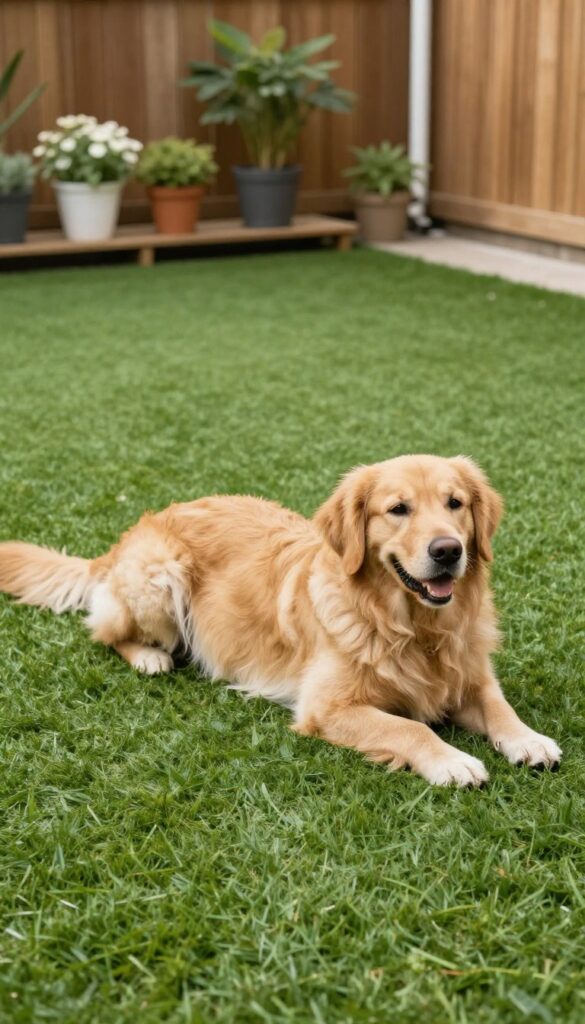
For dog owners tired of muddy paws and patchy grass, artificial turf offers a clean, durable alternative that stands up to daily play. It provides a soft landing for zoomies and roughhousing while eliminating the need for mowing, watering, or reseeding. Many turf products are designed with pet-safe drainage and antimicrobial backing to keep odors at bay, making it a popular choice for dedicated dog runs.
Why It Works
Artificial turf drains quickly after rain or hose-downs, so your dog stays drier and your yard stays mud-free. The synthetic fibers are tough enough to resist digging and wear, yet soft on paws. Plus, it stays green and inviting year-round, giving your dog a consistent play surface in any season.
Best For
This option is ideal for high-energy dogs that love to run and roll, as well as dogs with allergies who need a low-pollen environment. It also works great for yards with poor drainage or heavy shade where natural grass struggles to grow.
Practical Tip
Choose a turf with an infill like silica sand or rubber granules to help it stand upright and provide extra cushioning. Install a permeable base layer for proper drainage, and rinse the turf weekly with a hose to remove dirt and urine buildup. For stubborn odors, use a pet-safe enzymatic cleaner.
Budget-Friendly Option
If full turf installation is out of budget, consider artificial grass carpet tiles or a large outdoor rug designed for pets. They don't drain as well but can be rolled up for cleaning and replaced easily when worn.
2. Pea Gravel for Natural Drainage
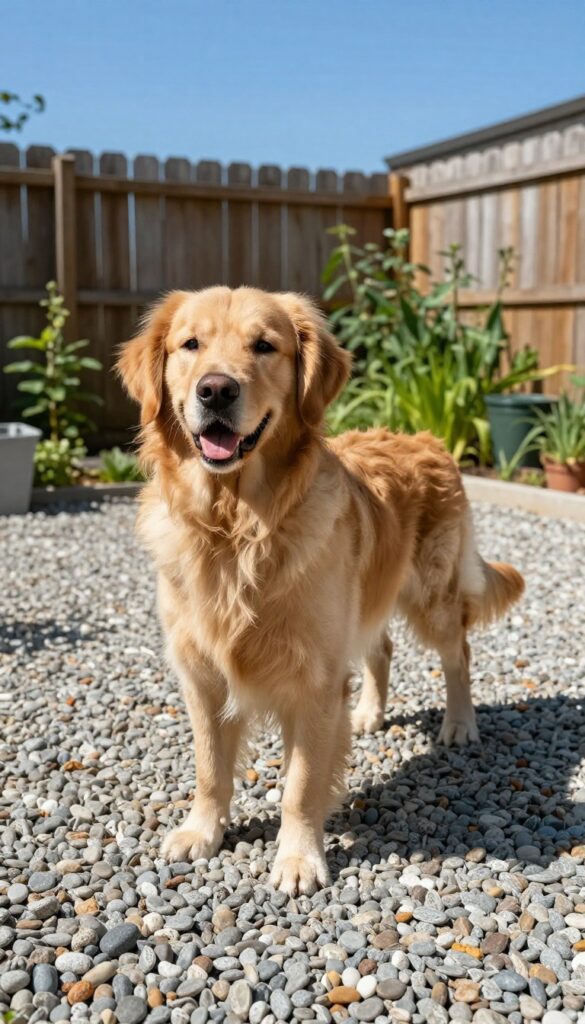
Pea gravel is a top choice for dog runs because it handles rain like a champ. The small, smooth stones let water flow right through, so you won’t end up with puddles or mud after a storm. Dogs love the texture under their paws, and it stays cooler than concrete or artificial turf in summer.
Installation is straightforward—just lay down a weed barrier and pour the gravel. It’s budget-friendly and easy to refresh by adding more stones as needed. Plus, it gives your yard a clean, natural look that blends with landscaping.
Why It Works
Pea gravel drains quickly, preventing muddy paws and slippery surfaces. The stones are smooth enough to be gentle on paws but sturdy enough to hold up to digging and running. It also doesn’t retain heat, so it stays comfortable even on hot days.
Best For
This surface is ideal for wet climates where rain is frequent. It’s also great for dogs that love to dig because the gravel is easy to rake back into place. Owners with moderate budgets will appreciate the low cost and simple maintenance.
Practical Tip
Use a border of landscape edging or treated lumber to keep the gravel contained. Add a 2- to 3-inch layer for good drainage, and rake it every few weeks to level out any dips. For extra comfort, place a rubber mat under a favorite lounging spot.
Budget-Friendly Option
If pea gravel is too pricey in your area, crushed limestone or decomposed granite are cheaper alternatives. They compact more firmly but still drain well. Just avoid sharp gravel that could hurt paws.
3. Rubber Mulch for Cushioned Landings
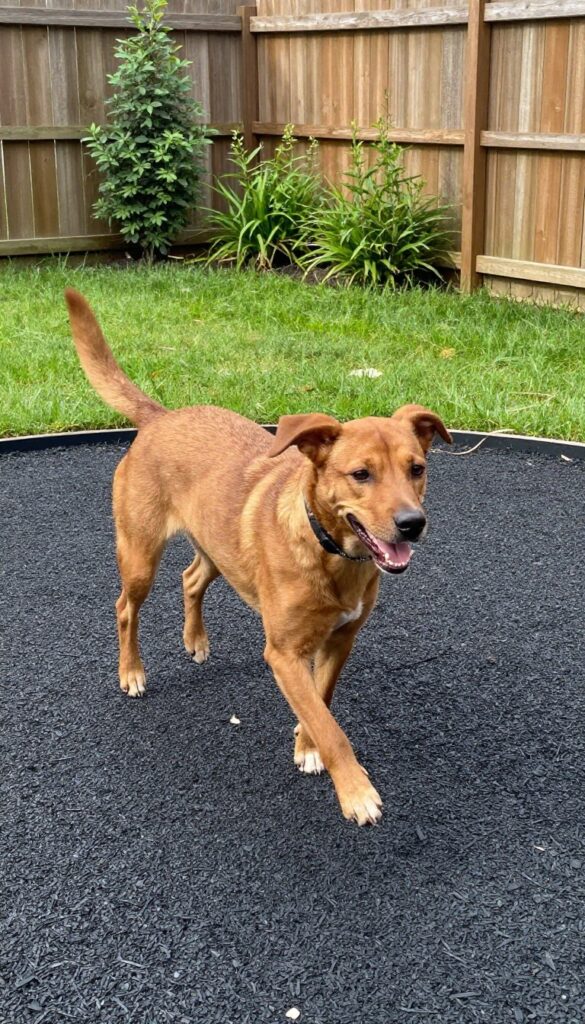
Rubber mulch is a game-changer for dog runs, especially if your pup loves to run, jump, and play hard. It's made from recycled tires, so it's both eco-friendly and incredibly durable. Unlike wood mulch, rubber doesn't rot, attract pests, or get kicked out of the run as easily.
Why It Works
The main benefit is the cushioning. Rubber mulch absorbs impact, which is easier on your dog's joints during high-energy play. It also doesn't hold water, so you won't deal with muddy paws or puddles after rain.
Plus, it's non-toxic and won't decompose, so you won't need to replace it every year.
Best For
This surface is ideal for active, larger breeds like Labradors, Huskies, or German Shepherds that need a soft landing zone. It's also great for senior dogs with joint issues. Rubber mulch works well in fully fenced runs where you want a low-maintenance, long-lasting surface.
Practical Tip
Install a weed barrier fabric underneath the mulch to prevent weeds from poking through. Spread the mulch at least 3–4 inches deep for proper cushioning. If you use a border like metal or wood edging, it keeps the mulch contained and makes cleanup easier.
Rinse the area with a hose occasionally to wash off dust.
Budget-Friendly Option
If rubber mulch is too pricey, playground-grade pea gravel is a cheaper alternative that still drains well. Just note it's not as soft as rubber, so it's better for potty areas than for running and jumping.
4. Shade Canopy for Hot Days
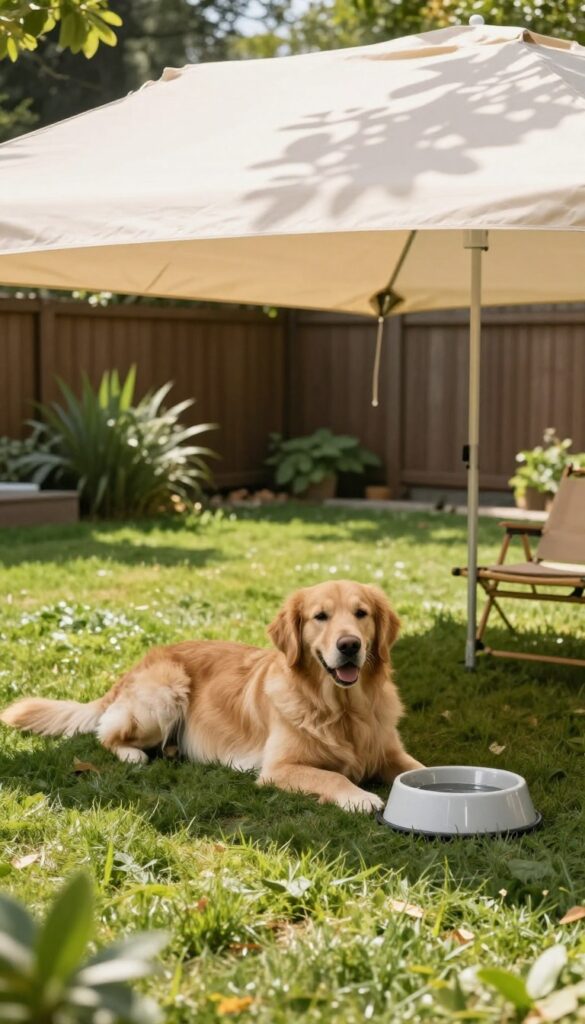
Summer sun can turn a dog run into an uncomfortable oven, especially for breeds with thick coats or flat faces. A shade canopy or sail blocks harmful UV rays and keeps the play area cooler, so your pup can stay outside longer without overheating. It’s a simple addition that makes a huge difference in comfort and safety.
Why It Works
Dogs cool themselves less efficiently than humans, and direct sun exposure can lead to heatstroke fast. A breathable fabric canopy reduces surface temperatures by up to 15 degrees, creating a comfortable zone for play or rest. Plus, it protects your dog’s nose and ears from sunburn, which is especially important for light-colored or short-haired breeds.
Best For
This setup is ideal for homes in hot climates, owners of brachycephalic breeds like Bulldogs or Pugs, and anyone with a run that lacks natural tree shade. It’s also great for senior dogs who need a cool spot to lounge between fetch sessions.
Practical Tip
Choose a water-resistant, UV-blocking fabric with a high UPF rating—look for shade sails or heavy-duty canopies made for outdoor use. Anchor all corners securely with ground stakes or concrete weights, and angle the canopy to block the harshest afternoon sun. Check for sagging after rain and tighten as needed to prevent pooling.
Budget-Friendly Option
If a custom sail is out of range, a large beach umbrella clamped to a sturdy table or a pop-up canopy tent works just as well. Just make sure it’s weighted down so a gust of wind doesn’t send it flying.
5. Dig Pit for Buried Treasures
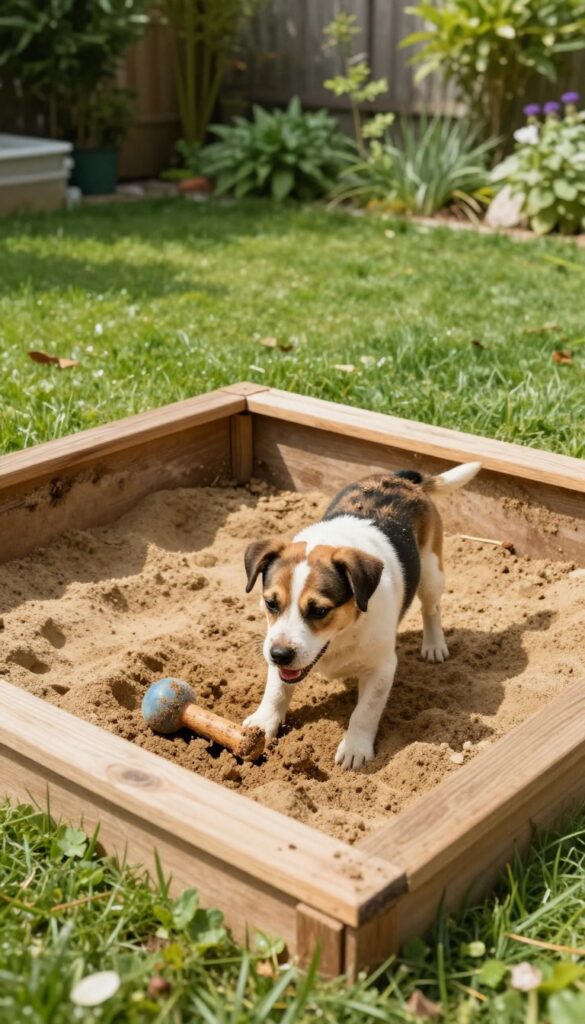
Some dogs just love to dig. Instead of fighting that instinct, give them a spot where it's not only allowed but encouraged. A dedicated dig pit turns a messy habit into a fun, controlled activity that saves your lawn and garden.
By creating a sandbox or pit filled with soft sand or dirt, you give your pup an outlet for their natural digging drive. Bury toys or treats inside to make it even more exciting, and watch them happily excavate without destroying the rest of your yard.
Why It Works
Digging is a natural behavior for many dogs, especially terriers and other breeds bred to hunt underground. A designated dig pit provides a safe, appropriate place to express this instinct, reducing destructive digging in flower beds or under fences. The soft texture is also gentle on paws and easy to refill.
Best For
This idea is perfect for terriers, dachshunds, and other digging breeds, as well as any dog that shows a strong interest in digging. It works well in medium to large yards where you can dedicate a corner or area, but can also be scaled down for smaller spaces using a kiddie pool or planter box.
Practical Tip
Use a low wooden frame or large planter to contain the sand or dirt, making it easy to refill and keep neat. Bury a few favorite toys or treats each time you let your dog out to encourage use. Keep the pit shaded to prevent the sand from getting too hot in summer, and cover it when not in use to keep critters out.
Budget-Friendly Option
If you don't want to build a permanent pit, a shallow plastic kiddie pool filled with play sand works great. It's portable, easy to clean, and can be tucked away when not needed. Just drill a few drainage holes in the bottom to prevent water buildup.
6. Elevated Deck or Platform for Viewing
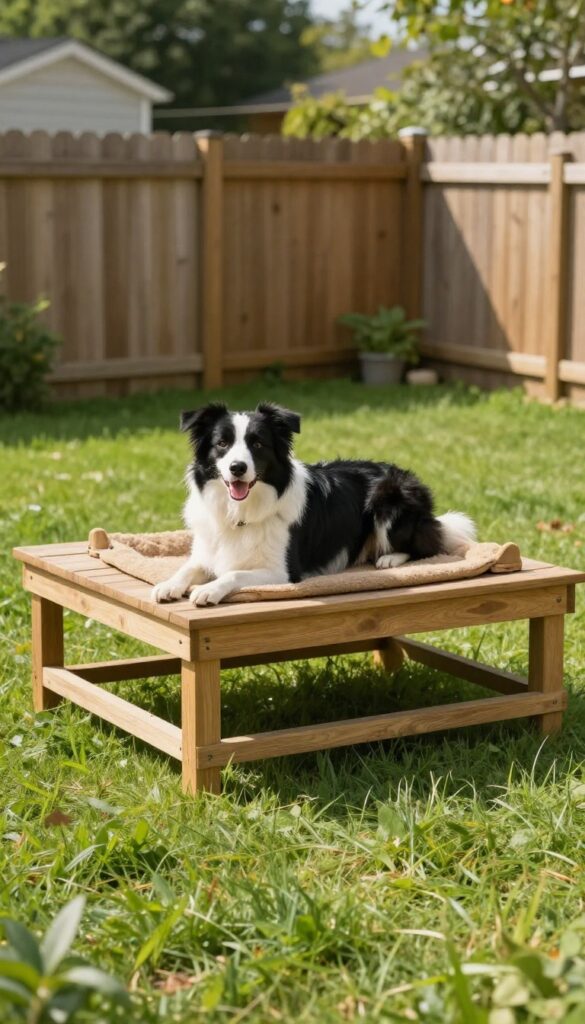
Dogs love being up high—it gives them a sense of control and a perfect spot to watch the world go by. An elevated wooden deck or platform in your dog run offers a comfortable vantage point where your pup can survey the yard, keep an eye on the family, or simply lounge in the sun. It also stays cooler than concrete in summer and provides a dry place to sit after rain, making it both a functional and fun addition.
Why It Works
Elevated surfaces help dogs feel secure and reduce stress by letting them observe their territory from a safe height. The wood stays cooler than pavement, and the raised design keeps your dog off damp ground, reducing the chance of mud or moisture-related skin issues. It also adds vertical interest to the run, encouraging your dog to use different muscles when jumping up or down.
Best For
This setup is ideal for dogs that enjoy being the neighborhood lookout—think herding breeds like Border Collies, terriers, or any curious pup that likes to sit by the window. It works well in small to medium yards where you want to maximize space without adding clutter, and it's especially useful for multi-dog households where one dog likes to escape the roughhousing.
Practical Tip
Build the platform at least 12–18 inches off the ground, with a non-slip surface like outdoor carpet or grip tape on the top. Add a removable cushion or pet bed for comfort, and consider a small canopy or shade sail above if the spot gets direct sun. Use pressure-treated lumber or cedar for durability, and sand all edges to prevent splinters.
Budget-Friendly Option
If building a full deck feels like too much work, try a heavy-duty plastic pallet or a large wooden crate turned upside down. Cover it with an outdoor rug or a thick blanket, and anchor it securely so it doesn't tip. You can also repurpose an old wooden bench or a sturdy low table.
7. Secure Fencing with Dig Guards
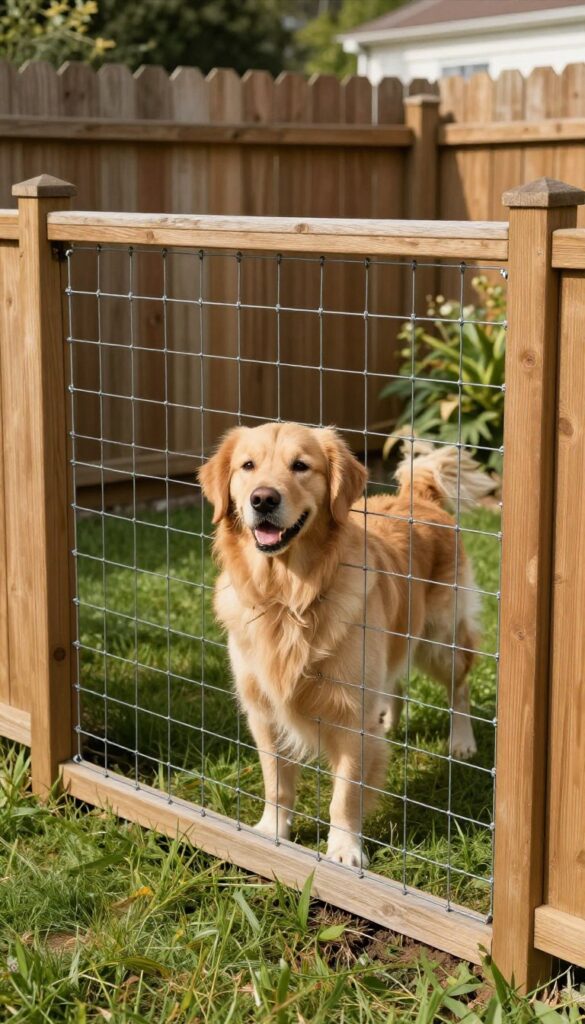
A fence that stops digging escapes is a must for any dog run, especially if you have a determined Houdini on your hands. Standard fences often leave a gap at the bottom that eager paws can exploit in minutes. By adding dig guards—either buried mesh, concrete footings, or L-footer panels—you create a barrier that goes below ground level, making it nearly impossible for your dog to tunnel out.
This upgrade gives you peace of mind and keeps your pup safely contained while they enjoy outdoor time.
Why It Works
Dogs dig for many reasons: boredom, prey drive, or just because it feels good. A fence with dig guards addresses that instinct head-on by removing the payoff. When the fence extends 12 to 18 inches underground or uses an outward-angled L-footer, your dog hits an impassable barrier every time they try to dig.
Combined with solid fence panels that have no gaps, this setup stops both digging and squeezing through, so your run stays secure even for persistent escape artists.
Best For
This idea is perfect for breeds known for digging, like terriers, huskies, and dachshunds, as well as any dog that has a history of trying to escape. It also suits yards with loose soil or sandy ground where digging is easier. If you live in an area with wildlife that might dig under fences, this upgrade adds extra protection for both your dog and local critters.
Practical Tip
When installing dig guards, bury the fencing at least 12 inches deep and bend the bottom outward in an L-shape away from the run. This makes it harder for dogs to dig straight down and out. Use galvanized hardware cloth or welded wire for the underground portion—it resists rust and holds up to moisture.
For concrete footings, pour a continuous curb along the fence line, about 6 inches wide and 12 inches deep. Pair with a self-closing gate that has a strong latch to cover all exit points.
Budget-Friendly Option
If you're on a tight budget, you can create a simple dig guard by laying large flat stones or bricks along the base of the fence. Bury them a few inches deep and overlap them slightly to create a solid barrier. Another low-cost option is to use heavy-duty landscape fabric pinned down with ground staples, then cover with a layer of pea gravel—it won't stop a determined digger forever but will discourage casual digging.
8. Splash Pool for Water-Loving Dogs
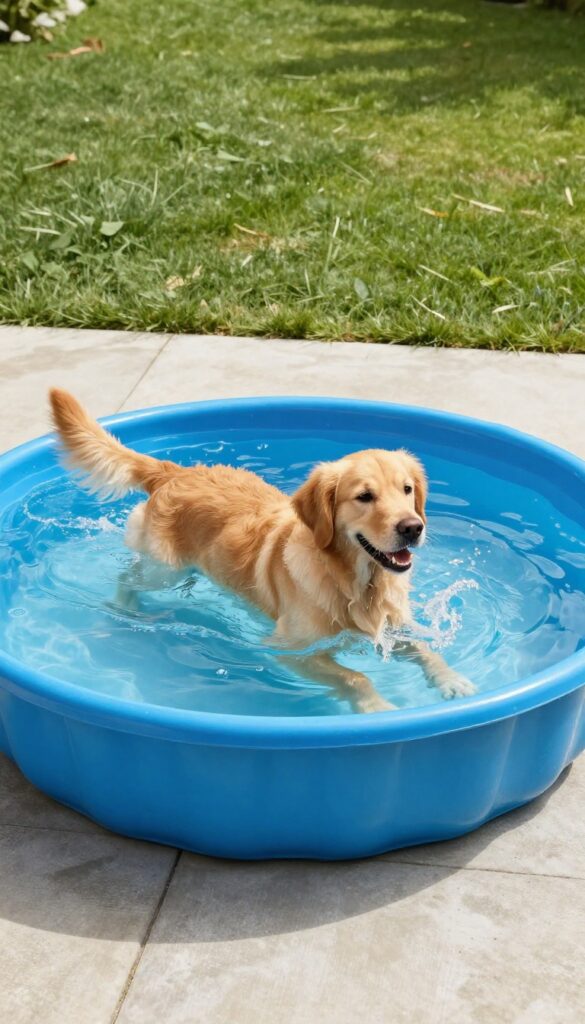
A shallow kiddie pool or durable dog pool turns a dusty run into a mini water park. Many dogs naturally love splashing, and having a dedicated water zone keeps them cool and entertained on hot days.
Place it on a flat, non-slip surface like rubber mats or concrete to prevent tipping. Change the water daily to avoid algae and bacteria, and empty it when not in use to keep the area clean.
This simple addition can make your dog run the favorite spot in the yard, especially for breeds that live for water play.
Why It Works
Water play provides low-impact exercise that cools joints and muscles while burning energy. Dogs naturally pant to cool down, but a splash pool speeds up the process and adds mental stimulation as they chase toys or pounce on ripples.
Best For
Retrievers, labs, spaniels, and any water-loving mutt. It's also great for dogs who overheat easily or have thick coats, giving them a safe way to regulate body temperature during active play.
Practical Tip
Use a heavy-duty dog pool with reinforced sides—kiddie pools can crack under enthusiastic claws. Add a few floating toys or a sprinkler attachment to increase fun. Always supervise pool time and empty it after each use to prevent mosquitoes.
Budget-Friendly Option
A wide, shallow storage bin or an old bathtub works as a budget-friendly alternative. Just smooth any rough edges with sandpaper or tape to protect paws.
9. Agility Equipment for Mental Stimulation
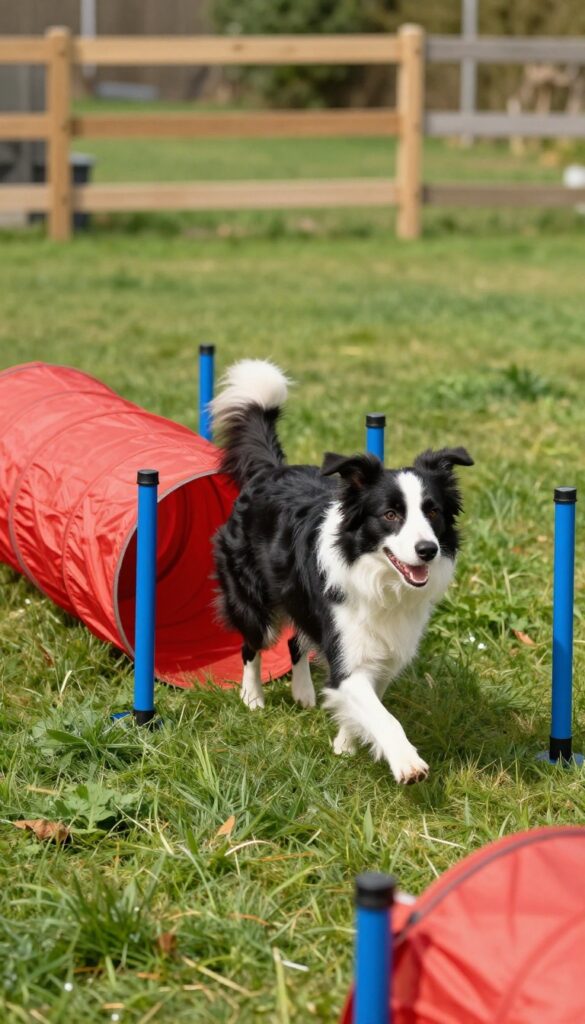
Adding agility equipment to your dog run turns basic exercise into a full-brain workout. Items like tunnels, weave poles, and low jumps challenge your dog to think, focus, and follow cues, which tires them out faster than running in circles. You don't need a full course—just two or three pieces are enough to keep things interesting.
Why It Works
Agility tasks require your dog to coordinate their body and mind, which builds confidence and strengthens your bond. The mental effort of figuring out each obstacle is just as draining as physical activity, making it perfect for high-energy or intelligent breeds that need more than a straight sprint.
Best For
This setup is ideal for active dogs like Border Collies, Aussies, or terriers that thrive on having a job. It also works well for owners with small to medium yards who want to maximize enrichment without needing acres of space.
Practical Tip
Start with a single tunnel or a set of weave poles placed on grass or rubber mats to prevent slipping. Keep jumps low (under 12 inches) to avoid joint strain, and always use positive reinforcement—treats and praise—to guide your dog through each obstacle. Store lightweight equipment in a shed or garage when not in use to protect it from weather.
Budget-Friendly Option
If you're on a tight budget, DIY your own weave poles using PVC pipes stuck into buckets filled with sand. A kids' play tunnel from a discount store works just as well as a pricey agility tunnel.
10. Storage Bench for Toys and Gear
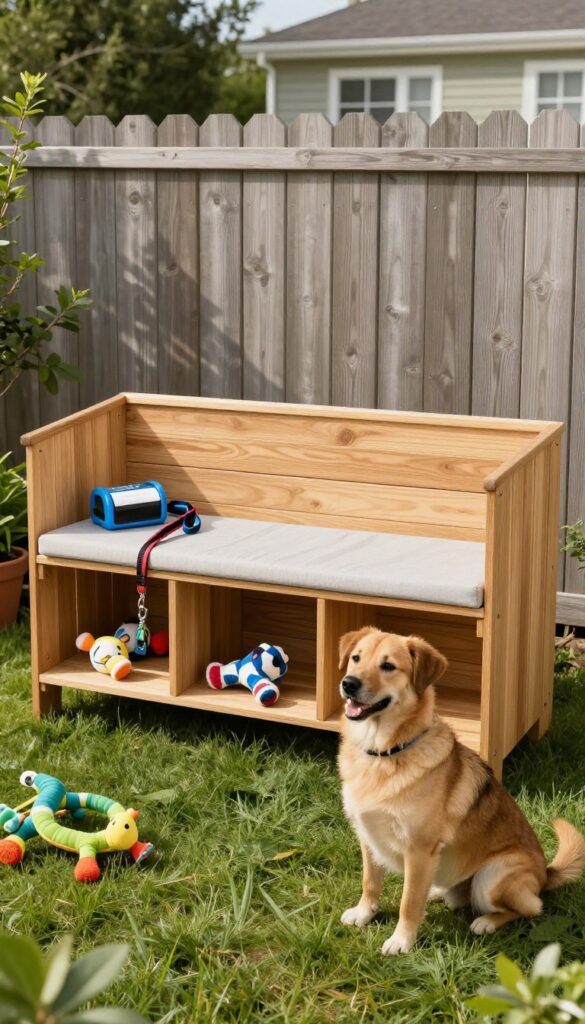
A weatherproof storage bench pulls double duty in a dog run—it hides all the toys, leashes, and cleanup supplies while giving you a comfy spot to sit and supervise. No more tripping over tennis balls or hunting for a poop bag when you need one. It keeps the run tidy and puts everything you need right at your fingertips.
Why It Works
When your dog's toys and gear are scattered across the yard, they get dirty, lost, or chewed. A storage bench keeps everything organized, dry, and protected from the elements. Plus, having a seat nearby means you're more likely to hang out and play fetch or just watch your pup romp around.
Best For
This is ideal for any dog owner who wants a cleaner, more organized backyard. It's especially handy for small yards where every square foot counts, or for owners of high-energy dogs that go through toys quickly.
Practical Tip
Look for a bench made from cedar or recycled plastic—both resist rot and weather well. Make sure the lid has soft-close hinges so it won't slam shut on a curious nose. Place the bench in a shaded spot so the plastic toys inside don't bake in the sun.
Budget-Friendly Option
On a tight budget? Repurpose an old wooden trunk or footlocker by sealing it with outdoor paint or stain. Add a weatherproof cushion on top for seating.
It won't match a store-bought look, but it'll do the job.
FAQ
What is the best surface for a dog run?
The best surface depends on your climate and dog's needs. Artificial turf is low-maintenance and soft, while pea gravel drains well. Rubber mulch offers cushioning for older dogs.
How big should a backyard dog run be?
A minimum of 10×20 feet is recommended for most dogs, but larger breeds may need more space. The run should allow your dog to run, turn around, and play comfortably.
How do I stop my dog from digging under the fence?
Install a dig guard by burying wire mesh or concrete along the fence line. You can also place large rocks or pavers at the base to block escape routes.
Can I use a dog run on concrete?
Yes, but concrete can be hard on joints and get hot in summer. Add rubber mats, artificial turf, or a raised platform to provide cushion and insulation.
How do I keep my dog cool in an outdoor run?
Provide shade with a canopy, umbrella, or tree. Add a splash pool or misting system, and ensure fresh water is always available. Avoid outdoor play during peak heat hours.
Conclusion
Creating a safe and fun backyard dog run doesn't have to be complicated. Start with one or two ideas that fit your space and your dog's personality, then build from there. Your pup will thank you with tail wags and happy zoomies.
Remember to always supervise outdoor play and adjust the setup as your dog's needs change. A little planning goes a long way toward a safer, more enjoyable backyard for both of you.

I’m Pallab Kishore, the owner of Little Pets Realm — an animal lover and pet care enthusiast sharing easy tips, healthy recipes, and honest advice to help every small pet live a happy, healthy, tail-wagging life.