
Side yards often end up as forgotten strips of grass or gravel. But with a little planning, that narrow space can become your dog's favorite spot to run and play. A well-designed dog run keeps your pup active and out of trouble, all while making your yard more functional.
You don't need a huge backyard or a big budget to create something useful. These ideas focus on real-world solutions that work for different breeds, climates, and yard sizes.
From simple turf upgrades to creative shade structures, each idea is meant to be practical and easy to implement. Let's look at how to turn that side yard into a dog-friendly zone.
1. Artificial Turf for Low Maintenance
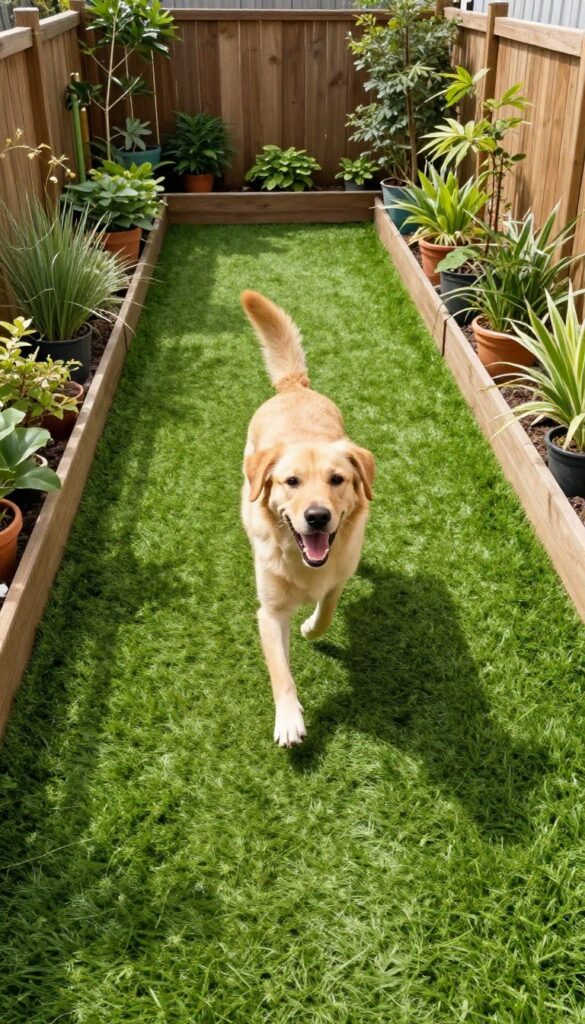
Imagine a dog run that always looks neat and never turns into a muddy mess. Artificial turf delivers that dream with a soft, green surface that stays pristine through rain, romps, and repeated zoomies. It’s a favorite among busy owners who want a clean, durable space without the weekly mowing or watering.
Why It Works
Turf drains quickly, so puddles don’t form, and it resists digging better than natural grass. The synthetic blades are gentle on paws, and solid waste is easy to scoop up. Plus, it stays green year-round, which means your dog always has a welcoming place to play.
Best For
This is ideal for dogs that love to sprint and skid, especially active breeds like Labradors, Border Collies, and Terriers. It also suits owners in dry climates or those with small side yards where real grass struggles to grow.
Practical Tip
Install a shock-absorbent underlayment for extra joint protection, especially for older dogs or breeds prone to hip issues. Use a pet-specific deodorizer spray occasionally to keep the turf fresh, and hose it down weekly to remove dust and dander.
Budget-Friendly Option
If full turf installation is too pricey, try large outdoor carpet tiles that can be replaced individually when worn. They’re cheaper, still soft, and easy to lay down on a compacted gravel base.
2. Gravel Base with Drainage
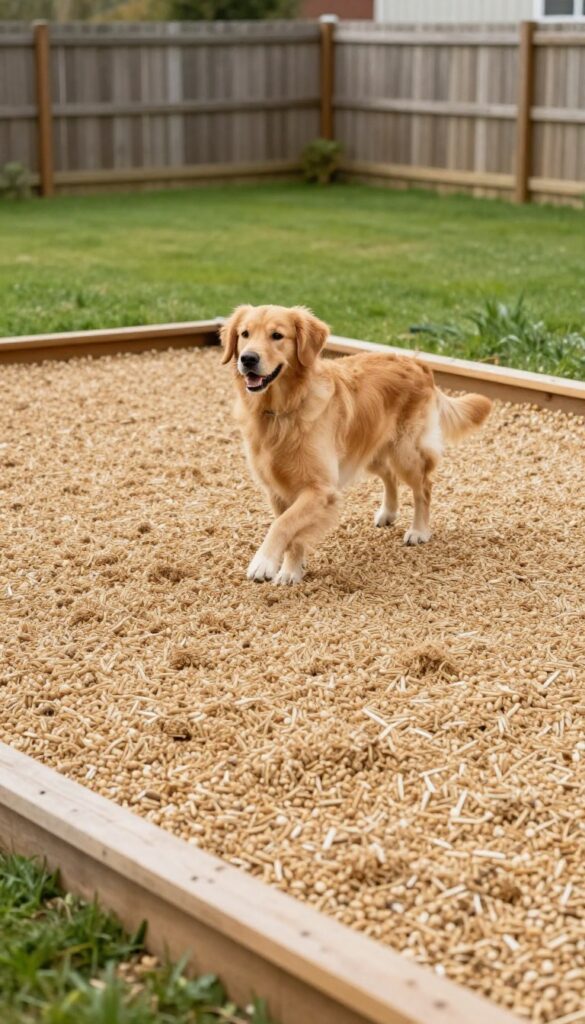
A gravel dog run handles rain and mud better than almost any other surface. The stones let water drain quickly, so your pup stays clean and dry even after a storm. Plus, it's one of the most affordable ways to create a durable play area that lasts for years.
Why It Works
Gravel provides a stable, non-slip surface that doesn't turn into a muddy mess. The gaps between stones allow water to flow through, preventing puddles and keeping the area dry. It's also easy to maintain—just rake it occasionally to keep it level and add more gravel as needed.
Best For
This setup is perfect for rainy climates or yards with poor drainage. It works well for active dogs who love to run and dig, since gravel discourages digging compared to soil or mulch. It's also a great choice for renters or anyone on a tight budget.
Practical Tip
Use pea gravel or decomposed granite, which are smooth and comfortable on paws. Install a permeable landscape fabric underneath to prevent weeds and keep the gravel from mixing with soil. Edge the run with sturdy lumber or metal edging to keep the stones contained.
Budget-Friendly Option
Save money by buying gravel in bulk from a local landscaping supplier instead of bagged options at the home store. You can also use recycled concrete aggregate as a low-cost alternative that still drains well.
3. Shade Sail for Hot Days
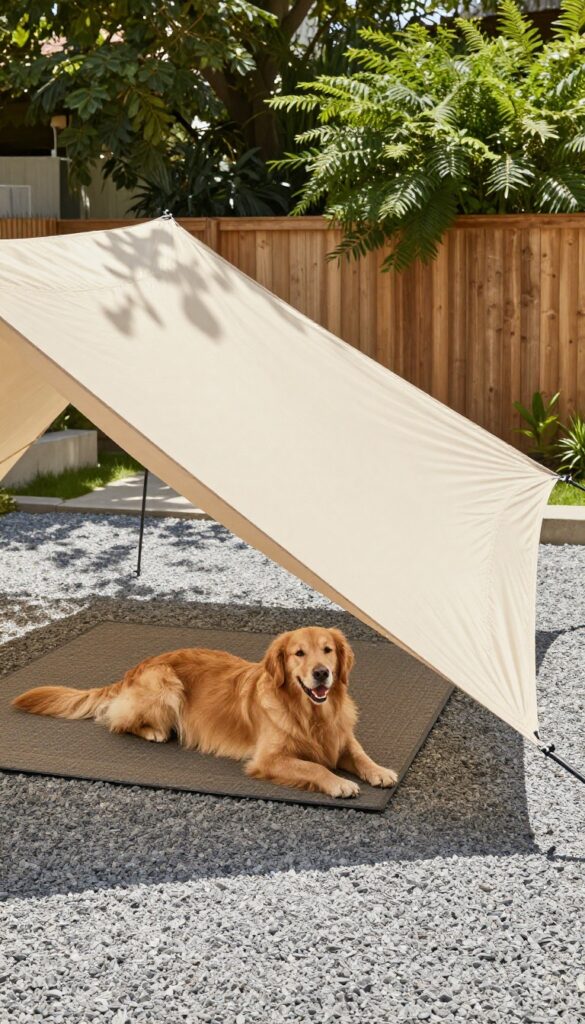
A shade sail is one of the most stylish ways to keep your dog run cool during summer. Unlike a bulky canopy, it adds a modern, airy look while blocking harsh UV rays. You can angle it to follow the sun, so your pup always has a shady spot to relax.
Why It Works
Dogs overheat faster than people, especially on hot pavement or turf. A shade sail lowers the temperature underneath by several degrees, giving your dog a comfortable place to play without risking heatstroke. It's also breathable, so air still flows through.
Best For
This works great for side yards that get direct afternoon sun and for owners who want a permanent but adjustable shade solution. It's ideal for short-nosed breeds like pugs or bulldogs that struggle in heat, as well as active dogs that need a cool-down zone.
Practical Tip
Install the sail at a slight angle so water runs off during rain—no sagging puddles. Use stainless steel turnbuckles to tighten it securely, and check the fabric yearly for tears. For extra cooling, place a small kiddie pool or cooling mat underneath.
Budget-Friendly Option
If a custom shade sail is out of budget, use a heavy-duty tarp and bungee cords. Attach it to fence posts or hooks on the house. It won't look as sleek, but it will still block sun and can be taken down in winter.
4. Mulch or Wood Chips for Diggers
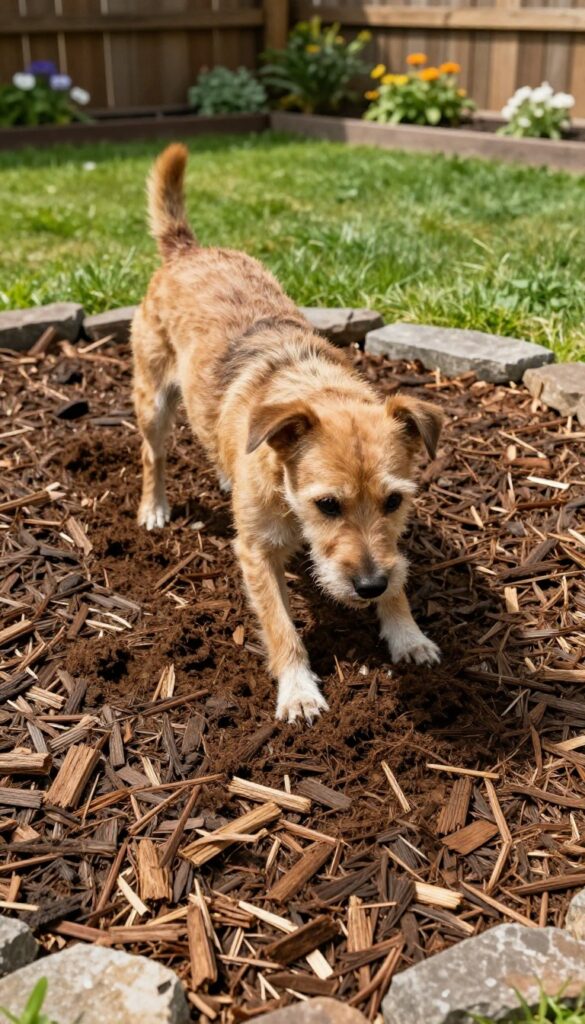
Some dogs just can't resist digging. Instead of fighting that instinct, give them a dedicated digging zone that's soft, forgiving, and easy to maintain. A thick layer of mulch or wood chips turns a natural behavior into a fun, mess-free activity.
Why It Works
Mulch and wood chips are inexpensive, widely available, and gentle on paws. They cushion jumps and slides, and they drain well so puddles don't form. When your dog digs, the material just fluffs back into place with a rake.
Best For
This surface is ideal for terriers, dachshunds, and other breeds that love to dig. It also works well in shady side yards where grass struggles to grow.
Practical Tip
Lay down a weed barrier fabric first to prevent weeds from poking through. Spread the mulch at least 4 to 6 inches deep for proper digging depth. Use shredded hardwood or pine bark nuggets—avoid cocoa mulch, which is toxic to dogs.
Budget-Friendly Option
If bagged mulch is too pricey, contact local tree trimming services. Many will drop off a load of wood chips for free or a small fee.
5. Paved Path for Zoomies
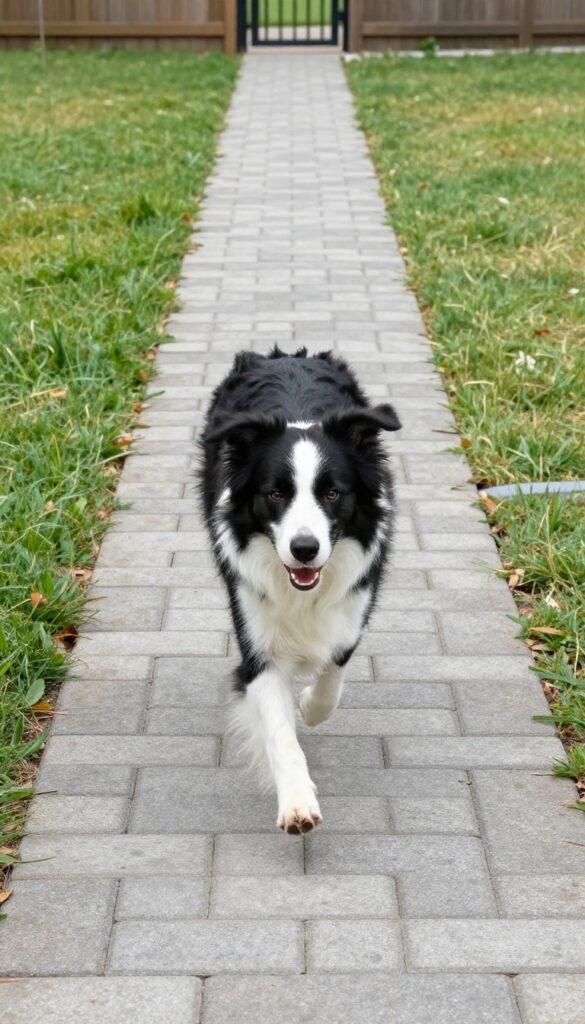
A solid paved path along the side yard gives your dog a dedicated lane for full-speed sprints. Concrete or pavers create a smooth, durable surface that stays firm in any weather and won't turn into a mud pit after rain. It's a simple upgrade that instantly makes the space more functional for active dogs.
Why It Works
Dogs love to run, and a paved path provides a consistent, non-slip surface that's gentle on paws and easy to clean. Unlike grass or dirt, it drains quickly and doesn't hold odors or bacteria. A slight slope ensures water runs off, keeping the path dry and safe.
Best For
High-energy breeds like Border Collies, Labradors, and Terriers who need daily sprints. Also great for homes with narrow side yards where grass struggles to grow or gets trampled quickly.
Practical Tip
Use interlocking pavers or poured concrete with a broom finish for traction. Install a drainage channel along the edge to prevent water pooling. Keep the path at least 3 feet wide so your dog can turn around easily.
Budget-Friendly Option
If concrete is out of budget, use compacted decomposed granite or crushed stone with stabilizer. It's cheaper, drains well, and still gives a firm running surface.
6. Raised Deck or Platform
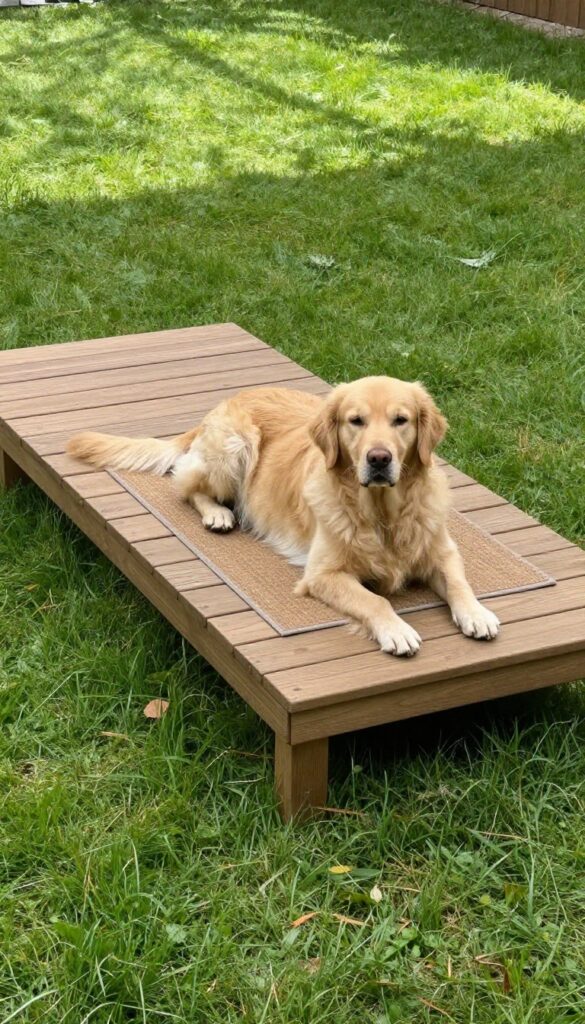
A raised wooden deck lifts your dog off the ground, creating a clean, comfortable zone in a small side yard. It solves the problem of wet grass or mud after rain and gives your pup a dedicated spot to lounge, watch the yard, or enjoy the outdoors without getting dirty. Many dog owners love how it adds structure to a narrow space while keeping things simple.
Why It Works
Dogs naturally seek higher ground to survey their surroundings, and a raised platform satisfies that instinct. The open slats allow air to circulate underneath, keeping the surface cooler in summer and preventing moisture buildup. Plus, it keeps your dog away from damp soil, wet grass, or muddy puddles, so they stay cleaner between baths.
Best For
This idea works great for small side yards where ground space is limited and grass struggles to grow. It's ideal for dogs that enjoy sunbathing or keeping an eye on the neighborhood, and for owners who want a low-maintenance surface that doesn't require mowing or watering.
Practical Tip
Build the deck at least 6 inches off the ground to allow airflow and drainage underneath. Use pressure-treated or cedar wood for durability, and add a non-slip coating or outdoor rug on top for traction, especially for older dogs or those with joint issues. Keep the area beneath clear of debris to prevent pests.
Budget-Friendly Option
If a full deck isn't in the budget, try a heavy-duty wooden pallet laid flat on concrete blocks. Sand down any rough edges and seal it with outdoor paint or stain to prevent splinters. It's a quick, affordable way to give your dog a raised spot without a major build.
7. Privacy Fencing for Distraction-Free Play
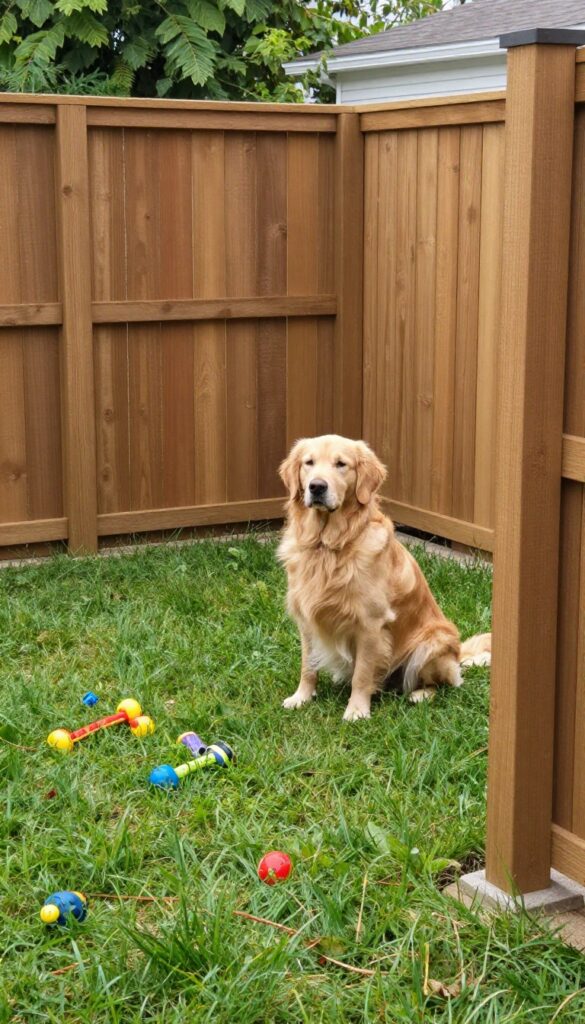
Solid privacy fencing blocks visual distractions like neighbors or passing cars. This helps reactive dogs stay calm and focused on play. Choose materials that are durable and easy to maintain.
Why It Works
Dogs that bark or lunge at every movement outside can finally relax when they can't see what's triggering them. A solid fence creates a calm, secure zone where playtime stays fun and stress-free.
Best For
Reactive or easily distracted dogs, especially those living in busy neighborhoods or near sidewalks. Also great for shy pups who need a quiet space to build confidence.
Practical Tip
Go with vinyl or composite fencing for low maintenance and long life. Wood privacy fences work well too, just seal them yearly to prevent warping and splinters.
Budget-Friendly Option
Attach privacy slats or bamboo rolls to an existing chain-link fence. It's an inexpensive way to add visual barriers without replacing the whole fence.
8. Built-In Agility Equipment
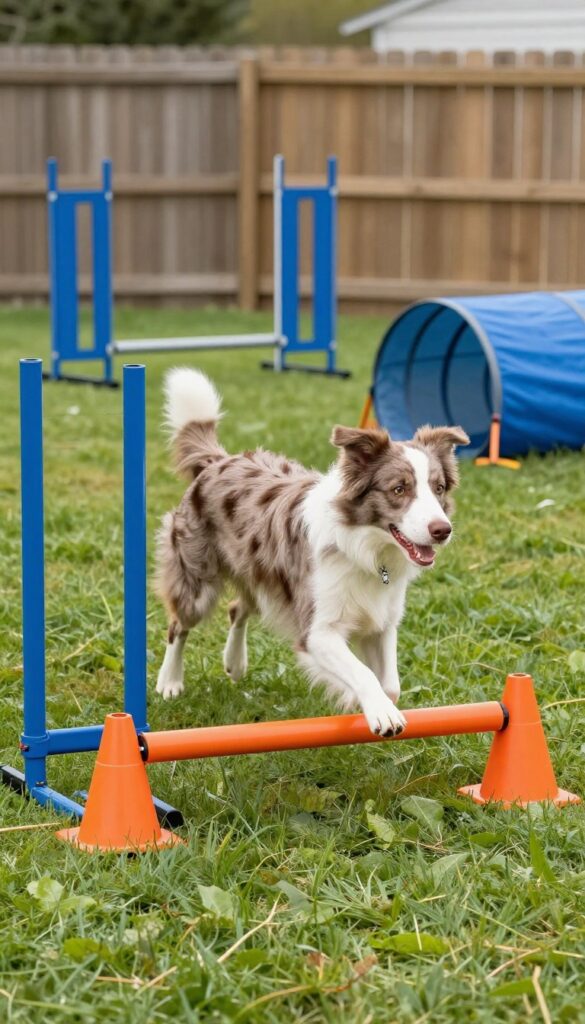
Your side yard can double as a mini agility course with just a few simple pieces. Adding a tunnel, weave poles, or a low jump turns a plain run into an engaging play space that challenges your dog both mentally and physically. The best part?
You don't need much room—most agility items fit neatly against a fence or in a narrow strip.
Dogs love having a job to do, and navigating obstacles gives them a sense of purpose. It's also a fantastic way to burn off excess energy without requiring a long walk or a trip to the dog park. A little creativity goes a long way.
Why It Works
Agility equipment taps into your dog's natural instincts to run, jump, and explore. The mental focus required to weave through poles or crawl through a tunnel wears them out faster than straight running. Plus, it strengthens your bond as you guide them through the course.
Best For
High-energy breeds like Border Collies, Australian Shepherds, Jack Russell Terriers, and Labrador Retrievers thrive with agility challenges. It's also great for puppies and young dogs who need structured play to burn off steam. If your dog loves learning tricks or gets bored easily, this setup will keep them entertained.
Practical Tip
Start with just two or three obstacles to avoid overwhelming your dog or cluttering the yard. Place weave poles along a fence line so they stay upright, and choose a collapsible tunnel that stores flat when not in use. For jumps, use PVC pipes resting on cones so they tip over safely if your dog misjudges the height.
Budget-Friendly Option
Make your own weave poles using PVC pipes and a simple base of wooden dowels stuck into the ground. A child's play tunnel from a discount store works perfectly as a dog tunnel. For jumps, a broomstick balanced on two stacks of bricks does the job for zero cost.
9. Water Station with Splash Pad
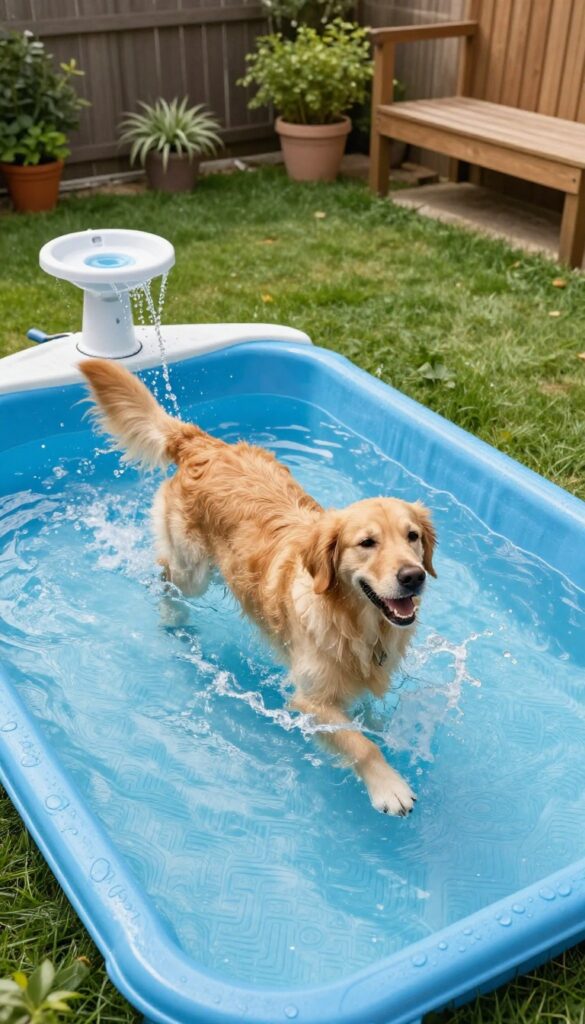
Hot days call for creative ways to keep your pup cool. A dedicated water station with a splash pad turns a boring corner into a refreshing oasis. It's a simple setup that encourages drinking and play at the same time.
You can start with a shallow kiddie pool or a pet-friendly fountain. Either way, your dog gets a safe spot to splash and sip without making a mess of the whole yard.
Dog owners love how easy it is to clean and refill. Plus, it gives high-energy breeds a reason to stay outside longer without overheating.
Why It Works
Dogs cool down through their paws and panting, so having water available is essential. A splash pad adds a fun, low-impact activity that keeps them entertained and hydrated. It's especially useful during summer months or in warmer climates.
Best For
Great for active dogs who love water, like Labradors, Golden Retrievers, and spaniels. Also perfect for side yards that get full sun and need a cooling spot.
Practical Tip
Place the water station in a shaded area to keep the water from getting too warm. Use a shallow pool with a textured bottom so paws don't slip. Rinse and refill daily to prevent algae and bacteria.
Budget-Friendly Option
Skip expensive pet fountains and use a $10 kiddie pool from a discount store. Add a splash mat or a low-cost water sprinkler for extra fun.
10. Storage Bench for Toys and Gear
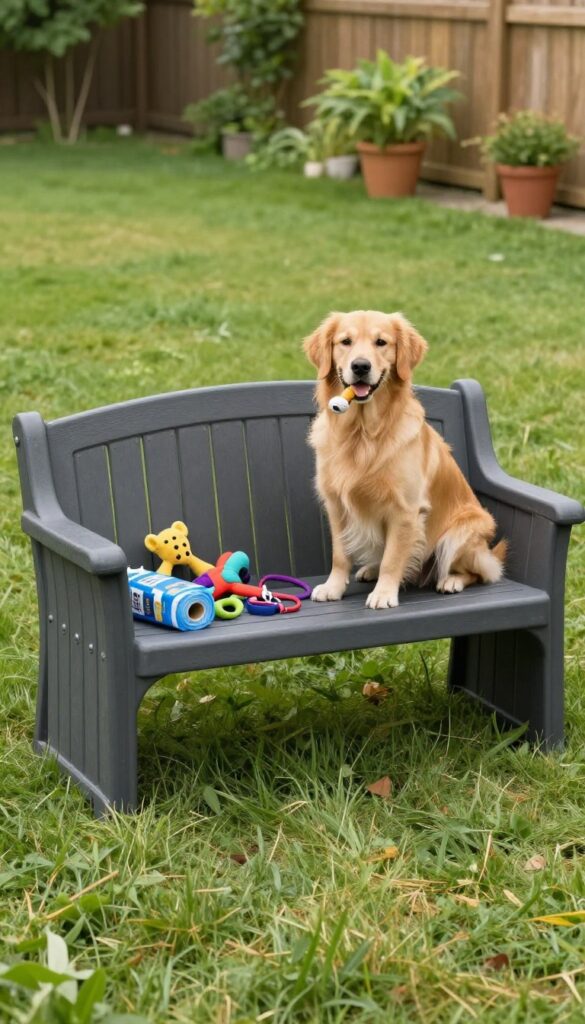
Every dog run needs a spot to keep toys, leashes, and cleanup supplies organized. A weatherproof storage bench does double duty—it hides the clutter and gives you a place to sit while your pup plays. It’s one of those simple upgrades that makes the space feel more like an outdoor room and less like a utility area.
Dog owners love this idea because it keeps everything within arm’s reach. No more hunting for a missing ball or walking back inside for a poop bag. The bench also serves as a handy perch for putting on or taking off your dog’s leash.
The key is choosing a bench that can handle sun, rain, and muddy paws. Deck boxes or resin storage benches work well because they won’t rust, rot, or warp. Just make sure the lid is sturdy enough to sit on and has a safety hinge to prevent slamming.
Why It Works
A storage bench solves two problems at once: it provides seating for you and organized storage for your dog’s essentials. Keeping toys, leashes, and cleanup bags inside the dog run means you don’t have to run back inside every time you need something. The bench also discourages clutter from building up on the ground, which keeps the area safer and more pleasant for both of you.
Best For
This idea fits any dog run where you spend time hanging out with your dog. It’s especially useful for owners of retrievers, herding breeds, or any high-energy dog that goes through toys quickly. If your side yard is narrow, a bench against the fence saves space while adding function.
Practical Tip
Place the bench along the fence or under a shade structure so it stays cooler in summer. Use a waterproof storage bin inside the bench for items like extra leashes or first-aid supplies that need extra protection. Add a small hook on the side to hang a poop bag dispenser or a collapsible water bowl.
Budget-Friendly Option
A basic plastic deck box from a home improvement store costs around $50 and works just as well as a pricier wooden bench. Look for one with a padlock hasp if you need to secure items. You can also repurpose an old wooden bench by adding a hinged storage compartment underneath.
11. Dig Pit with Sand
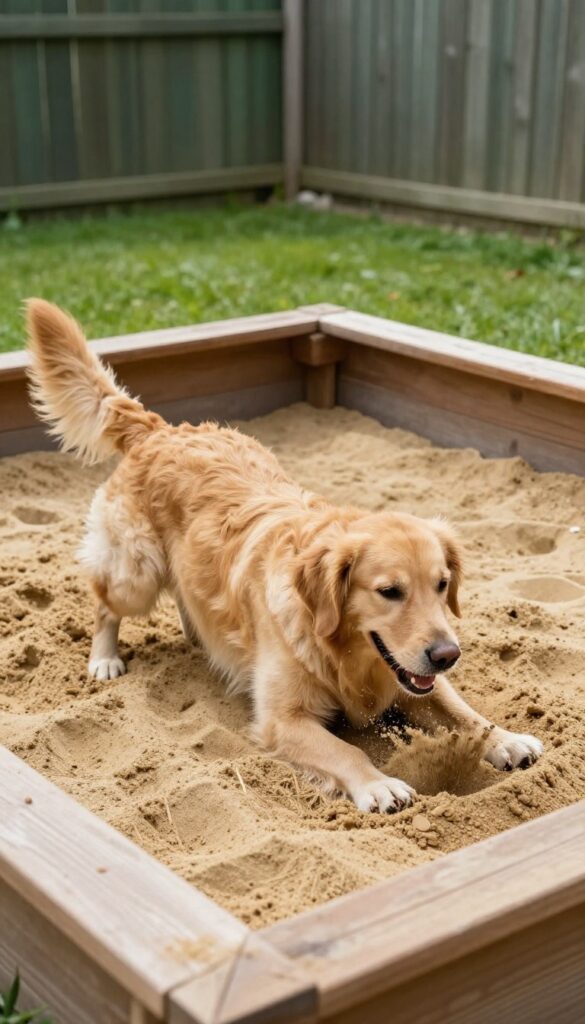
Some dogs just love to dig. Instead of fighting that instinct, give them a dedicated spot to satisfy it. A sand-filled dig pit in your side yard can save your garden beds and lawn from destruction while keeping your pup happily occupied.
It's a low-cost, high-fun addition that turns a natural behavior into a positive outlet.
Why It Works
Dogs dig for many reasons—boredom, instinct, temperature regulation, or simple fun. By providing a sand pit, you're redirecting that energy to an acceptable area. Burying toys or treats inside encourages them to use it, and the loose texture is satisfying to paw at.
Over time, they learn that the dig pit is their zone, and your flower beds stay safe.
Best For
This setup is ideal for terrier breeds, huskies, and other dogs with a strong digging drive. It also works well for energetic puppies who need an outlet, or for any dog that spends a lot of time in the yard. If you have a small side yard, a compact dig pit can fit right in a corner without taking up much space.
Practical Tip
Build a simple frame using untreated lumber or landscaping timbers to contain the sand. Make it at least 2 feet deep to prevent sand from scattering. Use play sand (not construction sand) for a softer texture.
Cover the pit with a tarp when not in use to keep it clean and dry, and check regularly for debris or sharp objects.
Budget-Friendly Option
No budget for a wooden frame? Use a large plastic kiddie pool or a heavy-duty storage tub cut down to size. Bury the edges slightly to keep it in place.
Old tires stacked and filled with sand also work—just make sure there are no exposed wires or sharp edges.
12. Gated Entry for Easy Access
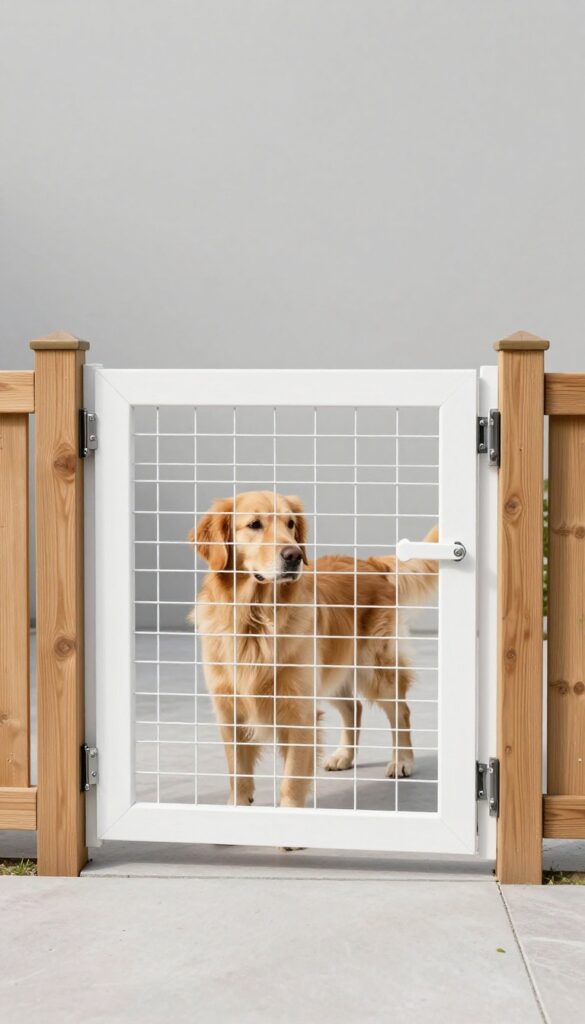
A well-placed gate makes all the difference between a dog run you use and one you avoid. Instead of climbing over a low fence or squeezing through a narrow gap, you get a clean, easy way in and out. That convenience means you're more likely to let your dog out for quick potty breaks or play sessions.
A proper gate also keeps your dog safely contained. Whether you're carrying groceries or wrangling a hyper pup, a gate that swings open and latches automatically gives you peace of mind. It's one of those small upgrades that makes daily life smoother.
Many dog owners don't think about the entry until after the run is built. But planning for a gate from the start saves headaches later. You can match the gate to your fence style for a cohesive look that also functions perfectly.
Why It Works
A gated entry removes friction from your routine. You don't have to unhook a chain or step over a barrier every time you enter or exit. The self-closing latch ensures the gate shuts every time, so you never accidentally leave it open.
This is especially helpful when your hands are full or when you're in a hurry.
Best For
This idea works for any dog owner, but it's especially valuable for those with escape artists who will bolt through an open gate. It's also great for busy households where multiple people use the dog run. If your side yard connects to a driveway or alley, a secure gate adds an extra layer of safety.
Practical Tip
Choose a gate that swings inward into the dog run, not outward. This prevents the gate from blocking pathways or hitting objects outside. Install a self-closing hinge and a latch that's easy for you to operate but hard for a dog to paw open.
A double-gate system (two gates that meet in the middle) gives you a wide opening for bringing in larger items like a wheelbarrow or new doghouse.
Budget-Friendly Option
If a custom gate is out of your budget, look for a pre-fabricated metal or wood gate at a home improvement store. You can also repurpose an old exterior door by adding hinges and a latch. Just make sure it's tall enough for your dog and has no gaps underneath.
13. Night Lighting for Evening Potty Breaks
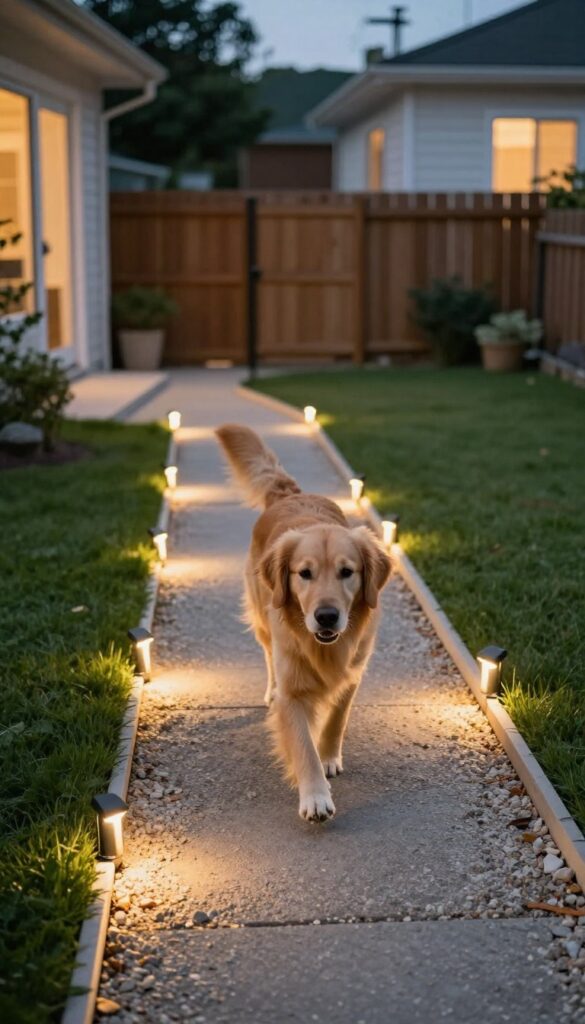
Evenings come fast, especially in fall and winter. If your dog run isn't lit, you're left squinting into the dark or rushing your pup through their last bathroom break. A few well-placed lights change that entirely.
Solar path lights or motion-activated fixtures make the space usable after sunset without running up your electric bill.
Why It Works
Dogs rely on routine, and a dark yard can make them hesitant or anxious. With soft lighting, your dog can see where they're going and feel more comfortable doing their business. You also get peace of mind knowing exactly where your dog is and what they're doing, even when it's pitch black outside.
Best For
This setup works for any dog owner who takes their pup out after dark, especially those with small yards or side runs that don't have existing outdoor lighting. It's also great for renters who can't install permanent fixtures, since solar lights are completely removable.
Practical Tip
Place lights along the edges of the run rather than in the middle to avoid glare and tripping hazards. Use warm white bulbs to create a calm atmosphere that won't overstimulate your dog. Check solar lights periodically for dirt or snow buildup on the panels to keep them charging efficiently.
Budget-Friendly Option
Skip expensive hardwired lighting and go with a pack of solar stake lights from a hardware store. They cost around $20 for six and install in seconds with no wiring. If you need brighter coverage, a single motion-activated floodlight on a stake works wonders for under $30.
FAQ
What is the best surface for a dog run?
It depends on your dog and climate. Artificial turf is low maintenance and soft, while gravel drains well. For diggers, mulch or sand works great.
How big should a side yard dog run be?
Aim for at least 10 feet long and 4 feet wide for small dogs, larger for bigger breeds. The more space, the better for running and playing.
Can I use a dog run for multiple dogs?
Yes, but ensure the run is large enough for all dogs to move comfortably. Provide separate water stations and enough shade for each dog.
How do I keep my dog run clean?
Regular scooping and hosing down surfaces helps. For turf, use a pet-safe cleaner. Gravel can be raked and rinsed.
Mulch should be replaced periodically.
What fencing is best for a dog run?
Solid privacy fencing is ideal for reducing distractions. Chain link works but may need privacy slats. Ensure the fence is tall enough to prevent jumping.
Conclusion
Creating a dog run in your side yard doesn't have to be complicated. Start with one or two ideas that fit your space and your dog's personality. Even small changes can make a big difference in how much your pup enjoys the outdoors.
Remember to keep safety and comfort in mind. With a little effort, you'll have a dedicated area that both you and your dog will love using every day.

I’m Pallab Kishore, the owner of Little Pets Realm — an animal lover and pet care enthusiast sharing easy tips, healthy recipes, and honest advice to help every small pet live a happy, healthy, tail-wagging life.