
A bored dog can quickly become a destructive dog. That's where interactive toys come in—they challenge your pup's mind and burn off energy without you having to throw a ball for hours.
Whether you're stuck inside on a rainy day or need to keep your dog occupied while you work, the right toy can make all the difference. Interactive toys aren't just about fun; they're about giving your dog a job to do.
Many of these toys tap into natural instincts like foraging, chasing, or problem-solving. Plus, they're a great way to slow down a fast eater or provide mental enrichment for high-energy breeds.
1. Treat-Dispensing Balls That Roll and Bounce
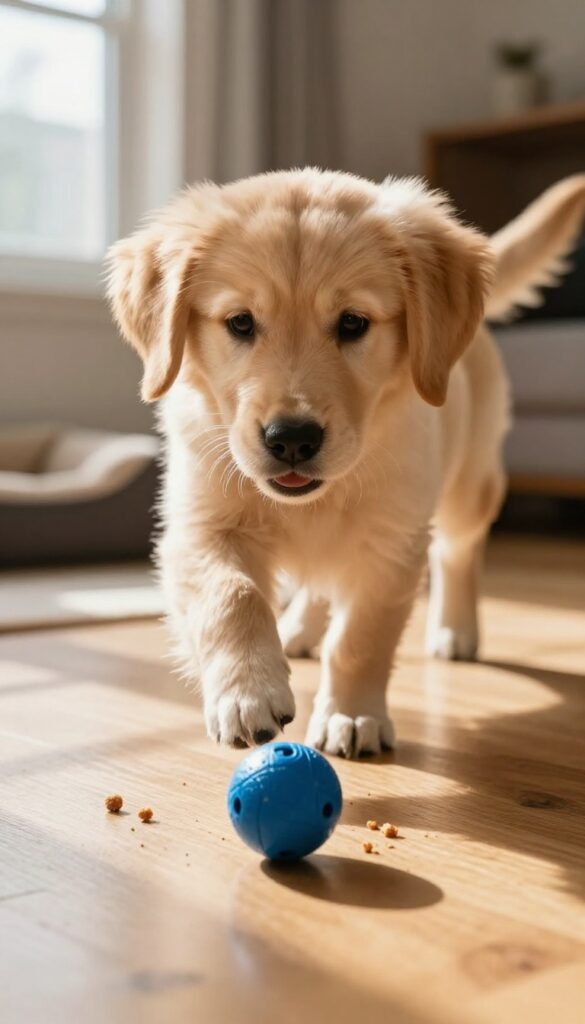
Imagine a toy that does double duty: exercise and reward, all in one. Treat-dispensing balls are exactly that—durable balls you fill with kibble or treats that fall out randomly as your dog plays. The unpredictability keeps your pup engaged longer than a regular fetch session.
Plus, the movement encourages chasing, batting, and problem-solving, making it a win-win for both of you.
Why It Works
The random treat release taps into your dog's natural foraging instincts, turning playtime into a rewarding puzzle. As the ball rolls and bounces, treats drop out at unexpected moments, keeping your dog's attention locked in. This mental stimulation can tire out a high-energy pup faster than physical exercise alone.
Best For
These balls are ideal for dogs who love to chase and have moderate to high energy levels. They work well in homes with hard floors or short carpet, and are especially useful for apartment dwellers who need indoor enrichment. Breeds like Labradors, Border Collies, and terriers tend to go nuts for them.
Practical Tip
Start with easy-to-dispense treats like small kibble to avoid frustration. Clean the ball regularly with warm soapy water to prevent buildup. If your dog is a heavy chewer, look for heavy-duty rubber options with adjustable openings to control treat flow.
Budget-Friendly Option
You can DIY a version by drilling a few holes in a sturdy tennis ball and stuffing it with treats. Just supervise to ensure no pieces break off. For a no-cost option, use an empty plastic water bottle with a few small holes—but remove the cap and label first.
2. Puzzle Boards with Sliding Compartments
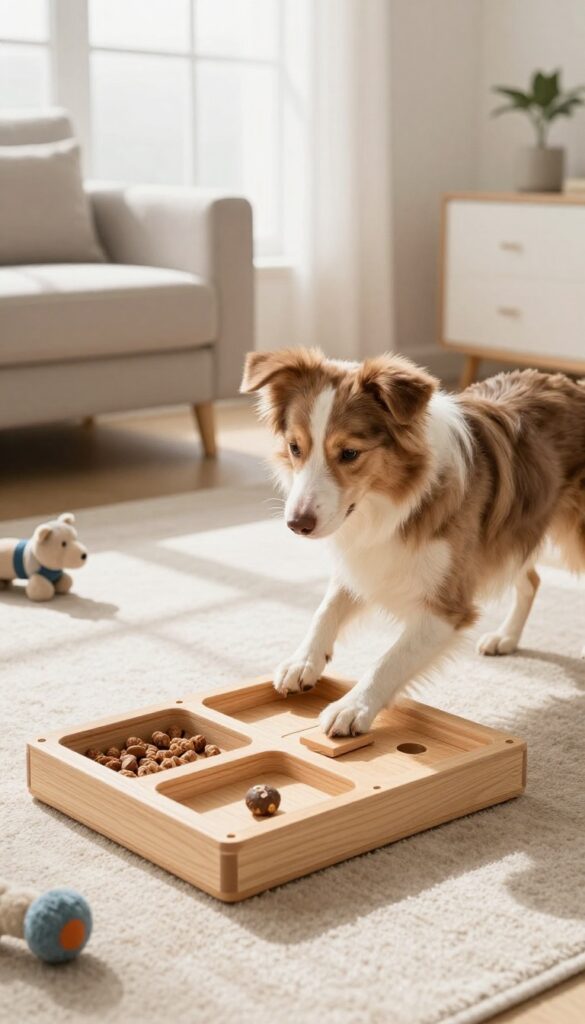
These aren't your average treat dispensers. Puzzle boards with sliding compartments challenge your dog to figure out how to access hidden rewards by moving pieces around. They're like a game of hide-and-seek for your pup's nose and paws.
Smart dogs thrive on problem-solving, and these boards deliver exactly that. The sliding, lifting, and flipping actions keep them engaged far longer than a simple Kong or chew toy. It's mental exercise that tires them out just as much as a long walk.
Dog owners love how these boards can be adjusted in difficulty. Start with easy slides and work up to more complex configurations as your dog gets the hang of it. Plus, they're usually dishwasher-safe for easy cleanup.
Why It Works
Dogs are natural foragers and problem-solvers. Puzzle boards tap into those instincts by requiring them to manipulate objects to get to treats. This kind of cognitive challenge releases dopamine, making your dog feel rewarded and satisfied.
It's especially effective for high-energy or intelligent breeds that can get bored with simpler toys.
Best For
Puzzle boards are ideal for smart, energetic breeds like Border Collies, Poodles, Australian Shepherds, and Terriers. They also work great for dogs that need mental stimulation indoors—whether you live in an apartment, have a small yard, or just want to keep your pup occupied during work hours.
Practical Tip
Start with a simple board that has just two or three sliding compartments. Let your dog watch you hide a treat, then encourage them to nudge or paw at the pieces. As they get the hang of it, you can add more compartments or use smaller treats to increase difficulty.
Always supervise the first few sessions to make sure they don't try to chew the board.
Budget-Friendly Option
You can DIY a simple version using a muffin tin and tennis balls. Place treats in the cups, cover each with a ball, and let your dog figure out how to remove them to get the goodies.
3. Snuffle Mats for Foraging Fun
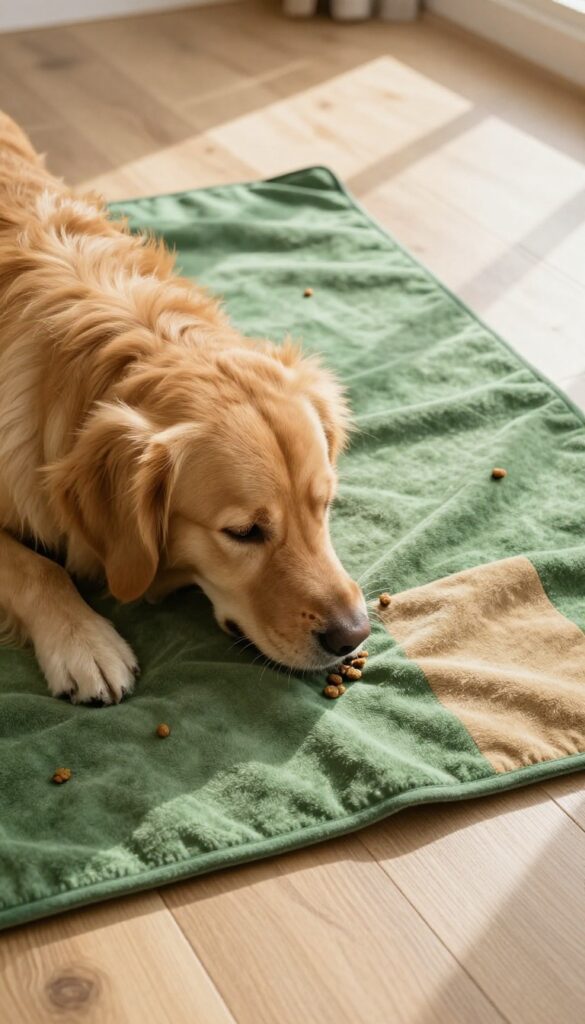
Some dogs need to work for their food. A snuffle mat turns mealtime into a treasure hunt by hiding kibble or treats among soft fabric strips. It's a simple way to tap into your dog's natural foraging instincts without any complicated setup.
Why It Works
Snuffle mats engage your dog's nose and brain, providing mental stimulation that tires them out faster than physical exercise alone. The slow, focused sniffing also helps lower stress levels, making it a go-to for anxious or reactive pups.
Best For
Nervous dogs, fast eaters, and high-energy breeds that need calming activities. Also great for apartment living or rainy days when outdoor play isn't possible.
Practical Tip
Start by scattering a few treats on top so your dog understands the concept. Gradually hide them deeper in the fabric as they get the hang of it. Wash the mat according to the manufacturer's instructions—most are machine washable on a gentle cycle.
Budget-Friendly Option
Make your own snuffle mat with a rubber sink mat and fleece strips. Cut the fleece into thin strips, knot them through the holes of the mat, and you have a DIY foraging toy for under $10.
4. Interactive Tug Toys with Hidden Pockets
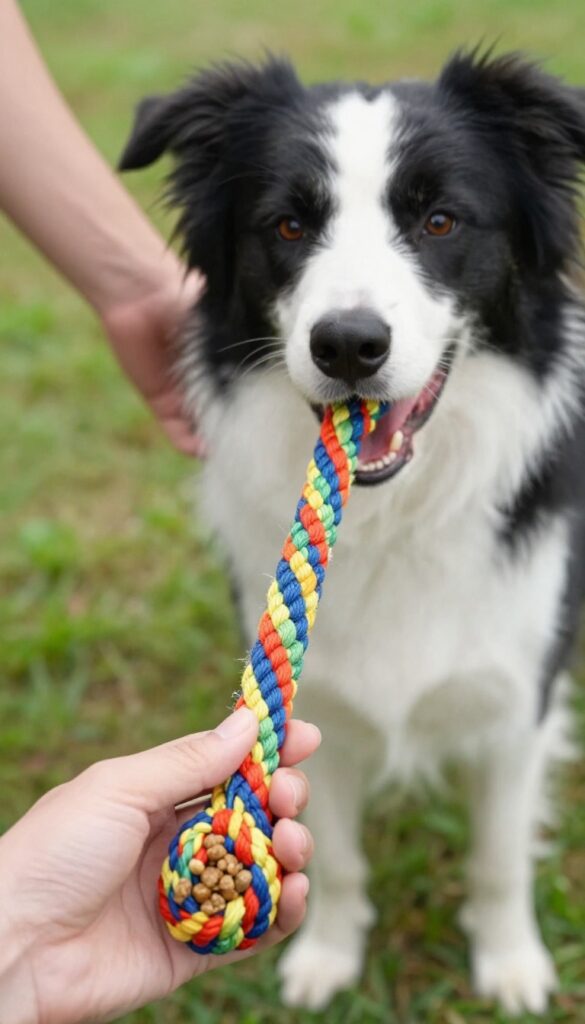
Tug-of-war is a classic game that strengthens your bond, but add a hidden pocket for treats or a squeaker, and you’ve got a whole new level of engagement. These toys combine physical play with mental stimulation, keeping your dog guessing and working for rewards.
They’re perfect for play sessions that double as training opportunities. The hidden pocket encourages your dog to problem-solve while tugging, turning a simple game into a multi-sensory experience. Plus, they’re easy to stuff with kibble, peanut butter, or a favorite squeaky insert.
Dog owners love them because they offer variety—you can switch up the reward each time. They also help build focus and impulse control, especially for dogs that get overly excited during play.
Why It Works
The hidden pocket taps into your dog’s natural foraging instincts. They have to figure out how to access the reward, which adds a mental challenge to physical exercise. This combination tires them out faster than a plain tug toy and keeps them engaged longer.
Best For
These toys are great for medium to high-energy breeds like Labradors, Border Collies, and terriers. They also work well for dogs that love to chew and tug but need a little extra motivation to stay interested. Perfect for indoor play on rainy days or short training sessions.
Practical Tip
Look for tug toys with a secure, reinforced pocket that won’t rip out easily. Rope or fleece materials are durable and gentle on teeth. Avoid toys with small parts that could become choking hazards.
Rotate the treats or squeaker inserts to keep the novelty alive.
Budget-Friendly Option
DIY version: braid three strips of fleece into a rope, then sew a small pouch near the middle using an old sock or fabric scrap. Stuff with treats or a squeaker ball. Supervise play to ensure the DIY pouch holds up.
5. Treat-Dispensing Puzzles with Adjustable Difficulty
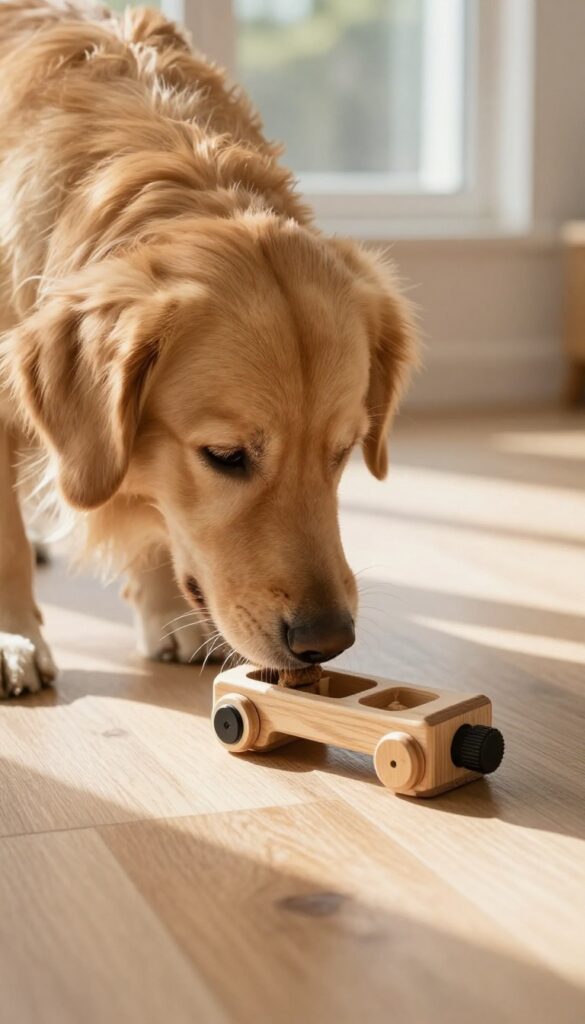
Not all puzzles are created equal. Some are too easy, and your dog figures them out in minutes. Others are so hard they give up.
Adjustable difficulty puzzles let you change the challenge level as your dog learns. Start with the easiest setting, then add more steps as they get the hang of it. This keeps their brain engaged longer and prevents frustration.
Owners love these because one toy grows with your dog, offering weeks of entertainment instead of a single use.
Why It Works
Dogs are natural problem-solvers, but they need the right level of challenge. Too easy, and they lose interest. Too hard, and they give up.
Adjustable puzzles let you find that sweet spot. As your dog masters one level, you increase the difficulty, keeping them mentally stimulated. This builds confidence and prevents boredom-related behaviors like chewing or barking.
Best For
These are perfect for smart, high-energy breeds like Border Collies, Poodles, or Terriers that need mental stimulation. They also work well for dogs that get bored easily with traditional toys. If your dog is a quick learner, an adjustable puzzle will keep them busy for months.
Practical Tip
Start with the easiest setting and watch your dog interact. If they solve it in under 5 minutes, bump up the difficulty. Always supervise the first few uses to make sure your dog isn't getting frustrated or trying to break the toy.
Clean the puzzle regularly, especially if it dispenses wet food, to prevent bacteria buildup.
Budget-Friendly Option
You can DIY a simple version by using a muffin tin and tennis balls. Place treats in some cups, cover all cups with balls, and let your dog figure out which ones have treats. As they get better, add more balls or use smaller treats.
6. Electronic Motion-Activated Toys
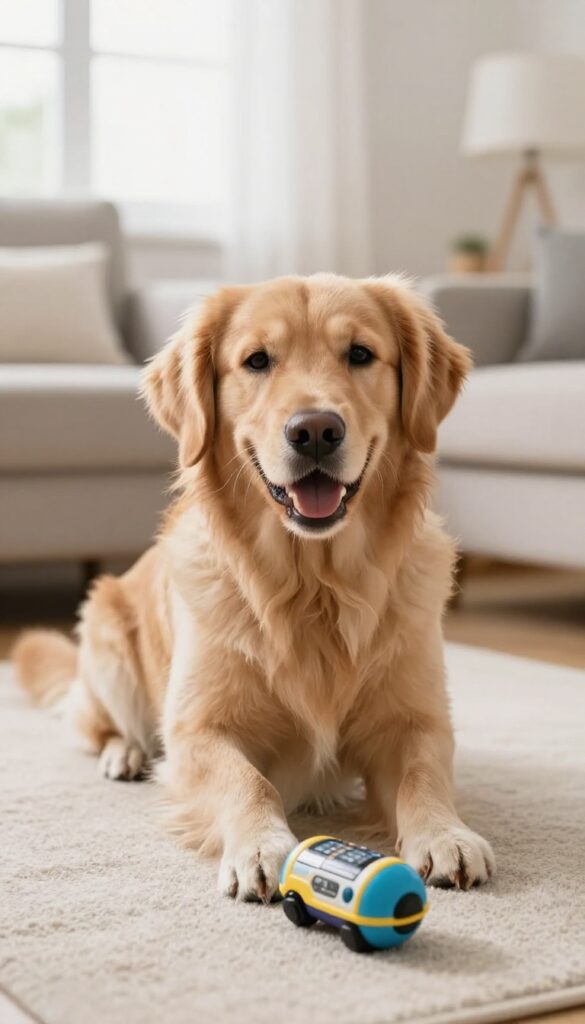
These battery-powered gadgets add a whole new layer of unpredictability to playtime. When your dog nudges or approaches them, they spring into action—rolling, wobbling, or even dispensing treats. It's like having a playmate that never gets tired, perfect for keeping your pup entertained while you're tied up with other tasks.
Why It Works
The random movement triggers your dog's prey drive and keeps them guessing. Unlike static toys that lose appeal once the treats are gone, motion-activated toys offer ongoing stimulation. The element of surprise makes each interaction fresh, which is key for maintaining a dog's interest over time.
Best For
Dogs who get bored easily with traditional toys or have high energy levels. Also great for independent play when you're working from home or busy with chores. Breeds like terriers, herding dogs, and retrievers particularly enjoy chasing and pouncing on moving objects.
Practical Tip
Start with the toy on a low setting to see how your dog reacts. Some pups can be startled by sudden movements, so let them investigate while it's off first. Place it on a non-slip surface or carpet to prevent it from sliding under furniture, and always supervise the first few play sessions to ensure safe interaction.
Budget-Friendly Option
If you're not ready to invest in an electronic toy, try a simple DIY version: place a treat inside a toilet paper roll, tape the ends shut, and let it roll across the floor. It won't move on its own, but the unpredictability of where it rolls can still engage your dog.
7. DIY Cardboard Box Puzzle
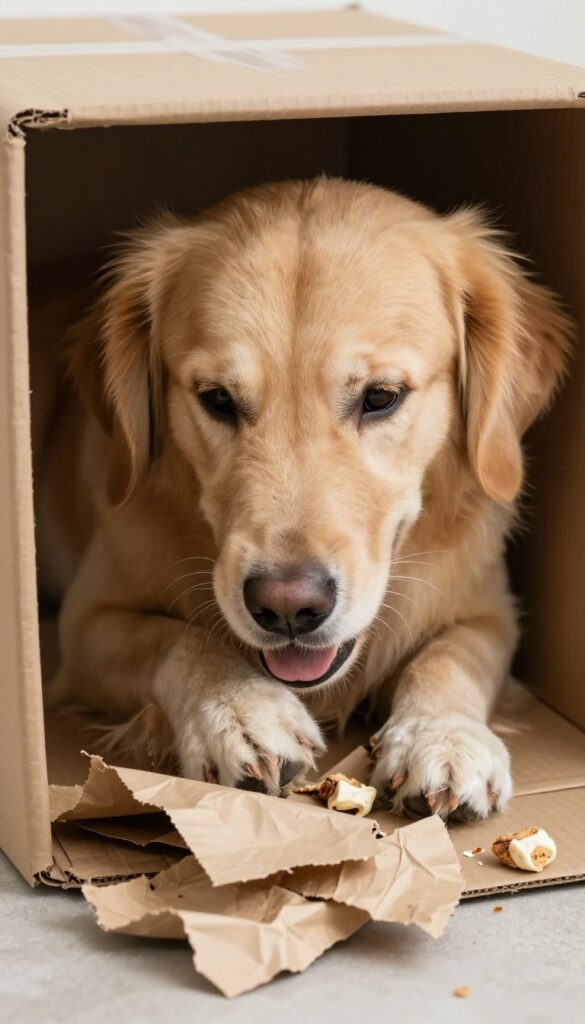
You don't need to spend money on fancy toys to keep your dog entertained. A simple cardboard box filled with crumpled paper or fabric scraps can become an engaging puzzle. Hide a few treats inside, and let your dog use their nose and paws to uncover the rewards.
This activity taps into natural scavenging instincts and provides a satisfying challenge.
Why It Works
The act of tearing and shredding is deeply satisfying for many dogs, especially those with a high prey drive. The unpredictability of where the treats are hidden keeps them focused and mentally stimulated. Plus, the crinkly sounds and textures add sensory enrichment.
Best For
This puzzle is ideal for dogs who love to shred or dig, such as terriers, huskies, or any pup that enjoys destroying toys. It's also great for owners on a tight budget or those looking for a quick, low-prep activity. Supervise carefully if your dog tends to eat non-food items.
Practical Tip
Use a box that's large enough for your dog to stick their head inside but not so big they can climb in. Layer crumpled paper or fabric scraps with treats scattered throughout. You can also add a few empty toilet paper rolls for extra hiding spots.
Always supervise to prevent ingestion of paper or fabric, and remove any tape or staples beforehand.
Budget-Friendly Option
Instead of fabric scraps, use old newspaper or packing paper. Just avoid glossy inserts or colored inks, which may be toxic if ingested. You can also reuse boxes from online deliveries.
8. Slow Feeder Bowls with Maze Patterns
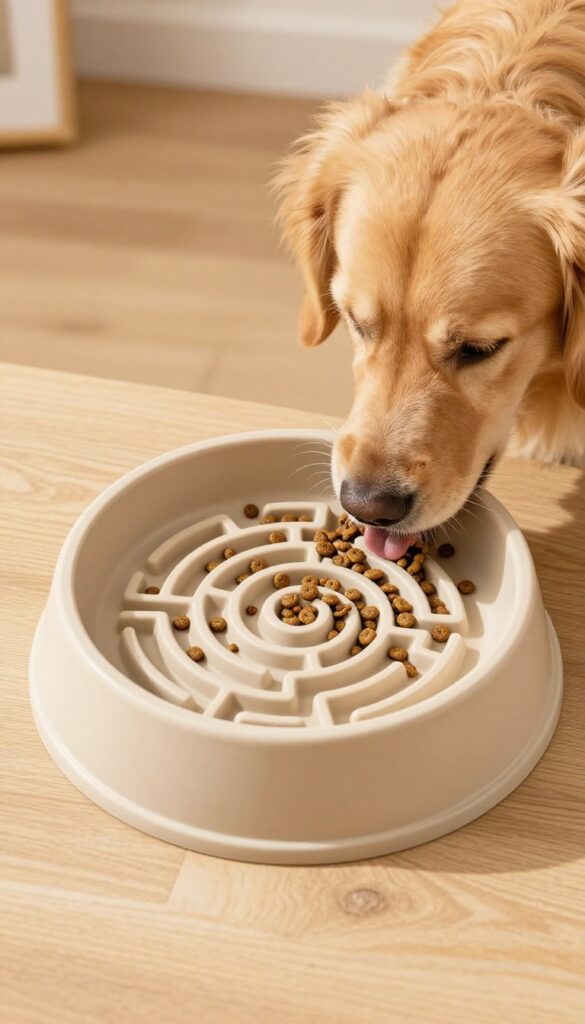
Mealtime doesn't have to be a five-second gulpfest. Slow feeder bowls with intricate maze patterns turn eating into a brain game that keeps your dog busy long after the bowl is empty.
The raised ridges and labyrinth-like paths force your dog to navigate around obstacles to reach each kibble. It's a simple swap that adds minutes of mental stimulation to every meal.
Dog owners love these because they solve two problems at once: they slow down fast eaters (reducing bloat risk) and provide a daily dose of enrichment without any extra effort from you.
Why It Works
Dogs are natural foragers, and maze bowls tap right into that instinct. Instead of inhaling food in seconds, your dog has to use their nose, paws, and tongue to work around the pattern. This slows eating by 10–20x and gives their brain a real workout.
Best For
These bowls are perfect for gulpers, flat-faced breeds like French Bulldogs or Pugs (choose shallow mazes), and any dog who finishes dinner before you've sat down. They're also great for apartment dogs who need indoor enrichment.
Practical Tip
Pick a bowl with removable maze inserts for easy cleaning—some are dishwasher safe. Start with a simpler pattern if your dog gets frustrated, and supervise the first few uses to make sure they don't tip the bowl over. For wet food, look for mazes with deeper channels.
Budget-Friendly Option
DIY a slow feeder by placing a few large smooth stones or a small upside-down muffin tin in your dog's regular bowl. Make sure stones are too big to swallow and clean them thoroughly between uses.
9. Treat-Dispensing Plush Toys with Squeakers
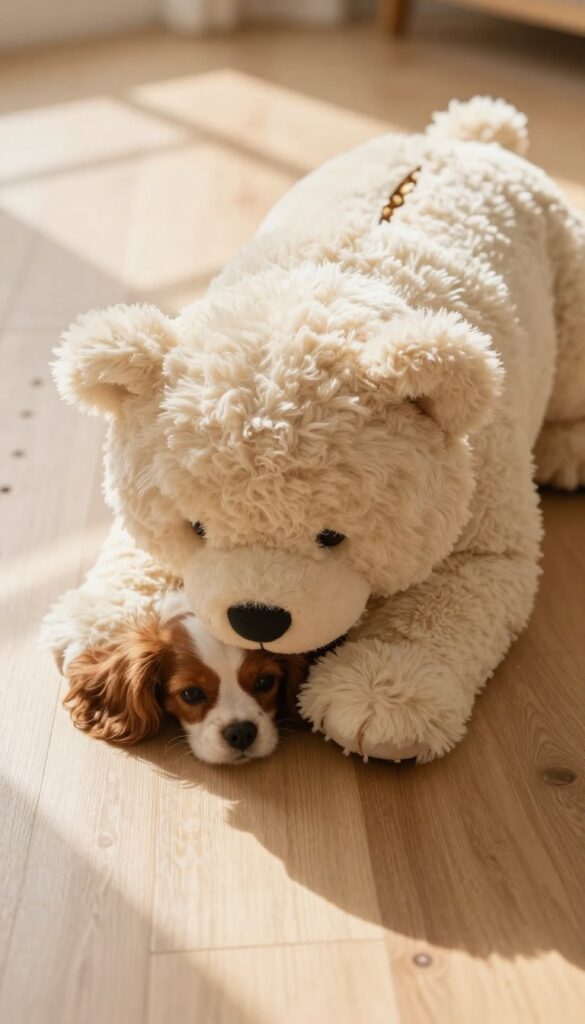
Some dogs want to cuddle and chew at the same time. Treat-dispensing plush toys combine the softness of a stuffed animal with a hidden challenge. They often have squeakers tucked inside and little pockets where you can stash kibble or treats, turning snuggle time into a rewarding game.
Why It Works
The mix of plush comfort and treat-seeking taps into your dog's natural foraging instincts. They have to nuzzle, paw, or shake the toy to release the goodies, which keeps them focused and mentally stimulated. The squeaker adds an extra layer of fun for dogs who love that satisfying noise.
Best For
These are perfect for dogs that like to carry toys around or sleep with them. They work well for gentle chewers and small to medium breeds. If your dog is a heavy chewer, look for reinforced seams and double-stitched edges to avoid a quick destruction.
Practical Tip
Rotate the toy with other interactive options to keep it novel. Wash it regularly according to the label—many are machine washable on a gentle cycle. Avoid leaving it in the crate unsupervised if your dog tends to disembowel plush toys.
Budget-Friendly Option
You can make a DIY version by cutting a small slit in a sturdy plush toy and inserting a treat-filled squeaker toy inside. Just supervise to prevent swallowing loose parts.
10. Interactive Fetch Launchers with Reward Function
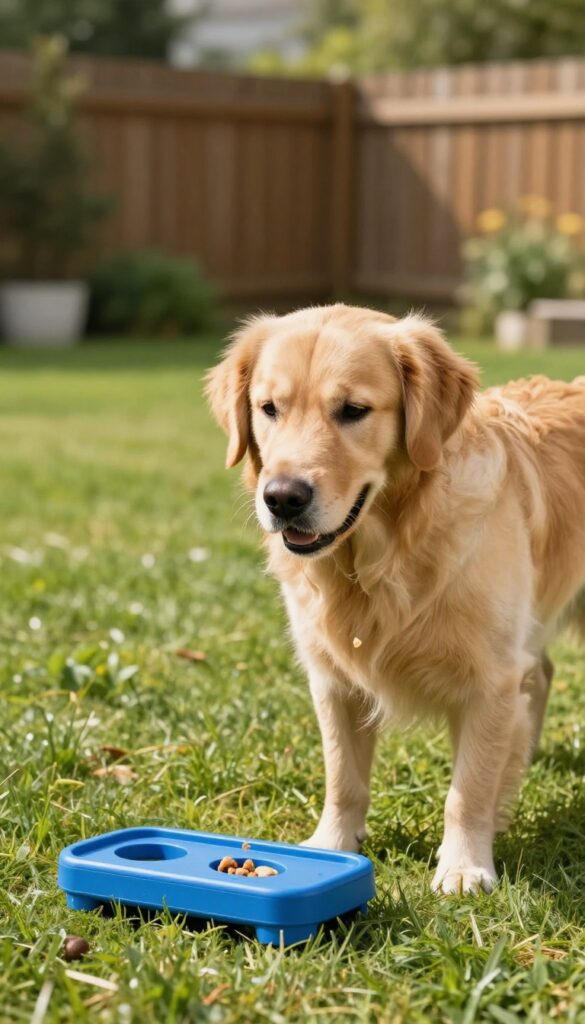
Fetch meets treat time with these clever launchers that do double duty. Your dog chases the ball, brings it back, and drops it into the launcher—then a treat pops out as a reward. It turns a simple game of fetch into a multi-step puzzle that keeps dogs engaged longer.
The reward function adds an extra layer of motivation, especially for dogs who lose interest after a few throws. Plus, the launcher can be set to different difficulty levels, so you can adjust how many times your dog has to retrieve before a treat appears.
Dog owners love that these toys provide both physical exercise and mental stimulation without constant human involvement. Just load the launcher with treats and let the game begin.
Why It Works
The combination of fetch and treat dispensing taps into two strong dog drives: chasing and foraging. Your dog has to complete a sequence—retrieve, return, and deposit—to earn the reward. This mental effort tires them out faster than plain fetch and satisfies their natural problem-solving instincts.
Best For
These launchers are perfect for dogs who love fetch but get bored after a few throws. They also work well for high-energy breeds like Border Collies, Labradors, and Australian Shepherds that need both physical and mental challenges. Great for owners who want to entertain their dog while working from home or doing chores.
Practical Tip
Place the launcher on a non-slip surface to prevent it from sliding during use. Some models have adjustable launch distances—start with shorter throws to teach the game, then increase distance as your dog gets the hang of it. Clean the treat compartment regularly to avoid buildup and keep the mechanism working smoothly.
Budget-Friendly Option
If you don't want to buy a specialized launcher, try a simple DIY version: use a standard fetch ball and a treat-dispensing toy like a Kong or a puzzle ball. Hide the treat toy in the same spot each time, and teach your dog to drop the ball there to get the treat. It's not automatic, but it builds the same skill.
FAQ
What is the best interactive toy for a high-energy dog?
Treat-dispensing balls that roll and bounce are great for high-energy dogs because they combine physical exercise with mental stimulation.
Are interactive toys safe for puppies?
Yes, but choose toys appropriate for your puppy's size and chewing strength. Always supervise play and remove any small parts that could be swallowed.
How do I clean interactive dog toys?
Most hard plastic toys can be washed with warm soapy water. Plush toys may be machine washable. Check the manufacturer's instructions for specific care.
Can interactive toys help with separation anxiety?
They can provide a positive distraction, but they are not a cure. For severe anxiety, consult a veterinarian or a professional dog trainer.
How often should I rotate my dog's interactive toys?
Rotating toys every few days keeps them novel and interesting. Having 3-4 toys in rotation is a good rule of thumb.
Conclusion
Interactive toys are a fantastic way to keep your dog mentally sharp and physically active, even when you're not available to play. The key is to match the toy to your dog's personality and skill level—start easy and build up.
Remember to supervise new toys and always choose durable options that can withstand your dog's play style. With the right interactive toy, you'll have a happier, more content pup and a little more peace of mind.

I’m Pallab Kishore, the owner of Little Pets Realm — an animal lover and pet care enthusiast sharing easy tips, healthy recipes, and honest advice to help every small pet live a happy, healthy, tail-wagging life.