
Your garden can be more than just a pretty space—it can be a safe haven for your dog to explore and play. But not all plants and layouts are pet-friendly.
With a few smart changes, you can create an outdoor area that keeps your pup happy and out of trouble. From choosing non-toxic greenery to adding a dedicated digging zone, these ideas balance beauty with canine safety.
Whether you have a small patio or a sprawling yard, there's something here for every dog owner. Let's walk through ten garden upgrades that will make your outdoor space a joy for both you and your four-legged friend.
1. Choose Dog-Safe Plants
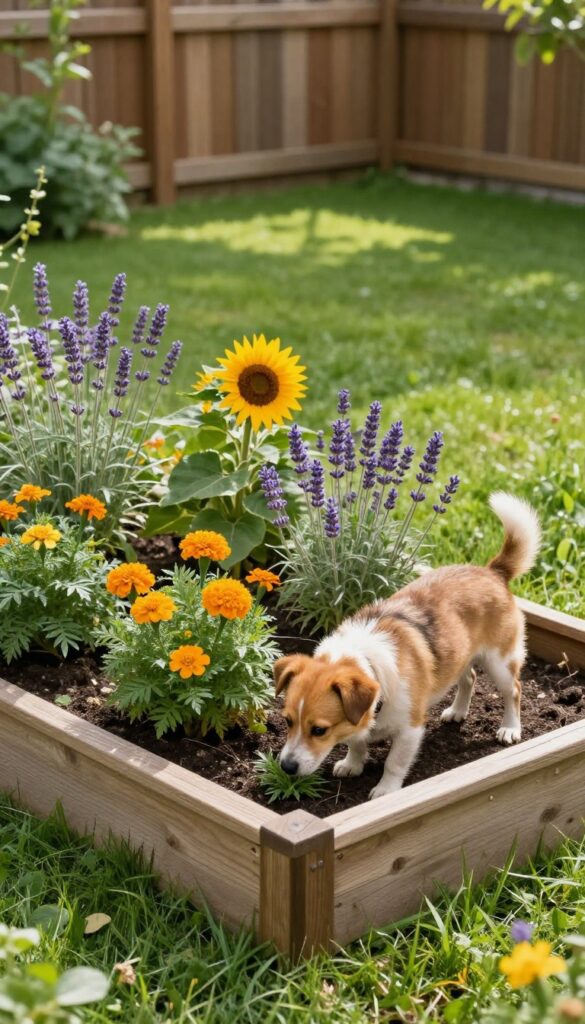
Swapping out toxic plants for dog-friendly alternatives is one of the easiest ways to make your garden safer. Many common garden plants like lilies, azaleas, and sago palms can cause serious health issues if your dog decides to take a taste test. By replacing them with non-toxic options, you can relax knowing your pup can explore freely.
Why It Works
Dogs are natural explorers—they sniff, dig, and sometimes nibble on plants. Dog-safe plants eliminate the risk of poisoning, so you don't have to constantly supervise or worry. Plus, many safe plants are just as beautiful and low-maintenance as their toxic counterparts.
Best For
This idea works for any dog owner, especially those with curious puppies or dogs that love to chew on greenery. It's also great for households with multiple dogs or where dogs spend a lot of unsupervised time in the yard.
Practical Tip
Group dog-safe plants in clusters to create visual impact while keeping them accessible for your dog. Use raised beds or containers to protect delicate roots from digging. Regularly check for any signs of wear and replace plants if they get too trampled.
Budget-Friendly Option
If you're on a tight budget, start by removing the most toxic plants first and replace them with inexpensive seeds or cuttings of safe plants like marigolds or sunflowers. Many dog-safe plants are easy to propagate, so you can expand your garden over time.
2. Build a Digging Pit
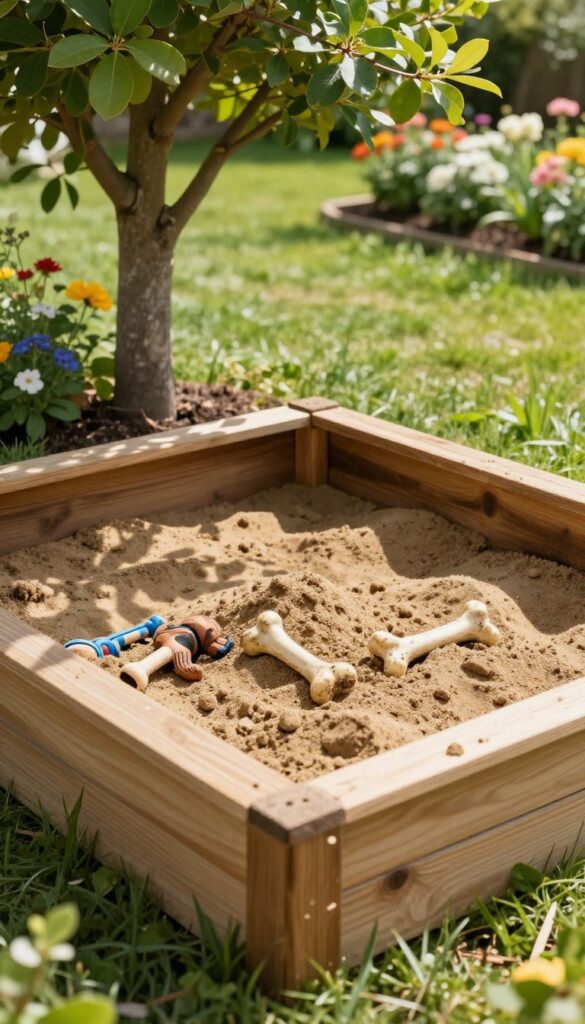
Dogs love to dig—it's in their DNA. Instead of fighting that instinct, give them a spot where it's totally okay. A designated digging pit turns a potential yard disaster into a fun, controlled activity.
Why It Works
Dogs dig for many reasons: to cool off, hide treasures, or just because it feels good. By providing an approved area, you protect your flower beds and lawn while letting your dog enjoy a natural behavior. Burying toys or treats inside encourages them to use the pit instead of your prized petunias.
Best For
This works great for terriers, dachshunds, and other breeds with a strong digging drive. It's also perfect for energetic dogs who need an outlet and for any yard where you want to keep the rest of the garden intact.
Practical Tip
Use a child's sandbox, a wooden frame, or even an old tire to define the area. Fill it with soft play sand or loose soil. Bury a few favorite toys or safe bones each week to keep it interesting.
Place the pit in a shaded spot so it stays cool on hot days.
Budget-Friendly Option
Skip the store-bought sandbox. Build a simple frame from scrap lumber or use a large plastic storage bin with holes drilled in the bottom for drainage. Free sand can often be found on community swap sites.
3. Install a Doggy Door to the Garden
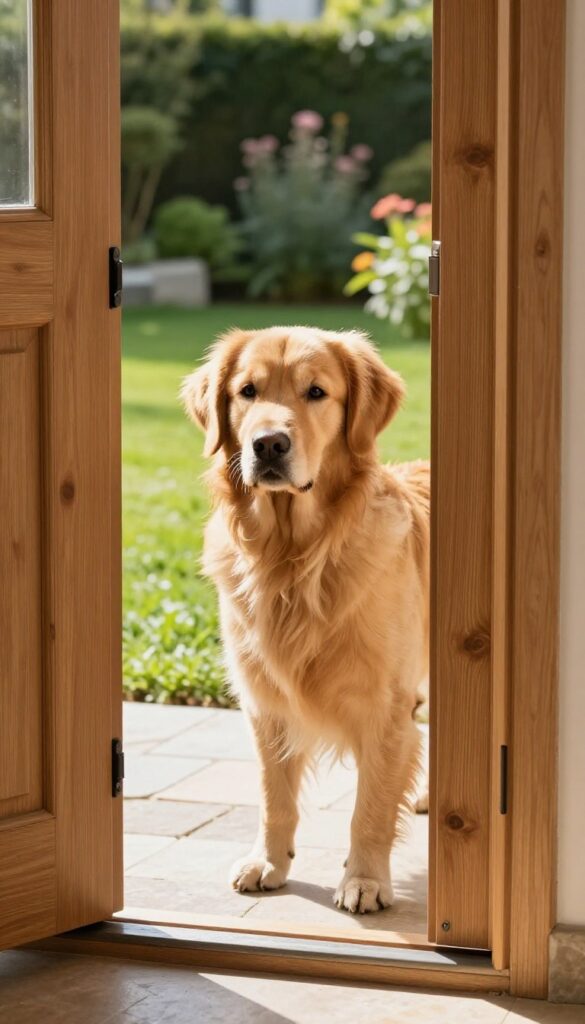
Giving your dog the freedom to wander in and out of the garden on their own terms is a game-changer. A doggy door lets them explore, sunbathe, or take care of business without needing you to play doorman. It also means less barking at the back door and more independence for your pup.
Why It Works
A doggy door encourages your dog to spend more time outdoors, which is great for exercise and mental stimulation. They can come and go as they please, reducing anxiety and boredom. Plus, you won't have to constantly get up to let them in or out.
Best For
This works best for dogs that are house-trained and can reliably use the door without getting stuck or scared. It's ideal for owners with fenced yards who want to give their dog more autonomy, especially during nice weather.
Practical Tip
Choose a doggy door with a secure locking mechanism so you can lock it at night or when you're away. Pair it with a sturdy, dig-proof fence to prevent escapes. For added safety, install a model with a weatherproof flap to keep drafts and rain out.
Budget-Friendly Option
If a permanent door isn't in the budget, consider a removable panel that fits into a sliding glass door. These are affordable and easy to install, and you can take them out when not needed.
4. Create Shaded Rest Spots
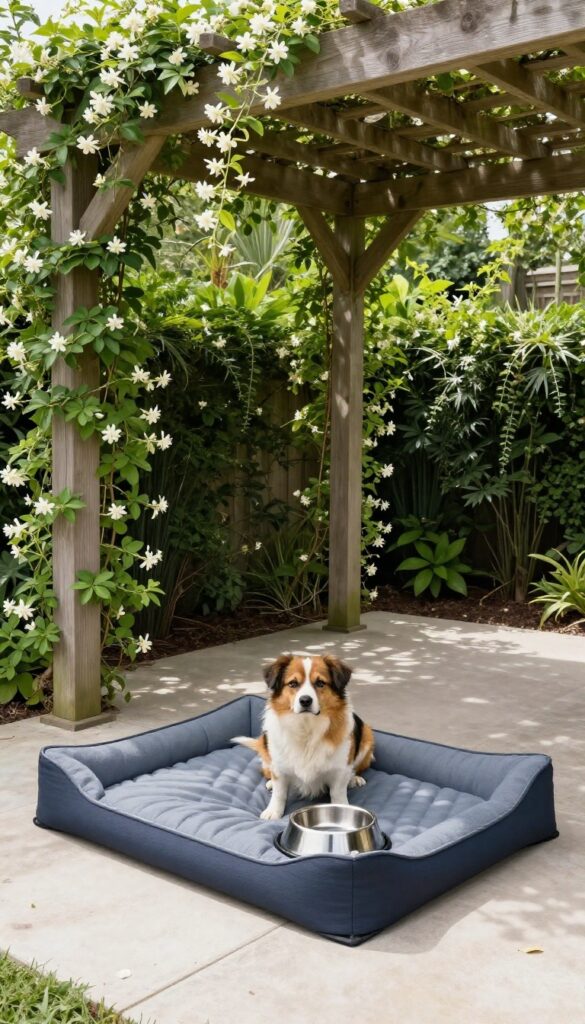
On warm days, direct sunlight can turn your garden into an uncomfortable—even dangerous—place for your dog. A dedicated shaded area gives them a cool spot to retreat when they need a break from the heat.
Adding shade isn't just about comfort; it's a key safety measure for preventing heatstroke. A simple structure like a pergola, shade sail, or large umbrella can make all the difference.
Dog owners love this idea because it extends the time their pup can safely enjoy the garden. Plus, it creates a cozy outdoor lounge that both you and your dog can use.
Why It Works
Dogs don't sweat like humans do—they rely on panting and finding cool surfaces to regulate their body temperature. A shaded rest spot provides immediate relief from direct sun, reducing the risk of overheating. Placing a comfortable bed or mat in the shade gives your dog a clear signal that this is their designated chill zone.
Best For
This idea is perfect for dogs with thick coats, brachycephalic breeds (like Bulldogs or Pugs), seniors, or any pup that tends to overheat easily. It's also great for gardens that get full afternoon sun and lack natural tree cover.
Practical Tip
Position the shade structure over a flat, well-drained area. Use a raised dog bed or a cooling mat to keep your pup off hot ground. Add a water bowl nearby and consider a windbreak if the spot gets breezy.
For pergolas, train a climbing plant like jasmine or grapevine to create natural, dappled shade.
Budget-Friendly Option
If a permanent structure isn't in the budget, a large cantilever umbrella or a pop-up canopy works just as well. You can also repurpose an old bedsheet or tarp stretched between two trees or fence posts for a quick DIY shade sail.
5. Use Pet-Safe Mulch and Ground Cover
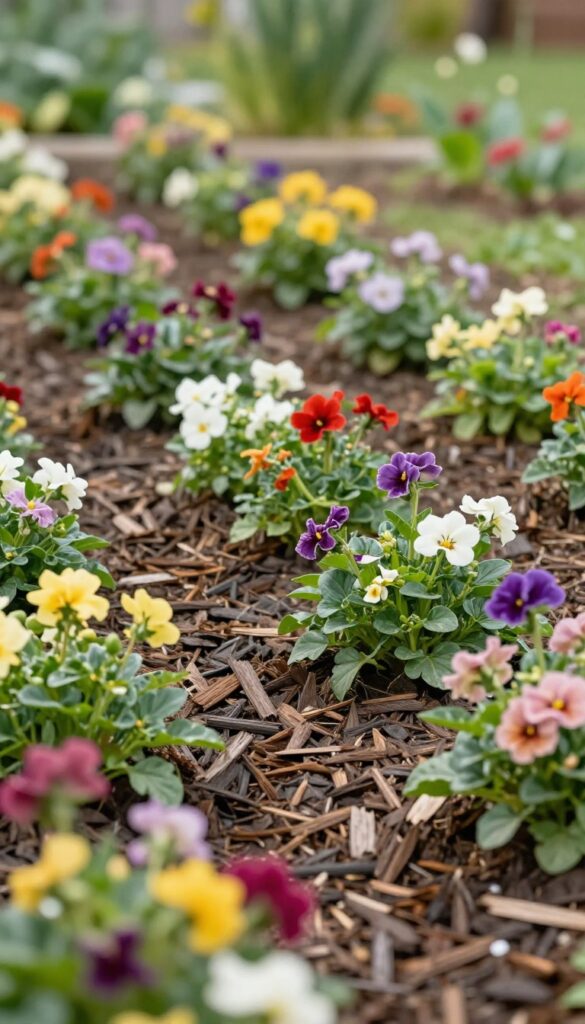
Mulch might seem like a minor detail, but the wrong kind can be dangerous for your dog. Cocoa mulch smells like chocolate to dogs and can cause serious health issues if eaten. Luckily, there are plenty of safe alternatives that look great and keep your pup safe.
Switching to pet-safe mulch is a simple swap that protects your dog while still giving your garden a polished look. It also helps with weed control and moisture retention, so your garden stays healthy.
Why It Works
Dogs love to sniff, dig, and sometimes taste everything in the garden. Pet-safe mulches like cedar chips, pine straw, or rubber mulch are non-toxic if ingested and gentle on paws. They also break down slowly, so you won't need to replace them as often.
Best For
This is perfect for any dog owner, especially those with curious puppies or dogs that love to dig. It works well in flower beds, around trees, and in pathways where your dog frequently roams.
Practical Tip
Spread a 2-3 inch layer of cedar or pine mulch around plants, keeping it a few inches away from stems to prevent rot. For high-traffic areas, rubber mulch is a durable, low-maintenance option that stays in place and cushions paws.
Budget-Friendly Option
If you're on a tight budget, consider using untreated wood chips from a local tree service. They're often free or cheap, but make sure they don't contain toxic woods like black walnut.
6. Set Up a Splash Zone or Dog Pool
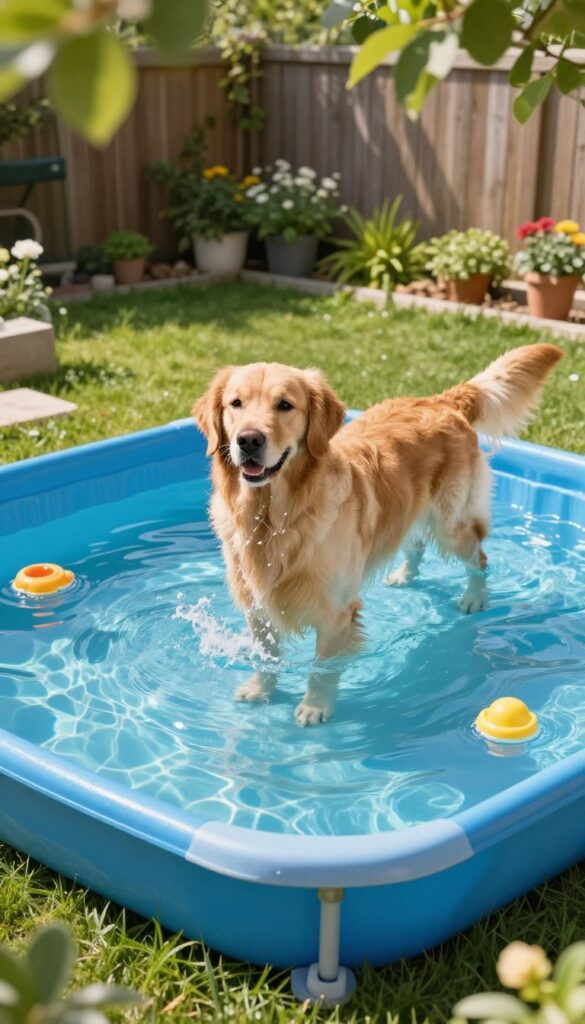
When the temperature climbs, a dedicated splash zone turns your garden into a canine water park. A shallow kiddie pool or a splash pad gives your dog a safe place to cool off without resorting to muddy puddles or unsupervised water sources. It's a simple addition that provides hours of entertainment and relief from the heat.
Why It Works
Dogs regulate their body temperature mainly through panting and paw pads, so having a cool water source helps them stay comfortable. The act of splashing and pawing at water is also mentally stimulating and can reduce anxiety. Plus, it keeps them hydrated and active in a controlled environment.
Best For
This setup is ideal for active dogs who love water, such as Labradors, Golden Retrievers, and Spaniels, but any dog can benefit on hot days. It works well in medium to large yards with a flat area, though even a small patio can accommodate a splash pad.
Practical Tip
Place the pool on a flat, grassy spot to prevent tipping and provide a soft landing. Use a heavy-duty plastic kiddie pool or a dog-specific splash pad with a non-slip surface. Change the water daily to prevent algae and bacteria, and always supervise your dog to avoid overexertion.
Budget-Friendly Option
If you don't want to buy a new pool, repurpose a large plastic storage bin or a sturdy metal trough. Just sand down any sharp edges and ensure it's shallow enough for your dog to stand comfortably.
7. Add a Sniffing Garden with Herbs
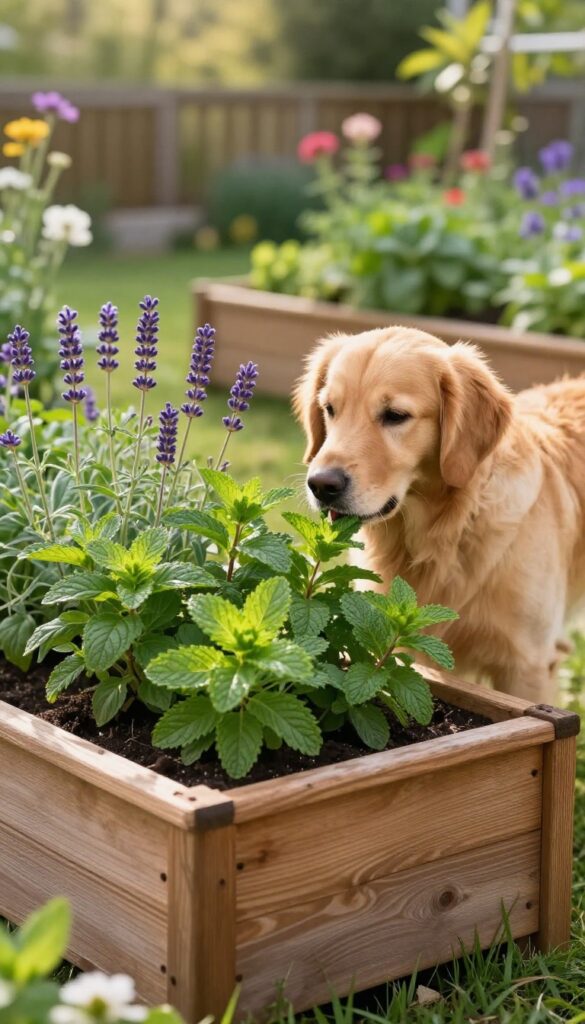
A sniffing garden is a dedicated patch of dog-safe herbs planted for your pup to explore. Dogs experience the world largely through their noses, so a garden filled with aromatic plants like mint, basil, and lavender provides a natural form of enrichment. It turns a simple garden corner into an engaging sensory playground that encourages calm exploration.
Why It Works
Sniffing is mentally tiring for dogs and can reduce anxiety. The varied scents from herbs stimulate their brain, providing a healthy outlet for natural curiosity. Some herbs, like lavender and chamomile, are known for their calming properties, which can help settle an energetic or nervous dog.
Best For
This idea works well for dogs that enjoy sniffing on walks or have a curious, exploratory nature. It's especially great for apartment dwellers with a small patio or balcony, since herbs grow well in containers. It also suits owners who want to add a low-maintenance, functional element to their garden.
Practical Tip
Plant herbs in raised beds or large pots to keep them from being trampled. Use a mix of upright and trailing herbs for visual interest. Place the garden in a quiet area where your dog can sniff without distractions.
Regularly trim the herbs to encourage bushier growth and refresh the scents.
Budget-Friendly Option
Skip buying expensive herb plants from a nursery. Start herbs from seeds indoors or buy small starter plants from a grocery store. Use recycled containers like old buckets or wooden crates as planters, just make sure they have drainage holes.
8. Secure Your Fence and Gates
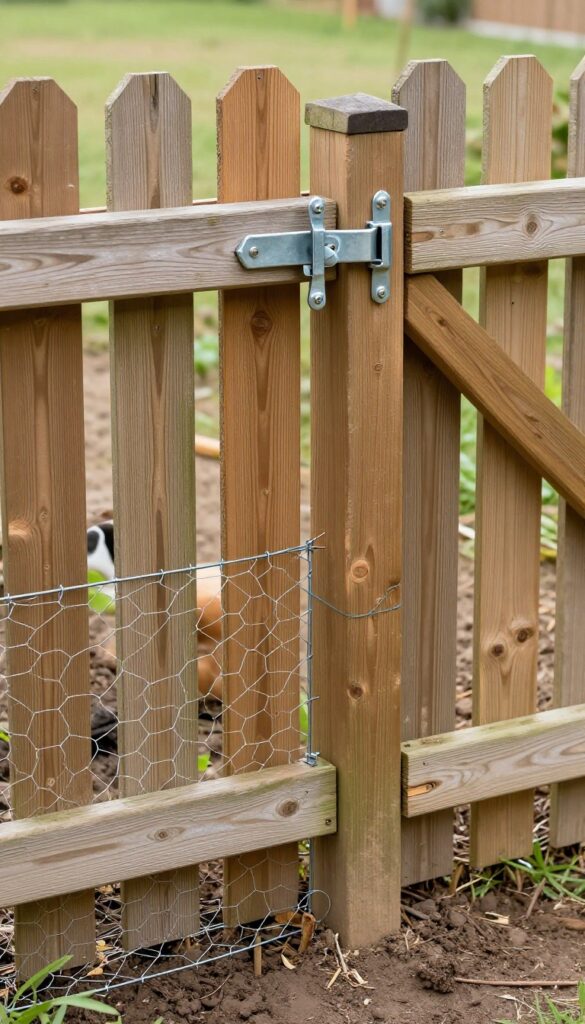
A secure fence is your garden's first line of defense. Dogs are natural escape artists—they'll find gaps, dig under boards, or push through loose gates. Checking your fence regularly prevents heart-stopping moments and keeps your pup safely contained.
Start by walking the perimeter and looking for any weak spots. Pay special attention to corners, gates, and areas where the ground meets the fence. A little reinforcement now can save you from a frantic search later.
This isn't just about keeping your dog in—it's also about keeping other animals out. A sturdy fence reduces the chance of encounters with wildlife or neighborhood dogs.
Why It Works
Dogs are driven by instinct to explore, and a weak fence is an invitation. By closing off escape routes, you remove temptation and create a safe boundary. Your dog can enjoy the garden without you worrying about them running off.
Best For
Any dog owner with a yard—especially those with diggers, jumpers, or dogs that get nervous around strangers. It's essential for high-energy breeds that need outdoor time but can't be trusted off-leash.
Practical Tip
Use chicken wire or hardware cloth buried a few inches underground along the fence line to prevent digging. For jumpers, consider adding a roller bar or extending the fence height. Check gates regularly to ensure they latch securely.
Budget-Friendly Option
If you can't reinforce the whole fence, focus on the most vulnerable spots—like the gate and corners. You can also use large rocks or pavers along the base to block digging without spending much.
9. Design a Dog-Friendly Path
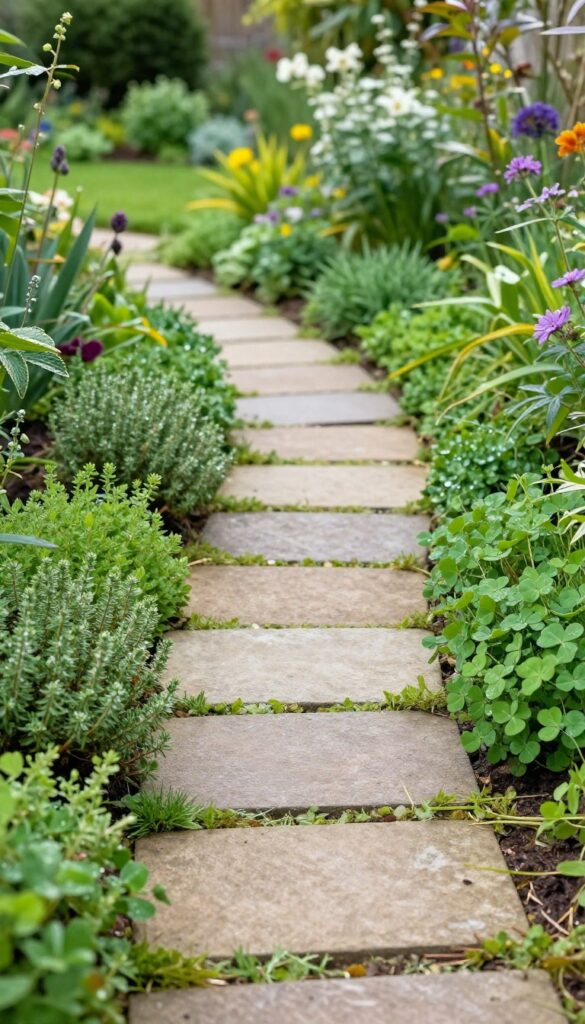
A garden path can be a fun route for your dog to patrol or follow you around. The right materials make it safe for paws and easy to clean. Flat stones or durable mulch create a stable surface that won't hurt sensitive pads.
Why It Works
Dogs love having a clear route to explore, and a designated path keeps them from trampling flower beds. Smooth, paw-friendly surfaces prevent cuts and discomfort, so your pup can trot along without hesitation.
Best For
This works well for active dogs who like to follow their owners around the garden, and for yards with multiple zones that need a defined walkway. It's also great for older dogs with sensitive paws.
Practical Tip
Lay flagstones with gaps filled with creeping thyme or clover for a soft, green look. Make the path at least 3 feet wide so two dogs can pass comfortably. Avoid sharp gravel or jagged rocks.
Budget-Friendly Option
Use recycled brick or concrete pavers from a salvage yard instead of new stone. A simple mulch path with landscape fabric underneath is the cheapest option and still paw-friendly.
10. Incorporate Interactive Toys and Obstacles
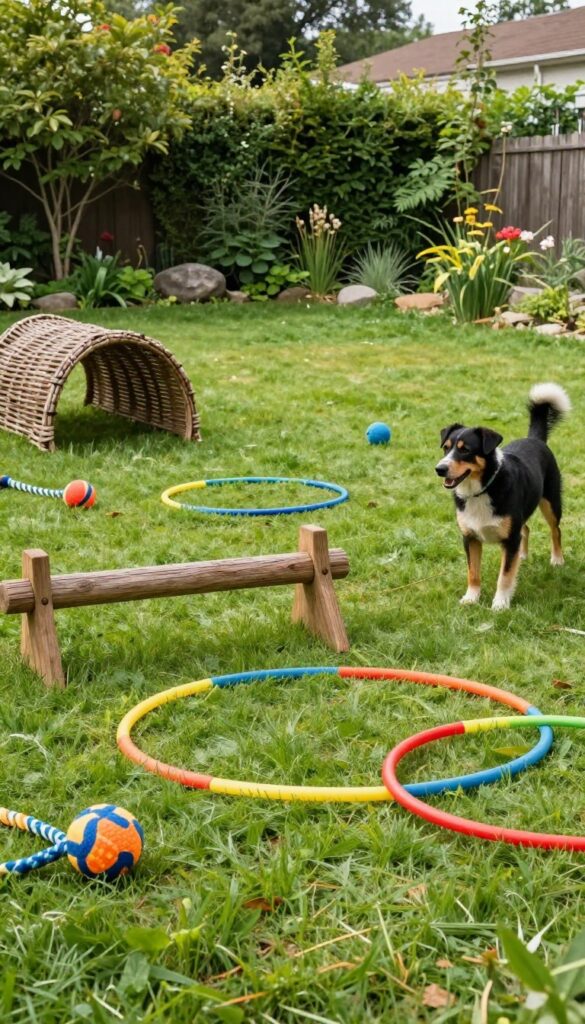
Turn your garden into a playground by adding interactive toys and simple obstacles. A DIY agility course keeps your dog mentally sharp and physically active without needing a lot of space. Rotating the toys and changing the layout prevents boredom and encourages exploration.
Why It Works
Dogs thrive on variety and challenge. Interactive toys and obstacles provide both physical exercise and mental stimulation, which helps reduce destructive behaviors. The garden becomes a rewarding space where your dog can burn off energy in a controlled, safe environment.
Best For
This setup is ideal for active breeds like Border Collies, Australian Shepherds, and Terriers, but any dog that loves to play and explore will benefit. It works well in medium to large yards, though you can adapt obstacles for smaller patios.
Practical Tip
Use soft, pet-safe materials like PVC pipes for tunnels and lightweight wooden jumps. Place obstacles on grass or rubber mats to cushion landings. Rotate toys every few days to keep your dog interested, and always supervise play to ensure safety.
Budget-Friendly Option
Skip store-bought agility equipment and make your own using household items. Use hula hoops as jumps, cardboard boxes as tunnels, and broomsticks balanced on low stools for weave poles. It's cheap, customizable, and easy to replace.
FAQ
What plants are safe for dogs in a garden?
Safe plants include sunflowers, marigolds, snapdragons, rosemary, basil, and lavender. Always double-check with the ASPCA toxic plant list before planting.
How can I stop my dog from digging up the garden?
Provide a designated digging pit filled with sand or soft soil. Bury toys or treats there to encourage use, and supervise until the habit forms.
Is mulch safe for dogs?
Avoid cocoa mulch, which is toxic. Cedar chips, pine straw, and rubber mulch are safer options. Watch for ingestion and choose large pieces to prevent choking.
What should I do if my dog eats a toxic plant?
Contact your veterinarian or the ASPCA Animal Poison Control Center immediately. Bring a sample of the plant if possible.
How can I keep my dog cool in the garden?
Provide shaded areas with a canopy or umbrella, a kiddie pool for splashing, and always have fresh water available. Avoid outdoor time during peak heat.
Conclusion
Creating a dog-friendly garden doesn't have to be complicated or expensive. Start with one or two ideas that fit your space and your pup's personality, then build from there.
Your dog will love having a safe outdoor spot to explore, and you'll enjoy watching them play without worry. The best garden is one that works for both of you.

I’m Pallab Kishore, the owner of Little Pets Realm — an animal lover and pet care enthusiast sharing easy tips, healthy recipes, and honest advice to help every small pet live a happy, healthy, tail-wagging life.