
Feeding your dog shouldn't mean tripping over bowls or dealing with constant spills. A well-planned feeding station keeps meals tidy and stress-free, whether you're in a cozy apartment or a busy family home.
This listicle rounds up ten practical finds that save space, improve comfort, and fit real-life budgets. From wall-mounted dispensers for tight corners to elevated bowls that ease digestion, each idea tackles a common pain point for dog owners.
You'll discover storage solutions to organize kibble and portable setups perfect for travel days. Skip the clutter and focus on what works: these picks are all about making daily routines smoother for you and your pup.
1. Wall-Mounted Food Dispensers for Small Spaces
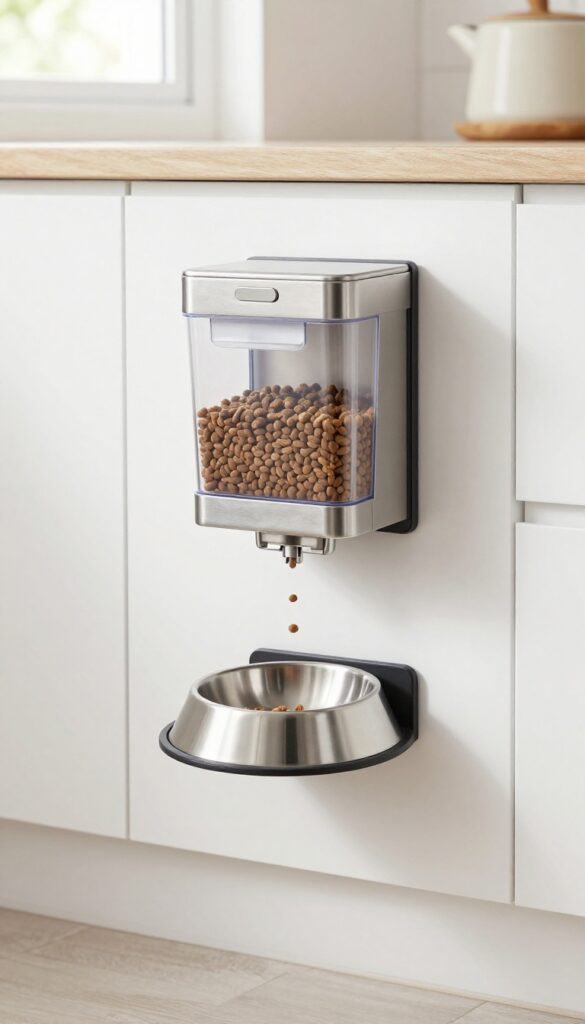
Tight on floor space? Wall-mounted food dispensers are a game-changer for keeping your dog's meals organized without taking up valuable real estate. They attach securely to walls or cabinets, holding kibble in a sealed container that dispenses easily into a bowl below.
Dog owners love how these setups reduce clutter and keep food fresh, making feeding time a breeze even in the tiniest kitchens or apartments.
Why It Works
These dispensers work by using gravity to release food into a bowl, which minimizes spills and keeps kibble from getting stale. The wall mount frees up floor space, preventing tripping hazards and making cleanup simpler. Plus, many models have airtight seals to maintain freshness, so your pup's meals stay tasty longer.
Best For
This idea is perfect for apartment dwellers or anyone with limited kitchen space. It suits small to medium breeds well, as the dispensers typically hold enough food for daily needs without bulk. If you're dealing with a compact living area or just want a tidier feeding corner, this setup fits right in.
Practical Tip
Install the dispenser at a height where your dog can comfortably reach the bowl without straining. Choose a spot away from high-traffic areas to avoid bumps, and opt for easy-to-clean materials like stainless steel or plastic for the bowl. Regularly check the mount's stability to ensure safety and wipe down surfaces to prevent crumbs from accumulating.
2. Elevated Bowls to Improve Digestion and Comfort
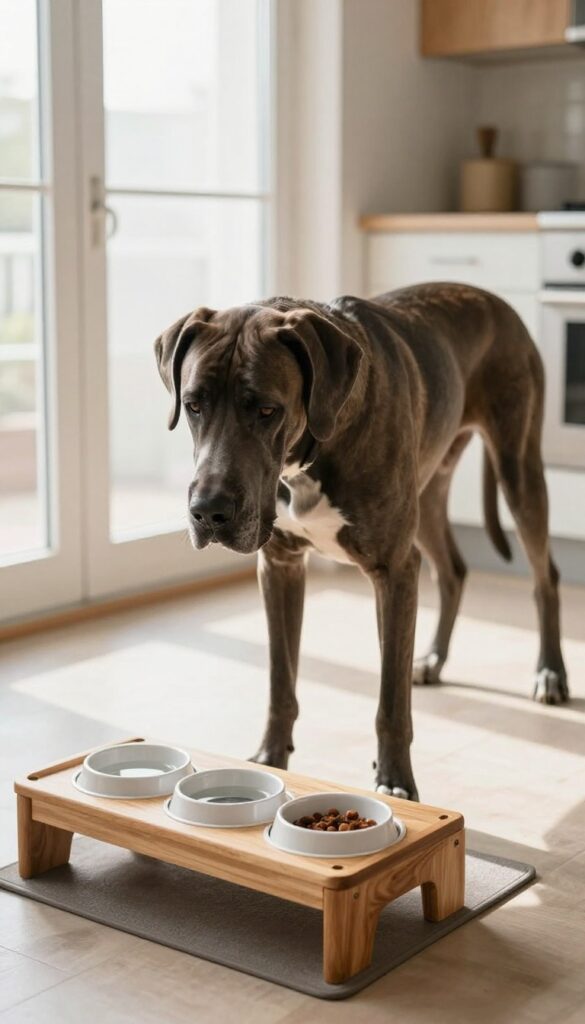
Ever notice your dog hunching over to eat from a bowl on the floor? It's not just awkward—it can lead to discomfort over time. Elevated bowls raise food and water to a more natural height, reducing strain on your pup's neck and joints.
Many owners find this simple switch makes mealtime easier and cleaner, with less mess from spills or slobber.
Why It Works
By lifting the bowls, you help your dog maintain a better posture while eating. This can improve digestion by allowing food to move more smoothly through their system, and it reduces pressure on their back and legs. It's a small change that supports overall comfort during daily meals.
Best For
This setup is especially great for larger breeds like Great Danes or older dogs with arthritis, as it minimizes bending. It also works well in homes with multiple dogs or busy kitchens where floor space gets crowded easily.
Practical Tip
Place the elevated stand on a non-slip mat to prevent sliding during enthusiastic eating. Choose bowls that are easy to remove for washing, and adjust the height so your dog's head is level with their shoulders when they eat.
Budget-Friendly Option
If you're on a tight budget, try stacking sturdy books or a small wooden crate under a regular bowl to test the height before investing in a dedicated stand. Just make sure it's stable and safe for your dog to use.
3. Non-Slip Mats to Prevent Messy Spills
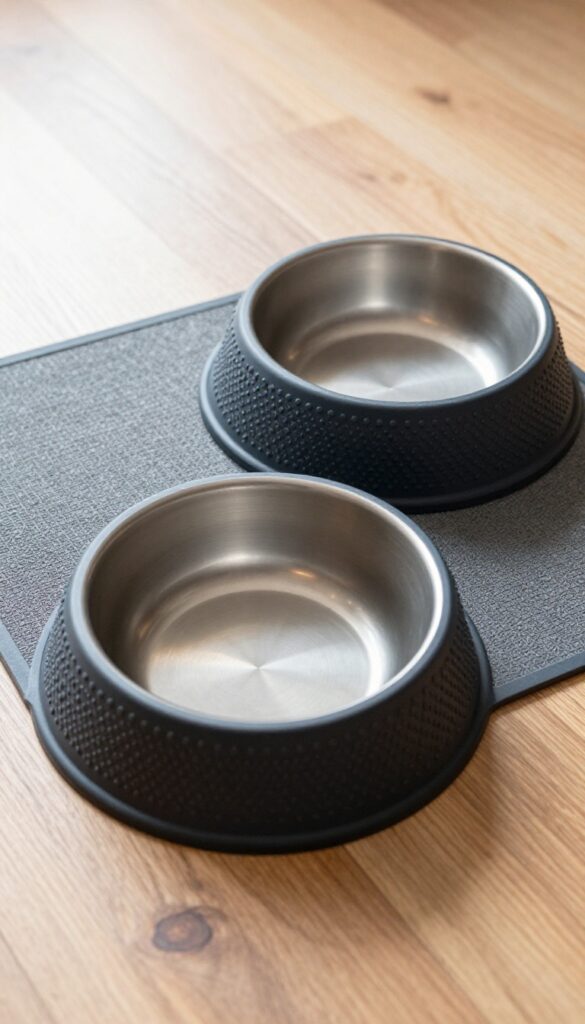
A non-slip mat under your dog's bowls can be a game-changer for keeping feeding time neat. It catches drips and spills before they hit your floor, saving you from constant mopping. Plus, it keeps bowls from sliding around, so your pup can eat without chasing their dinner across the room.
Why It Works
These mats create a stable surface that prevents bowls from moving during enthusiastic eating. They're usually made of easy-clean materials like silicone or rubber, so you can wipe them down quickly after meals. This simple addition reduces mess and makes cleanup a breeze.
Best For
This idea is perfect for homes with tile or hardwood floors where spills are slippery and hard to clean. It's also great for energetic dogs who tend to nudge their bowls or for owners in apartments who want to protect their flooring without a bulky setup.
Practical Tip
Choose a mat that's slightly larger than your bowls to catch all spills. Place it in a low-traffic area to avoid tripping, and clean it regularly with mild soap to prevent odors. For extra grip, look for mats with textured surfaces or raised edges.
Budget-Friendly Option
If you're on a tight budget, try using a cheap rubber bath mat or an old towel secured with double-sided tape. Just make sure it's non-slip and washable to handle daily use without slipping or holding stains.
4. Storage Bins for Organized Dog Food
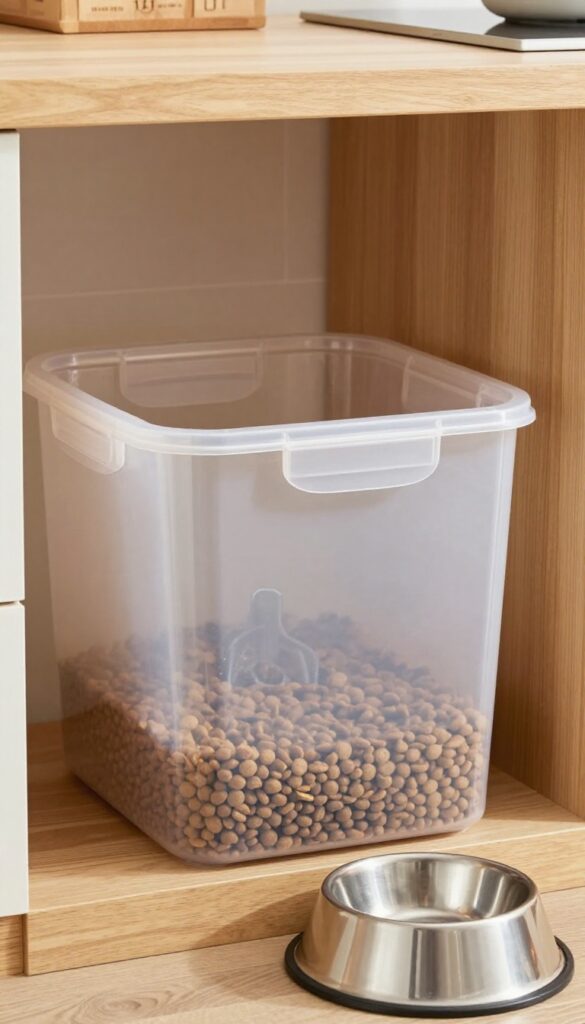
Keeping dog food fresh and pests out is easier than you might think with airtight storage bins. These containers fit neatly in pantries or feeding corners, making mealtime prep a breeze. Dog owners love how they reduce mess and keep kibble from going stale, so every scoop feels just right.
Why It Works
Airtight seals lock in freshness and block moisture, which helps preserve nutrients and flavor in your dog's food. They also deter pests like ants or rodents, ensuring your pup's meals stay safe and clean without extra hassle.
Best For
This idea suits any dog owner dealing with bulk bags of kibble or looking to streamline a feeding area. It's especially handy for small spaces like apartments where storage is tight, or for homes with multiple dogs needing organized portions.
Practical Tip
Place the bin near your feeding station for quick access, but avoid direct sunlight to prevent heat damage. Choose a size that holds a full bag of food to minimize refills, and opt for bins with easy-pour spouts or scoops included for smoother daily use.
Budget-Friendly Option
If price is a concern, repurpose large, clean plastic containers with tight lids from household items like coffee canisters. Just ensure they're food-safe and seal well to mimic the benefits of dedicated storage bins.
5. Portable Feeding Stations for Travel
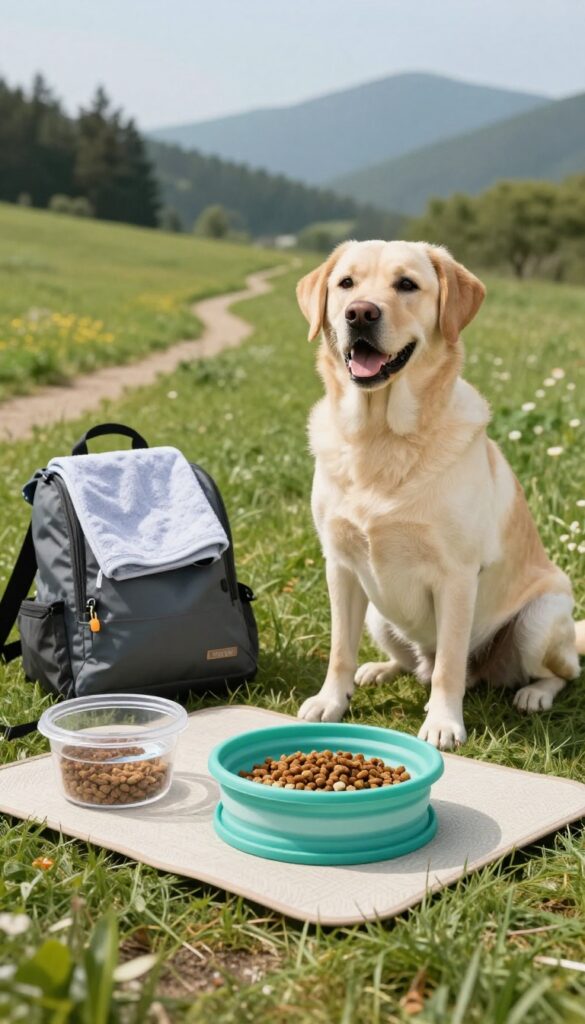
Taking your dog on a road trip or hike doesn't mean leaving mealtime convenience behind. Portable feeding stations are all about packing light and staying organized, so you can focus on the adventure instead of fussing with bulky bowls. Dog owners love how these setups keep kibble and water handy without cluttering up the car or backpack.
Why It Works
These stations use collapsible bowls and sealable containers that save space and prevent spills. They're designed to be quick to set up and easy to clean, making feeding on the go a breeze even in busy or outdoor settings.
Best For
This idea is perfect for active owners who travel frequently, camp with their dogs, or enjoy outdoor activities like hiking. It works well for all breeds, especially those who need regular meals during long days out.
Practical Tip
Pack a small mat or towel to place under the bowls for stability on uneven surfaces. Store dry food in airtight containers to keep it fresh and secure, and rinse bowls after each use to avoid residue buildup.
Budget-Friendly Option
If you're looking to save, repurpose lightweight plastic containers with lids from your kitchen for food storage. Use a collapsible silicone bowl or even a durable paper plate as a temporary dish when needed.
6. DIY Feeding Stands from Upcycled Materials
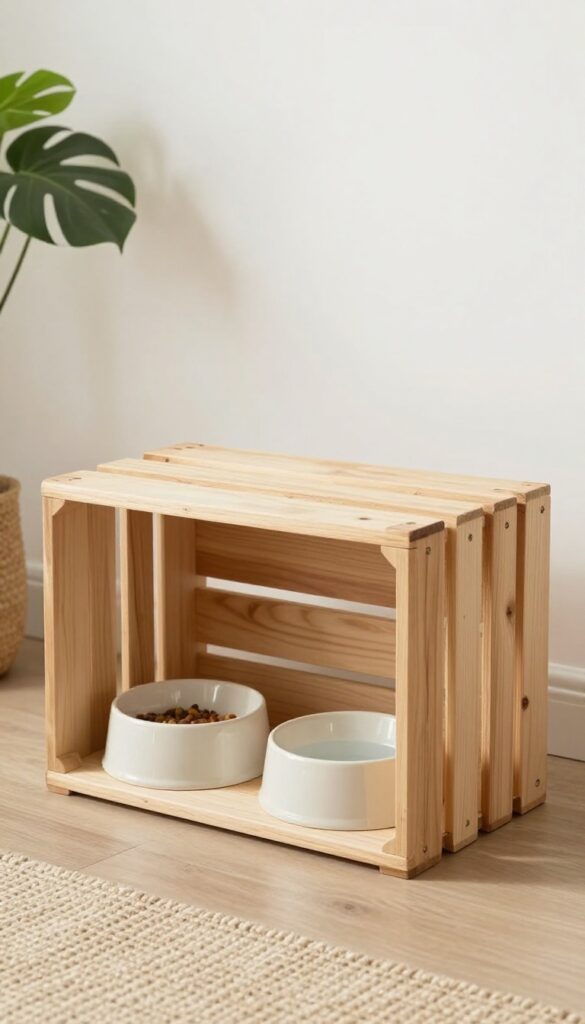
Got an old side table or wooden crate gathering dust? Turn it into a unique feeding stand that adds character to your home. This approach lets you customize the height and style to match your decor while keeping costs low.
Dog owners love how these stands reduce mess by lifting bowls off the floor. They're also a fun weekend project that feels rewarding and eco-friendly.
Why It Works
Elevating bowls helps dogs eat more comfortably, especially for larger breeds or older pups with joint issues. It keeps food and water spills contained, making cleanup quicker and your floors cleaner.
Best For
This idea suits crafty owners who enjoy hands-on projects and have basic tools handy. It's great for households with multiple dogs or limited space, as you can size stands to fit any corner.
Practical Tip
Sand edges smooth to prevent splinters, and use non-slip pads under bowls to avoid sliding. For easy cleaning, choose materials like sealed wood or metal that wipe down without absorbing stains.
7. Automatic Feeders for Consistent Schedules
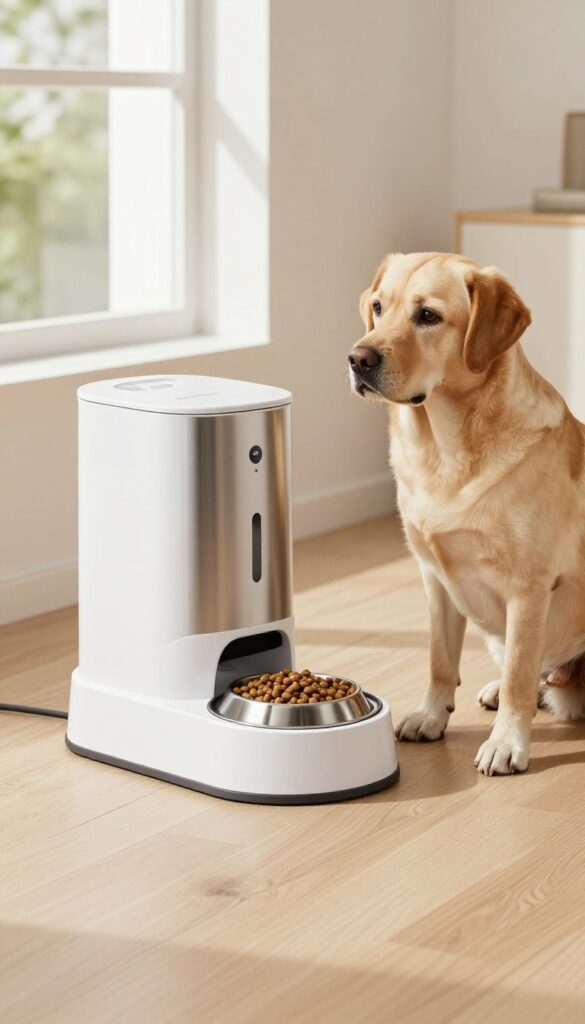
Imagine your dog's meals arriving on time, every day, without you lifting a finger. Automatic feeders take the guesswork out of feeding schedules, ensuring your pup gets their kibble even when you're stuck at work or running errands. Busy owners love how these devices reduce stress and keep routines smooth, while dogs with specific dietary needs benefit from precise portion control.
Why It Works
These feeders use timers or smartphone apps to dispense food at set intervals, preventing overfeeding and helping maintain a healthy weight. They're especially handy for dogs that need regular meals due to health conditions like diabetes or sensitive stomachs.
Best For
This setup is ideal for working professionals, frequent travelers, or anyone with an unpredictable schedule. It also suits dogs that thrive on routine or require strict meal timing for medical reasons.
Practical Tip
Place the feeder in a quiet corner away from high-traffic areas to minimize distractions during mealtime. Clean it weekly to prevent food buildup and ensure the dispensing mechanism works smoothly.
Budget-Friendly Option
If a high-tech feeder isn't in your budget, try a simple gravity-fed dispenser paired with a timer plug for basic automation. It won't offer app control but can still help maintain regular feeding times.
8. Corner Shelves to Maximize Unused Areas
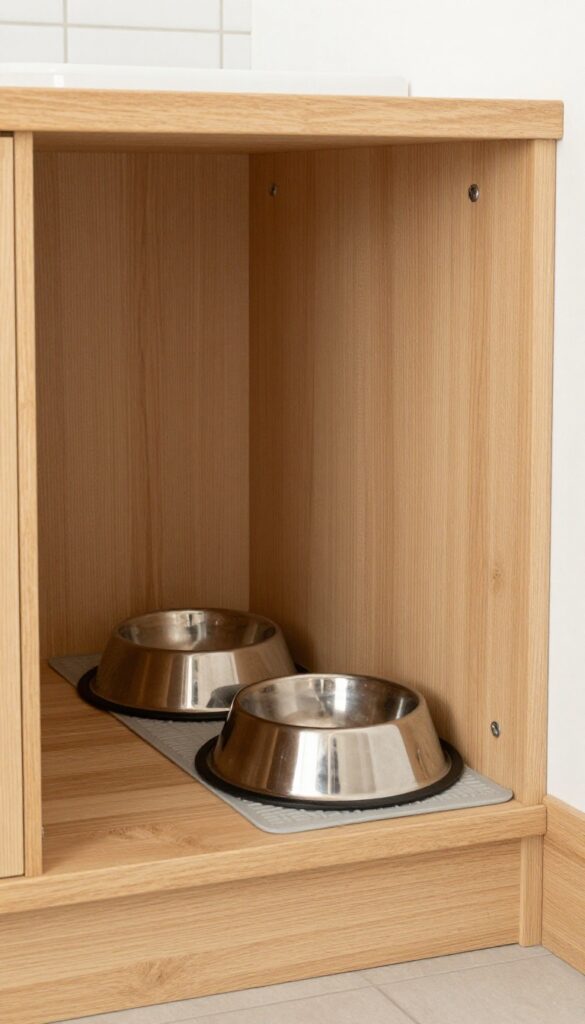
Corners in kitchens or mudrooms often sit empty, but they're perfect for a dog feeding nook. Installing a corner shelf turns that awkward space into a dedicated spot for bowls, keeping meals organized and out of the way. Dog owners love how it frees up floor space and adds a tidy look without major renovations.
Why It Works
Corner shelves utilize vertical space efficiently, preventing clutter and making feeding areas more accessible. They keep bowls stable and reduce spills by providing a flat surface away from high-traffic zones. This setup helps maintain a cleaner home and simplifies daily routines.
Best For
This idea fits small homes or apartments where every inch counts, especially for owners with limited floor space. It works well for dogs of all sizes, from tiny breeds to larger ones, as you can adjust shelf height. Busy households with multiple pets will appreciate the extra organization.
Practical Tip
Choose a sturdy, easy-to-clean material like wood or metal for durability. Position the shelf at your dog's comfortable eating height to avoid neck strain, and secure it properly to walls for safety. Add a non-slip mat under the bowls to prevent sliding and make cleanup a breeze.
Budget-Friendly Option
If buying new shelves isn't in your budget, repurpose an old wooden crate or sturdy box by cutting it to fit the corner. Sand it smooth and paint with pet-safe finishes for a custom look that costs almost nothing. This DIY approach keeps things practical without sacrificing function.
9. Water Fountains for Fresh Hydration
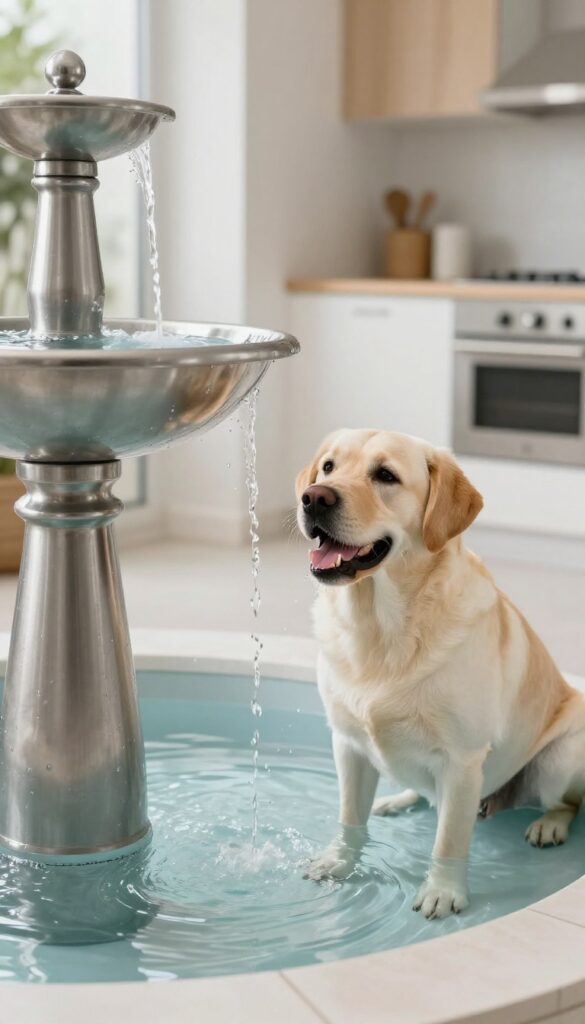
A water fountain can turn a basic bowl into an enticing hydration spot that keeps your dog drinking more often. Many dogs prefer moving water, which mimics natural streams and stays cleaner with built-in filters. Owners love how it reduces the need for constant refills and helps prevent stale water buildup.
Why It Works
The flowing motion encourages dogs to drink, which is great for their health, especially in hot weather or for breeds prone to dehydration. Filters trap debris and reduce odors, making maintenance a breeze compared to stagnant bowls that need daily washing.
Best For
This setup fits busy households where you might forget to refresh water bowls regularly. It's also ideal for picky drinkers, older dogs with lower thirst drives, or homes with multiple pets sharing a station.
Practical Tip
Place the fountain in a quiet corner away from foot traffic to minimize spills and keep your dog comfortable while drinking. Clean the pump and replace filters as recommended to ensure smooth operation and fresh-tasting water.
Budget-Friendly Option
If a fountain isn't in your budget, try a large ceramic or stainless steel bowl with a wide base to prevent tipping, and set a reminder to refill it twice daily. Adding ice cubes can make still water more appealing on warm days.
10. Multi-Dog Feeding Stations to Prevent Fights
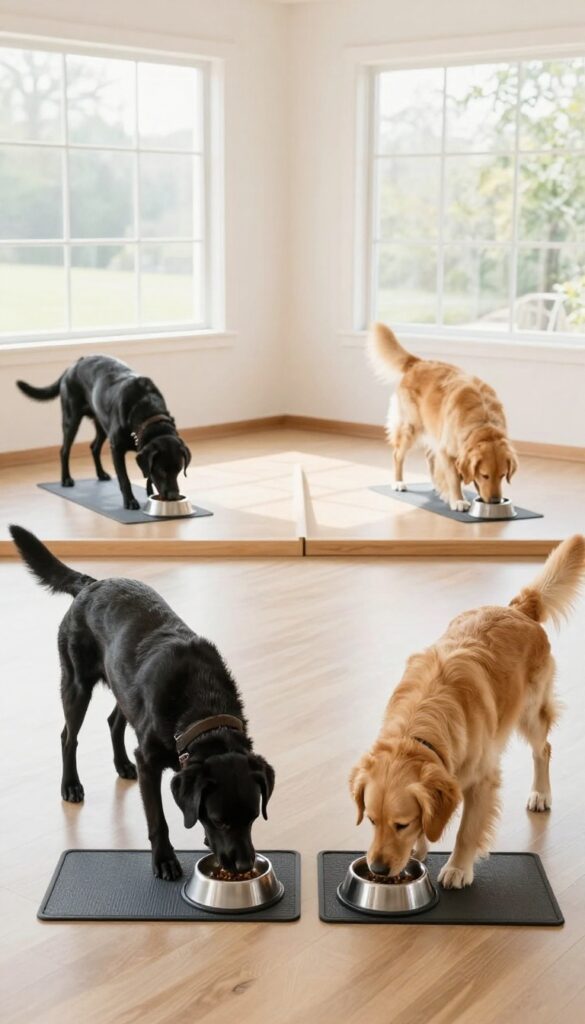
Mealtime can get tense when multiple dogs share a space, leading to squabbles over food. Setting up separate feeding spots with dividers or spaced-out bowls helps each dog eat in peace, reducing stress for everyone. Owners love how this simple tweak turns chaotic dinners into calm routines that keep tails wagging.
Why It Works
Separate stations minimize competition by giving each dog their own defined area, which cuts down on guarding behavior and food aggression. This setup encourages slower, more relaxed eating, promoting better digestion and a happier household overall.
Best For
This idea fits homes with two or more dogs, especially breeds prone to resource guarding or high energy levels. It's great for families in apartments or houses where space is limited but harmony is a priority.
Practical Tip
Place bowls at least a few feet apart or use low dividers like wooden panels or fabric screens to create visual barriers. Opt for non-slip mats under each bowl to prevent spills and make cleanup a breeze after meals.
Budget-Friendly Option
Instead of buying specialized dividers, repurpose old bookshelves laid on their side or use sturdy cardboard boxes as temporary separators. You can also space out bowls along a wall or in different corners of the room for a cost-free solution.
FAQ
How do I choose the right feeding station for my dog?
Consider your dog's size, eating habits, and your home's space. Look for durable, easy-to-clean options that fit your budget and lifestyle.
Are elevated bowls necessary for all dogs?
Elevated bowls benefit larger breeds, senior dogs, or those with joint issues by improving posture, but they're optional for smaller, healthy dogs.
What's the best way to keep a feeding area clean?
Use non-slip mats, wipe surfaces regularly, and store food in airtight containers to prevent spills and pests.
Can I build a feeding station on a tight budget?
Yes, repurpose items like crates or shelves, or use DIY projects with affordable materials to create functional setups without high costs.
How do automatic feeders work for multiple dogs?
Use separate feeders or timed dispensers in different locations to ensure each dog gets the right portion without competition.
Conclusion
With these feeding station finds, you can create a spot that works for your dog and your home. Pick what fits your space and budget, then enjoy easier mealtimes.
Remember, the best setup keeps things simple and safe. Your pup will appreciate a consistent, comfortable place to eat every day.

I’m Pallab Kishore, the owner of Little Pets Realm — an animal lover and pet care enthusiast sharing easy tips, healthy recipes, and honest advice to help every small pet live a happy, healthy, tail-wagging life.