
Last updated on August 19th, 2026 at 04:15 pm
Your dog's crate doesn't have to be an eyesore tucked in the corner. With a little creativity, it can become a seamless part of your home's design while keeping your pet's gear organized.
Think of it as a mini room for your pup—a place where crate, toys, and supplies all have a home. These 10 ideas turn the crate area into a functional, attractive space.
Whether you have a dedicated mudroom or a small apartment corner, there's a solution here that blends style with practicality. Let's explore how to make your dog's crate room work for both of you.
1. Built-In Crate Furniture
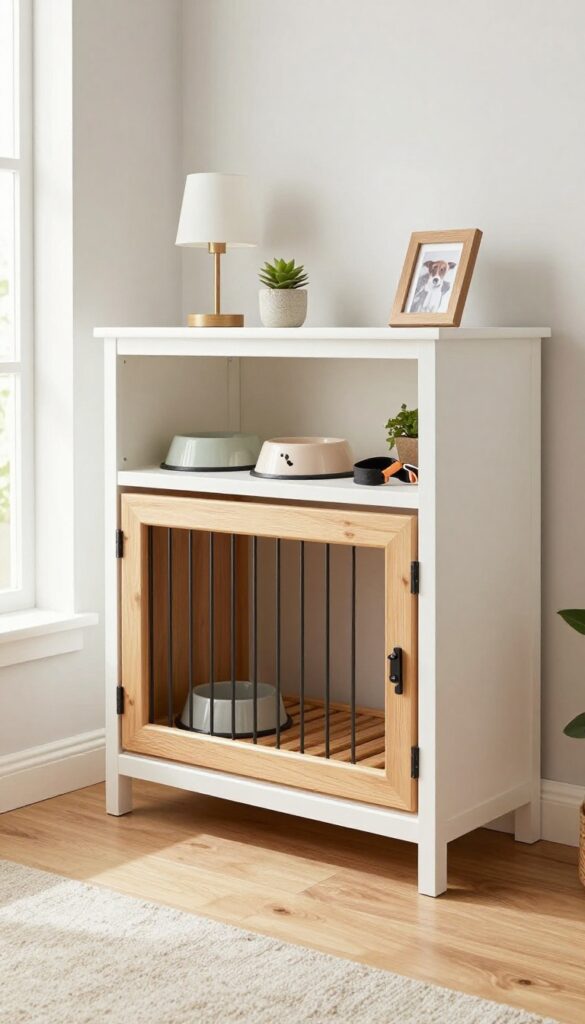
A built-in crate setup turns a bulky kennel into a piece of furniture you'd actually want in your living room. By integrating the crate into custom cabinetry or a console table, you hide the cage while adding storage for dog supplies and decor. This approach works especially well in open-concept homes where every piece needs to earn its keep.
A built-in crate setup turns a bulky kennel into a piece of furniture you'd actually want in your living room. By integrating the crate into custom cabinetry or a console table, you hide the cage while adding storage for dog supplies and decor. This approach works especially well in open-concept homes where every piece needs to earn its keep.
Custom Cabinetry That Blends In
Work with a carpenter or use a ready-made crate cabinet kit to match your existing trim and paint. The crate sits inside a lower cabinet with a door that can be left open or closed when not in use. Add shelves above for leashes, bowls, and treats, plus a countertop for plants or a lamp.
Dual-purpose Console Table
If you're handy, convert a long console table by cutting a hole in the side or back for the crate to slide into. The tabletop becomes a landing zone for keys and mail, while the crate stays accessible. Use baskets on the opposite side to hide toys and poop bags.
Hidden In Plain Sight
For a cleaner look, install a cabinet door that matches your kitchen or mudroom cabinets. Add a magnetic latch so the door stays open when your dog is inside, and close it to hide the crate completely. This works great in a hallway or under a window.
2. Mudroom Crate Station
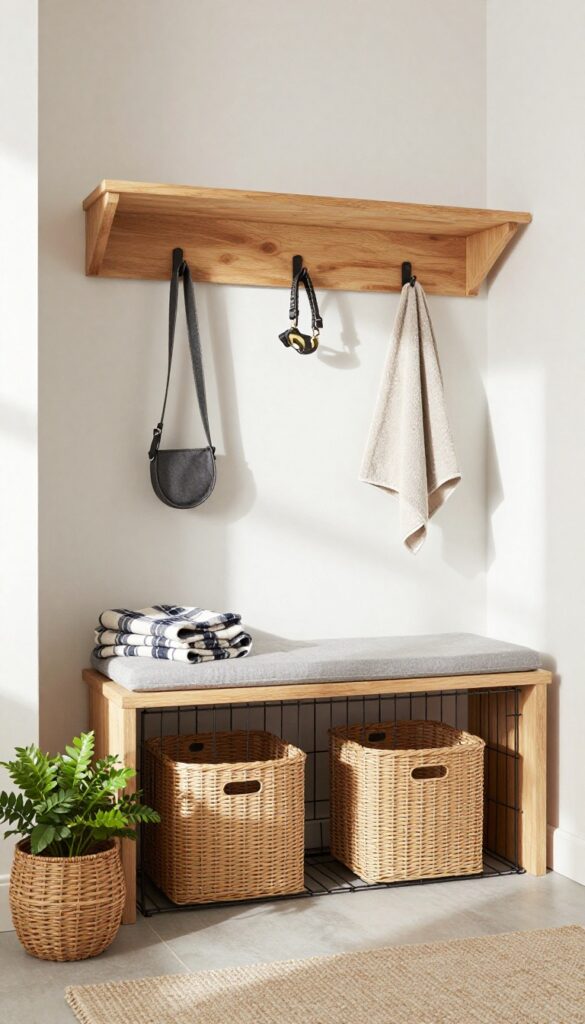
The mudroom is the perfect spot for a dog crate because it already handles the chaos of coming and going. By combining the crate with a bench, hooks, and storage bins, you create a drop zone for both you and your pup. This setup keeps leashes, shoes, and dog gear in one place, so nothing gets lost or scattered.
It's the ultimate organized entryway that works for the whole family.
Bench Above The Crate
Place a sturdy bench directly on top of the crate to provide a seat for putting on or taking off shoes. The crate itself becomes a solid base, and you can add a cushion on the bench for comfort. This dual-purpose piece saves floor space and keeps the crate from feeling like an afterthought.
Hooks For Leashes And Gear
Install a row of hooks on the wall above the bench or beside the crate. Use them to hang leashes, collars, harnesses, and even a spare towel for muddy paws. Assign each family member a hook—or just keep everything dog-related together for easy grab-and-go mornings.
Bins For Shoes And Supplies
Place a couple of sturdy bins under the bench or on a nearby shelf. One bin can hold shoes, while the other stores dog supplies like poop bags, treats, and a brush. Label the bins if you want to keep everyone accountable.
This keeps clutter hidden but still within arm's reach.
3. Under-Stairs Crate Nook
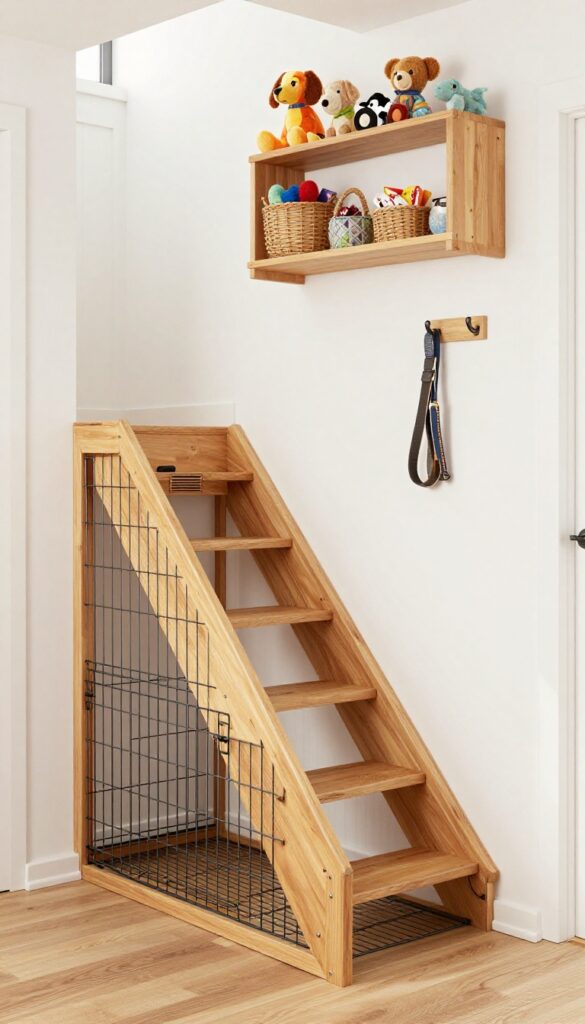
That awkward triangular space under the stairs often becomes a dumping ground for shoes and dust bunnies. Instead, turn it into a custom crate nook that gives your dog a private den while reclaiming dead square footage. With a door and some shelves, this spot becomes both a cozy retreat and a mini command center for pet supplies.
Under-stairs spaces are naturally den-like, which dogs love. By installing a crate that fits the slope, you create a built-in look that feels intentional. Add a hinged door or a curtain for privacy, and use the leftover nooks for storage.
Measuring And Framing
Start by measuring the height and width under the stairs at the deepest point. Standard crates are rectangular, so you may need a custom build or a wire crate that can be trimmed. Frame the opening with plywood to match your trim, leaving enough room for the crate to slide in and out for cleaning.
Adding Storage Shelves
Above or beside the crate, install floating shelves for toys, leashes, and treats. Use small bins or baskets to keep everything tidy. A hook on the wall can hold a leash or collar, so you always know where they are.
Door And Ventilation Options
A full door makes the nook feel like a real room—use a baby gate, a custom wooden door with a cutout, or even a curtain. Ensure there's airflow by leaving gaps or adding a small vent near the top. This keeps the space fresh and comfortable.
4. Crate with Pull-Out Drawers
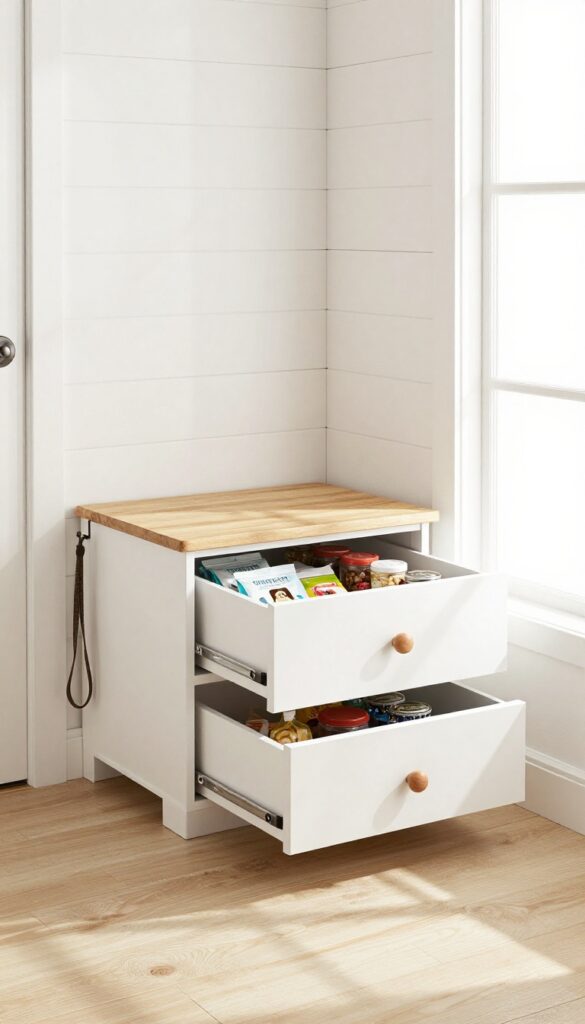
If you're short on storage space, a crate with built-in pull-out drawers is a game-changer. The drawers slide out from underneath the crate, giving you a tidy spot for food, bowls, leashes, and grooming tools. Everything your dog needs stays right there, but hidden away when not in use.
What To Store In The Drawers
The deep drawers are perfect for bulky items like bags of kibble, treat jars, and extra towels. Use smaller dividers or bins inside to keep bowls, brushes, and poop bags from rolling around. You can even dedicate one drawer to first-aid supplies or seasonal gear like booties and coats.
Diy Vs. Pre-made Options
You can find ready-made crate furniture with pull-out drawers from brands like Diggs or Merry Products. If you're handy, build your own using a standard wire crate and a simple wooden frame with drawer slides. Just make sure the crate sits securely on top and the drawers open smoothly without tipping.
Placement Tips
Position the crate so the drawers face outward for easy access. If you're tight on floor space, consider a narrow unit with two smaller drawers instead of one large one. In a mudroom or laundry room, the drawers can double as a catch-all for keys and leashes.
5. Repurposed Furniture Crate
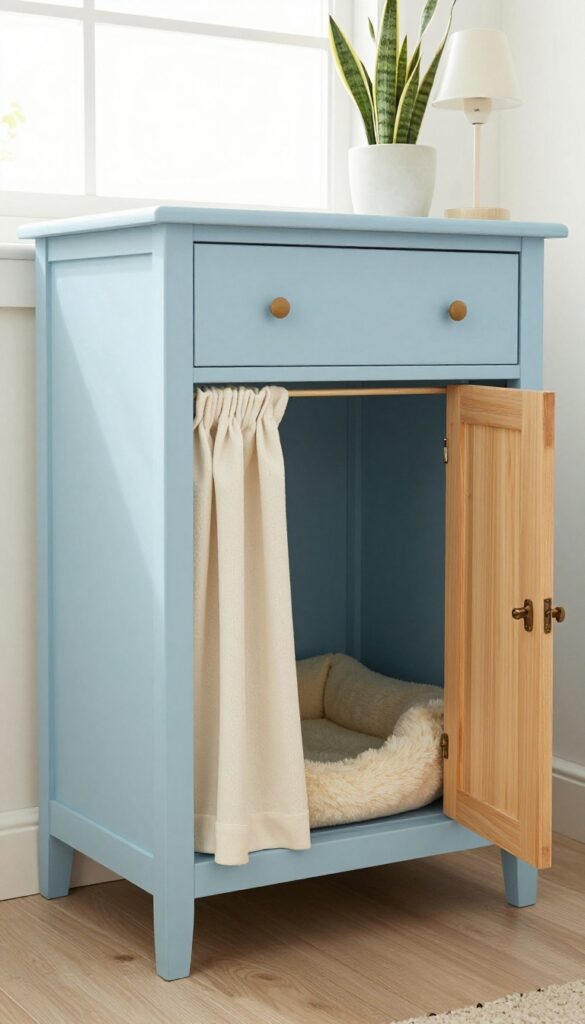
Old dressers and cabinets can get a second life as a stylish dog crate. Instead of tossing that vintage piece, remove the drawers and add a secure door. A coat of paint in your favorite color ties it all together, giving your pup a cozy den that looks like a custom built-in.
Choosing The Right Piece
Look for solid wood furniture with a flat top and enough interior space for your dog to stand and turn. A dresser with three to four drawers works well—remove all but the bottom one for storage. Measure your dog's height and length before you start.
Converting The Dresser
Take out the drawers and remove the drawer slides. Cut a hole in the front for the door opening, then install a lightweight door with a latch. You can use the original drawer fronts as a false front or create a new panel.
Sand and paint or stain to match your room.
Adding Comfort And Style
Place a soft bed inside and add a curtain or a piece of fabric over the door for privacy. Use the top surface for a lamp or plant, and store dog supplies in the remaining drawer. This repurposed crate becomes a charming focal point.
6. Corner Crate Unit
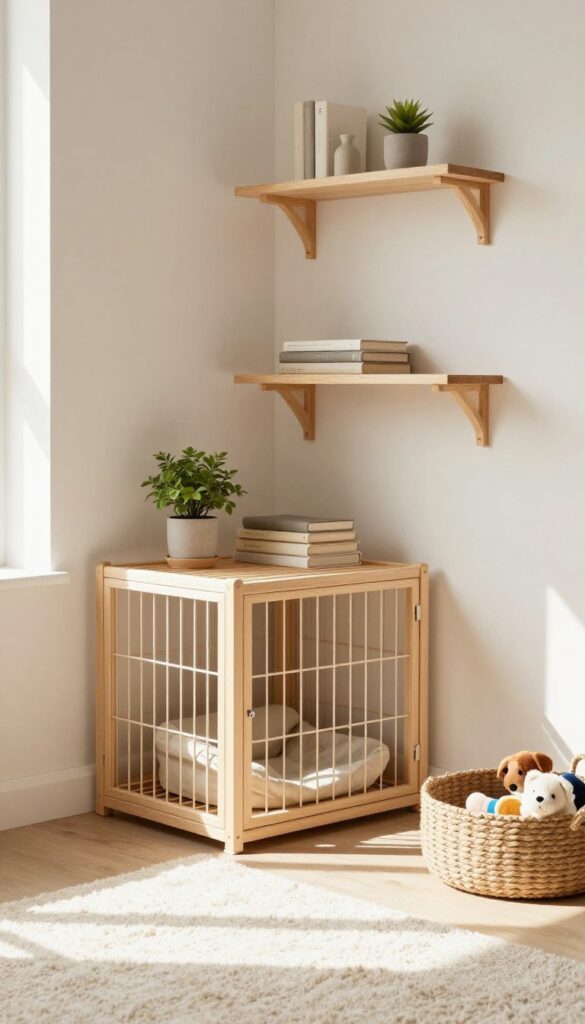
Corners often go underused in homes, but they're perfect for a crate setup. By tucking the crate into a corner and adding custom shelving above, you turn a dead zone into a purposeful pet station. The shelves give you space for plants, books, or dog decor, making the whole thing feel intentional rather than an afterthought.
A corner crate unit maximizes floor space while giving your dog a cozy, den-like spot. The key is to build or buy shelving that fits snugly above the crate, creating a vertical storage solution. This works especially well in living rooms or bedrooms where you want the crate to blend in with the rest of the furniture.
Choosing The Right Crate
Opt for a wire crate with a divider panel so you can adjust the size as your puppy grows. Wire crates allow airflow and visibility, which helps your dog feel included. For a more furniture-like look, choose a wooden or metal crate with a neutral finish that matches your shelving.
Shelving Design Tips
Install floating shelves above the crate at varying heights for visual interest. Use the lowest shelf for frequently accessed items like leashes and treats, and higher shelves for decor or less-used supplies. Make sure the shelves are securely anchored to the wall, especially if you plan to store heavier items.
Styling The Space
Add a small plant or a stack of books on the top shelf to make the area feel like a built-in feature. A basket on the bottom shelf can hold toys or blankets. Keep the color palette cohesive with the room—neutral tones work well, but a pop of color can make the corner a fun focal point.
7. Crate with Fold-Down Table
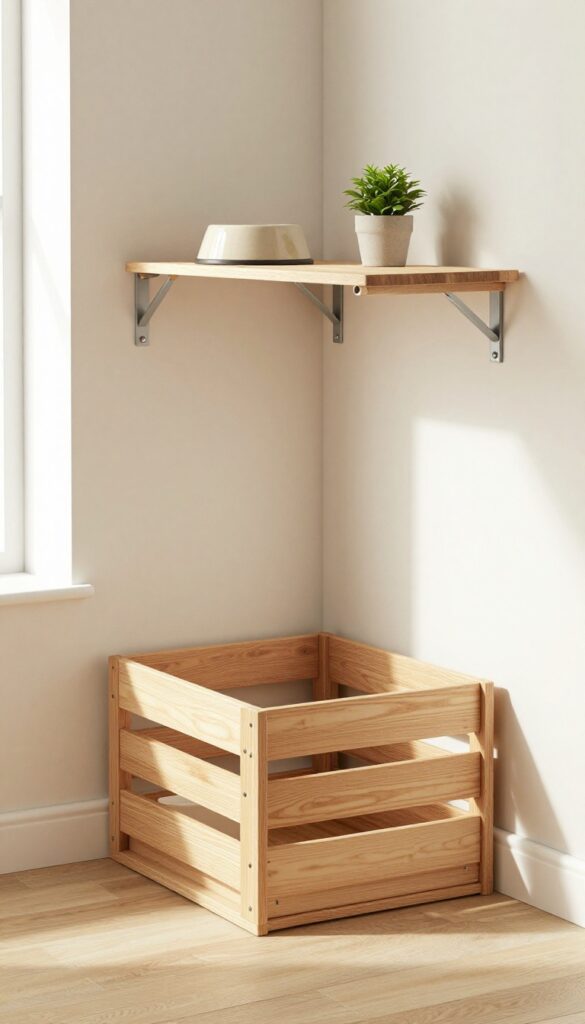
Short on floor space? A fold-down table mounted above the crate gives you a workspace or feeding station that disappears when you don't need it. This setup is perfect for small apartments, laundry rooms, or any tight spot where every square inch counts.
The key is choosing a sturdy hinge and a tabletop that matches your decor.
Mount a fold-down table directly above the crate at a height that works for you—whether as a desk for paying bills or a shelf for your dog's food and water bowls. When folded up, it's flush against the wall, leaving the crate area open and uncluttered. Use a locking bracket or latch to keep it secure when lowered, and consider a waterproof finish if you plan to use it as a feeding station.
Choose The Right Hardware
Heavy-duty folding shelf brackets are a must—they can support the weight of a laptop or a stack of bowls. Look for brackets with a locking mechanism so the table stays put when down. Install them into wall studs for maximum stability, especially if you'll be leaning on the table or placing heavy items on it.
Materials That Work
A solid wood or plywood top with a smooth, easy-to-clean finish is ideal. For a feeding station, consider a butcher block or sealed bamboo top that resists water damage. If you want the table to blend in, paint or stain it to match your existing furniture or wall color.
Smart Storage Add-ons
Add a small shelf or a magnetic strip underneath the tabletop to hold keys, leashes, or poop bags. You could also attach a shallow bin to the underside for storing treats or toys. This keeps everything within reach but out of sight when the table is folded up.
8. Outdoor Crate Room
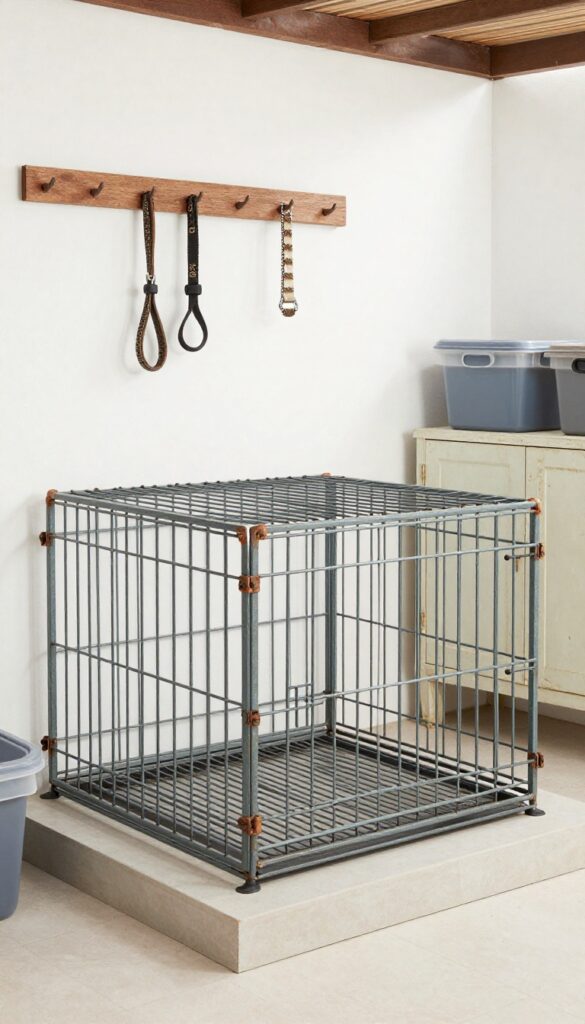
Not everyone has a spare indoor corner for a crate setup. If you have a covered patio, a garage, or even a large balcony, you can create a dedicated outdoor crate room that keeps your dog comfortable and your gear organized. The key is choosing weatherproof materials and designing for airflow and shade.
An outdoor crate room works best when it's protected from rain and direct sun. A covered patio or a spot in the garage with good ventilation are ideal. Start with a raised bed to keep your dog off cold or hot concrete, and add storage bins for toys, leashes, and food.
Use all-weather materials like powder-coated metal, treated wood, or heavy-duty plastic that won't rust or warp. A simple shelf above the crate can hold extra supplies, while hooks on the wall keep leashes and collars tidy.
Choosing The Right Location
Look for a spot that stays dry and doesn't get extreme temperatures. A corner of a covered patio or a garage wall near an outlet (for fans or heaters) works well. Make sure the area has good airflow to prevent stuffiness, especially in warmer months.
Weatherproof Storage Solutions
Use sealed plastic bins or galvanized metal containers for storing food, treats, and toys. Avoid cardboard or fabric bins that can absorb moisture. A weatherproof cabinet or a simple shelf with a waterproof cover can keep everything dry and organized.
Comfort And Safety Tips
Add a cooling mat in summer and a cozy blanket in winter. Ensure the crate is secured so it doesn't tip over in wind. If the area is open to the elements, consider a crate cover that's water-resistant but breathable.
9. Multi-Dog Crate Wall
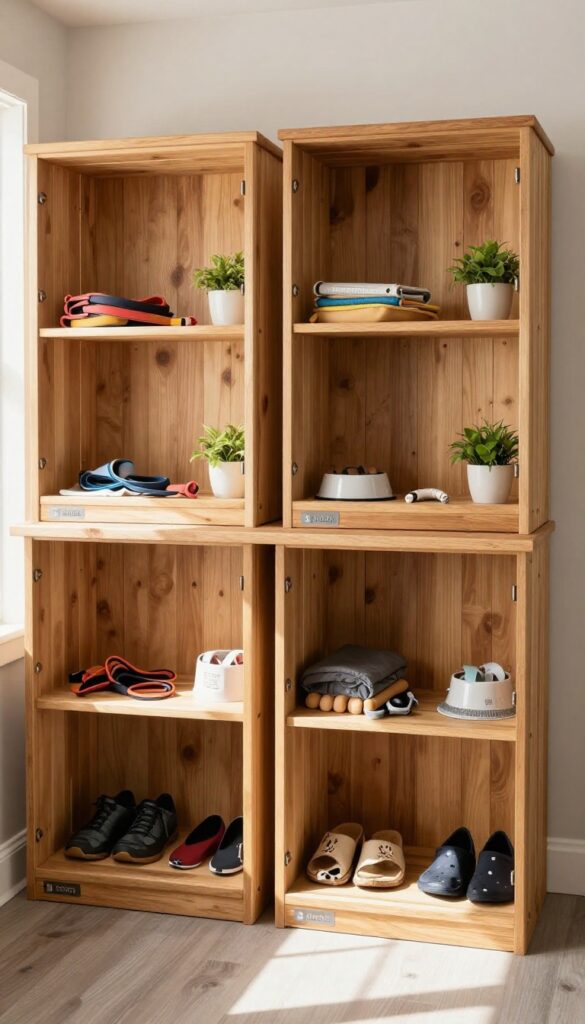
When you have more than one dog, crate organization gets complicated fast. A multi-dog crate wall solves that by stacking or lining up crates in one dedicated area, turning chaos into a clean, efficient setup. Adding a shared bench or countertop on top gives you extra surface for leashes, treats, or a spot to sit while putting on boots.
Labeling each crate and adding individual storage cubbies keeps every dog's gear separate and easy to grab.
Stacking Vs. Side-by-side
Stacking crates vertically saves floor space and works great in mudrooms or laundry rooms. Make sure each crate is securely fastened to the wall or a sturdy frame to prevent tipping. Side-by-side arrangements are better if you have wide wall space and want each dog to have ground-level access.
Both options can share a continuous countertop above.
Labeling And Personal Storage
Use chalkboard labels, engraved tags, or simple adhesive labels on each crate door. Below or beside each crate, install a small cubby or bin for that dog's leash, collar, poop bags, and treats. This prevents mix-ups when you're in a hurry and teaches each dog where their own stuff lives.
Building The Shared Bench
A plywood or butcher-block countertop spanning the width of your crates creates a useful landing zone. Secure it to the wall studs and the crate tops for stability. Add a cushion on top if you want a seating area, or leave it bare for dropping bags and keys.
You can also mount hooks underneath for hanging leashes.
10. Crate with Sliding Barn Door
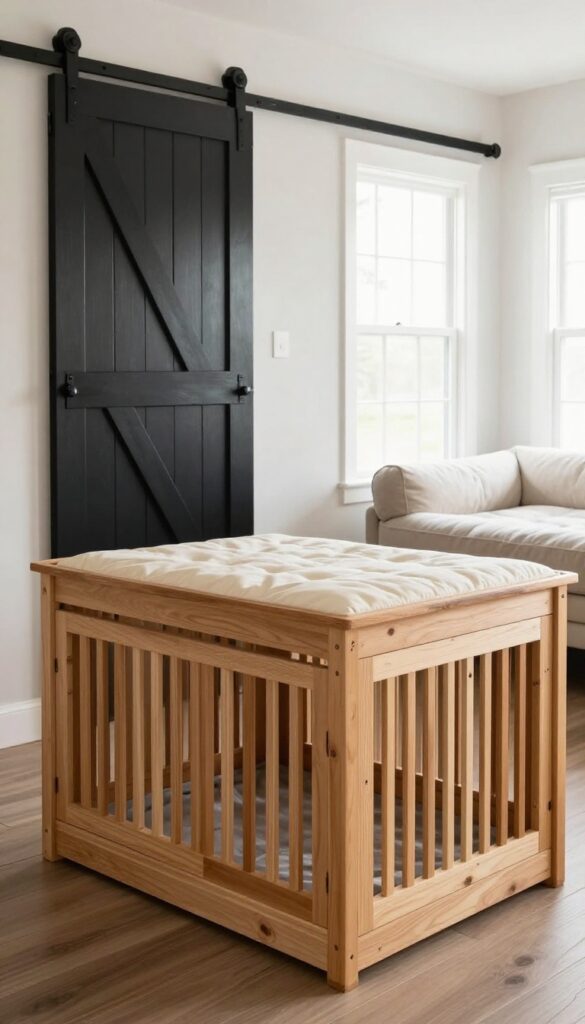
A sliding barn door adds instant farmhouse charm to any crate setup while solving the problem of a swinging door that eats up floor space. The door glides along a track mounted above the opening, so you can slide it open or closed without moving anything out of the way. Top it with a thick cushion, and you've got extra seating that blends right into your room.
This idea works especially well in living rooms or home offices where you want the crate to feel like intentional furniture. The barn door can be painted or stained to match your existing trim or cabinetry, and the hardware comes in matte black, brushed nickel, or oil-rubbed bronze. You'll need a sturdy frame around the crate opening to mount the track, but most DIYers can handle it in an afternoon.
Choosing The Right Hardware
Look for a sliding barn door kit rated for at least double the weight of your door. Standard crate doors are lightweight, so a basic kit works fine. Measure the width of your crate opening and add a few inches on each side so the door can slide completely out of the way.
Soft-close rollers are worth the extra cost—they prevent the door from slamming shut and startling your dog.
Building The Enclosure Frame
You can build a simple wooden frame around a wire crate or use a pre-built cabinet as the base. The frame needs a flat top surface wide enough for a cushion, plus a header board above the opening to attach the track. Leave a gap at the bottom so the door doesn't scrape the floor.
If you're not handy with tools, many furniture makers sell ready-made crate enclosures with barn door tracks already installed.
Adding The Top Cushion
Measure the top surface and order a custom cushion or repurpose a bench pad. Look for outdoor fabric if the crate is near a door or in a high-traffic area—it's easier to wipe clean. A cushion that's at least 3 inches thick makes the top comfortable enough to sit on while you put on shoes or wait for your pup to settle.
FAQ
What size should a dog crate room be?
The crate itself should be large enough for your dog to stand, turn around, and lie down comfortably. The surrounding room can be as small as a corner or as large as a dedicated closet—just ensure good ventilation and easy access.
Can I use a regular crate in a built-in unit?
Yes, many built-in designs accommodate a standard wire or plastic crate. Just measure your crate first and leave a few inches of clearance for airflow and easy removal.
How do I keep the crate room organized?
Use bins, baskets, and drawer dividers to separate toys, leashes, food, and grooming supplies. Label everything and clean out old items monthly.
Is it safe to enclose a crate in furniture?
Yes, as long as the enclosure has proper ventilation and the crate door is not blocked. Avoid materials that trap heat, and never lock the crate door if the furniture door is closed.
What if I have a small home?
Opt for multi-purpose furniture like a crate end table or a crate that doubles as a bench. Use vertical space with shelves above the crate to store supplies without taking floor area.
Conclusion
Transforming your dog's crate from a simple enclosure into an organized, stylish space doesn't have to be complicated. Start with one idea that fits your home and your pup's needs, whether it's adding a side table top, built-in storage, or a cozy bedding upgrade. Small changes can make the crate feel like a natural part of your decor while keeping everything tidy and functional.
Your dog will appreciate the comfort, and you'll love how much cleaner and more intentional the space feels. Pick the approach that sparks the most joy for you and your furry friend, then build from there.

I’m Pallab Kishore, the owner of Little Pets Realm — an animal lover and pet care enthusiast sharing easy tips, healthy recipes, and honest advice to help every small pet live a happy, healthy, tail-wagging life.