Your carpets see it all—spilled wine, muddy paws, greasy fingerprints, and daily foot traffic. Over time, those fibers lose their bounce and start smelling less than fresh. Before you reach for a commercial cleaner loaded with chemicals, check your pantry.
You likely already have vinegar, baking soda, and dish soap ready to go. These 25 DIY carpet cleaning solutions use common household ingredients to tackle stains, odors, and grime without the harsh stuff.
Whether you're dealing with a fresh red wine spill or a set-in grease mark, there's a simple, effective recipe here. Let's get your floors soft, clean, and smelling great again.
1. Classic Vinegar and Water Solution
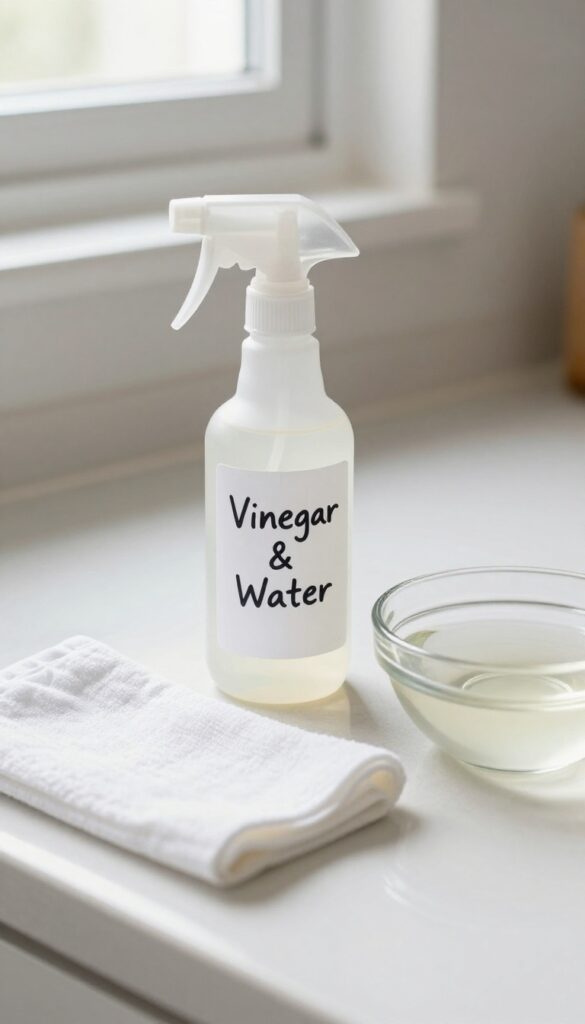
White vinegar is a powerhouse when it comes to cleaning carpets. It cuts through grime, neutralizes odors, and is safe for most carpet fibers. The best part?
You probably already have a bottle under your sink. This simple solution works wonders for light cleaning and freshening up high-traffic areas.
To make this cleaner, combine equal parts white vinegar and warm water in a spray bottle. Shake gently to mix. Lightly mist the carpet, then blot with a clean cloth or sponge.
Avoid soaking the fibers—damp is fine, wet is not. For a quick refresh, spray and let air dry. The vinegar smell fades as it dries, taking odors with it.
Why It Works So Well
Vinegar is acidic, which helps break down alkaline dirt and residues like pet urine or soap scum. It also kills some bacteria and mold spores. When mixed with water, it becomes a gentle but effective cleaner that won't leave sticky residue behind—unlike some commercial products.
Best Uses For This Mix
This solution is ideal for routine maintenance, light stains from food or drinks, and deodorizing musty carpets. It's also great for spot-cleaning before a deeper shampoo. Avoid using it on wool or silk carpets, as the acidity can damage natural fibers.
Test in an inconspicuous area first.
Pro Tips For Best Results
Use distilled white vinegar for the clearest results—apple cider vinegar can stain. Warm water helps the vinegar work faster. Always blot, never rub, to prevent spreading the stain.
For extra deodorizing power, add 10-15 drops of essential oil like lavender or lemon to the mix.
2. Baking Soda Carpet Deodorizer
Baking soda is a must-have for keeping carpets fresh between deep cleans. It naturally absorbs odors without masking them, so you get a neutral, clean-smelling room. Best of all, it takes almost no effort to use.
Why It Works
Baking soda is a mild alkali that reacts with acidic odor molecules, neutralizing them instead of just covering them up. It also pulls moisture from the carpet fibers, which helps prevent mold and mildew growth.
How To Apply
Sprinkle a generous, even layer over the entire carpet or just the smelly areas. Let it sit for at least 15 minutes—longer for tougher odors like pet urine or smoke. Then vacuum thoroughly, making sure to get all the powder out.
Boost The Power
Mix in a few drops of essential oil (like lavender or lemon) with the baking soda before sprinkling. Stir well to avoid clumps. Let it sit overnight for a stronger deodorizing effect.
This combo leaves a light, natural scent behind.
3. Hydrogen Peroxide Stain Remover
Some stains are stubborn enough to survive vinegar and baking soda. That's where hydrogen peroxide comes in. This gentle oxidizer breaks down organic stains like blood, wine, and grass without bleaching most carpets.
Just make sure to test an inconspicuous spot first, especially on dark fibers.
Hydrogen peroxide is a go-to for set-in stains that won't budge. Its fizzing action lifts dirt from deep within the fibers, making blotting more effective. For best results, use 3% hydrogen peroxide straight from the bottle.
Avoid higher concentrations, which can damage carpet fibers.
How To Apply
Pour a small amount of 3% hydrogen peroxide directly onto the stain. Let it sit for 5–10 minutes until it stops bubbling. Blot with a clean white cloth, working from the outside in.
Repeat if needed, then rinse with water and blot dry.
When To Use It
This method works wonders on protein-based stains like blood, sweat, and urine. It also tackles red wine, coffee, and grass. Avoid using it on wool or silk carpets, as peroxide can damage natural fibers.
Safety Tips
Always test in a hidden area first. Keep the area well-ventilated. Don't mix hydrogen peroxide with vinegar or bleach—it can create harmful fumes.
Store the bottle away from sunlight to maintain its potency.
4. Dish Soap and Warm Water for Grease
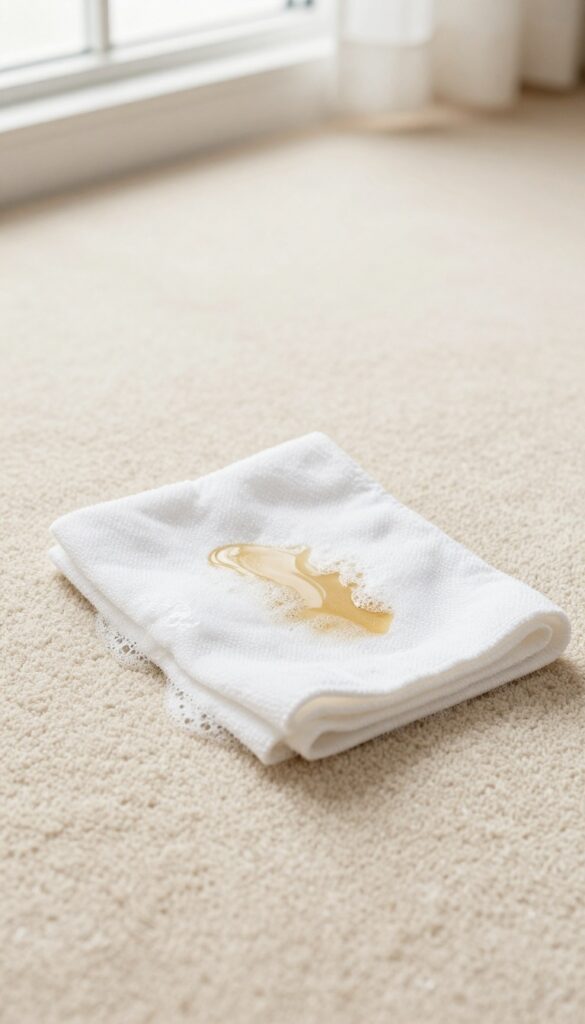
Grease stains are some of the toughest to remove from carpet, whether they come from cooking oil, butter, or greasy snacks. The good news is that a simple solution of mild dish soap and warm water can cut through the grease without leaving a sticky residue. This method is gentle enough for most carpet fibers yet powerful enough for stubborn spots.
Dish soap is designed to break down grease on dishes, and it works just as well on carpet. The key is to use a mild, clear dish soap without added bleach or moisturizers. Mix a few drops with warm water, then blot the stain gently.
Avoid scrubbing, which can push the grease deeper into the fibers.
Why Dish Soap Works
Dish soap contains surfactants that surround grease molecules, allowing them to be lifted away with water. Unlike harsh solvents, it's safe for most carpet materials and won't discolor fibers. The warm water helps melt the grease, making it easier to remove.
Step-by-step Application
Start by blotting up any excess grease with a paper towel. Mix 1 teaspoon of dish soap with 2 cups of warm water. Dip a clean cloth into the solution and blot the stain from the outside in.
Repeat with a damp cloth to rinse, then blot dry.
When To Avoid This Method
Avoid using dish soap on wool or silk carpets, as the alkalinity can damage delicate fibers. Also, don't use too much soap—excess can leave a residue that attracts dirt. Always test on a hidden area first.
5. Salt and Club Soda for Red Wine
Red wine spills are a carpet's worst nightmare, but you don't need fancy stain removers. The combination of club soda and salt works like a charm. The carbonation in club soda lifts the wine from the fibers, while salt absorbs the liquid and pigment.
It's a simple, two-step process that can save your carpet from permanent staining.
Blot the spill immediately with a clean cloth—don't rub, or you'll push the stain deeper. Pour club soda directly onto the stain, letting it fizz and bubble for a minute. Then cover the area with a thick layer of salt.
Let it sit for at least 15 minutes to absorb the wine. Vacuum up the salt and repeat if needed.
Why This Works
Club soda contains carbonic acid, which helps break down the wine's pigments. Salt acts as a desiccant, drawing moisture and color out of the carpet fibers. Together, they lift the stain without harsh chemicals.
Best For Fresh Stains
This method is most effective on fresh spills. For dried stains, pre-wet the area with club soda and let it sit for a few minutes before applying salt. You may need to repeat the process a couple of times for stubborn stains.
Tips For Success
Use plain table salt or kosher salt—avoid iodized salt, which can leave a residue. Blot, don't rub, and always test on a hidden area first. If the stain persists, follow up with a vinegar and water rinse.
6. Cornstarch for Mud and Dirt
Mud and dirt track in easily, especially if you have kids or pets. The worst thing you can do is scrub them while wet—that just grinds the grit deeper into the fibers. Cornstarch offers a simple, mess-free way to lift dried mud without spreading it around.
Let the mud dry completely. Once dry, sprinkle a generous layer of cornstarch over the affected area. Let it sit for 15–20 minutes to absorb any lingering moisture.
Then vacuum thoroughly. The cornstarch helps loosen the dirt particles, making them easier to lift away. For stubborn spots, you can gently brush the area with a soft-bristle brush before vacuuming.
Why Cornstarch Works
Cornstarch is a fine, absorbent powder that clings to dirt and moisture. When mud dries, it becomes a powder itself, and the cornstarch helps separate those particles from the carpet fibers. Vacuuming then removes both the cornstarch and the dirt in one go.
When To Use This Method
This method is best for dried mud that has already been allowed to set. It works well on low-pile carpets and rugs. For high-pile carpets, you may need to repeat the process or follow up with a gentle vacuuming in multiple directions.
Tips For Best Results
Make sure the mud is completely dry—if it's still damp, cornstarch can turn into a paste. Use a light hand when sprinkling; too much can make a mess. After vacuuming, check if any residue remains; a second pass with the vacuum often does the trick.
7. Borax and Vinegar for Tough Stains
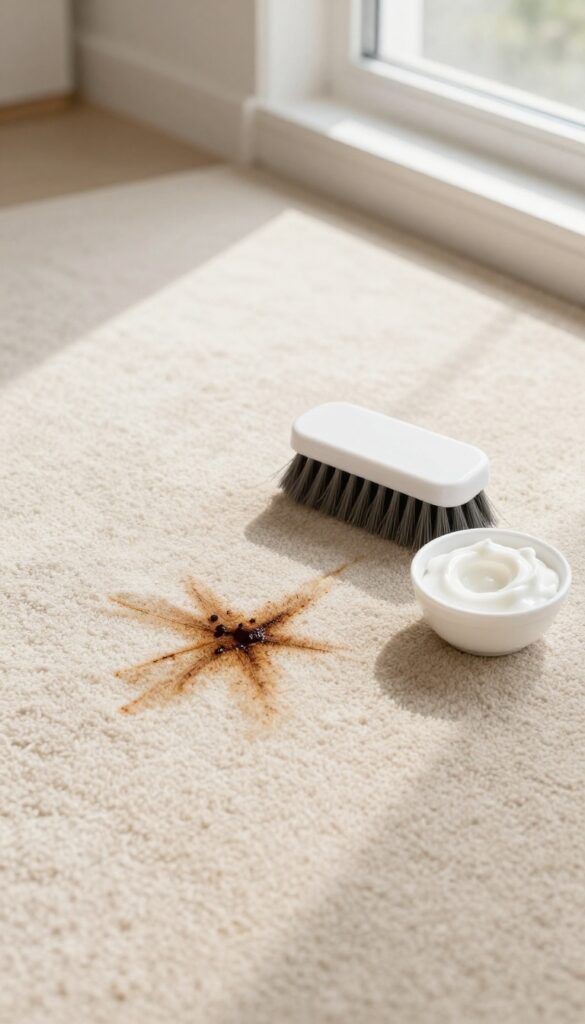
Some stains laugh at your usual cleaning routine. Set-in coffee, old wine, or mystery spots that appeared weeks ago need something stronger. That's where borax and vinegar come in—a powerful duo that breaks down stubborn grime without damaging your carpet fibers.
This paste works best on stains that have already dried or been treated unsuccessfully. The borax acts as a mild abrasive and deodorizer, while vinegar cuts through grease and residue. Together, they lift deep-set dirt and neutralize odors.
How To Make And Apply The Paste
Mix 1 tablespoon borax, 1 tablespoon white vinegar, and 2 cups warm water in a bowl. Stir until the borax dissolves into a smooth paste. Spoon the paste directly onto the stain and spread it evenly with a soft brush or cloth.
Let it sit for 15 to 20 minutes so the ingredients can penetrate the fibers.
Rinsing And Drying Tips
After the paste has done its work, blot the area with a clean, damp cloth to remove the residue. Repeat with fresh water until no soapiness remains. Press dry with a towel and let the carpet air dry completely.
Avoid stepping on the spot until it's fully dry to prevent re-soiling.
When To Use This Method
This paste is ideal for synthetic carpets like nylon or polyester. Test on a hidden area first to check for colorfastness. Skip this method on wool or delicate natural fibers, as borax can be too harsh.
Use it sparingly—once a month max—to avoid buildup.
8. Rubbing Alcohol for Ink and Marker
Ink stains can be intimidating, but rubbing alcohol is a simple fix that works on most carpet fibers. The alcohol breaks down the pigments without spreading them further. You'll be surprised how easily that pen leak or marker mishap disappears.
Rubbing alcohol is a go-to for ink, marker, and even some dye stains. It evaporates quickly, so it won't soak into the padding and cause problems. Always test on a hidden spot first to ensure colorfastness.
How To Apply
Dab a clean cloth in rubbing alcohol—don't soak it. Blot the stain gently, working from the outside in. The ink should transfer to the cloth.
Repeat with a fresh area of the cloth until no more ink lifts.
Tough Stains
For dried or stubborn ink, let the alcohol sit on the stain for a few minutes before blotting. You can also use a soft-bristled brush to gently work it in. Rinse with cold water and blot dry.
Safety Note
Rubbing alcohol is flammable, so keep it away from open flames and heat sources. Ventilate the room while working. Avoid using on wool or delicate fibers unless you've tested it.
9. Shaving Cream for Upholstery and Carpet
Shaving cream isn't just for your morning routine—it's a surprisingly effective carpet cleaner. The foamy texture helps lift dirt and stains without soaking the fibers. Plus, it's gentle enough for most upholstery fabrics.
To use, apply a small dollop of shaving cream directly onto the stain. Let it sit for about 15 minutes to break down the grime. Then blot with a damp cloth, working from the outside in.
Repeat if needed. Avoid rubbing, which can push the stain deeper. This method works well on light stains, makeup, and even some ink marks.
Why Shaving Cream Works
Shaving cream contains surfactants that lift dirt and oils from carpet fibers. Its foam structure holds the cleaning agents in place without soaking the backing, reducing the risk of mold or damage.
Best Uses For Shaving Cream
It's ideal for fresh stains like coffee, juice, or pet accidents. Also great for spot-cleaning high-traffic areas. Test on a hidden spot first, especially on delicate fabrics.
Tips For Best Results
Use plain white shaving cream—avoid gels or those with added moisturizers or scents, which can leave residue. Blot, don't scrub, and always rinse with a damp cloth afterward to remove any soap.
10. Lemon Juice and Salt for Brightening
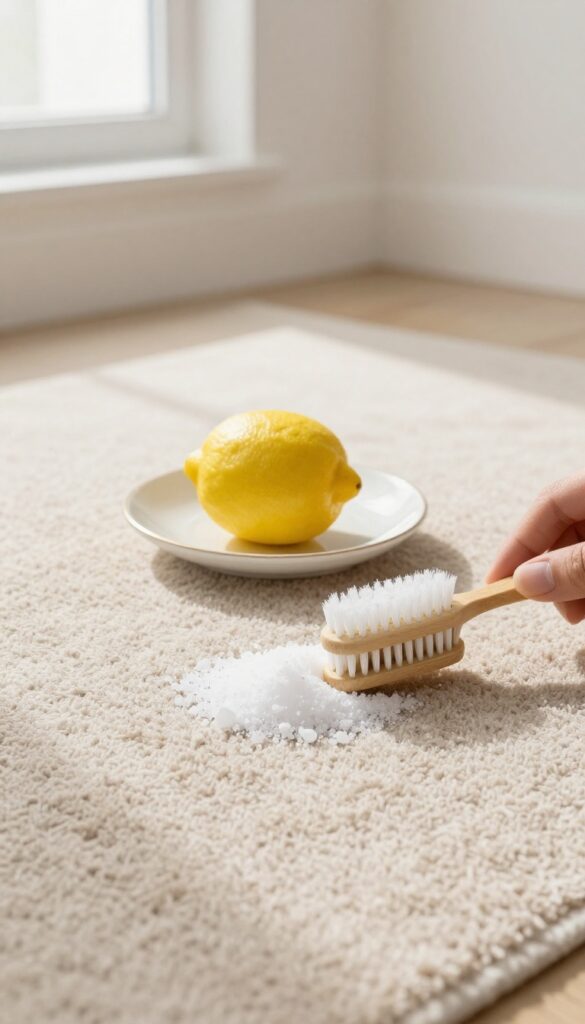
Over time, carpets can lose their original brightness, especially in high-traffic areas or near windows where sunlight fades the fibers. A simple paste made from lemon juice and salt can help restore that fresh, vibrant look without harsh bleaches.
Lemon juice acts as a natural bleaching agent, while salt provides gentle abrasion to lift dirt and brighten the fibers. This combination is particularly effective on light-colored carpets that have dulled from foot traffic or age. The citric acid in lemon juice also helps break down residue from previous cleaning products.
How To Make The Paste
Mix equal parts lemon juice and table salt in a small bowl until it forms a thick paste. Adjust the ratio if needed—add more salt for a thicker consistency or more lemon juice if the paste is too dry. Use fresh lemon juice for best results, as bottled juice may contain preservatives that reduce effectiveness.
Application And Drying
Apply the paste directly to the dull areas of the carpet using a spoon or an old toothbrush. Spread it evenly, making sure to work it into the fibers gently. Let the paste sit for at least two hours or until completely dry.
The salt will absorb dirt and the lemon juice will work its brightening magic.
Vacuuming And Results
Once the paste is fully dry, vacuum the area thoroughly to remove the salt residue. You should notice a visible difference in brightness. For stubborn dullness, repeat the process.
Avoid using this method on dark carpets, as lemon juice can lighten the color unevenly.
11. Essential Oils for a Fresh Scent
Commercial carpet powders often rely on synthetic fragrances that can irritate sensitive noses. Essential oils offer a natural way to infuse your carpets with a clean, lasting scent while adding antibacterial properties. Lavender calms the senses, tea tree fights microbes, and lemon brightens the room.
Just a few drops transform a basic vinegar solution into an aromatic powerhouse.
Using essential oils in your carpet cleaning routine is simple and effective. They not only mask odors but actively combat the bacteria that cause them. Plus, you can customize the scent to match your mood or season—think peppermint for winter or eucalyptus for allergy season.
Choosing The Right Oil
Not all oils are carpet-safe. Stick with pure, high-quality essential oils without synthetic additives. Lavender is a crowd-pleaser and safe for pets when diluted.
Tea tree oil is potent against mold and mildew but use sparingly—it has a strong medicinal smell. Citrus oils like lemon or orange are uplifting but can fade in sunlight, so they're best for low-traffic areas.
How To Mix And Apply
For a general freshening, add 10-15 drops of your chosen oil to 2 cups of white vinegar in a spray bottle. Shake well and mist lightly over the carpet, then let it air dry. For deeper cleaning, mix the same amount of oil with a bucket of warm water and a splash of dish soap.
Use a sponge or cloth to spot-clean stains, then blot dry. Always test on a hidden patch first.
Safety And Storage Tips
Essential oils are concentrated, so avoid direct contact with skin and eyes. Keep bottles out of reach of children and pets. Store oils in a cool, dark place to preserve their potency.
If you have pets, skip tea tree and peppermint—they can be toxic to cats and dogs. Stick to lavender or chamomile for a pet-friendly option.
12. Cream of Tartar for Berry Stains
Berry season is wonderful until a blueberry or raspberry lands on the carpet. Those dark purple and red pigments seem to bond with fibers instantly. Cream of tartar, a common baking ingredient, can lift berry stains without harsh bleach.
Cream of tartar is a mild acid that breaks down the pigments in berry stains. When mixed with water, it forms a paste that draws the stain out of the carpet fibers. This method is safe for most synthetic and wool carpets, but always test in an inconspicuous area first.
Making The Paste
Mix one tablespoon of cream of tartar with a few drops of water to form a thick paste. You want it spreadable but not runny. For older stains, add a splash of lemon juice to boost the acidity.
Application And Wait Time
Apply the paste directly onto the stain, covering it completely. Let it sit for at least 30 minutes. For stubborn stains, leave it on for up to an hour.
The paste will dry and start pulling the stain upward.
Rinsing And Drying
Once the paste is dry, vacuum it up or scrape it off gently. Then blot the area with a damp cloth to remove any residue. Allow the carpet to air dry completely.
Repeat if any trace of the stain remains.
13. Glycerin for Set-In Stains
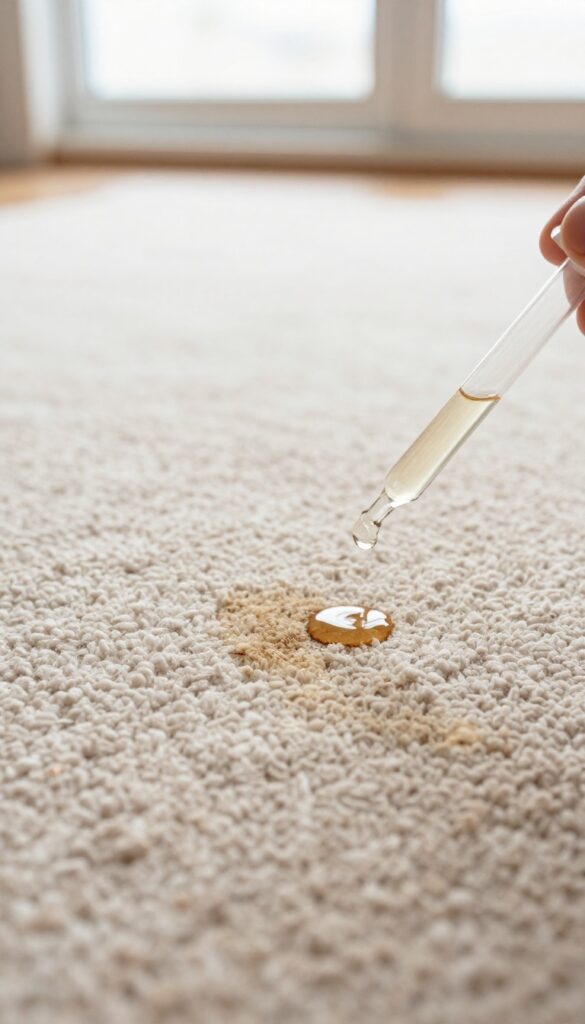
Old, stubborn stains that have been ground into the carpet for weeks or months can feel impossible to remove. But glycerin, a thick, colorless liquid often found in the baking aisle or skincare section, has a unique ability to soften and lift those dried-out spots. It works by penetrating the stain and loosening the bond between the dirt and the carpet fibers without harsh scrubbing.
Glycerin is a humectant, meaning it attracts moisture. When you apply it to a set-in stain, it rehydrates the residue, making it easier to blot away. It's especially effective on old food spills, dried mud, and mystery spots that have been there so long you've forgotten what caused them.
The key is patience—give it time to work.
How To Apply Glycerin
Start by blotting the stain with a dry cloth to remove any loose debris. Then, pour a small amount of glycerin directly onto the stain—just enough to saturate it. Use your fingers or a soft brush to gently rub it in.
Let it sit for 30 minutes. The glycerin will soften the stain, making it easier to lift.
Blotting And Rinsing
After 30 minutes, dampen a clean cloth with warm water and blot the area. You should see the stain transferring to the cloth. Repeat with a fresh section of the cloth until no more color comes up.
Finally, rinse the spot with a little water and blot dry. If a residue remains, mix a teaspoon of dish soap with a cup of water and blot again.
When To Use This Method
Glycerin is best for non-greasy, organic stains like coffee, tea, fruit juice, or grass. It's gentle enough for most carpet fibers, including wool and synthetics. Avoid using it on very delicate or antique carpets without testing first.
For greasy stains, combine glycerin with a drop of dish soap for extra lifting power.
14. Club Soda for General Spot Cleaning
Club soda isn't just a mixer—it's a go-to for fresh spills on your carpet. The carbonation helps lift dirt and stains from the fibers without scrubbing. Keep a bottle handy for quick cleanups before stains set.
When something spills, grab club soda immediately. Pour a small amount directly onto the stain, enough to cover it. Let it fizz for a few seconds—the bubbles help loosen the spill from the carpet fibers.
Then blot with a clean white cloth, working from the outside in. Repeat until the stain lifts. No scrubbing needed; just gentle blotting.
This works best on fresh spills like coffee, juice, or wine. For older stains, club soda may not be strong enough, but it's a great first line of defense.
Why Club Soda Works
The carbonation in club soda creates bubbles that help break the bond between the stain and carpet fibers. The mild acidity also helps dissolve some stains. Plus, it's gentle enough for all carpet types and leaves no sticky residue.
Best Stains For Club Soda
Club soda is most effective on water-soluble spills like soda, juice, wine, coffee, and tea. It's also good for mud and light food stains. Avoid using it on oil-based stains, as it won't dissolve grease.
Step-by-step Club Soda Cleanup
- Blot up excess liquid with a paper towel. 2.
Pour club soda directly on the stain. 3. Let it fizz for 30 seconds.
- Blot with a clean cloth, pressing firmly. 5.
Repeat if needed. 6. Let the area dry completely.
15. White Vinegar and Baking Soda Foam
This classic duo creates a powerful fizz that lifts dirt and neutralizes odors right out of your carpet fibers. It's one of the safest, most effective DIY methods for general freshening and light stain removal. Plus, you probably have both ingredients in your kitchen right now.
The magic happens when the acidic vinegar meets the alkaline baking soda. The resulting foam helps break down grime and loosen particles trapped deep in the carpet. After the fizz settles and dries, you simply vacuum up the residue, leaving your carpet soft and fresh.
Why This Combo Works So Well
Baking soda is a natural deodorizer and mild abrasive that absorbs odors and lifts dirt. White vinegar cuts through grease and dissolves mineral deposits. When they mix, the carbon dioxide bubbles help dislodge stubborn debris from carpet fibers.
It's a gentle but thorough clean.
Step-by-step Application
Start by vacuuming the carpet to remove loose dirt. Sprinkle a generous layer of baking soda over the area you want to treat. Fill a spray bottle with equal parts white vinegar and water, then mist the baking soda until it's damp and starts to foam.
Let it sit for 15-20 minutes, then scrub gently with a soft brush. Allow the carpet to dry completely—this can take a few hours—then vacuum up the dried residue.
Best Uses And Precautions
This method works great for high-traffic areas, pet spots, and general mustiness. Avoid using it on wool or delicate carpets, as the moisture and scrubbing can damage fibers. Always test in an inconspicuous spot first.
For set-in stains, you may need to repeat the process or follow up with a targeted stain remover.
16. Dish Soap, Vinegar, and Water for Pet Stains
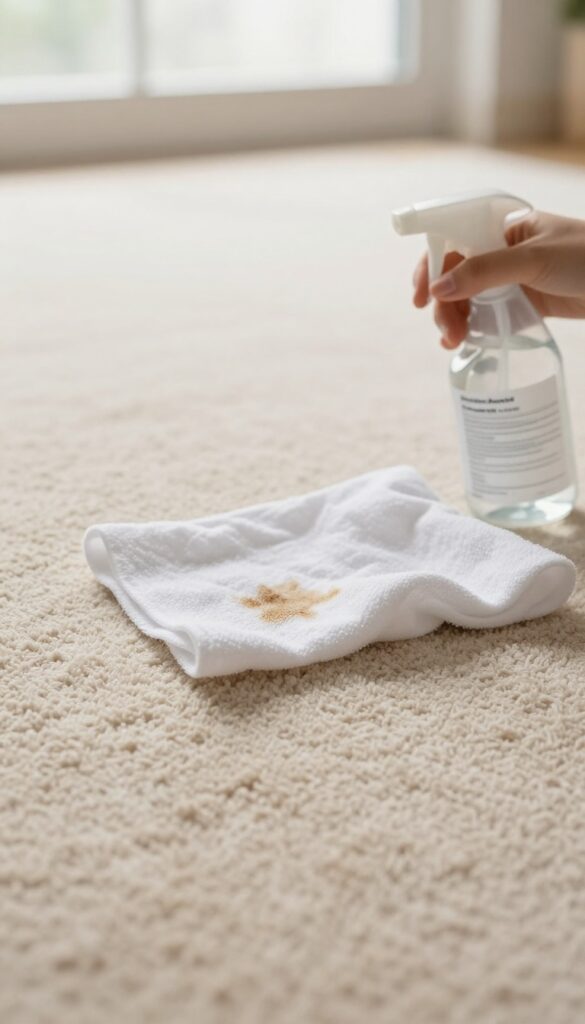
Pet accidents happen, and if you don't treat them fast, they can leave behind both a stain and a lingering smell. This simple three-ingredient mix cuts through the mess without harsh chemicals. It's gentle enough for daily use but tough on odors.
Mix 1 tablespoon of dish soap, 1 tablespoon of white vinegar, and 2 cups of warm water in a spray bottle. Shake gently to combine. Spray the solution directly onto the pet stain, let it sit for 5 minutes, then blot with a clean cloth.
Repeat if needed. The vinegar neutralizes ammonia odors while the soap lifts the stain. Always test on an inconspicuous area first.
Why It Works
Dish soap breaks down the fatty components in pet messes, while vinegar's acidity neutralizes the alkaline salts that cause odor. Warm water helps activate both ingredients, making the solution more effective than cold water alone.
Best Practices
Blot, don't rub—rubbing pushes the stain deeper into the fibers. Use a white cloth to avoid color transfer. For dried stains, pre-wet the area with a little water to rehydrate before applying the solution.
When To Skip This Mix
Avoid vinegar on natural stone or unsealed hardwood near the carpet edge, as it can etch surfaces. For wool carpets, use a milder dish soap and reduce vinegar to 1 teaspoon per cup of water.
17. Hydrogen Peroxide and Baking Soda Paste
For tough, set-in stains that won't budge with regular cleaners, a hydrogen peroxide and baking soda paste can be a game changer. This combination creates a gentle bleaching action that lifts discoloration from carpet fibers without the harshness of chlorine bleach. It's especially effective on white or light-colored carpets where you need extra stain-fighting power.
Mix equal parts hydrogen peroxide (3% solution) and baking soda to form a thick paste. Apply the paste directly onto the stain, spreading it evenly to cover the area. Let it sit for several hours or until completely dry—the paste will turn into a crusty residue.
Once dry, simply vacuum up the powder, and the stain should be significantly lighter or gone. For stubborn spots, you can repeat the process or let the paste sit overnight.
How It Works
Hydrogen peroxide acts as a mild oxidizing agent that breaks down the chemical bonds in stains, while baking soda provides gentle abrasion to lift particles from the fibers. Together, they create a paste that adheres to the stain and works over time. The drying process allows the peroxide to penetrate deeply without soaking the carpet pad.
Best Uses And Cautions
This paste is ideal for organic stains like coffee, tea, wine, blood, or grass. It can also help with yellowing from age or pet urine. However, avoid using it on dark or brightly colored carpets, as hydrogen peroxide can bleach or lighten the dye.
Always test on a hidden area first. Do not use on wool or silk carpets, as peroxide can damage natural fibers.
Application Tips
For best results, blot up as much of the stain as possible before applying the paste. Use a spoon or old spatula to spread the paste evenly. To speed up drying, you can place a fan nearby.
After vacuuming, if any residue remains, a quick pass with a damp cloth will remove it. For extra freshness, add a drop of essential oil to the paste.
18. Ammonia and Water for Heavy Traffic Areas
High-traffic zones like hallways and living room paths take a beating. Dirt gets ground in, and regular vacuuming isn't enough. Ammonia cuts through that grime without leaving a sticky residue.
Just be careful—it's strong stuff, and it doesn't play nice with wool carpets.
Ammonia is a powerful degreaser that lifts embedded dirt from carpet fibers. For heavy traffic areas, mix 1 tablespoon of clear ammonia with 1 cup of warm water. Test on a hidden spot first.
Apply the solution with a spray bottle or sponge, scrub gently with a soft brush, then blot dry. Avoid over-wetting, and never use on wool or silk carpets—ammonia can damage natural fibers.
Why It Works On High-traffic Dirt
Ammonia breaks down oils and proteins found in tracked-in soil and body oils. Unlike vinegar, it doesn't leave a lingering smell once dry. It's especially good for synthetic carpets like nylon or polyester.
Safety Precautions
Always work in a well-ventilated area. Never mix ammonia with bleach or any product containing chlorine—it creates toxic fumes. Wear gloves to protect your skin, and keep kids and pets away until the carpet is fully dry.
Best Practices For Application
Don't soak the carpet. Lightly mist or dab the solution onto the soiled area. Use a stiff-bristled brush to agitate the fibers gently, then blot with a clean cloth.
Rinse with plain water afterward if you notice any residue.
19. Cornmeal for Grease Spills
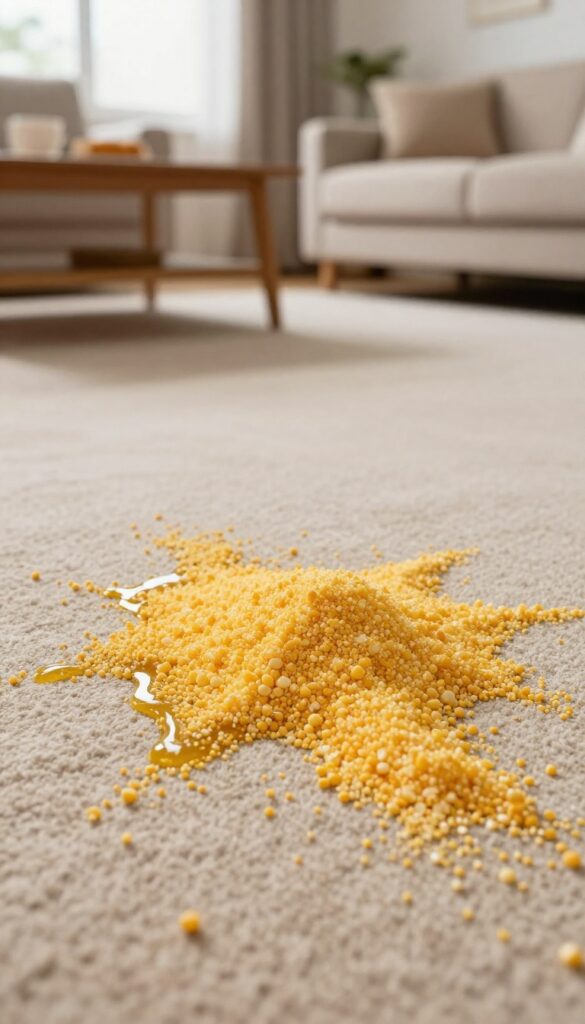
Grease spills from cooking or takeout can leave a stubborn, dark stain on your carpet if not handled quickly. Cornmeal, a common pantry staple, works like a charm for absorbing fresh grease before it sets. It's a simple, no-chemical fix that saves your carpet from permanent damage.
When a grease spill happens, grab the cornmeal instead of reaching for a spray. The fine texture of cornmeal acts like a sponge, pulling the oil up from the carpet fibers. This method works best on fresh spills, so act fast for the best results.
Why Cornmeal Works
Cornmeal is highly absorbent, especially for oily substances. Its granular structure creates a barrier that soaks up grease without pushing it deeper into the carpet. Plus, it's gentle on fibers and leaves no residue after vacuuming.
Step-by-step Application
First, blot up any excess grease with a paper towel. Then, pour a generous layer of cornmeal directly over the spill, covering it completely. Let it sit for 15 minutes to absorb the oil.
Finally, vacuum thoroughly. Repeat if any trace remains.
Tips For Best Results
Use a stiff brush or your fingers to work the cornmeal into the carpet fibers gently. Avoid rubbing, which can spread the grease. For larger spills, weigh down the cornmeal with a heavy object to increase contact.
Always test on a hidden area first.
20. Vodka for Odor Neutralizing
Vodka isn't just for cocktails—it's a surprisingly effective carpet deodorizer. The alcohol in vodka kills odor-causing bacteria on contact and evaporates quickly without leaving any sticky residue or strong scent behind. It's especially handy for freshening up areas where pets or kids have left their mark.
Vodka works because it's a mild disinfectant that breaks down the organic compounds responsible for bad smells. Unlike water, which can take a while to dry and might even set stains, vodka dries fast and won't damage your carpet fibers. Plus, it's safe for most carpet types, including wool and synthetic blends.
How To Use It
Pour a small amount of vodka into a spray bottle—cheap, unflavored vodka works best. Lightly mist the smelly area until slightly damp, but don't soak it. Let it air dry completely.
The alcohol will evaporate and take the odor with it.
When To Skip This Method
Avoid vodka on carpets with colorfastness issues—test a hidden spot first. Also, skip it if the stain is fresh or greasy, as alcohol can spread some stains. Stick to odor-only spots for best results.
21. Baby Shampoo for Gentle Cleaning
Sometimes your carpet just needs a light refresh, not a heavy-duty scrub. Baby shampoo offers a gentle, tear-free formula that cleans without stripping fibers or leaving behind harsh residues. It’s perfect for high-traffic areas that have lost their brightness or for spot-cleaning delicate rugs.
When you want a mild cleaner that still lifts everyday dirt and grime, baby shampoo is a smart choice. Its pH-balanced formula is designed to be gentle on sensitive skin, which means it’s also gentle on your carpet fibers. Plus, it rinses out easily, so you won’t have sticky residue that attracts more dirt.
The Simple Solution
Mix 1 tablespoon of baby shampoo with 2 cups of warm water in a spray bottle. Shake gently to combine. Test on an inconspicuous spot first, then spray lightly onto the soiled area.
Blot with a clean cloth—don’t rub—until the stain lifts. Repeat if needed, then blot with plain water to remove any soap.
Best Uses For Baby Shampoo
This solution works wonders on light stains like spilled juice, soda, or food crumbs. It’s also great for refreshing carpets in bedrooms or nurseries where you want to avoid strong scents or chemicals. Because it’s so mild, it’s safe for wool and other delicate fibers.
Pro Tip For Extra Freshness
Add 5–10 drops of lavender or chamomile essential oil to the mixture for a calming scent. The oil also helps break down dirt naturally. Just be sure to shake well before each use, as oil and water separate quickly.
22. OxiClean and Water for Deep Stains
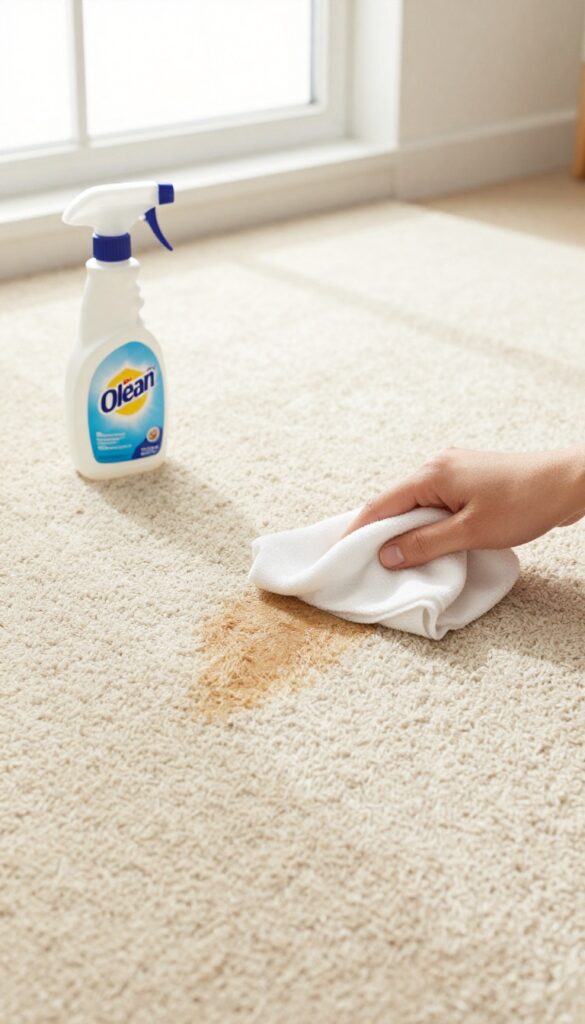
Some stains are just stubborn. They've dried and set into the fibers, laughing at your regular sprays. For those deep, set-in spots, OxiClean is your heavy lifter.
This oxygen-based powder breaks down organic stains without the harsh bleach, making it safe for most carpets.
Mix one scoop of OxiClean powder with a cup of warm water until fully dissolved. Pour or spray the solution onto the stain, making sure it's saturated but not soaked through. Let it sit for 15 to 30 minutes—the longer for older stains.
Blot with a clean cloth, working from the edges inward, until the stain lifts. Rinse with a little cold water and blot dry. Repeat if needed.
Why Oxiclean Works So Well
OxiClean contains sodium percarbonate, which releases hydrogen peroxide when mixed with water. That peroxide bubbles up and lifts dirt and stains from deep within the fibers. It's especially effective on protein-based stains like blood, wine, or grass.
Best Practices For Tough Stains
Always test on a hidden area first. Don't rub—blotting prevents the stain from spreading. For extra stubborn marks, make a paste with less water and let it sit longer.
Vacuum once dry to restore the carpet's texture.
23. Vinegar and Cornstarch for Carpet Freshener
Sometimes your carpet just needs a light refresh, not a heavy-duty scrub. This simple powder treatment uses cornstarch to absorb odors and vinegar to neutralize them, leaving your carpet smelling clean without any artificial fragrances.
Mix 1 cup of cornstarch with 1/2 cup of white vinegar in a bowl until it forms a crumbly paste. Spread the mixture evenly over your carpet, focusing on high-traffic areas or spots that trap smells. Let it sit for a few hours or overnight until completely dry.
Then vacuum thoroughly to lift away the powder along with trapped odors and dust.
Why Cornstarch Works
Cornstarch is a natural absorbent that pulls moisture and odors from carpet fibers. It's gentle enough for daily use and won't leave a sticky residue like some commercial powders.
Best Areas To Use
This freshener works wonders in living rooms, bedrooms, and hallways. Avoid using it on very wet stains or shag carpets where the powder might get trapped deep in the fibers.
Tips For Best Results
For extra scent, add a few drops of essential oil like lavender or lemon to the vinegar before mixing. Always test on a hidden carpet area first to ensure no discoloration.
24. Laundry Detergent and Warm Water for General Cleaning
When you need a quick, all-purpose carpet cleaner, reach for your laundry detergent. This simple mix cuts through everyday dirt and leaves carpets smelling fresh. It's gentle enough for regular use but tough on grime.
Combine 1 teaspoon of liquid laundry detergent with 2 cups of warm water in a spray bottle. Shake gently to mix. Spray lightly onto the stained or soiled area, then blot with a clean cloth.
Avoid soaking the carpet. Repeat if needed, then rinse with a little plain water and blot dry. This solution works best for general dirt, light stains, and high-traffic areas.
Why Laundry Detergent Works
Laundry detergent contains surfactants that lift dirt and oils from carpet fibers. It's designed to be gentle on fabrics yet effective at cleaning. Using a small amount avoids residue buildup that can attract more dirt.
Best Practices For Application
Always test on an inconspicuous area first. Use a white cloth to blot—colored cloths may transfer dye. Work from the outside of the stain inward to prevent spreading.
Blot, don't rub, to protect carpet fibers.
When To Use This Solution
This is perfect for weekly maintenance cleaning, light soil from foot traffic, or freshening up a room. It's not designed for set-in stains or heavy grease. For tougher jobs, use a more specialized DIY cleaner.
25. Steam Cleaning with DIY Solution
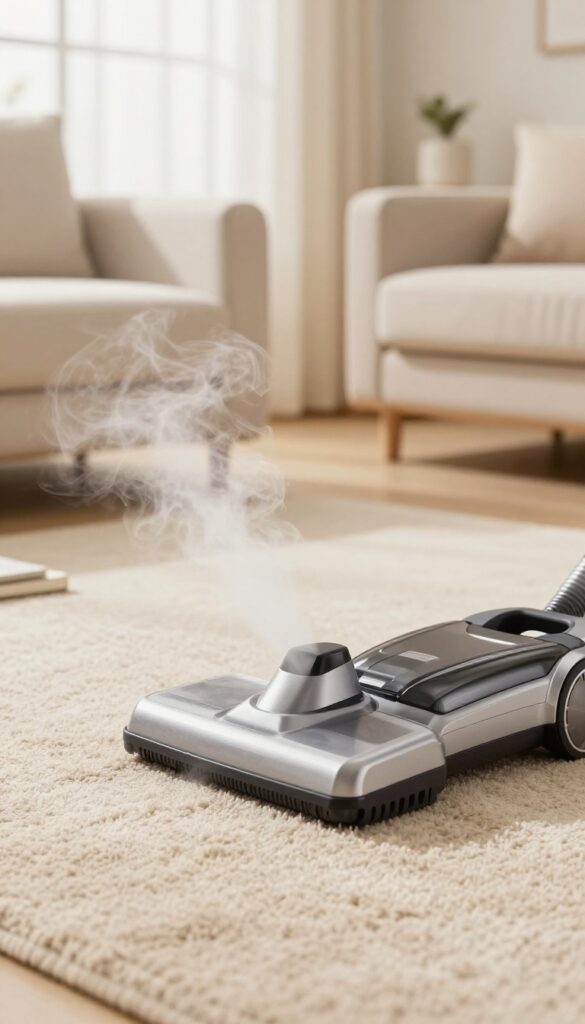
Steam cleaning is one of the most effective ways to deep-clean carpets without harsh chemicals. By adding a simple vinegar-and-water solution to your steam cleaner, you can lift embedded dirt and sanitize fibers naturally. The heat from the steam loosens grime while the vinegar deodorizes and cuts through residue.
This method works best for overall carpet maintenance or before a deep clean. It's safe for most carpet types, but always check your manufacturer's guidelines first.
Why Vinegar Works
White vinegar is a mild acid that breaks down alkaline dirt and soap residue. When combined with steam heat, it penetrates deep into carpet fibers to release trapped particles. Plus, it neutralizes odors instead of just covering them up.
How To Mix And Use
Mix one part white vinegar with four parts hot water in your steam cleaner's tank. Fill the tank only to the recommended level. Run the steamer over the carpet in slow, overlapping passes.
After steaming, let the carpet dry completely—open windows or use fans to speed up drying.
Tips For Best Results
Vacuum thoroughly before steam cleaning to remove loose dirt. Test the solution on a hidden area first. Avoid over-wetting—steam cleaners use minimal water, but too much can lead to mold.
For tough stains, pre-treat with a dab of dish soap before steaming.
FAQ
Can I use vinegar on all carpet types?
Vinegar is safe for most synthetic carpets, but avoid it on wool or silk as the acidity can damage natural fibers. Always test in an inconspicuous area first.
How often should I deep clean my carpets?
For high-traffic homes, deep clean every 6-12 months. Spot clean as needed. Regular vacuuming extends the time between deep cleans.
Will DIY solutions remove old, set-in stains?
They can lighten old stains, but complete removal isn't guaranteed. For stubborn spots, try a paste of hydrogen peroxide and baking soda, or consider professional cleaning.
Is baking soda safe for pets and kids?
Yes, baking soda is non-toxic. Just vacuum thoroughly after use to avoid inhalation of fine particles. Keep pets away during application.
Can I mix different DIY solutions together?
Avoid mixing hydrogen peroxide with vinegar (creates peracetic acid) or ammonia with bleach (toxic gas). Stick to one recipe at a time for safety.
Conclusion
Your carpets don't need a pro or a shelf full of pricey sprays to stay fresh and soft. These 25 recipes let you match the right cleaner to the mess, from grease spots to musty smells. Start with the idea that targets your biggest floor frustration—maybe the vinegar mix for high-traffic areas or the hydrogen peroxide booster for stubborn stains.
A little homemade care each month keeps your carpets feeling plush and looking clean without the harsh chemicals. Pick one recipe, give it a try this weekend, and enjoy walking on fresher floors.