Your laminate floors deserve better than a dull, streaky finish. The right cleaning routine can transform them from lackluster to luminous without damaging the surface.
You don't need fancy products or expensive equipment—just a few smart techniques and everyday tools. From dusting to polishing, these 17 tips cover everything you need for a smooth, lasting shine.
Let's walk through each method so your floors look their best with minimal effort.
1. Start with a Dry Dusting Routine
Daily dusting might feel like a chore, but it's the single most important step for keeping laminate floors scratch-free. Grit and dirt act like sandpaper underfoot, dulling the finish over time. A quick dry dusting each day prevents that damage before it starts.
Grab a microfiber mop or a soft-bristle broom—both trap dust effectively without scratching. Avoid traditional dusters or feather dusters; they just scatter particles into the air. For high-traffic areas, a quick once-over in the evening keeps debris from getting ground in overnight.
Why Microfiber Works Best
Microfiber has electrostatic properties that attract and hold dust, rather than pushing it around. It's gentle on the laminate's protective layer and picks up fine particles that a broom might miss. Wash microfiber pads after each use to maintain their effectiveness.
Best Tools For The Job
A flat microfiber mop with a swivel head reaches under furniture easily. For corners and edges, a soft-bristle brush attachment on a vacuum works well. Just make sure the vacuum is set to 'hard floor' mode to avoid scratches.
How Often To Dust
In low-traffic rooms, dusting every other day is fine. For kitchens, entryways, and hallways, daily dusting is best. The goal is to remove grit before it gets walked into the floor.
Set a simple routine—like dusting while your coffee brews—to make it stick.
2. Use a Damp (Not Wet) Mop
Water and laminate floors don't mix well. Too much moisture can seep into the seams, causing the boards to swell, warp, or develop unsightly bubbles. The golden rule is to keep your mop barely damp—think wrung-out sponge, not dripping wet.
A spray mop gives you precise control, letting you mist just enough water to clean without soaking the surface.
Why Less Water Works Better
Laminate is made of compressed wood fibers with a protective top layer. That top layer resists stains, but the edges and seams are vulnerable. Excess water can penetrate these gaps, leading to permanent damage.
A damp mop lifts dirt without leaving puddles, so your floors dry quickly and stay safe.
How To Wring Like A Pro
If you're using a traditional mop and bucket, wring it until no water drips when you hold it up. For a microfiber flat mop, spray the floor directly rather than soaking the pad. You want the mop to feel almost dry to the touch—just enough moisture to pick up dust and grime.
Spray Mops: Your Best Bet
Spray mops let you control exactly how much water hits the floor. Fill the reservoir with water or a laminate-safe cleaner, then mist a light layer ahead of the mop. This method prevents over-wetting and makes the job faster.
Just remember to use a clean microfiber pad for best results.
3. Choose the Right Cleaning Solution
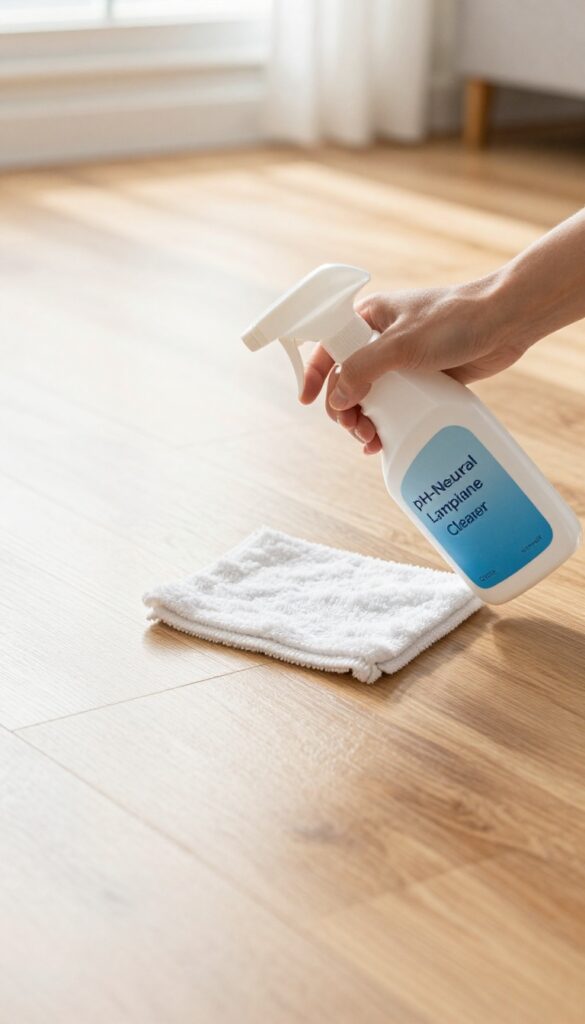
Not all cleaners are safe for laminate. Using the wrong product can leave behind a dull film, cause discoloration, or even damage the protective layer. The key is to stick with gentle, pH-neutral options that clean effectively without stripping the finish.
Why Harsh Chemicals Are A No-go
Ammonia, bleach, and acidic cleaners can eat away at the laminate's top coat over time. Wax and oil-based products create a buildup that attracts dirt and makes floors look cloudy. Stick to products labeled specifically for laminate or engineered wood.
The Diy Solution That Works
A simple mix of warm water and a few drops of mild dish soap is often all you need. Avoid soaking the mop—laminate doesn't like excess moisture. Just dampen it, wring it well, and clean.
For tougher spots, a splash of white vinegar can help, but use it sparingly (about 1/4 cup per gallon) to avoid dulling the finish.
Store-bought Options Worth Trying
If you prefer a ready-made product, look for a pH-neutral laminate floor cleaner. Brands like Bona, Black Diamond, and Quick Shine are popular choices. Always follow the manufacturer's instructions and test a small area first to ensure compatibility.
4. DIY Vinegar Solution for Light Cleaning
A simple vinegar solution can work wonders on laminate floors when you need a gentle, streak-free clean. It's budget-friendly, non-toxic, and uses ingredients you likely already have in your pantry. Just be careful—vinegar is acidic, so it's not a daily go-to.
Used sparingly, it cuts through grime without leaving a sticky residue.
The Right Ratio Matters
Mix 1 cup of white vinegar with 1 gallon of warm water. That's the sweet spot—too much vinegar can damage the finish over time, and too little won't clean effectively. Warm water helps dissolve dirt and makes the solution more effective.
Test Before You Commit
Always test your vinegar solution in an inconspicuous area first, like inside a closet or under furniture. Apply a small amount, let it sit for a minute, then wipe dry. Wait 24 hours to check for any dulling or discoloration.
If the finish looks fine, you're good to go.
Application Tips For Best Results
Use a spray bottle or a bucket, but never pour the solution directly onto the floor. Lightly mist a microfiber mop or cloth until damp, not soaking wet. Wipe in the direction of the planks to avoid streaks, and dry immediately with a clean microfiber cloth.
When To Skip The Vinegar
If your laminate has a wax-based finish or is older, vinegar can gradually strip the protective layer. Also avoid using it on unsealed edges or damaged areas where moisture can seep in. For routine cleaning, stick to a pH-neutral cleaner instead.
5. Tackle Sticky Spots with Rubbing Alcohol
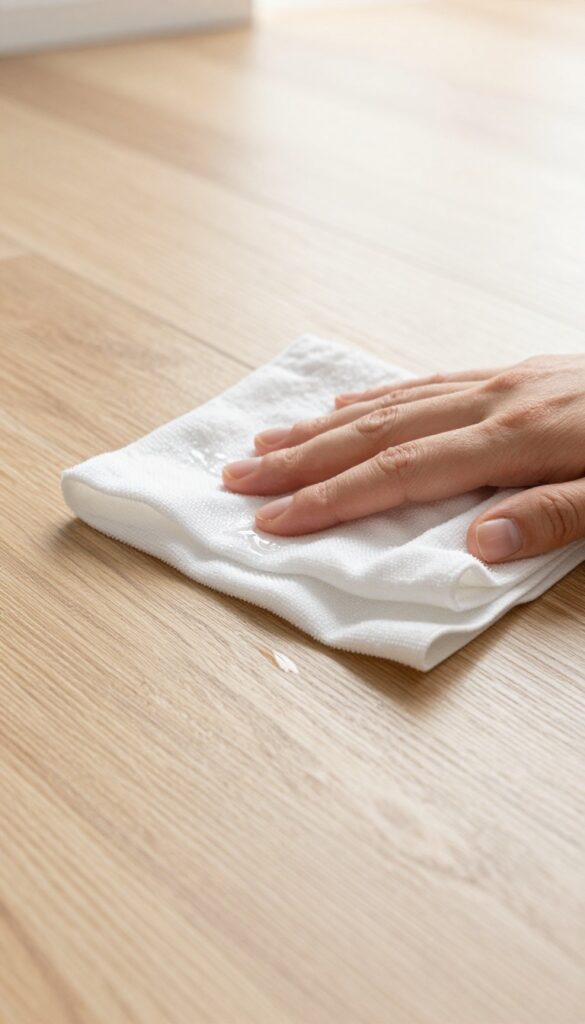
Gum, adhesive, and sticker residue can be a real eyesore on laminate floors. The good news is you don't need harsh chemicals or heavy scrubbing to get rid of them. Rubbing alcohol is a gentle yet effective solution that evaporates quickly and won't damage the laminate surface.
When you encounter a sticky spot, grab a clean cloth and dampen it with rubbing alcohol. Gently rub the residue in a circular motion until it lifts away. The alcohol breaks down the adhesive without leaving a sticky film behind.
For tougher spots, let the alcohol sit for a few seconds before rubbing. Always test on an inconspicuous area first to ensure compatibility with your floor's finish.
Why Rubbing Alcohol Works
Rubbing alcohol is a solvent that dissolves many types of adhesives without being overly aggressive. It evaporates rapidly, so it won't seep into the seams of your laminate flooring. This makes it a safe choice for spot treatments, unlike water-based solutions that can cause swelling or warping.
Step-by-step Application
Start by scraping off any excess residue with a plastic putty knife or your fingernail. Then, dampen a microfiber cloth with rubbing alcohol—don't soak it. Gently rub the spot until the residue lifts.
Wipe the area with a dry cloth to remove any remaining alcohol. Repeat if necessary.
What To Avoid
Avoid using abrasive tools like steel wool or scouring pads, as they can scratch the laminate. Also, steer clear of acetone or nail polish remover, which can dull the finish. Stick to isopropyl alcohol (70% or higher) for the best results.
6. Remove Scuff Marks with a Tennis Ball
Black scuff marks from shoes can make even the cleanest laminate floors look dingy. Before you reach for harsh chemicals or abrasive pads, try a simple tennis ball. It's gentle enough to protect your floor's finish but effective enough to lift stubborn marks in seconds.
Grab a clean tennis ball and rub it firmly over the scuff mark. The rubber material grabs onto the mark without scratching the laminate. This trick works especially well on light-colored floors where dark marks stand out.
For tougher scuffs, apply a bit of pressure and rub in a circular motion.
Why A Tennis Ball Works
Tennis balls are made of rubber, which has a natural grip that lifts scuff marks without damaging the surface. Unlike erasers or melamine sponges, they won't leave residue or dull the finish. The slight texture of the felt cover adds gentle abrasion that's safe for laminate.
How To Do It Right
Make sure the ball is clean and dry. Rub it back and forth over the scuff mark with moderate pressure. If the mark doesn't budge, dampen the ball slightly with water.
Wipe the area with a dry cloth afterward to remove any rubber dust. Avoid using colored balls that might transfer dye onto your floor.
When Not To Use This Method
Deep gouges or embedded marks won't come off with a tennis ball. For those, you might need a laminate repair kit. Also, avoid this technique on textured or matte-finish floors, as rubbing could alter the sheen.
Always test on an inconspicuous spot first.
7. Prevent Water Rings with Felt Pads
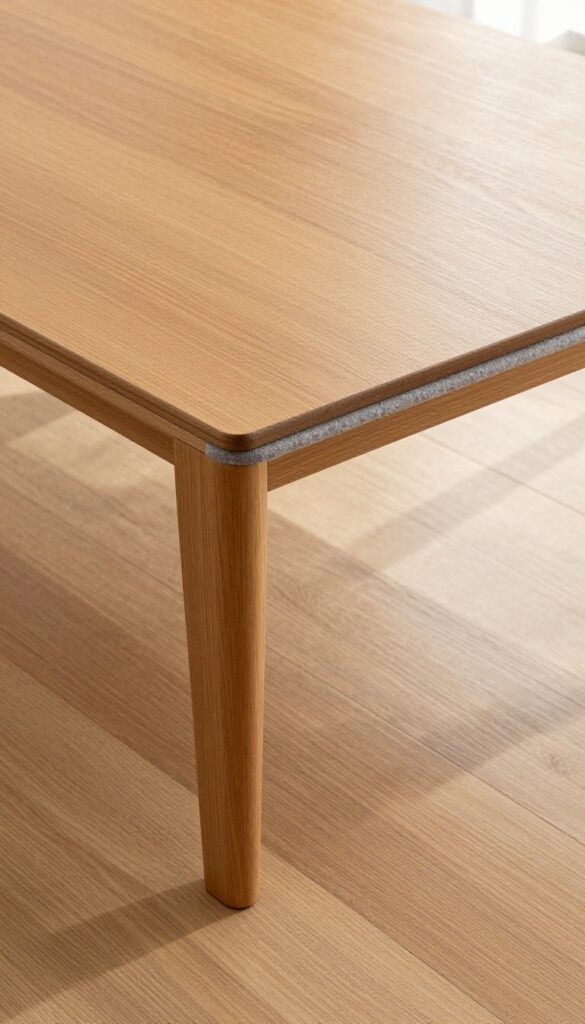
Those cloudy white rings on your laminate floor are almost always caused by moisture trapped under furniture or plant pots. The fix is simpler than you think: felt pads. They act as a barrier between the floor and anything sitting on it, blocking scratches and stopping water from seeping into the seams.
Once you start using them, you'll wonder why you didn't sooner.
Choose The Right Felt Pads
Not all felt pads are created equal. Look for self-adhesive pads with a thick, dense felt layer—at least 1/8 inch thick. Thin pads wear out fast and can trap dirt.
For heavy furniture like sofas or dining tables, get larger pads (2 inches or more) to distribute weight evenly. Avoid rubber or plastic pads; they can leave marks or trap moisture against the floor.
Apply Them Correctly
Clean the furniture leg or pot bottom with rubbing alcohol before sticking the pad. This removes dust and grease so the adhesive bonds well. Press firmly and let it cure for 24 hours before moving the item.
For plant pots, place a pad under the saucer—not directly under the pot—to catch any water that drips through. Replace pads every few months or when they start to look worn.
Check Under Rugs And Mats
Rugs and mats can trap moisture underneath, especially if they have rubber backings. Lift them regularly to air out the floor. If you notice any dampness, place a breathable rug pad underneath.
This prevents hidden water damage that can cause warping or discoloration over time.
8. Clean Spills Immediately
Laminate flooring looks great, but it has one major weakness: water. Unlike tile or vinyl, laminate is only water-resistant, not waterproof. That means a puddle left sitting for even a few minutes can seep into the seams and cause the core board to swell.
Once that happens, the damage is permanent—you'll see raised edges or a bubbled surface that no amount of cleaning can fix.
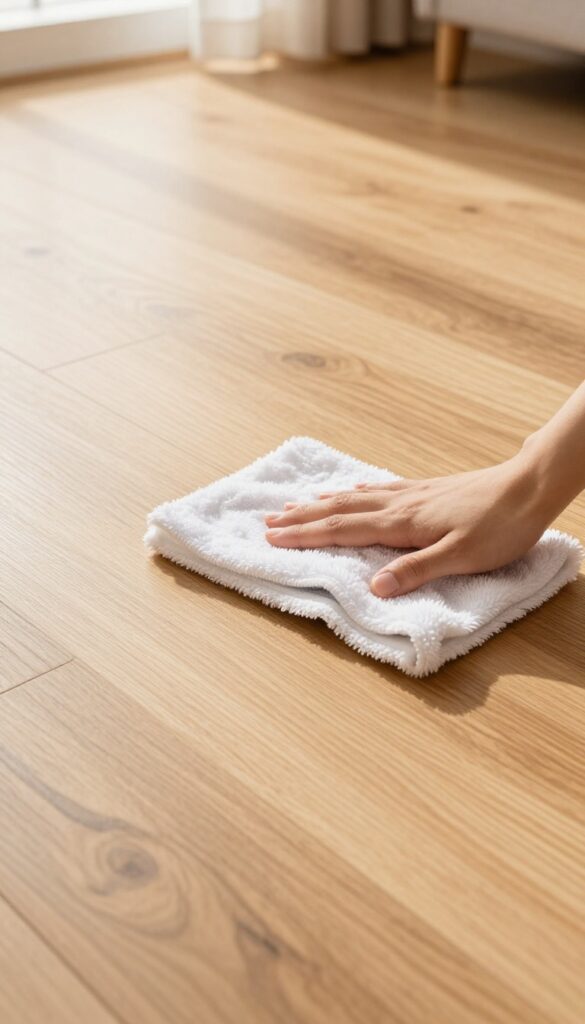
The key is speed. Keep a microfiber cloth or a small towel handy in the kitchen, bathroom, or anywhere spills are likely. The moment something hits the floor, grab it and wipe.
Don't rub—just blot or sweep the liquid away. For sticky spills like juice or soda, follow up with a slightly damp cloth, then dry the area immediately. A few seconds of prevention can save you from costly repairs or replacement.
Why Seconds Matter
Laminate planks are made of fiberboard with a melamine wear layer. The edges and seams are the most vulnerable spots. When liquid sits on the surface, capillary action pulls it into the gaps.
Once inside, moisture causes the board to expand and delaminate. You might not notice until days later when the floor starts to buckle or cup. That's why wiping up spills within 10–15 seconds is a non-negotiable habit.
What To Use For Quick Cleanup
A dry or slightly damp microfiber cloth is your best friend. Paper towels work too, but they can leave lint behind. Avoid using a wet mop for spot spills—it adds more water than needed.
For greasy spills, a drop of dish soap on a damp cloth works, but rinse and dry immediately. Keep a spray bottle of plain water nearby to dampen your cloth, but never spray directly onto the floor.
Common Spills And How To Handle Them
Water: blot dry. Juice or wine: wipe, then go over with a damp cloth, then dry. Oil or grease: use a mild dish soap solution on a cloth, then rinse and dry.
Pet accidents: blot up as much as possible, then clean with a laminate-safe cleaner. Never let any liquid sit long enough to leave a ring or stain. When in doubt, dry it out.
9. Use a Steam Mop Sparingly
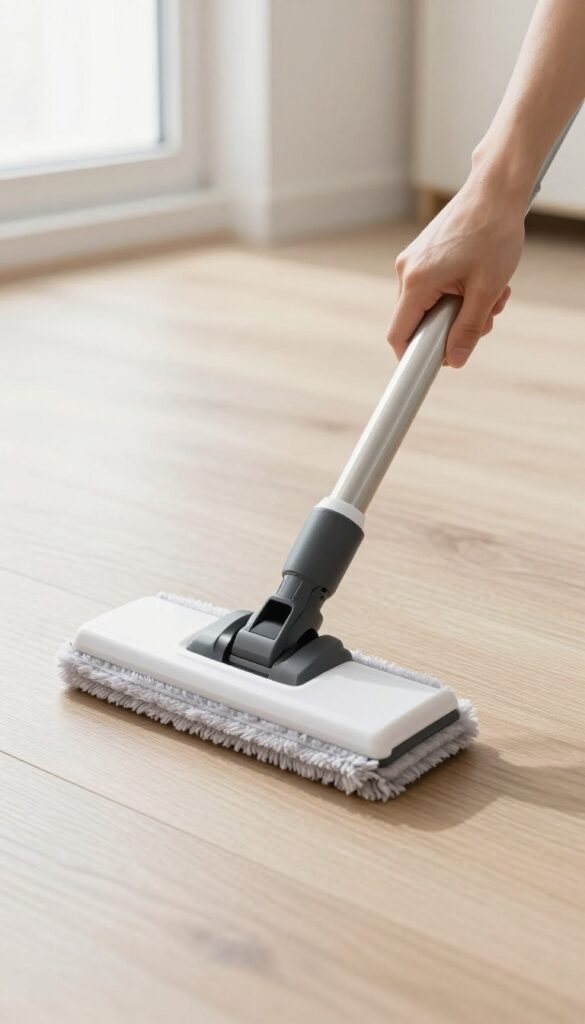
Steam mops promise a deep, sanitizing clean, but they can be risky for laminate flooring. The combination of high heat and moisture can seep into seams or unsealed edges, causing swelling, warping, or a cloudy finish. That doesn't mean you have to ban them entirely—just use them with caution.
Reserve your steam mop for occasional deep cleans, not weekly maintenance. Before using, check your laminate's warranty—many manufacturers void coverage if steam cleaning is used. When you do steam mop, keep the device moving constantly to avoid pooling moisture.
Never let the mop sit still on one spot, and always use the lowest steam setting. Afterward, wipe any residual dampness with a dry microfiber cloth. For daily upkeep, stick to dry or barely damp mopping.
When Steam Cleaning Makes Sense
Steam mopping is best for tackling sticky spills, built-up grime, or after a party when your floors need a refresh. If your laminate has sealed edges and a moisture-resistant core, occasional steam cleaning can lift dirt that dry methods miss. Just limit it to once every few months.
Protecting Your Floor During Steam Cleaning
Always sweep or vacuum first to remove loose debris—steam mopping over grit can scratch the surface. Test a small, inconspicuous area before going all in. Keep the mop head clean and change it regularly to avoid spreading dirt.
And never use steam on laminate that's already showing signs of damage or wear.
10. Buff with a Dry Microfiber Cloth
Damp mopping is a great way to clean your laminate floors, but even a well-wrung mop leaves behind a thin layer of moisture. If you let it air dry, you might end up with water spots or a dull film. That's where a dry microfiber cloth comes in—it's the secret to that final, streak-free shine.
Why Dry Buffing Works
Laminate flooring is sensitive to excess water, which can seep into seams and cause swelling. By following up with a dry cloth, you remove any lingering moisture before it has a chance to settle. Plus, the gentle friction of the microfiber lifts any remaining dirt particles and polishes the surface, restoring its natural luster.
Best Technique For A Streak-free Finish
Use a clean, dry microfiber cloth—preferably a large flat mop or a folded cloth that you can flip as it picks up moisture. Work in sections, starting at the far end of the room and moving backward. Use long, overlapping strokes in the direction of the planks.
Avoid circular motions, which can leave swirl marks. For best results, buff immediately after damp mopping while the floor is still slightly damp.
When To Skip This Step
If you've used a laminate-safe cleaning solution that doesn't leave residue, you might not need to buff every time. But if you notice streaks, water spots, or a cloudy appearance after mopping, dry buffing is the fix. It's also a good habit after deep cleaning or when you want your floors to look extra polished for guests.
11. Avoid Abrasive Tools and Cleaners
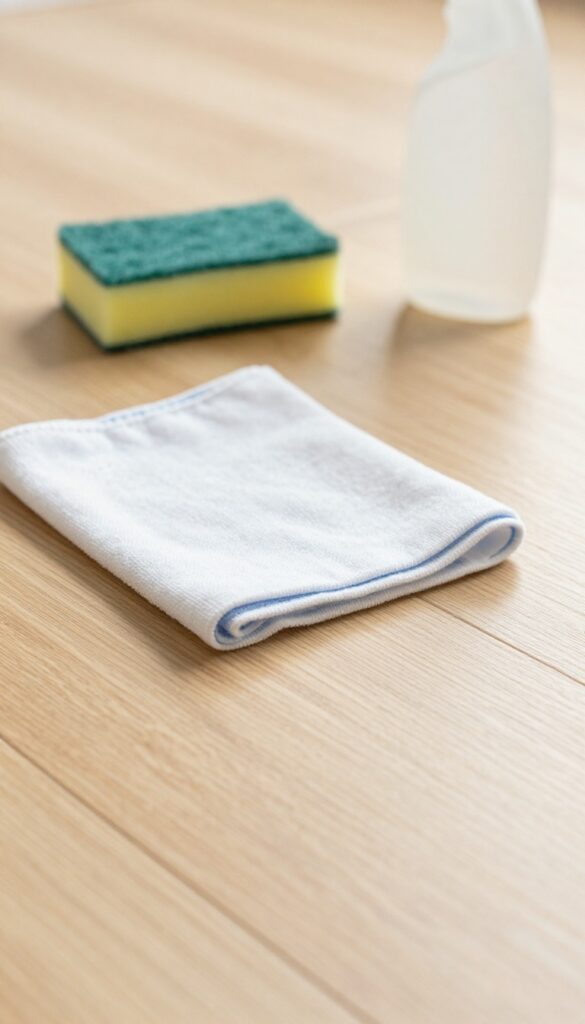
Your laminate floor's wear layer is tough, but it's not indestructible. Scrubbing with steel wool or using harsh powdered cleaners can leave permanent scratches and dull spots. The good news is you don't need that kind of muscle to get a great clean.
Stick to soft cloths, microfiber mops, and gentle pH-neutral cleaners. These tools lift dirt without damaging the surface. If you're dealing with a stubborn spot, let a damp cloth sit on it for a few minutes to soften the grime, then wipe gently.
Why Steel Wool And Scrub Brushes Are A No-go
Steel wool and stiff scrub brushes are designed for heavy-duty jobs like cleaning grout or cast iron. On laminate, they act like sandpaper. Even a few swipes can create micro-scratches that collect dirt and make the floor look hazy over time.
Always reach for a non-abrasive sponge or a soft-bristle brush if you need extra scrubbing power.
The Problem With Harsh Powders And Pastes
Cleaning powders like Comet or Bar Keepers Friend contain abrasive particles that etch the wear layer. The same goes for paste cleaners with pumice or silica. They might remove a scuff, but they'll leave a dull patch behind.
Instead, use a baking soda paste (baking soda mixed with water) for gentle stain removal—it's mildly abrasive but safe for laminate when used sparingly.
Soft Tools That Work Better
Microfiber cloths and mops are your best friends. They trap dust and dirt without scratching. For sticky spots, a soft sponge or a nylon scrub pad (the kind labeled "non-scratch") works well.
Always test a new tool on an inconspicuous area first to make sure it doesn't leave marks.
12. Refresh with a Laminate Floor Polish
Over time, even the best-maintained laminate floors can lose their luster. A dedicated laminate floor polish can bring back that showroom shine without leaving a sticky residue. The trick is choosing the right product and applying it correctly.
Not all polishes are safe for laminate. Avoid wax-based or acrylic products designed for vinyl or hardwood, as they can leave a dull film or cause yellowing. Look for a polish specifically labeled for laminate floors.
Apply a thin, even coat using a microfiber mop, working in small sections. Let it dry completely before walking on the floor or applying a second coat. Buff lightly with a clean microfiber cloth for extra gloss.
Repeat every few months or as needed, but don't over-polish—too many layers can build up and look cloudy.
Choosing The Right Polish
Stick with water-based, laminate-safe polishes from brands like Bona, Quick Shine, or Weiman. Check the label to confirm it's meant for laminate and won't void your warranty. Avoid combination cleaner-polishes; use a dedicated polish after deep cleaning.
Application Tips For Best Results
Start in a corner farthest from the door. Pour a small amount onto the floor, not directly onto the mop. Spread in smooth, overlapping strokes.
Wait 20–30 minutes between coats if you're applying a second. Keep pets and kids off the floor until fully dry.
How Often To Polish
Polish every 2–4 months for high-traffic areas, or every 6 months for low-traffic rooms. If you notice water beading up on the surface, it's time to polish. Over-polishing can cause buildup, so stick to the schedule.
13. Keep Dirt Out with Doormats
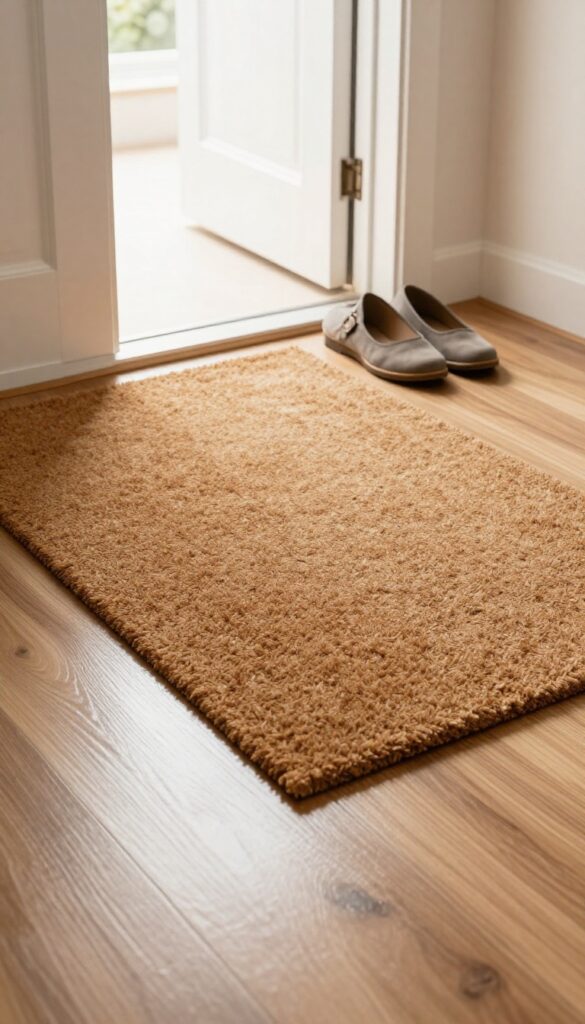
Dirt and grit are the biggest enemies of laminate flooring. They act like sandpaper, scratching the wear layer every time you walk across the room. The simplest solution is to stop them before they ever touch your floors.
Place doormats at every entrance—front door, back door, garage entry, even the door to your patio. Choose mats with a rough texture that scrapes dirt off shoes, and a absorbent layer to catch moisture. Shake them out weekly or vacuum them to keep them working.
A clean mat means less dirt on your laminate, which means fewer scratches and less frequent deep cleaning.
Where To Place Mats For Maximum Effect
Don't just put one mat at the front door. Every entry point matters, including side doors, basement stairs, and sliding glass doors. If you have a mudroom, use a long mat that covers the full walkway.
The goal is to catch dirt before it spreads to the main living areas.
How To Keep Your Doormats Effective
Mats fill up with dirt quickly. Shake them out at least once a week, and vacuum them with a brush attachment to remove embedded grit. Wash outdoor mats with a hose and mild soap every few months.
If a mat gets soaked, let it dry completely before putting it back, or replace it with a quick-dry version.
Choosing The Right Mat Material
Avoid rubber-backed mats that trap moisture against the floor—they can stain or warp laminate. Instead, look for mats with a natural fiber top (like coir or sisal) and a breathable backing. For wet areas, use a mat with a microfiber top that absorbs water and dries fast.
14. Trim Pet Nails and Wipe Paws
If you share your home with a furry friend, your laminate floors take extra abuse. Pet nails can act like tiny chisels, scratching the surface with every excited dash across the room. And the dirt, mud, and moisture tracked in from outside only add to the wear.
Protecting your laminate from pet-related damage is simple once you build a few habits. Regular nail trims and a quick paw wipe before coming inside can make a huge difference in preserving that smooth shine.
Why Nails Are A Problem
Laminate flooring has a durable wear layer, but it's not scratch-proof. Long nails dig into the surface, creating visible scuffs and dull spots over time. The damage is cumulative—each run across the room adds another micro-scratch.
Keeping nails short reduces this risk dramatically.
The Paw-wiping Routine
Place a soft towel or pet-safe wipe by your entry door. After every walk, gently wipe each paw to remove grit, mud, and moisture. This simple step prevents abrasive particles from grinding into the floor as your pet walks around.
It also keeps moisture from seeping between planks.
Extra Protection Tips
Consider using pet-friendly paw balms to keep pads moisturized without leaving oily residue on floors. Also, put down washable rugs or runners in high-traffic pet zones. They catch debris before it reaches the laminate and are easy to clean.
15. Use Area Rugs in High-Traffic Zones
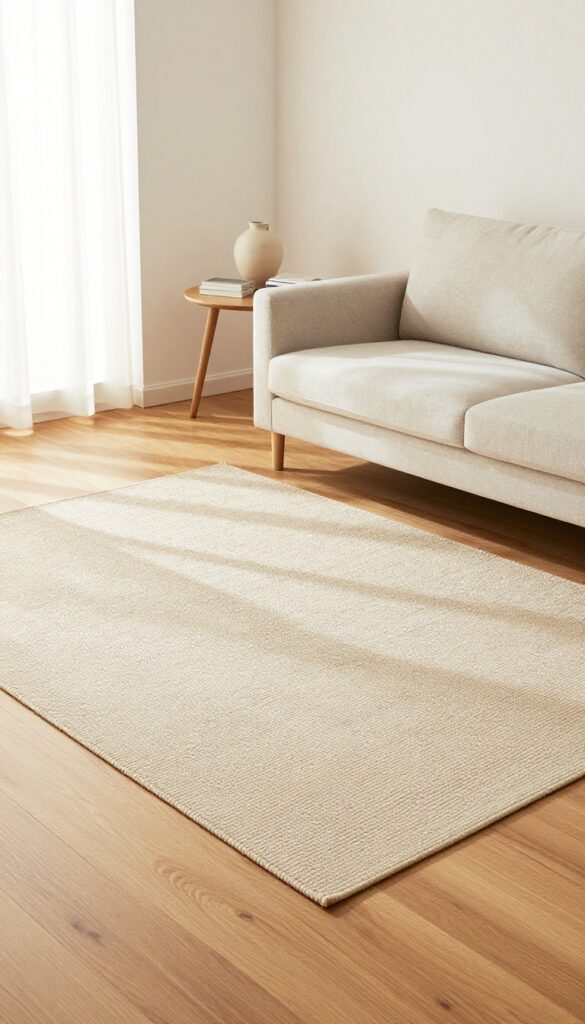
High-traffic areas like hallways and living rooms take the most abuse. Foot traffic grinds in dirt and grit that can scratch the wear layer over time. Area rugs act as a sacrificial layer, catching that debris before it reaches your floor.
They also reduce the frequency of deep cleaning in those spots, keeping the rest of your routine manageable.
Pick The Right Rug Backing
Not all rugs are safe for laminate. Avoid rubber or latex backings that can discolor or stick to the finish. Look for rugs with a natural felt or woven backing, or use a separate non-slip pad made specifically for hard floors.
The pad should be thin and breathable to prevent moisture from getting trapped underneath.
Rotate And Shake Regularly
Rugs collect dust and crumbs that can scratch the floor underneath. Shake them out weekly and vacuum both sides if possible. Rotate the rug every few months so wear is distributed evenly.
This keeps the protected area consistent and prevents a faded patch from forming.
Keep Them Dry
Laminate and standing water don't mix. If a rug gets wet from spills, pet accidents, or wet shoes, dry it promptly. Lift the rug and wipe the floor underneath.
Let the rug air dry completely before putting it back. A damp rug can cause the laminate to swell or warp over time.
16. Deep Clean with a Laminate-Safe Machine
When your laminate floors need more than a quick mop, a floor cleaner can be a game-changer. But here's the catch: using the wrong solution or too much water can ruin the surface. Stick to the manufacturer's recommended cleaner and follow the machine's instructions to avoid over-wetting.
Done right, a machine deep clean lifts embedded dirt and restores shine without damaging the wear layer.
Choose The Right Machine And Solution
Not all floor cleaners are safe for laminate. Look for models specifically labeled for sealed hard floors or laminate. Avoid steam mops—the heat and moisture can warp the planks.
Use only the cleaning solution recommended by the machine's manufacturer, as DIY mixes may contain harsh chemicals or leave residue. Test a small, hidden area first to ensure compatibility.
Prep The Floor And Follow The Rules
Sweep or vacuum thoroughly before using the machine to remove loose grit. Fill the tank with the correct amount of solution and water—never exceed the recommended ratio. Run the machine in straight lines, overlapping slightly, and avoid letting it sit in one spot.
Empty the dirty water tank promptly after use.
Dry Immediately For Best Results
Even with a machine, some moisture may linger. Use a microfiber mop or dry cloth to wipe away any excess water, especially along edges and seams. Open windows or turn on fans to speed air drying.
Never leave the floor wet; standing water is laminate's worst enemy.
17. Know When to Call a Professional
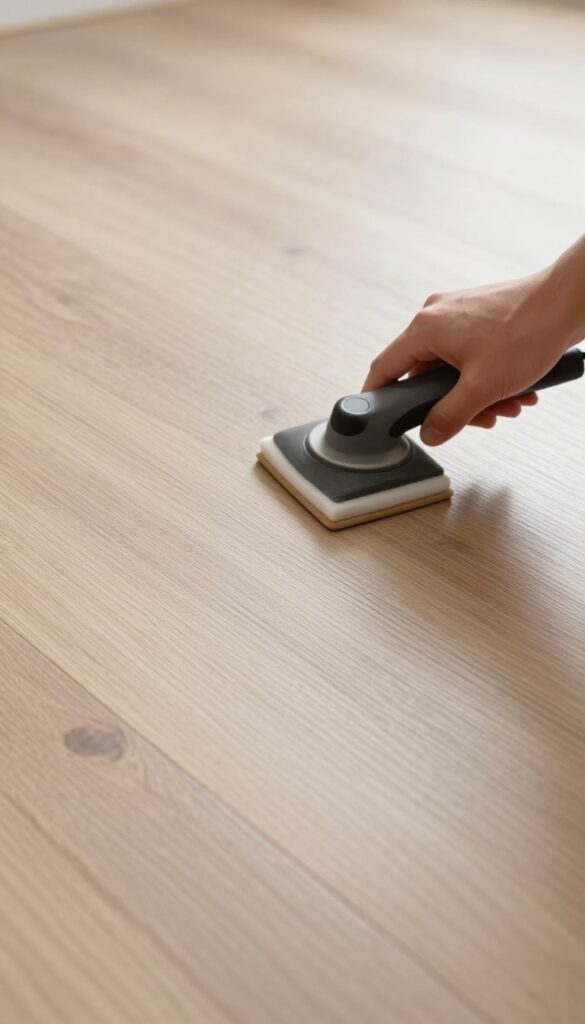
No matter how careful you are, some laminate floor problems are beyond a DIY fix. Deep scratches, stubborn discoloration, or a hazy film that won't lift with regular cleaning are signs it's time to bring in a pro. A flooring specialist has the tools and experience to restore your floor's finish without causing more damage.
Signs You Need A Pro
If you see scratches that go through the wear layer, water damage that's caused swelling, or a cloudy residue that resists all your cleaning attempts, a professional can assess the damage. They'll know if buffing, refinishing, or a fresh coat of polish will do the trick. Don't wait until the problem gets worse—catching it early saves money and hassle.
What A Pro Can Do
Professional floor care goes beyond what you can achieve with a mop and bucket. They have industrial-grade buffers, specialized cleaners, and sealants that can revive a tired floor. For laminate, they can often buff out light scratches and apply a new protective layer.
In some cases, they can even replace individual planks without affecting the rest of the floor.
Cost Vs. Replacement
Calling a pro might cost between $100 and $300 for a typical room, but that's a fraction of the price of replacing the entire floor. If your laminate is still in good shape structurally, refinishing can extend its life by years. Get a few quotes and ask about their experience with laminate specifically—not all floor pros are equal.
FAQ
Can I use vinegar on laminate floors every day?
No, daily vinegar use can dull the finish over time. Stick to a pH-neutral cleaner for regular cleaning and use vinegar only occasionally.
What is the best way to dry laminate floors after mopping?
Use a dry microfiber mop or cloth to buff the floor immediately after damp mopping. This prevents water spots and adds shine.
How do I remove dark stains from laminate flooring?
Mix baking soda with water to form a paste, apply gently with a soft cloth, then wipe clean. For stubborn stains, use a laminate-safe cleaner.
Is it safe to use a steam mop on laminate?
Occasional use is okay if the floor is well-sealed, but avoid frequent steam cleaning as moisture can seep into seams and cause swelling.
Can I wax or oil my laminate floors?
No, wax and oil leave a residue that attracts dirt and can damage the wear layer. Use only products labeled for laminate.
Conclusion
You don't need fancy products or expensive treatments to keep your laminate floors looking their best. These 17 tips give you a complete toolkit for everyday maintenance, stubborn stains, and long-term protection. Start with the one that addresses your biggest floor frustration—whether it's dullness, scratches, or sticky residue.
A consistent routine using the right methods will keep your laminate shining beautifully for years without damage. Pick a couple of tips to try this week and watch your floors transform.