Carpet stains are inevitable, but they don't have to be permanent. Whether it's a spilled glass of red wine or a muddy footprint, knowing the right technique can save your carpet and your sanity.
Different stains require different approaches, and using the wrong method can set the stain for good. That's why we've gathered 20 proven tips that cover everything from fresh spills to set-in odors.
These aren't just random tricks—they're practical, tested solutions that work on common household stains. Get ready to tackle spots, smells, and spills with confidence.
1. Blot, Don't Rub – The Golden Rule
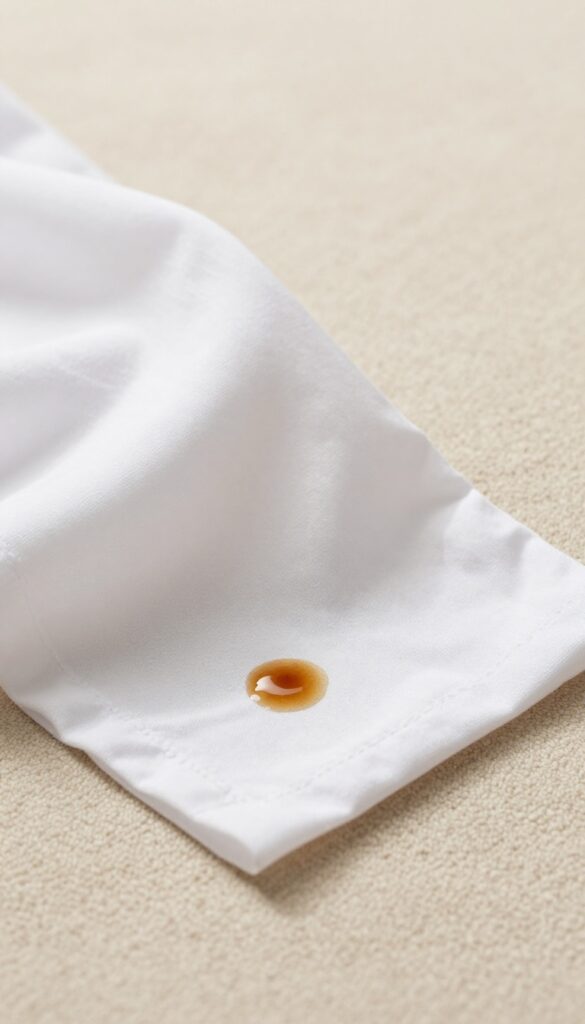
When a spill happens, your first instinct might be to scrub it away. But rubbing is actually the worst thing you can do. It grinds the stain deeper into the carpet fibers and can spread it into a larger mess.
The golden rule is simple: blot, don't rub.
Blotting lifts the liquid out of the carpet instead of pushing it in. Use a clean, white cloth or paper towel—colored fabrics can transfer dye. Press down firmly and lift straight up.
Repeat with a fresh area of the cloth until no more liquid transfers. This one habit will make every other stain removal step more effective.
Why Rubbing Backfires
Rubbing twists and tangles carpet fibers, which can cause permanent matting or fraying. It also forces stain particles deeper into the backing and padding, where they're nearly impossible to reach. Even if the surface looks clean, the stain can reappear later as it wicks back up.
The Right Blotting Technique
Start from the outside of the stain and work inward to keep it from spreading. Use a light to moderate pressure—no need to press hard. If the cloth becomes saturated, switch to a dry one.
For thick spills, first scrape up any solids with a spoon or dull knife, then blot.
When To Blot Vs. Scrub
Blotting is best for fresh liquid spills. For dried or sticky stains, you may need to gently scrub with a soft-bristle brush after applying a cleaning solution—but always blot first to remove as much residue as possible. Never scrub a fresh spill.
2. Act Fast – Time Is Your Enemy
The clock starts ticking the moment a spill hits your carpet. Fresh stains are loose, liquid, and haven't bonded with the fibers yet. That window of opportunity is small, but it's your best chance to remove the stain completely.
When something spills, drop everything and grab a clean cloth. Blot—don't rub—to lift as much liquid as possible. Rubbing pushes the stain deeper into the carpet and spreads it wider.
Keep blotting with a dry section of the cloth until no more moisture transfers.
Blot, Don't Rub
Rubbing grinds the stain into the carpet fibers and damages the texture. Blotting absorbs the spill without forcing it deeper. Use a white cloth or paper towel to avoid transferring dye.
Work From The Outside In
Start blotting at the edges of the stain and move inward. This prevents the stain from spreading outward and making a bigger mess. It also concentrates the absorbed liquid in one area.
Use The Right Absorbent Material
Paper towels work well for most spills, but for larger amounts, a clean towel or even a heavy layer of baking soda can help. Baking soda also starts absorbing odors right away.
3. Test Cleaning Solutions First
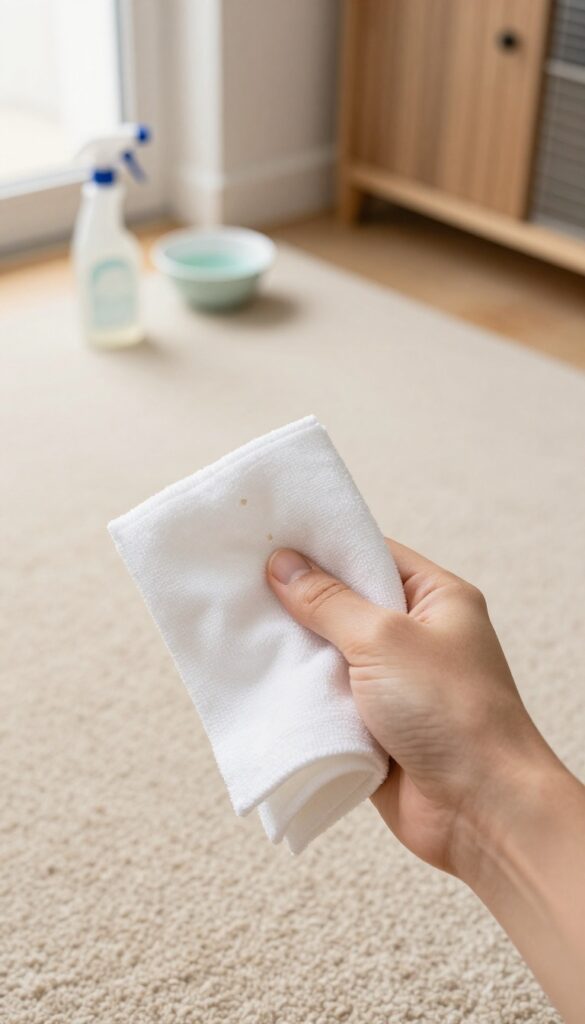
Before you go all in on a stain, take a moment to test your cleaner. Not all carpets react the same way, and a solution that works on one might ruin another. A quick patch test can save you from a bigger headache down the road.
Always test any cleaner on a hidden area of carpet to check for colorfastness. This prevents accidental bleaching or damage.
Why A Patch Test Matters
Carpet fibers are treated with dyes and finishes that can be sensitive to certain chemicals. A patch test reveals if your cleaner will cause fading, discoloration, or texture changes. It's a simple step that takes just a few minutes but can prevent permanent damage.
How To Do It Right
Choose an inconspicuous spot like inside a closet or under furniture. Apply a small amount of your cleaning solution and blot with a white cloth. Wait 10-15 minutes, then check for any color transfer or changes.
If the cloth shows dye or the carpet looks different, switch to a milder cleaner.
What To Watch For
Look for color bleeding, fading, or a dull spot after drying. Some cleaners can also cause browning or yellowing over time. If you see any reaction, don't use that cleaner on visible areas.
Instead, opt for a pH-neutral carpet shampoo or a homemade solution like mild dish soap and water.
4. Use Club Soda for Fresh Spills
Club soda isn't just for mixing drinks—it's a surprisingly effective carpet stain remover. The carbonation and mild acidity help lift fresh spills from carpet fibers before they set in. Keep a bottle in your pantry for quick action on accidental messes.
When a fresh spill happens, grab club soda instead of reaching for harsh chemicals. The bubbles help separate the stain from the fibers, while the salts in the soda improve absorption. This method works best on water-based stains like juice, soda, wine, and coffee.
How It Works
Club soda contains carbonic acid and sodium salts. The carbonation creates bubbles that physically push the stain upward, while the salts help dissolve the stain molecules. This combination makes it easier to blot the spill away without scrubbing.
Step-by-step Application
First, blot up as much of the spill as possible with a clean cloth. Then pour a small amount of club soda directly onto the stain—just enough to saturate it. Let it fizz for a few seconds, then blot with a dry cloth.
Repeat until the stain fades. Finish by blotting with cold water to remove any residue.
When To Use It
Club soda works best on fresh spills, ideally within a few minutes. It's great for fruit juice, wine, coffee, tea, and soda stains. Avoid using it on set-in stains or grease-based spills, as it may not be strong enough.
Always test on an inconspicuous area first.
5. White Vinegar and Water for Odors
Odors can linger in carpet fibers long after the stain is gone. Pet accidents, spills, and everyday traffic can leave your carpet smelling less than fresh. White vinegar is a natural deodorizer that neutralizes odors without harsh chemicals.
It's safe, cheap, and surprisingly effective.
Mix equal parts white vinegar and water in a spray bottle. Lightly mist the affected area—don't soak it. Blot with a clean cloth to lift the solution, then let the carpet air dry.
The vinegar smell will fade completely as it dries, taking the bad odors with it. For tougher smells, let the solution sit for 5-10 minutes before blotting.
Why Vinegar Works
Vinegar is acidic, which helps break down the alkaline compounds that cause odors. It doesn't just mask smells—it neutralizes them at the source. Plus, it's gentle on most carpet fibers and won't leave a sticky residue.
Best Uses For This Method
This solution is ideal for fresh pet accidents, mild food spills, and general mustiness. Avoid using it on wool carpets or if you've already used a strong chemical cleaner, as mixing can cause reactions. Test in an inconspicuous spot first.
Pro Tips For Best Results
Use distilled white vinegar for consistent results. Don't oversaturate—damp is fine, wet can lead to mold. For stubborn odors, repeat the process after the carpet dries.
Add a few drops of essential oil (like lavender) to the mixture for a pleasant scent boost.
6. Baking Soda for Deep Odor Removal
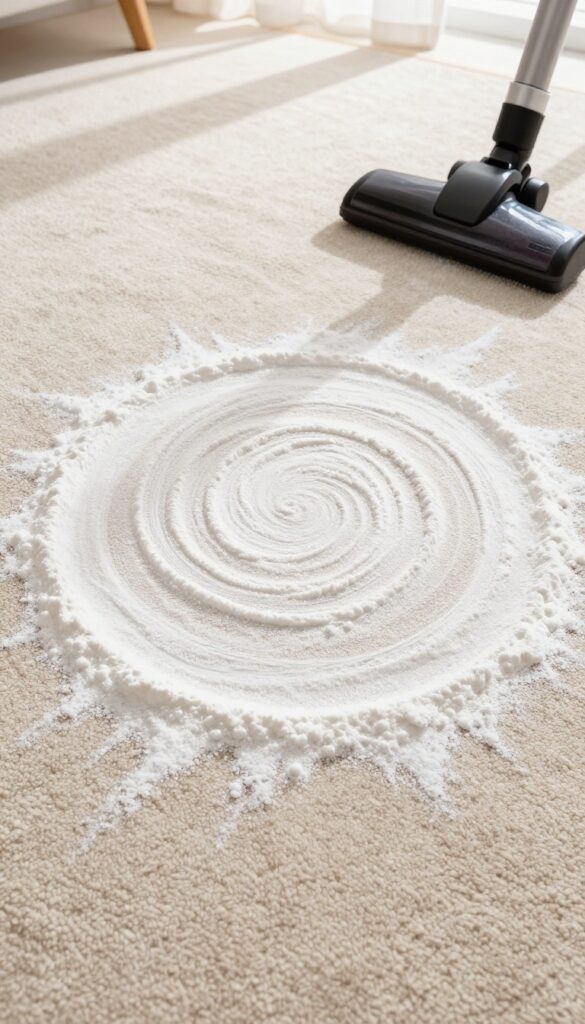
Some carpet odors are stubborn. They settle deep into the padding and fibers, laughing at surface sprays. Baking soda is the unsung hero that pulls those smells out without harsh chemicals.
It works by neutralizing acids and absorbing moisture that traps odor molecules. A simple sprinkle, a little patience, and your vacuum does the rest. No scrubbing, no rinsing, no fuss.
Baking soda is a gentle abrasive and natural deodorizer. It doesn't just mask smells—it lifts them. For best results, use a generous layer and let it work its magic for several hours.
Overnight is even better. Then vacuum thoroughly, making multiple passes to get all the powder out.
Why It Works So Well
Baking soda is alkaline, so it reacts with acidic odor molecules (like pet urine or vomit) and neutralizes them. Its fine particles also get deep into carpet fibers, where moisture and bacteria hide. As it sits, it absorbs both moisture and volatile compounds that cause smells.
Step-by-step Application
First, blot up any moisture from the stain. Then sprinkle a thick, even layer of baking soda over the entire affected area. Let it sit for at least 4 hours—overnight is ideal.
Finally, vacuum slowly in multiple directions to lift all the powder. Repeat if the odor persists.
When To Add A Boost
For extra stubborn odors, mix baking soda with a few drops of essential oil (like lavender or tea tree) before sprinkling. Or combine it with a small amount of hydrogen peroxide to create a paste for set-in stains. Always test in an inconspicuous spot first.
7. Hydrogen Peroxide for Tough Stains
Some stains just won't budge. Coffee spills from this morning, a forgotten wine splash from last week—they've settled in and seem permanent. That's where hydrogen peroxide comes in.
This common household staple can break down even the most stubborn organic stains without harsh chemicals.
Hydrogen peroxide works by releasing oxygen bubbles that lift stain particles from carpet fibers. It's especially effective on protein-based stains like blood, wine, and coffee. Always use 3% hydrogen peroxide (the standard drugstore strength) and test on an inconspicuous area first, as it can lighten some carpet colors.
How To Apply It Safely
Pour a small amount directly onto the stain—just enough to saturate it. Let it fizz and bubble for a few minutes. Blot with a clean white cloth, working from the outside in.
Repeat if needed, then rinse with water and blot dry. Never rub, as that can spread the stain.
Best Stains For This Method
Hydrogen peroxide is a powerhouse for coffee, tea, wine, blood, and fruit juice stains. It also works on pet urine stains and odors. For older, set-in stains, you may need to let it sit for 10–15 minutes before blotting.
Important Precautions
Test on a hidden area first. Hydrogen peroxide can bleach or discolor some carpets, especially wool or dark synthetic fibers. Avoid mixing with vinegar or ammonia, as that creates harmful fumes.
Keep it away from children and pets until the area is dry.
8. Dish Soap and Warm Water for Grease
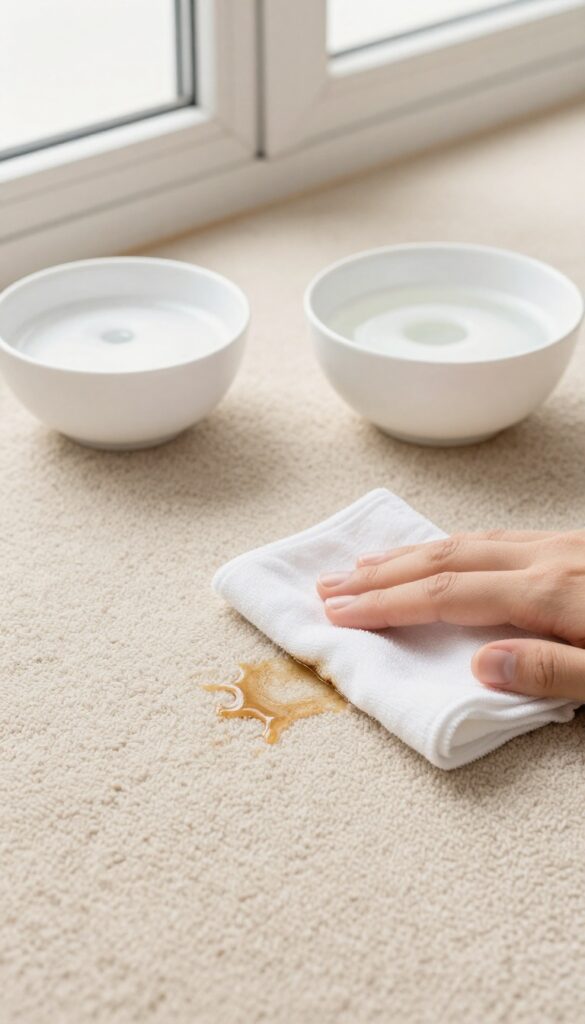
Grease stains from cooking oil, butter, or salad dressings can be some of the toughest to remove from carpet. The key is using a degreasing agent that breaks down the oil without damaging the fibers. Dish soap is perfect for this because it's designed to cut through grease on dishes, and it works just as well on carpet.
Why Dish Soap Works
Dish soap contains surfactants that surround and lift grease molecules, allowing them to be rinsed away with water. Unlike harsh solvents, dish soap is gentle on most carpet fibers and won't cause fading or discoloration when used correctly. It's also safe for pets and kids once rinsed thoroughly.
Step-by-step Application
Start by blotting up any excess grease with a paper towel. Mix a few drops of liquid dish soap with two cups of warm water. Dip a clean cloth into the solution and blot the stain gently—don't rub, or you'll spread the grease.
Work from the outside in to prevent the stain from enlarging. Continue blotting until the stain lifts, then rinse the area with a cloth dampened with plain water to remove soap residue.
Tips For Stubborn Stains
For set-in grease stains, let the soap solution sit on the carpet for 5–10 minutes before blotting. If the stain persists, repeat the process or add a tablespoon of white vinegar to the solution for extra degreasing power. Always test on an inconspicuous area first, especially on delicate or wool carpets.
9. Rubbing Alcohol for Ink Stains
Ink stains from a leaky pen or a stray marker can look like a permanent disaster on your carpet. But before you panic, grab a bottle of rubbing alcohol from your medicine cabinet. This common household item can break down ink pigments and lift them right out of the fibers.
The key is to act quickly and blot, never rub. Rubbing alcohol is a solvent that dissolves the ink, making it easy to transfer to a clean cloth. With a bit of patience, even old ink stains can fade significantly.
What You'll Need
You only need a few items: 70% or higher isopropyl rubbing alcohol, white cotton balls or clean white cloths, and a small bowl. Avoid colored cloths that might bleed dye onto the carpet.
Step-by-step Application
Dampen a cotton ball with rubbing alcohol—don't soak it. Gently dab the ink stain, starting at the outer edge to prevent spreading. The ink should begin to transfer to the cotton.
Switch to a fresh cotton ball as it gets dirty, and continue blotting until no more ink lifts.
Troubleshooting Stubborn Stains
For dried or stubborn ink, let the alcohol sit on the stain for a few minutes before blotting. You can also place a cloth under the carpet (if possible) to catch the ink as it's pushed through. Repeat the process until the stain is gone, then blot with a damp cloth to remove any alcohol residue.
10. Enzymatic Cleaners for Pet Accidents
Pet accidents are more than just a mess—they leave behind proteins and bacteria that cause lingering odors and encourage repeat offenses. Standard cleaners might mask the smell temporarily, but they don't tackle the root cause. That's where enzymatic cleaners shine, breaking down organic matter at a molecular level so your carpet is truly clean and odor-free.
Enzymatic cleaners contain specific proteins that digest urine, feces, vomit, and other organic stains. Unlike chemical-based products, they work with nature to eliminate the source of smells rather than covering them up. This makes them indispensable for pet owners dealing with accidents on carpets, rugs, or upholstery.
For best results, apply the cleaner generously, let it sit for the recommended time (usually 10–15 minutes), and blot—never rub. The enzymes need time to break down the proteins, so patience is key. Always test on an inconspicuous area first, and avoid using steam cleaners or hot water, as heat can deactivate the enzymes.
Why Enzymes Beat Regular Cleaners
Regular carpet cleaners often contain surfactants and fragrances that simply cover up odors. Enzymatic cleaners, on the other hand, contain live bacteria or enzymes that literally eat the organic compounds in pet stains. This not only removes the stain but also eliminates the scent markers that tell your pet to return to the same spot.
Over time, using enzymatic cleaners can break the cycle of re-marking, making them a smarter long-term solution.
How To Use Enzymatic Cleaners Correctly
First, blot up as much of the fresh accident as possible with paper towels. Then apply the enzymatic cleaner generously—enough to saturate the stain and a small border around it. Let it sit for at least 10–15 minutes (longer for set-in stains).
Blot again with a clean cloth, but don't rinse. The enzymes continue working as they dry. Avoid using any other cleaning products beforehand, as residues can interfere with the enzymes.
Best Practices For Stubborn Or Old Stains
For dried or old stains, pre-wet the area with water to reactivate the residue before applying the enzymatic cleaner. You may need to repeat the process a few times for deeply set stains. Covering the treated area with a plastic sheet or bowl can help keep it moist, giving the enzymes more time to work.
Always follow the product instructions, and be patient—some stains require multiple treatments.
11. Steam Cleaning for Deep Set Stains
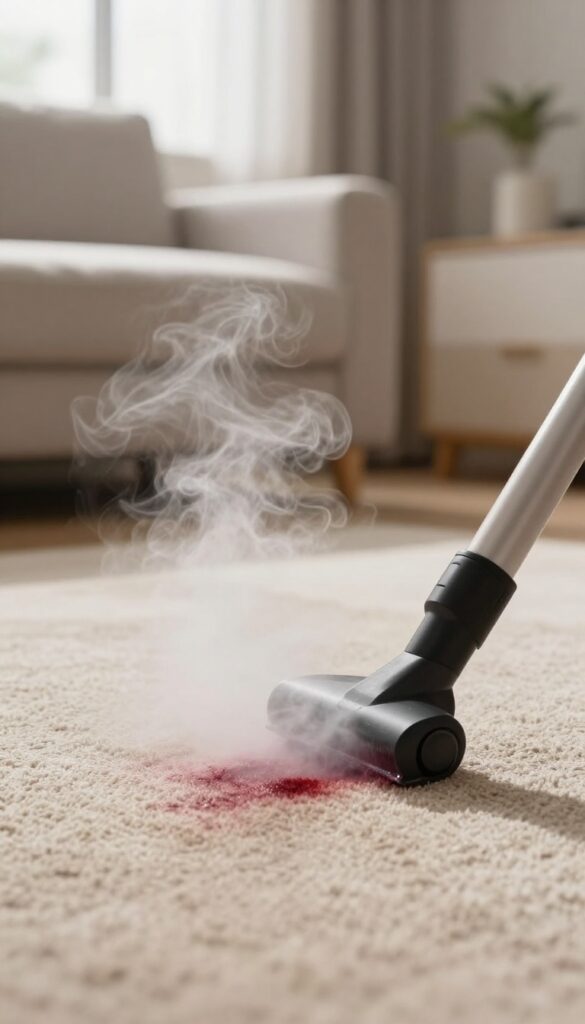
Some stains laugh at spot treatments. That red wine spill you thought you got out? It's back.
The pet accident from last week? Still smells. When surface cleaning isn't cutting it, steam cleaning is your heavy hitter.
It uses hot water and strong suction to pull dirt and stains from deep inside the carpet fibers. This method is ideal for periodic deep cleaning and reviving tired carpets.
Steam cleaning, also known as hot water extraction, works by injecting hot water mixed with a cleaning solution into the carpet, then immediately vacuuming it out along with dissolved dirt and stains. The heat helps break down oily residues and kill bacteria, while the suction removes moisture and contaminants. It's especially effective for set-in stains and odors that spot treatments can't touch.
For best results, use a machine with at least 1000 watts of suction power and follow the manufacturer's instructions. Let the carpet dry completely—usually 6 to 12 hours—before walking on it.
When To Steam Clean
Not every stain needs a steam cleaner. Use it for deep-set stains that have dried and resisted other methods, like old wine, coffee, or muddy footprints. Also steam clean when your carpet looks dull or matted, or when you notice lingering odors from pets or spills.
Aim for a deep steam clean every 6 to 12 months, or more often if you have pets or kids.
How To Steam Clean Stains
Start by vacuuming the carpet thoroughly to remove loose dirt. Pretreat stubborn stains with a carpet stain remover or a mixture of white vinegar and water. Fill the steam cleaner with hot water and the recommended cleaning solution.
Work in slow, overlapping passes—push forward to spray, pull back to suction. Don't oversaturate; too much water can lead to mold. Repeat on tough spots until the water runs clear.
Drying And Aftercare
After steam cleaning, open windows or turn on fans to speed up drying. Avoid walking on the carpet until it's fully dry to prevent re-soiling. If you notice any residue, rinse with plain water and extract again.
Once dry, vacuum to lift the fibers and restore fluffiness. Your carpet will look and smell fresh.
12. Cornstarch for Greasy Spots
Grease stains from cooking oil, butter, or salad dressings can be some of the toughest to remove from carpet. They tend to spread and set if you rub them, but cornstarch offers a simple, effective first step. This pantry staple works like a magnet for oil, pulling it out of the fibers before it bonds.
Cornstarch is a natural absorbent that lifts grease without pushing it deeper into the carpet. It's safe for most carpet types and doesn't introduce harsh chemicals. The key is giving it enough time to work and following up with proper cleaning.
How It Works
Cornstarch particles are fine and porous, allowing them to soak up liquid grease on contact. When sprinkled on a fresh or set-in greasy spot, the starch draws the oil upward and away from the carpet fibers. This prevents the stain from spreading when you later apply a cleaning solution.
Step-by-step Application
First, blot up any excess grease with a paper towel—don't rub. Cover the stain with a thick layer of cornstarch, pressing it gently into the fibers. Let it sit for at least 15 minutes (longer for stubborn spots).
Vacuum thoroughly to remove the powder. If a trace remains, mix a few drops of mild dish soap with warm water, dab the area, and blot dry.
When To Use This Method
Cornstarch works best on oily stains like cooking oil, butter, mayonnaise, or salad dressing. It's also effective for fresh grease spots from lotions or hair products. Avoid using it on dried protein stains (like blood or milk) as it may set them.
For best results, treat the stain as soon as possible.
13. Salt for Red Wine Spills
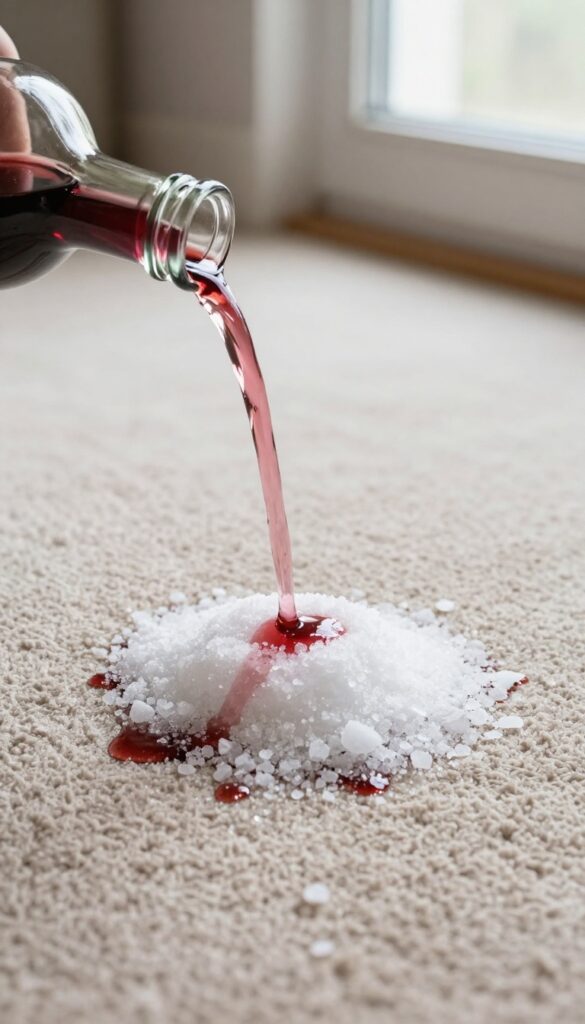
Red wine on a light carpet can feel like a disaster, but salt is a surprisingly effective first responder. The key is to act fast while the wine is still wet. Salt works by absorbing the liquid before it has a chance to bond with carpet fibers, making the cleanup much easier.
When red wine spills, grab the salt shaker before anything else. Pour a generous amount directly onto the spill, covering it completely. The salt will start soaking up the wine, turning from white to pink as it works.
Let it sit for about 5–10 minutes—longer if the spill is large. Then, simply blot the area with a clean cloth or paper towel. The salt should lift most of the wine with it.
Vacuum up any remaining salt crystals once the carpet is dry. This method works best on fresh spills, so don't wait around.
Why Salt Works So Well
Salt is a natural desiccant, meaning it pulls moisture out of whatever it touches. When you cover a wine spill with salt, it draws the liquid out of the carpet fibers and into the salt crystals. This prevents the wine from setting deep into the carpet, which is what causes permanent staining.
Plus, salt is gentle on carpet fibers, so you won't damage the material while treating the stain.
Step-by-step: Salt Treatment
Start by blotting up as much excess wine as possible with a clean cloth—don't rub, just blot. Then, pour a thick layer of salt over the entire stain. Let it sit for at least 5 minutes; you'll see the salt change color as it absorbs.
After that, use a vacuum with a hose attachment to remove the salt. If any stain remains, repeat the process or follow up with a mild carpet cleaner.
When Salt Isn't Enough
If the spill has already dried or the stain is still visible after salting, don't panic. Mix one tablespoon of dish soap with two cups of cold water and a few drops of white vinegar. Dab this solution onto the stain, then blot with a clean cloth.
Rinse with cold water and blot dry. This two-step approach—salt first, then a gentle cleaner—handles even stubborn red wine stains.
14. Shaving Cream for Upholstery Stains
Shaving cream isn't just for your morning routine—it's a surprisingly effective cleaner for upholstery stains. The foamy texture lifts dirt and oil without soaking the fabric, making it ideal for spots on couches, chairs, and even carpet edges. Best of all, it's gentle enough for most fabrics and requires no harsh chemicals.
To use shaving cream on stains, start by blotting up any excess spill. Apply a dollop of white shaving cream (avoid gel varieties) directly onto the stain. Let it sit for 3–5 minutes to break down the residue.
Then, blot with a clean, damp cloth—don't rub, as that can spread the stain. Repeat if necessary, then let the area air dry. The cream's ingredients help dissolve proteins and oils, making it effective for food, makeup, and even some ink stains.
Why Shaving Cream Works
Shaving cream contains surfactants that break down dirt and grease, along with a foaming agent that lifts particles away from fibers. Unlike some spot cleaners, it's pH-balanced and won't bleach or discolor most fabrics. It's also alcohol-free, so it won't dry out or damage upholstery fibers.
Best Stains For This Method
This trick works wonders on fresh stains from coffee, tea, juice, and even red wine. It's also great for removing makeup smudges, body oils, and light ink marks. However, avoid using it on silk or delicate fabrics—test on an inconspicuous area first.
Pro Tips For Best Results
Always use plain white shaving cream—no added scents, aloe, or moisturizers, as those can leave residue. Work the cream into the stain gently with your fingers or a soft brush. After blotting, vacuum the area once dry to restore the fabric's texture.
15. Freeze Chewing Gum with Ice
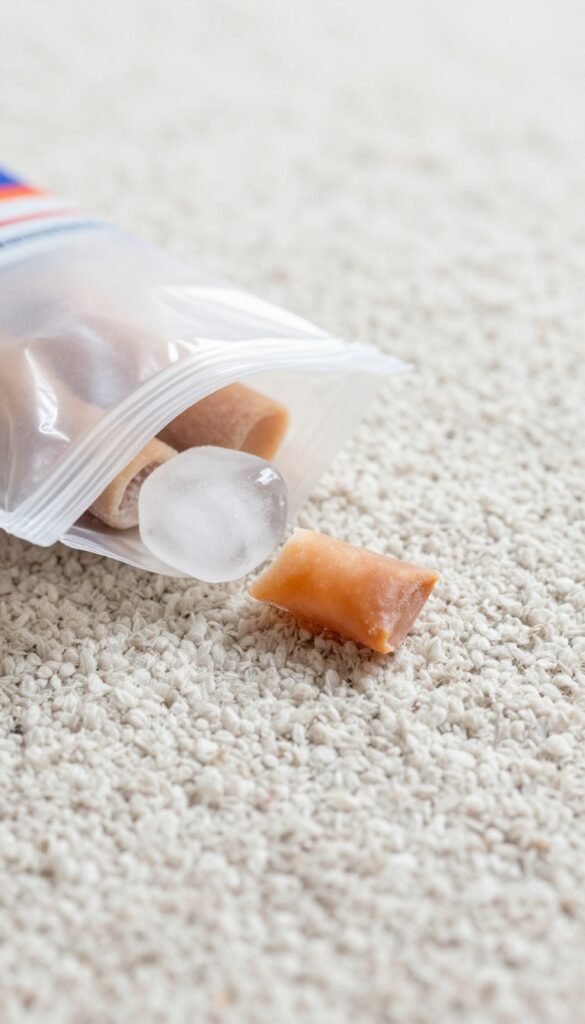
Chewing gum stuck in carpet fibers can feel impossible to remove, but the solution is surprisingly simple. The key is to harden the gum so it loses its sticky grip and can be chipped away without smearing. All you need is an ice cube and a little patience.
Why Ice Works Best
Gum is designed to be soft and pliable at room temperature. By freezing it, you make it brittle and non-sticky. This prevents the gum from spreading deeper into the carpet when you try to scrape it.
Ice is gentle on carpet fibers and doesn't introduce chemicals that could cause additional stains.
Step-by-step Removal
Place a few ice cubes in a plastic bag and hold it against the gum for about 10-15 minutes. The bag prevents moisture from soaking the carpet. Once the gum is hard, use a dull knife or a spoon to gently pry it off.
Work from the edges inward to avoid breaking it into smaller pieces. Vacuum the area afterward to pick up any leftover bits.
What To Do If Gum Residue Remains
If a sticky residue is left behind, dab a cloth with rubbing alcohol or a citrus-based cleaner and blot the spot. Test on an inconspicuous area first. Blot, don't rub, to avoid spreading.
Finish with a clean damp cloth to remove any cleaner residue.
16. Carpet Rake for Matted Fibers
After a deep clean, your carpet might look flat or matted—especially in high-traffic areas. A carpet rake is a simple tool that can bring those fibers back to life. It lifts and separates the strands, helping the carpet dry faster and restoring its original texture.
Plus, it makes vacuuming more effective by loosening embedded dirt.
Why Use A Carpet Rake?
A carpet rake works like a comb for your floor. It gently lifts matted fibers that get crushed under furniture or foot traffic. This not only improves appearance but also allows air to circulate deeper into the carpet pile, speeding up drying time after cleaning.
Dry carpet is less prone to mold and odors.
How To Use One Correctly
Start by vacuuming the area to remove loose dirt. Then, using the rake, work in one direction with gentle, even strokes. Avoid aggressive pulling that could damage the backing.
For best results, rake while the carpet is still slightly damp from cleaning—this helps fibers hold their shape as they dry.
When To Skip The Rake
Not all carpets are rake-friendly. Delicate fibers like wool or berber can snag or fray. Check your carpet's care label first.
Also, avoid raking over loose seams or fringed edges. If in doubt, test on a hidden spot. For most synthetic carpets, though, a rake is a safe and effective tool.
17. Avoid Over-Wetting During Cleaning
It's tempting to drench a stubborn stain, but too much water can actually make things worse. Excess moisture seeps deep into the carpet padding, creating a breeding ground for mold and mildew. The key is to use just enough liquid to lift the stain and then remove it quickly.
When you over-wet a carpet, the water can travel to the backing and pad, which take much longer to dry. This trapped moisture leads to musty odors, discoloration, and even structural damage. To prevent this, always blot—don't rub—and use a wet/dry vacuum to extract as much liquid as possible after cleaning.
Why Less Water Is Better
Carpet fibers are designed to wick away moisture, but they can only handle so much. Using a spray bottle to lightly mist the stain is more effective than pouring water directly. This way, you control the saturation and avoid soaking the backing.
The Blot-and-extract Method
Start by blotting the stain with a clean, dry cloth to absorb as much liquid as possible. Then apply a small amount of cleaning solution and blot again. Finally, use a wet/dry vacuum to pull out the moisture.
Repeat until the stain lifts, but never let the carpet stay wet for long.
Drying Tips For Deep-cleaned Areas
After spot cleaning, speed up drying by placing fans or opening windows. You can also place dry towels over the damp area and press down to absorb residual moisture. Avoid walking on the carpet until it's completely dry to prevent dirt from settling back in.
18. Use a Carpet Protector Spray
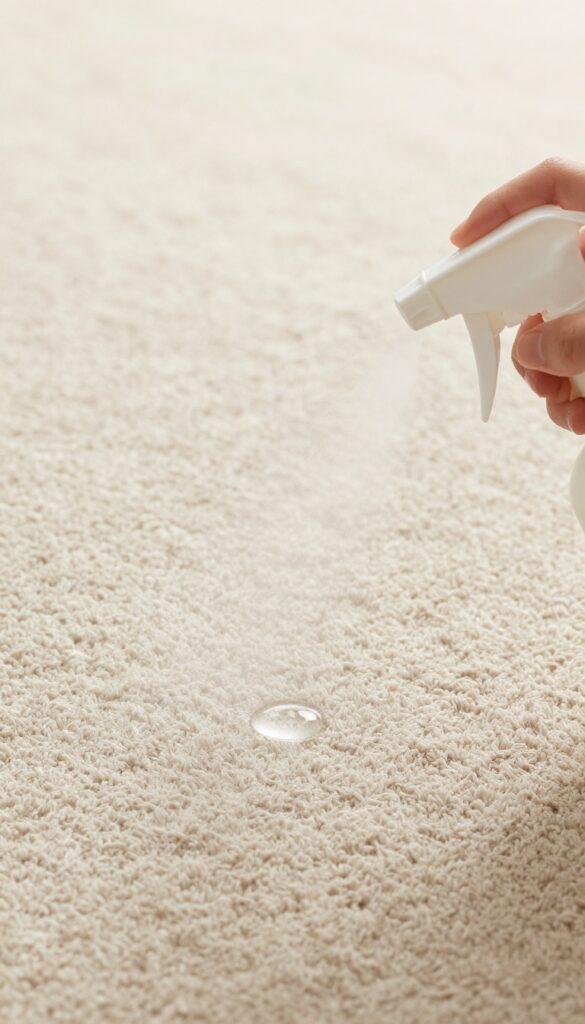
You've put in the work to get your carpet spotless—now keep it that way. A protector spray adds an invisible shield that makes future spills bead up instead of soaking in. It's like giving your carpet a raincoat against everyday messes.
Applying a carpet protector after a deep clean is a smart preventive step. These sprays create a barrier that repels liquids, giving you more time to blot up spills before they become stains. They also help prevent dirt from embedding in fibers, making vacuuming more effective.
Most protectors are safe for all carpet types and last through several cleanings before needing reapplication.
How It Works
Carpet protectors contain fluorochemical polymers that bond to carpet fibers. When a liquid spills, it forms droplets on the surface rather than penetrating the fibers. This gives you a crucial window to blot it up without leaving a mark.
Application Tips
Always apply protector spray to a clean, dry carpet. Mist evenly from about 12 inches away, then let it dry completely before walking on it. Avoid oversaturating—a light, even coat is all you need.
Reapply after steam cleaning or every 6–12 months for best results.
Choosing The Right Product
Look for a protector that's compatible with your carpet type—most work on nylon, polyester, and olefin. Avoid products with strong chemical odors if you're sensitive. Brands like Scotchgard and 3M are reliable, but always test a small area first.
19. Professional Cleaning for Stubborn Stains
Some stains just won't budge no matter how many DIY methods you try. That's when it's time to call in the pros. Professional carpet cleaners have industrial-grade equipment and specialized solutions that can lift set-in stains without damaging your carpet fibers.
It's not admitting defeat—it's being smart about your carpet's longevity.
When home remedies fail, professional intervention can save your carpet from permanent damage. Here's what to expect and how to choose the right service.
When To Call A Pro
If you've tried multiple methods and the stain remains, or if the stain is large, old, or from an unknown source, it's time to call a professional. Also consider professional cleaning if your carpet has a lingering odor or if you're dealing with biological stains like pet urine or blood.
What Professionals Use
Professional cleaners use hot water extraction (steam cleaning) with powerful truck-mounted units. They also have access to commercial-grade enzymes and solvents that break down stubborn residues without harsh scrubbing. Some offer dry cleaning methods for delicate carpets.
How To Choose A Service
Look for certified technicians (e. g. , IICRC certification). Read reviews, ask about their stain removal process, and get a written estimate. Avoid companies that pressure you into add-ons or use high-pressure sales tactics.
20. Regular Vacuuming Prevents Stains
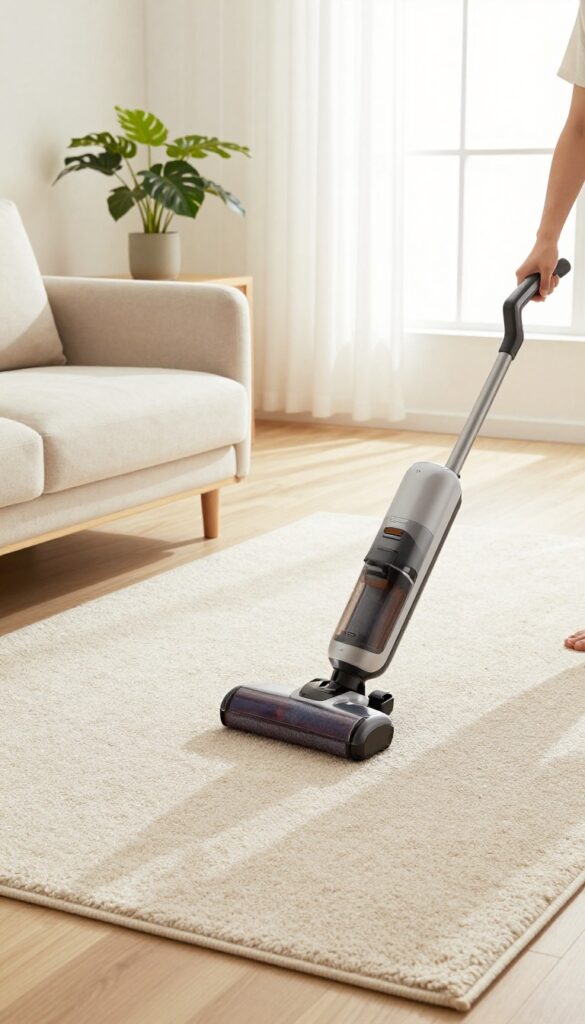
Most people think vacuuming is just about picking up visible dust and crumbs. But it does something more important: it stops stains before they start. When dirt and grit sit on your carpet, foot traffic grinds them deep into the fibers.
That friction can cause permanent discoloration and wear. A quick vacuum routine keeps the surface clean and protects the carpet's appearance.
Vacuuming might seem basic, but it's your first line of defense against stains. Dirt particles are abrasive—they act like sandpaper on carpet fibers. Over time, this dulls the color and makes the carpet look older than it is.
Plus, dry soil can absorb spills faster, turning a simple splash into a stubborn mark. Regular vacuuming removes that abrasive layer before it does damage.
Why Dirt Causes Stains
Carpet fibers are designed to trap particles, but that also means they hold onto dirt. When you walk on a dirty carpet, the grit is pushed deeper and can cut into the fibers. This creates tiny rough spots that catch more dirt and make stains harder to clean.
Vacuuming regularly breaks that cycle.
How Often To Vacuum
High-traffic areas like hallways and living rooms need vacuuming every two to three days. Low-traffic rooms can go once a week. If you have pets or kids, bump up the frequency.
The goal is to remove dirt before it embeds. A quick pass with a vacuum takes five minutes and saves you from scrubbing later.
Vacuuming Technique Matters
Go slow—rushing pushes dirt deeper. Use multiple passes in different directions to lift debris from all angles. Don't forget edges and corners where dust accumulates.
An upright vacuum with a brush roll works best for most carpets, but a canister with a turbo brush can handle delicate fibers.
FAQ
What is the best way to remove old carpet stains?
For old stains, try a mixture of hydrogen peroxide and dish soap. Apply, let it sit for 10-15 minutes, then blot. For tough stains, consider a steam cleaner or professional service.
How do I get rid of carpet odor from pet urine?
Use an enzymatic cleaner specifically designed for pet urine. It breaks down the proteins causing the odor. For lingering smells, sprinkle baking soda, let it sit overnight, and vacuum.
Can I use bleach on carpet stains?
Bleach can discolor or damage carpet fibers. Avoid it unless the carpet is white and bleach-safe. Always test in an inconspicuous area first.
How often should I deep clean my carpets?
Deep clean carpets every 6-12 months, or more often if you have pets or heavy foot traffic. Regular vacuuming helps maintain cleanliness between deep cleans.
What should I do if a stain won't come out?
If DIY methods fail, consult a professional carpet cleaner. They have specialized tools and solutions that can remove stubborn stains without damaging the carpet.
Conclusion
You don't need a closet full of expensive cleaners to handle carpet stains and odors. These 20 tips give you a practical toolkit using everyday items you probably already have.
Start with the method that matches your biggest challenge—whether it's a fresh spill or a lingering smell—and build a simple routine from there. A little quick action and consistent care keeps your carpets looking fresh and your home smelling clean without the hassle or cost of professional services.