Carpets take a beating. Between foot traffic, spills, and pet accidents, they can lose their softness and start to smell. But you don't need expensive professional cleaning to bring them back to life.
These 23 tips are designed to be realistic and budget-aware. Some require simple household ingredients, others a bit of elbow grease. All of them aim to make your carpets feel fresher and look better.
Whether you're dealing with a stubborn stain or just want to maintain that just-cleaned feel, there's something here for you. Let's dive in.
1. Vacuum Like a Pro – Slow and Overlapping Passes
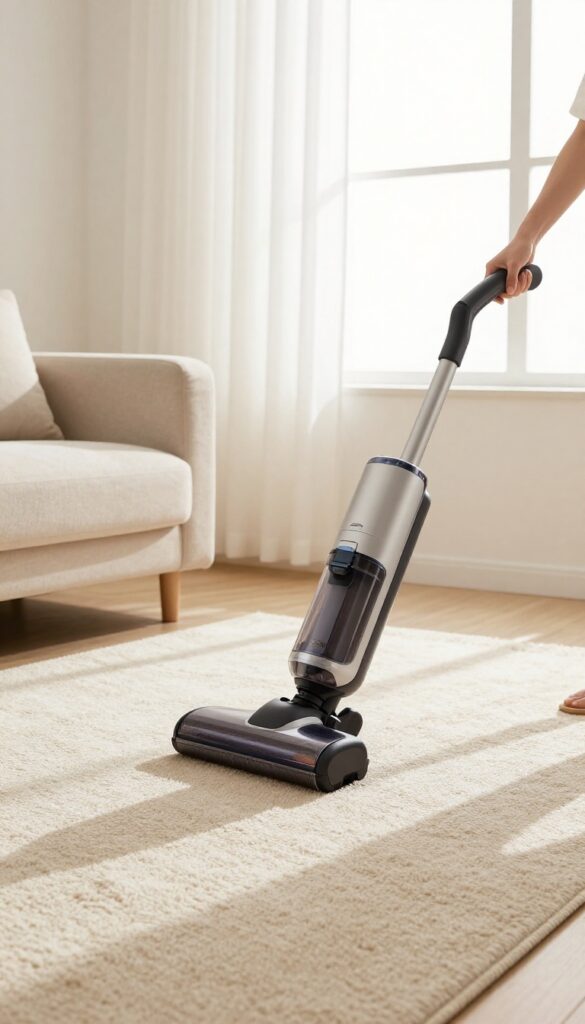
Most people vacuum too fast. They zip across the room, thinking speed equals efficiency. But the truth is, the slower you go, the more dirt you pull up.
Carpets trap debris deep in the fibers, and a quick once-over just skims the surface. To really clean, you need to give the vacuum time to do its job.
Speed kills carpet freshness. Vacuum slowly in overlapping rows to lift embedded dirt. Focus on high-traffic areas twice.
Why Slow Wins
When you move the vacuum too fast, the brush roll barely has time to agitate the carpet fibers. Dirt and dust stay trapped. Slow down to about one foot per second.
That gives the suction and brush time to pull out grit that would otherwise grind into the carpet and cause wear.
Overlap Every Pass
Don't just go back and forth in straight lines. Overlap each pass by a few inches. This ensures you don't miss spots and that you pick up debris that might have been kicked to the side.
Think of it like mowing a lawn – overlapping prevents stripes of uncleaned carpet.
Double Up On High-traffic Areas
Hallways, living room paths, and spots in front of sofas get the most abuse. Vacuum these areas twice – once lengthwise and once widthwise. This cross-hatch pattern lifts dirt from different angles and leaves the carpet noticeably softer.
2. Use a Baking Soda Deodorizer Before Vacuuming
If your carpet smells musty or just has that lived-in odor, baking soda is your best friend. It's cheap, non-toxic, and works wonders at neutralizing smells without masking them with artificial fragrances. The key is giving it enough time to absorb odors before you vacuum it up.
Sprinkle baking soda liberally over the entire carpet, focusing on high-traffic areas and spots where pets hang out. Let it sit for at least 15 minutes, but for tougher odors, leave it overnight. Then vacuum thoroughly, making sure to go over the area multiple times to pick up all the powder.
You'll notice a fresher, cleaner scent without any chemical residue.
Why It Works
Baking soda is a natural deodorizer because it's alkaline. It reacts with acidic odor molecules to neutralize them, rather than just covering them up. This makes it especially effective for pet urine, cooking smells, and general mustiness.
Tips For Best Results
For extra freshness, mix a few drops of your favorite essential oil (like lavender or lemon) into the baking soda before sprinkling. Use a sieve or a shaker to distribute it evenly. Avoid using too much, as it can leave a white residue if not vacuumed thoroughly.
And always test on a small, hidden area first if you're worried about colorfastness.
When To Use This Method
This is perfect for regular maintenance between deep cleans. Do it once a week to keep odors at bay. It's also great after a party or when you've had the windows closed for a while.
Just remember to vacuum slowly and in different directions to ensure you get all the powder out.
3. Blot Spills Immediately – Don’t Rub
Spills happen. When they do, your first instinct might be to grab a cloth and start scrubbing. That’s exactly the wrong move.
Rubbing grinds the liquid deeper into the carpet fibers and spreads the stain. Instead, reach for a clean, white cloth or paper towel and blot from the outside edge toward the center. Press firmly to soak up as much moisture as possible.
Repeat with fresh cloths until no more liquid transfers. This simple habit stops stains before they set.
Why Rubbing Makes It Worse
When you rub a spill, you’re essentially pushing the stain deeper into the carpet backing and the padding underneath. The friction also damages the fibers, leaving them frayed and matted. Over time, that worn spot becomes more noticeable.
Blotting, on the other hand, lifts the liquid out without disturbing the carpet’s texture. Think of it like dabbing a paper towel on a wet counter – you wouldn’t scrub a countertop, so don’t scrub your carpet.
The Right Blotting Technique
Start with the cleanest cloth you have – white is best to avoid color transfer. Place it over the spill and apply firm, even pressure. Don’t lift and press repeatedly; hold for a few seconds, then lift straight up.
If the cloth is soaked, switch to a dry one. Work from the outer edge of the spill inward to prevent the stain from spreading. For thicker liquids like juice or milk, you may need to press a stack of paper towels and even weigh them down with a book for a minute.
When To Use A Cleaning Solution
If blotting alone doesn’t remove all the residue, mix a tiny amount of mild dish soap with warm water. Dip a cloth in the solution, wring it out so it’s damp not wet, and blot the area again. Then blot with a water-dampened cloth to rinse.
Finally, place a dry towel on top and press to absorb remaining moisture. Avoid soaking the carpet – too much water can lead to mold or mildew under the surface.
4. DIY Carpet Shampoo with Vinegar and Dish Soap
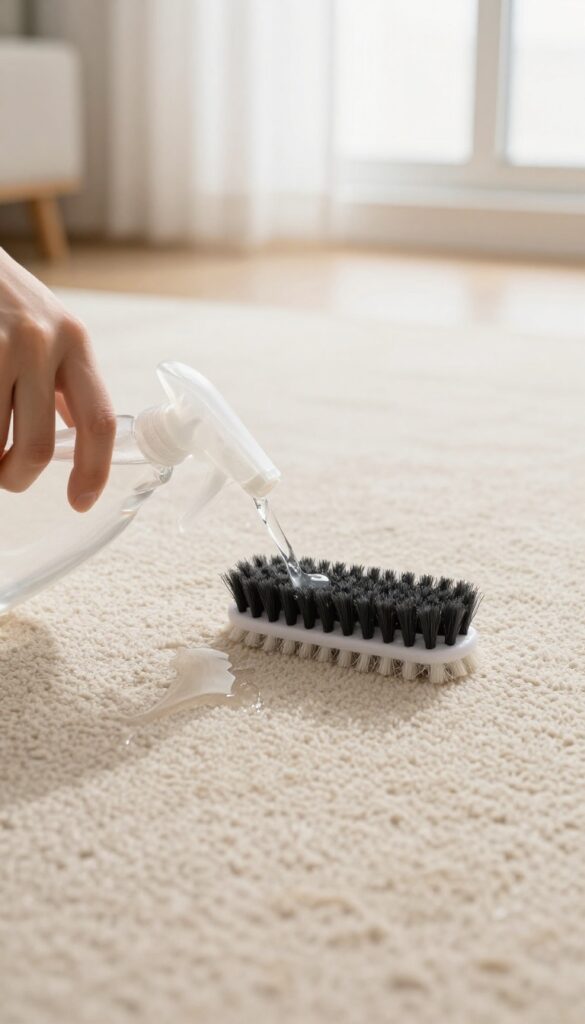
Store-bought carpet shampoos can be pricey and full of harsh chemicals. A simple homemade solution with vinegar and dish soap works just as well for most carpets. It's gentle, effective, and costs pennies per use.
This DIY shampoo is safe for most synthetic carpets, but always test on a hidden area first. The vinegar helps break down grime and neutralize odors, while the dish soap lifts dirt. Avoid over-wetting, as too much moisture can lead to mold or mildew.
How To Mix The Solution
In a spray bottle, combine 1/4 cup white vinegar, 1 tablespoon of a mild dish soap (like Dawn), and fill the rest with warm water. Shake gently to mix. Don't use too much soap or you'll have residue.
Application And Agitation
Lightly mist the carpet with the solution—just enough to dampen, not soak. Use a soft-bristled brush or a sponge to agitate the fibers in a circular motion. This helps lift embedded dirt and works the shampoo deep into the pile.
Blotting And Drying
After agitating, blot the area with a clean, dry cloth or towel. Press firmly to absorb moisture and dirt. Repeat with fresh cloths until the carpet feels only slightly damp.
Let it air dry completely before walking on it. Open windows or use a fan to speed up drying.
5. Steam Clean with a Rental Machine – But Prep First
Renting a steam cleaner is a cost-effective way to get professional-level results at home. But don't just plug it in and go – a little prep work makes all the difference. Start by vacuuming thoroughly to remove loose dirt and debris.
Then, fill the machine with hot water and a quality carpet cleaning solution. Avoid over-saturating the carpet, as too much moisture can lead to mold and mildew growth.
Vacuum First, Always
Before you bring out the steam cleaner, vacuum the entire carpet area. This removes surface dirt and pet hair that can clog the machine. A thorough vacuuming also helps the cleaning solution penetrate deeper into the fibers.
Don't skip this step – it's the foundation for a successful steam clean.
Use Hot Water And The Right Solution
Hot water activates the cleaning solution better than cold water. Fill the machine's tank with hot tap water (not boiling) and add the recommended amount of carpet shampoo. Avoid using too much soap, as it can leave a sticky residue that attracts dirt.
Stick to a quality solution designed for steam cleaners.
Don't Oversaturate
It's tempting to drench the carpet, but that's a mistake. Excess moisture can seep into the padding and create a breeding ground for mold. Move the machine slowly and evenly, and make sure to extract as much water as possible.
If the carpet feels wet after cleaning, run the machine over it again without spraying solution to pick up more moisture.
6. Treat Pet Stains with Enzymatic Cleaner
Pet accidents happen, and when they do, your carpet needs more than just a quick wipe. Urine and vomit contain proteins that regular cleaners can't fully break down, leaving behind odors and potential stains. Enzymatic cleaners are specifically designed to tackle these biological messes by digesting the proteins at a molecular level.
For the best results, apply the enzymatic cleaner directly to the stain, making sure to saturate the area. Let it sit for 10 to 15 minutes—this gives the enzymes time to work. After that, blot the spot with a clean cloth.
Don't rub, as that can push the stain deeper into the fibers. Avoid using ammonia-based products, because they can react with pet urine and make the smell worse. Stick with enzymatic formulas for a truly fresh carpet.
Why Enzymatic Cleaners Work
Enzymatic cleaners contain natural proteins that break down organic matter like urine, feces, and vomit. They target the specific compounds that cause odors and stains, effectively neutralizing them rather than just masking the smell. This makes them far more effective than all-purpose cleaners for pet messes.
How To Apply Correctly
Start by blotting up as much of the mess as possible with a paper towel. Then spray or pour the enzymatic cleaner generously over the stain. Let it sit for at least 10 minutes, but for older stains, you can leave it for up to 30 minutes.
Finally, blot again with a clean cloth until the area is just damp. Let it air dry completely.
Common Mistakes To Avoid
One big mistake is using steam cleaners or hot water right after applying the enzyme—heat can kill the enzymes. Also, don't mix enzymatic cleaners with other cleaning products, as that can reduce their effectiveness. And never use ammonia-based cleaners on pet stains; they can actually attract pets to re-mark the same spot.
7. Use a Carpet Rake to Fluff Matched Fibers
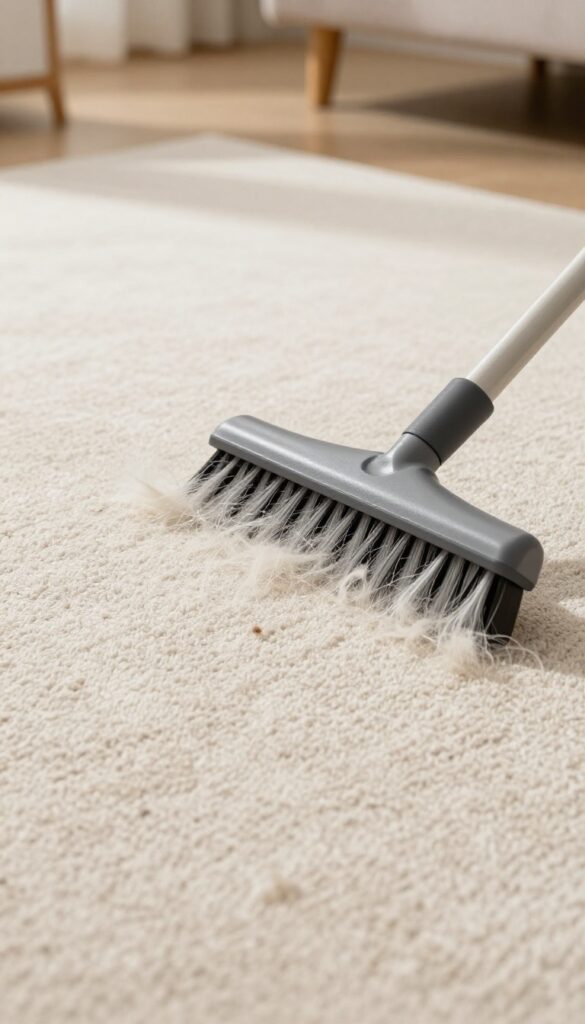
Even after a thorough vacuum, carpet fibers can stay matted down from furniture, foot traffic, or just time. That flat look also makes dirt cling tighter. A carpet rake is a simple tool that fluffs fibers back up, restoring softness and making future cleaning more effective.
Using a carpet rake is one of the easiest ways to revive tired carpet. After vacuuming, gently rake the carpet in one direction, then the other. This lifts matted fibers, redistributes pile, and loosens embedded dirt.
The result is a noticeably softer, more even surface that also looks fuller. For best results, rake before vacuuming occasionally to dislodge deep dirt, then vacuum again to pick it up.
How A Carpet Rake Works
A carpet rake looks like a garden rake but with flexible metal tines designed for carpet pile. The tines reach deep into the fibers without damaging them. As you pull the rake across the carpet, it lifts and separates matted clumps, allowing trapped dirt and debris to rise to the surface.
This makes your next vacuum much more effective.
When To Rake For Best Results
Rake after vacuuming to maintain fluffiness, or before vacuuming to loosen stubborn dirt. For high-traffic areas, rake once a week. For low-traffic rooms, once a month is enough.
Always test a small hidden area first, especially on delicate or looped carpets, to ensure the rake doesn't snag fibers.
Raking Tips For Different Carpet Types
For plush or cut-pile carpets, use gentle, even strokes. For berber or looped carpets, avoid aggressive raking to prevent pulling loops. If your carpet is very delicate, use a soft-bristle brush instead.
After raking, vacuum thoroughly to remove the loosened dirt.
8. Remove Furniture Dents with Ice Cubes
Heavy furniture leaves behind stubborn dents that flatten carpet fibers and ruin the plush look. Instead of rearranging your entire room, try this surprisingly simple trick using ice cubes. It's gentle, effective, and costs nothing.
Place one or two ice cubes directly into each furniture dent. Let them melt completely—this usually takes a few hours. The moisture causes the flattened fibers to swell back up.
After the ice has melted, blot up any excess water with a clean towel. Then use a fork or a soft brush to gently fluff the fibers in the same direction as the rest of the carpet. If the dent is deep, repeat the process once more.
Avoid rubbing too hard, as that can damage the fibers. This method works best on synthetic carpets; for wool or delicate rugs, test in an inconspicuous spot first.
Why Ice Works
Carpet fibers are compressed under heavy furniture. The ice cube adds moisture, which helps the fibers absorb water and expand back to their original shape. As the ice melts slowly, the water penetrates deep into the base of the dent without oversaturating the carpet.
Fluffing Tips
Once the ice has melted and you've blotted the area, use a fork or a carpet rake to lift the fibers. Work in one direction to match the carpet's natural grain. For stubborn dents, you can also place a damp cloth over the spot and run a warm iron over it (on a low setting) to add gentle heat—just don't let the iron touch the carpet directly.
9. Spot Clean Red Wine with Salt or Club Soda
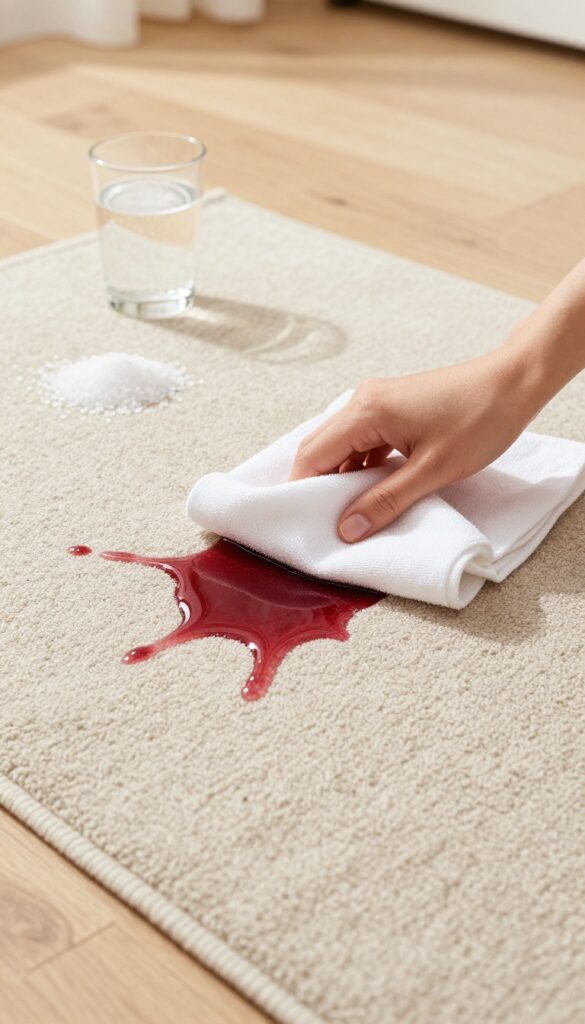
Red wine spills are a carpet's worst nightmare, but you don't have to panic. With a couple of common kitchen staples, you can lift the stain before it sets. The key is acting quickly and using the right absorbent material.
Blot the spill immediately with a clean cloth to remove as much liquid as possible. Then, pour a generous amount of salt or club soda directly onto the stain. Let it sit for a few minutes to absorb the wine.
Vacuum up the salt or blot the club soda with a dry cloth. Repeat if needed until the stain is gone.
Why Salt Works
Salt is a natural desiccant that draws moisture out of carpet fibers. When you pour it on a fresh red wine spill, it absorbs the liquid and pulls the pigment away from the fibers. This makes it easy to vacuum up the stain along with the salt.
Club Soda's Bubbling Action
Club soda contains carbonic acid, which creates bubbles that help lift the wine from the carpet. The salt in club soda also aids in absorption. Pour it on the stain, let it fizz for a minute, then blot with a clean cloth.
The stain should transfer to the cloth.
Step-by-step Spot Cleaning
First, blot the spill—don't rub, or you'll spread it. Cover the area with salt or club soda. Wait 5–10 minutes.
For salt, vacuum thoroughly. For club soda, blot until dry. If the stain remains, repeat the process.
Finish by blotting with cold water to remove any residue.
10. Use a Squeegee to Pick Up Pet Hair
Pet hair can be a nightmare to remove from carpets. Tape rollers work, but they fill up fast and waste paper. A rubber squeegee—the kind you use on windows—does the job faster and cheaper.
It's a simple trick that makes a big difference, especially if you have multiple pets.
Why A Squeegee Works So Well
Rubber creates static electricity that attracts hair and lint. When you drag a squeegee across the carpet, the rubber edge grabs loose hair and pulls it to the surface. The hair clumps together, making it easy to vacuum up in one pass.
Unlike tape, you can reuse the squeegee hundreds of times.
How To Do It Right
Start at one end of the room and pull the squeegee toward you in long, straight strokes. Work in sections, overlapping each stroke slightly. After a few passes, you'll see hair pile up.
Pick up the clumps by hand or with a vacuum. For best results, use a squeegee with a wide blade—at least 12 inches—to cover more ground quickly.
When To Use This Method
This trick works best on low- to medium-pile carpets. On high-pile or shag carpets, the squeegee may snag fibers. Use it before vacuuming to loosen embedded hair, or after vacuuming to catch what the vacuum missed.
It's also great for freshening up carpets between deep cleans.
11. Deep Clean with a Homemade Oxygen Bleach Paste
Sometimes a simple spray won't cut it, especially on set-in stains or high-traffic areas. That's when a paste-style cleaner can make a real difference. A homemade oxygen bleach paste is gentle enough for most carpets but tough on grime.
This paste uses hydrogen peroxide and baking soda to create a fizzing action that lifts dirt from deep within the fibers. It's a great alternative to harsh chemical cleaners and costs just pennies per use.
How To Make The Paste
Mix three parts baking soda with one part hydrogen peroxide (3% solution) until it forms a spreadable paste. Add a drop of dish soap if you want extra grease-cutting power. The consistency should be like toothpaste—not too runny.
Application And Drying
Apply the paste directly to the stain or area you want to freshen. Use a spatula or old toothbrush to work it into the fibers gently. Let it dry completely—this can take a few hours.
Once dry, vacuum up the residue. The baking soda will absorb odors while the peroxide breaks down organic stains.
Important Precautions
Always test on a hidden area first, especially on wool or delicate carpets. Hydrogen peroxide can lighten some dyes. Also, avoid using this on dark carpets without testing, as it may leave a bleached spot.
Stick to carpet-safe hydrogen peroxide (3%) and never use higher concentrations.
12. Freshen with Essential Oils on Baking Soda
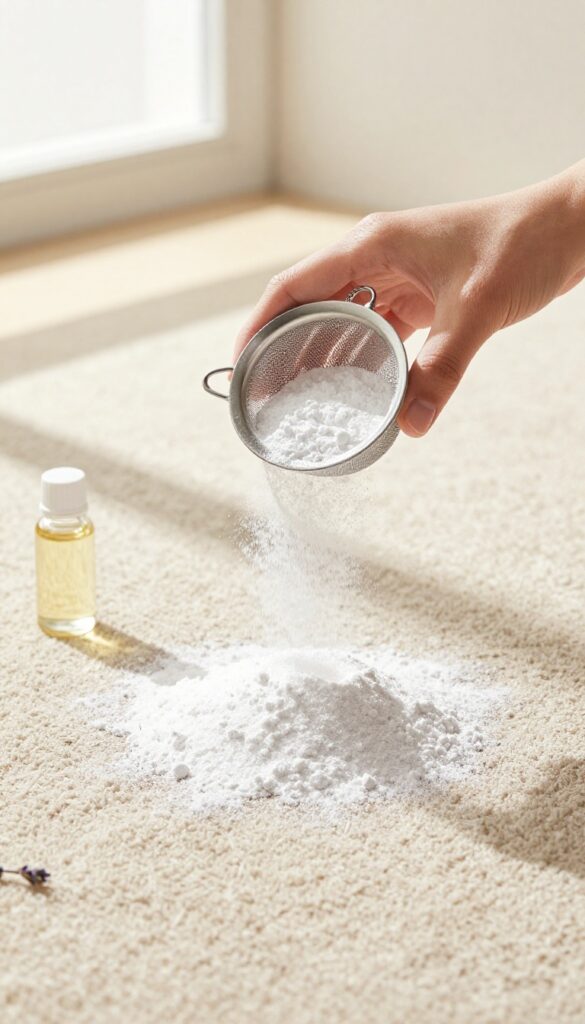
Commercial carpet fresheners are often loaded with synthetic fragrances and chemicals. If you want a natural alternative that actually works, essential oils mixed with baking soda are a game-changer. This simple combo deodorizes deeply while leaving a subtle, pleasant scent.
Why This Combo Works
Baking soda is a natural odor absorber. It neutralizes acidic and alkaline odor molecules, while essential oils add antimicrobial properties and a fresh scent. Lavender oil is calming, lemon oil cuts grease and bacteria, and tea tree oil fights mold and mildew.
Together, they tackle smells at the source.
How To Make And Apply
Mix 10-15 drops of your chosen essential oil with one cup of baking soda. Stir well to break up clumps. Sprinkle the mixture evenly over your carpet, focusing on high-traffic areas or spots with lingering odors.
Let it sit for at least 30 minutes, or longer for stubborn smells. Then vacuum thoroughly.
Tips For Best Results
Use a fine-mesh sieve to distribute the powder evenly. Avoid over-wetting the carpet—baking soda should stay dry. Test on an inconspicuous area first to ensure no discoloration.
For a deeper clean, leave the mixture on overnight before vacuuming.
13. Shampoo with a Carpet Cleaner Machine – Use Cold Water for Some Stains
Renting or owning a carpet cleaner machine can transform your floors, but water temperature matters more than you think. Many people just fill the tank with hot tap water and hope for the best. That works for general dirt, but certain stains need cold water to avoid setting in permanently.
Using a machine is straightforward, but a few tweaks make a big difference. Always vacuum thoroughly first to remove loose dirt. Pre-treat stubborn spots with a stain remover before running the machine.
And don't soak the carpet – too much water leads to mold and longer drying times.
Cold Water For Protein Stains
Blood, milk, egg, or any protein-based stain reacts badly to heat. Hot water cooks the protein, bonding it to the fibers. For these stains, use cold water in your machine and blot (don't rub) before shampooing.
If the stain is fresh, cold water can lift it completely.
Warm Water For General Cleaning
For everyday dirt, warm water helps dissolve grime and activates the cleaning solution. Hot water can damage some carpet fibers or cause shrinkage, so stick to warm – around 100°F. Check your machine's manual for the recommended temperature range.
Follow Machine Instructions Exactly
Each carpet cleaner has its own fill lines, solution ratios, and drying recommendations. Ignoring these can void warranties or leave residue that attracts dirt. Measure the solution carefully – more isn't better.
Over-sudsing leaves a sticky film that dulls the carpet.
14. Use a Microfiber Mop for Light Maintenance
Not every carpet refresh requires a deep clean. Sometimes all your floors need is a quick once-over to lift surface dust and revive the fibers. A microfiber mop is a surprisingly effective tool for this kind of light maintenance.
Dampen a microfiber mop and wipe the carpet lightly. It picks up surface dust and freshens fibers between deep cleans.
Why Microfiber Works So Well
Microfiber has a electrostatic charge that attracts dust and dirt like a magnet. When you glide a damp mop over carpet, the fibers trap particles that a vacuum might leave behind, especially along edges and under furniture.
How To Do It Right
Use a clean microfiber mop head and lightly mist it with water or a carpet-safe spray. Wipe in one direction, overlapping strokes, and rinse the mop head frequently. Avoid soaking the carpet—just a light dampness is enough.
When To Skip This Method
Don't use a damp mop on delicate or natural fiber carpets like wool or sisal, as moisture can cause damage. Stick to synthetic carpets like nylon or polyester for best results.
15. Remove Gum with Ice and a Butter Knife
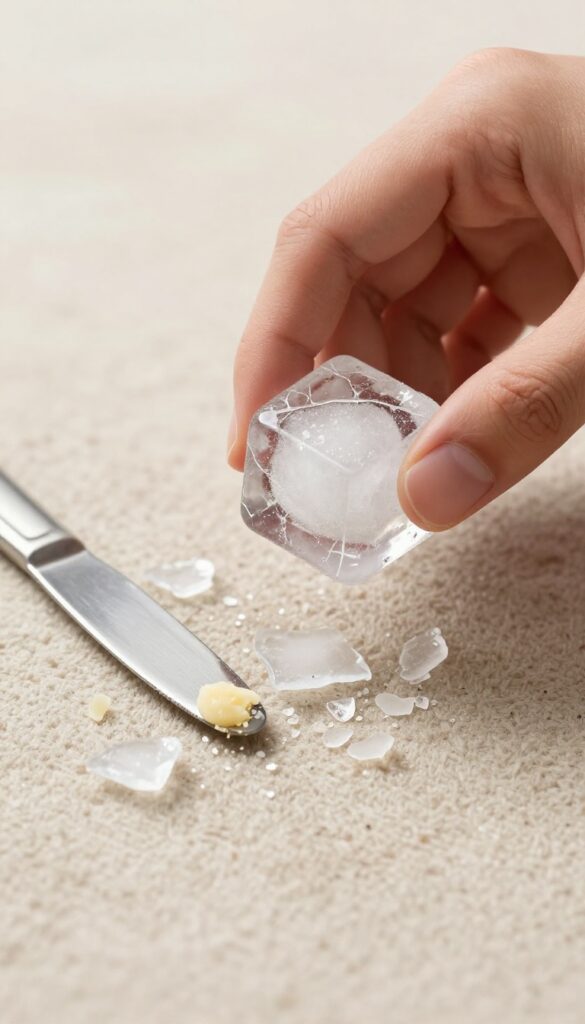
Stepping on a wad of gum in your own home is frustrating, but scraping it off usually makes a sticky mess worse. The trick is to freeze the gum solid first. An ice cube turns that gooey blob into a brittle chip that you can crack right off the carpet fibers.
Grab a few ice cubes and hold them directly on the gum for about 30 seconds. You'll feel the gum harden. Once it's frozen solid, take a dull butter knife and gently tap or scrape the gum.
It should shatter into pieces. Vacuum up the fragments, and you're done. No residue, no sticky goo.
Why Freezing Works
Gum is made of polymers that soften with heat and harden with cold. By freezing, you reverse the stickiness. The gum becomes brittle and loses its adhesion to the carpet fibers.
This method avoids spreading the gum further or using harsh chemicals that could stain.
Tools You'll Need
All you need is an ice cube (or a bag of frozen peas if you want to keep your hands dry) and a butter knife or any dull blade. Avoid sharp knives—they can cut the carpet. A plastic scraper works too.
Have your vacuum ready for the cleanup.
Pro Tip For Stubborn Spots
If the gum doesn't come off in one piece, refreeze and repeat. For larger wads, crush the ice cube directly onto the gum and let it sit for a minute. You can also use a can of compressed air turned upside down to blast the gum with cold.
Just don't touch it until it's completely frozen.
16. Clean High-Traffic Areas More Often
Hallways, living room paths, and spots near doors take the most abuse. Dirt and grit get ground into the fibers, making carpets look dingy and feel rough. The fix is simple: clean those zones more frequently than the rest of the room.
Focus your daily or every-other-day vacuuming on the paths people actually walk. Use a vacuum with a rotating brush or beater bar to lift embedded dirt. If you have a canister vac, switch to the power head for these areas.
Don't forget to vacuum along baseboards and under furniture edges where dust bunnies collect.
Vacuum Daily Where You Walk Most
Set a quick routine: run the vacuum over high-traffic zones every day or at least every other day. This prevents dirt from settling deep into the carpet pile. A lightweight stick vac or cordless model makes this easy to do without dragging out a full-sized machine.
Use Doormats To Trap Dirt Before It Hits The Carpet
Place a sturdy doormat outside every exterior door and a second mat just inside. Choose mats with a rough texture that scrapes off mud and moisture. Shake or vacuum the mats weekly to keep them effective.
This simple step can cut the amount of dirt tracked onto your carpet by up to 80%.
Rotate Furniture To Even Out Wear Patterns
Heavy furniture compresses carpet fibers over time, creating visible trails and flattening. Every few months, swap the positions of sofas, chairs, and tables. If you can't move large pieces, rearrange smaller items like ottomans or side tables to redistribute foot traffic.
This helps the carpet wear more evenly and extends its life.
17. Use a Carpet Spotter for Grease and Oil
Grease and oil stains are some of the trickiest to remove from carpet. They can come from cooking splatters, hair products, or even a dropped slice of pizza. The key is using a degreasing agent that breaks down the oil so you can blot it away.
For fresh grease stains, act fast. Blot up as much as possible with a paper towel, then apply a small amount of a degreasing carpet spotter or plain dish soap. Work it in gently with your fingers or a soft brush, then blot with a warm, damp cloth.
Repeat until the stain lifts. For set-in stains, let the spotter sit for 10–15 minutes before blotting. Rinse with water and blot dry.
Avoid rubbing, which can spread the stain deeper into the fibers.
Why Dish Soap Works
Dish soap is designed to cut through grease on plates, and it does the same on carpet. Look for a brand that's free of dyes and fragrances to avoid residue. A few drops mixed with warm water make an effective DIY spotter.
Step-by-step Blotting Technique
Always blot from the outside of the stain inward to prevent spreading. Use a clean white cloth or paper towel, and change to a fresh area as the stain transfers. Repeat the application and blotting process until no more color comes up.
When To Call In A Professional
If the stain persists after several attempts, or if the carpet is delicate (like wool or silk), it's best to call a professional. Harsh chemicals or excessive scrubbing can damage the fibers or set the stain permanently.
18. Shampoo with a Foam-Only Method for Quick Drying
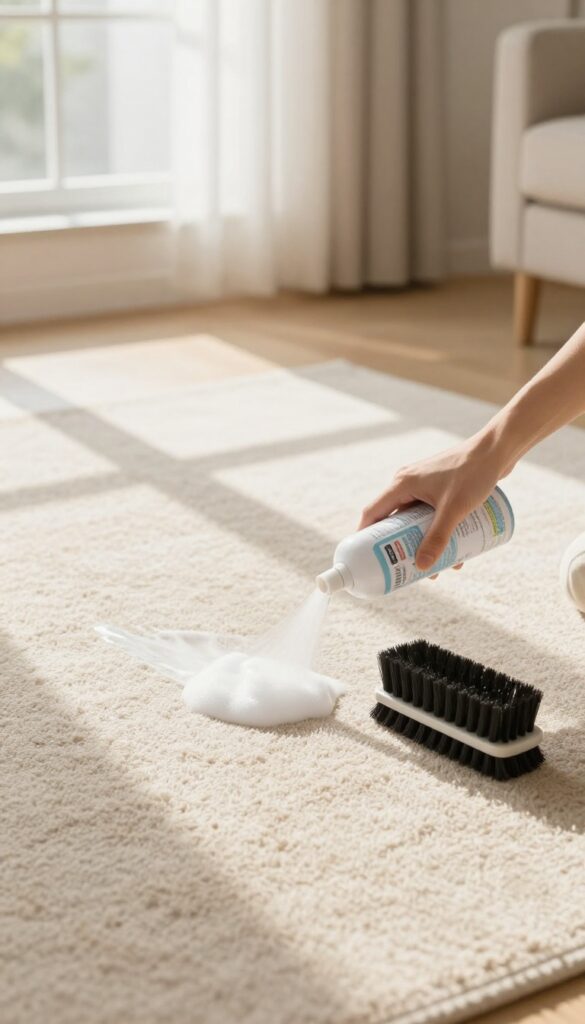
Standard carpet shampooing leaves carpets wet for hours, which can lead to mold or re-soiling. The foam-only method uses a low-moisture cleaner that lifts dirt without saturating the fibers. It's perfect for maintenance cleaning between deep washes.
Foam cleaners work by suspending dirt in a dry foam that you brush into the carpet and then vacuum up. The key is to use a product designed for low-moisture cleaning, not a diluted liquid shampoo. Apply the foam evenly, work it in with a stiff brush, and let it sit for 10–15 minutes.
Then vacuum thoroughly. The carpet dries in under an hour, so you can walk on it almost immediately. This method is especially good for high-traffic areas or when you need a quick refresh before guests arrive.
Why Foam Beats Liquid
Liquid shampoos soak deep into the backing, which can cause wicking (stains rising back up) and longer drying times. Foam stays on the surface, trapping dirt without wetting the backing. This reduces the risk of mold and mildew, especially in humid climates.
How To Apply Foam Correctly
Shake the can well, then spray a thin, even layer over the carpet. Don't oversaturate—you want a light foam, not a puddle. Use a carpet brush or a sponge mop to work the foam into the fibers.
Let it dry until it turns to powder, then vacuum with a high-suction vacuum.
Best Products And Diy Alternatives
Look for brands like Capture or Bissell's foam cleaners. You can also make your own: mix 1/4 cup of white vinegar, 1 tablespoon of dish soap, and 1 cup of water in a foaming spray bottle. Shake well and apply.
Test on a hidden spot first.
19. Prevent Mold by Drying Carpets Thoroughly
Mold can start growing in as little as 24 hours after a carpet gets wet. That musty smell you sometimes notice after cleaning? That's the first sign.
Drying your carpet completely is just as important as the cleaning itself.
After any wet cleaning method—shampooing, steam cleaning, or even spot treatments—you need to remove moisture fast. Open windows to create cross-ventilation, point fans directly at the damp areas, and run a dehumidifier if you have one. If possible, lift the edges of the carpet to allow air to circulate underneath.
This is especially important in humid climates or during rainy seasons. Don't put furniture back until the carpet is bone dry to avoid trapping moisture.
Why 24 Hours Matters
Mold spores are everywhere, but they need moisture to grow. Carpet backing and padding act like sponges, holding water deep down. If the surface feels dry but the padding is still wet, you're at risk.
That's why speeding up drying time is critical.
Tools That Help Dry Faster
A wet/dry vacuum can suck out excess water after cleaning. High-velocity fans are better than standard box fans for moving air across the floor. Dehumidifiers pull moisture from the air, which helps the carpet dry from the inside out.
In a pinch, turning up your HVAC system's fan setting can also help.
Signs Of Mold Before It's Visible
A musty odor is the earliest warning. You might also notice discoloration or dark spots along baseboards or under furniture. If you see any of these, treat the area with white vinegar or a specialized carpet mold cleaner immediately.
20. Use a Carpet Protector Spray After Cleaning
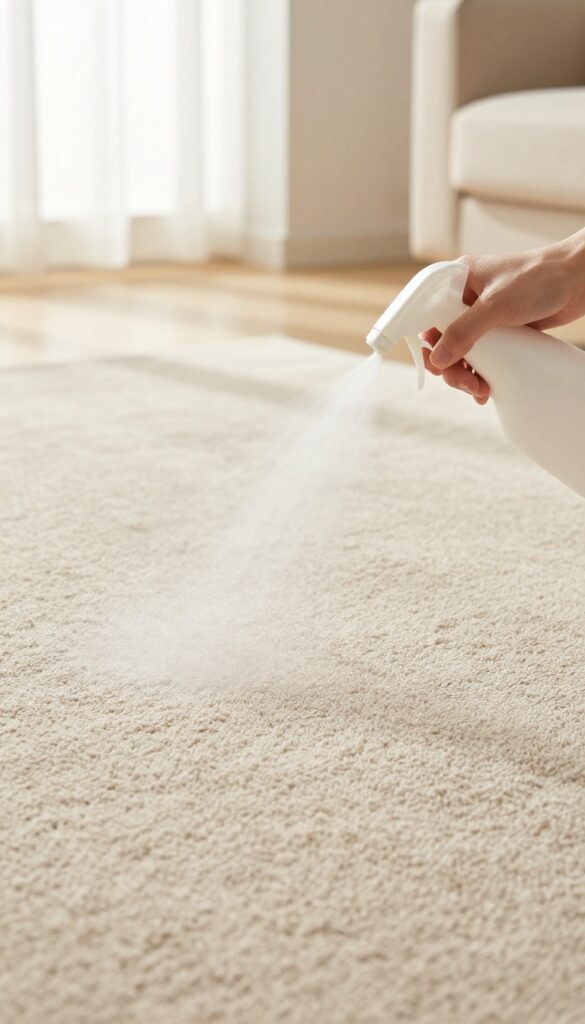
You've put in the work to get your carpets clean and fresh. Now make that effort last longer with a fabric protector spray. These sprays create an invisible barrier that helps repel liquids and stains, giving you more time to wipe up spills before they set.
It's a simple step that pays off in extended cleanliness between deep cleanings.
Applying a carpet protector is straightforward. After your carpet is fully dry from cleaning, spray the product evenly across the surface. Focus on high-traffic areas and spots prone to spills, like near dining tables or pet feeding stations.
Let it dry completely before walking on it. Most protectors need reapplication after every deep clean to maintain effectiveness.
How Protector Sprays Work
Carpet protector sprays contain fluorochemicals or silicone-based compounds that bond to carpet fibers. They create a hydrophobic layer that makes liquids bead up instead of soaking in. This gives you precious seconds to blot up spills before they become stains.
The treatment also helps prevent dirt from embedding deeply, making vacuuming more effective.
Choosing The Right Product
Look for a protector that's compatible with your carpet type. Wool carpets need a gentler formula than synthetic ones. Brands like Scotchgard and 3M are well-known, but there are also eco-friendly options.
Always test on a hidden area first. Some sprays can darken fibers slightly, so check for any color change before applying widely.
When To Reapply
Reapply after every deep cleaning session, typically every 6 to 12 months. High-traffic areas may need more frequent treatment. Signs that your protector has worn off include water soaking in quickly instead of beading up.
Regular reapplication keeps your carpet's defense strong and reduces how often you need to deep clean.
21. Shampoo with a Homemade Carpet Cleaner Solution
Store-bought carpet shampoos can be pricey and packed with chemicals you might not want around your family or pets. A simple homemade solution using white vinegar and baking soda works just as well for most routine cleaning. It’s gentle, effective, and costs pennies compared to commercial products.
Mixing your own carpet cleaner is straightforward and gives you control over what goes into your floors. The combination of vinegar and baking soda creates a fizzing action that helps lift dirt and neutralize odors. This solution is safe for most synthetic carpets, but always test on a hidden area first.
The Basic Recipe
Combine 1/2 cup white vinegar, 1/2 cup baking soda, and 1 gallon of warm water. Stir until the baking soda is mostly dissolved. Pour the mixture into your carpet cleaning machine’s reservoir or a spray bottle for spot cleaning.
For machine use, follow your machine’s instructions for solution capacity.
How To Use It
If using a machine, fill the tank with the solution and clean as usual. For spot cleaning, spray the mixture onto the stained area, let it sit for 5–10 minutes, then blot with a clean cloth. Avoid soaking the carpet—damp is fine, wet is not.
Rinse by spraying plain warm water and blotting again to remove any residue.
Why It Works
Vinegar is a natural deodorizer and mild disinfectant, while baking soda is a gentle abrasive that helps break down dirt. The fizzing reaction helps dislodge particles from carpet fibers. This combination is especially effective for freshening high-traffic areas and removing musty smells.
22. Remove Candle Wax with a Brown Paper Bag and Iron
Candle wax drips onto carpet and hardens fast. Scraping it off usually just grinds it deeper into the fibers. But there's a simple trick that lifts wax cleanly without damaging the carpet.
How It Works
The brown paper bag acts as a blotter. When you apply heat from an iron, the wax melts and gets absorbed into the paper. The key is using a low heat setting and moving the iron slowly so you don't scorch the carpet or the bag.
Step-by-step
First, scrape off any excess hardened wax with a dull knife or credit card. Then place a brown paper bag (or a plain paper towel) over the wax spot. Set your iron to a low heat—no steam—and gently press it on the bag for about 10 seconds.
Lift the iron and check if the wax transferred. If not, move the bag to a clean area and repeat. The wax should lift right out.
What To Avoid
Don't use high heat—it can melt the carpet fibers or set the wax deeper. Also, avoid using printed paper bags or newspaper; the ink can transfer onto your carpet. Stick with plain brown paper or unprinted paper towels.
23. Schedule Professional Cleaning Once a Year
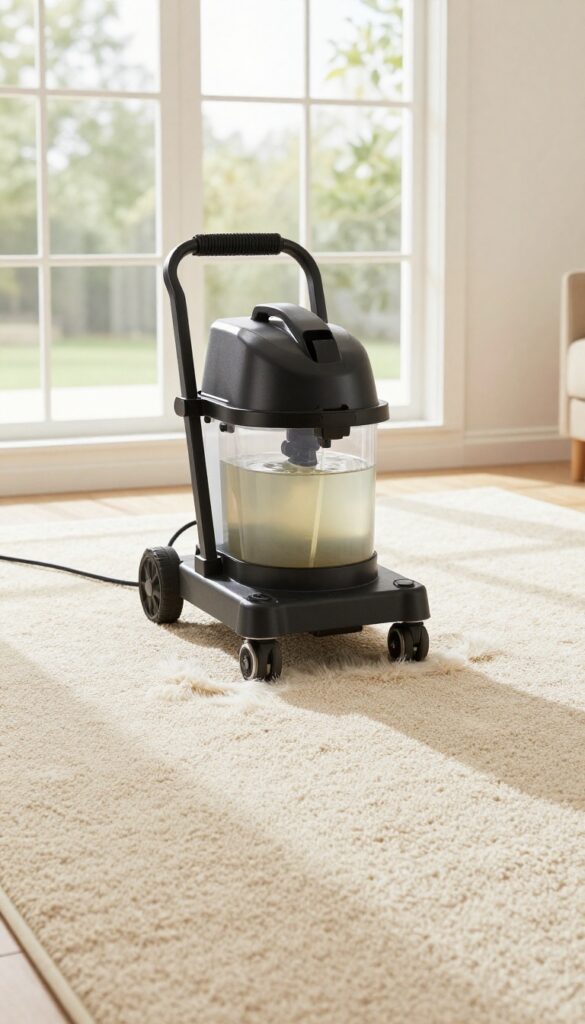
No matter how diligent you are with spot cleaning and weekly vacuuming, some dirt just settles deep into the carpet fibers. Over time, that trapped grime makes your carpet feel stiff and look dull. A yearly professional cleaning resets the clock on your carpet's softness and freshness.
Professional hot water extraction (often called steam cleaning) uses high-pressure water and a powerful vacuum to flush out embedded dirt, allergens, and residue from cleaning products. It's the only method that reaches the bottom of the carpet pile. The result is a noticeably softer texture and a cleaner indoor environment.
Plus, it helps extend your carpet's lifespan by preventing fiber damage from abrasive grit.
What To Expect
A technician will pretreat high-traffic areas and stains, then apply hot water mixed with a cleaning solution. The machine injects the water deep into the carpet and immediately extracts it, carrying away dirt. The carpet will be damp for a few hours—usually 4 to 6—and fully dry within 12 to 24 hours.
Plan to keep foot traffic light during that time.
Choosing A Service
Look for a company that uses truck-mounted equipment rather than portable units. Truck-mounts heat water hotter and have stronger suction, meaning better cleaning and faster drying. Also ask about their cleaning solutions—some use harsh chemicals, while others offer green or pet-safe options.
Read reviews and get a quote upfront.
Prepping For The Appointment
Vacuum thoroughly beforehand to remove loose dirt. Move small furniture and breakables out of the way. Point out any stubborn stains to the technician so they can treat them specifically.
After cleaning, avoid walking on the carpet until it's dry, and consider placing towels at entry points.
FAQ
How often should I vacuum my carpets?
Vacuum high-traffic areas daily or every other day, and less-used rooms weekly. Slow, overlapping passes are more effective than quick ones.
Can I use bleach on my carpet?
Avoid bleach – it can discolor or damage carpet fibers. Use hydrogen peroxide or vinegar-based solutions for whitening instead.
What's the best way to remove pet urine smell?
Blot up as much as possible, then apply an enzymatic cleaner. Let it sit for 10-15 minutes before blotting. Avoid steam cleaning until the stain is fully treated.
How do I get rid of carpet dents from furniture?
Place an ice cube in each dent, let it melt, then blot. Fluff fibers with a fork or brush. Repeat if necessary.
Is it safe to mix vinegar and baking soda for carpet cleaning?
Yes, but they react and create foam. Use them separately: sprinkle baking soda, then spray vinegar. Let it fizz, then blot.
Rinse thoroughly.
Conclusion
These 23 carpet cleaning tips show that softer, fresher floors don't require expensive products or endless effort. By mixing a few simple habits with targeted stain solutions, you can keep your carpets looking and feeling great between deep cleans.
Pick two or three tips that fit your routine and give them a try this week. Small, consistent actions really do add up to a noticeably cleaner home.