Hard water rings can make even the cleanest toilet look dingy. These stubborn mineral deposits cling to the bowl and resist regular scrubbing.
The good news is you don't need harsh chemicals or expensive cleaners to remove them. With a few simple household items and a bit of patience, you can restore your toilet to a sparkling, stain-free finish.
Here are 20 practical hacks that actually work for hard water ring removal.
1. White Vinegar Soak Overnight
White vinegar is a powerhouse when it comes to dissolving hard water stains. Its mild acidity breaks down the calcium and lime deposits that create those stubborn rings. The best part?
It's cheap, non-toxic, and you probably already have it in your pantry.
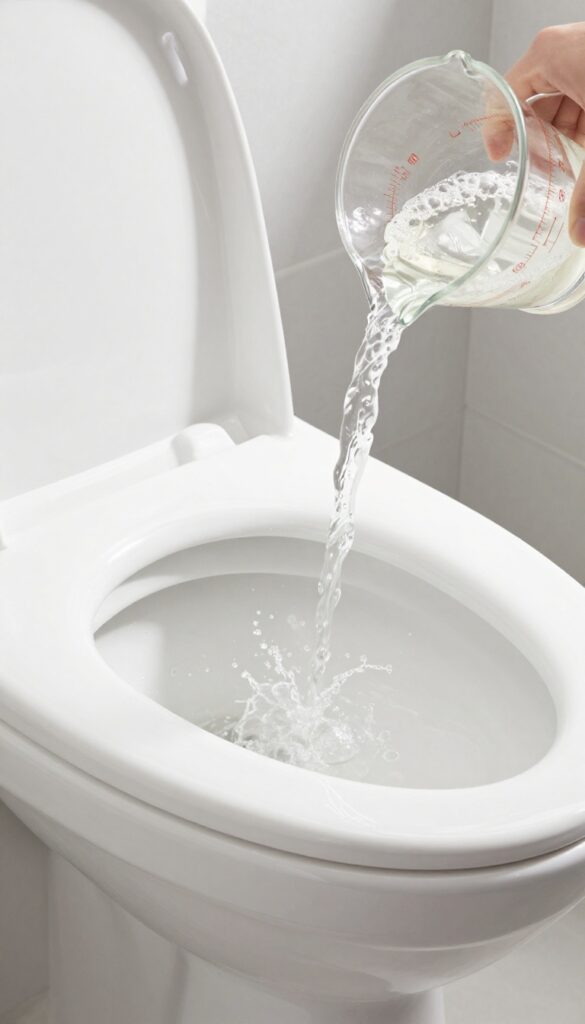
To use this hack, pour about one cup of white vinegar directly into the toilet bowl. Make sure it reaches the waterline where the ring is. Let it sit overnight—at least eight hours—so the acid has time to work.
In the morning, scrub the bowl with a toilet brush and flush. The stains should lift away easily. For extra stubborn rings, add a tablespoon of baking soda before scrubbing to boost the fizzing action.
Why It Works
Hard water stains are primarily made of calcium carbonate, which is alkaline. White vinegar is acidic, so it neutralizes and dissolves the mineral deposits. This chemical reaction softens the stain, making it easy to scrub off without elbow grease.
Pro Tip For Best Results
For maximum effectiveness, ensure the vinegar stays in contact with the stain. If the water level is too high, use a cup to remove some water first. You can also soak a paper towel in vinegar and press it against the stain above the waterline.
Safety And Precautions
White vinegar is safe for porcelain and most toilet components, but avoid mixing it with bleach or other harsh cleaners, as this can create toxic fumes. Also, do not let vinegar sit for more than 12 hours on rubber gaskets, as prolonged exposure may degrade them.
2. Baking Soda and Vinegar Fizz
There's a reason this classic duo shows up in so many cleaning guides. The fizzy reaction between baking soda and vinegar creates a gentle abrasive action that helps lift mineral deposits without scratching porcelain. It's cheap, non-toxic, and surprisingly effective on moderate hard water rings.
You probably already have both ingredients in your kitchen. That makes this hack one of the most accessible on the list. No special trips to the store needed.
How To Apply The Fizz
Start by flushing the toilet to remove standing water. Sprinkle a generous amount of baking soda directly onto the hard water ring, covering the entire stain. Then pour white vinegar over the baking soda—it will bubble up immediately.
Let the fizz work for about 15 minutes. The reaction helps break down the calcium and mineral bonds.
Scrubbing Tips For Best Results
After the fizz settles, use a toilet brush or a pumice stone to scrub the ring. The baking soda acts as a mild abrasive, so you don't need to scrub hard. For stubborn spots, repeat the process or let the mixture sit longer.
Rinse and flush to reveal a cleaner bowl.
When This Hack Works Best
This method is ideal for light to moderate hard water rings that haven't been sitting for years. It's also a great first step before trying stronger acids like vinegar soaks or citric acid. If the ring is thick or crusty, you might need to combine this with a longer soak or a more abrasive tool.
3. Pumice Stone Gentle Abrasion
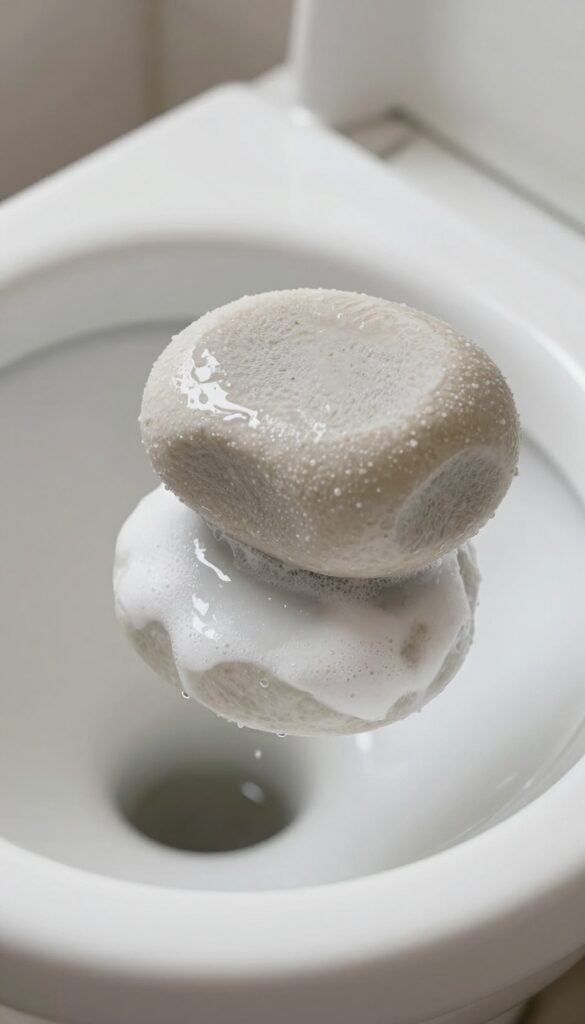
When vinegar and baking soda aren't cutting it, a pumice stone can be your secret weapon. This porous volcanic rock is hard enough to scrape away mineral deposits but soft enough to leave your porcelain unharmed. The trick is to keep it wet and use light pressure.
Why Pumice Works On Hard Water Rings
Pumice is essentially a natural abrasive that's softer than porcelain. As you rub it against the stain, the stone slowly wears down, exposing fresh abrasive particles that grind away the hard water layer. The constant water flow flushes away debris, preventing scratches.
Step-by-step: How To Use It Safely
First, soak the pumice stone in water for a few minutes. Then, dip it in water again and gently rub the stain in a circular motion. Keep the stone and the toilet surface wet at all times — dry rubbing can cause scratches.
Rinse and check your progress frequently.
When To Avoid A Pumice Stone
Don't use a pumice stone on acrylic, fiberglass, or coated toilets. It's only safe for genuine vitreous china. If you're unsure, test on a hidden spot first.
Also, skip this method if the stain is fresh — pumice is best for old, stubborn rings.
4. Lemon Juice and Borax Paste
If you want a natural but hardworking stain remover, try mixing lemon juice with borax. The acidity of the lemon helps break down mineral deposits, while borax adds gentle abrasion to scrub away residue without scratching porcelain. Together they form a thick paste that clings to vertical surfaces and tackles even set-in rings.
This combo is cheap, non-toxic, and surprisingly effective.
How To Make The Paste
Squeeze fresh lemon juice into a small bowl and add borax powder a tablespoon at a time until you get a spreadable paste. You want it thick enough to stay put on the stain, not runny. A ratio of about 1 part lemon juice to 2 parts borax usually works well.
Stir until smooth.
Application Tips
Apply the paste directly onto the hard water ring using an old toothbrush or a sponge. Spread it evenly and let it sit for at least an hour—overnight is even better for stubborn stains. The longer it sits, the more time the acid has to dissolve the minerals.
Scrubbing And Rinsing
After the wait, scrub the area with a toilet brush or a non-scratch pad. You'll see the stain lift away. Flush to rinse, and repeat if needed.
For extra tough rings, you can add a little more lemon juice directly to the stain before scrubbing.
5. Coca-Cola Pour and Wait
You might already have a can of Coke in the fridge, and it's not just for drinking. The phosphoric acid in cola is surprisingly effective at breaking down the calcium and lime that make up hard water rings. It's a low-effort hack that requires almost no scrubbing.
Pour a full can of Coca-Cola slowly around the rim of the toilet bowl so it coats the stains. Let it sit for at least an hour—overnight is even better for stubborn rings. The acid works to loosen the mineral deposits.
After the wait, flush the toilet and give the bowl a quick scrub with your toilet brush. You'll likely see the stains lift away with minimal effort.
Why It Works
The phosphoric acid in cola reacts with calcium carbonate, the main component of hard water stains. This chemical reaction softens the deposits, making them easy to rinse away. It's the same principle used in some commercial descalers, but much cheaper and more accessible.
Tips For Best Results
Use a full 12-ounce can and make sure the liquid reaches the stained areas. If the water level in the bowl is high, you may need to plunge or scoop some out first so the Coke can concentrate on the rings. For extra stubborn stains, repeat the process or follow up with a pumice stone.
6. Dish Soap and Hot Water Soak
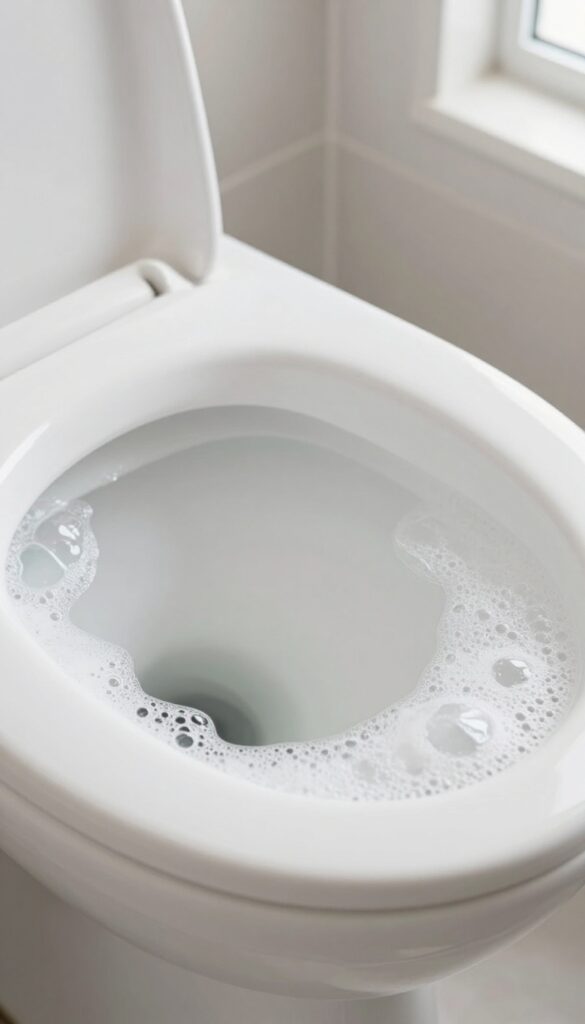
Sometimes the simplest solution is the most effective. If you've been scrubbing without results, a hot water and dish soap soak can soften that hard water ring without any harsh chemicals. The heat helps loosen mineral deposits while the soap breaks down grease and grime that trap stains.
This method is gentle on your toilet and requires almost no elbow grease. It's perfect for maintenance cleaning or when you want to avoid abrasive scrubbing.
How To Do It
Start by squirting a generous amount of dish soap—about 2 to 3 tablespoons—into the toilet bowl. Then pour in a bucket of hot (not boiling) water until the water level is high enough to cover the ring. Let it sit for 30 minutes.
The heat and soap work together to soften the mineral buildup, making it easy to scrub away with a toilet brush.
Why It Works
Dish soap contains surfactants that reduce surface tension, allowing water to penetrate the stain. Hot water accelerates the breakdown of calcium and lime deposits. This combination is especially effective on fresh or moderate rings.
Pro Tips
Use a degreasing dish soap like Dawn for best results. If the ring is stubborn, let it soak for up to an hour. After scrubbing, flush to rinse.
Repeat weekly to prevent new rings from forming.
7. Denture Tablet Drop
Denture tablets aren't just for false teeth—they're surprisingly effective at breaking down hard water rings. The fizzy action helps lift mineral deposits from the porcelain without harsh scrubbing.
How It Works
Denture cleaning tablets contain sodium bicarbonate, citric acid, and other agents that create an effervescent reaction. When dropped into water, they release oxygen bubbles that help loosen stains and kill bacteria. This gentle but targeted action is perfect for tackling hard water rings without damaging the toilet bowl.
Step-by-step Application
Start by flushing the toilet to wet the bowl, then turn off the water supply and flush again to empty most of the water. Drop two denture tablets directly onto the stain areas. Let them fizz and soak for 20 minutes.
Afterward, scrub with a toilet brush and flush. For stubborn rings, you can repeat or let the tablets sit longer.
Pro Tips For Best Results
Use tablets designed for dentures, not generic effervescent products—they have the right formula. If the water level is high, you can use a cup to remove some water so the tablets concentrate on the stain. This hack works best on recent stains; older, baked-on rings may need a second treatment.
8. Hydrogen Peroxide and Cream of Tartar
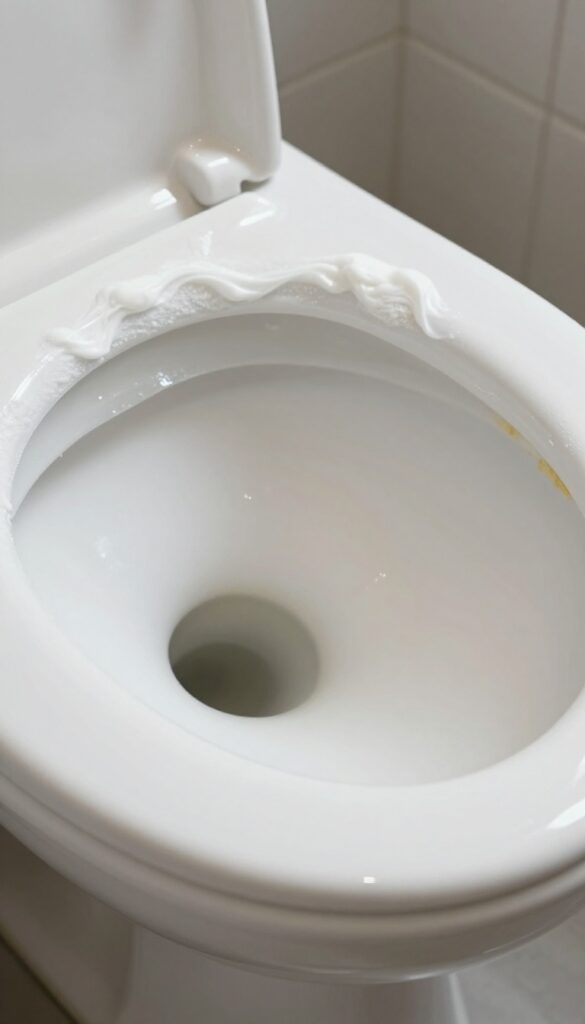
If you're looking for a gentler alternative to bleach, hydrogen peroxide combined with cream of tartar makes a surprisingly effective paste. Cream of tartar is a mild acid that helps dissolve mineral deposits, while hydrogen peroxide lifts stains without harsh fumes. This combo is especially good for lighter rings or for maintaining a clean bowl between deep cleans.
Mix two tablespoons of hydrogen peroxide with one tablespoon of cream of tartar to form a thick paste. Apply it directly to the hard water ring, making sure to cover the stain completely. Let the paste sit for about 30 minutes — you'll see it start to fizz and break down the minerals.
Then scrub with a toilet brush or an old toothbrush for tighter spots. Flush to rinse. For stubborn rings, repeat the process or let the paste sit longer.
This method is also safe for septic systems.
Why This Works
Hydrogen peroxide is a mild bleach that whitens without the strong smell of chlorine. Cream of tartar is a powdered acid that reacts with the alkaline minerals in hard water, helping to loosen the ring. Together, they create a gentle but effective cleaning paste.
Application Tips
For best results, make sure the toilet bowl is dry before applying the paste so it sticks. Use a small brush to work it into the stain. If the ring is high up near the waterline, you may need to lower the water level first by turning off the supply valve and flushing.
Safety And Storage
Both ingredients are non-toxic and safe for most toilet surfaces, but avoid using on colored porcelain as hydrogen peroxide may have a slight bleaching effect. Store any leftover paste in a sealed container for up to a week, but it's best to make a fresh batch each time.
9. Toilet Bowl Gel Bleach Application
Gel bleach is a game-changer for vertical surfaces. Unlike liquid bleach that runs off, a thick gel clings to the stain, giving it time to break down mineral deposits. This hack is especially effective for stubborn rings that sit right at the waterline.
Start by flushing the toilet to lower the water level below the ring. Squeeze a generous ring of gel bleach directly onto the hard water stain, making sure it covers the entire affected area. Let it sit for 15 minutes—don't rush this step.
The longer dwell time allows the bleach to penetrate the mineral buildup. After waiting, scrub the area with a toilet brush, then flush. Repeat if needed for older stains.
Why Gel Works Better Than Liquid
Liquid bleach tends to slide off vertical porcelain, wasting product and reducing contact time. Gel formulas are designed to stick, so the active ingredients stay put. This means you use less product and get better results.
Safety Tips For Bleach Use
Always wear gloves and ensure the bathroom is well-ventilated. Never mix bleach with ammonia or acidic cleaners—this creates toxic fumes. If you have a septic system, check that the gel bleach is safe for your setup.
10. Citric Acid Powder Treatment
Citric acid is a natural descaler that works wonders on hard water stains. It's cheap, easy to find, and safer than harsh chemicals. This method is especially effective for stubborn mineral rings that won't budge with regular cleaning.
How It Works
Citric acid dissolves calcium and lime deposits, breaking down the hard water ring without damaging the porcelain. It's a gentle but powerful cleaner that leaves your toilet bowl fresh and stain-free.
Step-by-step Application
Start by sprinkling about 1/4 cup of citric acid powder directly into the toilet bowl. Add a little water to create a paste-like consistency, then let it sit for 20 minutes. After that, scrub with a toilet brush and flush.
For extra stubborn stains, let it sit longer or repeat the process.
Tips For Best Results
Use warm water to activate the citric acid faster. Avoid mixing with bleach or other cleaners, as it can create harmful fumes. For maintenance, add a teaspoon of citric acid to the bowl once a week to prevent new stains from forming.
11. Magic Eraser Sponge Rub
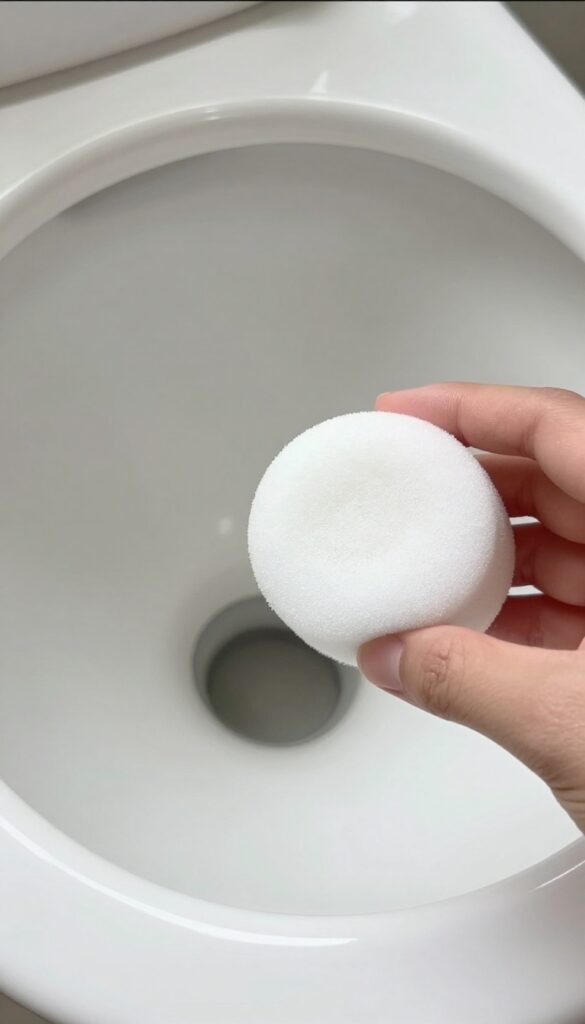
Melamine foam sponges, often sold as Magic Erasers, are a clever tool for hard water rings. They work through micro-abrasion, gently sanding away mineral deposits without scratching porcelain. This method is quick, chemical-free, and surprisingly effective.
For light to moderate rings, a Magic Eraser can often remove the stain in under a minute. It's a great option when you want a fast fix without mixing solutions or waiting for soaking.
How It Works
The sponge's open-cell structure acts like ultra-fine sandpaper. When wet, it creates a mild abrasive action that lifts mineral buildup. Because it's so fine, it won't damage the toilet's glaze unless you scrub aggressively.
Best Way To Use It
Wet the sponge until it's damp but not dripping. Gently rub the hard water ring in a circular motion. Rinse the sponge frequently to avoid redepositing grime.
For thick rings, apply light pressure and let the sponge do the work.
When To Choose This Method
This hack is ideal for quick touch-ups or when you want to avoid strong chemicals. It's also great for households with kids or pets, since there are no fumes. However, for very old or thick rings, you may need a stronger pretreatment first.
12. Toilet Bowl Cleaner with Bleach Soak
Sometimes the simplest solution is the most reliable. A bleach-based toilet bowl cleaner is a classic for a reason—it cuts through hard water rings and disinfects at the same time. The key is giving it enough time to work before you scrub.
Squirt a bleach-based cleaner under the rim and directly onto the stain, making sure the ring is fully coated. Let it sit for at least 10 minutes—longer if the stain is thick. Then scrub with a toilet brush and flush.
For tough rings, repeat or let it soak overnight. This method is straightforward and rarely fails.
Why Bleach Works
Bleach breaks down the organic compounds in hard water stains and kills bacteria. It's especially effective on white porcelain because it doesn't just remove discoloration—it whitens the surface underneath.
Choosing The Right Cleaner
Look for a gel or liquid cleaner with sodium hypochlorite (bleach) as the active ingredient. Avoid abrasive formulas that can scratch the bowl. Thick gels cling better to vertical surfaces, so they stay on the stain longer.
Safety Tips
Never mix bleach with ammonia or acidic cleaners—this creates toxic fumes. Keep the bathroom ventilated and wear gloves if you have sensitive skin. Rinse the brush well after use.
13. WD-40 Spray and Wipe
You might know WD-40 as the go-to for squeaky hinges, but it's also a surprisingly effective hard water ring remover. The lubricant penetrates and loosens the mineral deposits that cling to the porcelain, making them easy to scrub away. It’s a quick, low-effort trick that works especially well on stubborn rings that other methods have failed to budge.
How It Works
WD-40 is a solvent-based lubricant that breaks down the bond between mineral deposits and the toilet bowl surface. The spray seeps into the porous layer of the stain, softening it so you can wipe it off without excessive scrubbing.
Step-by-step Application
First, make sure the bowl is dry—wipe away standing water with a rag or use a plunger to push water out. Spray a generous layer of WD-40 directly onto the hard water ring. Let it sit for 5 to 10 minutes to penetrate the stain.
Then scrub with a toilet brush or a non-abrasive pad. Rinse and flush.
Pro Tips For Best Results
For extra tough rings, let the WD-40 sit longer—up to 30 minutes—and repeat if needed. Avoid using a metal scrubber that could scratch the porcelain. After rinsing, wipe the bowl with a clean cloth to remove any oily residue.
The smell dissipates quickly after flushing.
14. Rubbing Alcohol and Salt Scrub
When mineral rings resist your usual scrubbing, a homemade paste of rubbing alcohol and salt can break them down. The alcohol dissolves the greasy, mineral-bound residue while the salt provides gentle abrasion. This combo works especially well on older stains that have built up over time.
Mix equal parts rubbing alcohol and table salt to form a thick paste. Apply it to the stain with a sponge or soft cloth, then scrub in circular motions. The alcohol cuts through the hard water film, and the salt scrubs away the loosened deposits.
Rinse thoroughly and flush. Repeat if needed for stubborn rings.
Why It Works
Rubbing alcohol is a solvent that breaks down the organic and mineral components of hard water stains. Salt adds texture to physically abrade the ring without scratching porcelain. Together, they tackle both the chemical and physical aspects of the stain.
Best Application Method
Use a non-abrasive sponge or an old toothbrush for precision. Apply the paste directly to the ring, let it sit for 2–3 minutes, then scrub. For vertical stains, press the paste against the bowl wall and let it cling before scrubbing.
When To Use This Hack
This hack is ideal for light to moderate hard water rings that haven't been treated in a while. It's also a good option if you prefer a non-bleach, non-acidic approach. For very thick or old stains, you may need to repeat the process or combine it with another method.
15. Commercial Hard Water Remover (e.g., CLR)
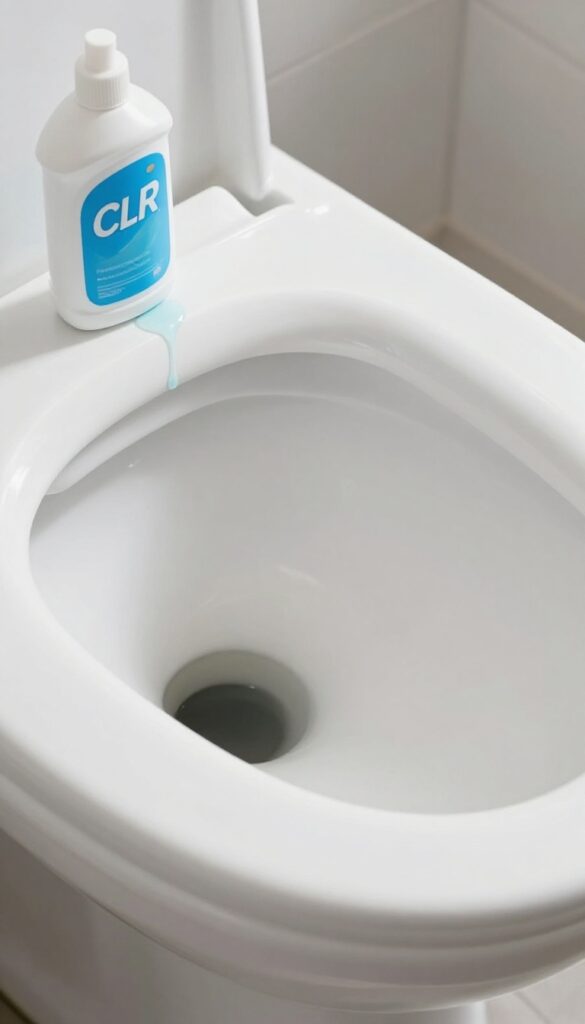
When DIY methods aren't cutting it, it's time to bring out the big guns. Commercial hard water removers like CLR (Calcium, Lime, Rust) are formulated specifically to dissolve tough mineral deposits that regular cleaners can't touch. They're a reliable option for those stubborn rings that just won't budge.
How Clr Works On Toilet Stains
CLR contains acids that target calcium, lime, and rust—the main components of hard water stains. When you pour it into the toilet bowl, it chemically breaks down these minerals, making them easy to wipe away. It's especially effective on thick, crusty rings that have built up over time.
Step-by-step Application
First, flush the toilet to wet the bowl, then turn off the water supply and flush again to empty the bowl as much as possible. Pour CLR directly onto the stains, making sure to cover them completely. Let it sit for 15–30 minutes (or longer for stubborn stains).
Scrub with a toilet brush, flush, and repeat if needed.
Safety Tips And Precautions
Always wear gloves and avoid mixing CLR with bleach or other cleaners, as this can create toxic fumes. Keep the bathroom well-ventilated. CLR is strong, so don't let it sit too long on porcelain—check the label for maximum dwell time.
Rinse thoroughly after use.
16. Toothbrush Detail Scrubbing
A toothbrush isn't just for your teeth. Its small head and soft bristles make it perfect for getting into tight spots where a sponge or cloth can't reach. This hack is all about precision, not power.
Grab an old toothbrush (or a new one if you prefer) and dip it into your chosen cleaner—white vinegar, baking soda paste, or a commercial lime remover. Scrub the hard water ring with small, circular motions, focusing on the stain. The bristles work the cleaner into the mineral deposit, breaking it down bit by bit.
For under the rim, angle the brush upward and scrub along the porcelain. Rinse and repeat as needed. This method takes a little elbow grease but is gentle on the bowl and highly effective for stubborn rings.
Why A Toothbrush Works
The small head reaches under the rim and into crevices that larger brushes miss. Soft bristles won't scratch porcelain but still provide enough friction to loosen mineral buildup.
Best Cleaners To Pair
White vinegar works well for light rings. For tougher stains, make a paste of baking soda and water, or use a commercial cleaner containing oxalic acid. Avoid abrasive powders that could scratch.
Technique Tips
Apply firm pressure and scrub in small circles. Let the cleaner sit for a few minutes before scrubbing to soften the deposit. Rinse thoroughly and check your progress under good light.
17. Wet Drywall Sanding Mesh
Sometimes a little abrasion is all it takes to knock out that stubborn ring. A fine-grit wet drywall sanding mesh, like 400 grit, can gently buff away hard water deposits without the need for harsh chemicals. It works fast, but you need a light touch to avoid scratching the porcelain.
This method is surprisingly effective for those tough, layered rings that resist soaking and scrubbing. The mesh is designed to be used wet, which helps lubricate the surface and reduce the risk of scratches. Just a few gentle passes can remove years of buildup.
How To Use It Safely
Dampen the sanding mesh and the toilet bowl surface. Gently rub the ring in a circular motion with light pressure. Check frequently to see your progress.
Rinse and repeat if needed. Never use dry mesh or apply heavy pressure, as that can damage the porcelain glaze.
Why Wet Drywall Mesh Works
Unlike regular sandpaper, wet drywall mesh has an open weave that prevents clogging with mineral residue. It also cuts more evenly and lasts longer when used wet. The fine grit is aggressive enough to remove deposits but fine enough to leave the surface smooth.
A Word Of Caution
This hack is best for porcelain toilets. Avoid it on fiberglass or acrylic surfaces, as they scratch more easily. Always test in an inconspicuous spot first.
If you see any scratches, stop immediately and switch to a non-abrasive method.
18. Toilet Bowl Cleaning Tablet Maintenance
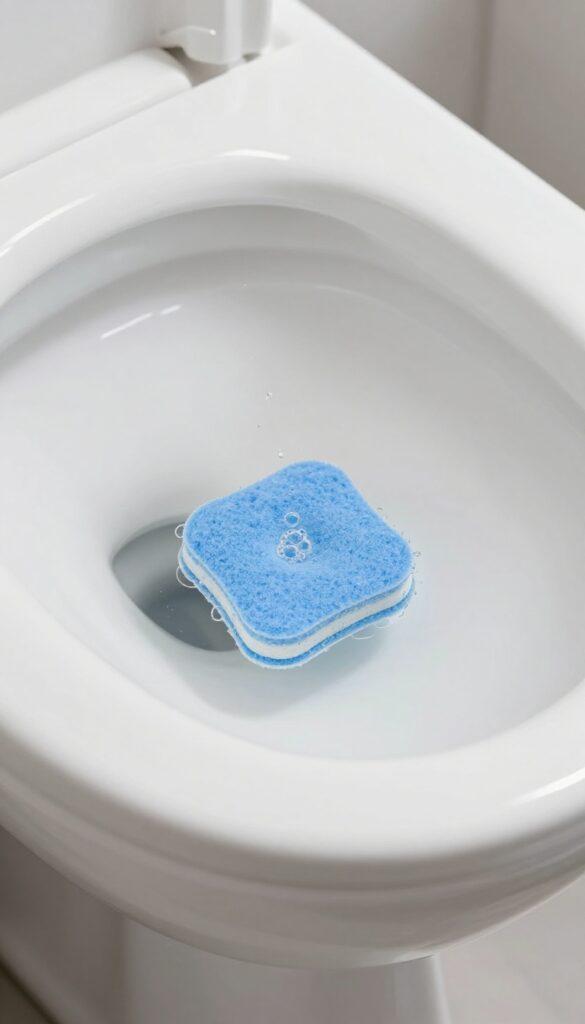
If you're tired of scrubbing hard water rings every week, let the toilet do the work for you. A cleaning tablet dropped into the tank slowly dissolves with each flush, releasing a mild cleaner that helps prevent mineral buildup before it starts. It's a set-it-and-forget-it solution that keeps your bowl fresher between deep cleans.
Dropping a cleaning tablet into the tank is one of the easiest ways to maintain a stain-free toilet. The tablet dissolves gradually, releasing cleaning agents with every flush that help break down minerals and prevent new rings from forming. This method works best as a preventive measure after you've already removed existing stains.
Choose tablets specifically designed for toilet tanks, as some generic cleaners can damage internal parts like the flapper or fill valve. Look for brands that are safe for septic systems and avoid those with harsh bleach if you have older plumbing. Drop one tablet in the tank every month or as directed, and let the automatic cleaning begin.
For best results, combine tablet maintenance with a weekly quick wipe-down of the bowl. The tablet handles the chemistry, but a quick brush swish ensures nothing settles. Over time, you'll notice fewer stains and less effort needed during your regular cleaning routine.
Choosing The Right Tablet
Not all toilet tank tablets are created equal. Look for tablets that are specifically labeled for hard water and mineral stain prevention. Avoid those with strong bleach or chlorine if you have a septic system, as they can kill beneficial bacteria.
Some tablets also include enzymes that break down organic matter, which helps keep the bowl fresh.
Installation And Replacement Schedule
Simply drop one tablet into the toilet tank away from the fill valve and flapper. Most tablets last about 30 days or 200 flushes, but check the package for exact timing. Set a monthly reminder on your phone to replace the tablet.
If you notice the water turning blue or green too quickly, the tablet may be dissolving too fast—try a different brand or check for leaks.
Compatibility And Maintenance Tips
Tablets can cause wear on rubber parts over time, so inspect your flapper and fill valve every few months. If you see signs of deterioration, switch to a tablet that's gentler on rubber or use a drop-in bowl cleaner instead. Also, avoid using tablets with bleach if you have a toilet with a wax ring, as bleach can degrade the wax.
19. Vinegar and Baking Soda Fizz with Hot Water
This classic combo gets a boost from heat. Hot water speeds up the chemical reaction, making the fizz more aggressive against mineral deposits. It's a simple, non-toxic way to tackle tough rings without scrubbing yourself tired.
Start by pouring about 1 cup of baking soda directly into the toilet bowl, focusing on the stain. Then add 1 cup of white vinegar. The mixture will foam up immediately.
To maximize the reaction, pour in a kettle of hot (not boiling) water. The heat increases the fizzing action, helping to loosen stubborn hard water rings. Let it sit for 20 minutes.
The bubbles work to break down mineral bonds. After the wait, scrub with a toilet brush and flush. For extra stubborn stains, repeat the process or let it sit longer.
Why Hot Water Makes A Difference
Heat accelerates chemical reactions. When you add hot water to the vinegar and baking soda, the fizz becomes more vigorous and reaches deeper into the stain. The warmth also helps soften the mineral crust, making it easier to scrub away.
Step-by-step Application
First, flush the toilet to wet the bowl, then sprinkle baking soda over the ring. Pour vinegar slowly to avoid overflow. Immediately add hot water from a kettle or tap.
Let the fizz work for 20 minutes. Scrub with a brush, focusing on the ring. Flush to rinse.
If the ring remains, repeat with a longer soak.
When To Use This Hack
This method works best for light to moderate hard water rings. For thick, crusty deposits, you may need to combine it with a pumice stone or a stronger acid like citric acid. It's safe for daily use and won't damage toilet components.
20. Professional Descaling Service
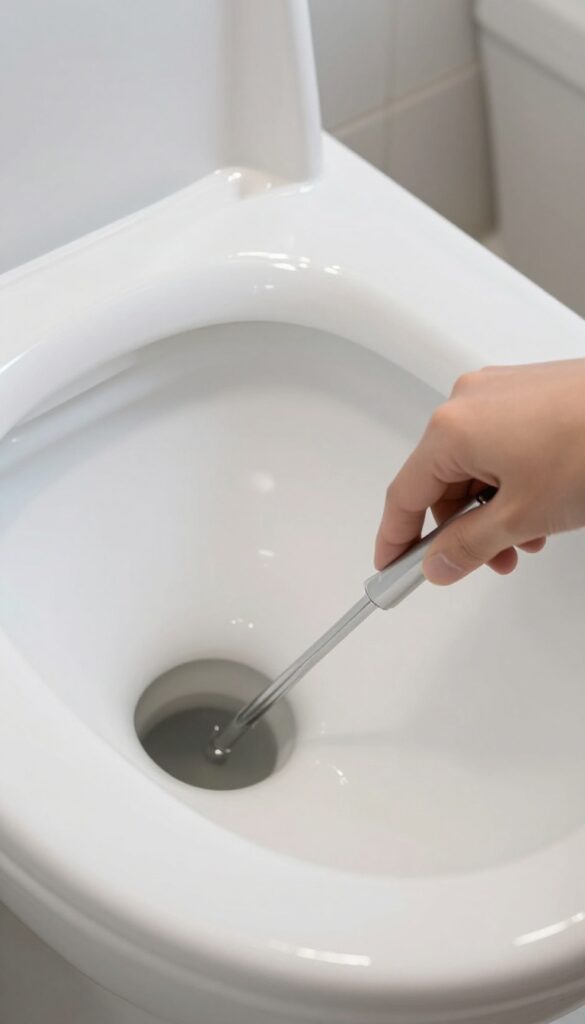
Sometimes no amount of vinegar, baking soda, or pumice can shift that rock-hard ring. When you've tried everything and the stain remains, it's time to call in the pros. A professional descaling service uses industrial-grade solutions and equipment that are far more powerful than anything you can buy at the store.
Professional descaling isn't cheap, but it's often the only way to remove mineral deposits that have built up over years. The technician will typically apply a strong acid-based descaler, let it sit, and then scrub or flush it away. Some services also offer a protective coating afterward to slow future buildup.
When To Call A Pro
If you've used multiple DIY methods and the ring hasn't budged, or if the stain is so thick it feels like a layer of rock, a professional can save you time and frustration. Also call if you're worried about damaging the porcelain with harsh methods.
What To Expect
The service usually takes 30–60 minutes. The technician will assess the stain, apply the descaler, and may use a special tool to agitate the deposit. After flushing, the bowl should be noticeably cleaner.
Some services offer a warranty or guarantee.
Cost Vs. Value
Expect to pay between $75 and $200 depending on severity and location. While that's more than a bottle of vinegar, it's worth it for toilets that look almost new again. Plus, you avoid the risk of scratching the bowl.
FAQ
What causes hard water rings in the toilet?
Hard water rings are caused by mineral deposits (calcium and magnesium) in the water that settle on the porcelain surface over time.
Can hard water rings damage the toilet?
They don't damage the toilet itself, but if left too long, they can become very difficult to remove and may require abrasive methods.
Is it safe to use a pumice stone on a toilet bowl?
Yes, as long as you wet the stone first and use gentle pressure. It's abrasive enough to remove stains but won't scratch porcelain.
How often should I clean to prevent hard water rings?
Weekly cleaning with a mild cleaner can prevent buildup. Using a toilet bowl tablet in the tank also helps maintain cleanliness.
Do natural methods work as well as chemical cleaners?
For light to moderate rings, natural methods like vinegar and baking soda work well. For heavy buildup, chemical descalers may be more effective.
Conclusion
Hard water rings don't stand a chance when you've got the right tricks up your sleeve. Whether you reach for vinegar, baking soda, or a pumice stone, each hack delivers real results without harsh chemicals.
Try a couple of these methods today and watch your toilet bowl regain its sparkle. Consistent effort with the right approach keeps stains away for good, leaving you with a cleaner, fresher bathroom every time.