Nothing beats the feeling of clean, soft carpet under your feet. But over time, dirt, spills, and daily traffic can leave your floors looking dull and feeling rough. The good news?
You don't need expensive steam cleaners or harsh chemicals to bring them back to life. With a few simple ingredients you probably already have at home, you can tackle stains, odors, and grime effectively. These 15 carpet cleaning solutions are practical, budget-friendly, and designed to deliver visible results.
From quick spot treatments to deep refresh routines, each idea targets a specific problem. Whether you're dealing with pet accidents, wine spills, or just general dinginess, there's a solution here that works.
1. Baking Soda and Vinegar: The Dynamic Duo
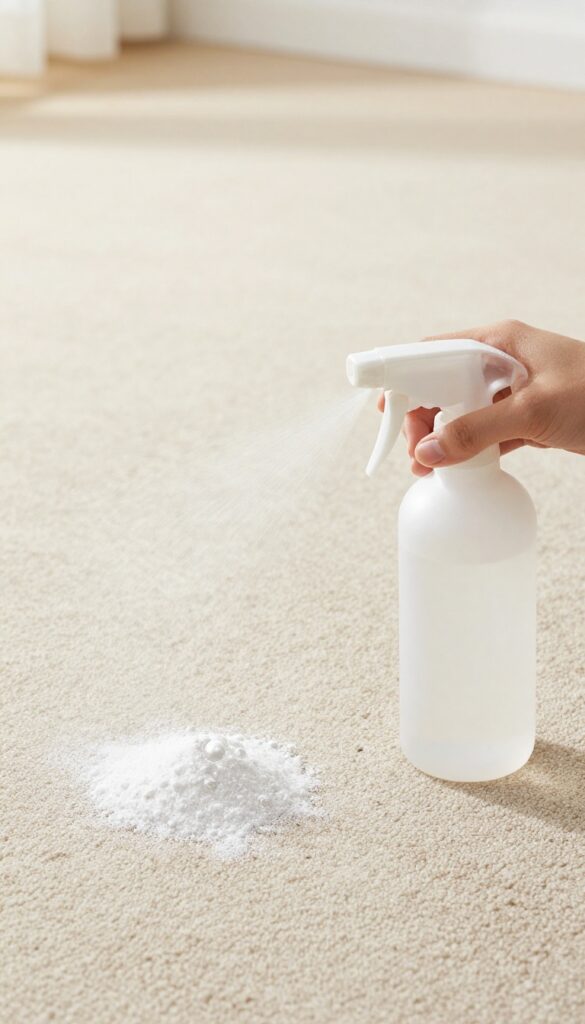
This classic combination is a powerhouse for carpet cleaning. Baking soda absorbs odors and lifts dirt, while vinegar breaks down grime and disinfects. Together, they create a fizzy reaction that loosens embedded particles without harsh chemicals.
Start by vacuuming the carpet thoroughly to remove loose debris. Generously sprinkle baking soda over the area and let it sit for at least 15 minutes. Fill a spray bottle with equal parts white vinegar and water, then mist the baking soda until it fizzes.
Let the mixture sit for 5-10 minutes, then blot with a clean cloth. For larger areas, use a carpet brush to work the solution in. Once dry, vacuum again to remove residue.
Why This Combo Works So Well
Baking soda is a mild alkali that neutralizes acidic odors, while vinegar's acetic acid cuts through grease and grime. The fizzing action helps dislodge dirt from carpet fibers, making it easy to lift away.
Best Uses And Precautions
Ideal for high-traffic areas, pet stains, and general freshening. Avoid using on wool or silk carpets, as vinegar can damage natural fibers. Always test in an inconspicuous spot first.
2. Hydrogen Peroxide for Tough Stains
Some stains just won't budge with gentle cleaners. Blood, red wine, and grass can set deep into carpet fibers, leaving behind stubborn marks. That's where hydrogen peroxide steps in as a powerful, yet gentle, bleaching agent that breaks down organic stains without damaging most carpets.
For tough stains, reach for 3% hydrogen peroxide from your medicine cabinet. Apply it directly to the stain and let it bubble for a few minutes. The fizzing action lifts the stain from the fibers.
Then blot with a clean cloth until the stain transfers. Repeat if needed, then rinse with water and blot dry. Always test on an inconspicuous area first, as peroxide can lighten some fabrics.
Why It Works On Organic Stains
Hydrogen peroxide releases oxygen when it contacts organic matter, breaking down the stain's chemical structure. That's why it's so effective on blood, wine, and grass—all organic compounds. The bubbling action physically lifts particles out of the carpet, making blotting more effective.
How To Apply Safely
Before using, do a patch test in a hidden spot. Apply the peroxide with a spray bottle or dropper directly onto the stain. Let it sit for 3–5 minutes.
Blot with a white cloth—never rub, as that spreads the stain. Rinse with cold water and blot dry. For set-in stains, you can repeat the process.
When To Avoid Hydrogen Peroxide
Avoid using peroxide on wool, silk, or delicate synthetic blends, as it can cause discoloration. Also, never mix it with vinegar or ammonia—it creates harmful fumes. Stick to 3% concentration; higher strengths can damage carpet fibers.
3. Dish Soap and Warm Water: Everyday Cleaner
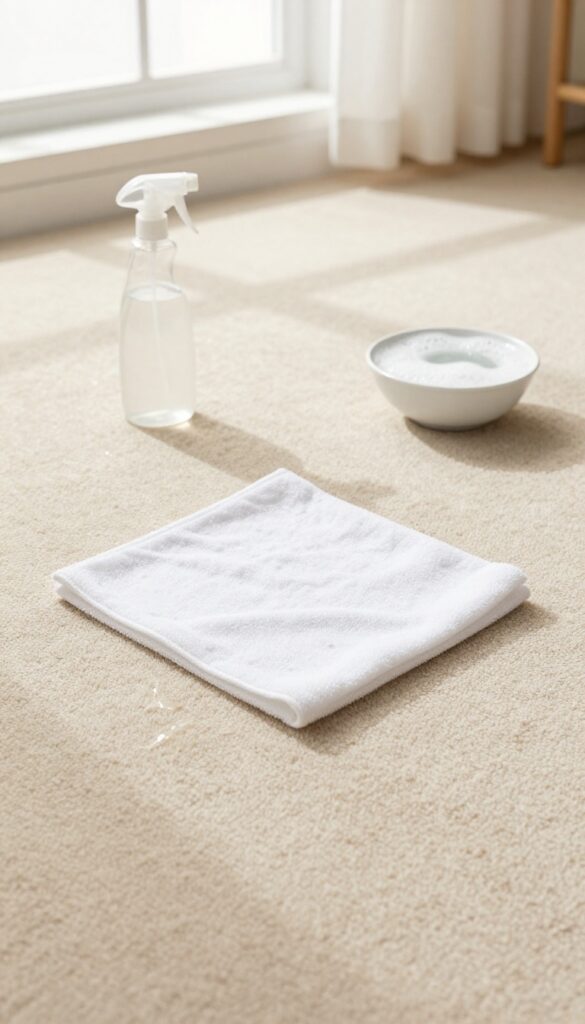
Sometimes the simplest solution is the most effective. A few drops of mild dish soap mixed with warm water can handle everyday dirt, light stains, and high-traffic areas without costing much or introducing harsh chemicals. This gentle cleaner is safe for most carpet types and works wonders when you need a quick refresh.
Dish soap is designed to cut through grease and grime on dishes, and it does the same on carpet fibers. The key is using a mild formula without bleach, dyes, or strong fragrances that could leave residue or damage the carpet. Mix about a teaspoon of dish soap with two cups of warm water in a spray bottle or bowl.
Dip a microfiber cloth into the solution, wring it out so it's damp not soaking, and gently blot or scrub the soiled area. Avoid rubbing aggressively, which can push dirt deeper or fray fibers. For larger areas, work in sections and rinse by blotting with a cloth dipped in plain water to remove any soap residue.
This method is perfect for light cleaning between deep cleans or for freshening up paths and play areas.
Why Dish Soap Works So Well
Dish soap is a surfactant, meaning it breaks the surface tension of water and helps lift dirt and oil from carpet fibers. It's also pH-neutral in most cases, making it gentle on synthetic and wool blends alike. Unlike some all-purpose cleaners, dish soap doesn't contain enzymes or bleach that could discolor or weaken carpet over time.
Best Practices For Spot Cleaning
Always test the solution on an inconspicuous carpet area first. Blot spills immediately, don't rub. Use a white cloth to avoid color transfer.
For set-in stains, let the soap sit for a few minutes before blotting. Rinse thoroughly with water to prevent sticky residue that attracts more dirt.
When To Avoid This Method
Avoid using dish soap on carpets that are labeled as "water-sensitive" or on delicate natural fibers like silk or viscose. Also skip it if your carpet has a strong stain-resistant treatment, as soap can strip that coating. In those cases, stick to manufacturer-recommended cleaners or dry methods.
4. Salt for Fresh Spills
Red wine, grease, or coffee spills can feel like a disaster, but salt is your secret weapon. It works best on fresh, liquid messes before they soak into the fibers. The salt absorbs the moisture and lifts the stain, making cleanup a breeze.
When a spill happens, act fast. Pour a generous layer of salt directly over the liquid, covering the entire area. Let it sit for 10-15 minutes—the salt will draw out the moisture and any coloring.
Then, vacuum up the salt. For stubborn stains, repeat or follow with a mild detergent solution. This method prevents permanent staining and keeps your carpet fresh.
Why Salt Works
Salt is hygroscopic, meaning it pulls moisture toward it. When you sprinkle it on a spill, it absorbs the liquid before it can bond with carpet fibers. This is especially effective for oily spills like grease, which salt can help solidify and lift away.
Best Spills For Salt Treatment
Red wine, coffee, tea, fruit juice, and cooking oil are prime candidates. For thicker spills like mud, let the salt sit longer to draw out moisture, then scrape off the residue. Avoid using salt on protein-based stains like milk or egg, as it may set them.
Step-by-step Application
Blot the spill gently with a clean cloth to remove excess liquid. Pour salt to cover the stain completely, about 1/4 inch thick. Let it sit for 15 minutes, then vacuum.
If a stain remains, mix a drop of dish soap with water, dab it on, and blot dry.
5. Club Soda for Stain Lifting
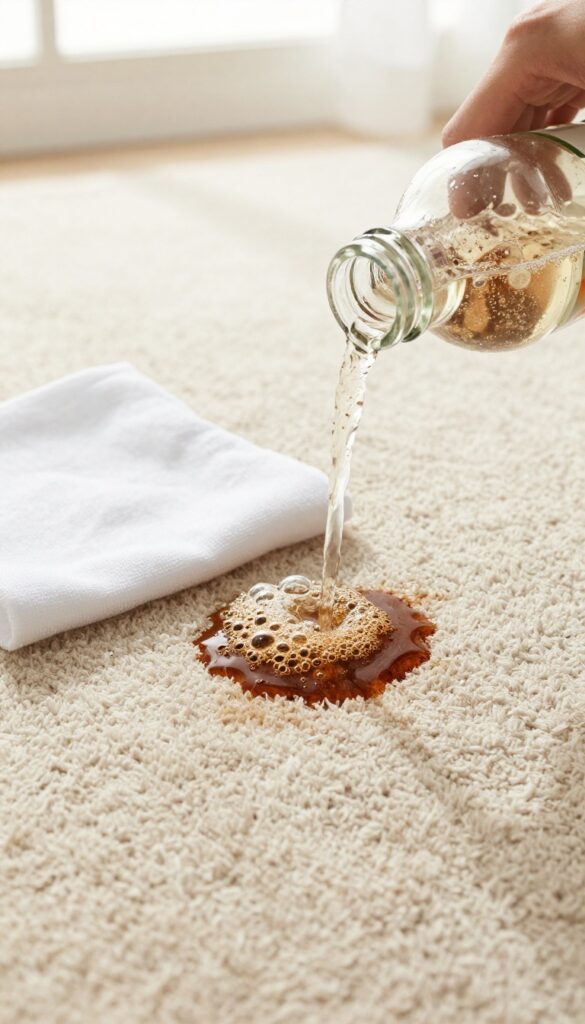
Club soda isn't just a mixer—it's a surprisingly effective carpet stain fighter. The carbonation works like a gentle scrub, helping to lift fresh spills right out of the fibers without leaving behind any sticky residue. Plus, it's cheap and you probably already have a bottle in your fridge.
When a spill happens, time is your enemy. Grab a club soda and pour it directly onto the stain, letting the bubbles do their thing. After a few seconds, blot with a clean cloth—don't rub, or you'll push the stain deeper.
Repeat until the spot lifts, then let it air dry. This method works best on fresh stains like coffee, juice, or soda.
Why Club Soda Works
The carbonation in club soda creates tiny bubbles that help loosen dirt and stains from carpet fibers. The mild acidity also helps break down some compounds, making it easier to blot away. Unlike many commercial cleaners, club soda leaves no chemical residue, so your carpet stays soft and fresh.
Best Stains For Club Soda
Club soda is ideal for water-based stains like wine, coffee, tea, fruit juice, and soda spills. It's less effective on oil-based stains like grease or makeup, but for everyday accidents, it's a go-to. Always test on an inconspicuous area first, especially on delicate or natural fiber carpets.
How To Use Club Soda Effectively
Pour enough club soda to saturate the stain, but don't soak the carpet padding. Let it fizz for 30 seconds, then blot with a white cloth or paper towel. Work from the outside in to prevent spreading.
Repeat until the stain lifts, then place a dry towel over the area and weigh it down to absorb remaining moisture.
6. Cornstarch to Absorb Grease
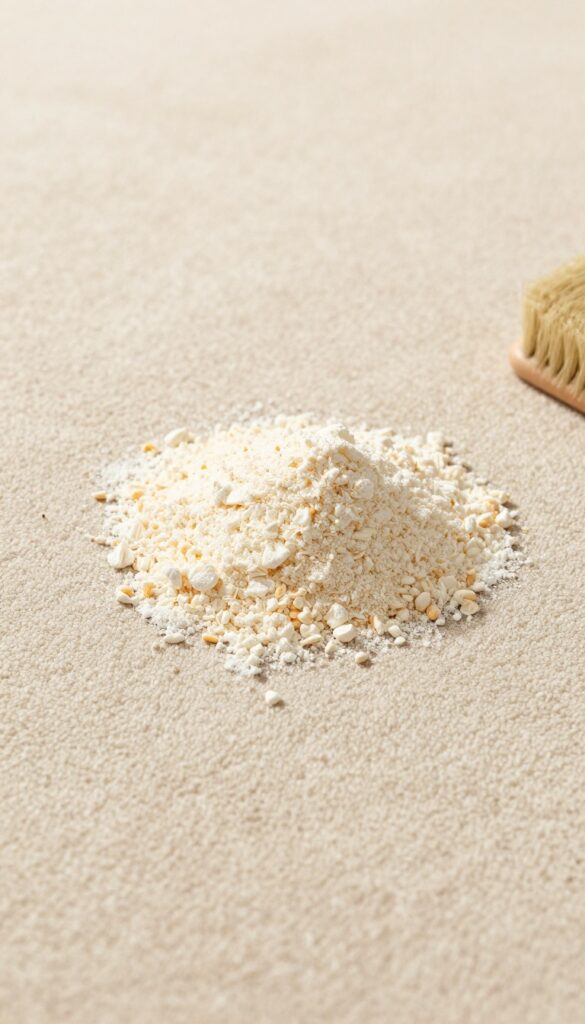
Grease stains on carpet can be stubborn, but cornstarch offers a simple, effective fix. This common kitchen ingredient works by drawing oil out of the fibers, making cleanup a breeze. Perfect for kitchen spills or oily footprints, this method is gentle on your carpet and easy to execute.
Why Cornstarch Works
Cornstarch is a natural absorbent, meaning it pulls grease and oil from carpet fibers without pushing them deeper. Unlike liquids that can spread the stain, cornstarch lifts it out. It's also safe for all carpet types and won't leave a residue.
Step-by-step Application
First, blot up any excess grease with a paper towel. Then, generously sprinkle cornstarch over the stain, covering it completely. Let it sit for at least 15 minutes—longer for tougher spots.
Finally, vacuum up the powder. The grease should be gone, leaving your carpet fresh.
Tips For Best Results
For set-in stains, gently work the cornstarch into the fibers with a soft brush before letting it sit. If some grease remains, repeat the process. Always test on a hidden area first, especially on delicate carpets.
7. Essential Oils for Fresh Scent
If you love the idea of a naturally scented home without synthetic air fresheners, essential oils are a game-changer for your carpet. A few drops mixed with a common pantry staple can transform your vacuuming routine into an aromatherapy session. Plus, it's incredibly easy to do.
Essential oils not only smell wonderful but also have antibacterial and antifungal properties that can help keep your carpet fresh. Lavender promotes relaxation, lemon cuts through odors, and tea tree oil fights mold. The key is to use a carrier like baking soda to distribute the oil evenly and absorb any musty smells.
How To Make Your Own Scented Carpet Powder
Mix 1 cup of baking soda with 10–15 drops of your favorite essential oil in a jar. Shake well to combine, then let it sit for a few hours so the scent infuses. Sprinkle the mixture generously over your carpet, let it sit for 15–30 minutes, then vacuum thoroughly.
The baking soda deodorizes while the oil leaves a gentle, lasting fragrance.
Best Essential Oil Combinations For Carpets
For a calming vibe, try lavender and chamomile. For a fresh, clean scent, lemon and eucalyptus work beautifully. If you want to neutralize pet odors, use tea tree oil with a hint of orange.
Avoid oils like cinnamon or clove in high concentrations, as they can be irritating to pets or cause discoloration.
Tips For Using Essential Oils Safely On Carpet
Always test a small, hidden area first to make sure the oil doesn't stain or react with your carpet fibers. Stick to light-colored oils to avoid any potential discoloration. Never apply undiluted oil directly to carpet—always mix with baking soda or another absorbent powder.
And if you have pets, check that the oils you choose are pet-safe (lavender and cedarwood are generally fine, but tea tree can be toxic to cats and dogs).
8. Steam Cleaning with Vinegar Solution
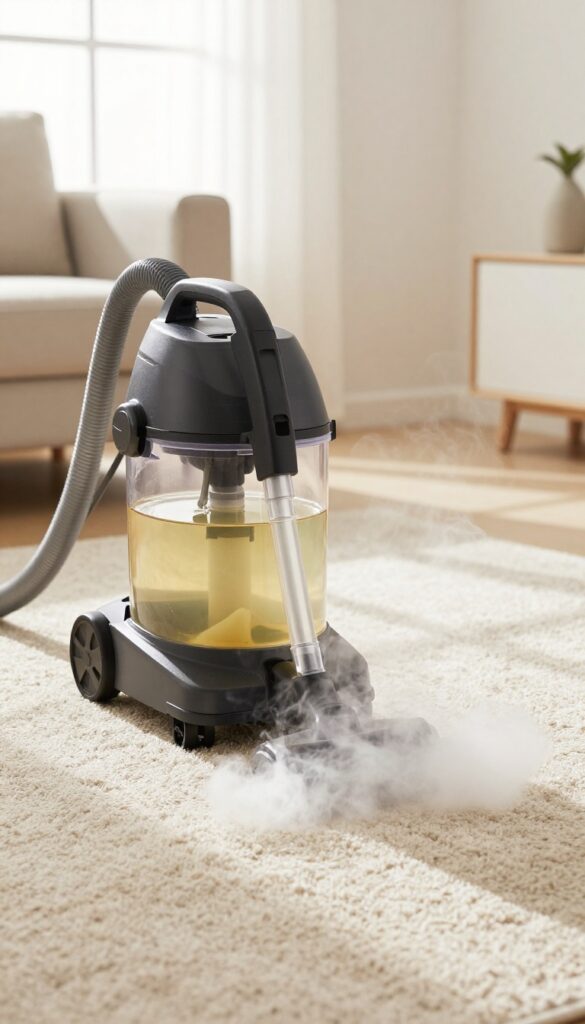
Steam cleaning is one of the most effective ways to deep clean carpets, but many commercial cleaning solutions leave behind chemical residues. A simple vinegar solution changes that. By mixing equal parts water and white vinegar in your steam cleaner, you get a powerful, natural cleaner that sanitizes without harsh fumes.
The heat from the steam activates the vinegar's cleaning properties, breaking down dirt and killing bacteria. Your carpets come out fresh, soft, and chemical-free.
This method works best for whole-room refreshes or high-traffic areas that need a deep clean. The vinegar smell disappears as the carpet dries, leaving no lingering odor. Always test a small hidden area first to ensure colorfastness.
Why Vinegar Works With Steam
White vinegar is acidic enough to dissolve grime and neutralize odors, but gentle on carpet fibers. When heated in a steam cleaner, the vinegar solution penetrates deep into the carpet pile, loosening embedded dirt. The steam also sanitizes by killing dust mites and bacteria without toxic chemicals.
How To Mix And Use
Mix one part white vinegar with one part water in your steam cleaner's reservoir. Fill the tank and follow your machine's instructions for deep cleaning. Move the steam cleaner slowly over the carpet to allow the solution to work.
After cleaning, let the carpet dry completely with windows open or a fan running.
Tips For Best Results
Vacuum thoroughly before steam cleaning to remove loose dirt. For stubborn stains, pre-treat with a small amount of undiluted vinegar and let it sit for 5 minutes. Avoid over-wetting the carpet—steam cleaners use minimal water, but still move at a steady pace.
Repeat high-traffic areas if needed.
9. Rubbing Alcohol for Ink and Makeup
Ink and makeup stains can be some of the trickiest to remove from carpet. They set quickly and often spread if you rub them wrong. Rubbing alcohol is a simple, effective solution that breaks down the pigments without damaging the fibers.
It works on ballpoint pen ink, foundation, lipstick, and even some markers.
Rubbing alcohol is a solvent that dissolves the oils and dyes in ink and makeup, making it easy to lift them out of the carpet. It's safe for most synthetic and wool carpets, but always test on a hidden spot first. The key is to blot, not rub, to avoid pushing the stain deeper.
How To Apply
Dampen a clean cotton ball or white cloth with rubbing alcohol. Do not soak the carpet—just enough to transfer the stain. Blot the stain gently, working from the outside in to prevent spreading.
As the stain lifts, move to a fresh area of the cloth. Repeat until no more color transfers.
Tough Stain Tips
For dried ink or heavy makeup, let the alcohol sit on the stain for 30 seconds before blotting. You can also use a soft-bristled brush to gently agitate the fibers after applying alcohol. For stubborn stains, repeat the process a few times.
Finish by blotting with a damp cloth to remove any alcohol residue.
Safety And Precautions
Always test rubbing alcohol on an inconspicuous area first, especially on delicate or colored carpets. Ventilate the room while working, as alcohol fumes can be strong. Keep rubbing alcohol away from open flames or heat sources.
After treatment, let the carpet air dry completely before walking on it.
10. Enzyme Cleaner for Pet Accidents
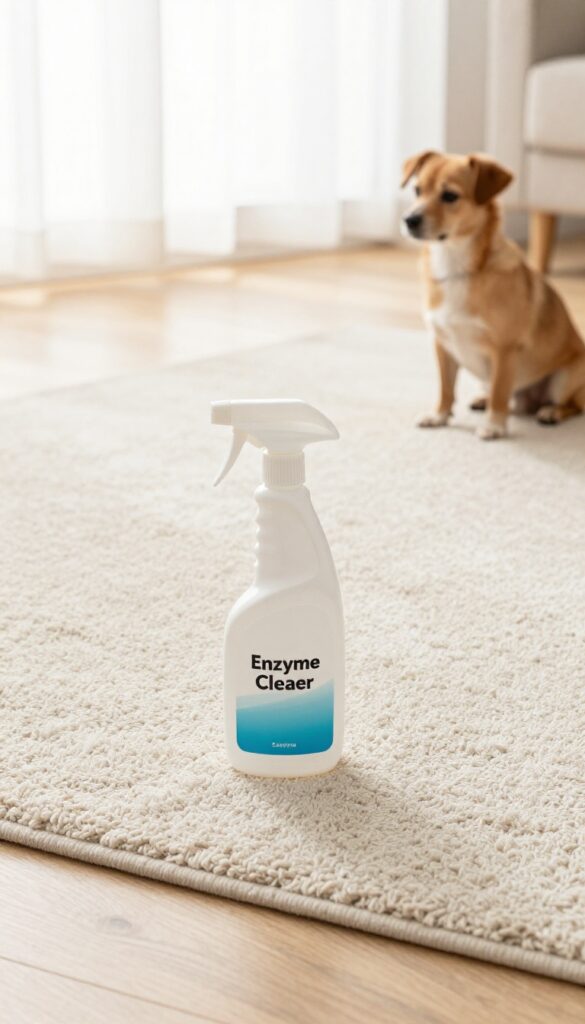
Pet accidents happen, and when they do, the smell can linger long after the spot is dry. Regular cleaners might mask the odor, but they don't break down the uric acid crystals that cause it. That's where enzyme cleaners shine—they literally eat away the proteins and bacteria, leaving your carpet fresh and odor-free.
Enzyme cleaners are your best friend when it comes to pet messes. They work by using natural enzymes to digest organic matter like urine, feces, and vomit. You can buy a commercial enzyme cleaner at any pet store, or make a DIY version at home.
For a simple homemade solution, mix equal parts water and white vinegar, then add a few drops of dish soap. The vinegar helps neutralize odors while the soap lifts dirt. However, for tough, set-in stains, a dedicated enzymatic cleaner is more effective because it contains specific bacteria that target uric acid.
How Enzyme Cleaners Work
Enzymes are biological molecules that speed up chemical reactions. In carpet cleaners, they break down organic matter into smaller, odorless compounds. The key is to let the cleaner sit for 10–15 minutes so the enzymes have time to work.
Blot the area first to remove excess moisture, then apply the cleaner and let it dwell. Afterward, blot again and rinse with water. Never scrub, as that can push the stain deeper into the fibers.
Diy Vs. Commercial Options
A DIY enzyme cleaner can be made with 1 cup water, 1 cup white vinegar, and 1 teaspoon dish soap. This works well for fresh stains. But for older, dried-on accidents, commercial products like Nature's Miracle or Rocco & Roxie are stronger because they contain live enzymes that remain active longer.
Whichever you choose, always test on a hidden area first to avoid discoloration.
Tips For Best Results
Act fast—the sooner you treat a pet accident, the better. Blot up as much liquid as possible before applying the cleaner. After treatment, place a heavy object like a book on a towel over the spot to absorb remaining moisture.
Avoid using steam cleaners or heat, as they can set the stain and odor. For persistent smells, repeat the process after the carpet dries.
11. Borax for Heavy-Duty Cleaning
When your carpet has seen better days—think ground-in dirt from heavy foot traffic or old, set-in stains—borax steps up as a powerhouse cleaner. This natural mineral is often used for laundry, but it works wonders on carpets too. It cuts through grime, deodorizes, and even helps lift stains that other methods miss.
Best of all, it's cheap and easy to find.
Borax is a versatile cleaner that can handle tough carpet jobs without harsh fumes. Its alkaline nature helps break down dirt and grease, while its mild abrasive texture helps scrub away stains. For heavy-duty cleaning, you'll use it as a paste or a dry treatment.
How To Make A Borax Paste
Mix borax with just enough warm water to form a thick paste—think toothpaste consistency. Apply it directly to set-in stains, covering the area completely. Let the paste dry completely, which can take a few hours or overnight.
Once dry, vacuum up the residue. The stain should be noticeably lighter or gone.
Dry Borax For Deep Cleaning
For general deep cleaning, sprinkle borax powder liberally over the carpet. Let it sit for at least 30 minutes (longer for heavy traffic areas). Then vacuum thoroughly.
The borax absorbs oils and dirt, leaving carpets fresher and softer. This method is especially good for high-traffic zones like hallways and living rooms.
Safety Tips For Borax Use
Borax is safe for most carpets, but always test on a hidden area first. Keep it away from pets and children until it's vacuumed up, as ingestion can be harmful. Also, avoid using borax on wool or silk carpets, as it may damage delicate fibers.
12. Shaving Cream for Upholstery and Carpet
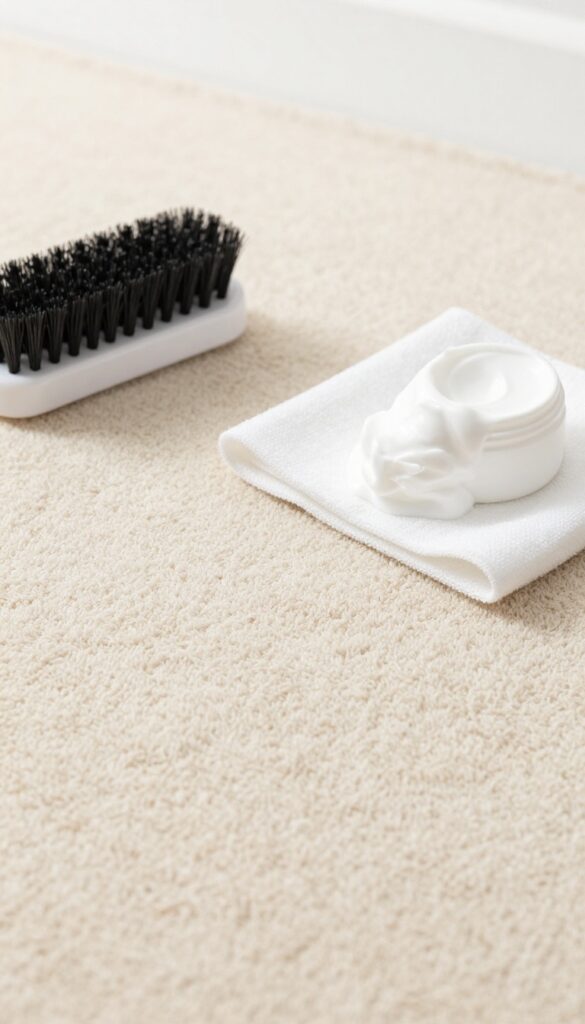
Shaving cream isn't just for your morning routine—it's a surprisingly effective carpet and upholstery cleaner. Its foamy texture lifts dirt and oil without soaking the fibers, making it ideal for spot treatments on delicate fabrics. Plus, it's gentle enough for use on wool or synthetic blends.
To use, apply a generous amount of plain (non-gel, non-menthol) shaving cream directly onto the stain. Work it in gently with a soft-bristled brush or your fingers, letting it sit for about 15 minutes. Then, blot the area with a clean, damp cloth until the foam is gone.
Repeat if needed, then vacuum once dry. This method works wonders on oily spots, makeup, and even some ink stains.
Why Shaving Cream Works
Shaving cream contains surfactants that break down oils and dirt, while its thick foam holds moisture against the stain without saturating the carpet backing. This reduces the risk of mold or mildew compared to liquid cleaners.
Best Stains To Target
This method excels on greasy food spills, makeup foundation, lipstick, and collar stains on upholstery. It's also safe for most colorfast fabrics—always test on a hidden area first.
Pro Tips For Best Results
Use only white, creamy shaving cream without added dyes or skin-soothing ingredients. Avoid gel formulas, as they can leave a sticky residue. Blot, don't rub, to prevent spreading the stain.
13. Ice Cube Trick for Furniture Dents
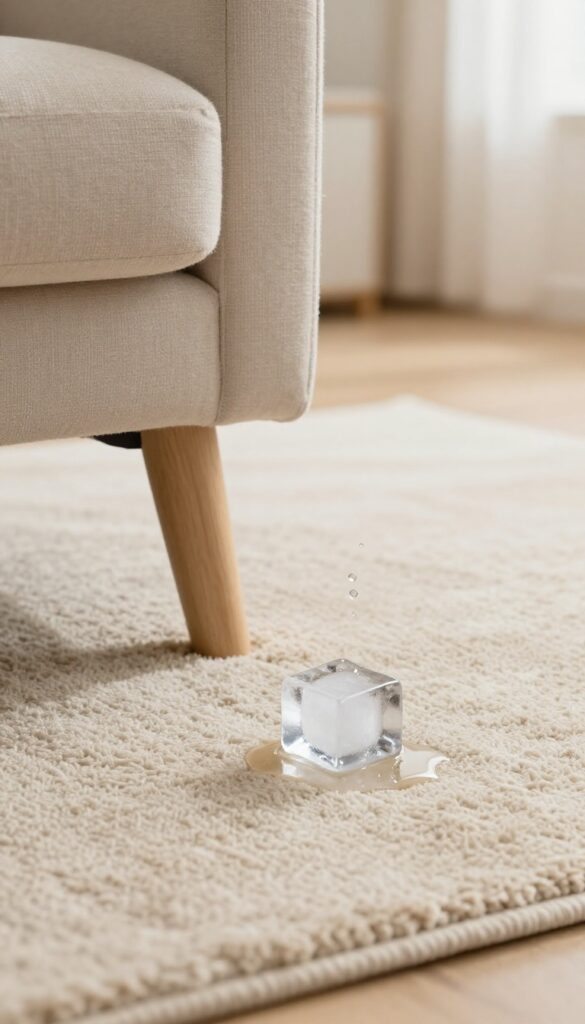
Heavy furniture can leave permanent-looking dents in your carpet. But before you rearrange the entire room, try this simple fix that uses nothing but ice. It's almost magical how well it works.
The ice cube trick is a gentle, water-based method that re-flattens crushed carpet fibers. It's perfect for those stubborn indentations left by sofas, tables, or bed legs. Plus, it's completely chemical-free and costs next to nothing.
How It Works
Place one or two ice cubes directly on each dent. Let them melt completely—this can take a few hours depending on the size. The water slowly saturates the flattened fibers, causing them to swell back toward their original shape.
Fluffing The Fibers
Once the carpet is damp but not soaking wet, use a fork or a soft-bristled brush to gently fluff the fibers. Work in a circular motion to lift them upright. Avoid over-brushing, which can damage the carpet.
Drying And Final Touch
Let the area air dry completely. For faster drying, blot with a clean towel or use a hairdryer on a cool setting. Once dry, the dent should be barely visible.
Repeat if needed for deeper impressions.
14. Glycerin for Dried Stains
Old, dried stains can feel impossible to remove. They've had time to bond with the carpet fibers, and regular cleaners just bounce off. But glycerin changes the game.
It's a humectant, meaning it attracts moisture and softens hardened residue, making it easy to lift away without scrubbing the carpet into a fuzzy mess.
Glycerin is a gentle but powerful ingredient that works on a variety of old stains, from spilled juice to coffee and even some ink marks. It's safe for most carpet types and doesn't leave a sticky residue when used correctly. The key is giving it time to penetrate and soften the stain before blotting.
How Glycerin Works
Glycerin molecules are small enough to seep deep into carpet fibers. They attract moisture from the air and the stain itself, rehydrating the dried particles. This softens the bond between the stain and the fiber, so when you blot, the stain lifts away rather than being ground in further.
Step-by-step Application
Mix one part glycerin with two parts warm water. Test on a hidden area first. Apply the solution directly to the stain, making sure it's saturated but not soaked.
Let it sit for 30 minutes. Then, using a clean white cloth, blot the area firmly. Repeat if needed, then rinse with a little plain water and blot dry.
Best Stains For This Method
Glycerin works best on organic, dried stains like fruit juice, wine, coffee, tea, and some food spills. It's also effective on old mud or dirt marks. For grease or oil-based stains, combine glycerin with a drop of dish soap for better results.
15. Professional-Grade Carpet Shampoo (DIY)
If you own a carpet cleaning machine but hate buying expensive store-bought shampoos, this DIY version is a game-changer. It's cheap, simple, and works just as well—if not better—than commercial formulas. You'll get that just-professionally-cleaned look without the hefty price tag.
This DIY carpet shampoo is designed for use in any standard carpet cleaning machine. It creates plenty of foam to lift dirt, yet rinses clean without leaving sticky residue. Perfect for whole-room deep cleaning or refreshing high-traffic areas.
What You'll Need
Gather 1/4 cup mild liquid detergent (like dish soap or laundry detergent), 1/4 cup white vinegar, and 2 cups warm water. Avoid using harsh detergents with bleach or fabric softeners, as they can leave residue or damage carpet fibers.
How To Mix And Use
In a large bowl or the machine's detergent tank, combine the detergent, vinegar, and warm water. Stir gently to avoid excessive suds. Pour the mixture into your carpet cleaner's solution tank.
Run the machine over the carpet following the manufacturer's instructions. For best results, do a pass with the solution, then a pass with plain water to rinse.
Why It Works
The mild detergent breaks down dirt and grime, while vinegar cuts through grease and neutralizes odors. Warm water helps activate the cleaning agents and ensures they penetrate deep into the carpet fibers. This combo is safe for most synthetic carpets and leaves them soft, fresh, and residue-free.
Pro Tip
Test on a small, hidden area first to make sure your carpet doesn't react poorly. Also, avoid over-wetting—too much moisture can lead to mold or mildew. Use fans or open windows to speed up drying time.
FAQ
How often should I deep clean my carpets?
For most homes, deep clean carpets every 6 to 12 months. High-traffic areas or homes with pets may need more frequent cleaning.
Can I use vinegar on all carpet types?
Vinegar is safe for most synthetic carpets, but test on a hidden area first. Avoid on wool or delicate fibers as it may cause damage.
What's the best way to remove pet urine smell?
Blot up fresh urine, then apply an enzyme cleaner. For DIY, mix equal parts water and white vinegar, spray, let sit, then blot dry.
Will baking soda damage my vacuum?
Baking soda is safe for vacuums in small amounts. Let it sit on carpet for 15-30 minutes, then vacuum thoroughly to avoid clogging.
How do I prevent carpet stains from setting?
Act quickly: blot spills immediately with a clean cloth, avoid rubbing, and apply a stain remover as soon as possible.
Conclusion
Soft, fresh carpets don't require a closet full of commercial cleaners. These 15 solutions prove that everyday ingredients can handle everything from red wine to musty odors with less cost and fewer chemicals. Pick the methods that target your biggest carpet frustrations and give them a try this week.
You'll notice the difference in texture and scent after just one or two applications. Consistent care with the right approach keeps your floors feeling plush and smelling clean for months.