Carpets take a beating from daily life—spills, pet accidents, and lingering odors can make them look and smell worn out. You don't need expensive professional cleaning to restore them.
With a few household staples and smart techniques, you can tackle stains, banish odors, and handle pet messes effectively. These 25 hacks are practical, budget-friendly, and designed to deliver real results.
From fresh spills to set-in stains, each tip offers a straightforward solution. Let's get your carpets looking and smelling like new.
1. Blot, Don't Rub – The Golden Rule of Stain Removal
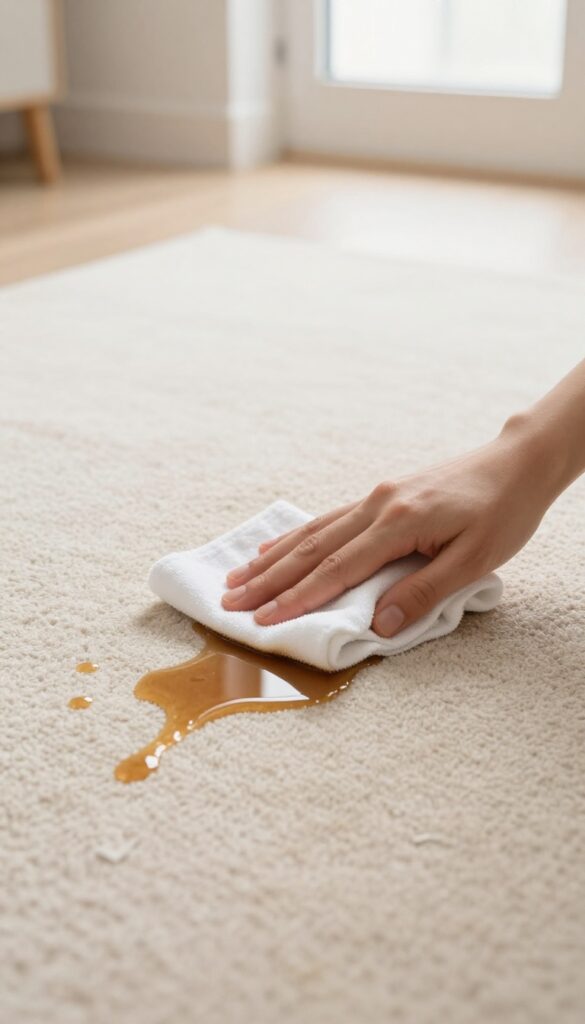
When a spill happens, your first instinct might be to grab a cloth and rub like crazy. But that's exactly the wrong move. Rubbing grinds the stain deeper into the carpet fibers and can damage the texture, making the spot look worse even after cleaning.
Blotting is the only way to go. It lifts the stain out without forcing it down. Use a clean white cloth or paper towel—colored ones can transfer dye.
Start at the outer edge of the stain and work inward to prevent spreading. Repeat with fresh sections of the cloth until no more stain transfers. For fresh spills, this alone can remove most of the mess before you even apply a cleaner.
Why Blotting Works Best
Carpet fibers are like tiny straws. Rubbing pushes liquid sideways and deeper into the backing. Blotting uses capillary action to draw the stain upward into the cloth.
It's gentler on the carpet and far more effective at removing the stain completely.
What To Use For Blotting
Always use a white cloth or paper towel to avoid color transfer. Microfiber cloths work well because they're absorbent and lint-free. Avoid terry cloth towels with loops—they can snag carpet fibers.
Keep a stack of clean rags handy under the sink for quick access.
Step-by-step Blotting Technique
- Act fast—the sooner you blot, the better. 2.
Place the cloth over the stain and press down firmly. 3. Lift and rotate to a clean area.
- Repeat until the cloth comes away clean. 5.
If needed, apply a small amount of cleaning solution and blot again. Never pour liquid directly onto the stain; dampen the cloth instead.
2. Club Soda for Fresh Spills
Club soda isn't just a drink—it's a carpet-cleaning secret weapon. The carbonation helps lift dirt and stains from carpet fibers without harsh chemicals. When you act fast, this fizzy water can save your carpet from permanent marks.
The key is to blot, not rub. Rubbing pushes the stain deeper and can damage the fibers. Instead, pour a small amount of club soda directly onto the spill, let it fizz for a few seconds, then blot with a clean white cloth.
Repeat until the stain fades. This works best on fresh spills like wine, coffee, or juice.
Why Carbonation Works
The bubbles in club soda are carbon dioxide, which helps break the bond between the stain and the carpet fibers. The mild acidity also helps dissolve certain stains without the risk of bleaching or damaging the carpet.
Step-by-step Blotting Technique
Start by pouring a small amount of club soda on the stain. Wait 5–10 seconds for the fizzing to stop. Then, press a dry white cloth or paper towel onto the area—don't rub.
Lift the cloth, check the stain, and repeat. Use a fresh part of the cloth each time to avoid spreading the stain.
When Club Soda Falls Short
For set-in or oily stains, club soda alone might not cut it. In those cases, try adding a drop of dish soap to the club soda. Or use it as a pre-treatment before a deeper cleaning method.
It's still a great first step for most fresh spills.
3. White Vinegar and Water Solution for General Stains
White vinegar is a powerhouse for carpet cleaning. It cuts through grime, neutralizes odors, and is safe for most carpet fibers. The best part?
You probably already have it in your pantry.
This simple solution works wonders on a variety of stains, from coffee spills to muddy footprints. The acidity of vinegar breaks down the stain while deodorizing the area, leaving your carpet fresh and clean.
How To Mix And Apply
Combine equal parts white vinegar and water in a spray bottle. Shake gently. Spray the stained area until damp, but not soaking.
Let it sit for 5 minutes to penetrate the stain. Then blot with a clean cloth until the stain lifts.
Why It Works So Well
Vinegar's mild acidity dissolves many common stains like wine, juice, and pet accidents. It also neutralizes alkaline odors (like urine) by balancing the pH. Plus, it's non-toxic and safe around kids and pets.
Tips For Best Results
Always test on a hidden area first. Use white vinegar only—apple cider or balsamic can stain. Blot, don't rub, to avoid damaging fibers.
For stubborn stains, repeat the process or let the solution sit a bit longer.
4. Baking Soda for Odor Absorption
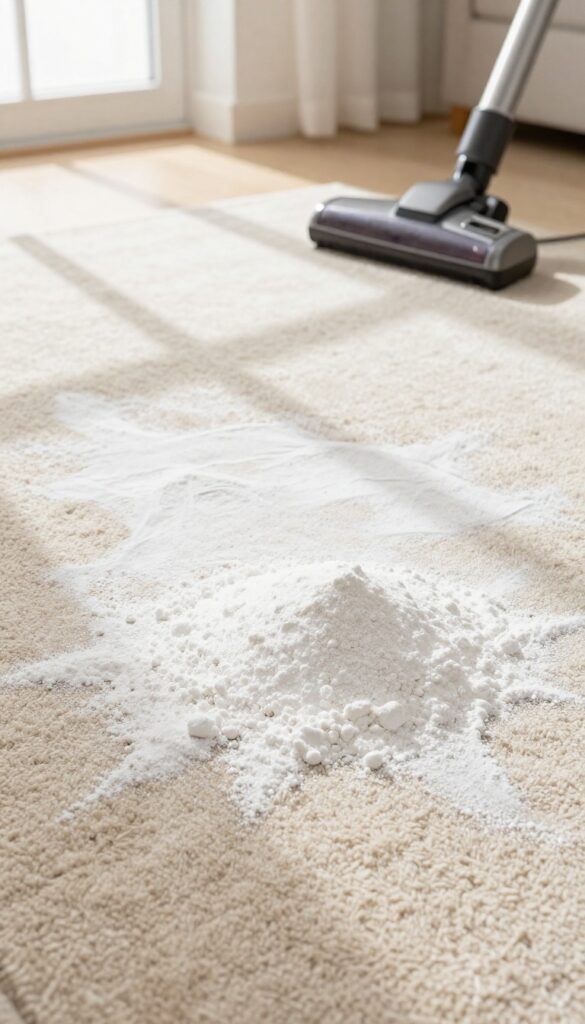
Baking soda is a champion when it comes to neutralizing carpet odors. It doesn't just mask smells—it absorbs them at the source. This hack is especially effective for pet odors, musty smells, or any lingering scents that seem to hang around.
Best of all, it's cheap, non-toxic, and already sitting in your pantry.
How To Use It Right
Sprinkle a generous layer of baking soda over the affected area. For general freshness, let it sit for 15 minutes. For tough odors like pet urine or smoke, leave it overnight.
The longer it sits, the more odor it absorbs. Then vacuum thoroughly, making sure to get every bit of powder up.
Boost The Power With Essential Oils
Want a fresh scent without chemical sprays? Mix 10–15 drops of your favorite essential oil (like lavender or lemon) into a cup of baking soda. Stir well, then sprinkle as usual.
Let it sit for at least 30 minutes before vacuuming. Your carpet will smell amazing naturally.
When To Skip This Hack
Avoid baking soda on very wet carpets—it can clump and become hard to vacuum. Also, if you have a high-pile carpet, use less and brush it in gently to avoid leaving residue. Always test a small hidden area first to make sure it vacuums up cleanly.
5. Hydrogen Peroxide for Tough Stains
Some stains just won't budge with gentle cleaners. Blood, red wine, and even grass can leave stubborn marks that seem permanent. Hydrogen peroxide offers a powerful solution for these tough stains, breaking down the organic compounds that cause discoloration.
Hydrogen peroxide works by releasing oxygen bubbles that lift stain particles from carpet fibers. It's especially effective on protein-based stains like blood and on tannin-rich stains like wine. Always test on a hidden area first, as it can lighten some carpet colors.
How To Apply It Safely
Use 3% hydrogen peroxide—the standard brown bottle from the pharmacy. Pour a small amount directly onto the stain, enough to saturate it. Let it bubble and fizz for a few minutes.
Blot with a clean white cloth, repeating until the stain lifts. Rinse with cold water and blot dry.
Best Stain Types For This Method
Hydrogen peroxide excels on blood, red wine, fruit juice, and grass stains. It also works on coffee and tea stains. Avoid using it on dark or delicate carpets, as it may cause bleaching.
For colored carpets, dilute with equal parts water and test first.
What To Avoid
Never mix hydrogen peroxide with vinegar or ammonia—this creates toxic fumes. Don't let it sit too long; prolonged contact can damage carpet fibers. Always blot, never rub, to avoid spreading the stain.
For set-in stains, you may need to repeat the process.
6. Dish Soap and Warm Water for Greasy Spots
Grease stains from cooking oil, butter, or even salad dressing can be stubborn on carpets. But you don't need harsh chemicals—just a simple mix of dish soap and warm water. Dish soap is designed to cut through grease, making it perfect for these tricky spots.
To tackle a greasy stain, start by blotting up as much of the spill as possible with a clean cloth. Mix a few drops of mild dish soap with warm water. Dip a clean cloth into the solution and dab the stain gently, working from the outside in.
Blot with a dry cloth to lift the grease. Repeat until the stain fades, then rinse with a cloth dampened with plain water and blot dry.
Why Dish Soap Works
Dish soap contains surfactants that break down grease molecules, making them easier to lift from carpet fibers. It's gentle enough for most carpets but tough on oily stains.
Step-by-step Application
Blot excess grease. Mix dish soap with warm water. Dab the solution onto the stain.
Blot with a dry cloth. Repeat as needed. Rinse with water and blot dry.
Pro Tips For Best Results
Always test on a hidden area first. Avoid rubbing, which can spread the stain. For set-in grease, let the solution sit for 5 minutes before blotting.
7. Cornstarch to Absorb Grease and Oil
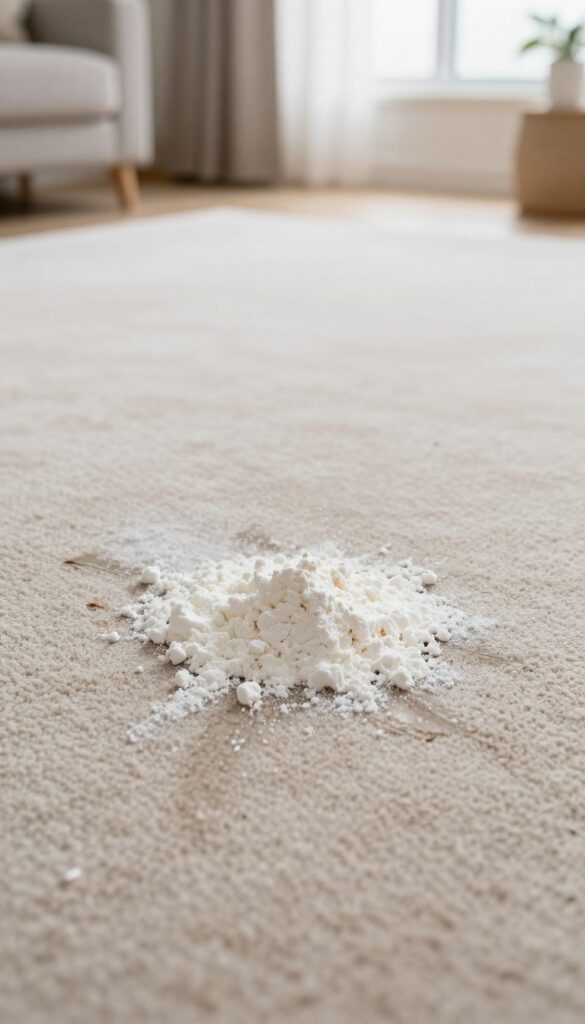
Grease stains from cooking oil, butter, or even salad dressing can be stubborn on carpets. Instead of scrubbing and spreading the mess, reach for cornstarch. This pantry staple works like a sponge to lift oil right out of the fibers.
How Cornstarch Works On Grease
Cornstarch is a fine powder that absorbs oils on contact. When you sprinkle it over a fresh grease stain, it pulls the liquid away from the carpet fibers before it sets. The longer it sits, the more oil it soaks up.
Step-by-step Application
First, blot up any excess grease with a paper towel—don't rub. Cover the stain completely with a thick layer of cornstarch. Let it sit for at least 30 minutes, or longer for heavy stains.
Then vacuum up the powder. If a shadow remains, mix a few drops of dish soap with warm water, dab the spot, and blot dry.
When To Use This Hack
This method works best on fresh, wet grease stains. For older, set-in stains, you may need to repeat the process or follow with a stronger cleaner. It's also great for absorbing oil from pet accidents before you tackle the odor.
8. Rubbing Alcohol for Ink and Marker
Ink and marker stains on carpet can feel like a disaster, especially if you have kids or work from home. But rubbing alcohol, a common household item, can dissolve these stains quickly. The key is to blot—never rub—to avoid spreading the ink deeper into the fibers.
Rubbing alcohol works because it breaks down the pigments in ink and marker, making them easy to lift. It's safe for most synthetic carpets, but always test on a hidden area first. For best results, use a white cloth to avoid transferring dye.
How To Apply Rubbing Alcohol
Dampen a clean white cloth or cotton ball with rubbing alcohol. Gently blot the stain, starting from the outer edge and working inward. The ink should transfer to the cloth.
Replace the cloth as it gets dirty and continue until no more ink lifts. Then rinse the area with a little water and blot dry.
Tough Or Dried Stains
If the ink has dried, pour a small amount of rubbing alcohol directly onto the stain and let it sit for a few minutes. Then blot with a cloth. You can also use a soft-bristled brush to gently agitate the stain before blotting.
Repeat as needed.
Safety And Precautions
Rubbing alcohol is flammable, so keep it away from open flames and ensure good ventilation. Avoid soaking the carpet padding. Always test on an inconspicuous spot first.
For delicate or natural fiber carpets, consider a professional cleaner.
9. Salt for Red Wine Spills
Red wine on a light carpet is a heart-stopping moment, but you don't have to panic. A common kitchen staple—salt—can come to the rescue. This hack is all about quick action and the absorbent power of salt.
The key is to act fast before the wine soaks in. Blot up as much liquid as possible with a clean cloth, then pour a thick layer of salt over the stain. The salt will draw the wine out of the fibers as it absorbs the moisture.
Let it sit for several hours or until fully dry, then vacuum it up. For any remaining tint, dab with club soda and blot again.
Why Salt Works
Salt is hygroscopic, meaning it attracts and holds moisture. When you pile it on a fresh wine spill, it pulls the liquid out of the carpet fibers and traps it within the salt crystals. This prevents the stain from setting and makes cleanup much easier.
Step-by-step Method
Start by blotting the spill with a white cloth—don't rub, or you'll spread the stain. Cover the area completely with table salt, using enough to form a thick layer. Let it sit until the salt turns pink or dries out, which can take a few hours.
Vacuum thoroughly, then check the carpet. If a faint stain remains, apply a small amount of club soda and blot until it lifts.
When To Use Club Soda
Club soda is a mild cleaning agent that helps break down any leftover wine residue. After the salt treatment, if you see a shadow of the stain, pour a little club soda directly on the spot. Blot with a clean cloth, working from the outside in.
Repeat until the stain disappears, then blot dry.
10. Ice Cube Trick for Furniture Dents
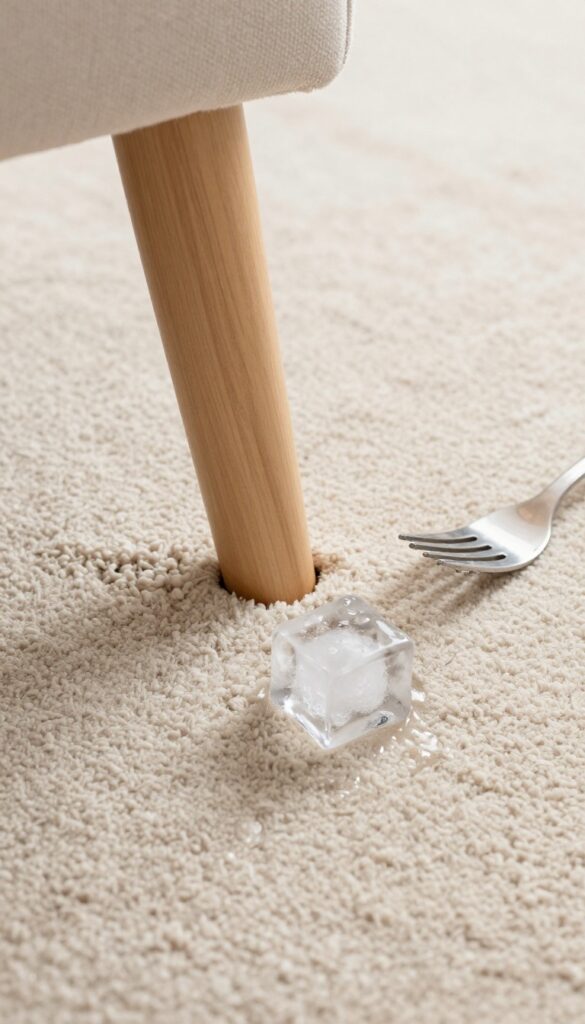
Heavy furniture like sofas and tables can leave deep dents in your carpet fibers. Before you panic or call a professional, grab an ice cube from your freezer. This simple trick uses moisture to help the fibers bounce back naturally.
The ice cube method works because carpet fibers are often just compressed, not permanently damaged. As the ice melts, the water slowly saturates the fibers, allowing them to swell and regain their original shape. After drying, a quick fluff with a fork or brush finishes the job.
What You'll Need
All you need is an ice cube (or a few if the dent is large), a towel or paper towels, and a fork or stiff-bristled brush. That's it—no special tools or chemicals required.
Step-by-step Instructions
Place one or two ice cubes directly into the dent. Let them melt completely—this can take a few hours depending on the size. Once melted, blot any excess moisture with a towel.
Then gently fluff the fibers with a fork or brush to lift them back up. Let the area air dry completely.
When This Works Best
This trick works best on synthetic carpets like nylon or polyester. For wool or delicate fibers, test in an inconspicuous spot first. It's also effective for dents from heavy furniture that hasn't been moved in months.
Pro Tips For Best Results
For stubborn dents, repeat the process once or twice. Avoid using hot water or steam, as that can damage some carpet types. If the dent is very old, you might need to combine this with a gentle steam iron on low heat—but keep the iron at least an inch above the carpet.
11. Shaving Cream for Upholstery and Carpet Stains
Shaving cream isn't just for your morning routine—it's a surprisingly effective stain remover for carpets and upholstery. The foamy texture lifts dirt and grime without harsh chemicals, making it safe for most fabrics. You probably already have a can in your bathroom, so this hack is as convenient as it is affordable.
To use shaving cream on a stain, start by blotting up any excess liquid or residue. Then, spray a small amount of shaving cream directly onto the stain—make sure it's the white foam kind, not the gel. Gently rub the foam into the fibers with a soft brush or your fingers.
Let it sit for about 10 minutes to break down the stain. Finally, blot the area with a damp cloth, repeating until the stain lifts. Finish by blotting with a dry towel to remove excess moisture.
Why Shaving Cream Works
Shaving cream contains surfactants that break down oils and dirt, making it effective on grease-based stains like food spills, makeup, or even ink. It's also gentle enough for delicate upholstery fabrics. The foam structure helps suspend particles so they can be easily blotted away.
Best Stains To Treat
This method works wonders on fresh stains from coffee, tea, juice, and even red wine. It's also great for removing makeup marks, lipstick, and foundation from carpets. For older, set-in stains, you may need to repeat the process a few times.
Tips For Best Results
Always test shaving cream on an inconspicuous area first to ensure colorfastness. Avoid over-saturating the carpet—use just enough foam to cover the stain. Blot, don't scrub, to prevent spreading.
For upholstery, use a clean white cloth to avoid color transfer.
12. Enzyme Cleaner for Pet Urine
Pet urine is one of the toughest challenges for carpet owners. Standard cleaners often mask the smell temporarily, but the uric acid crystals remain deep in the fibers. Enzyme cleaners work differently—they literally digest the proteins and break down the waste at a molecular level.
This eliminates both the stain and the odor for good.
Enzymatic cleaners are a game-changer for pet urine. They contain beneficial bacteria that produce enzymes specifically designed to target uric acid. When applied correctly, these cleaners neutralize the source rather than just covering it up.
Here's how to use them effectively.
Why Enzyme Cleaners Work
Unlike harsh chemicals that only sanitize, enzyme cleaners biologically break down urine components. The bacteria in the solution feed on the organic matter, turning it into harmless byproducts like carbon dioxide and water. This process continues as long as the area remains damp, so patience is key.
Step-by-step Application
First, blot up as much fresh urine as possible with paper towels. Don't rub—it pushes the liquid deeper. Apply the enzyme cleaner generously, saturating the stain and a few inches beyond.
Let it sit for 10–15 minutes (or longer for old stains) to give the enzymes time to work. Then blot again with a clean cloth. Repeat if the stain or odor persists.
Tips For Best Results
Always test the cleaner on a hidden carpet area first. Avoid using steam cleaners or hot water before or after enzyme treatment—heat can kill the beneficial bacteria. For set-in stains, cover the treated area with plastic wrap to keep it moist overnight.
This extends the enzyme activity and improves results.
13. Baking Soda and Vinegar for Pet Odors
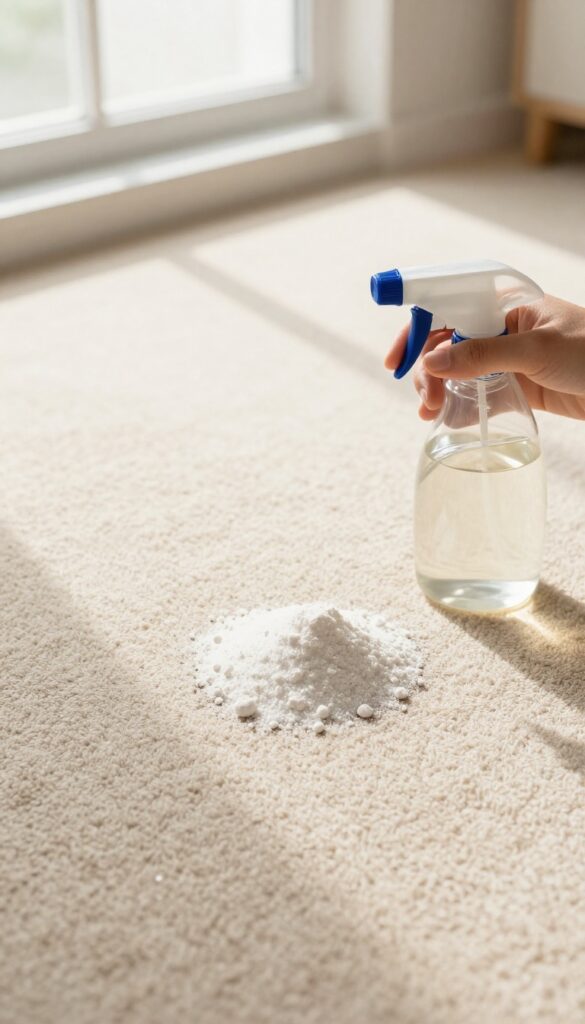
Pet accidents can leave behind stubborn odors that seem to linger no matter how much you scrub. The secret to neutralizing them lies in two kitchen staples: baking soda and vinegar. Together, they create a chemical reaction that lifts and breaks down odor-causing compounds deep in the carpet fibers.
Start by blotting up any fresh urine with paper towels until the area is just damp. Then generously sprinkle baking soda over the spot, making sure to cover the entire affected area. In a spray bottle, mix equal parts white vinegar and water—about a 50/50 ratio works well.
Lightly mist the baking soda until it fizzes and becomes damp, but not soaking wet. Let the mixture sit for 5 to 10 minutes to allow the fizzing action to penetrate the fibers. Blot again with clean towels to absorb the moisture, then let the carpet air dry completely.
Once dry, vacuum up the remaining baking soda residue. The result is a fresh, odor-free carpet without harsh chemicals.
Why This Combo Works
Baking soda is a natural deodorizer that absorbs smells, while vinegar is a mild acid that neutralizes alkaline odors like ammonia in pet urine. When combined, they create carbon dioxide bubbles that help lift dirt and odor particles from deep within the carpet pile.
Best For Set-in Smells
This method is especially effective for old, dried stains that still emit odor. The fizzing action helps rehydrate and break down the uric acid crystals that cause lingering smells. For extra stubborn odors, let the baking soda sit on the dry carpet for several hours or overnight before spraying with vinegar.
Avoid Over-wetting
Too much liquid can soak through to the carpet pad, leading to mold or mildew. Use a light mist rather than a heavy spray, and always blot—never rub—to prevent the stain from spreading. If the area feels overly damp after treatment, place a stack of dry towels on top and weigh them down with a heavy object for an hour.
14. Steam Cleaning with a Clothes Iron
Your clothes iron isn't just for wrinkles—it can double as a mini steam cleaner for carpets. This hack works wonders on set-in stains that regular spot cleaning can't budge. The combination of heat and moisture loosens dirt and lifts it from the fibers, leaving your carpet refreshed.
For tough, dried stains that have been sitting for a while, a clothes iron can provide the steam power needed to break them down. This method is especially effective for stains like coffee, juice, or mud that have bonded with the carpet fibers. It's a simple process that uses items you already have at home.
How It Works
The heat from the iron creates steam when it contacts a damp cloth, which penetrates the carpet fibers and loosens the stain. The moisture also helps dissolve any residue, making it easier to blot away. This technique is gentle enough for most synthetic carpets but avoid using it on delicate fibers like wool.
Step-by-step Instructions
First, blot up any excess liquid from the stain. Place a clean, damp cloth (not dripping wet) over the stain. Set your iron to a medium-high steam setting, then press it onto the cloth for about 15 seconds.
Lift the iron and check the cloth—if the stain has transferred, move to a clean area of the cloth and repeat. Once the stain lifts, blot the area with a dry towel to remove remaining moisture.
Safety Tips
Always test this method on an inconspicuous area first to ensure your carpet can handle the heat. Don't leave the iron in one spot for too long to avoid scorching. Use a white cloth to prevent color transfer from the fabric.
And never iron directly on the carpet—always use a damp cloth as a barrier.
15. Carpet Rake for Matting and Traction
Carpet rakes aren't just for outdoor rugs—they're a game-changer for high-traffic areas. Over time, foot traffic and vacuuming can flatten fibers and push dirt deep into the pile. A carpet rake lifts matted fibers, restores texture, and loosens embedded debris so your vacuum can actually grab it.
It also helps distribute cleaning solutions evenly, making spot treatments more effective.
A carpet rake is a simple tool with stiff tines that comb through carpet fibers. It works best on medium- to high-pile carpets where matting is visible. Regular raking (once a week) can extend the life of your carpet and keep it looking plush.
For pet owners, raking also pulls up hidden fur and dander that vacuums miss.
Why Carpet Fibers Flatten
Heavy foot traffic, furniture weight, and even vacuuming with a beater bar can crush carpet fibers over time. When fibers lie flat, they trap dirt and look dull. A carpet rake lifts them back upright, restoring the original texture and making the carpet look refreshed.
How To Use A Carpet Rake
Start by vacuuming to remove surface dirt. Then, rake the carpet in one direction using long, even strokes. Focus on matted areas and high-traffic zones.
For deep cleaning, spray a mild carpet cleaner or vinegar solution before raking—the tines help work the solution into the fibers. Let the carpet dry completely, then vacuum again to pick up loosened dirt.
Choosing The Right Rake
Look for a rake with adjustable tine pressure—gentle for delicate carpets, firmer for tough matting. Rubber-tipped tines are less likely to snag loops on Berber carpets. Some rakes have a built-in squeegee edge for spot cleaning.
A wide rake covers more area, while a narrow one is better for stairs and corners.
16. Glycerin for Hardened Stains
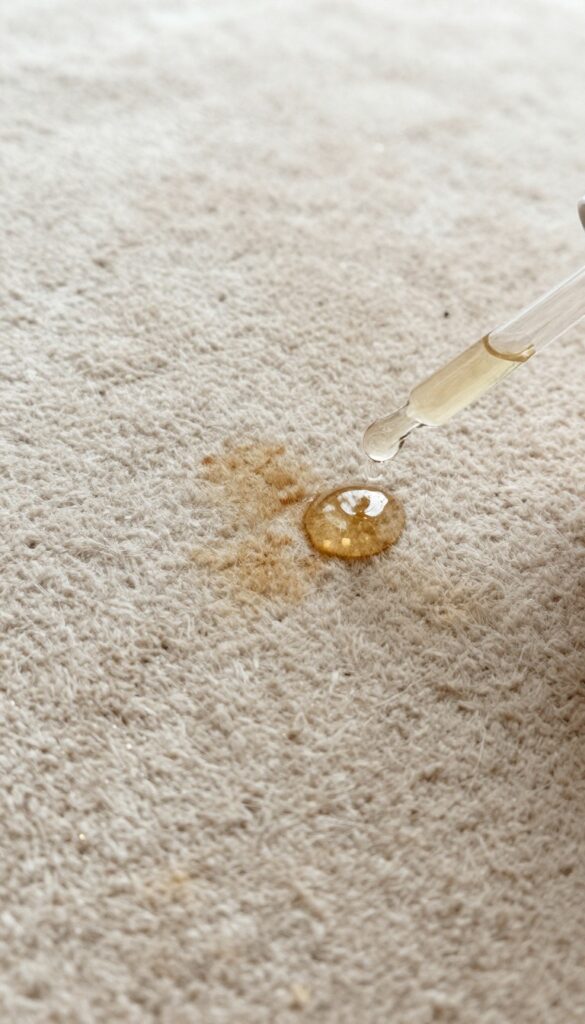
Old, dried stains can feel impossible to lift, but glycerin changes the game. This clear, syrupy liquid is a powerful softening agent that rehydrates crusty spills, making them removable without harsh scrubbing. It's especially effective on protein-based stains like blood, milk, or egg that have had time to set.
Glycerin works by penetrating the stain and loosening its bond with carpet fibers. Unlike water alone, it doesn't just sit on top—it seeps in and softens the residue. After letting it sit, a simple vinegar solution helps lift the stain away without damaging the carpet.
How It Works
Glycerin is a humectant, meaning it attracts and holds moisture. When applied to a hardened stain, it draws moisture into the dried residue, softening it from the inside out. This makes the stain more soluble and easier to blot away.
Step-by-step Application
First, blot up any excess moisture from the stain. Then, apply a few drops of pure glycerin directly onto the stain and gently rub it in with your fingers or a soft cloth. Let it sit for 30 minutes so it can fully penetrate.
After that, mix one part white vinegar with two parts water, dip a clean cloth into the solution, and blot the area. The vinegar helps neutralize any remaining residue and odors. Finally, blot with a dry cloth until the area is nearly dry.
When To Use This Hack
This method works best on old, set-in stains that haven't responded to regular cleaning. It's ideal for carpets in low-traffic areas where stains might go unnoticed for days. Avoid using glycerin on delicate or natural fiber carpets like wool or silk without testing first, as it can sometimes cause discoloration.
17. Borax for Deep Cleaning and Odor Control
Borax is a powerhouse cleaner that often gets overlooked for carpet care. It tackles bacteria, neutralizes odors, and lifts dirt without harsh chemicals. This simple treatment works wonders on high-traffic areas or spots where smells just won't quit.
Mix 1/2 cup of Borax with warm water in a spray bottle until dissolved. Spray the solution evenly over the carpet, focusing on stained or smelly areas. Let it sit for 30 minutes to break down grime and kill odor-causing bacteria.
Blot the area with a clean cloth until dry, then vacuum to restore fluffiness.
Why Borax Works
Borax is a natural mineral that acts as a deodorizer and mild disinfectant. It breaks down acidic compounds in pet urine and food spills, eliminating smells at the source. Unlike harsh chemicals, it's safe for most carpets when used correctly.
Best Uses For Borax Treatment
This hack is ideal for musty odors, pet stains, and high-traffic paths. It's also great for freshening up carpets before a deep steam clean. Avoid using it on wool or delicate fibers—check your carpet's care label first.
Tips For Maximum Effectiveness
For tough odors, let the Borax solution sit for up to an hour. Blot, don't scrub, to prevent spreading the stain. Always test on a hidden area first.
Pair with baking soda for extra odor-fighting power.
18. Essential Oils for Fresh Scent
Commercial carpet fresheners are loaded with synthetic fragrances that can be overwhelming or irritating. Essential oils offer a natural alternative that leaves your carpet smelling clean and inviting without the chemical overload. Combined with baking soda, they work as a gentle deodorizer that's safe for pets and kids.
Mixing essential oils with baking soda creates a powerful, natural carpet freshener. The baking soda absorbs odors while the oils release a pleasant, lasting scent. This combination is especially effective for high-traffic areas or rooms that need a quick refresh between deep cleans.
Best Oils For Carpets
Lavender is a top choice for its calming, floral scent that also repels moths. Lemon oil provides a crisp, clean aroma and has natural antibacterial properties. Tea tree oil is excellent for musty odors and can help inhibit mold growth, but use it sparingly—its strong scent can be overpowering.
For pet owners, avoid oils like tea tree and peppermint in high concentrations, as they can be toxic to animals. Stick to pet-safe options like lavender or chamomile.
How To Make The Mix
In a bowl, combine 1 cup of baking soda with 10–15 drops of your chosen essential oil. Stir well to distribute the oil evenly, breaking up any clumps. Let the mixture sit for an hour so the scent infuses into the baking soda.
Then sprinkle it generously over your carpet, focusing on areas that need deodorizing. Let it sit for at least 15 minutes—longer for stronger odors—before vacuuming thoroughly.
Tips For Best Results
Vacuum your carpet first to remove loose dirt so the baking soda can make direct contact with fibers. For a deeper scent, leave the mixture on overnight before vacuuming. Rotate between different oils to keep the fragrance fresh.
Test a small hidden area first to ensure the oil doesn't stain your carpet—especially with citrus oils, which can bleach some fabrics.
19. Carpet Spot Cleaner with Hydrogen Peroxide and Dish Soap
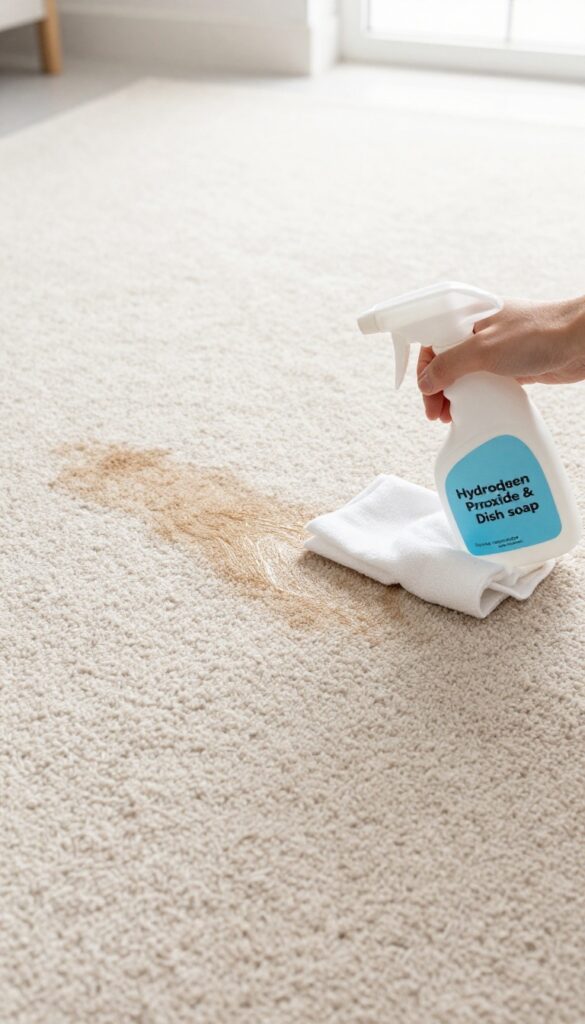
Hydrogen peroxide and dish soap make a powerful duo for lifting stubborn spots. This homemade cleaner cuts through grime without harsh chemicals, and it's gentle enough for most synthetic carpets. Just mix, apply, and blot—no scrubbing required.
Combine 1/4 cup hydrogen peroxide (3%) with 1 teaspoon dish soap in a spray bottle, then fill the rest with water. Shake gently to mix. Spray the stain until damp, let it sit for 5–10 minutes, then blot with a clean cloth.
Repeat if needed. The peroxide lifts the stain while the soap breaks down oils and residue. Always test on a hidden area first, especially on wool or delicate fibers.
Why This Combo Works
Hydrogen peroxide is a mild bleach that oxidizes organic stains like coffee, wine, or pet urine. Dish soap acts as a surfactant to loosen dirt and grease. Together, they lift stains without leaving a sticky residue.
Best Stains For This Mix
This spot cleaner excels on fresh to slightly set-in stains from food, drinks, or pet messes. It's also effective on light mud and grass stains. Avoid using it on dark carpets or silk rugs, as peroxide can cause fading.
Application Tips
Don't oversaturate—too much liquid can soak into the padding and cause mold. Blot from the edges inward to prevent spreading. For stubborn stains, let the solution sit a bit longer, then blot again.
Rinse with a little water and blot dry.
20. Freeze Gum with Ice
Chewing gum stuck in carpet is a sticky nightmare, but you don't need harsh chemicals to remove it. The secret is cold temperature. Ice cubes harden the gum, making it brittle and easy to break apart without pulling fibers or leaving residue behind.
This hack works on fresh or dried gum and costs nothing.
Grab a few ice cubes from your freezer—no fancy tools required. Place them directly on the gum blob and wait a couple of minutes. The gum will become rock hard.
Once it's solid, use a blunt knife or a spoon to gently crack it into pieces. Work from the edges toward the center to avoid spreading. After you've chipped off the bulk, vacuum up the remaining crumbs.
If any sticky residue lingers, dab it with a cloth dipped in rubbing alcohol. That final wipe removes the last traces without damaging the carpet fibers.
Why Ice Works So Well
Gum is made of polymers that stay flexible at room temperature. When chilled, those polymers contract and lose their stickiness. The frozen gum becomes brittle, so it shatters rather than stretching or smearing.
This mechanical removal is gentler on carpet than scraping or using solvents, which can fade colors or leave oily stains.
Step-by-step: Freeze And Remove
- Press a few ice cubes directly onto the gum for 2–3 minutes. 2.
Test the gum—if it's hard, proceed. 3. Use a butter knife or a plastic scraper to crack the gum into small pieces.
- Vacuum thoroughly. 5.
For any leftover stickiness, dip a cloth in isopropyl alcohol and blot gently. 6. Let the area air dry.
What To Avoid
Never use hot water or a hair dryer on gum—heat melts it deeper into the carpet. Also avoid pulling or yanking the gum while it's still soft; that can stretch the fibers. Stick with cold and patience.
If the gum is really old and embedded, you might need to repeat the process twice.
21. Duct Tape for Lint and Pet Hair
Pet hair and lint can cling to carpets stubbornly, making them look dull even after vacuuming. Duct tape offers a quick, low-tech fix that works surprisingly well. Just wrap a strip around your hand with the sticky side out and pat the carpet to lift debris.
This hack is perfect for spot-cleaning high-traffic areas or edges where vacuuming misses. It's also great for removing embedded hair from berber or low-pile carpets. For larger areas, use a duct tape roller—wrap tape around a paint roller and roll it over the carpet.
Why It Works
Duct tape's strong adhesive grabs loose fibers, hair, and lint that vacuum suction can't always pull. The manual patting action dislodges debris from deep in the carpet pile, making it easy to pick up.
Best Practices
Use fresh tape for maximum stickiness. Press firmly and lift straight up to avoid leaving residue. For delicate carpets, test on a hidden area first.
Replace the tape strip when it loses tackiness.
When To Use It
This method shines for quick touch-ups before guests arrive or after pet cuddles. It's also handy for removing glitter, crumbs, or small debris without dragging out the vacuum.
22. Vacuum in Multiple Directions
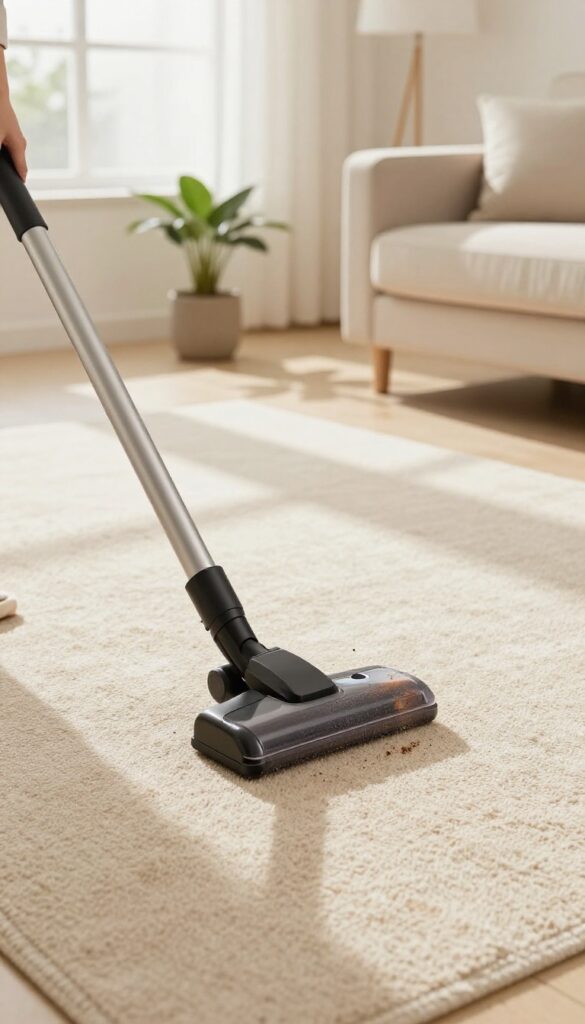
You probably vacuum in straight lines, back and forth, without thinking about it. But that routine leaves dirt trapped deep in the fibers. Changing your vacuum pattern is a simple tweak that makes a huge difference.
Why Direction Matters
Carpet fibers are woven in a certain direction, and dirt settles in between them. Vacuuming only one way lifts some debris but misses the particles that get trapped crosswise. By switching directions, you agitate the fibers more effectively, loosening embedded dirt and dust.
The Three-direction Method
Start by vacuuming north to south, then east to west, and finally diagonally in both directions. This ensures you cover every angle. On high-traffic areas, repeat the pattern twice.
You'll be surprised how much extra dirt the vacuum picks up on the second pass.
Prevent Matting And Wear
Repeated vacuuming in one direction can flatten carpet fibers over time, making them look worn and dull. The multi-direction approach lifts fibers back up, restoring their natural texture. It also distributes foot traffic wear more evenly, extending the life of your carpet.
23. Professional Spot Cleaner Rentals for Deep Stains
Some stains are just too stubborn for a spray bottle and a rag. That's where a professional-grade spot cleaner comes in. You can rent one from most hardware stores or big-box retailers for a few hours or a full day—way cheaper than hiring a full-service cleaner.
These machines use hot water extraction to blast dirt deep from the fibers, leaving your carpet fresh and nearly dry.
Renting a spot cleaner is a smart move for set-in stains or when you need to refresh high-traffic areas. The machines are easy to use: fill the tank with hot water and a cleaning solution, run it over the stain, and let the suction pull out the dirty water. For pet messes, add an enzymatic cleaner to the tank to break down proteins and odors.
If you prefer a homemade solution, mix one part white vinegar with three parts water and a drop of dish soap—just make sure it's safe for your carpet type. Most rentals come with a hose and upholstery attachment, so you can tackle stairs and furniture too. The cost is usually under $40 for a half-day rental, and the results often rival a professional service.
Where To Rent And What To Look For
Check home improvement stores like Home Depot, Lowe's, or Ace Hardware. Many grocery stores also offer rentals. Look for a machine with a rotating brush or multiple spray nozzles for better stain agitation.
Ask about the cleaning solution they recommend—some rentals require you to buy their brand, but you can often use your own if it's compatible.
Step-by-step Rental Use
Start by vacuuming the area thoroughly. Fill the clean water tank with hot water (not boiling) and your chosen solution. Work the machine slowly over the stain in overlapping passes, then make a dry pass with the solution trigger off to suck up moisture.
Repeat if needed. Let the carpet dry completely before walking on it—open windows or run a fan to speed things up.
When To Call It Quits
If a stain doesn't budge after two or three passes with the rental, it may be set too deep or be a permanent dye stain. At that point, consider a professional spot treatment or accept the mark as part of the carpet's history. Over-wetting can cause mold or carpet separation, so know when to stop.
24. Preventative Mats and Rugs
Stopping stains before they happen is the smartest carpet hack of all. A few well-placed mats and rugs can catch dirt, moisture, and spills before they ever reach your carpet fibers. They're easy to toss in the wash or shake out, saving you from deep cleaning sessions later.
High-traffic Entryways
Place a durable mat both outside and inside every exterior door. The outdoor mat scrapes off mud and gravel, while the indoor one absorbs any remaining moisture. Choose a mat with a rough texture for maximum dirt removal.
Under Pet Bowls
A waterproof mat or a small rug under food and water bowls catches splashes, drool, and kibble crumbs. Look for mats with raised edges to contain spills. Silicone or rubber mats are easy to wipe clean and won't slide around.
In Dining And Play Areas
Use washable rugs under dining tables and in kids' play zones. They protect against food drops, craft messes, and spills. Machine-washable rugs make cleanup a breeze—just toss them in the washer when they get dirty.
25. Regular Professional Cleaning Schedule
Even if you're diligent with spot cleaning and weekly vacuuming, your carpet accumulates hidden grime over time. Dirt particles work their way deep into the fibers, and allergens settle where your vacuum can't reach. That's why a professional deep clean every 12-18 months is essential—it resets your carpet's condition and extends its life.
Professional cleaning uses hot water extraction (steam cleaning) to flush out embedded dirt, bacteria, and residue from DIY products. This process also helps restore the carpet's texture and color. For homes with pets or allergy sufferers, consider scheduling every 12 months.
Without pets or heavy traffic, every 18 months is sufficient. Many companies offer pre- and post-treatment for stains and odors, making it a comprehensive solution.
Why Diy Isn't Enough Long-term
Over time, carpet fibers become matted from foot traffic and trapped particles. DIY spot treatments only address the surface. Professional equipment uses high-pressure hot water and strong suction to extract deeply embedded dirt that causes premature wear.
Skipping professional cleaning can void some carpet warranties, so check your manufacturer's guidelines.
Choosing The Right Professional Service
Look for companies that use truck-mounted steam cleaners—they're more powerful than portable units. Ask about their cleaning solutions: eco-friendly, non-toxic options are best for homes with kids or pets. Also, request a pre-inspection so they can target stubborn stains.
Avoid services that rely on dry-cleaning powders, as they can leave residue.
Preparing For The Appointment
Vacuum thoroughly before the pros arrive to remove loose dirt. Move small furniture and fragile items out of the room. Spot-treat any fresh stains yourself so they don't set during the cleaning.
Afterward, allow 6-12 hours for drying—open windows or use fans to speed up the process. Avoid walking on the carpet until it's fully dry to prevent re-soiling.
FAQ
Can I use bleach on my carpet?
Avoid bleach as it can discolor and damage carpet fibers. Stick to hydrogen peroxide or vinegar-based solutions for safe stain removal.
How often should I deep clean my carpets?
Deep clean every 12-18 months, or more often if you have pets or allergies. Spot clean as needed between deep cleans.
What's the best way to remove pet urine smell?
Use an enzymatic cleaner specifically designed for pet urine. Follow with a baking soda and vinegar treatment to neutralize odors.
Can I mix vinegar and baking soda directly on carpet?
Yes, but do it carefully. Sprinkle baking soda, then spray vinegar until it fizzes. Blot after the reaction subsides to avoid residue.
How do I prevent carpet stains from setting?
Act quickly. Blot spills immediately, avoid rubbing, and use a clean cloth. Pre-treat with a stain guard spray for added protection.
Conclusion
These 25 carpet cleaning hacks cover everything from fresh spills to deep-set odors. Most use ingredients you already have at home, saving you time and money. Try a few that match your biggest carpet challenges.
You'll be surprised how well everyday solutions can work. Keep your carpets looking and smelling fresh with these simple, effective techniques. A little effort goes a long way toward extending the life of your flooring.