Your couch sees it all—spilled wine, crushed crackers, pet hair, and the mysterious odors that seem to come from nowhere. Over time, those stains set in, crumbs hide in crevices, and the fabric starts to feel less inviting.
You don't need a pricey professional cleaning to bring it back to life. With a few household staples and smart techniques, you can tackle any mess your sofa throws at you.
These 20 hacks are practical, budget-friendly, and designed to handle stains, crumbs, and odors effectively. Let's give your couch a fresh start.
1. Blot, Don't Rub – The Golden Rule of Stain Removal
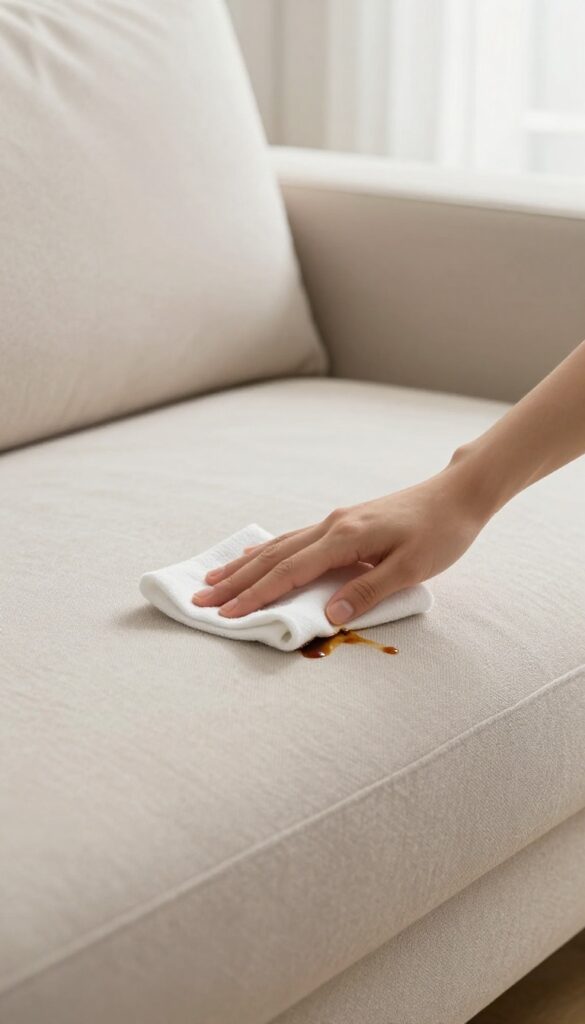
When a fresh spill hits your couch, your first instinct might be to grab a cloth and scrub. That's exactly the wrong move. Rubbing grinds the liquid deeper into the fibers and spreads the stain wider.
Instead, reach for a clean, dry cloth and blot gently. Press down to absorb as much liquid as possible, then lift the cloth and repeat with a fresh area. This simple switch saves you hours of frustration.
Blotting works because it lifts the spill upward instead of pushing it down. For best results, use a white cloth or paper towel so you can see how much liquid you're picking up. Start from the outside of the stain and work inward to prevent spreading.
If the spill is thick like ketchup or yogurt, scrape off any solids first with a spoon or dull knife. Then blot the remaining liquid. Patience pays off—keep blotting until the cloth comes away mostly dry.
Why Rubbing Backfires
Rubbing might feel productive, but it actually damages fabric fibers and sets the stain permanently. The friction pushes particles deep into the cushion, making them nearly impossible to remove later. Even worse, rubbing can cause the stain to spread into a larger, uglier mark.
Always resist the urge to scrub—your couch will thank you.
The Right Way To Blot
Use a clean, absorbent cloth—old T-shirts or microfiber towels work great. Press firmly but gently, letting the fabric soak up the spill. Don't press so hard that you force liquid through to the foam underneath.
Change to a dry section of the cloth as it gets wet. Repeat until no more liquid transfers. For stubborn spots, a light dab with a mild soap solution can help, but always blot afterward.
When To Use A Stain Remover
After blotting, if a residue remains, apply a small amount of upholstery-safe cleaner or a DIY mix of dish soap and water. Dab the solution onto the stain with a cloth, then blot again. Never pour liquid directly onto the couch—it can soak into the padding and cause mold or odors.
Work slowly and let the fabric air dry between attempts.
2. DIY Baking Soda Deodorizer for Deep Odor Absorption
Baking soda is a powerhouse when it comes to neutralizing odors, and it's probably already in your pantry. Unlike sprays that just mask smells, baking soda actually absorbs and traps odor molecules deep within the fabric fibers. This hack is especially useful for couches that have absorbed years of pet smells, cooking odors, or mustiness.
To use this method, simply sprinkle a generous, even layer of baking soda over the entire couch surface. Don't be shy—cover the cushions, backrest, and even the crevices where crumbs and odors hide. Let it sit for at least 15 minutes, but for tougher smells, leave it on for a few hours or even overnight.
Then, vacuum thoroughly using an upholstery attachment to remove all the powder. Your couch will smell fresher without any chemical residue.
Why Baking Soda Works So Well
Baking soda is slightly alkaline, which helps it react with and neutralize acidic odor molecules. It's also a mild abrasive that can help lift dirt and stains when combined with a bit of moisture. Best of all, it's non-toxic and safe for most fabrics, making it a go-to for households with kids and pets.
Tips For Maximum Effectiveness
For extra-deep odor absorption, mix a few drops of your favorite essential oil (like lavender or lemon) into the baking soda before sprinkling. This adds a light, natural scent without overwhelming the fabric. Also, make sure to vacuum in multiple directions to ensure you pick up every bit of powder—leftover baking soda can feel gritty and attract dirt.
When To Use This Hack
This method is perfect for routine maintenance between deep cleans. Use it once a month to keep your couch smelling fresh, or after a party or pet accident to quickly neutralize odors. It's also a great first step before tackling specific stains, as it helps remove surface oils and residues.
3. White Vinegar and Water Solution for Pet Stains
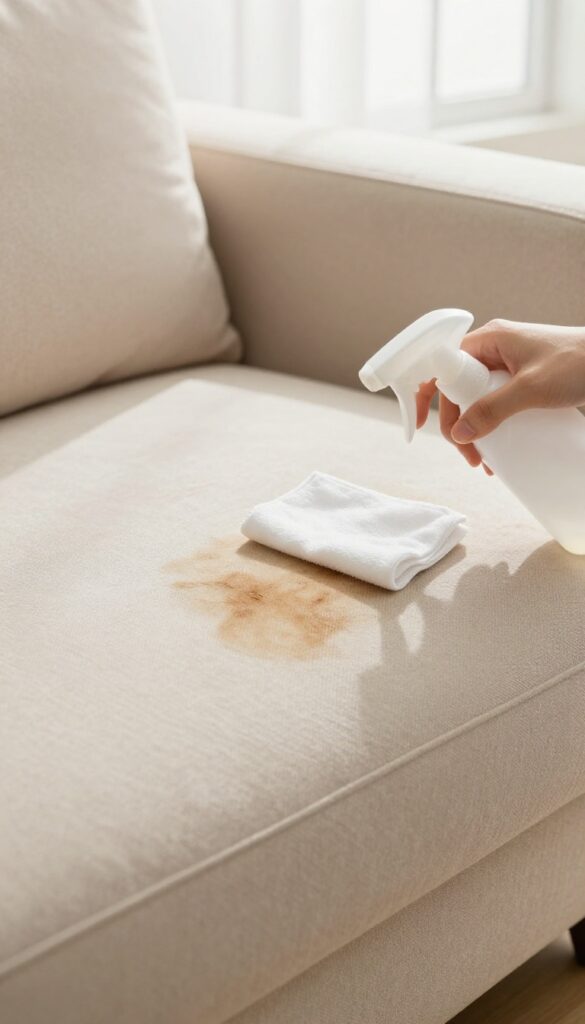
Pet stains are a double whammy—they leave a visible mark and a lingering odor that can be tough to shake. Commercial removers work, but they often come with a hefty price tag and strong chemicals. A simple mix of white vinegar and water does the job just as well, without the harsh stuff.
White vinegar is a natural deodorizer and stain fighter. Its acidity breaks down the uric acid in pet urine, neutralizing both the stain and the smell. Plus, it's safe for most couch fabrics when used correctly.
How To Mix And Apply
Combine equal parts white vinegar and water in a spray bottle. Shake gently, then spray the solution directly onto the pet stain until the area is damp but not soaking. Let it sit for five to ten minutes to penetrate the fibers.
Blotting Technique Matters
After the solution has sat, blot the area with a clean, dry cloth. Press firmly to absorb the liquid—don't rub, or you'll push the stain deeper. Repeat with fresh sections of the cloth until the spot is mostly dry.
Let It Air Dry Completely
Allow the area to air dry naturally. Open a window or turn on a fan to speed things up. As it dries, the vinegar smell will fade, taking the pet odor with it.
For stubborn stains, repeat the process once more.
4. Rubbing Alcohol Spray for Ink and Marker Marks
Ink stains from pens or markers can feel like a permanent eyesore on your couch. But before you panic, grab some rubbing alcohol from your medicine cabinet. This simple solution breaks down the ink pigments without damaging most fabrics, making it a go-to hack for those accidental scribbles or pocket-pen mishaps.
Rubbing alcohol works because it dissolves the oils and dyes in ink, allowing you to lift the stain away. It's effective on ballpoint pen, permanent marker, and even some craft paints. Always test on a hidden spot first to ensure your fabric's color stays put.
How To Apply Rubbing Alcohol
Dab a cotton ball or clean cloth in rubbing alcohol—don't soak it. Gently blot the ink stain, working from the outside in to prevent spreading. You'll see the ink transfer onto the cotton.
Repeat with fresh cotton balls until no more ink lifts. Blot with a damp cloth afterward to remove any residue.
What To Do For Stubborn Marks
If the stain persists, try a stronger approach: spray a small amount of rubbing alcohol directly onto the mark, then blot with a clean cloth. For dried marker stains, let the alcohol sit for a minute before blotting. Avoid scrubbing, as that can push the ink deeper into the fibers.
Fabric Safety Tips
Rubbing alcohol is safe for most synthetic fabrics like polyester and microfiber, but it may affect delicate materials like silk or velvet. Always check the care label. For leather or suede couches, skip this method and use a dedicated leather cleaner instead.
5. Dish Soap and Hydrogen Peroxide for Tough Grease Stains
Grease stains from buttery popcorn, pizza, or oily fingers can feel impossible to remove. But a simple duo of dish soap and hydrogen peroxide cuts through the grease without damaging your couch fabric. This combo works because dish soap breaks down oil while hydrogen peroxide lifts the stain from fibers.
Mix 1 tablespoon of hydrogen peroxide with a few drops of liquid dish soap. Stir gently to combine. Dip a clean white cloth into the solution and blot the stain—don't rub, or you'll push the grease deeper.
Let it sit for 5 minutes, then blot with a damp cloth to remove the soap. Repeat if needed, then let the area air dry.
Why This Combo Works
Dish soap is designed to break down grease on dishes, and it does the same on fabric. Hydrogen peroxide adds a gentle bleaching action that helps lift the stain without harsh chemicals. Together, they tackle even set-in grease spots.
Fabric Safety Check
Always test on a hidden area first. Hydrogen peroxide can lighten some fabrics, especially dark or delicate ones. Avoid using on wool, silk, or leather.
For synthetic blends and cotton, it's usually safe.
Tips For Best Results
Use a white cloth to avoid color transfer. Blot from the outside of the stain inward to prevent spreading. If the stain is old, let the solution sit for up to 10 minutes before blotting.
Rinse thoroughly with a damp cloth to remove all soap residue.
6. Vacuum with a Crevice Tool to Reach Crumbs and Debris
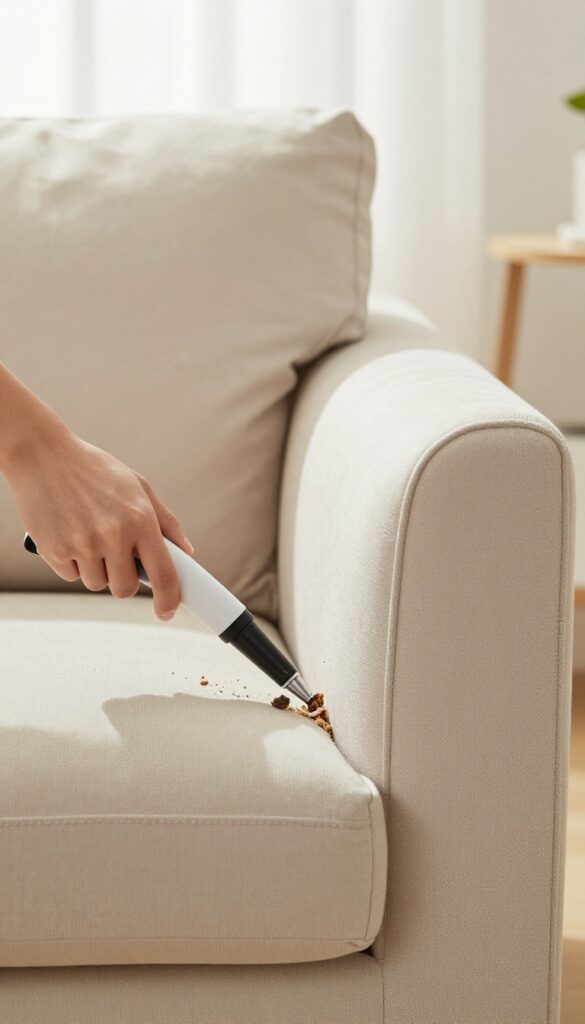
You might vacuum the seat cushions now and then, but what about the tight spaces where crumbs love to hide? The crevice tool is your secret weapon for deep-cleaning those narrow gaps along seams and between cushions. It's a simple step that makes a big difference in keeping your couch fresh.
Crumbs, pet hair, and dust collect in the crevices of your sofa over time. Without regular cleaning, they can attract pests or cause odors. The crevice tool attachment on your vacuum is designed specifically for these hard-to-reach spots.
Use it weekly to prevent buildup and keep your couch looking tidy.
Why The Crevice Tool Matters
Standard vacuum heads are too wide to fit between cushions or along seams. The crevice tool's narrow shape lets you suck out debris that would otherwise stay trapped. This reduces the chance of crumbs turning into a sticky mess or attracting bugs.
How To Use It Effectively
Start by removing any loose cushions. Run the crevice tool along the seams where the backrest meets the seat, then between each cushion. Don't forget the corners and edges.
For stubborn crumbs, use a stiff brush to loosen them first, then vacuum.
When To Do This
Make it part of your weekly cleaning routine. If you eat on the couch often, vacuum more frequently. A quick pass with the crevice tool after a snack can prevent crumbs from settling in.
7. Lint Roller for Quick Pet Hair Pickup
Pet hair can make your couch look fuzzy and unkempt, even if you vacuum regularly. But you don't always want to drag out the vacuum for a quick touch-up. A simple lint roller is your secret weapon for snatching up hair and lint in seconds, leaving your sofa looking clean and fresh without any fuss.
Lint rollers are cheap, easy to use, and incredibly effective on fabric upholstery. They work by using adhesive sheets to lift hair, dust, and lint right off the surface. Keep one in your living room or near the couch so you can quickly roll over spots where your pet likes to lounge.
It's especially handy for high-traffic areas like armrests and the back of the couch where hair tends to accumulate.
Why A Lint Roller Works So Well
The sticky sheets grab hair that a vacuum might miss, especially short, fine hairs that get embedded in the fabric. Lint rollers are also gentle on most upholstery materials, so you won't damage the fibers. Plus, they're portable—you can use them on cushions, throw pillows, and even the sides of the couch without any setup.
How To Use It Effectively
Start by rolling in one direction over the hair-covered area. Use firm, even pressure to ensure the adhesive makes good contact. When the sheet gets full, simply peel it off and reveal a fresh layer.
For large areas, work in sections and change sheets as needed. You can also use the roller to pick up crumbs and dust, making it a multi-purpose tool for quick cleanups.
When To Reach For A Lint Roller Vs. A Vacuum
A lint roller is perfect for daily touch-ups between vacuuming sessions. If you have a pet that sheds heavily, a quick roll every evening keeps the couch looking presentable. But for deep cleaning—like removing hair from crevices or embedded dirt—stick with your vacuum's upholstery attachment.
The roller handles surface hair best, while the vacuum gets deeper.
8. Steam Cleaning with a Handheld Steamer for Sanitizing
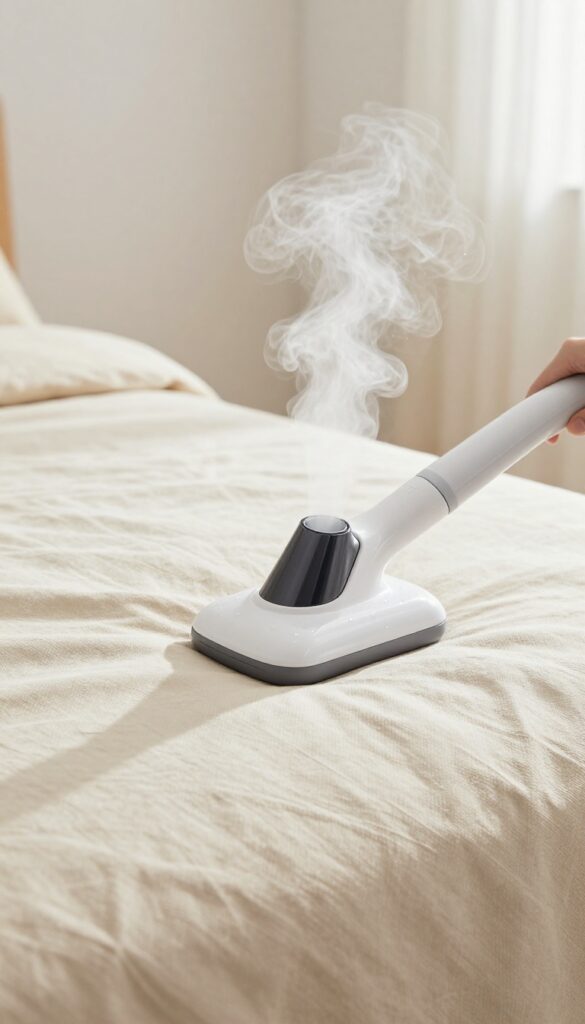
Sometimes a deep clean means more than just scrubbing—it means sanitizing. A handheld steamer is a game-changer for couch care, using high-temperature steam to kill bacteria, dust mites, and germs without harsh chemicals. It also loosens dirt and grime embedded in the fabric fibers, making it easier to wipe away.
This method is especially useful for households with kids or pets, where spills and accidents happen often.
Steam cleaning is a powerful yet gentle way to refresh your couch. The heat penetrates deep into the fabric, breaking down sticky residues and neutralizing odors at the source. Plus, it's chemical-free, so you don't have to worry about harsh fumes or residue that might attract more dirt.
A handheld steamer is easy to maneuver, letting you target specific spots or cover the entire couch surface. Just be sure to check your couch's care label first—some fabrics like velvet or silk may not be suitable for steam.
Prepping Your Couch For Steam
Before you start, vacuum the couch thoroughly to remove loose crumbs, pet hair, and dust. This prevents the steam from pushing debris deeper into the fabric. Also, spot-test the steamer on an inconspicuous area to ensure the fabric can handle the heat and moisture.
If you're treating a stain, pre-treat it with a gentle cleaner or just let the steam do the work.
How To Steam Clean Effectively
Fill your handheld steamer with water and let it heat up. Hold the steamer a few inches away from the fabric and move it slowly across the surface, overlapping each pass slightly. For stubborn stains, hold the steamer in place for a few seconds to loosen the grime, then blot with a clean microfiber cloth.
Work in sections, and avoid saturating the fabric—steam should be dry to the touch after a few seconds.
Drying And Aftercare
After steaming, allow the couch to air dry completely. Open windows or use a fan to speed up the process. Once dry, give the fabric a quick vacuum or brush to restore its texture.
Steam cleaning not only sanitizes but also helps revive flattened cushions and remove wrinkles. For best results, steam your couch every few months or after any major spills.
9. Cornstarch Paste for Greasy Headrest Stains
Headrests take a beating from hair products, skin oils, and those late-night snacks eaten on the couch. The fabric can look dark and greasy even after a regular cleaning. Cornstarch is your secret weapon here—it's a natural degreaser that lifts oil without harsh chemicals.
Mix cornstarch with a little water to form a thick paste, about the consistency of toothpaste. Apply a generous layer to the stained area, focusing on the darkest spots. Let it dry completely, which can take 30 minutes to an hour.
Once dry, brush off the powder with a soft brush or vacuum it away. The cornstarch absorbs the grease, leaving the fabric cleaner and fresher. For stubborn stains, repeat the process or let the paste sit longer.
Why Cornstarch Works On Grease
Cornstarch is a fine powder with a high absorbency rate. It pulls oil from fabric fibers without pushing the stain deeper. Unlike liquid cleaners that can spread grease, cornstarch binds to it and lifts it away when brushed off.
How To Apply For Best Results
Start with a dry headrest. Mix one part cornstarch with one part water, stirring until smooth. Spread the paste evenly over the greasy area.
Let it dry fully—you'll see it turn slightly translucent as it absorbs oil. Brush off with a stiff-bristled brush or use a vacuum with a brush attachment.
When To Repeat The Process
Heavy buildup may need two or three treatments. After the first round, check the fabric. If a shadow remains, apply another layer and let it dry.
This method is gentle enough for most upholstery fabrics, but always test on a hidden spot first.
10. Club Soda for Red Wine Spills
Red wine on a light couch is a heart-stopping moment. But before you panic, grab a bottle of club soda from the fridge. The carbonation helps lift the stain while the salt in the soda draws out the wine.
Act fast—the sooner you tackle it, the better. Pour club soda directly onto the stain until it's fully saturated. Let it fizz for a minute or two; that bubbling action is what breaks down the wine pigments.
Then blot with a clean white cloth, pressing firmly from the outside in to avoid spreading. Repeat until no more color transfers. Finish by dabbing with a little cold water to remove any residue.
Why Club Soda Works
Club soda contains carbonic acid and sodium salts. The bubbles mechanically lift the stain from the fibers, while the salt helps absorb the wine. It's gentle enough for most upholstery fabrics but effective on fresh stains.
What If The Stain Has Set?
If the wine has dried, mix a solution of 1 part white vinegar to 2 parts water. Apply it to the stain, let it sit for 5 minutes, then blot. Follow up with club soda as above.
For stubborn marks, a drop of dish soap in the vinegar solution can help.
Testing First
Always test club soda on a hidden area of your couch first. Some delicate fabrics may react poorly to moisture. Wait for the test spot to dry completely to check for discoloration or texture changes.
11. Shaving Cream for Upholstery Stain Lifting
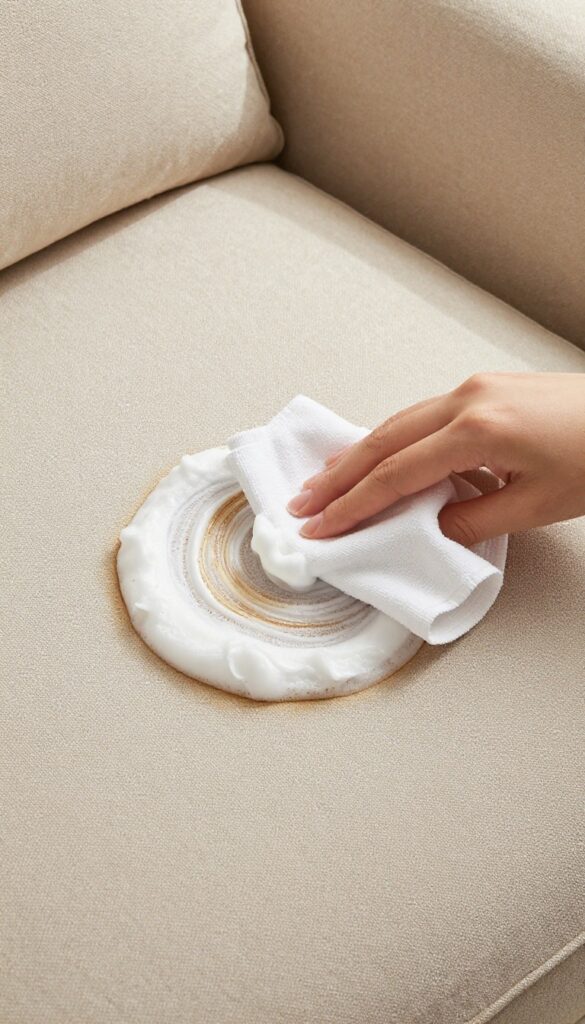
Shaving cream isn't just for your morning routine—it's a surprisingly effective stain remover for upholstery. The foamy texture lifts dirt and grease without soaking the fabric, making it perfect for fresh or set-in marks. Best of all, it's gentle enough for most couch materials.
To use shaving cream on your couch, you'll need a plain white shaving cream (not gel or menthol varieties). Blot the stain first to remove any excess, then apply a small dollop directly onto the mark. Use a soft cloth or your fingers to work it in gently in a circular motion.
Let it sit for 5-10 minutes, then wipe away with a damp cloth. Repeat if needed. Always test on an inconspicuous area first to ensure colorfastness.
Why Shaving Cream Works
Shaving cream contains surfactants that break down oils and dirt, while its foam structure lifts particles away from fabric fibers. Unlike liquid cleaners, it doesn't saturate the cushion, reducing drying time and preventing mold or mildew.
Best Stains For Shaving Cream
This method works wonders on makeup, ink, grease, and food stains like chocolate or sauce. It's less effective on old, dried protein stains (like blood or milk), which may need an enzyme cleaner instead.
Tips For Success
Use a white cloth to avoid color transfer. Don't rub too hard—you might spread the stain. After cleaning, blot with a dry towel to absorb moisture, then let the cushion air dry completely before using the couch again.
12. Essential Oils to Freshen Fabric Between Washes
Your couch doesn't need a full wash every time it starts smelling a little stale. A quick spritz with essential oils can lift odors and leave the room feeling fresh. This hack is perfect for those in-between days when you just want a light refresh.
Mix about 10 drops of lavender or lemon essential oil with one cup of water in a spray bottle. Shake well, then lightly mist the fabric from about 12 inches away. Avoid soaking the cushion—just a fine mist is enough.
Let it air dry for a few minutes, and the scent will linger pleasantly. This works great for synthetic blends and cotton upholstery, but always test on a hidden spot first.
Why Lavender And Lemon Work Best
Lavender is calming and naturally antibacterial, which helps neutralize musty odors. Lemon is uplifting and cuts through greasy smells like cooking or pet odors. Both are gentle on fabrics and safe for most couch materials when diluted properly.
How To Apply Without Overwetting
Overwetting can lead to mildew or water stains. Use a fine-mist spray bottle and hold it at least 12 inches away. Spritz in a sweeping motion, then let the couch air dry with windows open or a fan on.
For extra odor control, add a tablespoon of vodka or rubbing alcohol to the mix—it evaporates quickly and helps kill bacteria.
Other Scent Combinations To Try
Tea tree oil is great for musty smells and has antifungal properties. Peppermint invigorates and deters pests. Or mix orange and cedarwood for a warm, cozy vibe.
Stick to 10–15 drops total per cup of water to avoid overwhelming the room.
13. Sock Over Vacuum Hose for Lost Items and Small Debris
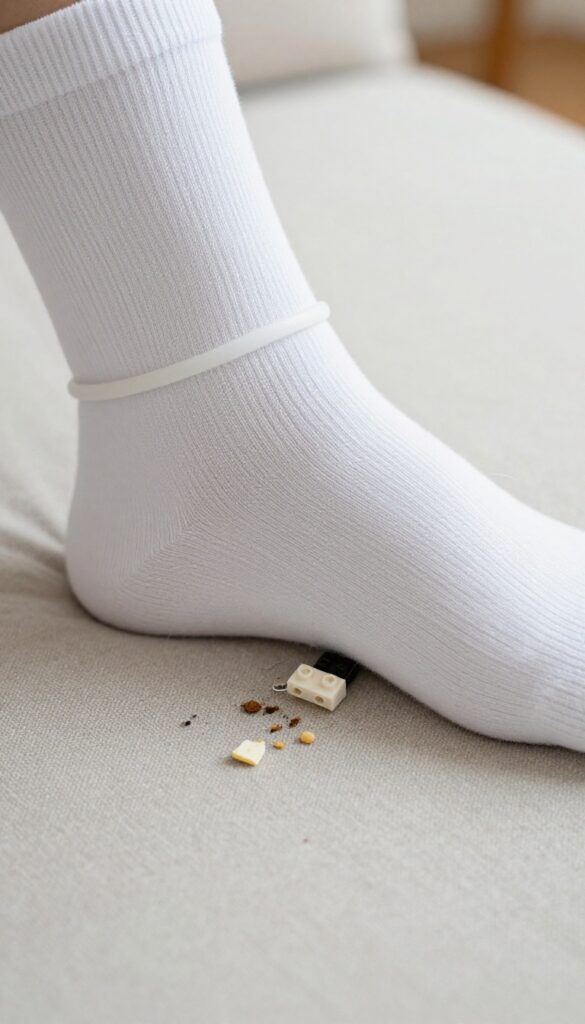
That tiny earring, the Lego brick your kid has been hunting for, or the stray coin that fell between the cushions—small items have a way of vanishing into couch crevices. But chasing them with your hands or dumping out the vacuum canister is a hassle. There's a simple trick that turns your vacuum into a gentle retrieval tool and a debris magnet at the same time.
Grab a clean sock—preferably one without holes—and stretch it over the end of your vacuum's hose attachment. Secure it with a rubber band or hair tie so it stays put. The sock acts like a fine mesh filter: air passes through, but small objects get trapped inside the sock instead of sucked into the vacuum bag.
Once you're done, just turn off the vacuum, remove the sock, and pick out the lost item. No digging through dust bunnies required.
Why This Works So Well
The sock creates a barrier that stops small items from getting lost in the vacuum's abyss. At the same time, the fabric's texture helps grab crumbs, pet hair, and fine dust from the crevices. It's like having a gentle claw that scoops up debris without scratching your couch's fabric or damaging delicate items.
Which Sock To Use
A thin cotton or synthetic sock works best—thick wool or terry cloth might block too much suction. Make sure the sock is clean and dry. For extra grip, use a sock with a bit of texture, like a ribbed athletic sock.
Avoid socks with loose threads that could snag on upholstery.
Step-by-step: How To Do It
First, remove any attachments from your vacuum hose. Stretch the sock over the end, pulling it taut. Secure it with a rubber band about an inch from the opening.
Turn the vacuum on low or medium suction to avoid pulling the sock off. Run the hose along couch seams, under cushions, and around edges. When you're done, turn off the vacuum, remove the sock, and shake out the debris or pick out your lost item.
Bonus: Freshen Up At The Same Time
Add a few drops of essential oil—like lavender or lemon—to the sock before securing it. As you vacuum, the airflow will gently scent the couch. Just make sure the oil doesn't soak through and stain the fabric.
A couple of drops on the outside of the sock is plenty.
14. Ice Cube Trick for Dented Cushions
Over time, couch cushions can develop flat spots or dents from constant sitting. Before you consider replacing them, try this surprisingly simple fix using ice cubes. It works especially well for foam-filled cushions that have lost their bounce.
How It Works
The science is straightforward: foam compresses under weight and doesn't always spring back. Ice cubes provide moisture that the foam absorbs, helping it expand back to its original shape. As the ice melts, the water plumps up the flattened fibers.
Step-by-step Instructions
Start by placing a few ice cubes directly on the dented area. Use enough to cover the spot without piling them too high. Let the ice melt completely—this can take several hours, so plan ahead.
Once melted, gently press the cushion with your hands to redistribute the moisture, then blot any excess water with a towel. Finally, let the cushion air-dry fully before using the couch again. For faster drying, you can use a hairdryer on a cool setting.
Tips For Best Results
This trick works best on foam cushions, not those filled with fiber or down. If your cushion has a zipper, you can remove the cover before applying ice to avoid water stains. For deep dents, you may need to repeat the process a couple of times.
Also, make sure the cushion is completely dry before putting the cover back on to prevent mold or mildew.
15. Dryer Sheets to Reduce Static and Attract Dust
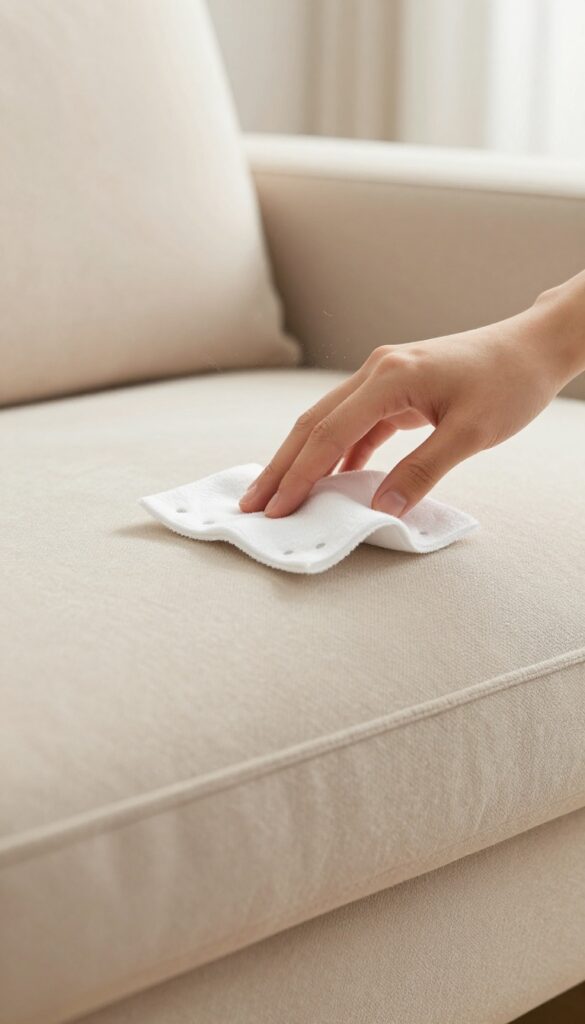
Static cling isn't just annoying—it also pulls dust and pet hair onto your couch fabric. A simple dryer sheet can fix both problems in seconds. This hack is especially handy during dry winter months or in air-conditioned rooms where static builds up fast.
How It Works
Dryer sheets contain antistatic agents that neutralize electrical charges on fabric. When you rub a sheet over the couch, it reduces static cling and loosens dust and hair so they can be vacuumed away easily. Plus, it leaves a light, fresh scent.
Best Fabrics To Use This On
This trick works best on synthetic fabrics like polyester, microfiber, and nylon. It's also safe for cotton blends. Avoid using dryer sheets on leather or suede, as the chemicals can damage the finish.
Always test on a hidden spot first.
Step-by-step Quick Fix
Grab a used or new dryer sheet. Rub it gently over the couch fabric in long, even strokes. Focus on areas that attract the most dust, like the backrest and armrests.
Follow up with a vacuum using a brush attachment to pick up the loosened debris.
When To Skip This Hack
If your couch has a stain-repellent coating or is labeled as flame-resistant, skip the dryer sheet. The chemicals can interfere with those treatments. Also, avoid this method if anyone in your home has sensitive skin or allergies to fragrances.
16. Enzyme Cleaner for Organic Stains Like Urine or Vomit
Organic stains—like pet urine, baby spit-up, or vomit—are a whole different beast. They don't just sit on the surface; they soak deep into the cushion foam and padding. Regular cleaners might mask the smell for a while, but the odor often returns stronger than before, especially on humid days.
That's because the proteins and bacteria are still there, just waiting to reactivate.
Enzyme cleaners are specially formulated to break down these organic compounds at a molecular level. They contain beneficial bacteria or enzymes that literally eat away the proteins, fats, and starches that cause stains and odors. This isn't just a cover-up—it's a full breakdown.
For the best results, you need to let the cleaner sit long enough for the enzymes to do their work, usually 10 to 15 minutes. Blot up excess liquid first, then spray the enzyme cleaner generously on the affected area. Don't scrub aggressively, as that can push the stain deeper into the fibers.
Let it sit, then blot again with a clean cloth. Repeat if necessary. For stubborn or old stains, you may need to apply the cleaner, cover with plastic wrap to keep it moist, and let it sit overnight.
Why Enzyme Cleaners Work Better Than Bleach Or Vinegar
Bleach can damage fabric colors and fibers, and vinegar isn't strong enough to fully break down organic proteins. Enzyme cleaners are pH-neutral and safe for most upholstery fabrics, including microfiber and cotton blends. They target the source of the odor, not just the surface smell.
Plus, they're non-toxic and safe around kids and pets once dry.
How To Apply Enzyme Cleaner To Couch Upholstery
First, test the cleaner on a hidden area to make sure it doesn't discolor the fabric. Blot up any fresh stain with paper towels—don't rub. Spray the enzyme cleaner directly onto the stain, covering it completely.
Let it sit for at least 10-15 minutes (longer for set-in stains). Blot with a clean cloth, working from the outside in to prevent spreading. Repeat if needed.
For deep-set odors, you can mist the area lightly and let it air dry. The enzymes will continue working as they dry.
Best Enzyme Cleaners For Couches And Where To Find Them
Look for products specifically labeled as enzymatic or bio-enzymatic cleaners. Popular brands include Nature's Miracle, Angry Orange, and Rocco & Roxie. You can also find enzyme cleaners at pet supply stores, hardware stores, or online.
For a DIY version, mix a tablespoon of enzyme laundry detergent (like BioKleen) with a cup of warm water, but note that homemade versions are less potent than commercial ones.
17. Microfiber Cloth for Streak-Free Wiping
Leather and vinyl couches look sleek, but they also show every smudge, fingerprint, and cleaning mistake. A damp rag can leave water spots, while paper towels often push dirt around instead of lifting it. The fix is simpler than you think: a good microfiber cloth.
Microfiber is a game-changer for smooth-surface couches. Its ultra-fine fibers trap dust and grime without scratching the material, and they absorb moisture evenly so you don't get those annoying streaks. Whether you're wiping up a spill or giving the whole couch a once-over, this cloth makes the job quick and frustration-free.
Why Microfiber Works Best
Unlike cotton or paper, microfiber has a static charge that pulls dirt into the fibers rather than pushing it around. It also holds many times its weight in liquid, so you use less water and get a drier wipe. That means no standing water that can leave marks or damage the material over time.
How To Use It On Leather And Vinyl
Dampen the cloth with plain water or a tiny drop of mild soap—never soak it. Wring it out well so it's just barely moist. Wipe in long, even strokes, overlapping each pass.
For stubborn spots, let the damp cloth sit on the area for a few seconds before wiping. Then buff with a dry microfiber cloth for a perfect, streak-free shine.
Care And Reuse Tips
Microfiber cloths can be washed and reused dozens of times. Just toss them in the laundry with mild detergent—no fabric softener, which clogs the fibers. Air dry or tumble on low.
A clean, lint-free cloth is key to avoiding streaks, so replace it once it starts looking dingy or feels greasy.
18. Rubbing Alcohol and Water for Mold and Mildew Spots
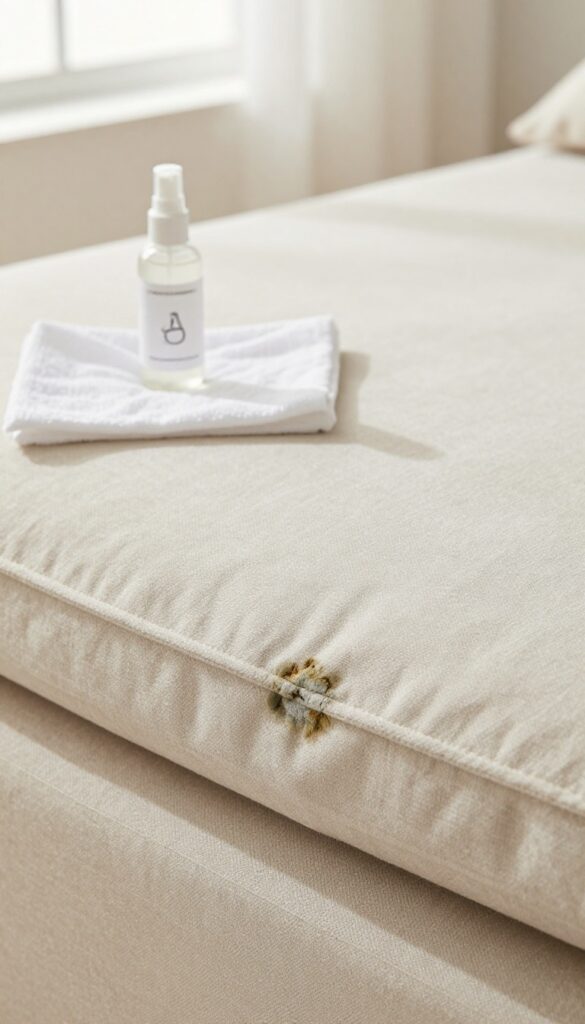
Mold and mildew on your couch aren't just unsightly—they can trigger allergies and make the room smell musty. This often happens in humid climates or if the sofa gets damp and doesn't dry properly. The good news is that rubbing alcohol kills mold spores and prevents them from coming back, all without harsh chemicals.
Rubbing alcohol is a powerful disinfectant that evaporates quickly, so it won't soak into your couch cushions and cause more moisture issues. When mixed with water, it becomes a gentle yet effective solution for spot-treating mold and mildew. Always test on a hidden area first, especially on delicate fabrics like velvet or silk.
Why This Works
Rubbing alcohol (isopropyl alcohol) kills mold on contact by breaking down the cell walls of the fungi. It also dries rapidly, which helps prevent the moisture that mold needs to grow. Unlike bleach, it's less likely to discolor fabrics, and it evaporates without leaving a sticky residue.
How To Apply It
Mix equal parts rubbing alcohol and water in a spray bottle. Lightly mist the moldy spots—don't soak the fabric. Let it sit for 10–15 minutes, then blot with a clean, dry cloth.
For stubborn spots, gently scrub with a soft-bristled brush. Repeat if needed, then let the area air dry completely.
Safety And Precautions
Always work in a well-ventilated room because rubbing alcohol fumes can be strong. Keep it away from open flames or heat sources. Test on a hidden spot first to make sure the color doesn't fade.
Avoid using on leather or untreated wood frames, as alcohol can dry them out.
19. Fabric Protector Spray to Prevent Future Stains
You've put in the work to get your couch clean—now keep it that way. Fabric protector sprays create an invisible shield that repels liquids and prevents dirt from setting into the fibers. It's like giving your sofa a raincoat against future spills.
Fabric protector sprays work by coating each fiber with a protective layer. Liquids bead up instead of soaking in, and crumbs can be brushed away more easily. This means you have more time to blot a spill before it becomes a stain.
Most sprays are safe for cotton, polyester, microfiber, and blends, but always test on a hidden area first.
How To Apply Fabric Protector Correctly
Start with a freshly cleaned and completely dry couch. Hold the can about 6 to 8 inches away and apply an even, light coat. Don't oversaturate—a thin layer is enough.
Let it dry for at least 24 hours before using the couch. For high-traffic areas like armrests and seat cushions, reapply every 6 months or after deep cleaning.
Choosing The Right Protector For Your Fabric
Look for water-based, non-toxic formulas if you have kids or pets. Scotchgard is a popular choice, but there are eco-friendly brands like ForceField and Varanida. Avoid silicone-based sprays on microfiber, as they can cause discoloration.
For leather, use a dedicated leather protector instead.
Maintenance Tips To Extend Protection
Vacuum your couch weekly to remove abrasive dust that can wear down the protective layer. Spot-clean spills immediately—even with a protector, letting liquid sit can eventually break through. Avoid using harsh chemicals or bleach-based cleaners on treated areas, as they can strip the coating.
20. Regular Weekly Maintenance Routine for Long-Lasting Freshness
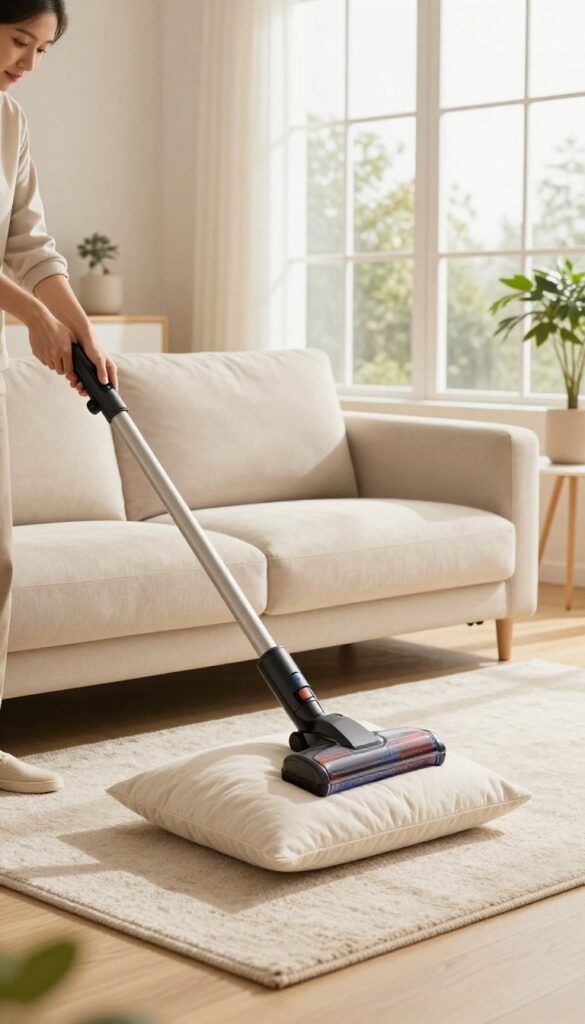
Keeping your couch fresh isn't just about deep cleaning—it's about staying on top of small tasks. A quick weekly routine prevents dirt and odors from building up, so your sofa always looks its best. Here's how to make maintenance a habit without it feeling like a chore.
Vacuum Every Corner
Start with a thorough vacuuming session. Use the upholstery attachment to go over the entire surface, including the backrest, seat cushions, and armrests. Don't forget to lift the cushions and vacuum underneath—crumbs and debris love to hide there.
For crevices, a narrow nozzle works wonders.
Spot-clean As You Go
Treat spills and stains immediately. Keep a spray bottle with a mix of water and a drop of dish soap handy. Blot (don't rub) fresh stains with a clean cloth.
For dried spots, lightly spray and gently dab. This prevents stains from setting and keeps your couch looking fresh between deep cleans.
Fluff And Rotate Cushions
Flip and rotate your cushions weekly to ensure even wear. Fluff them by hand or give them a gentle shake to restore their shape. This simple step keeps your couch comfortable and prevents sagging, extending its lifespan significantly.
FAQ
Can I use bleach on my couch to remove stains?
Bleach is too harsh for most upholstery and can discolor or damage fabric. Stick to gentler cleaners like vinegar, baking soda, or dish soap.
How often should I deep clean my couch?
Aim for a deep clean every 6 to 12 months, depending on usage. High-traffic homes or pet owners may need it more frequently.
What's the best way to remove pet hair from a couch?
A lint roller, damp rubber glove, or vacuum with a brush attachment works great. For stubborn hair, try a squeegee.
Can I machine wash my couch cushions?
Check the care tag first. Many removable covers are machine washable on a gentle cycle, but the foam inserts should be spot-cleaned only.
How do I get rid of musty smells from my couch?
Sprinkle baking soda, let it sit for a few hours, then vacuum. For persistent odors, use an enzyme cleaner or place the couch in sunlight if possible.
Conclusion
Your couch doesn't have to be a magnet for stains, crumbs, and odors. With these 20 hacks, you can tackle messes as they happen and keep your seating area feeling fresh between deep cleans. Start with the tips that address your biggest frustrations—whether it's pet hair, wine spills, or musty smells.
Consistency is key, but you don't need to do everything at once. Pick two or three methods to try this week and build from there. Your couch will look better, smell cleaner, and last longer with just a little regular attention.