
Last updated on May 22nd, 2026 at 02:34 pm
Your dog deserves a safe space to run and play, but fancy dog runs can cost a fortune. The good news? You don't need to spend big to create a secure, fun area right in your backyard.
These 11 budget dog run ideas prove that a little creativity goes a long way. Whether you have a small yard or a large one, there's a solution here that fits your space and wallet. From repurposed materials to simple setups, each idea is practical and dog-tested.
Ready to give your pup the run they deserve without the hefty price tag? Let's dive into these wallet-friendly options.
1. Repurposed Pallet Fencing
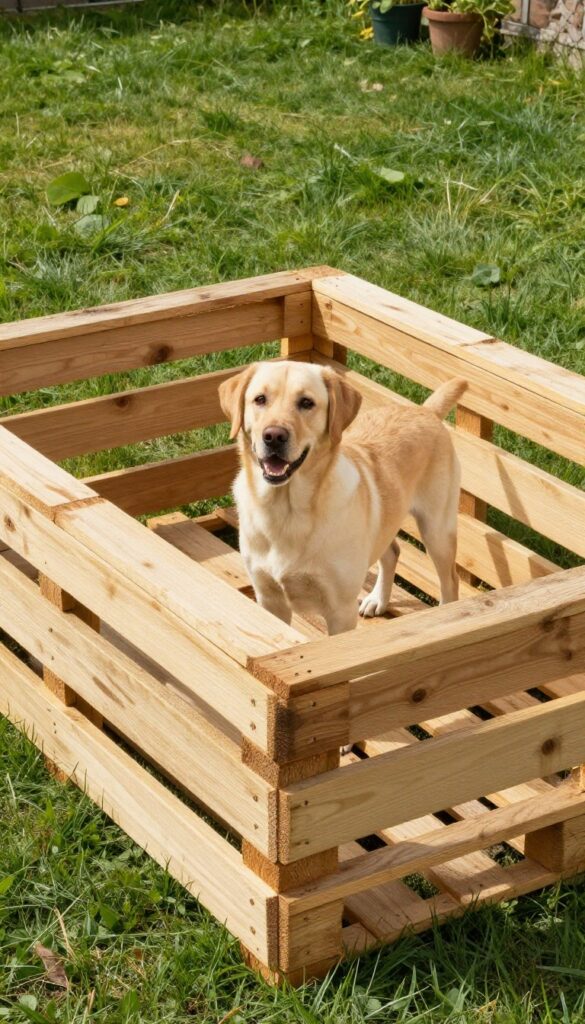
Wood pallets are everywhere—often free for the taking. With a little elbow grease, you can turn them into a sturdy, custom-sized dog run that looks surprisingly good. This approach is perfect for DIYers who want maximum savings and a project that feels rewarding.
Plus, the natural wood look blends nicely into most backyards.
Why It Works
Pallets are built to be tough, so they can handle a dog's scratching and leaning. You can arrange them in any shape or size to fit your yard, and the slatted design lets your pup see out while staying safely contained. It's a simple, low-cost way to create a dedicated run without buying expensive fencing.
Best For
This idea suits medium to large dogs that need room to run, especially breeds like Labradors or German Shepherds. It's also great for renters who want a temporary solution—pallets can be disassembled and moved when you leave.
Practical Tip
Sand down any rough edges to prevent splinters, and secure pallets together with heavy-duty zip ties or screws for stability. Add a simple gate using hinges and a latch, and consider staining or painting the wood to weatherproof it and match your outdoor decor.
2. PVC Pipe and Netting Run
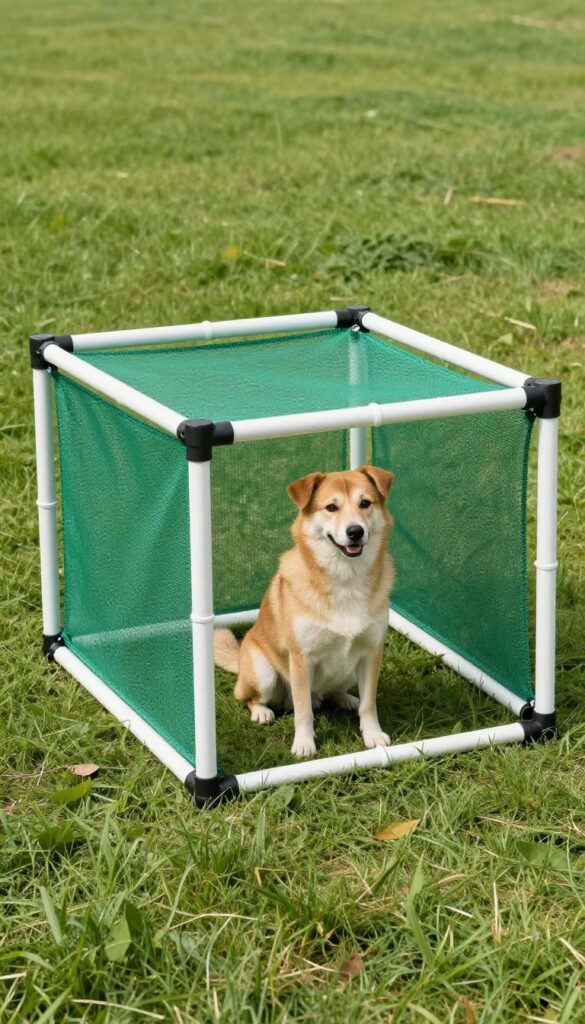
Sometimes the best solutions are the simplest. A PVC pipe and netting run gives you a lightweight, portable enclosure that you can set up in minutes. It's perfect for renters or anyone who wants flexibility in their yard layout.
The materials are cheap and easy to find at any hardware store.
Why It Works
PVC pipe is inexpensive, easy to cut, and won't rust or rot. Garden netting is strong enough to contain most dogs but gentle on their noses. The whole structure can be assembled without any special tools, and it's light enough to move around as needed.
You can even take it apart for storage in a small shed or garage.
Best For
This run is ideal for small to medium dogs who don't push hard against barriers. It's also great for owners who want a temporary setup for camping trips or visits to friends' houses. If you have a large yard but only need a defined play area, this run gives you flexibility without permanent fencing.
Practical Tip
Use Schedule 40 PVC for better durability, and make sure the netting is UV-resistant to last longer outdoors. Secure the netting with zip ties at every joint to prevent gaps. For extra stability, you can stake the bottom of the PVC frame into the ground with tent stakes or rebar pins.
Budget-Friendly Option
Instead of buying new garden netting, look for used shade cloth or old fishing nets on marketplace sites. Some hardware stores sell remnant pieces of deer netting at a discount. You can also repurpose an old volleyball net if you have one lying around.
3. Chain Link Dog Kennel Panels
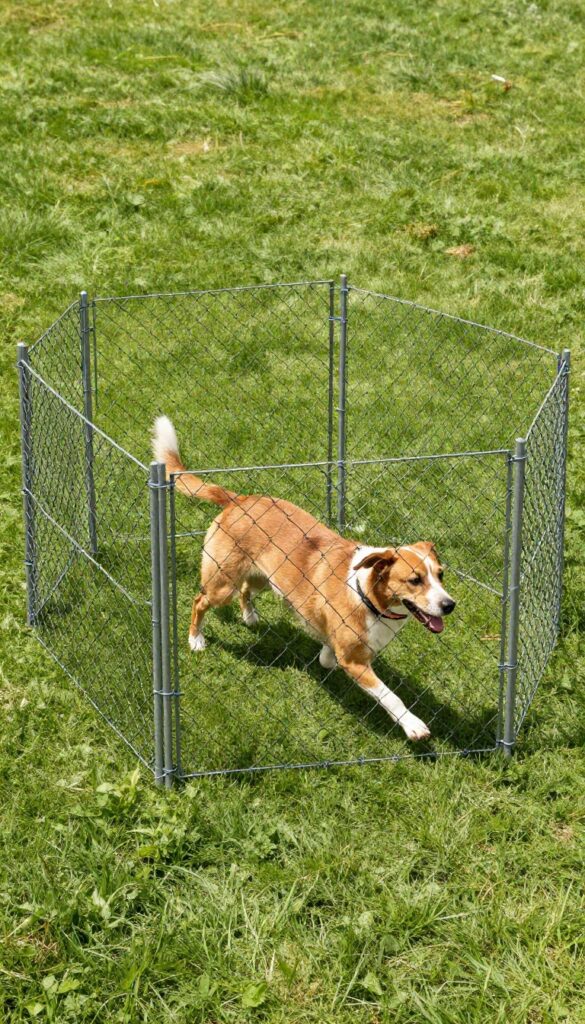
Secondhand chain link panels are a steal on online marketplaces. You can often find them for a fraction of the cost of new fencing, and they're built to last. Connecting a few panels creates a sturdy, open-air run that lets your dog see the world without escaping.
It's a classic choice that's quick to assemble and easy to move if needed.
Why It Works
Chain link is incredibly durable and weather-resistant, so it holds up to rain, sun, and enthusiastic dogs. The open design provides good airflow and visibility, which keeps your pup from feeling trapped. Plus, the panels are modular—you can start small and add more sections later as your budget allows.
Best For
This setup works well for medium to large dogs that need room to run but don't require a full privacy fence. It's also great for renters or anyone who wants a temporary run that can be taken down and reassembled at a new home.
Practical Tip
Secure the panels with zip ties or heavy-duty connectors at the joints to prevent gaps. Sink the bottom edge a few inches into the ground or use landscape staples to stop digging escapes. Add a simple tarp over part of the run for shade on hot days.
Budget-Friendly Option
Skip buying brand-new panels from hardware stores. Instead, check Facebook Marketplace, Craigslist, or local salvage yards for used panels that are still in good shape. You can often get a full run for under $50.
4. T-Post and Welded Wire Fencing
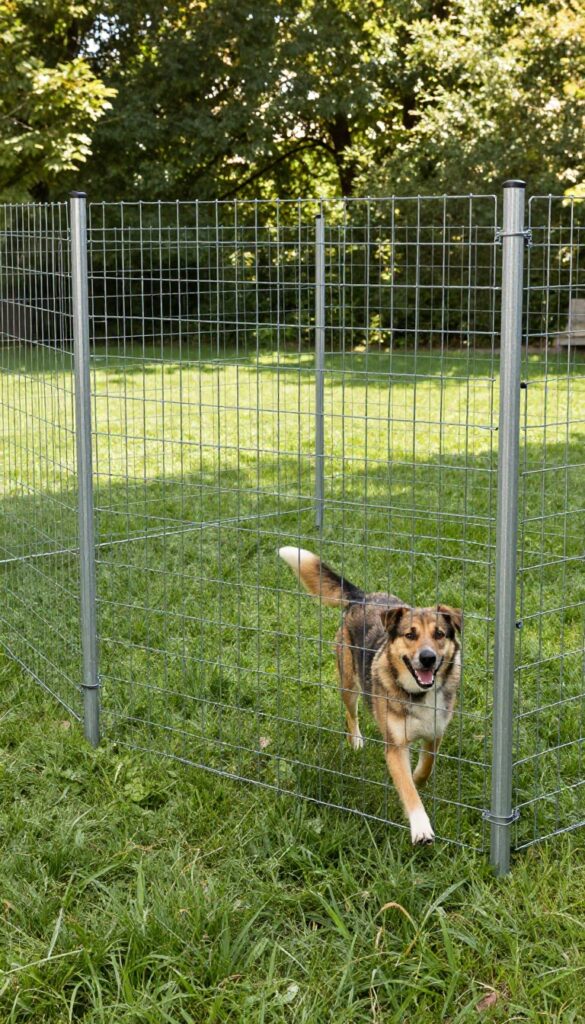
Steel T-posts and welded wire mesh create a no-fuss dog run that stands up to weather and wear. You drive the posts into the ground with a driver, then attach the fencing with clips or zip ties. It’s a straightforward weekend project that gives your dog a large, secure space without the cost of prefab panels.
Why It Works
Welded wire is strong enough to contain most dogs, yet it’s lightweight and easy to handle. T-posts are inexpensive and can be placed anywhere, even on uneven ground. The result is a permanent run that won’t rust or rot, and you can customize the size to fit your yard exactly.
Best For
This setup works well for medium to large dogs that need room to run. It’s ideal for homeowners with a dedicated yard area who want a long-lasting solution. Avoid it for very small or dig-happy dogs unless you add a buried apron of wire at the base.
Practical Tip
Use at least three strands of wire tension along the fence line to prevent sagging. Bury the bottom edge 6–12 inches underground or lay it flat on the surface and pin it down with landscape staples to stop digging. Check clips monthly and tighten them with pliers.
Budget-Friendly Option
Skip the expensive commercial fence kits. Buy T-posts from a farm supply store and welded wire in a roll. Use zip ties to attach the wire—they’re cheap, easy to replace, and hold up well for a season or two.
5. Portable Exercise Pen (X-Pen)
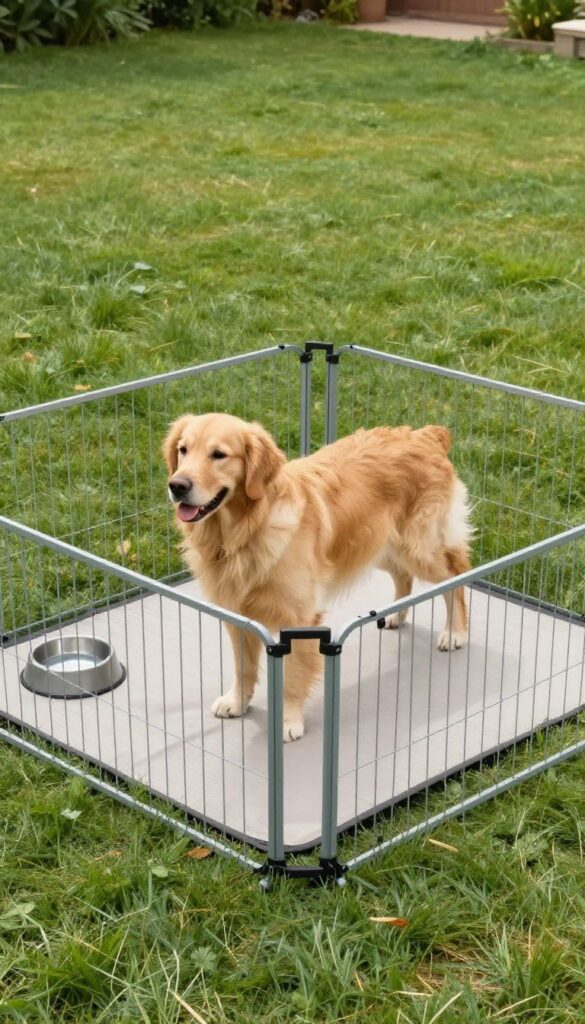
An X-pen is like a pop-up playground for your dog. It folds flat for storage and sets up in seconds, making it ideal for renters or anyone who wants flexibility. You can place it on grass, patio, or even indoors on a rainy day.
Why It Works
The modular design lets you adjust the shape—square, rectangle, or even a circle—to fit your yard. Most panels are sturdy enough to contain medium to large dogs, and the pen gives them room to run without needing a full fence.
Best For
Great for apartment dwellers with a small patio, renters who can't install permanent fencing, or owners who want a travel-friendly run for camping trips. Works well for puppies to adult dogs up to 70 pounds.
Practical Tip
Anchor the pen with sandbags or stakes if using on grass—dogs can push lightweight pens around. Place a blanket or outdoor mat inside for comfort, and add a water bowl in a corner so your pup stays hydrated.
Budget-Friendly Option
Skip expensive brand-name pens and look for used ones on Craigslist or Facebook Marketplace. A metal pen often costs under $50 secondhand and lasts for years.
6. Dog Run Under the Deck
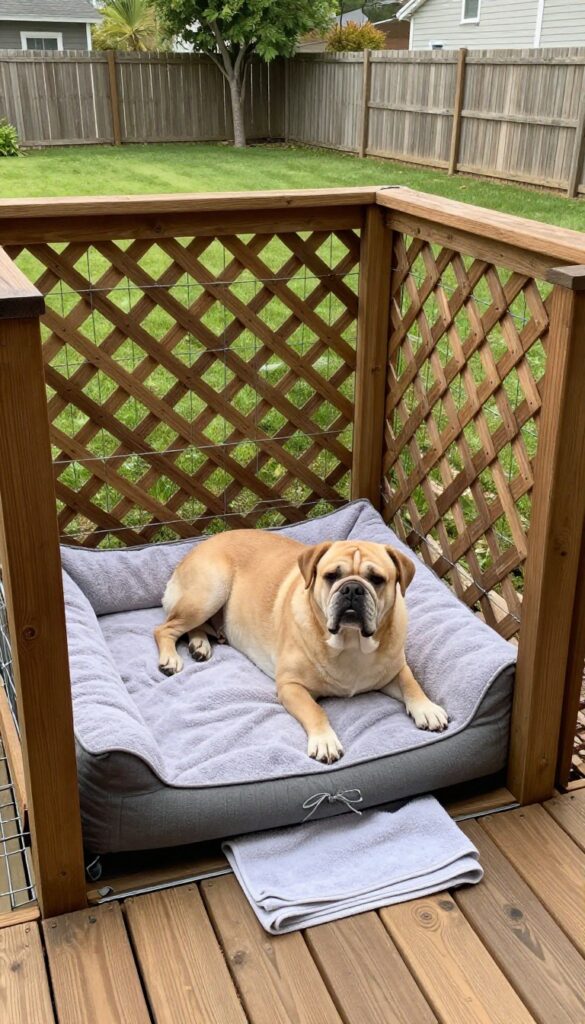
That shady spot under your deck might look like wasted space, but it's a perfect hideaway for your dog. By enclosing it with lattice or wire, you can create a cool, sheltered run that keeps your pup comfortable on hot days. It's one of the most budget-friendly ideas because you're using existing structure—just add some simple barriers and you're done.
Why It Works
Dogs love having a den-like space, and the natural shade from the deck keeps the area cooler than open runs. It also protects your pup from rain and harsh sun, so they can enjoy the outdoors safely. Plus, you're repurposing an area that might otherwise collect clutter.
Best For
This setup is ideal for dogs that prefer quiet, shaded spots—think senior dogs, short-nosed breeds prone to overheating, or any pup that likes to lounge. It's also great for homes with limited yard space, where every square foot counts.
Practical Tip
Use pressure-treated lattice or galvanized wire to enclose the sides, making sure the gaps are small enough that your dog can't squeeze through. Add a soft bed or some old towels for comfort, and consider a small dog door for easy access. Check for any sharp nails or debris before letting your dog in.
Budget-Friendly Option
Instead of buying new lattice, look for used fencing panels or even wooden pallets. You can disassemble pallets and attach the slats horizontally to create a rustic enclosure for next to nothing.
7. Cattle Panel Arch Run
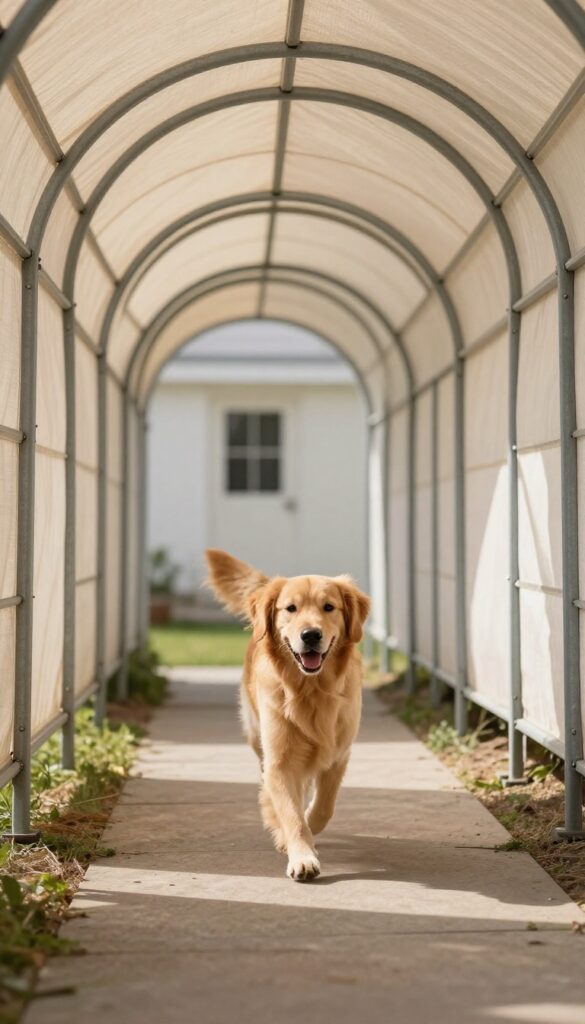
Imagine a tunnel-like run that your dog will zoom through with pure joy. Cattle panels are sturdy, affordable, and easy to bend into an arch shape. Secure them to the ground and add shade cloth for a cool, enclosed space that feels like an adventure.
Why It Works
Cattle panels are incredibly durable and can withstand weather and rough play. The arch shape gives dogs a sense of enclosure without feeling cramped, and the shade cloth keeps the area cool on hot days. It's a simple, low-cost structure that doubles as a fun obstacle.
Best For
This setup is perfect for active dogs who love to run and explore, especially breeds like herding dogs or retrievers. It works well in medium to large backyards where you have space for a longer tunnel. Great for owners who want a unique, engaging run without a permanent structure.
Practical Tip
Bury the panel ends at least 6 inches deep or anchor them with ground stakes to prevent tipping. Use zip ties to attach the shade cloth securely. Leave one end open for easy entry and exit, or add a simple gate with a hinge for control.
Budget-Friendly Option
If cattle panels are hard to find, use heavy-duty wire fencing or concrete reinforcing mesh instead. Both are similarly priced and bend easily into arches. Just ensure the gaps are small enough to prevent paws from getting stuck.
8. Repurposed Baby Gate Run
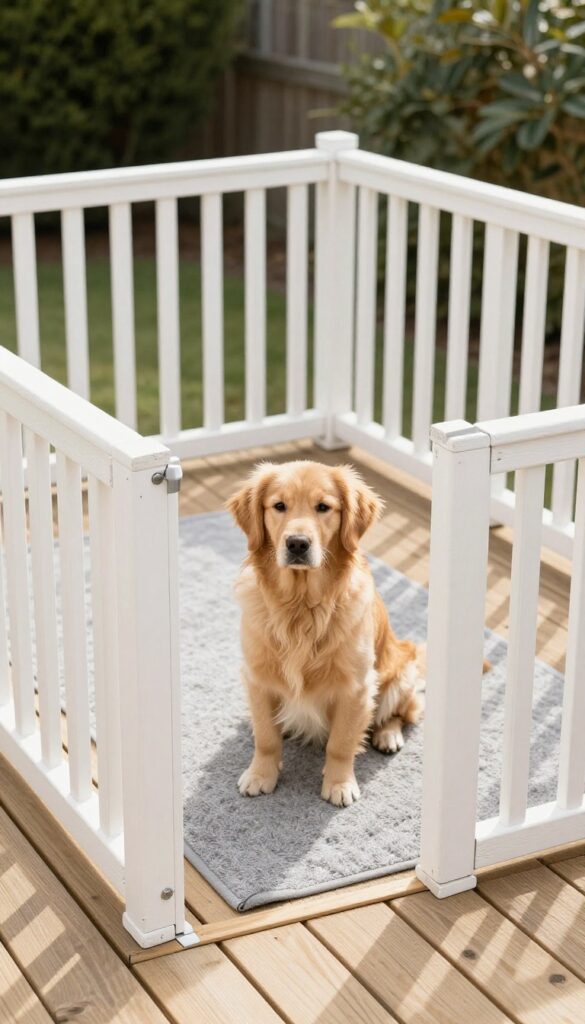
Baby gates aren't just for keeping toddlers out of trouble—they're also a fantastic, no-dig solution for creating a small dog run on a patio or deck. Simply attach sturdy gates to existing walls, posts, or railings to form a secure enclosure. This setup is quick to install and easy to remove, making it perfect for renters or anyone who wants flexibility.
Why It Works
Baby gates are designed to be durable and easy to open, so they hold up well to everyday dog use. You can configure them in different shapes (square, rectangle, or L-shape) to fit your space. Plus, they don't require any digging or permanent modifications, which saves time and money.
Best For
This idea is ideal for small to medium dogs who need a safe spot to hang out on a deck or patio while you're nearby. It's also great for renters or anyone who can't make permanent changes to their outdoor space.
Practical Tip
Choose pressure-mounted or hardware-mounted gates for stability—pressure mounts work well on decks, but hardware mounts are more secure for active dogs. Make sure the gates are at least 30 inches tall to prevent jumping. Add a waterproof mat or outdoor rug inside for comfort and easy cleanup.
Budget-Friendly Option
Skip expensive pet-specific gates and look for secondhand baby gates at garage sales or online marketplaces. You can often find them for under $10 each.
9. Garden Fence and Tarp Run
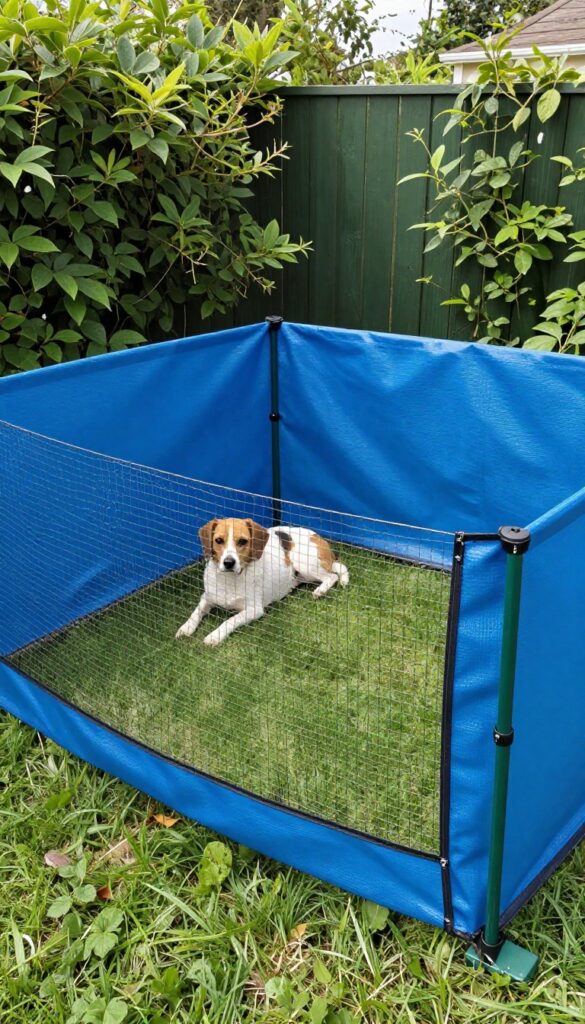
A roll of garden fencing and a simple tarp can transform an unused corner of your yard into a shady, private dog run. This setup is incredibly flexible—you can make it any size you want, and it costs a fraction of a permanent fence.
The tarp provides essential shade and privacy, which helps nervous dogs feel secure. It also blocks wind and light rain, making the run usable in more weather. Best of all, it takes just an afternoon to set up.
Why It Works
The combination is surprisingly sturdy. Garden fencing is lightweight but strong enough to contain most dogs, and the tarp adds wind protection. Staking everything into the ground keeps it in place, even during storms.
It's also easy to take down and store when not needed.
Best For
Great for renters or anyone who wants a temporary run that doesn't require digging post holes. Works well for small to medium dogs who don't jump high. Also ideal for creating a quiet, shaded spot in a sunny yard.
Practical Tip
Use heavy-duty zip ties to attach the tarp to the fence at several points, and add a few extra stakes along the tarp edge to prevent flapping. For extra security, fold the bottom few inches of fencing outward and bury them slightly—this prevents digging escapes.
Budget-Friendly Option
Instead of a new tarp, use an old shower curtain or a large piece of canvas. You can also find used garden fencing on marketplace sites for next to nothing.
10. Dog Run Inside a Raised Garden Bed
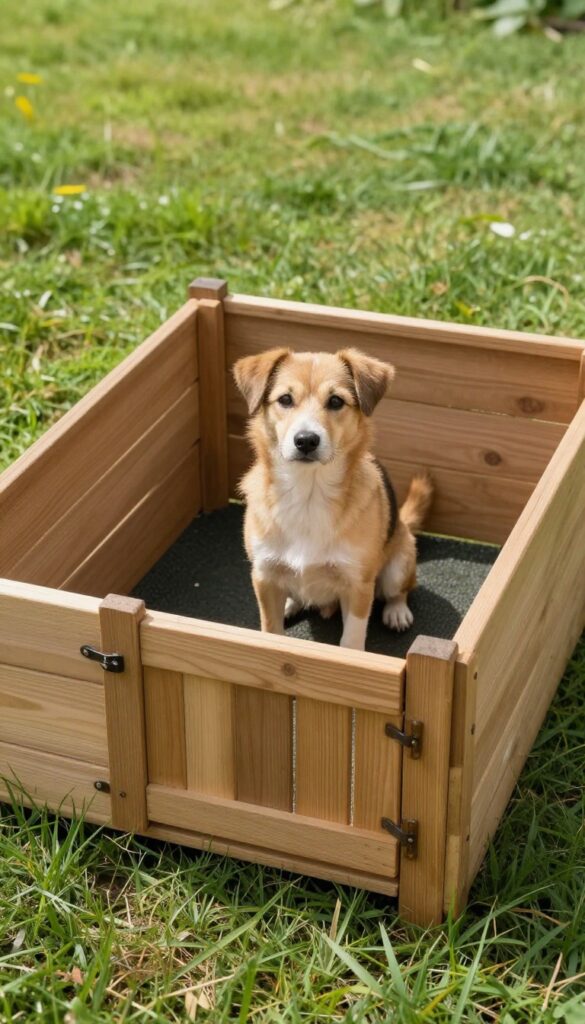
If you have an old raised garden bed that's no longer growing veggies, turn it into a cozy dog run. Just add a small gate and some soft flooring, and you've got a contained space that keeps your pup off the grass and out of trouble. It's a clever way to repurpose something you already have.
Why It Works
The raised sides act as natural barriers, so you don't need to build a separate fence. Adding a gate gives you easy access, and the enclosed feel can help anxious dogs feel secure. Plus, it keeps your dog from digging up the lawn or escaping.
Best For
This setup is ideal for small to medium dogs who don't need a huge running area. It's also great for renters since it's temporary and won't damage the yard. If you have a raised bed that's sitting empty, this is a no-cost solution.
Practical Tip
Line the bottom with rubber mats or artificial turf for comfort and easy cleanup. Make sure the gate is sturdy and latches securely. Add a small shade cloth over part of the bed if it gets full sun.
Budget-Friendly Option
Skip buying a new gate and make one from scrap wood or a repurposed pallet. You can also use a piece of plywood with hinges for a simple, low-cost door.
11. Snow Fence Temporary Run
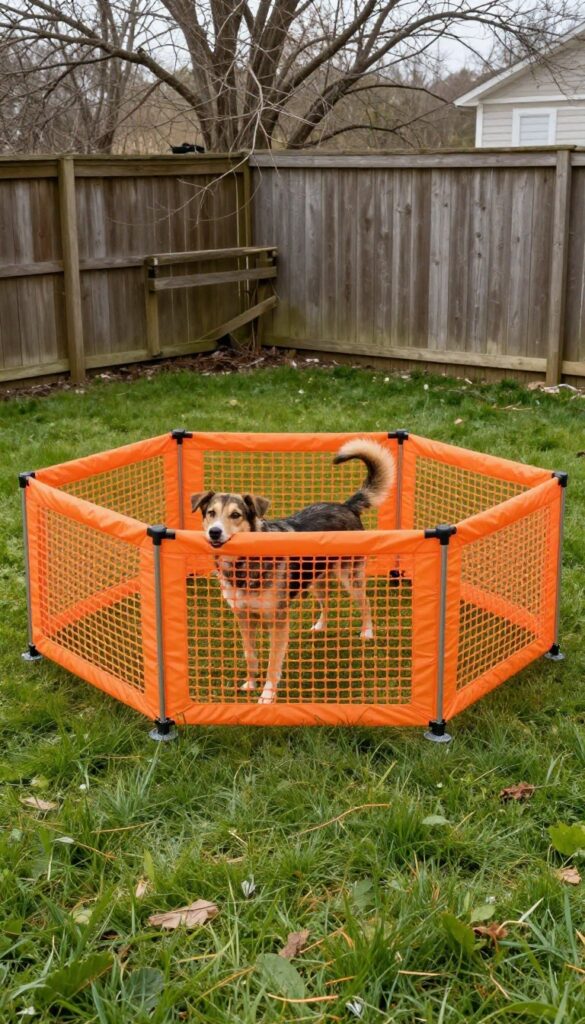
When winter hits or you only need a run for a short time, a snow fence setup is a smart choice. Lightweight plastic snow fencing and metal or plastic stakes create a secure enclosure that goes up fast and comes down even faster. It's a no-commitment solution that keeps your pup contained without breaking the bank.
Why It Works
Snow fencing is extremely affordable—often under $20 for a 50-foot roll. The mesh design lets air flow through, so it won't turn into a sail on windy days. Plus, the stakes hold firm in soft ground, making it reliable for active dogs who like to test boundaries.
Best For
This run is perfect for renters who can't install permanent fencing, or for dog owners who want a seasonal setup for spring and fall. It also works great for camping trips or temporary yard use when visiting friends or family.
Practical Tip
For extra stability, drive the stakes at a slight angle away from the run and use zip ties to attach the fencing to each stake. If your dog is a jumper, add a second layer of fencing about a foot higher or use a top rail made from a lightweight PVC pipe.
Budget-Friendly Option
Skip the branded pet fencing and buy standard orange or white snow fencing from a hardware store. A 50-foot roll costs about $15, and stakes are around $1 each—way cheaper than any dog-specific fencing kit.
FAQ
How much does a budget dog run typically cost?
A budget dog run can cost anywhere from $20 to $150, depending on materials. Repurposed pallets or snow fencing are on the lower end, while chain link panels may cost more.
What is the easiest DIY dog run to build?
The easiest is a portable exercise pen (X-pen) that requires no tools. Just unfold and set it up. For a DIY option, PVC pipe and netting is simple and quick.
How do I make a dog run safe for my pet?
Ensure the fencing is tall enough to prevent jumping, check for sharp edges, and provide shade and water. Also, bury the bottom of the fence to prevent digging out.
Can I build a dog run without digging?
Yes, use above-ground options like exercise pens, baby gates, or cattle panel arches. These require no digging and are easy to move.
What size should a backyard dog run be?
Aim for at least 10×10 feet for small to medium dogs, and larger for big breeds. The run should allow your dog to run and play comfortably.
Conclusion
Your dog doesn't need a fancy setup to have a blast in the backyard. With a little creativity and some budget-friendly materials, you can build a run that keeps them happy, active, and safe. Start small, pick an idea that fits your space, and watch your pup enjoy their new favorite spot.
The best part? You didn't have to break the bank to make it happen.

I’m Pallab Kishore, the owner of Little Pets Realm — an animal lover and pet care enthusiast sharing easy tips, healthy recipes, and honest advice to help every small pet live a happy, healthy, tail-wagging life.