That stubborn stain on your carpet doesn't have to be permanent. Whether it's a splash of red wine from last night's party or a muddy paw print from your dog, the right solution can make all the difference.
You don't need expensive commercial cleaners or professional services for most common stains. With a few household ingredients like vinegar, baking soda, and dish soap, you can lift even the toughest marks.
This list covers 25 proven carpet cleaning solutions, each targeting a specific stain type. From fresh spills to set-in grime, you'll find a practical fix that actually works.
1. White Vinegar and Water for General Stains
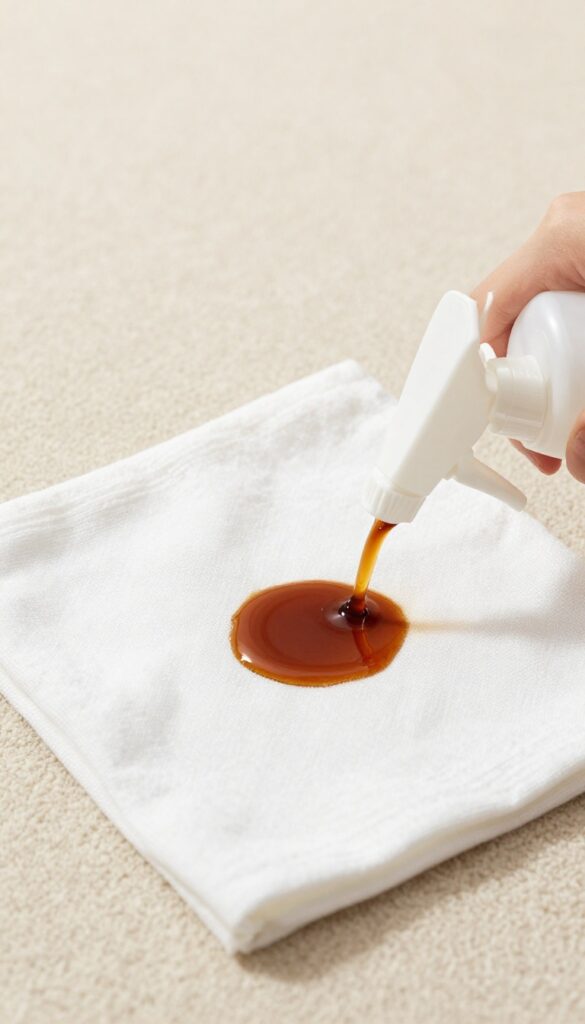
White vinegar is a powerhouse when it comes to carpet cleaning. It's acidic enough to break down dirt and grime, but gentle on fibers. Best of all, it neutralizes odors instead of just covering them up.
For everyday spills and light stains, this simple mixture is often all you need.
Mix equal parts white vinegar and water in a spray bottle. Lightly mist the stained area—don't soak it. Let it sit for 5-10 minutes to loosen the stain.
Blot with a clean white cloth, working from the outside in to prevent spreading. Repeat as needed. Once the stain is gone, blot with a dry cloth to remove excess moisture.
The vinegar smell will fade as it dries.
Why Vinegar Works So Well
Vinegar is a mild acid that dissolves many common stains like dirt, coffee, and juice. It breaks down the residue without damaging carpet fibers. Plus, it's safe for pets and kids once dry.
Best Stains For This Method
This solution is ideal for fresh, water-based stains. Think spilled soda, tea, or muddy footprints. It's less effective on oil-based stains like grease or lipstick.
Pro Tips For Best Results
Always test on a hidden spot first. Use white cloths to avoid color transfer. Blot, don't rub—rubbing can fray fibers and push the stain deeper.
2. Baking Soda and Vinegar for Pet Urine
Pet urine is one of the toughest stains to tackle because it soaks deep into carpet fibers and padding. The ammonia in urine also creates a strong odor that can linger if not treated properly. Baking soda and vinegar work together to neutralize the smell and lift the stain without harsh chemicals.
Blot up excess urine with paper towels or a clean cloth—press firmly, don't rub. Sprinkle a generous layer of baking soda over the damp area. In a spray bottle, mix equal parts white vinegar and water, then spritz it onto the baking soda until it fizzes.
Let the mixture sit for 5 minutes to break down the urine crystals. Blot the area again with a dry cloth until it feels damp, not soaked. Repeat if needed, then vacuum once dry.
Why This Combo Works
Baking soda is a natural deodorizer that absorbs odors, while vinegar's acetic acid neutralizes the alkaline salts in dried urine. The fizzing action helps lift the stain from the carpet fibers, making it easier to blot away.
Tips For Best Results
Always test on an inconspicuous spot first to check for colorfastness. For old or set-in stains, let the baking soda sit for several hours or overnight before vacuuming. Avoid using too much liquid, as excess moisture can lead to mold or mildew in the carpet padding.
When To Call A Pro
If the stain has soaked into the padding or subfloor, this method may not fully remove the odor. In that case, consider renting a steam cleaner or hiring a professional to deep-clean the affected area.
3. Dish Soap and Hydrogen Peroxide for Blood
Blood stains can be alarming, but they don't have to ruin your carpet. The key is acting quickly while the stain is still fresh. This simple two-ingredient solution breaks down proteins in blood without harsh chemicals.
Mix 1 tablespoon dish soap with 2 tablespoons hydrogen peroxide. Apply to the blood stain, let sit for 10 minutes, then blot with a damp cloth. Works best on fresh stains.
Why This Works
Hydrogen peroxide oxidizes the blood proteins, making them easier to lift. Dish soap helps break down any oils or residues. Together they create a gentle but effective stain remover that won't bleach most carpets.
Step-by-step Application
Blot up as much blood as possible with a dry cloth first. Mix the solution and apply it directly to the stain. Let it sit for exactly 10 minutes – any longer could lighten the carpet.
Blot with a damp cloth until the stain transfers. Repeat if needed.
Important Precautions
Always test on an inconspicuous area first, especially on dark or wool carpets. Do not rub the stain – blotting prevents spreading. For dried blood, scrape off any crust before applying the solution.
4. Club Soda for Red Wine
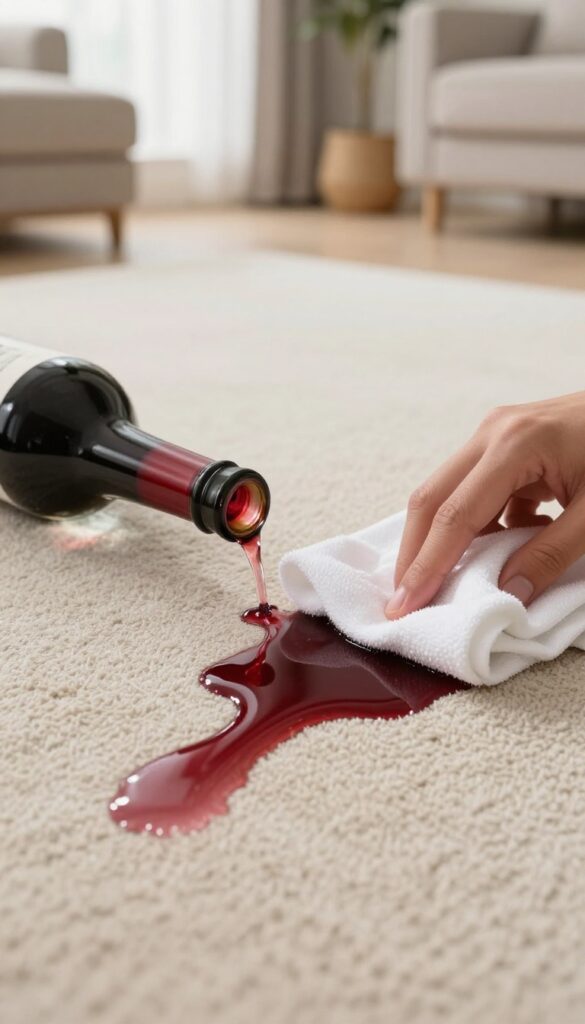
Red wine spills are notorious for leaving behind deep purple stains that seem impossible to remove. But before you panic, grab a bottle of club soda from your fridge. The carbonation and minerals in club soda work together to lift the wine from the carpet fibers, making it one of the simplest and most effective solutions for fresh spills.
Club soda is a go-to remedy for red wine stains because it's non-toxic, inexpensive, and already in your kitchen. The key is to act fast—the sooner you treat the spill, the better your chances of removing it completely. Here's how to use it effectively.
How It Works
The bubbles in club soda help agitate the wine molecules, lifting them away from the carpet fibers. The salt and other minerals also help break down the stain, making it easier to blot out. Unlike plain water, club soda doesn't just dilute the stain—it actively pushes it to the surface.
Step-by-step Application
Start by blotting up as much of the spilled wine as possible with a clean cloth. Don't rub—that spreads the stain. Pour club soda directly onto the affected area, enough to saturate it.
Blot immediately with a fresh cloth, pressing firmly to absorb the liquid. Repeat this process until the stain fades. For stubborn spots, let the club soda sit for a minute before blotting.
When To Use Alternatives
Club soda works best on fresh stains. If the wine has already dried, you may need a stronger solution, like a mix of hydrogen peroxide and dish soap. Also, avoid club soda on delicate or natural fibers like wool or silk, as the minerals can cause damage.
Always test on an inconspicuous area first.
5. Cornstarch for Grease and Oil
Grease and oil stains are tricky because they spread quickly and cling to carpet fibers. Cornstarch works like a magnet, pulling the oil out before it sets in. This simple trick saves you from scrubbing and pushing the stain deeper.
Cornstarch is a pantry staple that doubles as a powerful grease absorber. Its fine powder soaks up oil on contact, making it ideal for fresh spills. For best results, act fast before the grease penetrates the carpet backing.
How Cornstarch Works
Cornstarch granules have a porous structure that attracts and traps oil molecules. When you sprinkle it on a grease stain, it draws the oil upward away from the fibers. Letting it sit gives it time to absorb as much as possible.
Step-by-step Application
Start by blotting any excess grease with a paper towel. Cover the stain with a thick layer of cornstarch and press it gently into the fibers. Wait 15 minutes, then vacuum thoroughly.
If a shadow remains, mix a few drops of dish soap with warm water and dab the spot until it lifts.
When To Use This Method
This technique works best on fresh grease stains like cooking oil, butter, or salad dressing. For older set-in stains, you may need to repeat the process or follow up with a stronger cleaner. Avoid using cornstarch on water-based stains like coffee or juice—it won't help.
6. Rubbing Alcohol for Ink
Ink stains from a leaking pen or a stray marker can feel like a disaster on your carpet. The good news is that rubbing alcohol cuts through ink effortlessly, breaking down the pigments so you can lift them away. You probably already have a bottle of rubbing alcohol in your medicine cabinet.
It's a simple, effective solution that works on both fresh and dried ink stains, saving you from a costly carpet replacement.
Dab rubbing alcohol onto the ink stain with a cotton ball. Blot gently—don't rub. The alcohol dissolves the ink, making it easy to lift.
Repeat with a fresh cotton ball as needed.
Why It Works
Rubbing alcohol is a solvent that breaks down the dyes in ink. Unlike water, which can spread the stain, alcohol evaporates quickly and carries the ink particles away from the carpet fibers.
Step-by-step Process
Start by blotting the stain with a dry cloth to remove excess ink. Then, dampen a cotton ball with rubbing alcohol and dab it onto the stain. Blot with a clean cloth—you'll see the ink transfer.
Keep using fresh cotton balls until no more ink lifts. Finish by blotting with a damp cloth to remove any residue.
Tips For Success
Always test rubbing alcohol on an inconspicuous area first to ensure it doesn't damage your carpet's color. For stubborn stains, let the alcohol sit for a few minutes before blotting. Avoid rubbing, which can push the ink deeper.
7. Shaving Cream for Coffee and Tea
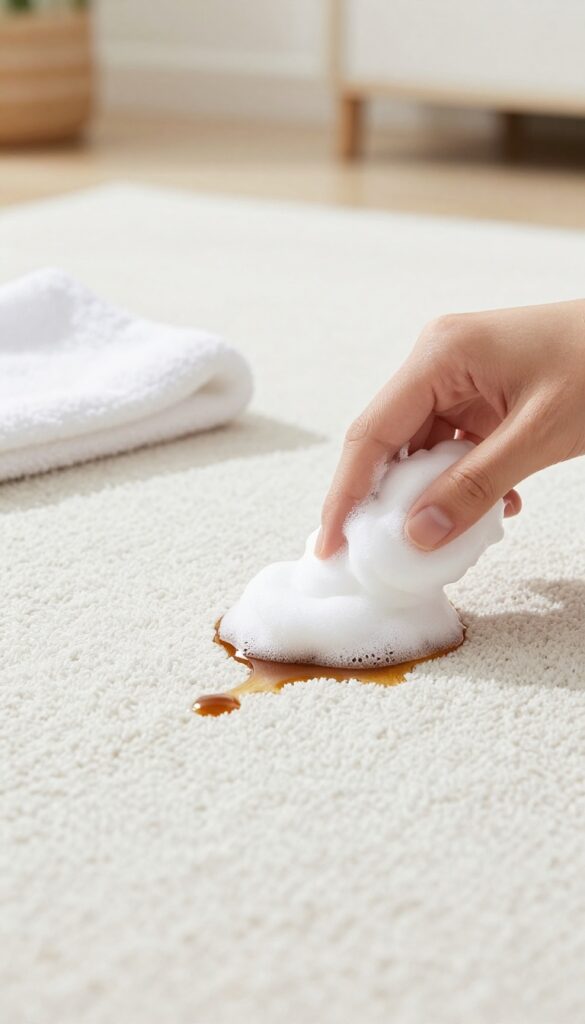
Coffee and tea stains are practically inevitable if you enjoy a hot drink near your carpet. The good news is that a bathroom staple—shaving cream—can work wonders. The foamy texture and surfactants in shaving cream break down the tannins in coffee and tea without requiring heavy scrubbing.
It's a gentle yet effective method that often surprises people.
When you spill coffee or tea, act quickly. Blot up as much liquid as possible with a clean cloth, then apply a generous amount of shaving cream (foam, not gel) directly to the stain. Let it sit for about 5 minutes to allow the surfactants to lift the stain from the fibers.
After that, blot with a damp cloth until the stain transfers away. Repeat if necessary, then vacuum once dry to restore the carpet's texture.
Why Shaving Cream Works
Shaving cream contains mild detergents and emulsifiers that break down oil-based and pigment-based stains. Unlike harsh chemicals, it's safe for most carpet fibers and won't fade colors. The foam also helps suspend the stain particles so they can be easily blotted away instead of ground deeper into the carpet.
Best For Fresh Vs. Set-in Stains
This method works best on fresh stains, but it can also tackle older spots. For set-in coffee or tea stains, let the shaving cream sit for 10–15 minutes and gently work it into the fibers with a soft brush before blotting. You may need a second application for stubborn marks.
Avoiding Common Mistakes
Always use foam shaving cream, not gel or lotion, which can leave a sticky residue. Test on an inconspicuous area first to ensure colorfastness. Don't rub the stain—blotting prevents spreading.
Finally, rinse the area with a little water after treatment to remove any leftover cream.
8. Salt for Fresh Red Wine
A red wine spill on your carpet can feel like a disaster, but you probably have the solution in your kitchen cabinet. Salt is a powerful absorbent that pulls the liquid out of the fibers before it has a chance to set. Acting fast is key—the moment the glass tips, grab the salt shaker.
Why Salt Works So Well
Salt is hygroscopic, meaning it attracts and holds moisture. When you pour it over a fresh red wine spill, it draws the wine out of the carpet fibers and traps it in the salt crystals. This prevents the tannins from bonding with the carpet, which is what causes that stubborn purple stain.
Table salt, kosher salt, or even rock salt all work fine—just make sure it's dry.
Step-by-step: How To Use Salt On Red Wine
Blot the spill gently with a clean cloth to remove excess liquid, but don't rub—that pushes the stain deeper. Immediately pour a generous layer of salt over the area, completely covering the stain. Let it sit for at least 10 minutes, or longer if the spill was heavy.
The salt will turn pink as it absorbs the wine. Vacuum up the salt, then check the carpet. If any residue remains, treat it with a mix of dish soap and hydrogen peroxide.
When To Call In Backup
Salt is fantastic for fresh spills, but if the wine has already dried, it won't be as effective. In that case, you'll need a different approach—like a vinegar and baking soda paste or a commercial stain remover. Also, avoid using salt on wool or silk carpets, as the salt's abrasiveness can damage delicate fibers.
Stick to blotting and a gentle cleaner for those materials.
9. Dish Soap and Warm Water for Mud
Mud stains might look intimidating, but they're actually one of the easiest to tackle—if you handle them the right way. The key is patience: let the mud dry completely before you do anything else. Rubbing or scrubbing wet mud only pushes it deeper into the fibers and spreads the mess.
Once the mud is bone dry, vacuum up as much loose dirt as possible. Then mix a few drops of mild dish soap with warm water. Dab the solution onto the stain with a clean cloth, working from the outside in.
Blot gently until the stain lifts, then rinse with a damp cloth and blot dry.
Why Drying First Matters
Wet mud is like a paste that smears and embeds into carpet fibers. Letting it dry turns it into powder, which vacuuming can easily remove. This step alone often removes most of the stain, so the soapy water just handles the leftover residue.
Choosing The Right Dish Soap
Stick to a clear, mild dish soap without bleach or moisturizers. Blue Dawn is a classic choice because it's gentle yet effective. Avoid anything with dyes or perfumes, as those can leave their own stain or attract more dirt.
Blotting Technique
Always blot—never scrub. Scrubbing can damage carpet fibers and make the stain spread. Use a white cloth or paper towel so you can see if color is transferring.
Keep blotting with fresh areas of the cloth until no more mud comes up.
10. Hydrogen Peroxide for Yellowing
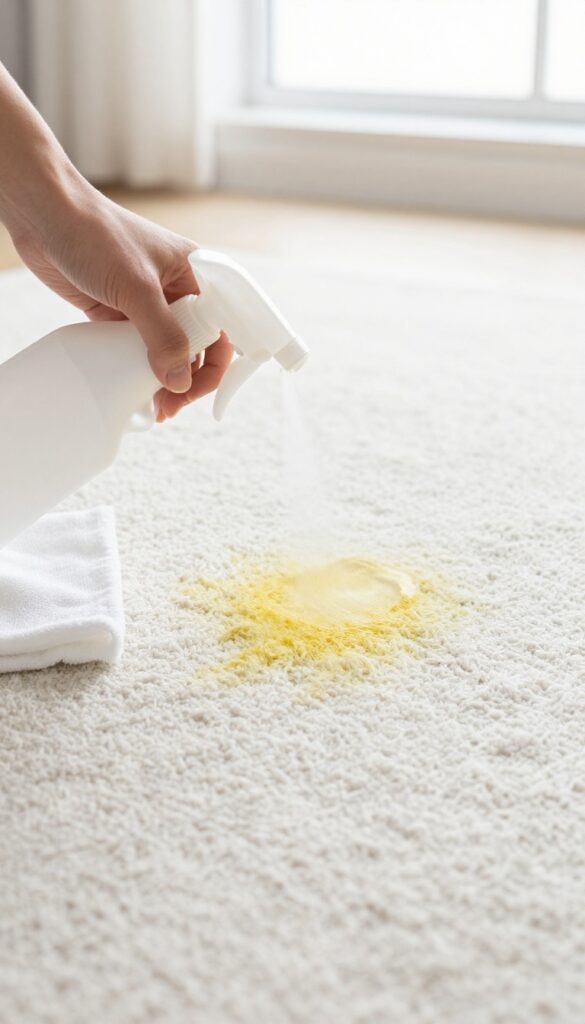
White and light-colored carpets can develop a yellow tint over time, especially in high-traffic areas or near windows. Before you consider replacing the carpet, try hydrogen peroxide—it's a gentle bleaching agent that often restores the original brightness.
Why Yellowing Happens
Yellowing is usually caused by oxidation, spills, or even cleaning products that leave a residue. Sunlight can also bleach and yellow synthetic fibers. Understanding the cause helps you prevent it in the future.
How To Apply Hydrogen Peroxide
Pour 3% hydrogen peroxide into a spray bottle and mist it directly onto the yellowed area. Let it sit for 10 minutes—don't let it dry completely. Blot with a clean white cloth until the stain lifts.
Repeat if necessary.
Safety First: Always Test First
Hydrogen peroxide can lighten some carpet dyes, so always test on a hidden spot. Also, avoid using it on wool or silk carpets, as it may damage the fibers. For synthetic carpets like nylon or polyester, it's usually safe.
11. Ammonia and Water for Grass Stains
Grass stains are a common enemy for anyone with kids, pets, or an active lifestyle. They contain chlorophyll and protein, which bond tightly to carpet fibers, but ammonia cuts through them effectively. This simple solution works best on fresh stains, though it can also lighten older ones with a bit more effort.
Mix 1 tablespoon of clear household ammonia with 1 cup of warm water. Test the solution on a hidden area of your carpet first to ensure it doesn't cause discoloration. Apply the mixture directly to the grass stain using a clean cloth or spray bottle.
Let it sit for 5 minutes to break down the stain. Blot the area with a dry cloth, working from the outside in to prevent spreading. Rinse thoroughly with warm water and blot dry with a clean towel.
Repeat if necessary. Always work in a well-ventilated area and avoid mixing ammonia with bleach or other cleaners.
Why Ammonia Works
Ammonia is alkaline, which helps dissolve the proteins and chlorophyll in grass stains. It's also a mild degreaser, making it effective on the waxy residue some grass leaves behind. For best results, use clear ammonia rather than sudsy varieties, which can leave a soapy film.
Safety Precautions
Ammonia fumes can be strong, so open windows and turn on fans while you work. Wear rubber gloves to protect your skin. Never combine ammonia with bleach or products containing bleach—this creates toxic chloramine gas.
Keep children and pets away from the treated area until it's completely dry.
Alternative For Delicate Carpets
If your carpet is made of wool or silk, ammonia may be too harsh. Instead, try a mixture of white vinegar and water (1: 2 ratio) or a commercial enzyme cleaner designed for organic stains. Always spot-test first.
12. Glycerin for Kool-Aid and Fruit Juices
Brightly colored drinks like Kool-Aid and fruit juices can leave vivid, sugary stains that seem impossible to remove. The sugar content makes them sticky, and the artificial dyes bond quickly to carpet fibers. Glycerin, a colorless, odorless liquid, is surprisingly effective at breaking down the sugar and lifting the color without harsh scrubbing.
Why Glycerin Works
Glycerin is a humectant, meaning it attracts moisture and helps dissolve sugar-based stains. It also lubricates the fibers, making it easier to blot the dye away without spreading the stain further. Unlike some solvents, glycerin is gentle on most carpet types and won't cause discoloration.
Step-by-step Application
Start by blotting up any excess liquid with a clean cloth. Apply a small amount of glycerin directly to the stain and let it sit for 30 minutes. Then, gently blot with a damp cloth—you should see the color transferring to the cloth.
Rinse the area with water and blot dry. Repeat if needed.
When To Use This Method
This technique works best on fresh stains from fruit punches, sports drinks, and berry juices. For older, set-in stains, you may need to repeat the process or combine it with a mild dish soap solution. Always test on an inconspicuous area first.
13. Borax for Heavy Traffic Dirt
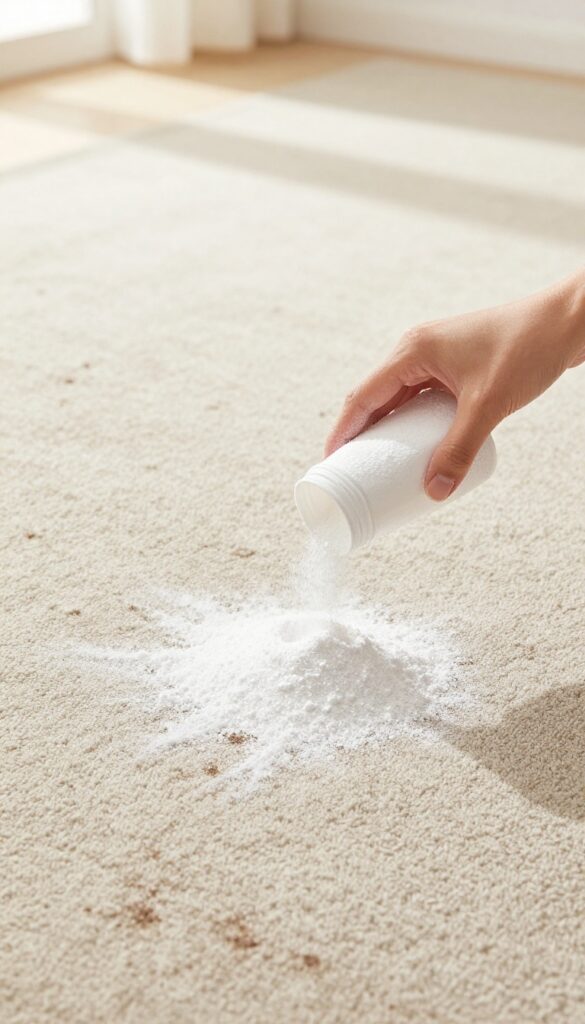
High-traffic areas like hallways and living rooms collect a special kind of grime that's ground deep into the carpet fibers. Regular vacuuming helps, but that embedded dirt needs something stronger to break it loose. Borax, a natural mineral powder you can find in the laundry aisle, handles this job surprisingly well.
Borax works by lifting dirt and neutralizing odors without harsh chemicals. It's safe for most synthetic carpets, but always test a small hidden spot first. This method is especially good for carpets that look dull or have a musty smell from years of foot traffic.
How To Apply Borax For Deep Cleaning
Start by vacuuming the area thoroughly to remove loose dirt. Sprinkle a generous layer of Borax powder over the entire affected area. Lightly mist the powder with water from a spray bottle until it's damp but not soaking wet.
Let it sit for 30 minutes so the Borax can penetrate the fibers and break down the grime.
Scrubbing And Rinsing
After the wait, scrub the area gently with a soft-bristled brush or a sponge. Work in small circular motions to lift the dirt. Then vacuum up the dried Borax residue.
If you see any white powder left behind, you can blot it with a damp cloth and vacuum again once dry.
Why Borax Works So Well
Borax has a high pH that helps dissolve oily, ground-in dirt. It also acts as a deodorizer, leaving your carpet smelling fresh. Unlike some commercial powders, it doesn't contain perfumes or brighteners that can attract more dirt over time.
14. Ice Cube for Gum and Wax
Chewing gum and candle wax are two of the trickiest substances to remove from carpet because they're sticky and tend to smear. But the secret weapon is already in your freezer. Ice cubes harden the gum or wax, turning a gooey mess into a brittle chunk that you can simply scrape away.
Why Cold Works Best
Gum and wax are thermoplastic, meaning they soften with heat and harden with cold. Trying to scrape them off while warm only pushes them deeper into the fibers. Ice cubes make them brittle so they break off cleanly without leaving a sticky residue.
Step-by-step Removal
Place a few ice cubes in a plastic bag and hold it against the gum or wax for about 30 seconds until it's hard. Use a dull knife or a credit card to gently pry it off the carpet. Work from the edges inward to avoid tearing the fibers.
Finishing Touches
If any residue remains, dab a cloth with rubbing alcohol and blot the spot. The alcohol dissolves the leftover stickiness without damaging most carpet types. Blot with a dry cloth to lift any moisture, then let it air dry.
15. Dish Soap and Vinegar for Carpet Stains from Food
Food stains like ketchup, mustard, and spaghetti sauce can feel like a disaster, but they don't have to be permanent. A simple mix of dish soap and white vinegar works wonders on these common culprits, breaking down the grease and color without harsh chemicals. You probably already have both ingredients in your kitchen, making this a quick and affordable fix.
To use this solution, combine 1 tablespoon of dish soap, 1 tablespoon of white vinegar, and 2 cups of warm water in a bowl. Dip a clean cloth into the mixture and blot the stain gently—don't rub, or you'll push it deeper into the fibers. Work from the outside in to prevent spreading.
Repeat until the stain lifts, then blot with a dry cloth to remove excess moisture. For dried stains, let the solution sit for 5–10 minutes before blotting. This method is safe for most synthetic carpets, but always test on a hidden area first.
Why This Combo Works So Well
Dish soap is designed to cut through grease and food residues, while vinegar acts as a mild acid that helps dissolve stubborn pigments. Together, they create a gentle but effective cleaning team that won't bleach or damage your carpet. Unlike some commercial stain removers, this mixture is non-toxic and safe around kids and pets.
Best For Fresh Vs. Set-in Stains
For fresh spills, this solution works almost instantly—just blot and repeat. For older, dried stains, you may need to let the mixture sit for a few minutes to rehydrate the mark. If the stain is particularly stubborn, add a pinch of baking soda to the mix to create a mild abrasive paste.
Apply it, let it dry, then vacuum.
Tips For Stubborn Sauces
Ketchup, mustard, and barbecue sauce often contain both oil and color compounds. After treating with the dish soap and vinegar solution, you might notice a faint shadow remaining. In that case, follow up with a hydrogen peroxide and water mix (1: 1) for light carpets, or a club soda rinse to lift any leftover residue.
16. Enzyme Cleaner for Pet Stains and Odors
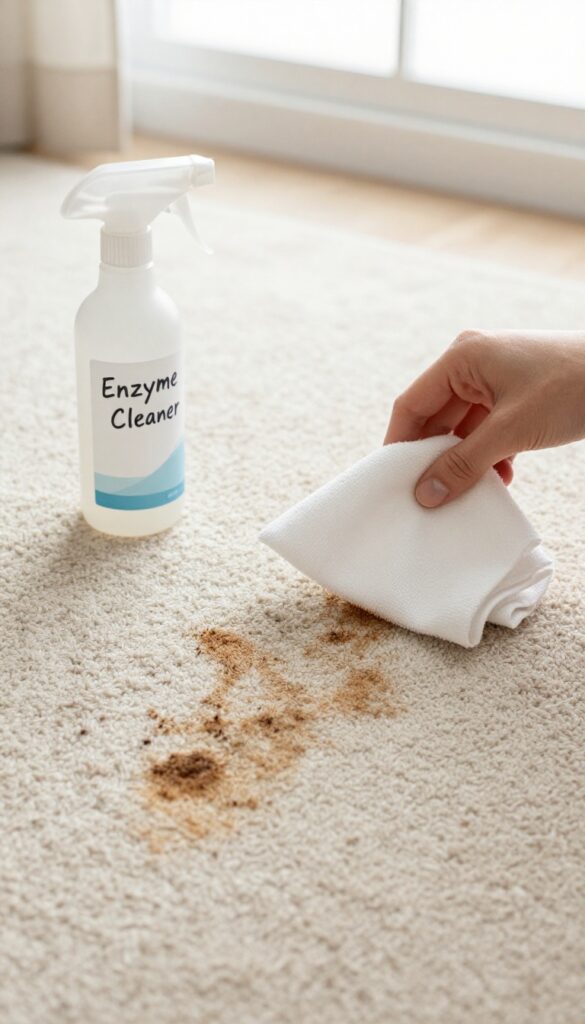
Pet accidents can leave behind more than just a visible stain—the odor can linger and encourage repeat offenses. Enzyme cleaners are specifically designed to break down the proteins in urine, feces, and vomit, eliminating both the stain and the smell at the source. You can buy a commercial enzyme cleaner or whip up a simple DIY version with hydrogen peroxide and water.
Enzyme cleaners work by using beneficial bacteria to digest organic matter. For fresh stains, blot up as much moisture as possible, then apply the enzyme solution generously. Let it sit for 15 minutes so the enzymes have time to work, then blot again.
For older, set-in stains, you may need to repeat the process a few times. Always test on a hidden area first, especially with the DIY peroxide version, as it can lighten some carpets.
Why Enzymes Beat Regular Cleaners
Standard carpet cleaners often just mask odors or push stains deeper. Enzyme cleaners actually break down the uric acid and other proteins in pet waste, neutralizing them completely. This is especially important for urine, because if the smell remains, your pet will likely return to the same spot.
Diy Enzyme Cleaner Recipe
Mix 1 part 3% hydrogen peroxide with 2 parts water in a spray bottle. Add a few drops of dish soap to help it spread. Shake gently, then spray onto the stain.
Let it foam and bubble for 15 minutes, then blot with a clean cloth. The peroxide acts as an oxidizer while the water dilutes the mess. For tougher odors, you can add a tablespoon of baking soda before blotting.
Tips For Stubborn Or Old Stains
If the stain has dried and set, first rehydrate it with plain water and blot. Then apply the enzyme cleaner and cover with a damp cloth to keep it moist—enzymes work best in a wet environment. Let it sit for up to an hour, then blot and rinse.
For really tough cases, a commercial enzyme product with a higher concentration of bacteria may be needed.
17. Lemon Juice and Salt for Rust
Rust stains from metal furniture or tools can seem impossible, but citrus and salt make a powerful team. The acid in lemon juice breaks down the rust particles, while salt acts as a gentle abrasive to lift them from the fibers. This method works best on fresh rust stains, but it can also lighten older ones with repeated applications.
To tackle a rust stain, start by blotting up any excess moisture. Sprinkle a generous layer of table salt directly over the stain, covering it completely. Squeeze fresh lemon juice onto the salt until it's saturated but not pooling.
Let the mixture sit in direct sunlight for a few hours—the UV rays help activate the citric acid. After the time is up, rinse the area with cold water and blot dry. Repeat if needed.
Why This Works
Citric acid naturally chelates iron molecules, pulling them away from carpet fibers. Salt provides a mild scrubbing action without damaging the carpet. Sunlight accelerates the chemical reaction, making the process more effective.
Best For Fresh Stains
This method shines on recent rust marks from furniture legs, tools, or metal objects. Older, set-in stains may require multiple treatments or a commercial rust remover as a follow-up.
Rinsing And Drying Tips
After treatment, rinse thoroughly with cold water to remove all salt residue—salt left behind can attract moisture and cause new stains. Blot with a clean cloth until mostly dry, then let air dry completely. Vacuum to restore carpet texture.
18. Dish Soap and Baking Soda for Grease
Grease stains from cooking oil, butter, or salad dressing can be especially stubborn because they seep deep into carpet fibers. The combination of dish soap and baking soda cuts through the grease while absorbing excess oil. This simple paste works on fresh and set-in stains alike without harsh chemicals.
Start by blotting up as much grease as possible with a paper towel. Mix one tablespoon of dish soap with two tablespoons of baking soda to form a thick paste. Apply the paste directly to the stain, covering it completely.
Let it sit for 15 minutes to break down the grease. Then scrub gently with a soft-bristled brush in a circular motion. Rinse the area with a small amount of water and blot dry with a clean cloth.
Repeat if needed.
Why This Combo Works
Dish soap is designed to cut through grease on dishes, so it works similarly on carpet fibers. Baking soda acts as a gentle abrasive that lifts the stain and absorbs excess moisture. Together, they create a powerful yet safe cleaning paste.
Best For Fresh Vs. Set-in Stains
For fresh grease stains, this method often works in one go. For older, set-in stains, you may need to let the paste sit for 30 minutes or apply a second round. The key is to be patient and not rub too hard, which can spread the stain.
Rinsing And Drying Tips
After scrubbing, use a damp cloth to rinse away any soap residue. Blot with a dry towel until the carpet feels slightly damp. Place a layer of paper towels over the area and weigh them down with a heavy object to absorb remaining moisture.
Let it air dry completely.
19. Hairspray for Ink Stains
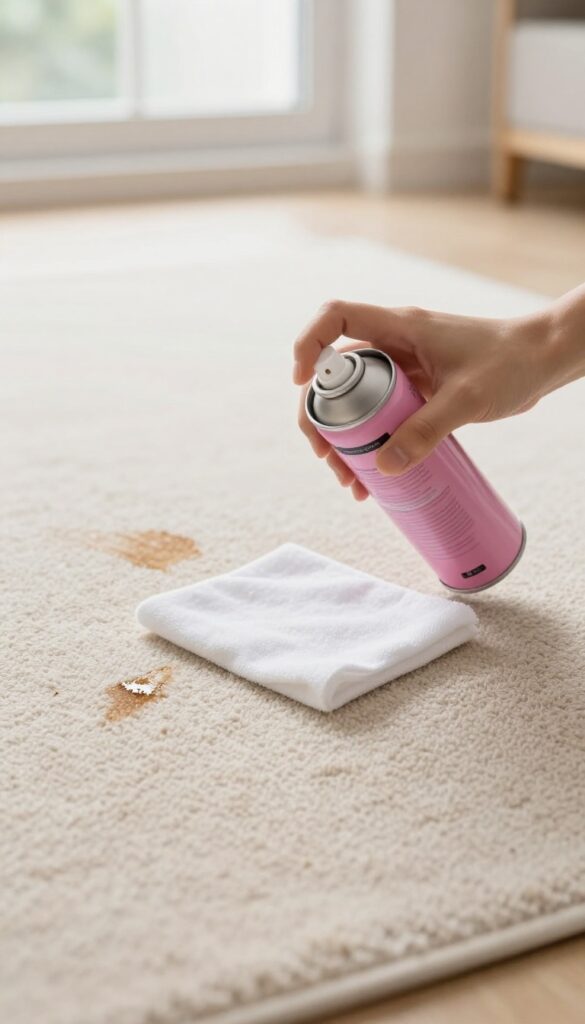
Ink stains from a leaking pen can seem permanent, but hairspray is a surprisingly effective remedy. The alcohol in most hairsprays breaks down the ink, making it easy to blot away. This trick works best on fresh stains, but it can also lighten older marks with a bit of patience.
Hairspray is a go-to solution for ink stains because it contains alcohol, a solvent that dissolves ink pigments. The key is to act quickly and avoid rubbing, which can spread the stain. This method works on ballpoint pen ink, but may not be as effective on permanent markers or gel pens.
How To Apply Hairspray
Start by blotting any excess ink with a clean, dry cloth. Then spray a generous amount of hairspray directly onto the stain until the carpet is damp. Let it sit for about 30 seconds to allow the alcohol to break down the ink.
Blot the area with a clean cloth—you should see the ink transfer onto the cloth. Repeat the process until no more ink lifts. Finally, rinse the spot with a little water and blot dry.
Tips For Best Results
Use a hairspray with a high alcohol content—check the label for ingredients like denatured alcohol or SD alcohol. Avoid hairsprays with heavy oils or conditioners, as they can leave a residue. Always test on an inconspicuous area first to ensure the hairspray doesn't discolor your carpet.
For stubborn stains, you can also try isopropyl alcohol as a stronger alternative.
What About Old Ink Stains?
Set-in ink stains are tougher but still treatable. Saturate the stain with hairspray and let it soak for a few minutes. Gently dab with a cloth, then apply a small amount of rubbing alcohol if needed.
You may need to repeat the process several times. Patience is key—don't scrub or the ink could set deeper into the fibers.
20. Vinegar and Cornstarch for Carpet Freshening
Carpets can trap odors from pets, cooking, and daily life. Before you reach for a chemical deodorizer, try this simple mixture that freshens and gently cleans at the same time. Cornstarch absorbs grease and dirt, while baking soda neutralizes smells.
Combine 1 cup of cornstarch with 1/2 cup of baking soda in a bowl. Add 5–10 drops of your favorite essential oil—lavender or lemon work great—and stir well. Sprinkle the mixture evenly over your carpet, focusing on high-traffic areas or spots that smell musty.
Let it sit for at least 30 minutes (longer for stronger odors). Then vacuum thoroughly. Your carpet will smell fresh and look brighter.
Why Cornstarch Works
Cornstarch is a fine powder that absorbs excess moisture and greasy residues trapped in carpet fibers. It also helps lift light dirt that vacuuming alone might miss. Unlike talc, it's natural and safe for pets and kids.
Choosing The Right Essential Oil
Not all oils are carpet-friendly. Stick with citrus, lavender, or tea tree oil—they have natural antibacterial properties and a pleasant scent. Avoid oils like cinnamon or clove that can stain light carpets.
Tips For Best Results
Test the mixture on a small, hidden area first. For extra deodorizing power, let the powder sit overnight. Vacuum slowly in multiple directions to pick up all the residue.
This method is safe for most synthetic carpets but avoid on silk or delicate fibers.
21. Dish Soap and Peroxide for White Carpet Stains
White carpets look beautiful but show every mark. That's where this simple combo comes in. Dish soap breaks down the stain, while hydrogen peroxide lifts it and brightens the fibers without the yellowing that bleach can cause.
For white carpets, mix 1 tablespoon dish soap with 1/4 cup hydrogen peroxide. Apply to the stain, let sit for 10 minutes, then blot. This brightens without yellowing.
Why It Works
Hydrogen peroxide is a mild bleach that whitens without damaging fibers. Dish soap helps lift and suspend the stain so it can be blotted away.
How To Apply
Mix the solution in a bowl. Dab it onto the stain with a clean cloth. Let it sit for 10 minutes.
Blot with a dry cloth until the stain transfers. Rinse with water and blot again.
Safety Tips
Always test on a hidden spot first. Peroxide can lighten colored carpets, so this is only for white or very light carpets. Wear gloves to protect your skin.
22. Steam Cleaning for Set-In Stains
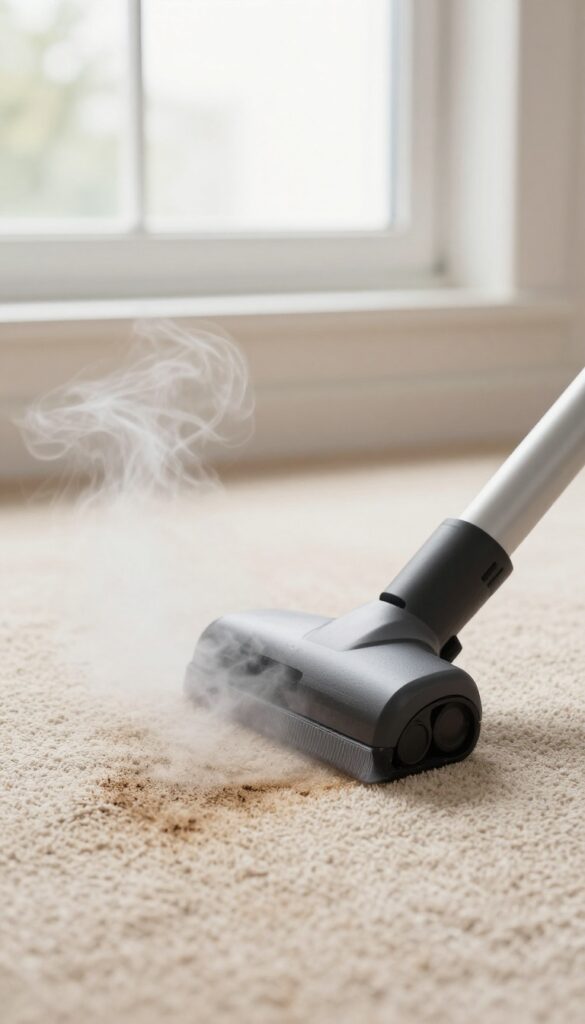
When stains have had time to settle deep into carpet fibers, regular spot cleaning might not cut it. Steam cleaning brings serious heat and moisture to the party, loosening grime that's been hanging around for weeks or months. It's a powerful method for reviving high-traffic areas and stubborn spots alike.
For set-in stains, a steam cleaner with a mild carpet shampoo can work wonders. The combination of heat and moisture penetrates deep, breaking down residue that scrubbing alone can't touch. For extra stubborn spots, pre-treat with a 50/50 white vinegar and water solution—let it sit for 10 minutes before steaming.
Always test a hidden area first to ensure your carpet can handle the heat.
Pre-treating For Better Results
A simple vinegar solution can soften set-in stains before steam cleaning. Mix equal parts white vinegar and water in a spray bottle, apply to the stain, and let it sit for 10–15 minutes. This helps break down the stain's bond with the carpet fibers, making the steam cleaner's job easier.
Choosing The Right Steam Cleaner
Not all steam cleaners are created equal. Look for one with adjustable steam settings and a dedicated carpet cleaning attachment. Models with a separate water tank for cleaning solution are ideal, as they allow you to add a mild carpet shampoo without diluting the steam.
Post-cleaning Care
After steaming, let the carpet dry completely before walking on it. Open windows or use fans to speed up drying. Avoid replacing furniture until the carpet is fully dry to prevent indentations or moisture damage.
23. Cornmeal for Grease and Oil
Grease stains from cooking oil, butter, or salad dressing can be especially stubborn because they seep deep into carpet fibers. Before you reach for harsh chemicals, try this simple kitchen staple: cornmeal. It's a natural absorbent that pulls oil right out of the carpet without scrubbing or spreading the stain.
Start by covering the entire grease stain with a generous layer of cornmeal. Let it sit for 20 minutes to give the cornmeal time to absorb the oil. Vacuum up the cornmeal thoroughly.
If a faint mark remains, mix a few drops of dish soap with warm water, dab it onto the spot, and blot with a clean cloth. Repeat until the stain lifts. This method works best on fresh grease stains, but it can also help with older ones if you let the cornmeal sit longer.
Why Cornmeal Works
Cornmeal is a fine, porous powder that acts like a sponge for oil. Unlike baking soda or salt, it doesn't dissolve or clump when it meets grease. Instead, it traps the oil particles within its granules, making them easy to vacuum away.
It's also gentle on carpet fibers, so you won't risk damage or discoloration.
Best Stains For This Method
This technique is ideal for cooking oil, butter, mayonnaise, salad dressing, and even some makeup stains. It's less effective on water-based stains like coffee or juice, but for anything oily, it's a top choice. Avoid using cornmeal on delicate or natural fiber carpets without testing first, as the fine particles can be hard to fully remove.
Tips For Success
Always blot the stain first with a paper towel to remove excess oil before applying cornmeal. Don't rub—rubbing pushes the grease deeper. For set-in stains, let the cornmeal sit for up to an hour.
Vacuum slowly and thoroughly to ensure no residue remains. If you don't have cornmeal, cornstarch works just as well.
24. Baking Soda and Water for General Deodorizing
Carpets trap odors from pets, cooking, and daily life. Baking soda is a natural deodorizer that also lifts light stains without harsh chemicals. This simple paste works well for general freshening and minor discoloration.
Mix baking soda with a little water to form a thick paste. Spread it over the stained or smelly area, let it dry completely (usually a few hours), then vacuum thoroughly. The baking soda absorbs odors and pulls light dirt from the fibers.
For tougher smells, you can add a few drops of essential oil like lavender or tea tree to the paste. This method is safe for most carpet types, but always test on a hidden spot first. It's especially effective for pet urine odors and musty smells from moisture.
Repeat weekly to keep carpets fresh.
Why It Works
Baking soda is alkaline and neutralizes acidic odors. Its fine particles penetrate carpet fibers to absorb moisture and trapped smells. When dry, it crystallizes and can be vacuumed away, carrying dirt and odor molecules with it.
Best Uses
Use this for general deodorizing in high-traffic areas, near pet beds, or after spills that have been cleaned but left a smell. It's also great for refreshing carpets between deep cleanings.
Tips For Success
Apply the paste thickly enough to cover the area, but not so thick it takes days to dry. Speed drying with a fan or open window. Vacuum slowly in multiple directions to lift all residue.
25. Professional Spot Cleaner for Stubborn Stains
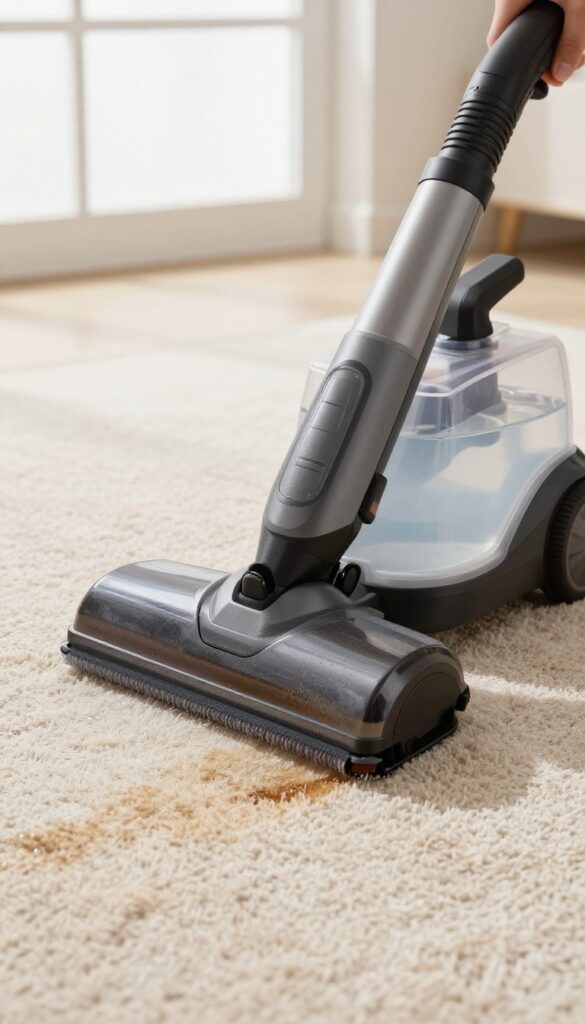
Some stains just won't give up, no matter how many DIY tricks you try. That's when it's time to bring out the big guns: a professional-grade spot cleaner. These machines use hot water extraction to blast away deep-set dirt and grime that hand cleaning can't touch.
Renting or buying one can save you from replacing a stained carpet entirely.
Rent Vs. Buy: What’s Best For You?
If you only have one or two tough stains, renting a spot cleaner from a hardware store or grocery store is the most cost-effective route. Many places offer daily or half-day rentals for under $30. But if you have pets, kids, or frequent spills, buying your own machine pays off over time.
Entry-level models start around $100 and handle most household stains well.
Choosing The Right Cleaning Solution
Not all carpet cleaning solutions are created equal. Stick with products labeled as safe for your carpet type—especially if you have wool or berber carpets. Many spot cleaner brands have their own proprietary formulas, but you can also use a DIY mix of white vinegar, water, and a drop of dish soap.
Always test in an inconspicuous area first.
Step-by-step Hot Water Extraction
Start by vacuuming the area to remove loose dirt. Fill the machine’s reservoir with hot water (not boiling) and the recommended cleaning solution. Spray the stain, let it sit for a few minutes, then slowly extract the liquid.
Repeat until the water runs clear. Blot any excess moisture with a clean towel and let the carpet dry completely before walking on it.
FAQ
What is the best homemade carpet cleaner for tough stains?
A mixture of white vinegar, baking soda, and dish soap works well for most tough stains. For specific stains like blood or wine, use hydrogen peroxide or club soda respectively.
Can I use bleach on my carpet?
Avoid bleach on carpets as it can discolor and damage fibers. Instead, use hydrogen peroxide or oxygen-based cleaners for whitening.
How do I remove old, set-in stains from carpet?
For set-in stains, try an enzyme cleaner or steam cleaning. Pre-treat with a vinegar solution and let it sit before blotting or extracting.
Is it safe to mix vinegar and baking soda on carpet?
Yes, but use them sequentially. First apply baking soda, then spray vinegar. The fizzing action helps lift stains, but blot thoroughly afterward to avoid residue.
What should I do if a homemade cleaner doesn't work?
If DIY methods fail, consider a commercial carpet cleaner or professional steam cleaning. Always test any cleaner on a hidden area first.
Conclusion
You don't need a closet full of commercial stain removers to keep your carpets looking great. Most of these 25 solutions rely on everyday household ingredients that are gentle on fibers but tough on messes.
Pick the ideas that match your most stubborn stains and give them a try this weekend. Consistent spot treatment with the right approach will extend your carpet's life and keep it fresh.