You've just mopped your laminate floors, but instead of a brilliant shine, you're left with cloudy streaks and smudges. It's frustrating, especially when you followed the instructions on the bottle. The problem is that many common cleaning habits actually cause streaks on laminate.
Laminate flooring is durable and beautiful, but it's not waterproof and can be sensitive to harsh chemicals. The key to a streak-free finish lies in using the right products and techniques. You don't need expensive specialty cleaners to get great results.
This list covers 23 practical ideas to help you clean your laminate wood floors without streaks. From DIY vinegar solutions to proper mopping methods, you'll find simple, effective ways to restore that factory-fresh shine.
1. Use a Microfiber Mop Instead of a Sponge Mop
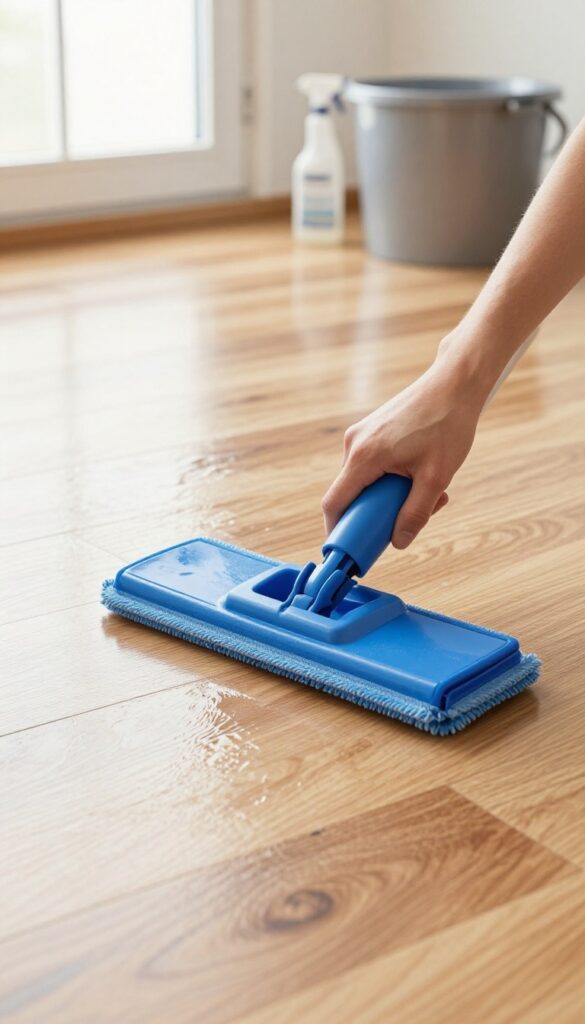
Sponge mops might seem convenient, but they’re often the culprit behind those annoying streaks. They tend to hold onto too much water and leave behind a film of detergent that dries into a cloudy mess. Microfiber mops, on the other hand, are designed to trap dirt and absorb just the right amount of liquid, giving you a clean, even finish every time.
Microfiber mops work by using thousands of tiny fibers that grab dust and grime rather than pushing it around. They also hold less water than sponge mops, which means you’re not soaking your laminate floors—a big plus since excess moisture can damage the seams over time. Plus, you can use a microfiber mop dry for dusting and damp for mopping, making it a versatile tool for your cleaning routine.
Why Sponge Mops Cause Streaks
Sponge mops are great for absorbing spills, but they’re not ideal for everyday cleaning. They release too much water and cleaning solution, which then dries unevenly and leaves streaks. The sponge itself can also trap old dirt and bacteria, which gets spread back onto your floors.
Switching to microfiber eliminates these issues because the fibers pick up dirt and hold onto it until you rinse the mop head.
How To Choose The Right Microfiber Mop
Look for a microfiber mop with a removable, machine-washable head. A flat mop design with a swivel head works best for reaching under furniture and along baseboards. Avoid mops with a spray bottle built in, as they can oversaturate the floor.
Instead, use a spray bottle to lightly mist the floor ahead of the mop, or dip the mop head in a bucket of cleaning solution and wring it out well.
Pro Tips For Best Results
Always vacuum or sweep your laminate floors before mopping to remove loose dirt. For mopping, use a microfiber mop with a damp—not wet—head. Wring out the mop so it’s barely damp to the touch.
Work in small sections, overlapping your strokes to avoid missing spots. Rinse the mop head frequently in clean water to prevent spreading dirt.
2. Mix a DIY Vinegar and Water Solution
A simple vinegar and water solution can cut through grease and grime without leaving behind a hazy residue. It's a budget-friendly alternative to commercial cleaners, but you need to use it correctly to avoid dulling your floor's finish over time.
Vinegar is a mild acid that breaks down dirt and soap scum effectively. However, because laminate has a protective layer, too much vinegar can eventually wear it down. Stick to the recommended ratio and don't over-mop.
Why Vinegar Works On Laminate
White vinegar is a natural degreaser and disinfectant. It dissolves sticky residues and leaves floors clean without the need for rinsing. Unlike some harsh chemicals, it won't discolor or damage the laminate when used sparingly.
The Right Ratio For Streak-free Results
Mix 1/2 cup of white vinegar with 1 gallon of warm water. Warm water helps the vinegar work faster, but avoid hot water as it can warp the laminate. Use a spray bottle or a bucket, but never pour the solution directly onto the floor.
How To Apply Without Overwetting
Dampen a microfiber mop in the solution, then wring it out until it's barely damp. Mop in the direction of the planks and let the floor air dry. Overwetting is the main cause of streaks, so keep the mop as dry as possible.
Precautions To Protect Your Floor's Finish
Vinegar is acidic, so using it too often can strip the protective coating. Limit vinegar cleaning to once a month or only when needed. For regular maintenance, use a laminate-specific cleaner or plain water.
3. Add a Few Drops of Dish Soap for Extra Grease Cutting
Sometimes plain water or vinegar just doesn't cut it, especially in the kitchen where cooking grease and food spills leave a sticky film. A tiny squirt of mild dish soap can boost your cleaning solution's power without harming the laminate. The trick is knowing how much to use—too little and it won't help, too much and you'll be battling foam and streaks.
When your laminate floors feel tacky or look dull despite regular mopping, a little dish soap can break down the greasy residue that water alone can't handle. But it's crucial to choose the right soap and use it sparingly. Here's how to do it right.
Choose The Right Dish Soap
Not all dish soaps are laminate-friendly. Avoid anything with added moisturizers, bleach, or harsh degreasers. A clear, mild liquid soap like Dawn or a generic fragrance-free version works best.
Stay away from concentrated formulas or those labeled 'ultra'—they're too strong and will leave a residue.
The Golden Ratio: Just A Drop Or Two
For a standard bucket of warm water (about 2 gallons), add no more than 1-2 drops of dish soap. That's it. If you use a spray bottle, mix 1 drop in 16 ounces of water.
Any more and you'll create suds that dry into a cloudy film. Less is definitely more here.
Mop Technique Matters
Dip your microfiber mop into the solution, then wring it out until it's barely damp. Mop in the direction of the planks to avoid pushing dirty water into the seams. Rinse the mop head frequently and change the water if it gets dirty.
Follow up with a dry microfiber cloth to buff away any remaining moisture and prevent streaks.
4. Wring Your Mop Until It's Almost Dry
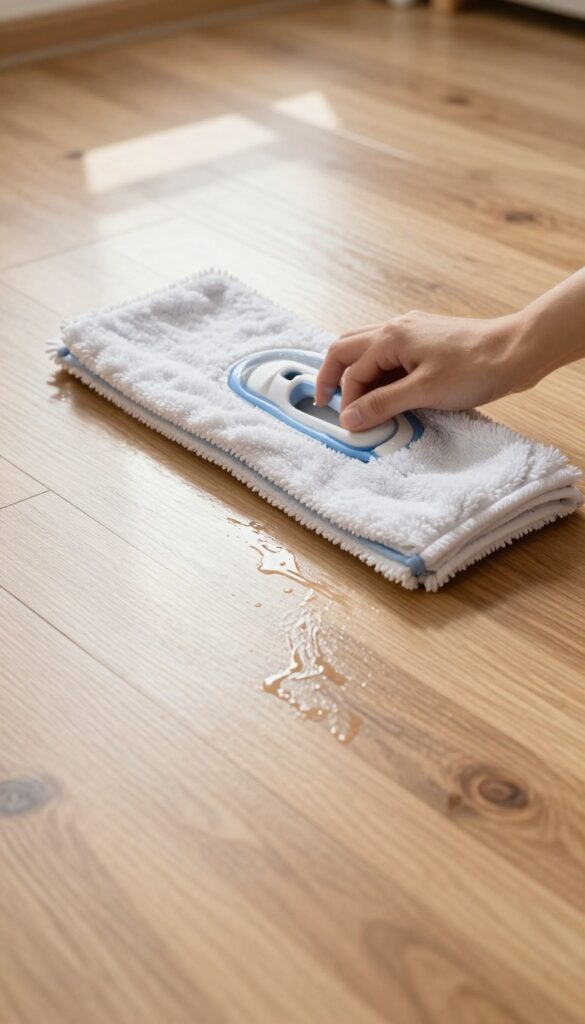
Laminate flooring and excess water simply don't mix. When too much moisture sits on the surface, it seeps into the seams, causing swelling and warping. Even if your floors survive, the leftover water evaporates slowly, leaving behind mineral deposits that look exactly like streaks.
The golden rule for mopping laminate is simple: your mop should be damp, not wet. After dipping it in your cleaning solution, wring it out thoroughly until no more water drips from it. You want the mop to feel barely moist to the touch.
This small step makes a huge difference in preventing streaks and protecting your floor's integrity.
Why Dry Mopping Works Best
A microfiber flat mop with a spray bottle gives you total control over moisture. You spray the floor lightly, then mop it dry immediately. This method eliminates the risk of pooling water and ensures the surface dries quickly, leaving no chance for streaks to form.
The Spin Mop Shortcut
If you prefer a traditional string mop, a spin mop with a bucket system is your best bet. The built-in spinner wrings the mop head to near dryness with just a few pumps. It's consistent, fast, and removes the guesswork from getting the right dampness level.
Test Before You Mop
Not sure if your mop is dry enough? Press it against a paper towel. If the towel gets wet, wring it more.
Another test: wipe a small hidden area and check for standing water. If you see droplets, your mop is too wet. Adjust until you see only a faint sheen that dries within seconds.
5. Use Distilled Water to Avoid Mineral Deposits
Hard water is a silent culprit behind streaky laminate floors. Those white, cloudy marks you see after mopping aren't always leftover cleaner—they're often mineral deposits from your tap water. Switching to distilled water is a simple fix that can transform your cleaning routine.
Why Tap Water Causes Streaks
Tap water contains dissolved minerals like calcium and magnesium. When water dries on your laminate, these minerals are left behind as a white, powdery residue. In areas with hard water, the effect is more noticeable and can make even a fresh mop look dirty.
How Distilled Water Makes A Difference
Distilled water has been boiled and condensed, removing nearly all minerals. When you use it to dilute your cleaner, there's nothing left behind to create streaks. The result is a clear, even shine without any chalky film.
Simple Tips For Using Distilled Water
Buy a gallon of distilled water at any grocery store—it's cheap and lasts for several mopping sessions. Mix it with your usual cleaner just as you would with tap water. For best results, use a microfiber mop and wring it well so the floor dries quickly.
6. Try a Commercial Laminate Floor Cleaner
Not all floor cleaners are created equal. Many all-purpose cleaners leave behind a dull film on laminate because they aren't formulated for its unique surface. Commercial laminate floor cleaners, on the other hand, are designed specifically to clean without residue.
Brands like Bona and Zep have created pH-balanced formulas that evaporate quickly, so there's no time for streaks to form. They also cut through grease and grime effectively without the need for rinsing. If you want a reliable, no-fuss solution, a quality commercial cleaner is a solid choice.
Why They Work Better
Laminate has a sealed surface that repels water, but it can be damaged by harsh chemicals. Commercial cleaners use gentle detergents that lift dirt without stripping the protective layer. Their low-foam formula means no soapy residue gets left behind.
How To Use Them Correctly
Always follow the label directions. Typically, you spray the cleaner directly onto the floor or onto a microfiber mop pad. Avoid oversaturating—damp is better than wet.
Mop in the direction of the planks to prevent streaks and let it air dry.
Top Picks To Consider
Bona Hardwood Floor Cleaner is a popular choice for laminate too, as it's safe for sealed floors. Zep Laminate & Vinyl Floor Cleaner is another affordable option that dries streak-free. Both are widely available and easy to use.
7. Make a Rubbing Alcohol and Water Spray
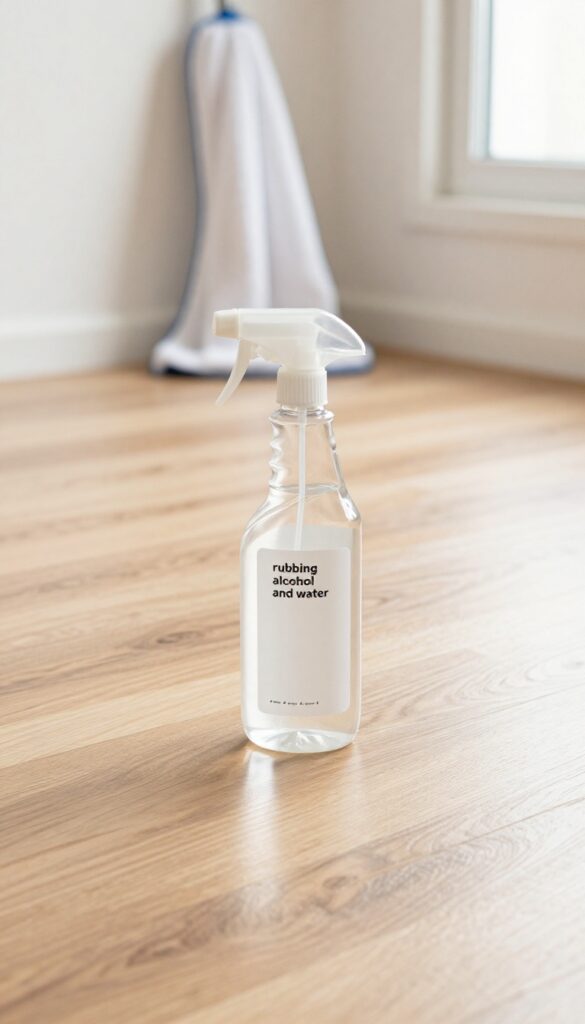
When grease and grime cling to your laminate floors, a standard mop might just push the dirt around. Rubbing alcohol is a game-changer here. It evaporates almost instantly, leaving no time for streaks to form, and it cuts through sticky kitchen residue like nothing else.
This simple DIY spray is cheap, effective, and safe for laminate when used correctly.
Mix 1 cup of rubbing alcohol with 1 cup of water and a few drops of dish soap. Pour into a spray bottle and shake gently. Mist the floor lightly and mop with a microfiber pad.
The alcohol speeds up drying, so you get a clean, streak-free shine without the wait. Avoid soaking the floor—laminate hates standing water. This solution works wonders on high-traffic areas and stubborn spots.
Why Alcohol Works So Well
Rubbing alcohol is a solvent that breaks down grease and oils that water alone can't handle. It also has a low surface tension, which helps it spread evenly and evaporate quickly. That fast evaporation is key to preventing the water spots and streaks that happen when moisture sits too long on laminate.
How To Use It Safely
Always test on an inconspicuous area first. Use a fine mist—don't drench the floor. Mop with a slightly damp microfiber pad, not a soaking wet one.
Work in small sections, and let the floor air dry. For extra stubborn spots, let the spray sit for a few seconds before wiping.
When To Reach For This Spray
This mixture is perfect for kitchens, entryways, and any area with visible grease or sticky residues. It's also great for a quick touch-up between deeper cleanings. Just remember: it's not a daily cleaner for the whole house—use it when you need that extra degreasing power.
8. Use a Squeegee Mop for Large Areas
If you've got an open-concept living area or a long hallway, a traditional mop can feel like a workout. Worse, it often leaves puddles that dry into streaks. A squeegee mop changes the game by pulling water off the surface instead of pushing it around.
It's especially effective on laminate because it removes nearly all moisture in one pass.
Squeegee mops come with either a rubber blade or a microfiber pad. Both work well, but the rubber version is best for large, flat spaces. You simply spray your cleaning solution, glide the squeegee across the floor, and watch the water collect at the edge.
No wringing, no dripping, no waiting for puddles to dry.
Why It Works So Well
Laminate floors hate standing water. Traditional mops leave a thin film that dries unevenly, causing streaks. A squeegee mop's flat blade removes that film completely, leaving a uniformly dry surface.
The result is a mirror-like shine with zero effort.
How To Use It Right
Start by sweeping or vacuuming to remove loose dirt. Then fill a spray bottle with your preferred laminate cleaner. Mist a section of floor, then pull the squeegee toward you in straight, overlapping strokes.
Rinse the blade after each pass to avoid redepositing dirt. Work in small sections until the whole floor is done.
Best For Open Layouts
This method shines in rooms with few obstacles. In a kitchen or hallway, you can cover ground quickly. For tighter spaces like bathrooms or laundry rooms, stick with a microfiber mop.
But for your main living area, a squeegee mop saves time and delivers a streak-free finish every time.
9. Buff the Floor with a Dry Microfiber Cloth After Mopping
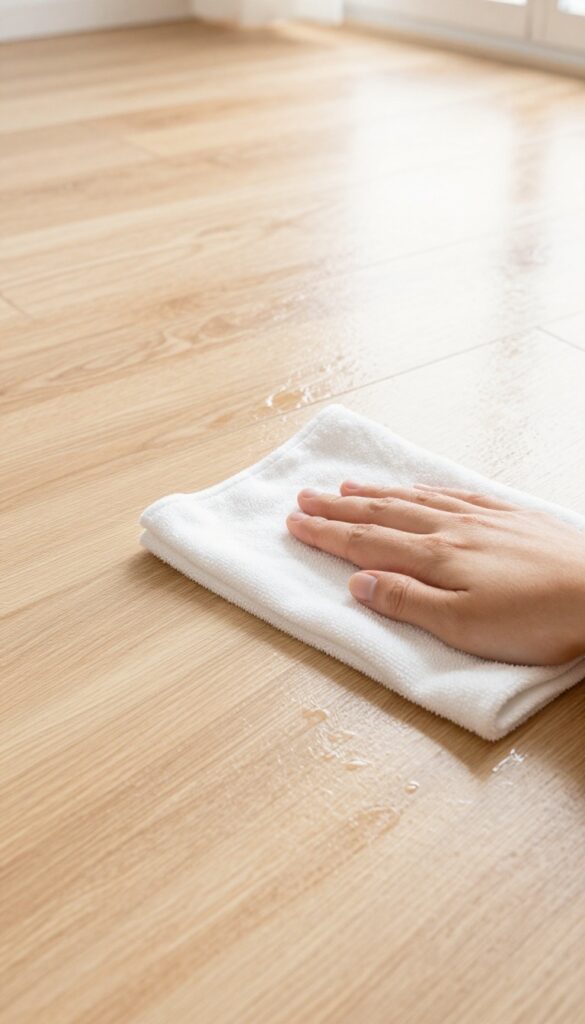
You've finished mopping and the floor looks good, but once it dries, those faint streaks appear. That's because even the best mopping leaves behind a thin film of moisture or cleaner residue. A quick buff with a dry microfiber cloth erases those streaks and adds a polished finish.
Buffing is the secret step many people skip. After mopping, wait a minute or two for the floor to become just slightly damp, then go over it with a clean, dry microfiber cloth. Use light pressure and long, overlapping strokes.
This lifts any leftover moisture and distributes the remaining cleaner evenly, preventing streaks as the floor dries.
Why Microfiber Works Best
Microfiber cloths have split fibers that trap dust and moisture rather than pushing them around. They're highly absorbent and leave no lint behind. Cotton towels or rags can leave fibers or smears, so stick with microfiber for that streak-free shine.
When To Buff
Buff right after mopping while the floor is still damp. If you wait until it's completely dry, streaks have already set in. Work in sections so you don't let the floor dry unevenly.
A good rhythm is to mop a 10×10 foot area, then immediately buff it.
How To Keep Your Buffing Cloth Effective
Use a fresh side of the cloth for each section. Once the cloth feels damp or dirty, switch to a dry one. You might need two or three cloths for a large room.
Wash microfiber cloths separately with a mild detergent and no fabric softener to maintain their absorbency.
10. Avoid Ammonia-Based Cleaners
Ammonia might cut through grease, but it's terrible for laminate. Over time, it strips the protective wear layer and leaves a cloudy film that dulls the finish. Stick to gentle, laminate-safe formulas to keep your floors looking their best.
Why Ammonia Harms Laminate
Laminate floors have a clear top layer that protects the printed design. Ammonia is harsh enough to break down this layer, making the floor more vulnerable to scratches and wear. It also reacts with the finish, creating a hazy residue that's hard to remove.
What To Use Instead
Look for cleaners labeled specifically for laminate or use a mild dish soap solution (a few drops per gallon of water). Vinegar and water (1/4 cup per gallon) is another safe option. Always test a small area first.
How To Spot Ammonia In Ingredients
Check the label for ammonia, ammonium hydroxide, or ammonium compounds. Some all-purpose cleaners and glass cleaners contain them. When in doubt, choose a product that explicitly says "safe for laminate" or "ammonia-free.
"
11. Clean Spills Immediately to Prevent Stains and Streaks
A dropped glass of juice or a splash of cooking oil might seem harmless, but if you leave it sitting, it becomes a sticky mess that's tough to remove. Dried spills often require extra scrubbing, which can dull the finish and leave streaks. The simple fix is to wipe up spills as soon as they happen.
Laminate floors are sensitive to moisture, so quick action also prevents water from seeping into the seams and causing swelling. Keep a soft cloth or paper towel handy in the kitchen and dining area. Blot the spill gently—don't rub, as that can spread the liquid and push it into gaps.
What To Use For Quick Cleanup
A microfiber cloth is ideal because it absorbs liquid without leaving lint. For sticky spills like syrup or soda, dampen the cloth slightly with water or a laminate-safe cleaner. Avoid using harsh chemicals or abrasive sponges that can scratch the surface.
Why Speed Matters
The longer a spill sits, the more likely it is to leave a stain or residue. Acidic liquids like orange juice or vinegar can etch the finish if left too long. A quick wipe within a minute or two keeps your floors looking clean and streak-free.
What About Dried Spills?
If you find a dried spill, don't scrub aggressively. Instead, dampen it with a wet cloth and let it sit for a few seconds to soften. Then wipe gently.
This prevents the abrasive action that causes micro-scratches and dullness.
12. Use a Steam Mop Sparingly and Correctly
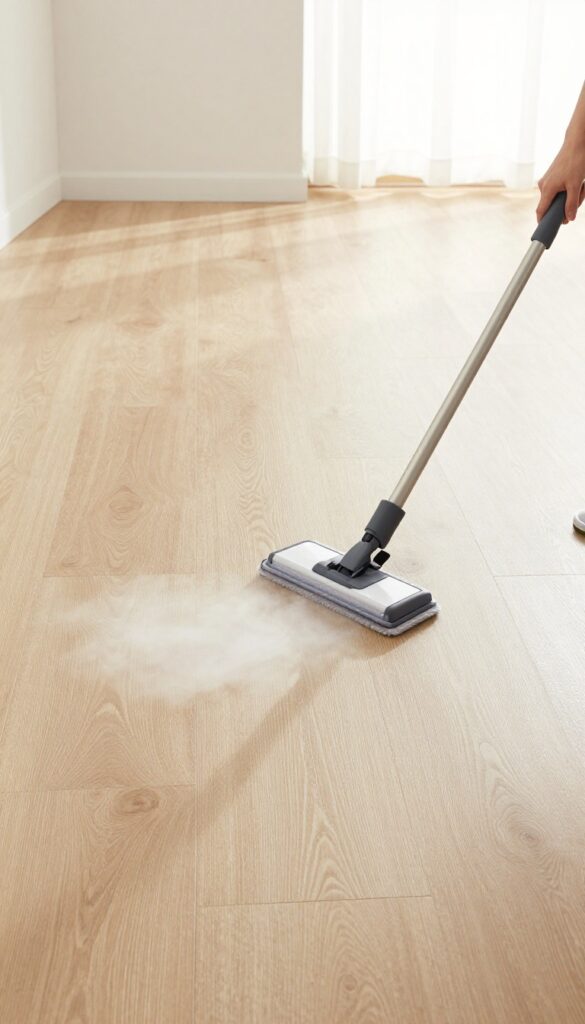
Steam mops promise a deep clean without chemicals, but they can be risky for laminate floors. The heat and moisture can seep into seams and cause swelling, warping, or a cloudy film. That doesn't mean you can never use one—just that you need to be smart about it.
If you decide to use a steam mop, keep these guidelines in mind to avoid damage. First, always check your floor's warranty—many manufacturers void it if steam cleaning is used. Second, use the lowest heat setting and never let the mop sit in one spot.
Keep it moving constantly to minimize moisture exposure. Third, make sure the floor is sealed properly; if water beads up, you're likely safe. Finally, limit steam mopping to occasional deep cleans, not your weekly routine.
A damp microfiber mop is still the safest bet for regular maintenance.
When Steam Is Okay
Steam mops work best on well-sealed laminate that's in good condition. If your floors are newer and the seams are tight, a quick pass on low heat can lift sticky residue without leaving streaks. Just don't linger—glide over each section once and let the floor air dry completely.
The Risk Of Overuse
Using a steam mop too often can break down the protective wear layer over time. The heat can also cause the planks to expand and contract, leading to gaps or buckling. Stick to steam mopping once a month at most, and use a dry microfiber mop for dust and a slightly damp mop for light cleaning in between.
Alternative: Damp Mopping
If you're after that streak-free shine without the risk, a well-wrung microfiber mop with a laminate-safe cleaner is your best friend. It gives you control over moisture and avoids the potential pitfalls of steam. For most homes, this method delivers consistent results without the worry.
13. Add a Splash of Baby Oil to Your Cleaning Solution
Baby oil isn't just for skin—it can work wonders on laminate floors. A few drops mixed into your mop water add a subtle shine and help prevent those annoying streaks. The oil fills in microscopic scratches and creates a smooth surface that reflects light evenly.
Just be careful not to overdo it: too much oil leaves a slippery, dust-attracting residue.
Start with a bucket of warm water and add 2–3 drops of baby oil per gallon. Swirl it in, then mop as usual. The oil disperses into a thin film that buffs the floor without greasiness.
For best results, use a microfiber mop and wring it well—excess water is the enemy of laminate. After mopping, let the floor air dry completely before walking on it. You'll notice a soft, natural glow that lasts until the next cleaning.
Why Baby Oil Works
Laminate floors have a protective wear layer that can become dull over time. Baby oil is a lightweight mineral oil that temporarily fills in tiny surface imperfections. This makes the floor look more polished and reduces the appearance of streaks.
Unlike wax or polish, it doesn't build up or yellow, and it rinses away easily with water.
How Much Is Too Much?
The golden rule is less is more. Two to three drops per gallon is plenty. If you add too much, the floor will feel greasy underfoot and may attract dust and dirt.
If you accidentally overdo it, simply mop again with plain water to dilute the oil. Always test a small, inconspicuous area first to make sure you like the result.
Safety And Maintenance Tips
Baby oil is safe for laminate when used sparingly, but it's not a substitute for regular cleaning. Use this trick only once every few cleanings to avoid buildup. If you have pets or kids, make sure the floor is completely dry before they walk on it to prevent slips.
Store baby oil away from heat sources and out of reach of children.
14. Vacuum or Sweep Before Mopping
You might be tempted to grab the mop and get straight to work, but skipping the dry cleaning step is a recipe for streaks. Dirt and grit act like sandpaper, scratching the surface and creating dull patches. Always remove loose debris first to ensure a smooth, streak-free mop.
Mopping a dirty floor just pushes grime around, leaving behind a hazy film once the water dries. Laminate is especially prone to scratches from abrasive particles, so a quick sweep or vacuum makes a huge difference. It takes just a couple of minutes and saves you from having to re-mop later.
Choose The Right Tool
A soft-bristle broom or a vacuum with a hard floor setting works best. Avoid vacuums with beater bars, as they can scratch the surface. Microfiber dust mops are also excellent—they trap dust and pet hair without scattering it around.
Work In One Direction
Sweep or vacuum in straight lines, working from the far end of the room toward the door. This prevents you from stepping on areas you've already cleaned. For best results, do a quick pass with a dust mop right before you mop, even if you vacuumed earlier.
Don't Forget The Corners
Grit loves to hide along baseboards and in corners. Use a crevice tool or a small hand brush to dislodge debris before mopping. A quick once-over ensures no hidden particles get dragged across the floor by your mop.
15. Use a Spray Mop for Controlled Application
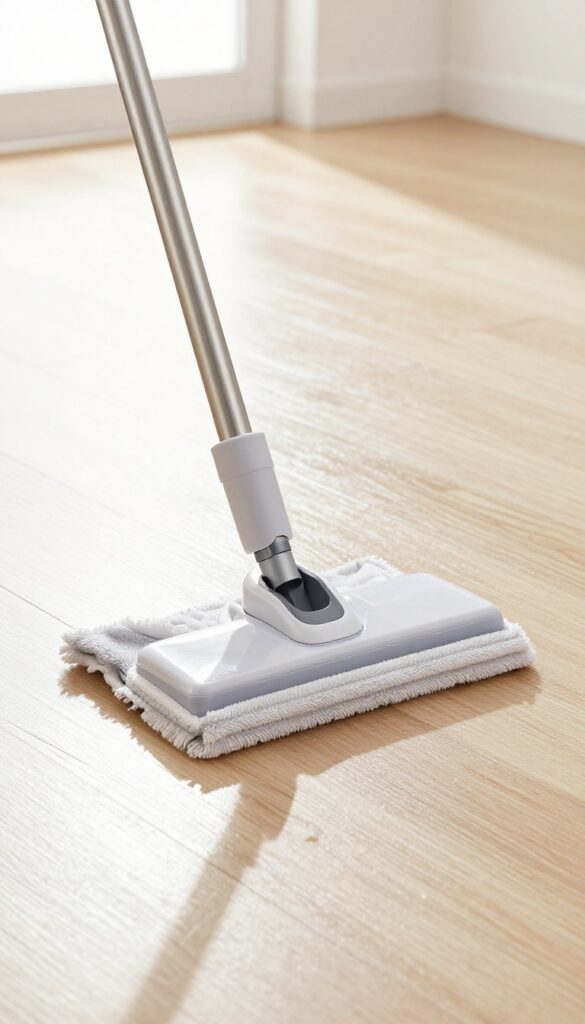
Spray mops give you precise control over how much cleaning solution hits your laminate. Instead of soaking the floor with a wet mop, you mist just enough to clean without leaving puddles that dry into streaks. This method is especially helpful if you've struggled with cloudy residue from traditional mopping.
A spray mop combines a water reservoir, a trigger, and a washable pad. You fill the reservoir with your preferred laminate cleaner, then squeeze the trigger to mist the floor ahead of the mop. The pad absorbs the liquid and dirt, leaving a barely-damp surface that dries quickly and evenly.
Because you control the output, you avoid the common mistake of using too much water, which is the main cause of streaking on laminate.
Why Over-wetting Causes Streaks
Laminate is not waterproof—excess moisture seeps into seams and causes the core to swell, but it also leaves behind mineral deposits and soap residue as it evaporates. That residue shows up as dull streaks. A spray mop applies so little liquid that evaporation happens before residue can form, giving you a clean, clear finish.
Choosing The Right Spray Mop
Look for a model with a detachable, machine-washable microfiber pad. Avoid spray mops that use disposable pads—they're wasteful and often less absorbent. Some spray mops have separate compartments for water and cleaner, letting you mix your own solution.
A lightweight, swivel-head design makes it easier to reach under furniture and along edges.
Best Practices For Spray Mopping
Always sweep or vacuum first to remove loose debris—otherwise you're just pushing grit around. Mist a small section at a time, then mop in overlapping passes. Rinse or swap the pad when it gets dirty to avoid spreading grime.
For best results, use a cleaner specifically formulated for laminate, or a mild vinegar solution (1/4 cup white vinegar per quart of water).
16. Try a Mixture of Vinegar and Rubbing Alcohol
If you're tired of streaky floors, this DIY solution might be your new best friend. White vinegar is a natural cleaner that cuts through grime, but it can leave a residue if used alone. Rubbing alcohol, on the other hand, evaporates quickly, helping the floor dry fast and streak-free.
Mix equal parts white vinegar, rubbing alcohol, and water in a spray bottle. Shake gently to combine. The vinegar disinfects and cleans, while the alcohol speeds up drying time.
This combo is especially effective on high-traffic areas where dirt and oils build up. Spray lightly on a section of the floor, then mop with a microfiber mop. The alcohol helps the solution evaporate before it can leave streaks.
Plus, it's safe for laminate when used sparingly—just don't oversaturate.
Why This Mix Works
Vinegar is acidic, which breaks down grease and grime without harsh chemicals. Rubbing alcohol (isopropyl) evaporates rapidly, so moisture doesn't sit on the laminate surface long enough to cause streaks or damage. Water dilutes both, making the solution gentle enough for regular use.
How To Apply It
Use a spray bottle to mist the solution onto a small area, then mop with a damp (not wet) microfiber pad. Work in sections to avoid puddles. The fast evaporation means you can walk on the floor almost immediately.
For best results, use distilled water to avoid mineral deposits that can also cause streaking.
When To Skip This Method
If your laminate has a wax coating or is unsealed, vinegar can dull the finish over time. Test in an inconspicuous spot first. Also, avoid this mix if you have pets or kids who might lick the floor—vinegar smell lingers briefly.
In those cases, stick to a laminate-specific cleaner.
17. Change Your Mop Water Frequently
It's easy to get into a rhythm of mopping the whole house with the same bucket of water. But that cloudy water is just spreading dirt back onto your laminate floors, leaving streaks behind. Fresh water is a simple fix that makes a big difference.
Dirty water is one of the most common causes of streaky laminate floors. As you mop, you're picking up dust, grime, and cleaning residue. Once the water looks cloudy, it's no longer cleaning—it's just redepositing that dirt.
For best results, swap out the water when it starts looking murky or after cleaning a large room. This keeps your mop head working effectively and prevents streaks from forming.
When To Change The Water
A good rule of thumb is to change the water after every two or three rooms, or sooner if it looks dirty. For larger open-concept spaces, change it after cleaning about 300 square feet. If you're using a two-bucket system—one for cleaning solution and one for rinsing—change the rinse water even more frequently.
How Often To Refresh For Best Results
For a typical home, plan on changing your mop water two to three times during a full cleaning session. If you're cleaning a particularly dirty area, like the kitchen or entryway, change it after that room alone. Fresh water ensures you're not just moving grime around.
Pro Tip: Use Warm Water
Warm water helps dissolve dirt and cleaning solutions more effectively than cold water. Just make sure it's not hot, as extreme temperatures can damage laminate. Aim for lukewarm water that feels comfortable to your touch.
18. Use a Soft Bristle Brush for Grooves and Edges
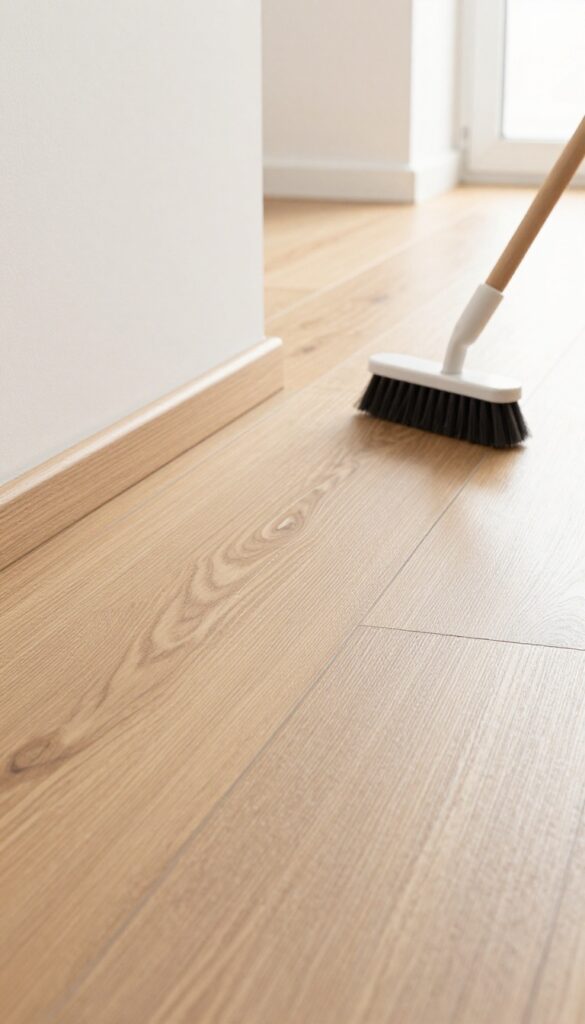
Laminate planks have seams and edges that trap dirt, and baseboards collect dust. If you only mop, you're just pushing grime around. A soft bristle brush gets into those tight spots without scratching the surface, making your mop much more effective.
Before mopping, take a few minutes to brush along baseboards and in the grooves between planks. This lifts embedded dirt so your mop can pick it up instead of smearing it. Use a brush with natural or soft synthetic bristles—never wire or stiff nylon.
Why Grooves Get Streaky
Dirt in the seams mixes with water and cleaner, creating a muddy residue that dries into streaks. Brushing first removes that hidden grit, so your mop solution stays clean and leaves a uniform shine.
Best Brush Types To Use
Look for a brush with a long handle to avoid bending over, or a small handheld detail brush for corners. A soft-bristled scrub brush or even a clean paintbrush works well. Avoid anything abrasive.
How To Brush Without Damage
Brush gently along the grain of the planks, not across. Focus on seams and edges where dirt accumulates. Sweep or vacuum the loosened debris before mopping.
This quick step prevents streaks and extends the life of your floors.
19. Avoid Wax or Polish Products
Many homeowners reach for wax or polish thinking it will give their laminate floors a deep, glossy shine. But laminate isn't like hardwood—it has a factory-applied finish that doesn't need added wax. In fact, using these products can do more harm than good.
They create a sticky layer on the surface that traps dust and dirt, leading to cloudy streaks and a dull appearance over time. The best approach is to keep it simple with gentle, laminate-safe cleaners.
Wax and polish products are designed for porous surfaces like unfinished wood, not for the sealed, synthetic top layer of laminate. When you apply them, the residue builds up and attracts grime, making your floors look dirtier faster. Plus, that buildup is difficult to remove and often requires harsh stripping agents that can damage the laminate.
Stick to a mild pH-neutral cleaner or a simple vinegar-and-water solution. Your floors will stay cleaner longer and maintain their original sheen without any sticky residue.
Why Wax And Polish Don't Work On Laminate
Laminate flooring is made with a melamine or aluminum oxide wear layer that is already designed to be durable and shiny. Wax and polish have nothing to bond with—they just sit on top, creating a film that smears and attracts dirt. Unlike hardwood, laminate doesn't need to be nourished or sealed, so adding these products is counterproductive.
The Streak Problem You Didn't Expect
That cloudy, streaky look after using polish isn't from poor cleaning—it's from the product itself. The film dries unevenly and picks up microscopic dust particles, leaving a hazy layer. Over time, multiple applications cause a buildup that becomes nearly impossible to remove without damaging the floor.
You'll end up with a dull, sticky surface that requires more work to fix.
What To Use Instead
For streak-free shine, stick to a microfiber mop and a gentle cleaning solution. A mixture of warm water and a few drops of dish soap or a laminate-specific cleaner works perfectly. If you want extra shine, buff the floor dry with a clean microfiber cloth after mopping.
That simple step gives you a brilliant finish without any wax or polish.
20. Dry the Floor with a Clean Towel in High-Traffic Areas
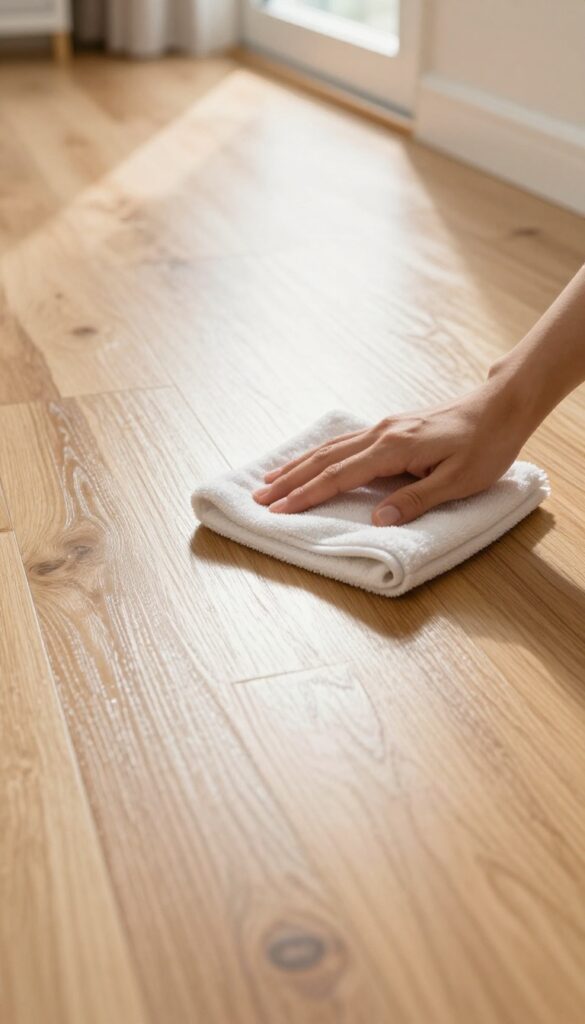
Even when you mop perfectly, the drying process can ruin your streak-free efforts. In high-traffic areas like hallways or kitchen paths, people tend to walk before the floor is fully dry. That leaves footprints and water spots that look just like cleaning streaks.
A quick towel-dry in those zones solves the problem instantly.
After mopping, grab a clean, dry microfiber towel and gently buff the floor in spots where people walk immediately. This removes any lingering moisture and prevents footprints from forming. It also helps pick up any leftover residue that could cause dullness.
Focus on entryways, hallways, and areas near sinks or appliances. You don't need to dry the entire floor—just the high-traffic zones. This small extra step makes a big difference in maintaining that streak-free shine.
Why High-traffic Areas Are Prone To Streaks
Laminate dries from the edges inward, but foot traffic disrupts that process. When someone steps on a damp floor, their shoes trap moisture and dirt, leaving behind cloudy marks. These marks are often mistaken for streaks from the cleaning solution, but they're actually just footprints.
Drying those areas immediately eliminates the problem.
Best Towel Type For The Job
Microfiber towels are ideal because they absorb moisture without leaving lint or scratches. Avoid terry cloth or rough fabrics that can damage the laminate surface. Keep a dedicated microfiber towel handy for this purpose, and wash it regularly to avoid transferring dirt back onto the floor.
When To Dry For Best Results
Dry the floor right after mopping, while it's still damp but not soaking wet. If you wait too long, water spots can set in. Work in sections: mop a small area, then immediately dry the high-traffic spots within that zone.
This keeps the drying process efficient and prevents you from walking on wet areas.
21. Use a pH-Neutral Cleaner for Regular Maintenance
Not all cleaners are created equal when it comes to laminate. Many all-purpose cleaners are too acidic or alkaline, which can dull the finish over time. A pH-neutral cleaner is specifically formulated to be gentle on laminate, effectively removing dirt without leaving behind residue that causes streaks.
pH-neutral cleaners are your go-to for weekly cleaning. They lift grime without reacting with the laminate's protective layer, so your floors stay shiny and scratch-free. Simply dilute according to the bottle instructions, mop with a well-wrung microfiber mop, and let it air dry.
No rinsing needed—these cleaners leave no residue behind.
Why Ph Matters
Laminate's top layer is a protective coating that can be damaged by harsh chemicals. Acidic cleaners (like vinegar) can etch the surface, while alkaline ones (like ammonia) can cause cloudiness. pH-neutral cleaners (pH 7) are safe for regular use, preserving the floor's integrity and shine.
How To Choose A Ph-neutral Cleaner
Look for products labeled "pH-neutral" or "safe for laminate. " Avoid cleaners with wax, oil, or polish, as these can build up and attract dirt. Popular options include Bona Hardwood Floor Cleaner (also safe for laminate) and Zep Neutral pH Floor Cleaner.
You can also make your own by mixing a few drops of mild dish soap with water, but ensure it's truly neutral.
Best Practices For Application
Always follow the dilution ratio on the label—more isn't better. Use a spray bottle for spot cleaning or a bucket for whole rooms. Dampen your mop, not soak it, to avoid water seeping into seams.
Mop in the direction of the planks to prevent streaks, and let the floor dry completely before walking on it.
22. Test Any New Cleaner in an Inconspicuous Spot
You might be tempted to just go for it with a new spray or mop solution, but a quick test can save you a lot of grief. Laminate finishes vary, and a product that works on one floor might leave a dull film or even cause discoloration on yours. A small patch test takes only a minute and gives you peace of mind before you clean the whole room.
Testing a new cleaner is one of those steps that seems like a hassle until you've had a bad reaction. Laminate floors have a protective wear layer that can be sensitive to certain chemicals or pH levels. Even a cleaner labeled as safe for laminate might not be ideal for your specific brand or finish.
A quick test in a hidden spot—like behind a couch or in a closet—lets you see how the floor reacts before you commit. Apply the cleaner to a small area, let it dry, and check for streaks, cloudiness, or any change in color. If it looks good, you're set to go.
If not, you've saved yourself from having to redo the whole floor. This simple habit also helps you avoid damage that could void your flooring warranty.
Why Test First
Laminate floors are not all created equal. Some have a high-gloss finish, others are matte. A cleaner that works on one might leave a residue on another.
Testing prevents surprises and lets you adjust your technique or product choice before tackling the entire floor.
How To Test Properly
Choose a small, hidden area—preferably near a corner or under furniture. Apply the cleaner as directed, then wait for it to dry completely. Check for any visible streaks, haziness, or discoloration under different lighting.
Also, run your hand over the spot to feel if it's sticky or rough.
What To Look For
After drying, the tested spot should look exactly like the surrounding floor. If it appears duller, has a film, or shows streaks, that cleaner isn't right for your floor. Also watch for any peeling or bubbling at the seams, which indicates the cleaner is too harsh.
23. Let the Floor Air Dry Completely Before Walking on It
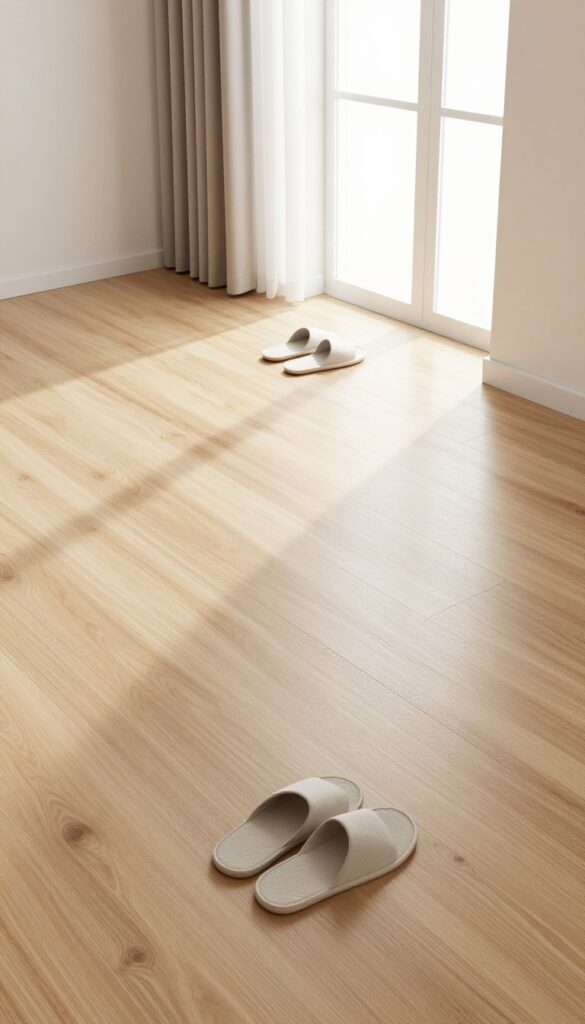
You've mopped, you've waited, and just as you think it's dry, someone walks through and leaves footprints everywhere. It's a common frustration, but the solution is simple: give your laminate floors enough time to air dry completely before letting anyone—or any pet—walk on them.
Patience is the final step to a streak-free shine. When you walk on a damp floor, dirt and oils from your shoes or bare feet transfer onto the surface, creating smudges and footprints that ruin your hard work. Allowing the floor to dry fully prevents this and ensures a clean, uniform finish.
Aim for at least 15-20 minutes of drying time, but factors like humidity, ventilation, and the amount of water used can extend this. To speed things up, open windows or use a fan to circulate air. Good ventilation not only dries the floor faster but also helps prevent moisture from seeping into the seams, which can cause swelling or damage over time.
Why Drying Matters
Laminate is not waterproof, so standing water or prolonged dampness can warp the boards or cause the edges to curl. By letting the floor dry completely, you protect your investment and maintain that streak-free look. Footprints and smears are basically dirt being pressed into a wet surface—avoiding that keeps your floors pristine.
How To Speed Up Drying
If you're in a hurry, use a microfiber mop that's only slightly damp, not wet. After mopping, go over the floor with a dry microfiber cloth or a dry mop head to absorb excess moisture. Open windows, turn on ceiling fans, or use a box fan directed at the floor.
Dehumidifiers also help in humid climates. Avoid using heat sources like hair dryers, as uneven heat can damage the laminate.
Signs The Floor Is Dry
The floor should feel completely dry to the touch, with no cool or damp spots. Look for any visible water droplets or puddles—if you see any, wipe them up immediately. A good test is to place a paper towel on the floor; if it stays dry after a few seconds, you're good to go.
Once dry, you can enjoy your streak-free shine without worrying about footprints.
FAQ
Can I use vinegar on laminate floors every day?
No, daily use of vinegar may dull the finish over time. Stick to once a week or less, and always dilute it with water.
Why does my laminate floor look cloudy after mopping?
Cloudiness is usually caused by using too much cleaner or water, leaving residue. Try using less product and wringing your mop more thoroughly.
Is it safe to use a steam mop on laminate?
Use steam mops sparingly and on the lowest setting. Excessive heat and moisture can warp laminate boards or damage the seal.
What is the best homemade cleaner for laminate floors?
A mix of 1/2 cup white vinegar, 1 gallon warm water, and a drop of dish soap works well. For faster drying, substitute half the water with rubbing alcohol.
How do I remove sticky residue from laminate without streaks?
Dampen a microfiber cloth with a little rubbing alcohol and gently rub the spot. Wipe with a dry cloth immediately to avoid residue.
Conclusion
Achieving a streak-free shine on laminate wood floors doesn't require expensive products or endless scrubbing. By choosing the right tools—like microfiber mops and gentle cleaners—and adjusting your technique, you can keep your floors looking their best. The key is to avoid excess moisture and harsh chemicals.
With these 23 ideas, you have a toolkit of simple, effective methods to tackle any cleaning challenge. Try a few that fit your routine, and enjoy floors that gleam without the frustration of streaks.