
Last updated on August 19th, 2026 at 04:15 pm
A finished basement offers a unique opportunity to create a dedicated space for your dog without sacrificing style. You don't have to hide a wire crate in the corner or settle for a utilitarian setup. These nine ideas show how to blend comfort, function, and design seamlessly.
Think of your basement kennel as more than just a place to confine your pup. It can be a retreat, a training hub, or a cozy den that complements the rest of your home.
The key is to plan around your dog's needs and your aesthetic preferences. From built-in crates that look like furniture to clever storage solutions, each idea here is tailored for finished basements.
1. Built-In Crate That Blends With the Wall
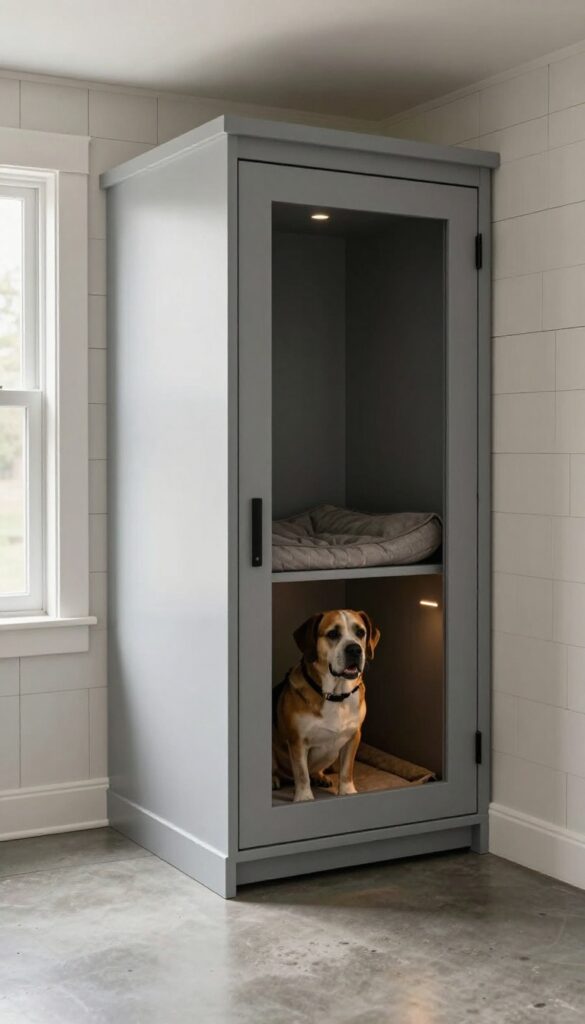
A built-in crate is the ultimate way to keep your dog's space neat and stylish. Instead of a bulky wire cage, you get a custom piece that looks like it belongs. The trick is matching the materials and finishes to your basement's existing walls and trim.
Work with a carpenter or use a pre-made cabinet frame to build a crate nook. Choose a door style that matches your cabinetry or wall paneling. A standard cabinet door with a dog door insert keeps the crate hidden while giving your pup easy access.
Add a vent for airflow and a cozy bed inside.
Material Matching
Use the same paint color or wood stain as your basement walls or built-ins. If you have shiplap, panel the crate door with matching boards. For drywall, a smooth painted door with minimal trim works best.
Door Options
A solid door with a built-in pet door is the cleanest look. Alternatively, use a bi-fold door with a cutout, or a sliding barn door for a rustic touch. Make sure the opening is large enough for your dog to enter comfortably.
Interior Comfort
Line the inside with a washable mat or orthopedic bed. Add a small shelf or cubby for toys. Consider a dimmable light or a nightlight so your dog feels secure.
2. Soundproofed Kennel Room for Noise Reduction
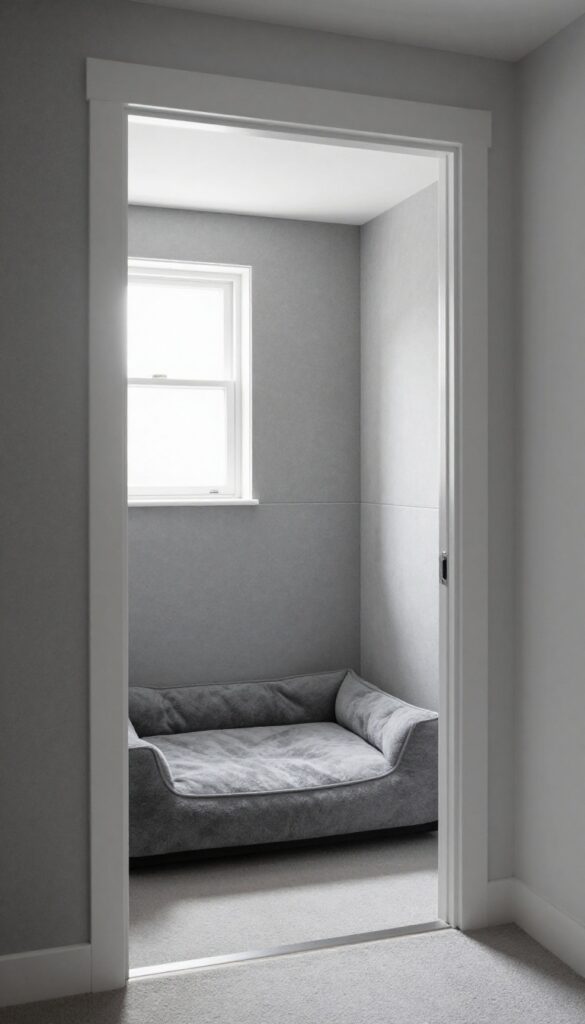
Barking can be a concern when the kennel is in a finished basement, especially if you use the upstairs for living or entertaining. Soundproofing transforms a noisy corner into a peaceful retreat for your dog and a quieter space for everyone else. With the right materials, you can contain the sound without making the room feel like a recording studio.
Acoustic panels are your first line of defense. They absorb sound waves and reduce echo, making the kennel feel calmer for your dog. Mass-loaded vinyl (MLV) adds a dense barrier that blocks sound from traveling through walls and ceilings.
For best results, cover the interior walls with MLV and then layer acoustic foam or fabric-wrapped panels on top. Don't forget the door—a solid-core door with weatherstripping seals the room effectively. If the kennel shares a wall with a living area, consider adding a second layer of drywall with green glue compound for extra isolation.
The investment pays off in reduced noise and a more relaxed pet.
Choosing The Right Acoustic Materials
Not all soundproofing materials are equal. Acoustic foam panels are great for absorbing mid and high frequencies, while bass traps handle low-frequency rumbles from larger dogs. MLV is heavy and flexible—install it behind drywall or under flooring for maximum impact.
Recycled cotton or fiberglass panels are also effective and more eco-friendly. Stick with Class A fire-rated materials for safety in a finished basement.
Dealing With The Door And Ventilation
A hollow-core door lets sound escape easily. Swap it for a solid-core door and add a sweep at the bottom. For ventilation, use a baffled vent or an acoustic air vent that allows airflow without sacrificing soundproofing.
You can also install a small exhaust fan with a silencer box to keep the air fresh and quiet.
3. Multi-Dog Kennel With Individual Suites
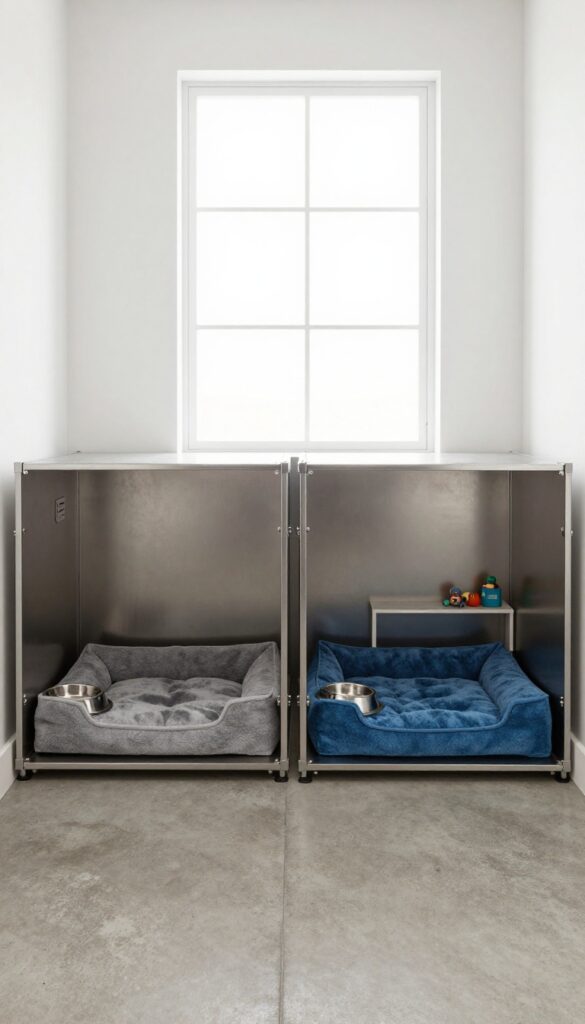
When you have more than one dog, sharing a single kennel can lead to tension or competition over resources. A multi-dog kennel with individual suites solves that by giving each pup their own private area. It’s like a tiny apartment complex for your dogs, with separate sleeping and feeding zones that reduce stress and keep everyone happy.
Dividing a larger basement area into separate enclosures is easier than you might think. Use sturdy dividers—like metal panels or half-walls—to create individual suites. Each suite should have its own bed, water bowl, and toy storage.
This setup works especially well if your dogs have different feeding schedules or need separate spaces during the day. You can even customize each suite with a nameplate or different color bed to make it feel personal.
Designing The Layout
Start by measuring your basement and deciding how many suites you need. A good rule of thumb is at least 4 feet by 6 feet per dog for medium breeds. Arrange the suites in a row or L-shape to maximize floor space.
Leave a central aisle for easy cleaning and access. If possible, install a drain in the floor to make hosing down the area simple.
Adding Privacy And Comfort
Dogs appreciate a den-like atmosphere, so consider adding solid panels or curtains to the front of each suite. This blocks visual stimulation and helps anxious dogs relax. Inside, provide orthopedic beds and chew-resistant bowls.
A small shelf or cubby for each dog’s toys keeps things organized and gives them a sense of ownership.
Managing Noise And Odor
Multiple dogs can mean more noise and smell. Use acoustic panels on the walls to dampen barking. For odor control, install a ventilation fan or an air purifier with a carbon filter.
Washable mats or tile flooring make cleanup a breeze. Regular deep cleaning keeps the space fresh and hygienic for everyone.
4. Cozy Corner Nook With a Raised Cot
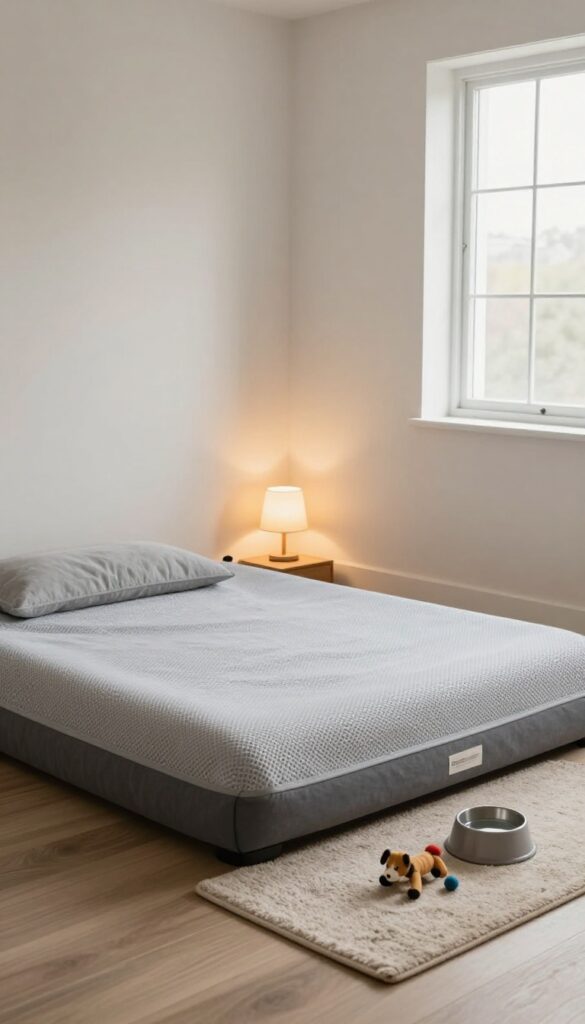
Not every dog wants to be fully enclosed. Some prefer a spot where they can see the room while still feeling tucked away. A corner nook with a raised cot gives them that vantage point while keeping them off the cold floor.
Start by choosing a corner that has at least one wall for backing. Place a raised orthopedic cot against the wall so your dog can lounge with a view. Add a soft rug underneath to define the zone and provide traction.
A small wall-mounted lamp or plug-in nightlight creates a warm glow without harsh overhead lighting. Finish with a few toys and a water bowl on a nonslip mat. This setup works especially well for older dogs who need joint support or for breeds that like to survey their surroundings.
Why A Raised Cot Works
Raised cots keep your dog off cold basement floors, which is a big plus in finished spaces that still feel chilly. The mesh or fabric surface allows air to circulate, helping regulate body temperature. Orthopedic cots add extra support for joints, making this a smart choice for senior dogs or breeds prone to hip dysplasia.
Lighting And Ambiance
Basements can feel dark and uninviting. A small adjustable lamp or a dimmable sconce turns the corner into a cozy retreat. Soft warm light mimics the feeling of a den and helps your dog feel secure.
Avoid bright overhead lights that can feel harsh and stressful.
Choosing The Right Rug
A rug under the cot does more than look good. It gives your dog a nonslip surface when they hop on and off, reducing the risk of injury. Choose a low-pile or washable rug that’s easy to clean.
Make sure it’s large enough to extend a few inches beyond the cot on all sides.
5. Kennel With Built-In Feeding Station
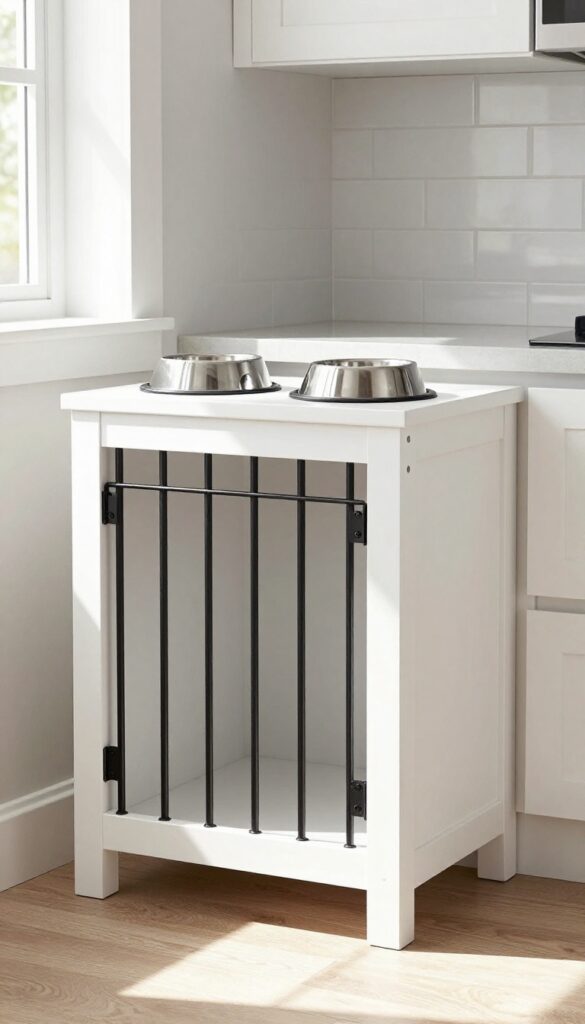
A built-in feeding station keeps your dog's bowls tidy and off the floor. It's one of those upgrades that makes daily feeding feel less like a chore and more like a designed moment. Whether you go with a pull-out drawer or a countertop setup, it's all about convenience and cleanliness.
Pull-out Drawer Design
A pull-out drawer slides out from under the kennel or a nearby cabinet. You can place bowls directly on the drawer, then push it back in when not in use. This keeps the bowls out of sight and prevents spills from spreading.
Choose a drawer with a liner or a removable tray for easy cleaning.
Countertop Station
If you prefer a fixed setup, build a small countertop next to or above the kennel. Install recessed bowls that sit flush with the surface. This eliminates tipping and makes it simple to wipe down.
Add a backsplash to protect the wall from splashes.
Plumbing And Drainage Options
For the ultimate convenience, consider adding a small sink or a drain near the feeding station. This makes filling bowls and cleaning up a breeze. If your basement has rough-in plumbing, it's easier than you think.
Even a simple floor drain nearby can help with spills.
6. Indoor-Outdoor Access via a Dog Door
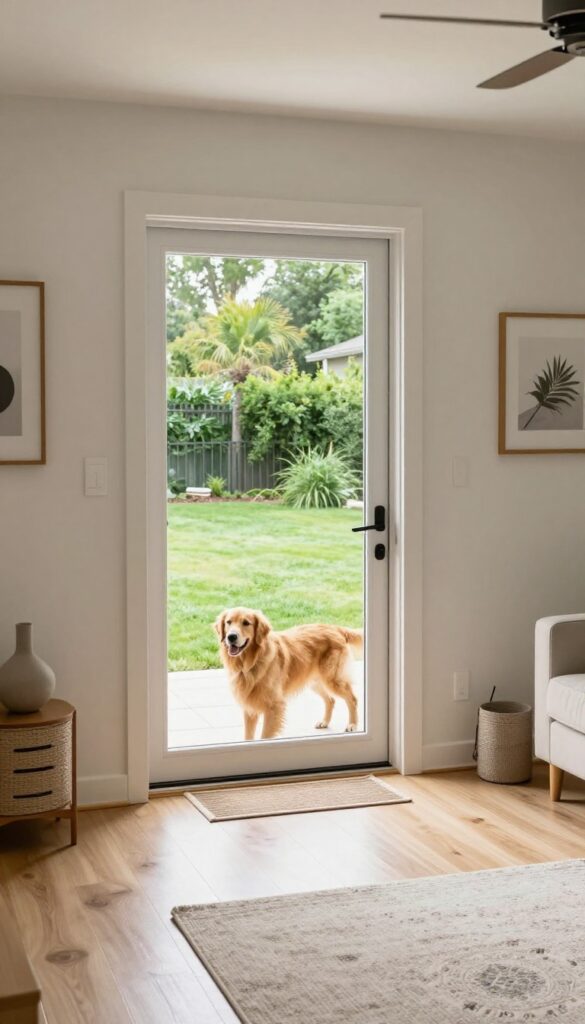
If your basement is a walk-out with a secure, fenced yard, adding a dog door transforms the space into a flexible indoor-outdoor zone. Your dog can come and go as they please, getting fresh air and exercise without needing you to open the door every time. It’s a simple upgrade that adds freedom and convenience for both of you.
A dog door in the basement wall or door gives your pup autonomy. They can step outside to relieve themselves, chase a ball, or just sunbathe, then wander back in when they’re ready. This setup works especially well for active dogs who like to check the yard regularly.
Just make sure the door is properly sealed and insulated to keep your basement comfortable year-round.
Choosing The Right Door
Look for a dog door that matches your wall thickness and your dog’s size. Electronic or microchip-activated doors are great for security—they only open for your pet, keeping out wildlife and stray animals. If you live in a cold climate, opt for an insulated model to prevent drafts.
Safety And Security
Before installing, double-check that your yard is fully fenced and escape-proof. Add a latch or lock feature if you want to restrict access at night or when you’re away. Some dog doors come with sliding panels that let you block entry when needed.
Placement Tips
Install the door at a height that’s easy for your dog to use, usually a few inches above the floor. If your basement has a door to the outside, you can install the dog door directly into that door. Alternatively, cut into an exterior wall—just avoid load-bearing sections and check for wiring or plumbing.
7. Kennel With Storage for Toys and Gear
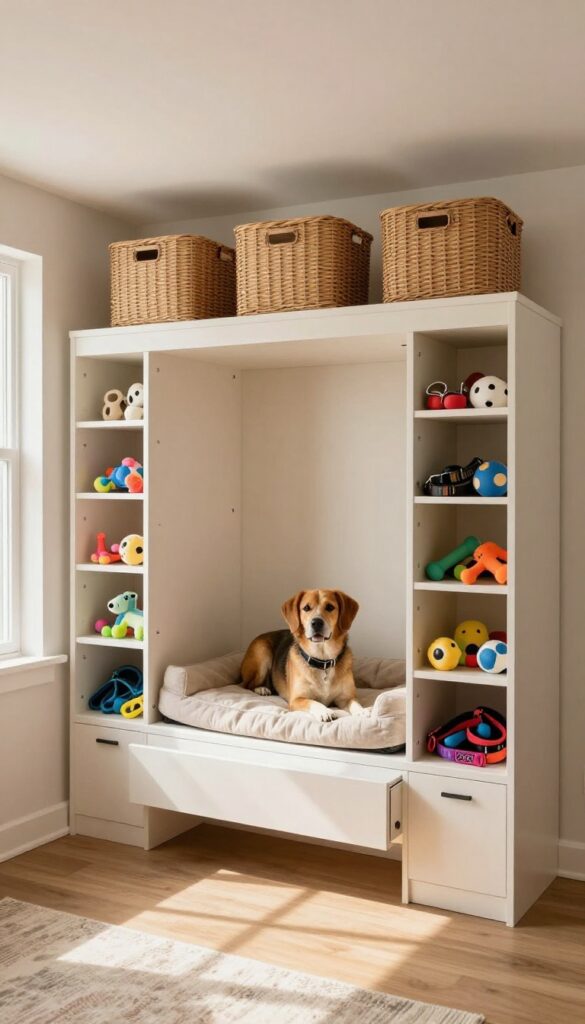
Every dog owner knows the struggle of tripping over a stray tennis ball or hunting for a leash when it's time for a walk. By integrating storage directly into or around the kennel, you keep all your pup's essentials within arm's reach while maintaining a clean, finished look. This setup turns a simple kennel into a command center for dog care.
Combining a kennel with storage is a smart way to maximize your basement's square footage. Whether you build a custom unit or modify an existing crate, the goal is to create a designated spot for leashes, collars, toys, treats, and grooming tools. This not only reduces clutter but also makes daily routines smoother.
Built-in Shelving Above The Crate
Install floating shelves or a small bookcase directly above the kennel. Use baskets or bins to corral smaller items like poop bags, brushes, and training clickers. Keep frequently used gear like leashes on hooks beneath the shelves for quick grab-and-go access.
Bench With Hidden Storage
Place a storage bench next to or in front of the kennel. The bench can double as a seat for putting on your shoes or a spot for your dog to sit before going out. Inside, store bulkier items like dog beds, towels, or bags of food.
Choose a bench with a cushioned top for added comfort.
Cubbies And Drawers Integrated Into The Kennel Frame
If you're building a custom kennel, incorporate cubbies or drawers into the side panels. Use shallow drawers for collars and leashes, and open cubbies for toys your dog can see and choose from. Label each cubby to make cleanup a breeze, especially if multiple family members help with dog care.
8. Themed Kennel That Matches Your Decor
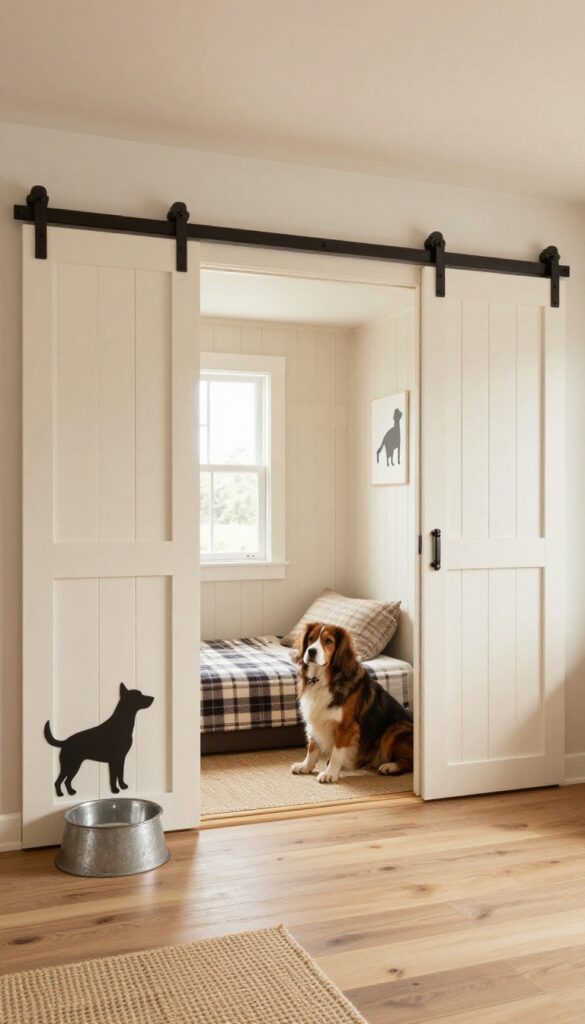
Why should your dog's kennel stick out like a sore thumb when the rest of your basement is beautifully finished? Carrying your chosen design theme into the kennel area makes it feel intentional, not like an afterthought. Whether your style is modern farmhouse, sleek industrial, or cozy rustic, you can easily translate that look into a kennel that blends right in.
Start by selecting a style that complements your basement's existing decor. Use the same paint colors, trim profiles, and hardware finishes to create a seamless transition. Then, add themed accessories like a matching bed, bowls, and wall art to tie it all together.
Modern Minimalist Kennel
For a clean, contemporary look, choose a sleek metal crate with a matte black or white finish. Paint the surrounding walls a soft gray or warm white, and use simple floating shelves for storage. Add a low-profile dog bed in a neutral tone and a minimalist water bowl.
Keep accessories to a minimum to maintain that uncluttered vibe.
Rustic Farmhouse Kennel
Warm wood tones and cozy textures define this style. Use a wooden crate or build a custom enclosure with shiplap or reclaimed wood. Paint the walls a creamy off-white or sage green, and install a barn door gate for the entrance.
Layer in a plaid dog bed, a galvanized steel food bowl, and a framed print of a dog silhouette to complete the look.
Industrial Chic Kennel
Exposed metal and dark colors give this style an edgy feel. Opt for a black wire crate or a custom metal frame with wire mesh panels. Paint the walls charcoal or deep navy, and use pipe shelving for storage.
Add a distressed leather dog bed, a concrete water bowl, and Edison bulb lighting to enhance the industrial atmosphere.
9. Kennel With a Wash Station or Mudroom Setup
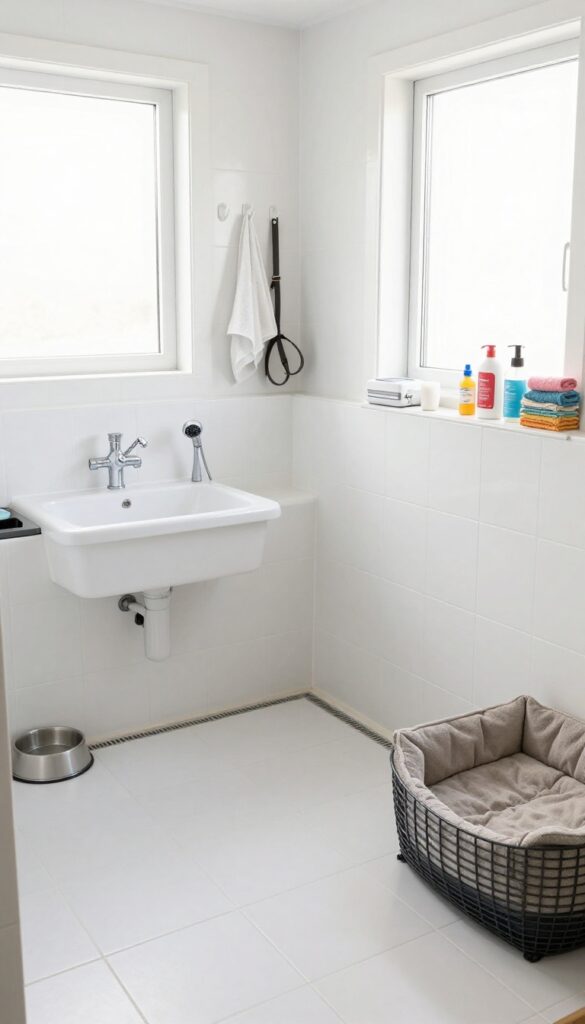
If your dog loves outdoor adventures, a kennel with a built-in wash station is a game-changer. Imagine coming in from a muddy hike and heading straight to the basement for a quick paw rinse. This setup keeps the mess contained and your home clean.
A wash station doesn't need to be elaborate. A small tiled alcove with a handheld sprayer and a floor drain works perfectly. Add a low tub or a shallow basin so your dog can stand comfortably while you wash off dirt and debris.
Store towels, shampoo, and a brush in nearby cabinets for easy access. This idea turns the kennel into a functional mudroom that handles the daily grind of dog ownership.
Choosing The Right Location
Place the wash station near the basement entry or directly adjacent to the kennel. This minimizes the path your dog travels with wet or muddy paws. If your basement has a walk-out door, position the station close to it for quick access after outdoor time.
Materials That Hold Up
Use waterproof materials like ceramic tile, sealed concrete, or marine-grade plywood for the wash area. Avoid porous surfaces that can trap odors or mildew. A sloped floor toward the drain makes cleanup effortless.
Adding Storage And Drying Gear
Install hooks for leashes and towels, plus a shelf for grooming supplies. A wall-mounted hair dryer or a heated drying station can be a lifesaver for thick-coated breeds. Keep a basket of clean towels nearby so you're always ready.
FAQ
How much space do I need for a basement dog kennel?
It depends on your dog's size and how many dogs you have. A single large breed needs at least a 4×6 foot area, while smaller breeds can do with 3×4 feet. Always allow room for a bed, water, and movement.
Can I install a dog door in a finished basement wall?
Yes, but only if the basement has a walk-out exit to ground level. For below-grade basements, a dog door isn't practical. You can instead use a window well with a dog door insert if the window is large enough.
What flooring is best for a basement dog kennel?
Waterproof, durable options like luxury vinyl plank, tile, or sealed concrete are ideal. Avoid carpet because it traps odors and is hard to clean. Add washable rugs for comfort.
How do I soundproof a basement kennel?
Use mass-loaded vinyl on walls and ceiling, add acoustic foam panels, and seal gaps around doors. A solid-core door also helps reduce noise transmission.
Should I use a crate or an open kennel area?
It depends on your dog's temperament. Crates provide security for den-loving dogs, while open areas work well for dogs that don't like confinement. Many owners combine both: a crate inside a larger pen.
Conclusion
A finished basement kennel can be both functional and beautiful. By choosing ideas that fit your space and your dog's personality, you create a spot that everyone enjoys. Whether you go with a built-in crate or a themed room, the effort pays off in a happier pet and a more organized home.
Start with one idea that excites you most, then build from there. Your basement has potential—turn it into a space your dog will love and you'll be proud to show off.

I’m Pallab Kishore, the owner of Little Pets Realm — an animal lover and pet care enthusiast sharing easy tips, healthy recipes, and honest advice to help every small pet live a happy, healthy, tail-wagging life.