
Got a stash of fabric scraps taking up space? Put them to good use with these dog-friendly sewing projects. Your pup gets new gear, and you get the satisfaction of creating something useful.
These ideas are designed for real dog owners—busy, budget-conscious, and always looking for ways to keep their furry friend comfortable. No fancy skills required, just a little time and some basic sewing know-how.
From cozy beds to stylish bandanas, each project focuses on safety, comfort, and everyday practicality. Let's turn those leftovers into treasures your dog will love.
1. No-Sew Braided Tug Toy
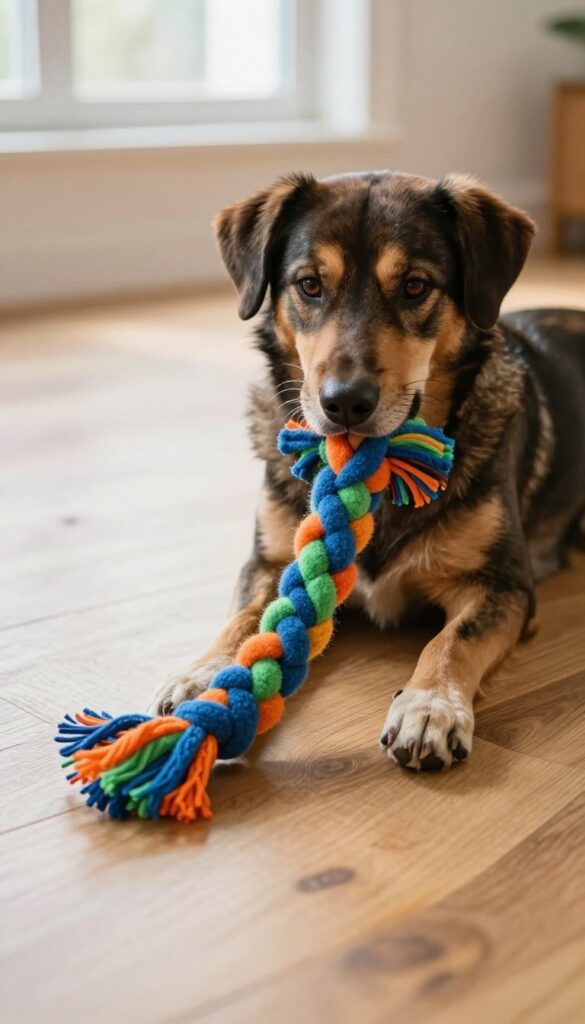
Tug toys get a lot of action, but they don't have to cost much or require any sewing. A braided tug toy made from old t-shirts or fleece scraps is one of the simplest projects you can whip up in minutes. It's sturdy, washable, and perfect for dogs that love a good game of tug-of-war or fetch.
This is a zero-waste win: you use up fabric leftovers while giving your dog a new favorite toy. The braiding creates a textured surface that's gentle on gums but tough on play. Plus, because there's no stuffing or squeaker, it's safer for aggressive chewers.
The best part? You don't need a sewing machine, needle, or thread. Just cut, braid, and knot.
It's so easy you can make a few at once and rotate them out when they get dirty.
Why It Works
The tight braid creates a durable, flexible toy that holds up to pulling and shaking. Unlike store-bought toys with weak seams, this one is one continuous piece of fabric, so there's nothing to unravel. It's also machine-washable—just toss it in a lingerie bag to protect the fibers.
Best For
This toy is ideal for medium to large dogs that enjoy interactive play like tug-of-war or fetch. It's also great for puppies going through teething, as the fabric is soft on sore gums. If your dog is a gentle player, you can even use it for light fetch indoors.
Practical Tip
Use contrasting fabric colors or patterns to make the braid pop. For extra durability, choose fleece over t-shirt material—it doesn't fray and holds its shape better. When the toy gets slobbery or dirty, toss it in the washer on gentle cycle and air dry.
Budget-Friendly Option
Instead of buying new fleece, cut up old t-shirts, flannel shirts, or even cotton bedsheets. You can also use fabric remnants from other projects. The key is to use fabrics that are soft and stretchy for easy braiding.
2. Reversible Bandana with Snap Closure
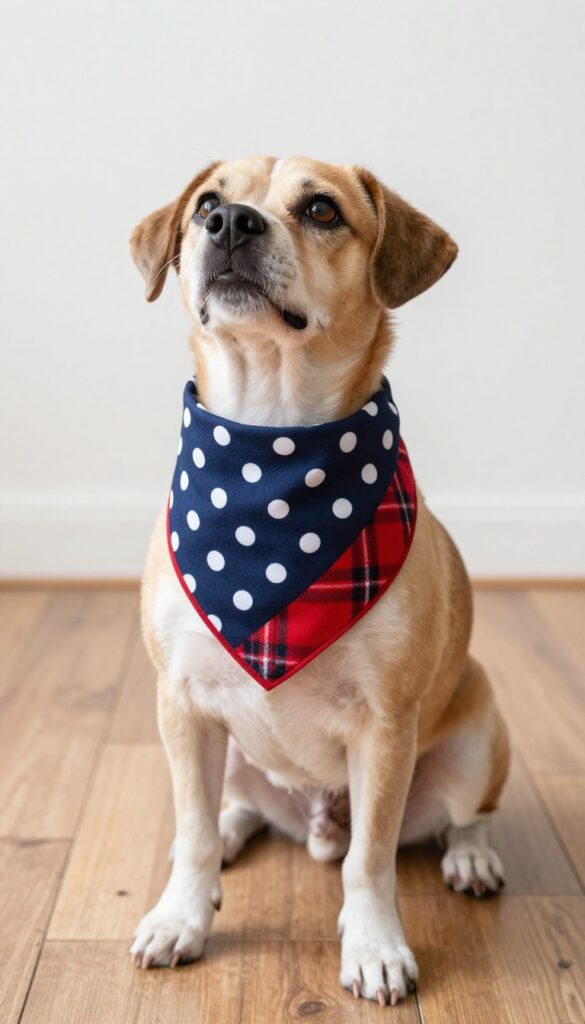
Bandanas are a classic dog accessory, but this version adds a clever twist. By sewing two triangles of contrasting fabric together and adding a snap or button at the neck, your dog gets two looks in one. The snap makes it easy to put on and take off, so no more wrestling with knots.
Why It Works
The reversible design doubles your dog's wardrobe without using extra fabric. The snap closure is quick to fasten and adjust, making it perfect for wiggly pups who don't like things going over their head.
Best For
Dogs of all sizes, especially those who tolerate collars but dislike fussy accessories. Great for everyday wear or photo-ready moments.
Practical Tip
Choose two fabrics that coordinate but contrast—like a solid and a pattern. Pre-wash fabrics to prevent shrinking later. Place the snap on the shorter end of the triangle so it sits comfortably under the chin.
Budget-Friendly Option
Skip the snap and use a large button with a loop of elastic. Or simply tie the bandana in a loose knot—still reversible, just a little more effort.
3. Snuffle Mat for Slow Feeding
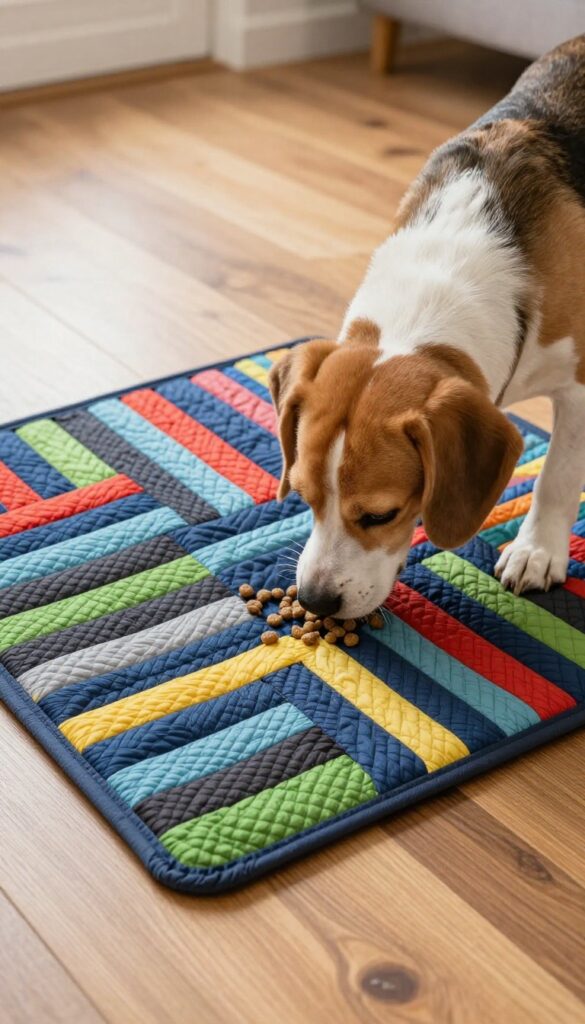
Mealtime can be more than just gobbling down kibble. A snuffle mat turns eating into a fun scavenger hunt, slowing down fast eaters and engaging their natural sniffing instincts. Made from fabric scraps, this is a zero-waste project that keeps your dog entertained and mentally stimulated.
All you need is a rubber mat with slits and strips of fleece or cotton. Weave the fabric strips through the holes, and you've got a textured mat that hides kibble in its folds. It's simple to make and even easier to customize.
Why It Works
Foraging mimics how dogs would naturally find food in the wild, which satisfies their instinct to sniff and work for meals. The slow feeding aspect helps prevent bloating and indigestion in fast eaters, while the mental challenge tires them out more than a regular bowl ever could.
Best For
This is perfect for dogs that inhale their food too quickly, or for high-energy pups that need extra mental stimulation. It's also great for rainy days when outdoor play isn't an option, and works well for any size dog—just adjust the mat size and strip length accordingly.
Practical Tip
Use a rubber mat with drainage holes, like a sink mat or a cabinet liner, to make weaving easier. Wash the mat and strips separately in a mesh laundry bag on a gentle cycle, then air dry. Rotate between two mats so one is always clean and ready.
Budget-Friendly Option
If you don't have a rubber mat with slits, use a plastic needlepoint canvas from a craft store—it's cheap and works just as well. Or repurpose an old cooling rack for a breathable, no-cost option.
4. Cozy Crate Pad with Removable Cover
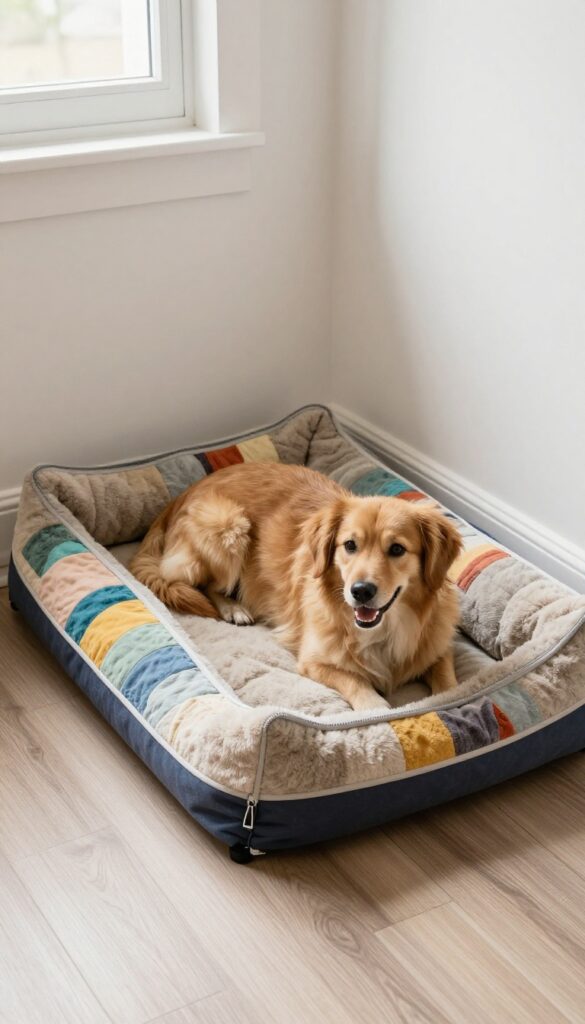
A crate can feel more like a den and less like a cage when there's a soft, cushioned pad inside. This project uses fabric scraps to create a simple cushion cover that fits your crate tray perfectly, with a zipper or envelope closure for easy removal. Stuff it with leftover batting or old pillows, and you have a washable, comfy bed your dog will love curling up on.
Why It Works
Dogs spend a lot of time in their crates, especially during training or travel. A padded surface adds comfort and warmth, making the crate a more inviting space. The removable cover makes cleanup a breeze—just unzip, toss in the wash, and it's fresh again.
Plus, using fabric scraps and repurposed stuffing keeps costs low and waste down.
Best For
Perfect for crate-training puppies, anxious dogs who need a cozy retreat, or multi-dog households where crates get heavy use. It works for any crate size, from small travel crates to large kennels, and fits homes with a sewing machine and basic skills.
Practical Tip
Measure your crate tray before cutting fabric—add an inch on each side for seam allowance and a bit of wiggle room. Use a sturdy cotton or canvas for durability, and opt for a zipper closure rather than Velcro, which can collect lint and lose grip over time. Wash the cover on a gentle cycle and air dry to prevent shrinking.
Budget-Friendly Option
Skip the zipper and use an envelope closure (overlapping fabric flaps) for a no-hardware option. Instead of buying new batting, repurpose an old comforter, pillow, or even a thick fleece blanket as stuffing.
5. Toy-Stuffing Repair Patches
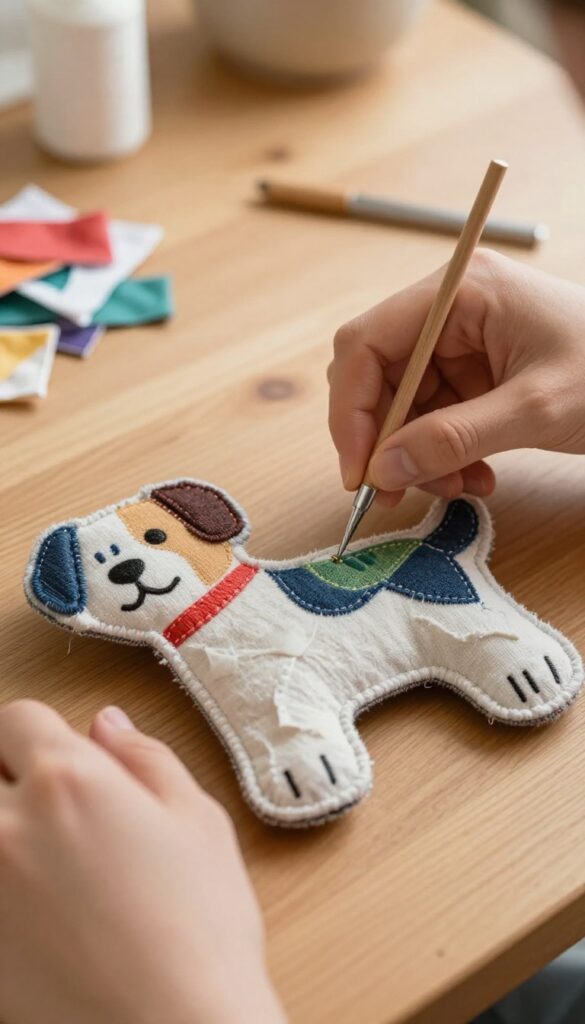
Every dog has that one toy they refuse to give up, even after it's been loved to pieces. Instead of tossing it, grab a fabric scrap and stitch on a patch. It's a simple fix that keeps the squeaker inside and your pup happy.
These patches work like tiny bandages for toys. Cut a small circle or bone shape, sew it over the tear, and you're done. The toy gets a second life, and you save money on replacements.
Dog owners love this trick because it's fast, uses up tiny scraps, and preserves the toy your dog already knows and loves. No need to break the bank on new toys when a few stitches will do.
Why It Works
Dogs often bond with specific toys, and a torn seam doesn't mean the toy is finished. By patching holes, you extend the toy's life and keep your dog's favorite plaything in rotation. Plus, it's a zero-waste solution that costs nothing.
Best For
This is perfect for dogs who are gentle with their toys but still manage to pop a seam. It's also great for puppies who target weak spots. Any home with a fabric scrap bin can pull this off.
Practical Tip
Use a contrasting fabric color or pattern so the patch looks intentional, not just a repair. Make sure to sew securely with small, tight stitches to prevent the patch from becoming a choking hazard. Check the patch regularly for wear.
Budget-Friendly Option
If you don't have fabric scraps, cut patches from an old t-shirt or pillowcase. Even denim from worn-out jeans works well for extra durability.
6. Portable Water Bowl with Absorbent Liner
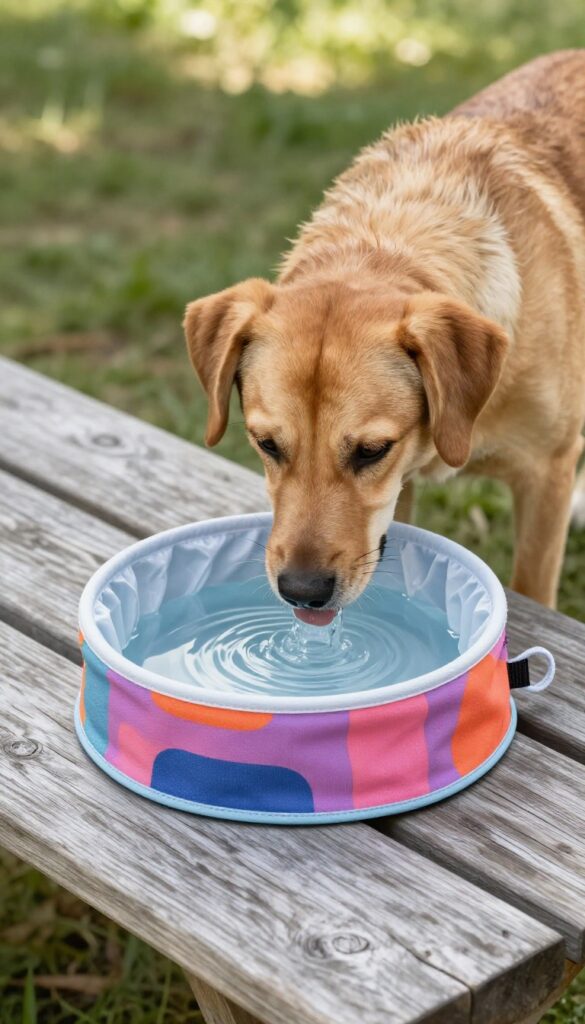
On hot days or long walks, your dog needs fresh water on the go. This DIY fabric water bowl packs flat in your bag and unfolds in seconds. The absorbent liner catches drips, so no wet car seats or messy floors.
It's lightweight, machine-washable, and far more practical than a heavy collapsible bowl.
Why It Works
The waterproof lining (PUL or laminated cotton) keeps water inside the bowl, while the outer fabric stays dry and easy to handle. The absorbent layer soaks up slobber and spills, making it perfect for car rides, park visits, or hiking. You can clip it to your bag with a simple loop, so it's always handy.
Best For
This bowl is ideal for active dogs who accompany you on adventures. It works great for small to medium breeds that don't gulp water too aggressively. Also perfect for apartment dwellers who want a compact, spill-proof solution for balcony or patio hydration.
Practical Tip
Use a bright contrasting fabric for the outside so you can spot it easily in your bag. Make the loop from a sturdy nylon webbing or an old dog leash strap. To clean, remove the absorbent liner and toss both pieces in the washing machine.
Air dry to preserve the waterproof coating.
Budget-Friendly Option
Skip the PUL and use a repurposed vinyl tablecloth as the waterproof layer. For the absorbent liner, cut up an old microfiber towel or a cloth diaper. This keeps the cost near zero while still working effectively.
7. Treat Pouch with Belt Loop
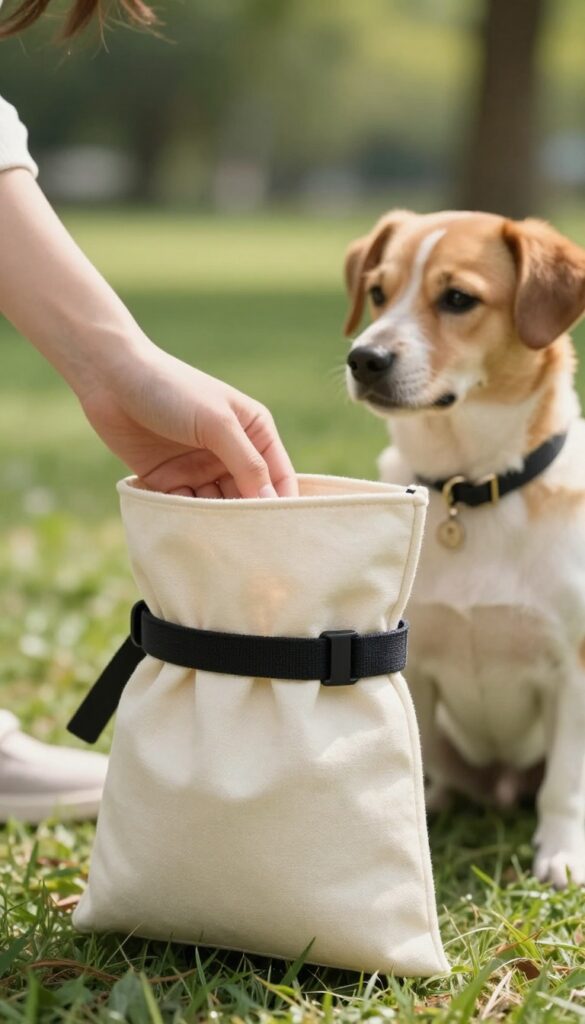
Training walks are smoother when treats are right at your fingertips. This small drawstring pouch clips to your waist or leash, so you never fumble for a bag again. Made from sturdy fabric scraps, it's a quick sew that pays off in convenience.
Why It Works
A hands-free treat pouch keeps rewards accessible during training, reducing delays that can break your dog's focus. The drawstring closure keeps treats secure, and the belt loop attaches to your waistband, belt, or leash handle.
Best For
Dog owners who train on walks or at parks, especially those with energetic pups who need instant rewards. Great for all breeds, from small to large, and works for any training method that uses positive reinforcement.
Practical Tip
Use a heavy fabric like denim or canvas to prevent treats from poking through. Make the belt loop wide enough to fit most belts or leash clips. Add a small D-ring if you prefer a carabiner attachment for quick on-and-off.
Budget-Friendly Option
Skip the belt loop and sew a simple strap that ties around your waist. Use an old belt or shoelace as the drawstring. Repurpose a small fabric pouch from clothing or a gift bag.
8. Cooling Bandana with Gel Crystals
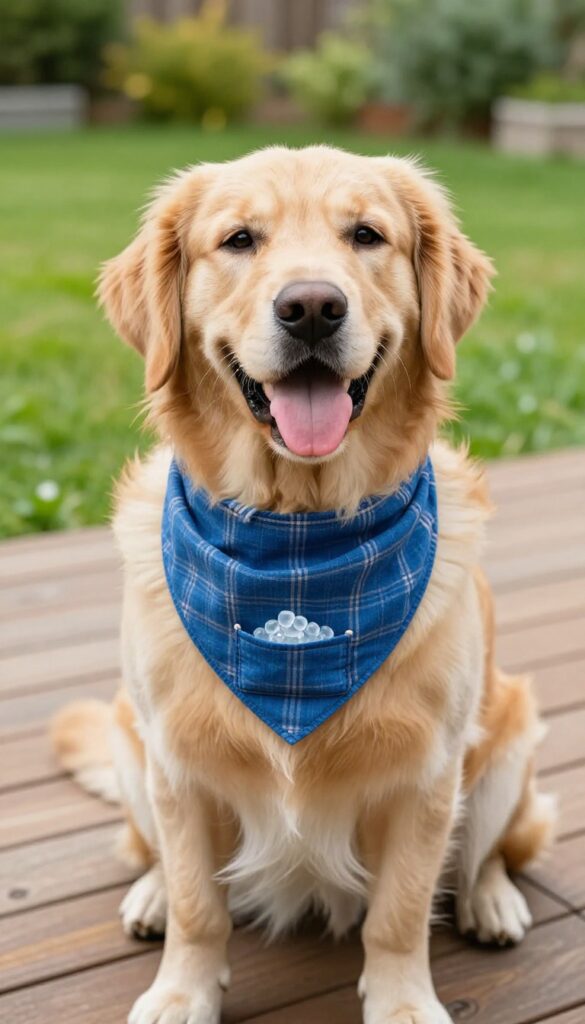
When the summer heat hits, your dog needs a way to stay cool without overexerting. This DIY bandana has a hidden pocket for water-absorbing polymer crystals that turn into cooling gel when soaked and frozen. It's a stylish, reusable solution that keeps your pup comfortable during walks or backyard lounging.
The best part? You can whip one up from leftover fabric in under an hour.
Why It Works
The polymer crystals absorb many times their weight in water, turning into a gel that stays cold for hours when frozen. Wrapped around your dog's neck, the bandana provides targeted cooling to major blood vessels, helping lower body temperature without the mess of ice packs or wet towels. It's a safe, non-toxic way to beat the heat.
Best For
This bandana is perfect for dogs who overheat easily, especially brachycephalic breeds like Bulldogs, Pugs, or Frenchies. It's also great for active dogs that join you on summer hikes or runs, and for apartment dwellers who need a quick cool-down after walks on hot pavement.
Practical Tip
Use 100% cotton fabric for breathability and comfort. Sew a simple rectangle bandana with a 4×6 inch pocket on the underside, leaving an opening to insert the crystals. Pre-soak the crystals in water for about 15 minutes until they expand, then spoon them into the pocket and freeze the bandana for at least an hour before use.
Always supervise your dog to prevent chewing, and wash the bandana with mild soap between uses.
Budget-Friendly Option
No polymer crystals? Use a clean, absorbent sponge cut into strips as a substitute. Soak the sponge strips in water, freeze them, and slide them into the pocket.
It's less effective but still provides cooling relief for short periods.
9. Seat Cover Protector for Cars
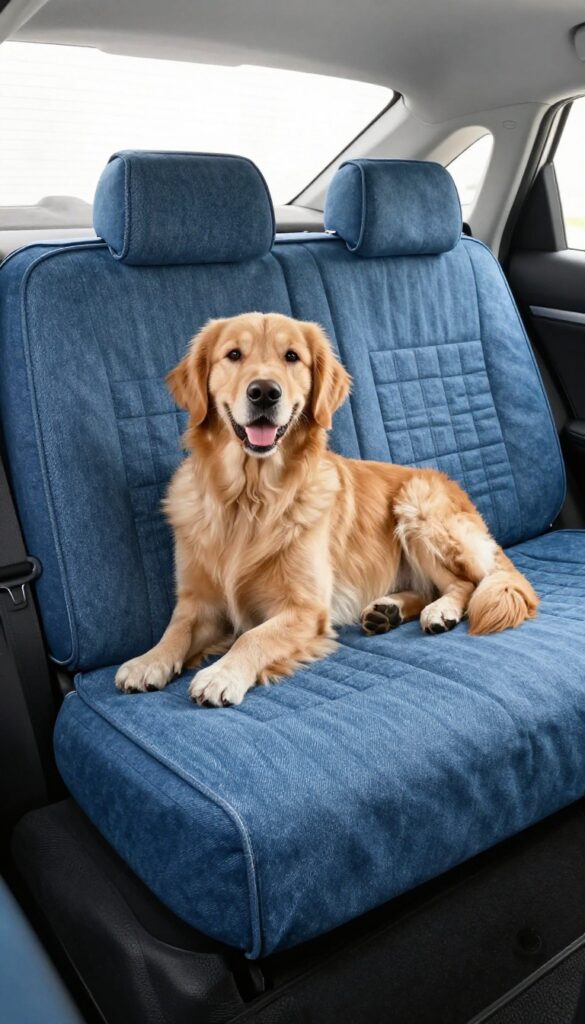
Dog hair, muddy paws, and scratched upholstery—car rides with your pup can be messy. A custom seat cover keeps your car clean while giving your dog a comfortable, slip-free spot. This project uses heavy-duty fabric scraps to create a durable barrier that's easy to remove and wash.
Why It Works
The elastic corners grip the seat firmly, so the cover stays in place even when your dog moves around. Heavy-duty canvas or denim resists scratches and contains hair, making cleanup a breeze. You get the protection of a store-bought cover without the high price tag.
Best For
Ideal for dog owners who frequently travel with their pup, especially those with shedding breeds or active dogs who love to dig. Works great in any car, truck, or SUV with standard bench or bucket seats.
Practical Tip
Measure your seat width and depth before cutting fabric, adding at least 6 inches on each side for tucking. Use a non-slip mat underneath for extra stability. For easy cleaning, choose a fabric that's machine washable or wipeable.
Budget-Friendly Option
Skip the elastic and use a long bungee cord threaded through a hem to cinch the cover tight around the seat. Old bedsheets can be layered for a quick, no-sew version.
10. Scented Calming Pillow
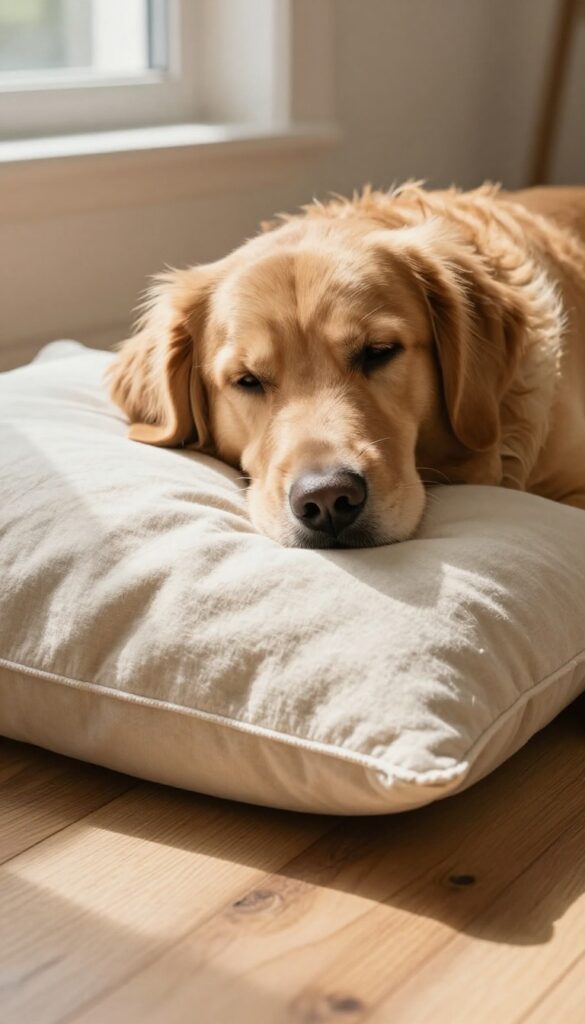
Anxiety during storms or travel can be tough on dogs. A small pillow filled with dried lavender and flaxseed offers a natural way to soothe their nerves. Just microwave it briefly for a warm, calming scent that helps your pup relax.
Why It Works
Lavender has proven calming effects on dogs, and the gentle warmth from the flaxseed mimics a comforting heat pack. The familiar pillow shape also gives anxious dogs something to snuggle with, reducing stress during stressful events.
Best For
Dogs that get nervous during thunderstorms, fireworks, or car rides. Also great for senior dogs who need extra comfort or puppies adjusting to new environments.
Practical Tip
Use a soft, breathable fabric like cotton or fleece. Sew the pillow tightly and double-stitch the seams to prevent leaks. Always test the temperature on your wrist before giving it to your dog—aim for warm, not hot.
Budget-Friendly Option
No dried lavender? Use dried chamomile or rosemary instead. Both are safe for dogs and offer mild calming properties.
11. Collar Leash Combo from Webbing
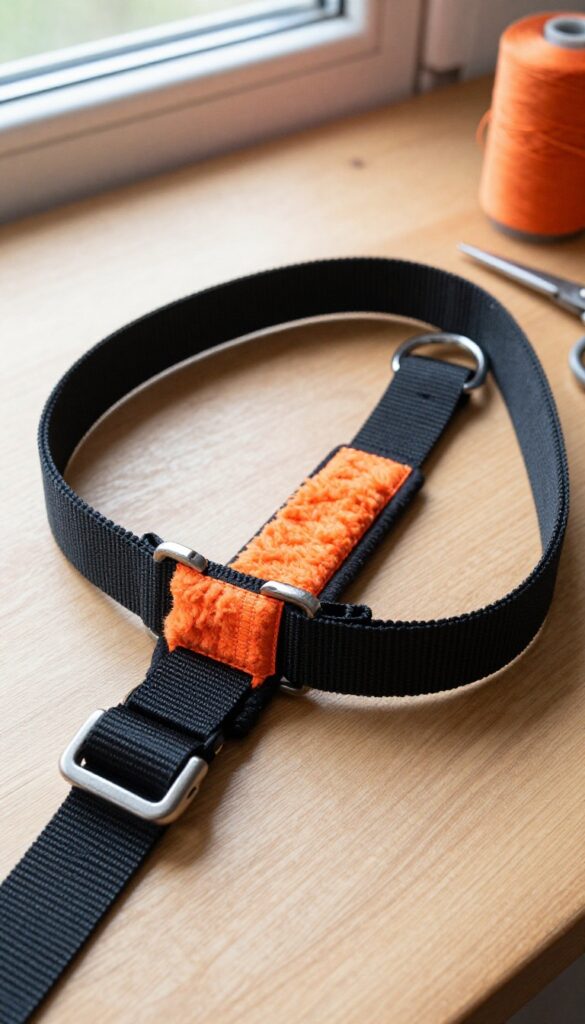
A matching collar and leash set looks polished and professional, but buying one can cost a pretty penny. With leftover nylon webbing and a few D-rings, you can sew a sturdy, adjustable set that rivals store-bought versions. The padded section adds comfort for pullers, and fabric accents let you match your dog's personality.
Why It Works
Nylon webbing is strong, durable, and holds up to daily wear and tear. Sewing your own lets you control the length, width, and padding, so it fits your dog's size and walking style perfectly. Plus, you can add reflective stitching for visibility on evening walks.
Best For
This project works great for medium to large dogs who pull on leash, since you can build in extra padding. It's also ideal for owners who want a coordinated look without the boutique price tag.
Practical Tip
Use 1-inch webbing for most dogs, and double-stitch all stress points like D-ring attachments and buckle ends. For the padded section, sew a layer of fleece or quilted fabric along the inside of the collar and leash handle. Wash by hand or on a gentle cycle, then air dry.
Budget-Friendly Option
If you don't have webbing, cut old seatbelt straps or duffel bag handles. They're already strong and often have a similar width. Just check for fraying and reinforce the ends.
FAQ
What type of fabric is safest for dog accessories?
Natural fibers like cotton, fleece, and flannel are breathable and gentle on skin. Avoid loose weaves or fabrics that fray easily, as dogs may ingest threads.
Can I use old clothes for these projects?
Absolutely! Old t-shirts, jeans, and flannel shirts are perfect. Just remove buttons, zippers, and any small parts that could be choking hazards.
How do I make sure the accessories are durable?
Use double stitching on stress points, reinforce seams, and choose heavy-duty thread. For tug toys, braid tightly and knot ends securely.
Are these projects machine washable?
Most are, but check each design. Use cold water and air dry to prevent shrinking. Remove any non-fabric components like snaps before washing.
What if I don't have a sewing machine?
Many projects can be hand-sewn or made with fabric glue and no-sew techniques. The braided tug toy and snuffle mat require no sewing at all.
Conclusion
Sewing your own dog accessories from fabric scraps is a win-win: you save money and reduce waste while giving your pup something special. Each project is designed with safety and comfort in mind, so you can feel good about what your dog wears and plays with.
Start with one simple idea, like the braided tug toy or reversible bandana, and see how your dog reacts. Before you know it, you'll have a whole collection of handmade gear that's both practical and personal.

I’m Pallab Kishore, the owner of Little Pets Realm — an animal lover and pet care enthusiast sharing easy tips, healthy recipes, and honest advice to help every small pet live a happy, healthy, tail-wagging life.