
Does your dog bounce off the walls after a short walk? Mental fatigue often works better than physical exhaustion for calming an energetic pup. These seven science-backed brain games tap into how dogs naturally learn and solve problems, using items you probably already have at home.
Each game targets a specific cognitive skill, from working memory to impulse control. The result is a tired, satisfied dog who chooses to nap instead of redecorating your couch cushions. Best of all, these activities fit into busy schedules—most take just five to ten minutes.
Your dog doesn't need hours of stimulation to feel content. A few focused minutes of the right brain game can shift their energy from frantic to calm.
1. The Shell Game: Boosting Working Memory
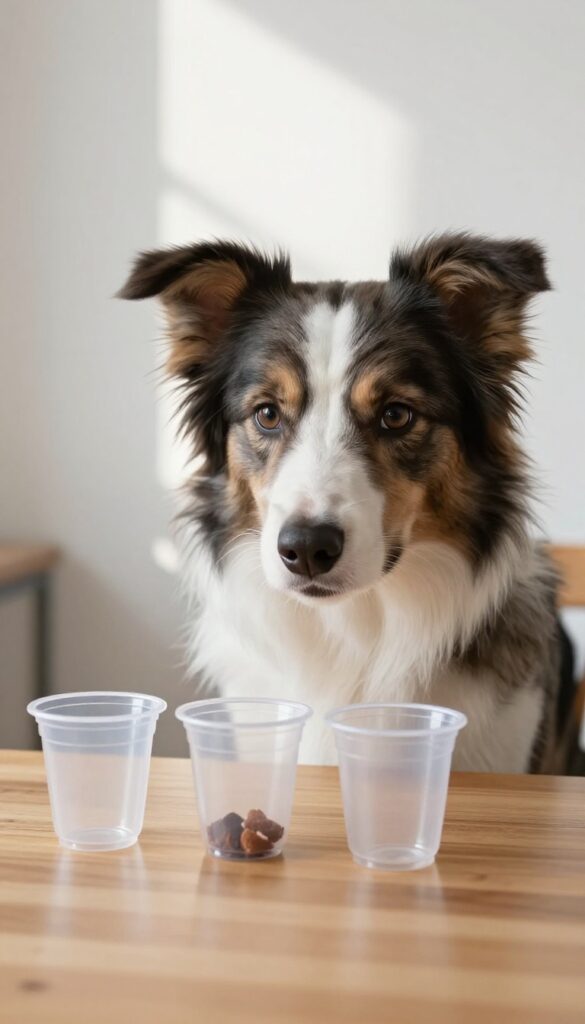
Think your dog only remembers where the treat jar is? The shell game proves they can track objects in motion. You hide a treat under one of three cups, shuffle them around, and let your dog find it.
It's simple, quick, and surprisingly effective at tiring out a sharp mind.
Why It Works
This game forces your dog to hold a mental image of the treat's location while following the cups. It strengthens working memory and teaches patience because they have to wait for you to finish moving the cups before they can pounce. The mental effort of tracking and decision-making builds focus and calm.
Best For
Any dog who loves food puzzles or seems to get bored with basic tricks. It's especially good for high-energy breeds like Border Collies, Australian Shepherds, and Poodles who need more than physical exercise to feel satisfied. Works great in apartments or small spaces since you only need a tabletop or floor area.
Practical Tip
Start with just two cups and slow, obvious shuffling. Once your dog consistently finds the treat, add a third cup and increase speed. Use cups that are opaque and easy for your dog to nudge over—plastic party cups work well.
Keep sessions short (five minutes max) to avoid frustration.
Budget-Friendly Option
Skip fancy puzzle boards. Three empty yogurt cups or disposable coffee cups work just as well. Use your dog's regular kibble or small training treats so you don't need special equipment.
2. Snuffle Mat Foraging: Tapping Into Natural Instincts
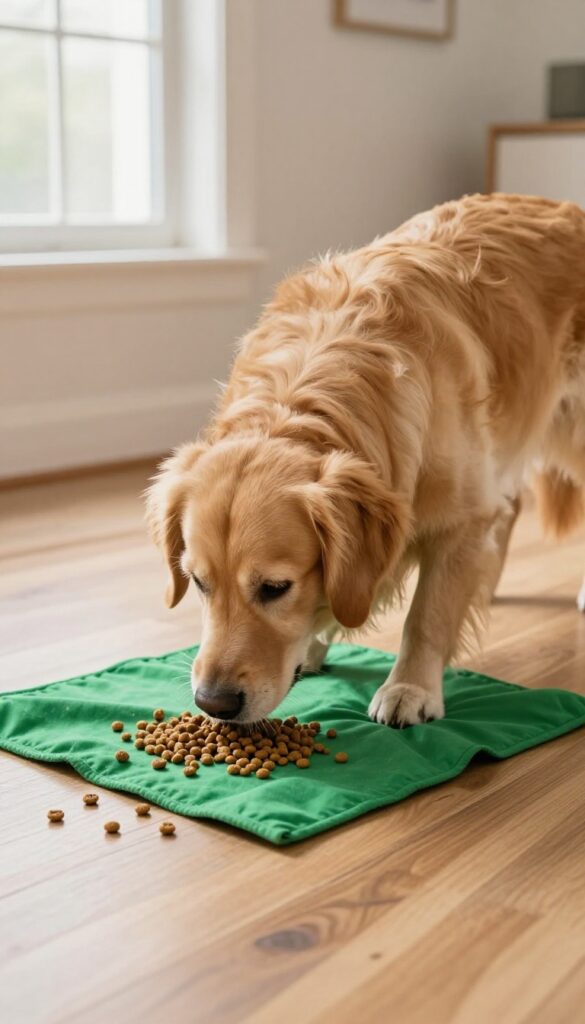
Scatter feeding isn't just for wild canines. A snuffle mat turns mealtime into a treasure hunt, letting your dog use their nose to find every piece of kibble. It's a simple swap that engages their brain and slows down fast eaters.
The act of sniffing triggers a calming response in dogs, lowering their heart rate and cortisol levels. Unlike a bowl that's gone in seconds, a snuffle mat keeps them focused for 10 to 20 minutes, leaving them mentally tired and content.
Dog owners love that it works for all ages and energy levels. It's especially handy for rainy days, post-surgery recovery, or when you need 15 minutes of quiet.
Why It Works
Sniffing is a natural de-stressor for dogs. It releases dopamine and lowers cortisol, creating a calm, focused state. The foraging motion also mimics their ancestral feeding behavior, which satisfies an innate need and reduces anxiety.
Best For
Best for fast eaters, anxious dogs, or pups who need a low-impact mental workout. Works great in apartments, small yards, or during bad weather. Ideal for dogs recovering from surgery or those on crate rest.
Practical Tip
Start with a simple flat snuffle mat on a non-slip surface. Use high-value treats for the first few sessions to build interest. Wash the mat weekly by shaking off debris and tossing it in a laundry bag on a gentle cycle.
Avoid overfilling to keep the challenge level right.
Budget-Friendly Option
No snuffle mat? No problem. Scatter kibble on a clean towel, roll it up loosely, and let your dog unroll it to find the food.
You can also use an empty egg carton or a muffin tin with a few treats hidden under tennis balls.
3. The Name Game: Building Vocabulary and Focus
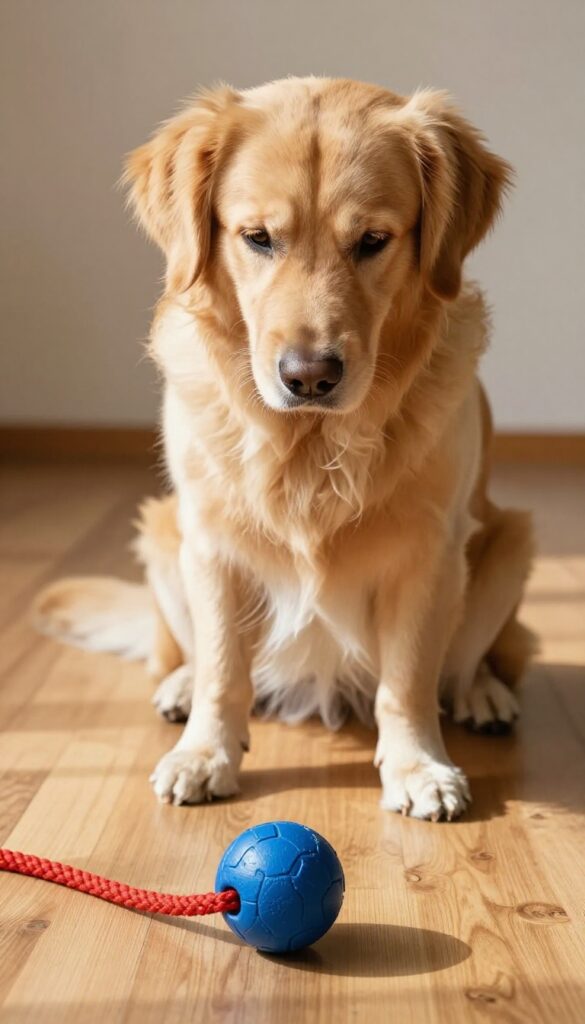
You already talk to your dog, but what if they actually understood your words? The Name Game teaches your dog to identify toys by name, turning playtime into a focused learning session. It's a simple, fun way to engage their brain without any special equipment.
Start with just two toys your dog already loves—say a blue ball and a red rope. Say the name of one, reward them when they touch or fetch it, then repeat. Over days, your dog learns to associate specific words with specific objects.
This game builds attention, memory, and the special connection that comes from clear communication. Plus, it's endlessly scalable—you can add new toys, mix them up, and even use the skill for practical tasks like finding the leash.
Why It Works
Learning object names taps into your dog's natural ability to associate sounds with outcomes. It works on working memory, impulse control (waiting for the cue), and sustained focus—all mental muscles that tire a dog out faster than a jog around the block.
Best For
Any dog who loves fetching or carrying things. It's especially great for herding breeds, retrievers, and smart, easily bored dogs who need a mental challenge. Also perfect for apartment dogs who can't run but can learn.
Practical Tip
Use toys that are visually distinct and different textures—squeaky, crinkly, or plush. Keep sessions short (5 minutes max) and always end on a success. Rotate toys weekly to keep the game fresh and prevent boredom.
Budget-Friendly Option
No need to buy special toys. Use household items like a rolled-up sock, an old tennis ball, or a cardboard tube. Just make sure each item is safe and not a choking hazard.
4. Puzzle Toys: Encouraging Problem-Solving
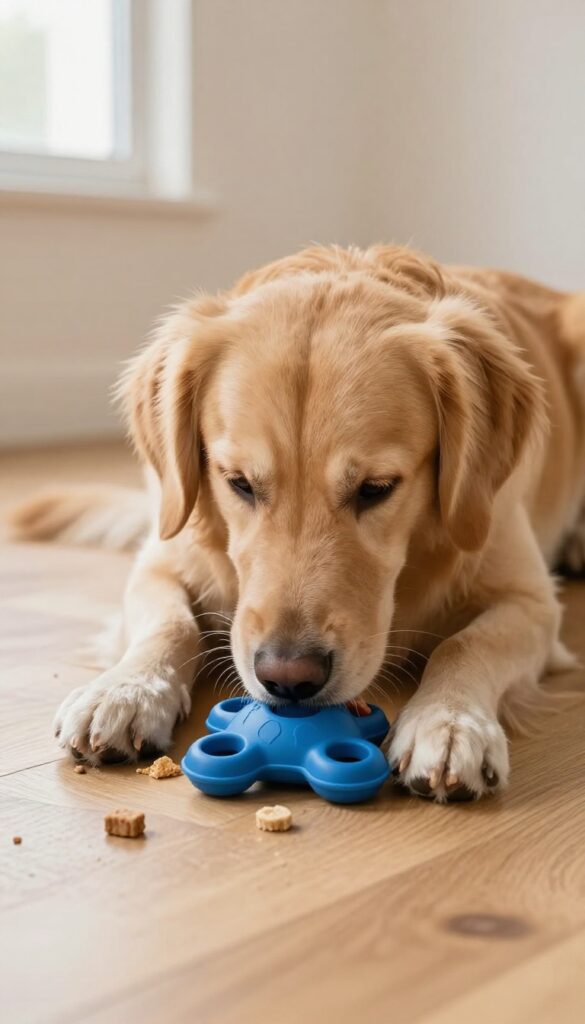
Your dog might already have a favorite toy, but does it make them think? Puzzle toys add a layer of challenge that turns snack time into a brain workout. Instead of just eating from a bowl, your dog has to slide, lift, or nuzzle parts to release the treats.
This engages their natural problem-solving instincts and provides the mental stimulation that leads to calmness. Many owners find that a quick puzzle session before a busy day helps their dog settle down faster.
Why It Works
Puzzle toys tap into your dog's foraging instincts and require focused attention. The effort of figuring out how to access the reward activates multiple brain regions, which can be more tiring than physical exercise. The sense of accomplishment also releases calming neurotransmitters, helping your dog relax afterward.
Best For
These toys are great for dogs of all ages and sizes, especially those who eat too fast or seem restless after basic exercise. They work well in apartments and homes with limited outdoor space, and are perfect for rainy days or when you need your dog to chill while you work.
Practical Tip
Start with an easy puzzle to build confidence, then gradually increase difficulty. Supervise the first few uses to make sure your dog doesn't get frustrated or try to destroy the toy. Clean puzzle toys regularly to prevent buildup of slobber and old treat crumbs.
Budget-Friendly Option
No puzzle toy? No problem. You can DIY one by placing treats inside a muffin tin and covering each cup with a tennis ball.
Your dog will have to nudge the balls out to get the treats. It's cheap, easy, and works surprisingly well.
5. The Tidy-Up Game: Teaching Impulse Control
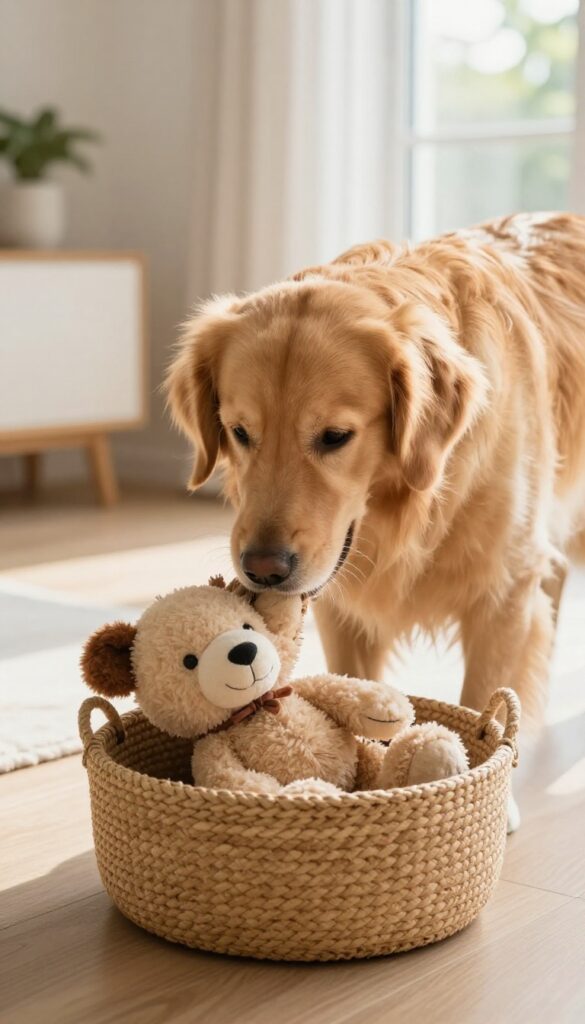
You already clean up after your dog, but what if they could help? The tidy-up game turns a daily chore into a brain workout that teaches patience and focus. By asking your dog to pick up their toys and drop them in a bin, you're combining a useful skill with impulse control training.
This game works because it requires your dog to resist the urge to play with the toy and instead follow a sequence of commands: pick up, carry, and release. It's a multi-step task that engages their working memory and self-control.
Dog owners love it because it's productive—your floor gets cleaner while your dog gets mentally tired. Plus, it's a party trick that impresses guests and gives your dog a job to do.
Why It Works
The tidy-up game challenges your dog's impulse control because they must hold a toy in their mouth without chewing or dropping it until they reach the bin. This delayed gratification strengthens their ability to resist distractions and follow directions, which carries over to other situations like waiting at doors or staying calm during meals.
Best For
This game is great for dogs who love to carry things in their mouth, like retrievers, spaniels, and herding breeds. It also works well for high-energy dogs that need a structured task to channel their drive. Apartment dwellers will appreciate that it's a low-space activity that also keeps the home tidy.
Practical Tip
Start with a low, wide bin so your dog can easily reach it without tipping it over. Place it in a consistent spot, like a corner of the living room or near their toy basket. Use a non-slip mat under the bin to prevent sliding on hardwood or tile floors.
Budget-Friendly Option
You don't need a fancy toy bin. A cardboard box with cut-down sides works perfectly for training. Just reinforce the edges with tape so it holds up to repeated drops.
As your dog improves, you can upgrade to a sturdier plastic or fabric bin.
6. Scent Work: Harnessing the Power of the Nose
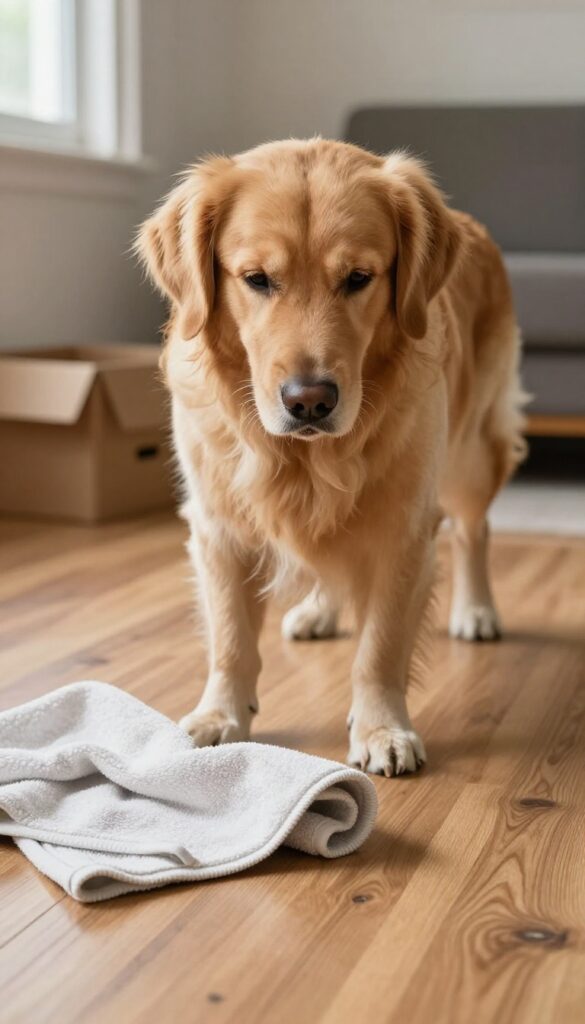
Your dog's nose is a superpower. Scent work turns that natural ability into a calming game that tires them out faster than a long run. By hiding treats or scented items around the house, you give their brain a focused job that reduces anxiety and builds confidence.
Start with easy hides in plain sight, then gradually make it harder. Most dogs pick up the rules quickly, and the sniffing itself has a meditative effect. It's a low-effort, high-reward activity that works in any home.
Why It Works
Sniffing activates a dog's parasympathetic nervous system, which lowers heart rate and stress hormones. It's the canine version of deep breathing. Scent work also requires focus and problem-solving, which mentally exhausts your dog in a satisfying way.
Best For
Perfect for anxious, high-energy, or easily distracted dogs. Great for apartment living or rainy days when outdoor exercise isn't possible. Also ideal for senior dogs who can't run but still need mental stimulation.
Practical Tip
Use a low-value treat for easy hides and a high-value one for challenging spots. Rotate scents like cheese, chicken, or anise oil to keep it novel. Always supervise to prevent chewing on hidden items, and wipe down surfaces after to avoid lingering smells that confuse your dog.
Budget-Friendly Option
No special equipment needed. Use cardboard boxes, old towels, or muffin tins to create hiding spots. You can even hide treats under a pile of laundry or inside a rolled-up rug.
7. The 'Wait' Game: Strengthening Self-Control
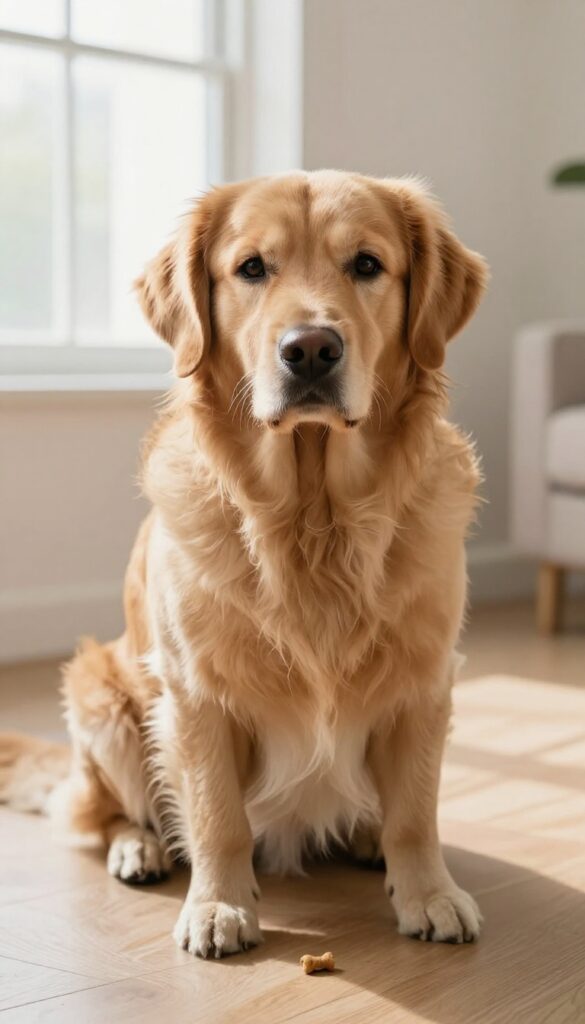
Teaching your dog to wait isn't just a party trick—it's a powerful tool for building impulse control. This simple game asks your dog to pause before grabbing a treat, shifting their focus from react to think. It's a quick mental workout that leaves them calmer and more attentive.
Why It Works
The 'wait' game taps into your dog's natural desire for rewards while training them to override impulsive urges. By requiring eye contact before releasing the treat, you're reinforcing focus and patience. Over time, this skill spills over into everyday situations, like waiting at doors or not snatching food from counters.
Best For
This game is perfect for high-energy dogs who struggle with self-control, especially puppies and adolescents. It also works well for anxious dogs who need a structured way to slow down and focus. Any dog can benefit, but it's especially valuable in busy households with kids or other pets.
Practical Tip
Start in a quiet room with minimal distractions. Use a low-value treat at first, then progress to higher-value ones as your dog improves. Keep sessions short—five repetitions max—and always end on a success.
If your dog breaks the wait, gently reset without scolding.
Budget-Friendly Option
No special gear needed. Use your dog's regular kibble or tiny training treats. A mat or towel can mark their spot if you want, but the floor works just fine.
FAQ
How often should I play brain games with my dog?
Aim for 10–15 minutes a day. Short, frequent sessions are more effective than long, infrequent ones. Adjust based on your dog's age, breed, and energy level.
Can brain games replace physical exercise?
No, they complement it. Mental stimulation is crucial, but dogs still need physical activity for overall health. Combine both for a well-rounded routine.
What if my dog gets frustrated with a puzzle?
Start with easier puzzles and gradually increase difficulty. Offer gentle guidance and celebrate small successes. Frustration can be a sign the task is too hard.
Are these games suitable for all dog breeds?
Yes, but tailor the difficulty to your dog's intelligence and temperament. High-energy breeds may need more challenging games, while seniors may prefer simpler ones.
Can brain games help with separation anxiety?
They can help by building confidence and providing a positive outlet for energy. However, severe anxiety may require professional help. Brain games are a supportive tool, not a cure.
Conclusion
Brain games are a simple, science-backed way to help your dog feel calmer and more content. By tapping into their natural instincts and cognitive abilities, you're not just burning energy—you're building a deeper bond. Start with one game that excites you both, and watch how a few minutes of mental play can transform your dog's mood.
Remember, a calm dog starts with a happy, engaged mind. Give these games a try, and enjoy the peaceful moments that follow.

I’m Pallab Kishore, the owner of Little Pets Realm — an animal lover and pet care enthusiast sharing easy tips, healthy recipes, and honest advice to help every small pet live a happy, healthy, tail-wagging life.