
Creating a dedicated space for your dog inside your home doesn't have to mean sacrificing style or square footage. With a little planning, you can carve out functional zones that make life easier for both of you.
From cozy crate nooks to indoor potty patches, these eight ideas turn everyday corners into your pup's favorite spots. Each concept is designed with real-world practicality in mind—think easy-to-clean surfaces, smart storage, and comfort that suits your dog's personality.
Whether you're working with a spare room or a small apartment, there's an option here that fits your space and budget. Ready to give your four-legged friend a place that feels truly theirs?
1. Cozy Crate Nook
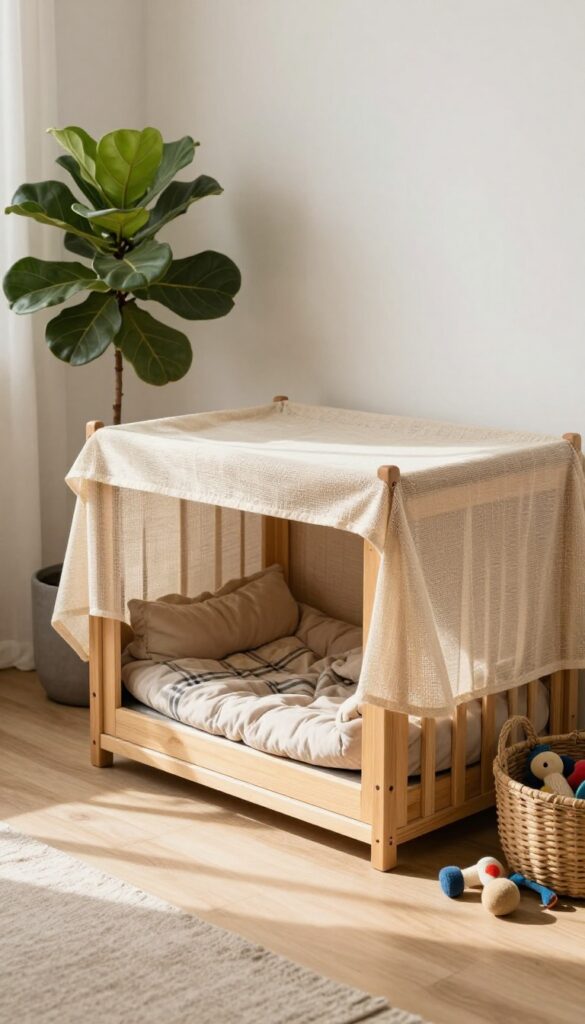
A crate doesn't have to look like an eyesore or feel like a cage. By tucking it into a quiet corner and dressing it up with soft bedding and a cover, you create a den-like retreat your dog will love. This setup gives them a safe space to decompress while blending seamlessly into your home decor.
Why It Works
Dogs are den animals by nature, so a covered crate feels secure and calming. It reduces anxiety during storms or busy household times and doubles as a training tool for puppies or rescue dogs learning the ropes.
Best For
This idea works great for dogs that need a quiet escape—think shy rescues, anxious pups, or high-energy breeds that benefit from enforced downtime. It's also perfect for small apartments where every inch counts.
Practical Tip
Place the crate against an interior wall away from drafts and direct sunlight. Add a washable orthopedic bed inside, and use a breathable crate cover (mesh sides work well) so air flows freely. Keep the door open when not in use so your dog can come and go.
Budget-Friendly Option
Skip the fancy crate cover and drape a lightweight blanket over the top and sides. Just make sure it doesn't block airflow on hot days. You can also repurpose an old duvet cover as a quick slip-on cover.
2. Feeding Station with Storage
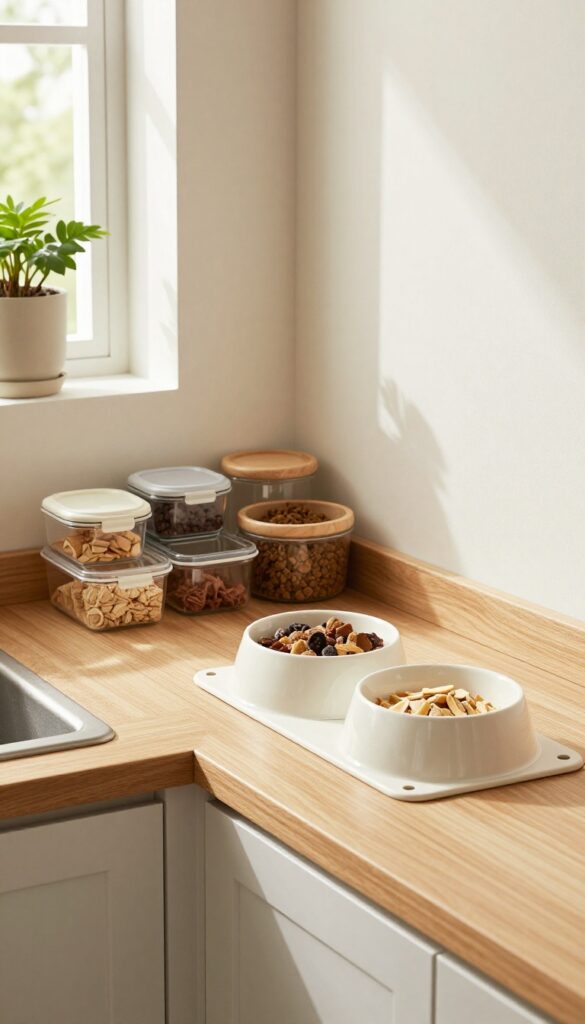
Mealtime can get messy, but a dedicated feeding station keeps things tidy and organized. Raised bowls help with digestion and reduce neck strain, especially for larger breeds. Adding nearby storage for food, treats, and bowls means everything is within reach.
Why It Works
A feeding station with storage streamlines daily routines. You won't be hunting for a scoop or bag of kibble, and the designated spot keeps food mess contained. Raised bowls also promote better posture during meals.
Best For
This setup works well for medium to large dogs who benefit from elevated bowls, but it's also great for multi-dog households where you need extra storage for separate food bags and treat jars. It fits nicely in a kitchen corner or mudroom.
Practical Tip
Use a low cabinet or bench with a wipeable surface; place bowls in a spill-proof mat. Store food in airtight containers inside the cabinet to keep pests away. Choose ceramic or stainless steel bowls for easy cleaning.
3. Indoor Potty Patch
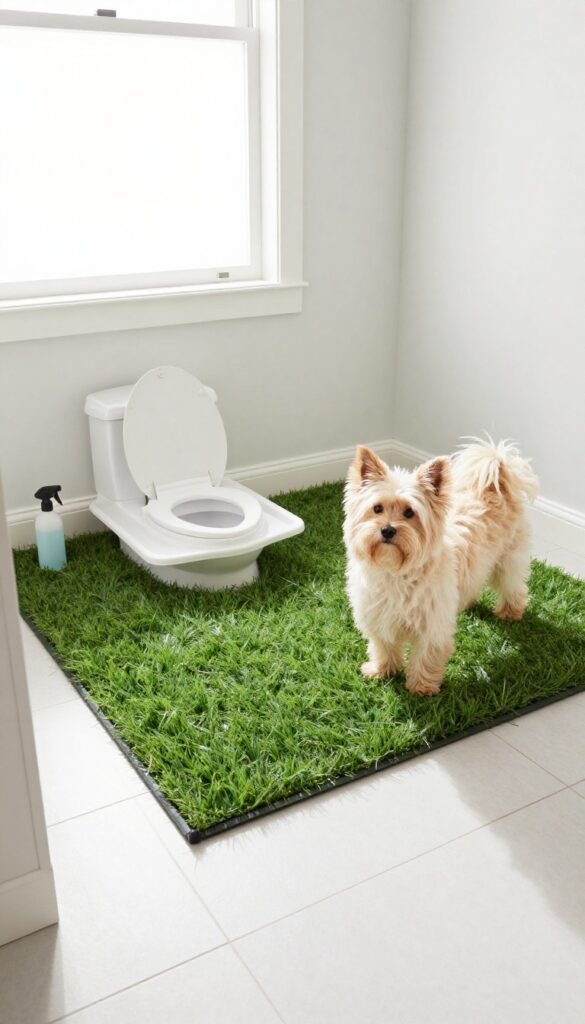
Bad weather or a packed schedule shouldn't mean accidents on your floors. An indoor potty patch gives your dog a reliable bathroom spot inside, whether you're in a high-rise or just need a backup plan. It's all about convenience without the guilt.
Why It Works
Dogs can only hold it so long, and tiny bladders don't wait for the rain to stop. A dedicated potty patch saves your floors and your sanity by giving them a clear, acceptable place to go. Plus, modern grass patches and trays are surprisingly easy to clean.
Best For
This setup is perfect for small breeds, puppies still learning the ropes, apartment dwellers without immediate outdoor access, and senior dogs who can't always make it outside in time.
Practical Tip
Place the patch in a waterproof area like a mudroom, bathroom, or laundry room. Use a washable fake grass pad over a plastic tray for easy rinsing. Line the tray with pee pads for quick swaps, and keep a spray bottle of enzymatic cleaner nearby to neutralize odors.
Budget-Friendly Option
Skip the expensive automated systems and go with a simple tray and reusable grass mat from any pet store. You can also repurpose an old baking sheet as a budget-friendly base.
4. Grooming Corner
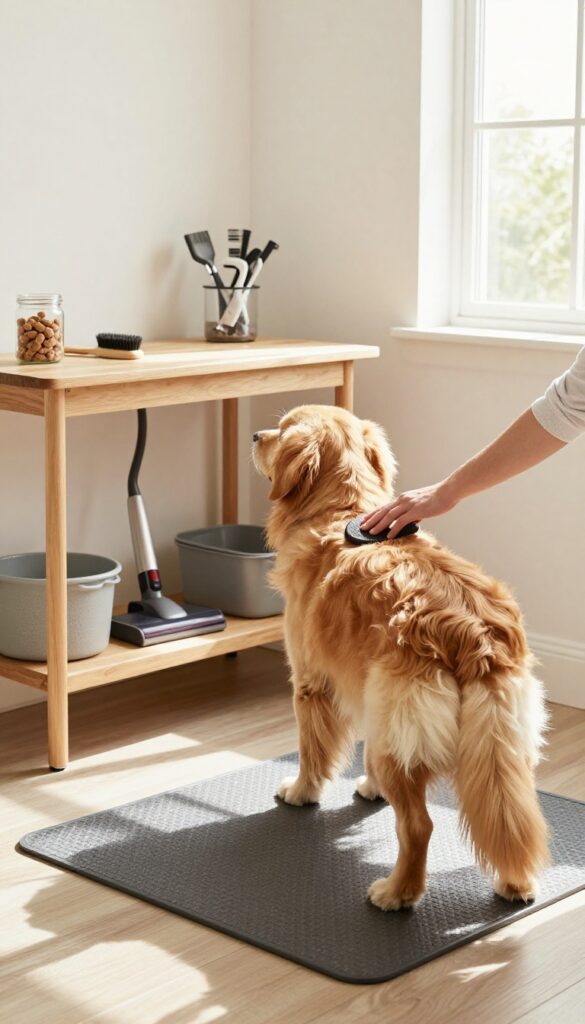
A grooming corner keeps all the messy tools contained in one easy-to-clean spot. By setting up a low table or counter with a non-slip mat, you create a safe space for brushing, nail trims, and even quick baths. Having everything organized nearby makes the process smoother for both you and your pup.
It's especially helpful if your dog gets anxious during grooming—a consistent setup with treats on hand can build positive associations over time. Plus, keeping the vacuum nearby means you can tackle loose hair right away.
Why It Works
Having a dedicated grooming area reduces stress because your dog knows what to expect. The non-slip mat prevents sliding, which helps them feel secure. Keeping tools within arm's reach also speeds up the routine, so you're less likely to skip sessions.
Best For
This works well for any dog that needs regular brushing (especially double-coated breeds like Golden Retrievers or Huskies) or for owners who do their own nail trims and ear cleaning. It's ideal in a laundry room, mudroom, or bathroom where spills are easy to clean up.
Practical Tip
Mount a small wall cabinet or use a rolling cart to store brushes, clippers, and shampoos. Place a treat jar on the counter so you can reward calm behavior during each step. A handheld vacuum clipped to the cart makes cleanup quick.
Budget-Friendly Option
Skip the fancy grooming table and use a sturdy low coffee table or even a thick piece of plywood covered with a yoga mat. A plastic storage bin on its side can hold all your tools instead of a rolling cart.
5. Toy and Gear Storage
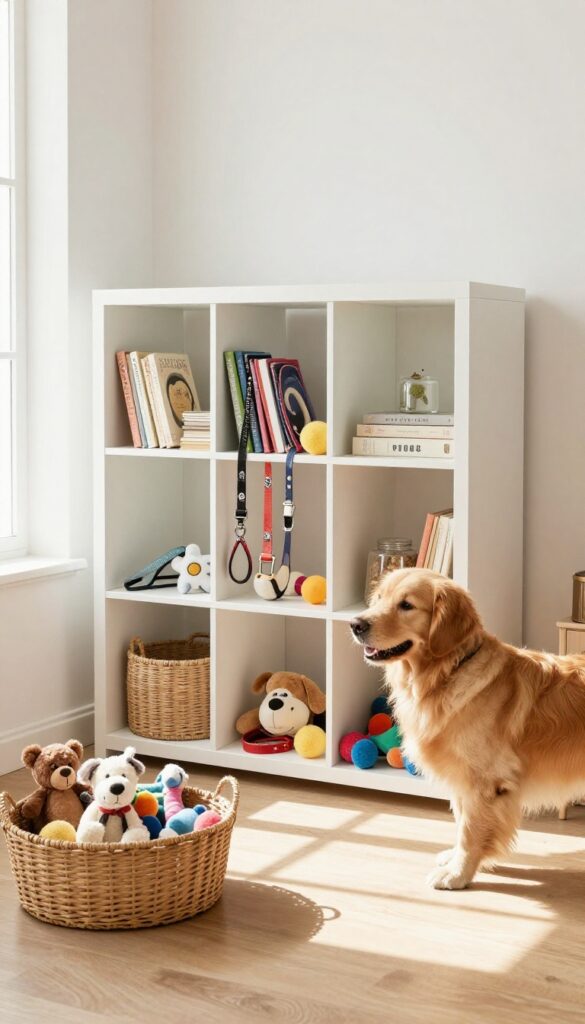
Dog toys have a way of taking over every room in the house. A dedicated storage zone keeps leashes, collars, and playthings organized and within easy reach.
This setup prevents clutter while making it simple for you to grab what you need for walks or playtime. Plus, rotating toys keeps your pup excited and engaged.
A tidy storage corner also teaches your dog where their things belong—helping them learn boundaries while keeping your home looking put together.
Why It Works
Having a consistent spot for toys and gear eliminates the daily hunt for a lost leash or chewed-up tennis ball. It also encourages toy rotation, which maintains novelty and extends the life of each item. For dogs that love to carry things around, a low bin they can access themselves adds a fun element of independence.
Best For
This works well for any dog owner who feels like toys are scattered everywhere—especially multi-dog households where gear multiplies fast. It's also great for small apartments where vertical storage saves floor space, or for families with kids who need clear boundaries between human and dog items.
Practical Tip
Use open cubbies or wall-mounted bins so everything is visible and easy to grab. Place a low basket on the floor for toys your dog can access freely, and reserve higher shelves for leashes, waste bags, and grooming tools. Label bins with pictures if you want to involve kids in tidying up.
Budget-Friendly Option
Skip expensive custom shelving: repurpose an old bookshelf or use stackable milk crates secured together. Hanging shoe organizers on the back of a door work perfectly for small leashes, poop bags, and brushes.
6. Window Perch or Lookout
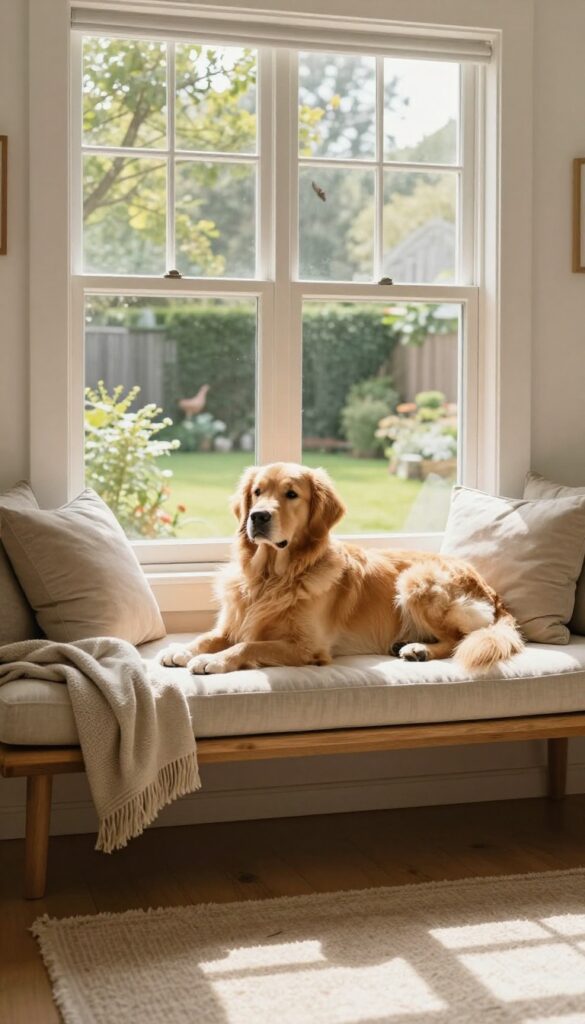
Dogs love to watch the world outside, and a window perch gives them front-row access to all the action. It's like their own personal TV—birds, squirrels, neighbors walking by. Setting up a cozy spot near a low window turns a plain corner into your pup's favorite hangout.
Plus, it keeps them entertained and mentally stimulated throughout the day.
Why It Works
A window perch satisfies your dog's natural curiosity and need for mental stimulation. Watching outdoor activity can reduce boredom and prevent destructive behaviors. It also gives them a sense of security by letting them survey their territory from a safe indoor spot.
Best For
This setup is ideal for dogs who love to look outside, especially breeds with high alertness like terriers, herding dogs, or any curious pup. It works well in living rooms, home offices, or bedrooms with low windows—perfect for apartments or homes with limited yard access.
Practical Tip
Choose a sturdy dog bed or a cushioned bench that fits the window sill height. Add a non-slip mat underneath for safety. If you open the window, install a mesh screen or safety strap to prevent falls.
Avoid drafty spots—place the perch away from cold air leaks or use a draft stopper.
Budget-Friendly Option
No need for expensive furniture—a thick memory foam pillow or folded blanket on a low stool works just as well. Repurpose an old ottoman or storage cube as a sturdy base.
7. Indoor Digging Pit
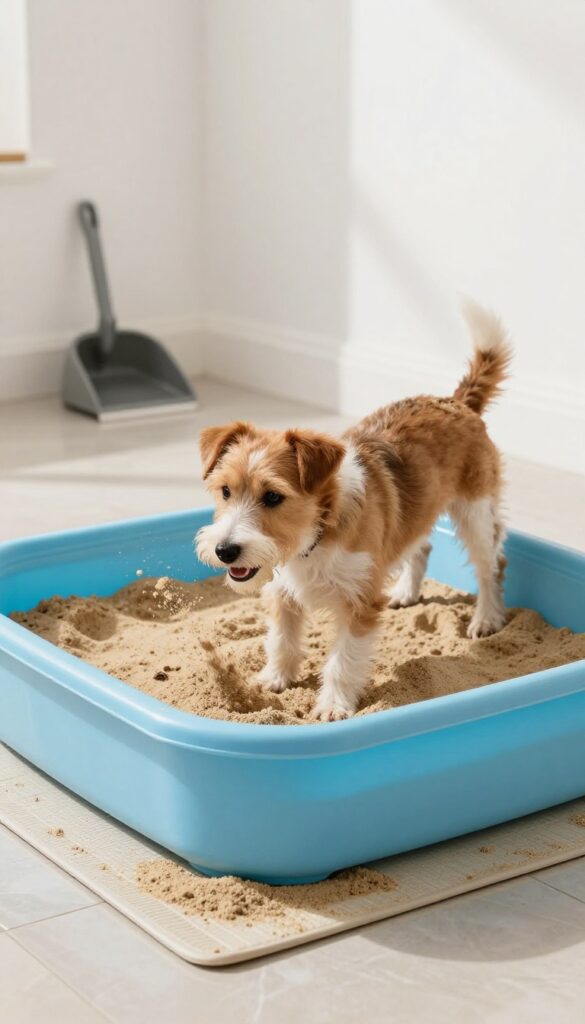
Some dogs just have to dig. Instead of fighting the instinct, give them a legal place to do it. An indoor digging pit channels that natural behavior into a contained spot you can easily clean.
Fill a shallow plastic pool or sandbox with clean play sand or shredded fabric, then set it in a corner with tile or vinyl flooring. Your dog gets the satisfaction of digging without destroying your yard or furniture.
It’s a surprisingly simple setup that saves your floors and keeps your pup happy. Plus, it doubles as a fun sensory activity on rainy days.
Why It Works
Digging is a deeply ingrained behavior for many breeds, especially terriers and hounds. Providing an approved outlet prevents destructive digging in carpets, sofas, or garden beds. The tactile feedback from sand or fabric satisfies their instinct, reducing stress and boredom.
Best For
This works great for terriers, dachshunds, and other breeds with a strong digging drive. It’s also perfect for apartment dwellers who can’t let their dog dig outdoors, or for homes with muddy yards where you want to limit dirt tracked inside.
Practical Tip
Use a low-sided plastic kiddie pool or a wooden sandbox frame about 6–8 inches deep. Fill it with clean play sand (rinsed first to reduce dust) or strips of fleece fabric for a softer option. Place a washable mat underneath for easy cleanup, and keep a small dustpan nearby.
Budget-Friendly Option
Skip the fancy box and use an old storage bin lid or a large cardboard box lined with a trash bag. Fill with crumpled newspaper or old t-shirts cut into strips. Replace the filling when it gets dirty—it costs nearly nothing.
8. Multi-Dog Zone with Separation
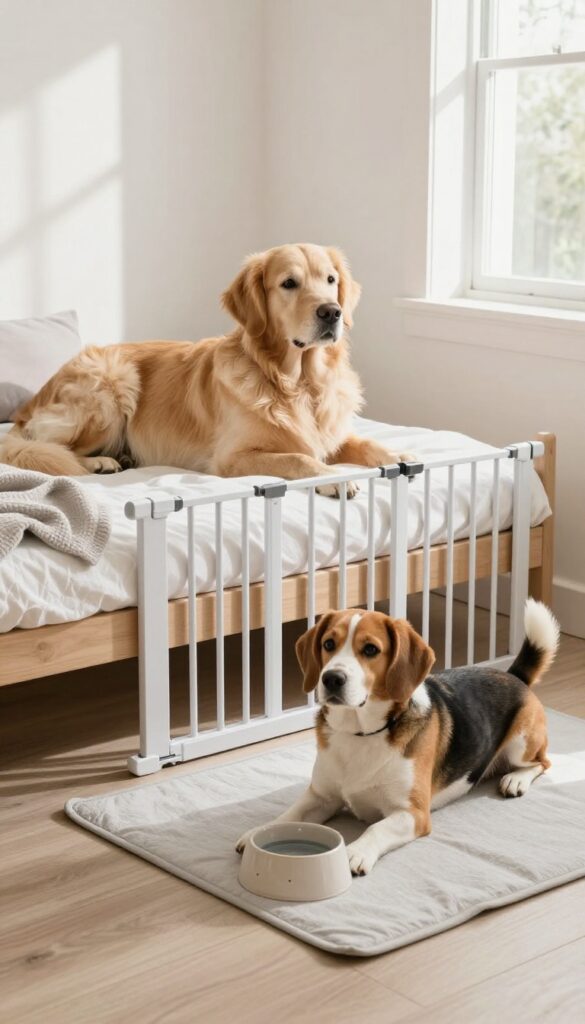
Living with multiple dogs is rewarding, but it can also lead to squabbles over resources. A multi-dog zone with separation gives each pup their own quiet retreat, reducing tension and giving everyone space to unwind. By using baby gates or clever furniture placement, you can create distinct areas without major renovations.
Each dog gets their own bed and water bowl, so there’s no competition over the comfiest spot or the freshest water. This setup works wonders for households where dogs have different energy levels or ages. It’s a simple way to keep the peace and make every dog feel secure.
Why It Works
Dogs are naturally territorial about their resting spots and food bowls. When multiple dogs share a space, one may guard resources or feel stressed by constant proximity. Separating zones eliminates these conflicts, allowing each dog to relax fully.
It also helps with feeding time—no more hovering or stealing from another’s bowl.
Best For
Homes with two or more dogs, especially if they have different temperaments, sizes, or energy levels. Ideal for families with a senior dog that needs quiet time away from a rambunctious puppy. Also great for small apartments where separate rooms aren’t available.
Practical Tip
Use low-profile baby gates that match your decor and don’t block light. Position each zone in a corner or against a wall so dogs feel protected. Place beds on washable mats for easy cleanup of muddy paws or spills.
Budget-Friendly Option
Skip expensive custom gates—use tension-mounted gates that cost under $30. Repurpose old blankets as soft bedding instead of buying new dog beds.
FAQ
Do I need a whole room for a dog space?
No, a corner or nook works perfectly. Even a small area with a bed and a few essentials can be a great dog zone.
What's the best flooring for a dog area?
Easy-to-clean surfaces like tile, vinyl, or laminate are ideal. Add washable rugs for comfort and traction.
How do I keep my dog's space from smelling?
Wash bedding weekly, use a pet-safe deodorizer, and ensure good ventilation. Regular vacuuming helps too.
Can I combine a dog space with my home office?
Absolutely. Place a bed under your desk or in a corner, and keep toys nearby for breaks. It's a great way to bond while working.
What if my dog doesn't use the space?
Make it inviting with treats, praise, and their favorite toys. Start with short, positive sessions and gradually increase time.
Conclusion
Giving your dog their own dedicated space inside the house makes them feel secure and adds a lot of convenience to your daily routine. Whether you carve out a corner for feeding or set up a full grooming station, these ideas are easy to adapt to any home.
The key is to pick what works best for your pup's habits and your available square footage. Start with one small change, and you'll both enjoy the benefits of a more organized, dog-friendly home.

I’m Pallab Kishore, the owner of Little Pets Realm — an animal lover and pet care enthusiast sharing easy tips, healthy recipes, and honest advice to help every small pet live a happy, healthy, tail-wagging life.