
A spare room that once collected boxes and dust can become the most-used spot in your house. The shift starts with one decision: give your dog a space that belongs to them, not just a bed shoved against a wall.
A good dog room solves real problems. Muddy paws, chewed cords, scattered toys, and a pup who paces at night all get easier when the room is planned around how dogs actually live.
You don't need a big budget or a contractor. Most of these ideas work in a closet, a corner, or a full spare bedroom, and each one keeps style and comfort in the same conversation.
1. Start With a Washable Foundation
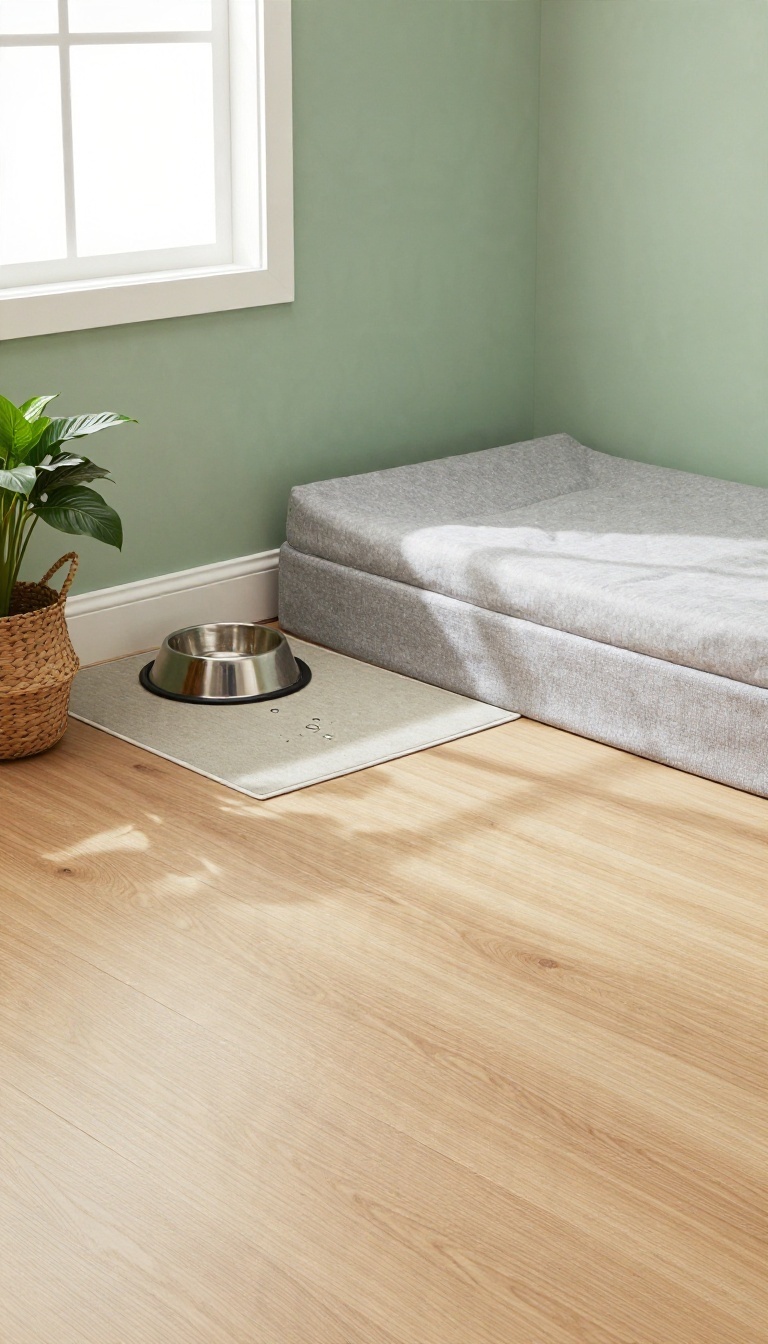
Before you hang a single cute sign or pick out a bed, look down. The floor and the bottom few feet of wall take more punishment than anything else in a dog room, and they set the ceiling for how easy the whole space is to clean. Muddy paws, water bowl splashes, the occasional accident, and a dog who shakes off after a walk all land in the same zone.
Get that layer right and everything above it stays cleaner and lasts longer. This isn't the fun part of the project, but it's the part you'll thank yourself for every single week.
Think about the path a dog actually takes through the room. They come in wet, circle three times before lying down, drink water like it's a competition, and sometimes drag a toy through whatever's on the floor. That traffic pattern is why the base layer matters more than the paint color on the ceiling.
A foundation that wipes clean means a five-minute tidy instead of an afternoon of scrubbing. It also means you stop worrying about the room and let your dog actually use it, which is the whole point.
Floor Options That Take A Beating
Sealed concrete is the toughest choice if you have a basement or a room at ground level. A good sealer makes it waterproof and easy to mop, and it stays cool in summer, which a lot of dogs love. Add a rug on top for grip and warmth where they sleep.
Luxury vinyl plank is the practical pick for most homes. It handles water, resists scratches from nails, and looks enough like wood that nobody guesses it's pet-proof. Just avoid smooth, glossy finishes that turn into a skating rink for zoomies.
If you're laying tile, choose a matte, textured surface and darker grout. Light grout shows every paw print, and glossy tile gets slippery fast when wet.
Rugs You Can Actually Wash
Skip the plush, wall-to-wall carpet in a dog room. It traps hair, holds smells, and turns a small accident into a big problem. A washable area rug gives you softness without the commitment.
Look for flat-weave or low-pile rugs that fit in your washing machine, or covers that zip off and go straight in. A rubber-backed mat under the water bowl catches drips and keeps the floor underneath dry. Keep a second, smaller rug near the door for paw wiping.
It's a small thing that saves a lot of mess.
Paint And Wall Protection
Regular flat paint soaks up dirt and doesn't survive scrubbing. Use a scrubbable finish like satin or semi-gloss on the lower half of the walls, where noses, tails, and splashes land. A simple wainscoting or beadboard panel gives you a hard surface that wipes clean and looks intentional.
If you'd rather not build anything, a washable wallpaper or a peel-and-stick panel does the same job with less effort. Keep the bottom foot of the wall free of anything valuable. That's the splash zone, and it's easier to leave it clear than to protect it.
2. Build a Bed Nook That Feels Like a Den
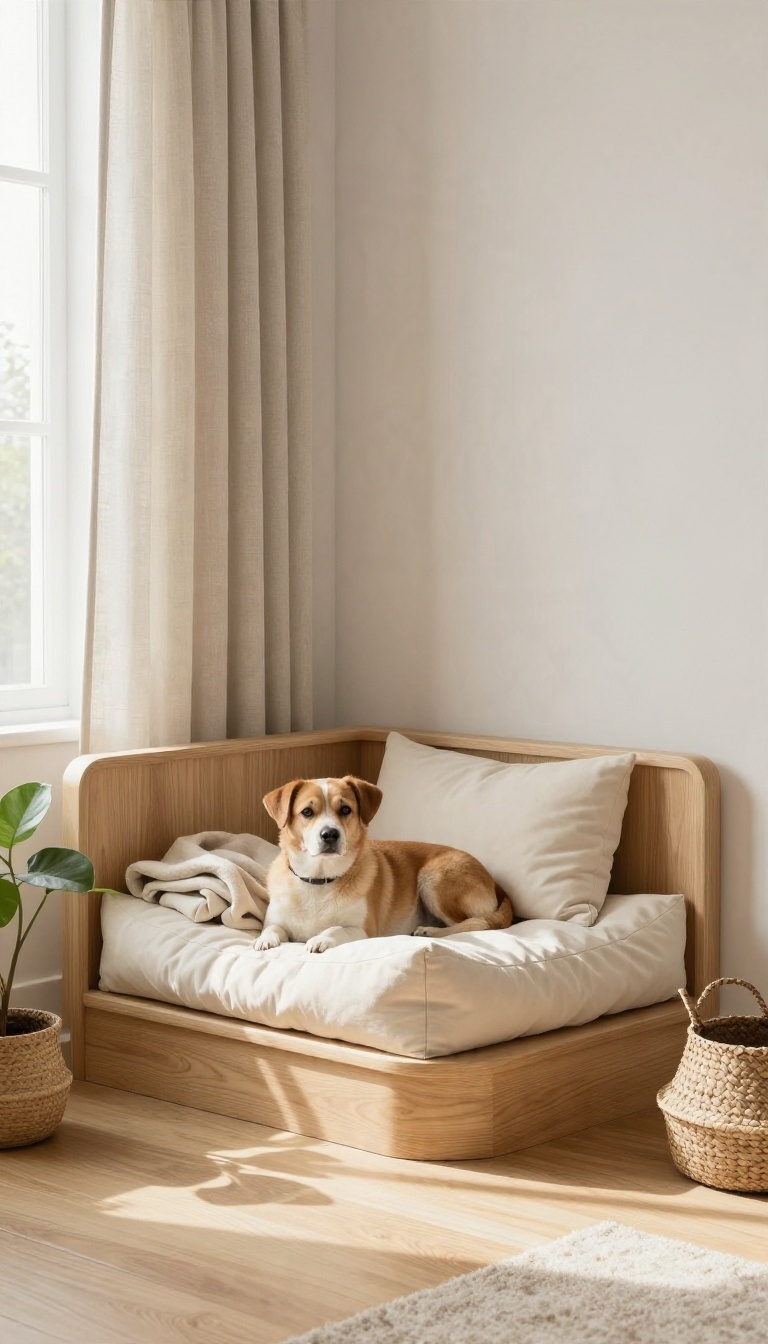
Dogs are den animals by nature, and a snug, enclosed sleeping spot can make them feel safer and more relaxed. A bed nook gives them that cave-like comfort without turning your room into a eyesore. The trick is to tuck it into a corner, alcove, or covered crate so it blends right in.
You don't need a custom-built cubby to pull this off. A low shelf, a repurposed cabinet, or even a sturdy cardboard box can become a cozy hideaway with the right cushion and a little creativity. The goal is to create a dedicated spot that feels like theirs, not just another piece of furniture.
A bed nook works because it taps into a dog's instinct to seek out protected spaces. When a dog has a spot that's enclosed on three sides and has a roof overhead, they can relax without feeling exposed. That's why so many dogs gravitate to under-desk areas or the back of a closet.
You can recreate that same sense of security with a little planning. Start by scouting your room for a natural corner or a low-traffic area. A spot under a window seat, beside a bookshelf, or in a unused fireplace alcove can work well.
Measure the space to make sure a bed will fit with a little room to spare. Dogs like to stretch out, so don't go too small. Once you've picked the spot, think about how to enclose it.
You can use furniture, curtains, or even a fabric screen to create a sense of walls. The key is to leave one side open for easy access. A covered crate with the door removed or tied open is a simple solution that instantly feels den-like.
Finally, layer in comfort. A soft, washable bed or a pile of blankets will make the nook inviting. Add a favorite toy or a piece of clothing with your scent to encourage your dog to settle in.
With a little effort, you'll have a cozy retreat that your dog loves and that looks intentional in your space.
Choosing The Right Spot
Look for a corner or alcove that's out of the main walkway but still close enough that your dog doesn't feel isolated. A spot near where you spend time, like a living room corner or a quiet nook in the bedroom, works best. Avoid areas with drafts or direct heat, and make sure there's enough room for the bed and your dog to turn around comfortably.
Enclosing The Space
You can create a den-like feel with minimal effort. A low bookshelf turned sideways, a small side table with a curtain draped over it, or a covered crate all provide that enclosed sensation. If you're handy, a simple wooden frame with fabric panels can be a DIY project.
The goal is to have three sides and a roof, leaving one side open for entry.
Making It Cozy
Comfort is key to getting your dog to use the nook. Choose a bed that fits the space snugly, with a soft, supportive cushion. Add a blanket that smells like you, and maybe a chew toy or two.
Wash the bedding regularly to keep it fresh, and consider a waterproof liner for easy cleanup. A cozy nook will quickly become your dog's favorite spot.
3. Pick Furniture That Doubles as Dog Storage
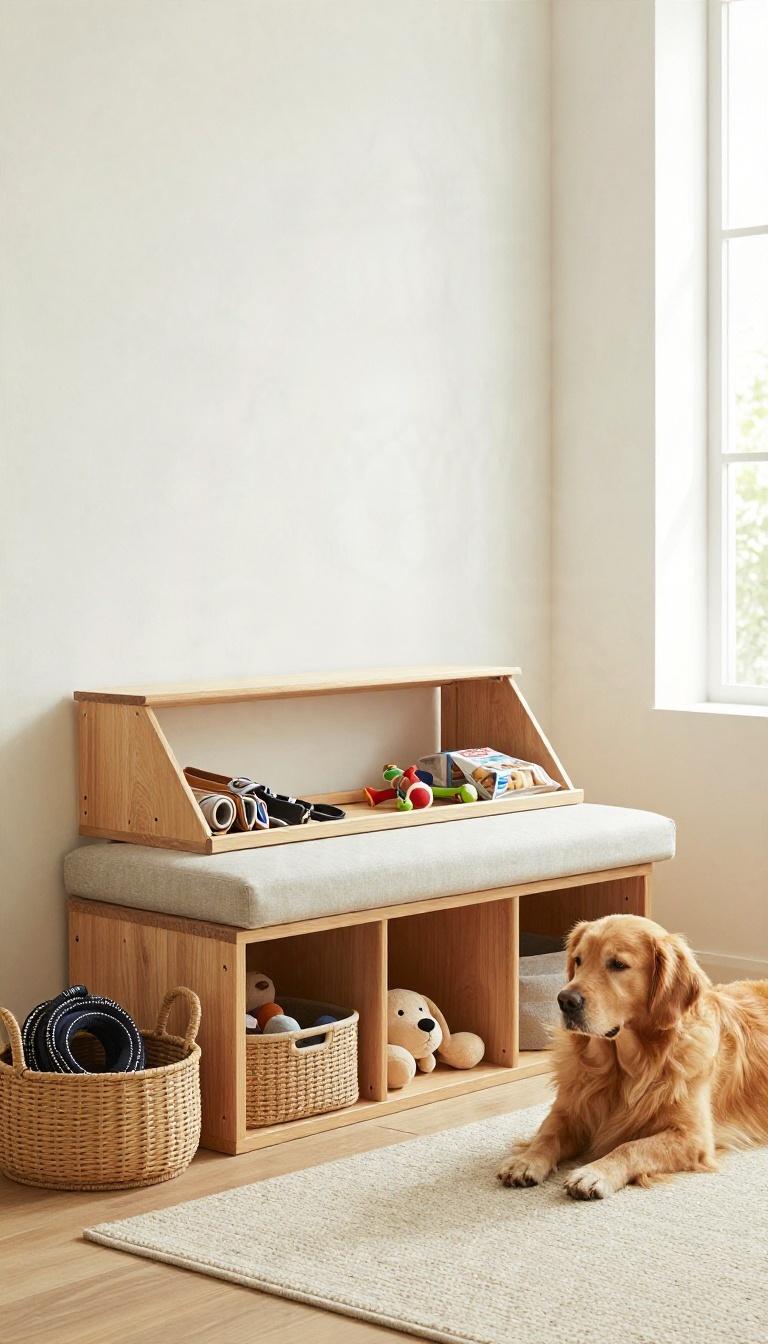
Dog gear multiplies. A single leash becomes four, the toy bin overflows by week two, and suddenly the room looks less like a styled space and more like a pet store exploded. The fix isn't more shelves or another plastic tub.
It's choosing furniture that quietly does two jobs at once, so the room stays tidy without looking like a storage unit. Think of it as buying pieces you'd want anyway, then letting them carry some of the dog clutter.
The trick is to shop for the room first and the storage second. Pick furniture that already fits your style, then check whether it hides a leash, a bag of treats, or a stack of toys. When the storage is built in, you stop noticing it, and so does everyone who walks in.
Benches With Lift-up Lids
A storage bench near the door earns its keep fast. The lid lifts to swallow leashes, poop bags, a towel for wet paws, and the toys your dog drags in from outside. Close it and you have a clean seat for pulling on shoes or a spot for your dog to wait while you clip the harness.
Look for a bench with a slow-close hinge so the lid doesn't slam on curious noses. A cushioned top adds comfort, and a washable cover handles muddy paws and shed fur. Place it against a wall near the room's entrance and it becomes the command center for every walk.
Cubbies For Leashes And Toys
Open cubbies keep daily gear visible without turning the room into a mess. Assign one cubby to leashes and harnesses, one to toys, and one to grooming tools. Because each slot has a job, the room stays organized even on chaotic mornings.
Baskets or fabric bins slide into the cubbies and hide the clutter behind a clean front. Label them if you like, or just keep the system simple enough that everyone in the house remembers where the ball goes. A low cubby your dog can reach also makes a fun spot for them to nose out their own toy.
Baskets That Hide The Clutter
Not every piece needs a lid. A sturdy woven basket in the corner gives you a fast place to toss toys at the end of the day, and it looks intentional rather than messy. Choose one with a wide mouth so cleanup takes seconds, not minutes.
Keep a second basket for laundry, like dog beds and blankets, so wash day doesn't mean hunting through the house. Natural materials like rattan or canvas warm up the room and blend with most decor. Just check that the basket is heavy enough that an enthusiastic digger can't tip it over.
Dual-purpose Pieces That Pull Their Weight
Some furniture solves two problems at once. A side table with a lower shelf can hold a folded blanket and a water bowl, while a slim cabinet hides food and supplements out of sight. A bench with a built-in crate works if your dog likes an enclosed spot to rest.
Measure your dog's bed and gear before you buy, so the storage actually fits. Then place each piece where the clutter naturally lands, near the door or beside the bed. When storage lives where the mess happens, the room stays tidy without daily effort.
4. Choose Fabrics That Survive Real Life
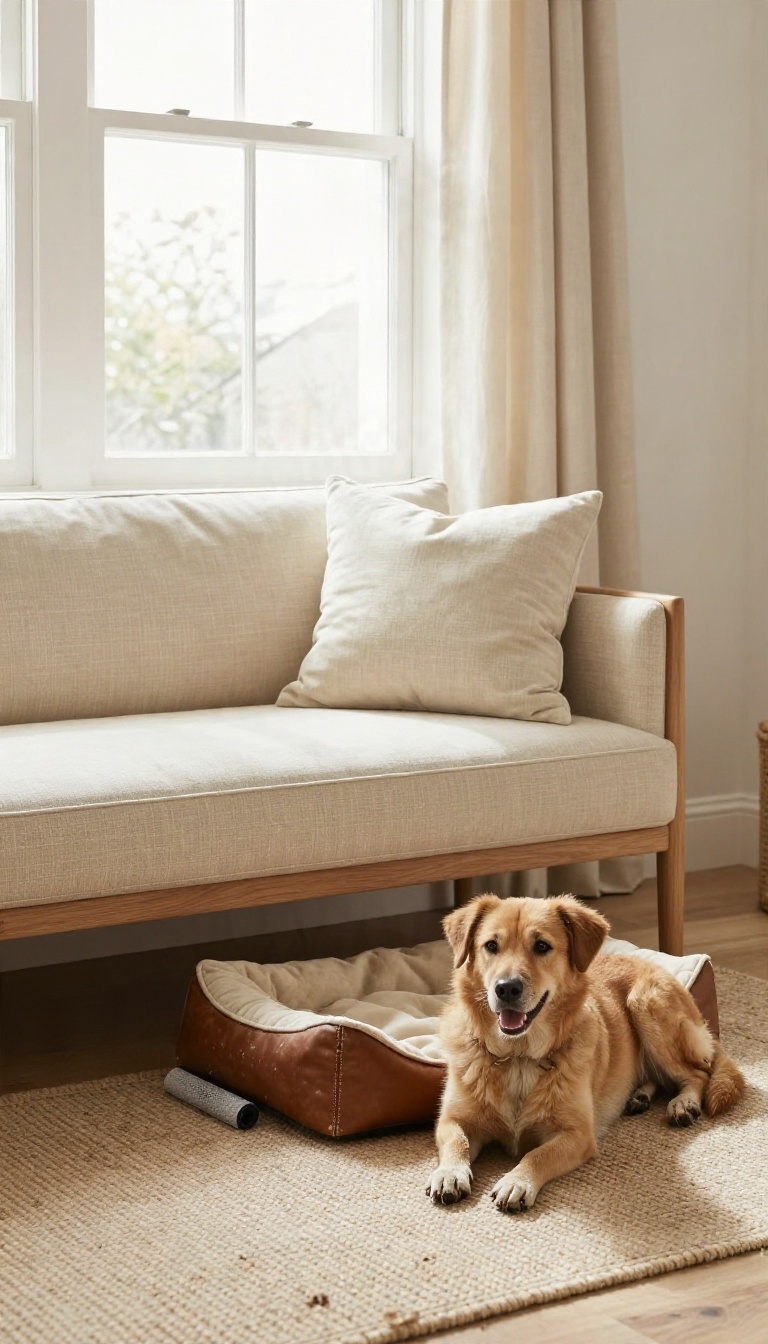
Your dog doesn't care about thread count, but you will when muddy paws and drool meet your favorite throw pillow. The right fabrics make a dog room easier to live with and easier to clean. Here's how to pick materials that handle fur, dirt, and the occasional accident without falling apart.
Start by thinking about what the fabric will face daily: claws, drool, shedding, and maybe a chewed corner. Not every beautiful textile is up for that job. The goal is to find materials that look good but can take a beating.
When you're shopping, touch the fabric and check the label. If it feels delicate or says dry clean only, keep moving. You want something you can wipe, vacuum, or throw in the wash without a second thought.
Best Bet Materials
For bedding and upholstery, look for tightly woven fabrics like canvas, denim, or microfiber. These hold up to claws and clean up easily. Leather and faux leather are also great because you can wipe them down in seconds.
For curtains, choose washable cotton or polyester blends. Avoid heavy velvets or silks that trap hair and show every smudge. If you want a softer look, a cotton canvas curtain works well and can go straight into the machine.
Weaves That Hide Fur
Tight weaves are your friend. Loose weaves, like tweed or bouclé, grab onto fur and make it nearly impossible to vacuum off. Smooth, tight fabrics let hair sit on the surface so you can wipe it away with a damp cloth or a lint roller.
If you love a textured look, choose a low-pile fabric with a tight weave. It gives you some visual interest without becoming a fur magnet.
Colors That Camouflage Dirt
Mid-tone colors are the smartest choice. Light colors show every paw print, and dark colors highlight light fur and dust. Think warm grays, taupes, or muted greens—they blend with both light and dark fur and hide everyday dirt.
Patterns can also help. A subtle geometric or heathered fabric breaks up the look of fur and stains. Just avoid busy patterns that make it hard to spot messes when you need to clean them.
5. Set Up a Feeding Station With a Built-In Look

Water bowls are the quiet troublemakers of any dog room. A happy drink turns into a puddle, and kibble escapes the bowl before it ever reaches the mouth. A feeding station with a built-in look keeps the mess in one spot and makes the corner feel intentional instead of improvised.
The trick is treating the bowl area like a small piece of furniture. You want a fixed home for the bowls, a surface that catches what spills, and a spot that doesn't slide around when your dog digs in. Get those three things right and mealtime stops being a cleanup event.
Raise The Bowls To Save The Neck
Raised bowls put less strain on your dog's neck and joints, especially for larger or older pups. A simple elevated feeder or a bowl stand does the job without much fuss. Set the height so the bowl rim lands around the lower chest, and your dog can eat without crouching or stretching.
Pick A Mat With A Lip
A flat mat soaks up splashes and stays soggy. Look for one with a raised edge that traps water and catches stray kibble before it rolls across the floor. Silicone mats with a lip wipe clean fast, and they grip the floor so the bowls stay put during an enthusiastic dinner.
Give It A Dedicated Corner Or Drawer
A feeding station works best when it has a permanent address. Tuck it into a corner, under a low shelf, or inside a pull-out drawer built into a cabinet. A drawer keeps bowls hidden between meals and contains crumbs in one easy-to-empty tray.
Either way, your dog learns where food happens, and the rest of the room stays cleaner.
6. Add a Mudroom-Style Entry Zone

Most dog mess doesn't start in the dog room. It starts at the back door, where wet paws, a dragging leash, and a half-empty treat bag all land in the same two square feet. A small mudroom-style landing zone catches that chaos right where it begins, before any of it travels down the hallway.
You don't need a dedicated mudroom, either. A strip of wall by the door, a bench, and a few smart hooks do most of the work.
The goal is simple: give every messy thing a home within arm's reach of the door. When the towel, the mat, and the leash all live in one spot, you actually use them instead of stepping over the mess. That consistency is what keeps the rest of the house clean.
Start With The Floor
A good mat does more than look tidy. Choose something with a textured, absorbent surface that scrapes grit off paws and holds onto moisture instead of tracking it inward. Rubber-backed options stay put when a dog shakes off, and they rinse clean in seconds.
Put the mat right where paws land when they cross the threshold. If your door opens onto carpet, add a small tray underneath so wet debris doesn't soak through. A cheap boot tray works fine and saves the flooring.
Hang A Towel Where You'll Grab It
A towel on a hook by the door beats one buried in a closet. Mount a low hook at your own reach height, not the dog's, and keep a microfiber cloth or hand towel there for quick paw wipes. Microfiber grabs water and dirt faster than cotton and dries quickly between walks.
Keep a second hook for a dirty towel so the clean one doesn't get smeared with mud. Swap them out weekly, or more often during rainy season.
Give Leashes And Gear A Landing Spot
Leashes, harnesses, and poop bags pile up fast when they have no home. A row of hooks or a small wall-mounted basket keeps them off the floor and easy to grab on the way out. If you have two dogs, give each one its own hook so the gear doesn't tangle.
A shallow shelf above the hooks can hold treats, a spare collar, and a flashlight for evening walks. Keep it shallow so nothing becomes a cluttered catch-all. The whole zone should feel like a pit stop, not a storage unit.
7. Use Lighting That Works Day and Night
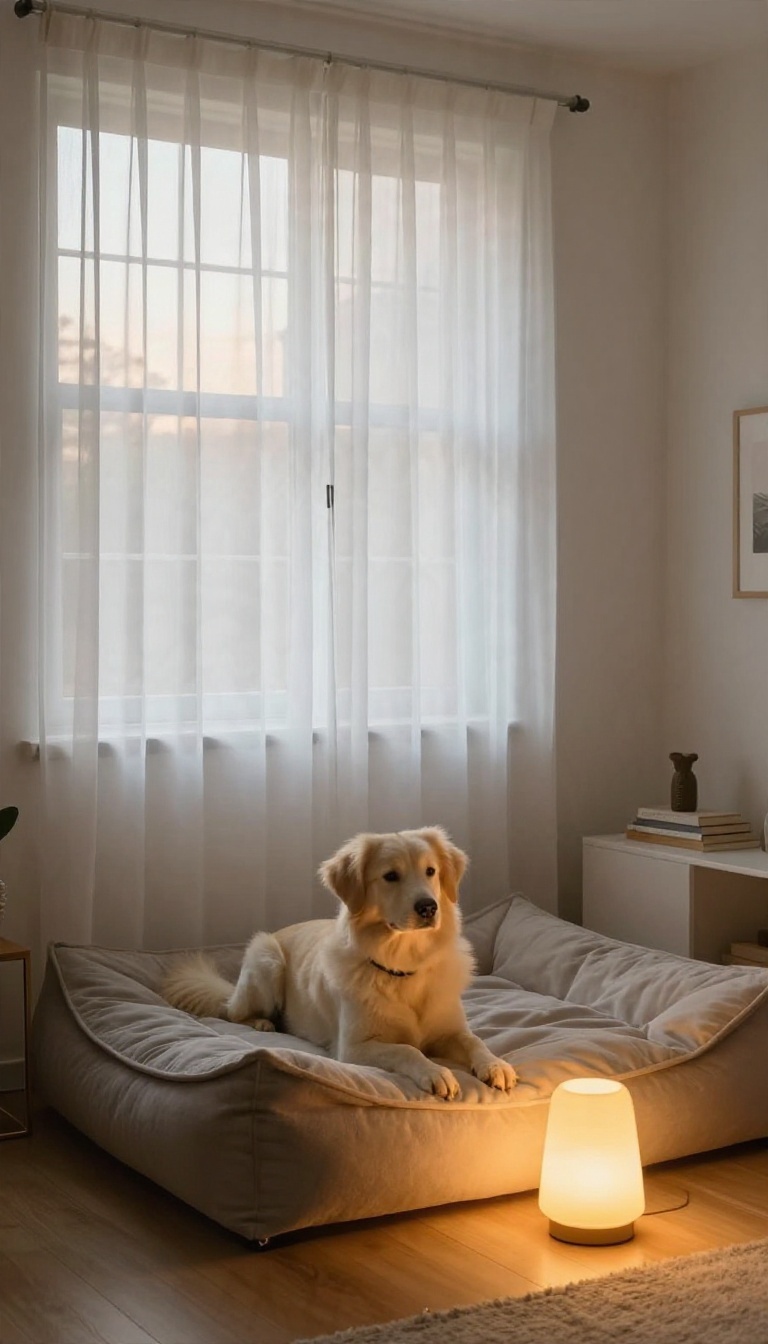
Lighting rarely makes the top of anyone's dog room list, but it quietly shapes how the space feels at 2 p. m. and 2 a. m. A room that's bright and cheerful for play can turn harsh and unsettling once the sun drops. Layering a few light sources fixes both problems without much effort or cost.
Think of the room in three layers: overhead or natural light for daytime, a warm lamp for evening wind-down, and a low night light for after dark. Each layer does a different job, and together they let the room shift from active to restful as the day moves along. You probably already own most of what you need to pull this off.
Make The Most Of Daylight
Put your dog's bed and favorite lounging spot near a window, but keep it out of direct, blazing sun. Dogs love a warm patch of floor, yet a spot that overheats by noon becomes a spot they avoid. A sheer curtain softens harsh afternoon light and gives them a calm place to watch the world go by.
If the room has no window, a full-spectrum lamp on a timer can stand in for natural light during the day.
Add A Warm Evening Lamp
A single floor or table lamp with a warm bulb turns the room from bright to cozy in one click. Aim for something around 2700K, which reads as soft and golden rather than clinical white. Place it so the light pools near the bed instead of blasting the whole room.
This is the light your dog associates with settling down, so keep it consistent and switch it on at roughly the same time each evening.
Set Up A Night Light For After Dark
Older dogs, puppies, and any pup who wanders at night do better with a little guidance. A plug-in night light or a dimmable LED strip along the baseboard gives just enough glow to navigate without waking anyone. Skip bright blue-white lights, which can feel stimulating, and choose a warm amber tone instead.
Motion-activated options are handy because they only kick in when your dog actually moves.
Keep Cords And Bulbs Out Of Reach
Any light you add comes with a cord, and cords are chew magnets. Run cables through a cord cover or tuck them behind furniture, and keep lamps on sturdy bases a wagging tail can't tip. Choose LED bulbs over hot incandescent ones in case a lamp does get knocked over.
A few minutes of cord management protects both your dog and your setup.
8. Give Toys and Gear a Visible Home
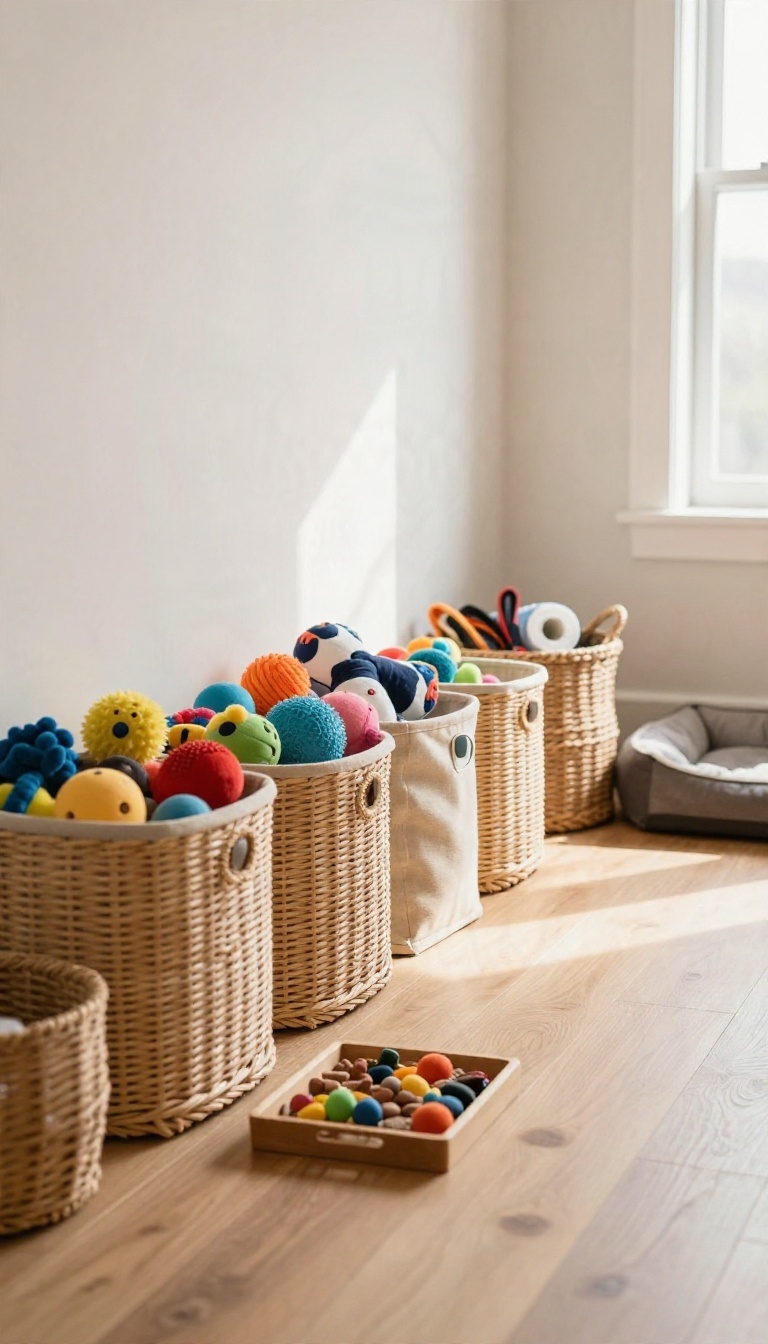
Dog toys have a way of migrating across the floor until every step feels like a minefield. The fix isn't to hide everything in a closed closet—it's to give the gear a visible, organized home that both you and your dog can use. A few smart storage moves keep the room from looking like a pet store aisle while still letting your pup pick their favorites.
Open bins and labeled baskets do the heavy lifting here. Choose bins low enough for your dog to nose through, and place them where the room naturally collects clutter. A woven basket by the door for leashes and poop bags, a canvas bin in the corner for plush toys, and a shallow tray for chews keep everything in sight without the mess.
Labels help more than you'd think. A simple tag or chalkboard sticker on each bin tells everyone where things belong, so the room stays tidy even on busy days. And because the bins are open, your dog can still choose a toy without tearing through a sealed container.
Open Bins For Easy Access
Open bins let your dog help themselves, which keeps them engaged and reduces boredom. Use sturdy fabric or wicker bins that won't tip easily, and place them at floor level. A mix of sizes works well: a large bin for bulky toys, a medium one for balls and ropes, and a small one for tiny squeakers that get lost under the couch.
Labeled Baskets Keep It Tidy
Labels turn a pile of bins into a system. Use removable labels or chalkboard tags so you can change categories as needed. Group similar items together—one basket for fetch toys, one for chewies, one for grooming supplies.
This makes cleanup fast and helps pet sitters know where things go.
Rotate Toys To Beat Clutter
Too many toys out at once creates visual noise and makes it harder for your dog to focus. Try a toy rotation: keep a few favorites out and store the rest in a closed bin. Swap them every week or two.
Your dog gets the thrill of 'new' toys without you buying more, and the room stays calm and uncluttered.
9. Make Space for Exercise and Enrichment
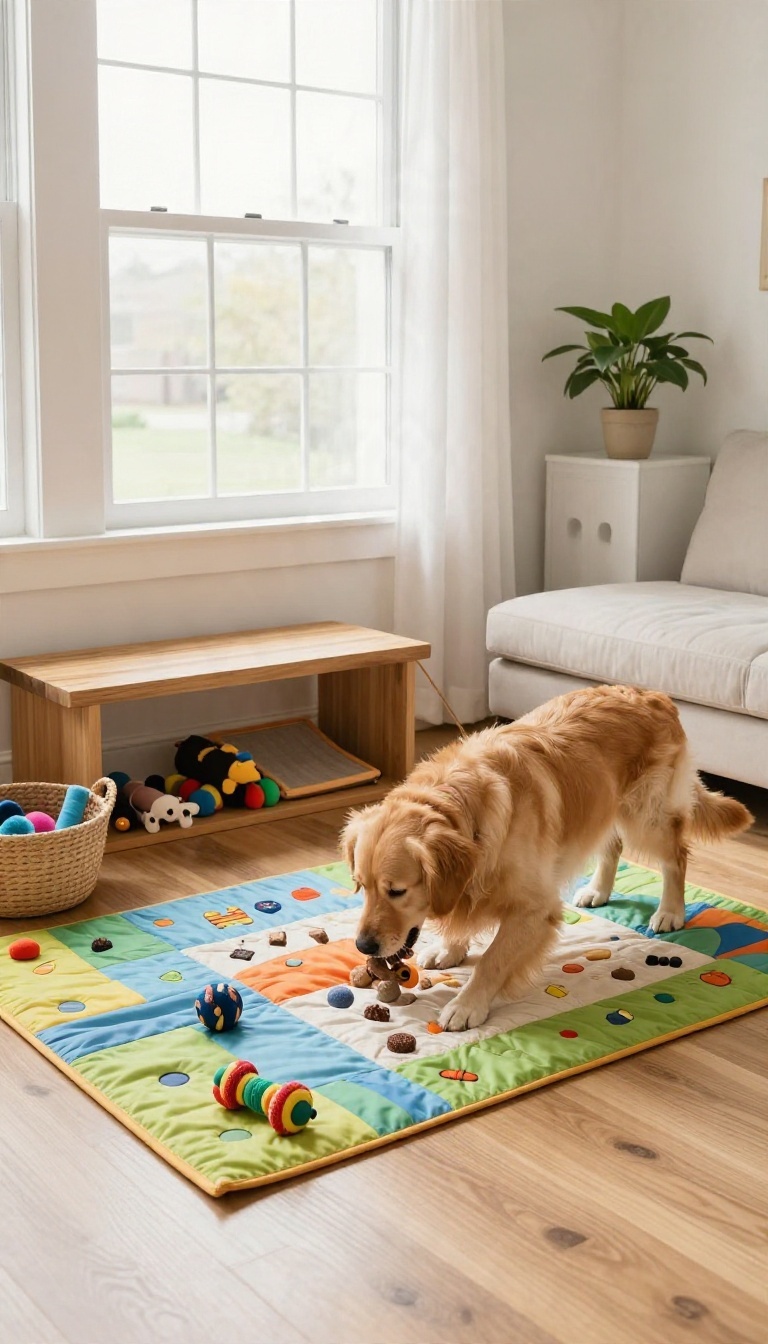
Rainy days, extreme heat, and dark winter evenings can turn a dog's routine upside down. Without a way to burn energy and work their brain, even the calmest pup starts pacing, chewing, or barking at the mail carrier. A dog room can double as an indoor activity zone, giving your dog a place to move, sniff, and problem-solve when the outdoors is off-limits.
It doesn't take much square footage—just a few deliberate spots that make exercise and enrichment easy to reach.
Think of the room as a mini gym and puzzle center. You don't need agility equipment or a treadmill. A clear patch of floor, a few interactive toys, and a simple routine can keep your dog busy and content while you work or relax nearby.
The key is to set up zones that invite activity without turning the room into a chaotic obstacle course.
Set Up A Snuffle Mat Corner
A snuffle mat is one of the easiest enrichment tools you can keep in a dog room. It's a fabric mat with hidden pockets where you scatter kibble or treats, and your dog sniffs them out. This simple activity taps into natural foraging instincts and can tire a dog out faster than a short walk.
Tuck a snuffle mat into a corner or under a low bench so it stays out of the main walkway. After use, shake it out and store it in a basket or bin to keep the room tidy.
Add A Small Ramp Or Textured Path
If your dog needs a little confidence boost or just loves to climb, a small indoor ramp or a series of textured mats can add gentle exercise. A ramp placed against a low piece of furniture—like a sturdy ottoman or a window seat—encourages movement without taking over the room. For a simpler option, lay down a few different textured mats (like a bath mat, a yoga mat, and a faux grass patch) in a row.
Walking across different surfaces builds body awareness and gives your dog a mini workout on rainy days.
Create A Puzzle Toy Station
Puzzle toys are a lifesaver for indoor enrichment, but they tend to pile up and get lost. Designate a small shelf, basket, or drawer as the puzzle station. Rotate toys every few days so they feel new again.
Keep a few easy puzzles for quick sessions and a couple of harder ones for longer challenges. Storing them in one spot makes it easy to grab one when your dog needs a mental break—and it keeps the floor clear.
Designate A Play Zone
Even a small room can have a clear play zone. Use a washable rug or a piece of foam matting to define the area where you play tug, fetch, or hide-and-seek. Keep the zone free of fragile items and cords.
A basket of favorite toys nearby makes it easy to start a game. When playtime is over, the rug can stay down as a visual cue that this is where fun happens—and it helps contain the chaos.
10. Keep It Safe With Smart Layout Choices
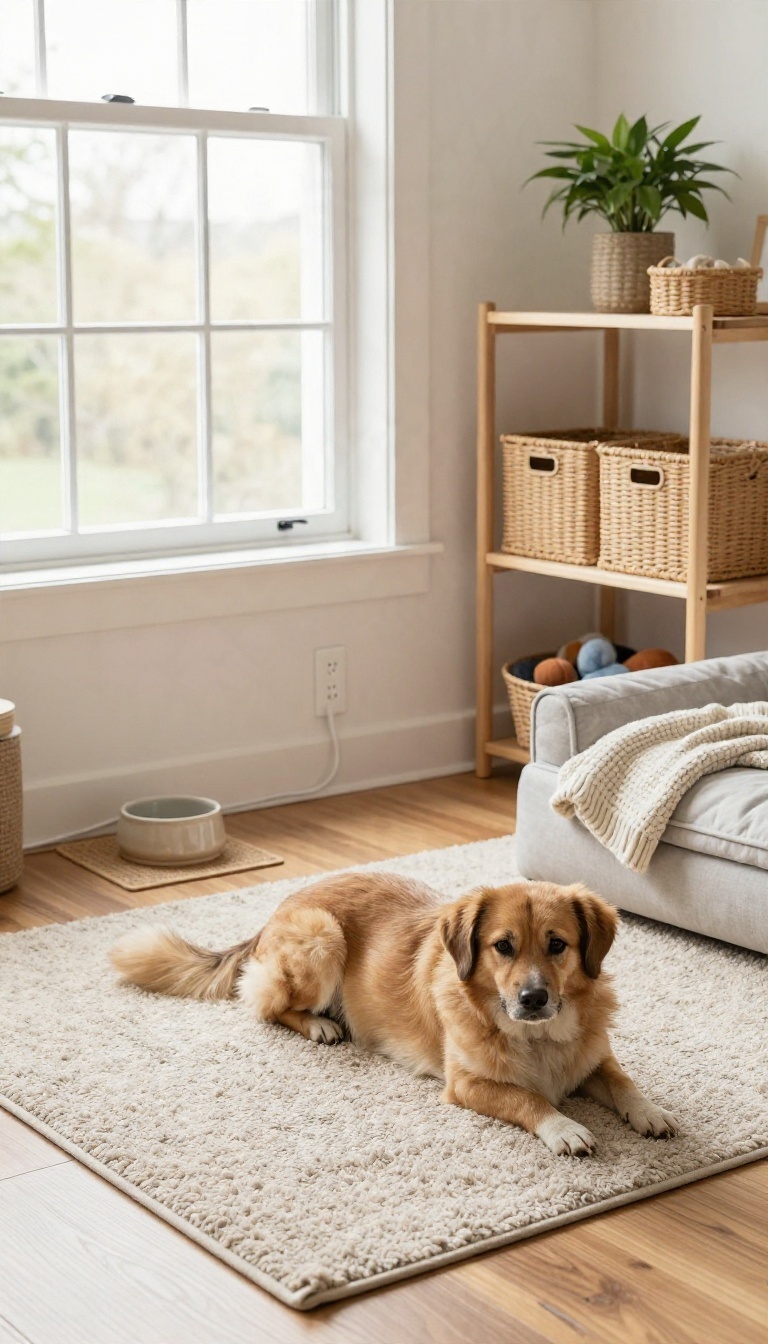
A cozy dog room only works if it's also a safe one. Dogs explore with their mouths and their paws, so a space that looks charming can still hide a few hazards. The good news is that dog-proofing doesn't mean stripping the room down to bare walls.
A few smart layout decisions keep the room safe while letting it stay warm and put-together.
Think of safety as part of the design, not a chore you do after the furniture is in. When you place things with your dog's habits in mind, the room stays calm and the hazards stay out of reach.
Tame The Cords Before They Tempt
Lamps, chargers, and heated beds all bring cords, and cords look like chew toys to a bored dog. Run them along baseboards in rigid cord covers or a cable raceway so they blend into the wall instead of dangling. For anything you can't hide, tuck it behind furniture or use a cord protector sleeve.
A simple outlet cover on low outlets closes the last gap. The result looks tidy, not clinical.
Anchor The Shelves And Storage
Open shelving packed with toys and treats is handy, but a dog who jumps or bumps it can bring the whole thing down. Anchor tall units to the wall with straps or brackets, and keep heavy bins on the bottom. Store food, meds, and chews in latched containers up high.
Baskets at nose level are fine for toys, but anything a dog shouldn't get into belongs behind a door or above their reach.
Pick Flooring That Grips
Slick floors are rough on older joints and send excited pups sliding into walls. Add a non-slip runner along the main path through the room, and put a mat under the water bowl to catch splashes. Runners also protect your floor and add color.
Choose one with a rubber backing so it stays put when your dog barrels across it.
Place Gates Where They Actually Help
A gate at the doorway keeps a muddy dog from tracking through the house, and a second one can section off a drying zone or a sleeping corner. Mount it where the swing clears furniture and people can still pass easily. Freestanding gates work for short stretches, but a wall-mounted gate holds up better for a dog who leans or jumps.
Measure the opening first so you don't end up with a gap a determined pup can squeeze through.
11. Finish With Personal Touches That Still Work
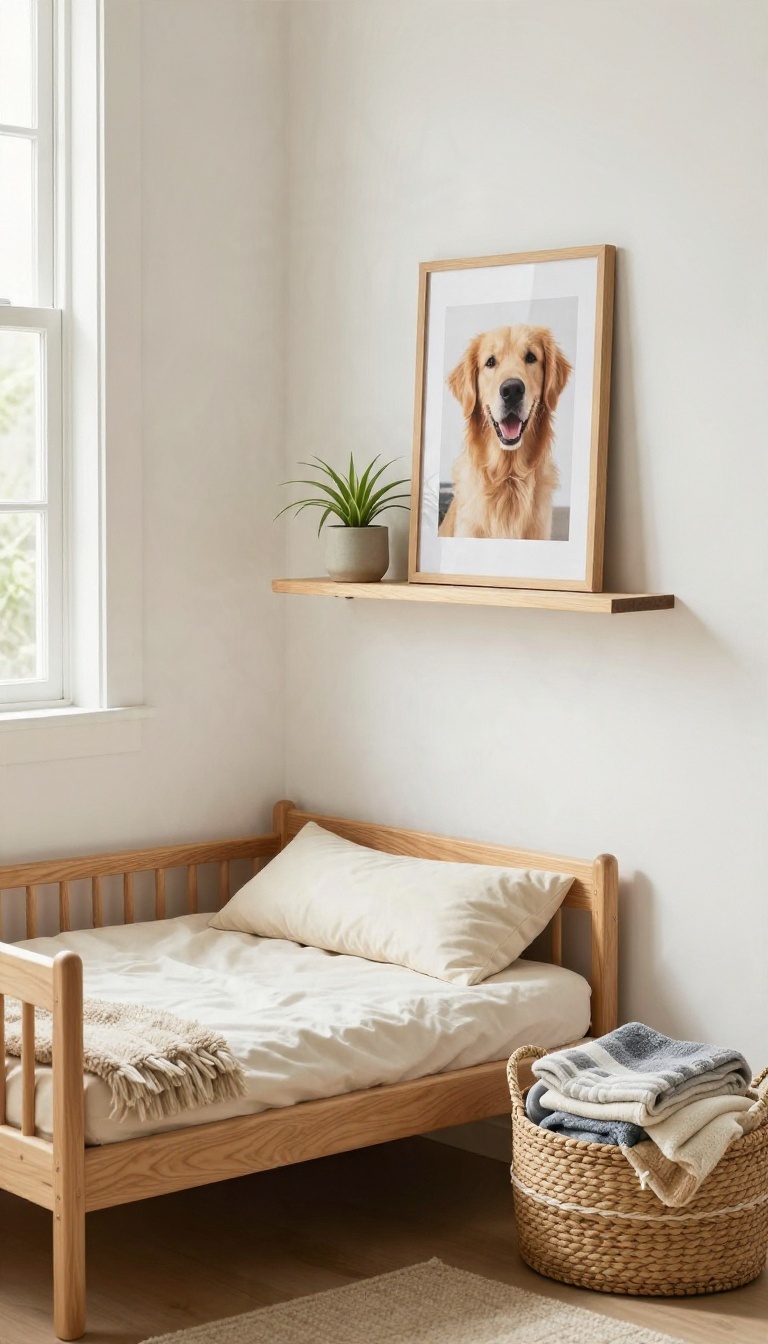
A dog room can check every practical box and still feel like a vet clinic waiting area. The last layer is what makes it feel like your dog actually lives there—and that you care about how it looks. Personal touches don't have to be precious or expensive.
They just need to survive a wagging tail and a few enthusiastic zoomies.
Think of these details as the difference between a room that functions and a room that feels intentional. A framed photo, a name sign, a dog-safe plant, or a tight color palette all send the same message: this space was designed, not just assembled. And when you choose durable, washable, or replaceable versions, you get the cozy factor without the constant worry.
Pick Art And Photos That Can Take A Bump
Framed photos and prints add warmth fast, but glass and flimsy frames don't love a game of tug near the wall. Choose acrylic or canvas prints, or hang frames well above tail height. A gallery of your dog's best goofy faces works just as well as a single statement piece.
Just secure everything with proper anchors—especially if your dog likes to jump.
Use A Name Sign That Doubles As Decor
A custom name sign above the bed or door makes the room feel official without shouting. Look for painted wood, metal, or acrylic that wipes clean and won't chip if it gets licked. Mount it securely or lean it on a sturdy shelf out of the chew zone.
Bonus points if the font matches the rest of your home, not just the dog aisle.
Choose A Dog-safe Plant For Greenery
A little green softens all the gear and bedding. Stick with nontoxic options like spider plants, Boston ferns, or calatheas, and keep them out of reach if your dog is a digger. A hanging planter or a tall stand solves most curiosity issues.
Skip anything on the toxic list—sago palms and lilies are not worth the risk, no matter how good they look.
Tie It Together With A Simple Color Palette
You don't need a designer to make the room look pulled together. Pick two or three colors that already appear in your home and repeat them in the bed, toy basket, and wall art. Washable covers and neutral tones hide fur and drool better than you'd think.
A coordinated palette makes even a pile of squeaky toys look like it belongs.
FAQ
Do I need a whole room to make this work?
No. A corner of a laundry room, a closet, or a section of a hallway can follow the same ideas on a smaller scale. The key is giving your dog a consistent spot with bedding, water, and storage close together.
What flooring holds up best to dogs?
Luxury vinyl, sealed concrete, and tile handle accidents and muddy paws well. If you want softness, use a washable rug with a non-slip pad underneath instead of wall-to-wall carpet.
How do I stop the room from smelling like a dog?
Wash bedding weekly, use washable covers on beds and mats, keep a lidded bin for toys, and ventilate the room daily. An air purifier helps in small spaces.
Is a covered crate a good idea for a dog room?
Many dogs relax in a covered crate because it feels like a den. Leave the door open during the day so your dog can choose when to use it, and never use it for punishment.
How much should I budget for a dog room?
You can start with a bed, bowls, a mat, and a storage basket for under a hundred dollars. Bigger upgrades like flooring or built-in storage cost more, so tackle those only if the room gets daily use.
Conclusion
You don't have to tackle every idea on this list. Pick one corner or wall, set a realistic budget, and start with a project you can finish in a weekend. A washable bed and a toy basket alone can change how the whole room feels.
Once that first space works, add the next layer when you're ready. Your dog will claim the spot long before the room looks finished, and that's usually the best sign you got it right.