
Cold weather brings a real grooming problem: your dog's coat either turns into a muddy, matted mess or gets clipped so short they shiver on every walk. Finding a cut that handles winter without sacrificing the cute factor takes some planning. That's where a good seasonal haircut earns its keep.
The right trim keeps snow from balling up in the fur, cuts down on drying time after wet walks, and still leaves enough coat for warmth. Some styles suit fluffy double coats, others work better on curly or fine hair.
A few are easy to maintain at home between salon visits. Below are 11 winter-friendly options, from teddy bear trims to low-maintenance clips for older dogs.
1. The Teddy Bear Trim
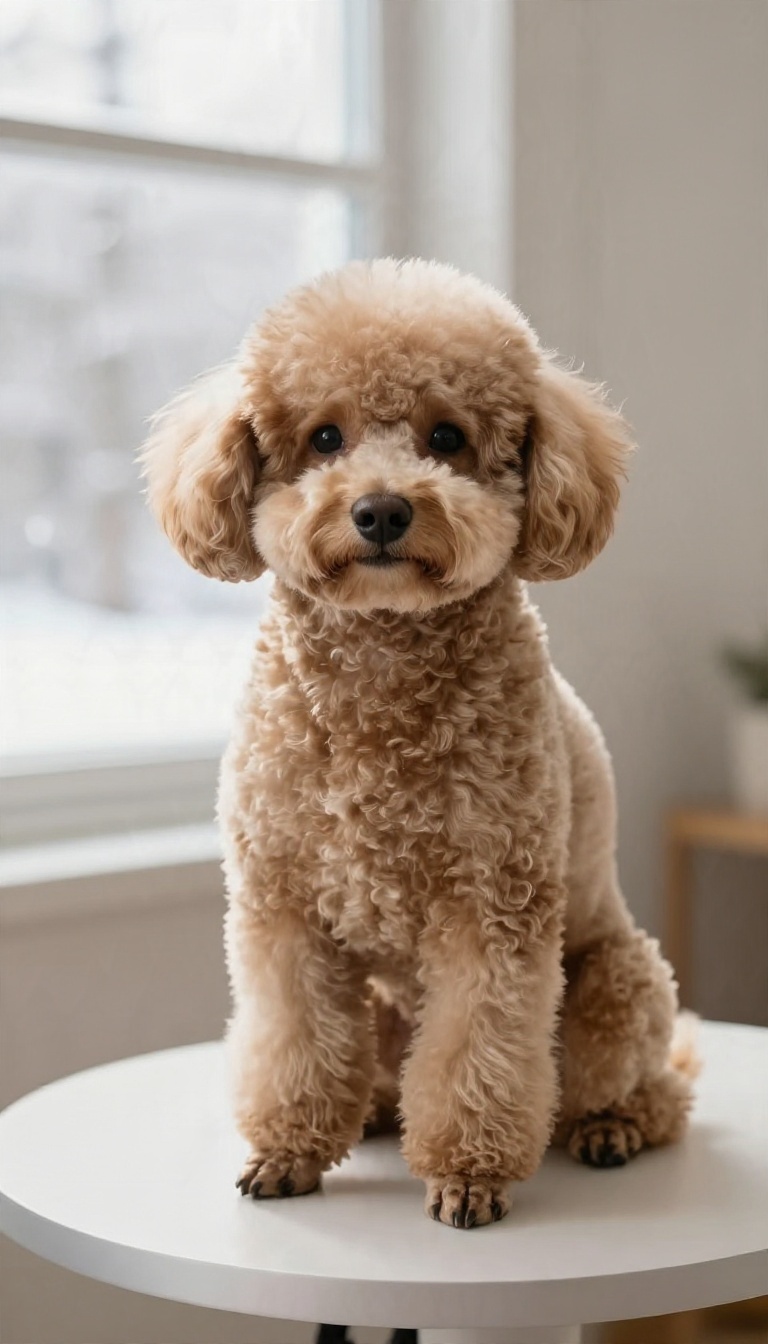
The teddy bear trim is the cut most people picture when they think of a cozy winter dog. It rounds out the coat into a soft, plush shape that looks like a stuffed animal come to life, and it keeps enough length to actually do its job in cold weather. The face gets sculpted into a rounded muzzle, the ears stay fluffy, and the paws are trimmed into neat little mittens.
It's equal parts practical and adorable, which is why it tops the list.
What makes this cut work in winter is the balance it strikes. You're not shaving down to the skin, so your dog keeps a layer of insulation against the cold. At the same time, the shaping keeps the coat from ballooning into a shapeless mop that traps snow and mud.
Most groomers build the teddy bear look around the natural growth of the coat rather than fighting it. That means less stress on the dog and a shape that holds up longer between appointments.
Who It Suits Best
Poodles, doodles, shih tzus, and bichons are the classic candidates because their hair grows continuously and takes shaping well. Soft-coated breeds with a bit of wave also wear it nicely. If your dog has a harsh, short double coat like a husky or a lab, this cut won't really translate, so ask your groomer what's realistic for the coat type.
Keeping It From Matting
The plush length that makes this cut cute is also what makes it prone to tangles. Brush your dog every couple of days, focusing on the spots that mat first: behind the ears, under the front legs, and around the collar line. A slicker brush followed by a metal comb catches knots before they tighten.
Keep walks clean by rinsing muddy paws and drying the coat thoroughly after wet outings. Damp fur left to sit is a fast track to mats. Book a touch-up every four to six weeks so the shape stays crisp and the coat never gets ahead of you.
What To Ask Your Groomer
Bring a photo, because 'teddy bear' means slightly different things to different groomers. Ask for a rounded face, fluffy ears, and trimmed paws, and be clear about how much length you want left on the body. Mention that warmth matters to you so they don't take it shorter than you expect.
2. The Classic Puppy Cut
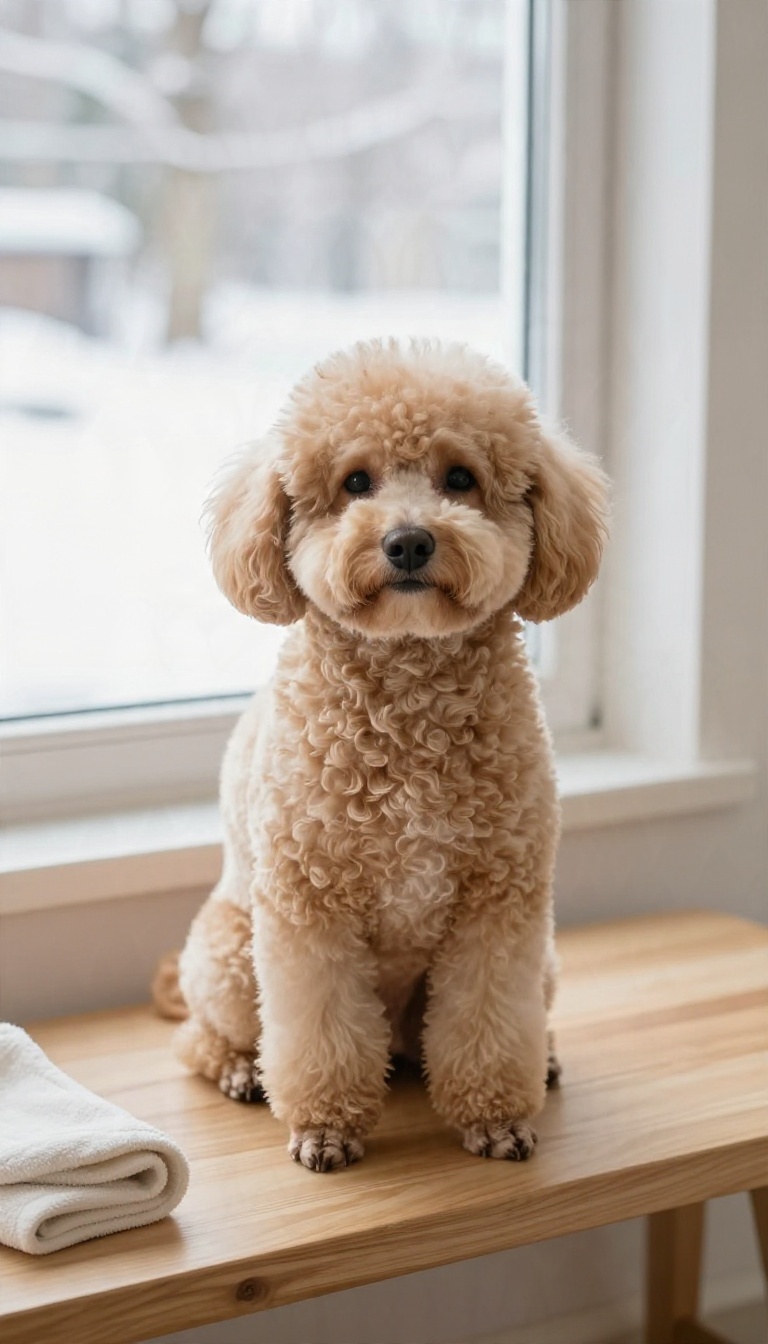
The puppy cut earns its name for a reason: it keeps your dog looking young, soft, and tidy no matter their age. It's a short, even clip over the whole body, usually leaving about half an inch to an inch of fur. That uniform length makes it one of the easiest styles to live with once the snow starts flying.
Unlike fancier trims with blended layers and sculpted legs, the puppy cut keeps things simple. The coat stays roughly the same length from shoulders to tail, with the face and paws tidied up separately. It's a practical pick for owners who want a clean look without a complicated maintenance routine.
The real winter advantage is how little snow and slush the coat collects. Shorter fur dries faster after a wet walk, and you won't spend twenty minutes working out ice balls from between the toes and legs. A quick towel-off usually does the trick.
Which Coats Take To It Best
The puppy cut shines on wavy and curly coats like poodles, doodles, and bichons, where an even clip keeps curls from matting into tight knots. Fine, silky hair also works well, since it tends to lie flat and look neat at a uniform length. Double coats are trickier.
Breeds like huskies and golden retrievers rely on that undercoat for warmth, so clipping it short can backfire. If your dog has a thick double coat, talk to your groomer before committing, or keep the length on the longer side.
Watch The Sensitive Spots
Over-shaving is the most common puppy cut mistake. The belly, groin, and inner thighs have thin skin that clippers can irritate, and those areas need less taken off than the back and sides. Ask your groomer to leave a bit more length on the face and ears too.
Winter wind bites harder on exposed skin, and a little extra fur around the head keeps your dog comfortable on cold walks without looking shaggy.
Keeping It Sharp Between Visits
A puppy cut holds its shape for roughly four to six weeks before things start looking fuzzy. Brushing two or three times a week keeps the coat from tangling as it grows out. Check the paws after every walk and rinse off road salt, which dries out pads and can cause cracking.
A warm rinse and a quick dry will keep the trim looking fresh and your dog's feet healthy all season.
3. The Winter Sports Clip
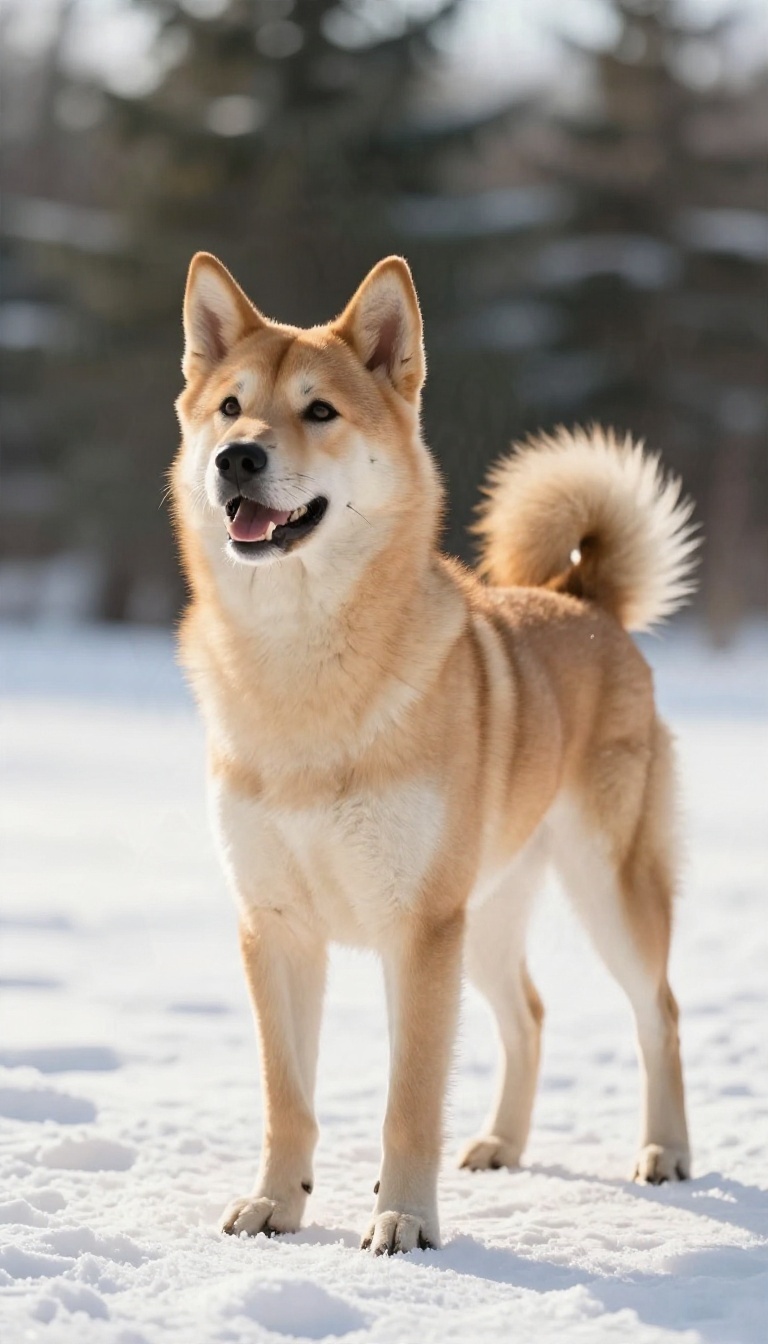
Dogs that hike, run, or chase frisbees through the snow need a coat that works with them, not against them. The winter sports clip is a mid-length cut that leaves plenty of insulation on the back and chest while trimming the legs and belly short. It's the practical middle ground between a full fluffy coat and a buzz cut.
You get warmth where it counts and less mess where the snow and mud actually stick.
The logic here is simple. Snow balls up worst on the legs, feet, and belly, so those areas get clipped close. The back and chest keep enough length to hold heat on cold mornings.
It's a working cut for a working dog, and it looks sharp without being fussy. This style suits active breeds and any dog that spends real time outdoors in winter. If your pup lives for trail time, this one earns its place on the list.
What Gets Trimmed And What Stays
Your groomer takes the legs and belly down short, usually with a clipper guard that leaves a thin layer of protection. The back, neck, and chest stay at a medium length, around half an inch to an inch depending on the coat. The tail gets a light tidy so it doesn't drag through slush.
Ask for a blended transition between the short and long zones so it doesn't look like two different dogs stitched together.
Why It Works For Cold-weather Exercise
Short legs mean less surface area for ice balls to form, which is the whole point. Mud wipes off in seconds instead of soaking into long fur. The belly clip also keeps your dog drier after a romp through wet snow, cutting down on that damp-dog smell.
And because the core stays covered, your dog isn't shivering the whole way home.
Keeping It Tidy Between Visits
Brush the longer sections a few times a week to stop mats from forming under the harness. Check the paws after every walk and rinse off any packed snow before it freezes. A quick towel dry on the short areas is usually all you need.
Book a touch-up every four to six weeks if your dog is out in the weather daily.
4. The Fluffy Lion Cut
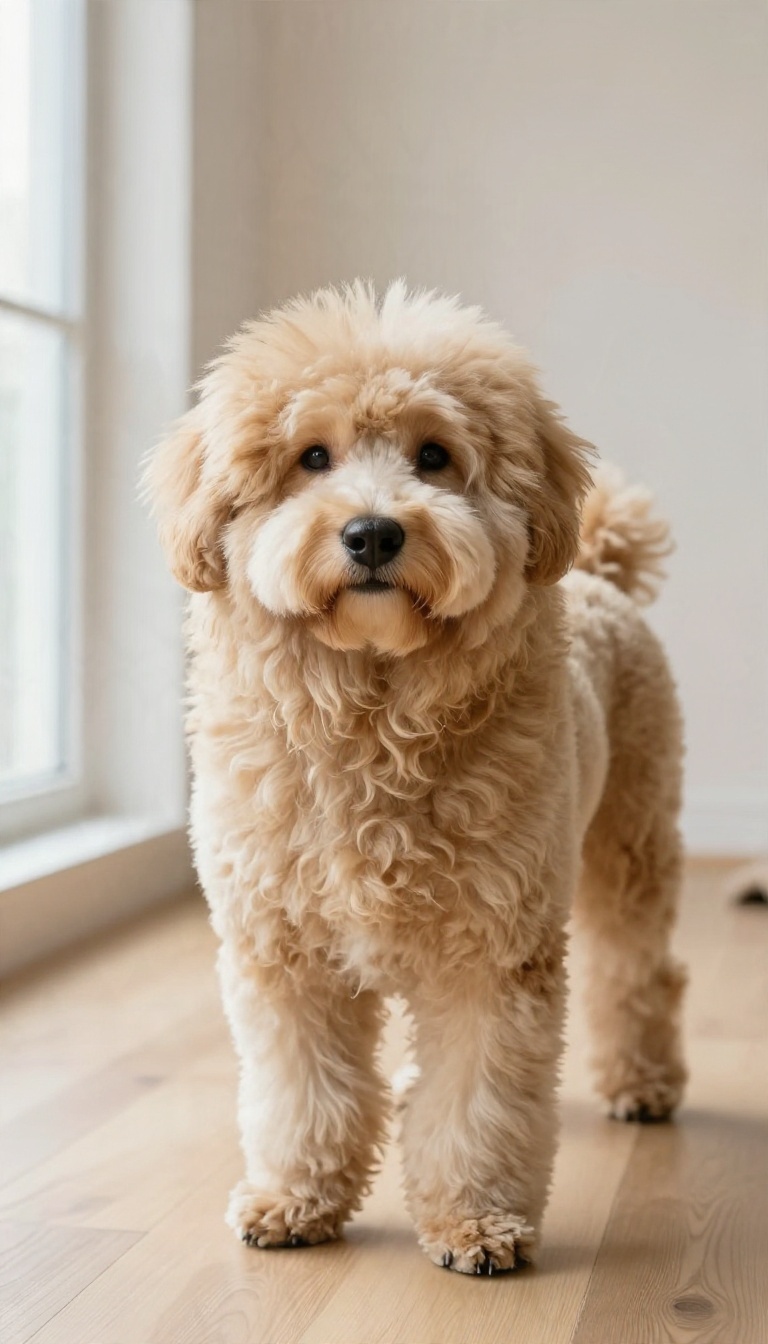
A lion cut makes a statement. The body gets clipped close while the head, neck, and chest keep a full, rounded mane, so your dog walks out looking part house pet and part tiny jungle cat. It's bold, a little theatrical, and surprisingly practical for the right coat.
The trick is knowing how the trim handles winter and which dogs actually wear it well.
The look works best when the contrast is clean. A crisp line where the mane meets the shaved body gives the cut its shape, and a rounded, even mane makes the whole thing read as intentional rather than accidental.
How The Cut Comes Together
Your groomer clips the body, legs, and hindquarters short, usually with a blade that leaves a thin layer of fuzz. The mane stays long and shaped around the head and chest, and the legs often get cuffs or pom-poms to finish the silhouette. Getting it right takes a steady hand.
Ask for a groomer who has done lion cuts before, because uneven lines and a lopsided mane are hard to hide.
The Winter Warmth Trade-off
Here's the honest part: a shaved body loses insulation. The mane keeps the neck and chest cozy, but the rest of your dog feels the cold fast. That makes this a better fit for mild winters or for dogs who spend most of their time indoors.
If your pup loves long snowy walks, plan on a warm coat and keep those outdoor stretches shorter.
Breeds That Wear It Best
Thick, confident coats handle this style with ease. Poodles, doodles, and other curly or dense-haired breeds hold a full mane nicely and grow it back quickly if you want to adjust the shape. Bichons, Pomeranians, and similar fluffy types can pull it off too, though the mane needs regular brushing to stay round.
Thin-coated or cold-sensitive dogs are better off with a fuller clip.
Keeping The Mane Looking Sharp
The shaved body is low-effort, but the mane is where the work lives. Brush it a few times a week to prevent tangles, and keep it dry after snowy or rainy walks. Book a touch-up every four to six weeks to keep the lines crisp.
Between visits, a quick trim around the face keeps the shape from turning shaggy.
5. The Low-Maintenance Schnauzer Cut
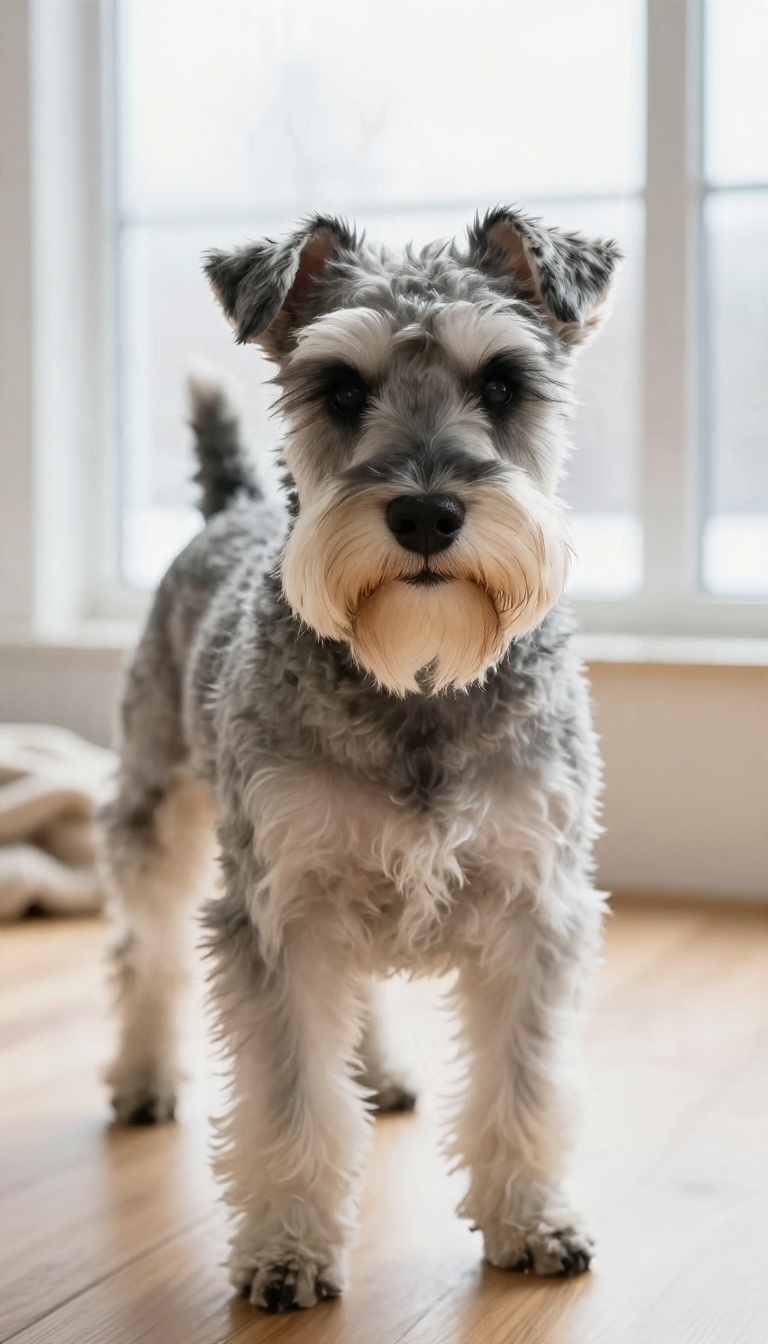
Schnauzer cuts aren't just for schnauzers. The signature look—prominent beard, bushy eyebrows, and a neat body clip—works on plenty of wire-haired and scruffy-coated dogs. It's a practical winter choice because the facial furnishings stay long enough to keep the muzzle warm, while the body stays short and easy to dry after a slushy walk.
The trade-off is a little brushing homework, but it's nothing compared to wrestling a full coat out of a snowbank.
The schnauzer cut gives you two very different textures on one dog: crisp, short hair on the body and longer, fluffier hair on the face and legs. That contrast is what makes the style recognizable. It also means your grooming routine has to match each zone.
Most of the upkeep happens around the beard and eyebrows, not the body. Those areas collect food, water, and snow, and they tangle if you ignore them for a few days. The good news is that a few minutes of brushing every other day keeps everything in shape.
What The Cut Actually Looks Like
The body gets clipped short—usually a #7 or #10 blade—so it's smooth and quick to dry. The legs are often left a bit longer and shaped into columns, which helps them stay cleaner on wet walks. The eyebrows arch over the eyes, and the beard hangs below the chin, both left long enough to make a statement.
On a schnauzer, the beard is iconic; on other breeds, it just looks charmingly scruffy.
Brushing The Beard And Brows
Use a small slicker brush or a metal comb made for faces. Start at the ends of the hair and work toward the skin, gently, so you don't pull. A quick comb-through every other day prevents most tangles.
If you spot a knot, don't yank—hold the hair near the skin and tease the knot apart with your fingers first. A little detangling spray helps on stubborn spots.
Keeping The Face Clean
Wipe the beard after meals with a damp cloth or pet wipe. Snow and rain can leave the beard damp, which leads to matting if it stays wet, so dry it with a towel when you come inside. A weekly wash with a mild dog shampoo keeps odors down, but don't overdo it—too much washing strips natural oils.
Trim the beard slightly if it starts dragging in the food bowl.
Body Clip Upkeep Between Visits
The short body clip is low-fuss, but it still needs attention. Brush the body once a week with a rubber curry or slicker to remove loose hair and stimulate the skin. Check the paw pads and sanitary areas every couple of weeks—those spots grow back fastest.
If you want to stretch time between professional grooms, learn to touch up the face and feet with small clippers at home.
6. The Cozy Cocker Spaniel Trim
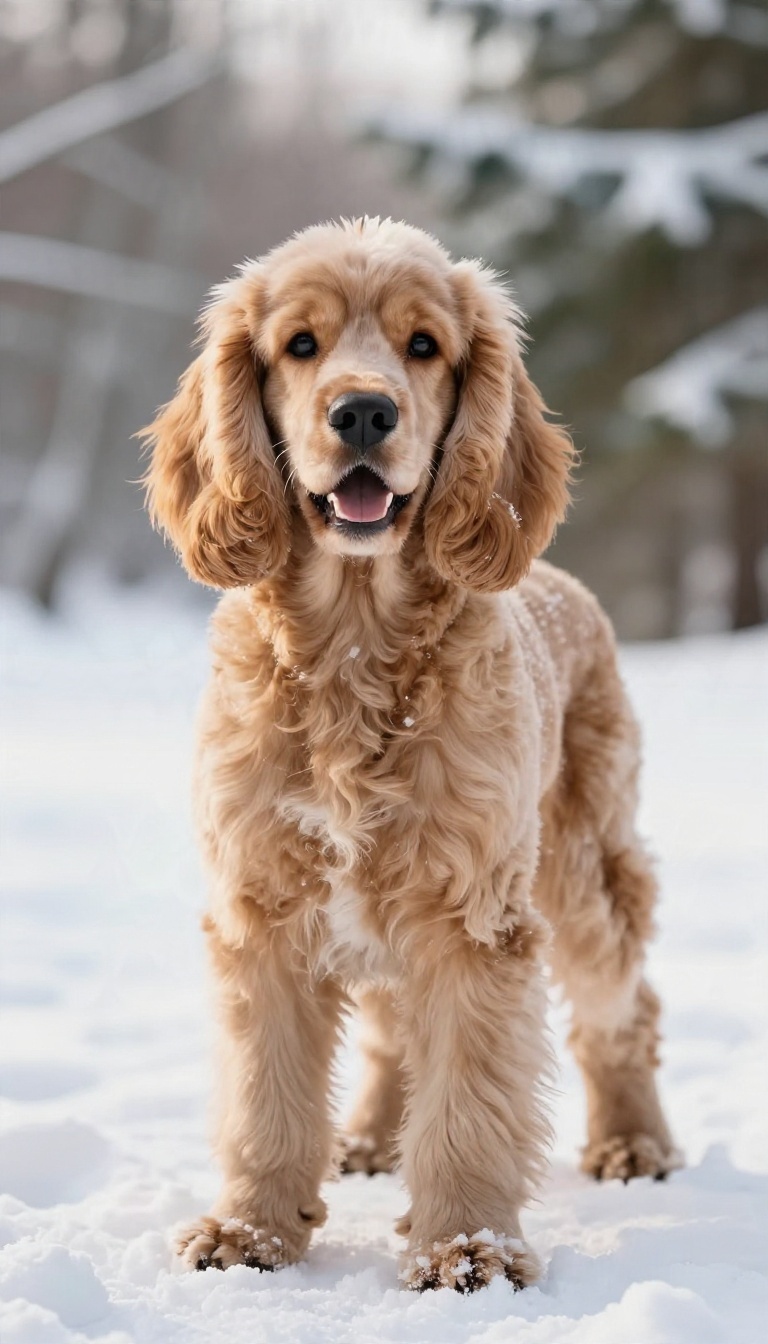
Cocker spaniels come with some of the prettiest ears in the dog world, and winter is exactly when those ears turn into trouble. All that silky feathering soaks up slush, collects burrs, and stays damp for hours after a walk. The cozy cocker trim keeps the charm while cutting down the mess.
The idea is simple: leave the signature feathers on the ears and legs, but take the back and belly shorter. You get the classic spaniel silhouette without a coat that drags half the yard inside with it. It's a practical middle ground for a breed that was never built for deep snow.
Spaniel ears hang low and swing with every step, which means they sweep through whatever's on the ground. Snow, salt, wet leaves, and mud all end up in that long hair. A trim that shortens the ear feathering just enough to clear the ground makes a real difference.
You don't have to shave them down. Most groomers take a few inches off the bottom and thin out the bulk so air can move through. The ears still look full and floppy, just less like a sponge.
What Gets Trimmed And What Stays
The back and belly get a shorter clip, usually a #4 or #5 blade, which keeps things tidy and easy to dry. The legs keep their feathering but get shaped so it doesn't trail in the snow. Ears stay long on top, with the underside and tips trimmed to a manageable length.
Ask your groomer to round off the ear tips rather than cut them flat. It looks softer and helps the hair grow back evenly. The topknot and face stay neat but full, so your dog still reads as a cocker at a glance.
Keeping Ears Dry After Walks
Even with a shorter trim, wet ears need attention. Keep a microfiber towel by the door and squeeze the feathering dry instead of rubbing, which roughs up the hair. A quick pass with a low-heat dryer on the ear leather helps too.
Check inside the ear flap once a week. Damp winter air plus a heavy coat traps moisture, and that's how ear infections start. If the skin looks red or your dog starts shaking their head, call the vet.
Brushing Between Grooming Visits
Feathered ears mat fast when they stay wet, so brush them every couple of days with a slicker brush and a metal comb. Work from the tips up in small sections. A light detangling spray on damp hair saves a lot of tugging.
Book trims every six to eight weeks through winter. Hair grows slower in cold weather, but the coat still needs shaping to keep the feathers off the ground.
7. The Round-Face Poodle Clip

Poodle coats have a reputation for a reason. That dense, curly hair looks great but traps moisture and mats fast, especially once winter walks turn slushy. The round-face clip solves both problems at once: a short, clean body that stays tidy and a full, rounded head that keeps the charm.
It's a classic look on poodles, but plenty of doodles and curly-coated mixes wear it well too. The split between body and head does most of the work, so you get easy upkeep without a dog that looks shaved down to nothing.
The idea is simple. The body gets clipped close, usually with a blade that leaves a short, even layer, while the head stays fuller and shaped into a soft dome. Groomers often blend the neck so the transition looks smooth rather than chopped.
That contrast is the whole point. Short fur on the body dries quickly and resists tangles, while the rounded head keeps that signature puffy look people love on poodles and doodles.
Why It Works In Winter
Curly coats soak up water like a sponge. A wet, matted poodle in January is a miserable combination, and long body hair makes it worse. Clipping the body short cuts drying time after every slushy walk and gives you a clear view of the skin, so you can spot irritation or snow packed between the toes.
The full head isn't just for looks, either. It shields the ears and the top of the skull from cold wind, which matters on short winter outings. You're keeping warmth where it counts and ditching the fur that causes the most trouble.
Getting The Round Head Right
The rounded top takes real shaping. A groomer scissor-cuts the dome so it sits balanced and even, with the ears trimmed to blend into the curve. Ask for a head that's full but not so heavy it flops into the eyes.
If you maintain it at home, use curved shears and work in small passes. Comb the hair up, trim a little, then comb again. Rushing this part is how rounded heads turn into lopsided ones.
Keeping Curls Matt-free Between Visits
Brush three or four times a week with a slicker brush, then follow with a metal comb to catch tangles near the skin. Pay extra attention to the armpits, behind the ears, and the back of the hind legs, since those spots mat first. A quick towel dry after wet walks helps a lot.
If the head fur gets damp, pat it dry rather than rubbing, and give it a light comb once it's fully dry. Book touch-ups every four to six weeks so the shape holds.
8. The Double-Coat Winter Tidy

Huskies, Goldens, Shepherds, and other double-coated breeds come with built-in winter gear. That fluffy undercoat traps warm air close to the skin and keeps cold out, which is exactly why shaving it off is a bad move. The smarter play is a tidy session that shapes and thins without stripping the coat's natural insulation.
Think of it as a maintenance trim rather than a makeover. Your groomer cleans up the outline, trims the feathering, and thins out the bulk so the coat stays functional. Your dog keeps the warmth and you get a neater, more manageable pup.
A double coat is two layers doing two jobs. The soft undercoat insulates, and the longer topcoat sheds water and blocks wind. Clipping both down to the skin removes that system and can leave the new coat growing back patchy or uneven.
That's why this cut focuses on shape, not length. The groomer works with the coat your dog already has, tightening the silhouette and clearing the areas that collect snow and mud. You end up with a dog that looks put together without losing the protection the breed was built for.
It also cuts down on the tumbleweeds rolling across your floor. Thinning the undercoat releases loose fur before it ends up on your couch.
What The Groomer Actually Does
Expect a bath, a thorough blow-out, and a lot of brushing to pull out dead undercoat. Then comes the shaping: tidy paws, trim the feathering on legs and tail, and neaten up the rear and belly where snow likes to cling. Some groomers use thinning shears or a deshedding tool instead of clippers.
Ask them to leave the topcoat alone and only reduce bulk where it's safe. A good groomer will explain what they're doing and why.
Why A Close Clip Backfires
Shaving a double coat can mess with how it regrows. The undercoat often comes back faster and thicker than the topcoat, which throws off the balance and can make future shedding worse. The exposed skin also has less protection from cold, sun, and wind.
Without that insulating layer, your dog feels the chill on every walk and may need a coat just to stay comfortable. Keeping the natural coat does that job for free.
Keeping It Tidy Between Visits
Brush two or three times a week with an undercoat rake to stay ahead of shedding. Pay extra attention to the hindquarters, chest, and behind the ears, where mats sneak in. After snowy or wet walks, rinse off road salt and dry the coat thoroughly, especially around the paws and belly.
A quick towel-down beats a full bath and keeps the coat from staying damp. Book the next tidy in six to eight weeks to stay on top of it.
9. The Short Summer Cut (Winter Edition)
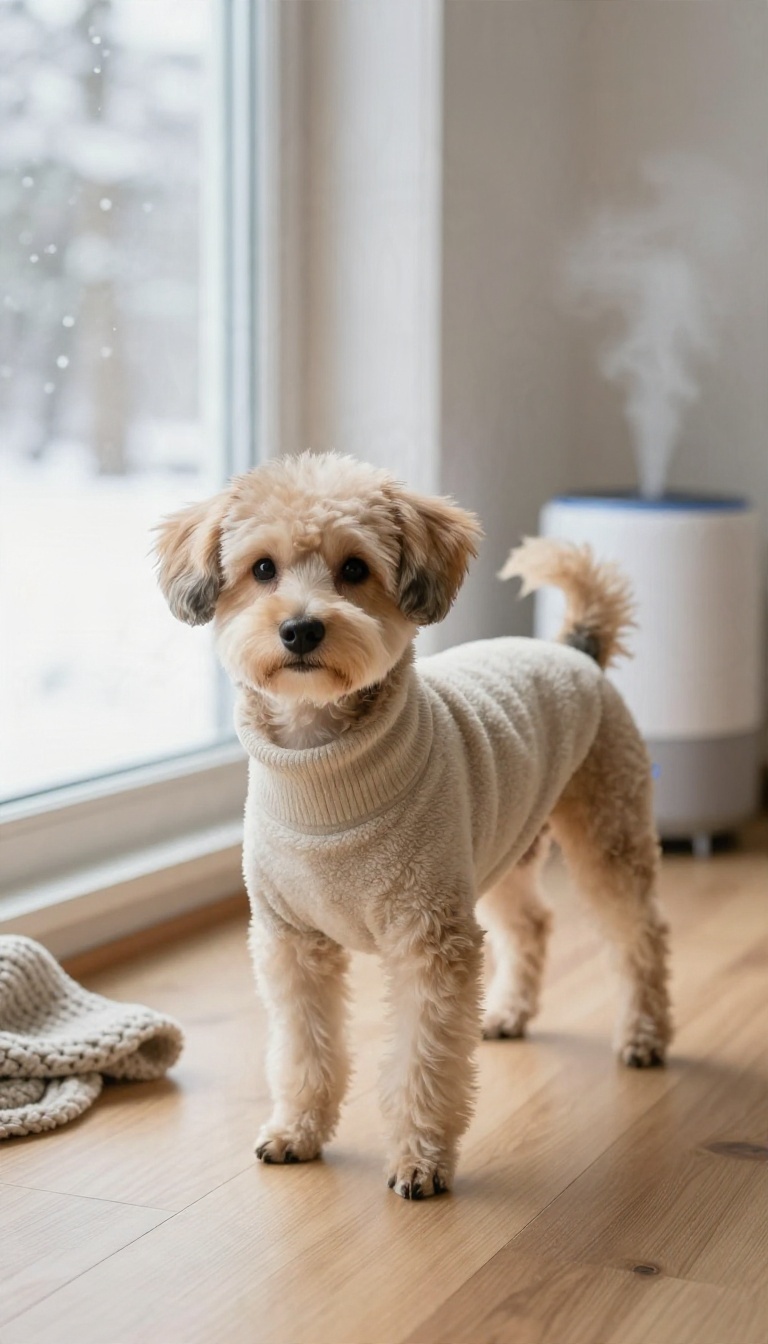
A short summer cut in winter sounds backwards, but it solves a real problem for some dogs. If your pup overheats indoors, mats easily, or turns grooming into a wrestling match, a close clip can be a game changer. The trick is managing the cold once the fur is gone.
This cut works best for dogs with thick or fast-growing coats that trap heat inside. It also helps senior dogs and those with skin issues that need air. Just plan ahead so your short-coated buddy stays warm and comfortable.
A short summer cut in winter isn't about style points—it's about comfort. For dogs who pant through the night or fight every brush session, less hair means less hassle. But you can't just clip and forget.
Short coats need extra care when temperatures drop. Start by talking to your groomer about how short is safe. A #7 or #10 blade leaves a little coverage, while a full shave goes down to the skin.
Most vets suggest leaving at least a quarter inch for winter unless there's a medical reason. That tiny layer helps with insulation and protects against sunburn on sunny snow days. Once the clip is done, your dog's wardrobe becomes part of the routine.
A well-fitted sweater or coat isn't optional—it's essential for walks and chilly rooms. Look for covers that reach from neck to tail and leave room for potty breaks. Fleece works for indoor lounging, while water-resistant shells handle snowy sidewalks.
Skin care matters too. Short coats expose skin to dry indoor heat and cold wind. A humidifier and a gentle moisturizing shampoo can prevent flaking.
Check paws and ears after walks for irritation, and keep a towel by the door for quick dry-offs.
Sweater Sizing That Actually Works
A sweater that's too tight restricts movement, and one that's too loose lets cold air in. Measure your dog's chest girth right behind the front legs and their back length from neck to tail base. Compare those numbers to the brand's size chart—don't guess by breed.
Look for adjustable straps or Velcro for a custom fit. And always supervise initial wear to make sure they don't get tangled.
Protecting Exposed Skin
Short coats mean more exposed skin, so winter sun and dry air can cause problems. Apply a pet-safe balm to noses and paw pads before walks. Bathe less often to preserve natural oils, and use a humidifier indoors.
If you notice redness or flaking, ask your vet about a soothing spray or lotion. A quick wipe-down after snowy walks also removes salt and ice melt.
When To Skip The Close Clip
Not every dog should go short in winter. Breeds with thin coats, older dogs with arthritis, or pups with health issues may need extra insulation. If your dog shivers even with a coat, or has exposed skin that turns red in the cold, a longer trim might be better.
Talk to your groomer and vet to decide what's safe for your specific dog.
10. The Asian Fusion Style

Asian Fusion grooming turns a dog's coat into soft, rounded sculpture. Think bubble-shaped heads, plush teddy faces, and legs trimmed into neat little columns. It's playful without being silly, and in winter the fuller silhouette actually looks cozy against the cold.
The style pulls from Korean and Japanese grooming traditions, where symmetry and clean lines matter as much as fluff. Every curve gets shaped on purpose, which is why the results look so polished in photos. It's also why this cut asks more of your groomer, and of your schedule.
The look works best on dogs with thick, textured coats that hold a shape. Poodles, bichons, shih tzus, and doodle mixes are natural fits because their hair stands up rather than lying flat. On a dog with a short, smooth coat, there's simply nothing to sculpt.
What sets Asian Fusion apart is the attention to roundness. The head gets trimmed into a soft dome or a heart shape, the muzzle into a clean circle, and the ears into tidy petals or bells. Legs are the signature move: trimmed straight and full so they read as little cylinders, sometimes with a slight flare at the paw.
Winter suits this style surprisingly well. The rounded head and full legs keep more insulation than a tight clip, and the shaped coat sheds snow better than a shaggy, unshaped one. You get warmth and a look that turns heads on the sidewalk.
What To Tell Your Groomer
Bring photos. Asian Fusion lives and dies by the details, and words like "round" mean different things to different people. Save a few reference shots of the head shape and leg style you like.
Ask specifically about the muzzle and ear finish, since those are where the style reads most clearly. A good groomer will tell you honestly whether your dog's coat density can hold the shape you want. If it can't, they'll suggest a softer version that still looks intentional.
The Maintenance Reality
This cut needs frequent salon visits to stay sharp. Plan on every four to six weeks, sometimes closer together in winter when coats grow fast and indoor heating dries the hair out. Between appointments, brush a few times a week to keep the rounded shapes from matting.
Pay extra attention to the legs and behind the ears, where tangles sneak in first. A detangling spray and a slicker brush handle most of it at home.
Who It Works Best For
Dogs with cooperative temperaments and coats that grow steadily are the sweet spot. If your pup tolerates standing still for a longer groom, the results are worth it. It's less ideal for dogs who hate being handled around the face, since the head shaping takes patience.
Puppies and anxious dogs may do better starting with a simpler trim and working up to the full look over time.
11. The Senior Comfort Cut
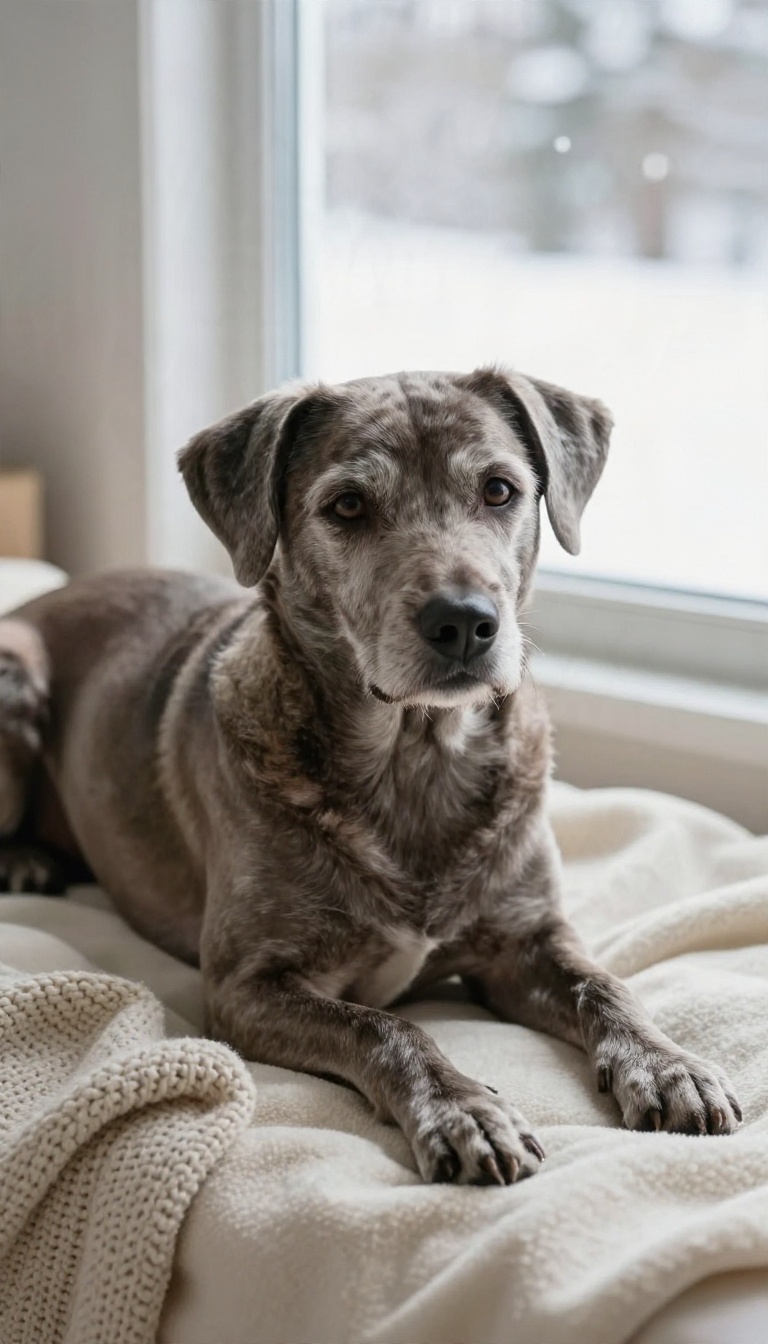
Older dogs often need a different kind of grooming than they did a few years ago. Their skin gets thinner, their joints get stiffer, and standing for a long salon session can wear them out fast. The Senior Comfort Cut keeps things short, simple, and gentle.
It's less about a showy shape and more about keeping an aging dog clean, warm, and comfortable through the cold months. Think of it as grooming that works around your dog instead of making your dog work around the groomer.
A senior dog's coat can change with age, sometimes getting coarser, thinner, or patchy in spots. A shorter clip cuts down on matting and makes at-home cleanup much easier. It also helps you spot skin issues, lumps, or sore spots early, which matters more as dogs get older.
The goal here is hygiene and warmth, not a dramatic makeover. You want a coat that stays manageable, dries quickly after a snowy walk, and doesn't trap moisture against sensitive skin.
Keep The Length Practical
Aim for a short but not shaved-down length, usually a clip that leaves a thin layer of protection. That thin layer helps hold in body heat without turning into a matted mess. Ask your groomer to leave a bit more on the back and chest for warmth.
Paws and the sanitary area should stay trimmed close for cleanliness. A clean, dry dog is a comfortable dog, especially when mobility makes accidents more likely.
Make Grooming Low-stress
Senior dogs do better with short sessions and plenty of breaks. Book a quiet appointment time and mention your dog's age and any joint issues before you arrive. Some groomers offer standing support, non-slip mats, or a slower pace for older pets.
If standing is hard, ask about a groomer who does house calls or works with senior dogs regularly. Less time on a grooming table means less soreness afterward. A calm dog also tends to get a better, more even cut.
Handle Sensitive Skin Gently
Older skin dries out and irritates easily, so use a mild, fragrance-free shampoo and don't over-bathe. Once every few weeks is usually plenty unless your dog gets genuinely dirty. Rinse thoroughly, because leftover soap causes itching.
Pat dry rather than rubbing hard, and check for redness or flaky patches while you're at it. A short coat makes these checks quick and painless. If you notice anything unusual, bring it up with your vet.
Keep Ears And Paws Winter-ready
Trim the hair inside the ear flap so moisture can escape after wet walks. Don't pluck unless your groomer or vet recommends it, since that can irritate sensitive skin. Clear, dry ears cut down on infections during damp weather.
On the paws, keep the fur between the pads short to reduce snow clumping and slipping. A little paw balm helps with dry, cracked pads. These small touches keep an older dog steady and comfortable on icy ground.
FAQ
Is it okay to give my dog a short haircut in winter?
Usually yes, as long as you adjust for the weather. Short clips work fine for most dogs if you add a coat for walks and keep indoor time warm. Double-coated breeds should get a tidy rather than a shave.
How often should I groom my dog in winter?
Every four to six weeks works for most styles. Winter coats pick up more mud and moisture, so brush a few times a week between appointments to prevent mats.
Do dogs get colder after a haircut?
They can feel the chill more right after a close clip. A well-fitted sweater and shorter walks during the coldest part of the day help a lot.
Should I shave my double-coated dog for winter?
No. That undercoat insulates against cold and heat. A trim and thorough brushing remove loose fur without stripping the natural protection.
Can I do these haircuts at home?
Simple trims like a puppy cut are doable with clippers and practice. Detailed styles such as Asian fusion or lion cuts are best left to a professional groomer.
Conclusion
Winter coats hide a lot, but a good haircut still makes a difference. Pick one style that fits your dog's coat, your grooming comfort level, and how much time you can spend brushing. If you're unsure, ask a groomer before you plug in the clippers.
Start small and keep your dog warm while you work. A fresh trim now means fewer mats later, and a pup that's comfortable in the cold. Try one idea this season, then adjust for the next.