
Your apartment is 600 square feet, the lease says pets are fine, and you've already picked out a corner for a dog bed. Before you fall for the first cute face online, it helps to know which breeds actually settle into tight quarters without turning your hallway into a racetrack.
Small space doesn't automatically mean small dog, and a big dog isn't automatically a bad fit. What matters more is energy level, barking habits, and how much daily exercise you can realistically deliver.
Below are 11 breeds that tend to handle apartment and condo life well.
1. Chihuahua: Tiny Body, Big Opinions
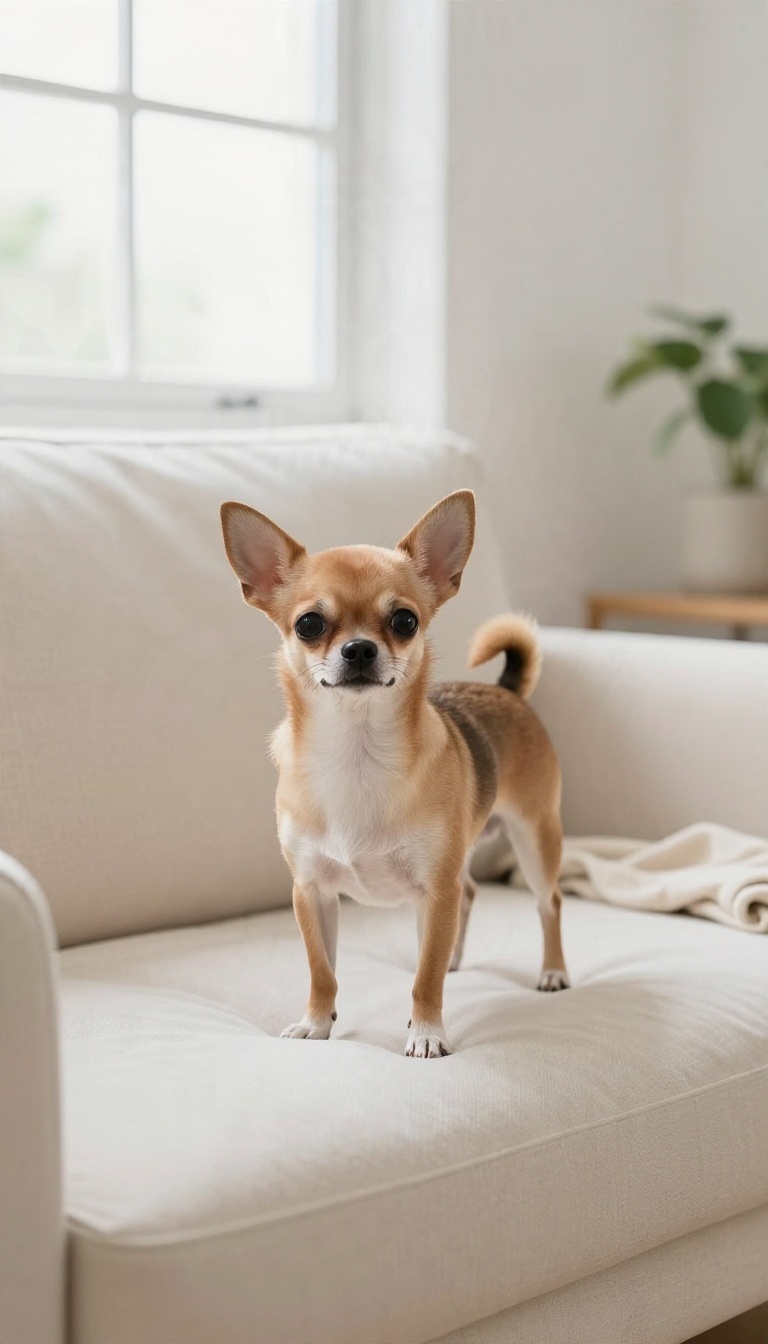
A Chihuahua can live happily in a studio apartment, but nobody told the Chihuahua. These dogs carry themselves like they run the building, and honestly, they often do. The breed's small size makes them an easy physical fit for compact homes, while their personality fills whatever space is left.
That confidence is part of the charm. It's also the part that needs a little management, especially in shared walls and hallways. Get the basics right early and you'll have a portable, loyal companion who barely takes up a couch cushion.
Chihuahuas are the smallest recognized dog breed, usually landing between two and six pounds. That means no giant crate, no sprawling bed, and no need for a yard. A short walk or two plus some indoor play covers most of their exercise needs.
They also bond hard with their people. Many Chihuahuas pick a favorite human and follow them from room to room, which suits apartment living nicely. You're rarely far away, and they seem to like it that way.
Grooming is minimal. A quick brush now and then handles the short coat, and the long-haired variety needs only slightly more attention. For a new owner in a small space, that low-maintenance routine is a real plus.
Why They Fit Small Homes
Size is the obvious answer, but it goes further. Chihuahuas don't need much room to be content, and they're happy with short bursts of activity rather than long daily runs. A hallway fetch session or a brisk loop around the block usually does the job.
They also travel well. A carrier fits under an airplane seat, and a tote works for the bus or subway. If your life involves stairs, elevators, and tight doorways, a dog you can scoop up with one hand makes everything simpler.
The Honest Part: They Bark
Chihuahuas are alert little watchdogs, and they have opinions about every sound in the hallway. Delivery drivers, neighbors, and the elevator ding all get a reaction. In an apartment, that carries through walls.
Start socialization early. Introduce your puppy to friendly neighbors, calm dogs, and everyday noises while they're still young and curious. Reward quiet behavior and give them a cozy spot away from the door so they aren't guarding it all day.
A tired Chihuahua barks less, too. Even ten minutes of focused play can take the edge off. If barking is already a habit, a trainer who works with small breeds can help you build a plan that fits apartment life.
New Owner Checklist
Before you bring one home, think about temperature. Chihuahuas get cold easily, so sweaters aren't a fashion statement, they're practical. A warm bed away from drafty windows matters more than fancy toys.
Plan for gentle handling. These dogs are small enough to be stepped on or dropped, and kids need to learn to sit down and let the dog come to them. Supervision around young children is non-negotiable.
Finally, budget for dental care. Small breeds are prone to tooth problems, so brushing and regular vet checks pay off. A healthy Chihuahua can live well into their teens, so this is a long-term roommate situation.
2. French Bulldog: The Low-Exercise Apartment Favorite
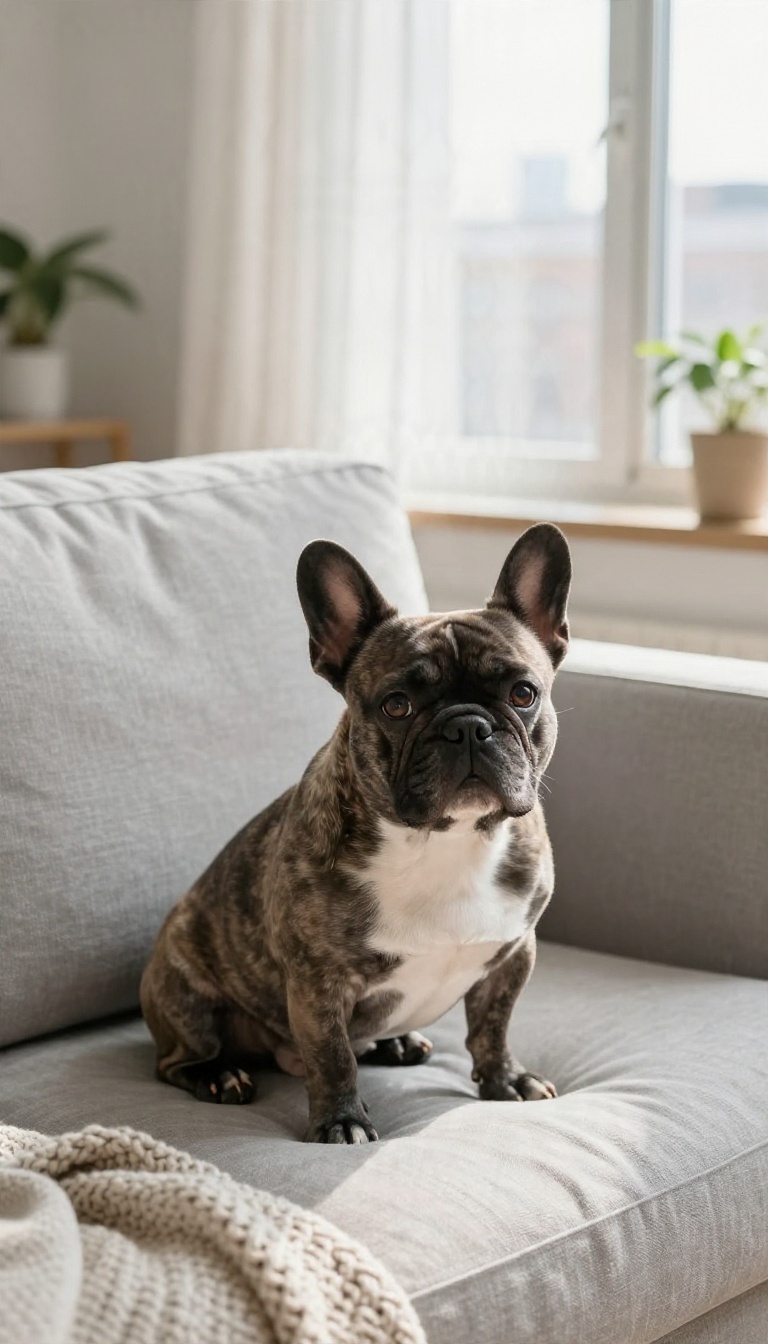
French Bulldogs have become the unofficial mascot of city living, and there's a practical reason behind the trend. They're compact, they don't need miles of walking, and they'd rather be on the couch with you than sprinting through a park. For a new owner in a small space, that combination is hard to beat.
That said, the Frenchie isn't a zero-effort dog. Their flat faces and stocky build come with real trade-offs, especially around breathing and heat. Knowing those quirks before you bring one home makes the difference between a smooth first year and a stressful one.
A French Bulldog typically weighs under 28 pounds and stands about a foot tall, so they fit comfortably into apartments and condos without bowling over furniture. Their exercise needs are genuinely modest. Two short walks a day, plus some indoor play, usually keeps them happy and healthy.
They also tend to be adaptable. A Frenchie is just as content in a studio as in a larger home, as long as they're near their people. They bond hard and don't love being left alone for long stretches, which suits many work-from-home or hybrid schedules.
What makes them apartment-friendly is partly their personality. They're playful but not frantic, social but not loud by nature. You'll still hear the occasional snort or snore, but full-on barking fits are less common than with some other small breeds.
Exercise That Actually Fits Your Day
You don't need a yard or a long trail to keep a Frenchie satisfied. A brisk 15- to 20-minute walk in the morning and another in the evening covers most of their needs. Add a few minutes of tug or fetch down the hallway and you're done.
Be careful with intense activity, though. Frenchies overheat quickly and can struggle in humid weather. On hot days, shift walks to early morning or late evening and keep them short.
A quick indoor play session is a safer substitute than a midday stroll.
Breathing And Heat: What New Owners Should Know
French Bulldogs are a brachycephalic breed, meaning their shortened airways can make breathing harder than it looks. Many snore, snuffle, and pant more than other dogs. Some need surgery later in life to open up their airways, so budget for that possibility.
Heat is the bigger everyday concern. A Frenchie can overheat fast, even on a mild day, because they can't cool themselves efficiently. Never leave one in a parked car, keep water handy, and watch for heavy panting or lethargy.
Air conditioning isn't a luxury for this breed, it's closer to a necessity.
Living Arrangements And Daily Routine
Stairs and slick floors can be tough on a Frenchie's joints, so a small ramp or a carpet runner helps in apartments with hard flooring. They're not great swimmers either, so keep them away from pools unless you're right there. Because they crave company, plan for a midday check-in or a dog walker if you work long hours.
Crate training early makes alone time easier. A consistent routine, with meals and walks at similar times each day, keeps them calm and settled in a small space.
3. Cavalier King Charles Spaniel: A Velcro Companion for Quiet Homes
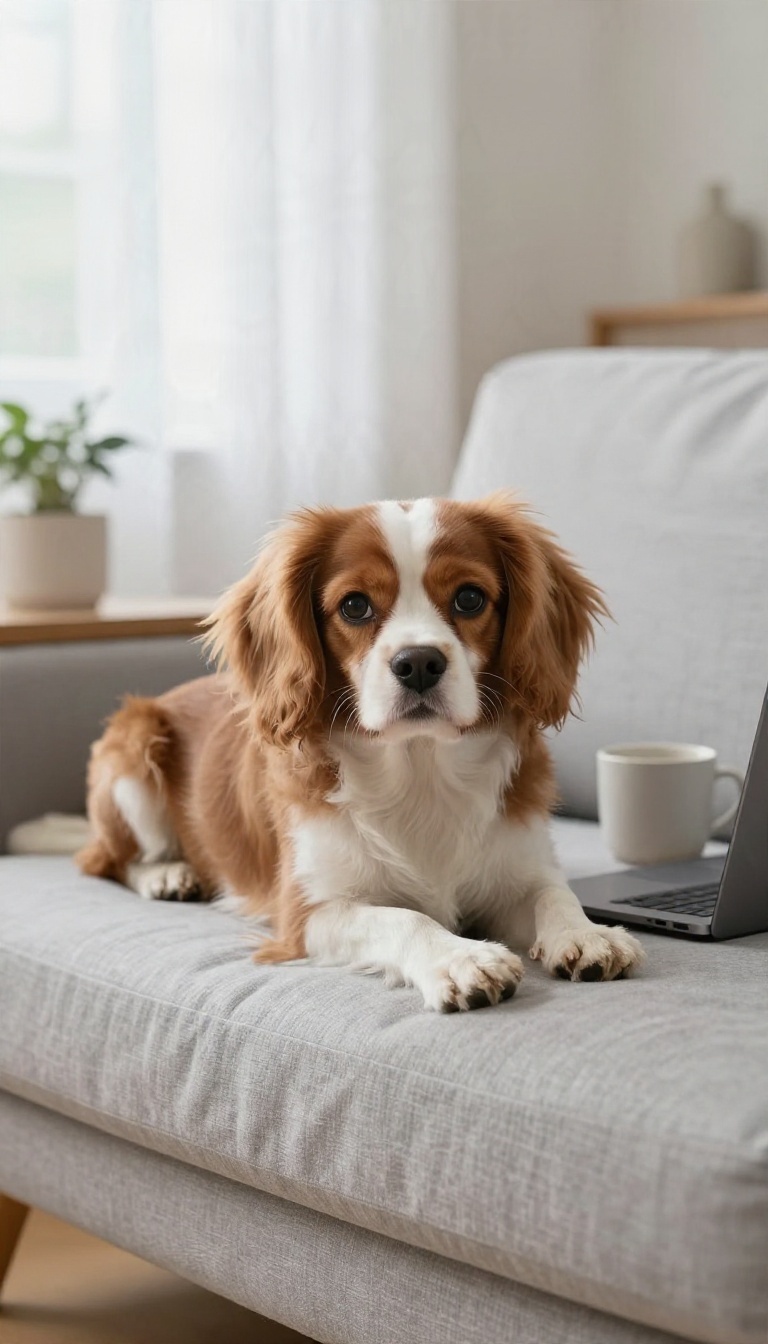
Some dogs tolerate apartment life. The Cavalier King Charles Spaniel seems to prefer it, as long as you're in the same room. This is a breed built for laps, low-key afternoons, and following you from the kitchen to the couch and back again.
They're small enough to fit on a windowsill and calm enough that a short walk usually satisfies them. That combination makes them a strong pick for renters, first-time owners, and anyone who works from home and wants company that doesn't demand a marathon. The tradeoffs are real, though.
Cavaliers come with grooming needs and some inherited health concerns, so the breeder you choose matters as much as the dog.
Cavaliers were bred as companion dogs, and it shows. They don't need a job, a yard, or a long daily run to feel content. What they want is proximity.
That trait works beautifully in a small home. A Cavalier will happily claim a spot on the sofa, trot behind you into the bathroom, and settle at your feet while you answer emails. Separation anxiety can creep in if they're left alone too long, so this breed suits households where someone is around most of the day.
Noise is rarely an issue. They bark, sure, but usually in response to something rather than out of boredom. Neighbors in thin-walled buildings tend to appreciate that.
Exercise And Space Needs
Two short walks a day plus some indoor play covers the basics. A hallway fetch session or a few minutes of tug on a rainy afternoon goes a long way. They're not built for long hikes or intense agility work, especially in warm weather.
Keep walks moderate and watch for overheating in summer. A 20-minute stroll in the morning and another in the evening fits most apartment schedules without much fuss.
Grooming Upkeep
That silky coat isn't low-maintenance. Plan on brushing three or four times a week to prevent mats, especially behind the ears and around the legs. Bathing every few weeks helps, and regular ear checks matter because their floppy ears trap moisture.
Budget for a professional groom every couple of months if brushing isn't your thing. It's manageable, just not the wash-and-go situation some small breeds offer.
Health Screening To Ask About
Cavaliers carry a known risk of heart disease, particularly mitral valve disease, and a neurological condition called syringomyelia. Neither is a reason to skip the breed, but both are reasons to choose a careful breeder. Ask whether the parents were screened by a cardiologist and whether MRI screening has been done on the lines.
A breeder who dodges those questions is a red flag. Reputable ones will share paperwork without hesitation and often want to stay in touch after the puppy goes home.
4. Shih Tzu: Small, Sturdy, and Happy Indoors

Shih Tzus look like they belong on a velvet cushion, but they're tougher than the fancy coat suggests. These little dogs were bred to sit in laps and warm palaces, which means they've spent centuries perfecting the art of being content indoors. For an apartment dweller, that history works in your favor.
They don't need a yard, they don't need a marathon, and they're happy to follow you from room to room like a small, hairy shadow. The trade-off is grooming, and it's a real one. Get comfortable with a brush and the rest of Shih Tzu life is pretty smooth.
A Shih Tzu settles into small spaces because it genuinely prefers being close to its people over patrolling a big territory. You'll usually find yours on the couch, near your feet, or parked by the window watching the world go by. That calm baseline makes them a natural fit for apartments and condos where noise and space are both limited.
They're also sturdier than their delicate look implies. Under all that hair is a compact, solid little body that handles daily life just fine. You just have to remember they're small, so stairs and long jumps off furniture aren't their friend.
Calm Indoors, Easy Outdoors
Shih Tzus don't have a huge engine to burn off. A couple of short walks a day plus some playtime in the living room usually covers their exercise needs, which is a relief when you don't have a yard or the weather won't cooperate. They're not big barkers by nature, though they'll let you know when someone's at the door.
That makes them easier neighbors than some of the more vocal small breeds. Just don't skip the walks entirely, because a bored Shih Tzu can get a little stubborn about house rules.
The Coat Is The Commitment
That long, flowing coat is gorgeous and also a daily job. Plan on brushing for about ten to fifteen minutes most days to keep mats from forming, especially behind the ears, under the legs, and around the collar. Many owners go with a short puppy cut to make life easier, and there's no shame in it.
Shorter hair means fewer tangles and quicker brush sessions. Either way, a good slicker brush and a metal comb are the two tools you'll actually use.
A Few Practical Notes
Shih Tzus have flat faces, so they overheat faster than other dogs and shouldn't be pushed hard in hot weather. Keep walks short on warm days and always have water nearby. They're also famously stubborn about training, which is charming until it isn't.
Short, consistent sessions with treats work better than long ones. And because they're small, they don't need much space to get into trouble, so a quick puppy-proofing pass around cords and low shelves is worth the effort.
5. Pug: Charming, Chill, and a Little Stubborn
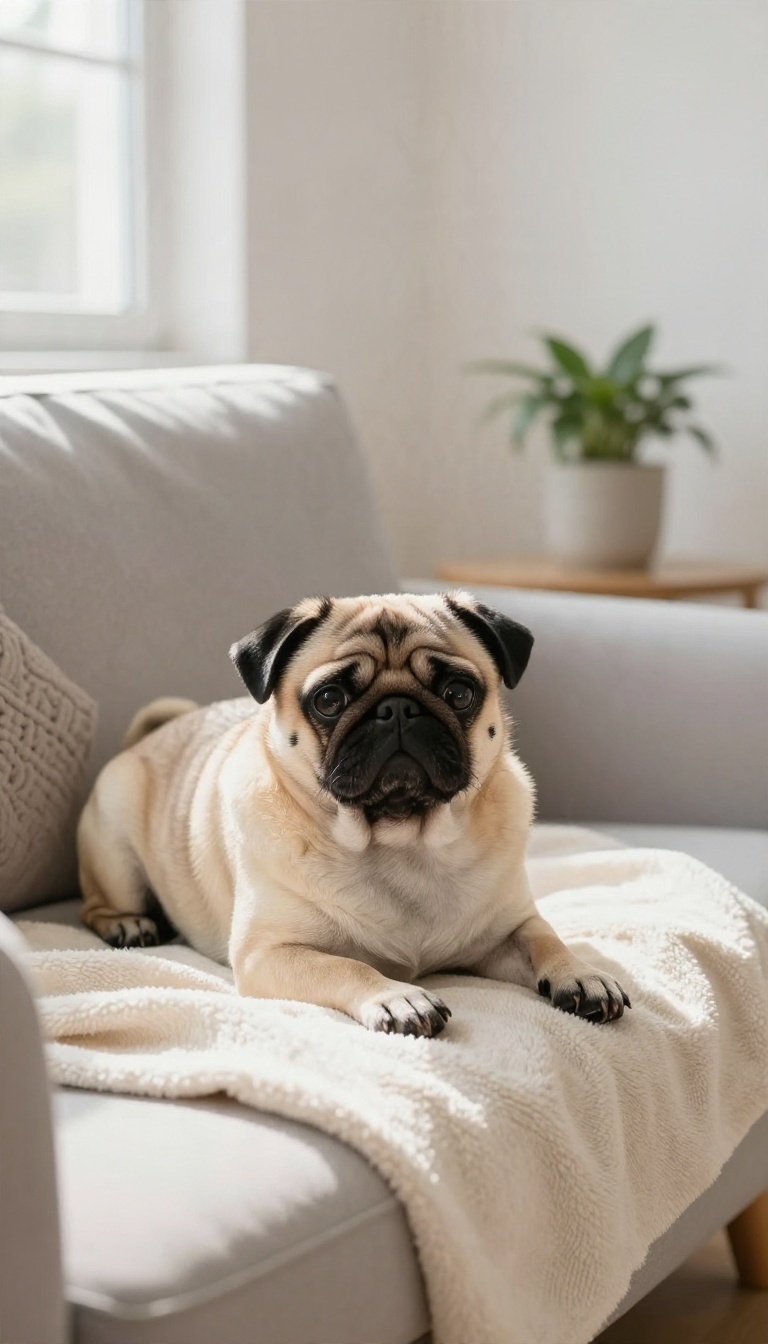
Pugs have been lap dogs for centuries, and it shows. They were bred to hang out with people, not to herd sheep or chase rabbits across a field, which makes them a natural fit for apartment living. That said, the same breeding that made them mellow also made them prone to a few health quirks you should know about before you commit.
A Pug won't demand a five-mile run, but it will demand your attention. They're social to the bone and tend to follow you from room to room like a small, snorting shadow. If you want a dog that's genuinely happy napping near your feet while you work, this breed delivers.
Pugs are compact, sturdy, and built for lounging. A full-grown Pug usually lands somewhere between 14 and 18 pounds, which means they fit comfortably in a one-bedroom without taking over the place. They don't need a yard, and a couple of short walks a day covers most of their exercise needs.
The catch is that "short walks" is not a suggestion. Pugs are brachycephalic, meaning they have flat faces and narrow airways. That anatomy makes breathing harder than it is for a dog with a longer snout, so heat and hard exertion are real risks rather than minor inconveniences.
Get those two things right, and you have a low-drama, high-affection roommate who's content with the square footage you've got.
Why They Fit Small Spaces
Pugs don't pace. They don't patrol the windows looking for trouble, and they don't need to burn off a huge reserve of energy before they can relax. A Pug's default setting is horizontal.
They also tend to be quiet neighbors. Some dogs alert-bark at every hallway noise, but Pugs are more likely to sleep through it. That matters in an apartment with thin walls and a landlord who's already a little nervous about the pet clause.
One thing to plan for: Pugs shed more than their short coat suggests, and they snore. Loudly. If you're sensitive to noise while you sleep, you may want the dog bed in another room.
Watch The Weight
A Pug will eat like it's been stranded for a week, and those big eyes are a tactical weapon. Overfeeding is the most common mistake new owners make with this breed. Extra weight on a flat-faced dog makes breathing even harder and puts strain on the joints.
Keep portions measured, limit treats, and skip the table scraps. Ask your vet for a target weight at your first visit and weigh your Pug every few weeks. A lean Pug is a healthier, more active Pug.
You'll notice the difference in how easily they move and breathe.
Heat And Exercise Rules
Summer walks need to happen early or late, never at midday. Pugs overheat fast, and a dog that's struggling to breathe can go from fine to distressed in minutes. Watch for heavy panting, wobbling, or a tongue that looks unusually dark.
If you see any of that, get your dog into shade or air conditioning and offer water. A vet visit is the right call if things don't improve quickly. Skip the jogging partner fantasy entirely.
Short, gentle walks on cool pavement plus indoor play will keep a Pug fit without putting their airway at risk.
The Stubborn Streak
Pugs are trainable, but they're not eager-to-please in the way a Border Collie is. They'll learn sit and stay just fine, especially for a treat, but they also have opinions about when the lesson should end. Keep sessions short, reward generously, and don't turn training into a power struggle.
Consistency beats intensity with this breed. Crate training and potty routines work well when you stick to a schedule. Expect some negotiation.
It's part of the charm, and a Pug who's been trained with patience usually turns into a well-mannered little companion.
6. Dachshund: Compact With a Real Exercise Streak
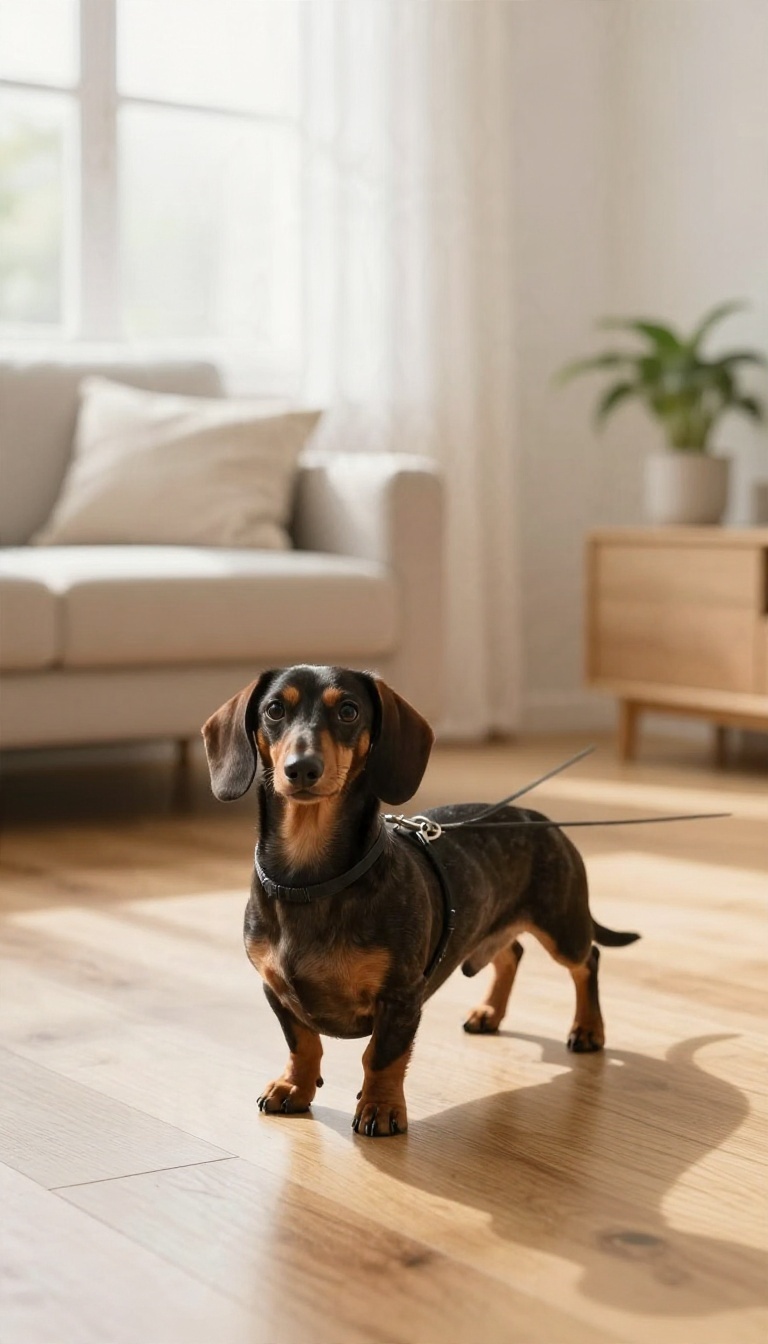
Dachshunds look like they were designed for couch duty, but that long body hides a surprisingly stubborn work ethic. They were bred to chase badgers into tunnels, so a short stroll around the block won't cut it. The good news is that their size makes them a natural fit for apartment life, as long as you respect both their energy and that delicate spine.
A Dachshund takes up about as much floor space as a throw pillow, which makes them easy to tuck into a small living room. They don't need a yard, and they're generally content to snooze while you work. But that calm exterior flips the moment the leash comes out.
Built For Tight Quarters
A standard Dachshund weighs in around 16 to 32 pounds, and the miniature version stays under 11, so neither one overwhelms a studio or one-bedroom. They bond closely with their people and don't need a pack of other dogs to stay happy. Noise can be a factor, though.
Dachshunds have a big bark for their body and will alert you to every hallway footstep, so early training on quiet commands pays off in a shared building.
The Daily Walk Isn't Optional
That badger-hunting instinct didn't disappear. Dachshunds need real movement every day, usually two walks of 20 to 30 minutes plus some sniffing time. Sniffing matters more than distance for this breed, so let them explore rather than power-walking them.
A tired Dachshund is a quiet Dachshund, and a bored one will find your baseboards or your shoe rack to entertain itself.
Protecting That Long Spine
The spine is the one thing you can't ignore with this breed. Intervertebral disc disease is common in Dachshunds, and the habits you build early make a real difference. Keep them lean, because extra weight loads the back.
Skip the couch-jumping and use a ramp or steps instead. When you pick them up, support the chest and the rear together so the back stays level. And keep the jumping and twisting games gentle, especially on hard floors.
Training And Temperament Notes
Dachshunds are smart, which is both the charm and the challenge. They learn fast but often decide your request is optional. Short, reward-based sessions work better than long drills.
They can also be territorial and a bit stubborn with strangers, so socialize them early with different people, sounds, and hallway traffic. Crate training helps in an apartment, both for house training and for giving them a quiet den when the building gets loud.
7. Boston Terrier: Bright, Bouncy, and Apartment-Friendly

Boston Terriers carry themselves like tiny tuxedo-wearing gentlemen, but don't let the formal look fool you. These dogs love a good sprint around the living room and a long nap on your lap, often within the same ten minutes. That mix of playful and chill makes them a solid pick for smaller homes.
They're compact, they don't need a yard, and they'd rather be wherever you are than anywhere else. Just know going in that a Boston comes with a few quirks worth planning for.
Boston Terriers land in a sweet spot that a lot of apartment dwellers appreciate. They've got enough energy to be fun and not so much that you need to run them for two hours a day. A couple of brisk walks and some indoor play usually keeps them happy.
They're also famously people-focused. This breed tends to follow you from room to room, which is charming until you want to shut the bathroom door. If you work from home or spend most evenings in, a Boston will consider that a perfect arrangement.
Energy That Fits A Small Floor Plan
A Boston's exercise needs are moderate, not minimal. Two solid walks a day plus a short fetch session in the hallway covers most of it. They'll happily match your pace on a lazy Sunday, but they still need an outlet for that bouncy streak.
Skip the exercise and you'll get zoomies at 9 p. m. or a dog who decides your socks are the toy. A quick game of tug or a puzzle toy goes a long way toward keeping the energy manageable.
The Short Coat Advantage
That smooth, low-maintenance coat is a real perk for apartment living. No daily brushing marathon, no groomer appointments every six weeks, and far less shedding than you'd expect from a fluffier breed. A quick wipe-down and the occasional bath handle most of it.
One catch: short coats don't offer much insulation. Bostons feel the cold fast, so a little sweater on winter walks isn't silly. They also overheat easily in summer, which matters if your building has slow elevators and hot hallways.
A Sensitive Stomach To Watch
Boston Terriers are known for gassy, sensitive digestion, and small apartments make that hard to ignore. Rich treats and table scraps often backfire. Keep their food consistent and introduce anything new slowly.
Some Bostons do better with smaller, more frequent meals. If you notice frequent stomach upset, talk to your vet about the right food rather than guessing. A settled diet keeps everyone in the household happier.
Built For Company, Not Solitude
This breed genuinely enjoys being near its people, and that closeness is part of the appeal. Left alone for long stretches, though, a Boston can get bored and loud. If your schedule keeps you out all day, plan for a midday walker or some doggy daycare.
They also snore, snort, and make a range of odd noises thanks to their flat faces. None of that is a problem, but it helps to know before you bring one home. Neighbors in thin-walled buildings may hear more than you expect.
8. Maltese: A Gentle Lap Dog With a Playful Side
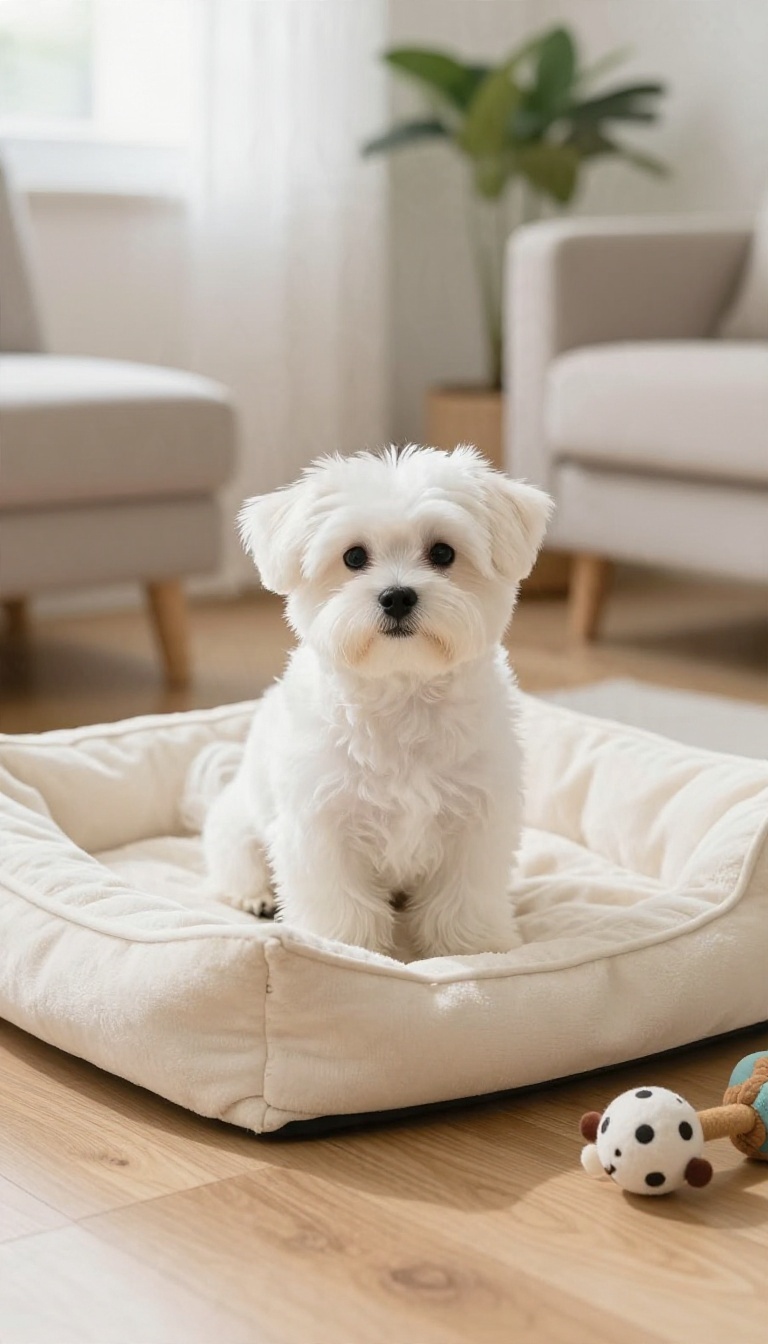
Maltese dogs have spent centuries as companions, and it shows in how much they want to be near you. They're tiny, quiet, and happy to follow you from room to room in a small apartment. But that sweet disposition comes with a couple of things new owners should know before bringing one home.
The breed suits compact living well, as long as you understand the grooming commitment and the emotional needs that come with such a people-focused dog. Here's the honest rundown.
A full-grown Maltese usually lands between four and seven pounds, which means they fit comfortably into studio apartments and small condos without eating up floor space. They don't need a yard, and a short daily walk plus some indoor play covers most of their exercise needs. They're also on the quieter side for a small breed.
You won't get the yapping you might expect from some toy dogs, though they'll still alert you when someone knocks. For shared walls and close neighbors, that's a real advantage.
Living Comfortably In Tight Quarters
Maltese dogs adapt well to apartment life because they don't need much room to be content. A few toys, a cozy bed, and a spot near your feet is basically their ideal setup. They're not high-energy dogs, so a couple of short walks and some gentle playtime indoors usually keeps them happy.
That said, they still enjoy a bit of activity. A daily stroll around the block gives them mental stimulation and a change of scenery, which matters when their whole world is a few hundred square feet. Keep walks short in hot weather since that white coat and small frame don't handle heat well.
Coat Care Is A Real Commitment
The silky white coat is the breed's signature, and it doesn't stay that way on its own. Daily brushing prevents tangles, and most owners keep the coat trimmed short for easier upkeep. If you want the long, flowing look, plan on serious grooming time or regular trips to a professional.
Beyond the coat, those little eyes need regular wiping to avoid tear staining, and ears should be checked weekly. None of this is hard, but it's consistent work. New owners who skip it end up with mats and a dog that's uncomfortable, so go in with eyes open.
Watch For Separation Anxiety
Maltese dogs bond hard with their people, and that's part of their charm. It's also the biggest thing to watch in a small-space setup, where you're often home and close by. Left alone for long stretches, they can get anxious and may bark, pace, or have accidents.
If you work long hours or travel often, this breed may struggle more than a more independent dog would. Building short absences early, leaving a comfort toy, and keeping a predictable routine all help. A Maltese that feels secure is calm and easygoing; one that feels abandoned lets the whole building know.
9. Pomeranian: Big Personality in a Fluffy Package
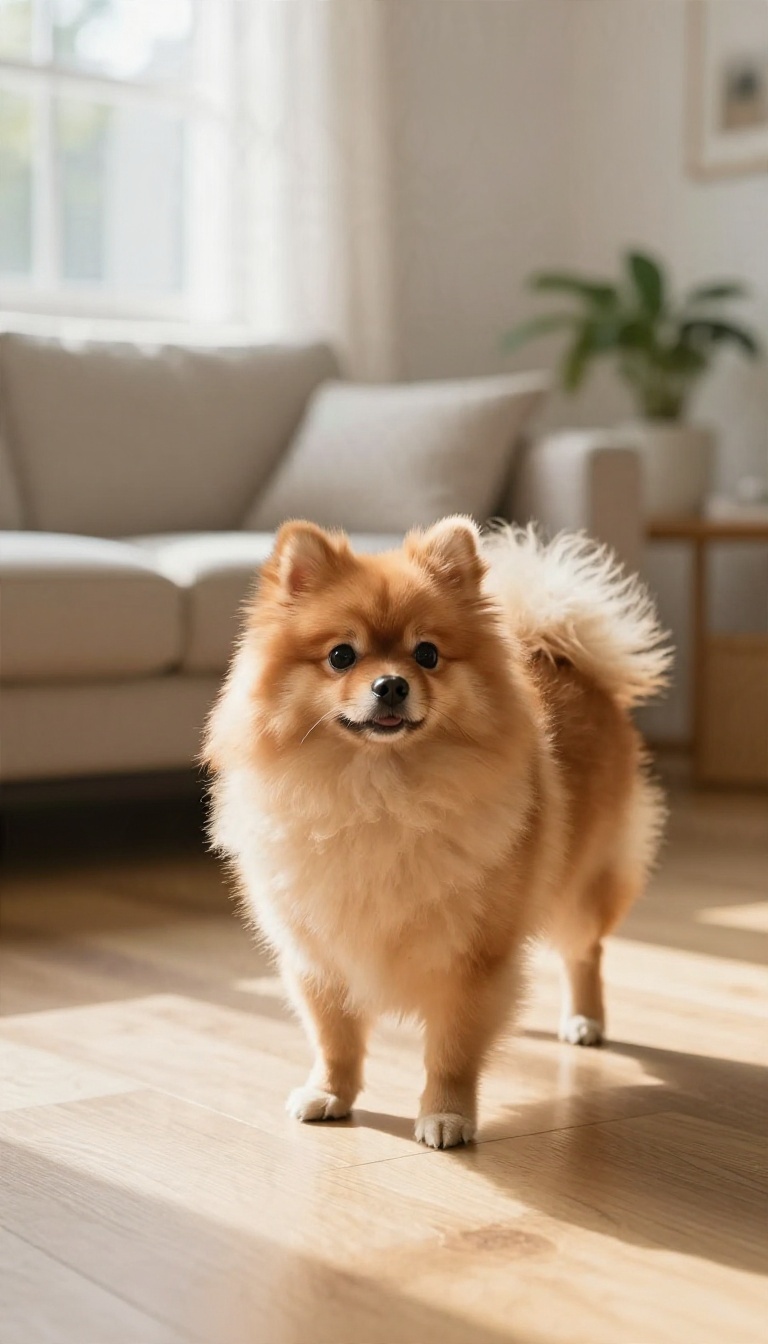
Poms pack a whole lot of dog into a body that weighs about as much as a bag of sugar. They're bright, curious, and convinced they're much bigger than they are, which makes them entertaining roommates in a small place. That same confidence comes with a voice.
Pomeranians are alert little watchdogs, so you'll hear about the delivery driver, the neighbor's door, and possibly a leaf moving in the parking lot. A little planning keeps the noise manageable. They also need more grooming and brain work than their size suggests.
Get those two things right and you've got a cheerful companion who fits neatly into apartment life.
Poms were bred down from larger sled-type dogs, and some of that working-dog energy still shows up. They like having a job, even if the job is just following you from room to room and supervising your laundry. They bond hard with their people and don't love being left alone for long stretches.
If you work away from home all day, plan for a midday visit or a dog walker. For a small-space owner, the trade-off is simple: you get a lively, affectionate dog who takes up very little floor, and you put in some effort on noise and coat care.
Managing The Alarm Bark
Poms alert first and think second. That's useful in a house with a yard and less useful when your front door shares a wall with a neighbor. Start with the basics early.
Teach a "quiet" cue and reward calm behavior the moment your dog stops barking, not while they're still going. Block the view. Close blinds or use window film so your Pom can't watch every person who walks past.
Fewer visuals mean fewer reactions. Add white noise near shared walls and give your dog a cozy spot away from the door. If barking at hallway sounds is a constant issue, a quick chat with a trainer can save you months of guesswork.
Coat Care Without The Drama
That puffball coat is a double coat, and it needs regular attention. Plan on brushing a few times a week, and daily during shedding season. A slicker brush and a metal comb handle most of the work.
Work in sections so you reach the skin and avoid matting behind the ears and under the legs. Bathe every few weeks or when your dog gets grubby, then dry thoroughly. A damp undercoat can irritate the skin.
Book a professional groom every six to eight weeks if you'd rather not do the full routine yourself. It's worth the cost for a coat this dense.
Keeping A Busy Mind Busy
A bored Pom finds its own fun, and that usually means barking, chewing, or pacing. Short training sessions go a long way with this breed. Teach tricks, practice recall indoors, or hide treats around the room for a simple nose game.
Ten minutes of focused play often tires them out more than a long walk. Puzzle toys and chew-safe enrichment keep idle time productive. Rotate toys so they stay interesting.
Daily walks still matter, even for a tiny dog. Two short outings give them exercise, sniffing time, and a chance to burn off that big personality.
10. Bichon Frise: Cheerful, Low-Shedding, and Adaptable
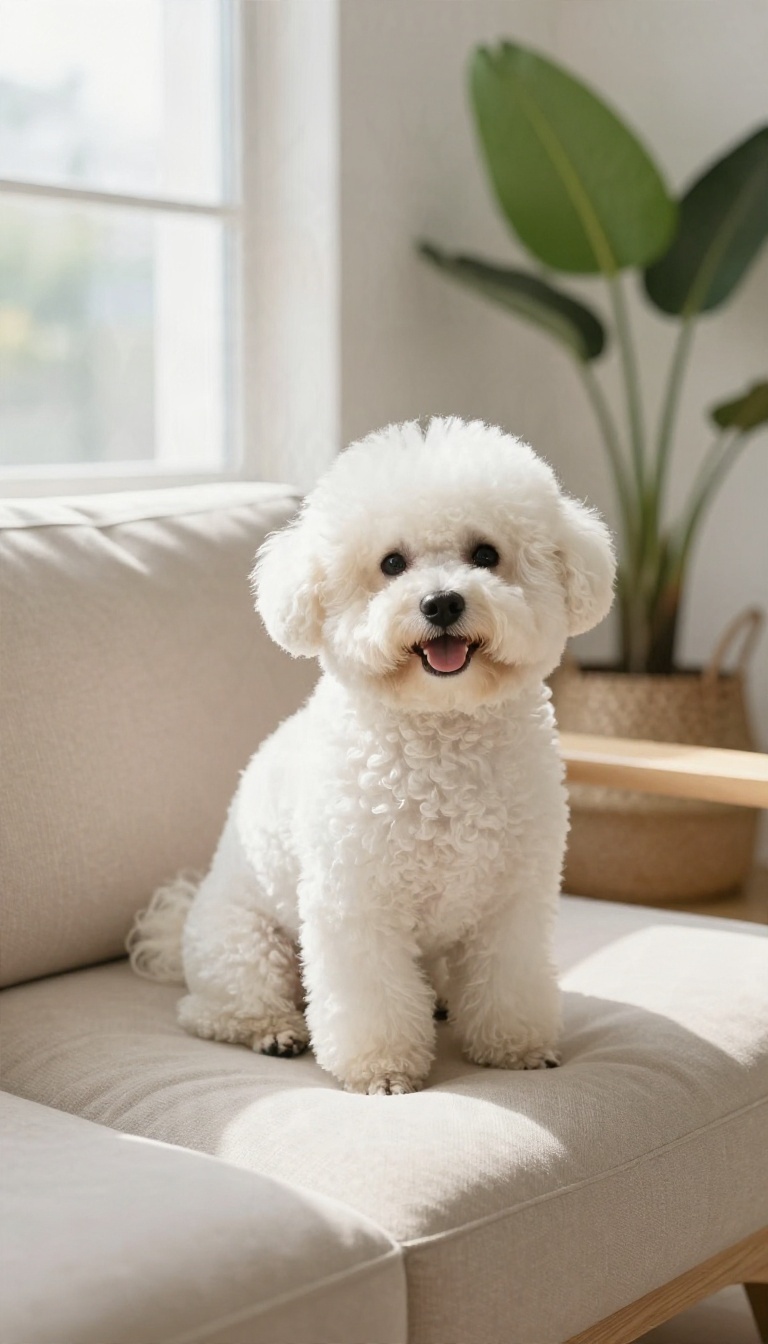
The Bichon Frise looks like a walking cotton ball, but that fluffy coat is doing real work for apartment dwellers. This breed sheds very little, which makes it a popular pick for renters with allergies or landlords who flinch at the word "shedding. " Add in a generally sunny personality and a size that fits comfortably on a couch cushion, and you have a strong candidate for small-space living.
Bichons were bred as companion dogs, and they still take that job seriously. They want to be where you are, whether that's the kitchen, the couch, or the bathroom doorway. That closeness works well in a studio or one-bedroom, since your dog stays near you without needing a yard to patrol.
They also adapt to routine changes better than many breeds. A morning walk, a midday potty break, and some evening playtime can keep a Bichon content in a compact home. The catch is that "adaptable" doesn't mean "low maintenance" — this is a breed with real grooming needs and a playful streak that needs an outlet.
Why Allergy-conscious Renters Like Them
Bichons have a curly double coat that traps loose hair instead of dropping it on your floors and furniture. No dog is truly hypoallergenic, but this breed produces less dander and shedding than heavy-coated dogs, which helps some allergy sufferers cope. For renters, that matters.
Less fur on the carpet means a friendlier move-out inspection and fewer awkward conversations with a landlord. Just keep in mind that low shedding shifts the work to grooming — the hair still has to go somewhere, and that somewhere is a brush.
The Real Cost Of That Fluffy Coat
That cloud-like look doesn't happen on its own. Bichons need brushing several times a week and a professional trim roughly every four to six weeks to prevent matting. Budget for it before you bring one home, because mats get painful fast and fixing them costs more than preventing them.
Grooming bills vary by city, but plan on a recurring expense rather than a one-time splurge. If you enjoy brushing and can commit to the schedule, the coat is manageable. If you'd rather skip it, this breed will test your patience.
Exercise And Noise In A Small Space
A Bichon doesn't need marathon runs, but it does need daily activity. Two solid walks plus a game of fetch down the hallway usually does the trick. Skip the exercise and you'll get a bored dog that finds its own entertainment, often at your expense.
They're also alert barkers. A knock at the door or a dog in the hallway can set off a round of yapping, which neighbors in shared buildings notice. Early training and a little redirection go a long way toward keeping the peace.
11. Miniature Schnauzer: Smart, Alert, and Trainable

Miniature Schnauzers come across as serious little dogs with eyebrows and a beard, and honestly, that look fits the personality. They're sharp, curious, and quick to learn, which makes them a strong pick for a first-time owner in a smaller home. They also like to announce things, so a little planning around noise goes a long way.
A Miniature Schnauzer usually weighs somewhere between 11 and 20 pounds, so they fit comfortably into an apartment or condo without feeling cramped. What they lack in size they make up for in awareness. These dogs notice everything happening in the hallway, the elevator, and outside the window, and they want you to know about it.
That alertness is part of their charm, but it's also the thing new owners need to manage. The good news is that this is a breed that actually listens. Schnauzers were bred to work alongside people, so they respond well to consistent training and clear rules.
Start early, stay patient, and you'll have a dog that's engaged rather than chaotic.
Why They Learn Fast
Miniature Schnauzers pick up commands quickly and tend to enjoy having a job to do. Short, upbeat training sessions work better than long drills, and they respond well to treats and praise. Teach the basics early, then keep practicing in different rooms so the skills stick.
Mental exercise matters as much as physical walks. Puzzle toys, simple scent games, and a few minutes of training each day keep their busy brains satisfied. A bored Schnauzer will find its own entertainment, and you probably won't like the choices.
Handling The Watchdog Instinct
This breed has a strong urge to alert you to every sound, which can get old fast in a shared building. Don't scold the barking, since that rarely helps. Instead, reward quiet behavior and teach a calm "enough" cue so they learn when the alert is over.
Manage the triggers too. Close the blinds during peak hallway traffic, keep the door area less interesting, and give them a chew or puzzle when you leave. Neighbors will appreciate the effort, and so will your ears.
Keeping The Beard And Coat Tidy
The signature beard and leg furnishings collect food, water, and whatever else is on the floor. Wipe the beard after meals and keep a small towel by the bowl. A quick daily brush prevents tangles and cuts down on shedding around the house.
Plan on a professional groom every six to eight weeks, or learn to trim at home if you're up for it. Regular nail trims and ear checks round out the routine. A tidy Schnauzer looks sharp and feels better, and the grooming habit is easier to keep than it sounds.
FAQ
Do I need a small dog to live in a small apartment?
Not necessarily. Energy level and barking habits matter more than size. A calm large breed can do fine in an apartment, while a high-energy small breed may struggle without enough daily exercise.
How much exercise do apartment-friendly breeds need?
Most breeds on this list do well with 30 to 60 minutes of daily activity, split into a couple of walks and some indoor play. Higher-energy picks like the Dachshund or Schnauzer need closer to an hour.
Are these breeds good for first-time dog owners?
Several are, including the Cavalier King Charles Spaniel, Bichon Frise, and Boston Terrier. Others, like the Chihuahua and Pomeranian, benefit from consistent early training and socialization.
How do I handle barking in a shared building?
Start training early, reward quiet behavior, and give your dog enough exercise and mental stimulation. Talk to neighbors proactively and check your lease for any breed or noise rules before you commit.
Should I check with my landlord before choosing a breed?
Yes. Many leases list weight limits or restricted breeds, and some insurers have their own rules. Get approval in writing before you bring a dog home.
Conclusion
Picking a breed for a small space comes down to matching energy, noise level, and grooming needs to your actual daily routine. A dog that fits your schedule will settle in far easier than one that just looks the part.
Take your time, meet a few dogs in person if you can, and ask breeders or shelters honest questions. The right match makes a small apartment feel plenty big enough.