
Tipping your dog groomer isn't just about etiquette—it's a practical way to show appreciation for their skill and care, especially when they handle anxious pups or tricky breeds. This listicle breaks down 19 ideas, from standard rates to DIY setups, helping you navigate grooming with confidence and ease.
You'll find budget-friendly tips for creating a stress-free space at home, whether you're in an apartment or have a backyard. Understanding when and how much to tip can make grooming smoother for everyone involved.
We cover essential tools, safety advice, and storage solutions that fit real homes and busy schedules. Each section offers distinct, actionable steps to keep your dog comfortable and looking great.
1. Why Tipping Your Groomer Matters
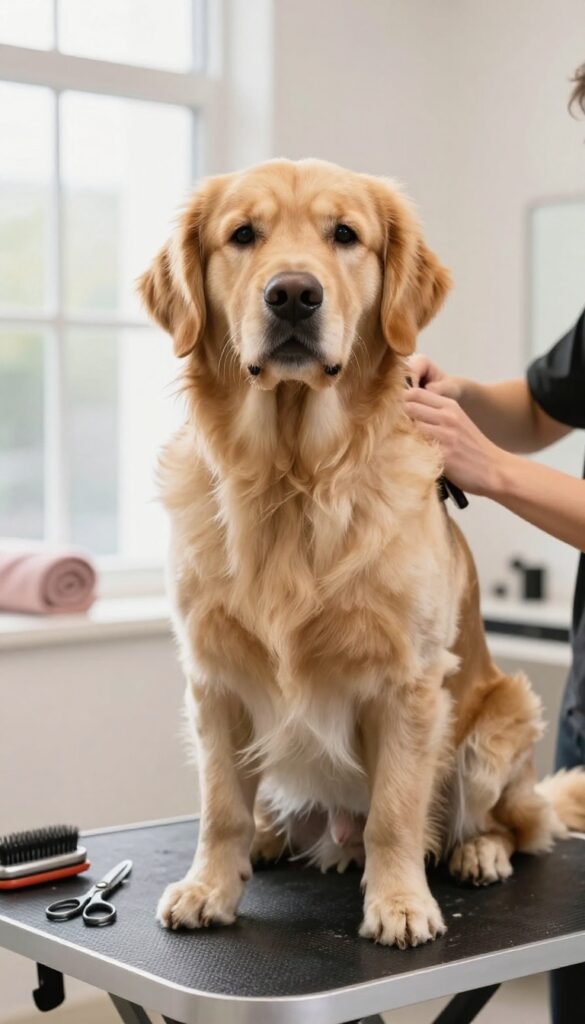
Ever wondered why a little extra cash makes such a big difference at the groomer's? It's more than just a nice gesture—tipping directly supports the people who keep your pup looking and feeling great. Many groomers rely on tips as part of their income, especially when dealing with challenging dogs or long appointments.
Owners appreciate tipping because it builds a positive relationship with their groomer, encouraging consistent, high-quality care. It's a simple way to say 'thank you' for the patience and skill that goes into every bath, trim, and nail clip.
Why It Works
Tipping works because it acknowledges the hard work and expertise groomers bring to each session. It motivates them to go the extra mile, ensuring your dog gets gentle handling and attention to detail, which can lead to better results over time.
Best For
This practice fits best for dog owners who value reliable grooming services, especially those with anxious or high-maintenance breeds. It's ideal for anyone wanting to foster a trusting, long-term partnership with their groomer.
Practical Tip
To make tipping seamless, keep small bills handy in your wallet or use digital payment apps after appointments. This avoids fumbling at checkout and shows you've planned ahead, making the process smooth for both you and the groomer.
2. Standard Tipping Rates for Dog Grooming
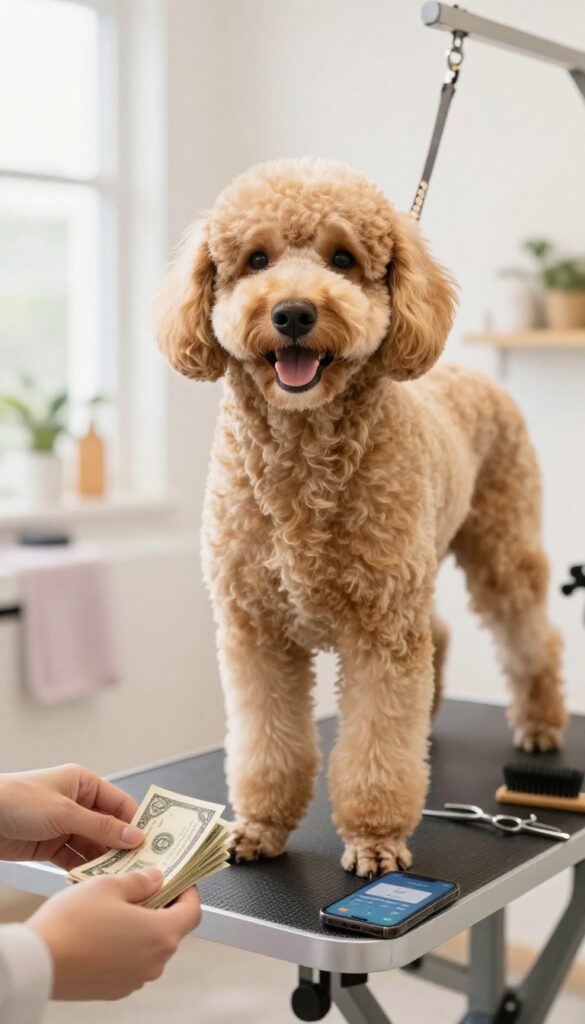
Figuring out how much to tip your dog groomer can feel like a guessing game, but it doesn't have to be. Clear guidelines on typical percentages help you budget without stress, ensuring you show appreciation fairly and consistently.
Knowing the standard rates takes the awkwardness out of tipping, making grooming visits smoother for both you and your pup. It's a simple way to acknowledge the groomer's hard work, especially when they handle difficult coats or anxious behaviors with patience.
Why It Works
This approach works because it provides straightforward benchmarks—like 15-20% of the grooming cost—that are easy to remember and apply. It eliminates uncertainty, so you can focus on your dog's comfort rather than worrying about the right amount to give.
Best For
This tip is best for all dog owners, whether you have a high-maintenance breed that needs regular trims or a low-shedding dog with occasional grooming needs. It fits any budget and living situation, from apartment dwellers with mobile groomers to those visiting salons in suburban areas.
Practical Tip
To make tipping seamless, keep small bills or use digital payment apps ready after each session. This avoids fumbling at the counter and lets you thank your groomer promptly, reinforcing a positive relationship for future visits.
Budget-Friendly Option
If money is tight, consider tipping a flat rate like $5-$10 per visit instead of a percentage, especially for basic services. You can also show appreciation with a heartfelt thank-you note or by referring friends to their business.
3. When to Tip Extra for Exceptional Service
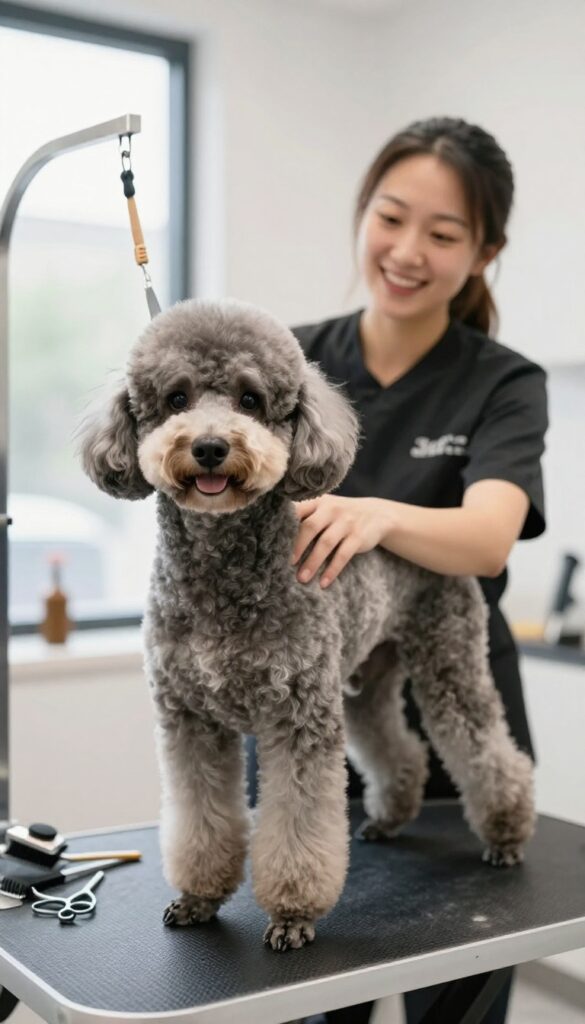
Sometimes, your dog groomer goes above and beyond the usual brush-and-bath routine. Recognizing those moments with a bigger tip isn't just polite—it builds a great relationship and ensures your pup gets top-notch care every time. Think of it as a thank-you for handling the tough stuff, like a matted coat or a last-minute emergency appointment.
It shows you value their extra effort and helps keep them motivated to treat your furry friend with kindness and skill.
Why It Works
Tipping extra in specific scenarios reinforces positive behavior and acknowledges the groomer's expertise under pressure. It encourages them to continue providing high-quality service, especially for challenging tasks that require more time or patience.
Best For
Dog owners with breeds that have difficult coats, such as Poodles or Shih Tzus, or those who need flexible scheduling due to busy lives. It's also ideal for anyone dealing with anxious dogs or last-minute grooming needs.
Practical Tip
Keep a small cash stash in your dog's grooming bag so you're always ready to tip on the spot. This avoids awkward fumbling and makes the gesture feel more spontaneous and appreciative.
4. Budget-Friendly Grooming Setup at Home
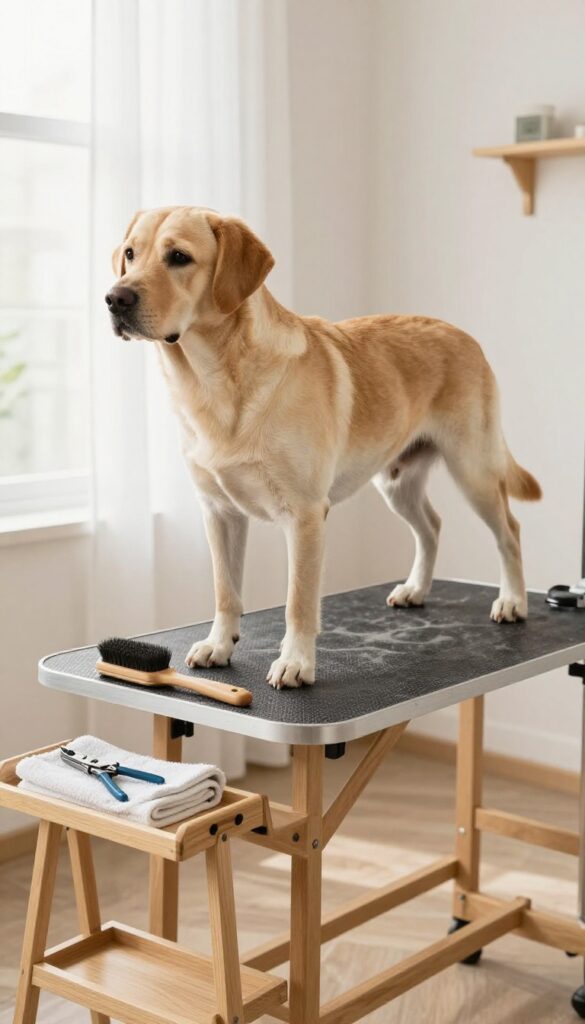
Setting up a simple grooming corner at home can save you money and reduce trips to the salon. It's all about using affordable tools and a little creativity to keep your dog looking neat between professional visits.
Many dog owners love this approach because it fits into small spaces like apartments or spare corners. You don't need fancy equipment—just a few basics to handle brushing, nail trims, and quick cleanups.
This setup works well for regular maintenance, helping your dog stay comfortable and reducing grooming stress over time. It's a practical way to take control of your pet's care without breaking the bank.
Why It Works
A home grooming corner works because it uses minimal, effective tools that are easy to store and use. By focusing on essentials like a brush, nail clippers, and a non-slip mat, you can address common grooming needs quickly. This routine helps maintain your dog's coat and hygiene, preventing mats and overgrown nails that might lead to costly salon fixes.
Best For
This idea is best for dog owners in apartments or homes with limited space who want to cut down on grooming expenses. It suits dogs with low-maintenance coats or those who get anxious at salons, making it ideal for breeds like Labradors or Beagles that need regular brushing but not complex styling.
Practical Tip
Place a rubber mat on a stable surface like a table or floor to prevent slipping during grooming. Keep tools in a small caddy or drawer nearby for easy access, and choose a well-lit spot near a sink for quick cleanups. This setup ensures safety and efficiency while keeping your dog calm.
Budget-Friendly Option
Instead of buying expensive grooming tables, use a sturdy coffee table or countertop with a towel for padding. Swap pricey shampoos for gentle, budget-friendly options from pet stores, and repurpose old towels for drying instead of specialized drying mats.
5. Essential Grooming Tools Every Owner Needs
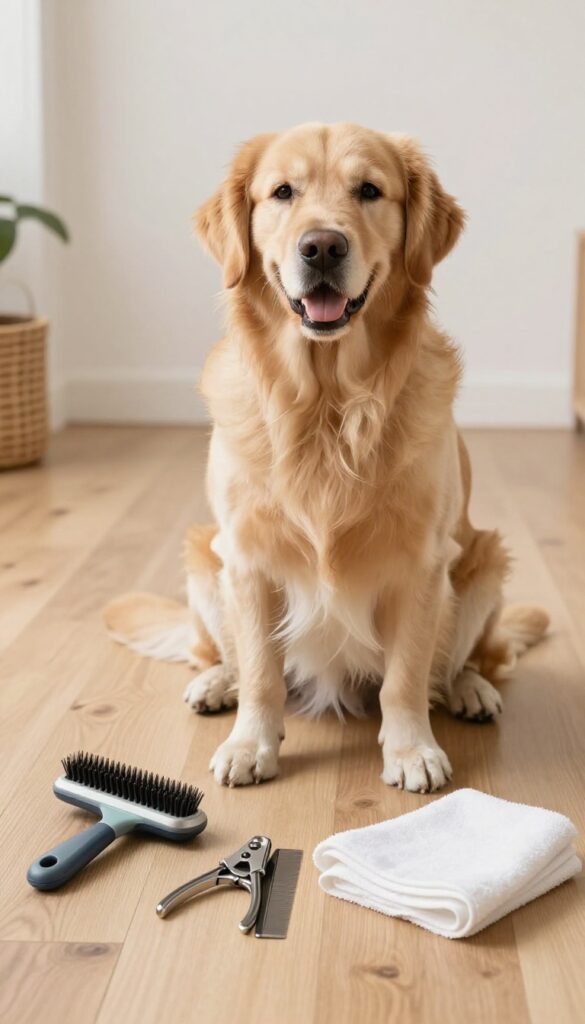
Keeping your dog well-groomed between professional visits doesn't have to be complicated or expensive. With a few key tools on hand, you can tackle basic maintenance at home, making your pup more comfortable and saving on salon costs. Owners love how simple it is to integrate these items into their routine, turning grooming into a bonding moment rather than a chore.
Why It Works
Having the right brushes, nail clippers, and other essentials allows you to address common issues like mats, overgrown nails, and dirt buildup promptly. This proactive approach prevents discomfort and health problems, keeping your dog looking and feeling great without constant trips to the groomer.
Best For
This setup is ideal for all dog owners, especially those with busy schedules or dogs that need frequent touch-ups. It works well in any living situation—apartments, houses, or small spaces—and suits most breeds, from short-haired to long-coated pups.
Practical Tip
Store your grooming tools in a dedicated basket or caddy near where you usually brush your dog. Keep it accessible but out of reach of pets when not in use to ensure safety and easy cleanup after sessions.
Budget-Friendly Option
If you're watching costs, start with a basic slicker brush and human nail clippers designed for small nails. These can handle many grooming tasks effectively until you're ready to invest in specialized dog tools.
6. How to Choose the Right Groomer for Your Dog
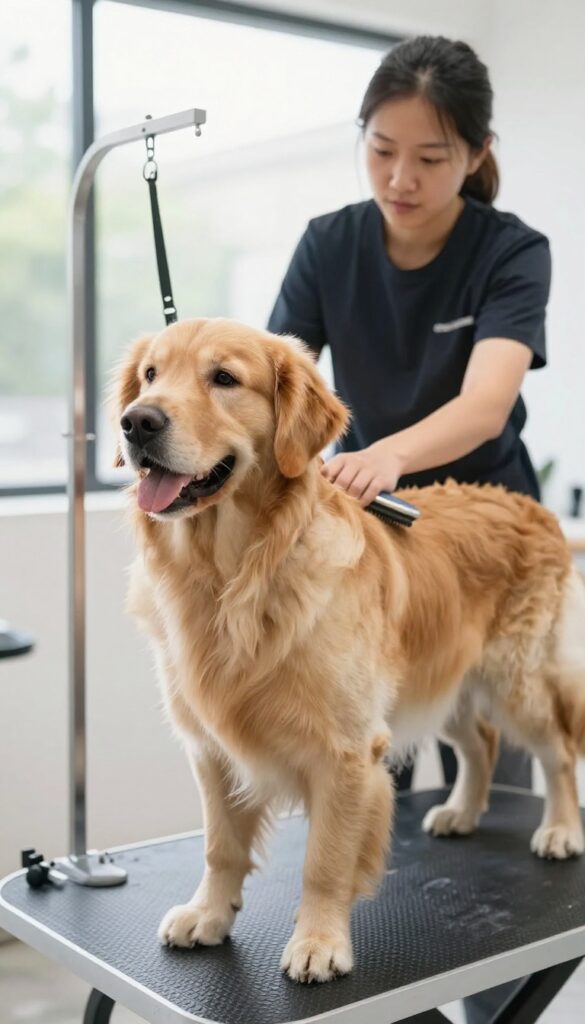
Picking a groomer isn't just about finding someone who can trim nails or give a bath. It's about matching their skills and approach to your dog's unique needs, whether you have a high-energy Labrador or a sensitive Shih Tzu. A good fit means less stress for your pup and more confidence for you, turning grooming from a chore into a positive experience.
Start by thinking about what matters most for your dog. Some owners prioritize gentle handling for anxious pets, while others look for expertise with specific coat types. Taking time to vet groomers upfront can prevent mishaps and build a lasting relationship that keeps your dog looking and feeling great.
Why It Works
This approach works because it focuses on practical factors like experience, reviews, and handling styles. By checking a groomer's background and reading feedback from other owners, you get a clear picture of how they'll treat your dog. It helps avoid surprises and ensures your pup gets care tailored to their breed and temperament.
Best For
This idea is best for dog owners who want reliable grooming, especially those with breeds that need special attention like Poodles with curly coats or nervous rescue dogs. It fits any living situation, from apartments to houses, as it's about finding a professional who can work with your schedule and space constraints.
Practical Tip
When setting up visits, ask the groomer about their setup for safety and comfort. Look for clean stations with non-slip mats and calm environments to reduce anxiety. Bring your dog's favorite treats or toys to help them feel at ease during the appointment.
7. Making Grooming Less Stressful for Anxious Dogs
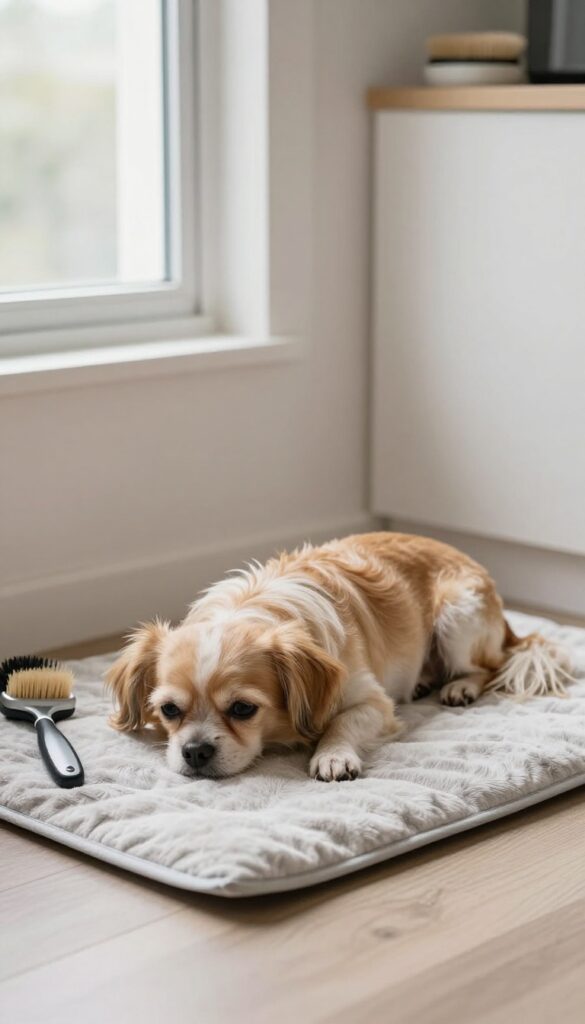
Anxious dogs often dread grooming sessions, turning a simple trim into a stressful ordeal for both pet and owner. By using calming techniques and gradual introductions, you can help your dog feel more at ease, making grooming smoother and safer. Many owners find this approach builds trust over time, reducing fear and creating a positive routine.
Why It Works
This method works because it addresses the root of anxiety by slowly acclimating your dog to grooming tools and sensations. Starting with short, positive sessions helps prevent overwhelm, while calming aids like gentle music or pheromone sprays can lower stress levels. Consistency in these steps teaches your dog that grooming is a safe, predictable part of their care.
Best For
This idea fits best for dogs with mild to moderate anxiety during grooming, such as rescue pets or breeds prone to nervousness like Chihuahuas or Shih Tzus. It's also great for owners in apartments or small homes where space is limited but creating a calm corner is still possible. If your dog shakes or hides at the sight of clippers, this gradual approach can make a big difference.
Practical Tip
Set up a quiet grooming spot with non-slip mats and familiar bedding to boost comfort. Keep tools organized and out of sight until needed to avoid startling your dog. Use treats and praise during each step to reinforce calm behavior, and always end sessions on a positive note to build confidence.
Budget-Friendly Option
Instead of buying expensive calming products, try playing soft classical music or using a worn t-shirt with your scent nearby as a low-cost soothing aid. DIY treat puzzles made from old containers can distract anxious dogs during grooming without breaking the bank.
8. DIY Grooming Tips for Busy Owners
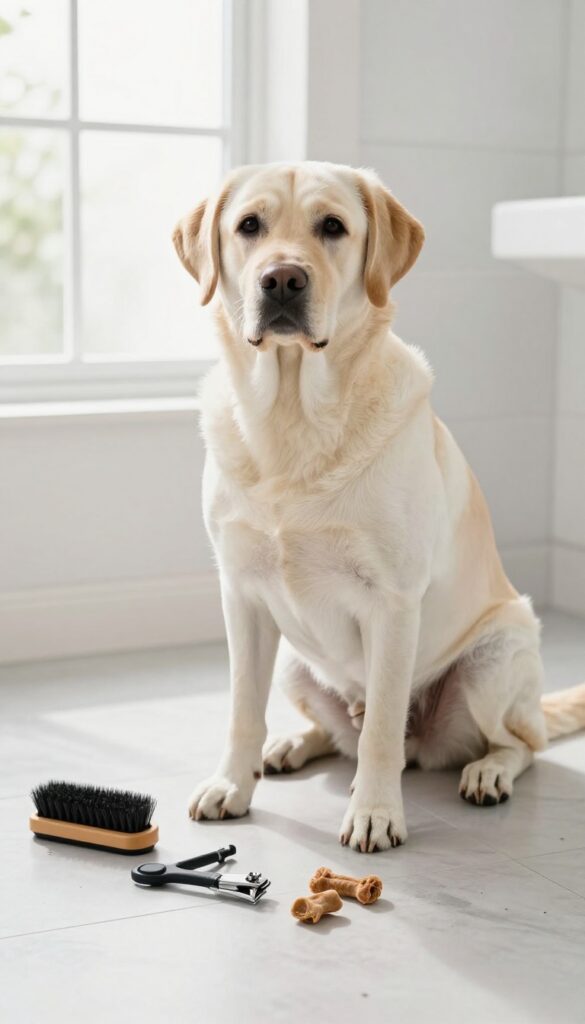
Life gets hectic, and squeezing in a full grooming session can feel impossible. A quick routine keeps your dog looking tidy without the salon stress. Many owners love how these simple steps fit into a busy week, making coat and nail care feel manageable.
Why It Works
Short, focused routines prevent mats and overgrown nails, which can lead to discomfort or health issues. By spending just a few minutes regularly, you maintain your dog's hygiene and reduce the need for frequent professional visits.
Best For
This approach suits owners with tight schedules, those in apartments without easy salon access, or dogs who get anxious during longer grooming sessions. It's especially handy for breeds with moderate maintenance needs, like Labradors or mixed breeds.
Practical Tip
Set up a small grooming kit in a bathroom corner or near your dog's bed. Include a brush, nail clippers, and treats to keep your pup calm. Keep sessions brief—five to ten minutes—to avoid overwhelming your dog and ensure consistency.
Budget-Friendly Option
Use a regular human hairbrush if you don't have a dog-specific one, as long as it's gentle on the coat. For nail trimming, a basic clipper from a pet store works fine; skip expensive electric files unless your dog has very thick nails.
9. Safety Tips for Home Grooming Sessions
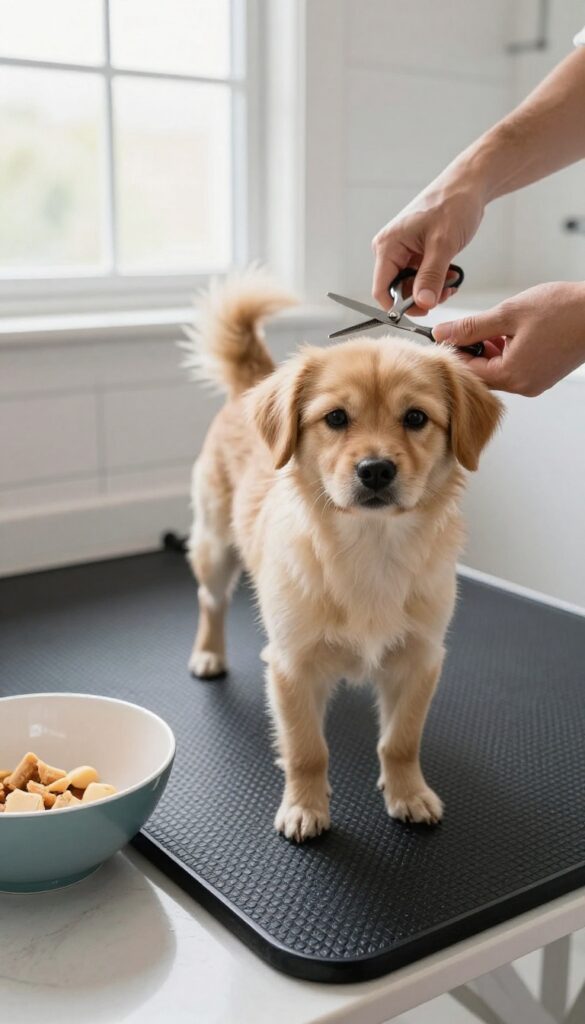
Grooming your dog at home can be a rewarding way to bond, but it's crucial to prioritize safety to avoid accidents. A few simple precautions make the process smoother and more enjoyable for both you and your pup. Many owners find that with the right approach, DIY grooming becomes a stress-free routine that saves time and money.
Why It Works
Focusing on safety prevents common mishaps like cuts or slips, ensuring your dog stays calm and cooperative. Proper restraint and tool handling reduce risks, making grooming sessions efficient and less intimidating for anxious pets.
Best For
This idea suits dog owners who groom at home regularly, especially those with small to medium breeds or dogs that get nervous in professional settings. It's also great for apartment dwellers looking to create a safe grooming corner without much space.
Practical Tip
Set up a non-slip mat in a quiet area to keep your dog steady, and always use blunt-tipped scissors or clippers with guards. Keep treats nearby to reward good behavior and take breaks if your dog seems stressed.
Budget-Friendly Option
Instead of buying expensive grooming tables, use a sturdy table with a rubber mat on top for stability. Opt for affordable grooming tools from pet stores or online retailers, ensuring they're sharp and clean to avoid injury.
10. Storage Solutions for Grooming Supplies
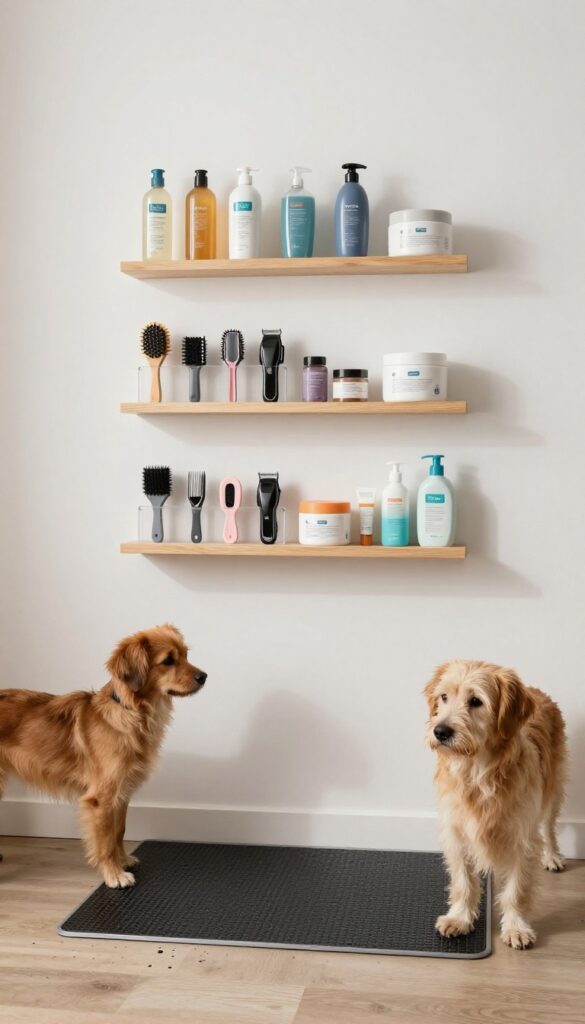
Tucked away in a corner, a well-organized grooming station can turn chaotic sessions into smooth routines. It's all about making the most of limited space without sacrificing accessibility. Dog owners love how a tidy setup reduces stress and keeps essentials within reach during quick touch-ups.
Why It Works
By grouping brushes, shampoos, and clippers in designated spots, you minimize clutter and save time searching. This approach prevents spills and damage to tools, ensuring everything stays ready for use.
Best For
This idea fits apartment dwellers or those with compact mudrooms where floor space is tight. It's especially handy for small to medium breeds that need frequent grooming but don't require bulky equipment.
Practical Tip
Use wall-mounted shelves or over-the-door organizers to keep items off the floor. Label bins or hooks for quick identification, and place a non-slip mat underneath to catch drips and protect surfaces.
Budget-Friendly Option
Repurpose kitchen utensil holders or old shoe organizers instead of buying specialized storage. Clear jars can hold brushes neatly, while a simple basket corrals shampoo bottles.
11. Grooming Corner Ideas for Apartments
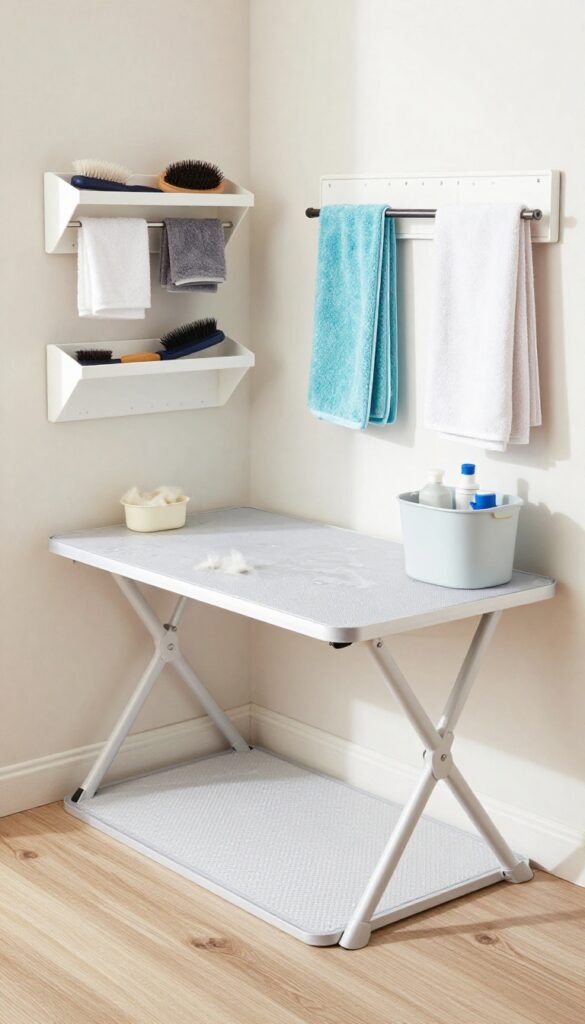
Living in an apartment doesn't mean you have to skip at-home grooming. With a bit of creativity, you can carve out a compact spot that makes bath time or brushing sessions manageable and mess-free. It's all about using smart storage and multi-functional tools to keep everything tidy and accessible, so you and your dog can enjoy the process without clutter taking over your living space.
Why It Works
A dedicated grooming corner streamlines your routine by keeping supplies in one place, reducing setup time and stress. It helps contain messes like fur or water splashes, making cleanup quicker and easier for busy apartment dwellers.
Best For
This setup is ideal for small-breed dogs or low-shedding breeds in studio or one-bedroom apartments. It also suits owners who prefer quick touch-ups between professional grooms or those with limited storage options.
Practical Tip
Use a waterproof mat under a foldable table to protect floors, and install wall-mounted shelves or hooks for brushes and towels. Keep a small bin nearby for fur disposal to maintain a clean, organized area during and after grooming.
Budget-Friendly Option
Instead of buying a specialized grooming table, repurpose a sturdy coffee table with non-slip padding. Use old towels as drying mats and store supplies in stackable bins from discount stores to save money without sacrificing functionality.
12. Backyard Grooming Stations for Messy Jobs
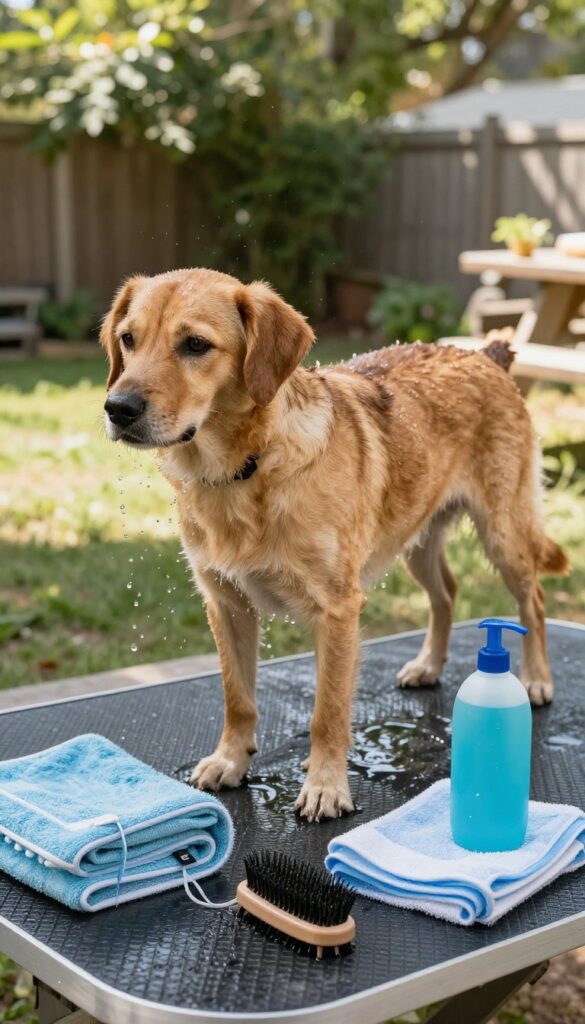
Let's face it, grooming can get messy, especially with baths or trims that send fur and water flying everywhere. Setting up a dedicated outdoor spot keeps the indoors clean and makes cleanup a breeze, so you can focus on your dog without worrying about the aftermath. Many owners love this approach because it turns a potentially chaotic task into a manageable routine, all while enjoying some fresh air.
Why It Works
An outdoor station works well because it contains the mess naturally. Water drains away easily, fur blows off in the breeze, and you have plenty of space to move around without feeling cramped. It's a simple way to reduce stress for both you and your dog during grooming sessions.
Best For
This setup is ideal for dog owners with yards or patios, particularly those with medium to large breeds that shed a lot or need frequent baths. It's also great for anyone living in a home where indoor messes are hard to manage, like families with kids or limited cleaning space.
Practical Tip
Choose a flat, shaded area to keep your dog comfortable and prevent slipping. Use a non-slip mat or rubberized surface for safety, and keep essentials like shampoo, towels, and brushes in a waterproof bin nearby for easy access. After each session, hose down the area to keep it tidy.
Budget-Friendly Option
Instead of buying expensive grooming tables, repurpose an old picnic table or sturdy bench as a raised surface. Use a basic garden hose with an adjustable nozzle instead of a pricey pet shower attachment—it gets the job done just fine.
13. Breed-Specific Grooming Needs Simplified
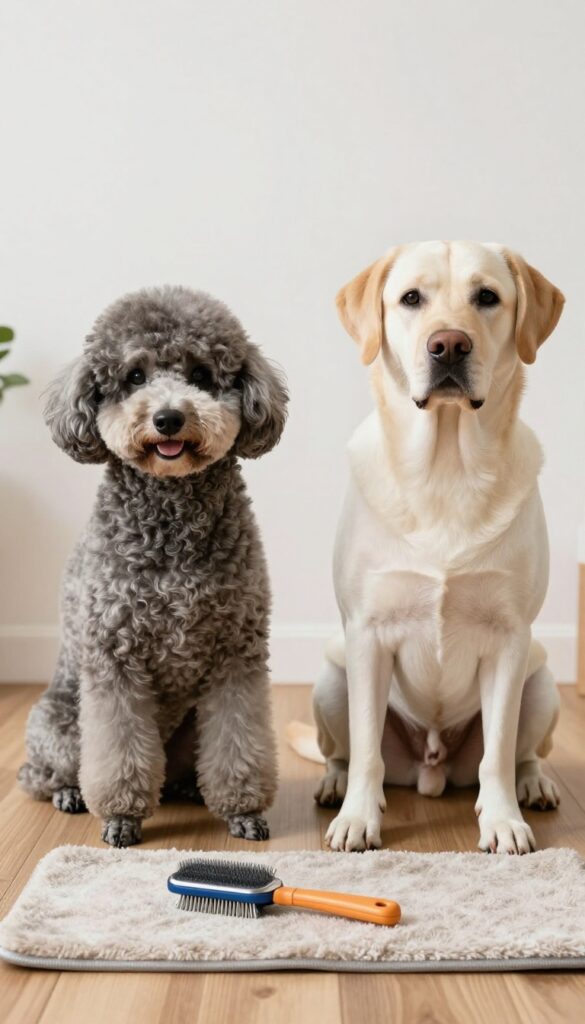
Every dog breed has its own grooming quirks, and keeping up with them doesn't have to be overwhelming. This section cuts through the confusion by outlining basic care steps for popular breeds, from poodles to short-haired dogs. You'll get straightforward advice that fits into your routine, making grooming feel more manageable and less like a chore.
Why It Works
Focusing on breed-specific needs helps you target the right tools and techniques, saving time and reducing stress for both you and your dog. It ensures your pup gets the proper coat care without overcomplicating things.
Best For
This idea is perfect for new dog owners or anyone with multiple breeds who wants a quick reference guide. It suits all living situations, from apartments to houses, as it's about adapting care to your dog's type.
Practical Tip
Set up a small grooming kit with breed-appropriate brushes and combs in an easy-to-reach spot. For example, keep a slicker brush handy for poodles and a rubber mitt for short-haired dogs to make quick sessions efficient.
Budget-Friendly Option
Instead of buying specialized tools for every breed, opt for multi-use items like a dual-sided brush that works on different coat types. Regular maintenance with basic supplies can often replace expensive professional grooming visits.
14. Puppy Grooming: Start Early for Lifelong Comfort
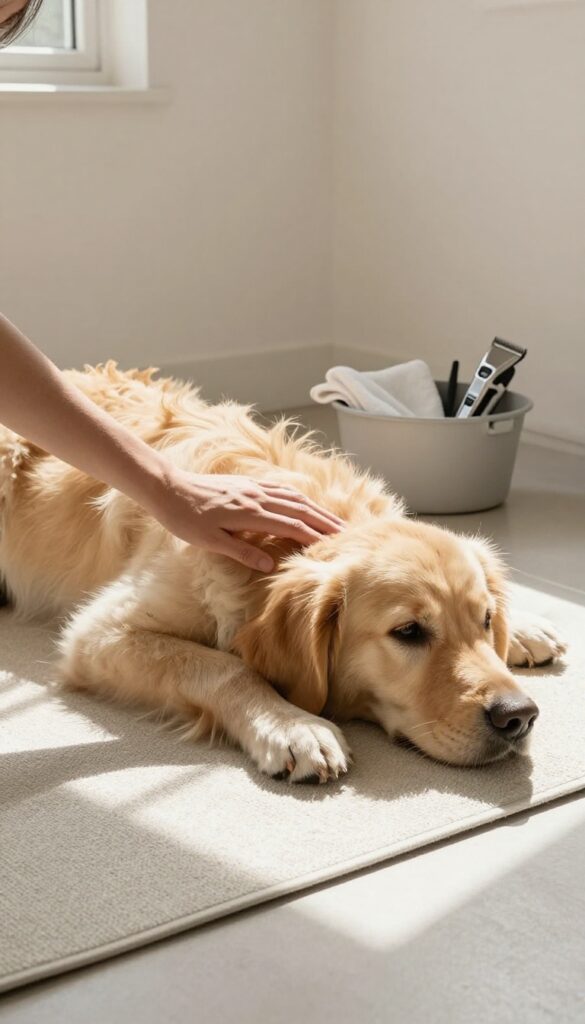
Getting your puppy used to grooming early on sets the stage for stress-free sessions as they grow. It's all about building positive associations with brushes, clippers, and baths before any real grooming needs arise. Owners love this approach because it turns potential struggles into calm routines, making life easier for both dog and human.
Why It Works
Starting young helps puppies see grooming tools as normal parts of life, not scary threats. This reduces anxiety over time, leading to cooperative behavior during actual grooming tasks. It's a simple habit that pays off with a more relaxed dog.
Best For
This idea fits new puppy owners or those with young dogs of any breed. It's especially useful for families in apartments or small homes where space is limited, as early training minimizes mess and stress in tight quarters.
Practical Tip
Set up a cozy spot with a non-slip mat and keep sessions short—just a few minutes at first. Introduce one tool at a time, like a soft brush, and pair it with treats and praise to build comfort. Store tools in an accessible bin to keep things organized and safe from curious paws.
Budget-Friendly Option
Use an old towel as a drying mat instead of buying specialized products. For brushes, opt for affordable basic models from pet stores; they work well for introductory sessions without breaking the bank.
15. Eco-Friendly Grooming Products Worth Trying
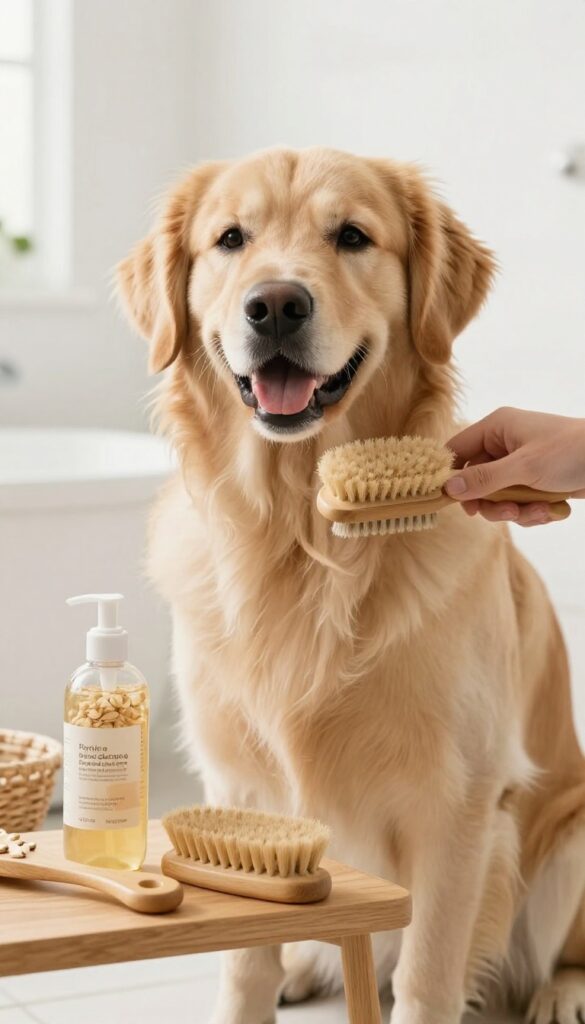
Switching to eco-friendly grooming products isn't just a trend—it's a simple way to care for your dog and the planet. These sustainable shampoos and brushes are designed to be gentle on sensitive skin and reduce environmental impact, making grooming sessions safer and more enjoyable. Many owners love how these options leave their dogs' coats shiny and healthy without harsh chemicals, adding peace of mind to every bath or brush-out.
Why It Works
Eco-friendly products often use natural ingredients like oatmeal or coconut oil that soothe skin and minimize irritation, while biodegradable formulas help cut down on plastic waste. They're effective at cleaning and detangling without stripping natural oils, so your dog stays comfortable and their coat maintains its natural shine.
Best For
This idea fits dog owners who prioritize sustainability or have pups with allergies or sensitive skin. It works well in any living situation, from apartments to houses, especially for breeds prone to skin issues or those needing regular grooming maintenance.
Practical Tip
Set up a dedicated spot for these products in your grooming area, like a small shelf or basket, to keep them organized and easy to grab during sessions. Rinse brushes thoroughly after use to prevent residue buildup, and store shampoos in a cool, dry place to preserve their natural ingredients.
Budget-Friendly Option
If you're on a tight budget, look for refillable shampoo options or multi-use brushes that last longer. You can also try DIY rinses with diluted apple cider vinegar for a natural shine, but always patch-test first to ensure it suits your dog's skin.
16. How Often Should You Groom Your Dog?
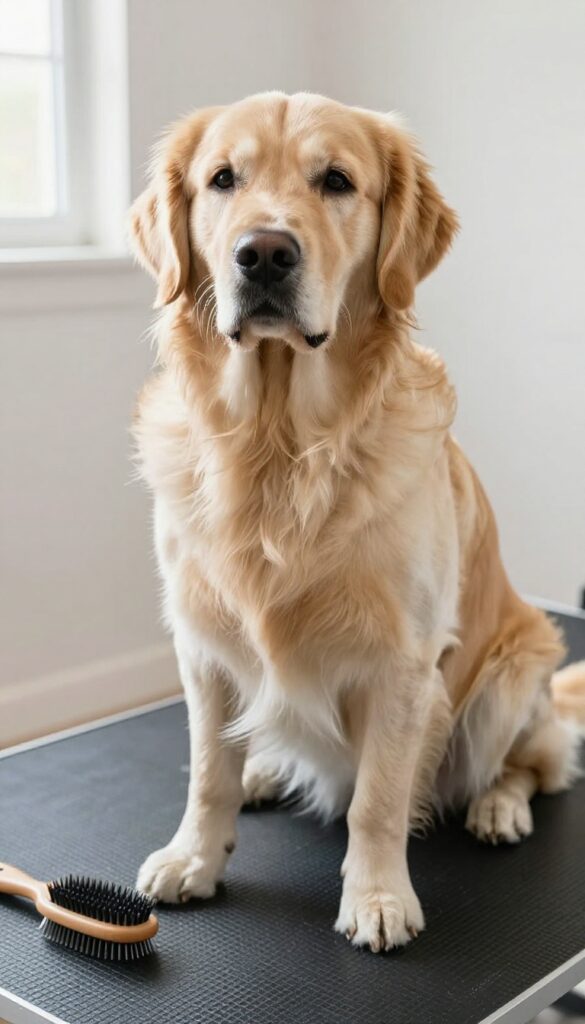
Figuring out the right grooming schedule for your dog can feel like a puzzle, but it's simpler than you might think. A consistent routine keeps your pup looking sharp and feeling comfortable, while preventing mats and skin issues that sneak up over time. Owners love how a tailored approach saves money on professional visits and builds a stronger bond through regular care at home.
Why It Works
Regular grooming matches your dog's natural needs, reducing shedding and dirt buildup that can lead to discomfort or health problems. It helps you spot early signs of fleas, ticks, or skin irritations before they become serious, making it a proactive part of everyday dog care.
Best For
This idea fits any dog owner, especially those with breeds prone to tangles like Poodles or active dogs that get muddy often. It's great for busy households where quick, frequent sessions are easier than occasional deep cleans.
Practical Tip
Set up a dedicated grooming corner with non-slip mats and easy-to-reach tools to keep sessions stress-free. Use gentle brushes suited to your dog's coat type, and always check ears and paws for debris after walks to maintain cleanliness between full grooms.
Budget-Friendly Option
Instead of pricey specialty shampoos, opt for mild, all-purpose dog shampoos that work for most coats. A basic slicker brush and comb can handle many grooming tasks without needing multiple expensive tools.
17. Dealing with Mats and Tangles Safely
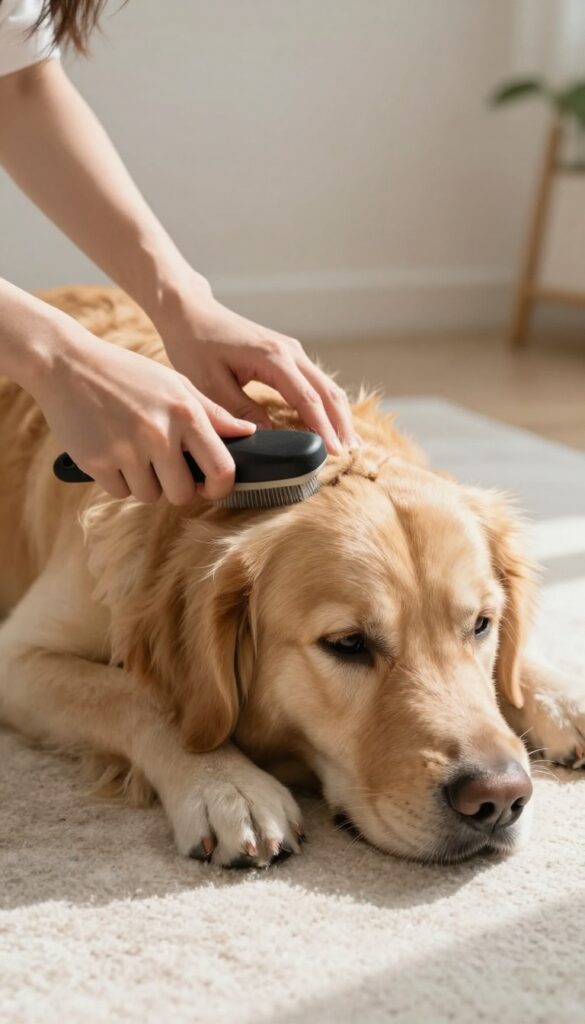
Mats and tangles can sneak up on any dog, turning a simple brush into a frustrating tug-of-war. Learning to handle them gently not only keeps your pup comfortable but also prevents painful pulling that can damage their coat or skin. With the right approach, you can turn a dreaded chore into a bonding moment that leaves your dog looking sleek and feeling relaxed.
Why It Works
Using step-by-step methods ensures you work through knots slowly and carefully, reducing stress for both you and your dog. The right tools, like a slicker brush or detangling spray, help loosen mats without yanking, making the process safer and more effective.
Best For
This idea is perfect for owners of long-haired breeds like Shih Tzus or Golden Retrievers, as well as anyone dealing with seasonal shedding or active dogs prone to tangles. It fits well in apartments or homes where regular grooming is part of the routine.
Practical Tip
Start by gently separating the mat with your fingers before using a comb, working from the edges inward to avoid pulling. Keep your dog calm with treats and breaks, and store tools in a dry spot to maintain their effectiveness.
Budget-Friendly Option
If you don't have a specialized detangler, try a small amount of coconut oil or diluted conditioner to soften knots before brushing. A wide-tooth comb from a drugstore can also work in place of pricier grooming tools.
18. Grooming for Senior Dogs: Gentle Approaches
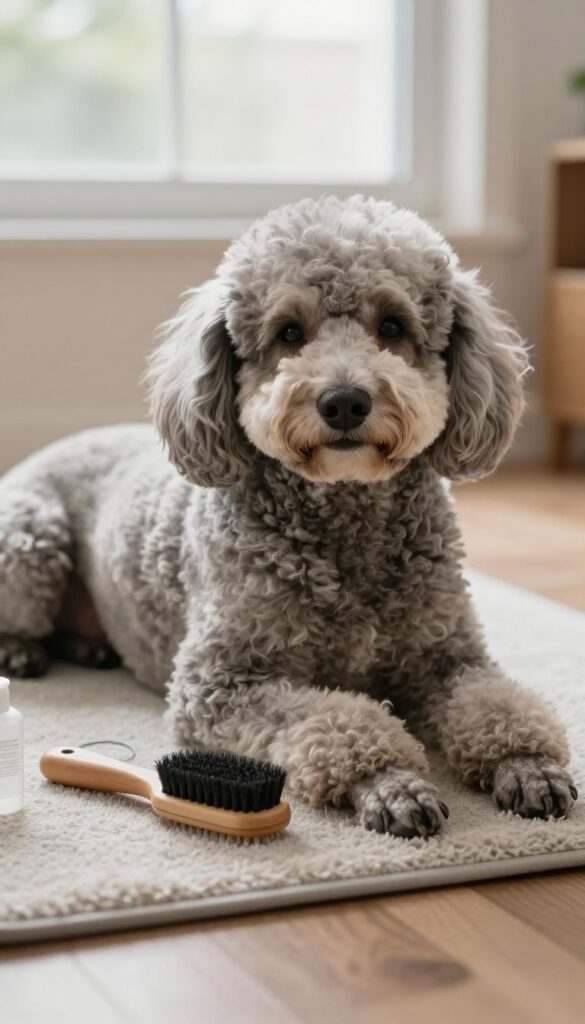
As dogs age, their grooming needs shift from routine maintenance to careful comfort. Older pups often face mobility challenges or skin sensitivities that make standard grooming stressful. Adapting your approach can turn grooming into a soothing ritual that supports their well-being without overwhelming them.
Why It Works
Gentle grooming focuses on minimizing discomfort and stress, using slower movements and softer tools. This helps maintain your dog's coat and hygiene while respecting their physical limits, reducing anxiety and promoting a positive experience.
Best For
This idea is ideal for senior dogs with arthritis, joint pain, or sensitive skin, especially in breeds prone to matting like Poodles or long-haired types. It also suits owners in apartments or small homes where creating a calm, accessible grooming space is key.
Practical Tip
Set up a non-slip mat in a warm, quiet area to prevent slips and keep your dog cozy. Use a low table or cushion to avoid lifting if mobility is an issue, and keep sessions short with plenty of breaks for treats and praise.
Budget-Friendly Option
Instead of expensive specialized brushes, try a soft-bristle human hairbrush or a gentle rubber curry comb. For shampoos, opt for mild, fragrance-free baby soap diluted with water to save money while being kind to sensitive skin.
19. Post-Grooming Care to Keep Your Dog Happy
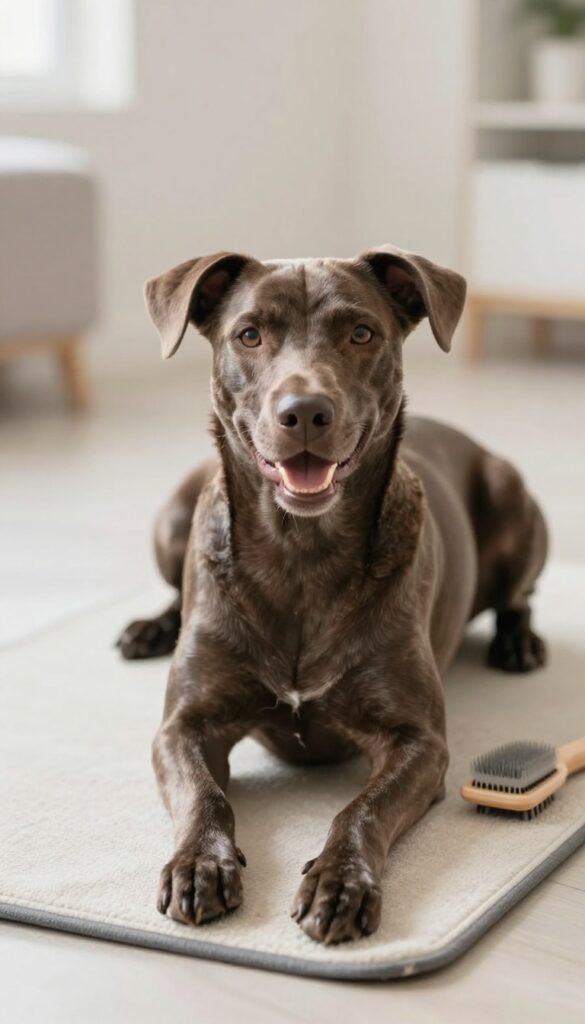
After a grooming session, your dog looks fresh and feels great, but that smooth coat and trimmed nails need a little upkeep to last. Simple aftercare steps can extend those results, making the next groom easier and keeping your pup comfortable in between. Owners love this approach because it’s low-effort and helps avoid surprises like mats or skin irritation.
Why It Works
Regular brushing and quick checks catch small issues before they become big problems, saving you time and money on extra grooming visits. It also keeps your dog’s skin healthy and reduces shedding around the house.
Best For
This idea fits any dog owner, especially those with long-haired breeds or dogs prone to tangles. It works well in apartments or homes where space is limited, as it requires minimal setup.
Practical Tip
Set up a cozy spot with a soft mat for brushing sessions, using a gentle brush suited to your dog’s coat type. Check ears, paws, and skin for redness after grooming to ensure comfort and safety.
Budget-Friendly Option
Instead of buying expensive grooming tools, use a basic slicker brush and a damp cloth for wiping down—they’re affordable and effective for most dogs.
FAQ
How much should I tip my dog groomer?
Aim for 15-20% of the grooming cost, similar to tipping in service industries, adjusting based on service quality and complexity.
Is it okay not to tip if I'm on a tight budget?
If tipping isn't possible, consider alternatives like a small gift or positive review to show appreciation, but tipping is generally expected for good service.
What if my dog is difficult to groom?
Tip extra for challenging sessions, as groomers put in more effort; communicate any issues beforehand to help them prepare.
Can I tip with cash or card?
Cash is often preferred for immediate appreciation, but many groomers accept card tips; check with the salon for their policy.
How do I find a reliable groomer?
Look for groomers with good reviews, ask for recommendations, and schedule a meet-and-greet to ensure they handle your dog well.
Conclusion
So, tipping your dog groomer is a thoughtful way to show appreciation for their hard work and care. It's not mandatory, but it can strengthen your relationship and ensure your pup gets top-notch service every time. Consider factors like the quality of the groom, your budget, and local customs when deciding how much to tip.
Ultimately, a little extra goes a long way in supporting these professionals who keep our furry friends looking and feeling their best. By tipping when you can, you're investing in a positive grooming experience that benefits both you and your dog.

I’m Pallab Kishore, the owner of Little Pets Realm — an animal lover and pet care enthusiast sharing easy tips, healthy recipes, and honest advice to help every small pet live a happy, healthy, tail-wagging life.