
Your dog deserves a cozy spot outdoors, but a plastic igloo just doesn't cut it. Rustic dog houses add charm to your yard while keeping your pup comfortable and protected.
The best part? You don't need a big budget or advanced carpentry skills to build something special.
These nine ideas focus on natural materials, simple designs, and smart features that make your dog's outdoor space feel like home. Whether you have a tiny yard or a sprawling property, there's a rustic option here that fits your space and your wallet.
1. Repurposed Wood Crate Dog House
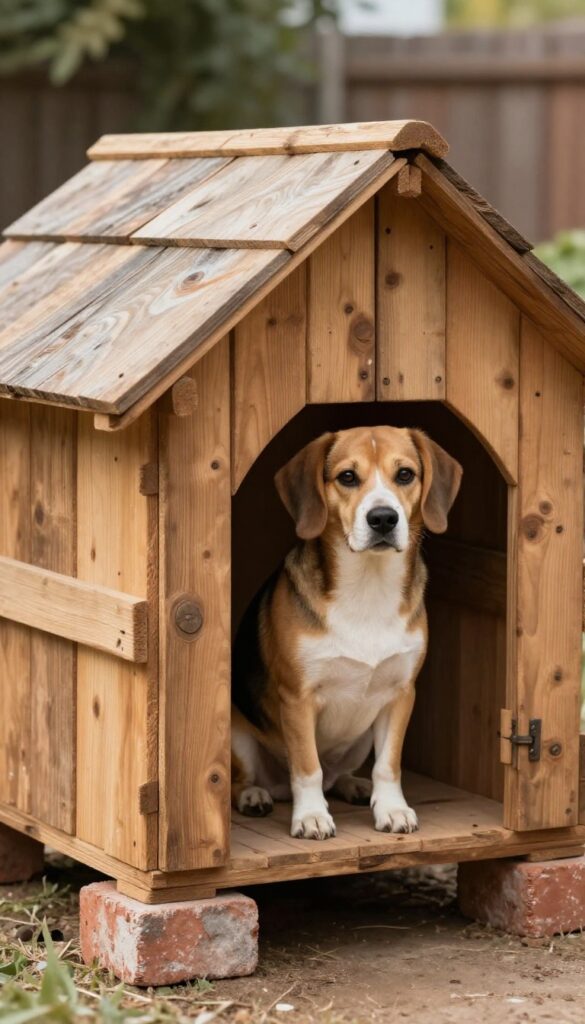
Old wooden shipping crates are surprisingly easy to turn into a cozy dog house. They already have that weathered, rustic look that fits right into any backyard. With just a few tweaks, you can create a sturdy shelter that feels more like a piece of yard art than a pet product.
Why It Works
Wood crates are built tough to handle shipping, so they naturally stand up to weather and daily dog use. The thick walls provide good insulation, keeping your pup cooler in summer and warmer in winter. Plus, the open slats allow for airflow, which helps prevent moisture buildup.
Best For
This is perfect for small to medium breeds like Beagles, Corgis, or French Bulldogs. It also works great for apartment dwellers with a balcony or small yard who want a compact, stylish outdoor spot for their dog.
Practical Tip
Sand down any rough edges or splinters before sealing with a pet-safe, non-toxic sealant. Add a simple slanted roof made from plywood or leftover shingles to shed rain. Place the crate on a few bricks or pavers to keep it off damp ground and extend its life.
Budget-Friendly Option
If you can't find a free crate, check local hardware stores or online marketplaces for used ones. Often you can snag one for under $20.
2. Pallet Dog House with Insulated Roof
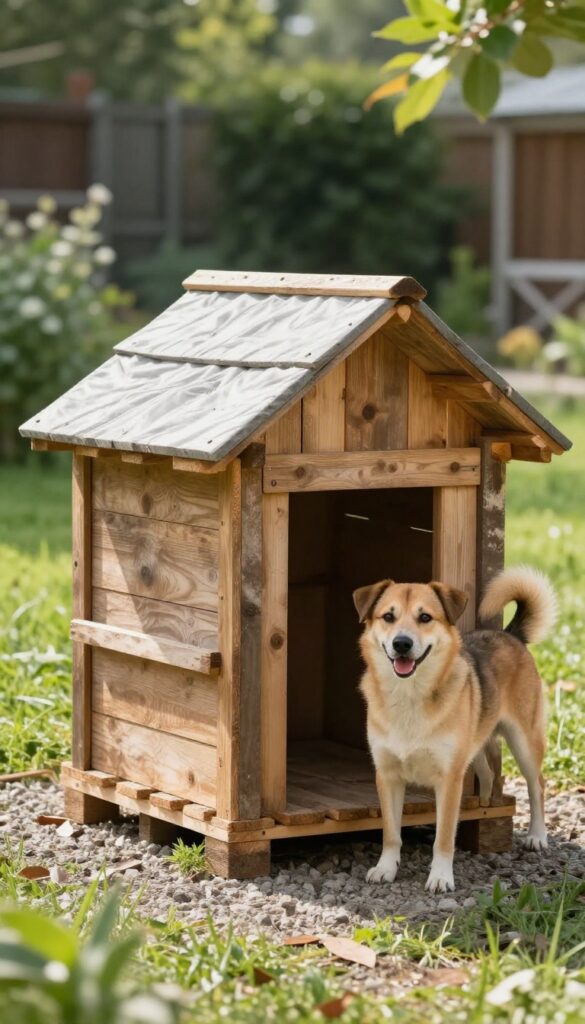
Pallets are a DIY dream—often free or cheap, and surprisingly sturdy. With a little sanding and some basic tools, you can transform them into a rustic dog house that looks custom-built.
Adding an insulated roof takes it from basic to brilliant. Foam board or even recycled materials like old yoga mats help regulate temperature, so your pup stays cool in summer and cozy in winter.
This project is perfect for hands-on owners who want a unique look without spending much. Plus, pallets give that natural, weathered aesthetic that fits right into a rustic yard.
Why It Works
Wood pallets are built to handle heavy loads, so they make durable walls that last through weather and daily dog use. The slatted design also allows airflow, which helps prevent moisture buildup inside.
Best For
Great for DIY enthusiasts on a budget, especially those with medium to large breeds that need more space. Also suits owners who want a quick weekend project with readily available materials.
Practical Tip
Seal the wood with a pet-safe stain or paint to protect against rain and rot. Add a small overhang to the roof to shield the entrance from water. Place the house on gravel or pavers to keep it off damp ground.
Budget-Friendly Option
If foam board is too pricey, use rigid insulation scraps from a construction site or repurpose an old cooler lid. Even layers of cardboard sandwiched between tarps can add surprising insulation for zero cost.
3. A-Frame Cabin Dog House
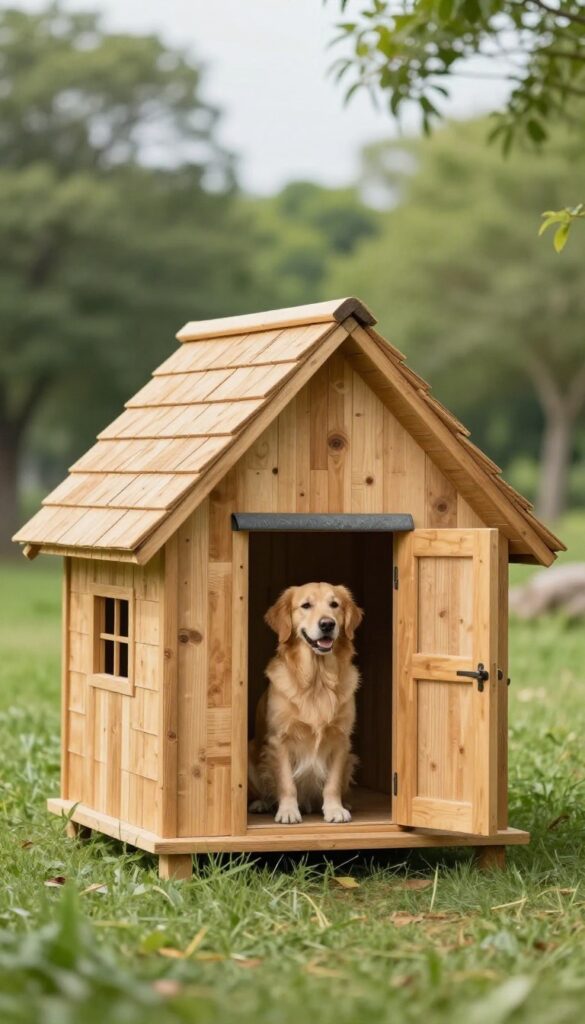
The classic A-frame silhouette isn't just for human cabins—it's a smart choice for a dog house too. The steep roof lets rain and snow slide right off, so the inside stays dry even in wet weather. Plus, the triangular shape creates a snug, den-like space that many dogs instinctively love.
Why It Works
The A-frame design naturally sheds precipitation, preventing water pooling and rot. The enclosed interior feels secure and cozy, which helps anxious dogs relax. Cedar shingles add insulation and a timeless rustic look that blends into any backyard.
Best For
This style is perfect for medium to large breeds like Labradors, Golden Retrievers, or Border Collies that enjoy a sheltered spot outdoors. It works well in rainy or snowy climates where water runoff is a priority.
Practical Tip
Use plywood for the frame and cedar shingles for the roof to keep it lightweight yet durable. Add a small rubber flap over the doorway to block drafts while allowing easy entry. Place it on a gravel or paver base to prevent moisture wicking from the ground.
Budget-Friendly Option
If cedar shingles are too pricey, use asphalt shingles or even reclaimed metal roofing. You can also build the frame from salvaged wood pallets—just sand them smooth and seal with pet-safe stain.
4. Rustic Log Cabin Dog House
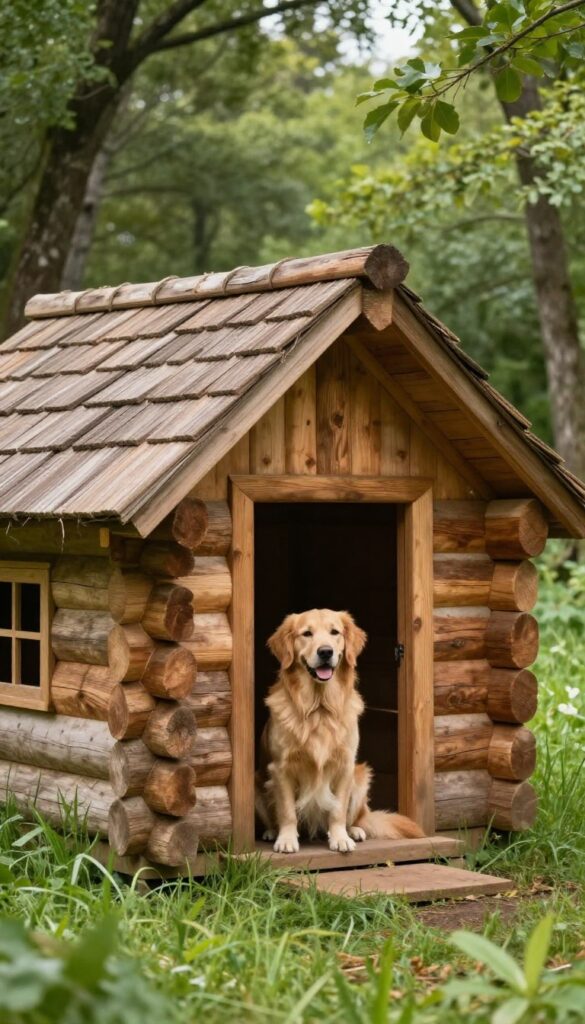
Take the rustic look to the next level with a miniature log cabin. Using small logs or half-logs creates a sturdy, weather-resistant structure that blends right into wooded backyards. Yes, it takes more effort than a simple plywood box, but the result is a showstopper that lasts for years.
Why It Works
Logs provide excellent insulation—thick wood keeps the interior cool in summer and warm in winter. The natural materials also resist rot and pests when properly sealed, making this a long-lasting investment for your dog's comfort.
Best For
This design shines in large, wooded yards where the cabin feel fits the landscape. It's ideal for medium to large breeds that need a bit more space, and for owners who enjoy a weekend building project with a stunning payoff.
Practical Tip
Seal the logs with a pet-safe outdoor wood preservative to protect against moisture. Add a slanted roof with cedar shingles or metal for extra durability. Inside, place a raised bed or thick straw bedding to keep your pup off the cold ground.
Budget-Friendly Option
If full logs are too pricey or heavy, use half-logs or even log siding over a plywood frame. You get the same look without the weight and cost of solid timber.
5. Barn-Style Dog House with Dutch Door
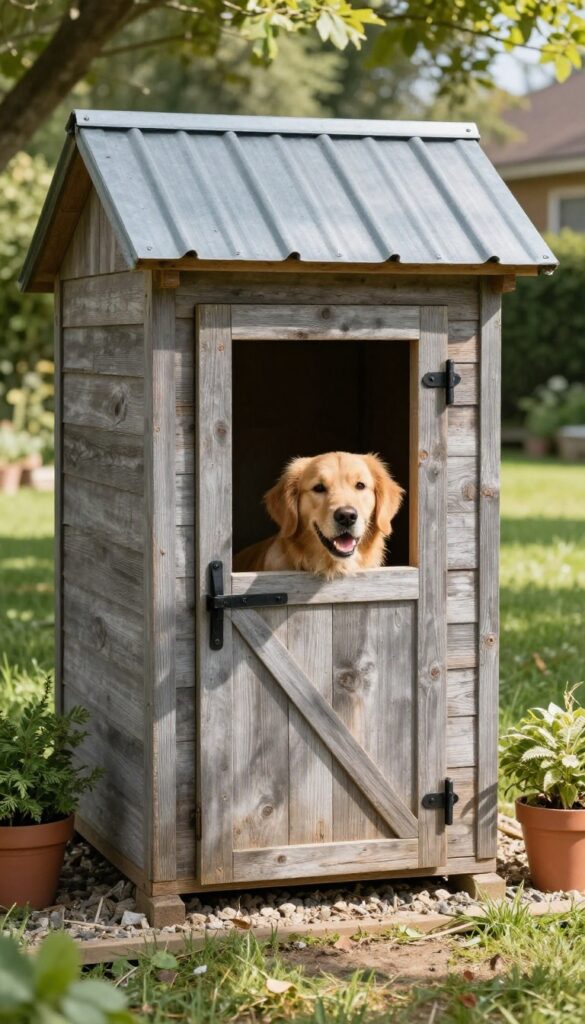
A barn-style dog house brings classic farmhouse charm to your backyard while offering real functionality. The Dutch door design lets you open the top half for fresh air and supervision without giving your dog free rein to dart outside. It’s a simple way to keep your pup comfortable and contained, whether you’re working in the garden or just enjoying the weather.
Why It Works
The split door gives you flexibility: on warm days, prop open the top to let in breezes and light while the bottom half keeps your dog safely inside. Reclaimed wood adds insulation and weathers beautifully, so the house looks better over time. Plus, the barn silhouette is sturdy and spacious enough for most medium to large breeds.
Best For
This style is ideal for active dogs who love to be near their people but need a secure spot when you can’t supervise closely. It also suits owners who want a dog house that blends with rural or rustic landscaping without looking like a plastic box.
Practical Tip
Use reclaimed lumber or pallet wood for an authentic weathered look, and add black metal hinges and a latch for durability. Place the house on a gravel or paver base to prevent moisture from seeping up through the floor. A slanted metal roof helps rain run off quickly.
6. Upcycled Barrel Dog House
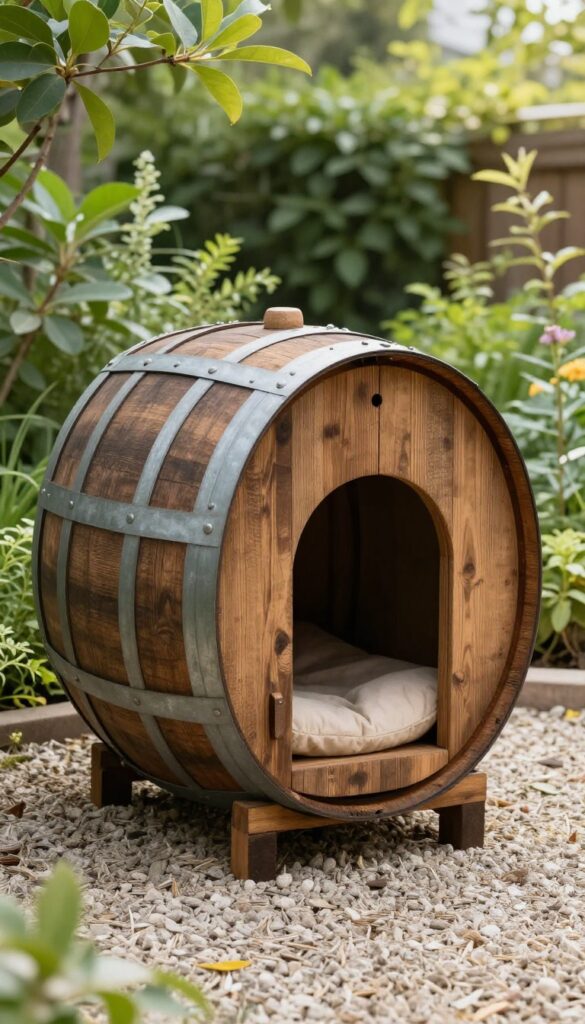
A whiskey or wine barrel cut in half makes an instant, weatherproof dog house. This rustic idea requires minimal tools and gives your yard a charming, old-world feel. Plus, the curved shape naturally sheds rain and snow.
Why It Works
Barrels are built to last outdoors—thick wood and metal bands keep them sturdy for years. The half-barrel design creates a snug, den-like interior that many dogs love. Just sand the inside smooth, add a cushion, and cut a door opening.
Best For
Medium-sized dogs like beagles, corgis, or small terriers. The round shape limits floor space, so it's not ideal for large breeds. Perfect for patios, gardens, or as a unique accent near a fire pit.
Practical Tip
Seal the wood with a pet-safe outdoor finish to protect against moisture. Add a hinged roof or lid for easy cleaning access. Place it on gravel or pavers to prevent rot underneath.
Budget-Friendly Option
If full barrels are hard to find, look for damaged wine barrels at vineyards or check online marketplaces. You can also use large wooden planters cut in half as a substitute.
7. Stone-Front Dog House with Wood Roof
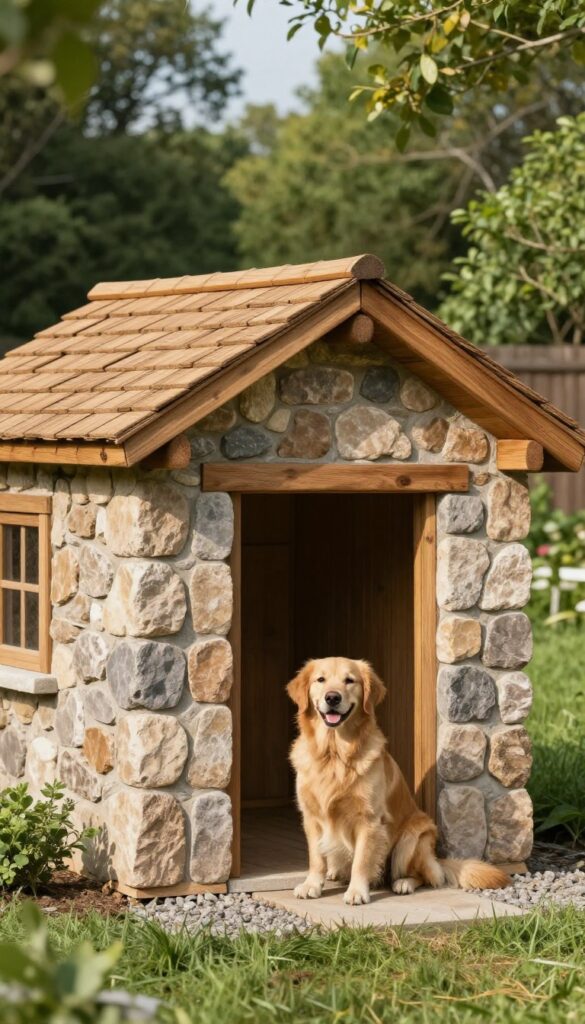
Blending natural stone and warm wood gives this dog house a timeless, rugged look. The stone front provides excellent insulation and weather resistance, while the wooden roof adds classic cabin charm. It's a durable choice that elevates your yard's aesthetic.
Why It Works
Stone helps regulate temperature inside the dog house, keeping it cooler in summer and warmer in winter. The combination of materials is sturdy and low-maintenance, lasting for years with minimal upkeep.
Best For
This design is ideal for dog owners who want a permanent, high-end structure. It works well in yards with rustic or traditional landscaping and suits breeds that spend moderate time outdoors.
Practical Tip
Seal the wood roof with a waterproof stain to prevent rot, and use a matching stone or gravel base to improve drainage. Add a soft, washable cushion inside for extra comfort.
8. Lean-To Dog House Attached to a Shed
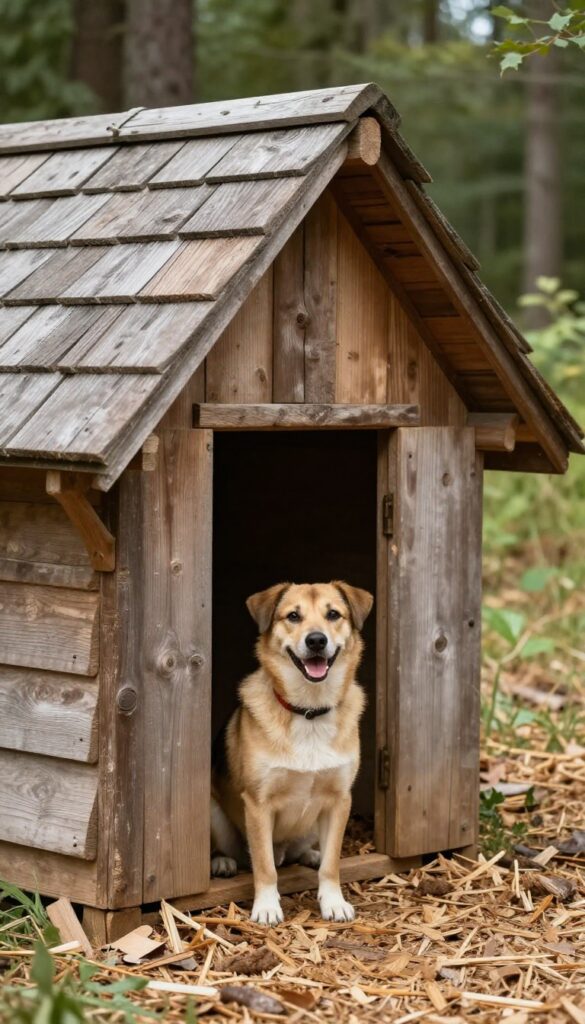
Maximize your yard space by attaching a lean-to dog house right against an existing shed or garage wall. This clever design uses one less wall, saving you materials and money while giving your pup a wind-protected shelter. The sloped roof blends seamlessly with the structure, creating a cohesive rustic look that feels intentional rather than an afterthought.
Why It Works
The attached wall acts as a natural windbreak, keeping drafts out and warmth in. Plus, you don't have to build four walls from scratch—just three sides and a roof. The lean angle directs rain and snow away from the entrance, so the interior stays dry even during storms.
Best For
This setup is perfect for homeowners with limited yard space who already have a shed or garage. It's also great for dogs that like to stay close to the house or need extra protection from harsh winds. Works well for medium to large breeds because you can easily adjust the depth and height to fit your dog.
Practical Tip
Use the same siding and paint color as your shed so the dog house looks like it was always part of the structure. Add a small overhang above the door to keep rain from blowing inside. For comfort, place a thick cedar chip bed or an elevated cot inside—cedar naturally repels bugs and smells great.
Budget-Friendly Option
Skip expensive treated lumber and use exterior-grade plywood with a waterproof sealant instead. You can also salvage old fence boards or pallets (make sure they're untreated) for a budget-friendly rustic look that weathers beautifully.
9. Rustic Dog House with a Porch
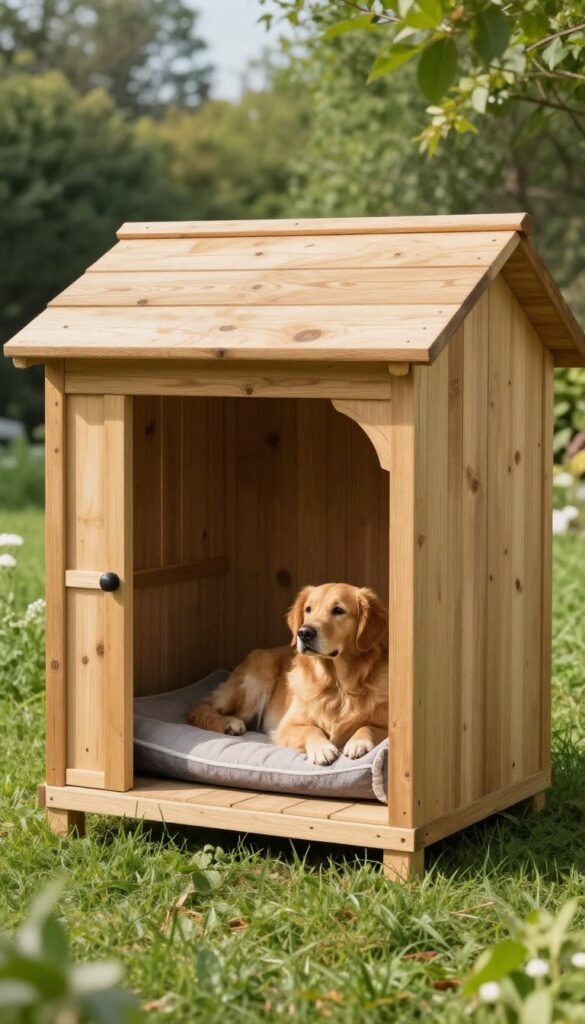
A small covered porch turns a basic wooden dog house into a charming retreat where your pup can lounge outdoors while staying dry. This simple addition gives your dog a shaded spot to enjoy fresh air without being fully exposed to the elements. It's an easy way to add rustic character and extra function to your backyard.
Why It Works
Dogs love having a place to watch the yard while staying comfortable. The porch roof keeps rain and sun off, so the bed stays dry longer. The open design also improves airflow, reducing heat buildup inside the house during warmer months.
Best For
This idea works well for dogs that like to spend time outside but prefer a dry, elevated spot to rest. Breeds like Labradors, Golden Retrievers, and Beagles that enjoy lounging outdoors will especially appreciate it. It's also great for yards with limited shade.
Practical Tip
Use cedar or pressure-treated wood for the house and porch floor to resist rot and insects. Add a weatherproof outdoor dog bed on the porch with a removable cover for easy cleaning. Position the porch facing away from prevailing winds for extra comfort.
Budget-Friendly Option
If you don't want to build from scratch, buy a pre-made wooden dog house and attach a small pallet as the porch base. Then add a simple roof overhang using plywood and shingles. This keeps costs low while still giving your pup a covered lounging area.
FAQ
What is the best wood for a rustic dog house?
Cedar and redwood are naturally rot-resistant and smell great. Pine is cheaper but needs a pet-safe sealant. Avoid pressure-treated wood with chemicals that can harm dogs.
How do I insulate a rustic dog house?
Use foam board insulation on walls and roof, then cover with plywood. For a budget option, line the interior with straw or reflective bubble wrap. Ensure ventilation to prevent moisture buildup.
Should I elevate the dog house off the ground?
Yes, elevating it by a few inches prevents moisture from seeping in and improves air circulation. Use concrete blocks, wooden skids, or built-in legs.
What size dog house does my dog need?
The house should be big enough for your dog to stand, turn around, and lie down comfortably. Measure your dog's height and length, then add a few inches for wiggle room.
How can I make a rustic dog house waterproof?
Use a sloped roof with shingles or metal flashing. Apply a pet-safe waterproof sealant to all exterior wood. Overhang the roof slightly to keep rain away from the door.
Conclusion
Rustic dog houses don't have to be complicated or expensive. With a little creativity and some basic materials, you can build a cozy outdoor retreat your dog will love.
Whether you go with a simple crate conversion or a full log cabin, the key is focusing on comfort, safety, and durability. Pick the idea that fits your skill level and your pup's needs, and enjoy watching them relax in their new rustic home.

I’m Pallab Kishore, the owner of Little Pets Realm — an animal lover and pet care enthusiast sharing easy tips, healthy recipes, and honest advice to help every small pet live a happy, healthy, tail-wagging life.