
Grooming a dog that hates the process at home can feel like a battle, but with the right setup and approach, it becomes manageable and even enjoyable.
This listicle walks you through 19 practical ideas to create a stress-free grooming corner, from choosing quiet tools to building positive routines.
You'll find tips on safety, comfort, and storage that fit any home or budget, helping you turn grooming into a calm, bonding experience for both you and your pup.
1. Set Up a Dedicated Grooming Corner in a Quiet Room
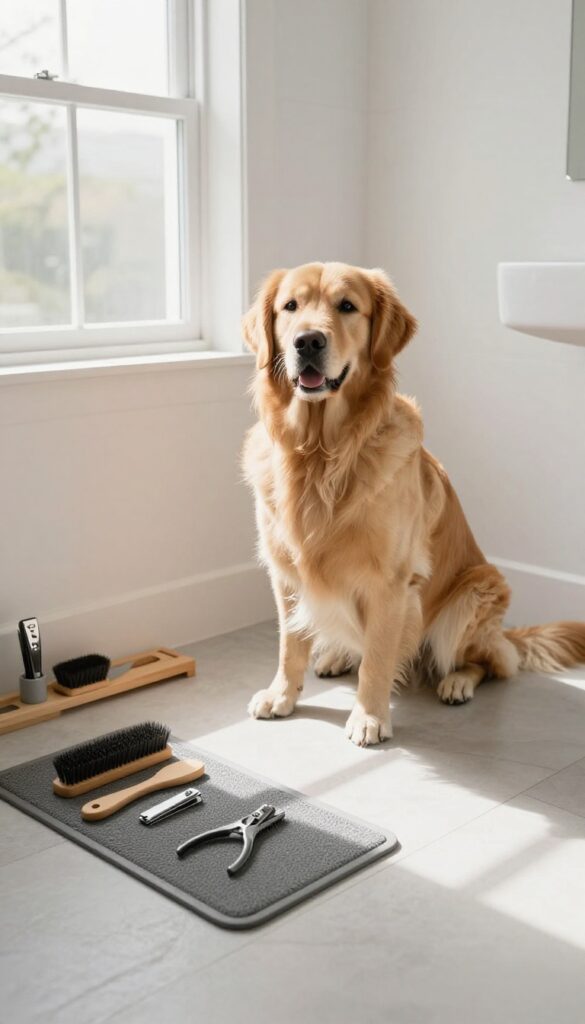
Creating a specific spot for grooming helps your dog know what to expect, reducing anxiety from the start. Pick a low-traffic area like a bathroom or spare room to keep things calm and focused. Dog owners love this because it turns a chaotic chore into a predictable, peaceful routine that both you and your pup can relax into.
Why It Works
A quiet corner minimizes distractions, making it easier for your dog to stay still and feel secure. With everything you need close by, you avoid sudden movements that can startle them, leading to smoother, quicker sessions.
Best For
This setup is ideal for dogs who get easily overwhelmed by noise or activity, especially in busy households or apartments. It works well for all breeds, from small pups to larger dogs that need extra space to feel comfortable.
Practical Tip
Lay down non-slip mats to prevent accidents and keep grooming tools organized on a nearby shelf or in a caddy. Good lighting helps you see what you're doing, and having treats handy rewards good behavior throughout the process.
2. Use a Non-Slip Mat to Prevent Slipping and Anxiety
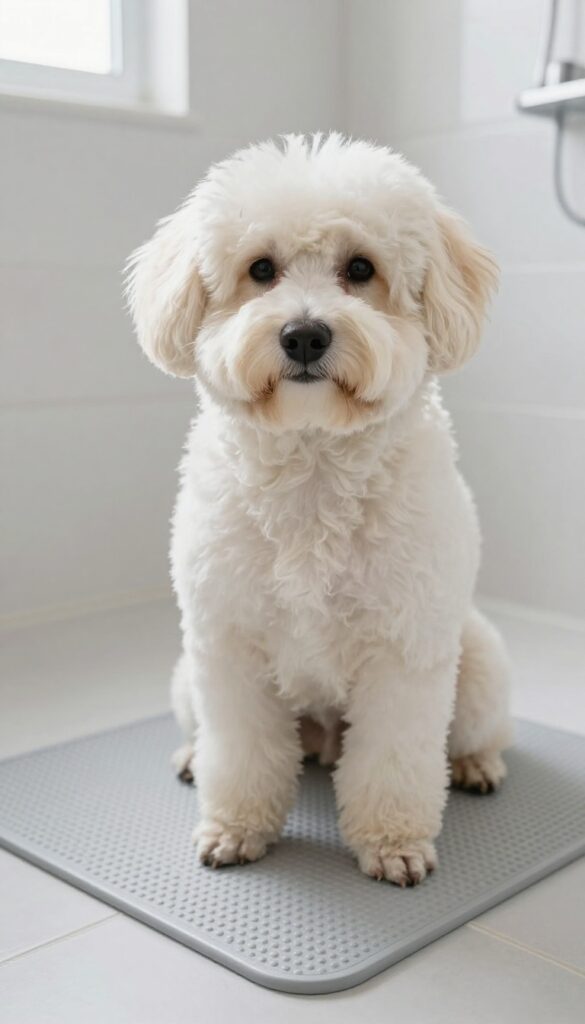
A simple non-slip mat can transform grooming from a scary ordeal into a calmer experience. Dogs often panic when their paws slide around in the tub or on slick floors, making them feel out of control. By adding a textured surface, you give your pup stable footing, which helps them relax and cooperate better during brushing or bathing.
Why It Works
This works because dogs rely on secure footing to feel safe. When they're not slipping, their anxiety drops, and they're less likely to struggle or try to escape. It's a small change that makes grooming feel more predictable and less threatening for them.
Best For
This idea is perfect for dogs who get nervous during grooming, especially breeds with long coats or those prone to slipping. It's also great for homes with tile or hardwood floors, apartments with limited space, or any setup where stability matters.
Practical Tip
Place the mat in the tub before filling it with water, or set it on the floor if you're grooming outside the bath. Choose a rubber mat with good grip and easy cleanup—rinse it off after use to prevent mold. For extra comfort, let your dog sniff and step onto it before starting to build positive associations.
Budget-Friendly Option
If you don't want to buy a special mat, try using an old yoga mat cut to size or a rubber-backed bath rug. Just make sure it's non-slip and washable to keep things safe and hygienic for your dog.
3. Introduce Grooming Tools Slowly with Positive Reinforcement
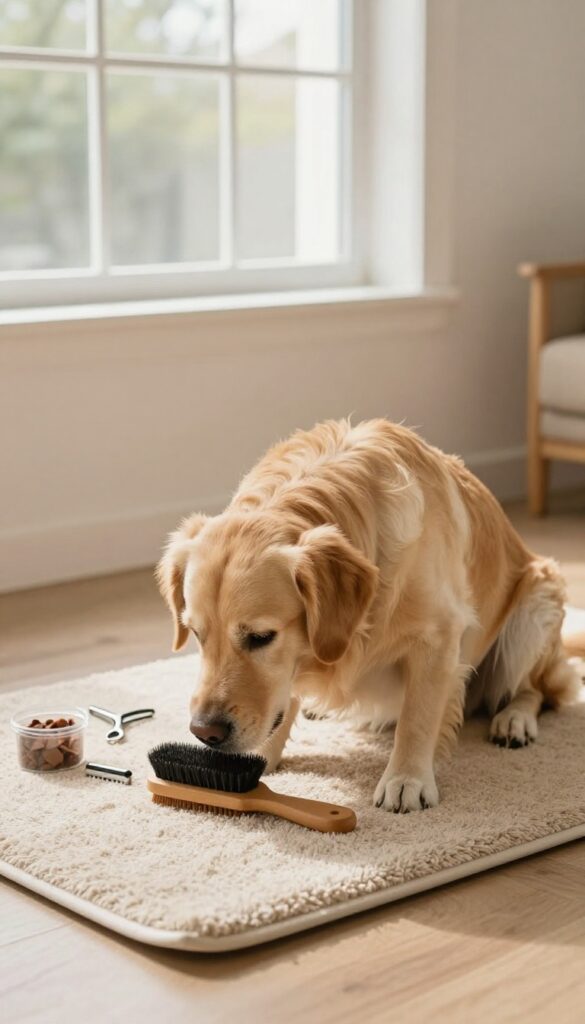
Instead of diving straight into brushing or clipping, start by letting your dog simply sniff and explore the tools. This low-pressure approach builds curiosity and reduces fear over time, making grooming feel less like a chore and more like a game. Many owners love this method because it turns scary objects into sources of treats and praise, creating a positive association that lasts.
Why It Works
Dogs often fear grooming tools due to unfamiliar sounds or sensations. By introducing them slowly without use, you allow your pup to get comfortable at their own pace, preventing anxiety from escalating. Pairing this exploration with rewards reinforces calm behavior, helping your dog learn that grooming time can be safe and even enjoyable.
Best For
This idea fits dogs who are nervous or resistant to grooming, especially puppies or rescue dogs with past negative experiences. It's great for any living situation—apartments, homes, or small spaces—where you need a gentle approach without extra equipment.
Practical Tip
Set up a quiet corner with the tools laid out on a non-slip mat. Keep treats handy in a small container nearby for quick rewards during sessions. This simple setup ensures safety and comfort, making cleanup easy while keeping your dog focused on positive interactions.
4. Keep Grooming Sessions Short and Sweet to Avoid Overwhelm
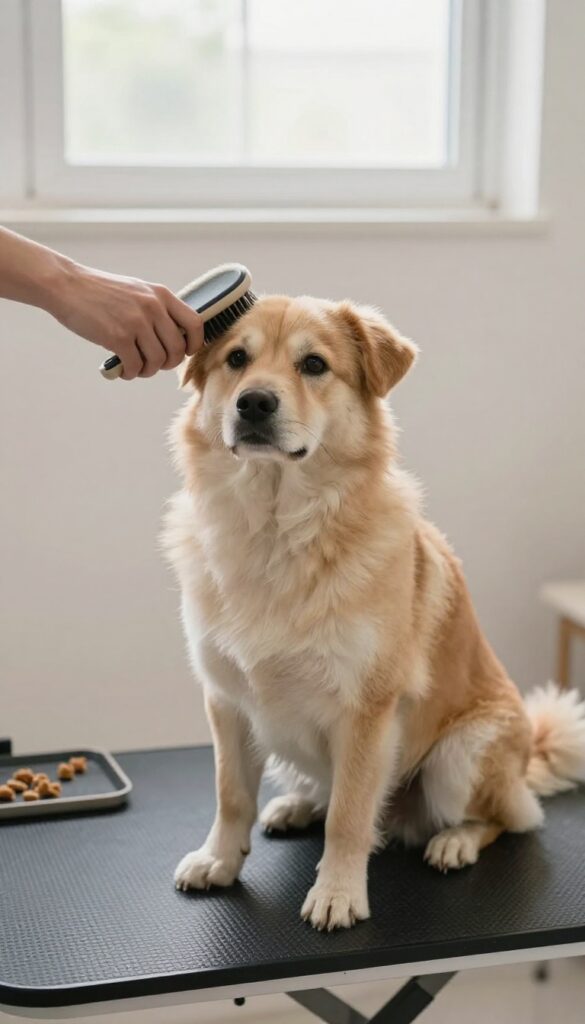
When your dog dreads grooming, dragging it out only makes things worse. By capping sessions at just 5 to 10 minutes, you focus on one small task—like a quick brush or a single nail trim—before calling it quits. This approach prevents your pup from getting tired or stressed, turning a chore into a manageable routine that feels less intimidating for both of you.
Why It Works
Short sessions work because they respect your dog's attention span and comfort level. Dogs can easily become overwhelmed by prolonged handling, leading to anxiety or resistance. Keeping it brief ensures they don't associate grooming with endless discomfort, making future sessions smoother and more cooperative.
Best For
This idea is perfect for dogs who get antsy or fearful during grooming, especially high-energy breeds or those new to home care. It also suits busy owners in apartments or small homes where space and time are limited, helping fit grooming into daily life without fuss.
Practical Tip
Set up a timer to keep track of those few minutes, and have all your tools—like a brush and treats—within easy reach in a quiet corner. Use a non-slip mat for safety to prevent slips, and clean up quickly afterward to maintain a calm environment for next time.
Budget-Friendly Option
If you don't want to buy a fancy timer, just use your phone's alarm or a simple kitchen timer. For tools, opt for affordable basics like a soft-bristle brush instead of expensive gadgets; the key is consistency, not cost.
5. Choose the Right Brush for Your Dog's Coat Type
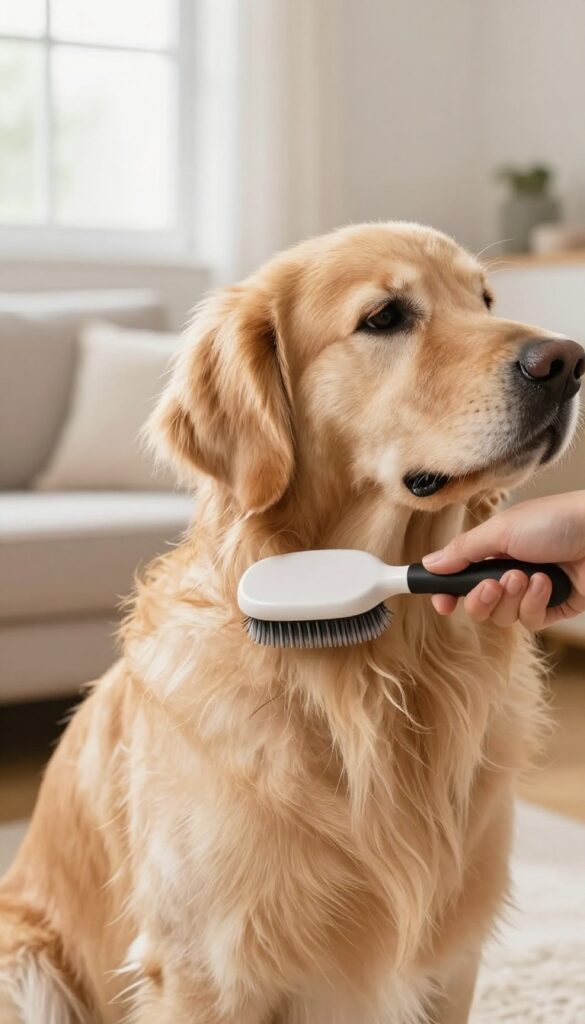
Picking the perfect brush isn't just about keeping your dog looking good—it's about making grooming sessions smoother and less stressful for both of you. When you match the tool to your dog's fur, brushing becomes more effective and comfortable, turning a chore into a bonding moment. Dog owners love this approach because it cuts down on tangles and shedding without the struggle.
Why It Works
Using the right brush reduces pulling and discomfort, which means your dog is less likely to resist. For example, a slicker brush glides through long coats to prevent mats, while a bristle brush gently cleans short hair without irritating the skin. This targeted approach makes each stroke count, saving time and keeping your pup calm.
Best For
This idea fits any dog owner dealing with grooming resistance, especially those with breeds like Golden Retrievers or Poodles that need regular brushing. It works well in apartments or homes where space is limited, as you only need one or two key tools instead of a full kit.
Practical Tip
Store brushes in a small basket or hook near your grooming spot so they're easy to grab. Clean them weekly with a comb or pet-safe cleaner to remove hair and debris, ensuring they stay effective and hygienic. For extra comfort, let your dog sniff the brush before starting to build positive associations.
Budget-Friendly Option
If you're on a tight budget, check online marketplaces for gently used brushes or look for multi-tool options that handle different coat types. A basic pin brush can often do double duty for medium-length fur until you can invest in specialized tools.
6. Warm Up the Water to a Comfortable Temperature for Baths
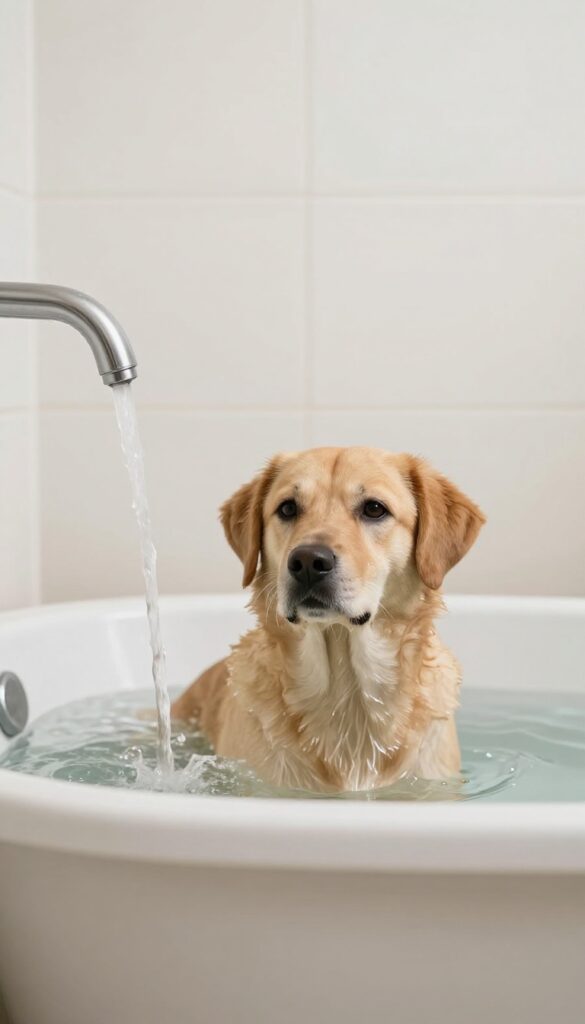
Getting the water temperature just right can make all the difference when your dog hates bath time. A lukewarm flow feels soothing instead of startling, helping your pup relax from the very first splash. Many owners find this simple step turns a stressful chore into a calmer, more manageable part of grooming.
Why It Works
Dogs are sensitive to temperature changes, and water that's too hot or cold can trigger anxiety or discomfort. Lukewarm water mimics their body temperature, reducing shock and making the bath feel more natural. This small adjustment helps build positive associations, so your dog is less likely to resist future grooming sessions.
Best For
This tip is perfect for dogs who get nervous during baths, especially breeds with thick coats or sensitive skin. It works well in any home setup, from apartments with small tubs to houses with spacious showers. Owners dealing with grooming resistance will appreciate how it eases tension without extra cost or effort.
Practical Tip
Test the water with your wrist before wetting your dog—it should feel comfortably warm, not hot or cold. Keep a towel handy to wipe any splashes off your pup's face and ears for added comfort. After the bath, dry your dog thoroughly to prevent chills and make the whole experience more pleasant.
7. Use a Calming Spray or Diffuser to Reduce Stress
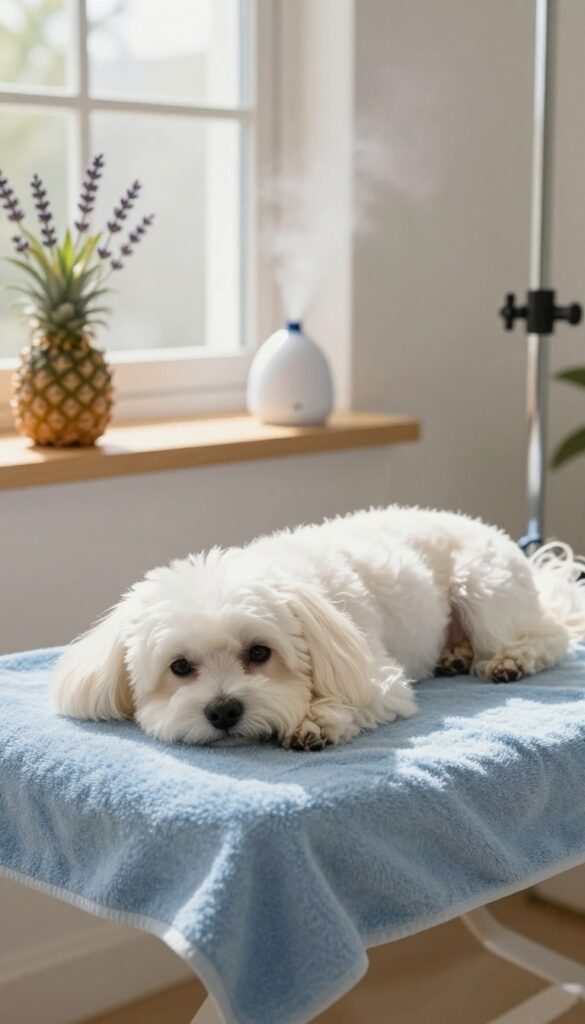
Imagine turning your grooming corner into a peaceful oasis for your anxious pup. Calming sprays or diffusers release gentle scents like lavender or chamomile that help dogs feel more at ease. Many owners love this trick because it's easy to use and can make a big difference without much effort.
Why It Works
These products tap into a dog's strong sense of smell, which can influence their mood and stress levels. Natural scents like lavender are known for their soothing properties, helping to calm nerves during grooming sessions. It's a simple way to create a more relaxed environment that encourages cooperation.
Best For
This idea is perfect for dogs who get nervous or fidgety during grooming, especially breeds prone to anxiety like Chihuahuas or rescue pups. It also works well in small spaces like apartments where you can't easily separate the grooming area from daily life. If your dog tends to shake or hide when the brush comes out, this could be a game-changer.
Practical Tip
Spray the area about 10-15 minutes before you start grooming so the scent has time to settle. For diffusers, plug one in near the grooming spot but out of your dog's reach to prevent accidents. Keep the bottle or device stored safely away when not in use to maintain its effectiveness and avoid spills.
Budget-Friendly Option
If you're on a tight budget, try making a DIY spray with diluted essential oils—just ensure they're dog-safe and properly diluted. You can also use dried lavender sachets placed nearby for a subtle, natural aroma without any cost beyond the herbs.
8. Incorporate Treats and Praise Throughout the Process
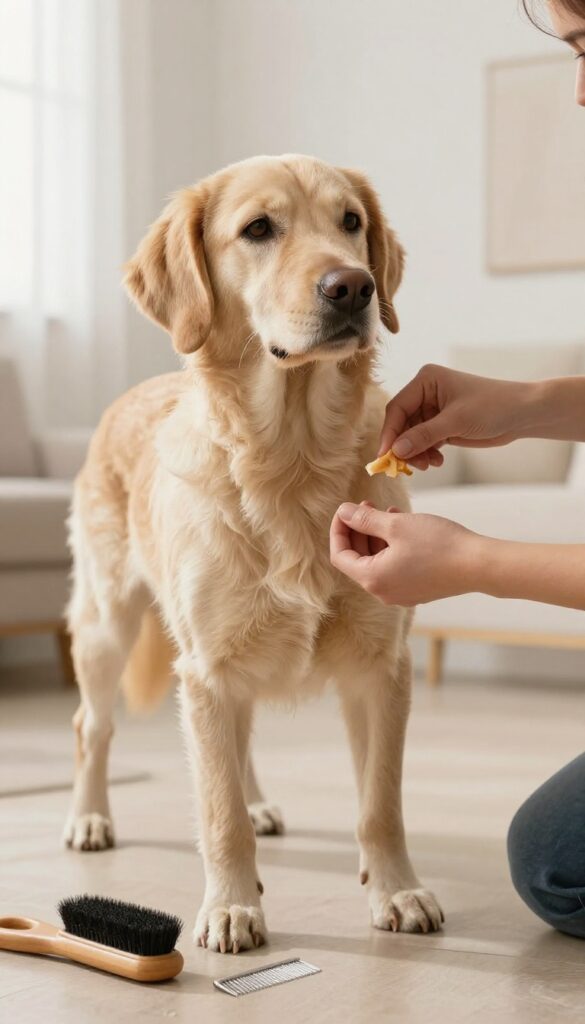
Turning grooming into a positive experience starts with simple rewards. By offering small, high-value treats and verbal praise during and after each step, you reinforce good behavior and build trust. This approach helps your dog associate grooming with fun moments rather than stress, making future sessions much smoother.
Why It Works
Dogs learn through positive reinforcement, so rewarding calm or cooperative actions during grooming encourages them to repeat those behaviors. It shifts their focus from fear to anticipation of treats and affection, reducing anxiety over time.
Best For
This idea works well for dogs who are nervous or resistant to grooming, especially in home settings where owners want to build a gentle routine. It's great for all breeds and ages, fitting easily into apartments or houses without special equipment.
Practical Tip
Keep treats handy in a small bowl or pouch near your grooming area to avoid interruptions. Use soft, easy-to-chew treats that won't distract too long, and pair them with calm praise like 'good job' to maintain a relaxed atmosphere.
Budget-Friendly Option
If high-value treats aren't in your budget, use bits of their regular kibble or homemade options like small pieces of cooked chicken. The key is consistency—any reward they love can help create positive associations.
9. Practice Handling Paws and Ears Regularly Between Sessions
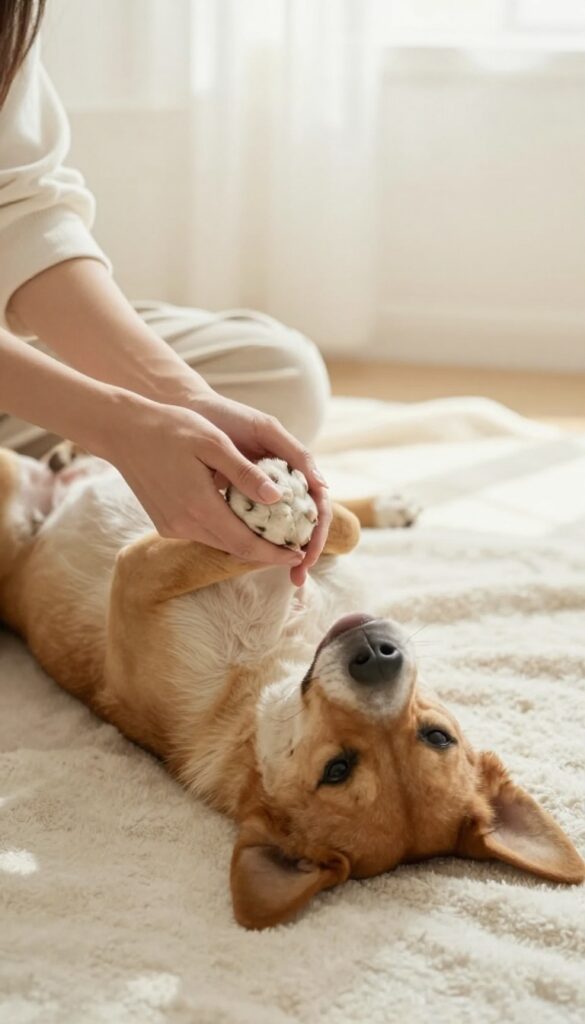
Many dogs get nervous when you touch their paws or ears, especially during grooming. By making it part of your daily cuddle routine, you help them get used to the sensation without the stress of a full session. This simple habit builds trust and makes actual grooming tasks like nail trims much smoother for both of you.
Why It Works
Regular, gentle handling desensitizes your dog over time, reducing fear and resistance. It turns a scary experience into normal, positive touch that they associate with calm moments instead of grooming tools.
Best For
This works well for dogs who are skittish about their paws or ears being touched, regardless of breed or living situation. It's especially helpful for apartment dwellers or anyone with limited space who needs quick, effective ways to prep for grooming.
Practical Tip
Set up a cozy spot with a soft blanket where you and your dog relax together. Keep sessions short—just a few seconds of touching each paw or ear—and always pair it with praise or a small treat to reinforce good behavior.
10. Opt for Quiet, Low-Vibration Clippers for Nervous Dogs
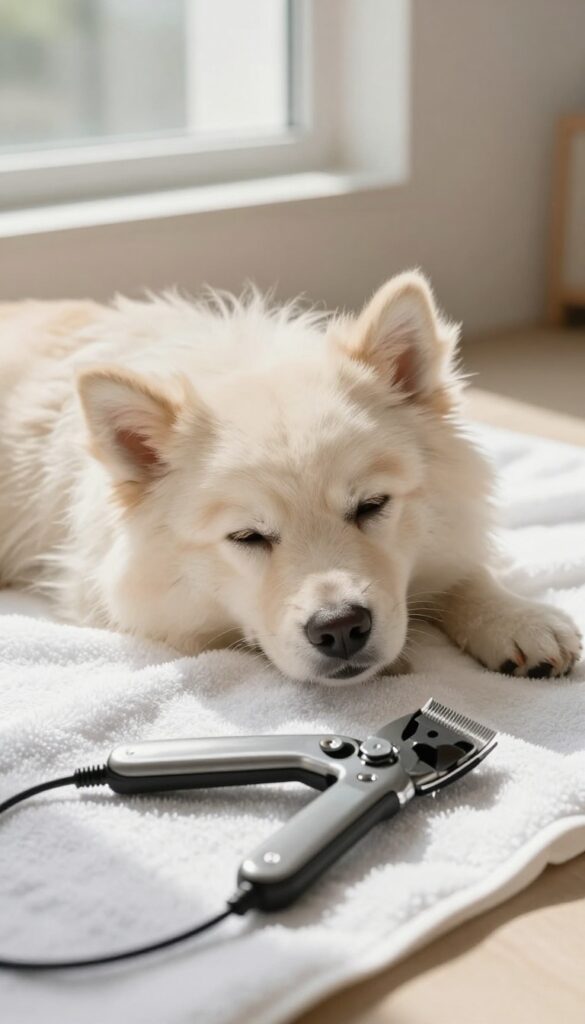
Some dogs get spooked by the loud buzz and rattling of standard clippers, turning a simple trim into a stressful ordeal. Choosing clippers that run quietly and smoothly can make grooming feel less intimidating, helping your dog stay calm and cooperative. Many owners find this small switch transforms haircuts from a struggle into a peaceful moment.
Why It Works
Quiet, low-vibration clippers reduce the sensory overload that often triggers anxiety in dogs. The gentle hum and steady motion are less startling, allowing your pup to relax instead of flinching or trying to escape. This makes the whole process safer and more comfortable for both of you.
Best For
This idea is perfect for dogs who startle easily at loud noises or have had bad grooming experiences in the past. It's also great for apartment dwellers or homes where noise needs to be kept down, and for breeds with thick coats that require frequent trimming.
Practical Tip
Set up your grooming area in a quiet corner with good lighting, and test the clippers on your own arm first to ensure they're not too hot or rough. Keep treats nearby to reward calm behavior, and clean the blades after each use to maintain smooth operation.
Budget-Friendly Option
If high-end quiet clippers are out of reach, look for refurbished models or older versions with good reviews. You can also try using scissors for touch-ups between trims to extend the time between full clipper sessions.
11. Create a Pre-Grooming Routine with a Walk or Playtime
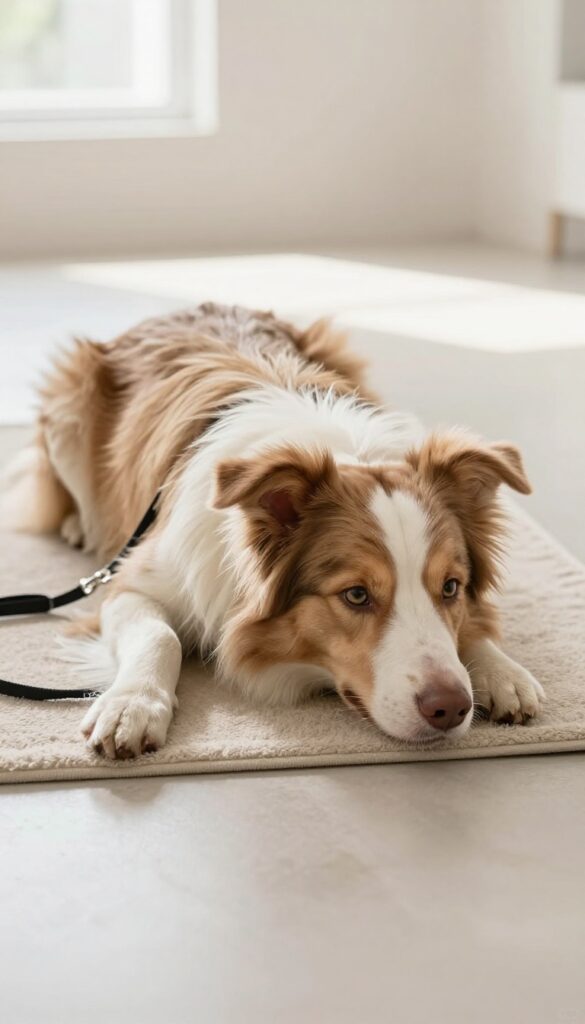
A quick walk or play session before grooming can transform a tense moment into a calm one. By burning off that extra energy, your dog is more likely to settle down and cooperate. It's a simple trick many owners swear by because it makes the whole process smoother for everyone.
Why It Works
Dogs with pent-up energy often fidget or resist grooming out of restlessness. A pre-grooming activity helps them release that energy, leading to a more relaxed state. This natural approach reduces stress without needing special tools or treats.
Best For
This works well for high-energy breeds like Border Collies or Labradors, as well as any dog that gets antsy during grooming. It's especially useful in apartments or small homes where dogs might not get enough exercise otherwise.
Practical Tip
Keep it simple: aim for a 15-20 minute walk or play session right before you start grooming. Have your grooming tools ready in a quiet corner so you can transition smoothly without losing that calm vibe.
12. Use a Grooming Table or Elevated Surface for Better Control
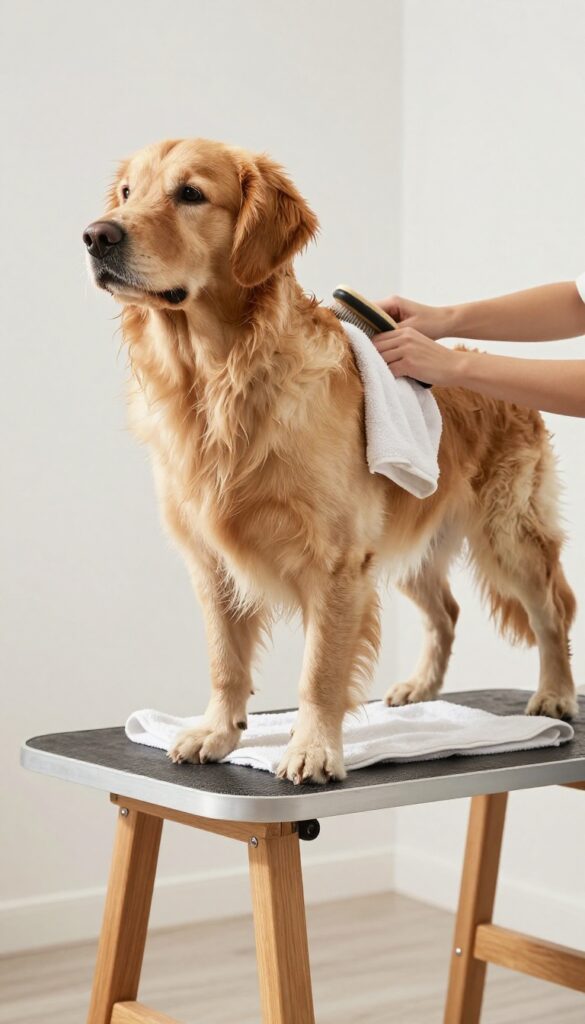
Elevating your dog during grooming sessions can make a world of difference in how smoothly things go. A stable table or platform puts your pup at a comfortable height, so you're not bending over awkwardly or struggling to hold them still. This simple setup helps you maintain better posture and focus on the task without the added strain.
Why It Works
An elevated surface reduces your dog's ability to squirm away, giving you more control over their movements. It also brings them closer to eye level, which can feel less intimidating for nervous dogs and makes it easier to reach all areas without straining your back.
Best For
This idea is perfect for owners of medium to large breeds who find grooming physically demanding, or for anyone with limited mobility. It's also great for apartments where floor space is tight, as a foldable table can be stored easily when not in use.
Practical Tip
Choose a table with a non-slip mat to prevent slipping and add a soft towel or pad for extra comfort. Position it in a well-lit, quiet corner of your home to minimize distractions, and keep grooming tools within arm's reach on a nearby shelf or cart.
Budget-Friendly Option
If a dedicated grooming table isn't in your budget, try using a sturdy coffee table, bench, or even a padded ottoman. Just ensure it's stable and at a height that feels comfortable for you—test it out first with your dog to make sure they feel secure.
13. Keep All Supplies Organized in a Portable Caddy
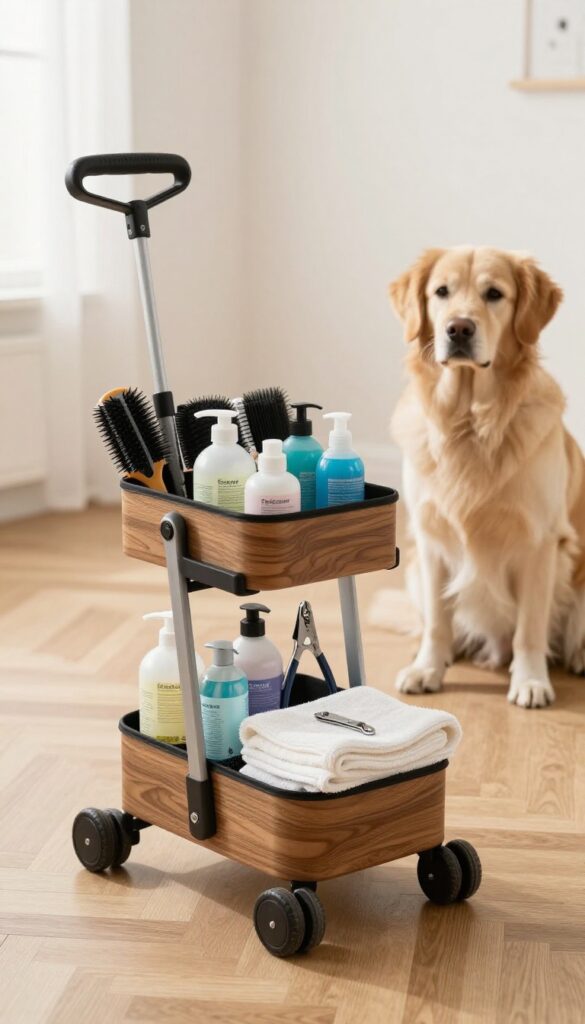
Imagine having all your grooming tools right at your fingertips, without scrambling through drawers or cabinets. A portable caddy keeps brushes, shampoos, and towels neatly together, making it simple to grab and go wherever your dog feels most comfortable. Dog owners love this because it cuts down on clutter and turns grooming into a smoother, less chaotic task.
Why It Works
This setup works by eliminating the hassle of searching for items mid-session, which can stress out a dog that already dislikes grooming. With everything in one spot, you stay focused and calm, helping your pup feel more at ease. It also prevents spills and messes from scattered supplies, keeping your space tidy.
Best For
This idea fits best for owners in apartments or small homes where storage is limited. It's great for dogs that get anxious when moved around too much, as you can bring the caddy to them instead. Busy households with multiple pets will find it especially handy for quick touch-ups.
Practical Tip
Choose a caddy with compartments or pockets to separate wet items like shampoo bottles from dry tools like brushes. Place it in a consistent spot, like near your grooming area, so it becomes part of your routine. For safety, ensure sharp tools are secured and out of reach when not in use.
Budget-Friendly Option
If you're on a tight budget, repurpose an old basket or tote bag instead of buying a new caddy. Use plastic containers or zip-top bags inside to organize supplies and prevent leaks. This swap keeps things functional without extra cost.
14. Try a Deshedding Tool During Shedding Seasons
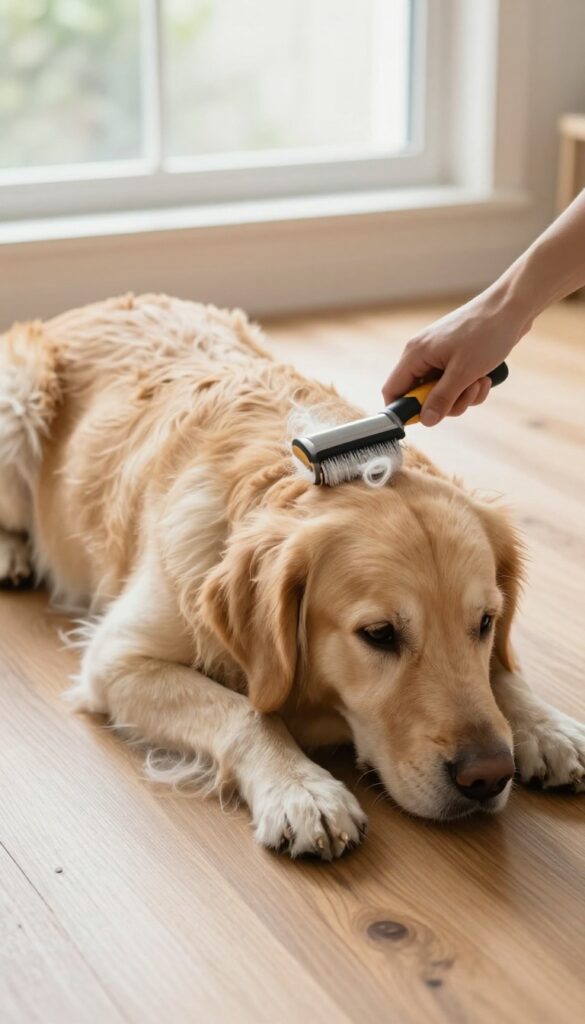
Shedding seasons can turn grooming into a fur-filled challenge, especially with dogs who dislike the process. A deshedding tool tackles loose fur efficiently, cutting down on brushing time and making sessions more tolerable for your pup. Many owners find this approach reduces mess and helps keep their dog's coat healthier between full grooms.
Why It Works
Deshedding tools are designed to reach deep into the undercoat without irritating the skin, removing loose fur before it mats or sheds all over your home. This makes regular brushing quicker and less stressful, as you're not fighting through tangles or overwhelming your dog with prolonged handling.
Best For
This idea fits dogs with thick or double coats, like Golden Retrievers or Huskies, that shed heavily during seasonal changes. It's also great for busy households where quick, effective grooming is key to maintaining a clean living space without constant vacuuming.
Practical Tip
Use the deshedding tool in a calm, well-lit area after a short walk to help your dog relax. Work in gentle strokes following the coat direction, and have a trash bag handy to collect fur easily. Store it in your grooming kit to keep it accessible for regular use.
15. Involve a Second Person for Distraction and Support
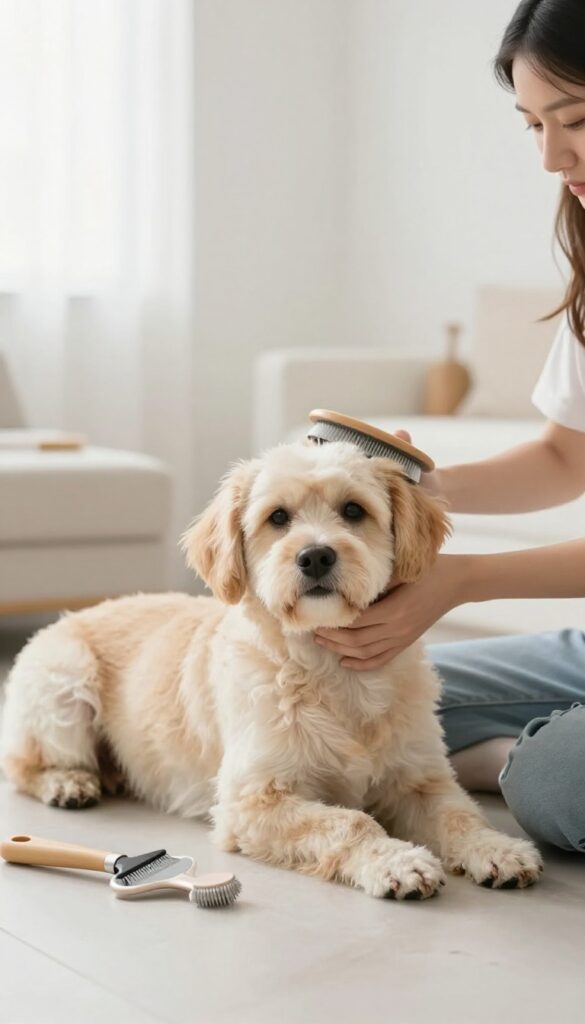
Grooming a reluctant dog often feels like a solo struggle, but bringing in a helper can shift the dynamic entirely. With an extra set of hands, you can focus on the grooming tasks while your assistant keeps your pup calm and engaged. Many owners find this teamwork approach reduces stress for everyone involved, making sessions smoother and more positive.
Why It Works
Having a second person allows one to handle the grooming tools while the other provides gentle distractions like treats or pets. This splits the dog's attention, so they're less focused on the potentially scary parts of grooming. It's a simple way to build trust and keep things moving without overwhelming your furry friend.
Best For
This idea works well for dogs who get anxious or fidgety during grooming, especially larger breeds or those with thick coats that require more time. It's also great for households with multiple people, where someone can step in to help without much hassle.
Practical Tip
Set up in a quiet room with enough space for both people to move comfortably. Have your helper stand or sit near the dog's head with treats ready, while you position yourself for easy access to grooming areas. Keep tools organized on a nearby table to avoid interruptions during the session.
16. Adjust Lighting to Reduce Shadows and Glare
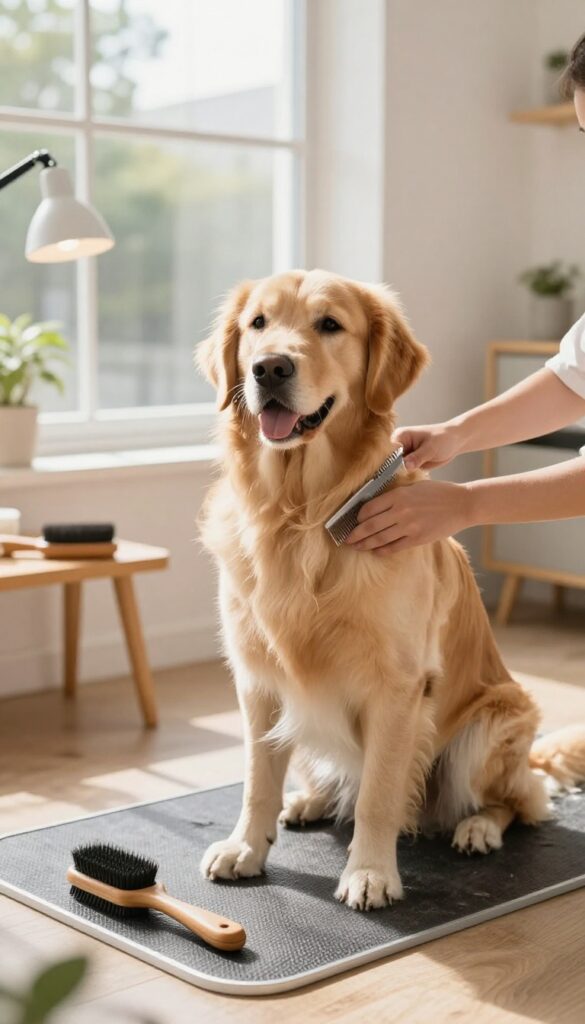
Lighting can make or break a grooming session, especially with a nervous pup. Shadows and harsh glares might startle your dog, turning a simple brush into a stressful ordeal. By setting up soft, even light, you create a calm environment where both of you can focus without surprises.
Why It Works
Dogs rely heavily on their senses, and sudden shadows or bright spots can trigger anxiety during grooming. Clear, gentle illumination helps your dog see what's happening, reducing fear and making them feel more secure. It also lets you spot tangles or dirt easily, ensuring a thorough job without straining your eyes.
Best For
This idea is perfect for dogs who get spooked by grooming tools or unusual movements. It works well in any home setup, from small apartments with limited windows to dedicated grooming corners. Owners dealing with skittish breeds or older dogs will find it particularly helpful for maintaining calm.
Practical Tip
Place adjustable lamps near the grooming area, aiming for indirect light that covers the space evenly. Use natural light from windows when possible, but avoid direct sunlight that creates glare. Keep cords tucked away to prevent tripping and ensure the lighting is consistent throughout the session.
Budget-Friendly Option
If you don't have fancy lamps, try using a simple desk lamp with a soft white bulb or repositioning existing lights. Daylight from an open window can work wonders—just time your grooming for when the sun isn't too harsh. Even moving to a brighter room can make a big difference without extra cost.
17. Choose Mild, Scent-Free Shampoos to Avoid Irritation
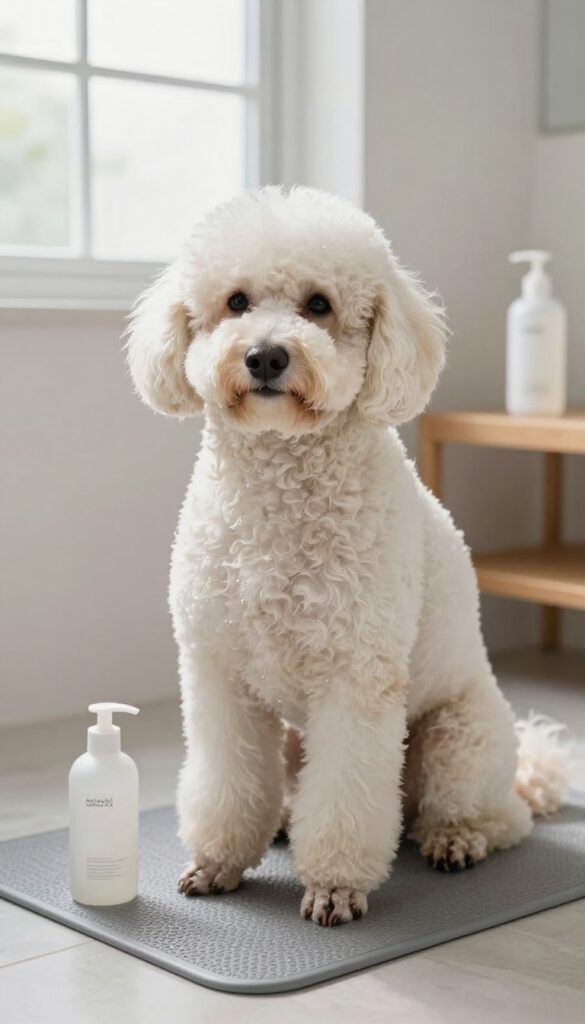
For dogs who dread bath time, the shampoo you use can be a game-changer. Many pups have sensitive skin that reacts badly to harsh chemicals or strong fragrances, turning a simple wash into an itchy, uncomfortable ordeal. By opting for gentle, hypoallergenic options, you help keep their skin calm and make the whole process less stressful for everyone involved.
Why It Works
Mild, scent-free shampoos are formulated without common irritants like dyes, parabens, or synthetic perfumes. This reduces the risk of allergic reactions or dryness, so your dog feels more comfortable during and after the bath. It's a simple switch that supports healthy skin and a happier grooming experience.
Best For
This idea is perfect for dogs with known sensitivities or allergies, as well as breeds prone to skin issues like Bulldogs or Poodles. It also works well in homes where family members might have fragrance allergies themselves, keeping the air cleaner and more pleasant.
Practical Tip
Keep the shampoo bottle within easy reach in your grooming area, perhaps on a low shelf or in a caddy. Before bathing, do a patch test on a small area of your dog's skin to ensure no reaction occurs. Rinse thoroughly with lukewarm water to remove all residue and prevent any lingering irritation.
Budget-Friendly Option
If premium hypoallergenic shampoos are out of budget, look for basic unscented baby shampoos—they're often gentle and affordable. Just check the ingredients to avoid any additives that might not suit your dog's skin.
18. Practice Patience and Stay Calm to Model Relaxed Behavior
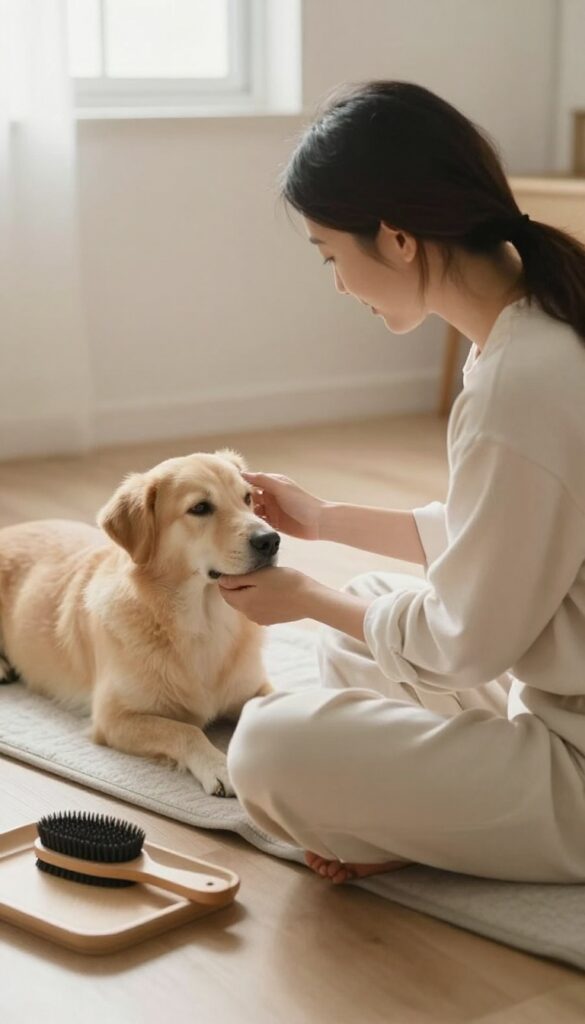
Your dog picks up on your energy during grooming sessions, so staying calm can set the tone for a peaceful experience. When you move slowly and speak softly, it signals that there's nothing to fear, helping your pup relax into the routine. This approach turns grooming from a stressful chore into a quiet moment of connection, making it easier for both of you.
Why It Works
Dogs are highly attuned to human emotions, often mirroring our stress or calmness. By maintaining a steady demeanor, you reduce anxiety triggers and create a predictable environment. This builds trust over time, encouraging your dog to cooperate more willingly during grooming.
Best For
This idea suits any dog owner dealing with a nervous or resistant pup, especially in homes where space is limited and distractions are minimal. It's particularly effective for breeds that are sensitive to loud noises or sudden movements, like herding dogs or small companion breeds.
Practical Tip
Set up your grooming area in a quiet corner with soft lighting and familiar items like a favorite mat or toy. Keep tools organized within easy reach to avoid frantic searching mid-session. Use gentle touches and take breaks if needed, ensuring your dog feels safe and comfortable throughout.
19. Celebrate Small Wins with a Post-Grooming Reward
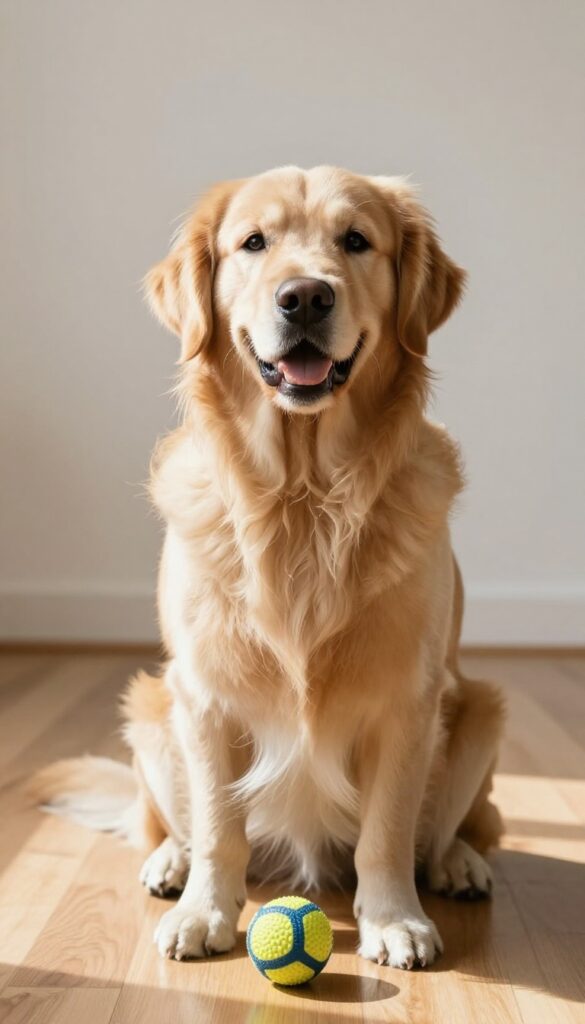
After a grooming session, especially with a dog who resists it, ending on a high note can make all the difference. A quick reward like a favorite toy or extra cuddle helps your pup associate grooming with positive outcomes instead of stress. This simple habit builds trust over time, turning dreaded sessions into moments you both look forward to.
Why It Works
Rewards tap into your dog's natural desire for positive reinforcement, making grooming feel less like a chore and more like a fun routine. By consistently pairing grooming with something enjoyable, you create lasting memories that encourage cooperation in future sessions.
Best For
This idea works well for any dog owner dealing with a reluctant groomer, from puppies learning the ropes to older dogs set in their ways. It's especially helpful in homes where space is limited, as it doesn't require extra gear—just a bit of time and affection.
Practical Tip
Keep rewards handy by storing treats or toys near your grooming area in a small basket or drawer. Choose items your dog loves but only gets during grooming to maintain their special appeal and avoid overuse.
Budget-Friendly Option
If treats aren't an option, use extra playtime or a gentle belly rub as a free alternative. Even a few minutes of focused attention can reinforce that good behavior pays off without costing a dime.
FAQ
How often should I groom my dog at home if they hate it?
Start with short, weekly sessions focusing on one task, like brushing or nail care, and gradually increase frequency as your dog becomes more comfortable, aiming for consistency without overwhelming them.
What if my dog still resists grooming after trying these tips?
Consider consulting a professional groomer for advice or a demo, as they can offer personalized techniques; in some cases, a vet check might rule out pain or health issues causing the resistance.
Are there specific breeds that are harder to groom at home?
Breeds with thick, curly, or long coats, like Poodles or Huskies, may require more patience and specialized tools, but any dog can learn to tolerate grooming with slow, positive introductions.
Can I use human grooming products on my dog?
No, avoid human shampoos or tools, as they can irritate a dog's skin or be unsafe; always choose products specifically formulated for dogs to ensure comfort and safety.
How do I make nail trimming less stressful for my dog?
Trim nails in a well-lit area, use sharp, guillotine-style clippers for precision, and reward with treats after each nail to build positive associations and reduce fear over time.
Conclusion
So, you've got a solid plan to turn grooming from a battle into a bonding moment. Start with a calm corner, use treats and patience, and keep sessions short and sweet. Your dog will learn to trust the process, making home grooming easier for both of you.
Stick with these tips, and you'll save time and stress while keeping your pup looking great. With a little consistency, those dreaded grooming days can become something you both look forward to—a win for your wallet and your furry friend's comfort.

I’m Pallab Kishore, the owner of Little Pets Realm — an animal lover and pet care enthusiast sharing easy tips, healthy recipes, and honest advice to help every small pet live a happy, healthy, tail-wagging life.