
Keeping your dog cool in the backyard doesn't have to mean leaving them inside all summer. A well-designed outdoor dog house with smart shade features can make your pup's time outside comfortable and safe, even on the hottest days.
These ten ideas focus on real-world solutions that block heat, improve airflow, and give your dog a refreshing retreat. From elevated wooden houses with ventilated floors to solar-powered fans and green roofs, each option tackles a different aspect of shade and cooling.
Some are simple DIY upgrades, while others are complete builds or ready-made products. All are chosen to help your dog beat the heat without sacrificing durability or style.
1. Elevated Wooden Dog House with Ventilated Floor
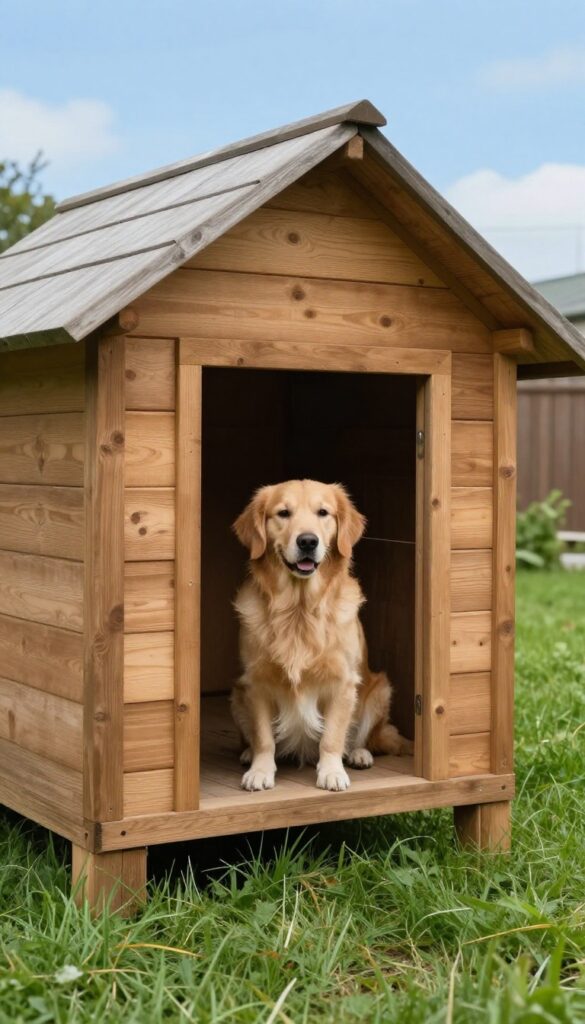
Raising the dog house off the ground is one of the simplest ways to add natural cooling. The open space underneath allows air to flow freely, preventing heat from building up inside. Plus, it keeps the floor dry and clean, which is a big win for both you and your pup.
Why It Works
When a dog house sits directly on the ground, it absorbs heat from the earth and traps moisture underneath. Elevating it creates a gap that lets cooler air circulate beneath, reducing interior temperatures significantly. A ventilated floor—like slatted wood or a raised mesh panel—further boosts airflow so your dog stays comfortable even during peak heat.
Best For
This setup works great for warm climates where afternoon temperatures soar. It's also ideal for dogs that like to dig or drag dirt into their house, since the raised design helps keep the interior cleaner. Breeds with thick coats or those prone to overheating will appreciate the extra breathability.
Practical Tip
Use pressure-treated lumber or cedar for durability against weather and rot. Space the floor slats about half an inch apart to allow airflow while still being comfortable for your dog's paws. Add a ramp or steps so smaller or older dogs can easily get in and out without jumping.
Budget-Friendly Option
Save money by using repurposed wooden pallets as the base. Just make sure they're untreated and free of chemicals—sand them down and seal with a pet-safe outdoor finish for a budget-friendly version that still elevates and ventilates well.
2. Shade Sail Canopy Over a Standard Dog House
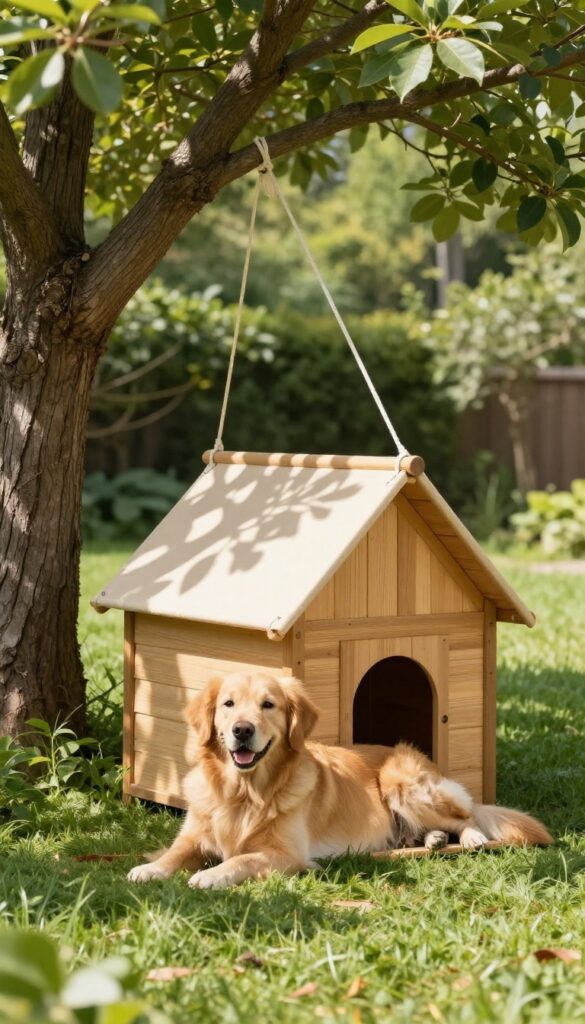
Attaching a shade sail above your dog's existing house is a fast, low-cost way to beat the heat. These triangular or rectangular canopies block up to 90% of UV rays while letting air flow freely underneath. The best part?
You can adjust the angle as the sun moves, keeping your pup cool all afternoon.
Why It Works
A shade sail creates a broad shadow that covers the roof and surrounding area, preventing the dog house from absorbing direct sunlight. This can lower the interior temperature by 10–15°F without blocking breezes. The open sides also allow your dog to see out and stay alert.
Best For
This setup is ideal for dog owners who already have a sturdy standard dog house and want an affordable upgrade. It works well in yards with existing posts, fences, or trees where you can anchor the sail. Great for medium to large breeds that spend several hours outside.
Practical Tip
Use a high-quality shade sail made of breathable, UV-resistant fabric (like HDPE mesh). Install it at least 12 inches above the roof for airflow. Angle it slightly toward the south or west for maximum afternoon coverage.
Make sure all corners are tensioned securely so it doesn't sag in rain.
3. DIY Pallet Dog House with Reflective Roof
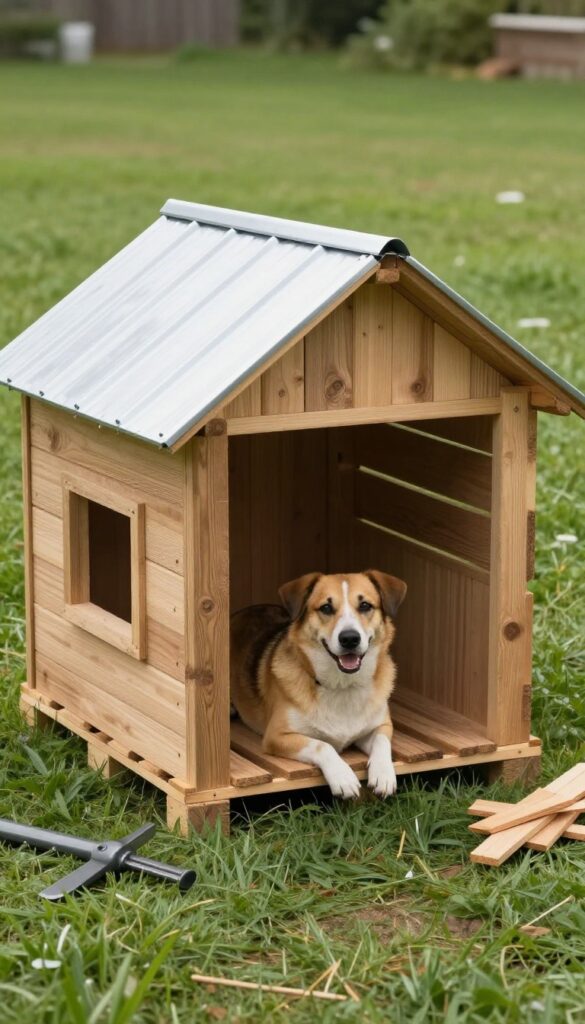
Repurposing wooden pallets into a dog house is a budget-friendly and eco-conscious way to provide shade. By adding a reflective roof, you can significantly reduce heat absorption, making the interior cooler. This combination of upcycling and smart materials appeals to DIY enthusiasts and practical pet owners alike.
Why It Works
Pallets are naturally insulating, and their slatted design allows for airflow when spaced properly. A reflective roof—made from white paint, metal sheeting, or foil-faced foam—bounces sunlight away instead of trapping heat. This lowers the internal temperature by several degrees, creating a more comfortable retreat for your dog.
Best For
This idea is ideal for handy dog owners who enjoy building projects and want a cost-effective, custom-sized shelter. It works well for medium to large breeds that need extra headroom, and fits nicely in backyards where sustainability matters.
Practical Tip
Seal the wood with a pet-safe, water-resistant coating to protect against weather and splinters. Ensure the roof overhangs slightly on all sides to cast more shade on the walls. Add a removable panel or hinged roof for easy cleaning inside.
Budget-Friendly Option
If pallets are hard to find, use scrap plywood or reclaimed lumber from construction sites. For the reflective layer, a coat of white exterior paint works almost as well as metal sheeting at a fraction of the cost.
4. Insulated Dog House with Cooling Gel Mat
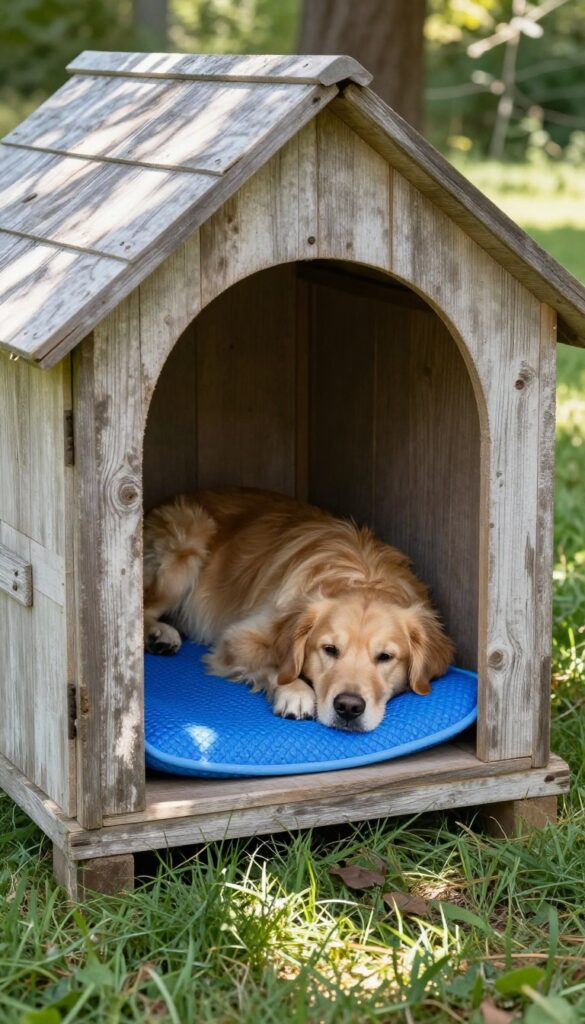
Adding insulation to your dog's house is like giving it a built-in cooler. By lining the walls with foam board and placing a cooling gel mat inside, you create a space that stays noticeably cooler than the outside air. The insulation traps the cool air generated by the mat, while the mat itself provides a chilled surface for your pup to sprawl out on.
It's a simple upgrade that makes a huge difference on scorching afternoons.
Why It Works
The foam insulation prevents heat from seeping in through the walls, keeping the interior temperature stable. The cooling gel mat absorbs your dog's body heat and dissipates it, offering instant relief. Together, they create a microclimate that can be 10–15 degrees cooler than the ambient temperature.
Best For
This setup is ideal for dogs who love to lounge outside for hours, especially thick-coated breeds like Huskies or Golden Retrievers. It also works well in regions with consistently high temperatures, where a standard dog house would turn into an oven.
Practical Tip
Choose a gel mat with a durable, chew-resistant cover—many dogs like to dig or scratch before settling down. Place the mat on a slightly elevated platform inside the house to allow airflow underneath, which prevents moisture buildup and keeps the mat working effectively.
Budget-Friendly Option
If you're on a tight budget, skip the commercial gel mat and use a frozen water bottle wrapped in a towel instead. Replace it every few hours for similar cooling effects without the upfront cost.
5. Portable Pop-Up Canopy with Mesh Sides
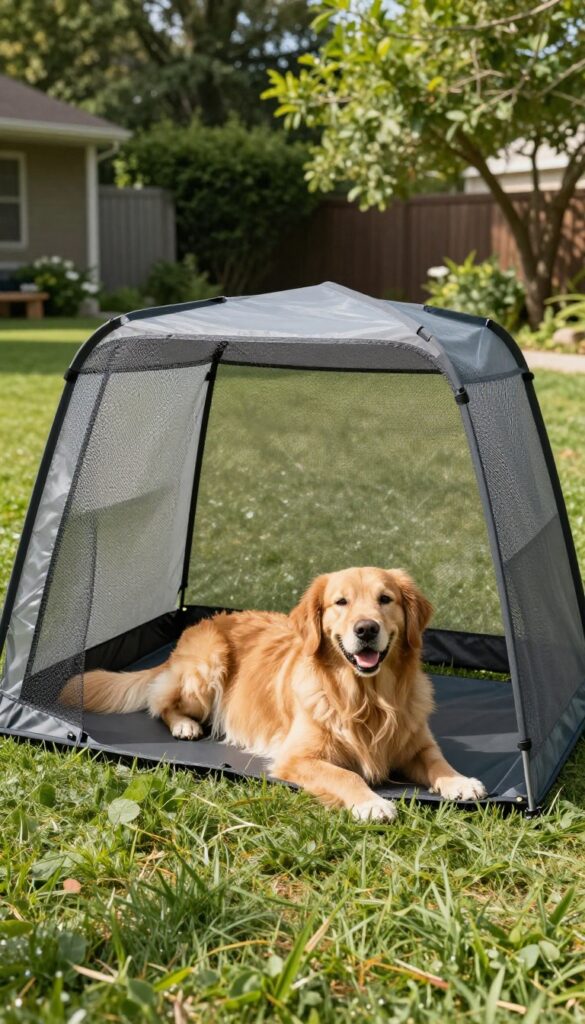
When you're on the move or need a quick shade fix, a pop-up canopy with mesh walls is a game changer. These lightweight shelters set up in minutes and provide instant relief from the sun. The mesh sides let breezes flow through while keeping bugs out, making it a favorite for dog owners who love camping, beach trips, or just backyard flexibility.
Why It Works
The canopy blocks direct sunlight, and the mesh walls allow air to circulate freely, preventing heat buildup. This design keeps your dog cool without trapping hot air inside—unlike solid-walled houses that can become ovens. Plus, the open feel reduces anxiety for dogs who dislike enclosed spaces.
Best For
Active dog owners who frequently travel or need temporary shade. Great for camping, picnics, or days at the park. Also ideal for dogs that prefer open spaces over traditional dog houses.
Practical Tip
Anchor the canopy with sandbags or stake-down straps—dogs can bump into poles and knock it over. Add a portable cot or cooling mat underneath to lift your pup off hot ground. Choose a canopy with UV-resistant fabric for longer life.
6. Under-Deck Dog House with Natural Shade
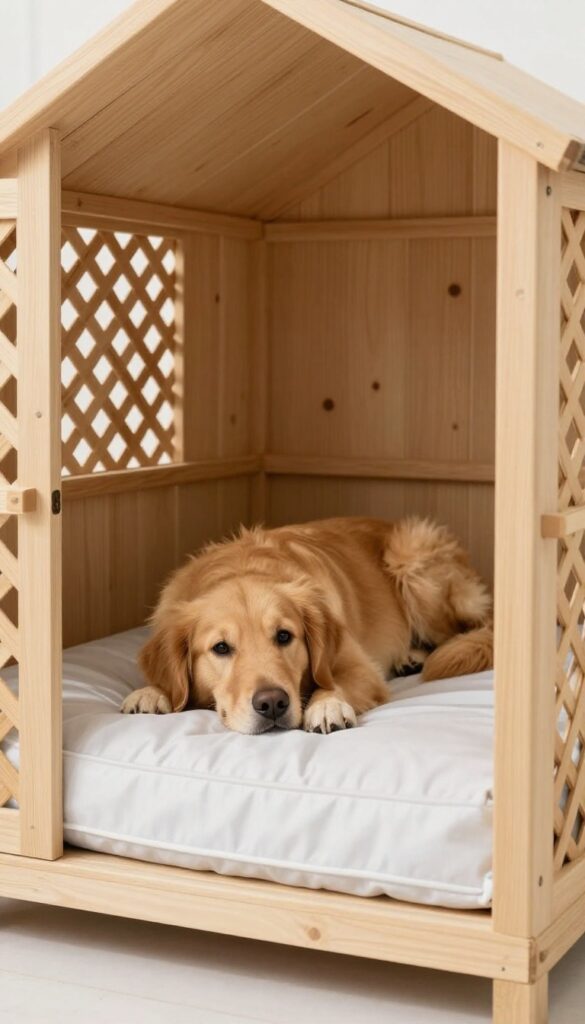
That shady spot under your deck or porch is prime real estate for a dog house. By enclosing the area with lattice or fencing, you create a built-in retreat that stays cool all day. The existing structure blocks direct sun, so your pup gets constant shade without any extra effort.
Why It Works
The deck above absorbs and deflects heat, keeping the space underneath noticeably cooler than the rest of the yard. Air can still circulate through gaps in the lattice, preventing stuffiness while maintaining a protected feel.
Best For
Dogs that love being outside but need a reliable cool-down spot during peak sun hours. It's also great for homes with limited yard space, since it turns an otherwise unused area into a functional dog zone.
Practical Tip
Use pressure-treated lumber for the frame and weather-resistant lattice to withstand rain and humidity. Add a waterproof outdoor bed or cot to keep your dog off damp ground, and consider a small flap door to block wind and bugs.
Budget-Friendly Option
Skip the custom enclosure and simply place a sturdy dog house directly under an existing deck or porch. Even without full lattice walls, the overhead shade provides significant cooling benefits at no extra cost.
7. Cedar Dog House with Overhanging Eaves
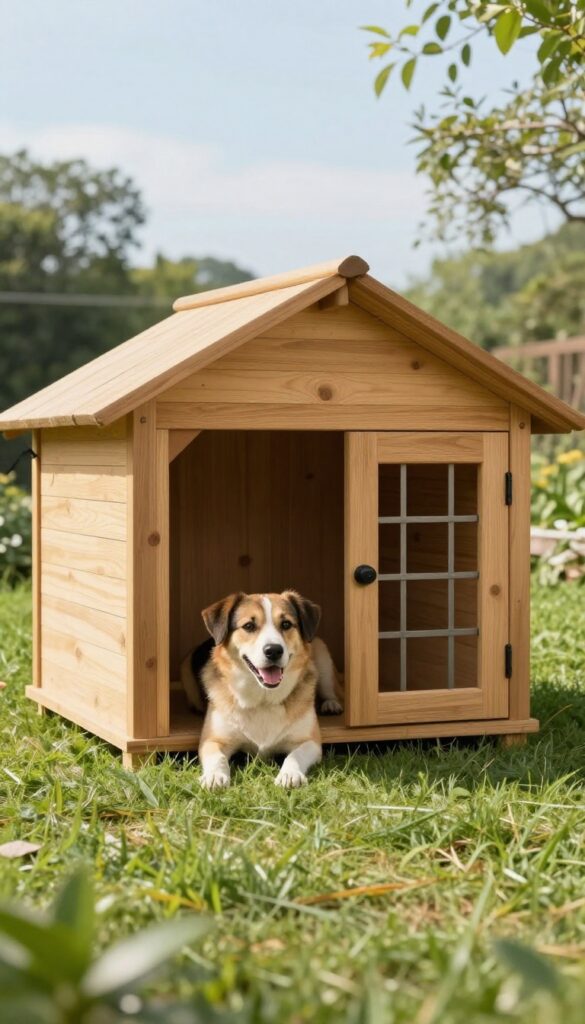
Cedar is a natural standout for outdoor dog houses because it resists moisture, rot, and insects without chemical treatments. When you add wide overhanging eaves, the entryway stays shaded throughout the day, giving your dog a cool spot to lounge just outside the door. The combination of breathable wood and deep shade keeps the interior noticeably cooler than plastic or metal alternatives.
Why It Works
Cedar has natural insulating properties that slow heat transfer, so the house doesn't bake in direct sun like darker materials do. The overhanging eaves block sunlight from hitting the entrance directly, creating a shaded threshold where your dog can rest without stepping fully inside. This setup also helps rain stay away from the opening, keeping bedding dry and comfortable.
Best For
This is ideal for dogs that spend several hours outdoors during warm weather, especially breeds prone to overheating like Bulldogs, Pugs, or Huskies. It also suits owners who want a durable, low-maintenance structure that blends naturally into a garden or yard setting.
Practical Tip
Place the house with the entrance facing north or east to minimize afternoon sun exposure. Elevate the floor on pressure-treated skids or bricks to improve airflow underneath and prevent moisture wicking from damp ground. A coat of clear sealant every two years will keep the cedar looking fresh without blocking its breathability.
Budget-Friendly Option
If solid cedar is out of your budget, look for cedar plywood or cedar fence pickets as a cost-effective alternative. You can build a similar design with standard lumber and attach cedar shingles or siding panels just on the exterior for the same aesthetic and heat resistance.
8. Dog House with Green Roof (Sedum or Grass)
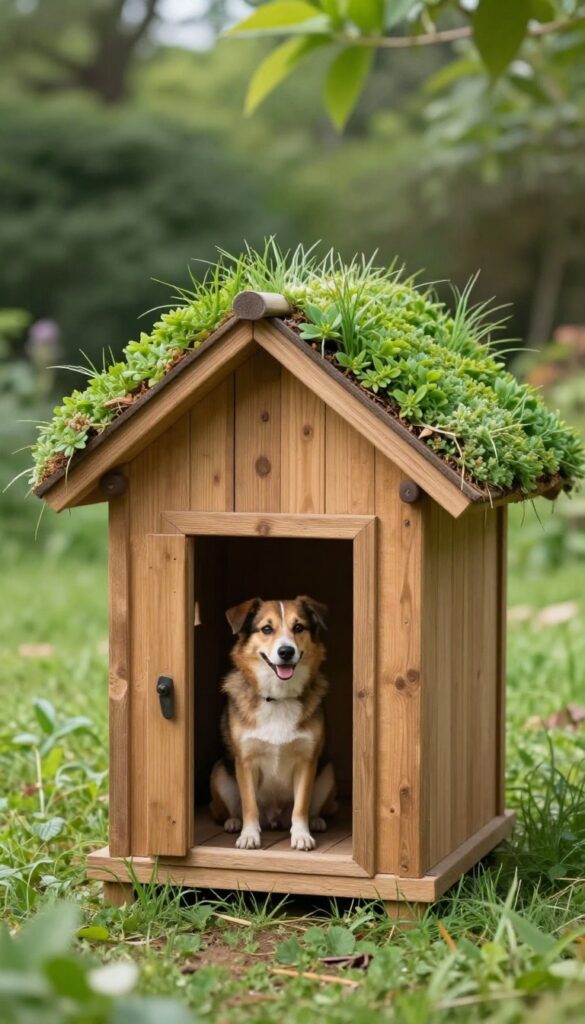
A green roof might sound like something for an eco-friendly house, but it works just as well for your dog's outdoor shelter. By planting a shallow layer of sedum or grass on top, you create a living blanket that absorbs heat and keeps the interior noticeably cooler.
This isn't just about looks—the soil and plants act as natural insulation, blocking direct sun and reducing temperature swings inside the dog house. Plus, the greenery blends into your yard beautifully.
Many dog owners love this idea because it's low-maintenance once established. Sedum is especially hardy, requires little water, and stays green through most seasons.
Why It Works
Plants like sedum and grass absorb solar radiation instead of letting it bake the roof surface. The soil layer adds thermal mass, slowing down heat transfer into the house. On hot days, evaporation from the leaves also creates a slight cooling effect, keeping your dog's space more comfortable.
Best For
This is ideal for permanent dog houses in sunny backyards where you want a natural look and don't mind a bit of gardening. It works well for dogs that spend several hours outside daily, especially during warm months. Best for medium to large breeds that need a sturdy, well-insulated shelter.
Practical Tip
Use a waterproof liner under the soil to protect the roof structure. Choose shallow-rooted sedum or drought-tolerant grass to avoid heavy maintenance. Make sure the roof slope is gentle (or flat) so plants stay in place.
Water occasionally during dry spells, but avoid overwatering.
Budget-Friendly Option
Instead of buying pre-grown sedum mats, collect clippings from friends or neighbors and plant them yourself. A simple tray system made from recycled plastic crates can hold the soil and plants without extra cost.
9. Air-Conditioned Dog House with Solar Fan
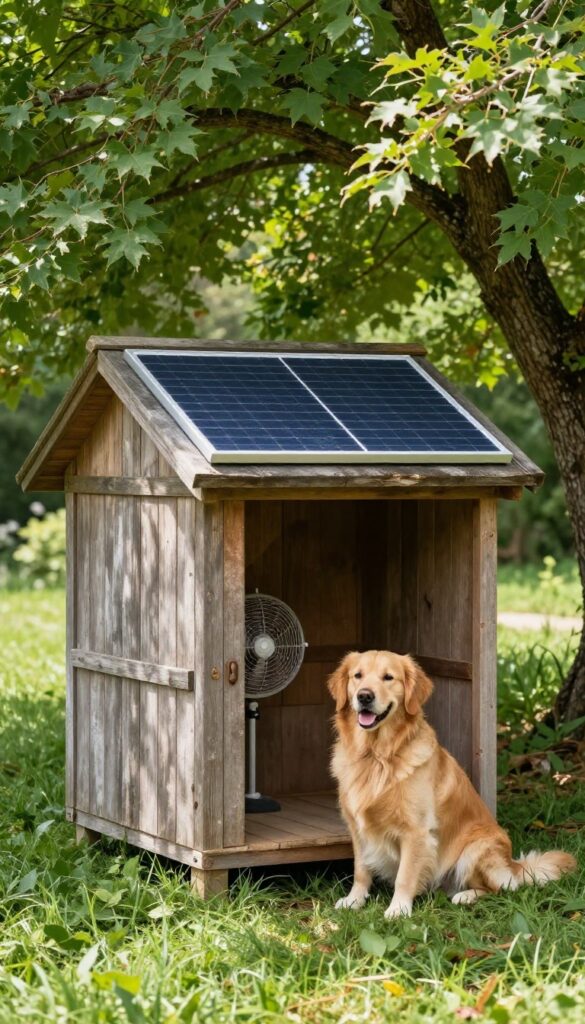
When the summer heat is relentless, a solar-powered fan or small AC unit can turn your dog's house into a cool oasis. These systems run off-grid, so you don't need to worry about wiring or electricity costs. It's a high-tech solution that really works for extreme temperatures.
Why It Works
Solar fans pull hot air out and circulate fresh air, dropping the inside temperature significantly. Adding a portable AC unit takes it further—perfect for heat-sensitive breeds or dogs that spend lots of time outside.
Best For
Great for owners in very hot climates, for senior dogs or flat-faced breeds like Bulldogs and Pugs who struggle in heat, and for anyone wanting a hands-off cooling setup.
Practical Tip
Make sure the dog house is well-insulated first—foam panels or reflective barriers help keep cool air in. Mount the solar panel where it gets full sun and position the fan on the opposite side of the door for cross-ventilation.
Budget-Friendly Option
If a full AC unit is too pricey, try a battery-operated clip-on fan with rechargeable batteries. It's not as powerful but still moves air and costs way less.
10. Multi-Purpose Shade Structure with Dog Bed
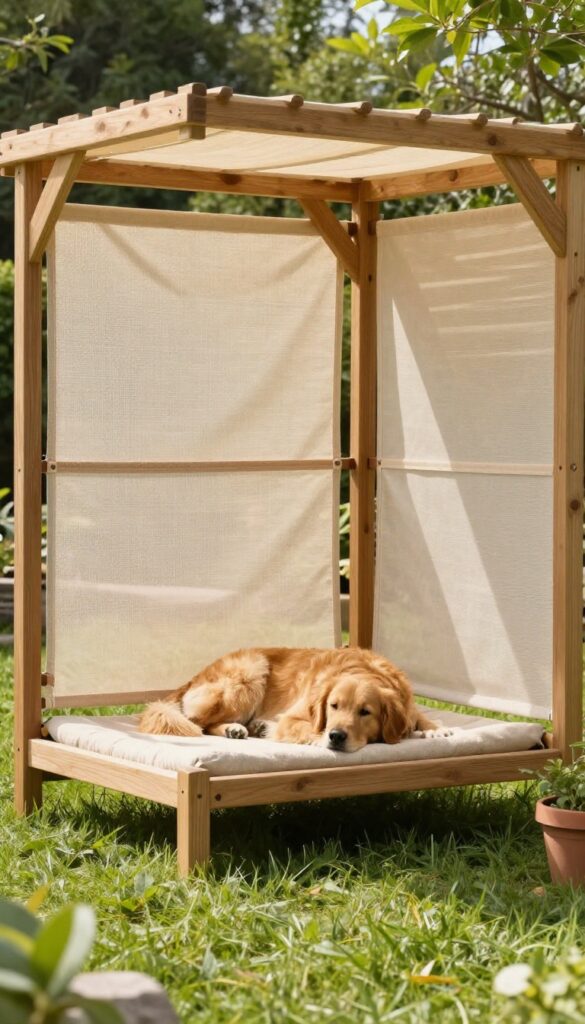
A pergola or shade structure does double duty—it gives your dog a cool hangout and adds a nice feature to your yard. The open roof lets heat escape while blocking direct sun, and a raised dog bed inside keeps your pup off hot ground. You can build one as a weekend project or buy a kit.
Why It Works
The open design encourages airflow from all sides, which helps keep the space cooler than an enclosed dog house. A raised bed lifts your dog off hot concrete or grass, preventing overheating and providing a comfortable spot to rest.
Best For
Dogs that spend several hours outside during the day, especially larger breeds that need more room to stretch out. It works well in yards with some space to spare and fits most climates where shade is the main cooling need.
Practical Tip
Position the structure so it gets afternoon shade from a tree or fence if possible. Use a cot-style elevated dog bed with breathable mesh fabric for maximum airflow. Add outdoor curtains on one or two sides for extra sun blockage on scorching days.
FAQ
What is the best material for a cool dog house?
Cedar and other light-colored woods are excellent because they stay cooler than dark plastic or metal. Insulated materials also help maintain a stable temperature.
How can I keep my dog house shaded without trees?
Use a shade sail, awning, or build a roof overhang. You can also place the dog house on the north side of your home or under a patio cover.
Should I elevate my dog house for better airflow?
Yes, elevating the dog house allows air to circulate underneath, reducing heat buildup and preventing moisture from seeping in.
Can I use a cooling mat inside an outdoor dog house?
Absolutely. Cooling gel mats are safe for outdoor use and provide a cool surface for your dog to lie on. Just ensure they are placed in a shaded area.
How often should I clean an outdoor dog house?
Clean it at least once a week during hot months to remove dirt, fur, and debris. Regular cleaning helps maintain airflow and prevents odors.
Conclusion
Your dog deserves a cool, comfy spot to escape the heat. Whether you choose a raised design for airflow or a insulated house for extra protection, the right shade solution makes all the difference.
Start with one idea that fits your yard and your pup's habits. A little effort now means more happy, relaxed afternoons outside together.

I’m Pallab Kishore, the owner of Little Pets Realm — an animal lover and pet care enthusiast sharing easy tips, healthy recipes, and honest advice to help every small pet live a happy, healthy, tail-wagging life.