
Finding a dog house that works in both summer heat and winter chill can feel like a challenge. Many options look good but fall short when it comes to real comfort or durability. You need something that stands up to the weather and gives your pup a cozy retreat no matter the season.
These 12 ideas focus on practical features like insulation, ventilation, and easy cleaning. Whether you have a small yard or a spacious backyard, there's a setup here that fits your space and your dog's needs.
From elevated designs that keep dogs cool to heated options for cold months, each idea is built to be genuinely useful all year long. Let's look at what works.
1. Insulated Dog House for Temperature Control
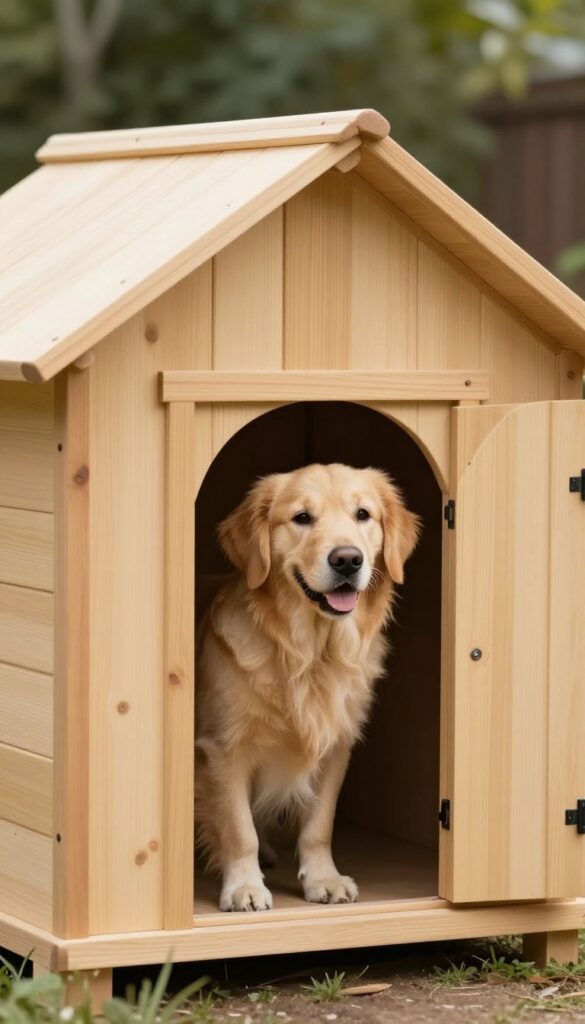
A dog house that keeps its cool in summer and stays warm in winter makes all the difference. Insulated walls help regulate temperature naturally, so your pup stays comfortable without relying on electricity. Many owners love how these houses cut down on energy costs while giving their dog a safe, cozy den.
Why It Works
Foam panels or double-walled construction trap air to buffer against extreme temperatures. In summer, the insulation reflects heat; in winter, it retains body warmth. This passive temperature control means your dog can enjoy the outdoors longer without overheating or shivering.
Best For
This is ideal for dogs who spend a lot of time outside, especially breeds like Huskies, Malamutes, or any thick-coated dog that needs a cool retreat in summer. It also works great for short-haired breeds like Boxers or Chihuahuas that get chilly easily.
Practical Tip
Place the house under a shaded area or covered porch to reduce direct sun exposure. Add a flap door to block drafts and keep rain out. Check the interior regularly for moisture buildup, and clean any mold spots right away with pet-safe cleaner.
Budget-Friendly Option
If a pre-made insulated house is too pricey, you can retrofit an existing wooden dog house with rigid foam boards. Cut them to fit the walls and roof, then seal with plywood or plastic sheeting for a DIY version that works nearly as well.
2. Elevated Dog House for Airflow and Dryness
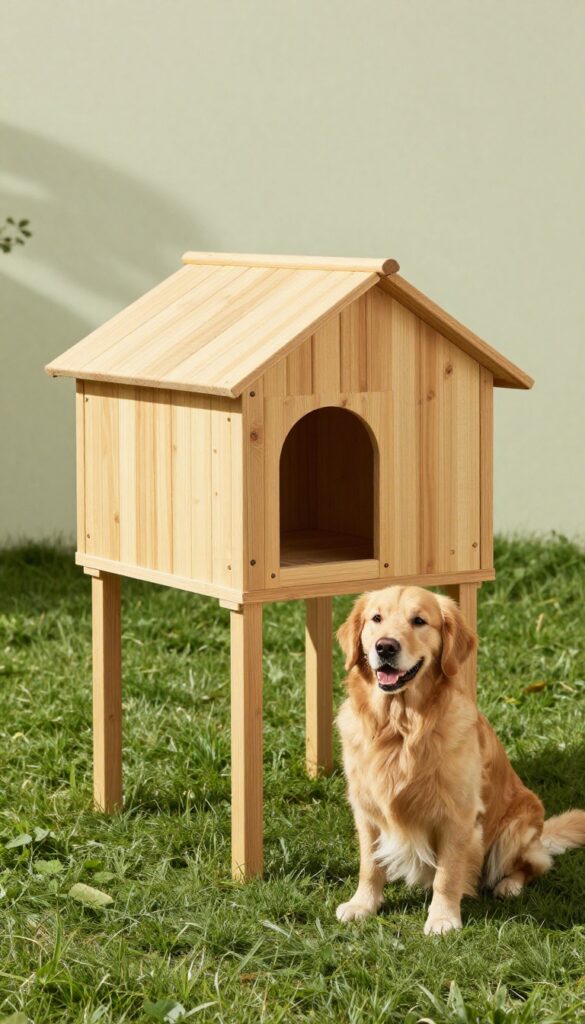
An elevated dog house sits off the ground on legs or a platform, creating an air gap underneath. This simple design helps keep the interior cooler in summer by allowing breeze to flow beneath, and it prevents rainwater from splashing into the entrance. Dogs stay drier and more comfortable, especially in humid or rainy climates.
Why It Works
Raising the dog house eliminates direct contact with damp soil or hot pavement, reducing moisture buildup and temperature swings. The open space underneath also discourages pests like ants or fleas from nesting near your dog's bed.
Best For
This style is ideal for breeds prone to overheating—like Huskies, Golden Retrievers, or Bulldogs—and for dogs living in areas with frequent rain or high humidity. It's also great for yards with uneven ground that would otherwise pool water around a traditional ground-level house.
Practical Tip
Place the elevated house on a level spot with good drainage, and consider adding a removable ramp if your dog is older or has joint issues. Use weather-resistant wood or recycled plastic to avoid rot, and seal any exposed hardware to prevent rust.
Budget-Friendly Option
If you're handy, build your own using a sturdy pallet as the base—just sand it smooth and attach four leg posts. For around $50 in materials, you can create a durable elevated structure that rivals store-bought models.
3. Heated Dog House for Cold Winters
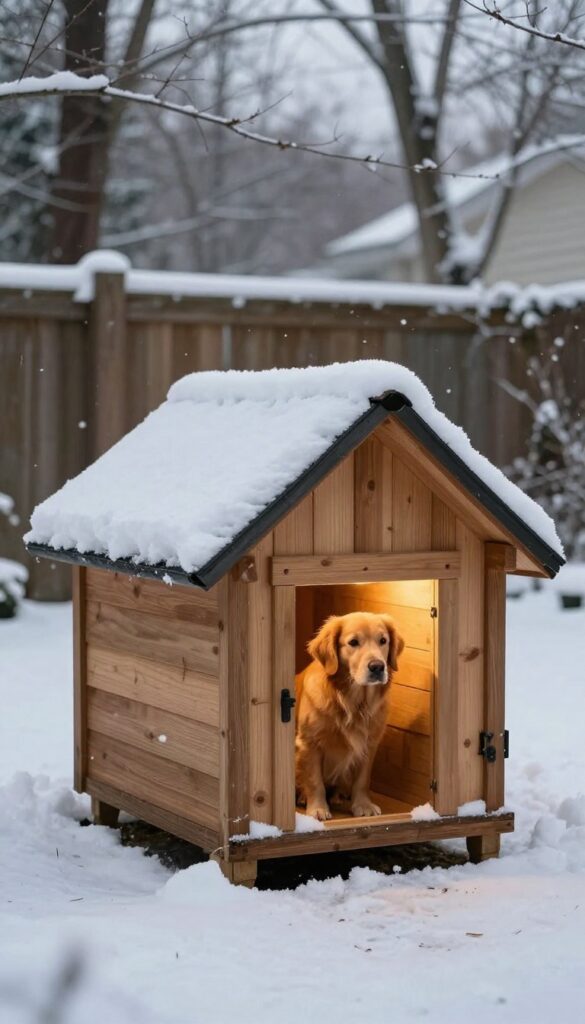
When freezing temperatures hit, a standard dog house just doesn't cut it. A heated option uses a built-in heating pad or a safe space heater to keep the interior warm and cozy. It's a game changer for dogs who spend time outdoors during winter or live in colder climates.
These houses are designed with safety features like chew-resistant cords and thermostats, so you can feel good about leaving your pup comfortable.
Why It Works
A heated dog house maintains a steady temperature, preventing your dog from shivering or getting too cold. The built-in heating elements are low wattage and energy efficient, while the thermostat ensures it only runs when needed. This means your dog stays warm without driving up your electric bill.
Best For
This setup is ideal for outdoor dogs, breeds with short coats like Chihuahuas or Greyhounds, and pups that are sensitive to cold. It's also great for owners in regions with harsh winters who want their dog to have a warm retreat.
Practical Tip
Place the heated house in a sheltered spot away from wind and snow. Use straw bedding inside instead of blankets, which can hold moisture and freeze. Check the cord regularly for any damage and ensure the heating pad is securely attached so your dog can't move it.
Budget-Friendly Option
On a budget? Buy an unheated plastic dog house and add a self-warming pet bed or a microwavable heat pack wrapped in a towel. Or use an outdoor-rated electric blanket under a thick layer of straw (with the cord protected).
4. Portable Dog House for Travel and Camping
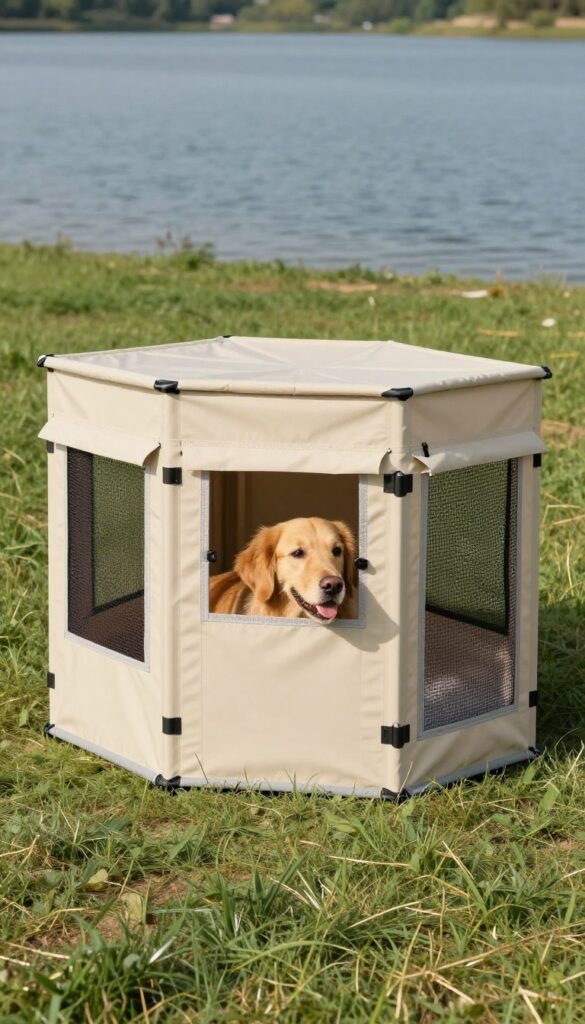
Not every dog house needs to be a permanent backyard fixture. Portable models fold flat or collapse into a carrying case, making them easy to pack for camping trips, beach days, or even just moving around the yard. They give your dog a familiar, cozy spot no matter where you go.
These lightweight shelters are usually made from water-resistant fabric or soft-sided materials that set up in seconds. They're not meant for long-term outdoor living, but they're perfect for adventures or as a temporary backyard hangout.
Dog owners love how easy they are to store when not in use. You can keep one in the car trunk for spontaneous outings without sacrificing space.
Why It Works
Dogs feel more relaxed when they have a den-like space that smells familiar. A portable dog house provides that comfort away from home, reducing anxiety during travel or outdoor activities. It also protects your pup from sun, wind, and light rain while still allowing airflow.
Best For
Great for active dog owners who camp, hike, or visit the beach often. Also works well for people with small yards who want flexibility—you can move it to follow shade or store it away when the yard needs mowing.
Practical Tip
Choose a model with a removable, washable floor pad for easy cleanup after muddy paws. Look for one with mesh windows on multiple sides so your dog stays cool and can see out. Set it up at home first so your dog gets used to it before the first trip.
5. Dog House with Porch for Shade and Lounging
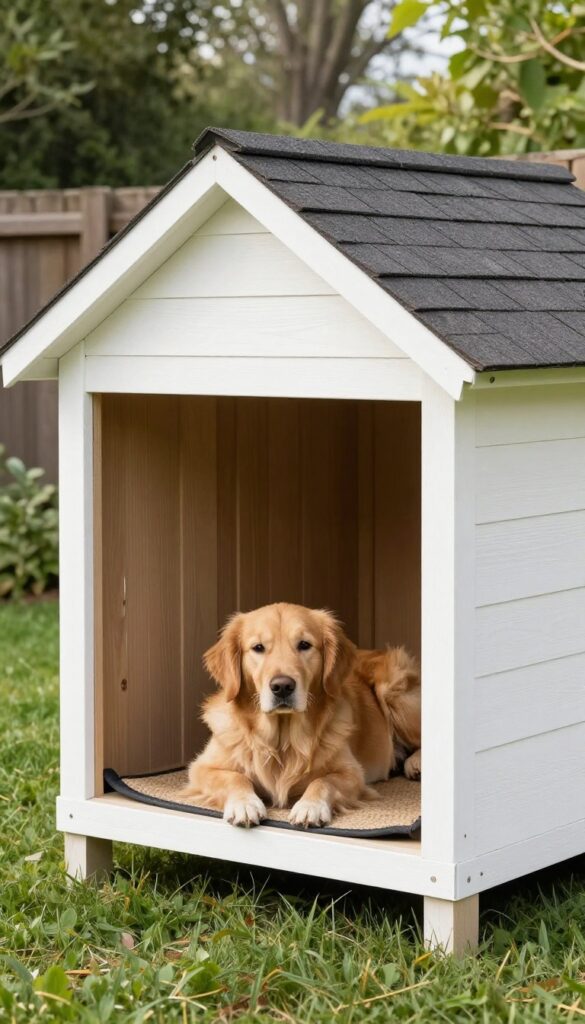
A dog house with a porch adds a little outdoor living space just for your pup. The covered area gives them a shaded spot to lounge while staying close to their shelter. It's a simple upgrade that makes the house feel more like a home base.
Why It Works
Dogs that love being outside often want a break from direct sun or light rain without going all the way inside. The porch provides that in-between zone where they can nap, watch the yard, or just hang out. It also keeps the main entrance cleaner by reducing mud and debris tracked in.
Best For
This setup is great for dogs that spend a lot of time in the yard but need relief from heat. Breeds with thick coats or flat faces that overheat easily really benefit from having shade right at their doorstep. It also works well in sunny climates where afternoon shade is limited.
Practical Tip
Orient the porch to face north or east so it gets shade during the hottest part of the day. Add a outdoor mat or washable bed on the porch for comfort, and make sure the roof overhang extends far enough to actually block the sun. Check drainage so water doesn't pool on the porch after rain.
Budget-Friendly Option
If you don't want to build or buy a house with a built-in porch, attach a small awning or shade sail over the existing door area. You can also place the dog house under an existing patio table or deck overhang to create a similar effect.
6. Multi-Functional Dog House with Storage
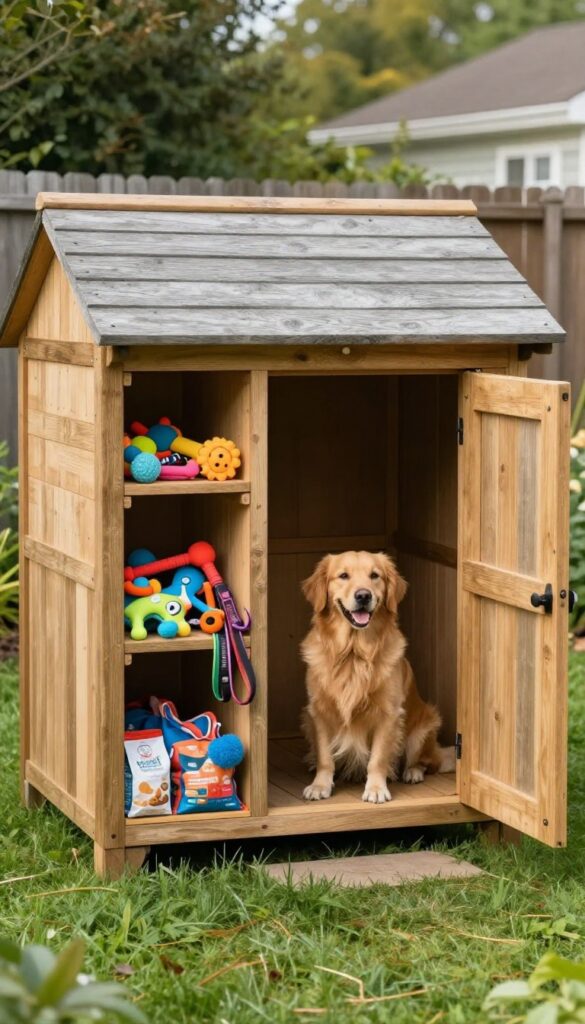
A dog house that doubles as storage is a smart solution for pet owners who want to keep their yard tidy. Built-in compartments can hold toys, leashes, food bags, or grooming tools, reducing clutter while giving your dog a dedicated shelter. This design blends practicality with comfort, making it a favorite for organized homes.
Why It Works
The storage compartments are integrated into the dog house structure, so you don't need extra bins or sheds. This saves space and keeps essential items nearby for quick access. The dog house itself remains cozy and weatherproof, while the storage area stays dry and secure.
Best For
This works well for owners with limited yard space who want to consolidate pet gear. It's also great for families with multiple dogs where you need to store leashes, bowls, and toys close to the kennel area.
Practical Tip
Place the storage side facing a fence or wall to keep it out of sight but still accessible. Use weatherproof bins inside the compartments for extra protection against moisture. Choose a design with a sloped roof so rainwater runs off away from both the dog's entrance and the storage doors.
7. DIY Dog House from Repurposed Materials
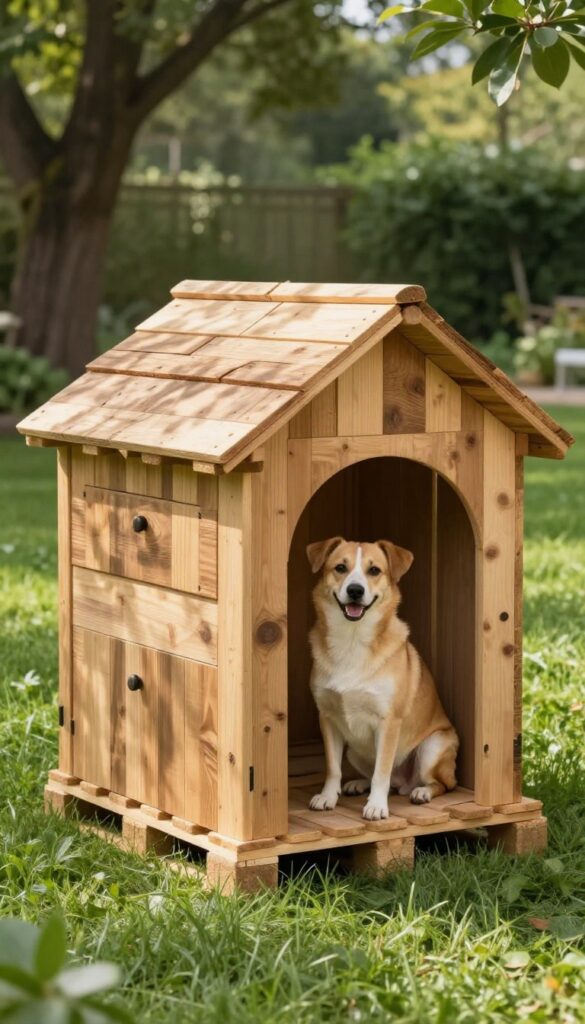
Turning old pallets, crates, or furniture into a dog house is a creative way to save money and reduce waste. It also gives you full control over the size and style, so you can match your yard or porch perfectly. Plus, building it yourself means you know exactly how sturdy and safe it is.
Why It Works
Repurposed materials like wood pallets and old dressers are often solid and durable. With a little sanding, non-toxic sealant, and proper insulation, you can create a weatherproof shelter that rivals anything from the store. The thick walls of reclaimed wood also provide natural temperature regulation.
Best For
This idea is great for DIY enthusiasts on a budget, or anyone who enjoys upcycling. It works well for small to medium dogs that appreciate a cozy, den-like space. If you have basic tools and a weekend to spare, it's a rewarding project.
Practical Tip
Make sure to use exterior-grade paint or sealant to protect against rain and snow. Elevate the structure slightly off the ground with bricks or casters to prevent moisture seepage. Add a removable roof panel for easy cleaning access.
8. Dog House with Removable Roof for Easy Cleaning
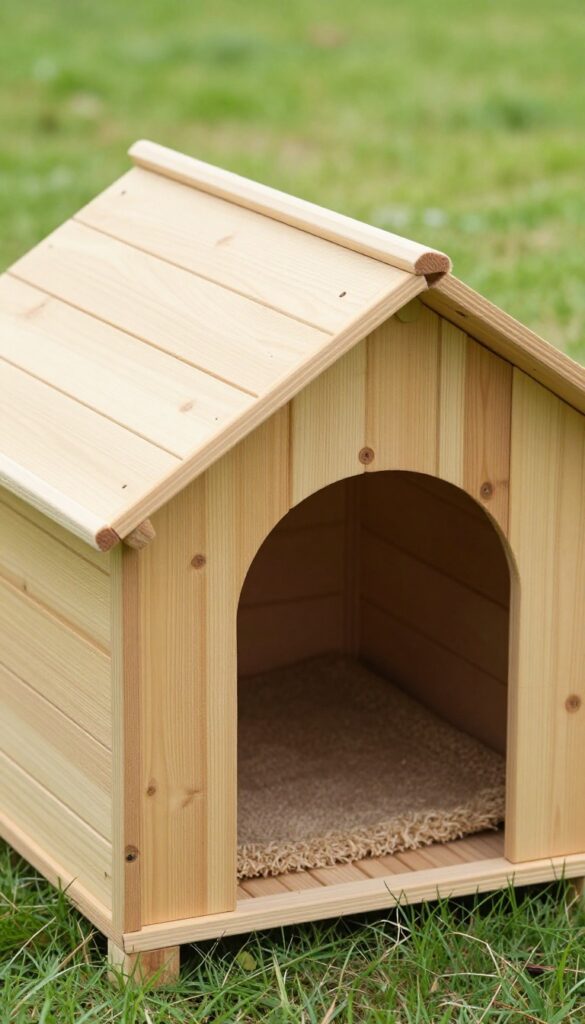
A dog house with a removable roof makes cleaning simple and keeps the interior fresh. Instead of struggling to reach every corner, you can lift off the top for full access. This design helps prevent odors and bacteria buildup, which is important for your dog's health.
Why It Works
Regular cleaning is essential to keep your dog healthy, but traditional dog houses are hard to scrub inside. A removable roof lets you air out the space, remove old bedding, and disinfect thoroughly. It also makes it easier to check for damage or pests.
Best For
This works well for owners who live in damp climates or have dogs that spend a lot of time outdoors. It's also great for people who want low-maintenance upkeep and value hygiene.
Practical Tip
Look for a roof that hinges or slides off easily without tools. Add weather stripping around the edges to keep rain out. Use a mild pet-safe cleaner and let the house dry completely before putting the roof back on.
Budget-Friendly Option
If you're handy, build your own using plywood and add a simple latch system. You can also repurpose an old plastic storage bin with a lid—just cut a door opening and use the lid as the removable roof.
9. Weatherproof Dog House for Rain and Snow
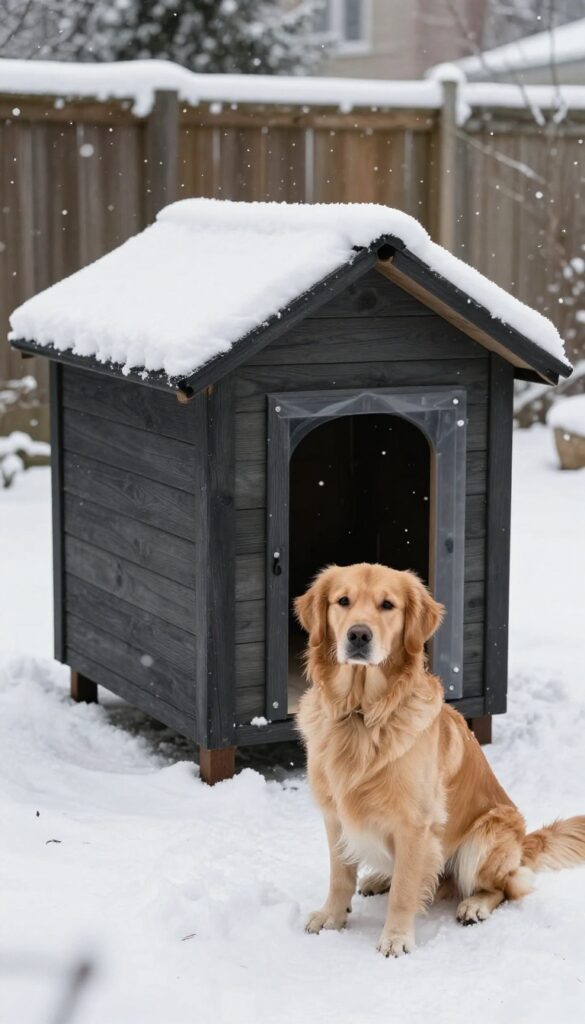
Rain, sleet, or snow—your dog still needs a dry place to retreat. A weatherproof dog house is built to handle the elements without turning into a damp, drafty mess. The key is choosing materials that repel moisture and a design that keeps water out.
These houses are a favorite among owners who want peace of mind during storms.
Why It Works
Waterproof materials like treated wood or heavy-duty plastic prevent rot and mold. A raised floor keeps your pup off wet ground, while a sloped roof sheds rain and snow quickly. Many models also include rubber flaps over the entrance to block wind and moisture.
Best For
This is ideal for dogs who spend time outdoors in rainy or snowy climates, especially breeds with short coats that get cold easily. It also suits owners who don't want to worry about bringing the house inside every time it rains.
Practical Tip
Place the dog house on a slight mound or gravel base to improve drainage. Check the roof regularly for debris that could trap moisture, and apply a waterproof sealant annually if using wood.
Budget-Friendly Option
Save money by building your own from exterior-grade plywood and adding rubber roofing membrane. Or repurpose a large plastic storage bin by cutting an entrance and adding ventilation holes.
10. Indoor Dog House or Crate Cover
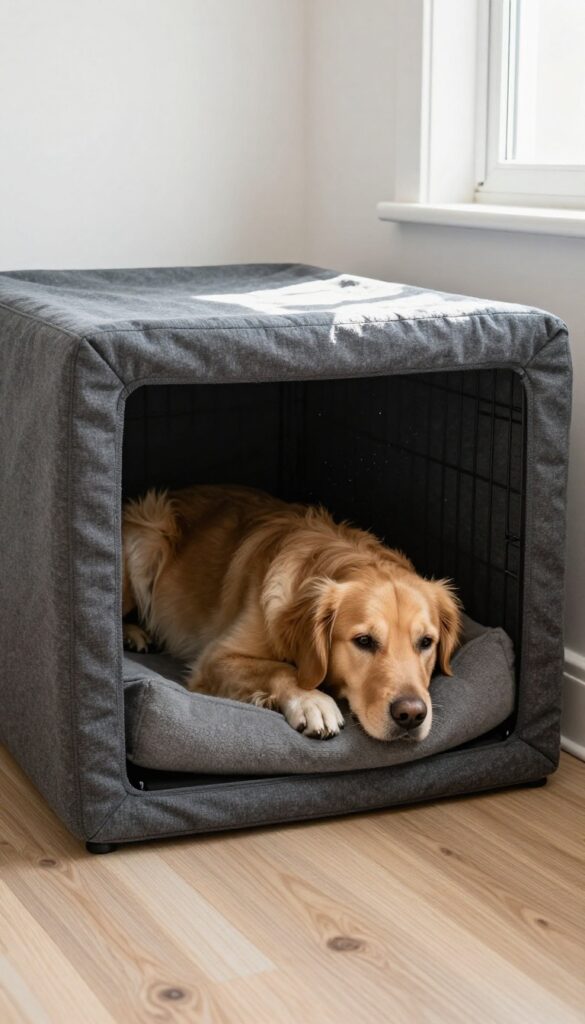
Not every dog wants to be outside, especially when the weather turns nasty. An indoor dog house or a crate cover gives your pup a private den inside your home. It’s like having a cozy cave where they can retreat from noise, kids, or just relax on their own terms.
Why It Works
Dogs are den animals by nature. A covered crate or indoor dog house mimics that safe, enclosed feeling. It reduces anxiety during thunderstorms or busy family times and provides a consistent temperature zone, keeping them warmer in winter and cooler in summer if placed away from drafts.
Best For
This setup is perfect for anxious dogs, puppies still learning to settle, or small breeds that crave warmth and security. It also works great for apartment dwellers who want to give their dog a designated space without taking up too much room.
Practical Tip
Choose a cover that’s breathable yet dark enough to block visual stimulation. Washable fabric is key—dogs track in dirt, and drool happens. Place the crate in a low-traffic corner away from heating vents or direct sun to keep the temperature steady.
Budget-Friendly Option
You can DIY a crate cover using a heavy-duty blanket or an old duvet cover. Just clip it over the top with binder clips or safety pins. For an indoor dog house look, drape fabric over a wire crate and secure it with velcro strips for easy removal.
11. Dog House with Sunshade for Hot Climates
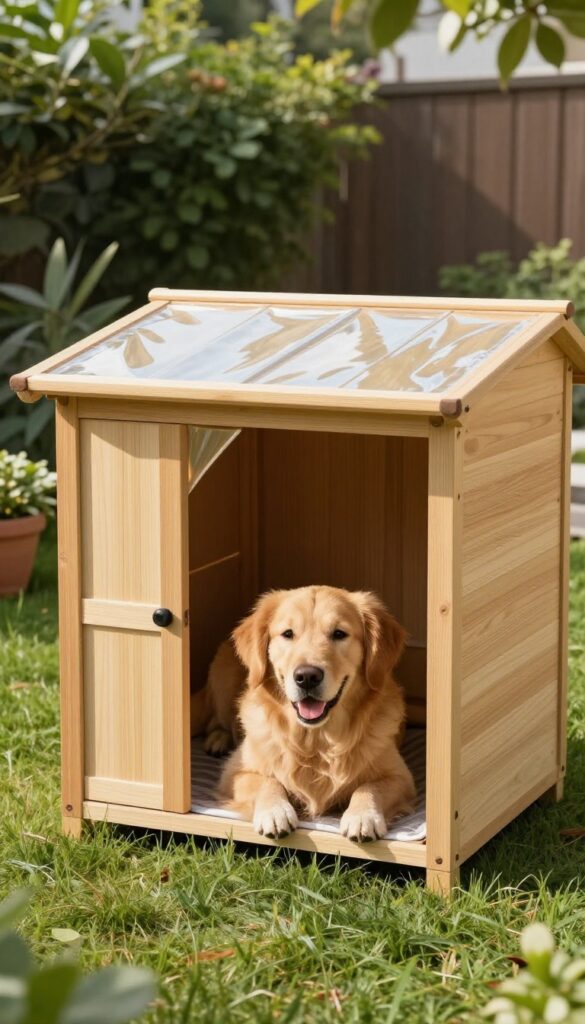
When the sun is blazing, a standard dog house can turn into an oven. That's why adding a sunshade or reflective roof makes a huge difference. These designs focus on keeping things cool, so your pup can enjoy fresh air without overheating.
Many models come with built-in ventilation panels that boost airflow. Some even feature elevated floors to let heat escape from underneath. It's a simple upgrade that turns a stuffy box into a comfortable retreat.
Dog owners in warm regions love how these houses stay cooler without needing electricity. Plus, the extra shade means your dog can lounge outside longer during hot afternoons.
Why It Works
A reflective or light-colored roof bounces sunlight away instead of absorbing heat. Combined with side vents or a raised floor, hot air escapes naturally. This passive cooling keeps the interior temperature significantly lower than the outside air.
Best For
This is ideal for dogs living in hot climates or for breeds prone to overheating, like Bulldogs, Pugs, or Huskies. It also works great if your yard gets full sun most of the day and you don't have natural shade from trees.
Practical Tip
Place the dog house in a spot that gets morning sun but afternoon shade if possible. Add a cooling mat inside for extra comfort during heatwaves. Make sure ventilation panels are clear of debris and check the roof coating yearly to maintain reflectivity.
Budget-Friendly Option
If you're on a tight budget, buy a roll of reflective insulation and attach it to an existing dog house roof. You can also create a DIY awning using shade cloth and PVC pipes to block direct sun.
12. Custom-Built Dog House for Large Breeds
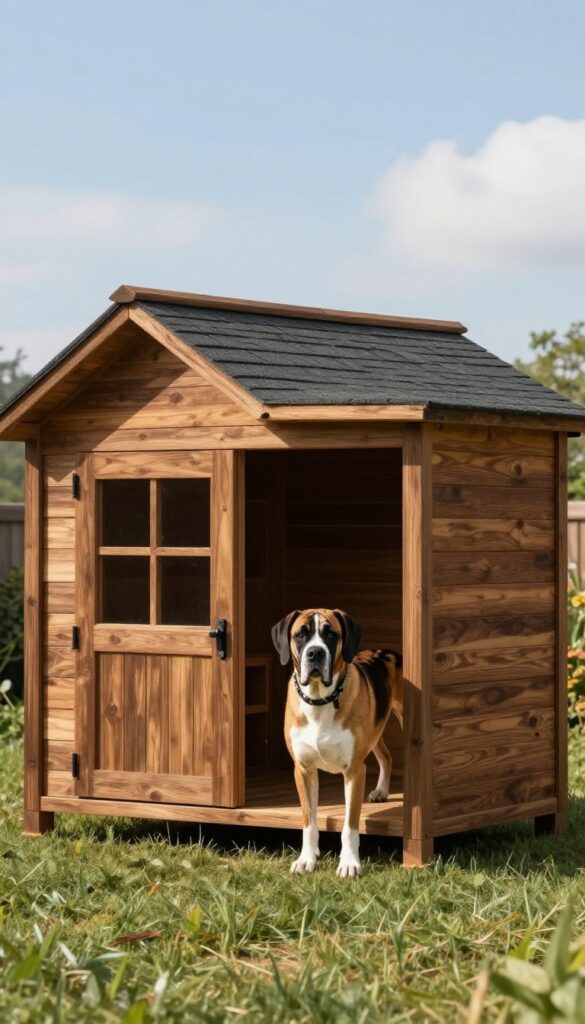
Large breeds like Great Danes, Mastiffs, or Saint Bernards need more than just a bigger box. A custom-built dog house gives you full control over dimensions, materials, and features so the space truly fits your dog. Plus, you can reinforce walls and flooring to handle their weight and energy.
Many owners find that off-the-shelf options simply aren't tall enough or wide enough for their giant pup. Building your own solves that problem while letting you add extras like a raised floor or extra insulation.
It's a project that takes some time upfront but pays off in durability and comfort for years to come.
Why It Works
Large breeds can easily damage flimsy dog houses. Custom builds use stronger wood, thicker walls, and wider doors so your dog can move freely without squeezing. You can also adjust the height so they can stand up fully inside—crucial for joint health and overall comfort.
Best For
This idea is best for owners of giant or large breeds who have some DIY skills (or a handy friend) and want a long-lasting outdoor shelter. It's also great if your yard has an unusual shape or you want the house to match your home's style.
Practical Tip
Make sure the door is at least 50% wider than your dog's chest width and tall enough for them to enter without ducking. Add a removable roof panel for easy cleaning, and seal all wood with pet-safe, weatherproof stain or paint to prevent rot.
FAQ
What type of dog house is best for year-round use?
An insulated dog house with proper ventilation and weatherproofing works best for year-round comfort. Look for models with raised floors and removable roofs for easy maintenance.
How do I keep my dog house cool in summer?
Elevate the house, add reflective roofing, and ensure good airflow with vents or windows. Placing it in a shaded area also helps.
Can I use a dog house indoors?
Yes, indoor dog houses or crate covers work well as cozy dens. They provide privacy and can help with crate training.
What size dog house does my dog need?
The house should be large enough for your dog to stand, turn around, and lie down comfortably. Measure your dog's height and length before buying.
How do I clean a dog house?
Use a removable roof or access door for easy cleaning. Vacuum or sweep out debris, then wash with mild soap and water. Let it dry completely before letting your dog back in.
Conclusion
Choosing the right dog house means thinking about your climate, your dog's size, and how you plan to use it. Whether you go with an insulated model for temperature control or a portable one for adventures, the goal is a comfortable space your dog loves.
Take your time to pick a design that fits your yard and your pup's personality. A well-chosen dog house becomes a favorite spot for relaxing and staying safe all year long.

I’m Pallab Kishore, the owner of Little Pets Realm — an animal lover and pet care enthusiast sharing easy tips, healthy recipes, and honest advice to help every small pet live a happy, healthy, tail-wagging life.